Faculty Members Drive Smart Innovations at EcoCity World Summit 2015 in Abu Dhabi

 
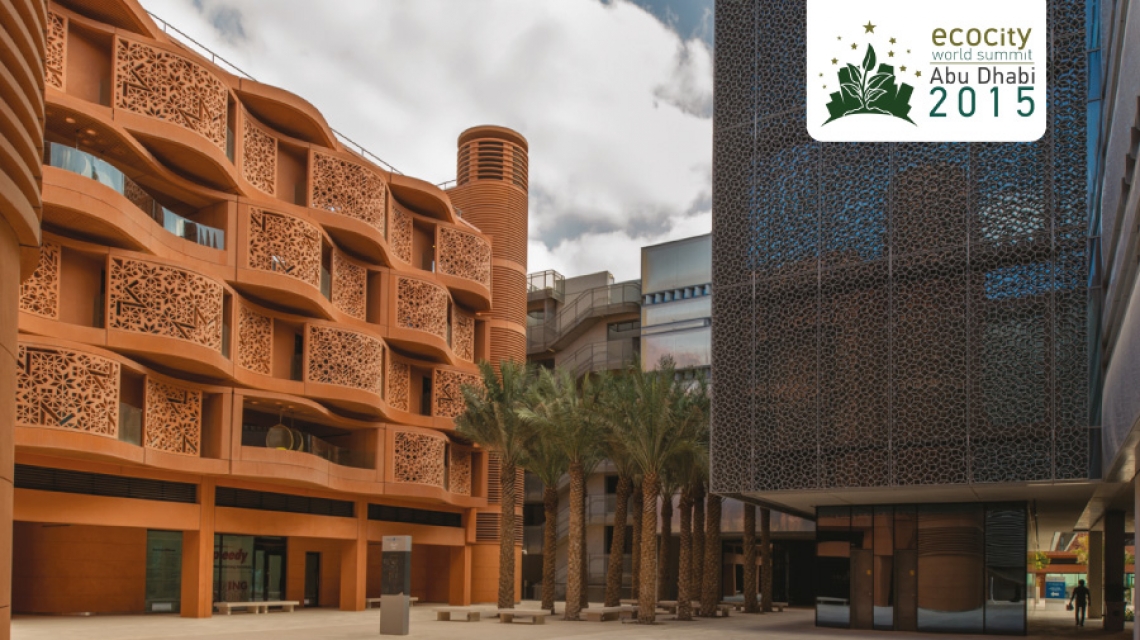
A jury panel that included Masdar Institute faculty and officials have selected four of the most innovative concepts from a total of 25 submissions for presentation at the Innovations Track at the EcoCity World Summit (ECWS) 2015 in Abu Dhabi that opened in Abu Dhabi. Faculty members are also leading workshops and participating as panelists during special sessions on innovation at the event.

The overarching theme for abstracts under the ECWS 2015 Innovations Track was ‘Ecocities in Challenging Environments,’ under which there were four sub-themes – ‘Fast tracking progress through knowledge,’ ‘Creative leadership, Informed decision-making using modern tools,’ and ‘Connecting people for strong results.’

For researchers, the Innovations Track at ECWS 2015 presented an opportunity to demonstrate their creative solutions in promoting more liveable and sustainable cities for the future. The selected innovations and solutions could later be adopted and incubated by small and medium-sized enterprises (SMEs), industries and governmental and inter-governmental agencies.
In addition, all submitted entries are also being offered an opportunity to share their concepts and interact with the investors and venture capitalists.

The biennial Summit is being held from 11–13 October at the Abu Dhabi National Exhibition Center (ADNEC).
 
Dr. Mohammad Atif Omar, Department Head, Engineering Systems and Management, and Head of Institute Center for Smart and Sustainable Systems (iSmart) at Masdar Institute, and Dr. Mohamed A. Salheen, Program Director, Integrated Urbanism & Sustainable Design, Ain Shams University, members of the Innovation Committee, were joined by a panel of jury that selected the four Innovation Track abstracts.

Faculty members who are leading workshops and panel discussions include Dr. Bruce Ferguson, Head of Institute Center for Innovation and Entrepreneurship (iInnovation) and Professor of Practice, Dr. Jim Petell, Director, Technology Transfer Office (TTO), Dr. Toufic Mezher, Professor, Dr. Elie Azar and Dr. Karim Karam, Assistant Professors, Sustainable Critical Infrastructure, Department of Engineering Systems and Management, and Dr. Petra Turkama, Visiting Assistant Professor.
 
With its key role in selecting the top four submissions for Innovations Track, Masdar Institute continues to contribute towards supporting innovation in all walks of life, especially in smart sustainable systems, smart building, smart cities and smart critical infrastructure.

Dr. Behjat Al Yousuf, Interim Provost, Masdar Institute, said, “Our participation in the EcoCity World Summit 2015 signifies our commitment to driving innovation, especially in contributing to smart building and smart infrastructure. We believe sharing of knowledge and expertise during this event will further benefit the adoption of smart sustainable systems globally and across the region, and we hope to continue our contribution to this key area.”
 
Hosted by the Environment Agency-Abu Dhabi (EAD), and supported by the UAE Ministry of Foreign Affairs, the Urban Planning Council (UPC) and Masdar, the event is facilitated by Abu Dhabi Global Environmental Data Initiative (AGEDI) with the Abu Dhabi Tourism & Culture Authority.

Clarence Michael
News Writer
11 October 2015

Nanofluids Leveraged for Efficient Solar Steam Generation

Harnessing the sun’s heat for steam-driven power generation may have gotten a little easier and cheaper in the long run, thanks to a team of engineers from Masdar Institute and the Massachusetts Institute of Technology (MIT), who have developed a system containing water with nanomaterials that converts sunlight to steam directly.

Unlike traditional solar-thermal receivers that produce steam indirectly by concentrating sunlight onto fluid-filled pipes, the receiver developed by Masdar Institute and MIT scientists avoids the energy losses that occur when heat is transferred from the pipe to the liquid, creating a much more efficient system for generating steam from sunlight. By adding nanoparticles to the fluids, the team created a solution that can reach the high temperatures required to produce steam without the expensive tools required to concentrate sunlight.  

“We developed a system that uses nanofluids from carbon-based nanoparticles that absorb energy from a larger portion of the solar spectrum,” explained Md. Mahfuzur Rahman, a Masdar Institute PhD student who contributed to the research. “When exposed to a low concentration of sunlight, the nanofluids begin evaporating, producing steam that could be used for a wide range of applications, including water desalination, sterilization, power generation and industrial and residential heating.”

Rahman spent three weeks at MIT last year where he collaborated with researchers from MIT’s NanoEngineering Group, including George Ni, a Mechanical Engineering Master’s student who is lead author of a joint research paper that was published in the journal Nano Energy. Masdar Institute’s Assistant Professor of Mechanical and Materials Engineering, Dr. TieJun Zhang, as well as Dr. Gang Chen, Head of the Department of Mechanical Engineering and the Carl Richard Soderberg Professor of Power Engineering at MIT, were among the 11 authors who contributed to the study.

The nanofluid-based solar receiver the team developed features a container made of two concentric tubes. The outer tube is an insulator gel – made of aerogel particles that have impressive thermal insulation properties that minimizes heat loss – while the central tube holds the nanofluids and is left uncovered to absorb sunlight.

“The three different nanofluids that we use in our receiver are made with carbon black, graphene and graphitized carbon black,” explained Dr. Zhang. These black, carbon-based nanoparticles create black-colored nanofluids, which are able to absorb a larger slice of the solar spectrum.

“Black absorbs more of the sun’s visible light than any other color, so the nanofluids’ black color helped make them extremely efficient at absorbing sunlight, reaching thermal efficiencies around 69%,” Dr. Zhang added.

Concentrated sunlight (equivalent of 10 suns) illuminates the nanofluid solar receiver, where the nanofluids begin generating steam.

Ten suns are considered a low level of concentrated sunlight. Most concentrating solar power (CSP) plants, which focus concentrated sunlight onto a fluid-filled pipe to collect the sun’s heat, concentrate the equivalent of over 50 suns, reaching temperatures between 300 – 400°Celsius. To reach such high temperatures, sun-tracking equipment coupled with a vast array of mirrors and lenses are required, which end up accounting for up to 30% of a CSP’s total installed costs.

Because the nanofluid-based receiver does not rely on high temperatures or expensive sun-tracking tools to generate steam efficiently, and uses low-cost carbon-based nanomaterials, it may prove to be a cost-effective alternative to traditional solar thermal absorbing systems.

Additionally, the system provides a more efficient way of converting sunlight into steam than conventional methods. In a traditional CSP plant, the surface of fluid-filled pipes absorbs the heat from the sun, transferring the heat to the fluid inside, which then creates steam. This indirect form of steam generation is less efficient because much of the sun’s energy that is absorbed by the pipes is not transferred to the liquid. This is because at very high temperatures (such as those used in industrial-scale CSP plants) a large temperature difference forms between the surface of the pipes and the fluid inside, causing much of the heat that reaches the pipe to be lost in a process known as radiative loss.

By avoiding the use of heat-absorbing pipes, the nanofluid receiver absorbs sunlight directly, harnessing more of the sun’s energy and reducing the amount that goes unused.

The team hopes to expand on this proof-of-concept research by scaling it up to determine how efficiently the nanofluid-based receiver can operate at a larger scale.

This research project falls under one of the Masdar Institute – MIT active flagship projects, which are projects that bring together teams of faculty from both Masdar Institute and MIT to address key strategic research areas with the intent to build critical mass and make sizeable research impact for the UAE and the region.

Erica Solomon
News and Features Writer
20 September 2015

Converting Waste into Useful, High-Value Chemicals for UAE

The fossil fuel fired power plants that produce over 85% of the world’s energy may not be going away anytime soon, but the harmful carbon dioxide (CO2) they emit into the atmosphere might, according to a team of scientists at the Masdar Institute who are working to make innovative carbon capture utilization and sequestration (CCUS) technologies easier, more affordable and even profitable.

The team is looking to capture CO2 emitted from coal- and natural gas-fired power plants, and convert the harmful gas into sodium bicarbonate, also known as baking soda, using a locally-produced waste – the brine produced by thermal desalination plants.

“We are developing a carbon capture process that couples amine-based CCS technology with desalination brine, in order to produce sodium bicarbonate, a chemical compound with many applications in food processing, pharmaceuticals, industrial chemicals and water treatment,” explained Dr. Mohammad Abu Zahra, Associate Professor of Chemical and Environmental Engineering, Masdar Institute.

Dr. Abu Zahra co-authored a paper recently published on this research in the journal Applied Energy. His PhD student, Abdallah Dindi, was first author and his Post-Doctoral Researcher, Dr. Dang Viet Quang, was second author.

The UAE supplies over 95% of its freshwater from desalination, a process that produces tons of brine. When this excessively salty water is dumped back into the sea, it increases the ocean’s salinity and wreaks havoc on the marine ecosystem. Instead of releasing this reject brine back into the ocean, Dr. Abu Zahra and his team want to use it to both reduce the country’s CO2 emissions and produce sodium bicarbonate – a commodity chemical with a global market value above US$2 billion.

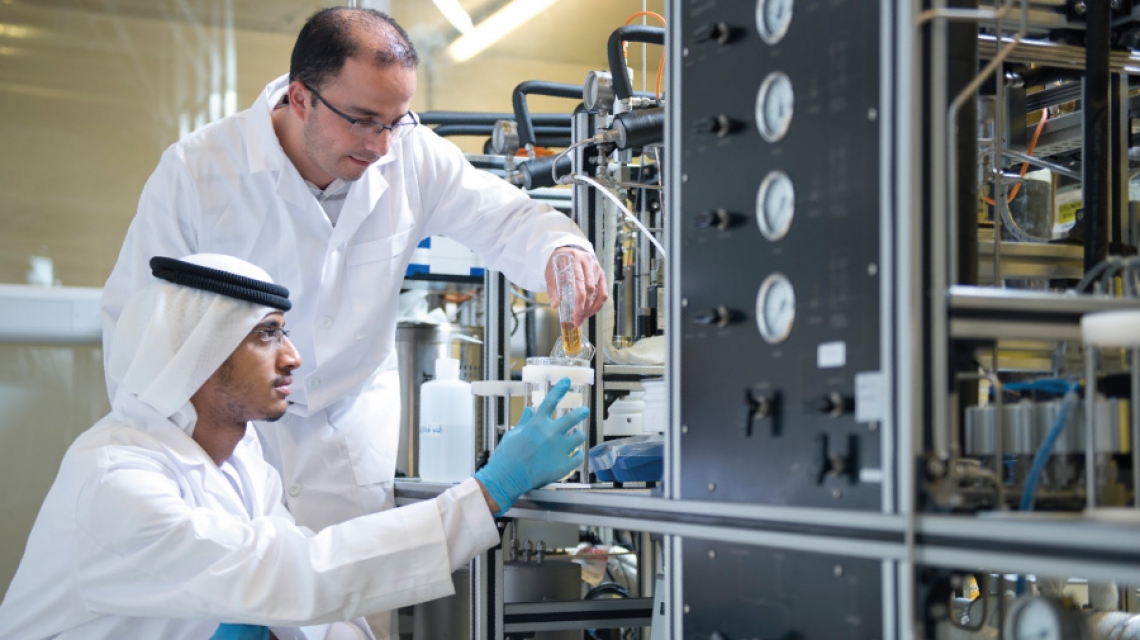
The team designed a lab-scale CO2 scrubber system, mixing varying amounts of brine with different amines – chemicals that bind with the CO2 – to determine which combination would produce the highest yield of sodium bicarbonate.

Explaining their combined carbon capture and sodium bicarbonate production process, Dindi said, “The brine and amine react with the CO2, causing the CO2 to solidify into an intermediate form of bicarbonate. This intermediate then reacts with the salt from the brine, producing pure sodium bicarbonate.”

Different amines were tested to determine which one would react best with brine to convert the CO2 into sodium bicarbonate. The amine known as 2-amino-2-methyl propanol (AMP) proved to be the most efficient, which means that it solidified more of the sodium ions in the brine and CO2 mixture, producing more sodium bicarbonate.

As CO2 reacts with the ions from the sodium in the brine and the amines, it turns from a harmful gas into a benign solid. That is why speeding up this precipitation is key to more efficient CO2 removal.

With these positive research outcomes, Dr. Abu Zahra is collaborating with researchers from UAE-based Engineering Solutions Minerals (ESL) to develop next-generation CCUS technologies that are more affordable and efficient than the commercially available post-combustion capture technologies used today, which cost power plants 20-40% of their energy to operate the capture systems.

Leveraging two of the UAE’s major waste streams – CO2 emissions and reject brine from desalination – to create a high-value chemical, Masdar Institute is pushing the boundaries of CCUS and waste utilization technologies, creating a sustainable way to reduce greenhouse gas emissions and manage brine disposal while supporting the country’s chemical sector.

Erica Solomon
News and Features Writer
30 October 2015

Getting More Energy out of Sunlight

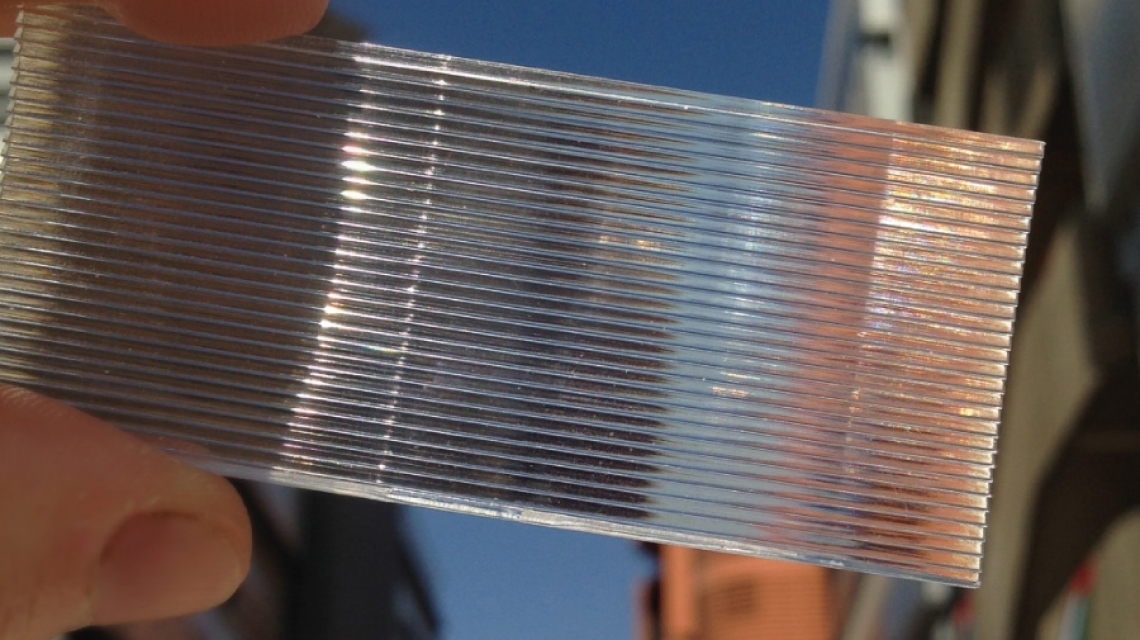
“The spectral splitting concentrator we have designed for this promising solar energy capture technology is a combination between a prism, which separates the different colors or wavelengths of sunlight, and a lens, which concentrates the light,” explained Masdar Institute PhD student Carlo Maragliano.

Maragliano describes how the spectral splitting concentrator works in a paper recently published in the Journal of Optics. Dr. Matteo Chiesa, Associate Professor of Mechanical and Materials Science Engineering, Masdar Institute, co-authored the paper along with Dr. Marco Stefancich, Researcher at the National Research Center in Parma, Italy. Building upon Dr. Stefancich’s previous research, Maragliano’s research aims to design a more efficient and affordable spectral splitting solar concentrator system.

In a traditional silicon-based photovoltaic (PV) cell, only some of the sun’s wavelengths from the visible light spectrum are absorbed and converted into electricity.  Much of the sunlight at the shorter blue and green wavelengths is inefficiently absorbed – and none from the infrared region is absorbed – resulting in conversion efficiencies between 15% and 18% in commercial modules.

With Maragliano’s novel optical device – which disperses and concentrates visible and infrared light – each slice of the solar spectrum is absorbed by spectrally-matched solar cells, significantly increasing conversion efficiencies up to a theoretical maximum of 38%.

Currently, multi-junction solar cells, which feature multiple vertical layers of materials geared towards absorbing specific wavelengths of light, are considered to be among the most promising solar technologies, with efficiencies upwards of 40%. For example, the top layer may be designed to absorb blue light, while the bottom layer designed to absorb red light. However, the complex fabrication required to build multi-junction solar cells is costly and imposes a severe constraint on the type of materials that can be used in the solar cell.

To overcome this challenge, the optical device developed at Masdar Institute enables solar cells to absorb a fuller range of the solar spectrum in a side-by-side position rather than a stacked one.

“Stacking solar cells requires tight lattice matching of mono-crystalline materials,” Maragliano explained. “One way to avoid stacking the cells is to disperse the sunlight laterally, so that the energy-matched solar cells can be placed side-by-side. Because each cell is independent of the others, it allows for a wider range of materials that can be used to create each solar cell and significantly reduces the fabrication costs.”

Being able to fabricate the solar cells independently is only one aspect of the proposed solar harvesting system that makes it affordable. The optical device itself is made out of polycarbonate – a transparent, inexpensive plastic material – and is fabricated by injection molding, which allows for economical mass-scale production.

The device is designed to simultaneously separate and concentrate the sunlight, feeding the highly-concentrated beam of each wavelength to energy-matched solar cells, allowing for high optical efficiency.

“The idea is to make the light of a given wavelength coming from different prisms land on the matched spot on the receiver plane,” Maragliano stated. “We do this by arranging several prisms on a curved shape in such a way so that each wavelength lands on the focal plane.”

Concentrating sunlight onto a solar cell, a technology known as concentrating photovoltaics (CPV), is a way to convert solar energy to electricity with high efficiency due to the concentration of sunlight on solar cells. CPV systems use optical equipment, such as lenses and mirrors, to focus great amounts of solar energy onto high-efficiency multi-junction solar cells. The disadvantage of CPV systems, however, is that they typically utilize expensive multi-junction solar cells and require precise tracking of the sun to maintain focus of sunlight on the cells throughout the day.

Pairing solar cells that absorb energy from separate slices of the solar spectrum with a low-cost optical device that both concentrates and disperses sunlight, Maragliano and Dr. Chiesa have designed a highly efficient solar energy harvesting system that could be a fraction of the price of most commercially available solar technologies.

“We know that layering solar cells dramatically improves the overall efficiency of the cells, and we also know that concentrating sunlight can produce more electricity. So, we created a device that can essentially do both, in an economical and convenient way, without the requirements of a CPV-type mechanical tracking system or complex layering required in multi-junction solar cells,” Dr. Chiesa explained.

Dr. Chiesa hopes to commercialize this viable technology within the year, to mark the UAE’s Year of Innovation. “A truly innovative device like this is an answer to the UAE leadership’s call for innovation,” he added.

The spectral splitting concentrator is one of many innovative solar technologies being developed at Masdar Institute, which aims to boost the efficiency of solar cells in order to increase the sun’s role in the global energy supply.

Erica Solomon
28 October, 2015

Chinese Researchers Pursue Shared Research Targets at Masdar Institute

Masdar Institute of Science and Technology is leveraging the expertise of one of the world’s most rapidly developing nations with regard to innovation – China – through increasing research collaborations, knowledge exchange and industrial partnerships, to advance the institute’s mission of supporting the UAE’s knowledge economy transformation.

His Highness Sheikh Mohammed bin Zayed, Crown Prince of Abu Dhabi and Deputy Supreme Commander of the Armed Forces, will be in China from Sunday to sign a range of agreements with the Beijing leadership in finance, investment, logistics, energy, education and technology. A research agreement between Masdar Institute and a leading Chinese university is expected to part of the agenda.

The agreement is likely to enhance Masdar Institute’s engagement with China and its outstanding innovators, many of whom work and study at Abu Dhabi’s research-driven graduate university. The Institute currently has a number of Chinese faculty, students and post-docs who enrich the institute with their talent, expertise and dedication while leveraging the research infrastructure and support provided at Masdar Institute to develop solutions of relevance to the needs of both China and the UAE.

Among the faculty from Chinese descent, Dr. Linda Zou, Professor of Chemical and Environmental Engineering at Masdar Institute, is spearheading a number of critical research projects of relevance to the UAE and China.

She is the principal investigator on the Masdar Institute, Veolia and Masdar collaboration, which is focused on evaluating the current performance and potential enhancements for capacitive deionization (CapDI) technology, which is an emerging low energy technology for the removal of variously charged particles from water-based solutions, making it ideal for desalination processes. It has the potential to provide a more energy-efficient way to polish and treat water. Dr. Zou’s collaboration is focused on getting this technology to market so it can help meet water treatment needs not only in the UAE, but around the world.

Both the UAE and China have a growing need for freshwater conservation and treatment, intensified by rapidly growing and developing populations. A study by China’s Ministry of Water Resources found that approximately 55% of China’s 50,000 rivers that existed in the 1990s have disappeared, while the UAE has long relied on desalination to meet its natural freshwater shortfall, as it is among world’s most water-scarce nations.

Dr. Zou is also leading further research that seeks to capitalize on recent advancements on nanoparticle technologies to develop cutting-edge wastewater treatment technologies. She and her team have made significant progress in the development of novel water purification membranes. Her project aims to produce freshwater suitable for agricultural use through an innovative hybrid approach, which combines two technologies – nano-filtration membranes and reverse osmosis.

“Relying on membrane processes alone, such as reverse osmosis, not only remove the contaminants, but also some beneficial nutrients,” Dr. Zou explained. “Through our hybrid approach, which involves the use of nanoparticles to help filter the water, we are able to retain some of these valuable nutrients in the recycled water, which can then be used for both agricultural and industrial uses.”

Ahead of Chinese trip, Dr. Sultan Al Jaber, Minister of State and Chairman of Masdar, told UAE media that deeper involvement with China would further contribute to the UAE’s economic development and open investment opportunities in areas including renewable energy, telecommunications, infrastructure, rail, aerospace and finance. These are sectors of critical importance to both countries.

Another Masdar Institute faculty member who is advancing the cutting edge of some of these fields is Dr. TieJun Zhang, Assistant Professor, Mechanical and Materials Engineering.

Dr. Zhang is currently conducting research aimed at increasing solar power generation efficiency with applications of direct relevance to Shams 1– the Middle East’s largest concentrating solar power (CSP) plant. To that end, Dr. Zhang is developing an integrated solar power and cooling system that generates power using solar thermal energy and cools the air using liquid hydrocarbons. The work has already produced new innovation in the design of surfaces of heat exchange equipment useful for solar and other applications.

He additionally received a UAE National Research Foundation grant of AED175,000 this year for his industry collaboration project with Shams Power Company, which is directly aimed at increasing the plant performance and hence further elevating its relevance to country’s National Innovation Strategy. The worked is aimed at collecting field data from the 100 MW Shams-1 parabolic trough CSP Plant and developing and evaluating novel CSP plant control strategies for possible implementation.

“It’s our great honor and mission to support the UAE’s solar industry and continue in meeting Abu Dhabi’s goal of producing 7% of its power from renewable energy,” Dr. Zhang said upon receiving the grant. “I believe the new knowledge we are discovering together is beneficial to people in hot and arid regions all over the world.”

It has been reported that Beijing is considered increasing its solar energy goals to 200 gigawatts of electricity by 2020, nearly quadrupling its previous target. The UAE also increased its renewable energy goals in an outline of legally binding actions submitted ahead of the Conference of Parties in Paris, pledging to generate 24% of its electricity from clean energy sources by 202​1.

Dr. Sid Chi-Kin Chau, Assistant Professor of Electrical Engineering and Computer Science, is another one of Masdar Institute’s Chinese faculty who are leading innovative research. He is working with a team of researchers from Masdar Institute and the Massachusetts Institute of Technology to develop an urban sensing and modeling system for the management of the thermal environment of cities and the of urban neighborhoods to account for interactions between buildings and their environment. The goal of the project is to support reduced energy demand for cooling in neighborhoods and cities.

Due to Dr. Chau’s expertise in computer science and network design, he is the project lead on the design of wireless networks, specification of sensors, communication and power technologies and deployment of wireless sensor stations and mobile concentrators. The outcomes of the work will greatly benefit cities such as Abu Dhabi and Dubai, which are located in hot climates and that have substantial power demands from cooling loads required to cool city residents through many months of the year.

China recently submitted a plan to the United Nations stating it will cut greenhouse gas emissions per unit of gross domestic product by 60-65% from 2005 levels. While the UAE has no stated greenhouse gas emission reduction goal, it is also looking to reduce fossil fuel use and increase energy efficiency, which will have a similar result.

A number of Masdar Institute’s Chinese students and post-doctoral researchers are also participating in groundbreaking research that is of potential relevance to a number of dynamic and valuable industries.

“When I applied at Masdar Institute, I wanted to attend somewhere with cultural diversity. It also has a collaboration with MIT and its microsystems faculty are some of the best in the world, especially in the semiconductor area. Now I am working on something that will have a direct impact on the UAE. The project we are working on now relates to Gallium Nitride (GaN), which is considered a next generation semiconductor material, and has so many applications including for power and wireless applications. We are currently trying to develop a prototype for high frequency wireless applications,” revealed Masdar Institute MSc alumnus and current research engineer Yue Xu.

Fellow alumnus Chia-Yun Lai, who continued at Masdar Institute for her Doctorate studies, is also exploring research of relevance to high-tech industries. After becoming one of the first investigators to establish the relationship between different length-scale wettability measurements for the wetting of surfaces improved spatial resolution during her Master’s studies. Surface wettability is the ability of a liquid to maintain contact with a solid surface and is important in a number of applications of relevance to the industries targeted in the UAE and China, including energy, semiconductor, electronics and plastics.

The UAE is the largest Middle East market for Chinese products, with 4,200 Chinese companies reportedly registered in the country. Bilateral trade has been increasing over the years, and reached around $54.8 billion this year. With the new UAE-China agreements expected to be signed in Beijing next week, Masdar Institute looks forward to greater collaboration with China’s leading universities and companies.

Zarina Khan
Senior Editor
12 December 2015

 

Advanced Materials Explored for Energy-Efficient Desalination

Innovative research that uses advanced materials to turn saline water into freshwater in an energy-efficient way was presented by Masdar Institute’s Dr. Linda Zou, Professor of Chemical and Environmental Engineering at the 2015 International Conference on Capacitive Deionization and Electrosorption held in Germany.

Dr. Zou was invited to present her research in capacitive deionization (CDI), which uses an electrical charge separation, rather than chemicals or high-pressure membrane systems to remove salt from water. Her work has received a lot of attention because it capitalizes on the transformative potential of materials science by enhancing the materials in the electrodes and membranes – the two critical components of a CDI system – to improve the salt removal capabilities of CDI.

“There is a large amount of research on the electrodes component of CDI and on the configuration of CDI, but very little research on ion-exchange membranes. The ion-exchange membrane is so important, but due to its complexity and unique functionality, it is hard to tackle. I’ve just scratched the surface,” Dr. Zou explained.

Dr. Zou’s CDI research leverages advanced materials to achieve energy efficient water production through desalination, which supports the UAE’s goal for greater water security. The UAE relies on desalination to provide nearly 40% of the country’s freshwater needs.

The Beijing-native professor’s participation in the leading-edge conference in Germany demonstrates Masdar Institute’s growing international role in the development of technologies for water treatment, production and conservation, which is strongly felt in the Gulf region and in many industrialized nations. Water and energy research driven by disruptive advanced materials and systems are at the core of Masdar Institute’s research agenda.

Water scarcity is so severe a challenge in many parts of the world that Masdar Institute recently signed a faculty and student exchange agreement with the world’s leading engineering institution, China’s Tsinghua University, which looks to advance education and research in the fields of membrane and thermal desalination and water treatment, among a number of sectors of relevance to China and the UAE.

With recent efforts focused on improving the ion-exchange membrane component of CDI, Dr. Zou was eager to share her new findings, which were published recently in the journal Electrochimica Acta.

An effective ion-exchange membrane should be highly conductive so that it can transport the charged salt ions to the corresponding electrodes, which is key to the process of removing salt from seawater. In this way, the membrane acts as a selective barrier, only allowing the positive ions through to the anode and the negative ions to the cathode.

By applying nano-sheets of graphene to the polymer-based ion-exchange membrane, Dr. Zou was able to enhance the membrane’s electrical conductivity and ion exchange capacity, greatly improving the CDI’s ability to remove salt from the water.

In her research, Dr. Zou found that the ion-exchange membrane plays an essential ion-selective role, greatly improving the adsorption of salt by activated carbon-based electrodes.

“The ion-exchange membranes help to minimize the unwanted co-ion effect, which occurs when charged ions do not get adsorbed by the electrodes. The conductive membrane helps to sort the ions and allows only oppositely charged ions to pass through to the electrodes, thus greatly improving the salt-removal efficiency of the CDI system,” Dr. Zou explained.

Dr. Zou leads several research projects at Masdar Institute in the area of CDI. One such project is being sponsored by Veolia – a French environmental resource management company – and aims to investigate the feasibility of using CDI to replace the second stage of reverse osmosis (RO) in an RO seawater desalination plant.

Novel water-related research projects and initiatives like these serve to position Masdar Institute as a forerunner in water desalination technologies through the work of faculty like Dr. Zou and her research team.


Erica Solomon
News and Features Writer
17 December 2015


Innovative Smart Meters to make Power Grids Smart and Secure

As smart electric meters are rolled out across the globe to improve power grid reliability and energy efficiency, an important feature of the smart meter is being explored by Masdar Institute researchers: security.

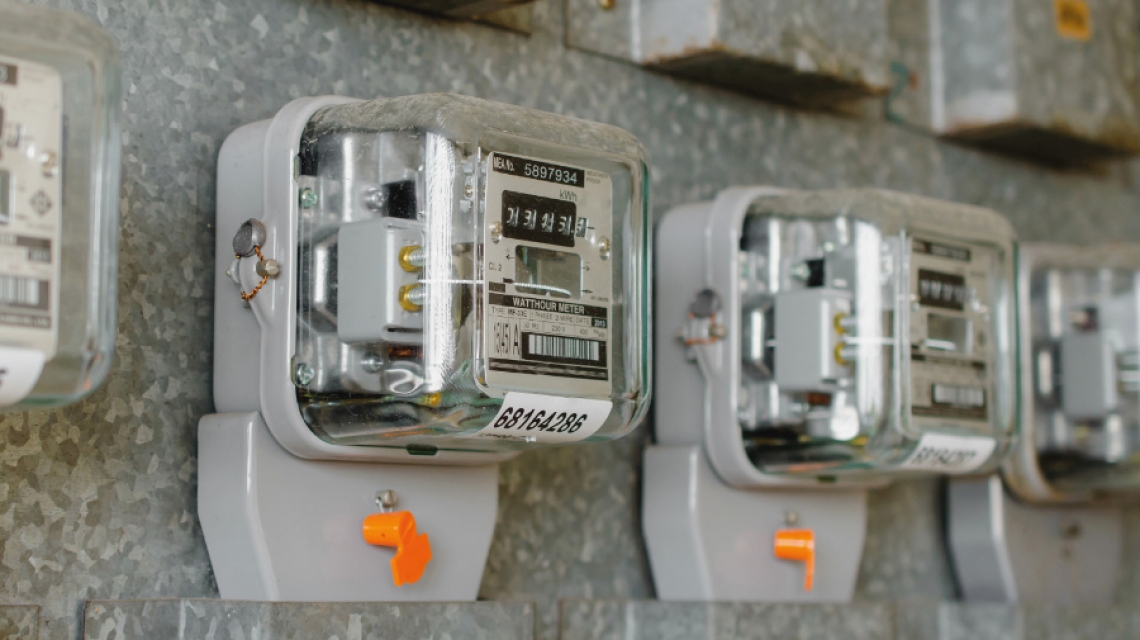
Smart electric meters measure and record electricity usage at hourly intervals and send that data to both the utility and consumer at least once daily, helping them track and analyze energy consumption to achieve greater energy conservation. Smart meters also play an extremely important role in integrating electricity generated by renewable energy sources, like the sun, into national power grids by managing renewables’ intermittent supply on a decentralized distribution network.

As more and more countries increase their share of clean electricity following from the pledges made recently in Paris during the United Nations Climate Change Conference (COP21), smart meters will become essential, underscoring the need for reliable and secure smart metering systems that are resilient against security threats.

“Smart meters will bring significant benefits to the utility companies that provide electricity, the customers that use them and the governments that employ them, but if not safeguarded properly, the data delivered back and forth through smart metering systems could potentially be accessed by the wrong people and misused,” explained Dr. Zeyar Aung, Associate Professor of Electrical Engineering and Computer Science at Masdar Institute. He was part of a team of researchers studying how to improve the security of smart meters with a technology known as machine learning. Their results were recently published in the IEEE Systems Journal.  

Dr. Aung tackled this security issue by programing a smart meter with data mining and machine learning algorithms, which allow it to detect an intruder, or any abnormal activity that might indicate someone is trying to access the data illegally.

The algorithms are designed to analyze network traffic on the smart meters and predict whether the traffic is normal or abnormal.

“Once an attack is detected, the smart meter can do two things; either we can program it to automatically shut down the connection or we can program it to notify the network administrator about the event,” Dr. Aung said. Either method will help reduce the incidence of intrusion into consumer’s smart meters.

Programming these smart meters to be smart enough to detect intruders is not as easy as it seems. The challenge lies in smart meters’ severely limited internal computing resources and capabilities.

“Smart meters are less powerful than our smart phones,” said Dr. Aung. “They are equipped with very slow processors and a small amount of memory, so we had to design algorithms that can perform data analysis with these very limited resources.”

Dr. Aung’s intrusion detection system has outperformed several other smart meter security systems in terms of detection rate, which serves to demonstrate Masdar Institute’s strong research capabilities in the critical and evolving research areas of machine learning and data mining. Research in these areas is helping to solve increasingly complex problems with applications in energy management, environmental forecasting, and several other sectors that involve incredibly large data sets.

As smart meters gradually replace older, conventional electric meters around the world – in the UK, all homes are expected to have smart meters by 2019, and an estimated 65 million smart meters are currently installed in the United States – the smart meters market is expected to reach US$18.2 billion by 2019, according to a report by MarketsandMarkets. Smart meter installations in the UAE are also increasing, with 120,000 smart meters currently linked to the national power network and Dubai planning to have one million smart meters deployed by 2020.

Masdar Institute’s research in information science with applications to secure smart metering could prove to be a valuable resource for the UAE’s emerging knowledge economy. The work gives the country a significant understanding and capability  in the advanced aspects of smart meter operation and contributes to the UAE’s excellence in sustainability and valuable high-tech markets.


Erica Solomon
News and Features Writer
07 January 2016


Collaborative Graphene Research with University of Manchester to Advance Water, Energy, Defense and Aerospace Technologies

Masdar Institute of Science and Technology will be significantly bolstering the UAE’s leadership in evolving applications of a ‘wonder material’ known as graphene with three new collaborative projects that have industry-relevant applications, as announced during the Abu Dhabi Sustainability Week (ADSW).

Masdar Institute has partnered with the institute credited with isolating graphene – the University of Manchester – in a collaborative research engagement focused on “pre-competitive” research in graphene and related 2D materials for sensors, membranes and composites for the aerospace, defense and energy markets.

As part of the accord, three collaborative graphene projects will be kicking off this month to support the development of valuable advanced materials innovations for the UAE’s nascent high-tech industries.

One of the innovative projects is focused on the development of a new type of low-density foams based on graphene which has a number of various applications in engineering.  Using 3D printing technologies, this project aims to fabricate the structure of proposed foam to varying degrees of thickness to test it for the proposed applications.

Dr. Rashid Abu Al Rab, Associate Professor of Mechanical Engineering, and Dr. Ahmed Al Jaberi, Assistant Professor of Materials Science and Engineering, will be leading the project from Masdar Institute’s side, while Dr. Brian Derby, Professor of Material Science and Dr. Suelen Barg, Lecturer in Structural Materials, will be leading the four-year project on behalf of the University of Manchester.

“This project has a great potential to take graphene from a 2D material to a 3D material using developed structures that hold the promise of providing ultra-light components with little effects on strength. As we know, graphene is a very strong, very light material and if we can adapt it into 3D components, this can contribute greatly to many different industries like aerospace and robotics,” Dr. Al Jaberi explained.

“If successful, we can make a major part of an airplane with the same strength as the conventional airplane parts, but at fraction of the weight. This project can also address upscaling graphene production, since we will be looking at the best ways to utilize graphene to get the desired outcomes,” he added.

Graphene is made of a single layer of carbon atoms. Its unique structure – a repeating pattern of hexagons – lends it some very unique physical and electromechanical characteristics. It is said to be the strongest material in the world and electrons move through graphene so quickly they appear to be massless. These characteristics result in a material that has the power to transform electronics, computing and many other technologies.

A second project announced as part of the collaboration between the two institutes looks to enhance a technology that helps the UAE overcome its water scarcity issues. Led by Masdar Institute’s Dr. Linda Zou, Professor of Chemical and Environmental Engineering, and Ahmed Al Hajaj, Assistant Professor of Chemical Engineering, the project aims to incorporate graphene nanosheets with ion exchange membranes, which are used in water desalination and treatment technologies to produce freshwater. Integrating graphene in this way can leverage the material’s electrochemical properties to increase ion exchange capacity. The University of Manchester’s Dr. Gyorgy Szekely, Lecturer in Chemical Engineering at the School of Chemical Engineering and Analytical Science, and Professor Peter Budd, from the School of Chemistry, will work collaboratively on this project.

“In order to meet the rapidly increasing demand for freshwater in UAE and many parts of the world, there is a need to develop a more diversified approach to provide water security, such as desalination and wastewater treatment technologies. Ion exchange membranes play an important role in the emerging desalination technology, but current systems have poor electrical conductivity, which results in increased energy consumption of the process. This proposal aims to conduct a systematic study and develop the more efficient graphene-enabled ion exchange membranes,” Dr. Zou explained

Water is one of the industries targeted in the UAE Innovation Strategy and is also a critical sector due to the scarcity of natural freshwater resources in the UAE.

The unique physical properties of carbon nanomaterials like graphene, carbon-nanotubes, and their derivatives, which include extreme strength, flexibility, thermal and electronic conduction, and chemical stability, make it an ideal material for deployment in hostile environments. The third project launched as part of the collaboration seeks to capitalize on this fact by using inkjet printers to print micro-sensors made of graphene for use in energy and defense applications.

The innovative and cross-disciplinary undertaking involves Dr. Ibraheem Al Mansouri, Assistant Professor of Microsystems Engineering, Dr. Amal Ghaferi, Assistant Professor of Materials Science and Engineering and Dr. Irfan Saadat, Professor of Microsystems Engineering,  from the Masdar Institute side, and Dr. Aravind Vijayaraghavan, Lecturer in Nanomaterials, and Dr. Michael Turner, Professor of Materials Chemistry, from the University of Manchester. By adapting graphene for use in inkjet printers, this project aims to allow it to be cheaply and easily deployed on many different surfaces.

Graphene is expected to be integral to the next innovations in wearable electronic devices, aviation components, broadband photodetectors, radiation-resistant coatings, and energy storage. According to research in ‘Graphene Markets, Technologies and Opportunities 2014-2024,’ the markets for graphene will grow from around US$20 million in 2014 to more than US$390 million in 2024.

Zarina Khan
Senior Editor
21 January 2016

How Big Data Can Transform our Understanding of Microbial Communities

Our planet is teeming with countless microbes that play a pivotal role in sustaining life – they aid digestion, convert carbon and nitrogen into essential compounds for plants, create food that are staples of the human diet, and remove toxins from the environment.

No single microbe can perform these complex energy transactions alone, however, which is why they form communities – microbial communities, also known as microbiomes.

Unfortunately, scientific understanding of microbial communities lags behind understanding of individual bacteria, which has prompted one Masdar Institute faculty member and his team to leverage their expertise in bioinformatics and Big Data – the term for data sets that are extremely large, complex in variety and in some cases updated frequently – to develop the world’s largest database for microbial communities.

Dr. Andreas Henschel, Assistant Professor of Electrical Engineering and Computer Science at Masdar Institute, has developed one of the largest open-access, web-based community resources for analyzing and comparing over 20,000 microbial communities from different environments around the world, including the human body, oceans, soil and wastewater.

“The database provides an overview of the similarities and differences between microbial communities from all types of ecosystems,” Dr. Henschel explained.

The database maps all available environmental microbiomes with data collected from 2,426 different independent studies. The database server and an open source analysis tool developed with support from Masdar Institute Research Engineer Muhammad Anwar and former PhD student Vimitha Manohar were recently highlighted in a paper published in the leading scientific journal PLOS Computational Biology.

The database can provide insightful information on microbial community formation and adaptation, which could have profound impacts on human health, among other critical areas, such as wastewater treatment and bioenergy production, which rely on or are impacted by the metabolic processes of microbial communities.

The database can help scientists better understand whether communities assemble more predictably or more randomly, and how physical characteristics, like temperature, pH or salinity, are driving factors in microbial community development.

“Knowing the environment in which a certain microbial community forms is extremely valuable information,” Dr. Henschel said.

Motivated by a desire to learn more about the UAE’s microbiomes, Dr. Henschel is now scanning the database to identify ecosystems that produce microbiomes similar to the ones found in the UAE.

“The microbiomes that flourish in the UAE’s hot, dry climate and high saline waters have unique properties that enable them to survive in these extreme, harsh environments. Many scientists are interested in leveraging these bacteria for various industrial and health applications. One of the reasons why we created this database was to find similar microbiomes in different environments, to determine which environmental factors attract these resilient bacterial communities,” Dr. Henschel explained.

In addition to human health, microbes have also been playing a crucial role in industry, by improving the industrial processes used to produce valuable chemicals, plastics, bioenergy, food, and pharmaceutical products.

Not only has Dr. Henschel developed this extensive database, which he did by customizing an open-source bioinformatics tool suite known as Quantitative Insights Into Microbial Ecology (QIIME), but he is also applying high-performance computing methods to extract useful information from the data for further research.

“The wealth of data produced with deep DNA sequencing of entire microbial communities without the need of isolating and cultivating single bacteria provides an entirely new data intensive angle on microbiology and lends itself to the use of machine learning techniques, which are used to extract valuable information from the large datasets,” Dr. Henschel said.

When applied to his microbiome database, Dr. Henschel aims to identify biomarkers – which are informative combinations of bacteria that indicate the presence of diseases such as colorectal cancer and pre-diabetes – in stool samples, thus avoiding invasive diagnostic methods.

“If we can determine which communities form in the gut of a healthy person versus those that form in the gut of a person suffering from a disease, such as colorectal cancer or an autoimmune disorder, we can begin to determine the factors required for good bacteria to form in the person with the disease. This type of research will be instrumental in the development of effective medicines and alternative therapies that can prevent the over-use of antibiotics,” he explained.

Dr. Henschel’s leading research in the field of bioinformatics exemplifies Masdar Institute’s robust research capabilities in the fields of information science. Through innovative research projects such as this, Masdar Institute is contributing to the advancement of three critical sectors targeted by the UAE’s innovation strategy – water, healthcare and technology.

Erica Solomon
News and Features Writer
16 February 2016


Cutting-Edge Technology to Help CPV Enter the Booming Solar Rooftop Market

Concentrating photovoltaics, or CPV, while one of the most efficient solar technologies on the market is also one of the most expensive. Current CPV technologies have a large physical footprint and require expensive and heavy mechanical systems to track the sun throughout the day.  Leveraging the key strengths of CPV – namely, its ability to concentrate sunlight onto high-efficient solar cells – in a much smaller system, researchers at Masdar Institute are developing a novel, low-cost CPV system that has the potential to be placed on rooftops.

“Traditional CPV systems rotate solar panels to face the sun using a mechanical tracker that is both expensive and too big to put on rooftops,” explained Masdar Institute Research Engineer Harry Apostoleris, whose Master’s thesis focused on this work.

“We are trying to accomplish this tracking through a flat system that does not move, by changing only the optical properties of the collector, not its physical orientation,” he added.

Apostoleris is lead author of a paper published on this research earlier this month in the journal Nature Energy with his supervisor, Dr. Matteo Chiesa, Associate Professor of Mechanical and Materials Science Engineering, Masdar Institute, and Dr. Marco Stefancich, Researcher at the National Research Center in Parma, Italy. Their research was awarded an MIT Deshpande Center research grant for its innovative potential.

The team’s proposed sun-tracking system acts like a box – made of an opaque, waxy material made of a silicone and paraffin composite – that employs an optical “hole” on its surface to track the sun’s path throughout the day. As the sun’s infrared and visible light enters the hole on the box’s surface, the reflected rays are blocked when they try to escape and are utilized by high-efficiency PV cells.

The hole is created by focusing sunlight onto a single spot, which becomes transparent when hit with concentrated light, allowing the sunlight in. The box’s material is opaque when cold and transparent when hot. Thus, by focusing light onto the material, a small transparent region is created.

A lens is placed in front of the box, concentrating and directing sunlight onto a small area of the transparency-switching material, creating the optical ‘hole’ or transparent area. As the sun moves, causing the location of the focal spot to vary, the hole moves so that light can continually enter the device.

Traditional CPV systems reach high light-to-electricity conversion efficiencies – 30% or more – by concentrating direct sunlight onto multi-junction solar cells. These bulky systems track the sun’s path throughout the day with expensive and heavy mechanical systems that rotate as the sun moves.

Though, according to a report by IHS Technology, CPV installations have increased by 37% this year, their high costs and weight make them suitable only for utility-scale PV in regions with very clear skies, rendering them essentially absent from the fast-growing distributed PV market.

The main form of distributed PV, rooftop solar panels, are usually made of silicon or thin-film semiconductor cells with module efficiencies between 15-20% and are dominating the solar market. In the United States, more rooftop solar panels were installed in the first quarter of this year than natural gas power plants.

Because CPV efficiencies are much higher than flat solar panels commonly used for distributed applications, there is growing interest to make CPV systems accessible to the distributed market.

“The only thing holding CPV back from widespread residential use is its large size and high upfront costs,” explained Dr. Chiesa. “Our CPV system is compact, stationary and made of low-cost materials – which are key requirements for distributed PVs.”

Dr. Chiesa and Apostoleris have filed a patent for their Proof-of-Concept (PoC) sun-tracking system, which is the first step towards commercialization of the technology.

The team’s development of a next-generation CPV technology reflects Masdar Institute’s support of cutting-edge research that seeks to find sustainable, clean energy alternatives that are price competitive with conventional, fossil-fuel sources.

 
Erica Solomon
News and Features Writer
28 March 2016

Pioneering Method Leverages Free Radicals to Clean Wastewater

A Masdar Institute Associate Professor is capitalizing on the highly reactive nature of free radicals – which are charged and highly reactive oxygen molecules with unpaired electrons – to treat toxic industrial wastewater.

The novel water pre-treatment system being developed by Dr. Enas Nashef, Associate Professor of Chemical and Environmental Engineering, leverages a type of free radical known as superoxide ion, to destroy toxic chlorinated hydrocarbon compounds present in wastewater in the same way that free radicals in our body damage cells; by stealing electrons from molecules wherever they can.

The free radicals that are produced naturally and continuously in our body, cause oxidative stress – the resulting damage from a molecule losing electrons – to our biological systems. Recognizing the reactive potential of superoxide ions to enhance a number of chemical, biological and industrial systems, scientists have been trying to capitalize on these effective agents for decades.

Now, thanks to research by Dr. Nashef, scientists will be able to use superoxide ions generated in ionic solvents to break down or synthesize organic compounds in numerous new applications.

One such application of superoxide ions generated in in ionic solvents is for the conversion of carbon dioxide into carbonate, a valuable chemical with a diverse range of industrial applications. One of Dr. Nashef’s PhD students is currently working on this project and expects to publish the research findings soon.

Another potential application of superoxide ions in ionic solvents that is being explored by Dr. Nashef is the extraction and destruction of sulfur compounds trapped in oil.  If successful, the research could contribute significantly toward the UAE’s efforts to advance sustainability in its oil and gas industry.

For the pre-treatment of wastewater, Dr. Nashef is working with a PhD student to utilize superoxide ions in ionic liquids to remove chlorinated hydrocarbons from industrial wastewater.

“Sometimes after chlorine is used to purify wastewater, the chlorine reacts with the hydrocarbons present in the water, resulting in a high level of chlorinated hydrocarbon compounds. The superoxide ions in ionic liquid that I generated are able to break down the compound and reduce it to something benign,” Dr. Nashef said.

The ability to use free radicals to prevent the formation of toxic compounds in wastewater is a direct result of the new generation technique that Dr. Nashef developed to synthetically create highly reactive, non-toxic superoxide ions.

Previous techniques to generate superoxide ions involved mixing unstable superoxide ions into a toxic solvent, resulting in a stable but toxic dose of superoxide ions. In this state, superoxide ions could only be used in applications that are unaffected by the presence of toxic chemicals, such as in the destruction of hazardous materials.

In an attempt to make superoxide ions more accessible for a wider range of applications, like treating wastewater, Dr. Nashef discovered a way to generate superoxide ions in an ionic liquid – which can serve as an environmentally-friendly “green solvent” – so that the superoxide ions can be used to catalyze chemical reactions without producing toxic chemicals as a by-product.

This innovative research was included in a critical review paper of superoxide ions, titled “Superoxide Ion: Generation and Chemical Implications,” which was recently published in the journal Chemical Reviews. The paper was authored by Dr. Nashef, along with first author Dr. Maan Hayyan, Senior Lecturer in Civil Engineering, University of Malaya, and Dr. Mohd Ali Hashim, Professor of Chemical Engineering, University of Malaya.

In the paper, the researchers discuss and analyze superoxide ion generation and detection methods, the types of reactions superoxide ions undergo, and current and potential applications of the free radical, which include the destruction of hazardous chemicals and synthesis of organic compounds.

“A critical review of superoxide ions is a valuable contribution to the scientific community, as the chemistry knowledge of superoxide ions is rather scarce. A number of studies on superoxide ions have been conducted over the last 50 years, which is why collecting and critically analyzing these research findings is extremely important to further advance research and understanding of this unique and highly reactive ionic compound,” Dr. Nashef said.

The associate professor said he was especially proud that the manuscript was accepted into Chemical Reviews, which is one of the most highly regarded and highest-ranked journals covering the general topic of chemistry.

Dr. Nashef will continue to study and explore the reactive capabilities of superoxide ions and how they can be further leveraged to support innovation across the UAE’s key water and energy sectors.

Erica Solomon
News and Features Writer
13 April 2016

New Approach to Identify Corrosion-Resistant Steel

The steel pipelines used to extract and transport natural gas may soon become significantly more resilient against corrosion – a rusting process that damages metal pipes – thanks to an innovative approach being developed at Masdar Institute that helps identify the strongest and most corrosion-resistant steel for natural gas pipelines.

Dr. Mustapha Jouiad, Microscopy Facility Manager & Principal Research Scientist and faculty member in Mechanical Materials Engineering Department, is leading the project, which is sponsored by Saudi Aramco, Saudi Arabia’s state-owned Oil and Gas Company and the world’s largest oil company in terms of production. The goal of this collaborative research is to anticipate corrosion in Saudi Arabia’s natural gas pipeline network, though the research findings could also be used to improve the UAE’s oil and gas operations.

Saudi Arabia and the UAE have some of the world’s largest natural gas reserves, but production of the precious resource remains limited. This is due largely to the high cost of managing internal corrosion in pipelines – an expense that can account for up to 60% of an oil and gas company’s operating costs. For example, in the United States, it is estimated that the annual cost of corrosion in the oil and gas sector is over US$1.3 billion.

Dr. Jouiad believes the key to significantly reducing the high financial and energy costs of managing corrosion in pipelines, is to leverage the strongest, most corrosion-resilient steel.

To identify which steel is truly the most optimal for reducing corrosion in natural gas pipelines, he has developed a method for creating and testing the mechanical strength and corrosion-resilience of steel samples measuring 12 millimeters thick – the exact same thickness as the steel used in natural gas pipelines.

Using two different steel samples, Dr. Jouiad experimentally tested and analyzed how the different steel types responded to varying concentrations of hydrogen sulfide – a corrosion-causing gas that is common in regional natural gas supplies – mimicking the real conditions in Saudi Arabia’s natural gas pipelines.

By simulating hydrogen sulfide build-up on the steel samples, Dr. Jouiad was able to determine which of the two types of steels were able to sustain the greatest amount of corrosion before cracking.

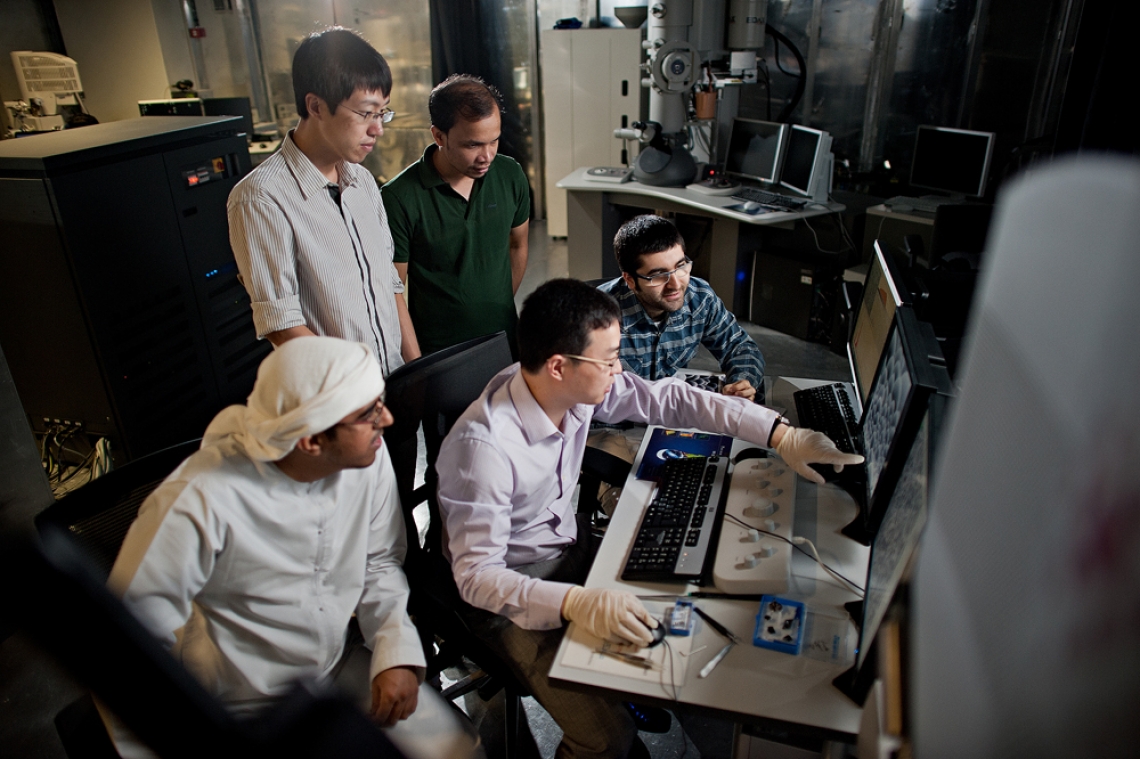
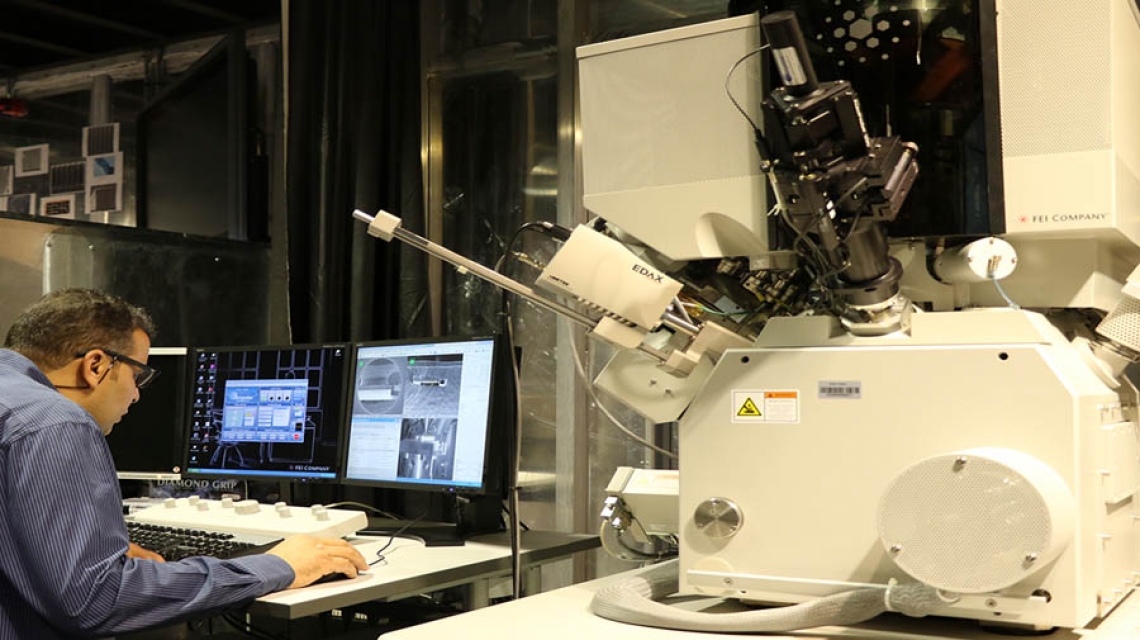
During the simulation, he analyzed the interaction of hydrogen sulfide with steel at the micro-level, which he did with support from Masdar Institute’s advanced analytical electron microscopy tools.

“With the ability to simulate corrosion and analyze its impact on steel at the micro-structural level, we can capture what is happening when and where corrosion occurs, which will help us better understand the driving forces of hydrogen-induced cracking in the steel pipes and how to prevent the build-up of corrosion. This process will also allow us to identify the steels that are more resistant to corrosion,” Dr. Jouiad said.

Much of the cost of managing corrosion is a result of replacing pipes that have cracked – a process that results in the loss of millions of dollars’ worth of unproduced natural gas, as it involves completely halting oil and gas production for several hours. Additionally, cracked pipes can pose serious health and environmental risks, by releasing powerful greenhouse gases into the atmosphere.

By using the most optimal, corrosion-resistant steel, in-service pipe cracking will be prevented, improving the sustainability and safety of operations in oil and gas companies.

Dr. Jouiad’s approach will provide engineers with a critical understanding of how different steel types react to varying concentrations of hydrogen sulfide – information that could lead to the development of key corrosion prevention technologies of great value to the region.

The approach will also provide engineers with insights on the existing corrosion levels inside of pipelines through corrosion-induced simulations, reducing the need to deploy expensive inspection devices into the pipelines, which would in turn significantly reduce the cost of monitoring corrosion.

Until now, engineers have faced enormous obstacles when selecting steel with optimal mechanical properties for natural gas pipelines because of the discrepancy in the size of the steel used in conventional mechanical steel tests and the size of the steel actually used in pipelines.

Conventional mechanical testing of steel is conducted on steel samples measuring 2.5 centimeters thick, as this is the size determined by the American Society for Testing and Materials (ASTM), an international standards organization that develops and publishes technical standards for a wide range of materials.

The steel used in natural gas pipelines is 12 millimeters thick. Thus, the results of the mechanical tests of steel at 2.5 centimeters – which reveal the steel’s breaking strength under pressure, hardness, impact strength and other key properties – do not necessarily apply to that same grade of steel when its thickness is reduced to 12 mm.

Now, thanks to Dr. Jouiad’s research team, engineers will be able to know with a high degree of certainty the mechanical properties of the steels used in natural gas pipelines that are exposed to corrosive environments, as well as how resilient they are to corrosion throughout their lifetime.

The results of this research will help reduce the build-up of corrosion in Saudi Arabia’s natural gas pipelines, helping the country fully leverage its natural gas reserves, which provides a quarter of Saudi Arabia’s energy resources and over 95% of the feedstock used to produce the country’s petrochemical products.

Dr. Jouiad’s research findings can also be used to inform the sustainable construction of natural gas pipelines in the UAE – which currently uses natural gas to generate 98% of the country’s electricity through cogeneration power and desalination plants and uses considerable amounts of natural gas for enhanced oil recovery and steel manufacturing. The research is thus of great value in helping both Saudi Arabia and the UAE leverage their abundant natural gas reserves to produce natural gas in a sustainable, low-cost and energy-efficient way.


Erica Solomon
News and Features Writer
20 April 2016