
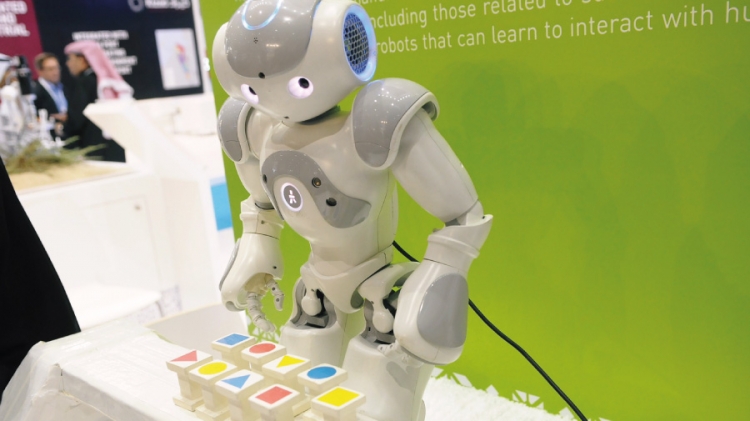
Seeking the sweet spot of robots

Ask a person to describe what life in the future may be like and it is likely robots will feature somewhere in their description.

The advancing computational and mechanical abilities of technology, paired with society’s constant need for safety, efficiency and cost-effectiveness, mean the potential for man-made helpers is huge.

Here in the UAE, the advancing field of robotics is of great potential benefit to a number of industries. In fact, any time you need to acquire information from or perform a task in a place that is hard to get to, or dangerous – including maintenance of underwater oil wells, exploration of hydrothermal vents, search and rescue, and other forms of remote sensing – there is a desire to employ a robot to prevent risk to human life.

But in using robots from a distance, scientists face the challenge of ensuring that the robot can adequately perform the desired task. There are two standard ways of doing this: remote control – “teleoperation” – in which a user specifies all of the robot’s movements from a distance, and full autonomy, in which the robot uses its artificial intelligence to accomplish the task without user input.

In teleoperation, the user communicates with the robot via an interface, which displays information from the robot’s sensors and allows the user to control the robot’s movements with input devices such as a joystick, keyboard, or mouse.

Such remote interactions are difficult for a number of reasons, including communication interruptions and delays, the large degrees of freedom of the robot (all of which must be controlled by the user), and the user’s ability to interpret effectively the robot’s environment in real time.

On the other hand, fully autonomous robots are programmed and trained to perform complex tasks in advance, typically by the designers of the systems. But robots often work in unknown, uncertain, and complex environments – making it tricky for designers to fully envision exactly what their creation might need to be able to do to adequately perform its tasks.

At the Masdar Institute, researchers are trying to find a sweet spot between remote control and full autonomy. In these systems, robots will have the ability to perform some functions (such as picking up a tool) autonomously, but the human can give high-level commands to guide and correct them. In so doing, we hope to overcome the problems inherent in either extreme.

The crux of this line of research is making a system that works but is not too hard for a human to control. We want people to be able to customise the robot’s behaviours to what they need.

We are hopeful that our work in this area can be of great benefit not only to industry but also to individuals in society. For example, robots are already becoming useful in health care, including autism therapy, assistive living and telesurgery. The potential applications for this research are diverse and likely to grow as scientists and engineers discover more uses for robots in industry, exploration and daily life.

However, these benefits can be achieved only if people can adequately interact with, program, and control robots.

We plan to continue to be actively engaged in developing robotic technologies that allow this and that will, in turn, let us create robotic systems that can be used successfully and responsibly in many aspects of society.

Dr. Jacob Crandall is an assistant professor of computing and information science at the Masdar Institute of Science and Technology
http://www.thenational.ae/news/uae-news/technology/seeking-robots-sweet-spot
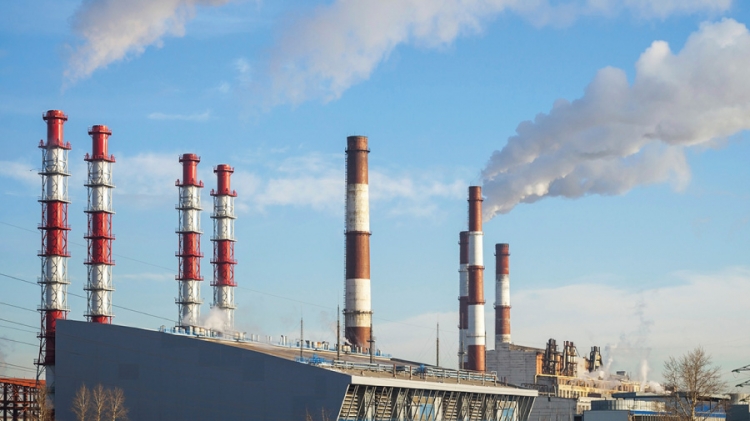
Once captured, carbon needs a good scrub

While many scientists the world over race to bring more alternative energy online, others are taking on the less glamorous but critically important challenge of making sure that the fossil fuels that humanity uses in the interim have a minimal impact on the environment. Though mankind’s future is hoped to be one where energy is carbonneutral, for the next 50 years at least, it is expected that coal, gas, and oil will continue to provide a significant portion of our energy needs. In the meanwhile, developing technologies that will reduce the carbon emissions of fossil fuels can go a long way in preventing the increasing severity of climate change.

One possible solution to make fossil fuels more ‘green’ is to prevent the emission of carbon that results from the combustion of those fuels. Scientists have hit upon the concept of carbon capture and sequestration (CSS) where carbon emission stream is captured and locked away from the atmosphere to prevent its contribution to the greenhouse effect. But while early stage technologies exist to capture carbon, they have yet to reach satisfactory levels of energy efficiency, cost effectiveness and reliability.

Carbon capture and sequestration is a fairly new concept and much research still needs to be done to make this method of neutralizing the climate change potential of carbon dioxide by locking it away underground cost effective and secure. Before the ideal technologies to capture carbon and store it can be developed, we first must better understand the requirements for successful sequestration.

Even though we cover most of the research aspect forthe development and evaluation of carbon dioxide capture technologies;one area of research that is critical to ensuring the viability of CCS investigates the purity requirements of the captured carbon dioxide that needs to be locked underground. Carbon dioxide that is captured from a gas, oil or coal-fired operation will contain a number of other elements, depending on the process. Some of those impurities, like oxygen, can greatly reduce how much the captured carbon dioxide can be condensed for storage. If these non-condensable impurities are not removed from the carbon dioxide, then transporting and storing the carbon dioxide can take far more space than is cost effective or even available. A carbon dioxide stream that contains even just 15 percent of non-condensable impurities could reduce storage capacity by 40 percent in sequestration reservoirs that are shallow and at low temperatures, and can reduce capacity by up to 80 percent when stored at greater depth, . Water and air in the stream can also rust the metal components of transfer and storage equipment, which would contribute to the increased operational cost of CCS through regular replacement and anti-rust treatments.

My research at Masdar Institute, which is being done in collaboration with Siemens, is first characterizing what is in the captured carbon dioxide streams, evaluating the requirements for the carbon dioxide end use and application, and then investigating new technologies to achieve these requirements – like dedicated technologies that could bring down the water levels to the low levels required. Because CCS is such a relatively new concept and a fledgling industry, there is a big gap in our understanding of these issues and as yet, no standards or regulation. It is our hope that our research will help make CCS safer and more attractive to governments like that of Abu Dhabi, which have committed to reduced carbon emissions.

To do that we are currently working with many oil and gas leaders, gathering from them their own knowledge and experience in natural gas storage and transport, to apply as many of their lessons to CCS as possible. This kind of comparative analysis can save time while adding to the depth of knowledge for the CCS sector. We are also examining the findings from the CO2 storage demonstration projects and enhanced oil recovery using carbon dioxide in the other parts of the world, to see what sort of problems have arisen from that form of carbon dioxide storage and use.

Through this analysis we are hoping to help create a guideline for CCS that evaluates what is available and what is further required. Following that we can begin to establish the best technological option to meet these requirements that is affordable, energy efficient and able to reduce impurities to the required level.We have already been able to provide a general structure to the purification requirements for the carbon dioxide steam and are screening technologies to provide that. We’re looking now into the economics of each of the options.

In time we hope to be able to collect information that reduces the cost of capture technologies by improving their efficiency and security, which in turn will facilitate full-scale CCS deployment sooner than expected. Our contributions to taking CCS off the drawing board and into the real world could help the UAE become more sustainable and through international dissemination reduce the rate of global climate change.

Dr. Mohammad Abu Zahra is assistant professor of chemical engineering at the Masdar Institute of Science and Technology.

Developing tools for better supply chains

In today’s era of diminishing natural resources and shrinking bottom lines, businesses have to examine every aspect of their production and operations to ensure they are not only as efficient as possible, but also, environmentally sustainable.

Better managed supply chains could offer significant benefits in sustainability. This is important because carbon emissions from transportation, manufacturing and deforestation are considered major contributors to climate change.

But designing a supply chain for sustainability is no simple feat. It may include measures such as reducing packaging and waste, assessing suppliers based on their environmental performance, developing more eco-friendly products and reducing carbon emissions associated with the transport of goods. There is no single methodology that can be applied across the board. Each entity, be it a shoe factory or a printer cartridge refill provider, has unique requirements for the sourcing and composition of raw materials, as well as unique shipping routes.

This complexity, though precluding a simple one-size-fits-all solution, presents an exciting challenge to the engineering and systems management specialists at the Masdar Institute of Science and Technology, who are hoping to create systems that can be used to design efficient and sustainable supply chains.

Typically, the process of designing a supply chain involves formulating a mathematical model to characterise the chain, taking account of as many factors and inputs as possible.

The next step is to create a computer programme to solve the model. While that may sound simple, formulating and solving a model that describes a given supply-chain problem in its entirety is almost impossible.

For example, including every possible input for a supply-chain problem involving a port in the UAE would result in a problem so complex that not even a supercomputer would be able to solve the problem in a reasonable amount of time.

To be able to solve models in a timely manner, they must be formulated at an appropriate level of detail, and the computer programme used to do it must be efficient.

There is also an issue of integration. Traditionally, supply chains have been designed by solving a number of distinct problems – where to site warehouses, how much inventory to keep, and so on.

In reality, though, these problems are interconnected; integrating them into a single, comprehensive model results in solutions that are more realistic and thus more usable and valuable.

For example, when deciding on a shipping route, it may be necessary to take into account shipping time as well as the distance shipped, if the product has a limited shelf life. The location, distribution, inventory and customer service problems are all related.

My own research focuses on developing integrated supply chain models and on developing computer algorithms to solve them efficiently and meet sustainability and cost goals.

The aim is to help companies, from supermarkets to ports and factories, minimise their carbon emissions and environmental impact while maintaining good customer service, product performance and profit margins. This can help countries like the UAE reduce their environmental footprint while maintaining their competitive advantage.

It is our hope that the techniques we pioneer can also be applied to the UAE’s alternative energy-fuelled electricity grids and nuclear power plants as they come online in the coming years, ensuring they operate as efficiently as possible while minimising their environmental impact.

In this way we hope to provide critical tools for a green transformation of not only businesses and industries, but of entire countries and regions, to help them reach their goals for progress and sustainability.

Dr. Ali Diabat is an assistant professor of engineering and systems management at the Masdar Institute of Science and Technology.
http://www.thenational.ae/news/uae-news/technology/masdar-institute-scientists-work-on-tools-for-better-supply-chains

Masdar Institute and MIT can meet big goals through teamwork

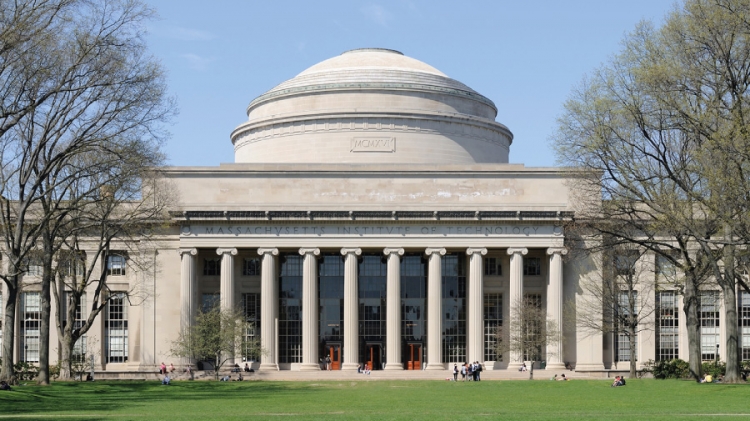
The Massachusetts Institute of Technology (MIT), known globally for its role as a wellspring of innovation, is celebrating its 150th year with a renewed commitment to international collaboration.

In an increasingly crowded, flat and interconnected world, with unprecedented global challenges, we believe that connecting some of the best talent in the world – the brightest minds and most creative problem-solvers – is an important element of MIT’s future.

Through international engagement MIT strives to succeed in its core mission “to advance knowledge and educate students in science, technology, and other areas of scholarship that will best serve [the US] and the world in the 21st century.” Our mission statement commits MIT to “working with others to bring this knowledge to bear on the world’s great challenges … We seek to develop … the ability and passion to work wisely, creatively, and effectively for the betterment of humankind.”

To that end MIT is selectively pursuing a few major international initiatives that reflect a formal commitment on an institute-wide level. These initiatives offer our faculty and students access to talent in the form of other students, postdoctoral staff, faculty, and researchers, and ideas and collaborations, facilities and research infrastructure, research and educational funding, opportunities to educate future global leaders and opportunities to work on the world’s great challenges.

Each such initiative requires the deep collaboration and support of a university (or group of universities), foundation, or government agency, and includes a strong expectation of lasting benefits to MIT as well as to our international partners. These are among MIT’s most significant institutional commitments.

The recent completion of the first phase of MIT’s collaboration with Abu Dhabi’s Masdar Institute, and the October start of the second phase, are consistent with those principles and values. Since 2006 MIT has been collaborating with Abu Dhabi to start a graduate research university focused on alternative energy, sustainability, and advanced technology.

The resulting Masdar Institute, has in its first five years succeeded in attracting outstanding faculty and students, building a state-of- the-art campus and laboratories, and launching many collaborative research projects bringing together Masdar Institute and MIT researchers. Going forward, we can expect the continued fruition of our mutual efforts to educate and inspire a new generation of young scientists and engineers in the UAE. Though much work remains to be done, MIT is excited to continue and deepen our relationship with Masdar and Abu Dhabi.

We believe that Masdar Institute’s collaboration with MIT is particularly important to support Abu Dhabi’s goals of developing the human capital for a diversified knowledge-based economy. By ensuring high-quality graduate education tightly coupled to advanced research, Masdar Institute will help develop a high-calibre workforce, focused on research and development, that can keep pace with ever-increasing technological changes. Masdar Institute, working with its sister universities in Abu Dhabi and with MIT, is providing the platform for Abu Dhabi to build a diversified economy.

In pursuing MIT’s institutional-level international commitments, like this one, we must choose carefully where, and how, to engage. Engagements of this kind must offer intellectual content of high interest to the faculty and students of both institutions; expectation of long-term commitment and effect; scale of engagement that involves multiple disciplines; and engagement in a current and/or future hub for innovation.

MIT undertakes international activities only after a careful evaluation of their potential rewards, risks, consequences and precedents. In all cases, these activities must be consistent with MIT’s mission, principles, and values; be guided by a coherent strategic vision that strengthens MIT and our partner institution(s); and be consistent with the entrepreneurial nature of our community.

In these respects, Masdar Institute’s mission and vision are consistent with MIT’s. We believe that the Government’s commitment to supporting this engagement is consistent with Abu Dhabi’s strategic goals and is not only beneficial to Abu Dhabi and the UAE but to the entire global community.

As we look further into the future, MIT is exploring the establishment of a global network of research and educational institutions focused on science and technology and sharing MIT’s values and principles. These institutions would be located in present or potential regional hubs of innovation, such as Abu Dhabi.

This strategy allows MIT to strengthen local institutions in diverse regions, to interact with and participate in the education of student talent, to provide unique opportunities to prepare MIT students to understand the world and to compete globally, and lastly to collaborate with complementary expertise and in complementary facilities, to meet the world’s great challenges. All these activities, when properly funded and administered, strengthen MIT as well as our partner institutions.

We envision a science and technology network connecting such institutions in key regions of the world. We believe that this approach is an exciting and important part not only of MIT’s future but that of Masdar Institute as well; a future in which MIT and its partner institutions work in a collaborative, creative and fruitful way, strengthening the core values that underlie MIT’s excellence and that of its partner institutions.

Dr. L. Rafael Reif is Provost of the Massachusetts Institute of Technology
http://www.thenational.ae/thenationalconversation/comment/masdar-and-mit-can-meet-big-goals-through-teamwork

A need to engineer the bigger picture

Systems in areas such as energy, health care, environment and communications are growing larger and more complex each day.

The complexity of these systems and their effect on so many aspects of human existence makes many of them critically important, and at the same time challenging to develop and evolve in a sustainable fashion.

And the sustainability and health of each of these systems is at the core of our economic sustainability and prosperity.

So we need to look at the big picture when designing such large, complex systems. We need to effectively manage interdependencies between the subsystems while keeping development costs to a minimum, and keeping an eye on future needs and problems.

The starting point is reliable requirements engineering – capturing, structuring and accurately representing a user’s requirements so they can be correctly embodied in systems that meet those requirements.

One such complex system under development is the worldwide sustainable technological ecosystem – essentially, engineering the shift from fossil fuel-based systems towards reliable and sustainable systems that do less damage to our planet.

The UAE is an active participant in the development of this worldwide system through its Masdar initiative.

Our project focuses on defining methods for working out exactly what our sustainability requirements should be – in particular, the generic requirements for a sustainable city system.

Preliminary investigations have shown us that traditional requirements-engineering approaches will not be able to tackle such a huge challenge.

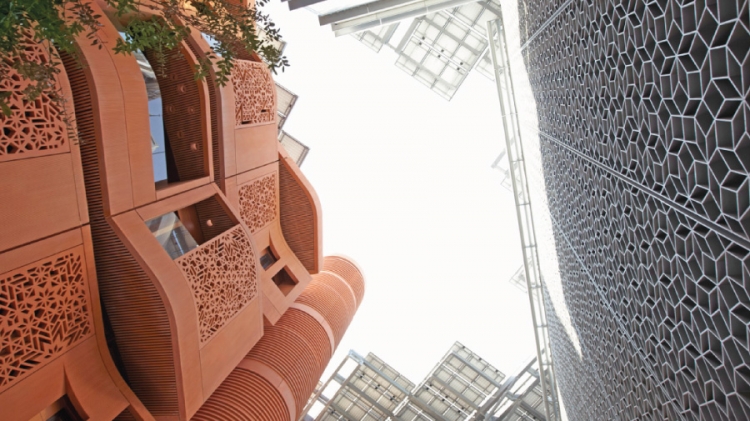
Instead, we will be using reverse engineering – taking a mature, functioning system and working out what was required for its design. For our case study of a complex sustainable system we are using the architectural specifications of Masdar City.

We have already identified some key differences between traditional requirements engineering and the development of complex sustainable systems.

We usually start with a customer who knows what he wants. But for sustainable systems, customers either do not know or do not care, since these requirements (lower carbon dioxide production, for example) are not directly visible to them.

So we need to create – that is, engineer – requirements. We cannot simply ask the customer.

Traditional requirements engineering focuses on discovering and defining what a system should do as opposed to how it should be done, a premise embedded in most requirement definitions.

As such, traditional requirements engineering focuses on obtaining from the customers a partial picture of the solution rather than just their needs.

In complex sustainable systems, on the other hand, we have to focus on what the problem, not just what the system should do – especially since many requirements are related to the relations and interactions between different systems, rather than the intrinsic properties and characteristics of those systems.

Our traditional methods are tailored towards eliciting existing requirements that are either explicit or implicit. They focus on analysis only of requirements pertaining to the system under construction, but not of the requirements that it will create.

Not anticipating the effects of certain design decisions can lead to disasters, such as the effect of cheap borrowing on the economic downturn of 2008.

This kind of strategic requirements engineering, although complicated and groundbreaking, could provide great benefits to the UAE’s economic sustainability, helping us to anticipate future requirements and understand the likely effect of the way we meet those requirements.

And, of course, all of these things are especially critical in a country that is changing as rapidly as the Emirates.

Dr. Davor Svetinovic is an assistant professor of computing and information science at the Masdar Institute of Science and Technology
http://www.thenational.ae/news/uae-news/technology/a-need-to-engineer-the-bigger-picture

Using the sun to unlock hydrogen

For decades, hydrogen has been talked about as a potential wonder fuel. It is a powerful energy carrier and the most plentiful element in the universe, though in nature it always appears bonded to other elements.

Once separated – a process called “reforming” – it reacts with oxygen, releasing energy that can be used in engines or fuel cells. And while mankind’s staple energies of oil and gas produce carbon and other unsavory emissions, hydrogen produces only water as a byproduct. Despite this, it has yet to provide a significant share of global energy production.

There are two main reasons. Reforming hydrogen from other compounds uses a lot of energy, and the gas produced is so light that it is hard to store and transport. Even the most developed technology – hydrogen fuel cells – is still mainly in the experimental stage because of the difficulty of feeding the fuel cells.

In an effort to make the reforming process more energy efficient, and to limit the transportation needs, scientists at the Masdar Institute are focusing on an improved, solar-powered reforming process.

The challenge is to find the best catalytic material to lower the temperature at which sunlight triggers the reformation of bio-alcohols into hydrogen, which can then be used in membrane hydrogen fuel cells. We are looking for a catalyst that will absorb the light in the ideal way – and be long-lasting. The technologies currently available to reform hydrogen do so at a very high temperature, which requires a lot of energy, as well as additional devices to cool the hydrogen once it has been produced.

The solar energy reaction would be more attractive, as it would take less energy to trigger, and then less cooling.

Additionally, it would allow reforming devices and fuel cells to be installed side by side – making hydrogen a short-lived intermediary, rather than a fuel feedstock to be transported. That in turn would allow developers to use existing liquid fuel transport systems and infrastructure to transport the bio-alcohol feedstock.

This could be particularly attractive for the automotive industry. Even by 2020, there are expected to be just 9,500 hydrogen fuel cell vehicles on the roads worldwide.

We also expect this new solar-powered hydrogen reforming method to be of interest to traditional oil and gas industries, which are looking to diversify and improve their efficiency.

With these and other potential industrial applications, the Masdar Institute’s research in this field could help hydrogen fuel reach its huge unmet potential, helping not only Abu Dhabi’s economic diversification, but the world’s overall need to reduce the impacts of climate change.

Dr. Simo Pehkonen is a professor of chemical engineering at the Masdar Institute of Technology
http://www.thenational.ae/news/uae-news/technology/using-the-sun-to-unlock-hydrogen

Waste is a terrible thing to waste

The average Abu Dhabi resident generates 730kg of waste a year. Disposing of it in a cost-effective manner is a challenge not only in Abu Dhabi, but all over the world.

Even the simplest option – landfilling – requires processing and comes at a cost. It is estimated that Abu Dhabi spends Dh1.5 billion to process its waste each year. And while cost is one concern, the overall environmental impact is another.

Dumping waste in a landfill, especially a non-sanitary one, can damage water tables, expose animals to hazards like plastic ingestion, and if nothing else, tie up potentially useful land for decades. Around 200 hectares – and rising – of Abu Dhabi land is turned into landfill every year.

But landfilling is not the only way to deal with waste. Mankind’s cast-offs of paper, food, plastic, metal and fabric have value in another form.

Through a range of processes, that waste can be employed as a source of energy.

With Abu Dhabi’s target of getting 7 per cent of its power from renewable sources by 2020, this seems like an obvious win. It would return some of the cost spent in waste collection and processing to the government, reduce carbon emissions, and be friendlier towards the environment.

Mixed municipal solid waste can be used to create energy in three ways. It can be burnt as a fuel with minimal processing. It can be turned into biogas fuel by anaerobic digestion, where microorganisms break down biodegradable material in the absence of oxygen. Lastly, it can be gasified using pyrolysis or thermal gasification techniques, where the organic material of waste undergoes thermochemical decomposition at high temperatures in the absence of oxygen.

Waste presents Abu Dhabi with a wonderful opportunity.

The challenge is that not all kinds of waste are suitable for all kinds of processes and each process comes with its own environmental impacts. So scientists at the Masdar Institute are working to find out which process is the most environmentally friendly, given the type and amount of waste produced by the emirate.

We are currently using life cycle analysis to examine each potential technology. This analysis looks at the process from its inception at initial design, all the way to the end of its useful life.

It accounts for inflow and outflow of energy and emissions. By using this tool – incorporated into specialised software – an informed decision can be made on which process to use.

Our first case study will be Masdar City, but eventually we hope to include Abu Dhabi city and hopefully the whole country.

We hope also to be in discussion with Abu Dhabi to develop a sound waste management strategy beyond waste-to-energy, which could be the first stage of a national strategy of waste management – allowing the country to rid itself of all its waste in an environmentally and scientifically sound manner.

As a national project, it makes good economic sense – especially given that Abu Dhabi has already begun to impose waste collection fees on commercial establishments and is likely eventually to do so for residents, too.

That decision is likely to prove a tipping point.

There are many sectors involved in solid waste management, including municipalities, scientific agencies and semi-independent parties such as Masdar City, and others such as power companies that can also be involved.

In order for a strategy to succeed, the various stakeholders have to be brought together to work as a team – a major challenge of cooperation and transparency.

But with Abu Dhabi’s commitment to tackling the waste challenge, seen through its establishment of the Centre for Waste Management in 2008, and its goals for harvesting renewable energy, we are confident Masdar Institute’s research focus will yield viable solutions for the emirate’s waste management future.

Dr. Hassan Arafat is an associate professor of water and environmental engineering at the Masdar Institute of Science and Technology
http://www.thenational.ae/news/uae-news/waste-is-a-terrible-thing-to-waste

The pursuit of grid parity

Solar energy may have the greatest potential of all renewable energy sources – and yet still it represents less than 1 per cent of the world’s energy. The main reason for this has been the challenge of making it cheap enough to compete.

In Abu Dhabi, scientists at the Masdar Institute of Science and Technology are working to make solar technologies not only more efficient, but also cheaper to fabricate.

Photovoltaic technology, most commonly based on silicon, is the oldest of the solar power harvesting technologies in use today.

Conventional cells use crystalline silicon; but silicon is in great demand, and expensive, as it is also used to make computer chips. That contributes to a high per-watt cost for photovoltaic-sourced energy.

It has fallen steeply, from US $6 per watt-peak (Wp) – a measure of the cell’s power-generating potential – 20 years ago, to as low as $1.70 now. But to make it competitive with non-renewable energy, we need to get that down to $1. Even a little higher, and the technology will never make the mainstream.

Hence my research is focusing on critical incremental improvements in the way in which this technology is implemented and functions.

Our work examines the various stages of production of silicon-based cells to pinpoint where new and more efficient methods can be introduced.

The silicon wafers used in photovoltaic cells are a big part of their cost. We are looking at how to reduce the consumption of these wafers, by targeting the use of thinner wafers without losing operational efficiency.

We are for example working to reduce the amount of chemicals used in cleaning the same wafers, as well as reducing the amount of metal used in the making of the electrodes on the cells – which would have the side benefit of making production less environmentally damaging.

The more cost-effective technologies currently available use some chemicals, such as cadmium, which have useful properties but are highly toxic.

We are trying to find the right balance between function and cost.

We are also investigating improved cell concepts that are less energy intensive, including one using a form of silicon known as amorphous silicon, which has a less tightly ordered molecular structure than the crystalline silicon currently used.

The goal is to reduce the overall cell production process time and complexity, without sacrificing the output of the solar panel.

This technology was developed a few years ago in Japan, but the reported efficiency – of as much as 23 per cent – has proved difficult to match and the cost of the panel is still on the high end.

Still, we are hoping to manage solar cell efficiency of 18 to 19 per cent in the near future, and I am confident that we will be able to achieve grid parity for photovoltaic technologies before the end of this decade.

Dr. Adel Gougam is an assistant professor of materials science and engineering at the Masdar Institute of Science and Technology
http://www.thenational.ae/news/uae-news/masdar-and-the-pursuit-of-grid-parity 

Credits for energy use aimed at conservation

The average Abu Dhabi resident generates 730kg of waste a year. Disposing of it in a cost-effective manner is a challenge not only in Abu Dhabi, but all over the world.

Even the simplest option – landfilling – requires processing and comes at a cost. It is estimated that Abu Dhabi spends Dh1.5 billion to process its waste each year. And while cost is one concern, the overall environmental impact is another.

Dumping waste in a landfill, especially a non-sanitary one, can damage water tables, expose animals to hazards like plastic ingestion, and if nothing else, tie up potentially useful land for decades. Around 200 hectares – and rising – of Abu Dhabi land is turned into landfill every year.

But landfilling is not the only way to deal with waste. Mankind’s cast-offs of paper, food, plastic, metal and fabric have value in another form.

Through a range of processes, that waste can be employed as a source of energy.

With Abu Dhabi’s target of getting 7 per cent of its power from renewable sources by 2020, this seems like an obvious win. It would return some of the cost spent in waste collection and processing to the government, reduce carbon emissions, and be friendlier towards the environment.

Mixed municipal solid waste can be used to create energy in three ways. It can be burnt as a fuel with minimal processing. It can be turned into biogas fuel by anaerobic digestion, where microorganisms break down biodegradable material in the absence of oxygen. Lastly, it can be gasified using pyrolysis or thermal gasification techniques, where the organic material of waste undergoes thermochemical decomposition at high temperatures in the absence of oxygen.

Waste presents Abu Dhabi with a wonderful opportunity.

The challenge is that not all kinds of waste are suitable for all kinds of processes and each process comes with its own environmental impacts. So scientists at the Masdar Institute are working to find out which process is the most environmentally friendly, given the type and amount of waste produced by the emirate.

We are currently using life cycle analysis to examine each potential technology. This analysis looks at the process from its inception at initial design, all the way to the end of its useful life.

It accounts for inflow and outflow of energy and emissions. By using this tool – incorporated into specialised software – an informed decision can be made on which process to use.

Our first case study will be Masdar City, but eventually we hope to include Abu Dhabi city and hopefully the whole country.

We hope also to be in discussion with Abu Dhabi to develop a sound waste management strategy beyond waste-to-energy, which could be the first stage of a national strategy of waste management – allowing the country to rid itself of all its waste in an environmentally and scientifically sound manner.

As a national project, it makes good economic sense – especially given that Abu Dhabi has already begun to impose waste collection fees on commercial establishments and is likely eventually to do so for residents, too.

That decision is likely to prove a tipping point.

There are many sectors involved in solid waste management, including municipalities, scientific agencies and semi-independent parties such as Masdar City, and others such as power companies that can also be involved.

In order for a strategy to succeed, the various stakeholders have to be brought together to work as a team – a major challenge of cooperation and transparency.

But with Abu Dhabi’s commitment to tackling the waste challenge, seen through its establishment of the Centre for Waste Management in 2008, and its goals for harvesting renewable energy, we are confident Masdar Institute’s research focus will yield viable solutions for the emirate’s waste management future.

Dr. Sgouris Sgouridis is an associate professor of engineering systems and management at the Masdar Institute of Science and Technology.

Fine-tuning the old art of extracting value from rubbish

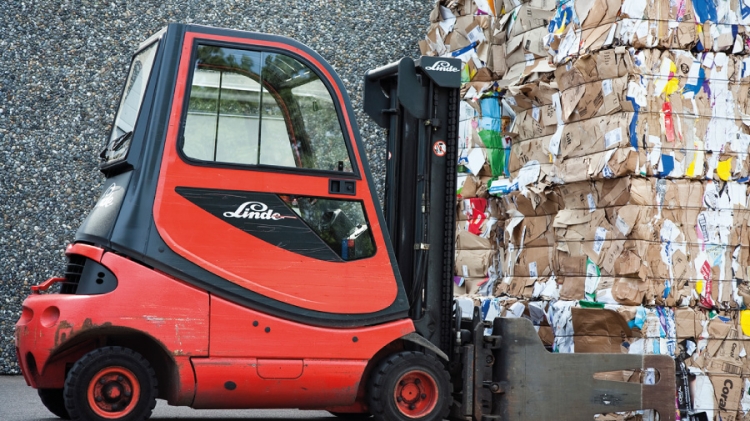
Turning waste into fuel is not a new idea. Man has been harnessing the power of society’s cast-offs for as long as can be remembered.

In modern times, though, wealthy and resource-rich states such as Abu Dhabi have not felt much need to capitalise on waste fuel.

Abu Dhabi produces more than 8 million tonnes of mixed municipal solid waste each year. Although some recyclable materials are removed, most of it ends up in landfills.

In the past, this has been the norm for modern societies. Waste is produced, collected and disposed of almost blindly.

Disposal has generally meant landfill or incineration, neither of which is environmentally friendly. That cannot and will not continue.

As part of Abu Dhabi’s plan to get 7 per cent of its energy from renewable sources by 2020, researchers at the Masdar Institute of Science and Technology are working to find ways to derive more of that energy from waste.

We are looking for better methods to turn waste food oils – from deep fat fryers, for example – into something that can power a car or even a jet aeroplane.

(The Neutral Group in Abu Dhabi has recently signed a deal to turn fat from McDonald’s fryers into fuel for lorries.)

It is a potentially rich fuel source – Abu Dhabi produces 80 tonnes of waste food oil each day – but one that is currently largely ignored.

Most large restaurants sell their waste oil to soap makers, but the rest either dump or give away their waste oil. That oil could be used to replace or be mixed with diesel or jet fuel.

The waste would also be enough to power about 2,000 homes. It is too useful a resource to be wasted.

But turning waste food oil into jet fuel is easier said than done. While in theory, converting fryer fat into biodiesel is quite simple, and is already being done on a large scale by many developing countries including China and Brazil, the quality of the fuel is not great.

That is where our research comes in. We are striving to optimise the fuel, looking for a process to improve the fuel’s quality and yield while reducing the energy penalty. We are also developing tools to analyse and predict the by-products of waste disposal.

With one of the very few facilities in the UAE that can accurately measure the chemical composition of waste materials, Masdar Institute researchers can explore different reaction pathways and model how different types of waste – municipal solid waste, plastic, industrial waste, paper, refinery waste, biomass and dried algae – will break down under various conditions, be it combustion, gasification or pyrolysis.

That lets us work out not only how to get the most power from the breakdown of the waste but how to do it in a way that minimises hazardous by-products.

Our analysis gives a user – a plastics factory, say, or a refinery – a more complete picture of how it can make the best use of waste fuel.

All of this has helped local companies to make use of waste that previously went into landfill.

In one case, the team shredded a factory’s polythene waste and the by-products from its manufacture, and infused them back to the moulding extruder.

It allowed them to use 15 per cent fewer raw materials and although the end product was slightly different in composition, it did the job.

With projects like these and others focused on reducing and redefining waste, Abu Dhabi has a real chance to position itself as a leader in sustainability and clean energy. Its waste may soon be turned into wealth.

Dr. Isam Janajreh is an associate professor of mechanical engineering at the Masdar Institute of Science and Technology.
http://www.thenational.ae/news/uae-news/masdar-fine-tunes-the-old-art-of-extracting-value-from-rubbish 

More energy worldwide being used to keep buildings cool

A large and growing chunk of the energy mankind uses goes toward keeping our buildings cool.

Worldwide, the figure is about 10 per cent, but in hotter climates – the Arabian Gulf, Africa, and South Asia – that figure can be much higher.

On the hottest day of 2008, building cooling accounted for more than 60 per cent of the electricity used on Abu Dhabi Island.

And as the number of buildings increases, so too will the impact of those that waste energy.

That is why there is an important need to develop efficient building designs that employ the best technologies in their construction.

At the Masdar Institute, I have focused on this problem and have tried to design cost-effective systems that allow buildings to use no net energy.

One integral part of these systems is “precooling”, which seeks to reduce the temperature in a building in a strategic way that helps save energy.

Very basic precooling has been practised for millennia through natural ventilation systems such as wind towers, which draw cool breezes into a home in the evening and early morning so the building mass can stay cool through the next day, and in modern times, attic fans.

Fans and open windows work in some climates, if one makes a habit of turning off the fan and closing windows when – shortly after sunrise – it becomes hotter outside that in.

But in climates as hot as the Arabian Gulf and South Asia, where even the nights are still too hot for comfort, a more sophisticated system is needed.

Part of the answer is low-lift cooling. Like the older, natural solutions, this shifts as much of the cooling as possible to night-time, allowing the condenser, which is the heart of a cooling system, to be effective at lower temperatures – therefore using less energy.

It requires a range of technologies, including variable-speed compressors and transport motors, radiant cooling with dedicated ventilation air dehumidification and distribution, cool storage, and advanced controls.

UAE construction practice, which uses concrete extensively even in residential buildings, is ideally suited to store the precooling effect.

In high-performance buildings, cooling loads will be much lower, on average, than in buildings built to current standards. Even so, they will need year-round cooling.

Low-lift cooling and high-performance building envelopes are hallmarks of green construction that are exemplified by sustainable cities like Masdar.

So far, our work on low-lift cooling with radiant distribution, thermal storage, and variable-speed chiller controls suggests we can achieve energy savings of between 60 per cent and 74 per cent for temperate to hot and humid climates, and between 30 and 70 per cent in milder climates with high economiser and night free-cooling potential.

The most effective low-lift chiller, distribution components and control strategies pinpointed by our project will be used in a pilot project in one wing of Masdar City’s newest buildings (Masdar Institute phase 1B, due to open in September 2012) while a smaller test is under way at the Masdar Field Station.

It is my hope that our work will not only change the way buildings are built across the world, but will also improve electrical energy distribution efficiency and reliability.

Once the systems we are developing are proven and ready for market, government policy and public action must follow if we are to provide our children with a better future.

Dr. Peter Armstrong is an associate professor of mechanical engineering at the Masdar Institute of Science and Technology

Health is vital for the future development of the UAE

Since the Health Authority Abu Dhabi (HAAD) launched its Weqaya screening programme three years ago, one of its main findings has been that many Emiratis are obese and have diabetes.

Both conditions can require lifelong treatment and have a severe and limiting effect on a patient’s quality of life and ability to contribute to their community.

Unless something is done, such lifestyle diseases could become a major drain on the country’s resources and potential.

Good public health is as important to national welfare as prosperity, security, and environmental vibrancy.

After all, what is the use of a community’s energy savings, natural preservation and efficient technologies if the health of residents is poor, or comes at a high cost to society and the environment?

That is why Abu Dhabi has acknowledged that the goal of sustainable living is to provide the highest quality of life, while meeting ecological, societal and economic needs – which then must include health.

Masdar Institute, in its role as Abu Dhabi’s research university focused on sustainability, is now planning to help use that Weqaya data to better understand and aid the population and contribute to the goal of “sustainable health” – not merely the absence of disease or infirmity, but the notion of sustaining a state of complete physical, mental and social well-being.

As an assistant professor in the Masdar Institute’s Engineering Systems and Management programme, I am leading research that aims to use the data to computationally understand not only the biological factors, but also the social and environmental factors that affect residents’ health and their risk of diabetes and obesity.

By adding to our understanding of how diabetes develops in an individual and group or in a given location with certain social factors, we can work to prevent its spread.

Currently the Weqaya data shows high rates of diabetes – nearly one in five Emiratis – and far higher percentages of the population having pre-diabetic conditions, which can develop into the full-blown disease if left untreated.

Uncontrolled diabetes can cause loss of vision, damage to the nerves, kidneys, blood vessels, and increased risk of heart attack.

It is estimated that diabetes can reduce life expectancy by up to 10 years.

More than a third of those surveyed were also found to be obese, while a similar number are overweight.

So the need for intervention is severe and pressing. Intervening in an Abu Dhabi resident’s development from a healthy individual to an obese or diabetic one could save major cost and difficulty – for the individual, their community and the emirate overall.

Our research also aims to identify the biological and behavioural factors that contribute to this epidemic. By pinpointing those, HAAD’s public health division will be able to target its efforts toward individuals, groups, families, etc, in a more meaningful way.

The goal of that area of research is to assess the importance of networks, especially social family networks of obesity and diabetes in the UAE population, which can then be used to prepare the approaches for intervention (ie individual-based, family-based, work-focused, peer-to-peer interventions).

By knowing who influences health choices, and how, health authorities will be better equipped to mitigate the spread of lifestyle disease.

We can also help individuals understand their personal data, empowering them to care for their own health and well-being.

Additionally, understanding the biological changes that occur in conditions like diabetes can help doctors know the “red flags” to look for in their patients, which can then be targeted with the most useful kinds of interventions.

We are also hoping to identify social and physical situations that could tell us when an intervention is appropriate, even when a patient is not in the clinic.

That way, we can help HAAD design the kind of incentives and interventions that can help people make the right sort of changes to prevent development of disease and more importantly remain healthy.

With these and other research projects, Masdar Institute hopes to help Emiratis live healthy and sustainable lives.

A country’s future, after all, can only be as bright as the minds and as sound as the bodies of those who call it home.

Dr. Inas Khayyal is an assistant professor of engineering systems and management at the Masdar Institute of Science and Technology.
http://www.thenational.ae/news/uae-news/health/health-is-vital-for-the-future-development-of-the-uae