
Masdar Institute Announces BP Innovation Scholarships

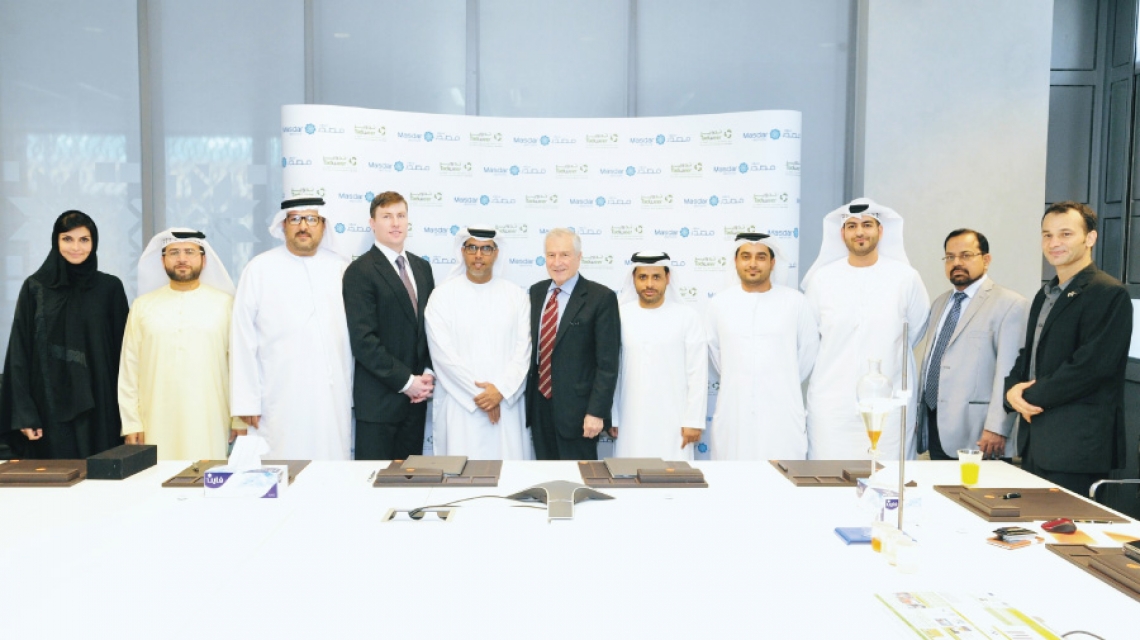
Abu Dhabi-UAE: 11 March, 2014 – The Institute Center for Innovation and Entrepreneurship (iInnovation) at Masdar Institute of Science and Technology today launched the BP Innovation Scholarship program.  The first two scholarships under the new program are expected to be awarded in September 2014.

The BP Innovation Scholarship is a two-year, fully-funded merit-based scholarship to be awarded to graduate students in any one of Masdar Institute’s engineering concentrations. As a central part of their work, the BP Innovation Scholars will develop a business plan for a new sustainable technology business based either on their own ideas or ideas they adopt at the Institute. When possible, BP Innovation Scholars are encouraged to participate in forming a startup company before graduation. Based on review of the business plan, a grant or other financial support toward the cost of forming a new company may be awarded by the Institute.

The scholarships are funded in part under the new US$7 million collaborative innovation agreement that Masdar Institute and BP signed earlier this year. Scholarships include full tuition, housing, living expenses, insurance, travel costs and certain patenting expenses. The last date for submitting applications for students entering this September is 31 May 2014.

Details of the BP Innovation Scholarship program were announced during an Open House organized by iInnovation in conjunction with BP to mark the launch of the iInnovation Lab (iLab). The iLab provides faculty and students with facilities, training, mentorship and other resources to explore the commercial potential of their research.

Held at the Masdar Institute campus, the Open House attracted a large number of innovators, angel investors, finance sector professionals and other stakeholders in the innovation and entrepreneurship ecosystem. Dr. Issam Dairanieh, Managing Director, BP Ventures, and Dr. Katherine T. Moortgat, former Partner, Mohr Davidow Ventures, spoke at the event.

Dr Issam Dairanieh commented: “This is an opportunity for BP to bring to Abu Dhabi its expertise and resources in creating pockets of innovation and in developing human capital. Our goal is to help to commercialise locally-developed technologies and to contribute to Abu Dhabi’s objective to build a diverse and sustainable economy.

Dr. Fred Moavenzadeh, President, Masdar Institute, said: “This initiative from BP further strengthens our collaboration for developing new entrepreneurs with the right project concepts and the commitment to succeed. The continuing support of the UAE leadership helps us to launch new programs through our partners and we hope the BP Innovation Scholarship will help encourage enthusiastic students to fulfill their entrepreneurial dreams.”

Mr. AbdulKarim AlMazmi, BP’s General Manager and Chief Representative in Abu Dhabi, said: “The BP Innovation Scholarship program indicates BP’s willingness to invest in human capital to ensure that youth remain committed to innovation. The program offers interested students an opportunity to establish their creative skills and, we hope, to develop successful technology start-ups.”

Professor Bruce Walker Ferguson, Head of iInnovation, commented: “These novel scholarships recognize the tremendous educational value of technology entrepreneurship.  By strengthening the pre-graduation link between academic study and technology translation, BP Innovation Scholarships provide students with invaluable hands-on experience, help to reduce entrepreneurial risk, and increase the commercial potential of inventions in renewable energy and other sustainable technologies.”

BP Innovation Scholarships will be awarded to applicants with outstanding academic records who demonstrate initiative and creativity. Successful applicants will possess superior quantitative and analytical capabilities that prepare them for the Institute’s rigorous engineering program.  Further information on the scholarships is available at the Institute’s on-line application site, www.masdar.ac.ae/admissions.  
 

Masdar Institute Sets Up iSmart to Design and Develop Sustainable Infrastructure Systems

Abu Dhabi-UAE: 19 March, 2014 – Masdar Institute of Science and Technology, an independent, research-driven graduate-level university focused on advanced energy and sustainable technologies, today announced the launch of the Institute Center for Smart and Sustainable Systems (iSmart), a center that applies state-of-the-art analyses in the design and development of sustainable infrastructure systems to interface between technology and society.

iSmart will contribute to turning the UAE into a global leader in engineering systems methods and applications by providing strategic and operational direction to research in these areas. The creation of iSmart is part of the regrouping of all of Masdar Institute’s research activities under different thematic umbrellas for better coordination and productive R&D outcome.

Headed by Dr. Sgouris Sgouridis, Associate Professor, Engineering Systems and Management, iSmart will aim to serve faculty, students and stakeholders by supporting a collaborative environment for developing engineering systems research relevant to the UAE. In effect, it will contribute to the UAE’s long-term goal of developing robust policies and strategies for critical economic sectors such as energy and water, transportation and logistics, urban development and telecommunications.

Dr. Fred Moavenzadeh, President, Masdar Institute, said: “The creation of iSmart reflects our commitment to taking science and technology research into the next stage of innovation. Systems approaches to policy and infrastructure development are expected to have an increasingly large role in sustainable energy. With the support of the UAE leadership, Masdar Institute has progressively steered research and innovation in renewable energy and advanced technology. We hope this center will contribute to the establishment of new strategies, policies and models that benefit the community.”

The creation of iSmart illustrates the increasing need for smart  and sustainable systems in an energy-conscious global environment. A new report from the cleantech market intelligence firm Pike Research forecasts that investment in smart city technology infrastructure will total US$108 billion during the years from 2010 to 2020. By the end of that period, it is anticipated that annual spending will reach nearly US$16 billion.

According to Bloomberg New Energy Finance, in the last three years, global investment in ‘smart grid’ is estimated to have doubled from US$16.2 billion in 2010 to US$36.5 billion in 2012.

Some of the research areas iSmart will focus on include ‘the development and application of systems design and analysis methodologies, iInformation and computation for sustainable infrastructure transformation, regulatory policy analysis and managerial options analysis.

Dr. Sgouridis’ current research interests focus on sociotechnical systems modeling, including sustainable transportation systems and sustainable energy systems management. He is the principal investigator researching ‘Commercial Aviation in a Carbon-Constrained Future’ at Masdar Institute and is co-leading the development of the Sustainable Bioresource Projects.

Dr. Sgouridis said: “Smart technologies, already on the threshold of new breakthroughs, are set to drastically transform the way communities live in the future. The setting up of iSmart at Masdar Institute further signifies the relevance of research into various fields for developing smarter infrastructure systems. We believe this center will help Masdar Institute develop new technologies, leading to greater energy efficient systems.”

Top Research Scientists Gather in Abu Dhabi for Electron Microscopy Workshop Hosted by Masdar Institute and FEI

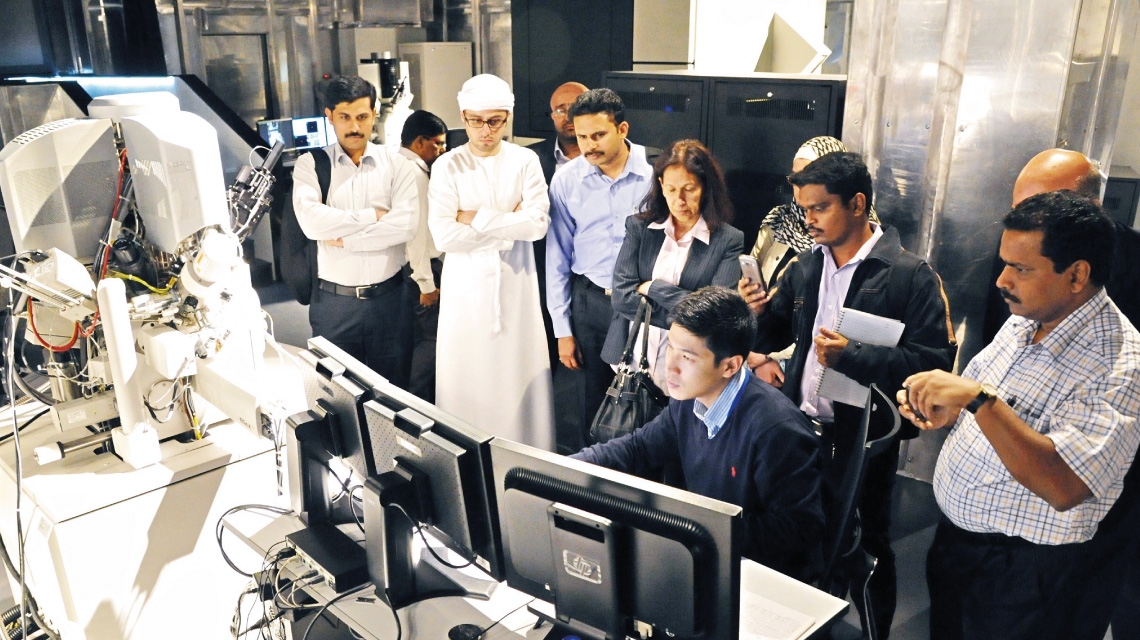
Abu Dhabi-UAE: 20 March, 2014 – Masdar Institute of Science and Technology, an independent, research-driven, graduate-level university focused on advanced energy and sustainable technologies, today announced more than 40 specially-invited research scientists visited Masdar Institute in Abu Dhabi for a nanotechnology and electron microscopy workshop.

The one-day workshop is titled, “Correlative Light and Electron Microscopy Workshop: State-of-Art Solutions for 3D Structure Analysis of Life Science Materials.” The workshop, held at the Masdar Institute campus, was supported and co-organized by FEI Company, a leading supplier of scientific instruments for nanoscale applications and solutions in industry and science. The workshop demonstrated some of the latest advances in electron microscopy-based workflows and solutions in materials science, nanotechnology, life sciences and bio-imaging. The primary focus of this workshop was to demonstrate scientific and infrastructural capabilities at Masdar Institute to industry and service sectors in the Gulf Cooperation Council (GCC) region.

Dr. Fred Moavenzadeh, President, Masdar Institute, said, “Our on-campus facilities for cutting-edge research make Masdar Institute one of the most sought-after institutions for post-graduate studies, as well as for industrial research. With the support of the UAE leadership, our status as an institution that offers the most advanced laboratory equipment for research continues to grow. We believe this workshop brought further exposure to Masdar Institute among the scientific research community regionally and globally.”

As part of its contribution to developing human capital base, Masdar Institute holds regularly-scheduled classes on operation of electron microscopes as well as the analytical attachments necessary in today’s modern scientific environment. To date, Masdar Institute has trained more than 250 new users in scanning electron microscopy, Dr. Mustapha Jouiad, Senior Analytical Electron Microscopy Specialist at Masdar Institute, recently completed the fourth basic transmission electron microscope (TEM) training session. Of the initial four groups, three microscopists have completed the requisite training hours to be certified for autonomous use of the FEI Tecnai™ T20 TEM. Through such programs, Masdar Institute remains one of the key supporters of the growing community of electron microscopists in the UAE.

Global Water and Wastewater Technology Experts Gathering in Abu Dhabi for LET 2014

Abu Dhabi-UAE: 14 May, 2014 – Masdar Institute of Science and Technology, an independent, research-driven graduate-level university focused on advanced energy and sustainable technologies, and the International Water Association (IWA) today announced that global water and wastewater technology experts will be gathering for the 11th IWA Leading Edge Conference on Water and Wastewater Technologies (LET 2014) in Abu Dhabi (www.let2014.org).

The conference, which will highlight advances and developments in water and wastewater technologies, consists of plenary sessions of renowned invited speakers, followed by parallel sessions during the last two days. Taking place from 26-29 May 2014, three workshops will be held at the Masdar Institute campus on the first day while the remaining events will take place at the Yas Marina Events Centre, Abu Dhabi. The LET 2014 conference is co-sponsored by Abu Dhabi Education Council (ADEC) and the Abu Dhabi Convention Bureau as gold sponsors and the King Abdullah University of Science and Technology (KAUST) acts as an institutional partner.

Glen Daigger, President, IWA, said: “The Middle East and North Africa (MENA) is a region, offering a diverse and varied context for our discussions of water needs and solutions. It is also a region with significant water challenges. The conference will highlight the new technologies and the best practices that will enable the water sector to overcome these challenges and provide safe water and sanitation. I am personally looking forward to a thought-provoking and highly useful experience at the 2014 LET in Abu Dhabi.”

Dr. Fred Moavenzadeh, President, Masdar Institute, said: “We are proud to partner with leading global and regional institutions to focus on water and other areas of strategic importance to the UAE. The support of the UAE leadership continues to enable us to organize international events that gather various stakeholders in Abu Dhabi. We hope the knowledge exchange at LET 2014 will bring solutions that help the region face challenges in this sector.”

Dr. Jorge Rodríguez, Assistant Professor, Department of Chemical and Environmental Engineering (CEE), Masdar Institute, is the Chairman of the Organising Committee for the conference, while Mark van Loosdrecht, professor in Environmental Biotechnology, TU Delft, The Netherlands, chairs the Program Committee.

The three workshops at Masdar Institute will cover areas such as biofouling of membrane systems, international trends in sustainable water reuse technologies, and exploring the oil and gas innovation landscape. KAUST and Delft University of Technology (TU Delft) will organize the first workshop while WateReuse Association and BlueTech Research will be organizing the second and third workshops respectively.

The plenary sessions will feature renowned industry experts including Dr. Walid Abderrahman, Professor of Water Resources Management, King Fahd University of Petroleum and Minerals, Saudi Arabia, Dr. Jacqueline MacDonald Gibson, Assistant Professor in the Department of Environmental Sciences and Engineering at the University of North Carolina, Chapel Hill and Mark van Loosdrecht, Professor, Environmental Biotechnology, TU Delft.

Other experts to attend the event include Dr. Doulaye Koné, Senior Program Officer, on the Water, Sanitation & Hygiene Program (Global Development), Bill & Melinda Gates Foundation, Dr. Samer Adham, Manager of Water Solutions, ConocoPhillips, Houston, Texas, and Prof. Tony Fane, Director-Mentor, Singapore Membrane Technology Centre/Nanyang Technological University (SMTC/NTU), Singapore.

Some of the conference themes will include biofilms processes, catalysis and nanotechnology-assisted processes, low-energy and renewable energy-driven desalination technologies, managed aquifer recharge, new directions and technology trends in water reclamation and reuse, resource recovery from water, energy-positive wastewater treatment, as well as urban infrastructure and water sensitive city.

Delegates registration is still open till 20th May at www.let2014.org.

Second Masdar Institute-Toyota Scholar Set to Graduate on 4 June

Abu Dhabi-UAE: 01 June, 2014 – Masdar Institute of Science and Technology, an independent, research-driven graduate-level university focused on advanced energy and sustainable technologies, and the Toyota Motor Corporation, one of the world’s largest automotive manufacturers today jointly announced that the second Masdar Institute-Toyota scholar will successfully complete his two-year program this week.

The Masdar Institute-Toyota Scholarship was established from the prize money Toyota received in 2010 after winning the Zayed Future Energy Prize for its innovative hybrid Prius. The scholarship is designed to promote opportunities for students to work on projects in the area of technologies for sustainable development. Edgar E. Samano Baca from the Masdar Institute Engineering Systems and Management program will be completing the program this year on his graduation day. In addition to the standard Masdar Institute benefits, the scholarship recipients are provided with a special two-week ‘Japan Experience’ arranged by Toyota.

Nobuyuki Negishi, Chief Representative of Middle East & North Africa Representative Office, Toyota Motor Corporation, said: “Edgar Samano Baca spent his Japan Experience learning about how closely sustainability is integrated into every aspect of Japanese social and work culture. We hope he will use this experience for future research and to develop innovative solutions with the academic capabilities he has gained at Masdar Institute. We wish him the best.”

Dr. Fred Moavenzadeh, President, Masdar Institute, said: “The second Masdar Institute-Toyota scholar has also proved his mettle as a Masdar Institute student through his close involvement in the research project. We congratulate him on his accomplishments and thank the UAE leadership for supporting us in our human capital development efforts. We also thank Toyota for their contribution and wish Edgar Samano Baca good luck.”

Dr. Nawal Al-Hosany, Director of Sustainability, Masdar, and Director of Zayed Future Energy Prize, said: “We are delighted to congratulate Edgar Samano Baca, the second Toyota scholar at Masdar Institute, who is set to graduate on 4 June. The Zayed Future Energy Prize is proud to have contributed to creating a future energy leader and we hope to continue our contribution to driving innovation in clean energy through supporting talented students.”

As the 2014 Toyota scholar, Baca participated in a research project that studied the effect of passive shading on the productivity of urban residents.

Explaining Baca’s contribution to sustainable technology his faculty advisor Dr. I-Tsung Tsai, Assistant Professor, Engineering Systems and Management, said: “Edgar’s research studies human mobility decision under low carbon building and transport systems. His study has a very positive contribution to the deployment of sustainable technology. His research focuses on how human beings adapt to harsh weather conditions with different mobility choices when moving around the city. His study provides fundamental contribution to which sustainable technology should be developed to enhance human mobility in future urban systems.”

About his research, Baca said: “Productivity is important because it is directly tied to the social and economic aspects of sustainability – the third being environmental. By developing a modeling approach that characterizes this effect, it becomes possible to apply this knowledge towards a more sustainable urban design where all the passive elements of an urban system are optimized for productivity, health, and energy consumption. In addition to this, I also took part in the development of an axiomatic design-based approach for the enumeration of passenger degrees of freedom in a transportation system.”

The 2014 Toyota Scholar spent his two-week customary ‘Japan Experience’ that revolved around sustainability efforts by companies, government offices, and NGOs in Japan. Most of the program took place either in Tokyo, Shirakawa-go, Toyota City or Kyoto. In Tokyo, company visits were combined with sightseeing opportunities, and special attention was paid to efforts that are feasible within the infrastructure of a large city.

In Shirakawa-go, located in a hilly forested area, the central theme was living in balance with nature. Traditional houses use only the resources available to them nearby in their construction, and food is produced locally. In Toyota City, Baca visited a wide array of Toyota facilities, including a manufacturing plant and a recycling facility. In Kyoto, the learning activities focused mostly on sightseeing.

Baca added: “Much of the ideas and knowledge gained from this experience are scalable and translatable to other situations, which make them viable solutions for the right time and place. Also, the way of approaching problems in Japan, particularly with the constraints of limited space and natural resources, is a powerful example of what could be accomplished in a relatively short time with the support of government, private institutions and public opinion.”

Each year, the Masdar Institute-Toyota scholarship is awarded to a first year student in one of the Master’s programs at Masdar Institute.

Joint Scientific Paper by Masdar Institute and MIT Wins IEEE EDA Best Paper Award for 2014

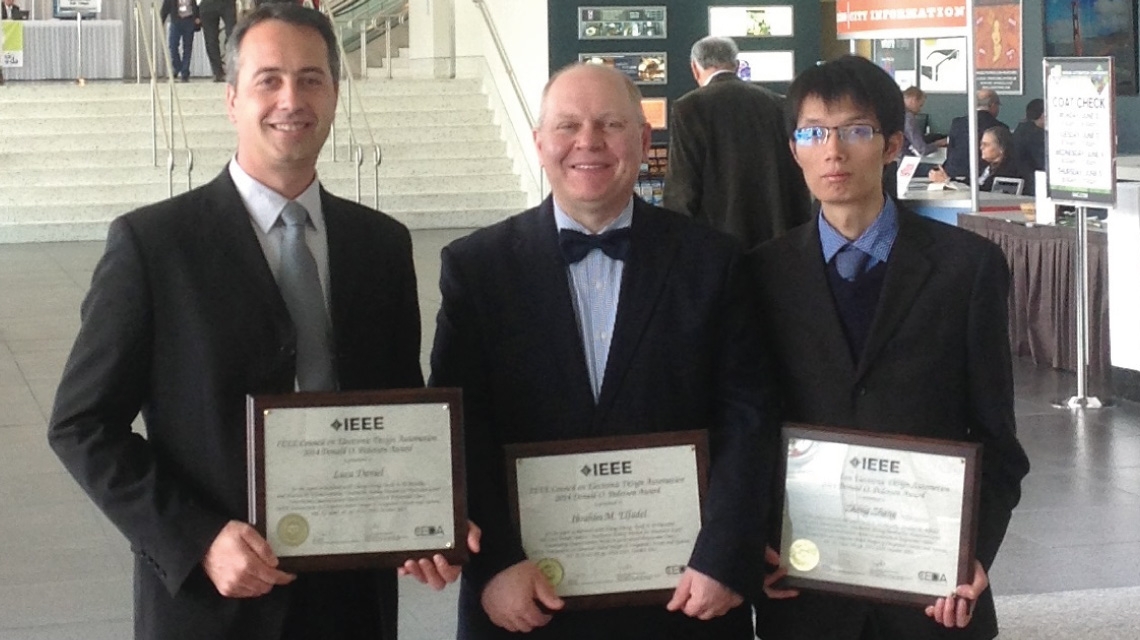
Abu Dhabi-UAE: 23 July, 2014 – Masdar Institute of Science and Technology, an independent, research-driven graduate-level university focused on advanced energy and sustainable technologies, today announced a scientific paper submitted by a faculty team from MIT and Masdar Institute has won the prestigious Donald O. Pederson Best Paper Award (IEEE TCAD Best Paper Award) 2014.

The winning authors, Mr. Zheng Zhang, Dr. Tarek A. El-Moselhy, Dr. Ibrahim (Abe) M. Elfadel, and Dr. Luca Daniel, received an unprecedented three nominations for their paper titled ‘Stochastic Testing Method for Transistor-Level Uncertainty Quantification Based on Generalized Polynomial Chaos’. The paper was a joint research project undertaken under the MIT-Masdar Institute Collaborative Research Program.

The award was presented on 2 June at the Award Ceremony of the 51st Design Automation Conference (DAC) that was held in San Francisco, US, between 1-5 June.

Sponsored by the IEEE Council on Electronic Design Automation (CEDA), the Donald O. Pederson Award recognizes the best paper published in the IEEE Transactions on Computer-Aided Design of Integrated Circuits and Systems in the two calendar years preceding the award. Any paper published in the Transactions during this period may be nominated for the award. Various factors are taken into account while judging the nominees, including the overall quality, originality, level of contribution, subject matter, and the timeliness of the research.

In its award citation, IEEE CEDA describes the paper as an ‘outstanding accomplishment’.

Dr. Fred Moavenzadeh, President, Masdar Institute, said: “The award represents a great moment for the MIT-Masdar Institute Collaborative Research Program that is supported by the UAE leadership. Congratulations to the faculty of both institutions for winning the first such award for a project under this Program and we hope to see similar feats in the future.”

The benefits of this research paper include an ‘improved statistical benchmarking of high-tech products based on integrated circuits’, ‘efficient assessment of manufacturing tolerances and their impact on the fabrication yield of integrated circuits’, as well as a ‘reduction in the cost of statistical testing methods of integrated circuits’.

Dr. Elfadel, Head of Institute Center for Microsystems, said: “The paper deals with novel and unique methods for the rapid evaluation of the impact that fabrication tolerances and similar uncertainties have on the behavior of the integrated circuits that make up the micro-electronic fabric of the modern world. This is a problem that is as old as the field of integrated circuit design itself, but this paper provides a novel method for solving it that is rapid, reliable, and reproducible.”

Another paper based on the same MIT-Masdar Institute collaborative project was presented at the conference under the title ‘Remembrance of Transistor Past: Compact Model Parameter Extraction Using Bayesian Inference and Incomplete New Measurements’. It has a joint academic-industry author list, including Mr. Li Yu, Dr. Dimitri Antoniadis, Dr. Duane Boning (from MIT), Drs. Sharad Saxena, Christopher Hess (PDF Solutions), and Dr. Elfadel (Masdar Institute). This paper presents a novel method for the electrical modeling of transistors in advanced semiconductor technology nodes using knowledge accumulated from past and current production-stage technology nodes.

The Design Automation Conference at which the best-paper award was presented is the flagship conference of the Electronic Design Automation (EDA) industry and has a very selective paper acceptance rate, which this year was 22% of all full-length manuscripts submitted to its Technical Program Committee for review. Its cutting-edge technical program is paired with an industrial exhibition showcasing more than 200 companies, including the largest EDA vendors, EDA startups, semiconductor intellectual property providers, and leading semiconductor foundries.

Research activities under the MIT-Masdar Institute Collaborative Research Program are intended to have scientific, social, and economic merit globally and within the UAE and are evaluated by a Research Advisory Committee from both Masdar Institute and MIT. The robust research system includes projects at multiple scales, from individual single-investigator projects, to group or team research efforts, to larger research centers. Some projects involve only Masdar Institute faculty, others involve MIT and Masdar Institute faculty working on one-to-one joint collaborative research projects and new research efforts will involve teams from each side.

Masdar Institute and TU Dresden Present 20 Technical Papers on 3D Stacks of Integrated Chips in Dresden

Abu Dhabi-UAE: 24 August, 2014 – Masdar Institute of Science and Technology, an independent, research-driven graduate-level university focused on advanced energy and sustainable technologies, and Technische Universität Dresden (TU Dresden) in Saxony, Germany, today announced that researchers from both institutions have presented more than 20 technical papers on the development of three-dimensional (3D) stacks of integrated chips at a workshop in Dresden.

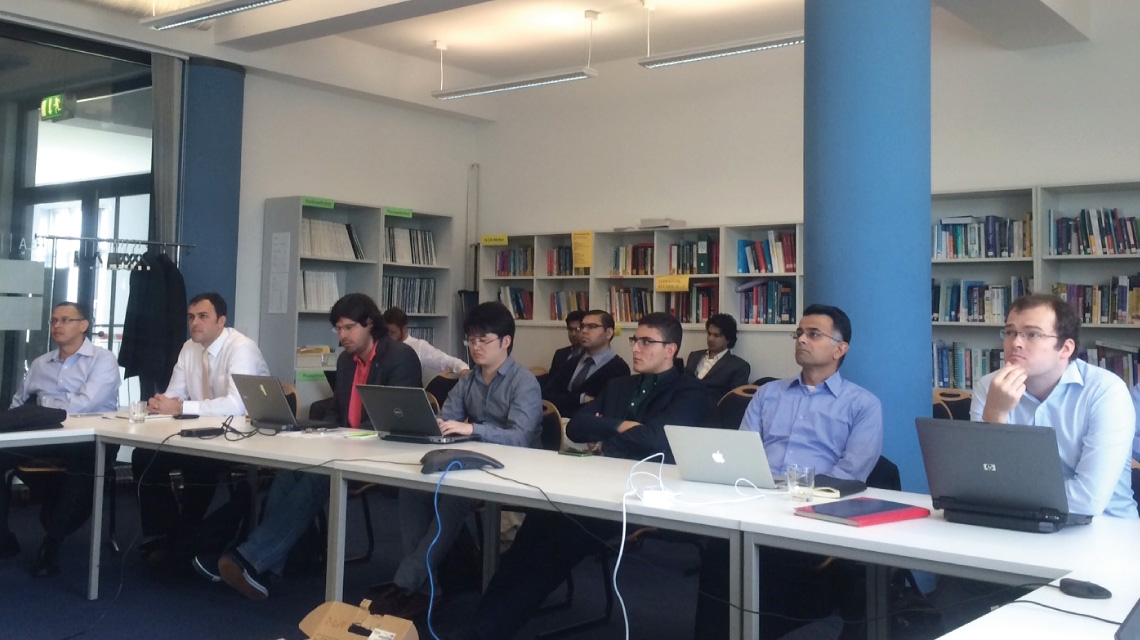
The two-day workshop that witnessed the participation of delegations from both institutions was held on June 23 and 24 at the Technical University of Dresden. The delegation from the Masdar Institute included eight faculty, two research engineers and three students. The workshop assessed progress on research that is part of the joint TwinLab 3D Stacked Chip (3DSC) Center, backed by Abu Dhabi’s Mubadala Technology and Industry, and the Government of Saxony, Germany.

Two of the presentations were given by recent Masdar Institute graduates whose thesis work was funded by the Center. The workshop was the fifth in a series of biannual meetings started in May 2012, alternating between Dresden and Abu Dhabi which work to bring Masdar Institute and TU Dresden researchers together to discuss joint work and progress on 3DSC Center projects.

In her welcome note, Shaima Salem Al Habsi, Energy and Climate Change Attaché, UAE Embassy in Berlin, highlighted the importance of such collaborative work between academic institutions in the UAE and Germany and the contributions it makes to the strengthening of cultural and scientific ties between the two countries.

Al Habsi said: “This exchange of students and faculty marks a key stage in the cooperation between the German and the Emirati research and academic communities. The cooperation between Masdar Institute and the Technical University Dresden/ TUD through student and faculty exchange is a distinctive feature that will help build a qualified research community that will be a model for future collaborations.”

Now in its second year of operation, the TwinLab 3DSC Center has been addressing a topic of significant technological importance, namely how to improve performance and reduce power in 3D stacked chips. Such chips are slated to be on the innovation forefront of the semiconductor industry over the next decade. Compared to the conventional 2D chips that need to be shrunk in size to pack as much as possible into a single layer, in 3D chip stacking the chips are thinned and stacked on top of each other to produce high-speed and multifunctional systems. A properly designed 3D stacked system consumes 70 per cent less power than a conventional chip while increasing the communication bandwidth among the chips.

Dr. Fred Moavenzadeh, President, Masdar Institute, said: “The TwinLab project marks an important collaboration between the UAE and the Saxony Government in Germany that has progressed well on both sides. The biannual meeting of researchers from Masdar Institute and TU Dresden ensures each side is informed of the progress, while charting a future course of action. With the support of the UAE leadership, the collaboration continues to pave the way for inventions in computing technologies of the future. We hope the project will result in true breakthrough innovations, bringing benefits to all stakeholders in the advancing semiconductor industry.”

At the meeting, Masdar Institute researchers, led by Dr. Ibrahim (Abe) Elfadel, Professor and Head of the Institute Center for Microsystems (iMicro), presented their work on various areas of 3D integration, including integration of photonic components, solar cells, and super-capacitors, as well as temperature sensing and management, yield improvement, and the use of carbon nanotube as a the 3D connecting material.

Led by Dr. Gerhard Fettweis, Professor and Head of the Vodafone Chair Mobile Communications Systems at TU Dresden and co-founder of TwinLab 3DSC, the TUD researchers presented their recent advances on photonic integration at the process, device, and design levels, as well as their work on process engineering, and circuit modeling and design of systems including copper-based vertical connection.

Dr. Fettweis said: “As one of the first jointly established research projects of its kind, the TwinLab has had a very successful first phase. Researchers from both sides are working in partnership to establish a role model for other TwinLab projects. As a first result, the two research institutions have developed models, simulation techniques, and first prototypes, which build the basis for further development and optimization of highly efficient 3D chip-stack intra-connects.”

Dr. Elfadel said: “We are pleased that the research work conducted at Masdar Institute under the framework of TwinLab 3DSC has already graduated three students with one of them getting a best thesis award in Masdar Institute’s Computing and Information Science Program and the two others getting honorable mentions from the Microsystems Program. We are grateful for the support that our work has received from Mubadala Technology and Industry and are very much looking forward to pursuing this line of research in collaboration with our German colleagues.”

Masdar Institute Students Gain Exclusive Professional Experience through JICE Summer Internship Program in Japan

Abu Dhabi-UAE: 26 August, 2014 – Japan’s focus on energy-efficient technologies, clean energy sources, sustainable public transportation systems, smart communities, and an advanced infrastructure that can withstand natural disasters had a strongly impact on the students from Masdar Institute of Science and Technology during its third annual summer internship in Japan.

Sponsored by the Ministry of Economy, Trade and Industry of Japan (METI) and organized by the Japan International Cooperation Center (JICE), the internship program that began on 18 May concluded on 7 July. The program offered the students exclusive professional experience, widening their knowledge horizon.

Engineering Systems and Management students Shamma Al Jaberi, Abeer Almaazmi, Majid Aljasmi, Bader Mohammad and Muna AlAteibi, Electrical Power Engineering students Nada Al Awadhi and Hajer Al Yammahi, and Chemical Engineering student Elham A. Abdulkarem, interned with five Japanese companies – JGC Corporation, Mitsubishi Electric, Mitsubishi Heavy Industries, Chiyoda Corporation and Toshiba Corporation.

Dr. Behjat AlYousuf, Dean of Students, Masdar Institute, said: “Nine UAE nationals from Masdar Institute concluded the JICE internship program this year by an evaluation from the industries and Masdar Institute faculty who visited the student during their internship in Japan. The internship was a significant achievement for the two male and seven female students who spent six weeks of intensive training at Japanese industries and research and development labs. Students were introduced to research in areas such as ocean energy technology and evaluations of cloud computing infrastructure for the first time.  These learning opportunities provide our UAE national students with insight into scientific approaches to impressing environmental challenges in addition to exposure to social and work culture in Japan, one of the world’s most technologically innovative countries. With the support of the UAE leadership, we continue to offer internship opportunities with top-level Japanese global corporations and we hope the program benefited the participants.”

Muna AlAteibi who interned with Toshiba, said: “My internship work was closely related to my research interest in Masdar Institute. I got an opportunity to work with Toshiba’s Industrial Automation and Control Systems Security (IACS) group. Within the group, I was performing security vulnerability testing for control systems as well as analyzing the requirements of control systems security standards.”

AlAteibi’s research aims to enhance the security in smart power grids systems and make the future systems more sustainable. She believes Japan is ranked as the top Asian country in 2013 global sustainability index because of the government’s strong faith in sustainability.

She added: “In manufacturing, the focus is on energy-efficient technologies, as well as recycling with emphasis on ‘waste-to-energy’ and ‘waste-to-products’. Millions everyday rely on an efficient public transportation system that includes the bullet train, metros, subways, and busses. Japan has set its strategic vision to shift to renewable and clean energy sources as can be witnessed by the presence of mega photovoltaic solar fields. There is also a focus on developing a smart community. Learning about all these factors have given me a rich experience.”

Hajer Al Yammahi, who interned with Chiyoda Corporation, believes that through the experience she has learnt key factors that will help prove useful to her professional life. At Chiyoda, she focused mainly on renewable energy technologies such as photovoltaics (PV) and concentrated solar power, visiting industrial plants and other sites.

Al Yammahi said: “The Japan internship experience has taught me a lot in terms of remaining independent for anything I need, being punctual, well organized, and more responsible. Moreover, I feel I am greatly influenced by the Japanese culture and the lifestyle there. This internship has successfully expanded my knowledge horizon in renewable energy, especially solar power. It was truly an amazing experience.”

For Nada Al Awadhi, the Japanese dedication to work, remaining highly focused despite long working hours and the team spirit between employees regardless of the positions were some of the things that impressed her most. She also feels that because the management deals individually with the staff, the work environment remains healthy and supportive.

Al Awadhi said: “Japan has managed to survive numerous disasters, including wars, earthquakes, and tsunamis to remain a leading economic powerhouse globally. The Japanese people thrive on equality, excellence, and dedication. Living in Japan for almost two months, I was able to sense all that through the way they live and the way they have developed their advanced infrastructure. The one thing that comes to my mind is the public transportation system, which is what I will miss the most about Japan.”

During the internship, Bader Mohammad who interned with Mitsubishi Heavy Industries focused his research on sustainable construction. Mohammad said he admired the Japanese self-motivation and dedication.

Mohammad added: “The idea of sustainability in terms of conserving energy, and recycling waste is understood by every person in Japan. All the companies we interned in had the policy of switching off the lights even during lunch time to save energy. Also, a plastic bottle of water has a different bin than for the lid, because they are recycled separately. Technologically, they are one of the pioneers in creating advanced technologies that contribute to cutting edge sustainability solutions.”

The annual JICE summer internship program in Japan for Masdar Institute students is intended to provide advance learning opportunities in the latest research and development in the field of clean technologies. Organized annually, the program also aims to offer the interns a closer understanding of the social and work culture in Japan, one of the world’s most technologically innovative countries.

Masdar Institute and BP Co-Sponsor Arab Innovation Network Annual Conference in Abu Dhabi

Abu Dhabi-UAE: 25 September, 2014 – Masdar Institute of Science and Technology, an independent, research-driven graduate-level university focused on advanced energy and sustainable technologies, today announced that the Institute Center for Innovation and Entrepreneurship (iInnovation), in collaboration with BP, is a co-sponsor of the Arab Innovation Network Annual Conference (AINAC) 2014 in Abu Dhabi.

To be held from 27-28 September, 2014 at Rotana Yas Island, Abu Dhabi, the conference keynote speakers will include His Excellency Sheikh Nahyan bin Mubarak Al-Nahyan, UAE Minister of Culture, Youth and Community Development and Sheikh Ebrahim AL Khalifa, a Senior Busniness Consultant and a co-founder of University College of Bahrain.

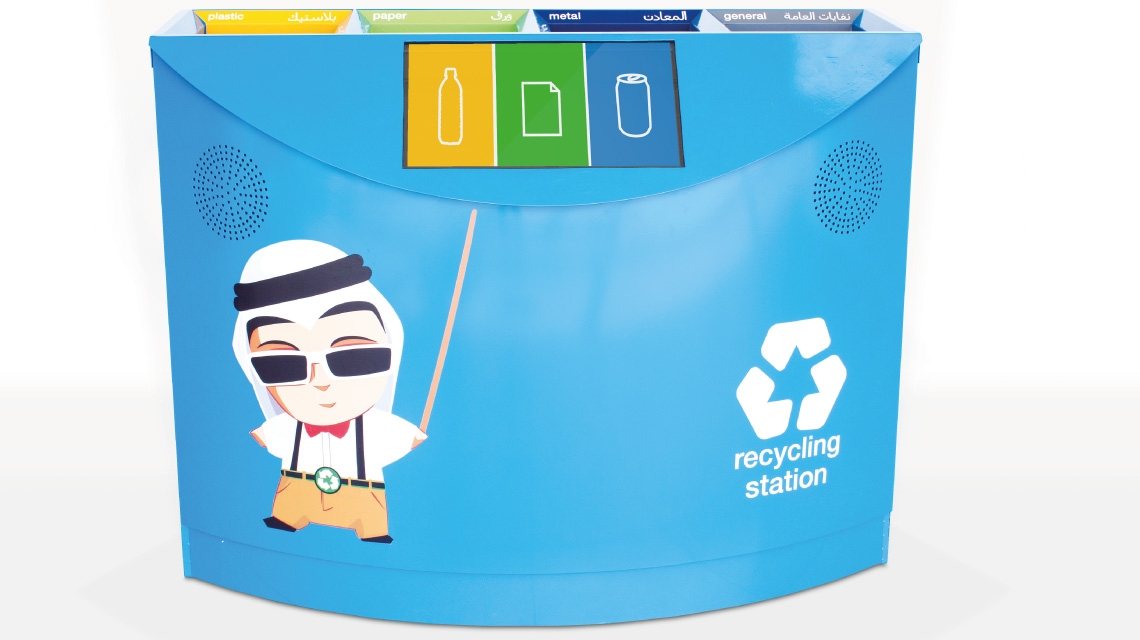
The event includes the Innovation Spaces exhibition, panel discussions on leading and nurturing innovation, the AINnovation Competition, and certified workshops. Masdar Institute’s Center for Innovation and Entrepreneurship (iInnovation) will mark its participation with the demonstration of a prototype of an interactive recycling bin developed by WMS Metal Industries LLC in collaboration with Masdar Institute students and faculty in a novel industry-university partnership. WMS is listed as one on the top 100 SMEs in Dubai by the Dubai government, and currently ranks seventh in innovation.

A total of 12 entrepreneur teams, three from the GCC region, have been selected to compete from the 150 applications for the AINovation Competition 2014. The competition will vet ideas with themes focusing on environment and renewable energy, life sciences, as well as health and engineering. In addition to the Innovation Spaces exhibition showcasing prototypes by innovators, a recruitment lounge for companies to help talent hunt will also be part of the event.

Dr. Bruce W. Ferguson, Head, Masdar Institute Center for Innovation and Entrepreneurship, and Professor of Practice, Engineering Systems and Management, will be one of four on the judging panel for the AINnovation Competition 2014. Participating teams will be given six to eight minutes each to present their concepts and compete for an award of US$2,000 for further developing their projects.

Dr. Ferguson said: “Our Center believes that technology-based startups formed by Masdar Institute students and faculty will benefit greatly from a strong UAE innovation ecosystem.  AINAC’s decision to site its international conference in Abu Dhabi provides an opportunity for UAE innovation stakeholders to meet and form connections that can be helpful to entrepreneurs at Masdar Institute and throughout the Middle East. The iInnovation Center and BP are sponsoring the event to help make it easier for technology entrepreneurs to carry forward their businesses after they leave the university.”

Masdar Institute Tops in Research Excellence among 91 Arab Region Universities

Abu Dhabi-UAE: 07 December, 2014 – Masdar Institute of Science and Technology has topped a prestigious ranking for research excellence, according to the 2015 US News & World Report’s inaugural ‘Best Arab Region Universities’ listing of more than 90 institutions across 16 countries.

The independent, research-driven, graduate-level university, focused on advanced energy and sustainable technologies, ranked first in the ‘field-weighted citation impact’ list – used to measure the quality of a paper whether published by faculty, post-docs or students. It is one of the most sophisticated indicators of the value of research publishing of a university and enables the comparison of citation impact across subject areas with different publication rates.

His Excellency Dr. Sultan Al Jaber, Chairman of Masdar, and Chair of the Executive Committee of the Masdar Institute Board of Trustees, said: “The findings of this report demonstrates the world leading performance of the Masdar Institute’s research base and our growing ability to compete in the global  innovation race. The Masdar Institute’s success is in support of the UAE leadership’s commitment to fostering a culture of innovation and to strengthening the development of our knowledge-driven industries. Research and technology development will be fundamental to achieving the leadership’s economic vision and to ensuring the sustainable growth of our nation.”

The US News & World Report, a leading US-based publisher of education analysis and rankings, unveiled the inaugural ‘Best Arab Region Universities’ rankings at the World Innovation Summit for Education. The Summit brought together decision makers, influential experts and practitioners to explore groundbreaking innovations and take concrete steps to make significant improvements to worldwide education.

In the US News & World Report listing Masdar Institute also ranked second in the ‘percentage of total publications in top 10 percent’ category and third in the ‘percentage of total publications in top 25 percent’ category. These metrics indicate the percentage of a university’s papers that are among the most highly cited papers in the world, by field and publication year. They are a measure of the volume of excellent research produced by a university, independent of the university’s size.

Additionally, Masdar Institute ranked 6th in the ‘energy’ subject area, supporting its position as a leading university for clean energy research. Its overall ranking of 23 firmly places the institute among the Best Arab Region Universities listed.

Dr. Fred Moavenzadeh, President, Masdar Institute, said: “The rankings by a global organization such as the US News & World Report affirm our status among the leading research universities. Importantly, we have earned these high rankings within a few years of inception, having launched our research-focused graduate programs only in 2009. We believe this recognition will further motivate our staff, faculty and students to seek more milestones.”

The US News & World Report rankings mark another notable achievement for Masdar Institute, which has four registered US patents, 42 patent applications pending and 69 invention disclosures. Its faculty, post-docs and students have published over 500 papers in peer-reviewed journals and participated in over 380 conference proceedings. They have also published four book chapters and two full books.

The 2015 US News & World Report rankings include the top Arab region universities overall, based on their academic research performance, as well as separate rankings in 16 subject areas, including energy, computer science, engineering and medicine. The rankings focus on academic research publication data from Elsevier’s Scopus, the world’s largest abstract and citation database, and metrics powered by SciVal Analytics, part of the Elsevier Research Intelligence portfolio. To be included and ranked, an Arab region university must have 400 or more total publications tracked by Scopus.

Masdar Institute PhD Student among 43 Medal of Top Emirati Award Recipients

Abu Dhabi-UAE: 8 December, 2014 – Masdar Institute of Science and Technology, an independent, research-driven graduate-level university focused on advanced energy and sustainable technologies, today announced that its PhD student, Ahmed Al Harethi, became one of the proud recipients of the Medal of Top Emiratis on the occasion of UAE National Day.

His Highness Sheikh Mohammed bin Rashid Al Maktoum, Vice-President and Prime Minister of the UAE, and Ruler of Dubai, presented the award to Al Harethi and 42 other top Emirati achievers in the fields of education, research, health, economy, military, and sports, as part of the 43rd UAE National Day celebrations.

The Masdar Institute student was nominated for the distinguished innovators, inventors and achievers award by Masdar Institute and the Abu Dhabi Government Technology Development Committee Takamul Program for his academic and research achievements.

Dr. Fred Moavenzadeh, President, Masdar Institute, said: “This UAE National Day honor for Masdar Institute’s Ahmed Al Harethi is a testimony to the research and innovation calibre of our students and faculty members, as well as the continuing support Masdar Institute receives from the UAE leadership in its efforts to develop the UAE’s human and intellectual capital. We congratulate Al Harethi and all the faculty members who guided him in his research work and believe this honor will help motivate more students to pursue meaningful sustainable research.”

Over 137,000 applications were submitted for the Medal of Top Emirati prizes, out of which 43 were selected in honor of the 43rd UAE National Day. Al Harethi and the other recipients will have their names archived with their achievements in the UAE Government Year Book.

Al Harethi was honoured for being “the first Emirati to invent a mechanism for generation of biofuels with industrial quantities using genetically-modified algae”, which relates to his ongoing doctorate research at Masdar Institute.

Al Harethi said: “I believe that algae hold a great potential for the UAE. It is the only biomass that we can mass produce in the UAE without fresh water or arable lands. It has applications that have direct relevance to the challenges of water, food, and energy security. I hope that this award will attract more students and researchers to our field and lab.”

He added: “I would like to thank the UAE leadership, Masdar Institute and its senior management, who enabled me to transition from a regular engineer into a researcher. I am especially grateful for the important role played by my advisor Dr. Hector Hernandez. He welcomed me to his laboratory as a student and as a friend, gave me the confidence to think and act as a scientist, inspired me to think outside the box, worked hard to provide us with new opportunities, and supported every decision that I have made.”

Al Harethi is one of 491 students currently pursuing studies at Masdar Institute, of which nearly half, like him, are UAE nationals. Masdar Institute’s mission is to position Abu Dhabi as a knowledge hub and engine for socioeconomic growth, and as such, its research-focused degree programs in clean energy and advanced technologies aim to produce the innovative human and intellectual capital required for the UAE’s high-tech competitive knowledge economy. 

The research-based institution currently has four registered US patents, 42 patent applications pending and 69 invention disclosures. Its faculty, post-docs and students have published over 500 papers in peer-reviewed journals and participated in over 380 conference proceedings. They have also published four book chapters and two full books.

Masdar Institute and BP Further Ramp Up Innovation Drive in UAE

Abu Dhabi-UAE: 14 December, 2014 – The Institute Center for Innovation and Entrepreneurship (iInnovation) at Masdar Institute of Science and Technology and BP today ramped up their contribution to the UAE’s innovation drive by naming two recipients for the inaugural BP Innovation Scholarship.

Saeed Al Nofeli, a first year graduate student from Masdar Institute’s Engineering Systems and Management Program, and Eanna R. Farrell, a first-year graduate student from Masdar Institute’s Water and Environmental Engineering Program, have been chosen as the BP Innovation Scholars for 2014. The selection of these scholarships was made by a panel that included Dr. Bruce W. Ferguson, Head, Innovation and Professor of Practice, Engineering Systems and Management, Masdar Institute, and Dr Issam Dairanieh, Global Director, BP Ventures.

Dr. Fred Moavenzadeh, President, Masdar Institute, said: “The awarding of the inaugural BP Innovation Scholarship to two students illustrates the kind of ecosystem we provide for stimulating the process of innovation. The support of the UAE leadership continues to enable us to provide such facilitating measures to students. Congratulations to the two scholarship recipients. We believe they will be encouraged through this collaborative program between the Institute and BP to seek new innovations and achieve sustainable solutions in clean energy areas.”

As a central part of their thesis, the two BP Innovation Scholars will work towards creating new technology-based businesses. They will focus their thesis research on developing new products and services based on a technology related to Masdar Institute’s mission of addressing real-world energy and sustainability challenges from an integrated technology, systems and policy perspective. In case the scholars choose to participate in forming a company before graduation and provide a satisfactory business plan, a limited amount of seed capital funding may also be made available.

The BP Innovation Scholarship is a two-year merit scholarship awarded to graduate students in any one of Masdar Institute’s nine engineering concentrations.

AbdulKarim AlMazmi, BP’s General Manager and Chief Representative in Abu Dhabi, said: “BP Innovation Scholars are encouraged to identify compelling opportunities that enable them to participate in forming a start-up, or introducing a new product or service within an existing company, before graduation. We are committed to developing local capability in the country as a key to a successful and innovative society.

“The new scholarships help implement the goals of BP’s collaborative program with the Institute, which aims to create an on-site Technology Accelerator to strengthen innovation and entrepreneurship in Abu Dhabi and the region. It is part of BP’s effort in support of Abu Dhabi’s goal to build a diverse and sustainable economy. We wish the two scholars success in their academic and entrepreneurial ventures.”

Dr. Bruce Ferguson said: “The BP Innovation Scholarship program, which is itself quite innovative, reflects a recognition that technology entrepreneurship is an educational process as much as a business investment.  These two students will help us develop a new pathway to technology innovation.  We expect the Scholarships and similar programs to yield important dividends in human capital development, knowledge creation and economic growth.”

The BP Innovation Scholarships are funded in part under the new US$7 million collaborative innovation agreement that Masdar Institute and BP signed earlier in 2014. Scholarships include full tuition, housing, living expenses, insurance, travel costs and certain patenting expenses. The scholarships are awarded to applicants with outstanding academic records, who demonstrate initiative and creativity.

Further information on the scholarships is available at the Institute’s on-line application site, www.masdar.ac.ae/admissions .