

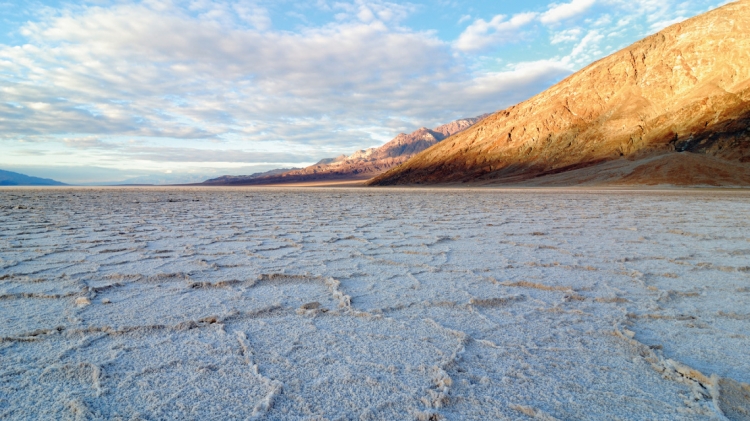
Something unusual is happening on the UAE’s coastal saltflats. A mineral known as dolomite – a crystalline rock containing calcium, magnesium and carbon – is slowly being formed.
Not so odd, you might think – rocks are laid down all the time, albeit over many millions of years and under the right conditions.
But dolomite is different. Until recently it was thought that it formed only under the kind of extremes of heat and pressure that haven’t been seen on Earth for many millions of years. So what is going on in Abu Dhabi?
 The answer, it seems, is down to the unique and resilient community of microbes that inhabit these barren, salt-crusted sabkha sediments.
These microbes have a remarkable ability to modify their environmental chemistry and overcome the barriers that otherwise prevent dolomite formation. They form sticky biofilms, some thick enough to be visible, which appear to act as highly customised templates on which the mineral can grow.
In this regard, the communities can be likened to living, breathing catalysts, pulling together the building blocks of dolomite from the environment to make a layered, organised and growing dolomite crystal. They are not the only organisms to pull off biomineralisation, of course.
Various others manage it, synthesising countless structures that are among nature’s toughest and most intricate, such as seashells, pearls and even our own teeth – all formed under remarkably low-energy, low-pressure and non-toxic conditions.
To further explore this subject, our research team at Masdar Institute took to Abu Dhabi’s sabkhas to investigate the processes behind the formation of dolomite here, in the hope of speeding up the process and similar reactions in the lab.
Looking at the precise molecular structures at play here has helped us understand how dolomite is assembled molecule by molecule through dynamic interactions between sabkha microbes, the sticky ‘mortar’ that makes up their biofilms, and the local chemistry.
Eventually, the mechanisms we are piecing together could help our industries develop greener ways of repairing or fabricating materials than the classic industrial “heat, beat and treat” methods, which typically require intensive energy, pressure and toxic chemical input.
It works the other way, too. Several organisms have natural mechanisms that regulate the growth of hard structures – such as sea shells that stop growing once sufficiently large. Understanding these processes could lead us to gentler and more effective ways of suppressing undesirable mineral buildup in pipelines or on buildings, which if left untreated can cause damage, line losses, and great expense.
Such strategies are made even more compelling by the prospect of permanently sequestering atmospheric or dissolved carbon dioxide into inert, solid structures – preventing potential climate-harming effects.
And the UAE has no shortage of raw materials – its huge desalination plants produce vast amounts of concentrated brine.
This research could provide a better outlet for all that brine than returning it to the Arabian Gulf, which over time will make that body of water ever more saline, and eventually degrade its ecosystems.
The challenge now is to replicate these ingenious, natural processes in a way that is cost and time-effective.
Wan Abdul Matiin is a research engineer at the Masdar Institute’s Bio-Energy and Environmental Laboratory where Dr Farrukh Ahmad is an associate professor of water and environmental engineering.
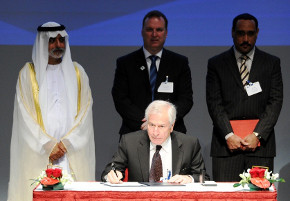 Abu Dhabi-UAE: 04 March, 2013
 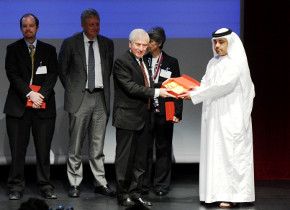 A UAE-led project, eFADA is expected to offer all students and faculty in the country access to large electronic resources collection through a single platform. It aims to deliver a comprehensive development of physical objects among institutions, a repository for archiving and disseminating faculty and research output, as well as a consortium purchasing for e-resources. The eFADA is a new addition to Ankabut services that supports the national goal of developing a knowledge economy, and contributes to achieving Abu Dhabi’s 2030 Vision.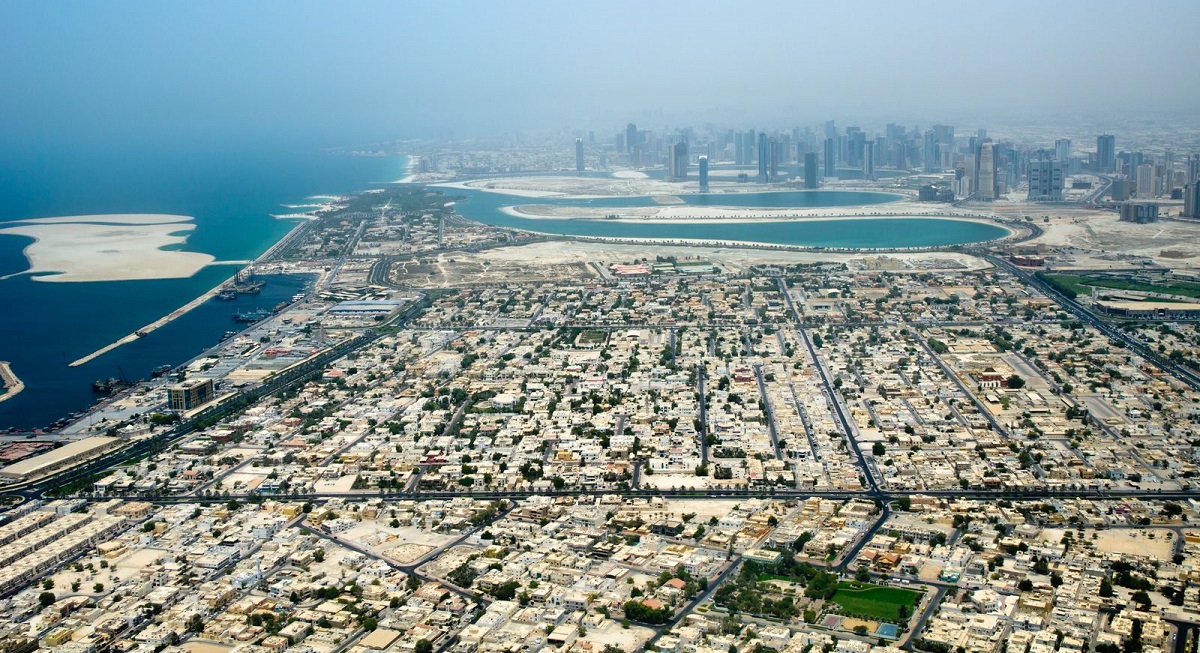
 Dr Fred Moavenzadeh, President, Masdar Institute, said: “The extension of the urban heat island project that covers the Abu Dhabi metropolitan areas to Dubai and Doha bears testimony to the highly relevant nature of our research not only to the UAE but the entire region. With the guidance and vision of the country’s leadership, Masdar Institute’s research projects are being acknowledged and adopted widely. We hope the outcome of this research will help formulate better city planning and smart urban development measures.”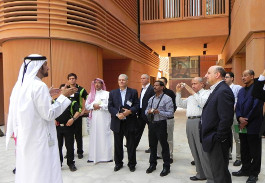
 Abu Dhabi-UAE: 18 April, 2013
  Abu Dhabi-UAE: 21 April, 2013 – Masdar Institute of Science and Technology, an independent, research-driven graduate-level university focused on advanced energy and sustainable technologies, today announced one of its students contributed to a project that has been selected among the top 100 technology projects in the ‘Best of What’s New’ Award by Popular Science magazine.

 Abu Dhabi-UAE: 01 May, 2013