Khalifa University’s 2019 YFEL Members Honored for Successfully Completing Year-Long Program

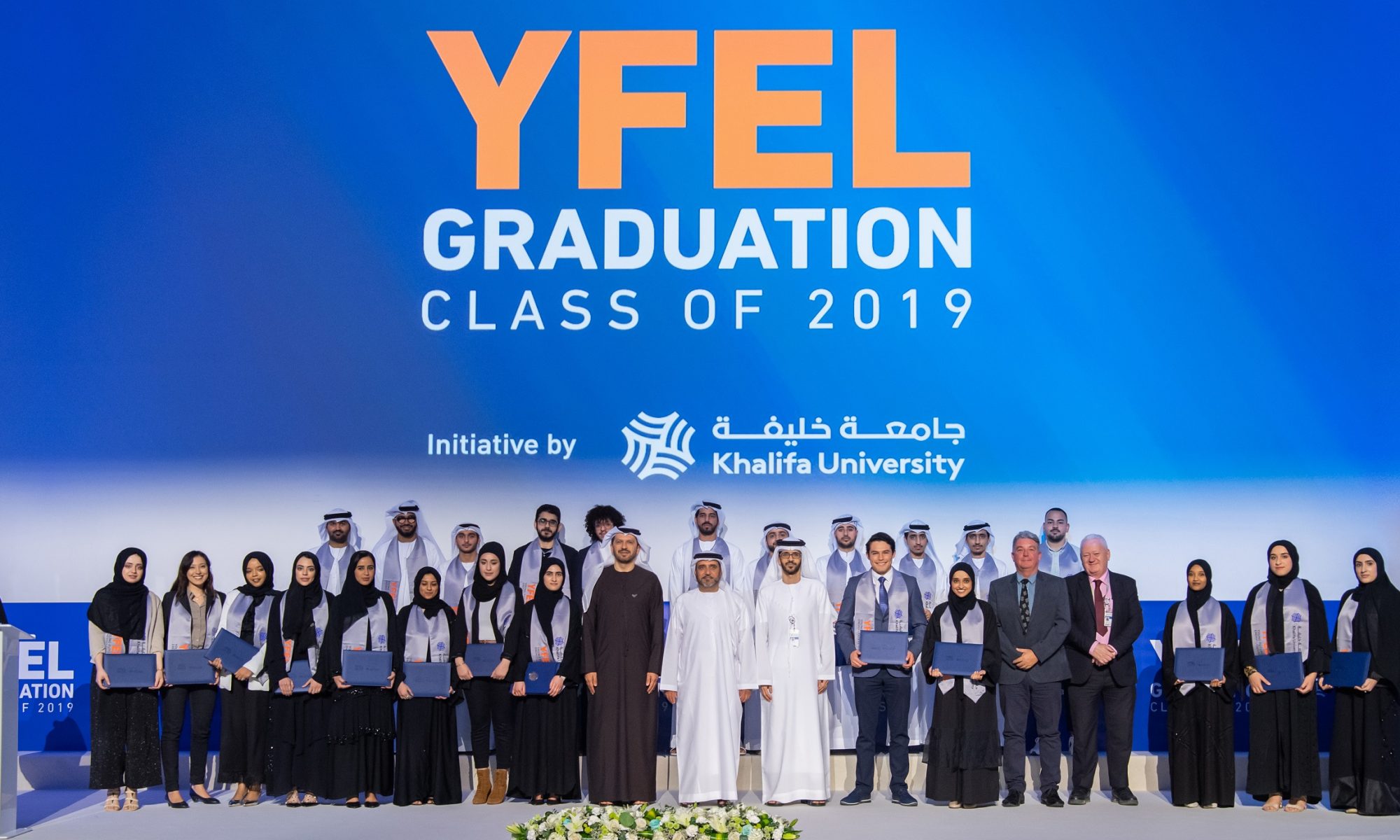
A total of 28 members of 2019 Young Future Energy Leaders (YFEL) outreach program were honored for successfully completing their year-long commitments at a gala ceremony, organized during the Abu Dhabi Sustainability Week 2020 at the Khalifa University Main Campus.

Certificates of completion were presented to the YFEL members by Abdulaziz Abdulla Alhajri, Member of the Khalifa University Board of Trustees, and Director, Refining and Petrochemicals Directorate, Abu Dhabi National Oil Company (ADNOC), at the ceremony. These 2019 YFEL batch of graduates now join more than 450 YFEL program alumni.

The YFEL program was established in 2010 by His Highness Sheikh Mohamed Bin Zayed Al Nahyan, Crown Prince of Abu Dhabi and Deputy Supreme Commander of the UAE Armed Forces, as an initiative to engage the youth in energy and sustainable technology and prepare them to be the future leaders in this field.

Dr. Arif Sultan Al Hammadi, Executive Vice-President, Khalifa University of Science and Technology, and Dr. Ahmed Al Shoaibi, Senior Vice President, Academic and Student Services, Khalifa University, attended the ceremony. Others present at the ceremony included Dr. Steven Griffiths, Senior Vice President, Research and Development, and representatives from sponsors as well as dignitaries, and guests.

The 2019 YFEL members represent eight countries, with 17 UAE nationals with two international, and nine locally-based students. Also present were the 2020 YFEL members numbering nearly 50, for whom the evening’s proceedings served as an orientation ceremony.

Dr. Ahmed Al Shoaibi said: “Congratulations to the 2019 YFEL members for successfully completing a tough year-long journey towards becoming capable future energy leaders. These youth are now qualified and trained to handle core sustainability issues and I am sure they will effectively contribute to the community. Following the success of the graduating YFEL members, I am equally delighted to welcome the 10th group of YFEL members who I believe will remain even more committed to sustainability and clean energy technologies.”

During the ceremony, a video presentation highlighted the achievements of the 2019 YFEL outreach initiative that included their completion of educational courses in three categories – technology, policy and leadership. Also during the year, a team of YFEL members worked on a case study related to sustainability at the Expo 2020 site.

The 2019 YFEL members worked on a number of novel projects during the year. Emirati YFEL 2019 member Ali Jassim Rajab has worked on solar cells and machine-leaning algorithm to create a model to classify the health of trees at University of Tokyo. Rajab said: “I am truly grateful to the YFEL program that has academically enriched me and rewarded me in renewable energy-related research.”

Sharing his perspectives, Arturo Hernández Rodea of Mexico, Another YFEL member said: “Participating in the YFEL program from January 2019 has expanded my horizons in a way we can conceive our future cities and interactions with energy. The network of outstanding and dedicated colleagues we have created continues to inspire me and will help me to deliver better to the world.”

Rodea started a student’s program in sustainability at his university in Mexico, which in collaboration with Stanford University later became part of the United Nation’s Sustainable Development Solutions Network-Youth, and an official SDSN chapter in Mexico for both youth and seniors. He has also worked with General Electric Power Services – Latin America, on a project to simplify the weekly planning procedure from 10 hours to five minutes, resulting in substantial annual savings. Moreover, following a successful internship with the French group INCO, he is now, as an ambassador, looking to create an ecosystem for INCO Mexico.

Over the years, the YFEL program has received support from community leaders and corporate sponsors. Notable among them was the Emirati philanthropists His Excellency Mohammed bin Kardous Al Ameri, and His Excellency Sultan bin Rashed Al Dhaheri. In addition, German companies BASF and Siemens have sponsored YFEL teams.

Catalysis Research Shared at International Conference

Two PhD students under the supervision of Dr. Kyriaki Polychronopoulou, Associate Professor of Mechanical Engineering and Director of the KU Center for Catalysis and Separation (CeCaS), presented papers at the Sustainable Industrial Processing Summit & Exhibition (SIPS), which took place in Cyprus in October, demonstrating KU’s strong research capabilities in the field of catalysis.

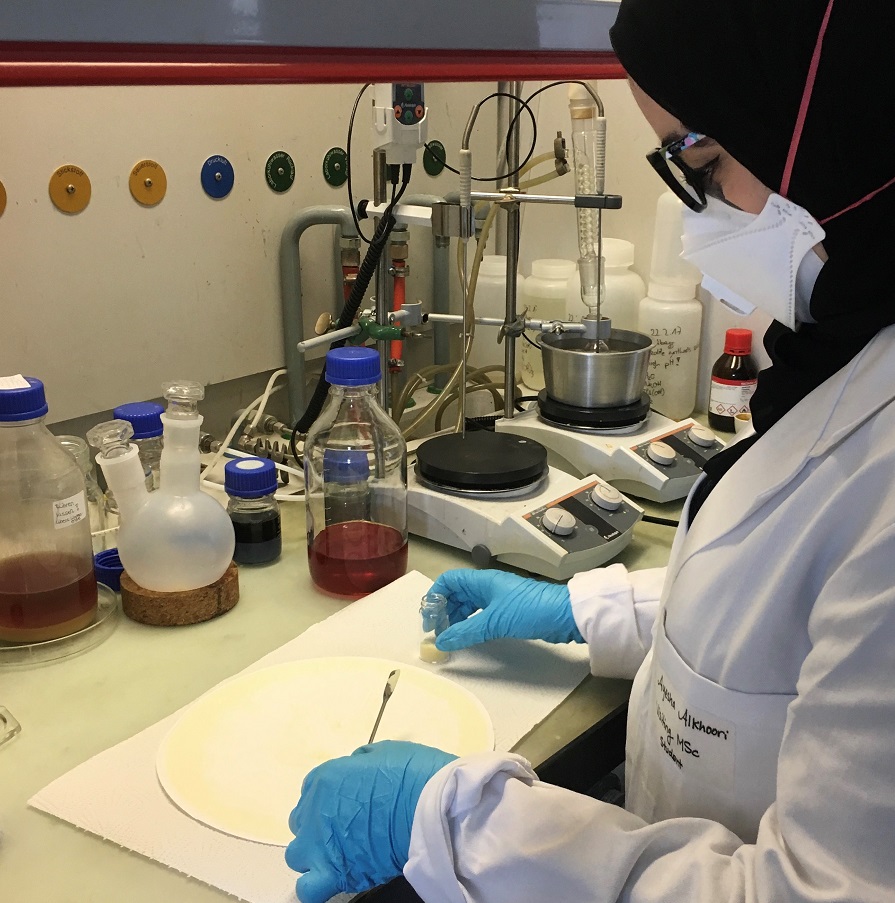
Ayesha Alkhoori presented a paper titled “H2 Production from Glycerol Steam Reforming.” Her paper describes how she has developed an improved catalyst capable of producing high yields of hydrogen by steam reforming glycerol, a by-product of biodiesel production, at a low temperature.

A recent spike in the production of biodiesel in the UAE – brought about by local efforts to reduce the country’s carbon footprint through greener fuels – has led to an increase in the production of crude glycerol. “For every one ton of biodiesel, 100 kg of crude glycerol is generated as the main byproduct,” Alkhoori explained.

While glycerol is an important feedstock for the manufacture of value-added chemicals and clean fuels, including hydrogen, most of this surplus crude glycerol gets incinerated. This is because current methods for turning glycerol into useful chemicals – which is done through a catalytic process called glycerol steam reforming – requires very high operating temperatures above 500 degrees Celsius, and high costs.

Currently, when glycerol is steam reformed using a nickel-based catalyst, carbonaceous chunks of waste called ‘coke’ build up on the surface of the catalyst, blocking the reaction sites and reducing efficiency.

To overcome this issue, Alkhoori designed a catalyst made of copper and cerium to be highly reducible, which means that it provides the key ingredient of oxygen to the reaction sites, to convert the glycerol into hydrogen gas more efficiently. The activated oxygen carries out the chemical reactions at lower temperatures and lower cost, without sacrificing the hydrogen yield.

The research began last year at CeCaS under the supervision of Dr. Kyriaki Polychronopoulou, Associate Professor of Mechanical Engineering, and involves collaborators from the University of Western Macedonia. This work was published in early 2019 in the Sustainable Energy & Fuels, journal of the Royal Society of Chemistry (UK).

A second PhD student, Aseel Hussein, presented a paper titled “Improving Metal Oxide Catalysts for Biogas Dry Reforming: Coupling of Mechanochemical Modification with Enhanced Microwave Chemistry.” Her paper, which was done in collaboration with MSc student Sara AlKhoori, describes a ‘smart’ design for a catalyst used to convert methane, a greenhouse gas, into a combination of carbon monoxide and hydrogen known as syngas, which can be used to produce ethanol, methanol, or other clean liquid fuels.

Methane is converted into syngas through a process known as “dry reforming of methane.” The process is typically carried out with noble metal elements, which are known for their high activity and stability. But noble metal elements are very costly, making the process too expensive to perform at an industrial scale.

Hussein proposes using catalysts made from much lower cost nickel and cobalt. The challenge with these type of transition-based catalysts, however, is that they are prone to coking, which blocks the reaction sites and ultimately stops the catalytic activity.

To get around this issue, Hussein designed her nickel-based catalysts with increased oxygen storage capacity. By increasing its oxygen storage capacity, the catalyst can leverage the carbon buildup for more efficient gasification, which is process needed to convert the methane into syngas.

Hussein’s research started in 2017 and is being sponsored by the Abu Dhabi Department of Educational and Knowledge (ADEK) through the Research Excellence Award (AARE) 2017. She is also being supervised by Dr. Polychronopoulou. She is collaborating with research teams from University of Western Macedonia in Greece, the University of Surrey in the UK, and University of Zaragosa in Spain.

She plans to continue testing the best catalytic system in terms of selectivity and stability to better control the coking.

Erica Solomon
Senior Editor
16 January 2020

Preparing the Power Grid for More Solar Energy is Key to Renewable Energy Future

Many of the world’s leading experts and authorities on sustainability and clean energy are gathered in Abu Dhabi at Abu Dhabi Sustainability Week to discuss ways to significantly increase the share of electricity generated across the world by renewable sources.

At the top of the agenda are conversations around how to prepare national power grids to integrate larger amounts of variable renewable energy sources, like the sun or wind, which do not supply a constant stream of energy.

The cost of producing renewable electricity has fallen sharply, enabling solar and wind power to reach price parity with fossil fuels in many parts of the world. However, cheap and clean energy is useless unless it can be transmitted day and night without fail. This is where the power grid comes into play.

Power grids match the amount of electricity being generated with the load, or the amount being consumed. However, the intermittent nature of solar and wind energy causes operational challenges for grid operators, requiring the need for system balancing and energy storage technologies, the latter particularly important as the share of electricity from intermittent renewable energy sources approaches 15 to 20%.

At Khalifa University, researchers are addressing the need for grid stability with research aimed at smoothing the integration of electricity generated by solar photovoltaics (PVs) onto the grid through an approach that focuses on optimizing the design of large-scale PV power plants and their required storage systems.

“Stable grids must be able to mix conventional energy, and energy from the sun and wind, along with storage, so that power is delivered consistently day and night through the grid, whether the wind is blowing or the sun is behind clouds,” Dr. Mohamed El Moursi explained. Dr. El Moursi is Professor of Electrical Engineering and Computer Science at Khalifa University and one of several KU researchers developing solutions to overcome the challenges of integrating renewables into the electric grid. The team has published a string of research papers on their developments in the IEEE Transactions and IET Journals, which are the top journals in the field of power systems, power electronics and renewable energy system development and integration.

“Our team is focused primarily on developing smart and optimal PV plant design in terms of alternating current/direct current interconnections. We are also developing advanced SCADA systems, and augmenting optimal sizing of energy storage systems, in order to achieve efficient ancillary services – which include important grid support functions like voltage control, frequency control, inertia response, fault ride through, and power ramping and curtailment, scheduling and dispatching solar power generation. In addition, we are developing a Renewable Energy Management System (REMS) tool for high penetration and seamless integration of renewable energy systems, for both PV and concentrating solar power (CSP) systems,” Dr. El Moursi explained.

Dr. Mohamed El Moursi is Professor of Electrical Engineering and Computer Science at Khalifa University and one of several KU researchers developing solutions to overcome the challenges of integrating renewables into the electric grid.

“Our main goal is to reduce uncertainty of PV power generation on the electric grid, to enhance the grid’s stability with a high penetration of PV, and to coordinate operations between PV and other power components in the electric grid in order to support optimal ancillary services to improve the grid flexibility along with economical grid operation.”

To achieve their goal, the KU researchers will focus on key components required to link the PV plant to the power grid: an optimal energy storage system, and a hybrid AC/DC and efficient hybrid SCADA system and REMS tool to ensure dispatching capability.

Storing Excess Energy

Dr. El Moursi and his team are developing an online renewable energy management system (REMS) tool that will help schedule and dispatch renewable power generation (the tool supports PV, CSP and wind power plants) with minimum utilization of energy storage systems, and employing an advanced demand response program in order to optimally size and operate the energy storage systems for the renewable power plant.

“In order to properly size the battery, we will develop advanced prediction algorithms to obtain solar radiance and power generation from the PV power plant. This will allow us to identify a confident zone for power generation that can be used to plan, size and operate the battery storage system,” Dr. El Moursi explained.

Different types of hybrid energy storage systems will then be evaluated based on the optimization algorithms, so they can achieve efficient ancillary services, dispatching, and load shifting, while also having a physically small footprint. The system is designed to ensure the optimal transmission of electricity and provision of ancillary services at a low cost and extended lifetime.

Getting Solar Power on the Grid Smoothly

The KU researchers will also study efficient converter topologies and control strategies for large and small scales PV integrations.

Solar PV generates electricity directly (known as direct current, or DC), while electric grids transmit electricity generated by large-scale power plants as alternating current, or AC. However, Direct current, or DC is recommended to transmit electricity over long distances to minimize the losses and overcome the instability problems, which are targeted in this project.

Being able to convert the direct current generated by solar PV plants to the alternating current transmitted by power grids requires an interface called inverters. Inverters are sized according to peak generation of the PV power plant, which means they feed active power generated by the PV plant to the grid when the plant produces its maximum amount of electricity, which is usually limited to a few hours midday. Thus, the research team also augmented efficient ancillary services for an optimal utilization and operation of the PV plant inverters for supporting the power grid over the day.

To ensure more solar energy is fed to the power grid, the KU team is developing a hybrid SCADA system for simple and seamless integration of PV and energy storage systems.

SCADA stands for supervisory control and data acquisition. It is a type of software application program for process control. A SCADA system allows grid operators to monitor and control plants locally and remotely, and collect and process data in real time on key plant equipment such as invertors, transformers, breakers, protection schemes, sensors, etc.

Preparing for a Renewable-Powered DC Future

With a growing number of PV plants that produce DC power, and advancements being made rapidly in voltage-source converters (VSC) – a technology that converts AC voltage from a DC voltage – the future modern power grid is shifting towards a hybrid AC/DC transmission system, capable of connecting directly to the DC part of large-scale PV power plants, through a multi-terminal DC grid.

This emerging trend towards a high voltage DC power grid makes KU’s research into convertors topologies, multi-terminal DC grid control and protection, energy storage utilization as well as hybrid SCADA system more relevant and important.

“Our research is in alignment with the state of art development for hybrid AC/DC transmission grids with high penetration of renewable energy systems,” Dr. El Moursi remarked.

A working prototype of REMS tool augmented with efficient ancillary services for PV and CSP power plants has been developed, and further optimization testing is being carried out with augmenting advanced technologies and smart grid interaction for future research development.

Erica Solomon
Senior Editor
15 January 2020

Robotic Rehabilitation in Stroke Survivors: A Bio-inspired Modular Compliant System

Dr. Kinda Khalaf, Associate Professor and Associate Chair, Biomedical Engineering, is leading a team of researchers at the Healthcare Engineering Innovation Group (HEIG) at Khalifa University to develop innovative methodologies and assistive technologies to assess and rehabilitate patients following a stroke. Dr. Khalaf is focusing on the quantification of disease induced movement impairment in stroke survivors using experimental and computational techniques, while Dr. Dongming Gan, Assistant Professor in the Department of Mechanical Engineering, is supervising a student design project aiming to develop a compliant ankle exoskeleton.

The first step is development of a clinical assessment protocol using gait and other key physiological parameters for the quantification of post stroke movement dysfunction and rehabilitation efficacy. Next, attention turns to rehabilitation techniques. A second HEIG project will design and develop a novel compliant exoskeleton system that can be used towards robotic human lower limb rehabilitation applications, including stroke.

“According to the World Health Organization, every year, 15 million people worldwide suffer a stroke, with five million left permanently disabled,” said Dr. Khalaf. “Instigated by an interruption of blood flow to the brain, resulting in damage to brain cells, stroke is considered the second leading cause of mortality globally for people above 60 years of age, and the second leading cause of disability.”

Stroke is the most common acquired neurological disease in the adult population worldwide with its global prevalence generating a significant burden of illness for healthy life years lost due to disability and premature death. One-third of stroke survivors achieve only a poor functional outcome five years after the onset, and although there has been great progress in managing outcomes, most of the care to reduce dependence among patients depends on rehabilitation.

“While developed countries are reporting an overall decline in the incidence of stroke, it’s increasing in the developing world,” said Dr. Khalaf. “In the UAE, the situation is worrisome, as not only is the incidence rate continuously increasing, but also the average stroke victim in the UAE is 45 years old, which is 20 years younger than the average stroke victim elsewhere in the world. Attributed to higher than global average prevalence of obesity, type 2 diabetes, hypertension and a sedentary lifestyle, statistics reveal that every hour someone in the UAE suffers a stroke. This is quite devastating both socially and economically in a young country.”

Optimal functional recovery is the ultimate goal of neuro-rehabilitation after an acute brain injury—the aim is to get people moving as normally as possible. One of the most common areas affected by stroke is the patient’s motor skills, with survivors experiencing disabilities to different degrees, in different hemispheres, and at different levels. Hemiparesis (muscular weakness or partial paralysis restricted to one side of the body) is seen in 88 percent of stroke victims, commonly affecting the limbs.

“Studies have shown that rehabilitation therapy is most effective if performed soon after stroke and that intensive therapy and task-based exercises may contribute significantly to partial and full motor recovery,” explained Dr. Khalaf.

Most therapists agree that early focused and repetitive exercise is the most impactful aspect of rehabilitation for future recovery. There is also evidence that early treatments involving mechanical structures to bring support and set constraints for movements promote the re-innervation of muscles in the affected limbs.

“Newly emerged robotic rehabilitation has several advantages, including consistency of intensive rehabilitation for a longer duration, irrespective of the skills and endurance of the patient and therapist,” said Dr. Khalaf. “Robot-based systems have the potential to provide programmable movement patterns, control of movement repetitions, and real-time position and force measurement and tracking. Robots can also be programmed to perform a wide variety of motion, including functional movements, allowing the patient to perform autonomous and repetitive training on tasks simulating activities of daily living.”

A senior design project proposed to Dr. Gan seeks to design a compliant ankle exoskeleton for adaptable walking assistance. Students Abdulla Almemari, Sultan Al Ali, Nawwaf Al Nuaimi and Khalifa Aladwan are aiming to assist people with ankle injuries specifically. They have developed a biomimetic exoskeleton that has a soft and safe interface with the human leg and a carefully designed variable stiffness compliant actuator to adapt to the patient’s speed and activity.

“Bio-inspired robotics systems have demonstrated improvement in mimicking natural physiological performance,” explained Dr. Gan. “However, issues such as how to design biological-system-like compliance, the level of the compliance, and how to integrate the compliance into the whole system, remain unsolved. We are prototyping an advanced exoskeleton and integrating it with innovative sensing and control technologies to achieve this compliance.”

The ability to walk independently is a prerequisite for most daily activities. Gait dysfunction is common in individuals with neurological disorders and impairments following stroke usually involve an excessive energy cost during walking. Stroke patients are generally unable to comfortably maintain the most efficient walking speed related to poor motor control, muscle weakness and sensory and balance disturbances. These impediments translate into issues with the proper sequential activation of the muscles in the different stages of gait, causing compensatory strategies that decrease speed and efficacy.

The ankle exoskeleton proposed in the senior design project can be applied to stroke rehabilitation because one of the most common impairments observed in stroke patients is the reduction of ankle dorsiflexion associated with a hyperextension of the knee. Not only does this affect walking speed, but also the ability to walk on irregular surfaces and climb stairs. This is commonly known as drop foot.

Before an exoskeleton can be tailored to a patient, their gait must be analyzed. Dr. Khalaf and her team are devising a comprehensive methodology for the quantification of gait patterns and other physiological parameters of stroke survivors. They plan to develop a patient-specific practical motion analyzer for reliable quantitative post-stroke assessment.

“Gait analysis in general can be of significant importance in identifying and tracking the results of surgical and other therapeutic modalities for the documentation, rectification, and improvement of abnormal gait patterns,” explained Dr. Khalaf. “The application of simplified gait analysis as a tool for assessing patients with stroke will aid in diagnosing and following gait aberrations, and quantifying the effects of therapeutic modalities.”

Identifying the exact ‘settings’ appropriate for each patient depends on accurate and reliable gait analysis. The biomimetic ankle exoskeleton will involve a variable stiffness spring actuator system to retract the ankle from its extended position to its normal position to help patients experiencing drop foot.

Successful rehabilitation strategies include mimicking the physiological joint power and energetics, where joint compliance and stiffness is key. Humans adjust leg stiffness during different locomotion speeds, where controlling ankle stiffness is a primary mechanism that is critical in control during motion.

“To compensate for and augment the human physiological compliance, a compliant joint will be designed and integrated into the lower extremity exoskeleton,” explained Dr. Gan. “The compliant design will ensure smooth motion transformation between the human and the exoskeleton.”

“Currently, health services in the UAE are struggling to provide rehabilitation therapy to victims, meaning many have to travel outside the country following a stroke. This imposes a heavy burden on the local economy and sacrifices the element of family support inherent to the culture here,” explained Dr. Khalaf. “Our multidisciplinary, multinational team with diverse engineering and clinical expertise is designing an innovative strategy for robotic rehabilitation for the UAE and the region, which will provide a more effective and sustainable therapy for patients.”

Jade Sterling
News and Features Writer
9 January 2020

Khalifa University’s Masdar Institute Solar Platform Installs UAE’s First-of-a-Kind Solar Concentrator at Masdar City

Khalifa University of Science and Technology, Abu Dhabi’s flagship sustainable community Masdar City, and Wahaj Solar jointly announced the installation of a first-of-its-kind solar concentrator in the UAE at the Masdar Institute Solar Platform – a first step in the development of a unique scalable high-temperature Concentrated Solar Power (CSP) system including thermal energy storage for more efficient on-demand and ‘dispatchable’ electricity generation, solar fuels production or industrial process heat applications.

The ASC10 model, a 10-meter diameter pre-commercial scale solar concentrator, designed and developed by UAE-based Wahaj Solar, is located at the Masdar Institute Solar Platform (MISP) located at Masdar City. The MISP is also part of the Masdar Solar Hub, which was launched in 2015 with focus on accelerating and testing pilot scale solar technologies.

The newly installed concentrator – a metallic reflector-based giant Fresnel lens with fixed focal point relative to the ground – will offer a concentration ratio close to 1000 suns and temperatures above 1000 degrees Celsius, enabling the system to achieve higher temperature with less mirror surface, compared to conventional CSP systems. It can be combined with a more efficient high-temperature power generation system, helping to convert more solar energy into electricity. Moreover, high temperature thermal energy storage can be integrated with the ASC10.

Dr Arif Sultan Al Hammadi, Executive Vice-President, Khalifa University of Science and Technology, said: “The installation of UAE’s first-of-a-kind solar concentrator marks the next stage of Masdar Institute Solar Platform’s advancing research in solar energy technologies. The MISP stands as an example for innovation and we are keen to contribute to seeking new solutions to increase efficient clean generation of 24/7 power, which remains one of the strategic areas for the UAE. We believe the MISP will further enhance its significance to innovations in the energy sector, especially solar power, while attracting more industry collaborators.”

Motasim Al Daour, majority shareholder at Wahaj Solar, said: “After realizing the potential of the ASC technology and its coherence with UAE policies regarding innovative solar energy reliance especially in the topic of CSP, we decided to invest in developing and verifying the ASC and to introduce this breakthrough technology to the world from UAE. We are setting a unique example in the region where a private small company is created for the sole purpose of developing innovative new products with completely private investments”.

“Through combining technologies in power generation and storage, solar energy is becoming an increasingly reliable provider of electricity at night as well as during the day,” said Yousef Baselaib, Executive Director for Sustainable Real Estate at Masdar. “The launch of the UAE’s first Solar Concentrator at Masdar City will help to accelerate this exciting industry development, while providing further evidence of the potential for homegrown innovation here in the UAE.”

“As the natural home for innovation in clean-tech and sustainable urban development, Masdar City is delighted to be working alongside Khalifa University and Wahaj Solar to support R&D into concentrated solar power, a sector where Masdar is already playing a leading role. The Solar Concentrator will also complement other pilot projects hosted at the city and attract even more clean-tech businesses to Abu Dhabi and the UAE.”

Wahaj Solar proposed an innovative metallic-reflector-based Fresnel lens beam-down concentrator, called Ayman solar concentrator (ASC). A 40cm-prototype of this was successfully demonstrated in 2016 in Jordan. Based on this laboratory-scale proof-of-concept and an optical model, a new design of a 10-meter diameter pre-commercial scale unit was developed. This is currently under experimentation at the MISP in Masdar City. The system is protected by patents registered in the US, European Union Countries, GCC, and the World Intellectual Property Organization covering 150 countries worldwide.

Dr. Ayman Al-Maaitah, the inventor of ASC and the managing partner of Wahaj Solar said: “We have decided to launch this breakthrough technology form the UAE because of its vision in supporting innovation especially in the solar energy field. Khalifa University strongly declares its devotion to research and development and support of innovation. The Masdar Solar Platform at KU is an ideal location for testing and verifying new innovative solar technologies which will help us to obtain a verification from a respected third party of our system and hopefully to further develop its applications. “

With the newly installed concentrator, Khalifa University can develop other relevant projects to work on high-temperature thermal energy storage systems including thermochemical energy storage or solar fuel production. At a later stage, this could even lead to consider solar metallurgy by melting metals such as aluminum with solar energy alone.

Clarence Michael
News Writer
16 January 2020

KU Students Develop Airline Chatbot for Travelers

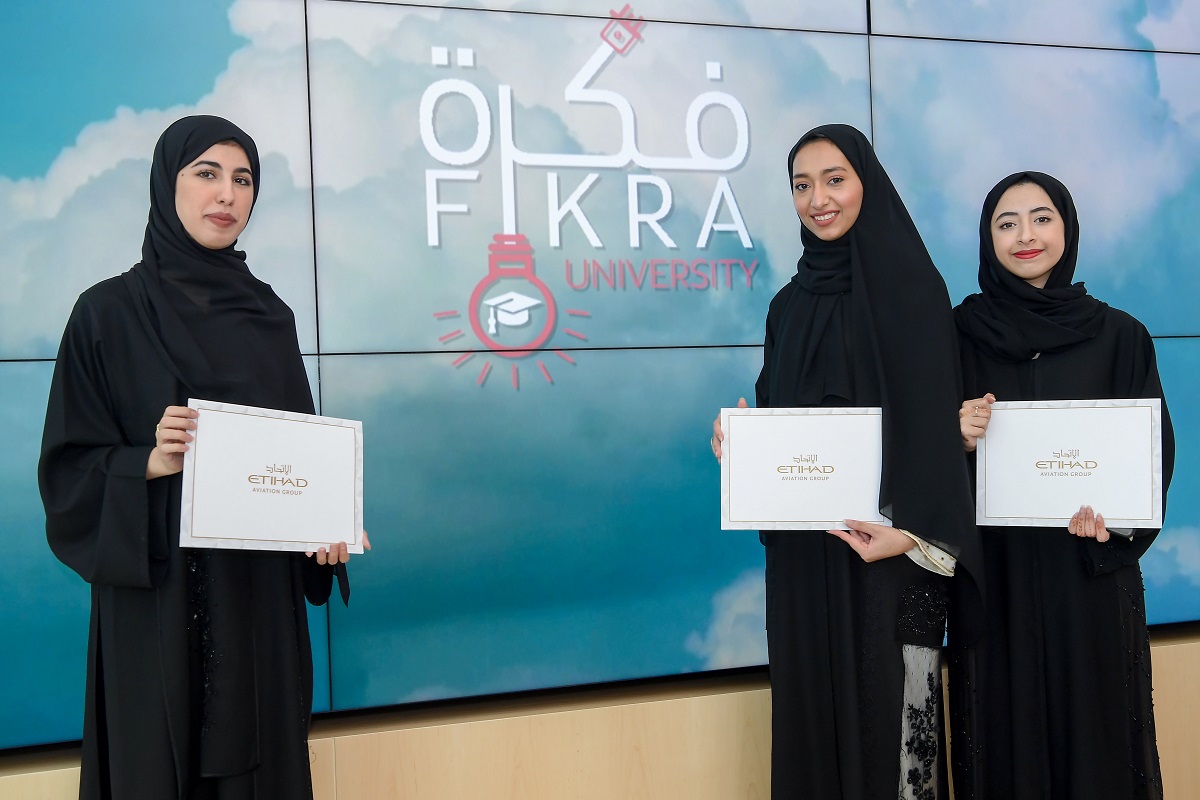
A team of Khalifa University students has developed a chatbot that will ease the flight booking process for group travelers. Team Safratna, comprised of BSc in Aerospace Engineering students Ashwaq Alkaabi, Shamsa Alyaarbi, and Amna Almatrooshi, was among the six finalist teams of Etihad Aviation Group’s Fikra University Competition 2019. The competition aims to empower talented university students across the UAE with hands-on experience in solving real-world problems in the aviation industry and encourage them to produce original solutions through creative thinking.

The chatbot, called Wahjini, was developed by Team Safratna to help group travelers with basic airline booking. When booking flights, the bot will include the whole group in a chat where they can choose their choice of destination and travel dates. The chatbot will also be able to send high-value upgrade suggestions, targeted offers, personalized recommendations, real-time flight notifications, as well as help check the visa requirements and process for the chosen destination. After everything has been finalized, the bot will then send the details to an Etihad agent to complete the booking.

The team presented their project to a judging committee that included Tony Douglas, Group Chief Executive Officer, Etihad Aviation Group and other chiefs and executives from Etihad Aviation Group, SAP, Cognizant, and IBM. Demo day was held at the Abu Dhabi Youth Hub on 15 December 2020.

Ara Cruz
News Writer
16 January 2020

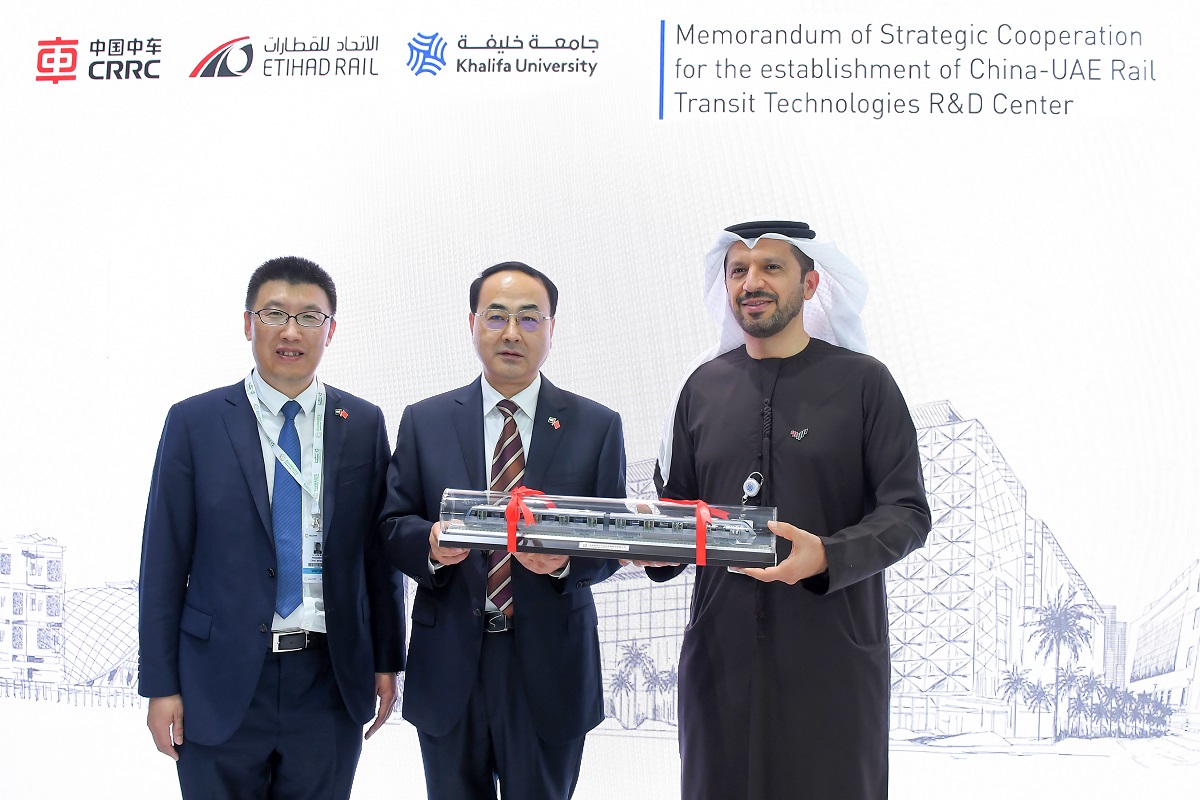
Khalifa University, China’s CRRC Qingdao Sifang and Etihad Rail to Establish China-UAE Rail Transit Technologies R&D Center

Khalifa University of Science and Technology and China’s CRRC Qingdao Sifang Co., a global designer, manufacturer and maintenance provider of advanced passenger railway vehicles have signed a strategic cooperation memorandum to jointly plan and establish the China-UAE Rail Transit Technologies R&D Center in Abu Dhabi. Etihad Rail, developer and operator of the UAE’s national railway, will also be a key party in developing the center.

The Center would be the first in the Middle East region for CRRC Sifang, which already has four national R&D institutes in China. CRRC Sifang is one of the vital subsidiaries of CRRC and an industrialization hub for Chinese high speed trains.

The memorandum was signed by Dr. Arif Sultan Al Hammadi, Executive Vice President, Khalifa University, and Dr. Jiangying LIANG, Vice President and Chief Engineer, CRRC Sifang in Abu Dhabi. His Excellency, Hussain Ibrahim Al Hammadi, UAE Minister of Education and Vice Chairman of Khalifa University’s Board of Trustees, and Shadi Malak, CEO, Etihad Rail, were present on the occasion.

The Center will focus on new technologies in rail transit industry, especially in the field of artificial intelligence (AI), big data and new composite materials for railway applications. Combining CRRC Sifang’s technology application experience and the scientific research capabilities of Khalifa University, the China-UAE Rail Transit Technologies R&D Center will carry out joint projects to significantly enhance the technological innovations for global and regional rail transit markets, while further strengthening the Sino-UAE technological cooperation.

Dr. Arif Sultan Al Hammadi said: “The synergy resulting from this strategic cooperation memorandum with China’s CRRC Qingdao Sifang is intended to significantly benefit the rail transit sector. This partnership will most importantly strengthen the UAE’s plans to further develop the rail transport systems through Etihad Rail. Moreover, we believe our research track record in artificial intelligence and composite materials will enormously benefit the activities of Rail Transit Technologies R&D Center.”

Dr. Jiangying LIANG said: “We are delighted to enter into this agreement with Khalifa University to jointly plan and establish the China-UAE Rail Transit Technologies R&D Center in Abu Dhabi. Through this agreement we will also offer our rail transit technology expertise to Etihad Rail that will help strengthen the UAE-China relations. We believe this hub will also help us explore new areas for business expansion in the nearby regions.”

Shadi Malak said: “Combining the skill-sets of these two entities, both renowned experts in their respective fields, will enable Abu Dhabi and the UAE to become a leading hub for research into the application of new rail technologies. With Stage Two of the Etihad Rail network poised to launch, the China-UAE Rail Transit Technologies R&D Center in Abu Dhabi will be able to guide the future of innovation in the region’s rail transportation infrastructure, increasing efficiency and driving sustainability for the future.”

The China-UAE Rail Transit Technologies R&D Center will aim to build a hub specialized in the latest rail transit technologies and focus on utilizing competitive advantages of the partners’ technological resources. The partners will additionally explore the possibility of launching communication forums and training programs between China and the UAE, to cultivate local and international talents.

In addition, they will seek to establish a platform and hub for all joint collaborations within the field of China-UAE rail transit industries, including co-participation and pushing forward of research projects agreed by all parties.

The China-UAE Rail Transit Technologies R&D Center will have an Administrative Board that will include Dr. Jianying Liang, Vice President and Chief Engineer, CRRC, Dr. Steve Griffiths, Senior Vice President, Research and Development, Khalifa University, and Didier Leperou, System Assurance, Etihad Rail.

The agreement also enables the establishment of a Working Group, affiliated to the Administrative Board. It will have Dr. Ernesto Damiani, Senior Director, KU Artificial Intelligence and Intelligent Systems Institute, and Dr. Wesley Cantwell, Co-Director, KU Aerospace Research and Innovation Center, as well as Engr. Sébastien Mangeant, Head of System, Etihad Rail.

The CRRC representatives on the working group include Dr. Liu Shaoqing, Executive Vice-Director of National Engineering Research Center, Dr. Chen Dawei, Technologies & Development Department, National Engineering Research Center, and Dr. Li Peng, Director of International Cooperation Department, National Engineering Research Center.

Clarence Michael
News Writer
15 January 2020

A Blockchain-based Model for Cloud Service Quality Monitoring

A researcher from Khalifa University has designed a blockchain-based model using smart contracts for trading computing resources between cloud providers as well as monitoring the service quality among cloud service providers.

“Our model enables quality verification for cloud providers who lease computing resources from each other,” explained Dr. Hadi Otrok, Associate Professor of Electrical Engineering and Computer Science.

Many of today’s information technology applications rely on access to state-of-the-art computing facilities, including cloud computing. Cloud computing enables convenient, on-demand network access to a shared pool of configurable computing resources that can be rapidly provisioned and released.

“The demand variation has forced cloud providers to preserve a massive amount of computing resources to avoid Service Level Agreement (SLA) violations,” explained Dr. Otrok. “To mitigate the issue of underutilized and over-provisioned computing resources, cloud providers scaled their pool of resources by forming cloud federations to maximize their profit and provide guaranteed Quality of Services.”

Cloud federations have emerged as a new paradigm in which cloud service providers share resources and revenue. Providers tend to collaborate when they face a hike in the demand for their services, but trust issues can make this collaboration challenging.

“In spite of their prominent advantages, cloud providers are reluctant to participate in federations due to some strict challenges, including the federations’ stability, long-term commitments from the providers, fair revenue sharing, the presence of unknown and untrusted participants, security and privacy concerns regarding the managed data, and the creation and management overhead of these federations,” explained Dr. Otrok.

“In order to overcome these limitations, the proposed Cloudchain is a new distributed blockchain-based framework to support interoperability and coopetition (cooperative competition) among the cloud providers. Cloudchain allows the cloud providers to outsource their unmet computing demands and agree on the values of shared variables (for example, the amount of resource, SLA and price) and keep a history of how the values change over time.”

A blockchain is a distributed ledger of transactions validated by a community rather than a central authority. It’s a collection of records that are validated and maintained as encrypted blocks, with the blocks being linked together as a chain, each one referencing the prior. The entire chain of blocks is retained on the public network in multiple copies, making it essentially immune to tampering, as no one person can go back and change records. This level of transparency is one of the main advantages of blockchain.

“The blockchain structure removes the barriers of a traditional centralized federation and offers a fully distributed and transparent administration by enforcing the involved agents to maintain consensus on the data. For a blockchain-based federation, it is vital to avoid blind-trust on the claimed SLA guarantees and monitor the quality of service which is highly desirable considering the multi-tenancy characteristic of cloud services.”

However, formation of federations remains hindered as blockchain has no visibility for the outside world and decisions made using its information content are dependent on the information provided to it.

“Due to the fact that the blockchain network is unable to access the outside world, it cannot detect SLA violations. Thus, we introduce Oracle as a verifier agent to monitor the quality of the service, perform verification tasks, confirm if the SLA is met, and report to the smart contract agents deployed on the Blockchain,” Dr. Otrok explained. Oracle, in the blockchain context, is a fully-trusted third-party agent that has access to the outside world and feeds the data into the blockchain via smart contracts to be accessible by the applications.

Smart contracts are simple programs that are stored on the blockchain and can be used to automatically execute instructions under certain conditions. Smart contracts take the digital place of a trusted third party and because they are stored on the blockchain, they inherit the immutable and distributed properties from the blockchain. Hence, tampering with smart contracts becomes almost impossible.

“Blockchain had a revolutionary impact in corporate governance by offering greater transparency among stakeholders. By leveraging blockchain-enabled smart contracts, we eliminate the need for trust in the federation and reduce barriers of entry, lock-in, and transaction costs, by removing obsolete trust-establishing mechanisms,” said Dr. Otrok.

There are a handful of blockchain networks that support smart contracts, with Ethereum being the largest and specifically created and designed to support them. Dr. Otrok and his team implemented a decentralized model on the Ethereum network, designing their smart contracts with the Solidity programming language. Their model is designed to embody quality verification for cloud providers who lease computing resources from each other and optimize workload.

“The interaction between cloud service providers (either providing a service or requesting it from another provider) and the Oracle through smart contracts comprises a system of autonomous and utility maximizer agents. Cloud requesters seek to receive high quality services with constant monitoring at cheap prices or even with no charge, while cloud providers aim to have a balanced workload with less preserved capacity, and the Oracle tends to charge higher for their monitoring services. Therefore, to model this conflicting situation, we formulated a dynamic Stackelberg differential game to optimize the cost of using the Oracle and maximize the profit of the agents with the role provider agent as a leader, and the requester and verifier agents as followers.”

The Stackelberg game model is a strategic game in economics in which the leader firm moves first and the follower firms move sequentially; in game theory terms, the players of this game are a leader and a follower, with players competing on maximizing their gain. The Stackelberg model can be solved to find the subgame perfect Nash equilibrium (SPNE), which is the strategy equilibrium that optimizes outcomes for each player.

“Game theory has been successfully applied in the cloud computing area for resource allocation and pricing mechanisms, where the interactions of players have to be taken into account,” said Dr. Otrok. “A user-provider interactive approach has been taken in previous works, where a Stackelberg game is designed to consider constrained pricing with limited resources offered by a cloud service provider and the optimal user demands. However, the price is the only utility factor considered in these studies and the importance of Quality of Service is somehow neglected.”

“The results from our Stackelberg differential game revealed that the requester agent initiates most of the quality verification requests at the beginning to the middle of the contract. Thus, the provider agent could reserve fewer computing resources as it could share the workload among other customers’ computing resources during this peak-time. Moreover, imposing a higher penalty on the provider agent increased the capacity and decreased the number of requests for quality verification at the equilibrium. We also found that the impact of timing in the dynamic pricing strategy of the verifier agent is very minimal, and the provisioning capacity of the provider is strongly correlated with the monitoring price.”

Dr. Otrok’s model used a single trusted Oracle to perform the verification. However, blind trust in a single third-party may hinder the reliability and efficiency of the blockchain network. His team plans to consider multiple Oracles and more advanced techniques such as reinforcement learning, to enforce truthfulness among the Oracles and select the most reliable and efficient at each stage of verification.

Jade Sterling
News and Features Writer
12 January 2020

Khalifa University Partnering with Morocco’s AMEE on Research in Energy-Efficient Technologies

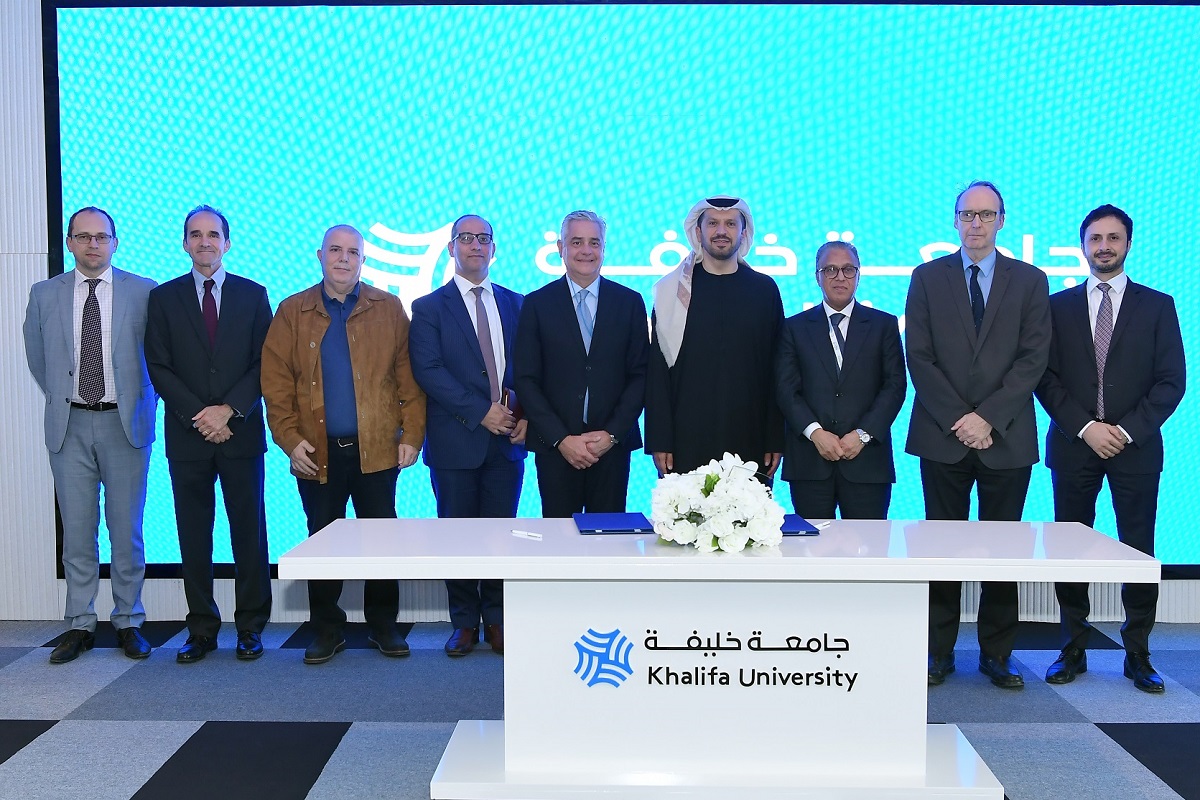
Khalifa University of Science and Technology has signed a memorandum of understanding (MoU) with the Morocco’s National Agency for Energy Efficiency (L’Agence Marocaine pour l’Efficacité Énergétique – AMEE) for research collaboration in energy-efficient technologies.

The agreement was signed by Dr Arif Sultan Al Hammadi, Executive Vice-President, Khalifa University of Science and Technology, and Said Mouline, Chief Executive Officer, AMEE, recently.

Dr Arif Sultan Al Hammadi said: “Khalifa University is renowned for pioneering innovations in energy-efficient technologies covering various renewable energy areas and this MoU will pave way for such innovations to reach communities that require energy. We are delighted to enter into this research collaboration with AMEE and we believe we will be able to offer Morocco the most suitable solutions towards the country’s transition to the clean energy route.”

Saïd Mouline, said: “The collaboration with Khalifa University, a well-known university respecting the environment and promoting energy efficiency, is in line with our strategy of long-term partnerships. With this partnership, AMEE will support a major operator, to enable it to take a step forward in its sustainable approach. The operationalization of energy efficiency is nowadays a privileged tool of good governance and it is essential for reducing the energy consumption and the realization of an increasingly significant green growth rate.”

According to the agreement, the two institutions will jointly promote and facilitate technology exchange and development in several aspects of energy efficiency, and renewable energy covering advanced materials, high performance equipment and expertise. The two have also agreed on fostering joint development and demonstration of clean projects in clean technology innovation.

In addition, AMEE will offer assistance with regard to accessing data on the hourly electricity demand profile of the entire country, while sharing support materials such as technical presentations, studies and successful case studies. On its part, Khalifa University will investigate possible energy transition pathways to complete substitution of fossil fuel energy resources by renewable energy, using the hourly electricity demand profile by regions and by industries.

The collaboration is part of Morocco’s ambitious national energy strategy which targets over 50% of installed electricity production capacity from renewable sources by 2025 and aims to cut energy consumption by 15% by 2030. The country also seeks to reduce greenhouse gas (GHG) emissions by 32% by the year 2030.

Khalifa University’s Research Center for Renewable Energy Mapping and Assessment (ReCREMA) has become a regional research hub for renewable energy mapping and assessment in desert environment in the UAE, Kuwait, Saudi Arabia, Egypt, and Oman. It is playing a pro-active role in bringing International Renewable Energy Agency’s (IRENA) Global Atlas Project to the UAE. The Global atlas servers are presently hosted at the university’s Data Center; operated and maintained by ReCREMA engineers.

ReCREMA was also mandated by the Saudi Government (KA-CARE) to develop the Saudi Solar Atlas and is currently operating the solar forecasting system for Saudi Arabia.

Moreover, Khalifa University currently has several energy efficient technologies-related projects. These include a project to develop a new blend of refrigerants meant to have little or no global warming potential (GWP), to replace widely used refrigerants like hydrofluorocarbons (HFCs).

Khalifa University recently joined the official launch of the Emirates Nuclear Technology Center (ENTC) at its campus. A collaboration with partners including the Emirates Nuclear Energy Corporation (ENEC), and the Federal Authority of Nuclear Regulation (FANR), ENTC aims to support the long-term sustainability of the UAE’s Peaceful Nuclear Energy Program by creating a dedicated innovation hub for peaceful nuclear technologies.

Clarence Michael
News Writer
14 January 2020

Combating Deepfake Videos Using Blockchain and Smart Contracts

To combat the proliferation of deepfake videos on the internet, Dr. Khaled Salah, Professor of Electrical and Computer Engineering, with Haya Raed, as part of her MSc thesis work, investigated the use of blockchain and smart contracts for her MEng in Computer and Electrical Engineering.

The paper for this research was published in April 2019 in IEEE Access and is currently ranked within the top 50 most popular papers published by the Institute of Electrical and Electronics Engineers (IEEE), with 4,074 views, increasing exponentially every month.

Deepfakes are manipulated digital media produced using artificial intelligence technique to create fabricated images and sounds that appear to be real . They often combine and superimpose existing media onto source media using machine learning techniques. As artificial intelligence (AI) applications make their way into mainstream use, deepfake video production has become commonplace.

The deepfake video of the former US President Barack Obama that went viral in April 2018 caught Haya Raed’s attention and served as a catalyst to her research. Modified video footage of Obama depicts him mouthing the words contained in a separate audio track and highlights the potential of deepfakes to undermine truth, confuse viewers, and accurately fake reality.

“With the rise of artificial intelligence and deep learning techniques, fake digital content has proliferated in recent years,” said Raed. “Fake footage, images, audio and videos (known as deepfakes) can be a scary and dangerous phenomenon and have the potential to alter truth and erode trust by virtue of false reality.”

Although academic interest related to deepfakes dates back to 1997, deepfake came into the mainstream in 2017, starting with a group of social media users employing AI to swap the faces of celebrities with other film characters. This may have been an innocuous start to the use of such technology, but as artificial intelligence applications have made their way into the hands of the average person, such content quickly took on a far more nefarious quality. In some early examples of deepfakes, a large number of famous political leaders, actresses, and other celebrity figures had their faces weaved into indecent videos. More worryingly, as much of today’s news is circulated on social media, deepfakes can have an enormous impact on public opinion and democratic outcomes.

“With the advent of social networks, proliferation of such content can be unstoppable and can potentially exacerbate problems related to misinformation and conspiracy theories,” added Dr. Salah. “Hence, there is an immense need for a Proof of Authenticity (PoA) system for online digital content to identify trusted published sources and therefore be able to combat deepfake videos, audio, and images.”

There are real-world solutions available to prove the authenticity of physical works. A certificate of authenticity is often provided with the purchase of a piece of art or a luxury item, but it is possible to forge this or to find the item unsigned from a known and trusted authority. Many times, when an item is bought on a secondary market, the onus is on the buyer to prove authenticity, leaving them with substantial manual work and risk. For digital media online, there are no established methods to determine authenticity and subjecting online content to a certificate of authenticity would be unfeasible.

“Deepfake videos are very realistic and make use of deep learning techniques with large samples of video images used to achieve face swapping,” explained Dr. Salah. “The higher the number of samples, the more realistic the outcome. The Obama video was created from more than 56 hours of sample recordings to make it extremely real and believable.”

“It is crucial to have techniques to detect, fight, and combat deepfake digital content that may include fake videos, images, paintings, audio, and so on. Achieving this purpose is not difficult if there is a credible, secure and trusted way to trace the history of digital content. Users should be given access to a trusted data provenance of the digital content, and be able to track back an item in history to prove its originality and authenticity.”

Blockchain technology offers an immutable and tamper-proof ledger of data and transactions as a shared database, validated by a wide community. Each record created forms a block, and as each block is confirmed by the community, it is paired up with the previous entry in the chain, creating a chain of blocks. Blockchain could be used to prove authenticity and originality of digital media in a way that is decentralized, trusted, and secure, with tamper-proof records, logs, and transactions.

“Proof of authenticity of digital media is critical to help eradicate the epidemic of forged content,” explained Raed. “Current solutions lack the ability to provide history tracking and provenance of digital media. Our solution uses Ethereum smart contracts to trace and track digital content to its original source, even if the digital content is copied multiple times.”

The solution designed by Dr. Salah and Raed uses an Ethereum blockchain-based solution that establishes authenticity of digital content by providing credible and secure traceability to a trusted artist or publishing source. The main aim of the solution is to assist a user in tracing back a video with multiple versions to its origin. If a video cannot be traced to its original publisher, then it cannot be trusted.

“The smart contract uses the hashes of the interplanetary file system (IPFS) used to store digital content and its metadata,” said Dr. Salah. “Our solution focuses on video content, but the solution framework is generic enough to be applied to any other form of digital media. Our solution relies on the principle that if the content can be credibly traced to a trusted or reputable source, the content can then be real and authentic.”

The Ethereum platform also allows for the development of a decentralized application which can automate the authenticity process, or integrated within video players or a web browser to indicate authenticity of played or displayed content. Every video in the system is associated with a smart contract that points to its parent video, and every parent video is linked to its child, in a hierarchical fashion. Smart contracts are simple programs that are stored on the blockchain, inheriting the immutable and distributed properties from the blockchain host.

In the solution, the owner of a video first creates a smart contract where other artists can request permission to edit, alter or distribute the content. The secondary artist requests permission, the request is assessed by the original artist, and the result is then announced. Once an artist gets approval, they create a child contract similar to the original contract and update the parent’s information. Hence, both contracts point to each other and the chain between the videos is complete. The original smart contract can handle multiple requests at the same time and multiple different requests by the same artist.

“It is important that all transaction history as well as the provenance data available for the users to track and trace a video is tamper-proof,” said Dr Salah. “Our solution ensures the integrity of all the events and logs by storing it in the immutable blockchain infrastructure. Moreover, a video’s integrity is also maintained by storing it on the IPFS distributed servers and only storing the hash in the smart contracts. Any change to the video will lead to a new hash that will not match the hash in the smart contract. Consequently, the video content on the blockchain is tamper-proof as well as the reputation of the creator.”

Future work focuses on developing front-end decentralized applications for users to automate establishing authenticity of published videos. Dr. Salah and Raed also plan to develop a pluggable application to provide traceability and establish authenticity when playing or displaying videos within a web browser, and is also designing a fully functional and operational decentralized reputation system.

“The full code of the smart contract has been made publicly available at Github,” said Raed. “I wanted to contribute to the scientific community and push science forward. Sharing the code helps accelerate innovation and research.”

Jade Sterling
News and Features Writer
11 December 2019