
Using Drones to Fight High Rise Building Fires Presents a Real Challenge in the Mohamed Bin Zayed International Robotics Challenge 2020

Fires raged around the world in 2019.

In Australia, wildfires started in December continue to consume land and devastate the environment. In April, a fire broke out beneath the roof of the Notre-Dame de Paris cathedral, causing extensive damage to one of France’s most iconic structures. Closer to home, a fire in a Fujairah restaurant saw 100 people needing evacuation, and just one day later, an apartment fire in December led to 150 families fleeing a high rise building. Fujairah Civil Defence urged building owners to install fire equipment and follow fire protection regulations, but accidents can still happen.

On 14 June 2017, a fire broke out in the 24-storey Grenfell Tower block of flats in West London, United Kingdom. It was the deadliest structural fire in the UK since 1988 and the worst UK residential fire since the Second World War. It burned for about 60 hours before it was finally extinguished. In that time, 72 people lost their lives. One of the major obstacles to the firefighting effort was that the tower’s only stairwell filled with smoke within an hour of the fire breaking out. Residents were unable to escape unaided and firefighters were hindered by the near-zero visibility.

Because of the Great Fire of London, UK building codes have historically been overly focused on containing horizontal fire spread between buildings, as opposed to vertical fire spread in high-rise buildings. But as population densities increase in cities globally, housing everybody requires construction to continue upwards, and incidents such as at Grenfell or recently in Fujairah highlight the need to develop effective measures to tackle high-rise building fires.

Fire-fighting in high-rise buildings with traditional human means happens from the inside. Over a certain height, the fire can’t be reached with ladders, meaning firefighters need to enter the building and climb up to it. Buildings in the UAE regularly scrape the sky at over 50 stories; Marina 101 in Dubai has 101 floors, while the Burj Khalifa tops all with more than 160 floors. In fact, the UAE is ranked 4th globally for its number of skyscrapers.

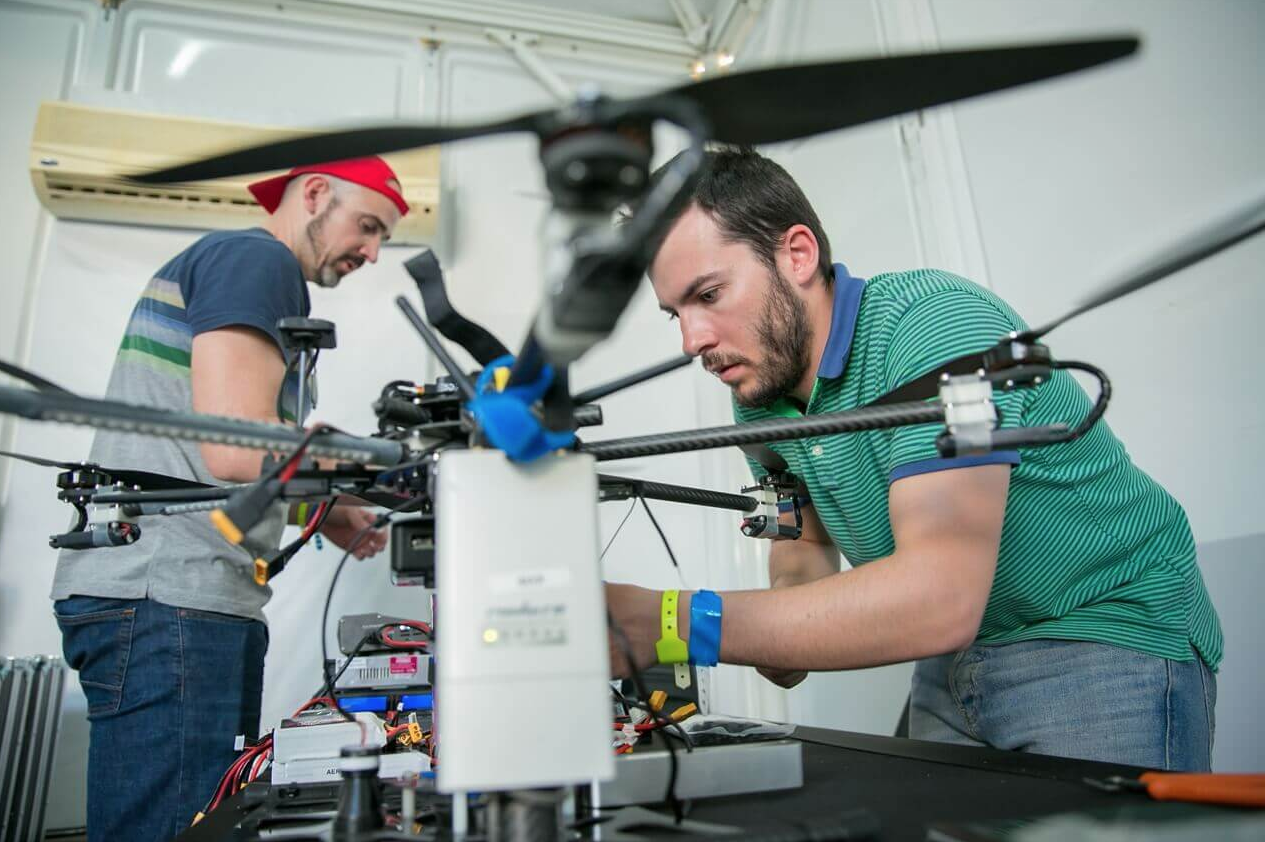
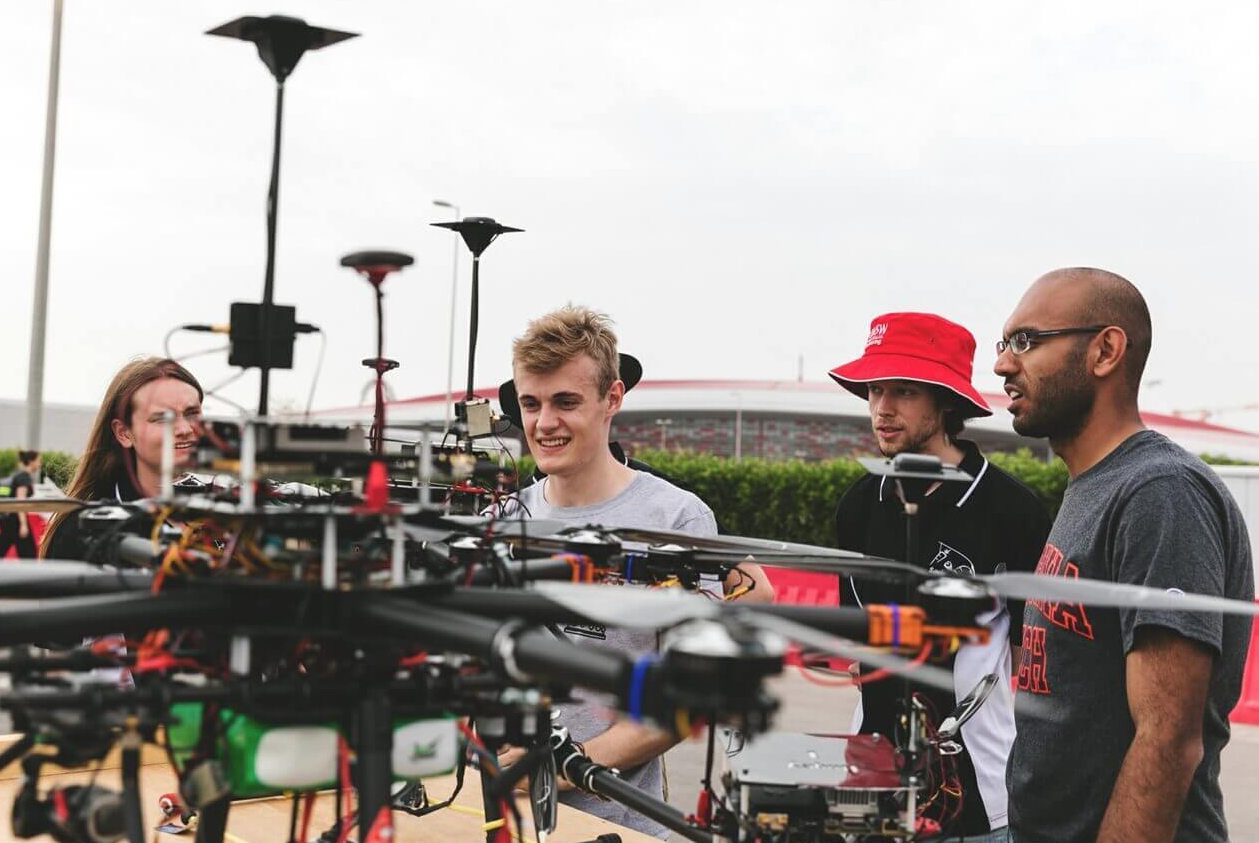
Innovators and authorities are beginning to look at drone and robotic intervention to lift firefighting equipment to burning high-rises, locate fire flashpoints and people trapped inside, and even tackle the blaze. The Mohamed Bin Zayed International Robotics Challenge 2020 sees teams attempt the latter. Most building fires start small and spread rapidly. If onsite firefighting unmanned robots can respond to fires early, then potential disasters can be mitigated.

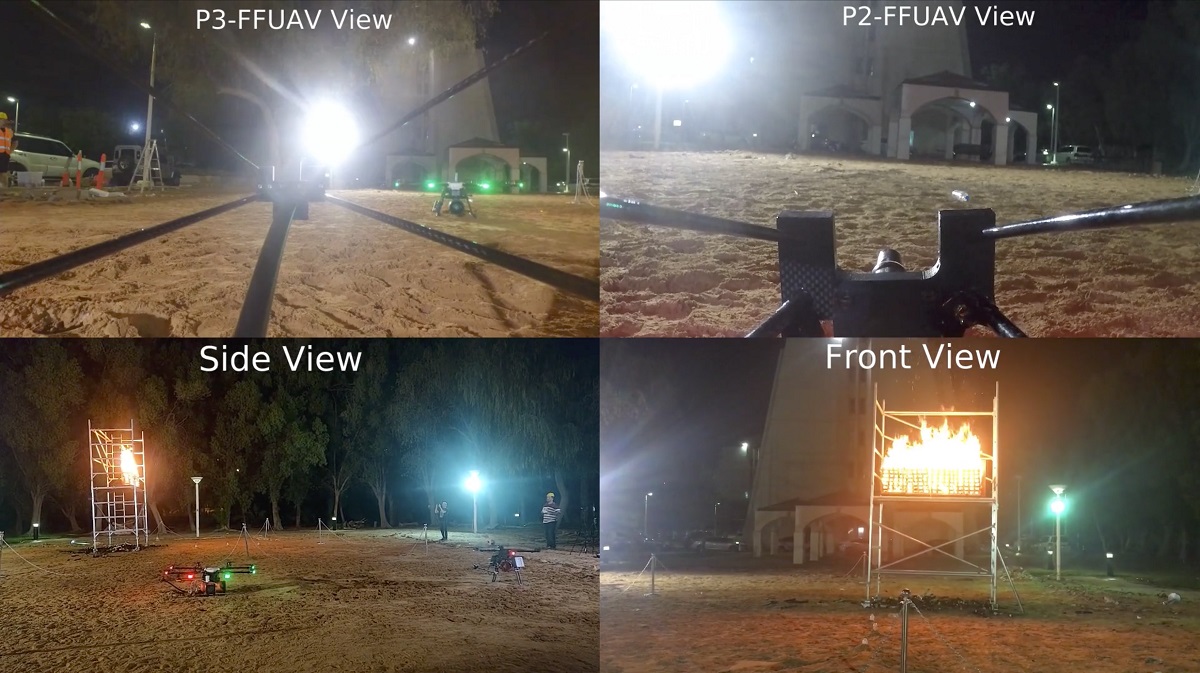
All the MBZIRC 2020 challenges were developed to push the technological and application boundaries in robotics, focusing on fast, autonomous navigation in complex environments to complete a task. Challenge 3 offers the most complex environment as a team of unmanned aerial vehicles (UAV) and an unmanned ground vehicle (UGV) will collaborate to autonomously extinguish a series of simulated fires in an urban high-rise building firefighting scenario. The teams must handle a dynamic environment, with reduced visibility from the smoke and wind conditions likely in high-rise building fires, and minimal prior knowledge of the building layout. Not only is the scenario a tricky one, teams have a maximum of 20 minutes to complete the task.

Teams will be scored based on the number of tasks completed, precisely how the teams complete the task, and the time taken.

Consider the time and effort it would require for firefighters to reach the 100th floor and how much heavy equipment they would need to carry with them. The crew that arrives on scene first needs to confirm the location of the fire, which is difficult to do with many floors to check—but an unmanned aerial vehicle could determine this with greater accuracy and speed, eliminating the need to send humans in first. They could then monitor the situation as firefighters tackle the blaze and keep crews continuously and accurately updated as to their efforts.

But Challenge 3 at MBZIRC 2020 goes further than merely identifying a fire: the teams must also extinguish them. The UAVs and UGV must therefore be strong enough to carry extinguishing materials to great heights and fast enough to be effective responders. Although a single drone may have a relatively modest payload of several tens of liters of water, using multiple drones simultaneously would increase their efficacy, hence the team of UAVs and UGV. During the challenge, fires may be extinguished in one of two ways: using simulated fire extinguishers (such as pressurized water containers with marks based on volume of water ejected at the target) or using fire extinguisher covers.

The results from Challenge 3 have wider implications than just building fires, as beneficial as that would be for the UAE. The technology could be used in other emergency situations, including wildfires such as those seen in Australia and the United States. Video smoke detection and heat mapping can cover a large area with drone use, while robotic intervention prevents injury or harm coming to firefighters.

Ultimately, these results will help keep emergency services safe and potentially save lives globally.

Jade Sterling
News and Features Writer
4 February 2020
The Most Successful Oil Economy That’s Moving Away From Oil

A discussion about oil-dependent economies often calls to mind an image of some anonymous Middle Eastern country almost entirely dependent on its oil exports to generate revenues. But there is one Middle Eastern country that plans to celebrate the last barrel of oil that it will one day export.

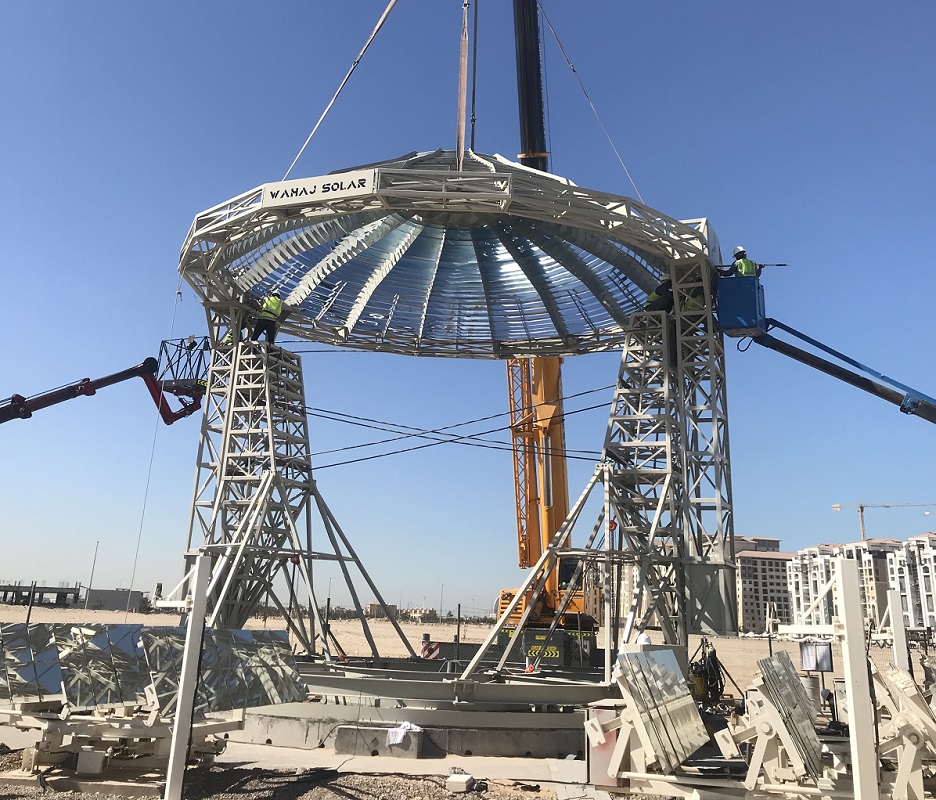
The Emirati Khalifa University last week announced that it had installed a first-of-its-kind solar concentrator in the smart city of Masdar, boasting that the facility had the concentration ratio of a thousand suns and could generate temperatures of over 1,000 degrees Celsius. The United Arab Emirates does not plan to go down in history as only an oil producer and nothing else.

Read full story here: https://oilprice.com/Geopolitics/Middle-East/The-Most-Successful-Oil-Economy-Thats-Moving-Away-From-Oil.html#  

Higher Organising Committee of UMEX, SimTEX 2020 holds workshop for UAE diplomatic communityng Committee of UMEX, SimTEX 2020 holds workshop for UAE diplomatic community

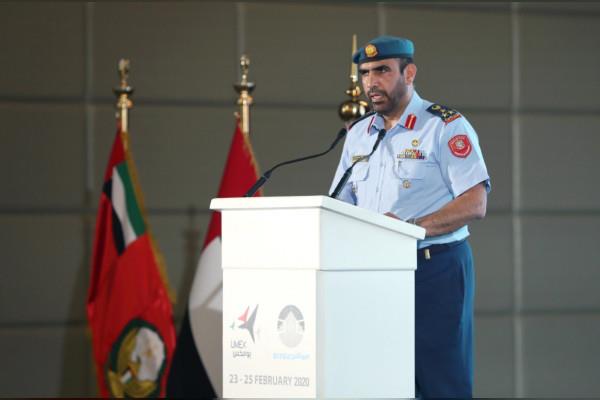
Dr. Arif Sultan Alhammadi, Executive Vice President of Khalifa University, addressed diplomatic community members about Khalifa University’s role in the upcoming editions of the Unmanned Systems Exhibition, UMEX, and Simulation and Training Exhibition, SimTEX, and the accompanying conference, during a workshop hosted by the Higher Organizing Committee of the two events.

Read the full story here: https://menafn.com/1099622175/Higher-Organising-Committee-of-UMEX-SimTEX-2020-holds-workshop-for-UAE-diplomatic-community

Bringing International Robotics Experts Together at the MBZIRC Symposium

Offering access to the most cutting edge research and development in autonomous drone and vehicle applications, the MBZIRC Symposium will bring industry innovators and leading academic experts to share their insights and predictions for the future of robotics.

As the dust settles in the Mohamed Bin Zayed International Robotics Challenge (MBZIRC) arena, the ingenuity and ambition demonstrated as teams compete over three days of intense competition will be directed towards further research and development discussions at the MBZIRC Symposium.

Offering access to the most cutting edge research and development in autonomous drone and vehicle applications, the MBZIRC Symposium will bring industry innovators and leading academic experts to share their insights and predictions for the future of robotics. Delegates will enjoy two days of expert insights, discussion and networking with leading academic institutions and corporations, following the three day MBZIRC competition.

The symposium will feature a fast-paced, engaging and informative lineup of talks, presentations, and workshops that are sure to foster innovation and collaboration among participants.

“The symposium aims to bring together the MBZIRC 2020 teams and international robotics experts to present the latest advances in robotics,” explained Dr. Jorge Dias, Professor of Electrical Engineering at KU and member of the 2020 Challenge Technical Advisory Board. “The sessions will review the benefits of robotic competitions and evaluate to what extent such competitions foster robotics research and innovation. They will additionally focus on some of the current challenges in robotic development and provide recommendations for future robotics competitions.”

The academic teams competing in MBZIRC 2020 will network with industry experts seeking practical applications of autonomous vehicles and all attendees will benefit from an up-close glimpse of the latest and most innovative developments in artificial intelligence, composite materials and 3D printing as it pertains to autonomous vehicles.

Robotics-based industries will play a key role in the future knowledge-based economy of the UAE, as outlined in the UAE Vision 2021 plan and Abu Dhabi Vision 2030. Khalifa University is actively involved in promoting the research and development that aligns with the visions of a transformed UAE and will host both the MBZIRC competition and symposium. KU intends to foster partnerships, empower researchers, and develop real-world applications in drone technology that will cut costs and improve safety in dangerous environments.

After they compete in the cutting-edge MBZIRC challenges, the competing teams will have the chance to present their best and brightest ideas to industry experts looking for new uses of autonomous vehicles in areas like surveillance, search and rescue, and critical infrastructures inspection.

Jade Sterling
News and Features Writer
30 January 2020

Khalifa University to Organize First-Ever MBZIRC Symposium Soon After MBZIRC 2020 in Abu Dhabi Next Month

Elite Business Networking Event Will Gather 30 MBZIRC 2020 Teams, Attendees and Industry Representatives for Exploring Technology Innovation and Cutting Edge Research in Robotics

Khalifa University of Science and Technology, organizers of the Mohamed Bin Zayed International Robotics Challenge (MBZIRC), today announced it will host the first-ever MBZIRC Symposium that will bring together the 30 teams and other international experts in robotics from the US$5-million MBZIRC 2020 for an unprecedented opportunity to present their innovations and review their role in the competition. MBZIRC 2020 is held under the patronage of His Highness Sheikh Mohamed bin Zayed Al Nahyan, Crown Prince of Abu Dhabi, and Deputy Supreme Commander of the UAE Armed Forces.

The Challenge will be co-located with the 4th edition of Unmanned System Exhibition (UMEX) and the Simulation and Training Exhibition and Conference (SimTEX) from 26-27 February 2020 at the Abu Dhabi National Exhibition Center (ADNEC). The symposium will feature leading experts in robotics and autonomous vehicles from 30 MBZIRC 2020 teams, other international robotics experts, and industry representatives, sharing their insights. The MBZIRC teams will be given the opportunity to showcase their projects directly to industry representatives, in order to further increase interest and raise awareness, while facilitating opportunities for research collaborations.

Dr Arif Sultan Al Hammadi, Executive Vice-President, Khalifa University of Science and Technology, said: “The first-ever MBZIRC Symposium will bring together some of the most creative robotics experts from across the world as well as industry representatives and other guests. Through the symposium, we not only facilitate the meeting of minds from the academia and the industry, but also pave the way for industry funding to flow towards some of the most fascinating new technologies in robotics and artificial intelligence.”

The leading robotics experts giving talks at the symposium include Prof Pedro Lima, Electrical and Computer Engineering, Instituto Superior Técnico (IST) – University of Lisbon; Prof Marcello Ang, Associate Professor Department of Mechanical Engineering National University of Singapore; Prof Ronald Arkin (Robotic Colonies), Regents’ Professor, Director of Mobile Robot Laboratory, Georgia Tech; Prof Rainer Bischoff (Robotic Industry), Chair of the Department of Analytical Biochemistry, University of Groningen; Prof Paolo Dario, Professor of Biomedical Robotics and Director of The BioRobotics Institute of the Scuola Superiore Sant’Anna (SSSA); Prof Jianwei Zhang, professor and head of Technical Aspects of Multimodal Systems (TAMS), Department of Informatics, University of Hamburg; Dr Rachid Alami, Senior Scientist (Directeur de Recherche) at French National Centre for Scientific Research (CNRS) and Prof Tamim Asfour, Institute for Anthropomatics and Robotics, Karlsruhe Institute of Technology, Germany.

Participating teams and other robotics experts will also submit papers for presenting at the symposium, subject to acceptance after a peer review. The symposium agenda will include an engaging, and informative lineup of invited talks, presentations, and workshops that aim to foster innovation and research excellence in robotics.

The symposium will immediately follow MBZIRC 2020 (www.mbzirc.com) which is based on autonomous aerial and ground robots performing three iconic challenges and a triathlon type Grand Challenge. MBZIRC is a US$5-million biennial international robotics competition that provides an ambitious and technologically demanding set of challenges, and is open to teams from all countries. The main aim of MBZIRC is to inspire future robotics through innovative solutions and technological excellence.

Clarence Michael
News Writer
29 January 2020

Designing an In-Building Distributed Antenna System with Evolutionary Algorithms and Many Objectives

As data traffic continues to increase exponentially, it has become increasingly difficult to rely on outdoor base stations to support the traffic generated indoors, mainly due to penetration issues of wireless signals through building materials. Passive In-building Distributed Antenna Systems (IB-DAS) are one of the most efficient methods to providing an indoor solution that meets signal strength requirements.

Khawla Al Shanqiti, Msc in Engineering Systems and Management student working at KU’s Emirates ITC Innovation Center (EBTIC), was invited to present her published scientific paper at the SGAI International Conference on Artificial Intelligence in December 2019. Her paper, titled A Multi-Objective Design of In-building Distributed Antenna System using Evolutionary Algorithms, was shared in the Application Stream of the conference, which is the largest annual showcase in Europe of real applications using Artificial Intelligence technology.

As data traffic continues to increase exponentially, it has become increasingly difficult to rely on outdoor base stations to support the traffic generated indoors, mainly due to penetration issues of wireless signals through building materials. Not to mention, many indoor locations experience significantly more cellular data usage than others: if a sports stadium or large music venue relied solely on a nearby cell tower to provide coverage to all its users, the tower and the local network would quickly become overwhelmed and unstable. An in-building distributed antenna system (IB-DAS) would therefore aid in providing high capacity, but in other situations, they can also offer greater coverage. For example, in a high-rise building, an IB-DAS is often deployed because the radio frequency noise levels at higher altitudes can make the signal unusable.

“The complexity of indoor environments makes it very difficult for a wireless signal to pass from the outside through the buildings without suffering some form of attenuation, such as wall penetration and the multipath effect,” explained Al Shanqiti. “Sometimes, signals coming from the outside can be completely blocked.”

Previously, outdoor cellular coverage solutions had been successful at providing all the coverage and capacity needed, but as predictions show, mobile data traffic will increase to 49 billion gigabytes globally by 2021. With more than 70 percent consumed indoors, coverage providers need to consider indoor environments.

“The increasing data traffic inside buildings requires maintaining good cellular network coverage for indoor mobile users,” explained Al Shanqiti. “Passive In-building Distributed Antenna Systems (IB-DAS) are one of the most efficient methods to providing an indoor solution that meets signal strength requirements.”

These systems have become a critical part of both carrier cellular networks and infrastructure. A network of antennas sends and receives cellular signals, distributing the signals fed from a variety of possible sources. In a passive IB-DAS, the base transmission station (BTS) provides the amplified signal that is distributed to the antennas through passive components that do not require any electrical power. Passive RF components include coaxial cables, splitters, taps and couplers.

The farther the antenna is from the signal source and any amplifiers, the more attenuation—or loss—there will be in the power broadcast from that antenna. Designing a passive IB-DAS correctly requires calculating precisely the link budgets to make sure the power output at each antenna is equal. This can get expensive.

“An IB-DAS comprises a network of spatially distributed antennas in a building connected to telephone rooms, which are then connected to the BTS,” explained Al Shanqiti. “Designing an IB-DAS can be challenging due to the power-sharing property resulting in two contradicting objectives: minimizing the power usage at the BTS and minimizing the design components cost.”

A passive IB-DAS is less expensive due to its fewer components but they can be more challenging to implement than other systems. Their design can be evaluated using different performance metrics, with Al Shanqiti and team using a tree structure to represent an IB-DAS design.

A genetic algorithm, giving consideration to different factors such as minimizing cabling and passive splitter costs, reducing spillage and power deviation between the required and supplied power for antennas, is used to assist their system’s design. The team focused on two objectives: minimizing the power required by the base station, and minimizing the cost of the equipment.

Reducing the power demand is important for minimizing the risk of interference with outside signals and achieving long-term consistent savings, while lower equipment costs bring the short-term cost down. The team used a multi-objective evolutionary algorithm, called Non-Dominated Sorting Genetic Algorithm II (NSGA II), to handle the contradictory objectives and produce multiple possible solutions.

“The NSGA II is one of the popular multi-objective optimization algorithms that have been successfully used to solve many real-world optimization problems,” said Al Shanqiti. “Our results showed that NSGA II was capable of achieving our objectives and simultaneously generating results that could not be obtained by a combined-objectives GA approach, where all the costs are combined into a single objective as a weighted sum of all the objectives.”

The team’s three optimization sub-problems involved optimizing the location of the antennas on each floor to achieve required cellular coverage, determining the optimal connections between the antennas and the telephone room through splitters and coaxial cables (known as the horizontal design), and finding the optimal connections between the telephone rooms and the BTS (the vertical design). For this project, the antenna locations and the horizontal design were already determined by the building planners, so the team focused on the vertical design. The NSGA II algorithm obtained a tree structure to connect the telephone rooms on each floor to the BTS using cables, and different splitters and tappers.

The algorithm had to consider the number of floors in the building, the power requirement on each floor, and the base station location. While these parameters comprise the inputs to the design, a fourth parameter—the splitters and tappers used—is a set of decision variables that determines the full IB-DAS design. There’s plenty to consider with the splitters and tappers: their floor location, type, and connections mean there are many variables. There are also two costs to include in the system design: the total equipment cost, comprising the cost of cabling, splitters, tappers, and the power deviation, and the BTS power demand cost.

“We found that converting from a single-objective approach to a multi-objective approach provided a set of options for different trade-off solutions, which is beneficial for the decision-maker,” explained Al Shanqiti. “In fact, this was the motivation for this work and was inspired by a real-world requirement from our partners. Our algorithm is scalable and can accommodate high rise buildings and in the future, we will use other advanced multi-objective evolutionary algorithms to see if we can get even better results.

“I was extremely happy and proud to take this opportunity to represent the UAE, EBTIC, and KU in a highly sophisticated and world-class scientific environment that gathers AI experts. I am also immensely grateful to everyone who supported me in reaching this achievement.”

Jade Sterling
News and Features Writer
29 January 2020

Khalifa University study on UAE genetics pool concludes

Organised by the Sheikh Hamdan Bin Rashid Al Maktoum Awards for Medical Sciences, the “8th Pan-Arab Human Genetics Conference” began with clinical symposia and lectures on Jan. 17 with five conference themes: Next Generation Sequencing, Neurodevelopmental Disorders, Metabolic Disorders, Dysmorphology (Birth Defects), and Population Genomics and Diseases.

On Sunday, it was in the “Population Genomics and Diseases” module that Khalifa University (Abu Dhabi) associate professor Dr. Andreas Henschel discussed the three-year study on genetics pool of the UAE population participated in by 1,000 Emiratis beginning 2017.

Read full story here: https://www.gulftoday.ae/news/2020/01/19/khalifa-university-study-on-uae-genetics-pool-concludes

Khalifa University’s 2019 YFEL Members Honored for Successfully Completing Year-Long Program

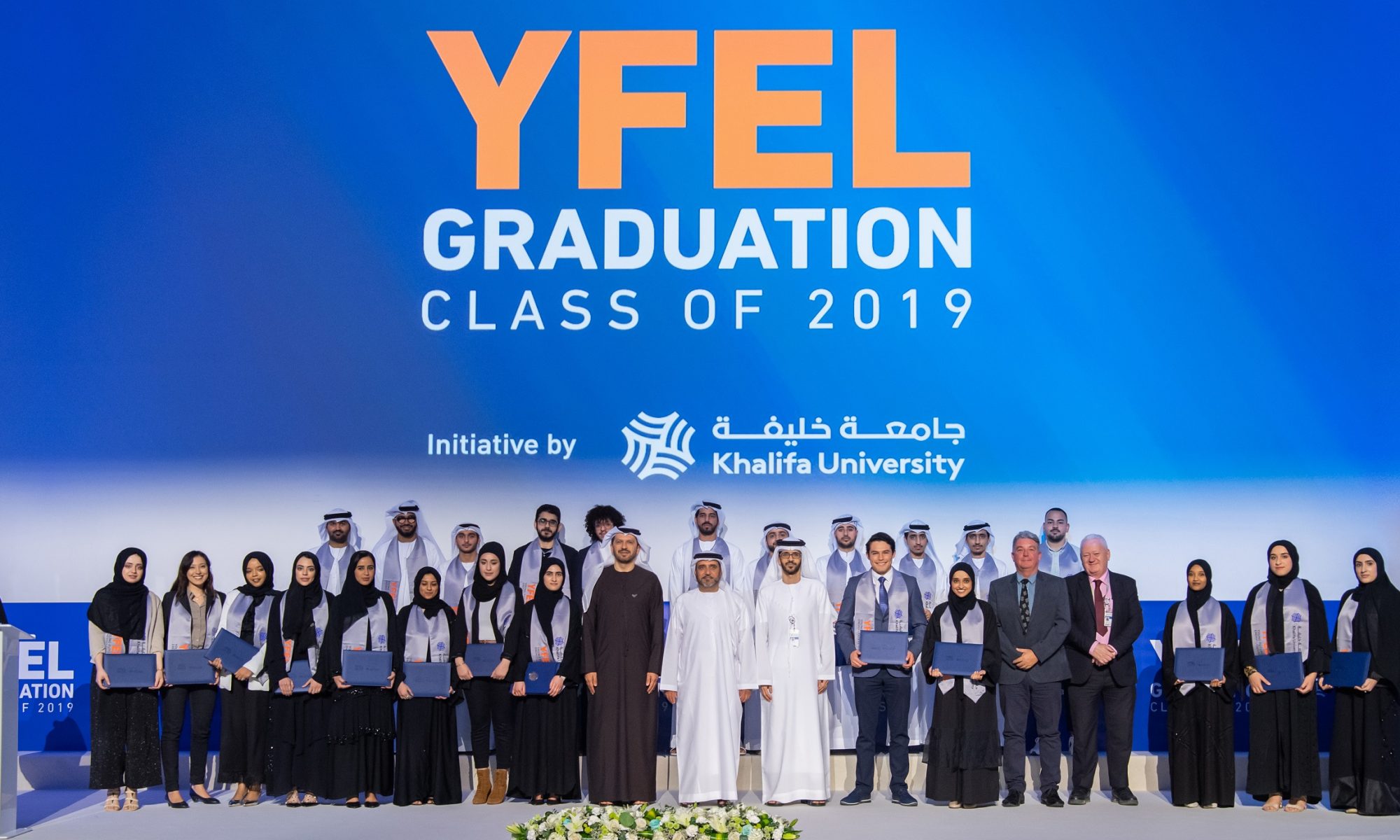
A total of 28 members of 2019 Young Future Energy Leaders (YFEL) outreach program were honored for successfully completing their year-long commitments at a gala ceremony, organized during the Abu Dhabi Sustainability Week 2020 at the Khalifa University Main Campus.

Certificates of completion were presented to the YFEL members by Abdulaziz Abdulla Alhajri, Member of the Khalifa University Board of Trustees, and Director, Refining and Petrochemicals Directorate, Abu Dhabi National Oil Company (ADNOC), at the ceremony. These 2019 YFEL batch of graduates now join more than 450 YFEL program alumni.

The YFEL program was established in 2010 by His Highness Sheikh Mohamed Bin Zayed Al Nahyan, Crown Prince of Abu Dhabi and Deputy Supreme Commander of the UAE Armed Forces, as an initiative to engage the youth in energy and sustainable technology and prepare them to be the future leaders in this field.

Dr. Arif Sultan Al Hammadi, Executive Vice-President, Khalifa University of Science and Technology, and Dr. Ahmed Al Shoaibi, Senior Vice President, Academic and Student Services, Khalifa University, attended the ceremony. Others present at the ceremony included Dr. Steven Griffiths, Senior Vice President, Research and Development, and representatives from sponsors as well as dignitaries, and guests.

The 2019 YFEL members represent eight countries, with 17 UAE nationals with two international, and nine locally-based students. Also present were the 2020 YFEL members numbering nearly 50, for whom the evening’s proceedings served as an orientation ceremony.

Dr. Ahmed Al Shoaibi said: “Congratulations to the 2019 YFEL members for successfully completing a tough year-long journey towards becoming capable future energy leaders. These youth are now qualified and trained to handle core sustainability issues and I am sure they will effectively contribute to the community. Following the success of the graduating YFEL members, I am equally delighted to welcome the 10th group of YFEL members who I believe will remain even more committed to sustainability and clean energy technologies.”

During the ceremony, a video presentation highlighted the achievements of the 2019 YFEL outreach initiative that included their completion of educational courses in three categories – technology, policy and leadership. Also during the year, a team of YFEL members worked on a case study related to sustainability at the Expo 2020 site.

The 2019 YFEL members worked on a number of novel projects during the year. Emirati YFEL 2019 member Ali Jassim Rajab has worked on solar cells and machine-leaning algorithm to create a model to classify the health of trees at University of Tokyo. Rajab said: “I am truly grateful to the YFEL program that has academically enriched me and rewarded me in renewable energy-related research.”

Sharing his perspectives, Arturo Hernández Rodea of Mexico, Another YFEL member said: “Participating in the YFEL program from January 2019 has expanded my horizons in a way we can conceive our future cities and interactions with energy. The network of outstanding and dedicated colleagues we have created continues to inspire me and will help me to deliver better to the world.”

Rodea started a student’s program in sustainability at his university in Mexico, which in collaboration with Stanford University later became part of the United Nation’s Sustainable Development Solutions Network-Youth, and an official SDSN chapter in Mexico for both youth and seniors. He has also worked with General Electric Power Services – Latin America, on a project to simplify the weekly planning procedure from 10 hours to five minutes, resulting in substantial annual savings. Moreover, following a successful internship with the French group INCO, he is now, as an ambassador, looking to create an ecosystem for INCO Mexico.

Over the years, the YFEL program has received support from community leaders and corporate sponsors. Notable among them was the Emirati philanthropists His Excellency Mohammed bin Kardous Al Ameri, and His Excellency Sultan bin Rashed Al Dhaheri. In addition, German companies BASF and Siemens have sponsored YFEL teams.

Catalysis Research Shared at International Conference

Two PhD students under the supervision of Dr. Kyriaki Polychronopoulou, Associate Professor of Mechanical Engineering and Director of the KU Center for Catalysis and Separation (CeCaS), presented papers at the Sustainable Industrial Processing Summit & Exhibition (SIPS), which took place in Cyprus in October, demonstrating KU’s strong research capabilities in the field of catalysis.

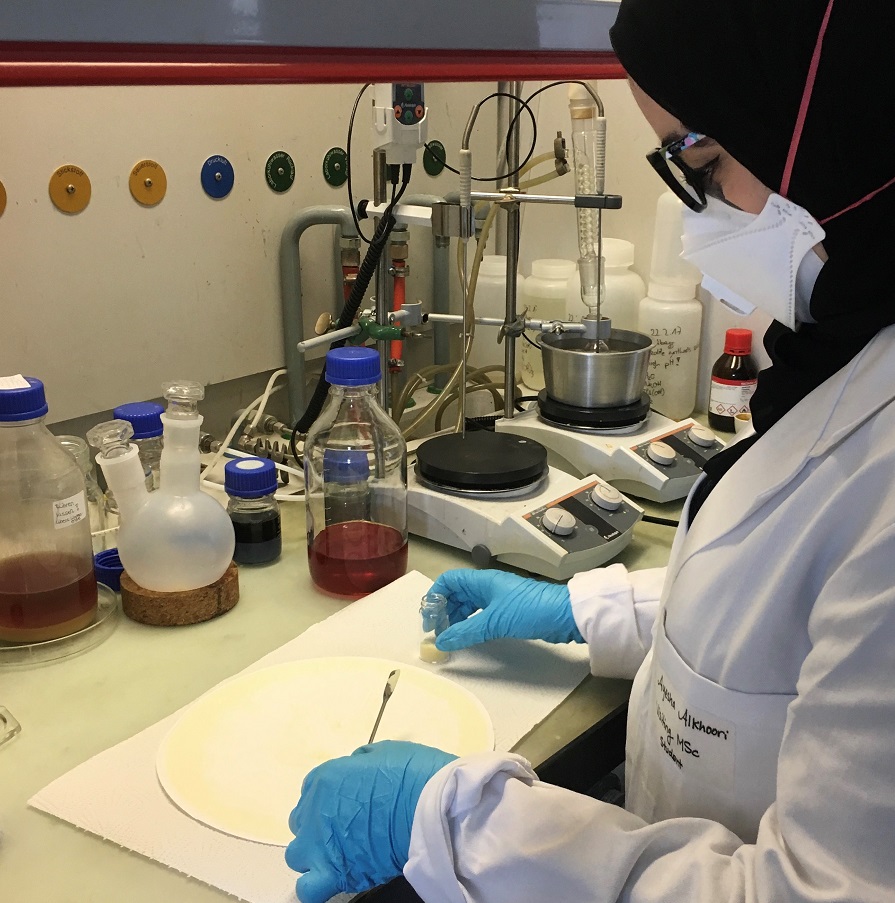
Ayesha Alkhoori presented a paper titled “H2 Production from Glycerol Steam Reforming.” Her paper describes how she has developed an improved catalyst capable of producing high yields of hydrogen by steam reforming glycerol, a by-product of biodiesel production, at a low temperature.

A recent spike in the production of biodiesel in the UAE – brought about by local efforts to reduce the country’s carbon footprint through greener fuels – has led to an increase in the production of crude glycerol. “For every one ton of biodiesel, 100 kg of crude glycerol is generated as the main byproduct,” Alkhoori explained.

While glycerol is an important feedstock for the manufacture of value-added chemicals and clean fuels, including hydrogen, most of this surplus crude glycerol gets incinerated. This is because current methods for turning glycerol into useful chemicals – which is done through a catalytic process called glycerol steam reforming – requires very high operating temperatures above 500 degrees Celsius, and high costs.

Currently, when glycerol is steam reformed using a nickel-based catalyst, carbonaceous chunks of waste called ‘coke’ build up on the surface of the catalyst, blocking the reaction sites and reducing efficiency.

To overcome this issue, Alkhoori designed a catalyst made of copper and cerium to be highly reducible, which means that it provides the key ingredient of oxygen to the reaction sites, to convert the glycerol into hydrogen gas more efficiently. The activated oxygen carries out the chemical reactions at lower temperatures and lower cost, without sacrificing the hydrogen yield.

The research began last year at CeCaS under the supervision of Dr. Kyriaki Polychronopoulou, Associate Professor of Mechanical Engineering, and involves collaborators from the University of Western Macedonia. This work was published in early 2019 in the Sustainable Energy & Fuels, journal of the Royal Society of Chemistry (UK).

A second PhD student, Aseel Hussein, presented a paper titled “Improving Metal Oxide Catalysts for Biogas Dry Reforming: Coupling of Mechanochemical Modification with Enhanced Microwave Chemistry.” Her paper, which was done in collaboration with MSc student Sara AlKhoori, describes a ‘smart’ design for a catalyst used to convert methane, a greenhouse gas, into a combination of carbon monoxide and hydrogen known as syngas, which can be used to produce ethanol, methanol, or other clean liquid fuels.

Methane is converted into syngas through a process known as “dry reforming of methane.” The process is typically carried out with noble metal elements, which are known for their high activity and stability. But noble metal elements are very costly, making the process too expensive to perform at an industrial scale.

Hussein proposes using catalysts made from much lower cost nickel and cobalt. The challenge with these type of transition-based catalysts, however, is that they are prone to coking, which blocks the reaction sites and ultimately stops the catalytic activity.

To get around this issue, Hussein designed her nickel-based catalysts with increased oxygen storage capacity. By increasing its oxygen storage capacity, the catalyst can leverage the carbon buildup for more efficient gasification, which is process needed to convert the methane into syngas.

Hussein’s research started in 2017 and is being sponsored by the Abu Dhabi Department of Educational and Knowledge (ADEK) through the Research Excellence Award (AARE) 2017. She is also being supervised by Dr. Polychronopoulou. She is collaborating with research teams from University of Western Macedonia in Greece, the University of Surrey in the UK, and University of Zaragosa in Spain.

She plans to continue testing the best catalytic system in terms of selectivity and stability to better control the coking.

Erica Solomon
Senior Editor
16 January 2020

Preparing the Power Grid for More Solar Energy is Key to Renewable Energy Future

Many of the world’s leading experts and authorities on sustainability and clean energy are gathered in Abu Dhabi at Abu Dhabi Sustainability Week to discuss ways to significantly increase the share of electricity generated across the world by renewable sources.

At the top of the agenda are conversations around how to prepare national power grids to integrate larger amounts of variable renewable energy sources, like the sun or wind, which do not supply a constant stream of energy.

The cost of producing renewable electricity has fallen sharply, enabling solar and wind power to reach price parity with fossil fuels in many parts of the world. However, cheap and clean energy is useless unless it can be transmitted day and night without fail. This is where the power grid comes into play.

Power grids match the amount of electricity being generated with the load, or the amount being consumed. However, the intermittent nature of solar and wind energy causes operational challenges for grid operators, requiring the need for system balancing and energy storage technologies, the latter particularly important as the share of electricity from intermittent renewable energy sources approaches 15 to 20%.

At Khalifa University, researchers are addressing the need for grid stability with research aimed at smoothing the integration of electricity generated by solar photovoltaics (PVs) onto the grid through an approach that focuses on optimizing the design of large-scale PV power plants and their required storage systems.

“Stable grids must be able to mix conventional energy, and energy from the sun and wind, along with storage, so that power is delivered consistently day and night through the grid, whether the wind is blowing or the sun is behind clouds,” Dr. Mohamed El Moursi explained. Dr. El Moursi is Professor of Electrical Engineering and Computer Science at Khalifa University and one of several KU researchers developing solutions to overcome the challenges of integrating renewables into the electric grid. The team has published a string of research papers on their developments in the IEEE Transactions and IET Journals, which are the top journals in the field of power systems, power electronics and renewable energy system development and integration.

“Our team is focused primarily on developing smart and optimal PV plant design in terms of alternating current/direct current interconnections. We are also developing advanced SCADA systems, and augmenting optimal sizing of energy storage systems, in order to achieve efficient ancillary services – which include important grid support functions like voltage control, frequency control, inertia response, fault ride through, and power ramping and curtailment, scheduling and dispatching solar power generation. In addition, we are developing a Renewable Energy Management System (REMS) tool for high penetration and seamless integration of renewable energy systems, for both PV and concentrating solar power (CSP) systems,” Dr. El Moursi explained.

Dr. Mohamed El Moursi is Professor of Electrical Engineering and Computer Science at Khalifa University and one of several KU researchers developing solutions to overcome the challenges of integrating renewables into the electric grid.

“Our main goal is to reduce uncertainty of PV power generation on the electric grid, to enhance the grid’s stability with a high penetration of PV, and to coordinate operations between PV and other power components in the electric grid in order to support optimal ancillary services to improve the grid flexibility along with economical grid operation.”

To achieve their goal, the KU researchers will focus on key components required to link the PV plant to the power grid: an optimal energy storage system, and a hybrid AC/DC and efficient hybrid SCADA system and REMS tool to ensure dispatching capability.

Storing Excess Energy

Dr. El Moursi and his team are developing an online renewable energy management system (REMS) tool that will help schedule and dispatch renewable power generation (the tool supports PV, CSP and wind power plants) with minimum utilization of energy storage systems, and employing an advanced demand response program in order to optimally size and operate the energy storage systems for the renewable power plant.

“In order to properly size the battery, we will develop advanced prediction algorithms to obtain solar radiance and power generation from the PV power plant. This will allow us to identify a confident zone for power generation that can be used to plan, size and operate the battery storage system,” Dr. El Moursi explained.

Different types of hybrid energy storage systems will then be evaluated based on the optimization algorithms, so they can achieve efficient ancillary services, dispatching, and load shifting, while also having a physically small footprint. The system is designed to ensure the optimal transmission of electricity and provision of ancillary services at a low cost and extended lifetime.

Getting Solar Power on the Grid Smoothly

The KU researchers will also study efficient converter topologies and control strategies for large and small scales PV integrations.

Solar PV generates electricity directly (known as direct current, or DC), while electric grids transmit electricity generated by large-scale power plants as alternating current, or AC. However, Direct current, or DC is recommended to transmit electricity over long distances to minimize the losses and overcome the instability problems, which are targeted in this project.

Being able to convert the direct current generated by solar PV plants to the alternating current transmitted by power grids requires an interface called inverters. Inverters are sized according to peak generation of the PV power plant, which means they feed active power generated by the PV plant to the grid when the plant produces its maximum amount of electricity, which is usually limited to a few hours midday. Thus, the research team also augmented efficient ancillary services for an optimal utilization and operation of the PV plant inverters for supporting the power grid over the day.

To ensure more solar energy is fed to the power grid, the KU team is developing a hybrid SCADA system for simple and seamless integration of PV and energy storage systems.

SCADA stands for supervisory control and data acquisition. It is a type of software application program for process control. A SCADA system allows grid operators to monitor and control plants locally and remotely, and collect and process data in real time on key plant equipment such as invertors, transformers, breakers, protection schemes, sensors, etc.

Preparing for a Renewable-Powered DC Future

With a growing number of PV plants that produce DC power, and advancements being made rapidly in voltage-source converters (VSC) – a technology that converts AC voltage from a DC voltage – the future modern power grid is shifting towards a hybrid AC/DC transmission system, capable of connecting directly to the DC part of large-scale PV power plants, through a multi-terminal DC grid.

This emerging trend towards a high voltage DC power grid makes KU’s research into convertors topologies, multi-terminal DC grid control and protection, energy storage utilization as well as hybrid SCADA system more relevant and important.

“Our research is in alignment with the state of art development for hybrid AC/DC transmission grids with high penetration of renewable energy systems,” Dr. El Moursi remarked.

A working prototype of REMS tool augmented with efficient ancillary services for PV and CSP power plants has been developed, and further optimization testing is being carried out with augmenting advanced technologies and smart grid interaction for future research development.

Erica Solomon
Senior Editor
15 January 2020

Robotic Rehabilitation in Stroke Survivors: A Bio-inspired Modular Compliant System

Dr. Kinda Khalaf, Associate Professor and Associate Chair, Biomedical Engineering, is leading a team of researchers at the Healthcare Engineering Innovation Group (HEIG) at Khalifa University to develop innovative methodologies and assistive technologies to assess and rehabilitate patients following a stroke. Dr. Khalaf is focusing on the quantification of disease induced movement impairment in stroke survivors using experimental and computational techniques, while Dr. Dongming Gan, Assistant Professor in the Department of Mechanical Engineering, is supervising a student design project aiming to develop a compliant ankle exoskeleton.

The first step is development of a clinical assessment protocol using gait and other key physiological parameters for the quantification of post stroke movement dysfunction and rehabilitation efficacy. Next, attention turns to rehabilitation techniques. A second HEIG project will design and develop a novel compliant exoskeleton system that can be used towards robotic human lower limb rehabilitation applications, including stroke.

“According to the World Health Organization, every year, 15 million people worldwide suffer a stroke, with five million left permanently disabled,” said Dr. Khalaf. “Instigated by an interruption of blood flow to the brain, resulting in damage to brain cells, stroke is considered the second leading cause of mortality globally for people above 60 years of age, and the second leading cause of disability.”

Stroke is the most common acquired neurological disease in the adult population worldwide with its global prevalence generating a significant burden of illness for healthy life years lost due to disability and premature death. One-third of stroke survivors achieve only a poor functional outcome five years after the onset, and although there has been great progress in managing outcomes, most of the care to reduce dependence among patients depends on rehabilitation.

“While developed countries are reporting an overall decline in the incidence of stroke, it’s increasing in the developing world,” said Dr. Khalaf. “In the UAE, the situation is worrisome, as not only is the incidence rate continuously increasing, but also the average stroke victim in the UAE is 45 years old, which is 20 years younger than the average stroke victim elsewhere in the world. Attributed to higher than global average prevalence of obesity, type 2 diabetes, hypertension and a sedentary lifestyle, statistics reveal that every hour someone in the UAE suffers a stroke. This is quite devastating both socially and economically in a young country.”

Optimal functional recovery is the ultimate goal of neuro-rehabilitation after an acute brain injury—the aim is to get people moving as normally as possible. One of the most common areas affected by stroke is the patient’s motor skills, with survivors experiencing disabilities to different degrees, in different hemispheres, and at different levels. Hemiparesis (muscular weakness or partial paralysis restricted to one side of the body) is seen in 88 percent of stroke victims, commonly affecting the limbs.

“Studies have shown that rehabilitation therapy is most effective if performed soon after stroke and that intensive therapy and task-based exercises may contribute significantly to partial and full motor recovery,” explained Dr. Khalaf.

Most therapists agree that early focused and repetitive exercise is the most impactful aspect of rehabilitation for future recovery. There is also evidence that early treatments involving mechanical structures to bring support and set constraints for movements promote the re-innervation of muscles in the affected limbs.

“Newly emerged robotic rehabilitation has several advantages, including consistency of intensive rehabilitation for a longer duration, irrespective of the skills and endurance of the patient and therapist,” said Dr. Khalaf. “Robot-based systems have the potential to provide programmable movement patterns, control of movement repetitions, and real-time position and force measurement and tracking. Robots can also be programmed to perform a wide variety of motion, including functional movements, allowing the patient to perform autonomous and repetitive training on tasks simulating activities of daily living.”

A senior design project proposed to Dr. Gan seeks to design a compliant ankle exoskeleton for adaptable walking assistance. Students Abdulla Almemari, Sultan Al Ali, Nawwaf Al Nuaimi and Khalifa Aladwan are aiming to assist people with ankle injuries specifically. They have developed a biomimetic exoskeleton that has a soft and safe interface with the human leg and a carefully designed variable stiffness compliant actuator to adapt to the patient’s speed and activity.

“Bio-inspired robotics systems have demonstrated improvement in mimicking natural physiological performance,” explained Dr. Gan. “However, issues such as how to design biological-system-like compliance, the level of the compliance, and how to integrate the compliance into the whole system, remain unsolved. We are prototyping an advanced exoskeleton and integrating it with innovative sensing and control technologies to achieve this compliance.”

The ability to walk independently is a prerequisite for most daily activities. Gait dysfunction is common in individuals with neurological disorders and impairments following stroke usually involve an excessive energy cost during walking. Stroke patients are generally unable to comfortably maintain the most efficient walking speed related to poor motor control, muscle weakness and sensory and balance disturbances. These impediments translate into issues with the proper sequential activation of the muscles in the different stages of gait, causing compensatory strategies that decrease speed and efficacy.

The ankle exoskeleton proposed in the senior design project can be applied to stroke rehabilitation because one of the most common impairments observed in stroke patients is the reduction of ankle dorsiflexion associated with a hyperextension of the knee. Not only does this affect walking speed, but also the ability to walk on irregular surfaces and climb stairs. This is commonly known as drop foot.

Before an exoskeleton can be tailored to a patient, their gait must be analyzed. Dr. Khalaf and her team are devising a comprehensive methodology for the quantification of gait patterns and other physiological parameters of stroke survivors. They plan to develop a patient-specific practical motion analyzer for reliable quantitative post-stroke assessment.

“Gait analysis in general can be of significant importance in identifying and tracking the results of surgical and other therapeutic modalities for the documentation, rectification, and improvement of abnormal gait patterns,” explained Dr. Khalaf. “The application of simplified gait analysis as a tool for assessing patients with stroke will aid in diagnosing and following gait aberrations, and quantifying the effects of therapeutic modalities.”

Identifying the exact ‘settings’ appropriate for each patient depends on accurate and reliable gait analysis. The biomimetic ankle exoskeleton will involve a variable stiffness spring actuator system to retract the ankle from its extended position to its normal position to help patients experiencing drop foot.

Successful rehabilitation strategies include mimicking the physiological joint power and energetics, where joint compliance and stiffness is key. Humans adjust leg stiffness during different locomotion speeds, where controlling ankle stiffness is a primary mechanism that is critical in control during motion.

“To compensate for and augment the human physiological compliance, a compliant joint will be designed and integrated into the lower extremity exoskeleton,” explained Dr. Gan. “The compliant design will ensure smooth motion transformation between the human and the exoskeleton.”

“Currently, health services in the UAE are struggling to provide rehabilitation therapy to victims, meaning many have to travel outside the country following a stroke. This imposes a heavy burden on the local economy and sacrifices the element of family support inherent to the culture here,” explained Dr. Khalaf. “Our multidisciplinary, multinational team with diverse engineering and clinical expertise is designing an innovative strategy for robotic rehabilitation for the UAE and the region, which will provide a more effective and sustainable therapy for patients.”

Jade Sterling
News and Features Writer
9 January 2020