KU’s Quantum Computing Research to be Highlighted at International Symposium

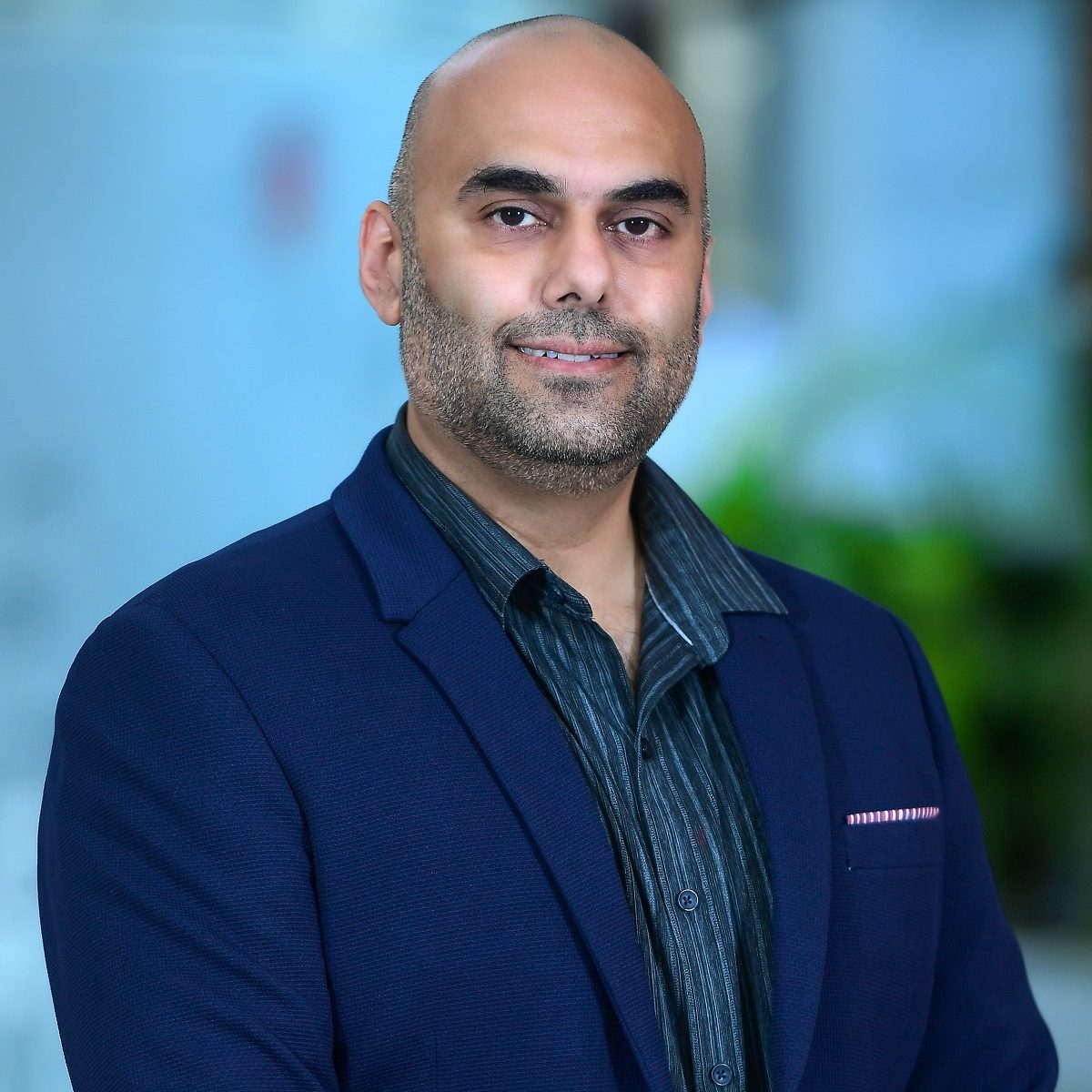
Dr. Faisal Khan, Assistant Professor of Mathematics and a Principle Investigator in the Center for Cyber-Physical Systems (C2PS) at Khalifa University, will bring international attention to KU’s expertise in quantum computing at a mini-symposium he is organizing on Wednesday, 12 February 2020 in Seattle, Washington, USA, during the Society for Industrial and Applied Mathematics’ (SIAM) Conference on Parallel Processing for Scientific Computing.

Quantum computers can in principle be millions of times faster than conventional computers, and the current first generation of these machines can solve certain industrial optimization problems significantly faster than traditional computers. For example, in October 2019, Google’s quantum processor solved a problem in 200 seconds that a state-of the-art supercomputer would have require 10,000 years to solve.

Quantum computers are capable of such powerful, high-speed analysis and computation because unlike conventional computing, quantum computing is not limited to two bit values, 0 or 1. Rather a qubit can be 0 or 1, or have properties of both of these values simultaneously, which is called superposition.

Dr. Khan, who heads the University’s Quantum Computing Research Group, will showcase the fundamental contributions he and other KU faculty are making to the field of quantum computing; a market which is expected to exceed US$495 million by 2023, according to a report by market research analysts Markets and Markets.

His presentation, titled “Nash embedding: A roadmap to realizing quantum hardware” will describe “an approach to engineer hardware for quantum computers that – unlike current ‘synthetic’ or ‘quasi-quantum’ hardware prototypes – is robust against classical noise arising from the environment in a mathematically and physically precise way,” Dr. Khan explained. The approach is based on the work of the Noble Laureate, John Nash, in differential geometry.

The symposium participants include individuals who are at the forefront of research in the field of quantum computing and its applications to industry. They will be answering questions like: What are quantum computers (QCs) today and what will they be like in the next five to 15 years? In what mathematical models should subject-matter experts formulate their problems so applications will benefit from QCs in a sustainable way? How will subject-matter experts develop applications for QCs? What are to be considered best practices in developing and programming quantum computing architectures? And what opportunities for quasi-automatic transformation by new compiler-like tools can exploit the power of well-matched mathematical models?

By organizing a mini-symposium that will facilitate dialogue among some of the world’s leading quantum computing researchers and academics, Dr. Khan is helping to position the UAE as a reference for knowledge and innovation in quantum computing.

Erica Solomon
Senior Editor
27 January 2020

Experts from Khalifa University’s College of Medicine and Health Sciences to Discuss Key Topics at Arab Health Congress 2020

Talks to Cover Simulation in Obstetrics and Gynecology, Radiology, and Management of Mullerian Anomalies

Two experts from Khalifa University’s College of Medicine and Health Sciences will be sharing their perspectives on some of the latest developments in the medical sector during Arab Health 2020, the largest healthcare event in the Middle East.

Khalifa University is the Official Education Partner for Arab Health 2020 that is organized on 27-30 January at the Dubai World Trade Centre. At the 12th Obstetrics and Gynecology Conference that is part of the Arab Health Congress 2020, Dr. John Rock, Founding Dean of Khalifa University’s College of Medicine and Health Sciences, will talk about best practices in the management of Mullerian anomalies on 29 January.

In addition, Dr David Graham, Chair of Medical Imaging and Radiology, Associate Dean for Clinical Affairs, College of Medicine and Health Sciences, will speak about ‘Ultrasound in the age of artificial intelligence’ on 27 January and ‘Simulation in Obstetrics and Gynecology’ on 28 January, at the 20th Total Radiology Conference.

Dr. John Rock said: “As the first Abu Dhabi medical school to offer the four-year MD program in the UAE, the Khalifa University College of Medicine and Health Sciences aims to deliver world-class education, while actively involved in knowledge-sharing forums such as Arab Health Congress. We offer unparalleled expertise through our 20 academic departments, and we firmly believe participating in Arab Health will not only raise the profile of our institution among the healthcare sector stakeholders, regionally and globally, but will also help showcase the quality of medical education that is available in the UAE.”

The Khalifa University College of Medicine and Health Sciences has a state-of-the-art testing center, created with Prometric and Pearson VUE standards, that could allow Graduate Record Examinations (GRE), National Board of Medical Examiners (NBME), United States Medical Licensing Examination (USMLE) and Medical College Admission Test (MCAT) testing on site.

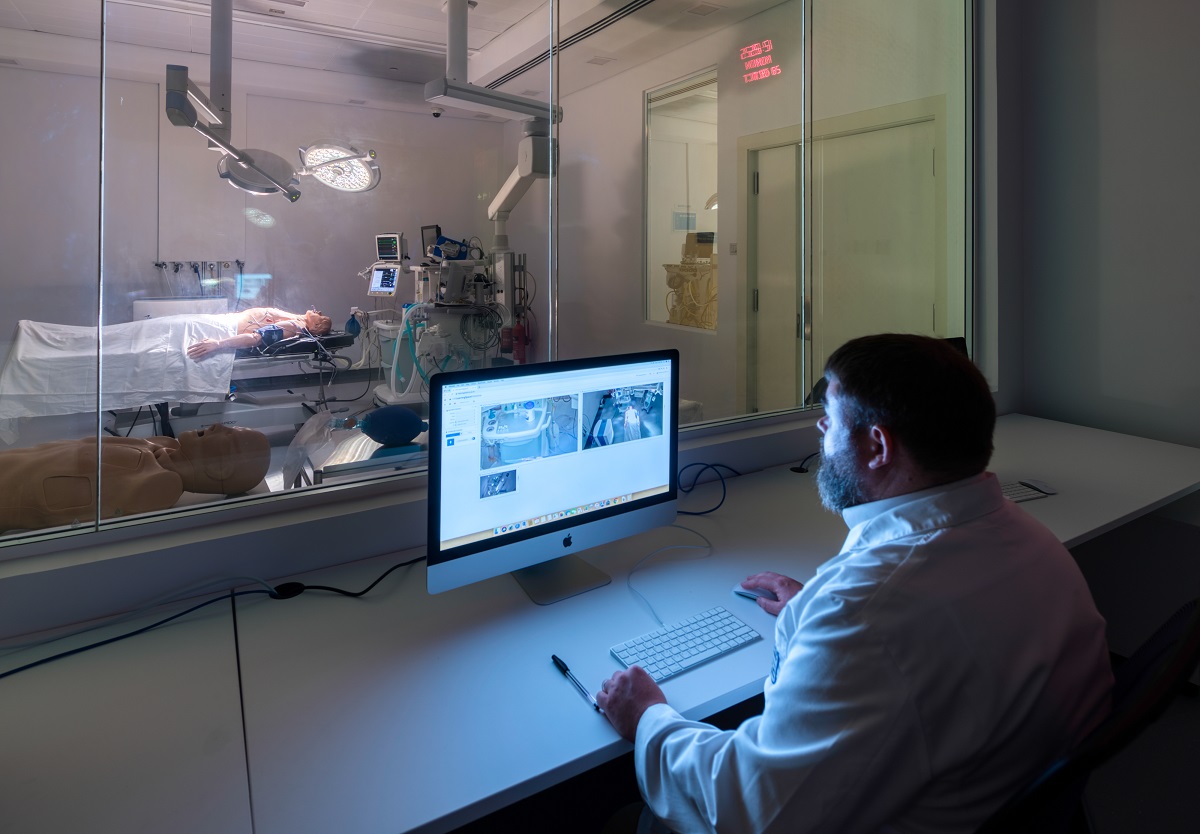
The College has also developed an OSCE (Objective Structured Clinical Examination) and Simulation Center, which is designed to test clinical skill performance. The program provides a hands-on real-world approach to learning and assessment, while serving hospital residency programs, military training units, and other medical schools in the UAE.

The College of Medicine and Health Sciences aims to expand its research portfolio in medicine and health sciences, which currently includes medical genetics, genome sciences, biomaterials for Nano medicine, cellular biomechanics, bio-robotics, tissue regeneration, and bioinformatics. The University is dedicated to graduating professionals who will contribute to the UAE’s healthcare ecosystem through employing innovative educational strategies that leverage its position as a world-class science and technology institution.

The College of Medicine and Health Sciences is the first 4X4 allopathic LCME-comparable (Liaison Committee on Medical Education), post-baccalaureate medical college, which prepares its students for residency programs in the US and Canada.

A total of 14 conferences and one educational forum covering a broad spectrum of medical specialties and disciplines are part of the Arab Health Congress 2020 that is reputed for delivering the highest quality Continuing Medical Education (CME) Conferences to medical professionals in the region.

Clarence Michael
News Writer
26 January 2020

Introducing Dr. Samuel Mao, Masdar Institute’s New Senior Director

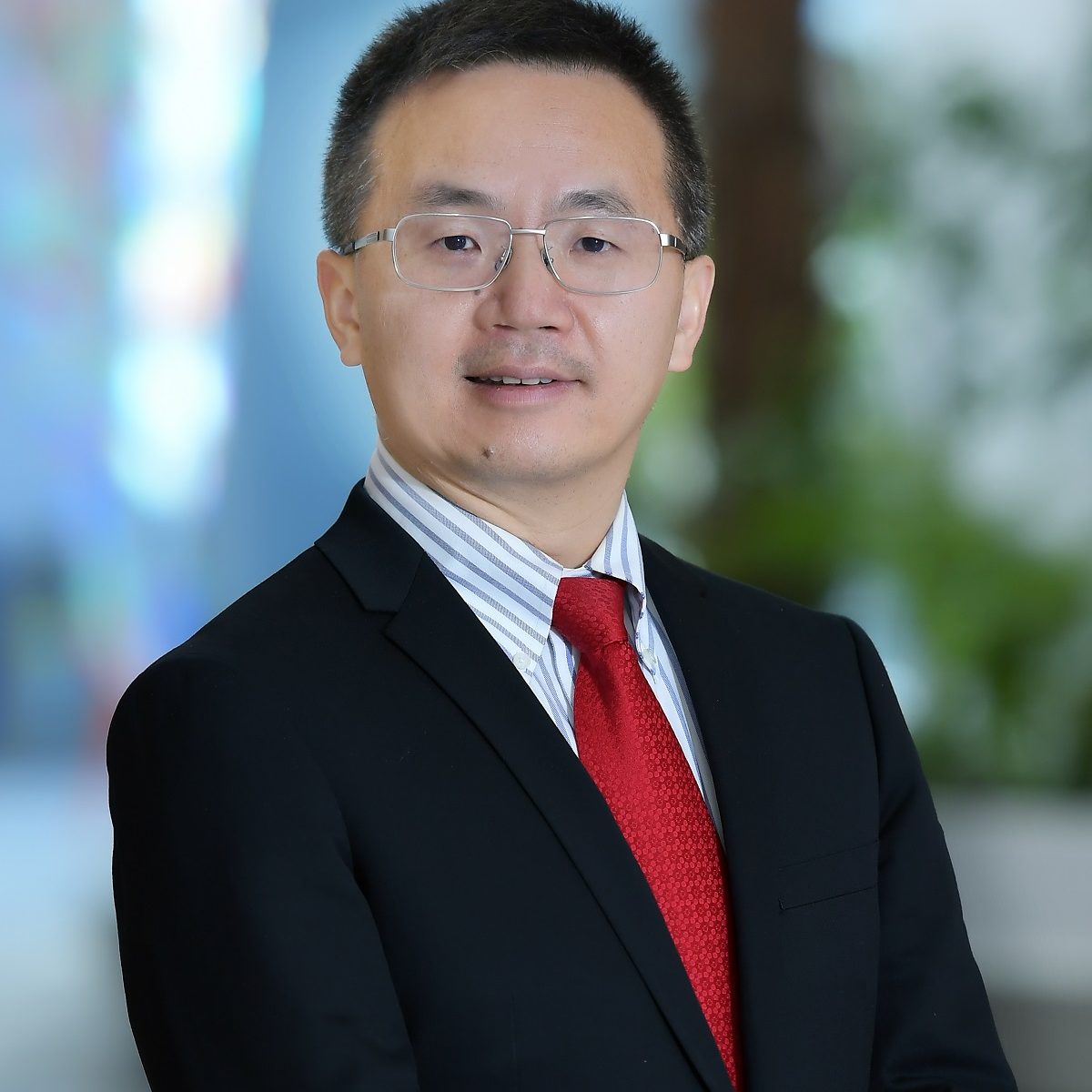
Dr. Samuel Mao joins Khalifa University as the new Senior Director of Masdar Institute to bring his extensive experience in developing cutting-edge technologies, and promoting international collaboration and global commercialization of energy and environmental technologies to the UAE.

In July, Dr. Mao delivered a lecture on KU Main Campus discussing the route from innovation to commercialization for sustainable energy technologies. He covered the research of solar-driven photocatalytic hydrogen, and the commercialization of the world’s first lithium battery-powered heavy-duty hybrid electric truck.

Dr. Mao’s ambitions for Masdar Institute and Khalifa University at large center around delivering sustainable energy technologies to industry as well as academia. His main focus is ensuring the efforts and innovations of staff and researchers at the university can be optimally commercialized.

After receiving his PhD from the University of California at Berkeley in 2000, Dr. Mao established the Institute of New Energy in Shenzhen, China, and began helping to commercialize sustainable energy technology. His background and experience over the last ten years will see him drive similar efforts at Masdar Institute and benefit the university beyond its contributions to science and academia.

Dr. Mao has published 160 research articles that have received more than 42,000 citations, and is the holder of 80 patents in the United States and abroad. In addition to co-founding three international materials and energy technology conferences, he also speaks globally and serves as a technical committee member, program review panelist, grant proposal evaluator, and national laboratory observer for the US Department of Energy.

Jade Sterling
News and Features Writer
26 January 2020

32 Teams to Vie for Honors at US$5-Million Mohamed Bin Zayed International Robotics Challenge 2020 from 23-25 February at ADNEC

Teams Representing Europe, North America, Asia, Australia and UAE to Compete in Four Iconic UAV and UGV-Related Challenges

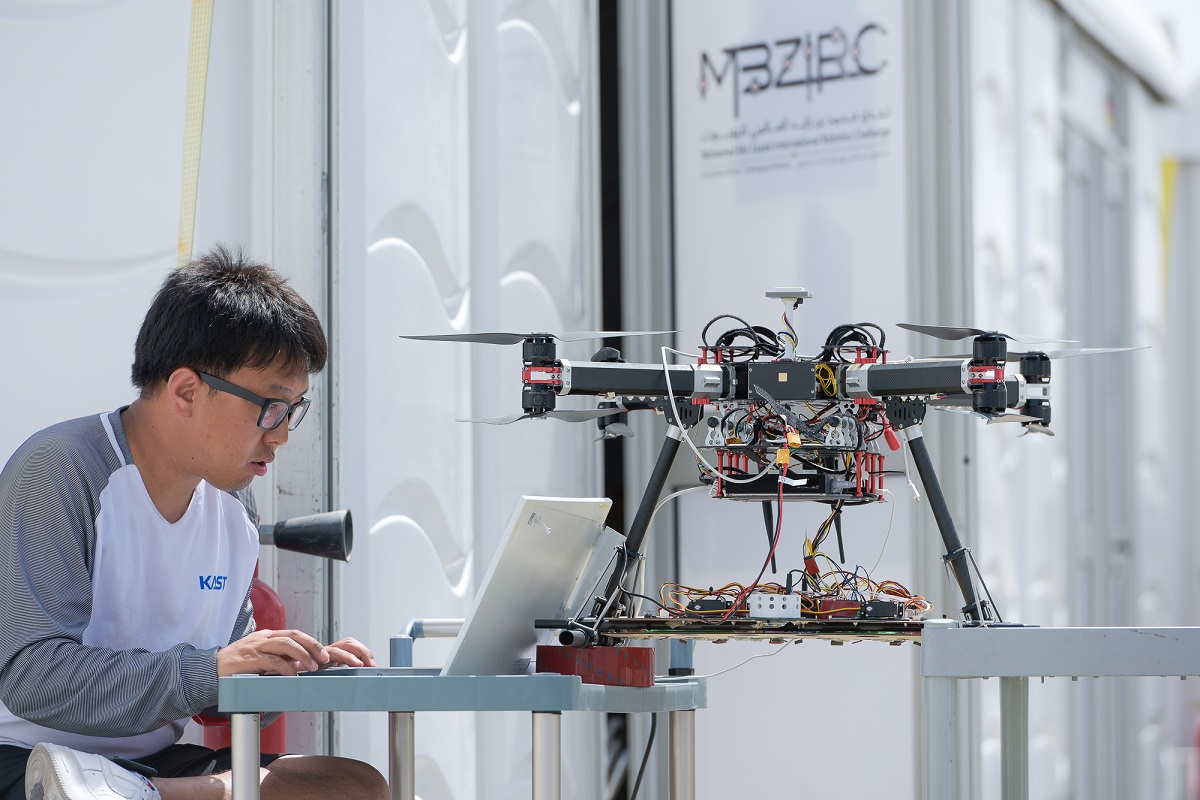
Khalifa University of Science and Technology, organizers of the Mohamed Bin Zayed International Robotics Challenge (MBZIRC), has announced a total of 32 teams will be competing for honors at MBZIRC 2020, the second edition of the US$5-million biennial international robotics competition that will be held from 23-25 February in Abu Dhabi, in parallel with the Unmanned System Exhibition (UMEX) and Simulation & Training (SIMTEX) 2020.

Around 500 top robotics experts from 32 international teams from Europe, North America, Asia, Australia and the UAE are preparing for the final leg of MBZIRC 2020 in which they will compete in four iconic robotics challenges that will test advanced embodied AI technical skills. The competition, to be held at the Abu Dhabi National Exhibition Center (ADNEC), will include three challenges and a triathlon type Grand Challenge. MBZIRC 2020 will be co-located with the 4th edition of Unmanned System Exhibition (UMEX) and the Simulation and Training Exhibition and Conference (SimTEX) at ADNEC.

Dr Arif Sultan Al Hammadi, Executive Vice-President, Khalifa University of Science and Technology, said: “Building on the success of the inaugural edition of MBZIRC held in 2017, the second edition of MBZIRC, one of the leading global robotics competitions, will bring a total of 32 teams to the UAE to display their advanced innovations in some key robotics technologies. These finalists represent top internationally-renowned academic and research institutions with well-established robotics labs. With such top league participants, we firmly believe MBZIRC 2020 will showcase the creative best in robotics and stand testimony to its reputation as a leading global robotics competition.”

MBZIRC consists of three individual challenges and a grand challenge. Challenge 1 will focus on drone safety, testing whether a team of unmanned aerial vehicles (UAVs) can autonomously track, capture and neutralize intruder UAVs.

Focused on construction automation and robot-based 3D printing of large structures, Challenge 2 will test how a team of UAVs and an unmanned ground vehicle (UGV) can collaborate to autonomously locate, pick, transport and assemble different types of brick-shaped objects to build pre-defined structures, in an outdoor environment.

Motivated by the use of robots for urban firefighting, Challenge 3 will assess how a team of UAVs and a UGV will collaborate to autonomously extinguish a series of simulated fires in an urban high rise building. The Grand Challenge requires a team of robots (UAVs and UGVs) to compete in a triathlon type event, combining Challenges 1, 2 and 3.

These challenges will require participating teams to display their skills and technical advances in fast autonomous navigation in semi-structured, complex, and dynamic environments, with reduced visibility (smoke or hazy conditions) and minimal prior knowledge. They will also be challenged in robust perception and tracking dynamic objects in 3D, sensing and avoiding obstacles, GPS-denied navigation in indoor-outdoor environments, physical interactions, complex mobile manipulations, and air-surface collaboration.

Clarence Michael
News Writer
21 January 2020

Khalifa University Receives AMEE Membership

Continuing to position itself as a premier medical university in the UAE, the College of Medicine and Health Sciences is proud to announce that Khalifa University is now an institution member of the Association of Medical Education in Europe (AMEE).

The AMEE supports institutions in developing new approaches to curriculum planning, teaching and learning methods, assessment techniques, and educational management, to keep up-to-date with advances in medicine, changes in healthcare delivery and patient demands, and new educational approaches in the study of medicine.

As a member, Khalifa University will be able to take full advantage of AMEE’s global network to share ideas, collaborate, and keep abreast with current developments in education of healthcare professions.

The AMEE is an international organization with members in 90 countries across five continents. It is the European regional association of the World Federation for Medical Education (WFME) and is a member of the WFME Executive Council.

Ara Cruz
News Writer
22 January 2020

Novel Multifunctional Metamaterials Developed at KU Investigated for Biomedical Applications

In a landmark review paper published in Advanced Engineering Materials, Dr. Rashid Abu Al-Rub, Acting Chair of Aerospace Engineering, Professor of Mechanical Engineering, and Director of the Advanced Digital and Additive Manufacturing (ADAM) Group at Khalifa University, and Dr. Oraib Al-Ketan, Post-doctoral Fellow in the ADAM Group, who recently moved to New York University Abu Dhabi (NYUAD) as a Research Scientist, have reviewed the state-of-the-art in the design, additive manufacturing, and multi-functional properties of novel types of architected metamaterials. These architected metamaterials have opened the door for more research and technological applications thanks to recent advances in digital design and additive manufacturing (so-called 3D printing).


The ADAM Group is the first R&D and educational additive manufacturing (AM) group in the region focusing on advancing state-of-the-art in AM. It provides R&D services to industries across the UAE and abroad, ensuring that the UAE remains at the forefront of AM and its application in Industry 4.0.


These architected metamaterials, which are based on mathematically-designed triply periodic minimal surfaces (TPMS), were recently lauded in Lux Research as one of the most important innovations of 2019 for their use in desalination techniques developed by KU researchers under the leadership of Professor Hassan Arafat, Director of the KU Center for Membrane and Advanced Water Technology. In fact, TPMS have been mathematically discovered more than 160 years ago, but thanks to recent advances in 3D printing they have become a reality only recently.


Now, the researchers are focusing on designing scaffolds made of the novel material for tissue engineering and bone growth. Their research is described in a paper recently published in the Journal of the Mechanical Behavior of Biomedical Materials. This work has also been done by Dr. Dong-Wook Lee, a Research Scientist in the ADAM group, and in collaboration with Dr. Reza Rowshan, Executive Director of Core Technology Platforms Operations at NYUAD, to print the scaffolds using the metallic 3D printer available at NYUAD’s Core Technology Platforms facility.


Technology is often directly or indirectly inspired by nature, with recent studies showing many biological organisms exhibit spectacular surface topography such as shape, size, and spatial organization to allow them to adapt dynamically to a wide range of environments. Topology is the study of geometrical properties and spatial relations unaffected by the continuous change of shape or size of figures. In a broader sense, these topological features seen in biological systems can change the way engineers understand surfaces and their applications in a wide range of sectors.


“The distinctive topology-driven multi-functionalities of nature’s biological systems have motivated the materials science research community to design and synthesize materials for different engineering disciplines,” explained Dr. Abu Al-Rub. “As such, cellular materials with a wide range of topological features, length scales, and structurally controlled characteristics that include high stiffness-to-weight ratio, heat dissipation control, and enhanced mechanical energy absorption have been designed for different applications, including in the biomedical sector.”


There are many biomedical applications in which an understanding of natural topography can lead to improved material designs. One such application is in tissue engineering and bone growth. According to evolutionary theory, organisms use the least materials to achieve the best performance and optimize surface topological characteristics such as geometry, density, and spatial organization. This results in sophisticated multiscale structures which offer versatile functionalities and characteristics.


Bone scaffold tissue engineering is a rapidly advancing technology, thanks in large part to the advent of additive manufacturing, or 3D printing. An ideal bone graft or scaffold should be made of biomaterials that mimic the structure and properties of natural bones. Bone comprises an open cell composite material, but its mechanical properties vary with anatomical location and the loading direction. Therefore, a biomaterial that can be changed to suit differing requirements is highly sought after.


“In biomedical applications, a large mismatch between the bone and the implant leads to stress shielding due to the uneven stress distribution at the bone-implant boundary,” explained Dr. Abu Al-Rub. “As such, cellular materials are used to tailor the properties of the implant and avoid bone resorption around the implant.”


Functionally graded and multi-morphology porous lattices are one such material of interest because of the ability to control their physical, mechanical and geometrical properties spatially. Dr. Abu Al-Rub and his team investigated the relative density grading, cell size grading and multi-morphology (lattice type grading) for sheet-based lattices with topologies based on triply periodic minimal surfaces (TPMS).


A minimal surface is a surface that is locally area-minimizing­—a small piece has the smallest possible area for a surface spanning the boundary of that piece. Minimal surfaces necessarily have zero mean curvature; the sum of the principal curvatures at each point is zero. Minimal surfaces that have a crystalline structure, repeating themselves in three dimensions, are triply periodic.


“In principle, TPMS are smooth and continuous surfaces that can be described mathematically,” explained Dr. Abu Al-Rub. “These surfaces have fascinating and distinctive geometrical characteristics, for instance, a minimal surface is smooth in nature, has no sharp edges or corners, and splits the space into two or more nonintersecting, intertwined, and infinite domains that can be repeated periodically in three perpendicular directions.”


Lattices are regular, 3-dimensional, repeating structures, seen in nature as honeycombs and bones. While traditional manufacturing techniques have historically limited the ability to produce complex porous lattice structures, additive manufacturing has broadened the horizon of applications for lattice-based materials.


“Lattices are an attractive subclass of cellular materials and are widely used in the design of scaffolds and body implants,” explained Prof. Abu Al-Rub. “Advancements in fabrication techniques, specifically in additive manufacturing, facilitated their fabrication with lattices increasingly employed in biomaterials.”


Certain applications may require altering the lattice material’s volume, surface area, or pore size, depending on the intended functionality. This is known as functional grading. The ability to control unit cell size, unit cell type, and unit cell porosity can help better tailor the lattice material to meet the necessary engineering requirements.


“Functional grading is particularly important when the mechanical, physical and geometrical properties need to be tailored specifically to meet both biological, mechanical or thermal requirements concurrently,” explained Dr. Abu Al-Rub. “One example is bone implants, which are required to imitate the spatial distribution of mechanical and biological properties of natural bone. The implant should be highly porous in the middle section to allow for bone cell migration and proliferation, while the outer section needs to be highly dense to provide the desired mechanical properties.”


Trabecular bone is the porous bone tissue found at the ends of long bones like the femur, where the bone is not solid but rather full of holes connected by thin rods and plates of bone tissue. Even though it is porous, its spatial complexity contributes the maximal strength with minimum mass as it is optimized to resist loads imposed by functional activities such as running and jumping. To design the optimal bone-implant system, the mechanical properties of trabecular bone must also be understood.


“It was found that tissue regeneration progresses faster with curved surfaces as opposed to flat surfaces,” said Dr. Abu Al-Rub. “TPMS topologies exhibit mean curvatures equal to zero which resembles the mean curvature of trabecular bones.”


Previous work, covered by Dr. Abu Al-Rub and Dr. Al-Ketan in their research paper, investigated the relationship between grading approaches and the resultant mechanical and physical properties of the material. TPMS-based lattices can be categorized into solid-networks and sheet-networks depending on their scaffold architectures.


“Remarkably, the deformation behavior and mechanical properties of functionally graded and multi-morphology sheet-networks lattices have not been explored much,” said Dr. Abu Al-Rub. “We found that the deformation behavior exhibited by these lattices is very different from that observed in solid-networks or strut-based multi-morphology lattices.”


Further research into these differences will lead to improved lattice structure design for superior biomedical performance, while continued developments in additive design and manufacturing can be harnessed to integrate these complex designs into modern implants and improve clinical outcomes. Furthermore, Dr. Abu Al-Rub and his team are currently exploring other engineering applications of the developed functionally-graded TPMS metamaterials such as heat sinks and heat exchangers for thermal management, ultra-lightweight sandwich panels for aerospace structures, vibration absorbers for spacecraft systems, and catalytic supports for oil & gas industry.


Jade Sterling
News and Features Writer
21 January 2020

 

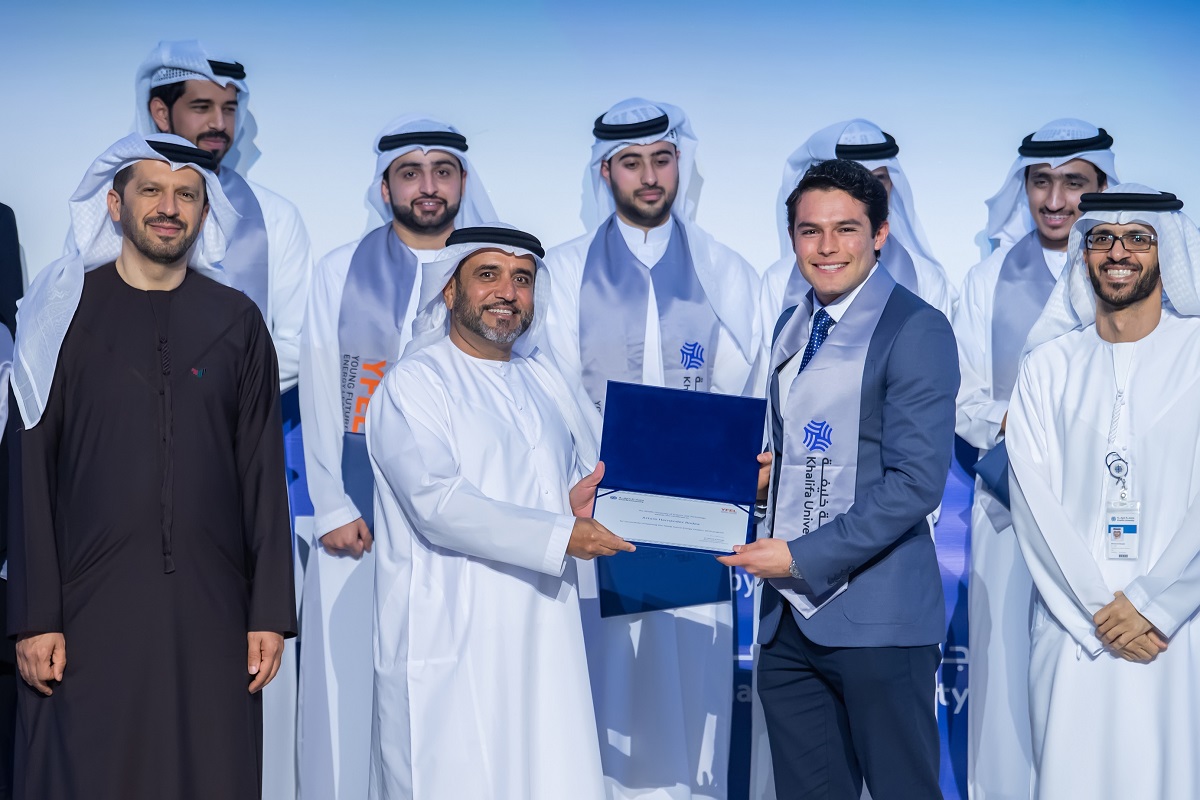
Young Future Energy Leaders Shaping the Energy Landscape Among Climate Concerns

In an uncertain future energy landscape, becoming sustainable requires transformation at every level. It implies not only switching fossil fuels to renewable energy, but also a whole raft of social, political and economic changes on a global scale. Enter the new generation of leaders who will pave the way for this long-term energy transformation.

The Young Future Energy Leaders program is one of the most dynamic platforms in the UAE for fostering tomorrow’s leaders. Aiming to educate, inspire and position students and young professionals to become future leaders capable of solving the world’s most pressing challenges in advanced energy and sustainability, the YFEL program comprises a year-long schedule of courses and overseas visits.

Energy systems are increasingly complex and the UAE’s future scientists, engineers and innovators need the knowledge and technology to build a sustainable energy future. This knowledge includes courses on trends and future energy sustainability as well as technology, policy and leadership. Graduates leave the program with a mix of the education and soft skills needed to lead the world into a more sustainable future.

The YFEL program offers young professionals and students from the UAE and abroad the opportunity to become more engaged in finding solutions to the world’s biggest challenges: achieving energy efficiency and tackling climate change.

Most energy supply and demand outlooks to 2050 suggest that growing global energy demand will continue to be met largely by fossil energy sources, however calls to refrain from further investing in hydrocarbon projects due to environmental concerns are becoming increasingly prevalent. The program’s geographical base in the Middle East is therefore particularly relevant.

The energy sector is under huge pressure from climate change. A challenge for all of humanity, climate change needs to be addressed jointly and calls for changing the energy mix from the traditional hydrocarbons dominating the region towards low-emission sources, such as sun, hydroelectricity, and nuclear power. The United Arab Emirates is investing heavily in all alternative forms of energy – it has set an ambitious target to generate 50 percent of its energy from clean and renewable sources by 2050 – with this research highlighted in the YFEL courses.

Future energy leaders need to balance the de-carbonization of our energy supply with the need to provide the world with affordable, reliable and modern energy, as per the United Nation’s Sustainable Development Goals.

Humanity needs to work together and enhance international cooperation. The YFEL program facilitates access to clean energy research and technology, including renewable energy, energy efficiency and advanced and cleaner fossil-fuel technology, with graduates promoting investment in energy infrastructure and clean energy technology.
Reaching a sustainable future requires thinking of the short-term as well as the long-term. The Middle East’s significant natural resource supplies need to be carefully considered to be best utilized in the evolving energy landscape—for example, using hydrocarbon energy to fill the gaps in renewable supply or prioritizing their availability for export and national industry. Fossil fuels will remain part of the future energy mix but their share in the future landscape must be reduced considerably to achieve sustainability goals.

Technology to generate clean energy from hydrocarbon fuels without harmful emissions, such as the Allam Cycle, need to be prioritized as the world is led into the future.

In the long-term, leadership and vision are in high demand. The inertia of government, the long operating life of investments in the energy sector and energy security issues are commonly considered the main obstacles preventing the transition needed in this area. The world needs leaders to drive the substantial change in attitude and behavior required to achieving global sustainability. To that end, the leadership, policy and business acumen imparted to the YFEL graduates will see them drive the commitments from state and non-state actors alike.

This is a challenging prospect, one for which these future leaders are extensively prepared. Long-term energy transformation needs more than the technologies already in use or in development—the plans laid today need to consider even more innovative and visionary technologies that don’t exist yet. The so-called sustainable development trilemma looms: currently, providing energy security, energy equity and environmental sustainability simultaneously simply isn’t possible. A highly secure and environmentally-friendly energy supply would mean prohibitively high costs preventing equal access. But an accessible and secure energy supply for everyone the world over cannot be achieved without using fossil fuels, contributing to the environmental damage that has led us to climate change.

New technologies may make this possible but it takes visionaries to plan for these.

With the stage set from their successful completion of the YFEL program, the energy leaders of tomorrow are ready to change the world.

Jade Sterling
News and Features Writer
15 January 2020

University of Minnesota Students Tour Khalifa University’s Main Campus

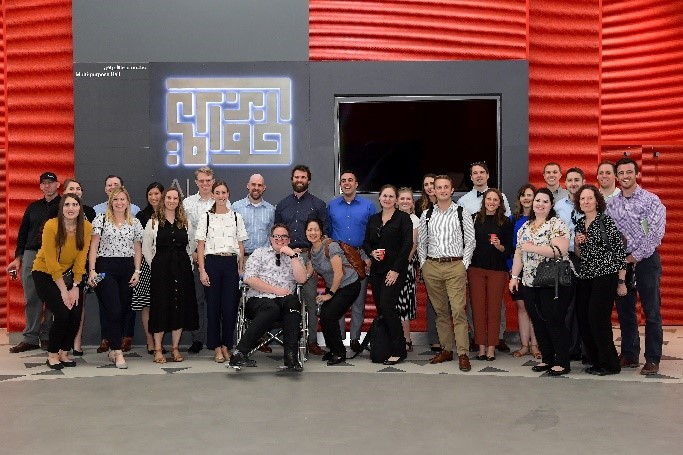
A group of MBA students from the University of Minnesota, USA visited the Khalifa University Main Campus on 12 January 2020 to learn more about KU’s position as a world-class educational institution dedicated to producing academic research that has local and international impact and relevance.

Dr. Ahmed Al Shoaibi, Senior Vice President, Academic and Student Services, gave the group an overview of KU’s different graduate programs and research centers and the opportunities, advantages, as well as challenges of higher education in the UAE, specifically, in Abu Dhabi.

The visitors toured the campus and visited different labs and facilities. They also enjoyed a guided tour of the Body Worlds Museum, where plastinated bodies are displayed to provide a detailed look on how the human body works.

Ara Cruz
News Writer
15 January 2020


Khalifa University Student Receives UAE Student Award for the Advancement of Postgraduate Education 2020

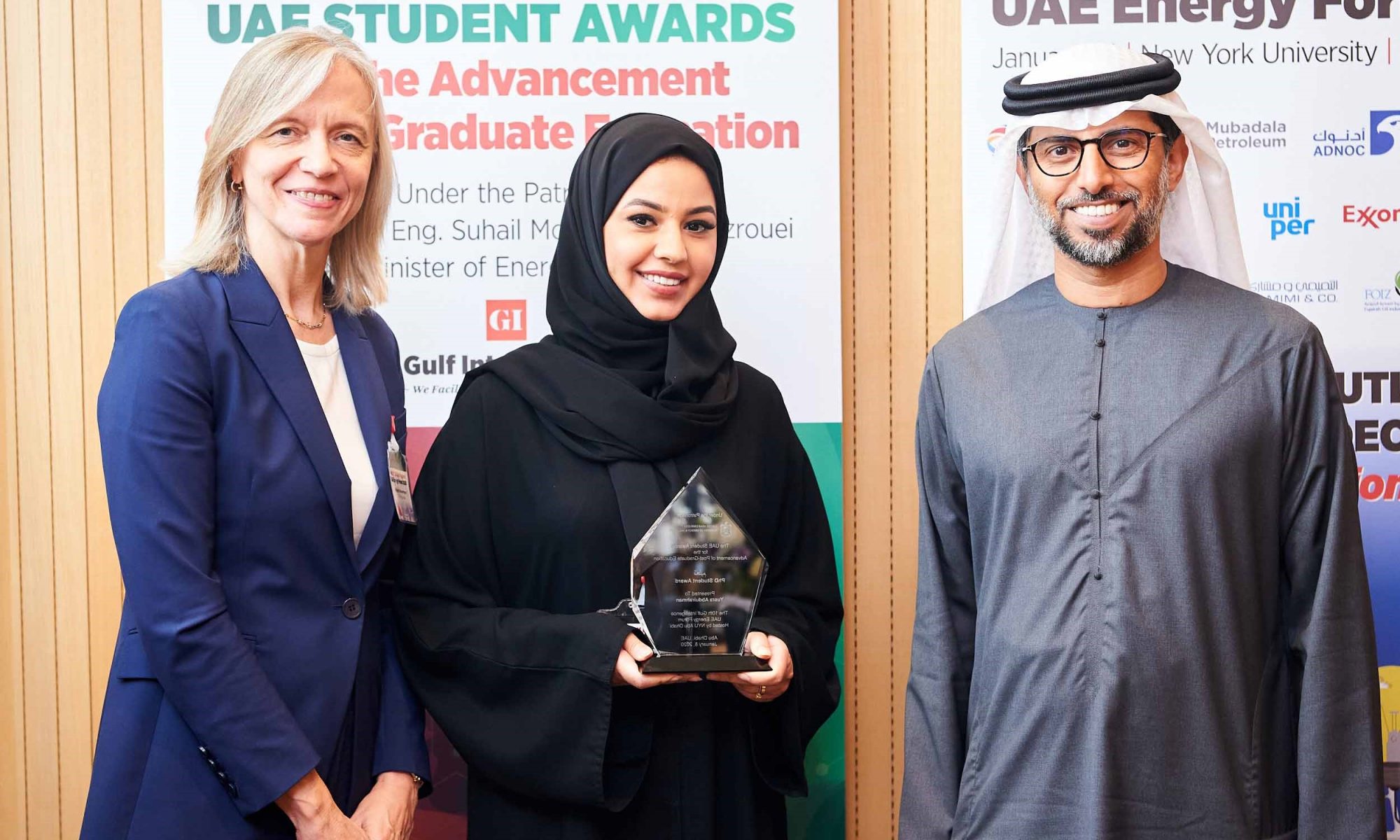
Yusra Abdulrahman, recent PhD in Interdisciplinary Engineering graduate from Khalifa University, was one of the four distinguished individuals who received the prestigious UAE Student Awards for the Advancement of Postgraduate Education 2020 during the Gulf Intelligence UAE Forum on 8 January 2020 at New York University, Abu Dhabi.

The UAE Student Awards for the Advancement of Postgraduate Education aims to promote the importance of research-focused education as a major component in building the knowledge capacity and talent required to deliver an innovative R&D ecosystem in the UAE. The award recognizes outstanding masters and PhD students in the country for their exceptional research achievements and celebrates the country’s future industry and academic leaders and role models who will grow the UAE’s R&D hub.

Yusra’s thesis project, which she was recognized for, aims to develop a non-destructive testing and thermal imaging system that tests carbon fiber reinforced plastic and low conductive materials using state-of-the-art techniques and artificial neural networks. It is a new testing technology to improve the testing methods currently used by many industries.

The project will help the manufacturing sector in Abu Dhabi adopt the latest technologies and inspection methods, improving the productivity and quality of the industry. Applying this technology will help Abu Dhabi, and the UAE, achieve sustainable manufacturing growth. Currently, similar technologies are being studied in the USA, Germany, and Canada. Applying this in the UAE will strengthen the country’s global competitiveness.

According to Yusra, she is thankful for the great leadership the UAE, which has provided numerous opportunities for its people to grow and learn. She said: “This alone should encourage everyone to always be concerned with helping the society with integrity and passion, find innovative solutions to advance the country in different fields and set themselves as examples for the coming generations.”

She added: “His Highness Sheikh Zayed Bin Sultan Al Nahyan, the father of the nation said, ‘Wealth is not money. Wealth lies in men. This is where true power lies, the power we value. This is what has convinced us to direct all our resources to building the individual, and to using the wealth which God has provided us in the service of the nation.’”

Yusra received her BSc in Engineering Management, minor in Systems and Industrial Engineering, from the University of Arizona, USA and her MSc in Engineering Systems Management from Masdar Institute of Science and Technology. She was also a member of the Young Future Energy Leadership program and has co-authored five research papers in scientific ranked journals.

Ara Cruz
News Writer
20 January 2020

Faculty Invited to Deliver Lecture on the Evolution of the UAE Armed Forces at the Emirates Center for Strategic Studies and Research

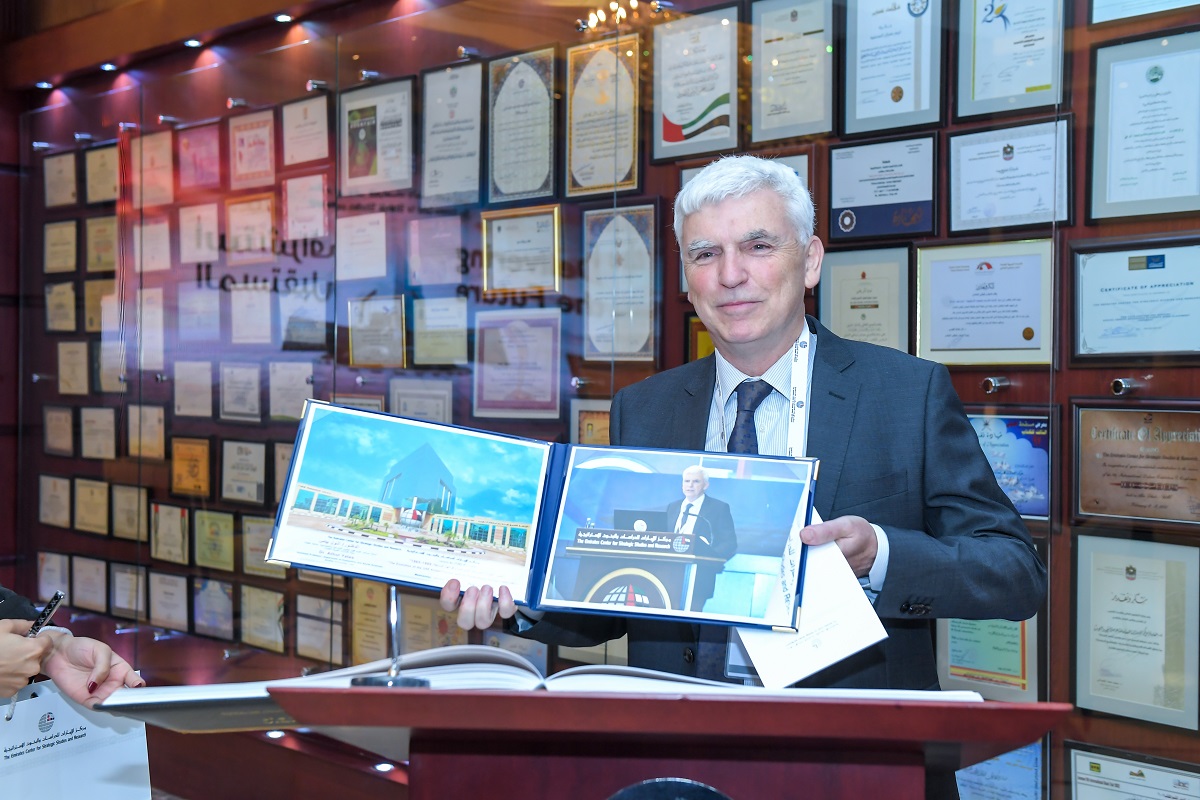
Dr. Athol Yates, Assistant Professor of Humanities and Social Sciences teaching security, disaster management, and public policy, was invited to deliver a lecture on the evolution of the UAE Armed Forces and its predecessor forces at a prestigious center in Abu Dhabi.

The Emirates Center for Strategic Studies and Research (ECSSR) is the leading research center serving decision makers in the UAE and aims to raise awareness and disseminate knowledge among all segments of society about a variety of contemporary issues and developments on a local, regional, and global level.

Dr. Yates delivered a lecture at the ECSSR on 15 January titled ‘The Evolution of the UAE Armed Forces and its Predecessor Forces: 1965-1980.’

The first Ruler-controlled military in the Emirates was established by Sheikh Zayed bin Sultan Al Nahyan in 1965. Within a decade, the Abu Dhabi Defence Force had grown into one of the region’s most capable militaries and fielded supersonic jets and armored vehicles fitted with advanced missiles. When the UAE Armed Forces was established in 1976, merging all armed forces in the UAE, the Abu Dhabi force became the core of the UAE’s military.

Dr. Yates detailed the history of the Abu Dhabi Defence Force, other militaries of the Emirates, and the UAE Armed Forces to 1980, and explained how Sheikh Zayed was able to build an advanced military from nothing within 15 years.

Jade Sterling
News and Features Writer
16 January 2020


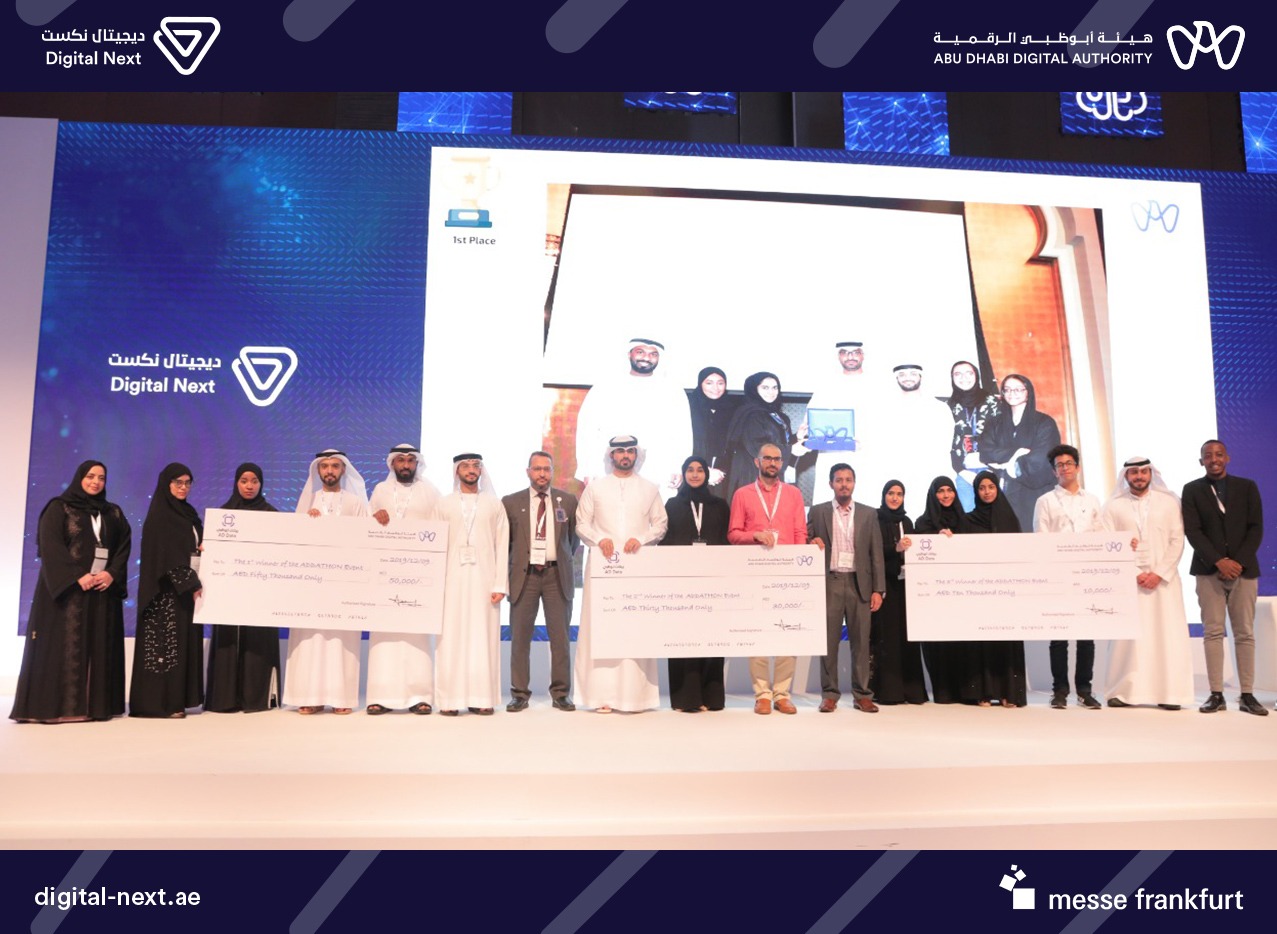
KU Success at the Abu Dhabi Digital Authority Hackathon

Offering the opportunity for skilled individuals to showcase the future of Abu Dhabi through the applied use of artificial intelligence, the Abu Dhabi Digital Authority (ADDA) issued four challenges to teams comprising government employees, academia, and private sector startups. The ADDA Hackathon was in collaboration with KU’s Artificial Intelligence and Intelligent Systems Institute, with a number of students from KU and EBTIC. At the ADDA Hackathon 2019, 16 teams competed from various UAE and international universities.

“The Hackathon involved applying artificial intelligence to tackle challenges set by Abu Dhabi government entities,” explained Dr. Ahmed Al Shoaibi, SVP Academic Affairs at KU. “The participating teams comprised a mix of government and industry employees, as well as university students. I’m pleased to report that the top three awards were won by teams led by KU students.”

Each challenge was issued by a government department and focused on applying artificial intelligence to a real business challenge. The 48-hour hackathon saw teams develop solutions for wildlife management, city traffic management, inspection route management, and government policy management.

First place was awarded to the team including Ahmed Al Dhanhani, Farah AlKurdi and Amenah Abood Salem from KU. This team took the challenge issued by the Department of Transport and investigated an Adaptive Toll System, based on historical data of traffic throughout the capital. Their model predicted traffic behavior and provided a solution for re-routing traffic for decongestion via an adaptive toll system.

Second place went to Ahmad Obeid, Maryam AlShehhi, Abdel Gafood Haddad, Mahmoud Khalil and Mohamed Alzarooni. This team proposed a solution for visual animal tagging to solve the Wildlife Management challenge. Their solution involved replacing physical animal tags with an intelligent visual identification system to help identify patterns and perform predictions on essential day-to-day animal functions.

In third place, Nada Alhashmi, Abdulla Alshimmari and Begad El Houty were the KU team members taking the Government Policy Management challenge, in which they developed a virtual assistant to augment ADDA employee functions around policy and standards enquiries.

The winning teams received monetary prizes and official certificates and were also invited to present their solutions at the preliminary session in the Digital Next to Global Audience in Abu Dhabi in December 2019.

Jade Sterling
News and Features Writer
20 January 2020

EBTIC Researchers Win Best Application Paper at SGAI Conference for AI Solutions

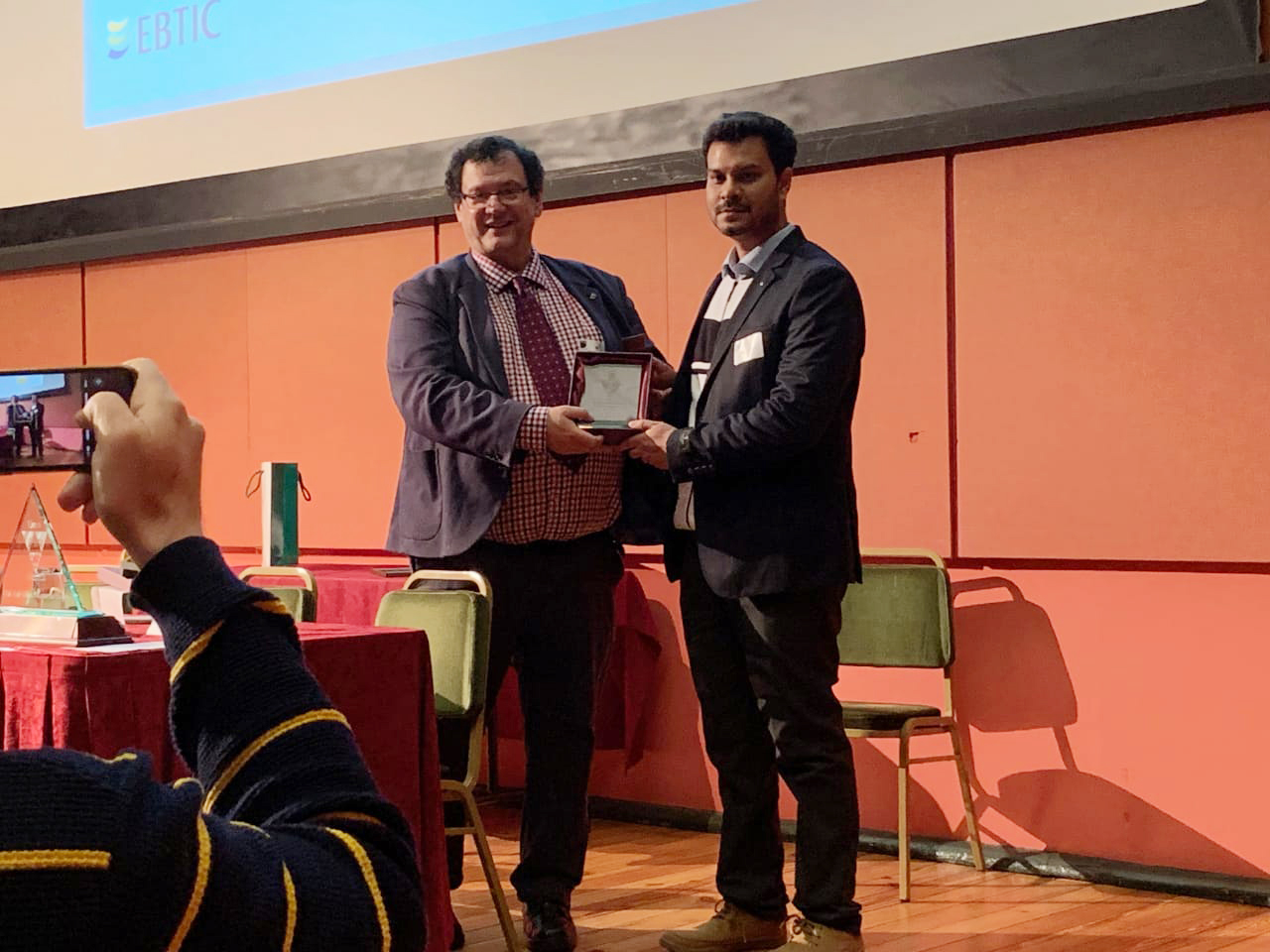
A team of researchers from KU’s Emirates ICT Innovation Center (EBTIC)  has won Best Application Paper at the Chartered Institute for IT’s 39th International Conference on Artificial Intelligence in Cambridge. Himadri Sikhar Khargharia and Dr. Siddhartha Shakya, both from EBTIC, collaborated with researchers from BT on the winning paper.

The British Computer Society’s Specialist Group on Artificial Intelligence (SGAI) hosted its Annual International Conference, bringing together researchers and developers at the cutting edge of AI solutions. The leading papers presented in each stream of the conference are reprinted as a special issue of an international journal and Khargharia’s paper is set to be among them alongside its publication in Lecture notes in Computer Science.

Khargharia presented his paper in the Application Stream, titled ‘Evolving Prediction Models with Genetic Algorithm to Forecast Vehicle Volume in a Service Station.’ This paper is one of many to emerge from the EBTIC smart surveillance system designed to help streamline operations at petrol stations.

Using Internet of Things (IoT) infrastructure in the form of CCTV cameras and sensors, the system captures the data required to build a demand prediction model and analytical dashboard to provide insight into the large volume of data collected.

“In the service industry, having an efficient resource plan is of utmost importance for operational efficiency,” explained Khargharia. “An accurate forecast of demand is crucial in obtaining a resource plan that can be efficient. At the conference in Cambridge, I presented a real world application of an AI forecasting model for vehicle volume forecasting in service stations. This improved a previously proposed approach by intelligently tuning the hyper parameters of the prediction model, taking into account the variability of the vehicle volume data in a service station.”

“We built a genetic algorithm-based model to find the topology of the neural network and to also tune additional parameters related to data filtration, correction, and feature selection. Our results were compared with those from ad hoc parameter settings of the model from previous work and show that the combined genetic algorithm and neural network-based approach further improves forecasting accuracy. Now, service stations can better manage their resource requirements,” added Dr. Shakya.

A genetic algorithm is a search heuristic inspired by Charles Darwin’s theory of natural evolution. The algorithm reflects the process of natural selection where the fittest individuals are selected for reproduction. The same principle can be applied to a search problem where a model selects the best solution out of a set. The algorithm assesses the ‘fitness’ of the solution to the problem and produces a score. In the selection phase, the solution with the highest fitness score is selected and then crossed at random with another solution. This new generation of solutions is then used in the next iteration of the algorithm to result in a different, ideally more effective set of solutions.

This improvement to the forecasting model is part of phase three of the system’s development in which capabilities are developed and the program can make business intelligence decisions.

Jade Sterling
News and Features Writer
20 January 2020