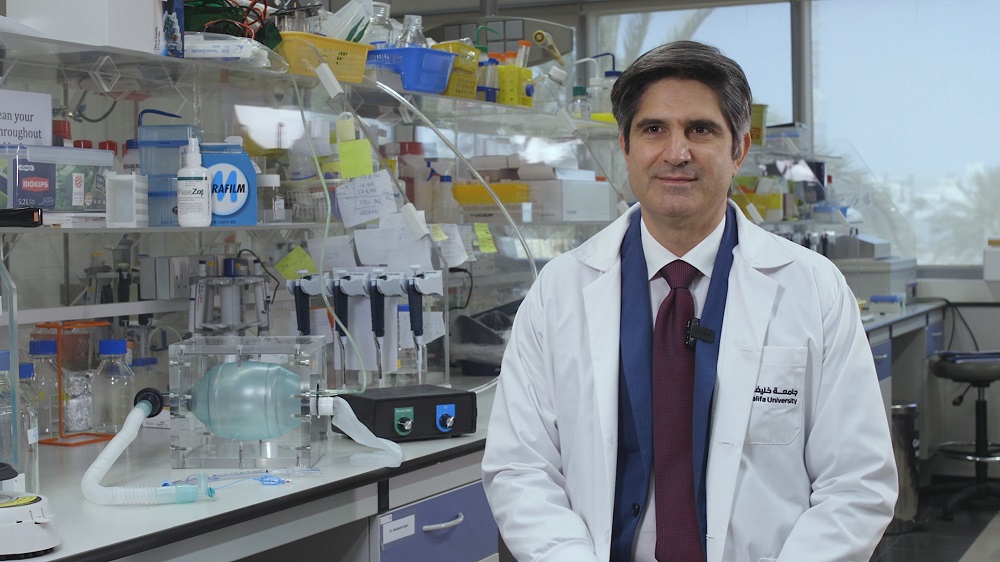
A multi-disciplinary team in the UAE has developed an affordable, simple, and easy-to-manufacture ventilator prototype. The prototype ventilators could serve as a stop-gap measure, giving doctors precious time until an advanced ventilator becomes available.
Researchers at Khalifa University’s Healthcare Engineering Innovation Group (HEIG) are stepping up to serve in the UAE’s project to develop emergency ventilators. The researchers have developed a working prototype and are now engineering the production plant to be able to produce the ventilators at scale to meet rising local and global demands.
The team, led by Dr. Cesare Stefanini, Professor of Biomedical Engineering and Director of HEIG, is working in response to the global need for increased ventilator manufacturing capacity due to Covid-19. Though Covid-19, the disease caused by the novel coronavirus, often begins as an upper respiratory tract infection with a cough and sore throat, it can enter the lower respiratory tract, where it damages the lung’s alveoli, flooding them with inflammatory cells and fluid. This makes it harder for oxygen to travel from the lungs to the bloodstream, reducing the oxygen available to the organs that depend on it.
Acute respiratory distress syndrome is the term for the rapid and extensive lung damage that occurs from a severe case of pneumonia. If a patient’s lungs are so compromised that they can’t get enough oxygen, a ventilator is used to provide more oxygen to the body.
According to the World Health Organization (WHO), around 80 percent of people with Covid-19 recover without needing hospital treatment, but one person in six becomes seriously ill and can develop pneumonia, which may require ventilator treatment. As the pandemic continues, thousands of ventilators are needed around the world, and developing them quickly has the potential to save lives.
“One of the consequences for the healthcare system is the potential shortage of ventilators,” explained Dr. Stefanini. “The number of intensive care beds and mechanical ventilators in hospitals is a fraction of what may be needed in the coming weeks as the situation develops worldwide.”
“Our plan needs to be very aggressive,” said Dr. Stefanini. “We aim to develop a working prototype in less than two weeks, alongside designing a mass production unit. We have all the theoretical and design expertise in our team especially in the prototyping phase.”
KU’s interdisciplinary team of engineers and experts are now working to establish the requirements for a production facility in Abu Dhabi. Thanks to the timely measures undertaken by the UAE government, a theoretical worse-case scenario is unlikely, but the establishment of a domestic production ability for emergency ventilators is a reasonable and well-motivated safety measure.
“Procuring new ventilators at the required scale represents quite the challenge,” explained Dr. Stefanini. “This is due not only to the required expenditure, but also due to massive demand on a global scale in a pandemic situation.”
Innovative designs and technologies are undergoing intense research to quickly produce ventilator parts, as well as masks and other essential equipment. The KU team is focusing on low-cost, rapid production using 3D printing and easily accessed materials. Within the next two weeks, the team aims to have the plan for the production plant finalized and the first units ready to go to support the UAE’s fight against Covid-19.
“Khalifa University is leading this project but it’s a collaborative effort from health services,” explained Dr. Stefanini. “We’re coordinating an effort with many governmental bodies and the country is pulling together to optimize efforts and save lives. We’re all reacting very quickly and tackling this crisis as one UAE team.”
This project is a manifestation of the UAE government’s clear and undeterred commitment to conservatively prepare for all possible scenarios to ensure healthcare for all its residents and citizens, says Professor Ashraf Alzaabi, Professor Ashraf Alzaabi, Head of the Respiratory Division at Zayed Military Hospital in Abu Dhabi, who tested the prototype.
“It would be great to see this multi-disciplinary effort between the healthcare, engineering, and manufacturing sectors become a seed for future biomedical enterprises in the UAE. This crisis has highlighted the critical importance of maintaining a high-degree of self-reliance for essential needs. It has also highlighted the capacity of our talented citizens and expatriate residents.”
Jade Sterling News and Features Writer 6 April 2020
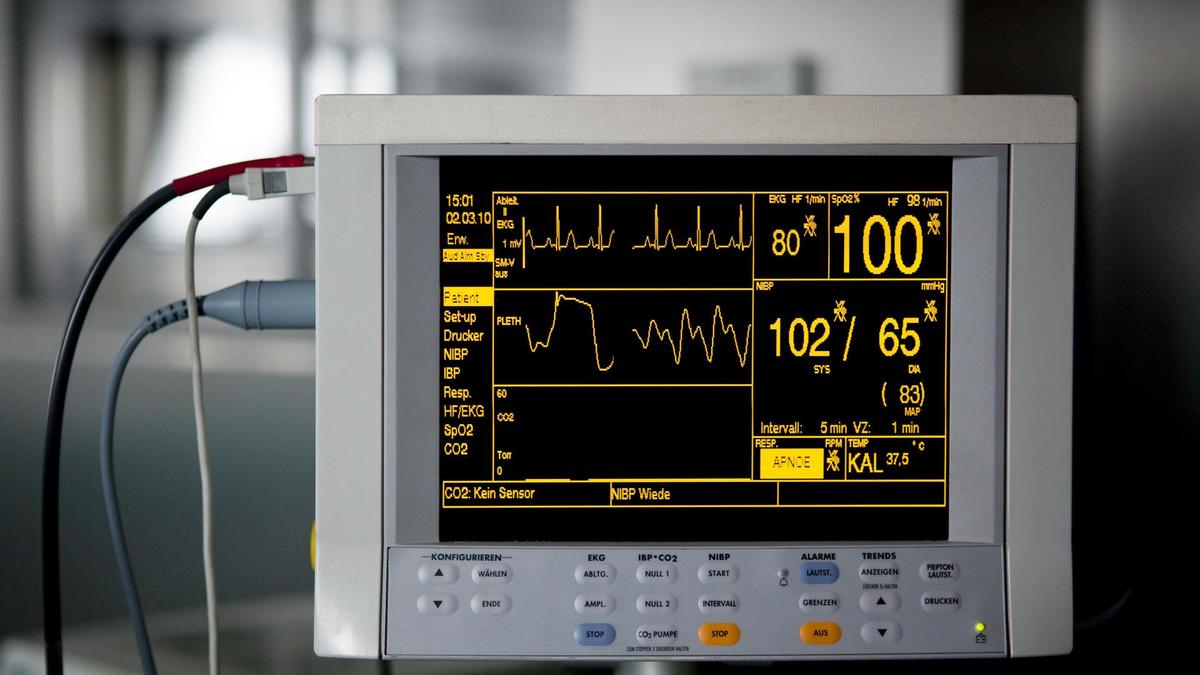
Vital signs such as blood pressure and heart rate could soon be monitored wirelessly via radar following pioneering work by UAE researchers.
A team at Khalifa University believe the technology could be used in hospitals and from homes, reducing the need for doctors’ house visits and avoiding the need for patients to be physically hooked up to machines.
Read full story at The National here: https://www.thenational.ae/uae/health/pioneering-uae-research-monitors-vital-signs-by-radar-1.1002005
A Khalifa University research proposal has been selected to be awarded the 2019 UAE Ministry of Education Collaborative Research Program Grant (CRPG2019) program.
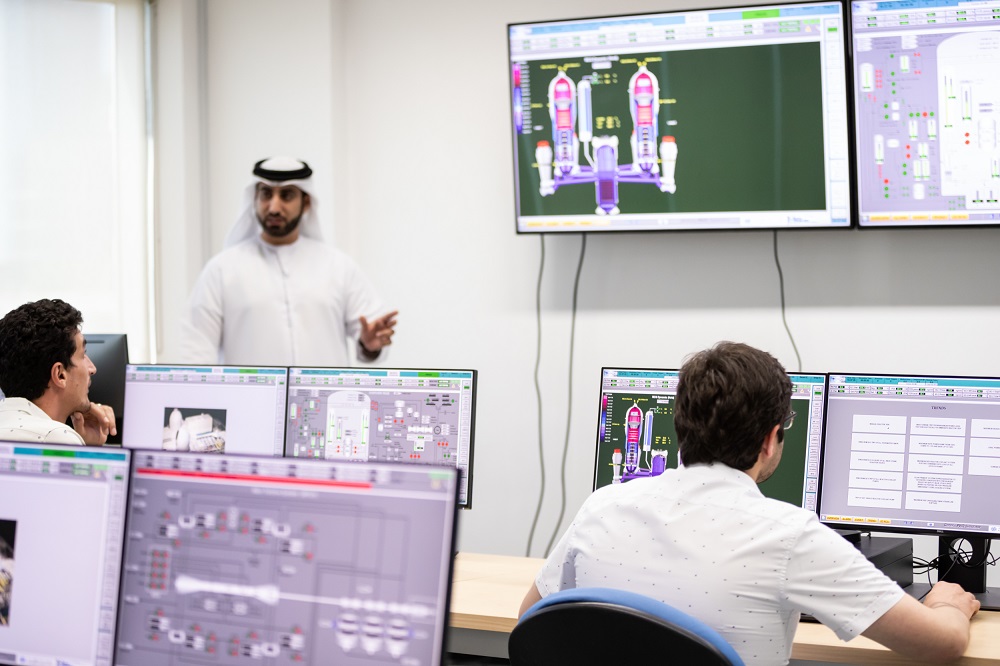
The proposal, titled “Evaluation of Using Accident Tolerant Fuel Concepts in APR1400,” was one of four proposals selected from a total of 238 proposals submitted to the grant program. The KU researchers will receive approximately AED7 million across three years to pursue research aimed at demonstrating the superior performance of new advanced nuclear fuel in commercial nuclear power plants. Such advanced nuclear fuels that can help get more power out of nuclear power plants safely and reliably, could be a significant boost to the UAE’s goal of meeting growing energy demand sustainably.
A team of six faculty members from KU will carry out the research. The team includes Dr. Saeed Al Ameri, Assistant Professor of Nuclear Engineering, Dr. Ahmed Al Kaabi, Assistant Professor of Nuclear Engineering, Dr. Yongsun Yi, Assistant Professor of Nuclear Engineering, Dr. Daniel Choi, Associate Professor of Mechanical Engineering, Dr. Imran Afgan, Associate Professor of Mechanical Engineering, and Dr. Andreas Schiffer, Assistant Professor of Mechanical Engineering.
The team will also include 11 PhD students; all of the nuclear engineers will be UAE Nationals. The collaborative team will include external members from Massachusetts Institute of Technology (MIT), Korea Advanced Institute of Science and Technology (KAIST) and The University of Manchester.
The aim of the CRPG grant is to build research teams of scale, focusing on an integrated research program capable of applying scientific excellence to the advancement of knowledge for the benefit of the UAE. The grant encourages researchers to pursue original and ambitious research questions.
Research projects considered for the CRPG must prove to have relevance to at least one of the UAE Science, Technology, and Innovation Policy focus areas. The KU project falls under the focus area of Solar and Alternative Energy Technology Systems.
The other three 2019 grant winners were Dr. Ioannis Manikas from the University of Wollongong in Dubai for a project in the category of Food Security; Dr. Bassam Ali from UAE University for a project in Health Information Technology and Bioinformatics; and Dr. Mohamed Ahmed M. Salim Alhammadi, also from UAE University, for a project under Education Innovation and Technology.
Khalifa University researchers developed a model to overcome the challenges natural gas plants face due to fluctuations in processed natural gas quality and quantities demanded by markets.
Researchers at Khalifa University have used artificial intelligence to investigate the optimal allocation of natural gas for maximum operating efficiency.
Satyadileep Dara, MSc in Chemical Engineering, and Dr. Yasser Al Wahedi, Assistant Professor of Chemical Engineering, along with Haytham Abdulqader from the Department of Petroleum Engineering and Dr. Abdallah Berrouk, Associate Professor of Mechanical Engineering, detailed their model using an evolutionary algorithm in a paper published this month in the journal Energy.
Natural gas is one of the most commonly used fuels and the fastest growing component of worldwide primary energy consumption.
“A key challenge faced by many governments lies in the optimal allocation of resources,” explained Dr. Al Wahedi. “The market is experiencing dynamic changes that have to be taken into account.”
“Natural gas has always been a focal point due to its pivotal impact on the world economy,” added Dr. Berrouk. “The economies of many countries across the globe rely on gas because of its versatility across sectors.”
Gas plants are often challenged by fluctuations in processed natural gas quality and quantities demanded by markets. Even more challenging is the rapid variation in the demand for natural gas products across the gas supply chain. To adapt a product portfolio to the changes in the market, a supply chain needs high operational flexibility.
The KU researchers developed a unified optimization model that envelops all supply chain components starting from reservoirs to the various downstream industries. The model aims to maximize the net profit of the gas network through optimum allocation of gas across the supply chain, which is defined as the network of suppliers, producers and consumers.
By taking into account the technical, contractual and economic aspects of a gas supply chain, the optimization exercise resulted in a large-scale model comprising 446 decision variables and 190 constraints. The researchers employed an evolutionary algorithm to solve the model and determine the optimum gas allocation matrix for a country’s gas network in any particular operating scenario.
“We focused on a large-scale gas value chain typical to the Middle East given that gas is a primary catalyst for economic growth and diversification across the region,” explained Dr. Al Wahedi.
“A system is grouped into three blocks: two onshore gas development blocks and one offshore. Each of these blocks comprises a number of gas reservoirs, stabilization trains and processing plants. Their key products include sales gas, ethane, propane, butane, sulphur, naphtha and condensate. These products are then routed to various consumer industries that include cement, power, polymers, steel, fertilizers and aluminium. Gas used for reservoir pressure maintenance is also considered.”
The natural gas supply chain network contains several combinations of gas pathways because there are many destinations for the products developed at each gas complex. Therefore, there are multiple possibilities of allocating the gas from the wells to the stabilization facilities, and then from these facilities to NGL units. The simplest and most convenient way to allocate the gas is to base it on previous experience, informal obligations, or constraints evolved over years of operation.
“Such practices can only offer a sub-optimum allocation of gas since they do not pay any attention to overall supply chain benefits or account for the gas consumers,” said Dr. Berrouk. “At a country level, the scope for optimization extends to identifying the most efficient gas allocation network in terms of energy consumption across the supply chain ranging from reservoirs to consumers.”
“We validated our model using real operating data from 2015, with results showing that our model predictions lie within 3 percent of the real data,” said Dr Al Wahedi. “Not only that, but we used our model to investigate the optimum allocation of gas across the supply chain for sixteen operating scenarios.”
The results found that a minimum 3 percent increase in aggregate supply chain net profit can be obtained using the optimized allocation matrix.
“It’s clear that a comprehensive optimization model can benefit the government for overall gas allocation and value generation.” said Dr. Berrouk.
Jade Sterling
News and Features Writer
5 April 2020
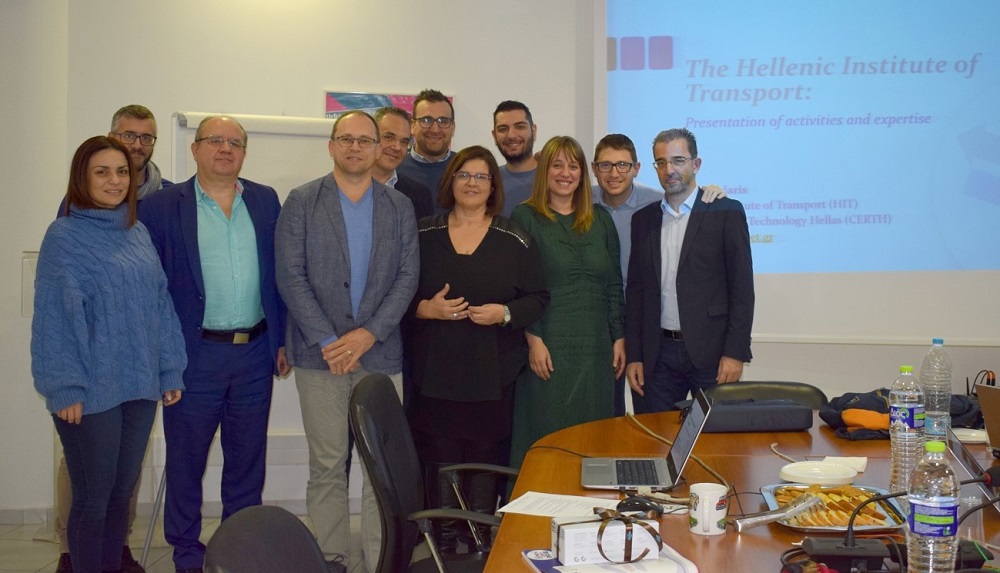
In early February, Dr. Maher Maalouf, Dr. Andrei Sleptchenko, and Dr. Andreas Henschel of Khalifa University’s Digital Supply Chain and Operations Management (DSO) Center visited the Hellenic Institute of Transport (HIT) in Greece. The HIT is part of the Center for Research and Technology Hellas (CERTH), a non-profit organization and one of the leading research centers in Greece. CERTH reports directly to the General Secretariat for Research and Technology of the Greek Ministry of Development and Investments and is also listed among the top 20 EU research institutions that have the highest participation in competitive research grants.
The KU delegation was welcomed by HIT Director Dr. Evangelos Bekiaris and HIT Deputy Director and Research Director for Infrastructure, Networks, Mobility, and Logistics Dr. Georgia Aifadopoulou. They also met with Aristos Halatsis (Project Manager), Josep Maria Salanova Grau (Researcher), Elpida Xenou (Logistics Expert/ Project Manager), Ioanis Malidis (Researcher), and Pavlos Spanidis (Software Engineer).
HIT’s key research areas focus on clean vehicle technologies, road safety, and employability of transport sector professionals. During the visit, the KU delegation toured the facilities and discussed potential collaborations between KU and HIT such as joint project proposals, research visits, and exchange of data and technologies. The collaborations are expected to be mutually beneficial and will strengthen DSOs breadth and depth of expertise.
At first glance, violent crime and the novel coronavirus may not seem related. However, the spatial statistic methods used in a paper by Dr. Jorge Zubelli, Chair and Professor of Mathematics at Khalifa University, that studies violent crime in a metropolitan area, can be applied to the current global health situation.
“Although our paper is not about the coronavirus, it is related to the use of spatial statistical methods to address another type of disease: crime and violence,” explained Dr. Zubelli. “For our case study, we used statistical inference techniques to analyze gun shootings in highly populated areas, with the ultimate goal of predicting hot spots and addressing them with law enforcement or social measures. The characterization of the stochastic behavior is crucial for that which we do in our research using a database of shootings from collective information gathered through a mobile application.”
‘Stochastic’ implies the presence of an uncertain or random process; in Dr. Zubelli’s case study, this would be the time and space occurrences of gun crime. In epidemiological contexts, this would be the time and location of infection cases.
“Crime, like many socioeconomic and environmental processes such as forest fires, earthquakes or disease outbreaks, takes the form of events occurring irregularly in space and time,” explained Dr. Zubelli. “Spatial and spatiotemporal point processes, which govern the location of a random number of events in a continuous domain, can be used to analyze this type of data. Point process modelling has been increasingly applied during the last decade to analyze a wide variety of crimes, including homicide and violent crime.”
Point process modelling of crime data mainly focuses on the detection and forecasting of hotspots; geographic locations of high crime concentration in comparison with the distribution of crime across the whole region of interest. A chronic hotspot is characterized by high crime volume over several years while temporary hotspots last just days or weeks and may be caused by contagion-like processes. An area plagued by gang warfare would be a chronic hotspot, while an area affected by looting following an event would be a temporary hotspot.
“Hotspot maps can be improved by incorporating covariates, such as landscape or demographic risk factors, or even social media information,” explained Dr. Zubelli. “We observed that some types of crime have a contagion-like behaviour, similar to that observed in seismology, where the occurrence of an earthquake increases the risk of aftershocks.”
The outbreak of disease can also be modelled by point process modelling. Each new case of Covid-19, for example, would be a time and space random event. It is modelled by a stochastic variable and temporary hotspots would be communities seeing high transmission rates. Understanding how and why these areas become hotspots can help to understand which measures to apply and when, all with the aim of slowing or stopping the spread of disease.
Characterizing hotspots can also indicate which strategies to take, whether to reduce crime or to prevent the spread of disease.
“Chronic or long-term hotspots are characterized by high crime volume over several years, and need problem-oriented policing strategies that focus on the root causes of crime,” explained Dr. Zubelli. “Temporary or short-term hotspots can be reduced through a temporary increase of police presence in the affected area.”
To apply this strategy to public health and epidemiology, one response to a chronic disease hotspot could be implementing lifestyle changes such as encouraging exercise or smoking cessation, while a temporary hotspot could be treated with an increase in healthcare staff or vaccinations.
Jade Sterling
News and Features Writer
1 April 2020
As Covid-19 continues to spread around the world and disrupt lives, Khalifa University has responded swiftly, taking significant actions as required to protect the health and wellbeing of its diverse community of students, faculty and staff, and to ensure service continuity and support systems available during the epidemic.
Higher education has been particularly affected by Covid-19. Since the beginning of March, many universities around the world, including all universities in the UK and the UAE, have closed campuses and moved courses online – a move that has never been seen on this large a scale ever before in history.
The UAE reported its first case of Covid-19 on 29 January. After deliberate consideration, the Ministry of Education decided to close schools from 1 March.
Within a week, over 390 KU faculty members and staff received training on how to deliver instruction online. On 8 March, all 670 courses began online as scheduled. Since then, faculty and students have demonstrated a strong commitment to the new mode of teaching and learning, with an average of around 92% of students reported facing minor or no issues with distance learning during the week of March 22nd, coupled with around 88% of students, on average, rating their distance learning experience as Excellent, Very Good and Good, during the same week.
Safety First
As an educational institution, Khalifa University’s primary goal is to empower the lives of its students with knowledge, which rests on its ability to ensure their health and well-being. Khalifa University must prioritize the safety of its students, faculty and staff, in order to deliver on its founding goal of building the human capital required to support Abu Dhabi’s transformation into a knowledge-economy.
That is why, after the outbreak of Covid-19, Khalifa University took immediate actions to deliver the University’s emergency operations plans, which are in line with the UAE government’s Public Health Center. These plans emphasize preventive actions for students and staff, including actions individuals can take, such as staying home, appropriately covering coughs and sneezes, cleaning frequently touched surfaces, and washing hands often.
A process was established immediately to communicate information to faculty, staff and students on KU’s infectious disease outbreak response plans and the latest Covid-19 information in order to reduce fear, anxiety, rumors, and misunderstanding among the community. The University’s clinics prepared for COVID-19 in line with the Health Authority Protocols, and extra supplies were provided to staff, hand sanitizers, tissues, and disposable facemasks. Buildings and offices were disinfected multiple times a day. Quarantine facilities for students and faculty who had returned to the UAE after travelling were set up, and required for 14-day self-isolation periods. Special assistance was also provided to students studying abroad and international students on campus.
Students who resided on university accommodations were asked to return to their homes, and the University continues to comply with the UAE’s “Stay Home” orders.
In other efforts required to take precautions to ensure the health and well-being of its students, faculty and staff, on 2 April, Khalifa University underwent a serious effort to clean and disinfect the places and spaces used on a daily basis by the KU community. In line with the directive issued by the Abu Dhabi Executive Council Executive Committee encouraging all entities to sanitize and disinfect their respective places of businesses and occupations, the university is increasing its cleaning and disinfecting processes across its campuses. The services are being provided by a professional, ISO-certified facilities management company.
Creating a Distance Learning Ecosystem
Even during these unprecedented circumstances, teaching and learning must not be undermined. When Khalifa University shifted its courses online, this virtual mode of teaching and learning became the University’s primary form of educating its students, and it will continue to be the primary means of education until further notice.
That is why the University has taken it upon itself to ensure that online courses are delivered with the same quality as its traditional, in-person classes.
To achieve this, KU has created an online learning ecosystem, comprised of four interconnecting layers:
The first layer is the KU Community itself – the faculty, instructors, students, researchers and staff, whose positive attitude and willingness to adapt to new circumstances creates the foundation on which the other layers rest.
The second layer is the Leaning Management System (LMS), which allows faculty to manage their courses, upload their learning materials, and facilitate discussions with students. Tests and quizzes can also be administered and feedback from faculty provided to students.
The third layer includes the virtual classrooms. Recognizing that its faculty have different needs and preferences according to required learning outcomes, Khalifa University is the only higher education institution in the UAE to offer three virtual classroom platforms, including Big Blue Button, MS Teams and Black Board Connect.
The fourth layer is a collection of content development and management tools that provide faculty with the resources needed to develop their lessons to be delivered in either a synchronous or asynchronous teaching method.
Observations made through the Learning Management System have revealed that interactions between faculty and students has been quite high. Students’ satisfaction with the courses was also measured and found to be considerably high. During the week of 22 March, around 88% of students rated their distance learning experience as Excellent, Very Good and Good.
The online learning ecosystem KU has developed is proving to be very effective and creating a rich teaching and learning experience for faculty and students.
Extending Support to Students
Ensuring students’ mental and psychological wellbeing, as well their physical wellbeing, is not just a best practice, it’s an absolute necessity during the coronavirus crisis. As previously mentioned, students form part of the foundational layer of KU’s distance learning ecosystem, and as such, they must be well supported.
As such, Khalifa University has ensured continuity of its mental health services, by offering remote counseling, and has encouraged students to call the Student Council if feeling overwhelmed, depressed, or anxious.
KU is offering other important support services, such as virtual tutoring and a number of online development courses for its students, including leadership courses and courses on managing stress and achieving positive thinking.
While the KU Library is providing a number of services – available 24 hours a day, seven days a week – to support students and researchers through its collection of e-services offerings. The Library provides the KU community with more than 60 electronic databases that contain thousands of full-text journals; thousands of Ebooks; and full-text journal access to any journal. Librarians are available to answer any reference questions online, and they are hosting workshops virtually to improve research skills and enhance students’ understanding of how to use the library’s many resources.
Responding to Covid-19 with Research
As a research institute, Khalifa University responded swiftly and initiated several Covid-19 research projects to contribute positively to the UAE’s and wider world’s pandemic-prevention efforts. Researchers across KU are conducting sensitivity testing for medical devices, developing computer models to detect the spread of Covid-19, and supporting the fabrication of emergency ventilators.
Utilizing its state-of-the-art facilitates, including its Molecular Genetics Lab, researchers at KU’s Center for Biotechnology (BTC), led by Dr. Habiba Alsafar, are validating commercial kits currently being used to test for SARS-CoV-2 virus (the virus that causes Covid-19) for their sensitivity and specificity, using the polymerase chain reaction (PCR) method. Their goal is to fast-track detection of coronavirus strains in less than three hours, without the need for an elaborate laboratory setup.
Another research team, led by Dr. Cesare Stefanini, Director of the Healthcare Engineering Innovation Center (HEIC), is working on a collaborative project to ensure the UAE’s needs for ventilators are met. Dr. Stefanini’s team aims to develop a working prototype for an emergency ventilator in less than two weeks, while also designing a mass production unit to ensure that fabrication can be easily scaled up.
Taking on social responsibilities
Universities have the resources, collection of skills and experts, and unique position to make indispensable contributions to this fight against Covid-19. But to do so effectively requires collaboration with other higher education institutions.
For this reason, Khalifa University participated in the ‘Online Forum on Universities’ Responses to Covid-19,’ a forum organized by Tsinghua University in collaboration with the Asian Universities Alliance (AUA), and exchanged best-practices with other leading universities on the measures taken to address the coronavirus crises, and opportunities to strengthen research collaboration in areas relevant to Covid-19.
These unprecedented times, which call for social distancing and call on a strong communication infrastructure and networks to allow the country’s educational institutions to offer teaching online, highlight the critical role being played by Ankabut, the UAE’s national research and education network, which is managed by Khalifa University. Ankabut is ensuring reliable operations for all schools and universities in the UAE, in areas such as distant learning, library services, and research computing.
In the face of this unprecedented global challenge, universities like KU can offer their communities a beacon of hope. Endowed with the broadest and deepest scientific expertise and best quality research facilities in the country, and united in its goal to educate and empower the world’s future leaders, and research innovative solutions to humanity’s most pressing challenges, Khalifa University has an important responsibility to promote confidence and hope among its community, and bring solutions to the world.
Dr Juan Acuna, a leading epidemiologist, said people must heed calls to stay indoors to help ‘flatten the curve’ of the pandemic.
Read full story here: https://www.thenational.ae/uae/education/coronavirus-uae-still-to-hit-peak-of-outbreak-but-stay-home-order-will-be-effective-says-expert-1.999685
Abu Dhabi: A top epidemiologist in the UAE has cautioned residents against following unproven remedies and cures to treat or prevent COVID-19.
Reports of treatments and therapies are aplenty on the Internet, such as nasal washes with lemon-vinegar-salt mixture, heating up with mucosa with hair dryers or opting for medications like chloroquine. But Dr Juan Acuna, chair of epidemiology and public health at the Khalifa University, stressed that there are still no proven medications to kill the novel coronavirus responsible for the COVID-19 pandemic.
Read full story here: https://gulfnews.com/uae/dont-rely-on-bogus-covid-19-remedies-abu-dhabi-doctor-1.70707145
Photo caption: This block of 160GHZ Radar (LNA, PA, Mixer) design at 22nm technology and will be used for future Radar-based vital sign detector
In these unprecedented times, healthcare innovations designed to manage and reduce the spread of infectious diseases like Covid-19 are paramount. Researchers at the Khalifa University System-on-Chip Lab (SoCL) recently published a paper on using radar to detect human vital signs without contact. While their initial motivation was focused on removing the need for wires and electrodes to manage patient health better, it has since evolved to find applications of this new technology to help limit the spread of Covid-19.
“Our proposed novel radar-based vital sign detection system has great potential in monitoring crowds or groups of passengers from a distance,” explained Dr. Baker Mohammad, Associate Professor of Electronic Engineering and SoC Lab Director. “We have demonstrated the technology using the SoC lab equipment, and we’re now working on integrating this solution for use in a general setting.”
Continuous monitoring of vital signs plays a crucial role in early detection and even prediction of conditions that may affect the wellbeing of the patient. Conventional clinical methods of detecting theses signs require the use of contact sensors, which may not be practical for long duration monitoring and less convenient for repeated measurements. Outside a clinical setting, for example on public transport or in building lobbies, it’s plausible to track body temperature in a relatively simple, low cost manner, but for heart rate monitoring, it would be impossible to attach electrodes to each subject.
“The four major vital signs are body temperature, heart rate, breath rate, and blood pressure,” explained Dr. Mohammad. “They provide almost a complete picture of individuals’ body vital functions and help to assess their general physical health. Any abnormality to the standard cardio-pulmonary rates, heart rate, breath rate and blood pressure, may indicate a sign of physical or mental stress.”
Early symptoms for Covid-19 include shortness of breath, fever, and coughing. Detection and monitoring of breath rate and heart rate usually require complex systems involving sensors and computers that are physically connected. Dr. Mohammad and his team investigated the use of radars to measure these vital signs from a distance.
“Doppler Continuous-Wave (CW) radars have been used for cardio-respiratory signal sensing since 1975,” said Dr. Mohammad. “Since then, a lot of research activities have been undertaken to improve performance. Multi-target vital sign detection is possible using Doppler radars. However, real-world application of vital signs detection radars are not without difficulties.”
CW radars face numerous challenges during the detection of heart and respiration rates. Some of these technical challenges can be mitigated by increasing the complexity and power consumption of the radars, and with more sophisticated signal processing techniques, but some are more simple problems, but with difficult solutions. No matter how powerful the tool, it can’t stop a patient moving around.
“During the acquisition of the vital signs, the subject may move body parts like hands and legs, or even their entire body,” explained Dr. Mohammad. “These unwanted body movements are called random body movements, and the signals reflected by these are stronger than those from the vital signals, which corrupts the data. Mitigating this is therefore a major challenge.”
Another difficulty to overcome is the issue of one vital signal drowning out another.
“The ability of the radar to detect a precise and accurate heart signal is challenging,” said Dr. Mohammad. “The frequency of the human heartbeat lies close to that of the respiration, but since the heartbeat signal is much smaller in amplitude compared to the respiration signal, it can easily be corrupted by the harmonics of the latter. Therefore, adequate measures are needed to recover the heartbeat signals.”
To demonstrate the potential of Doppler radars in vital signs detection, the research team conducted a proof-of-concept experiment. They found that even though radars show promising results in detecting human cardio-respiratory rates, the issues of random body movements and separating heartrate from breath rate remain bottleneck problems that need to be solved before this system can become widespread.
“Future work needs to focus on vital sign radars to allow their proliferation in the consumer market,” said Dr. Mohammad. “This research will include more accurate mechanisms for mitigating issues like random body movements and reducing the computational loads for vital signs acquisitions. However, Doppler radars show promising results and have great potential.”
In situations where slowing the spread of disease like Covid-19 is crucial, being able to quickly and easily monitor vital signs could allow life to continue more normally. If everyone in an area could be assessed for healthy vital signs, anyone showing symptoms could be much more easily identified and isolated from the healthy population. The early symptoms of Covid-19 are similar to those of the seasonal flu, so technologies such as radar techniques could be helpful far beyond the current situation.
“To further improve the contactless vital signs detection accuracy, the SoCL team is currently working on implementing the radar at millimetre-wave frequencies,” added Dr. Mohammad. “One project focuses on designing a frequency-modulated continuous-wave (FMCW) radar at 160 GHz with 10 GHz bandwidth. Moving to higher frequencies enables higher heart rate detection accuracy since the Doppler resolution is proportional to the carrier frequency. Furthermore, the FMCW radar has the capability to detect the vital signs of multiple subjects located at different ranges with a resolution of about 1.5 cm.
“This feature could help monitor, for example, the vital signs of students in a classroom or passengers in airplane. Moreover, the FMCW radar system will be compact with small size and low power consumption thanks to the use of the 22 nm SOI CMOS technology from GlobalFoundries. The maximum power emitted is 10 dBm, which falls far below the average power emitted by a smart phone. Therefore, the vital signs radar is completely safe for human body tissue.”
Jade Sterling
News and Features Writer
30 March 2020
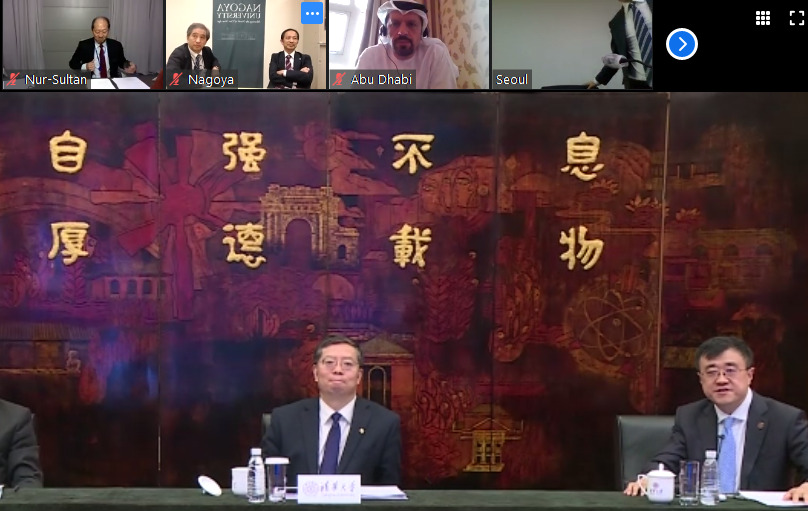
Khalifa University was one of 14 universities from around the world who participated in the Online Forum on Universities’ Responses to Covid-19 – a forum organized by Tsinghua University in collaboration with the Asian Universities Alliance (AUA), headed by Dr. Qui Yong, President of Tsinghua University.
The forum invited leaders of the 14 member universities to share the best practices, policies, and measures their respective university has taken towards combating the Covid-19 pandemic and safeguarding its communities.
Within the context of the unprecedented situation caused by Covid-19 – more than 165 countries have implemented nation-wide school closures and many universities have moved courses online – the University leaders discussed how universities can work globally and act collaboratively to address the immense shared challenges posed by the Coronavirus pandemic.
The online forum served as a great opportunity for University leaders to share their experiences of transitioning from traditional classroom-based delivery of education to online platforms, and to examine the prospects for the growth of global online education. The forum also acted as a platform to discuss and exchange ideas on how higher education institutions can work together to strengthen research collaboration in areas relevant to Covid-19.
Dr. Arif Al-Hammadi, Executive Vice President of Khalifa University, presented a brief about the measures and actions Khalifa University has executed over the past several weeks to combat the Covid-19 outbreak. He described the gradual and incremental course of action the university has taken to ensure the health and safety of the university community, while maintaining operations, strengthening related health and scientific research, and delivering quality teaching and learning with the minimum amount of disruption.
KU’s Center for Teaching and Learning provided distance training workshops to over 390 faculty and staff members during the week of March 1st. Then, Khalifa University shifted all 670 of its courses online on March 8th. It is delivering instruction online using a variety of distance learning platforms, including Big Blue Button, MS Teams and Black Board Connect. It is also offering a number of content management and development tools to allow faculty to deliver lessons via an asynchronous method.
Thanks to the concerted efforts of Ankabut and KU’s IT Department, an average of around 92% of students reported facing minor or no issues with distance learning, during the week of March 22nd, coupled with around 88% of students, on average, rating their distance learning experience as Excellent, Very Good and Good, during the same week.
In lockstep with its efforts to shift classes online, Khalifa University is also safeguarding its community by reducing the number of staff on campus, providing guidelines around social distancing, and ensuring that work from home resources were ready and accessible.
Khalifa University has also ramped up research aimed at aiding efforts to detect and prevent the spread of coronavirus. Researchers across KU are conducting sensitivity testing for medical devices, and developing computer models to detect the spread of Covid-19 and helping to create emergency ventilators.
Khalifa University’s participation in the online forum initiated by Tsinghua University dovetails with its other ongoing collaborations – Khalifa University has over 200 partnerships with academia, public and private organizations. It is committed to pursuing meaningful collaborations that address today’s most pressing challenges, while creating a robust environment for knowledge sharing and bringing mutual benefit to all parties involved.




 “Crime, like many socioeconomic and environmental processes such as forest fires, earthquakes or disease outbreaks, takes the form of events occurring irregularly in space and time,” explained Dr. Zubelli. “Spatial and spatiotemporal point processes, which govern the location of a random number of events in a continuous domain, can be used to analyze this type of data. Point process modelling has been increasingly applied during the last decade to analyze a wide variety of crimes, including homicide and violent crime.”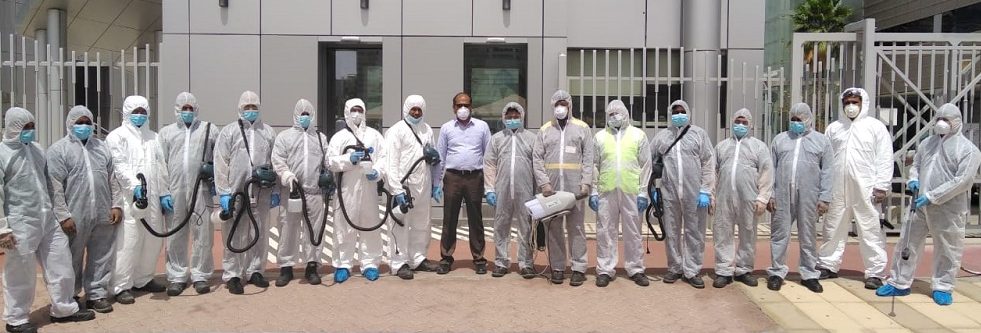


 “Future work needs to focus on vital sign radars to allow their proliferation in the consumer market,” said Dr. Mohammad. “This research will include more accurate mechanisms for mitigating issues like random body movements and reducing the computational loads for vital signs acquisitions. However, Doppler radars show promising results and have great potential.”