At first glance, violent crime and the novel coronavirus may not seem related. However, the spatial statistic methods used in a paper by Dr. Jorge Zubelli, Chair and Professor of Mathematics at Khalifa University, that studies violent crime in a metropolitan area, can be applied to the current global health situation.
“Although our paper is not about the coronavirus, it is related to the use of spatial statistical methods to address another type of disease: crime and violence,” explained Dr. Zubelli. “For our case study, we used statistical inference techniques to analyze gun shootings in highly populated areas, with the ultimate goal of predicting hot spots and addressing them with law enforcement or social measures. The characterization of the stochastic behavior is crucial for that which we do in our research using a database of shootings from collective information gathered through a mobile application.”
‘Stochastic’ implies the presence of an uncertain or random process; in Dr. Zubelli’s case study, this would be the time and space occurrences of gun crime. In epidemiological contexts, this would be the time and location of infection cases.
“Crime, like many socioeconomic and environmental processes such as forest fires, earthquakes or disease outbreaks, takes the form of events occurring irregularly in space and time,” explained Dr. Zubelli. “Spatial and spatiotemporal point processes, which govern the location of a random number of events in a continuous domain, can be used to analyze this type of data. Point process modelling has been increasingly applied during the last decade to analyze a wide variety of crimes, including homicide and violent crime.”
Point process modelling of crime data mainly focuses on the detection and forecasting of hotspots; geographic locations of high crime concentration in comparison with the distribution of crime across the whole region of interest. A chronic hotspot is characterized by high crime volume over several years while temporary hotspots last just days or weeks and may be caused by contagion-like processes. An area plagued by gang warfare would be a chronic hotspot, while an area affected by looting following an event would be a temporary hotspot.
“Hotspot maps can be improved by incorporating covariates, such as landscape or demographic risk factors, or even social media information,” explained Dr. Zubelli. “We observed that some types of crime have a contagion-like behaviour, similar to that observed in seismology, where the occurrence of an earthquake increases the risk of aftershocks.”
The outbreak of disease can also be modelled by point process modelling. Each new case of Covid-19, for example, would be a time and space random event. It is modelled by a stochastic variable and temporary hotspots would be communities seeing high transmission rates. Understanding how and why these areas become hotspots can help to understand which measures to apply and when, all with the aim of slowing or stopping the spread of disease.
Characterizing hotspots can also indicate which strategies to take, whether to reduce crime or to prevent the spread of disease.
“Chronic or long-term hotspots are characterized by high crime volume over several years, and need problem-oriented policing strategies that focus on the root causes of crime,” explained Dr. Zubelli. “Temporary or short-term hotspots can be reduced through a temporary increase of police presence in the affected area.”
To apply this strategy to public health and epidemiology, one response to a chronic disease hotspot could be implementing lifestyle changes such as encouraging exercise or smoking cessation, while a temporary hotspot could be treated with an increase in healthcare staff or vaccinations.
Jade Sterling
News and Features Writer
1 April 2020
As Covid-19 continues to spread around the world and disrupt lives, Khalifa University has responded swiftly, taking significant actions as required to protect the health and wellbeing of its diverse community of students, faculty and staff, and to ensure service continuity and support systems available during the epidemic.
Higher education has been particularly affected by Covid-19. Since the beginning of March, many universities around the world, including all universities in the UK and the UAE, have closed campuses and moved courses online – a move that has never been seen on this large a scale ever before in history.
The UAE reported its first case of Covid-19 on 29 January. After deliberate consideration, the Ministry of Education decided to close schools from 1 March.
Within a week, over 390 KU faculty members and staff received training on how to deliver instruction online. On 8 March, all 670 courses began online as scheduled. Since then, faculty and students have demonstrated a strong commitment to the new mode of teaching and learning, with an average of around 92% of students reported facing minor or no issues with distance learning during the week of March 22nd, coupled with around 88% of students, on average, rating their distance learning experience as Excellent, Very Good and Good, during the same week.
Safety First
As an educational institution, Khalifa University’s primary goal is to empower the lives of its students with knowledge, which rests on its ability to ensure their health and well-being. Khalifa University must prioritize the safety of its students, faculty and staff, in order to deliver on its founding goal of building the human capital required to support Abu Dhabi’s transformation into a knowledge-economy.
That is why, after the outbreak of Covid-19, Khalifa University took immediate actions to deliver the University’s emergency operations plans, which are in line with the UAE government’s Public Health Center. These plans emphasize preventive actions for students and staff, including actions individuals can take, such as staying home, appropriately covering coughs and sneezes, cleaning frequently touched surfaces, and washing hands often.
A process was established immediately to communicate information to faculty, staff and students on KU’s infectious disease outbreak response plans and the latest Covid-19 information in order to reduce fear, anxiety, rumors, and misunderstanding among the community. The University’s clinics prepared for COVID-19 in line with the Health Authority Protocols, and extra supplies were provided to staff, hand sanitizers, tissues, and disposable facemasks. Buildings and offices were disinfected multiple times a day. Quarantine facilities for students and faculty who had returned to the UAE after travelling were set up, and required for 14-day self-isolation periods. Special assistance was also provided to students studying abroad and international students on campus.
Students who resided on university accommodations were asked to return to their homes, and the University continues to comply with the UAE’s “Stay Home” orders.
In other efforts required to take precautions to ensure the health and well-being of its students, faculty and staff, on 2 April, Khalifa University underwent a serious effort to clean and disinfect the places and spaces used on a daily basis by the KU community. In line with the directive issued by the Abu Dhabi Executive Council Executive Committee encouraging all entities to sanitize and disinfect their respective places of businesses and occupations, the university is increasing its cleaning and disinfecting processes across its campuses. The services are being provided by a professional, ISO-certified facilities management company.
Creating a Distance Learning Ecosystem
Even during these unprecedented circumstances, teaching and learning must not be undermined. When Khalifa University shifted its courses online, this virtual mode of teaching and learning became the University’s primary form of educating its students, and it will continue to be the primary means of education until further notice.
That is why the University has taken it upon itself to ensure that online courses are delivered with the same quality as its traditional, in-person classes.
To achieve this, KU has created an online learning ecosystem, comprised of four interconnecting layers:
The first layer is the KU Community itself – the faculty, instructors, students, researchers and staff, whose positive attitude and willingness to adapt to new circumstances creates the foundation on which the other layers rest.
The second layer is the Leaning Management System (LMS), which allows faculty to manage their courses, upload their learning materials, and facilitate discussions with students. Tests and quizzes can also be administered and feedback from faculty provided to students.
The third layer includes the virtual classrooms. Recognizing that its faculty have different needs and preferences according to required learning outcomes, Khalifa University is the only higher education institution in the UAE to offer three virtual classroom platforms, including Big Blue Button, MS Teams and Black Board Connect.
The fourth layer is a collection of content development and management tools that provide faculty with the resources needed to develop their lessons to be delivered in either a synchronous or asynchronous teaching method.
Observations made through the Learning Management System have revealed that interactions between faculty and students has been quite high. Students’ satisfaction with the courses was also measured and found to be considerably high. During the week of 22 March, around 88% of students rated their distance learning experience as Excellent, Very Good and Good.
The online learning ecosystem KU has developed is proving to be very effective and creating a rich teaching and learning experience for faculty and students.
Extending Support to Students
Ensuring students’ mental and psychological wellbeing, as well their physical wellbeing, is not just a best practice, it’s an absolute necessity during the coronavirus crisis. As previously mentioned, students form part of the foundational layer of KU’s distance learning ecosystem, and as such, they must be well supported.
As such, Khalifa University has ensured continuity of its mental health services, by offering remote counseling, and has encouraged students to call the Student Council if feeling overwhelmed, depressed, or anxious.
KU is offering other important support services, such as virtual tutoring and a number of online development courses for its students, including leadership courses and courses on managing stress and achieving positive thinking.
While the KU Library is providing a number of services – available 24 hours a day, seven days a week – to support students and researchers through its collection of e-services offerings. The Library provides the KU community with more than 60 electronic databases that contain thousands of full-text journals; thousands of Ebooks; and full-text journal access to any journal. Librarians are available to answer any reference questions online, and they are hosting workshops virtually to improve research skills and enhance students’ understanding of how to use the library’s many resources.
Responding to Covid-19 with Research
As a research institute, Khalifa University responded swiftly and initiated several Covid-19 research projects to contribute positively to the UAE’s and wider world’s pandemic-prevention efforts. Researchers across KU are conducting sensitivity testing for medical devices, developing computer models to detect the spread of Covid-19, and supporting the fabrication of emergency ventilators.
Utilizing its state-of-the-art facilitates, including its Molecular Genetics Lab, researchers at KU’s Center for Biotechnology (BTC), led by Dr. Habiba Alsafar, are validating commercial kits currently being used to test for SARS-CoV-2 virus (the virus that causes Covid-19) for their sensitivity and specificity, using the polymerase chain reaction (PCR) method. Their goal is to fast-track detection of coronavirus strains in less than three hours, without the need for an elaborate laboratory setup.
Another research team, led by Dr. Cesare Stefanini, Director of the Healthcare Engineering Innovation Center (HEIC), is working on a collaborative project to ensure the UAE’s needs for ventilators are met. Dr. Stefanini’s team aims to develop a working prototype for an emergency ventilator in less than two weeks, while also designing a mass production unit to ensure that fabrication can be easily scaled up.
Taking on social responsibilities
Universities have the resources, collection of skills and experts, and unique position to make indispensable contributions to this fight against Covid-19. But to do so effectively requires collaboration with other higher education institutions.
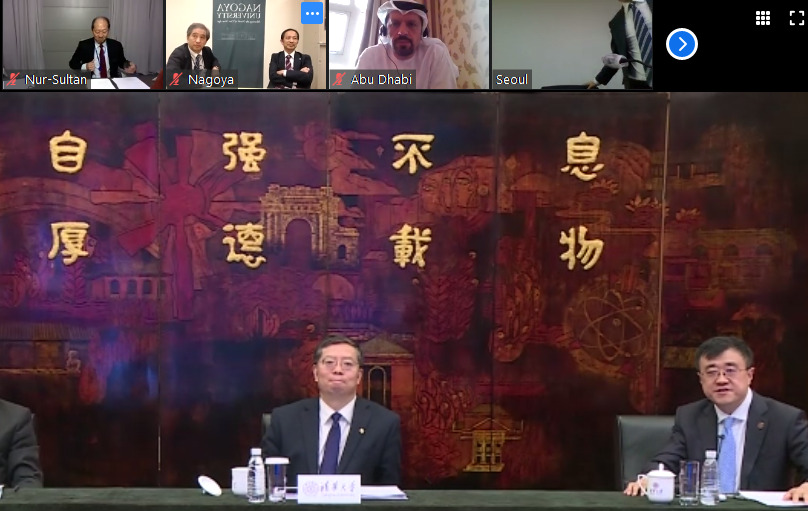
For this reason, Khalifa University participated in the ‘Online Forum on Universities’ Responses to Covid-19,’ a forum organized by Tsinghua University in collaboration with the Asian Universities Alliance (AUA), and exchanged best-practices with other leading universities on the measures taken to address the coronavirus crises, and opportunities to strengthen research collaboration in areas relevant to Covid-19.
These unprecedented times, which call for social distancing and call on a strong communication infrastructure and networks to allow the country’s educational institutions to offer teaching online, highlight the critical role being played by Ankabut, the UAE’s national research and education network, which is managed by Khalifa University. Ankabut is ensuring reliable operations for all schools and universities in the UAE, in areas such as distant learning, library services, and research computing.
In the face of this unprecedented global challenge, universities like KU can offer their communities a beacon of hope. Endowed with the broadest and deepest scientific expertise and best quality research facilities in the country, and united in its goal to educate and empower the world’s future leaders, and research innovative solutions to humanity’s most pressing challenges, Khalifa University has an important responsibility to promote confidence and hope among its community, and bring solutions to the world.
Dr Juan Acuna, a leading epidemiologist, said people must heed calls to stay indoors to help ‘flatten the curve’ of the pandemic.
Read full story here: https://www.thenational.ae/uae/education/coronavirus-uae-still-to-hit-peak-of-outbreak-but-stay-home-order-will-be-effective-says-expert-1.999685
Abu Dhabi: A top epidemiologist in the UAE has cautioned residents against following unproven remedies and cures to treat or prevent COVID-19.
Reports of treatments and therapies are aplenty on the Internet, such as nasal washes with lemon-vinegar-salt mixture, heating up with mucosa with hair dryers or opting for medications like chloroquine. But Dr Juan Acuna, chair of epidemiology and public health at the Khalifa University, stressed that there are still no proven medications to kill the novel coronavirus responsible for the COVID-19 pandemic.
Read full story here: https://gulfnews.com/uae/dont-rely-on-bogus-covid-19-remedies-abu-dhabi-doctor-1.70707145
Photo caption: This block of 160GHZ Radar (LNA, PA, Mixer) design at 22nm technology and will be used for future Radar-based vital sign detector
In these unprecedented times, healthcare innovations designed to manage and reduce the spread of infectious diseases like Covid-19 are paramount. Researchers at the Khalifa University System-on-Chip Lab (SoCL) recently published a paper on using radar to detect human vital signs without contact. While their initial motivation was focused on removing the need for wires and electrodes to manage patient health better, it has since evolved to find applications of this new technology to help limit the spread of Covid-19.
“Our proposed novel radar-based vital sign detection system has great potential in monitoring crowds or groups of passengers from a distance,” explained Dr. Baker Mohammad, Associate Professor of Electronic Engineering and SoC Lab Director. “We have demonstrated the technology using the SoC lab equipment, and we’re now working on integrating this solution for use in a general setting.”
Continuous monitoring of vital signs plays a crucial role in early detection and even prediction of conditions that may affect the wellbeing of the patient. Conventional clinical methods of detecting theses signs require the use of contact sensors, which may not be practical for long duration monitoring and less convenient for repeated measurements. Outside a clinical setting, for example on public transport or in building lobbies, it’s plausible to track body temperature in a relatively simple, low cost manner, but for heart rate monitoring, it would be impossible to attach electrodes to each subject.
“The four major vital signs are body temperature, heart rate, breath rate, and blood pressure,” explained Dr. Mohammad. “They provide almost a complete picture of individuals’ body vital functions and help to assess their general physical health. Any abnormality to the standard cardio-pulmonary rates, heart rate, breath rate and blood pressure, may indicate a sign of physical or mental stress.”
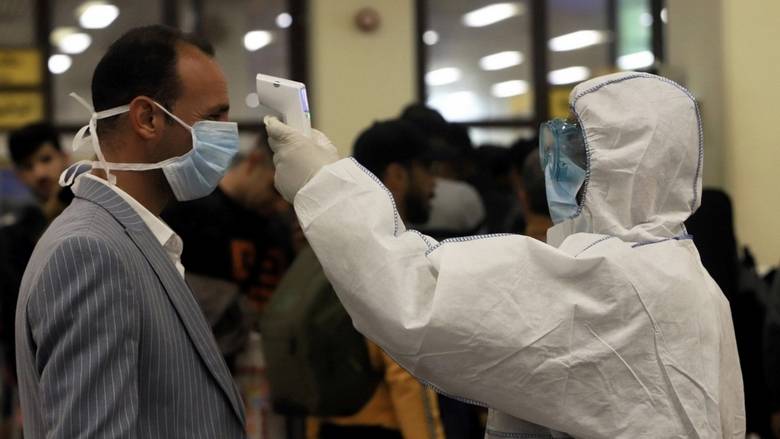
Early symptoms for Covid-19 include shortness of breath, fever, and coughing. Detection and monitoring of breath rate and heart rate usually require complex systems involving sensors and computers that are physically connected. Dr. Mohammad and his team investigated the use of radars to measure these vital signs from a distance.
“Doppler Continuous-Wave (CW) radars have been used for cardio-respiratory signal sensing since 1975,” said Dr. Mohammad. “Since then, a lot of research activities have been undertaken to improve performance. Multi-target vital sign detection is possible using Doppler radars. However, real-world application of vital signs detection radars are not without difficulties.”
CW radars face numerous challenges during the detection of heart and respiration rates. Some of these technical challenges can be mitigated by increasing the complexity and power consumption of the radars, and with more sophisticated signal processing techniques, but some are more simple problems, but with difficult solutions. No matter how powerful the tool, it can’t stop a patient moving around.
“During the acquisition of the vital signs, the subject may move body parts like hands and legs, or even their entire body,” explained Dr. Mohammad. “These unwanted body movements are called random body movements, and the signals reflected by these are stronger than those from the vital signals, which corrupts the data. Mitigating this is therefore a major challenge.”
Another difficulty to overcome is the issue of one vital signal drowning out another.
“The ability of the radar to detect a precise and accurate heart signal is challenging,” said Dr. Mohammad. “The frequency of the human heartbeat lies close to that of the respiration, but since the heartbeat signal is much smaller in amplitude compared to the respiration signal, it can easily be corrupted by the harmonics of the latter. Therefore, adequate measures are needed to recover the heartbeat signals.”
To demonstrate the potential of Doppler radars in vital signs detection, the research team conducted a proof-of-concept experiment. They found that even though radars show promising results in detecting human cardio-respiratory rates, the issues of random body movements and separating heartrate from breath rate remain bottleneck problems that need to be solved before this system can become widespread.
“Future work needs to focus on vital sign radars to allow their proliferation in the consumer market,” said Dr. Mohammad. “This research will include more accurate mechanisms for mitigating issues like random body movements and reducing the computational loads for vital signs acquisitions. However, Doppler radars show promising results and have great potential.”
In situations where slowing the spread of disease like Covid-19 is crucial, being able to quickly and easily monitor vital signs could allow life to continue more normally. If everyone in an area could be assessed for healthy vital signs, anyone showing symptoms could be much more easily identified and isolated from the healthy population. The early symptoms of Covid-19 are similar to those of the seasonal flu, so technologies such as radar techniques could be helpful far beyond the current situation.
“To further improve the contactless vital signs detection accuracy, the SoCL team is currently working on implementing the radar at millimetre-wave frequencies,” added Dr. Mohammad. “One project focuses on designing a frequency-modulated continuous-wave (FMCW) radar at 160 GHz with 10 GHz bandwidth. Moving to higher frequencies enables higher heart rate detection accuracy since the Doppler resolution is proportional to the carrier frequency. Furthermore, the FMCW radar has the capability to detect the vital signs of multiple subjects located at different ranges with a resolution of about 1.5 cm.
“This feature could help monitor, for example, the vital signs of students in a classroom or passengers in airplane. Moreover, the FMCW radar system will be compact with small size and low power consumption thanks to the use of the 22 nm SOI CMOS technology from GlobalFoundries. The maximum power emitted is 10 dBm, which falls far below the average power emitted by a smart phone. Therefore, the vital signs radar is completely safe for human body tissue.”
Jade Sterling
News and Features Writer
30 March 2020
Khalifa University was one of 14 universities from around the world who participated in the Online Forum on Universities’ Responses to Covid-19 – a forum organized by Tsinghua University in collaboration with the Asian Universities Alliance (AUA), headed by Dr. Qui Yong, President of Tsinghua University.
The forum invited leaders of the 14 member universities to share the best practices, policies, and measures their respective university has taken towards combating the Covid-19 pandemic and safeguarding its communities.
Within the context of the unprecedented situation caused by Covid-19 – more than 165 countries have implemented nation-wide school closures and many universities have moved courses online – the University leaders discussed how universities can work globally and act collaboratively to address the immense shared challenges posed by the Coronavirus pandemic.
The online forum served as a great opportunity for University leaders to share their experiences of transitioning from traditional classroom-based delivery of education to online platforms, and to examine the prospects for the growth of global online education. The forum also acted as a platform to discuss and exchange ideas on how higher education institutions can work together to strengthen research collaboration in areas relevant to Covid-19.
Dr. Arif Al-Hammadi, Executive Vice President of Khalifa University, presented a brief about the measures and actions Khalifa University has executed over the past several weeks to combat the Covid-19 outbreak. He described the gradual and incremental course of action the university has taken to ensure the health and safety of the university community, while maintaining operations, strengthening related health and scientific research, and delivering quality teaching and learning with the minimum amount of disruption.
KU’s Center for Teaching and Learning provided distance training workshops to over 390 faculty and staff members during the week of March 1st. Then, Khalifa University shifted all 670 of its courses online on March 8th. It is delivering instruction online using a variety of distance learning platforms, including Big Blue Button, MS Teams and Black Board Connect. It is also offering a number of content management and development tools to allow faculty to deliver lessons via an asynchronous method.
Thanks to the concerted efforts of Ankabut and KU’s IT Department, an average of around 92% of students reported facing minor or no issues with distance learning, during the week of March 22nd, coupled with around 88% of students, on average, rating their distance learning experience as Excellent, Very Good and Good, during the same week.
In lockstep with its efforts to shift classes online, Khalifa University is also safeguarding its community by reducing the number of staff on campus, providing guidelines around social distancing, and ensuring that work from home resources were ready and accessible.
Khalifa University has also ramped up research aimed at aiding efforts to detect and prevent the spread of coronavirus. Researchers across KU are conducting sensitivity testing for medical devices, and developing computer models to detect the spread of Covid-19 and helping to create emergency ventilators.
Khalifa University’s participation in the online forum initiated by Tsinghua University dovetails with its other ongoing collaborations – Khalifa University has over 200 partnerships with academia, public and private organizations. It is committed to pursuing meaningful collaborations that address today’s most pressing challenges, while creating a robust environment for knowledge sharing and bringing mutual benefit to all parties involved.
Researchers from Khalifa University are investigating ways to reduce the cost of sending spacecraft to the Solar System’s outer planets. They use deep-space electric propulsion to decrease the cost of entering Saturn’s orbit, which will pave the way for new opportunities to explore Saturn and other outer planets with significantly less fuel.
Arguably one of the most captivating of our solar system’s planets, Saturn is a massive ball made mostly of hydrogen and helium, adorned with a system of icy rings and surrounded by more than 60 known moons. It is home to some of the most fascinating landscapes in the solar system, many of which we are still exploring, and is a rich source of scientific discovery and mystery.
To investigate the outer planets, spacecraft need to get there. The spacecraft must travel through interplanetary space to its target planet, and then decelerate relative to that planet using an orbit insertion rocket or some other means.
Dr. Elena Fantino, Assistant Professor of Aerospace Engineering at Khalifa University, and Dr. Robert Flores, Research Scientist, have investigated deep-space electric propulsion in a paper for the Journal of Guidance, Control and Dynamics to dramatically reduce the excess speed of a spacecraft arriving at Saturn. Their interplanetary trajectory includes a gravity assist at Jupiter, combined with low-thrust manoeuvres to allow the spacecraft to slow down enough to be ‘captured’ by Saturn’s gravitational pull.
“The giant planets have a special place in our quest for learning about the origins of our planetary system and our search for life, and robotic missions are essential tools for this scientific goal,” explained Dr. Fantino.
This work uses deep-space electric propulsion to decrease the cost of entering Saturn’s orbit, which will pave the way to new opportunities to explore Saturn and the other outer planets with significantly reduced amounts of propellant.
Planning for any mission to the outer planets needs careful consideration of mass and cost. Four spacecraft have visited Saturn so far, with Pioneer 11, Voyager 1 and Voyager 2, each providing valuable flyby insights on the planet. In 2004, the Cassini mission arrived in orbit and studied Saturn from its orbit for 13 years before it was plunged into the planet’s atmosphere in 2017. Studies are now underway to launch the Titan Saturn System Mission as a joint ESA-NASA project.
“Missions to the outer planets have been prioritized by both NASA and ESA, including orbiter missions to Uranus and Neptune,” said Dr. Fantino. “In this case, the amount of propellant required to decelerate and be captured by the planets’ gravity on arrival is very large, and the support of techniques like aerobraking and aerocapture is being explored.”
The Cassini mission travelled to Saturn using a VVEJGA (Venus-Venus-Earth-Jupiter Gravity Assist) trajectory: it executed two consecutive gravity assists with Venus, one with Earth, one with Jupiter and used midcourse manoeuvres.
A gravity assist involves a spacecraft’s approach carefully timed so that it passes by the planet in its orbit around the sun. A gravity assist at Jupiter has a spacecraft come into Jupiter’s gravitational influence, fall towards Jupiter, and then change its speed assisted by the motion of the gravitating planet as it pulls on the spacecraft. This is also known as a gravitational slingshot and is used to reduce expense and save on propellant.
The Cassini spacecraft entered Saturn’s orbit with approximately 800kg of liquid propellant. Bringing Cassini into an orbit close enough for observations consumed another 314kg, while deep space maneuvers and course corrections before orbit insertion required another 1000kg of propellant.
“Clearly, the impact of these operations on the size and cost of the mission was considerable,” explained Dr. Fantino. “One alternative to reducing the cost of exploring the giant planets is to use an electrodynamic tether, which can produce a significant thrust to assist in orbit insertion.”
Electrodynamic tethers (ET) are long conducting wires which can operate on electromagnetic principles as generators, by converting their kinetic energy to electrical energy, or as motors, converting electrical energy to kinetic energy. Electric potential is generated across a conductive tether by its motion through a planet’s magnetic field.
The ET concept paves the way towards missions to explore Saturn and its moons with spacecraft masses below one ton—for comparison, the Cassini launch mass was 5600kg, or just over five tons.
“We also explored the possibility of using the electric propulsion system to reduce the high cost of a direct Earth-to-Jupiter transfer,” added Dr. Fantino. “This is an unusual choice. Schemes involving Earth and Venus gravity assists are much more common because they help to reduce the hyperbolic excess speed of the spacecraft. We selected a direct transfer from Earth to Jupiter for its simplicity but our findings are applicable to any VVEJGA (Venus, Earth, Jupiter, Gravity Assist) trajectory.”
While the use of gravity assists reduces fuel consumption, orbit insertion required a huge amount of fuel for Cassini. If the spacecraft is not slowed on its approach to its target planet, the hyperbolic excess velocity will carry the spacecraft beyond its target as its speed will be too great for the gravitational pull of the planet to bring it into orbit. It will simply speed past. Shedding excess velocity is typically achieved by an orbit insertion burn, which requires fuel.
Dr. Fantino’s method substantially decreases the hyperbolic excess speed of a spacecraft approaching Saturn to facilitate gravitational capture. The interplanetary trajectory includes a gravity assist at Jupiter, combined with low-thrust manoeuvres. While the trajectory between Jupiter and Saturn requires a long transfer time of eight years, the reduced excess velocity at Saturn means a significantly decreased insertion impulse needed to achieve the same initial orbit as the Cassini mission.
“The reduced impulse opens the door for more efficient braking methods, such as electrodynamic tethers, or even direct capture by means of a Titan flyby,” explained Dr. Fantino. “The reduced excess velocity comes at the cost of a long Jupiter-to-Saturn transfer time because a moderate eccentricity trajectory tangent to Saturn’s orbit is required.”
Titan is the largest moon of Saturn. It is massive enough to deviate the path of a spacecraft and even to convert its trajectory relative to Saturn from hyperbolic to elliptical. In other words, a gravity assist with Titan may be sufficient to accomplish orbit insertion and no further adjustment burn would be required. Arriving at Saturn with a low hyperbolic excess speed (like in this work) increases the effectiveness of a flyby with Titan. In other words, if the spacecraft approaches Saturn at a low speed and then passes by Titan, the deviation caused by the moon is bigger.
The strategy designed by Dr. Fantino can be applied to new missions to Saturn, such as those proposed by NASA. These missions can benefit from reduced excess hyperbolic velocity, which would enable a new, inexpensive and more flexible category of missions to Saturn. The results can even be applied further afield to missions to the outermost planets of Uranus and Neptune.
Jade Sterling
News and Features Writer
29 March 2020
To aid in the treatment of wastewater, researchers from Khalifa University have synthesized a nanostructured metal oxide material to kickstart a reaction aimed at removing phenol from wastewater Industrial wastewater is an undesirable by-product of various industrial processes and needs to be treated and cleaned before it can be reused or disposed of to prevent any environmental detrimental impact. Many pollutants can be very difficult to treat. To aid in the treatment of wastewater, Dr. Mohammad Abu Haija, Assistant Professor of Chemistry, and Dr. Fawzi Banat, Chair of Chemical Engineering, have synthesized a nanostructured metal oxide material to kickstart a reaction to remove phenol from wastewater. They described their catalyst in a paper recently published in the journal Applied Catalysis B: Environmental. “The wastewater typically produced during industrial processes contains organic and inorganic pollutants that are environmentally persistent and cannot be removed by conventional methods,” explained Dr. Banat. “Some of these pollutants are dyes, pesticides and organic solvents which may contain aromatic compounds, cyanides, ammonia, sulphides, and phenols.” Phenol is a persistent organic pollutant that is commonly used in agriculture and in general disinfection. “Phenol’s poor biodegradability demands a tertiary treatment as the conventional primary and secondary processes, like membrane technology and electrochemical processes, are not efficient at dealing with phenol in wastewater,” said Dr. Haija. Recent studies have indicated an increase in the prospect of advanced oxidation processes focused on peroxymonosulfate (PMS) activation as an effective treatment method, owing to its pH flexibility, redox potential and great oxidation ability. “The use of PMS as an oxidant has attracted a lot of attention due to the different reactive oxygen species produced during its activation process,” explained Dr. Haija. However, PMS alone is not enough to take care of the phenol in wastewater. It needs a catalyst to get the degradation reaction started. Activation via metal oxide catalysts has drawn much attention as they are reusable, easy to recover, and reduce the need for chemical reagents. Even though the naturally abundant transition metals show high activation of PMS, their high solubility and toxicity make them somewhat unfavorable for use in wastewater treatment and other environmentally focused applications. Metal oxides with vanadate (a salt containing both vanadium, a transition metal, and oxygen) are environmentally abundant oxides, with remarkable physical and chemical properties which enable their application in batteries, semiconductors, and catalysis. Combining vanadate with rare earth metals such as cerium, lanthanum and praseodymium shows a great enhancement in their electrochemical properties, thermal stability, surface area and magnetic properties. Cerium vanadate (CeVO4) is naturally occurring and can also be prepared using simple methods in the laboratory. “Due to its optical, electrical, magnetic and catalytic properties, CeVO4 is often used as a catalyst, with several reports about its efficiency at degrading organic pollutants, such as organic dyes and for the oxidative dehydrogenation of propane,” explained Dr. Banat. The research team at KU prepared CeVO4 nanoparticles using a simple ‘one-pot’ co-precipitation method. The prepared nanoparticles were scrutinized for their stability and purity and were found to exhibit good crystallinity and display a rod-like structure. The lab-derived CeVO4 replicated naturally occurring cerium vanadate.
The crystalline structure of pristine CeVO4 nanostructures as shown in various tests: (a) XRD pattern, (b) Crystal structure, (c) Raman spectrum and (d) FTIR spectrum
The lab-derived CeVO4 was then used to activate PMS for phenol degradation experiments. To prove that the catalyst was responsible for the results, the researchers also ran experiments where they removed the catalyst from the reaction system. They saw that negligible phenol degradation was achieved, which shows that the reaction is completely derived by the catalyst. “We conducted preliminary experiments using PMS alone, CeVO4 alone, and then CeVO4 with PMS,” said Dr. Banat. “To emphasize the importance of the catalyst performance, we tested the self-adsorption of the catalyst and the self-oxidation of PMS first. We found that PMS alone was not effective at degrading phenol, as only 2 percent of phenol was removed after about 180 minutes. CeVO4 alone was also insufficient, removing less than 20 percent of phenol in 180. Remarkably, PMS and CeVO4 combined achieved a complete degradation of phenol within 80 minutes, suggesting the PMS was activated by the CeVO4 catalyst.” The system has uses beyond just phenol degradation too. To investigate the CeVO4and PMS system for use in degrading different organic pollutants, the researchers tested organic pollutants, including resorcinol, acrylamide, methyl violet and methyl, with the system. The results showed that the CeVO4/PMS system successfully degraded all four organic pollutants. Plus, the CeVO4 nanoparticles were found to be reusable. “The regeneration and reusability of a catalyst are important criteria for any practical application,” explained Dr. Haija. “Our regenerated CeVO4 nanoparticles were tested for five consecutive cycles using the same reaction parameters. Our results showed that the reused catalyst exhibited high catalytic activity, proven by the complete degradation of phenol within 60 minutes. Plus, there was no significant leaching of either cerium or vanadate from the catalyst.” “Combining a simple synthesis method with the excellent catalytic properties exhibited by CeVO4 is a suitably cost-effective and environmentally friendly technique that can be employed in water treatment applications.” Jade Sterling
News and Features Writer
26 March 2020
Abu Dhabi’s Khalifa University of Science and Technology on Wednesday announced the licencing of its patented technology to a heart monitoring startup floated by an alumnus Emirati entrepreneur with a faculty member.
The intellectual property (IP) technology licence was given to the home-based monitoring device, the Emirati startup ‘Twinkle Heart’, helps pregnant mothers monitor foetal heartbeat and the baby’s cardiac activity.
Read full story here: https://www.thenational.ae/uae/education/khalifa-university-grants-ip-licence-to-emirati-startup-1.994448
Stress corrosion cracking of stainless steels in the primary water of pressurized water reactors is one issue threatening the safety of a nuclear power plant. To improve safety, researchers from Khalifa University’s Nuclear Engineering Department are investigating the role of the carbides produced when heat-treating steel.
Pyungyeon Cho, Research Assistant in the Department of Nuclear Engineering, has developed a project to investigate the main role of the carbides (carbon-metal alloys) produced when stainless steel and nickel-based alloys are heat-treated.
Nuclear power plants use stainless steels in the various structures of the reactor for robustness, but the environment in a nuclear reactor is uniquely stressful. Materials subjected to reactor conditions for long periods of time begin to corrode and crack. Cho’s project is expected to show how the carbides produced at the boundary between the particles in the steels act during stress corrosion cracking in one area of the reactor.
“The stress corrosion cracking of austenitic stainless steels and Ni-based alloys in the primary water of pressurized water reactors is one issue threatening the safety of a nuclear power plant,” explained Cho. “A number of studies have been performed on the primary water stress corrosion cracking (PWSCC) of austenitic stainless steels and Ni-based alloys, and several mechanisms have been proposed to explain the observations. However, the exact mechanism remains open to debate.”
Cho’s project sets out to verify the role of the grain boundary carbides in PWSCC. To isolate one factor leading to carbide formation and chromium depletion, stainless steel 347 is used and nickel-based carbides are precipitated without chromium depletion. In the first stage, optimized heat treatment conditions are determined and in the second stage, PWSCC tests are performed. After these tests, microstructures and crack morphology are examined.
All thermal reactor designs require the fast fission neutrons to be slowed down to interact with the nuclear fuel and sustain a chain reaction. Pressurized water reactors (PWRs) use ordinary water as a coolant and neutron moderator (a medium to reduce the speed of fast neutrons), leaving them as thermal neutrons with only minimal kinetic energy. PWRs are by far the most common type of reactor in use today. Kept under high pressure and not allowed to boil, the primary water (the water in contact with the uranium fuel) passes through a heat exchanger, where it transfers its heat to a second loop of water at a lower pressure. This secondary water transforms into steam used to spin turbines that produce electricity.
The secondary water is not in contact with radioactive elements and can be recycled after having been condensed. The plume of steam escaping from the tower of a nuclear power plant comes from a third loop of tertiary water that cools the condenser. PWRs are among the cleanest of the nuclear power reactors, as a radioactive product would need to make its way through the zircaloy shell of the fuel rod, into the primary water, into the secondary water, and then into the tertiary water. The safety provided by these multiple barriers comes at the additional cost of build complexity.
The structure around the reactor and associated steam generators is designed to protect it from outside intrusion and to produce those outside from the effects of radiation in case of any serious malfunction inside. Typically, this is a metre-thick concrete and steel structure.
“Austenitic stainless steels and nickel-based alloys have been widely used in PWR primary coolant systems, such as reactor internals, steam generator tubing, reactor pressure vessel inlet and outlet nozzles and so on, because these alloys satisfy the requirements for primary side components,” explained Cho. “However, stress corrosion cracking on Ni-based alloys and their welds in primary water conditions has been observed since the 70s. Since 1997, we’ve even had reports of cases of intergranular stress corrosion cracking on cold-worked austenitic stainless steels in primary water conditions.”
Primary water conditions are characterized by their high temperature, high pressure, low dissolved oxygen, added hydrogen, and other additives such as boric acid and lithium hydroxide. Boron and cadmium control rods are used to maintain primary system temperatures at the desired point and an operator can control the steady state operating temperature by adding boric acid.
The high temperature water coolant with boric acid dissolved in it is corrosive to carbon steel, which limits the lifetime of the reactor and the systems that filter out the corrosion products. However, stainless steel should not be affected.
“PWSCC is influenced by a number of factors: chemical compositions (carbon, nickel, chromium), grain size and grain boundary orientation, carbide precipitation, cold-work, stress, temperature, pH, and hydrogen partial pressure, among others. Studies show some unique features of cracking behaviour, for example, the cracking of the alloys in the primary side is almost intergranular, and cold-work enhances the susceptibility of alloys to PWSCC.”
A grain boundary is the interface between two grains, or crystallites, in a polycrystalline material. They are 2D defects in the crystal structure, and tend to decrease the electrical and thermal conductivity of the material.
It has been observed that PWSCC is suppressed by the microstructural changes in both austenitic stainless steels and Ni-based alloys after sensitization heat treatment, but it is unclear how this happens. Cho theorized that the carbides precipitated by this treatment play a main role in the microstructural changes of the stainless steel.
“When both the alloys are heat-treated at a temperature range of 450 to 850 C for sufficient time, chromium-rich carbides are precipitated at grain boundaries, leading to the depletion of chromium along the grain boundaries,” explained Cho. “Since carbide formation is always accompanied by chromium depletion, it is not easy to identify which one plays the main role in PWSCC.”
So far, the first stage has been completed and the second stage is underway. It is expected that the results from the second stage and the analysis thereafter will provide key evidence for the role of carbides in primary water stress corrosion cracking, with the research contributing to the safety of this industry.
Jade Sterling
News and Features Writer
25 March 2020
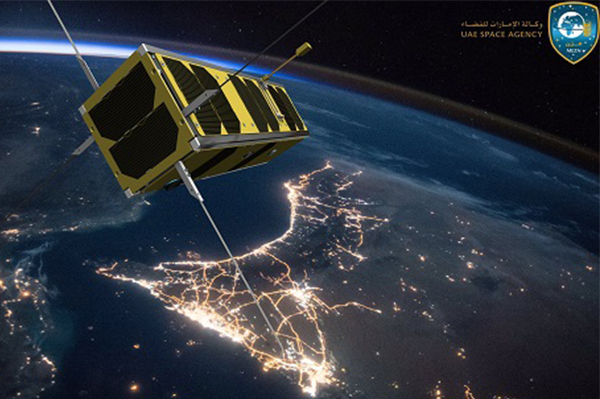
The MeznSat nanosatellite that Ras Al Khaimah students are helping to develop, build and test, in collaboration with Khalifa University and the UAE Space Agency, is planned for launch on a Soyuz-2 rocket from Russia in June 2020, Abdul-Halim Jallad, Director and Assistant Professor, Center of Information, Communication and Networking Education and Innovation (ICONET) said.
Read full story here: https://www.broadcastprome.com/news/satellite/uae-developed-meznsat-to-be-launched-in-june/



 “Crime, like many socioeconomic and environmental processes such as forest fires, earthquakes or disease outbreaks, takes the form of events occurring irregularly in space and time,” explained Dr. Zubelli. “Spatial and spatiotemporal point processes, which govern the location of a random number of events in a continuous domain, can be used to analyze this type of data. Point process modelling has been increasingly applied during the last decade to analyze a wide variety of crimes, including homicide and violent crime.”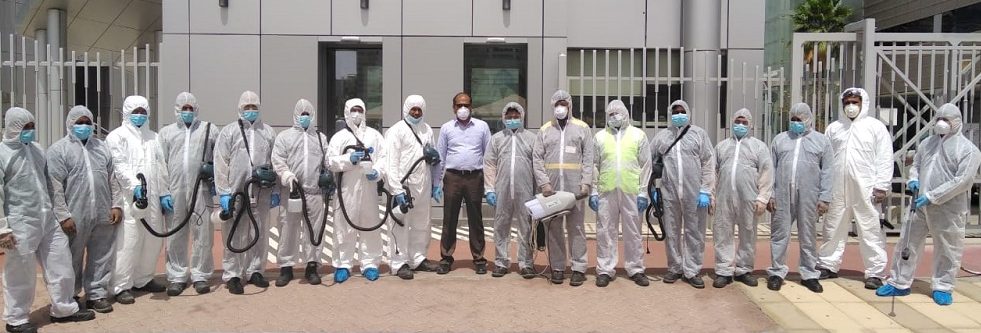


 “Future work needs to focus on vital sign radars to allow their proliferation in the consumer market,” said Dr. Mohammad. “This research will include more accurate mechanisms for mitigating issues like random body movements and reducing the computational loads for vital signs acquisitions. However, Doppler radars show promising results and have great potential.”