Virtual Event Includes Invited Talks, Late Breaking Results and Demos on Design and Implementation of Robotics, Automation, Intelligent Machines, Systems, and Devices on Civilian Safety
Khalifa University of Science and Technology has organized the IEEE’s International Symposium on Safety, Security, and Rescue Robotics (SSRR) 2020, a live online international forum promoting the study of security and robotics, and incorporating those technologies in a variety of application areas.
The SSRR 2020 will focus on novel applications related with protocols for ‘Pandemic Safety’, and ‘Compliance Monitoring and Assistance’, while several invited speakers, globally-renowned in the SSRR domain, will address the symposium. The event will additionally cover design and implementation of robotics, automation, intelligent machines, systems, and devices that can contribute to civilian safety.
Khalifa University’s Centre for Autonomous Robotic Systems (KUCARS) will present two papers at the three-day SSRR 2020 conference, in which a total of 42 selected papers will also be presented. The IEEE SSRR 2020 is now open for free registration at www.ssrr2020.org.
Dr. Arif Sultan Al Hammadi, General Chair, SSRR 2020, and Executive Vice-President, Khalifa University of Science and Technology, said: “We are delighted to organize this virtual IEEE SSRR 2020 to present some of the key innovations in robotics, intelligent systems and security-related technologies. The SSRR 2020 also follows the successful three-day MBZIRC 2020 that was organized by Khalifa University in Abu Dhabi in February earlier this year. We believe some of the latest innovations that will be presented at this symposium will pave the way for futuristic solutions to evolve in the near future.”
SSRR 2020 will be themed under three segments – ‘Autonomous search and rescue’, ‘Communications for reliable data transfer’, and ‘Casualty assessment, care, and extraction’. Emergency responders and first care providers will be involved in presentations and discussions at the symposium that will create a unique opportunity for development and exchange of research ideas and technical solutions.
Some of the leading experts who will present papers include Prof Dr. Robin Murphy, Texas A&M University, who will focus on ‘How Robots are Helping with COVID-19 and How They Can Do More in the Future’, and Prof Dr. Satoshi Tadokoro, Tohoku University, who will highlight the ‘Impact Tough Robotics Challenge’. Prof Dr. Peter Corke, Queensland University of Technology (QUT), will present a paper on ‘Robots that see and navigate outdoors’, and Prof Dr. Lino Marques, Institute for Systems and Robotics, University of Coimbra (ISR-UC), Portugal, will present a paper on ‘Mobile robot olfaction: Towards search and rescue robot dogs’, while Prof Dr. Giuseppe Loianno, New York University, will speak on ‘Agile and Resilient Autonomous Flight’.
Clarence Michael English Editor Specialist 4 November 2020
University Remains Among Top 200 in 2021 THE World University Rankings by Subject and US News & World Report’s 2021 Edition of Best Global Universities Rankings by Subject
Khalifa University has announced it is ranked first in the UAE by two international university rankings – the 2021 Times Higher Education (THE) World University Rankings by Subject: Engineering and Technology, and the US News & World Report’s 2021 edition of the Best Global Universities ranking.
Khalifa University was also placed among the Top 200 in Engineering (within the 176–200 band) out of nearly 1,000 universities assessed in the THE World University Rankings by Subject: Engineering and Technology, while the US News & World Report’s 2021 edition of the Best Global Universities ranking placed the university among the Top 200 (144th) in Asia, out of nearly 1,500 universities spread across 86 countries globally. This also puts Khalifa University ahead of any other university in the UAE in this ranking by about 200 places.
The US News & World Report’s ranking is based on ‘Web of Science’ data and InCites metrics provided by Clarivate, a global leader in providing trusted information and insights to accelerate the pace of innovation. The Best Global Universities methodology also weighs factors that measure a university’s global and regional research reputation and academic research performance.
In addition to the criteria of the minimum threshold of at least 1,250 papers published from 2014 to 2018, the US News & World Report’s ranking also used 13 indicators and weights to measure global research performance.
The ‘THE World University Rankings 2021 by Subject: Engineering and Technology’ includes a range of subject areas covering Chemical Engineering, General Engineering, Electrical and Electronic Engineering, Mechanical and Aerospace Engineering, and Civil Engineering.
The subject tables employ the same range of 13 performance indicators used in the overall World University Rankings 2020, brought together with scores provided under five categories. However, the overall methodology is recalibrated for each subject, with the weightings changed to suit the individual fields.
Clarence Michael English Editor Specialist 3 November 2020
Khalifa University’s Class of 2020 graduates from the PhD in Engineering program are ready to take on the world’s most pressing climate, healthcare, water and energy related challenges.
A total of 17 students from the doctoral program have successfully defended their thesis. Now, a new cadre of talented, highly skilled young professionals, will enter the workforce prepared to lead with integrity and ingenuity – two values deeply embedded in the Khalifa University community and critically needed to overcome the challenging environment caused by Covid-19, as well as other pressing challenges of the 21st century.
The research output of the engineering graduates has resulted in nearly 55 published scientific papers in prestigious journals and conference proceedings, as well as some patents and numerous recognitions.
Dr. Arif Sultan Alhammadi, Executive Vice President of Khalifa University, said: “We are immensely proud of our doctoral students. The high-quality research conducted by our PhD graduates reflects the University’s exceptional doctoral degree program that covers a multitude of disciplines and aims to produce graduates capable of finding innovative engineering solutions to our shared complex problems. They have significantly contributed to the university’s research productivity, as well as our efforts to support Abu Dhabi’s transformation into a knowledge economy focused on innovative sectors. We are confident that they will go on to help build a sustainable future for the UAE, and the world.”
Through their academic research, the doctoral students addressed many complex challenges directly related to the UAE’s key economic sectors, including renewable energy, water and the environment, health, and robotics.
Their scientific advancements and engineering feats are advancing new, high-efficient solar technologies, better ways to improve precision drug delivery and medical diagnoses, models that can reduce a building’s energy footprint, search and rescue robots to support on the front lines of major disasters, membranes that can remove saltwater efficiently, and more.
Following are a few of the research highlights from KU’s Spring 2020 PhD Engineering graduates:
Clean and Renewable Energy
Developing highly efficient renewable energy sources to power the world’s growing energy demands sustainably is a key challenge of our time. Many students at Khalifa University, including doctoral student Harry Apostoleris, have taken on this challenge by researching new ways to harness the full spectrum of the sun’s energy for clean electricity.
Apostoleris researched an underutilized set of solar energy technologies: concentrator photovoltaics (CPV), which involve focusing sunlight onto highly efficient solar cells. Under the supervision of Dr. Matteo Chiesa, Professor of Mechanical Engineering, the student conducted an in-depth study of the current economic situation of CPVs, assessed their technical limitations, and argued for prioritizing maximal use of the solar resource in the design of new solar energy harvesting systems. He also conducted a number of feasibility studies to determine how to use light-splitting CPV systems in different applications, including for agricultural photovoltaics, utility- and industrial-scale heat production and water desalination.
The work bridges the gap between academic engineering research and industrial application, with the ultimate aim of the research to bring the ongoing renewable energy revolution to its next stage. One book, four scientific papers in high-impact journals (including Nature Energy), and five conference papers were produced as a result of this research.
Being able to produce more solar and renewable energy is critical, but just as important is being able to transmit that energy to homes and businesses through the electric power grid. The variable nature of renewable energy poses a serious challenge to the power grid. The grid must be flexible enough in order to cope with these variations.
PhD student Baraa Mohandes, under the supervision of Dr. Mohamed Shawky El Moursi, Professor of Electrical Engineering and Computer Science, explored ways to improve the power grid’s flexibility, with a focus on demand response programs. He identified shortcomings in existing optimization formulas, created a new smart contract to appeal to the residential sector, and designed a new operation framework for renewable energy sources, which would reduce fast variations on the renewable energy plant side.
Another student investigated how to improve the production of hydrogen, a harmless, zero-emissions fuel source. Habeebllah Oladipo, who was advised by Dr. Giovanni Palmisano, Associate Professor of Chemical Engineering, and Dr. Khalid Al Ali, Assistant Professor of Chemical Engineering, researched how to free hydrogen from hydrogen sulphide gas – a toxic gas and waste material widely found in the oil and gas industry – by improving the reaction efficiency of a titanium dioxide catalyst. Oladipo developed a model that would predict when a titanium dioxide catalyst would deactivate, and then select the proper operational conditions to avoid this. His work will contribute to the further optimization of the photocatalytic production of hydrogen from hydrogen sulphide gas.
Water and Environment
The urgent need for more efficient ways to produce freshwater sustainably is another shared challenge. One way to meet this need is by improving wastewater treatment. Traditional treatment technologies are inefficient against micro-pollutants and pharmaceuticals, which are hard to remove. Tertiary stage treatment technologies, however, can degrade many of these difficult pollutants. PhD student Ahmed Yusuf, also advised by Dr. Palmisano, investigated how microfluidic reactors can be improved to degrade difficult pollutants more efficiently in tertiary stage wastewater treatment. His improved designs complement heterogeneous photocatalysis, another effective tertiary stage treatment technology, and contribute important findings to the global efforts to turn wastewater sustainably into a safe source of potable water.
PhD student Elham Ali Abdulkarim also investigated ways to improve wastewater treatment. Under the supervision of Dr. Shadi Hasan, Associate Professor of Chemical Engineering, Abdulkarim developed a nano-enhanced membrane to improve a membrane’s ability to filter heavy metals from wastewater. She coated zirconium phosphate nanoparticles, which have exceptional qualities like high ion-exchange abilities and high thermal stability, onto polymer-based membranes. The nano-enhanced membrane proved to remove heavy metals from wastewater more effectively than traditional polymer membranes, findings which could help accelerate the adoption of advanced membranes in wastewater treatment plants locally and abroad.
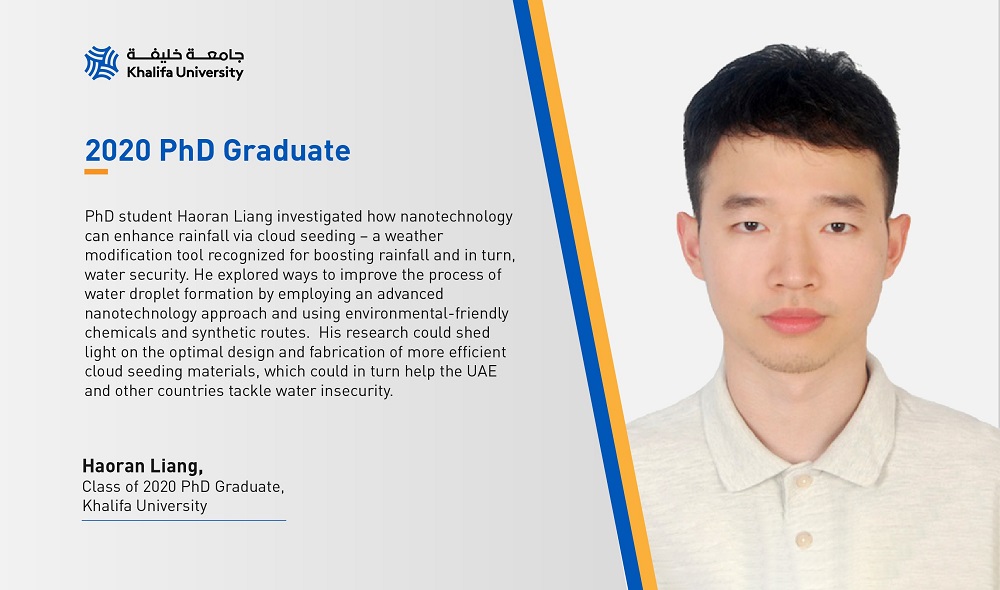
Another important tool that can be leveraged to produce more freshwater sustainably is rain enhancement. PhD student Haoran Liang investigated how nanotechnology can enhance rainfall via cloud seeding – a weather modification tool recognized for boosting rainfall and in turn, water security.
Throughout the course of his doctoral studies, Liang, under the supervision of Dr. Linda Zou, Professor of Civil Infrastructure and Environmental Engineering, synthesized and tested three different types of novel cloud seeding materials. He explored ways to improve the process of water droplet formation by employing an advanced nanotechnology approach and using environmental-friendly chemicals and synthetic routes. His research could shed light on the optimal design and fabrication of more efficient cloud seeding materials, which could in turn help the UAE and other countries tackle water insecurity.
Haoran Liang
Another area that requires innovation is desalination. Finding ways to make the salt removing process more energy efficient is a priority for water scarce countries like the UAE. Tackling this issue is PhD student Adetunji Alabi, who has developed ion exchange membranes – which use electrical charge separation, rather than heat or pressure to remove salt from water – by using atomically thin sheets of graphene. Alabi, who also worked under Dr. Zou, demonstrated that his membrane worked more effectively than a sample commercial ion exchange membrane. The outcomes from his numerous tests and experiments showed promising results for the use of his membrane in electromembrane desalination processes such as electrodialysis and membrane capacitive deionization. His work was a collaborative research effort with The University of Manchester.
Adetunji Alabi
In addition to electricity and water, a large portion of the energy mankind uses goes toward keeping our buildings cool. With people spending close to 90% of their lifetime in buildings, indoor conditions can have important implications on people’s comfort, health, and wellbeing. A doctoral thesis aimed at improving a building’s performance holistically was led by PhD student Min Lin, under the supervision of Dr. Elie Azar, Associate Professor of Industrial and Systems Engineering.
Lin’s research was aimed at evaluating and improving the interaction between people and their built environment in order to optimize energy consumption and comfort. Lin developed a multidisciplinary framework that combined machine learning, human or ‘agent-based’ modeling, data collection, and statistical modeling. The framework successfully illustrates the approach that is needed to address current and future sustainability challenges facing the built environment, supported by case studies and applications in the UAE and abroad.
Healthcare
New solutions aimed at improving medicine and drug delivery will go a long way in advancing human health and longevity, prompting scientists around the world to explore the use of nanotechnology as an effective way to deliver medicine to the body. However, the physical and chemical stability of nanoparticles is poorly understood.
PhD student Nahla Rizk investigated the issue of nanoparticle stability in biomedical applications in her dissertation. Rizk, under the supervision of Dr. Matthew Martin, Assistant Professor of Physics, tested the stability of four different types of gold nanoparticles, each with a different coating nature. Using different chemicals, she replicated common destabilizing environments that can affect nanoparticles to different extents, depending on the nature of the coating material, and decrease the efficiency of different treatments. She developed a novel method for assessing the stability of the nanoparticles, which could help scientists better identify and predict how a given nanoparticle will perform in a certain environment. The new process could help ensure the right nanoparticles are used to deliver lifesaving drugs in the future.
Nahla Rizk
Another technology gaining traction in the healthcare industry is the ‘lab-on-chip.’ One of the major applications of lab-on-chip devices is their ability to rapidly diagnose infectious diseases. Because they are tiny, low-cost and portable, lab-on-chip devices are easy to use in the developing world, where fighting infections is most critical.
PhD student Soha Yousuf investigated ways to improve the sensitivity and limit detections of optical sensor devices so they can be even more accurate at making complex diagnoses. This was achieved by designing a low-cost photonic device called a micro-ring resonator that is novel in its suspension design. At a selected wavelength of light, these designed micro-ring resonator bio-sensors could detect the presence of targeted molecules in blood or saliva that could be indicative of a certain illness. Some of these micro-ring resonator designs were also tested to detect very minute variations in gases that could be useful in environmental and medical applications. The designs were also incorporated onto a system-level scale that could be commercialized as a lab-on-a-chip device.
Under the supervision of Dr. Jaime Viegas, Associate Professor of Electrical Engineering and Computer Science, Yousuf successfully designed, developed and tested novel, low-cost micro-ring resonator designs on a silicon-on-insulator (SOI) platform – a type of platform that makes the design of such bio-sensors easily scalable.
Robotics & Autonomous Systems
With climate change accelerating the rate of natural disasters across the world, the need for search and rescue robots capable of navigating unstructured terrain to support rescue missions is needed more than ever. PhD student Reem S. K. Ashour, under the supervision of Dr. Nawaf AlMoosa, Assistant Professor of Electrical Engineering and Computer Science and Director of EBTIC, created a system using AI that assists first responders in mapping and exploring the urban search and rescue environment before they enter it.
Ashour programmed an exploration and mapping system that utilizes deep learning models and sensors, which were deployed on autonomous robots, giving them the ability to locate victims, objects, and risk sources. The developed system creates a 3D semantic map of the environment, which is a map that contains spatial information and assigns labels to different mapped features. The system also helps the robot choose the next best exploration position. This advanced mapping capability helps the robot effectively identify and locate different types and levels of hazards, as well as any occupants in the environment. Ashour’s system proved to outperform the state-of-the-art methods in several performance measures.
Reem Ashour
Autonomous systems are also playing increasingly important roles across a range of major industries. PhD student Yusra Abdulrahman, under the supervision of Dr. Mohammed Omar, Department Chair and Professor of Industrial and Systems Engineering, developed an innovative technique to improve autonomous nondestructive testing – a way to analyze the properties of a material, component or system without causing damage. The UAE National developed a technique, which combines infrared thermography, principal component analysis and artificial neural networks, to improve autonomous defect detection in low conductive materials with little to no human intervention. The study could help advance the manufacturing sector in the UAE by contributing insight into the latest innovative technologies and inspection methods on the market, while improving the productivity and the quality of UAE’s industries. By applying this technology, the UAE would achieve sustainable manufacturing growth and strengthen the nation’s global competitiveness.
Yusra Abdulrahman
Information Communication Technology
The internet today is based on billions of computers interconnected by optical fibers. Light carries the information across the globe in those extremely thin fiber wires. A new technological revolution is taking place, where scientists are creating miniature optical circuits, that steer light into different paths depending on their content. This will push for much larger bandwidths available for 5G networks and beyond.
PhD student Salim Alkaabi, under the supervision of Dr. Jaime Viegas, investigated how light and matter interact in silicon, which is the building material to all electronic chips we use today, towards developing micrometer devices that can encode information on light streams travelling on tiny wires, a thousand times smaller than the diameter of an average human hair.
Blockchain is another computing innovation that has the potential to transform the way we bank, interact online, and keep our data secure. Unfortunately, though, the full range of blockchain applications are not being realized many newly created blockchain applications were developed without following proper software engineering methodologies, fueling a general lack of trust in these blockchain technologies. Because blockchain, which is defined as a decentralized distributed database or ledger system, having trust in its records is critical to its successful implementation.
PhD student Hamda Al Breiki, under the supervision of Dr. Davor Svetinovic, Associate Professor of Electrical Engineering and Computer Science, studied the issue of trust in blockchain-based applications. The UAE National developed a trust requirement model for blockchain applications, along with a trust requirement engineering methodology. Her findings revealed the importance of incorporating trust right at the beginning of a software development process in the future development of blockchain applications. This research work produced significant contributions in the area of blockchain-oriented software engineering which can be further explored and developed.
Conclusion
With these projects and others being carried out by Khalifa University’s engineering PhD students, KU is accelerating the technological and industrial innovations required to achieve the UAE’s strategic goals and knowledge economy transformation. Importantly, they are nurturing the next generation of engineers who will positively contribute to the new policies and innovative solutions needed to overcome the most pressing challenges of the 21st century.
Erica Solomon Publication Senior Specialist 21 October 2020
Removing paraquat from agricultural wastewater is crucial to protecting the environment and human health but conventional materials to do so are slow-acting and not reusable. Dr. Dinesh Shetty at KU has developed a novel polymer to adsorb paraquat much more efficiently.
Water quality is influenced by many natural factors but the greatest threat comes from human activity. Mining, urban development, and agriculture are among the biggest culprits, introducing pollutants into the waterways from various processes. If they enter drinking water sources, they can pose a significant threat to human health.
Paraquat is a toxic chemical that is widely used as a herbicide to control unwanted weeds and grasses that grow alongside crops. Paraquat is quick-acting and non-selective, and dangerous to humans, having been banned in several countries due to its neurodegenerative effects and toxicity. Despite this, it is still one of the most commonly used herbicides worldwide.
As world population rises, the use of pesticides and herbicides for crop protection is expected to increase. Because intensive farming methods continue to rely heavily on chemicals, the levels of persistent herbicides and pesticides prevalent in the environment will remain at dangerous levels.
Removing paraquat from agricultural wastewater is therefore crucial to protecting the environment and human health, while also supporting food security. Conventional efforts to filter out paraquat rely on materials made from clays, silica, resins and hybrid materials. However, these materials are slow-acting and not easily reusable, prompting research into new materials.
Now, Dr. Dinesh Shetty, Assistant Professor of Chemistry at Khalifa University, along with the Trabolsi research group at New York University Abu Dhabi, has developed a novel polymer that can adsorb paraquat from water more efficiently than traditional materials.
The researchers developed polycalixarenes, with multi-ring (or macrocycle) molecules that have hydrophobic cavities – areas that repel water – that can hold smaller molecules or ions. These polycalixarenes act as the adsorbants as a polycalixarene has a three-dimensional porous structure that is totally insoluble in water but selectively extracts toxic paraquat molecules. This unique quality allowed the researchers to utilize different analogs of calixarenes with increasing cavity sizes. The larger the cavity size, the more strongly the paraquat can bind to the cavity and eventually be removed. Importantly, the polymers can be easily reused by simple washing methods and still outperform commercial activated carbon currently in use.
Host the pollutant! Macrocycle-based porous polymers can effectively remove the toxic pollutants from water by hosting them inside their cavity. High pollutant removal efficiency and easy regeneration of these novel materials may pave the way for the development of next-generation sorbents for water purification.
“Because of the selective host-guest chemistry these calixarene molecules offer, they can form complexes with paraquat in water,” explained Dr. Shetty. “They outperformed not only other organic polymers, but also the activated carbon, zeolites, and various types of clay that have been used previously. They are also easy to recycle, meaning we can use our polymers repeatedly without a significant loss in adsorption efficiency.”
Dr. Shetty has also applied this technology to removing other toxic substances from water, including perfluorooctanoic acid (PFOA). PFOA is another nonbiodegradable and persistent pollutant which can accumulate in water resources and pose serious environmental issues in many parts of the world.
Dr. Shetty is a member of the Khalifa University Center for Catalysis and Separation (CeCaS), one of KU’s 18 specialized research centers. CeCaS research aims at developing practical solutions to chemical engineering challenges faced by a number of industries today.
To combat the threat of water scarcity in the Middle East, a team of researchers led by Dr. Lourdes Vega has investigated nanotechnology for water treatment and desalination purposes.
The ten countries most threatened by water scarcity are concentrated in the Middle East, including the United Arab Emirates. To overcome the lack of sufficient fresh water, much of the water provided to the population is desalinated, with salt water treated to remove the salt and other impurities. This usually involves polymer-based membranes through which the water is run to catch the contaminants, but this isn’t the most efficient process and requires a lot of energy.
A team of researchers led by Dr. Lourdes Vega, Professor of Chemical Engineering at Khalifa University and Director of the Research and Innovation Center on CO2 and H2 (RICH) and Dr. Daniel Bahamon, Research Scientist at the RICH Center, and Dr. Euon Seon Cho, Assistant Professor of Chemical and Biomolecular Engineering at KAIST, has investigated nanotechnology for water treatment purposes. They developed a graphene-based nanostructured membrane and analyzed its ability to allow water to permeate through and trap dissolved particles to efficiently clean the water.
“Due to rapid population growth and climate change, the demand for fresh and clean water has increased over time,” explained Prof. Vega. “However, fresh and clean water is easily contaminated by industrial development and human activities, so we need a method to keep our water resources clean. One such method is membrane filtration, which separates contaminants and salts from water in an energy efficient manner. Various types of membrane materials have been widely studied for this, but due to the poor mechanical and chemical stability of polymers, such membranes are unsuitable for large-scale cleaning processes. To find an alternative solution, we investigated graphene-based membranes, in particular, graphene oxide (GO) membranes.”
Graphene and its derivatives are emerging candidates for efficient water filtration membranes due to their unique nanochannel network, which allows water to permeate through but block unwanted solutes, as well as their robust chemical and physical stability. However, it is difficult to maintain their performance over time, which makes maintaining the fine nanochannels and designing the channels more carefully crucial to their longevity.
Over prolonged use, these nanochannels become blocked as the membrane swells. Research has shown that different positively charged ions (cations) can be used to manipulate the spacing between the molecules in the nanosheets, creating larger channels for filtration, but during pressure-assisted filtration (an indispensable procedure for water purification and desalination), it is difficult to keep the interaction between these cations and the GO layers stable.
“We needed to employ an additional molecule to tightly hold the interspersed cations between the GO sheets during the filtration process,” explained Prof. Vega. “We know that crown ether molecules can selectively bind to cations depending on their cavity size and composition so we used a controlled amount of these in our graphene-oxide composite membranes.”
Crown ether molecules are chemical compounds that form a ring containing several ether groups. The research team prepared the GO membrane with potassium ions and crown ethers to create a nanochannel complex that was partially narrowed compared to the pristine GO membrane. This sub-nanochannel has an important role in blocking the permeation of ions during pressure-assisted filtration.
The team found that the complex of crown ethers and potassium ions plays a key role in tailoring the nanochannels, implying that the approach can be further tailored by varying the concentration and type of inserted crown ether molecules and cations. Additionally, the mixed salt solution used in testing was beneficial to maintaining the crown ether complex structure, which is important for real seawater applications.
“Water is the ultimate systems challenge,” said Prof. Vega. “It is a unique resource that underpins all drivers of growth—from agricultural production to energy generation, industry, and manufacturing. It also connects these sectors into a broader economic system that must balance social development and environmental interests.
“The joint effort between the team at Khalifa University and KAIST led to the fabrication and testing of the membranes at the lab scale as well as the understanding of their performance through molecular simulations. Our next steps will involve research into its stability and the potential for scaling-up production as well as other membranes based on graphene oxide for water treatment.”
Researchers hope stem cells will one day be effective in treating many medical conditions and diseases for which few treatments exist given that stem cells offer the potential to repair, restore, replace and regenerate cells.
Despite the successes seen so far, there are several major challenges that must be addressed before stem cells can be used as cell therapies to treat a wider range of diseases. One of these challenges, investigated by a team from Khalifa University, is the pathway by which stem cells self-renew or differentiate.
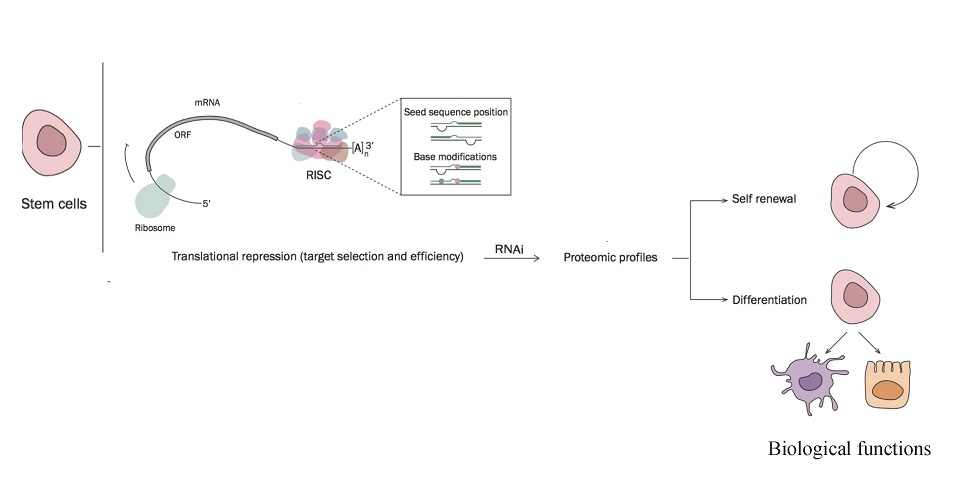
In a review paper recently published in Stem Cells, Dr. Abdulrahim Sajini, Assistant Professor of Biomedical Engineering, along with Dr. James McElhinney, Post-Doctoral Fellow, and Dr. Ayesha Hasan, Assistant Professor of Biomedical Engineering, cover exciting insights into how small modifications to gene expression controls can influence this pathway.
Stem cells are the foundation for every organ and tissue in the body. All stem cells can self-renew, dividing indefinitely to produce more of the same stem cell, or differentiate, developing into specialized cells.
“The unique properties of stem cells make them well suited for regenerative medicine,” explained Dr. Sajini. “Stem cell therapies have shown considerable promise in the treatment of a diverse variety of medical issues, including regrowth of cartilage for osteoarthritis, pancreatic beta cell regeneration for diabetes and neural stem cell transplant for spinal cord injury.”
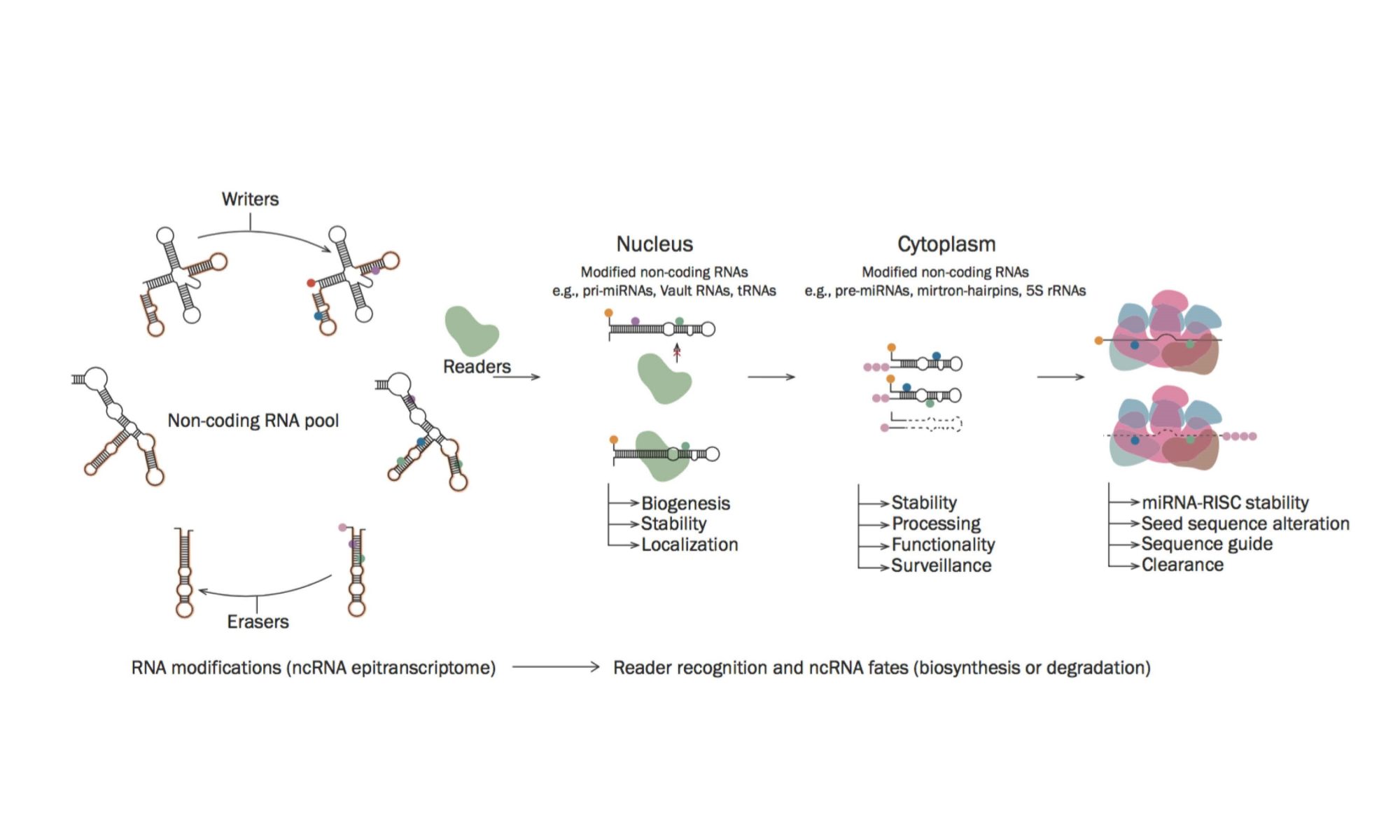
Before stem cells can be used more extensively in regenerative medicine, they need more study. Researchers need to first learn more about how stem cells behave and how they generate different types of human cells. The KU team reviewed the different types of stem cells and the unique epitranscriptome roles associated with them.
RNA is responsible for coding, decoding, regulating and expressing genes held within our DNA. Recently RNA was found to interact with various modifiers within our cells that can affect whether a gene is expressed or not. This is known as the ‘epitranscriptome’, which can be thought of as an extra layer of instructions for the RNA similar to epigenetics in DNA.
There are different types of stem cells, found during embryonic or adult development, with slightly different properties. Embryonic stem cells are the most pluripotent, meaning they can develop into any cell making up the body, which makes sense as all humans begin as embryos. However, this pluripotency requires multi-layer regulation check points, with the epitranscriptome playing a crucial role in maintaining the plasticity required for embryonic stem cells to self-renew or differentiate. In contrast, germline stem cells are unipotent cells that only give rise to haploid gamete cells.
“Stem cells are unique cells that have an inherent ability to self-renew or differentiate,” explained Dr. McElhinney. “Both fate decisions are strongly regulated at the molecular level via intricate signalling pathways. These pathways were thought to be governed by the action of transcription factors but now, small non-coding RNAs (ncRNAs) and their post-transcriptional modifications have emerged as additional regulatory layers with essential roles in this process.”
“Research into the epitranscriptome signatures in stem cells has revealed the emerging importance of an expanding set of ncRNAs in regulating cell biology. Moreover, these RNAs have been found to be extensively decorated with chemical modifications that comprise a complex regulatory layer on their functionality. As a fundamental governor of cell behavior, elucidating the epitranscriptome would represent a significant step forward to addressing challenges faced by stem cell therapies.”
There are many challenges associated with stem cell therapies. For example, the embryonic stem cells available today are likely to be rejected by the body; adult stem cells on the other hand are difficult to grow in the lab and can only be found in small quantities in their niche.
Currently, the only established therapy using stem cells is hematopoietic stem cell transplants to treat people with conditions such as leukemia and lymphoma—a bone marrow transplantation in most cases as hematopoietic stem cells are those responsible for making blood cells.
One important challenge is deciphering the imbalances in homeostasis that result in the development of cancer stem cells. Some stem cells form tumors after transplantation as pluripotency is linked to tumor formation. Recently, the epitranscriptome has emerged as a major regulator of stem cell biology and the KU team predicts that small ncRNA modifications will play a key part in future stem cell therapies.
“Most often, the onset of cancer appears linked to dysregulation in gene profiles,” explained Dr. Al Marzooqi. “There, the epitranscriptome of small ncRNAs is being directly implicated in the development of tumors by regulating the transcriptome of cancer stem cells. These small ncRNAs are being recognized for their potential to serve as biomarkers with diagnostic potential but the translation of these potential benefits to clinical applications is an ongoing effort. There’s no doubt that understanding how these small ncRNAs impact oncogenesis will help to identify how cancer develops and lead to more personalised approaches in its treatment.”
EBTIC researchers have developed tools to collect and analyze tweets about coronavirus in four different languages to identify trends and patterns among the population of the UAE.
In a world where more than 500 million tweets are sent every day, there is little doubt that social media platforms such as Twitter are vital to understanding the zeitgeist. As the novel coronavirus swept the globe and developed into a pandemic, social media offers an instant insight into how Covid-19 is impacting a population.
There have been over 628 million tweets about coronavirus so far. Understanding their content and the sentiment behind their messages is crucial to assisting policymakers and, in the case of Covid-19, identifying where public health messaging can be improved. Social media is an instant way of spreading information and knowledge, and provides a snapshot of a population’s understanding and feelings about a topic for analysts to investigate.
Researchers from Emirates ICT Innovation Center (EBTIC) have developed tools to collect and analyze tweets about coronavirus in four different languages to identify trends and patterns among the population of the UAE. Mr. Ahmad Al-Rubaie, EBTIC Head of Strategy and social media research, collaborated with Dr. Di Wang, EBTIC Chief Researcher, Dr. Ahmed Al Dhanhani, EBTIC Senior Researcher, and Hamda Al Ali and Sara Al Shamsi, both EBTIC Research Associates, to produce a series of dashboards for monitoring Covid-19 tweets.
Extracting useful information and making use of it is the challenging part of any analysis, and being able to automate the processes using machine learning techniques will allow the approach taken to be used across many application areas and in difficult times, such as during a global health pandemic.
“The two main components we developed are harvesters and classifiers,” explained Mr. Al-Rubaie. “Then, we used open source visualization tools to show the outcome of the analyses we performed in real time and in short time scales.”
EBTIC has developed ‘harvesters’ that can harvest tweets in real time. As soon as someone tweets about coronavirus, the EBTIC harvester collects it. But recognizing the content of a tweet when it doesn’t actually contain the word ‘coronavirus’ can be difficult for a human, let alone a machine. So EBTIC also developed a number of classifiers using artificial intelligence to sort tweets into pre-defined categories.
“We can categorize content through machine learning and for different use cases, primarily Arabic and English text, but also Hindi and Urdu for our coronavirus analysis,” explained Mr. Al-Rubaie. “We focus on short text messages, such as tweets, because tweets provide near instantaneous insight into the population views and opinions. However, it’s much more challenging than longer text content. Short text tends to include a very limited amount of information, grammar errors, spelling mistakes, and sometimes content that is specific to a user. These challenges make accurate classification of short text difficult.”
The researchers used their harvesters to collect tweets and then trained their classifiers on these tweets to organise them into pre-defined categories: symptoms, health advice, health news, lockdown, and other. The classifiers used both shallow learning and deep learning AI techniques to classify the tweets, achieving high accuracy in a short time compared with other state-of-the-art techniques. The researchers also developed pre-processors to improve the classification accuracy even further.
The team also developed an intelligent method to detect and measure change in key terms used in social media per hour, per day and per week.
“Our method automatically detects the key terms with highest usage in social media to quickly identify any changes in user interest and discussion topics. We also identify sources driving discussions and whether they are official trusted sources, or private individuals, which is the foundation for our work on misinformation detection. This method is key for monitoring the impact that Covid-19 is having on the population through time,” said Dr. Al-Dhanhani.
This data is visualized through a number of dashboards, highlighting important patterns and trends in the information. Data visualization uses visual elements like charts, graphs and maps to provide an accessible way to see and understand information and data. In the world of Big Data, these tools and technologies are essential to analyzing massive amounts of information and understanding trends and patterns in the data.
The researchers also developed harvesters to gather relevant information from the internet, such as the number of Covid-19 cases reported and the price of various goods and products sold online.
“We also collected information on Covid-19 cases announced by official sources in the UAE and plotted those against the trends from social media,” said Dr. Wang. “We use the graphs to plot the key topics of interest and the change in conversations on social media through time. This helps to highlight what type of information is important to the public and at what time. We can also gauge the level of conversation in line with the cases being announced.”
Collecting information on the prices of food and other products sold online may seem incongruous to the thoughts and feelings of people on social media, but these data can highlight interesting trends among the population. A quick look at the dashboards not only shows correlations between social media discussions and the number of cases, but also valuable trends, such as the stability of the essential food market and the property market throughout the pandemic.
“We can provide an insight to the impacts of the pandemic on essential food prices and even property prices in the region, simply by plotting key trends against the number of tweets and their contents,” explained Mr. Al-Rubaie.
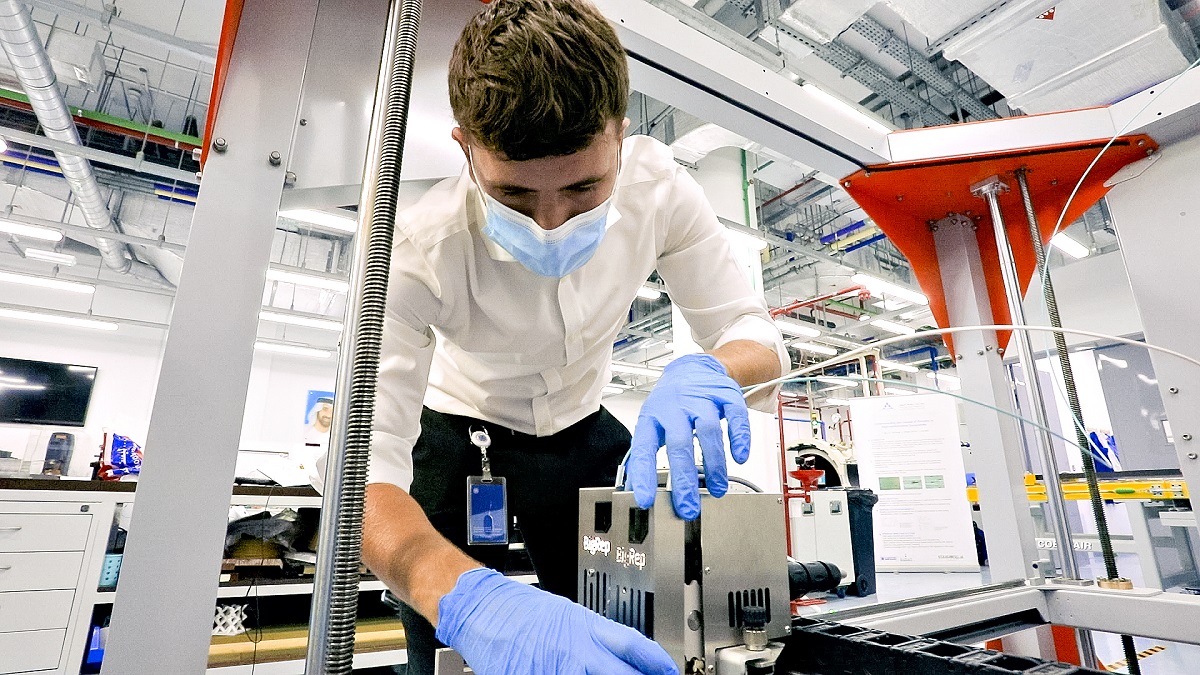
Khalifa University of Science and Technology today announced a team of researchers at its Aerospace Research and Innovation Center (ARIC) is in the process of developing the design of a ‘Reusable 3D Printed Mask’, as a potential replacement for standard N95 masks that are in short supply following the COVID-19 pandemic.
The team is currently developing various aspects of the design, taking into consideration requirements including filtration performance, geometry/fit, flexibility, material suitability for medical applications, and manufacturability. Medically graded materials were used in the manufacture of the components.
A prototype has already been printed and once completed, an assessment will be performed before it gets qualified and approved.
The N95 respirators and surgical masks (face masks) are personal protective equipment (PPE) that protect the wearer from airborne particles and from liquid contaminating the face. They are critical supplies for health care workers and other medical first responders.
Dr. Arif Sultan Al Hammadi, Executive Vice-President, Khalifa University of Science and Technology, said: “Community-relevant research has always remained a key pillar of our strategy and we are keen to offer our resources to support R&D in this area, especially during the COVID-19 pandemic. The current situation is unprecedented in history, and has created challenges that require smart scientific solutions through innovation. We believe through the research work at ARIC, we would be able to offer a suitable solution to tackle the challenges posed by the pandemic and protect our frontline defense with this mask.”
As a leading research center focused on advanced manufacturing and robotics, ARIC helps to develop efficient techniques for manufacturing advanced structures and novel procedures for the automated manufacturing and assembly of aerospace components.
Over the past five years, ARIC has completed nine main industry-focused projects, 28 student-led projects involving 65 UAE national students, several patented innovations, and more than 30 academic publications in reputed research journals.
Clarence Michael English Editor Specialist 2 November 2020
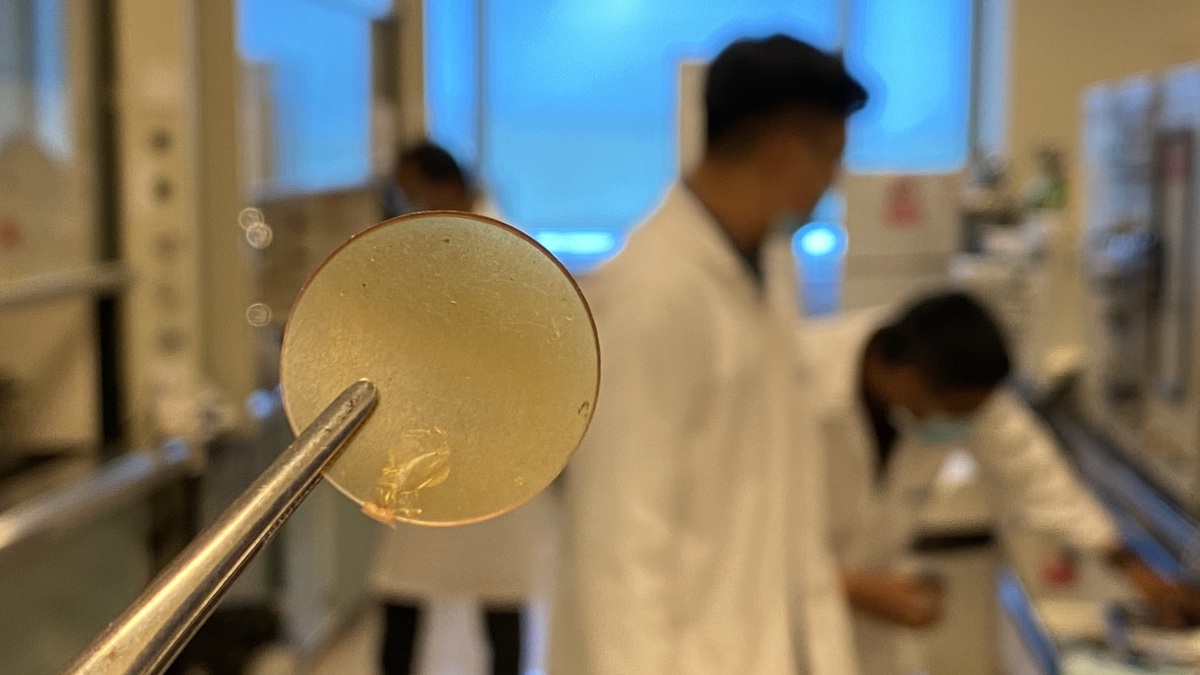
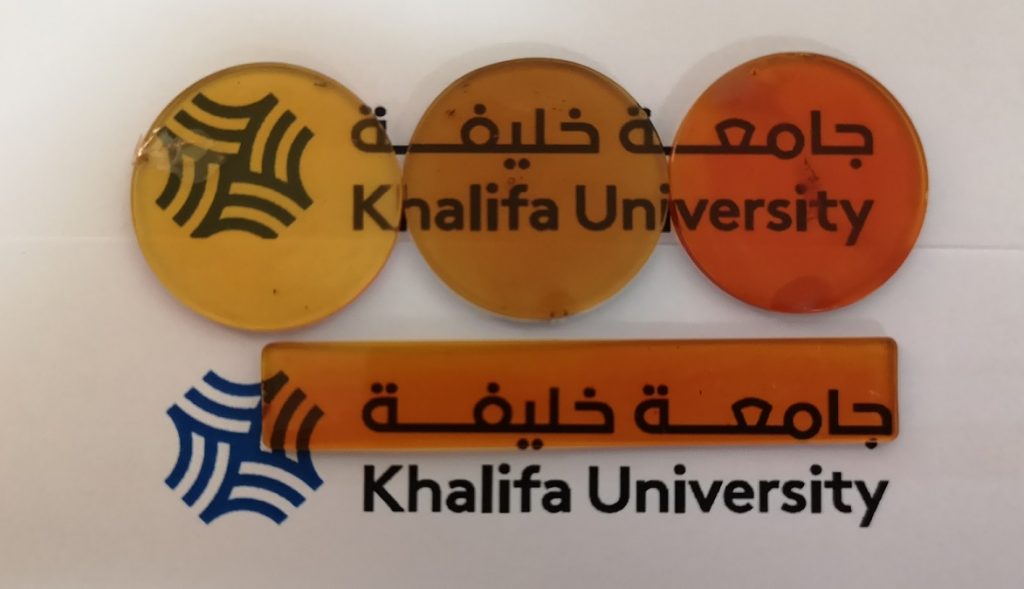
A team of researchers at Khalifa University has discovered a way to use elemental sulphur to enhance the refractive index of polymer materials.
The refractive index, which is the measure of how fast light moves through a material, is an important optical property. It determines the focusing power of lenses, the dispersive power of prisms, the reflectivity of lens coatings, and the light-guiding nature of optical fibers. High refractive index materials are particularly sought for applications requiring high transmission of light.
Inorganic materials—chemical compounds that contain no carbon-hydrogen bonds—usually possess a high refractive index, but their lower flexibility and high densities can limit their applications. Polymeric materials, or plastics, overcome these issues with low weight, excellent impact resistance, easy processability and low cost, but their refractive index is
A team of researchers including Dr. Vijay Wadi, Postdoctoral Fellow, Dr. Kishore Jena, Research Scientist, Kevin Halique, Research Assistant, and Dr. Saeed Alhassan, Associate Professor and Acting Senior Director of the Petroleum Institute, all from the Department of Chemical Engineering at Khalifa University, has discovered a way to use elemental sulphur to enhance the refractive index of polymer materials. Their findings were published in a paper in Scientific Reports.
Previous research has focused on using inorganic or metal nanoparticles to produce polymer composites with a high refractive index, but manufacturing these is more difficult, and the dispersion of the nanoparticles in the polymer matrix is inconsistent, impacting the transparency of the materials and limiting their applications.
Elemental sulphur is a national resource for the UAE, with production coming from the refining and processing of oil and gas. Sulphur atoms can increase the refractive indices of materials. The amount of sulphur and the degree of molecular packing in the polymers play an important role in controlling the refractive properties.
However, elemental sulphur is difficult to incorporate into polymers on its own due to its low solubility and incompatibility with the majority of organic chemicals. Additionally, the resultant polymers produced with heat treatment are highly brittle and unstable at room temperature, making them less than effective for use during polymer processing.
Dr. Alhassan and the research team made stable polymers by reacting elemental sulphur with 1,3-diisopropenylbenzene (DIB) cross-linker inside a polystyrene matrix where it diffuses into the matrix, ensuring even dispersion of the sulphur. The refractive index of the final polymer can be tuned as needed by varying the amount of cross-linkers.
“Directly using elemental sulphur to produce high refractive index polymers is limited by sulphur’s low solubility in most organic solvents and chemicals,” explained Dr. Alhassan. “However, the inverse vulcanization technique is one way to overcome this.”
Inverse vulcanization is a process where sulphur reacts with unsaturated hydrocarbons to form polymers with linear sulphur in their molecular structures. The polymers are synthesized with no solvent as sulphur itself acts as a solvent, making the process highly scalable at the industrial level. The sulphur-rich composite polymers made using this technique are characterized by a high refractive index, and the optical properties can be tuned by simply modifying the chemical formulation.
“The main advantage of these composites is their ability to be scaled up and processed into a variety of different objects,” explained Dr. Alhassan. “Molded objects and films made using these composites are transparent and uniformly colored, showing the stability of the composites. They can be processed into any shape and size without altering transparency. Plus, since they are highly soluble in most organic solvents, they can be made into ultra-thin films that are clear and stable.”
This manufacturing method means high refractive index composite materials can be produced at low cost and high scale, using an easily obtained waste product from the UAE’s petroleum industry for myriad applications in various fields.
A team of researchers from Khalifa University has designed and developed a memristor-based image compression architecture to speed up image transfer while also making the devices using this technology smaller and more energy efficient.
In the time of unlimited data phone plans, it’s easy to forget that we were once constrained by how much data we could consume or produce. According to Domo’s Data Never Sleeps 8.0 report, it is estimated that every minute around 350k stories and 150k photos are posted on Instagram and Facebook. Moreover, Zoom hosts around 208,333 meeting participants in just one minute.
These days, sending or receiving pictures of anything and everything is almost instantaneous and we rarely spare a thought for just how much power it takes to send them.
It is becoming an integral part of mobile phones’ and other communication devices’ operating systems to have image compression technologies, such as HEIF (high-efficiency image format) to help with image transfer. This has resulted in giving more attention to research in the areas of image compression.
For example, how to advance the technology when it comes to sending images in urgent situations, such as in smart healthcare, or from the furthest corners of our universe as we explore new worlds via satellites. Another area of research can be impact of reducing the image data size on its storage requirements and eventually on the energy and time required to send it via communication channels.
A team of researchers from Khalifa University has investigated a memristor-based image compression architecture to speed up image compression while also making the devices using this technology much smaller and more energy efficient.
The team comprised Dr. Yasmin Halawani, Post-doctoral Researcher, Dr. Baker Mohammad, Associate Professor, Dr. Mahmoud Al-Qutayri, Professor, all from the System-on-Chip Lab and Department of Electrical and Computer Engineering at Khalifa University, and Dr. Said Al-Sarawi from the Center for Biomedical Engineering at the University of Adelaide, Australia.
Dr. Halawani explained in her doctoral thesis that today’s devices are “jam-packed with a variety of sensors, which are collectively expected to generate more than 40 zettabytes in 2020.” That’s one billion terabytes of data or one trillion gigabytes.
“This huge amount of generated data needs to be processed at a fast rate using complex algorithms to interpret the information,” explained Dr. Halawani. “This is computationally demanding, but Internet-of-Things devices tend to be energy-constrained and have limited resources, so innovative architectures and technologies that enable efficient computation are needed.”
Conventional computing faces serious challenges in overcoming these constraints.
“At the device level, technologies are fast approaching their physical and power limits, while at the architectural level, there are limits to computing throughput that we have yet to solve,” explained Dr. Halawani.
A wide range of emerging memory technologies has been investigated to address these challenges, including resistive random access memory (ReRAM), which is a promising technology for building efficient in-memory computing (IMC) architectures, thanks to its ability to perform both storage and computation in the same physical device.
One such ReRAM device is the memristor. A memristor device consists of metal oxide sandwiched between two electrodes. It has the ability to change its resistance state under the application of suitable voltage. As the name implies, the memristor can remember its last written state, even if power is turned off, which offers great potential for use as a solid-state computer memory device.
Unlike traditional solid-state storage technologies, memristors require less energy to operate, last longer, and store at least twice as much data. They use brain-inspired architectures that allow them to perform in-memory computing. This solves a big issue in traditional computer architectures, referred to as the memory wall, by eliminating the need to move data from memory to the processing unit in order to perform computing functions.
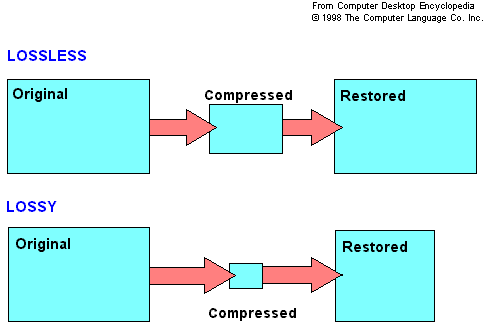
Figure: The difference between lossless and lossy image compression
Memristors employ a crossbar architecture, which involves multiple inputs connected to multiple outputs in a matrix design. This design can speed up the multiply and add operations found in many digital signal processing algorithms in a smaller device using less power.
“When these ReRAM devices are built in a crossbar architecture, they can offer significant savings in energy, area and execution time,” said Dr. Halawani. “Plus, the low power requirement makes them an ideal candidate for resource-constrained Internet-of-Things applications.”
All very helpful for the mobile devices that are part of the Internet-of-Things, especially so given the zettabytes of data to be processed that are multimedia in nature, which is both computationally and energy demanding.
“Image exchange in the Internet-of-Things is essential in various applications, including smart healthcare, smart structures monitoring and transportation,” explained Dr. Halawani. “Although there are compression algorithms to help reduce storage area requirements and data transmissions between the devices, they are computationally intensive. Our research uses analog, in-memory computing for image compression utilizing emerging RRAM technology.”
Much as data compression is the process of modifying, encoding or converting the bits of data in such a way that it consumes less space on a disk, image compression is the “art of removing redundant data for efficient storage and transmission of information,” according to Dr. Halawani.
“The compression is achieved by reducing the correlation between neighboring pixels, spectral bands, or different frames in a video. This process is computationally intensive as it involves many matrix manipulation operations and can result in either lossy or lossless compression that trades off image quality for a higher compression ratio.”
As memristors form a potential building block for in-memory computing, their arrangement in a crossbar could mean devices can be made as much as 154 times smaller compared to previous technologies, while offering double the energy savings. The team’s proposed architecture involves a single computational crossbar to perform the compression task.
They focused on image compression during the image capture phase, with their system delivering a high image quality and a high processing rate, while reducing storage needs.
The success of this novel research and technology has led to the issuance of a patent in the United States with a number 10,735,753 and titled “DATA COMPRESSION USING MEMRISTIVE CROSSBAR,” with the architecture offering huge potential in Internet-of-Things devices, ranging from cameras in the everyday smartphone to the highly sophisticated imaging devices used in healthcare, and even space exploration, to send images of the cosmos back to Earth.
In its first such partnership with a university in the UAE, the Publications Division of the American Chemical Society (ACS) has signed a transformative “read and publish” agreement with Khalifa University of Science and Technology in Abu Dhabi.
“We’re looking forward to working with Khalifa University’s researchers to maximize the benefits from this agreement,” says Dr. James Milne, President, ACS Publications Division. “We hope this read and publish arrangement serves as a beacon for other universities in the area, as an effective solution to maximize the visibility of research findings.”
The agreement with Khalifa University marks ACS’ latest open access partnership in the Middle East. Through 2022, Khalifa University’s researchers will receive full article publishing charge support to publish in any of ACS’ more than 65 premier journals. The agreement also includes access to the full collection of ACS journals and Chemical & Engineering News for students and researchers at Khalifa University.
“We hope the agreement with the Publications Division of ACS will help increase visibility and accessibility for our research, paving the way to reach an even broader audience, including the public and private sectors. Increased impact for our research output will also smooth the way to attract potential commercial and academic collaborations,” says Dr. Abdulla Al Hefeiti, Library Director, Khalifa University. “At the same time, it will build on Khalifa University’s commitment to accelerate innovation and advance knowledge, which in turn will raise Abu Dhabi’s profile on the international stage as a hub for scientific research and development.”
Read and publish agreements are a central element of ACS’ commitment to the open science movement. Through agreements with over 350 institutions around the world, ACS has created a research-centric way to advance open access publishing.
Khalifa University Collaborates with Ministry of Education and Virtual Participation by 6,000 Persons from All Over the World
Khalifa University, in collaboration with the Ministry of Education, is virtually organizing the 27th International Conference on Video and Image Processing (ICVIP)from 25 – 28 of October 2020 in Abu Dhabi. Nearly 6,000 professionals from across the world are participating in the IEEE conference, which is the world’s largest and the most extensive technical event in terms of intelligent systems and machine learning that are relevant to image and video processing.
Headed by H.E Dr. Mohammed Bin Ibrahim Al Mualla, Under-Secretary, Higher Education Academic Affairs, Ministry of Education, the conference includes Professor Monsif Ghabbouj, Tampere University, Finland, Fellow in IEEE, as well as the organizational and technical committees’ most significant experts from local and international universities.
H.E Al Mualla, Chair of Conference, said: “We are proud to host the 27th edition of this remarkable conference in Abu Dhabi, for which we took tremendous efforts and had prepared all along for the past four years.”
Dr. Arif Sultan Al Hammadi, Executive Vice-President, Khalifa University of Science and Technology, said: “We are delighted to collaborate with the Ministry of Education in organizing the 27th International Conference on Video and Image Processing, which has greater participation from experts worldwide. Hosting such events in Abu Dhabi enhances the UAE’s leading status in innovation, research and technology areas, leveraging the level of research through introducing researchers locally from the most advanced technologies in all fields. We look forward to seeing the conference exceed expectations, and help gather even more similar professionals for international conferences in the future.”