
The Sociopolitical Factors Impacting the Adoption and Proliferation of Desalination

While desalination technology is becoming increasingly popular as costs come down and demand for water grows, some sociopolitical factors still hamper its adoption.


Water scarcity is a global challenge, with growing populations putting pressure on a finite supply of water. Responding to this challenge is desalination technology, with the cost of desalinated water coming down as technology evolves.


Desalination, however, is plagued by some serious problems, including environmental issues. Often overlooked are the sociopolitical factors impacting the adoption and proliferation of this technology, but a team from Khalifa University has used multiple cases from several countries to identify these factors and their influence on desalination around the world.


Yazan Ibrahim, Research Engineer, Roqaya Ismail, Graduate Student, Dr. Fawzi Banat, Professor of Chemical Engineering, and Dr. Hassan Arafat, Director of Khalifa University’s Center for Membranes and Advanced Water Technology (CMAT), all members of CMAT, with Adetola Ogungbenro, graduate student from the KU Department of Chemical Engineering, and Tom Pankratz from Global Water Intelligence, reviewed the sociopolitical factors involved and published their findings in the Elsevier’s international journal Desalination.


“Historically, water availability has always been considered fundamental for human civilizations to evolve and flourish, from the early Mesopotamian age to the current rapidly growing cities in the Middle East,” explained Ibrahim. “Over time, wasteful water use, mismanagement, and significant environmental challenges have triggered severe depletion and degradation of the available freshwater resources, with adverse effects on human health, living conditions, and social and economic prosperity.”


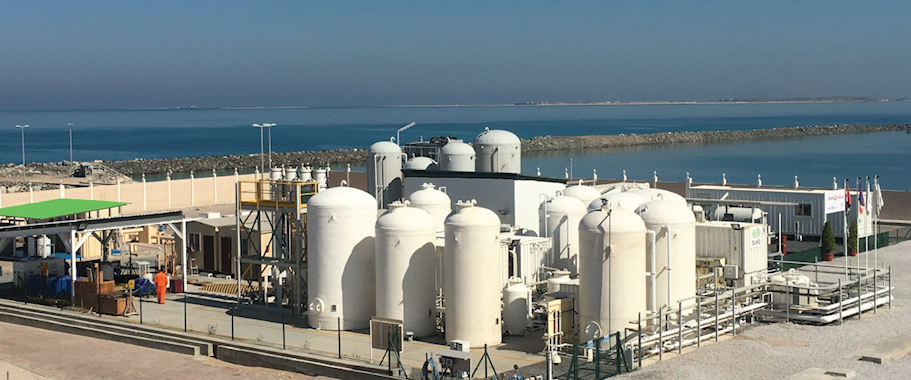
The UAE has limited natural water resources and uses desalination to make seawater drinkable. Today, most of the country’s potable water comes from over 70 major desalination plants, which account for 42 percent of the country’s water needs and nearly all of its potable water, and around 14 percent of the world’s total production of desalinated water. However, water scarcity is not confined to arid countries.


“Since its inception, the evolution and growth of desalination technologies have made water production appear more sustainable than ever before,” explained Ibrahim. “Scarce freshwater resources in MENA countries have resulted in an upsurge in the number and size of desalination plants. Furthermore, the rapid development of this region has led to higher dependence on desalination to sustain this development.”


Yet, despite the benefits that can be reaped from using desalination to provide such a critical resource, the adoption and proliferation of desalination are impacted by a variety of economic, environmental, and sociopolitical factors.


Much of the resistance to desalination stems from the cost. Energy accounts for around 70 percent of the cost of desalination, with this energy typically derived from fossil fuels. However, the sociopolitical factors must not be overlooked.


“Although the economic and environmental factors have received more attention, there is evidence to suggest that the use of desalination technologies and their associated impacts would most likely exacerbate the existing inequalities in a society,” explained Ibrahim. “This was attributed to the increased greenhouse gas emissions, increased water prices, urban growth motivation, shifting geopolitical relations related to water security, and increased chemical pollution.”


Even building a desalination plant in certain areas can be difficult. One study proposed aesthetic acceptability – the noise and look of a desalination plant – as a barrier.


The research team used a SWOT (Strengths, Weaknesses, Opportunities, Threats) analysis as the framework for a critical review of the sociopolitical factors that impact the adoption and proliferation of desalination. A SWOT analysis is typically employed to help gain insights into the strengths and opportunities of an initiative or concept as well as the associated weaknesses and threats.


“We defined ‘sociopolitical’ factors as factors with a significant social dimension, which have either underlying social, economic, or political root causes and consequences within those spheres,” explained Ibrahim. “We identified eight strengths and opportunities, and seven weaknesses and threats.”


The strengths and opportunities include: the decentralization of water supply, fast deployment, and low physical footprint that comes with some desalination technologies with the potential to help remote communities and tourist facilities flourish. Desalination can provide sufficient quantities of water as and when needed, which can significantly enhance the water security of a nation, while also supporting regional stabilities by evading any conflict over water resources. This also means there are a plethora of opportunities for society to benefit from desalination technologies. Local employment opportunities during the construction and operation of desalination plants are one such benefit, but easy access to water also means more work and education opportunities for women.


As for weaknesses, the visual impacts, noise and land use issues were among the most-cited concerns. Beyond this, another weakness of desalination lies in the unintended consequences of excessive reliance on desalination and the potential impacts of poor mineralization of desalinated water on human health. Freshwater contains various minerals which may offer health benefits and it’s not yet understood if desalinated water that has not been re-mineralized could have adverse health effects. Threats to desalination stem from social tension among those who mistrust the technologies as well as the wide range of anthropogenic and natural causes that could halt operation. The latter ranges from cyberattacks to natural disasters and oil spills.


The team’s research makes it clear that integrating desalination into a country’s water supply can yield significant direct and indirect benefits, in terms of political stability, water security and economic growth. Desalination can also provide a boost to tourism, agriculture and education although various threats and weaknesses are also noted.


“We wanted to note that these sociopolitical benefits and challenges can be difficult to quantify and compare across different domains,” explained Ibrahim. “But understanding these factors can help make the adoption and proliferation of desalination technologies much smoother, with more robust engagement among the multiple process stakeholders involved.


“Since its inception, desalination has delivered a range of benefits to societies in arid regions and supported their economic development and political stability. It must be recognized, however, that many factors are at play when it comes to the sociopolitical dimension of desalination. A holistic approach to this subject is essential.”


Jade Sterling
Science Writer
20 January 2021
Khalifa University’s YFEL Outreach Program to Organize Virtual Graduation Ceremony for 2020 Batch on 21 January

11th Annual YFEL Graduation Ceremony Coincides with Abu Dhabi Sustainability Week 2021


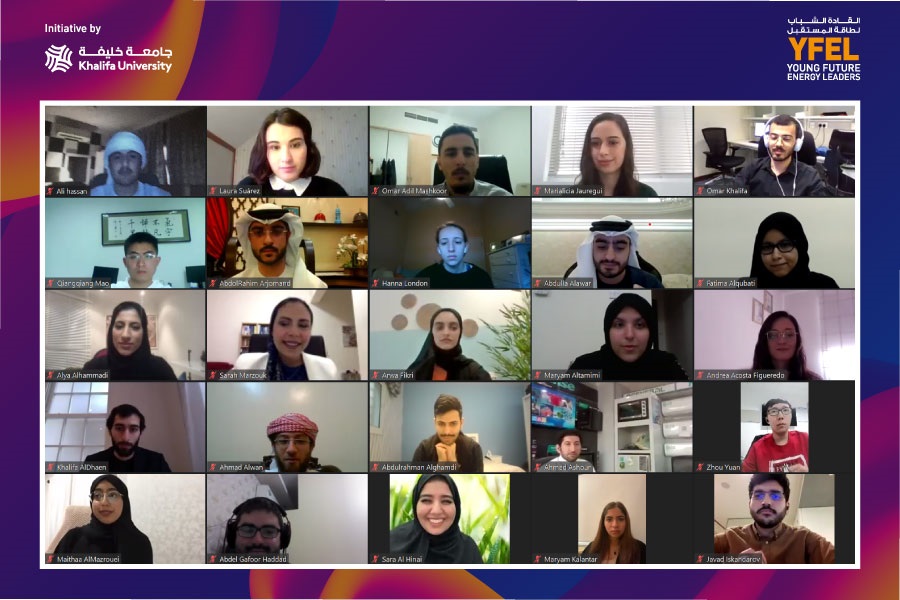
Khalifa University has announced the graduation ceremony for members of the 2020 Young Future Energy Leaders (YFEL) outreach program will be held virtually on 21 January 2021, coinciding with the Abu Dhabi Sustainability Week 2021. This year will also mark the 11th annual graduation ceremony for the YFEL program.


A total of 32 YFEL members from the 2020 batch, who have successfully completed their year-long program of special courses, workshops, and conferences in leadership, policy and technology as well as personal project initiatives, will receive their certificates of completion at the ceremony. The graduation ceremony that culminates a transformative year for the 2020 YFEL members, will be streamed live online.


The 2020 YFEL members include 21 UAE Nationals, seven locally-based students and professionals, as well as four international young professionals from countries in Asia and South America, such as China, Saudi Arabia, Mexico and Brazil.


Launched at the 2010 World Future Energy Summit by His Highness Sheikh Mohamed bin Zayed Al Nahyan, Crown Prince of Abu Dhabi and the Deputy Supreme Commander of the UAE Armed Forces, the YFEL program offers members exceptional and unmatched access to top global leaders, senior business executives and academics engaged in alternative energy and sustainability.


Dr. Arif Sultan Al Hammadi, Executive Vice-President, Khalifa University of Science and Technology, said: “The YFEL outreach program helps broaden the university’s founding mission, by reaching out beyond the UAE borders, to attract students and young professionals anywhere in the world, and bring them to the UAE. Over its 11-year existence, members of the YFEL program have consistently contributed to sustainable projects, while remaining intensely involved in community-oriented initiatives. Through their year-long courses on training, mentorship, and guidance, they not only acquire new skills but also enhance their individual capabilities as future leaders, fully equipped for taking the UAE’s vision of sustainable energy leadership out into the world, and expand upon it.”


Each year, the YFEL members have consistently worked on new project concepts and contributed to sustainability-related initiatives. Two YFEL members participated in the 16-day International Antarctica Expedition (IAE) 2012, joining the IAE team to highlight sustainability and the need to preserve Antarctica. A group of 2011-2012 YFEL members played a significant role in the delivery of the 543 KWe photovoltaic (PV) solar power project that was commissioned in July 2014 at the Rashid Abdullah Omran Hospital in Ras Al Khaimah. In 2015, a group of 10 YFEL members introduced several community-wide initiatives in collaboration with 10 students from the Universitas Sebelas Maret, Surakarta, in the Central Java province of Indonesia.


The YFEL program was consecutively sponsored by Abu Dhabi National Oil Company (ADNOC) for several years. His Excellency Sultan bin Rashed Dhaheri, Member of the Federal National Council, sponsored the program for two consecutive years with a contribution of US$1 million each year. In 2011, Emirati philanthropist Mohammed Bin Kardous Al Ameri was the first private sponsor of this outreach initiative with a contribution of AED1 million. Other sponsors include BASF – one of the world’s leading chemical companies, and Siemens – a conglomerate and one of the largest industrial manufacturing companies.


Clarence Michael
English Editor Specialist
19 January 2021

Khalifa University Signs a Co-funded Research Agreement with Aldar Properties and Sandooq Al Watan to Make Reusable Contact Lenses for Color Blindness

Collaboration Also Includes Researchers from Imperial College London


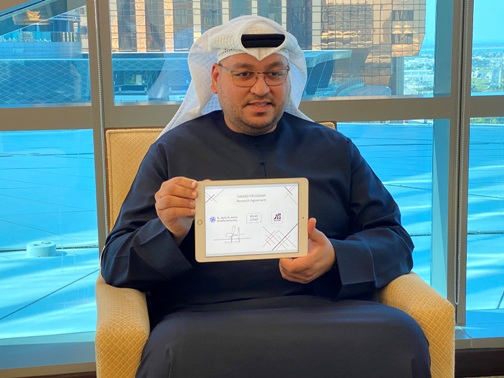
Khalifa University on this date signed a research agreement, which will be co-funded by Aldar properties and Sandooq Al Watan, to develop economical, reusable and disposable contact lenses for those suffering from colorblindness. The project team will include researchers from Khalifa University who are currently working in collaboration with researchers from Imperial College London.


The sponsored research agreement was signed by His Excellency Ahmed Fikri, Acting Director General of Sandooq Al Watan, and Dr. Arif Sultan Al Hammadi, Executive Vice-President, Khalifa University. The research team has already developed prototypes of the contact lenses, which will be refined for personal customization, and the grant from Sandooq Al Watan will support further development and commercialization of the product.


The project aims to benefit numerous people who are suffering from color blindness, for which there is no cure at present. Though filtering glasses and special contact lenses are available, these glasses are often bulky and not compatible with vision-correcting glasses, while the lenses are expensive and do not benefit all users.


Talal Al Dhiyebi, Chief Executive Officer of Aldar Properties, said: “As a responsible business, Aldar is constantly looking for innovative and impactful initiatives that support the community and promote social responsibility. We are immensely proud to be partnering with Khalifa University and Sandooq Al Watan on such a noble cause. This research driven initiative will truly change lives for the better, and reinforce the UAE’s position as leader in pushing medical and research advancement. We very much look forward to seeing the positive outcomes of this initiative.” 


Dr. Arif Sultan Al Hammadi said: “We are glad to sign this agreement with Sandooq Al Watan and lead the project that will have broader economic, social and academic impact, globally. Our researchers have consistently worked for the benefit of the community and we see this smart contact lenses project as another example of their commitment to supporting the UAE’s healthcare objectives in line with the Abu Dhabi 2030 vision. We also foresee possible intellectual property benefits, and further commercial potentials including manufacturing of contact lenses in the UAE, which highlights Khalifa University’s scientific innovation drive in collaboration with partner institutions.”


His Excellency Ahmed Fikri, Acting Director General of Sandooq Al Watan, said: “This agreement comes as an integral part of our vision to advance scientific research in the UAE through investing in researchers to develop their research into emerging projects that will benefit the UAE society and the world; contributing towards strengthening the country’s position as a global leader in the field of healthcare. We are delighted with this agreement which marks an outstanding development in efforts made to provide cure to 300 million color blind patients around the world while supporting the UAE’s healthcare sector goals. We are confident of the positive results that the project team will achieve in the near future, especially with the involvement of Khalifa University’s elite researchers and the supportive environment offered at the institution to conduct cutting edge research that benefits humanity.”


Dr. Haider Butt, Associate Professor, Mechanical Engineering, Khalifa University, is the Principal Investigator of the project and his team members include Dr. Kyriaki Polychronopoulou, Associate Professor, Mechanical Engineering; Dr. Fahad Almaskari, Assistant Professor, Department of Aerospace Engineering; Dr. Sung Mun Lee, Associate Professor, Biomedical Engineering; Dr. Habiba Alsafar, Acting Associate Dean for Student Affairs, College of Medicine and Health Sciences; Associate Professor, Genetics and Molecular Biology; Director of Khalifa University Center for Biotechnology; Dr. Ali K. Yetisen, senior lecturer, Chemical Engineering, Imperial College London.


Other members of the research team include Dr. Mohamed Ismail Ahmed Gabr Elsherif, Dr. Fahad Alam, and Ahmed Elfadil Salih. Currently, there are three groups of Emirati undergraduate students who are doing their Senior Design Projects in relation to this research project.


The project partners aim to manufacture lenses with various optical filtering bands to cover several types of color blindness. The lenses will be made with optimized composition for daily disposable, extended wear, and reusable purposes. The partners will also engage with the Khalifa Innovation Center (KIC), through Khalifa University’s Office of Technology Management and Innovation, to explore the establishment of a startup company.


Clarence Michael
English Editor Specialist
18 January 2020

Khalifa University Signs a Co-funded Research Agreement with Aldar Properties and Sandooq Al Watan to Make Reusable Contact Lenses for Color Blindness

 Khalifa University of Science and Technology on this date signed a research agreement, which will be co-funded by Aldar properties and Sandooq Al Watan, to develop economical, reusable and disposable contact lenses for those suffering from colorblindness. The project team will include researchers from Khalifa University who are currently working in collaboration with researchers from Imperial College London.

Read full story here: https://menafn.com/1101445794/Khalifa-University-Signs-a-Co-funded-Research-Agreement-with-Aldar-Properties-and-Sandooq-Al-Watan-to-Make-Reusable-Contact-Lenses-for-Color-Blindness&source=29

KU Researcher Publishes New Book on the History of the UAE Armed Forces

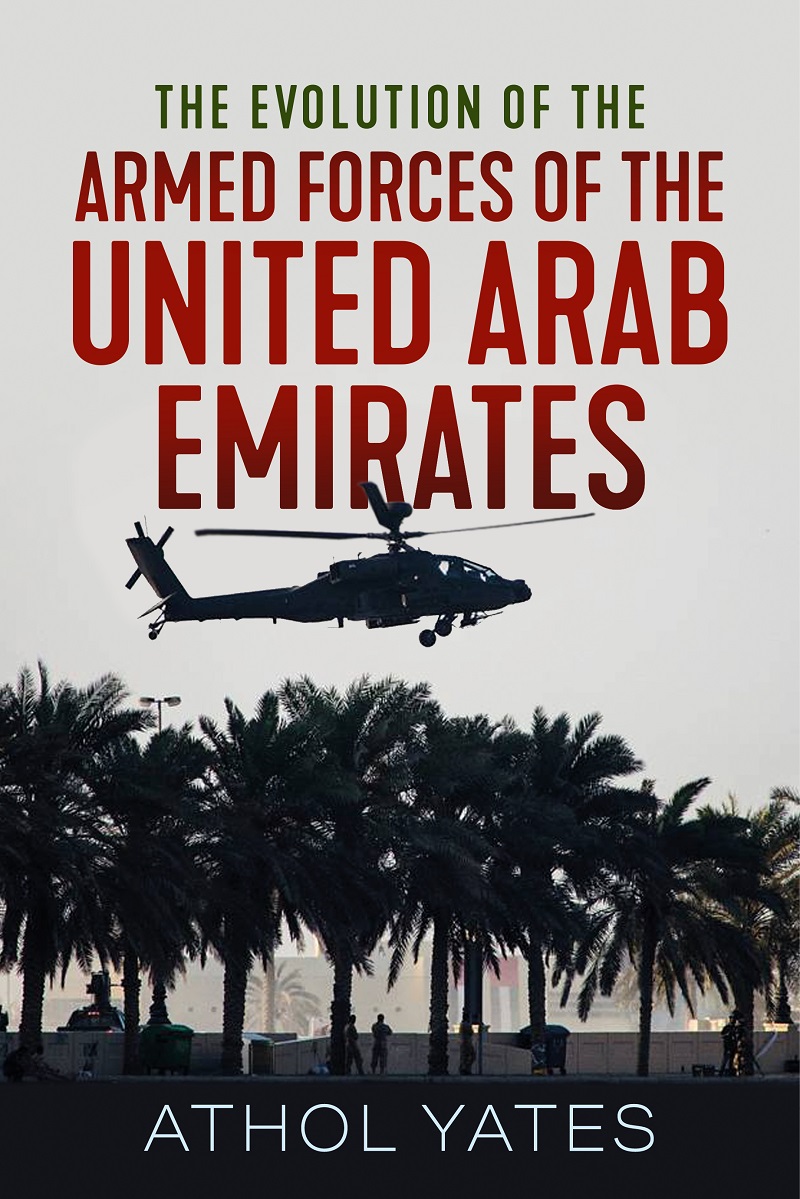
After five years of research and writing, Dr. Athol Yates, Assistant Professor at Khalifa University, has published his book titled ‘The Evolution of the Armed Forces of the United Arab Emirates.’ A scholarly publication with an excellent military history publisher, Dr. Yates’ book is the first to cover this important and unique part of UAE history.


“While today the UAE military is described admiringly as the Arab region’s most capable military, just 60 years ago, the only security forces in the Emirates were the armed retainers of the Ruling Sheikhs and a small British-led, locally-raised Arab force,” explained Dr. Yates. “Using a combination of direct oversight by the rulers, investment in its nationals, engagement of expatriates, and the purchase of cutting edge military hardware, the UAE Armed Forces has created a powerful deterrent for states and non-state actors threatening the UAE, and stability and security in the region.”


“In the last decade, the UAE Armed Forces has also gained considerable experience through its military operations undertaken in Afghanistan, Libya, Iraq, Syria, and Yemen,” explained Dr. Yates.


Dr. Yates’ new book traces the little-known and fascinating history of the United Arab Emirates Armed Forces from 1951 to 2020. It provides unparalleled detail on the constituent forces that evolved in the UAE Armed Forces in 1976, and how the unified force has grown since then. It also provides essential background information on the country, the enduring roles of the military, and the history of each military service, plus details on the political and command structure governing the military, and its manpower and material characteristics.


Jade Sterling
Science Writer
17 January 2021

Khalifa University Researchers Launching App to Identify CoVid-19 ‘High Risk’ Category Users from Smartphone Data

‘CovidSense’ App Will Collect Metadata and Self-Reported Health Status data, Along with Breathing Sounds, Cough, Heart Rate, and GPS Location from Smartphones  


Read Arabic story here


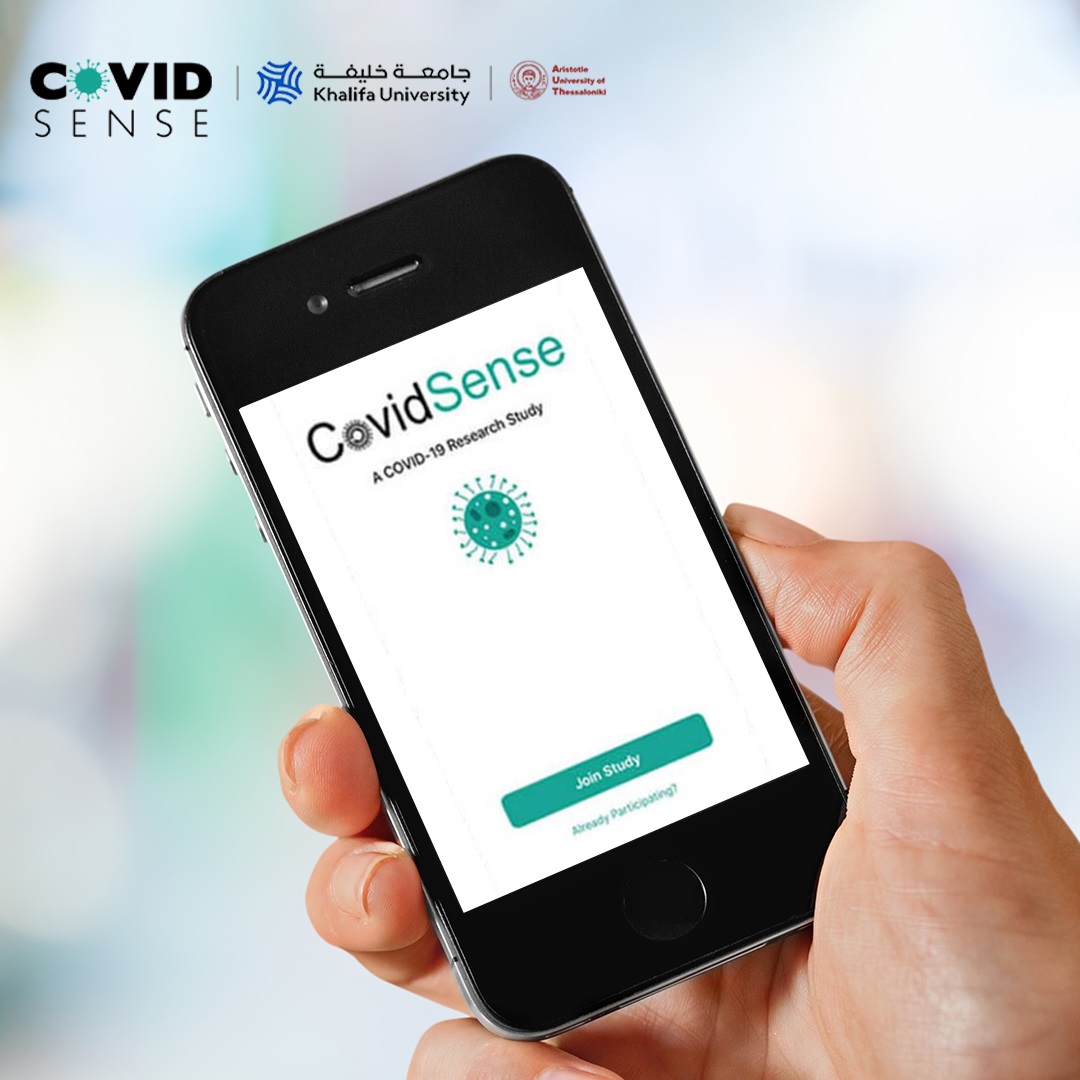
A team of researchers at Khalifa University of Science and Technology launched an app to collect data from smartphone users to identify, through machine intelligence, whether they are in the CoVid-19 ‘high risk’ category. 


The app named ‘CovidSense’ will target all mobile phone users. It will also help those users under quarantine to monitor their symptoms and location, while assisting them with their health control measures. The app will record metadata and self-reported health status data, along with breathing sounds, cough, heart rate, the GPS location from a smartphone, as well as details of those who the user has interacted with.


The data collected from the smartphones can be used to monitor the evolution of the health status over a period of time, informing the status of the Covid-19 patients to the connected physicians. At the same time, it will allow researchers to form ‘Deep Learning’ models in order to come up with a ‘reliable predictive high-risk index’ in an updated version at a future date. This update will also help minimize spreading by alerting or helping healthcare workers to act at the correct time and place.


The development of ‘CovidSense’ app is being led by Dr. Leontios Hadjileontiadis, Professor, Electrical Engineering and Computer Science, Acting Chair, Department of Biomedical Engineering, Khalifa University, along with Dr Herbert F. Jelinek, Associate Professor, Dr. Ahsan Khandoker, Associate Professor, and Dr. Kinda Khalaf, Associate Professor and Associate Chair, Department of Biomedical Engineering, Khalifa University, for the metadata and physiological signal analysis, when they will be obtained from the users.


Khalifa University is also collaborating with the research Lab, Signal Processing and Biomedical Technology Unit, Department of Electrical and Computer Engineering, Aristotle University of Thessaloniki, Greece, involving the development team of Tsoumalis George, Zafiris Bampos, and Iakovakis Dimitrios, for implementing the functional versions of CovidSense in both operational systems of Android and iPhone. For more information about the app please visit https://covidsense.info/


Clarence Michael
English Editor Specialist
17 January 2021

Lessons Learned from Covid-19: Research with Dubai Police

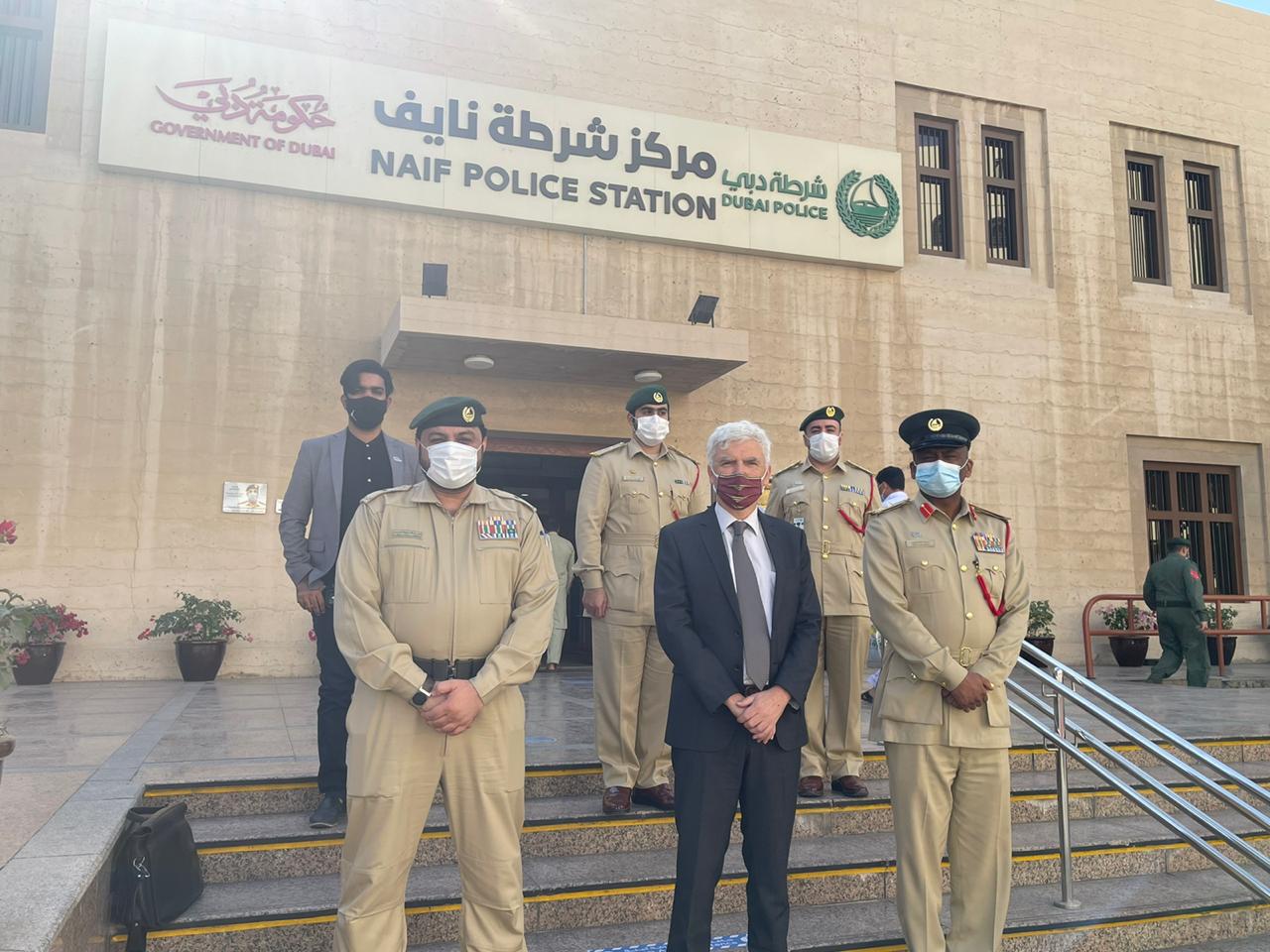
Dr. Athol Yates, Assistant Professor in Institute of International and Civil Security at Khalifa University, has been investigating Dubai Police’s contribution to containing the Covid-19 outbreak in Naif district, Dubai.


“With Captain Muhammad Almheiri and Jasim Al Shimmari from Dubai Police’s Future Foresight and Decision Making Support Centre, we’ve been looking at how Dubai Police has contributed to mitigating the Covid-19 pandemic from January to October 2020,” said Dr. Yates. “We’re hoping this research will allow lessons and good practice to be identified, which may help the Dubai Police and other UAE government agencies to better prepare for future human, animal and plant infectious outbreaks.”

The research was mainly conducted by the Centre under the administration and guidance of Brigadier Dr. Abdulla bin Sultan, with follow up from Director of Decision Making Support Manal Al Qassimi. It was facilitated and coordinated by Captain Muhammad Almheiri, and Jasim Al Shimmari, a graduate of Khalifa University’s Masters of Art in International and Civil Security. The study was also supported by the director in charge of the Naif Police Station,  Colonel Abdulla Juma Ibrahim Abdulla, and the director in charge of Hatta Police Station, Colonel Mubarak Al Ketbi.

Data collection involved interviews with police personnel and volunteers at two sites—Naif and Hatta. These sites were chosen to provide an understanding of Dubai Police’s work in two radically different environments – a densely populated city area and a low density rural location.

“This research is in line with developing our strategic industrial partnerships with governmental entities in the UAE,” explained Captain Almheiri. “This comparative research features our organizational success in handling the crisis and will help us build a future-oriented responsive and anticipatory police force. It will also integrate and foster future driven studies between police organisations and academic national institutions like KU within a national framework of collaborative strategic research and development.”  He added that “The research is a forward looking perspectives in policing and handling crisis, preparedness, and resilience to uncertain circumstances”

Interviews complete, the team will now draft papers from this research; including one for the internal use of Dubai Police outlining the contribution, lessons learned and recommendations for Dubai Police when the country faces other unexpected threats or hazards, and another to be published in policing journals. For the Center for Future Foresight and Decision Support, this research will help identify best practice for future situations and better identify how policing could be affected. Similarly, for Dubai Police, this work will raise awareness of the contribution the police force had on mitigating the pandemic and the importance of coordination with other government and non-government agencies. 

Most importantly, improved knowledge of how policing can contribute to the nation being better prepared for, prevent, respond to, and recover from pandemics will be vital for the UAE in facing future similar situations.


Jade Sterling
Science Writer
17 January 2021

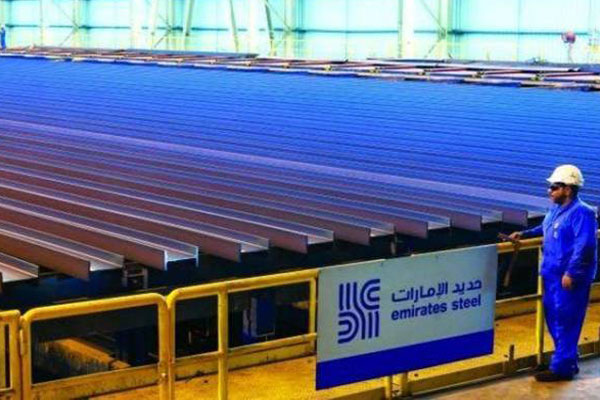
Emirates Steel, Khalifa University in key R&D collaboration

Emirates Steel, a leading integrated steel plant in the UAE, has signed a MoU with Khalifa University of Science and Technology, as part of  its efforts to boost co-operation in areas of mutual interest.
 
The scope of work includes implementing collaborative research projects; providing scientific and professional training and development programmes and offering technical consultations and student internships at Emirates Steel premises.
 

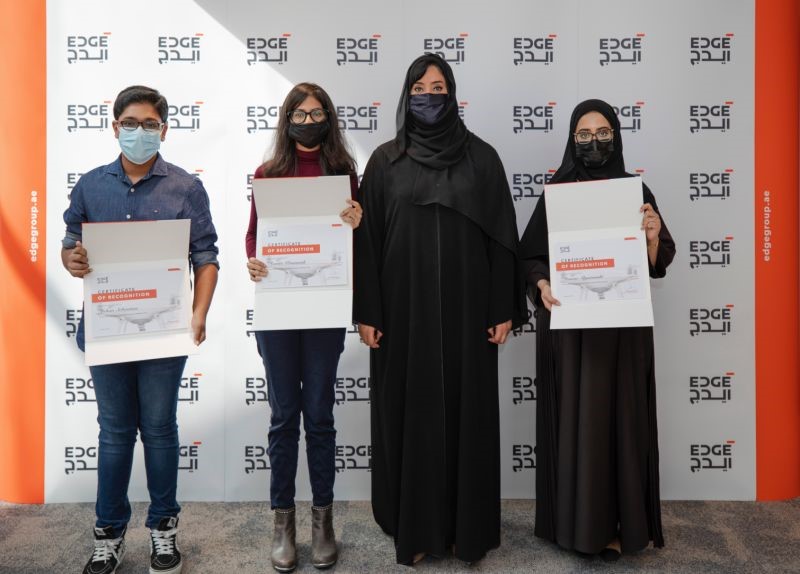
Aerospace Engineering Student Wins 2nd Place in EDGE Summer Challenge


Asmaa Alyammahi, a senior BSc Aerospace Engineering student, has won 2nd place in the EDGE Summer Challenge organized by the advanced technology company EDGE Group. The Challenge is a competition for the next generation of innovators to use their creativity to design drones that will advance key industries in the UAE. 


Asmaa’s winning project was a quadcopter unmanned aerial vehicle (UAV) design that is capable of taking over the risky job of a skyscraper window cleaner. Asmaa says that this solution will advance many sectors; anyone with a building can benefit from such a service and make it 100 times safer, more efficient and faster, and at a low cost. “Introducing drone technology to our day-to-day labor work will not only create a faster, more reliable solution but will also open new job opportunities in the market,” she added. 


The idea for the project came about when Asmaa noticed window cleaners hanging on ropes on skyscrapers. The UAE, particularly Dubai and Abu Dhabi, is constantly developing and building infrastructures. On a daily basis, the number of buildings in each city is increasing rapidly. During the day, window cleaners’ lives are at risk as they hang on ropes in extremely hot weather. These workers also spend days to complete the job. Asmaa wanted to create a solution that will ensure the safety of the workers, and at the same time use modern technology to make the process easier and faster. She designed a UAV quadcopter equipped with an advanced cleaning mechanism that can wash the windows with the help of an autopilot feature. 


The project can further be developed for different industries such as sanitation jobs, as well as address insect infestation or put out wildfires. This could lead to different opportunities where UAV advanced technology can solve everyday problems while at the same time ensure the safety of workers. 


Asmaa noted that the purpose of the project is to showcase how modern UAV technology can help ease the process for many entities in the civil sector by replacing high-risk jobs. In her report, she first presents the design alongside the main elements of the UAV with an explanation of each of the features; she then highlights the industries where UAVs can be used, its requirements, possibilities, and competitions. 


It feels really good to have my idea appreciated by one of the top companies in the UAE. The sense of validation is overwhelming and the competing teams have been very professional with the process,” Asmaa said. 


“I believe that undergoing my aerospace engineering degree at Khalifa University has helped me immensely in applying the knowledge I have into real-life projects and researches such as this competition. I am proud to happily apply what I have been learning and practicing in the past few years,” she added.


“I do hope I can continue the project and bring the design to life in the near future.” 


Dr. Rashid K. Abu Al-Rub, Professor and Acting Chair of the Department of Aerospace Engineering & Director of KU’s ADAM Center commented on Asmaa’s achievement: “The Aerospace Engineering Department congratulates Asmaa on this well-deserved achievement. This is a clear indication of the high caliber of our Aerospace Engineering students and faculty.” 


“We have several courses and research activities in the Department that focus on the design and performance of UAVs. For example, Dr. Yahya Zweiri, an Associate Professor in the Aerospace Engineering Department, teaches a course entitled UAV Modeling and Control which covers the theory and practice of the modeling and control of UAV systems. Several research projects that are supported by the local UAE industries are led by Dr. Yahya. Our students are well-trained in applying the state-of-the-art methods for designing UAVs,” Dr. Rashid said. 


Currently, Asmaa is working on her Senior Design Project titled “ADCS System for KU 2U CubeSat” funded by the Boeing Company. 


Ara Maj Cruz
Creative Writer
13 January 2021

AR Game Developed by KU Students Wins GameLab 2020

An augmented reality (AR) game that was developed by a team of Khalifa University students has won the 2020 edition of GameLab. 


GameLab 2020, a collaborative initiative of the French Embassy to the UAE and Ubisoft Abu Dhabi, is a competition that includes a series of workshops to inspire creativity and introduce UAE-based university students to the process of developing video games. Ubisoft Abu Dhabi is one of the first major video games studios based in the UAE capital focused on developing and bringing to market successful mobile games for a worldwide audience. 


The team is composed of Yumna Albhaisi (BSc Chemistry), Mohammed Almemari (BSc Computer Engineering), Khaled Alzubaidi (BSc Computer Engineering), Rodah Almazrooei (BSc Electrical and Electronics Engineering), and Hamdan Al Ali (BSc Computer Engineering).


The team on a video conference with HE Ludovic Pouille, French Ambassador to the UAE.


The GameLab 2020 workshops took place from Fall 2019 to Spring 2020, and covered topics such as how to create concepts for a video game, gameplay and progression, and graphical user interface. The teams then presented and demonstrated their video games based on the concepts that they have learned from the workshops. His Excellency Ludovic Pouille, French Ambassador to the UAE, announced KU’s Gritty Gamers as the winner of GameLab 2020 during an online meeting with the team.    


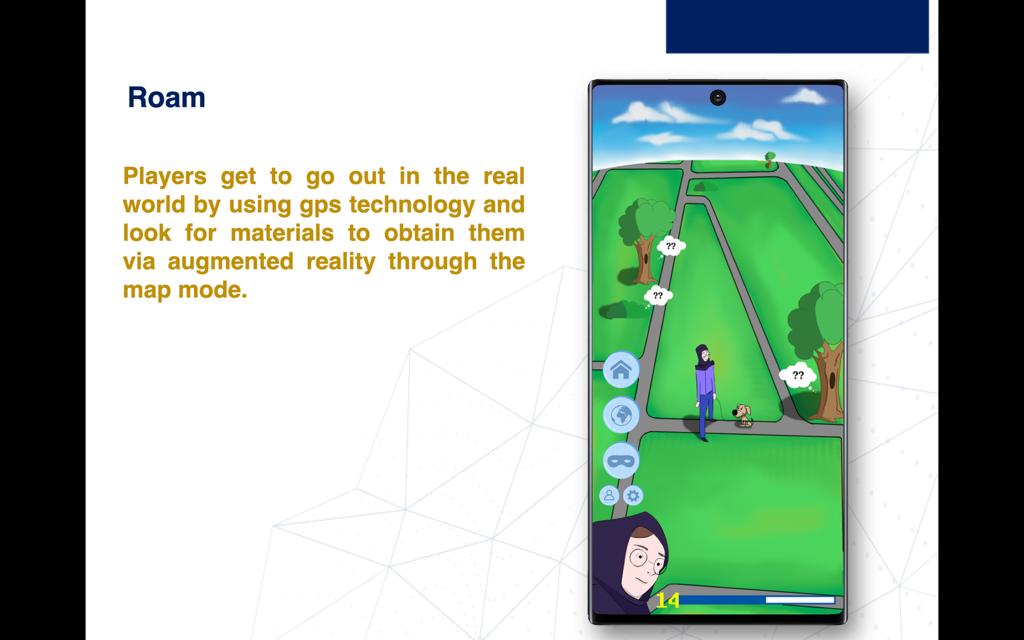
The KU team developed “Roam N’ Rob (RN’R),” an augmented reality game that features more than one style of gameplay that includes simulation, strategy, and adventure. 


Using GPS technology, players get to play in a simulation of the real world and collect materials that they can use to build their own houses and furniture. The players can also “rob” and collect materials from the houses of other players. With the materials they gather, they collect coins and experience points. As players level up, this will unlock more furniture options for them to build and decorate their houses. The style of the game is unique and encourages players to strategize and use their creativity in building their homes. 


“Winning the competition was unexpected. All the teams were amazing, each with their expertise, even one went to as far as making the actual game, but we still managed to win by thinking out of the box,” team member Mohammed Almemari commented. 


“It wasn’t that easy, it was a new experience for all of us. Working together on a big project that none of us had ever done before was a challenge, but we managed to come together as a team and win with our idea,” he said. 


“I think most of us (in the team) are interested in video games so going through this competition has increased our interest in games and in game development,” Rodah Almazrooei added.


As part of their prize, the team members will receive an internship at Ubisoft Studios in Abu Dhabi.


Ara Maj Cruz
Creative Writer
10 January 2021


Book on Robotics and Security Marks Khalifa University Faculty’s Third Book in a Single Year

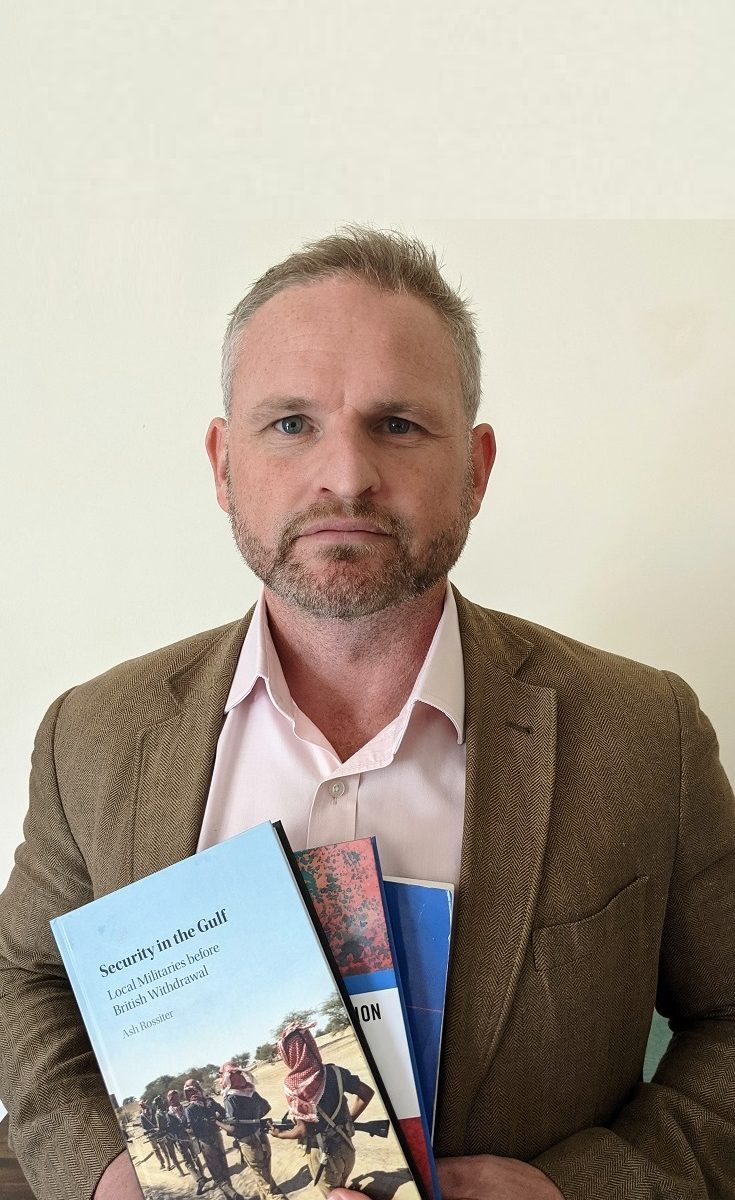
Dr. Ash Rossiter, Assistant Professor in the Institute of International and Civil Security (IICS) and the Department of Humanities and Social Sciences, has published a third book in 2020, titled Robotics, Autonomous Systems, and International Security.  


Published by Routledge and featuring contributions from leading security studies scholars from across the globe, the edited volume looks at technological impact of advances in robotics and autonomous systems across a range of contemporary security issues and settings.


Robotics, Autonomous Systems, and International Security marks Dr. Rossiter’s third book for 2020. It follows his single-authored monograph Security in the Gulf: Local Militaries before British Withdrawal, published by Cambridge University Press, and Conflict and Cooperation in the Indo-Pacific, a co-edited volume published by Routledge and written with KU and IICS colleague Dr. Brendon J. Cannon.


The publication of three books in a single year is a rare feat, which, according to Dr. Rossiter, was “only made possible by the research and publication culture fostered by the KU leadership and the seemingly inexhaustible encouragement within the College of Arts and Sciences.”


Alongside authoring or editing these books, Ash has published over a dozen peer-reviewed journal articles or book chapters. “Rightly, publishing high-quality articles in top journals has been – and remains – my core research output aim,” says Dr. Rossiter. “However,” he adds, “books are often signature publications in the social sciences and are highly valued.”


With the publication of these three books, Dr. Rossiter’s attention now turns to his two new book projects under contract: one on intelligence history with Georgetown University Press, and co-authored with KU and IICS’s Dr. Athol Yates, the other titled Warfare in the Robotics Age with the highly regarded American independent press Lynne Rienner.


Staff Report
2 January 2021

Khalifa University and Emirates Steel sign an MoU promoting collaboration in R&D

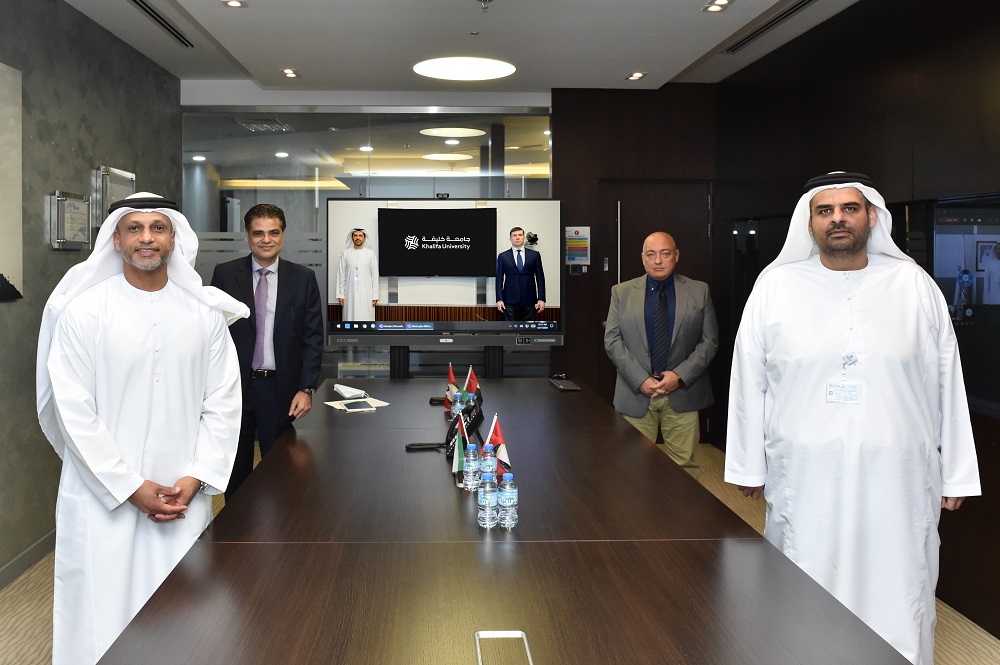
Khalifa University and Emirates Steel, the leading integrated steel plant in the UAE, have signed a Memorandum of Association (MoU)  forming the formal framework according to which the parties will cooperate in areas of mutual interest. The MoU was signed by Engineer Saeed Ghumran Al Remeithi, Chief Executive Officer of Emirates Steel, and Dr Arif Sultan Al Hammadi, Executive Vice President of Khalifa University of Science and Technology, in the presence of senior officials from the two entities.


The scope of this MoU includes implementing collaborative research projects; providing scientific and professional training and development programs and offering technical consultations and student internships at Emirates Steel premises.


Under the MoU, the parties will form a Scientific Committee to identify and agree on the potential sponsored research programs related to the core business of Emirates Steel, mainly in slag utilization in agriculture or construction; recovery of CO2 from flue gases; rebar discoloration problem; and cyber security issues.


“Concluding this fundamental MoU with Khalifa University, the prominent academic institution, which is well-known for its specialized research environment, is a new step on our way to shape the future and find innovative solutions that boost the performance of the industrial sector by cooperating with such distinguished educational institutions. This collaboration in research projects reflects our substantial commitment to placing innovation at the heart of everything we do, ensuring that our company can grow and realize its full potential in this challenging business environment. This is aligned with our endeavors to instill a research culture across the organization, and engage young minds at an early stage so that they can dive into one of the core industries in the UAE where they can build their future career,” said Engineer Saeed Ghumran Al Remeithi, CEO of Emirates Steel.


Commenting on the event, Dr Arif Sultan Al Hammadi, EVP of Khalifa University of Science and Technology stated: “As a research-intensive university, we are delighted to enter into this collaboration with Emirates Steel and support their specialized production facilities. With our research strength and expertise, we will be able to support the emergence of new technologies that will facilitate some of the operational areas to bring in production efficiency. We believe the MoU will not only lead to mutual benefits to both partners but will also raise the profile of the UAE as a leading hub for research in steel-related technologies.”


Emirates Steel has recently formed a Scientific Committee to organize and promote the R&D activities across the organization and boost collaborations that help Emirates Steel expand its innovation aspirations.


Staff Report
12 January 2021