
Effects of the COVID-19 Pandemic on the Oceans

The Covid-19 pandemic has impacted everything from the largest societies on earth to the smallest microalgae in the sea.


Read Arabic story here.


The oceans directly influence life on Earth, regulating the global climate, stimulating rainfall, and providing 50 to 80 percent of the Earth’s oxygen. Any change on the surface of the ocean has a direct effect on life on this planet. They also constitute the Earth’s largest source of food, with more than 40 percent of the world’s population relying on the oceans as their primary food source. As the pandemic caused by the novel coronavirus has shown a pronounced effect on the environment in general, recognizing its effect on the oceans is paramount.


Dr. Maryam R. Al Shehhi, Assistant Professor in the Khalifa University Department of Civil Infrastructure and Environmental Engineering, investigated the effects of the Covid-19 pandemic on the oceans with Dr. Yarjan Abdul Samad from the University of Cambridge. They published their findings recently in the journal Remote Sensing Letters.


“The global Covid-19 lockdowns resulted in the closure of the largest industries in the world for a period of two months,” explained Dr. Al Shehhi. “This was enough to cause a seven percent drop in anthropogenic carbon dioxide in the atmosphere. While there have already been investigations into the effect of the pandemic on the atmosphere, the question remains: what happened to the oceans?”
 

World Lockdown Period


One way of determining the state of the oceans is to consider their productivity. Ocean productivity represents the health of the marine ecosystem and the carbon cycle and largely refers to the production of organic matter by phytoplankton suspended in the ocean. Phytoplankton harvest light to convert inorganic carbon to organic carbon and then supply this organic carbon to organisms that obtain their energy from the respiration of organic matter, such as zooplankton, fish, and marine mammals.


“Productivity is commonly estimated as the plant biomass in the ocean, and chlorophyll-a is one of the key metric indicators,” explained Dr. Al Shehhi. “Associated with ocean productivity are the sea temperature and the carbon cycle.


“Big industries, such as the automobile factories, textile and clothing factories, and maritime fishing and shipping operations, were on hold for a period of two months, with many fishing vehicles unable to leave port and a substantially reduced demand for many seafood products,” explained Dr. Al Shehhi. “These human stressors have been seriously affecting the ocean for several decades, causing a high sea surface temperature, ocean acidification, and increasing ultraviolet radiation. If these industries continue to operate as they have, the sea surface temperature is projected to rise by 2.8°C by 2100, which would have devastating effects on the planet.”


However, during the pandemic lockdowns, there was a seven percent reduction in global carbon dioxide emissions from cumulative human activity. The researchers considered how this reduction could have affected the oceans by examining the levels of chlorophyll-a (chl-a) before and during the pandemic using satellite images. Their results show a reduction in chl-a concentrations in the global oceans, particularly in the coastal regions.


Satellite images can be used to measure the concentration of chl-a, the pigment used by phytoplankton to photosynthesize. The levels of chl-a in the surface water are an indication of how much primary production is occurring in the surface of the ocean. Since phytoplankton need nutrients for photosynthesis and growth, chlorophyll concentrations are highest where nutrient concentrations are highest. Currents in the ocean can bring nutrient rich water from the deep up to the surface, which means there is a correlation between water temperature and chlorophyll concentration. Cold water generally has higher chl-a concentrations than warm water because it contains nutrients that have recently been carried up from the deep ocean. The cold, nutrient-rich waters of the North Atlantic are more productive than the warmer, tropical waters found around the equator.


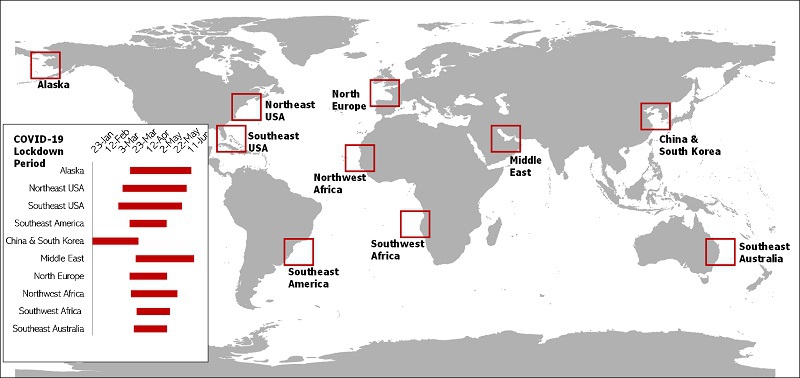
Dr. Al Shehhi and Dr. Samad investigated the chl-a concentrations in eleven regions, selected for the presence of either high industrial activity or large population: Alaska, Northeast United States, Southeast USA, Pacific Ocean, Southeast America, China and South Korea, Middle East, North Europe, Northwest Africa, Southwest Africa, and Southeast Australia.


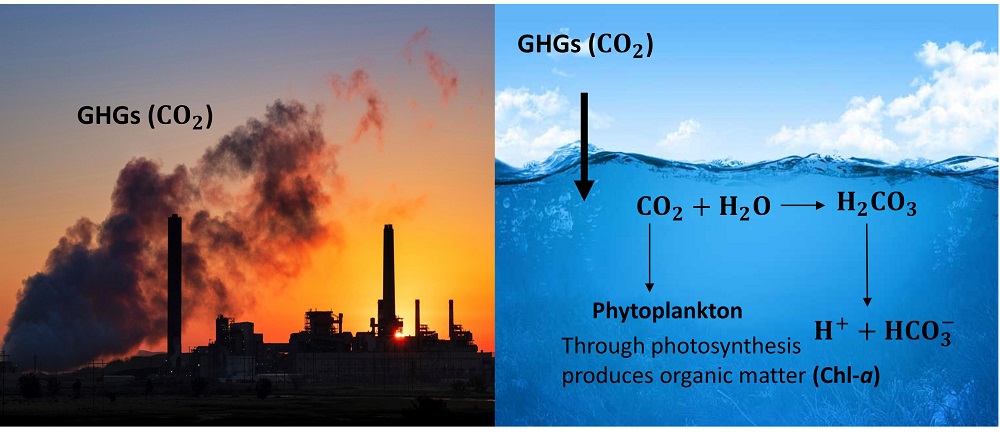
“We saw a prominent decrease off Alaska, Northern Europe, South China and the Southeast USA,” said Dr. Al Shehhi. “CO2 emissions from South China dropped by 123 tonnes during the pandemic, and this resulted in a five percent drop in chl-a in the surrounding ocean. This drop in chl-a could be caused by the reduction of the CO2 emissions during the pandemic period because phytoplankton biomass takes up the atmospheric CO2 during photosynthesis.”


The reduction in atmospheric CO2 emissions has also affected the carbon cycle in the ocean. The ratio of inorganic carbon to organic carbon has decreased, indicating a reduction in CO2 uptake. In Europe, the reported reduction of atmospheric CO2 emissions by 24 percent may have caused a direct 75 percent decrease in the carbon ratio of the seas in northern Europe. The coastal areas off Alaska and in the North Indian Ocean and Eastern Pacific also saw a cooling response of 0.5°C following the reduction in CO2 emissions. As the water there had previously been warmed by global climate change, this cooling can be attributed to a reduction in emissions.


“A lower surface temperature can improve the uptake of atmospheric CO2 by the ocean and can enhance the productivity process,” explained Dr. Al Shehhi. “Therefore, the reduction in CO2 emissions doesn’t have a direct effect on chl-a and surface temperature, rather, it is related to both of them.”


The researchers explained that while carbon dioxide in the atmosphere is needed by phytoplankton to photosynthesize, during this process, the water in the oceans becomes warmer, more acidic, and less oxygenated.


“If anthropogenic pressures return to normal, CO2 emissions will return to normal,” said Dr. Al Shehhi. “This will continue to contribute to global warming and affect the oceans by causing acidification, stratification, increasing sea temperature and increasing productivity. Instead, maintaining global activities at the levels observed during the pandemic period could help to recover the oceans.”


Jade Sterling
Science Writer
18 May 2021
Etisalat AI Centre of Excellence Staff Members Share Experience with Khalifa University Students

Etisalat Leadership Offers Insights into Future Careers for Students of AI and Engineering  


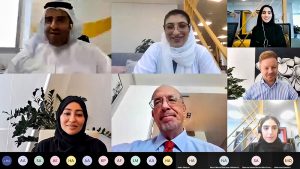
Leaders from Emirates Telecommunication Group (Etisalat), and graduate recruits from the Etisalat AI Centre of Excellence shared their experience and offered insights into the role of artificial intelligence in industry with an emphasis on Etisalat’s AI strategy, and how students at Khalifa University can shape their academic journey to pursue a career in AI.


The seminar, developed jointly by Khalifa University Career Services Office, Etisalat, and the Emirates ICT Innovation Center (EBTIC), was titled ‘Embarking on a Career in AI – How Etisalat supports career ambitions of graduates’. Student participants learnt about changes at the workplace due to both the COVID-19 pandemic and the beneficial impact that artificial intelligence has already had on Etisalat’s business operations. Members from the Etisalat AI Centre of Excellence include more than 20 recently recruited Emiratis.


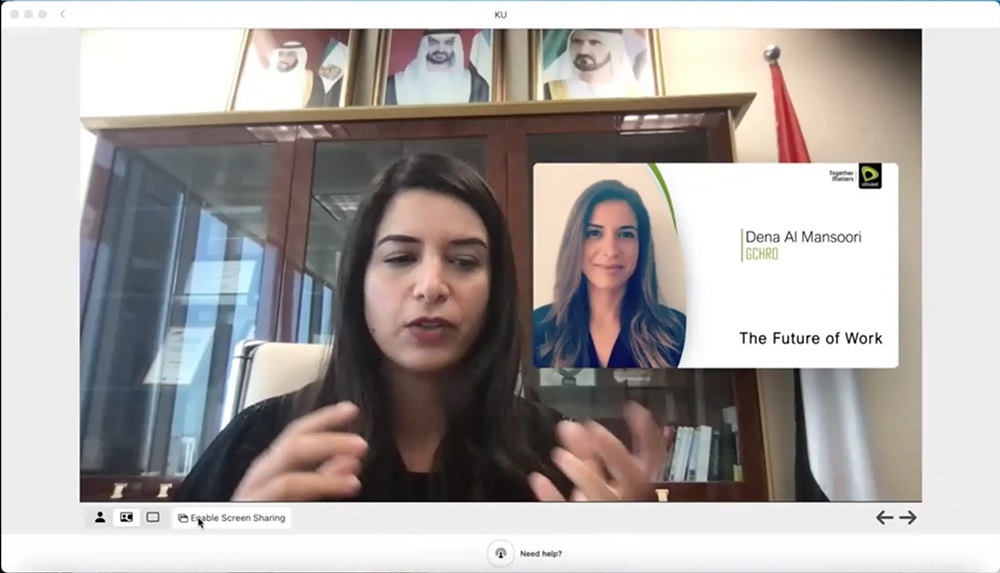
Dena Ali Al Mansoori, Group Chief Human Resources Officer, Etisalat, offered an insightful presentation on the future of work, the impact of COVID-19 pandemic on recruitment processes, and how AI has helped the company continue with important recruitment initiatives. Speaking on AI and learning, Joseph Hayes, Director of Learning and Development Planning, discussed the ‘Power Skills’ that companies look for in the individuals that they employ, and how Etisalat uses a new AI-powered training platform to help develop their employees. Three Etisalat AI Team representatives, Hend Al Jasmi, Haifa AlHosani and Alyazia Ahli, also shared their experiences.


Al Mansoori said: “This was a great platform for the next generation of innovators to gain insights into the future of work. We were able to deep-dive into how AI has changed the competitive landscape and customer expectations, ultimately forcing organisations to change and adapt.


“With Etisalat’s vision to ‘Drive the digital future to empower societies’, we have undertaken our own digital transformation within our services, operations and internal capabilities. At a group level, Etisalat is now focused on acquiring, as well as developing and reskilling its existing workforce to meet the evolving and ever-changing requirements of its digital and traditional domains of business.”


Dr. Ahmed Al Shoaibi, Senior Vice-President, Academic and Student Services, and Professor of Practice, Khalifa University, said: “Since Etisalat is looking into boosting its AI workforce, the seminar offered an excellent opportunity for Khalifa University students to learn how to hone their skills and forge a future career in the AI discipline. We believe the event also helped undergraduates and postgraduates gain an understanding of the promising career opportunities available with Etisalat, while hearing first-hand from the AI Team about their experience in business, the projects they have delivered, and the AI training program at Etisalat.”


Dr. Ernesto Damiani, Director, Khalifa University Center for Cyber Physical Systems (C2PS), Director, Information Security Center, Professor, Electrical and Computer Engineering, who works with EBTIC, offered an overview of the current and future artificial intelligence and machine learning program offerings, including a Minor in Artificial Intelligence, at Khalifa University.


The Etisalat AI Centre of Excellence graduates go through the bespoke development pathway that Etisalat has built, in alliance with its strategic partners, EBTIC, Microsoft and Accenture. EBTIC, a research and innovation center established by Etisalat, BT, and Khalifa University, and supported by ICT Fund, has helped the AI team with developing and upskilling in AI/Machine Learning (ML). Senior EBTIC researchers and innovation specialists supervise and collaborate with the AI team, to develop and deploy projects that deliver real-world business value to Etisalat.


EBTIC, along with Dr. Damiani, have also conducted a series of tailored IEEE-certified AI/Big Data and Data Scientist courses for the AI Team throughout 2020, upskilling them in practitioner skills, helping them to become advanced data scientists.


The three Etisalat AI Team members specifically discussed Etisalat’s AI strategy and objectives. They offered valuable insights and advice, gained from their own experiences, in order to inspire like-minded individuals in the current Khalifa University student body.


Clarence Michael
English Editor Specialist
9 May 2021

CTL Offers Academic Writing Workshop Series


The Center for Teaching and Learning (CTL) launched the Academic Writing Workshop Series designed for postgraduate students and postdocs.


The Academic Writing Workshop Series took place over seven weeks during the Spring 2021 semester to support postgraduate students and postdoctoral fellows with their academic writing.


The workshops focused on several modules, ranging from transversal engagement across skill-sets including critical thinking and data analysis, data organization and display, and writing planning, as well as vertical requirements with tips and examples towards literature review, experimental papers, grants and online writing.


Aspects related to academic writer blocks, procrastination, and lack of focus are common to all writers—beginners and experts included—and this course aimed to provide tools and tips on how to minimize these aspects to successfully deliver a high quality of writing.


Discussions engaged participants with core academic questions related to plagiarism, engagement with peers and reviewers/editors, ways to respond to criticism and reviewers comments, as well as pathways towards successful grant writing.


Lastly, consideration for research vulgarization and risks/benefits of online expression of researchers were also discussed to help the attendees improve their online presence efficiently and safely.


Dr. Prasoon Raj, Postdoc, Nuclear and Radiation Science, one of the participants who completed the workshops, said: “The Academic Writing Series covered plenty of essential topics. Guidance on writing review papers, background of a peer-review process, grant writing tips, and communication through broader/social media were some of the very useful elements for me. Individual experiences of course students gave perspectives for many publication-related issues which I am facing (or may face). It is seriously a must-do for early careers. Quite a good balance of contents, with ample scope for discussions.”


Ahmed Khalid Mohamed Abdalla Alzaabi, a Master’s of Petroleum Engineering student, shared his experience from this program: “I had an engaging experience in learning how to tackle various academic challenges such as writing well-structured sentences based on importance, meaning, and purpose. Moreover, I learned how to present my results in a clear manner to deliver a clear message and get various conclusions from it. My favorite part was how everyone in the course shared their experiences and lessons learned from the course assignments and their research topics. Overall, I highly recommend this course to graduate students starting their journey in research.”


Yongjie Liu, a PhD student from the Department of Chemical Engineering, Center for Membrane & Advanced Water Technology (CMAT) also completed the workshop series: “The Academic Writing Series focused on Critical thinking, Development of research question/rationale, Literature assessment and benchmarking, Data organization and ordering, Development of critical argument, and Data presentation and layout. I think the course outline is logical covering shallower topics and then delving into deeper topics. Dr. Ludo also gave feedback on our assignments without reservation. I feel better in starting to write an academic draft than before because Dr. Ludo taught me a great way to search for relevant references and how to organize data.”


The course was very well received by the attendees and will be offered for a second round from April to May 2021 with a team of instructors to discuss specific writing challenges and provide tips towards more efficient writing and engagement. The lead faculty facilitator of the program is Dr. Ludovic Dumee, Assistant Professor of Chemical Engineering.


Staff Report
5 May 2021


Meet the KU Alumna Helping Businesses Modernize

With the right support to kick off her journey, this entrepreneur took her research to market.


Read Arabic story here.


Salwa Alzahmi is the founder of the tech startup SPL Co. Ltd, award-winning research scientist and multiple patents holder. Having received her Master’s Degree in Computer and Electrical Engineering from Khalifa University in 2014, she is leading the software engineering research group at the Emirates ICT Innovation Center (EBTIC, established by Etisalat, British Telecom, and Khalifa University, and supported by the ICT Fund). Here, she shares her story of making the jump from researcher to entrepreneur and the challenges in taking her research work to the market.


There is a fire inside that is fuelled by passion and a willingness to solve problems

I have always been passionate about building my own products and addressing new trending market segments in technology, particularly software governance techniques, artificial intelligence, and cloud computing.  I participated in a number of research projects during my studies and even won the UAE IT Challenge Award for Best Educational Application, the Best Master Student Award at Khalifa University and the Khalifa University Research Excellency Award.


After my studies, I joined the workforce, starting as a software engineer for a start-up company, managing enterprise software. Working with smaller private companies that actually develop and deliver projects and with government companies leading the modernization agenda equipped me with vast and relevant hands-on experience.


The journey often starts with unique insights acquired during the early career and an inspiration that keeps you motivated

I had exposure to the struggle and limitations in IT processes and technologies when maintaining outsourced and legacy software systems. This gave me a unique advantage in understanding the gaps and opportunities in current IT systems. Hence, I was confident in my skills and the business opportunity for my research (SPL project). Based on this, I leveraged the output from my research at Khalifa University’s Emirates ICT Innovation Center (EBTIC) to build a successful product that became the foundation for my business.


I was curious about business when I was a researcher because it aligns very well with my goal of supporting the UAE’s growing knowledge economy. The UAE’s futuristic vision of championing the creation of smart government services, artificial intelligence solutions, cutting-edge data analytics, and other futuristic technologies has inspired me to put great effort into building my company. Such home-grown innovation entrenched in technology is exactly aligned with the government’s economic development priorities.


The mindset shift that was needed to move into entrepreneurship

I faced a number of challenges as I entered the entrepreneur space. As a scientist, I used to make decisions based on complete data or information. In contrast, an entrepreneur must have the ability to make decisions—such as starting a company—on incomplete data, and that means taking a risk, particularly when introducing a new technology like SPL that essentially creates a new market segment.


I had to get a basic understanding of the elementary financial aspects involved in business and legal topics such as contracts, liability and intellectual property. However, being a scientist, my research and learning skills helped me navigate the entrepreneurial pathway much faster. Coming from an engineering technology background, learning to put my thoughts into a business-oriented context was one of the most challenging parts. This was critical for enabling me to learn how to explain my business to customers and investors, as well as learn how to define my product’s unique selling points and to position my product in the market.


Global challenges addressed through local technological and business leadership

The UAE is a global leader in digitalization. A huge part of this is related to supporting local corporations to move to the cloud, integrating new forms of technologies that speed up, automate, and improve business. Since these technologies require heavy computational power and storage space, cloud computing is the optimal solution. My start-up, SPL Co., was founded to speed up the process of migrating software systems to the cloud, as this can take a long time and require a lot of resources with the traditional manual approach. Upgrading company-wide software was a challenge due to a lack of documentation and expert guidance. Adding to the complexity, the companies I worked with often lacked the resources and skills to modernize enterprise applications. SPL’s solution can reduce the cost of migration to the cloud by up to 30 percent. It is one of the first tools of its kind that provides an AI model for automatically identifying and composing the part of the system code that should be lifted to the cloud, and assists with micro-service implementation. SPL solution maps out the entire architecture of the software code within hours through the runtime and static code analysis powered by cutting edge artificial intelligence and automation technologies. It reduces the cost of re-architecting the monolithic application by up to 30% and transforms it into a cloud-native architecture.


Getting the right local support to kick-off the journey

Khalifa University, EBTIC and the Khalifa Innovation Center (KIC) helped me along the way. Khalifa University management realized at an early stage the importance of bringing industry and academia together at the research level to realize and accelerate innovation in the UAE. A great example of this is EBTIC, where the SPL project was born. SPLCo is a product of this system, which has provided me with the right platform and infrastructure to build the research foundation of SPL, prototype my solution and productize it with leading industrial partners. After a successful trial with BT in the UK, and the great recognition we got from the local and international communities, I received further support from EBTIC to fund the SPL product development. Through this, I was able to form my great team, Dr. Corrado Mio, Ahmed Sulaiman, Dr. Sid Shakya, and Dr. Ivan Boyd, who have supported me in this journey, along with the support received from EBTIC management, especially Dr. Nawaf Almoosa. EBTIC helped tremendously in developing my entrepreneurial skills, giving me the opportunity to work very closely for three months with an international consultancy firm to build the SPL business case.


Getting the right local support to accelerate the startup journey

The Khalifa Innovation Center (KIC) is a one-of-a-kind center in the UAE, focusing on deep tech start-ups derived from successful research projects conducted in local universities and research centers. The center supports innovation and the knowledge economy of the country, and the incubation program clearly outlined the key steps to develop my business from different perspectives. Coming from an engineering background, learning to put my thoughts in a business-oriented context was a huge benefit. Early intervention by industry professionals through a mentoring program was also vital in supporting the initial development of my start-up.


Digital transformation is a reality that a corporation cannot escape. SPL Co. is here to help overcome the challenges involved in upgrading legacy software and moving companies to the cloud. 


Jade Sterling
Science Writer
29 April 2021

Challenging the Scientific Understanding of Broca’s Aphasia

New research shows that long-term speech problems following a stroke are caused by co-occurring damage to white matter, not by damage in Broca’s area alone


Read Arabic story here.


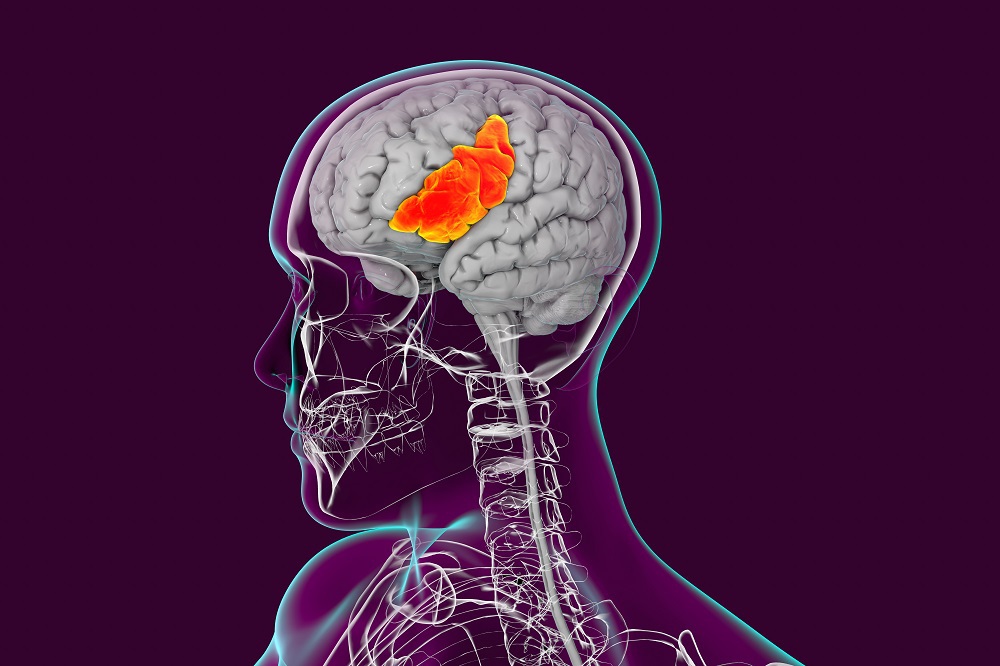
There are several areas of the brain understood to play a critical role in speech and language. One of these is Broca’s area, which is located in the left hemisphere and is associated with speech production and articulation.


The human ability to articulate ideas, as well as use words accurately in spoken and written language, has been attributed to Broca’s area, which is named after the French physician who discovered it in 1861 – Pierre Paul Broca. His work on the left frontal lobe of the brain revealed that the brains of people suffering from aphasia – a loss of language affecting a person’s ability to speak, read and write, which is brought about by neurological damage caused by a stroke  – contained legions in a particular part of the cortex, now named Broca’s area. This was the first anatomical proof of localization of brain function.


Given the importance of Broca’s area for language processing abilities, it was widely accepted that damage to this area impairs speech production.


However, an international team that included researchers from University College London (UK), Universidad del Desarrollo (Chile), and Dr. Mohamed Seghier, Professor in KU’s Department of Biomedical Engineering, have challenged the long-held assumption that damage to Broca’s area contributes to long-term speech production impairments after a stroke.


Through their investigation, they discovered that long-term aphasia is not caused by damage to Broca’s area but to damage to neighboring regions, due to the large functional connectivity of this area with adjacent frontal and subcortical areas. They published their work in the journal Brain.


“For over 150 years, clinical aphasiology and behavioral neurology have been influenced by Broca’s finding that stroke survivors with severe and persistent speech impairments had damage to Broca’s area,” explained Dr. Seghier.


“Broca was not able to define the exact extent of the lesions in his patients because, being aware of their historical relevance, he decided not to dissect the specimens but preserve them for future research. His descriptions, therefore, focused on the parts of the lesions that were visible to him, without evaluating the potential contribution of neighboring damage, for example, to the underlying white matter and surrounding cortical areas. It was not until 2007 that the full extent of the lesions incurred by Broca’s two famous cases was revealed in an MRI study showing damage to multiple subcortical grey and white matter regions.”


The research team’s findings confirm that the degree of damage in the surrounding brain tissue – the white and grey matter regions – rather than damage to Broca’s area, is associated with long term aphasia.


White matter is the tissue through which messages pass between different areas of the central nervous system, including the brain. Grey matter contains most of the brain’s neuronal cell bodies and is involved in muscle control and sensory perception such as seeing and hearing, speech and decision making.


The research team investigated their hypothesis by examining whether speech production impediments were worse in stroke survivors who had damage to Broca’s area but not surrounding regions, or who had damage to both Broca’s area and surrounding regions.


Prior research has found that the overwhelming majority of Broca’s aphasia patients present extended brain damage, significantly exceeding the Broca’s area, leading researchers to conclude that lesions restricted to Broca’s area are associated with just mild language production defects. A stroke will typically damage multiple neighboring brain regions to the Broca’s area, and in all cases of stroke it is difficult to determine which part of the lesion site is driving the observed behavioral deficits.


To tackle this problem, the research team studied a large number of stroke survivors who all had left frontal lobe damage but differed in the degree of damage to Broca’s area and surrounding areas. Their selection of brain areas was based on a combination of anatomical and functional evidence and the white matter linking the different areas of the brain responsible for speech.


“Unlike previous studies, our analyses were aimed at disentangling how speech production abilities, months after a stroke on the left frontal lobe, were affected by damage to Broca’s area and the degree to which such effects were influenced by damage also occurring to a specific set of neighboring regions,” explained Dr. Seghier. “The team wanted to test whether damage to Broca’s area contributes to speech production impairments that persist for at least three months after a left frontal lobe stroke.”


The team’s work found that evidence in favor of damage to Broca’s area not explaining variance in speech production abilities was eight times stronger than the alternative. The researchers concluded this is positive evidence for the absence of a unique long-lasting effect of Broca’s area damage on speech production abilities. The absence of evidence became evidence of absence, showing that the prior association between Broca’s area damage and long-lasting speech impairments can be attributed to co-occurring damage to white matter.


Jade Sterling
Science Writer
29 April 2021 

Investigating the Sociodemographic Factors in Symptomatic and Asymptomatic Covid-19 Cases

Knowing what makes a patient more or less likely to be a silent carrier could help protect the population and prevent the spread of Covid-19.


Read Arabic story here.


Emerging in Wuhan in December 2019, Covid-19 rapidly spread across the globe through sustained human-to-human transmission. Affecting over 77 million people and causing over 1.7 million deaths, the Covid-19 pandemic proved difficult to control, in large part due to asymptomatic cases and the ease of its transmission.


A large portion of the people who contract Covid-19 never develop noticeable symptoms: they don’t cough or feel short of breath, they don’t run a fever, they don’t lose their sense of smell. They have few if any signs of illness.


Working with Dr. Rami Al-Rifai and Luai Ahmed from United Arab Emirates University’s Institute of Public Health, and Farida Ismail Al Hossany, Bashir Aden, Shamma Abdullah Al Memari and Shereena Khamis Al Mazrouei from Abu Dhabi Public Health Center, Dr. Juan Acuna, Associate Professor and Chair of the Department of Epidemiology and Public Health at Khalifa University, investigated Covid-19 cases, both symptomatic and asymptomatic, to determine the sociodemographic characteristics, travel history, working status and chronic comorbidities of the patients involved.


This first of its kind study of Covid-19 positive cases in the UAE was published in PLOS One, shedding light on the strength of the association between sociodemographic characteristics and chronic comorbidities with presenting symptoms.


In Dr. Acuna’s research, 82.2 percent of the cases tested were expatriates, with 43.5 percent of these being asymptomatic. The researchers wanted to identify the sociodemographic characteristics associated with presenting symptoms in patients with Covid-19. They found that older age, working, or having at least one chronic disease was independently associated with developing Covid-19 symptoms; patients were more likely to be symptomatic if they fell into any one of these categories.


Interestingly, the researchers found the symptomatic cases occurred in significantly older patients than the asymptomatic cases, and those working in healthcare settings and aviation or tourism services were more likely to be symptomatic than asymptomatic. Additionally, a significantly higher proportion of symptomatic cases had at least one chronic comorbidity. 


“Younger people are more likely to be healthier and not have underlying comorbidities such as diabetes or hypertension,” explained Dr. Acuna. “However, they are also more likely to be working and in contact with other people who may be carriers. Repeated exposure to Covid-19 may have contributed to an increased level of the contracted viral load, which may have expedited the symptomatic state.”


Globally, patients with asymptomatic Covid-19 infections have a similar viral load as those with symptomatic infections, and approximately 80 percent of Covid-19 cases are asymptomatic or mild. While this is good for the patient as they experience little to none of the illness caused by the novel coronavirus, a patient with no knowledge of their disease can potentially transmit the virus to other people without any awareness.


While coughing, a prominent symptom of Covid-19, may result in more viral particles shared than talking or breathing, meaning symptomatic patients are more contagious, asymptomatic patients are more likely to be in close contact with others.


“As an outbreak containment strategy, a large number of contacts of confirmed Covid-19 cases were traced and tested,” explained Dr. Acuna. “The first two reported Covid-19 symptomatic cases were two members of a cycling racing team who had arrived in the UAE in February. From these two cases, 693 individuals were traced and tested for Covid-19 within two days after identification. Contact tracing and testing can detect a substantial number of potential silent transmitters.”


While these silent carriers were in the majority according to the results of this research, being symptomatic was more common in patients with existing chronic diseases. Diabetes and hypertension were the most frequent chronic diseases reported in the research population, which is in the line with other research documenting these diseases as the most distinctive comorbidities in patients with Covid-19.


“Patients with chronic comorbidities are more likely to be older and suffer from immune system impairments,” explained Dr. Acuna. “Patients with diabetes suffer from a lack of energy supply to immune cells, which weakens the immune system’s response to the virus. In patients with hypertension, the medications they were prescribed to reduce their blood pressure were associated with an increased viral load of Covid-19 in the patient, delaying viral clearance and making them more likely to present with symptoms.”


Importantly, the research showed a substantial proportion of the Covid-19 cases in the Abu Dhabi Emirate were asymptomatic, meaning implementing prevention measures and raising awareness among populations working in high-risk settings is necessary. The estimated proportion of asymptomatic cases is a vital parameter for future studies, but the strength of the association between symptoms and exposure, age and work settings is vital for public health prevention and control interventions. Knowing what makes a patient more or less likely to be a silent carrier could help protect the population and prevent the spread of Covid-19. 


Jade Sterling
Science Writer
29 April 2021

A Step Closer to Brain Like AI with Hyperdimensional Computing

The original computers were designed around a human brain model. Since then, developments in artificial intelligence and computer science continue to take inspiration from the brain.


Read Arabic story here.


The human brain has always been under study for inspiration of computing systems. Although there’s a very long way to go until we can achieve a computing system that matches the efficiency of the human brain for cognitive tasks, several brain-inspired computing paradigms are being researched. Convolutional neural networks are a widely used machine learning approach for AI-related applications due to their significant performance relative to rules-based or symbolic approaches. Nonetheless, for many tasks machine learning requires vast amounts of data and training to converge to an acceptable level of performance.


A PhD student from Khalifa University, Eman Hasan, is investigating another AI computation methodology called ‘hyperdimensional computing’, which can possibly take AI systems a step closer toward human-like cognition. The work is supervised by Dr. Baker Mohammad, Associate Professor and Director of the System-on-Chip Lab (SOCL), and Dr. Yasmin Halawani, Postdoctoral Fellow.


Hasan’s work, which was published recently in the journal IEEE Access, analyses different models of hyperdimensional computing and highlights the advantages of this computing paradigm. Hyperdimensional computing, or HDC, is a relatively new paradigm for computing using large vectors (like 10000 bits each) and is inspired by patterns of neural activity in the human brain. The means by which can allow AI-based computing systems to retain memory can reduce their computing and power demands.


HDC vectors, by nature, are also extremely robust against noise, much like the human’s central nervous system. Intelligence requires detecting, storing, binding and unbinding noisy patterns, and HDC is well-suited to handling noisy patterns. Inspired by an abstract representation of neuronal circuits in the human brain, developing an HDC architecture involves encoding, training, and comparison stages.


The human brain is excellent at recognizing patterns and using those patterns to infer information about other things. For example, humans generally understand that just because a chair is missing a leg, that doesn’t mean it’s no longer a chair. An AI system may look at this three-legged chair and decide it is a completely new object that needs a new classification. HDC vectors, however, offer some margin for error. With HDC, recognizing certain features will generate a vector that is similar enough to a chair that the computer can infer the object is a chair from its memory of what a chair looks like. Hence, the three-legged chair will remain a chair in hyperdimensional computing while in traditional object recognition this is a difficult task.


“In a HD vector, we can represent data holistically, meaning that the value of an object is distributed among many data points,” explained Hasan. “Therefore, we can reconstruct the vector’s meaning as long as we have 60% of its content.” 


The structure of the vectors leads to one of the strongest advantages of the HDC approach, which is that it can tolerate errors and therefore is a great option for approximate computing applications. This arises from the representation of the hyper vectors, where a bit value is independent of its location in the bit sequence.


HDC is also powerful in that it is memory-centric, which makes it capable of performing complex calculations while requiring less computing power. This type of computing is particularly useful for ‘edge’ computing, which refers to computing that’s done at or near the source of data. In a growing number of devices, including in autonomous vehicles, computations must be carried out immediately and at the point of the data collection, instead of relying on computing done in the cloud at a data center.


“Hyperdimensional computing is a promising model for edge devices as it does not include the computationally demanding training step found in the widely used convolutional neural network,” explained Hasan. “However, hyperdimensional computing comes with its own challenges as encoding alone takes about 80 percent of the execution time of its training and some encoding algorithms result in the encoded data growing to twenty times its original size.”


Hasan studied the HDC paradigm and its main algorithms in one-dimensional and two-dimensional applications. Research has shown that HDC outperforms digital neural networks in one dimensional data set applications, such as speech recognition, but the complexity increases once it is expanded to 2D applications.


“HDC has shown promising results for one dimensional applications, using less power, and with lower latency than state-of-the-art simple deep neural networks,” explained Hasan. “But in 2D applications, convolutional neural networks still achieve higher classification accuracy, but at the expense of more computations.”


Hasan concluded that HDC is still considered a new paradigm and faces challenges requiring further analysis. 


Jade Sterling
Science Writer
29 April 2021

Khalifa University College of Medicine and Health Sciences Receives Approval for Implementation of Clinical Phase of MD Program

Read Arabic story here.


Khalifa University’s College of Medicine and Health Sciences (CMHS) has now received approval from the UAE’s Commission for Academic Accreditation (CAA) for implementation of the Clinical Phase of the MD program.


The CAA granted Initial Program Accreditation effective 19 December 2019. With this, Khalifa University CMHS has demonstrated that its clinical educational experience, which comprises the third and fourth years of the four-year professional MD degree program, meets the rigorous accreditation standards of the CAA.


The Khalifa University CNHS currently has a total of 60 medical students enrolled in its first two cohorts, with a third cohort matriculating in Fall 2021. The first cohort of 30 medical students began the Clinical Phase in March 2021 and will graduate in April/ May 2023. Re-accreditation will begin in December of 2024. 


Dr. Arif Sultan Al Hammadi, Executive Vice-President, Khalifa University of Science and Technology, said: “The accreditation approval for the Clinical Phase of the MD Program at the Khalifa University College of Medicine and Health Sciences marks our status as a vital academic institution that contributes to strengthening the healthcare ecosystem in the UAE and the region. We believe the Khalifa University CMHS will continue to develop qualified and trained medical professionals through the MD program.” 


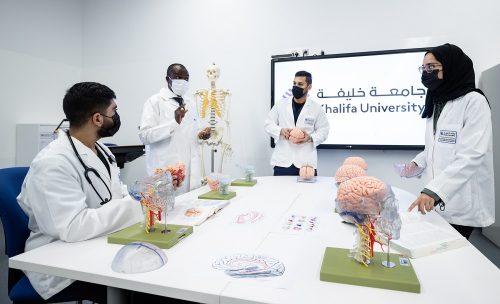
The Khalifa University CMHS is the first medical college in the UAE to be modeled after the American medical education system, offering a 4-year allopathic medical education program requiring a 4-year bachelor’s degree, prior to admission. With 20 academic departments, the Khalifa University CMHS, employs a variety of educational strategies, including problem-based learning and clinical experiences to enable students to gain all competencies needed for any physician. The program also prepares students for postgraduate study in any specialty, for licensure, and for future medical practice. 


Headed by Founding Dean Dr. John Rock, the Khalifa University CMHS is currently negotiating with several programs in Canada and the US to establish partnerships for residency training. 


Dr. John Rock said: “The CMHS is delighted to receive the accreditation from the CAA. Since establishment, we have published 45 research papers in respected international scientific and medical journals, covering a wide array of biomedical topics, ranging from the Arab genome to diabetes, nanoparticles to cardiovascular and medical education.”


The UAE’s CAA is a recognized accrediting agency by both the World Federation for Medical Education (WFME) and The Foundation for Advancement of International Medical Education and Research (FAIMER).


Clarence Michael
English Editor Specialist
26 April 2021

Four Books Published on the Role of Internet Protocols

Read Arabic story here.


A researcher from the Emirates ICT Innovation Center (EBTIC), a joint research and innovation center established by Khalifa University, Etisalat and BT and based at Khalifa University, has penned four books in the last two years that shed light on the foundations and inner workings of Internet Protocol (IP) networking. IP networking is the packet routing technology at the core of today’s information and communication infrastructure and central to emerging technologies such as 5G. 


Dr. James Aweya, Chief Researcher at EBTIC, is the sole author of the four books. The latest books, titled “IP Routing Protocols: Fundamentals and Distance-Vector Routing Protocols” and “IP Routing Protocols: Link-State and Path-Vector Routing Protocols” were published this year by CRC Press, one of the world’s leading science and technology publishers.


The two earlier titles include “Switch/Router Architectures: Systems with Crossbar Switch Fabrics,” published in 2019 also by CRC Press, and “Switch/Router Architectures: Shared-Bus and Shared-Memory Based Systems,” published in 2018 by Wiley.


Dr. James Aweya

Before and during his time at EBTIC, Dr. Aweya has developed a number of patented, industry-first technologies that are helping to accelerate the transition from circuit-based time-division multiplexing (TDM) networks to packet-based networks. This, in turn, has supported the deployment of newer mobile networks and services. 


One of the technical challenges preventing the deployment of packet-based networks for mobile services is the need for very accurate clock synchronization in the network between source and destination – an essential capability for delivering present day and emerging mobile services. Traditionally, this has been delivered over time-division multiplexing (TDM). Understanding such mechanisms is critical for understanding the design and deployment of newer and emerging services and applications, which now are all based on IP.


The books aim to present the fundamentals behind IP routing protocols. Internet Protocols, or IPs, are the set of rules for routing and addressing packets of data so that they can travel across networks and arrive at the correct destination.  Each packet is routed hop-by-hop through a series of routers, and across multiple networks from source to destination. Each hop in this case represents a routing device (or router).


IP routing protocols are the set of procedures and rules that govern how routers communicate with each other to exchange routing information about how destinations can be reached. The IP routing protocols serve as the brains behind the routers and provide information about how paths can be constructed between networks from a packet’s source to its destination.


The inspiration for his books came during the 13 years when Dr. Aweya worked as a Senior Systems Architect with the global telecom company Nortel, based in Ottawa, Canada.  During his time there, Dr. Aweya worked on communication networks, protocols and algorithms, router and switch design, and other telecom and IT equipment design. 


The first book, “IP Routing Protocols: Fundamentals and Distance-Vector Routing Protocols,” covers the fundamentals of networking and routing protocols as well as the design and application of the two main distance-vector routing protocols in use today, RIPv2 and EIGRP. These routing protocols are suitable for small to medium size networks ,such as those used in companies, universities, hospitals and airports.


The second book, “IP Routing Protocols: Link-State and Path-Vector Routing Protocols,” covers the design of the link-state routing protocols (OSPF and IS-IS) and path-vector routing protocol (BGP). These link-state routing protocols are mostly used in large-scale networks such as those used by service providers and telecom companies. BGP is the main protocol used to interconnect all the different and separate enterprise and service provider networks to create the global Internet as we know it.


The books are presented from a practicing engineer’s perspective, linking theory and fundamental concepts to common industry practices using real-world examples. They target practicing engineers and researchers and can also be used as senior undergraduate and graduate level textbooks. Each book contains many illustrations and each chapter ends with review questions and references.


The third and fourth books, “Switch/Router Architectures: Systems with Crossbar Switch Fabrics” and “Switch/Router Architectures: Shared-Bus and Shared-Memory Based Systems,” describe the design of the routing devices that run the IP routing protocols described in the IP Routing Protocol books.


Dr. Aweya received his BSc (Hon) degree in electrical and electronics engineering from the University of Science and Technology, Kumasi, Ghana, an MSc in electrical engineering from the University of Saskatchewan, Saskatoon, Canada, and a PhD in computer engineering from the University of Ottawa, Canada. He has authored approximately 54 international journal papers, 40 conference papers, 43 technical reports, and has been awarded 68 US patents, with several patents pending. He was awarded the 2007 Nortel Technology Award of Excellence (TAE), Nortel’s highest technology award, for his pioneering and innovative research on “Timing and Synchronization across Packet and TDM Networks.” He was also recognized in 2007 as one of Nortel’s top 15 innovators. 


Today, Dr. Aweya is a Chief Researcher at EBTIC. Established by Etisalat, BT, and Khalifa University, and supported by the UAE’s ICT Fund, EBTIC aims to advance intelligent systems technologies for the Next Generation Networks (NGNs) and NGN-enabled ICT applications and services. The books written by Dr. Aweya contribute significantly to the ongoing work in EBTIC.


Dr. Aweya and the Smart Infrastructure team at EBTIC are working towards creating a start-up company that will offer a highly competitive offering in the field of network synchronization, that would be applicable to such sectors as finance, energy, industry 4.0, smart city and telecommunications.


Links to purchase books:

IP Routing Protocols: Fundamentals and Distance-Vector Routing Protocols

https://www.routledge.com/IP-Routing-Protocols-Fundamentals-and-Distance-Vector-Routing-Protocols/Aweya/p/book/9780367709624


IP Routing Protocols: Link-State and Path-Vector Routing Protocols

https://www.routledge.com/IP-Routing-Protocols-Link-State-and-Path-Vector-Routing-Protocols/Aweya/p/book/9780367709631 


Switch/Router Architectures: Systems with Crossbar Switch Fabrics

https://www.routledge.com/SwitchRouter-Architectures-Systems-with-Crossbar-Switch-Fabrics/Aweya/p/book/9780367407858


Switch/Router Architectures: Shared-Bus and Shared-Memory Based Systems

https://www.wiley.com/en-ae/Switch+Router+Architectures%3A+Shared+Bus+and+Shared+Memory+Based+Systems-p-9781119486152 


Erica Solomon
Senior Publication Specialist
21 April 2021

Professor Named as Fellow of the Royal Society of Chemistry

Dr. Kin Liao was awarded the prestigious distinction for his leadership and research work in chemical science. 


Dr. Kin Liao, Professor of Aerospace Engineering, has been elected as Royal Society of Chemistry (RSC) Fellow. The RSC is a UK-based professional society founded in 1841 and is the largest organization in Europe whose mission is to advance excellence in chemical sciences.


The designation Fellow of the Royal Society of Chemistry (FRSC) is awarded to RSC members who have made significant contributions to the chemical sciences and hold positions of influence with their invaluable experience, expertise, and commitment to promoting the value of chemical science. Aside from being an RSC Fellow, Dr. Kin is also a Fellow of the Royal Aeronautical Society (FRAeS).  


Dr. Liao said: “I am very honored to be named a Fellow of the Royal Aeronautical Society (FRAeS) last year and a Fellow of the Royal Society of Chemistry (FRSC) this year. Again, I’d like to thank KU for its generous support for our research over the years. Also, credits and honors should first go to my former and current students, research associates/postdocs for their hard work. Without their contributions, this would not be possible. Being elected FRSC and FRAeS reflect an international recognition of the quality of research that we are doing here at KU, as well as KU’s commitment to becoming one of the top global research intensive universities.”


For Dr. Liao, collaboration and interdisciplinary research are very important in the advancement of research work.


“I’d like to take this opportunity to share my views on the importance of interdisciplinary research and collaboration. We have been working on two-dimensional (2D) materials—materials that are one- or few-atoms thick (such as graphene)—in the past few years. In order to create and advance new knowledge, we need to step out of our comfort zone and look for new research directions and opportunities. For me, my comfort zone was solid mechanics—simply put, a discipline that deals with stress and deformation of solids. Thus, besides working in the area of mechanics, we also work on the chemistry side of nanomaterials, and how these materials apply to new technologies in energy (for example, in batteries), clean water treatment (for instance, making advanced filters), as well as healthcare. For instance, 2D materials may also be applied to develop functionalized coatings for high-performance filter materials to effectively trap pathogenic particles (such as a virus) in the air.  Moreover, collaboration with colleagues in other disciplines is crucial. I have been collaborating with colleagues from my own department, as well as those from Biomedical Engineering, Civil Engineering, Chemical Engineering, Chemistry, Physics, Mechanical Engineering, and from the College of Medicine and Health Sciences.”


Over the years, Dr. Kin and his group and other collaborators have published extensively papers related to the chemistry of nanomaterials (specifically in energy, water treatment, biomedical sciences, electromagnetic interference shielding, and sensors) in leading international journals such as Materials Chemistry, Advanced Materials, Biomaterials, Journal of Energy Chemistry, Chemical Engineering Journal, and Advanced Materials interface


Ara Maj Cruz
Creative Writer
20 April 2021

Understanding How the Covid-19 Virus Enters the Body and Drugs that Could Mitigate Infection

Interrupting the mechanism by which the Covid-19 virus binds to cells could be a way to prevent infection


Read Arabic story here.


In the search for treatments for Covid-19, many researchers are focusing their attention on a specific protein that allows the virus to infect human cells. This protein, which cells carry on their surface, is called angiotensin converting enzyme 2 (ACE2) and provides the entry point for the coronavirus to enter cells. ACE2 is present in all people, but the quantity of this protein can vary among individuals and in different tissues and cells throughout the body.


A team of researchers including Dr. Dietrich Lorke, Professor and Chair of the KU Department of Anatomy and Cellular Biology, recently published a review into the potential impact of commonly prescribed drugs and pharmacologically active compounds on Covid-19 pathology and risk through the regulation of ACE2 levels in the body. Dr. Lorke, with Dr. Murat Oz, Kuwait University, and Dr. Nadine Kabbani, George Mason University, published their findings in the journal Pharmacology and Therapeutics.


“The emergence of Covid-19 as a global pandemic has raised concern throughout the world and spurred an urgent need for prevention and treatment,” said Dr. Lorke. “In order to enter the host cell, the coronavirus binds to an enzyme called angiotensin converting enzyme 2 (ACE2), which is found in a variety of different organs in the body, including the lungs, small intestine and the nasal cavity.”


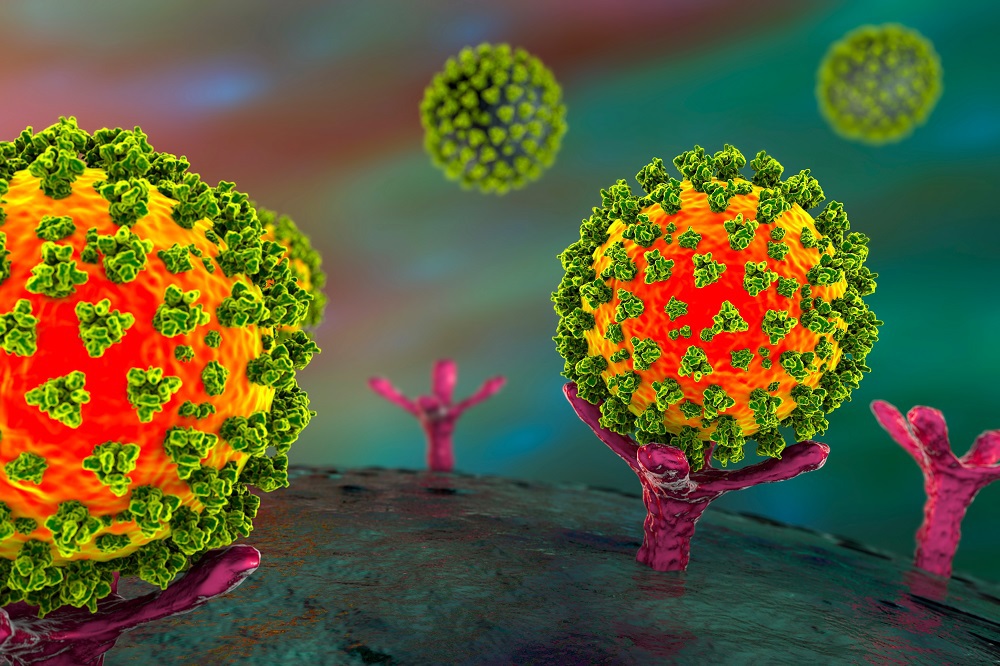
ACE2 generates small proteins that regulate functions in the cell. Using a spike-like protein on its surface, the Covid-19 virus binds to ACE2, and makes its way into the cell through this doorway. Not only does ACE2 act as an entry point for the SARS-CoV-2 virus, but its normal function also influences inflammation and cell death in the lung cells. When the Covid-19 virus binds to ACE2, this regulation is disrupted, which contributes to the lung and heart damage seen in Covid-19 patients.


It is understandable, then, that higher ACE2 expression in the body is correlated with higher infectivity, suggesting that increased ACE2 levels may predispose individuals to Covid-19. Patients with hypertension, diabetes and coronary heart disease may have higher levels of ACE2, but while the SARS-CoV-2 virus requires ACE2 to infect cells, the precise relationship between ACE2 levels, viral infectivity and the severity of a resulting infection is still a matter of debate.


Certain medications, including ACE inhibitors and Angiotensin 1-Receptor (AT1-R) blockers, have been reported to increase ACE2 expression, raising concerns regarding the safety of these drugs in patients exposed to Covid-19. This is especially concerning since both an ACE inhibitor and an AT1-R blocker are among the ten most commonly used drugs worldwide, with a combined 155 million prescriptions per year in the USA alone. Patients receiving these drugs would represent a substantial group of people at risk if this hypothesis proved true. However, several studies have shown that using these medications does not increase a patient’s risk of contracting Covid-19.


“The problem is that many of these observations have been made in animals and that these results do not necessarily reflect the situation in humans,” explained Dr. Lorke. “In one analysis of 12,594 patients who tested positive for Covid-19, there was no association between any single medication class and an increased likelihood of a positive test. Moreover, none of these medications were associated with an increased risk of severe illness among patients who tested positive. Several other clinical findings show similar results.”


Additionally, results from these studies suggest the use of ACE inhibitors may even have some beneficial effects on the clinical outcome of Covid-19. In small cohorts of Covid-19 patients with hypertension, the use of ACE inhibiting drugs significantly improved outcomes, with some critically ill elderly Covid-19 patients seeing lower mortality rates.


ACE2 also has some protective effects against tissue injury, the likes of which are seen in the lungs following infection with Covid-19. With the virus occupying the ACE2 receptor, the ACE2 levels in the body are reduced, which may make individuals more susceptible to severe illness from Covid-19. The ACE2 facilitates the virus getting into the body, but the decrease in available ACE2 contributes to tissue injury such as inflammation in the heart and lungs.


“ACE2 plays an important role in counteracting some of the harmful effects of inflammation in the lungs,” explained Dr. Lorke. “Unsurprisingly, a vast number of drugs significantly affect the activity and expression of ACE2. Considering the crucial role of ACE2 in coronavirus infections, the consequences of these drugs have been the subject of much recent debate. So far, evidence from the majority of clinical and epidemiological studies indicates that these drugs do not negatively affect the susceptibility and prognosis of Covid-19. It remains to be seen whether other drugs and pharmacologically active substances affect coronavirus susceptibility or disease prognosis.”


Understanding the action mechanisms of ACE inhibitor drugs is crucial for providing guidance for further clinical studies. Knowledge of the pharmacological regulation of ACE2 by various drugs and compounds also helps to better understand how these molecules work at cellular and organ system levels, particularly concerning infection with Covid-19.


The researchers report that interrupting the SARS-CoV-2 spike protein binding to ACE2 is a feasible strategy against Covid-19. They note that new drugs could be developed that bind to the active site of ACE2 and disrupt the interaction with the SARS-CoV-2 virus to help prevent infection.


The researchers report that interrupting the SARS-CoV-2 spike protein binding to ACE2 is a feasible strategy against Covid-19. They note that new drugs could be developed that bind to the active site of ACE2 and disrupt the interaction with the SARS-CoV-2 virus to help prevent infection.


Jade Sterling
Science Writer
20 April 2021


A Tunable 2D Covalent Network for Charge-selective Removal of Toxic Dyes from Wastewater

KU Researcher worked with NYUAD to create the first woven calixarene-based covalent organic framework (COF) with plenty of tunable pores for adsorption applications


Read Arabic story here.


Synthetic dyes are common ingredients in the textile industry, but because of their general use, they often find their way into waterbodies from industrial wastewater, where they pollute the water and threaten water security.


Removing these polluting dyes can be achieved through adsorption, where the dyes are collected in the pores of highly porous materials that scoop the pollutants from water and trap them in the pores.


Dr. Dinesh Shetty, Assistant Professor of Chemistry, has created a tunable, two-dimensional polymeric network from an organic macrocycle called calixarenes that can selectively adsorb toxic dyes from wastewater.


Dr. Shetty is a member of the Khalifa University Center for Catalysis and Separation (CeCaS), one of KU’s 18 specialized research centers. CeCaS research aims at developing practical solutions to chemical engineering challenges faced by several industries today. In collaboration with researchers from New York University Abu Dhabi, Dr. Shetty has developed a novel structure using calixarenes to remove dyes selectively and efficiently from wastewater. Their work was recently published in the Journal of the American Chemical Society and appeared as a cover article.


Calixarenes are bowl-shaped organic molecules that consist of defined hydrophobic cavities. This unique feature allows host-guest chemistry where calixarenes play the host for small molecules and/or ions.


“Calixarene molecules have been extensively exploited as versatile supramolecular building blocks,” explained Dr. Shetty. “This is due to their ability to adopt different conformations, which refers to the spatial arrangement of atoms in a molecule, and the relative ease with which they can be functionalized, which refers to how easily a calixarene can take on new functions, features, capabilities, or properties by changing its surface chemistry.”


This is particularly true of calixarenes where the ring consists of four aromatic rings. Calixarenes work as excellent adsorbers, but in the monomer form, they can be dissolved in some solvents, which would hinder their practical use.


In a macroscopic architecture, however, calixarenes become insoluble in almost every solvent, especially in water.


To create calixarenes with a macroscopic architecture, Dr. Shetty and his team turned to covalent organic frameworks, or COFs. COFs are a class of materials that form two- or three-dimensional structures through reactions between their organic components, resulting in strong, covalent bonds that create porous, crystalline materials.  


“COFs have proven to be an important class of porous materials on account of their well-defined structures, tuneable pore functionality, and good chemical stability,” explained Dr. Shetty.


Giving calixarenes a macroscopic architecture is very challenging but if successful could allow them to be incorporated into practical platforms such as powders in cartridges or membranes.


While few researchers have attempted to build COFs with multiple ringed, or macrocyclic molecules, like calixarenes, Dr. Shetty’s team realized that a calixarene-based COF would be an ideal way to remove toxic dyes from industrial wastewater.


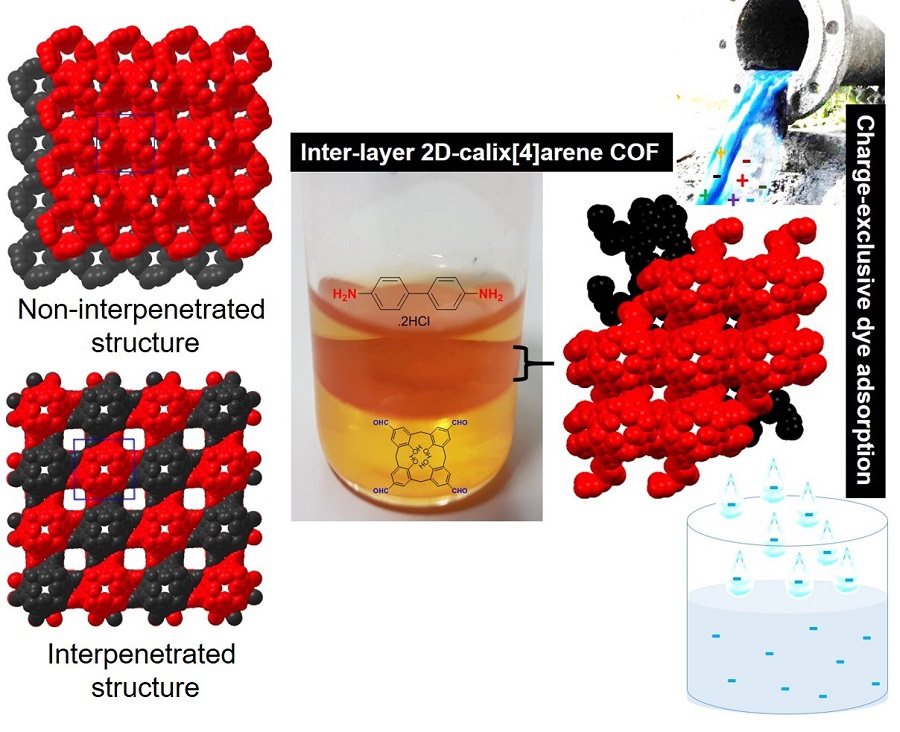
Dr. Shetty, along with Trabolsi research group at NYUAD, developed the first woven structures of calixarene-based COFs, making a 2D network that can be delicately tuned for each application. They joined calixarenes by creating covalent bonds between the organic molecules to link them together, then these calixarene chains were interwoven by slotting one calixarene into the bowl-shape of another, effectively stacking the chains.


The synthesized COFs showed well-defined lattice structures, indicating a highly crystalline nature for both COFs, with plenty of pores for adsorption applications. By varying the concentration of calixarene units in the solution, the stacking orientation in the COFs can be altered, meaning researchers can create both interpenetrated (meaning catenated) and non-interpenetrated frameworks. The resulting COFs featured wavy layers containing the calixarene cavities, making them attractive candidates for adsorbing small molecules.


The researchers validated the materials ability by using them for selective removal of cationic-dyes from aqueous mixtures.


Importantly, creating a structure with organized pores increases the number of molecular interactions between pollutant molecules and adsorbent. Interestingly, the COFs developed by the research team were exceptionally selective for the cationic dyes in the test mixtures without depending on the size of the molecules. The COFs also demonstrated a highly negative surface charge, allowing charge-selective removal of the dye molecules.


“With the inherently hydrophobic cavity, anionic surface, and possibility to develop these COFs in a membrane, our work has the potential to bring calixarene chemistry to an exciting materials science horizon,” said Dr. Shetty.


Jade Sterling
Science Writer
20 April 2021