Atmospheric Rivers Dust the Alps

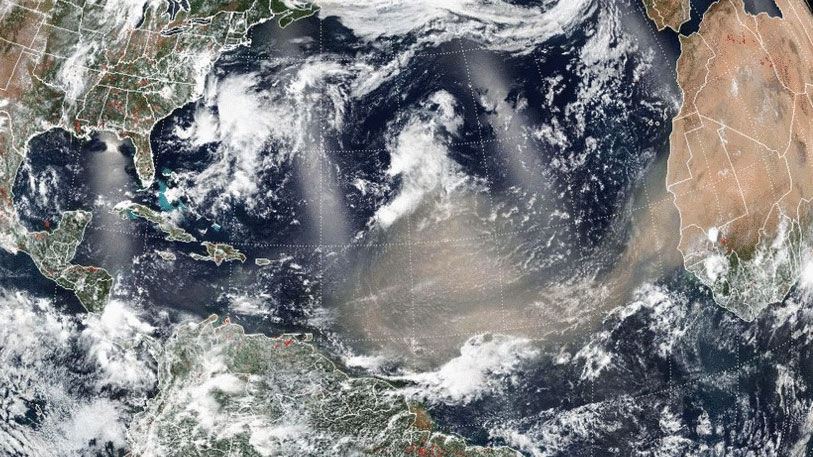
Atmospheric rivers are long stretches of cloud that can carry enormous quantities of water vapour from the tropics towards the poles. They were first described in 1994 and since then have come to be understood as the major mechanism transporting moisture from lower latitude oceans to higher latitude land masses, where they dump that moisture as snow and rain.


With her longstanding interest in how dust is moved around by atmospheric phenomena, atmospheric scientist, Diana Francis, at Khalifa University in Abu Dhabi, wanted to investigate these dusty rivers, their cause and effects.


Francis and her team determined that, while these atmospheric rivers normally flowed from the tropical Atlantic over the Alps, in early 2021 they had instead been pushed south by high pressure in the north Atlantic so that they passed over North Africa and the Mediterranean Sea, collecting not only dust but also warmth and moisture.


Read the rest of the article here: https://jwp-nme.public.springernature.app/en/nmiddleeast/article/10.1038/nmiddleeast.2021.100

Khalifa University, KAUST and Saudi Arabian Section of Combustion Institute Jointly Host 13th Asia-Pacific Conference in Abu Dhabi

Conference Focusing on Combustion Technologies for Sustainable Energy and Environment, Including ‘Green’ and ‘Blue’ Hydrogen and Ammonia, as well as Synthetic Fuels


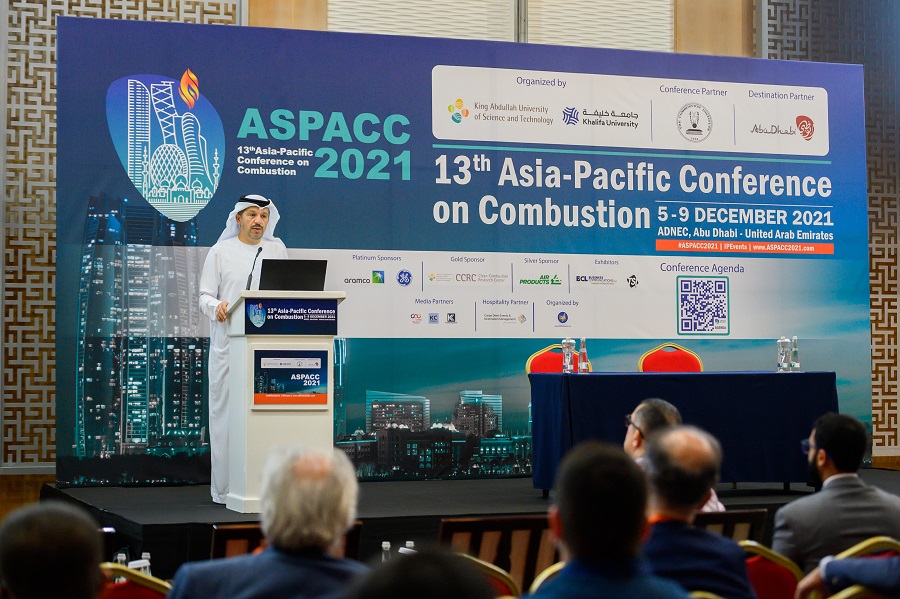
Khalifa University of Science and Technology, King Abdullah University of Science and Technology (KAUST), and the Saudi Arabian Section of the Combustion Institute (SASCI) today jointly announced they are organizing the 13th Asia-Pacific Conference on Combustion (ASPACC) for the first time in Abu Dhabi. The event provides a scientific venue for sharing ideas and experiences on the applications of combustion towards sustainable energy and environment.


The Abu Dhabi Convention and Exhibition Bureau – part of the Department of Culture and Tourism – Abu Dhabi is the supporting partner for the 13th ASPACC, a ‘hybrid conference’ that is being held at the Abu Dhabi National Exhibition Centre (ADNEC) from 4-9 December 2021. This sectional meeting for the Asia-Pacific region of the Combustion Institute is the largest meeting of combustion scientists and engineers as it brings together the combustion scientific community with the practitioners of ‘upstream’ technologies in the Gulf Cooperation Council (GCC) and the Middle East and North Africa (MENA) regions. The total number of papers being presented amounts to 221.


The conference is focusing on combustion technologies with substantially reduced carbon emissions that hence have minimal impact on global warming. These include ‘green’ and ‘blue’ hydrogen and ammonia, as well as synthetic fuels that can be used for sustainable power generation. These technologies greatly help the oil and gas industry move towards sustainable growth. 


Dr. Arif Sultan Al Hammadi, Executive Vice-President, Khalifa University, said: “Through the Research and Innovation Center on CO2 and Hydrogen (RICH) at Khalifa University and the Clean Combustion Research Center at KAUST, our region is now recognized not only as a major producer of fossil fuels, but also as a leading center of combustion research and with a strong focus on carbon-neutral combustion technologies. Khalifa University is delighted to collaborate with KAUST and SASCI to bring the main combustion meeting to Abu Dhabi, as a forum for exchange of ideas between combustion scientists and engineers.” 


Keynote speakers at the event represent University of Sydney, China’s Peking University, Indian Institute of Technology Madras, Tokyo Institute of Technology, Korea Advanced Institute of Science and Technology (KAIST), Taiwan’s National Central University, and King Abdullah University of Science and Technology (KAUST). 


Dr. Dimitrios Kyritsis, Local Chair, 13th ASPACC, and Chair of Mechanical Engineering, Khalifa University, said: “This conference brings the largest of the three sectional meetings of the combustion institute – the Asian-Pacific, the US and the European – for the first time to the GCC region. The conference gains importance because of the tectonic shifts in power generation, mobility, and aviation technologies that climate change is causing. As local and international oil and gas industry repositions itself in a world that is witnessing 45-degree ‘scorchers’ in Siberia, and floods in Germany during July, interaction with combustion scientists and engineers becomes crucial in order to realize the potential of the oil-and-gas sector, to contribute towards the transition to a sustainable mode of power generation that will improve the quality of life of a rapidly increasing human population.” 


The 13th ASPACC conference also offers an opportunity for research organizations and corporate entities to attract talent from more than 200 science and engineering graduate students and postdoctoral researchers who are expected to attend.


Clarence Michael
Senior English Editor
6 December 2021

Dr. Roberto Sabatini Named Top National Scientist in Aerospace Engineering and Aviation

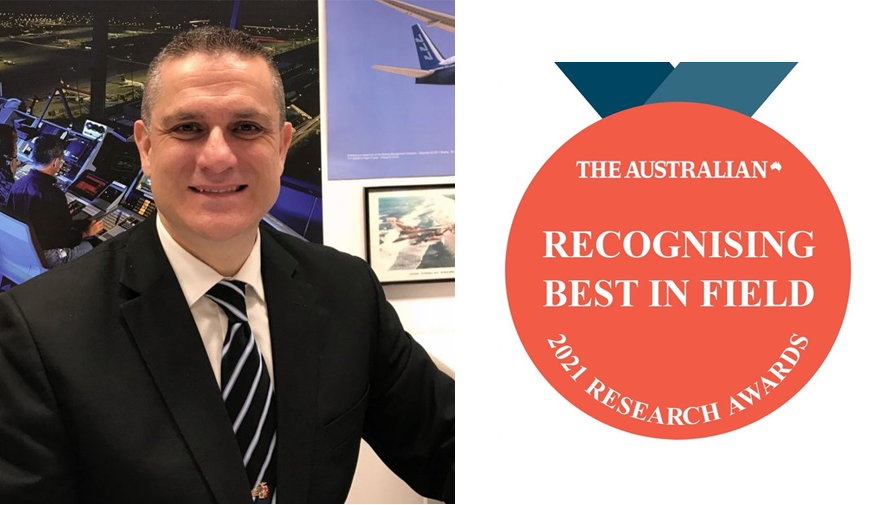
Dr. Sabatini was recognized as Best-in-Field Scientist by THE AUSTRALIAN 2021 Research Special Report, which highlights the talent and dedication of the best researchers and research institutions in Australia. 


THE AUSTRALIAN 2021 Research Special Report has listed Dr. Roberto Sabatini, Professor and Chair of the Aerospace Engineering Department, as the top national scientist in the field of Aerospace Engineering and Aviation. The Australian’s annual report names the top researchers and top research institutions in each field of research, based on the number of citations for papers published in the top 20 journals in each field over the past five years. 


Dr. Sabatini said, “I was deeply honored to be named top Australian scientist in the field of Aerospace Engineering and Aviation.” He added, “I was also very happy to see that RMIT University was listed as the top research institution in the same field. My past eight years at RMIT have been deeply transformative and enriching. In my new role of Department Chair here at Khalifa University, I look forward to the opportunity of expanding our very prolific and effective collaborations.”


Dr. Sabatini is a Professor of Aeronautics and Astronautics with three decades of experience in Avionics, Defense and Robotics/Autonomous Systems research and education, acquired in progressively more responsible industry, government and academic positions in Europe, North America, and Australasia. Dr. Sabatini holds a PhD in Aerospace/Avionics Systems (Cranfield University), a PhD in Space Geodesy/Satellite Navigation (University of Nottingham), and an advanced MEng in Astronautics/Space Systems (Sapienza University of Rome). 


Throughout his career, Dr. Sabatini attracted more than US$35 million in research funding from various industry and government organizations, including Thales, Northrop Grumman, Lockheed Martin, Airbus, DST Group, SmartSat CRC, Food Agility CRC, BMT, AMIRA, Insitec, Jetstar, and CASA. He is a Fellow and Executive of the Institution of Engineers Australia, Fellow of the Royal Aeronautical Society and Fellow of the Royal Institute of Navigation. In addition to his primary academic duties and various honorary and consulting appointments in Europe, North America, Australia, Asia, and South Africa, he contributes to the broader aerospace community as Chair of the IEEE AESS Avionics Systems Panel, Editor for Progress in Aerospace Sciences, Senior Editor for the IEEE Transactions on Aerospace and Electronic Systems, and Associate Editor for Robotica, the Journal of Navigation, and Aerospace Science and Technology.


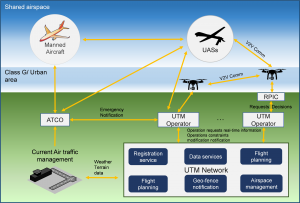
In his recent research, Dr. Sabatini has addressed the opportunities and challenges associated with the digital transformation for sustainability of the aerospace and aviation sector. More specifically, working in collaboration with key industry partners, he developed new avionics and Air Traffic Management (ATM) technologies that enhance safety, efficiency and environmental sustainability of both air and space transport operations. These include 4-Dimensional Trajectory Optimization (4DTO) algorithms, cooperative and non-cooperative surveillance technologies, as well as adaptive/cognitive forms of Human-Machine Interface and Interaction (HMI2), allowing the automated negotiation and validation of aircraft intents for safer and more efficient ATM operations. As an integral part of this evolutionary process, Dr. Sabatini and his team are currently addressing the requirements of Unmanned Aircraft Systems (UAS) navigation, communication and Sense-and-Avoid (SAA), in order to allow the safe and unrestricted access of UAS to all classes of airspace. 


“I am a strong advocate of industry-focused research and teaching, and I am very passionate about research translation for social and economic advancement. Throughout my career, I was blessed with great team-working opportunities and served in various leadership roles both in industry and in academia,” Dr. Sabatini commented. 


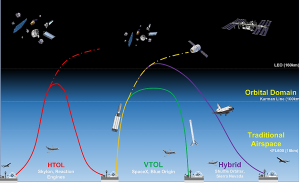
Another study led by Dr. Sabatini dealt with the development of cyber-physical system architectures for the integration of point-to-point suborbital spaceflight and conventional atmospheric air transport. He explored various airspace risk analysis methods for manned and unmanned reusable space vehicles, identified the physical and computational limitations of these approaches, and assessed their applicability to future commercial space transport operations. 


Dr. Sabatini is also leading a project aimed at examining the unique hazards of the space environment and developing suitable avionics systems and ground-based decision support tools for Space Domain Awareness (SDA) and Space Traffic Management (STM).


“I have recently joined Khalifa University from Australia and I am very determined to make a difference in the team fostering a culture of inclusion, integrity and conscientious change by prioritizing first and foremost the students and staff whose education and careers will be affected by the changes that will be introduced. I believe that passion, competence, and respect are the key ingredients of a successful team and I am delighted to have the opportunity of leading the Aerospace Engineering Department of Khalifa University in a time of significant growth, both in our research and educational capacity. Over the coming months, I will work with the team to assess opportunities and risks, charting a map for growth that values the contributions of all constituencies in the decision-making process.”


To know more about The Australian Special Report, you can read the article here


Ara Maj Cruz
Creative Writer
5 December 2021

Khalifa University Recognized as Most Published in Blockchain Oracle Research

The blockchain oracle problem is one of the most important barriers to overcome if smart contracts can be used to their full potential, and Khalifa University is leading the way in research. 


Blockchain offers an immutable and tamper-proof ledger, where each record created forms a block, and each block is confirmed by the community among which the platform is shared before it can be paired up with the previous entry in the chain. The blockchain is a shared database, validated by a wider community rather than a central authority, making it a public ledger that cannot be easily tampered with, as no one person can go back and change things.


Many blockchain solutions use programmable smart contracts­ – simple programs that can be used to automatically exchange information under predetermined conditions. The paper notes, “With the advent of smart contracts, the benefits of decentralization offered by distributed ledger technologies could be implemented in sectors other than cryptocurrencies, such as healthcare, supply chains, and finance. Smart contracts, however, need oracles to fetch data from the real world, which do not offer the same characteristics of decentralization as blockchain.”


The blockchain oracle problem is an interesting one. The term ‘oracle’ comes from Greek mythology and refers to someone able to see the future. In ancient stories, people turned to oracles for knowledge beyond their understanding, and in the blockchain world, oracles are systems that provide the blockchain with information from the real world.


But with the oracle retrieving external information, its trustworthiness must come into question. Verifying the information provided by a third-party oracle without impacting the validation mechanism inherent to sharing blocks among the community is the oracle problem. As oracles are not distributed among the community, they represent a point of failure: they could be tampered with and provide false data to the blockchain.


The paper reviewed the contributions to academic research on blockchain oracles and found that Khalifa University is the largest contributor to this field, with 12 documents produced, of which two are among the ten most cited globally, and four are among the top 20.


The review noted that many of these papers involve contributions from multiple KU researchers, “[giving] an idea of an institution that is heavily investing in this sector.” The review also highlighted that Khalifa University has contributed at least one paper to every oracle application category, offering contributions to the healthcare and data management fields, and also producing research to address the oracle problem.


Ilhaam Omar, Research Associate, ranked sixth, MSc student Ammar Battah eleventh and Mohammad Moussa Madine, Graduate Researcher, ranked thirteenth.


Oracle applied research is focused on various sectors and Khalifa University research resonates in all areas of application.


Two of the three papers in the healthcare sector originate from KU and focus on the security and access control of patients’ records.


Contributions from KU approach the confidentiality of Internet of Things (IoT) data by granting users different access privileges, presenting a roadmap for development in the IoT sector.


For cloud computing, the work proposed by KU was the only paper to approach the problem of ensuring an optimal fees level to balance the needs of cloud providers and users.


Other KU studies investigated how data quality can be managed and improved with multi-party authorization and reputation systems.


The results from this review show that within six years of academic research, only 111 papers have been published. The UAE is one of the most productive countries, with all 12 publications coming from Khalifa University.


Despite the impressive number, it’s clear that blockchain oracles are still a globally neglected area of research. The paper also noted that there were no studies for real-world blockchain use cases such as in the entertainment, tourism, insurance or e-government resource management sectors. This represents a potential area of academic investigation that would be highly sought after.


Importantly, and contribute to the building of a knowledge economy in the UAE.


Jade Sterling
Science Writer
28 November 2021

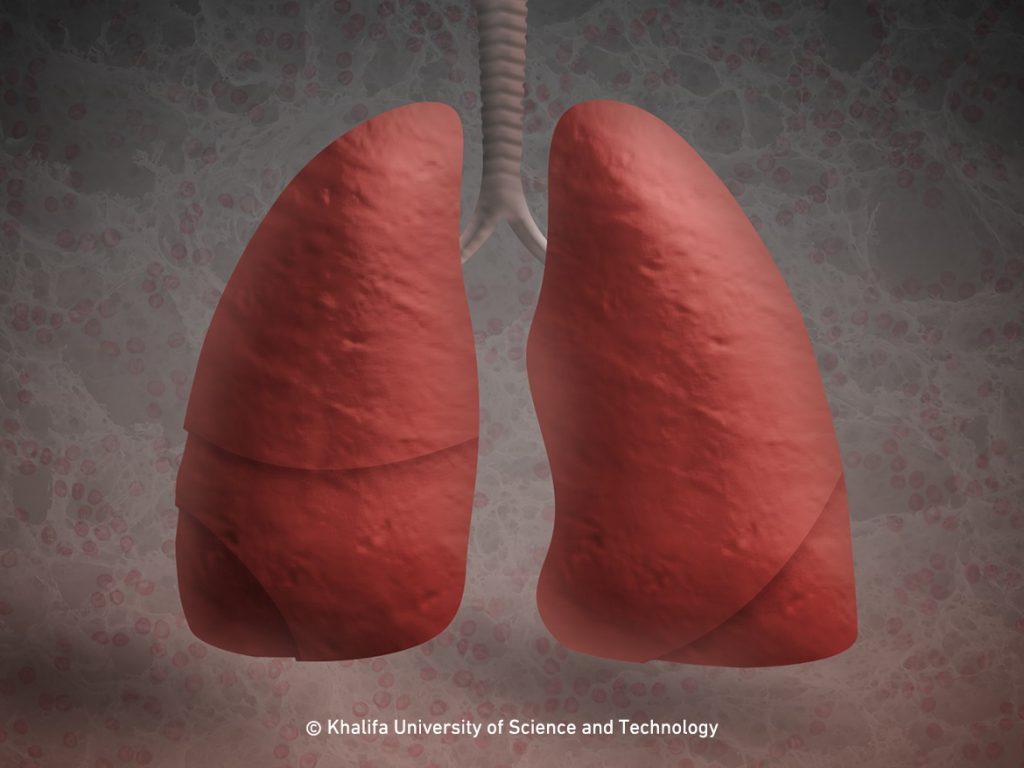
Enhanced Oxidative Stress Aggravates Cytokine Storm and Lung Tissue Damage During Covid-19 Infection


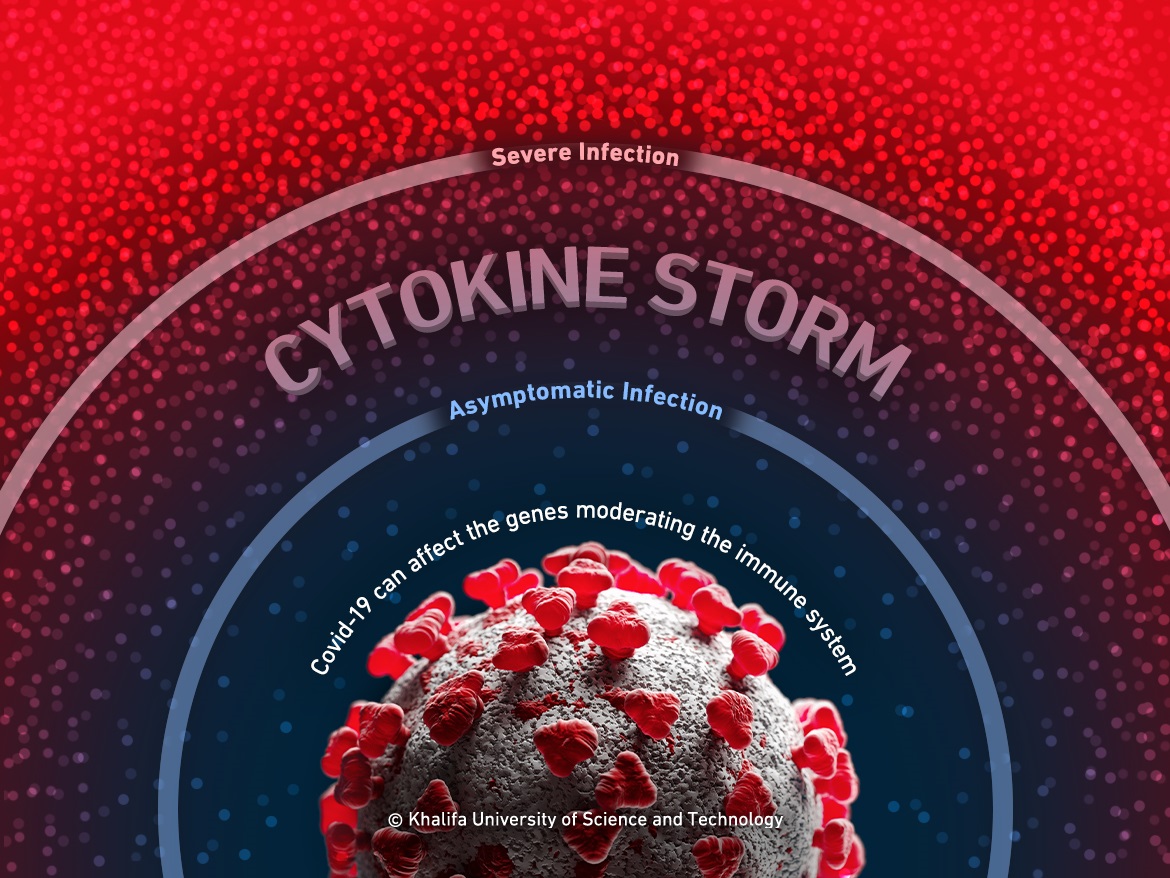
The body’s immune system has an incredible mechanism capable of responding to various pathogens, but it can go too far. New research from a team in the UAE has found that Covid-19 infections can affect the way the genes moderating this immune response are expressed, which may be why infections range from asymptomatic to severe.


When the body is confronted with an infection, an immune response is triggered, sending immune cells to the region to attack the virus. This causes localized inflammation that reduces once the body has treated the attack. Sometimes, however, this immune response can go into overdrive, resulting in hyper-inflammation. While this sounds fairly innocuous, this can seriously harm or even kill the person.


This is how contracting the flu can kill a patient. In the context of Covid-19,


Cytokines are small proteins released by many different cells in the body as an immune response and a cytokine storm is an overreaction from the body’s immune system.


Some cytokines trigger cell death to prevent a virus spreading to other cells, but when lots of cells do this, a lot of tissue can die. In Covid-19 patients, that tissue is mostly in the lungs. As the tissue breaks down, the tiny air sacs fill with fluid, causing pneumonia and starving the blood of oxygen. Respiratory distress syndrome follows, other organs start to fail, and the patient dies.


Now, , the biological mechanisms that cause oxidative stress and that are combated by antioxidants. While most well-known for their anti-ageing properties, antioxidants are the components that keep oxidative stress in check during an immune response, and in Covid-19 patients, this balance is disrupted, contributing to the cytokine storm.


Dr. Habiba Alsafar, Associate Professor and Director of the Khalifa University Center for Biotechnology, collaborated with Prof. Rabih Halwani, who is Principal Investigator on the project, along  Prof. Qutayba Hamid, Dr. Narjes Saheb Sharif-Askari, Dr. Fatemah Saheb Sharif-Askari, and Bushra Mdkhana, from Sharjah Institute of Medical Research and College of Medicine, University of Sharjah; Hawra Ali Hussain Alsayed from the Dubai Health Authority Pharmacy Department; and Dr. Zeyad Faoor Alrais from the Dubai Health Authority Anaesthesia and Intensive Care Unit. Their results were published in Free Radical Biology and Medicine.


“When patients suffer high levels of oxidative stress while infected with a respiratory disease, their prognosis tends to not be very good,” Dr. Alsafar said. “We know that the virus causing Covid-19 enters the cells by binding to the host ACE2 receptors, and these receptors are found in abundance in the lungs. When this virus infects the cells, there is an extreme drop in ACE2 levels, and this is bad news because ACE2 plays a critical role in regulating the oxidative balance. A lack of ACE2 means the production of reactive oxygen species is stepped up. Moreover, activated inflammatory cells that infiltrate the infected lung tissue produce large amount of these oxygen species. Where a healthy cell would then activate an antioxidant response, this mechanism is suppressed in patients with a severe Covid-19 infection. There is evidence to suggest this is a targeted effect of the Covid-19 virus to enhance its survival in a patient.”


The UAE research team measured the gene expression levels of 125 genes known to be associated with inflammatory and oxidation activities in the body from Covid-19 patients and compared their levels with those seen in influenza (IAV) patients and respiratory syncytial virus (RSV) patients. They also compared the severe Covid-19 infections against non-severe Covid-19 infections.


“We wanted to know how Covid-19 infection may affect the expression of these genes in patients and found that the genes that caused the production of reactive oxygen species were ‘significantly upregulated’ in patients with Covid-19,” Prof. Halwani said. “While the oxidative genes were upregulated, the antioxidant genes were found to be downregulated.”


In severe Covid-19 cases, the antioxidant resources were completely depleted in the infected cells, resulting in a further increase in reactive oxygen species products and a cytokine storm.


“Targeting one or more of these oxidative stress genes could be an effective therapeutic approach for treating Covid-19,” Dr. Alsafar said. “This could help prevent the progression of the disease to a cytokine storm, stopping an over-reactive immune response before it happens. We could also give patients direct doses of antioxidants to help combat the oxidative stress seen in infections.”


“Interestingly, three of the oxidative genes that were significantly upregulated in severe cases could be detected in saliva samples, suggesting that the saliva level of these genes could be used as non-invasive markers for Covid-19 disease severity,” Prof. Halwani said. While further studies are needed to confirm these findings, they represent a significant step towards understanding the Covid-19 disease mechanisms and a possible treatment plan. 


Jade Sterling
Science Writer
28 November 2021

A New Solution for Visual Object Tracking in Robotics

Teaching robots to follow a moving object is more difficult than you think, requiring complex algorithms and a different way of thinking.


Take a look around. What do you see? Most of us have two eyes and we use those eyes to collect light that reflects off the objects around us. The eyes convert that light into electrical signals that are processed by our brain. This builds a representation of the world and we use that to navigate during our everyday lives. Even robots that are the most like humans in appearance, however, don’t see the world the way we do.


Instead, algorithms recognize features in images collected by a robot’s sensors and cameras. The software may create a very basic map of the environment and learn to recognize patterns to help the robot understand its surroundings. This means that robots are being programmed by humans to see things the human thinks the robot will need to see. While this has many very successful examples, no robot is capable of navigating the world using just vision for static recognition.


If you spot a bird outside, you can watch that bird fly through the sky until it lands or disappears from view. This is visual object tracking, and it’s a simple task for humans: spot the object and follow it. For robots, it’s much more difficult.


To improve visual object tracking in robotic applications, Dr. Sajid Javed, Assistant Professor, Dr. Jorge Dias, Professor, Dr. Lakmal Seneviratne, Professor, and Dr. Naoufel Werghi, Professor, all from the Department of Electrical Engineering and Computer Science at Khalifa University, collaborated with Dr. Arif Mahmood from Information Technology University, Pakistan, to develop an AI algorithm that is both highly accurate and quick when detecting and tracking a generic object. Their proposed solution was published in IEEE Transactions on Cybernetics.


“Visual object tracking is a fundamental and challenging task in many high-level vision and robotics applications,” Dr. Javed explains. “Typically, the difficulties lie in developing detection algorithms that can handle blurred images from fast motion, ignore background clutter and deal with significant scale and light variations.”


Object tracking is an application of deep learning where a program takes an initial set of object detections and follows them as they move around frames in a video. The algorithms allow the robot to automatically identify an object in a video and interpret it as a set of trajectories to predict where it will end up.


The first step in tracking an object is to detect it. The research team’s solution narrows a search area down and instructs the robot to find all object instances of one or more pre-determined object classes. The algorithm is trained on a series of examples of these object classes to learn what it is looking for, regardless of the object’s scale, location or pose and despite any partial occlusions or poor lighting conditions.


Once the object has been identified, it needs to be followed. Robots can do this by continuously re-identifying the object in subsequent images, but for visual object tracking to be useful in robotic applications, interpreting the object as a set of trajectories with high accuracy is required.


Algorithms for tracking objects need to accurately perform detections and localize objects of interest in the least amount of time possible. This is especially imperative for real-time object tracking models.


“Discriminative correlation filters (DCF) are well suited to object tracking because of their impressive performance in terms of speed and accuracy,” Dr. Javed says. “In most DCF methods, an online correlation filter is trained from the region of interest in the current frame and then employed to track the target object in subsequent frames.”


High detection accuracy and fast processing speed are difficult to combine: More accurate tracking tasks often require longer processing times, while quicker responses are more prone to errors. In the research team’s solution, accuracy and speed are achieved by constructing a spatiotemporal graph that models and predicts where an object is likely to appear based on its previous identified location. Out of a series of possible trajectories, the most probable is selected by the DCF, which filters the background noise and any other distractions.


To evaluate their algorithm, the team tested it on six challenging benchmark datasets and compared it with 33 existing state-of-the-art trackers. Their results were excellent, achieving higher accuracy than existing trackers on many tests and ranking among the top three for the remaining tests.


As mobile robots and autonomous machines are increasingly deployed, object detection systems are becoming more important. Although great progress is being made, we are still far from achieving human-level performance, but solutions like this are a vital step towards that level of performance. 


Jade Sterling
Science Writer
28 November 2021

HUB71 and Khalifa University to Accelerate Opportunities for Exceptional Students to Become CEOs of their Own Companies

  • Students and alumni of Khalifa University in Abu Dhabi will gain access to Hub71’s community to participate in programs and receive dedicated support to bring their tech ideas to life
  • Hub71 startups will benefit from special upskilling and technical support from the university’s students
  • Partnership was signed during Hub71’s participation at Global Manufacturing and Industrialisation Summit (GMIS) 2021


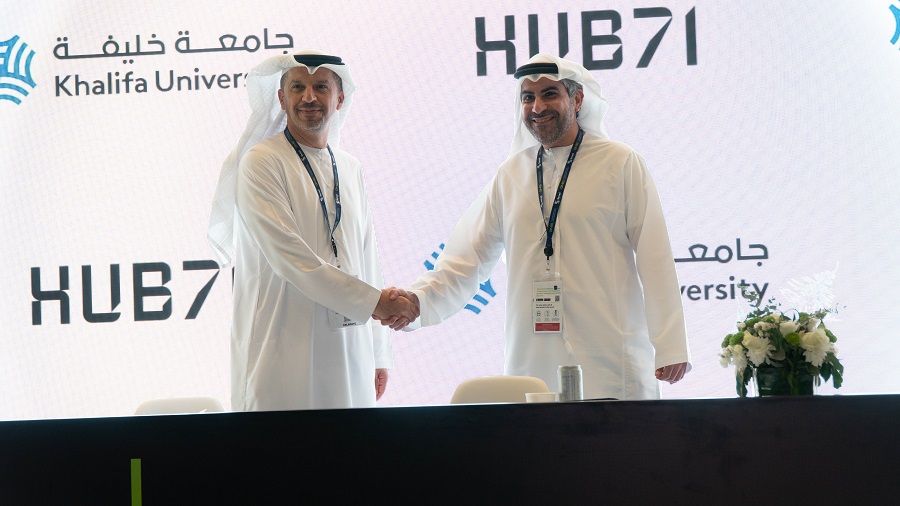
Hub71, Abu Dhabi’s global tech ecosystem, and the Khalifa University of Science Technology signed a strategic partnership at Global Manufacturing and Industrialisation Summit (GMIS) to enable students and alumni to work alongside tech startups, and opening the private sector and entrepreneurship door for their career paths.


Signed by Badr Al-Olama, Acting Chief Executive Officer of Hub71 and Dr. Arif Sultan Al Hammadi, Executive Vice President, Khalifa University, the partnership will accelerate the development of entrepreneurial talent among students and will promote new technologies entering the market through expert mentorship and guidance, as well as Hub71’s value-driven programs.


The partnership will explore the use of Khalifa University’s state-of-the-art laboratory facilities for Hub71 startups and will increase opportunities for the university’s network of students and alumni to participate in Hub71’s programs aimed at increasing access to Abu Dhabi’s marketplace. Both Hub71 and Khalifa University will collaborate in workshops, talent exchange programs and events that will increase the exposure of entrepreneurial students and professors to Abu Dhabi’s global tech ecosystem.


Badr Al Olama, Acting CEO, Hub71, commented: “Talent is the bedrock of a thriving tech hub, which is why we are committed to ensuring students have the ability to prosper as entrepreneurs and take their solutions to market. This partnership is a clear reflection of the value we place on nurturing young entrepreneurial talent who can contribute to the continuous development of our economy. Khalifa University is a prestigious institution in Abu Dhabi, and through its leadership in cutting-edge research and development, we can effectively position the Emirate as a global knowledge economy anchored in entrepreneurial and academic excellence.” 


Hub71’s technology startups will be significantly relevant to the Khalifa University community. In the calendar year 2020 alone, Khalifa University had a total of 36 awarded patents, with the number of patents filed touching 100. As of May 2021, Khalifa University has 202 issued patents, 270 patent applications pending, and 478 inventions disclosures.


Dr. Arif Sultan Al Hammadi said: “Khalifa University is delighted to enter into this arrangement with Hub71 to provide further momentum to Abu Dhabi’s drive for establishing technology startups. As a research-intensive university, with innovation sourced from 20 dedicated research centers that are focusing on various technologies and solutions, Khalifa University is rightly placed in the UAE to commercialize research outputs. We believe this MoU will facilitate tapping the synergy of the partners that will benefit both researchers and entrepreneurs, especially students who are keen to explore the commercial world for their new laboratory-bred technologies.”


Khalifa University’s 20 research centers drive research and innovation in several areas including clean energy and sustainability, oil and gas, robotics, healthcare, machine intelligence, data science, supply chain logistics, aerospace technologies, advanced materials and manufacturing, as well as water and environment, in addition to Information and Communication Technologies (ICT). 


Staff Report
28 November 2021

His Highness Sheikh Hamed Witnesses Launch of UAE’s First Driverless Autonomous Vehicle and Signing of AED 170-million Operating Agreement for EBTIC

Khalifa University Becomes First in UAE to Deploy On-Campus AV


His Highness Sheikh Hamed bin Zayed Al Nahyan, Member of the Executive Council of the Emirate of Abu Dhabi and Chairman of the Board of Trustees of Khalifa University of Science and Technology, witnessed the launch of the Khalifa University autonomous vehicle (AV), the UAE’s first driverless, autonomous 12-seater shuttle that will transport students and staff around the Sas Al Nakhl Campus, and the signing of an AED170-million operating agreement for the Emirates ICT Innovation Center (EBTIC) by the three founders Khalifa University, Etisalat, and BT (U.K.), in addition to UAE’s Telecommunications and Digital Government Regulatory Authority (TDRA).


Khalifa University has thus become the first university in the UAE to deploy an AV on campus that can also run in ‘real environment’ off campus, bringing smart sustainable mobility to the community and contributing to the UAE’s sustainable development initiatives.


The driverless and 100% electric shuttle is one of the first-ever autonomous vehicles to be deployed in the UAE in a ‘mixed traffic mode’, as it can drive on the road with other cars. The environment-friendly shared transportation solution will also provide a research and development platform to  faculty and researchers at the Khalifa University Center for Robotics and Autonomous Systems (KU-CARS), to investigate autonomous driving in challenging scenarios. With around 50 researchers and state-of-the-art laboratory facilities, KU-CARS provides a vibrant multidisciplinary environment for conducting robotics and autonomous vehicle-related research and innovation.


His Highness Sheikh Hamed said: “The autonomous vehicle at Khalifa University’s SAN Campus reflects the University’s commitment to contribute to Abu Dhabi’s Vision 2030 targets towards creating a knowledge economy, and making Abu Dhabi a world hub of research and development. It also contributes towards driving innovation while creating knowledge and human capital. Congratulations to the faculty, researchers and student engineers who have done a commendable job by making us proud of such an achievement by a local university in the UAE.”


During his visit, His Highness Sheikh Hamed met with students from ‘Al Nokhba’ program, who are also members of National and Reserve Service, in the presence of  His Excellency Brigadier-General Obaid Ali Al-Mansoori, Director of the Directorate of Information and Corporate Communication, National and Reserve Service Authority, discussed research projects related to autonomous shuttles, and then took a group photo with the UAE Military trainees.


After the launch, His Highness Sheikh Hamed travelled in the driverless AV between various buildings within the SAN Campus.


Members of the Khalifa University Board of Trustees including H.E. Salem Rashed Al Nuaimi, Chief Executive Officer, Abu Dhabi Health Services Company, SEHA, H.E Salem Butti Salem AlQubaisi, Director-General, UAE Space Agency, and H.E Humaid Al Shammari,  Deputy Group CEO and Chief Corporate and Human Capital Officer, Mubadala Investment Company, also attended at the event, in addition to Dr. Arif Sultan Al Hammadi, Executive Vice President, Khalifa University.


His Highness Sheikh Hamed also visited the Khalifa University Center for Autonomous Robotics Systems (KU-CARS) at SAN campus, which includes the shuttle’s operations room. He  showed keen interest to learn more about the safety and security features of the AV, vehicle tracking techniques, the surveillance camera network system and other features of the Khalifa University AV. Dr. Lakmal Seneviratne, Director, KUCARS, and Dr. Jorge Manuel Miranda Dias, Professor, Electrical Engineering and Computer Science, offered His Highness Sheikh Hamed an overview of the entire project. Later, His Highness Sheikh Hamed visited the Autonomous Vehicles Lab to know more about future plans including a project to fulfill conditions for driving the shuttle without an operator, the SAN Campus simulator, and the simulator platform to design new algorithms.


The Khalifa University AV can detect and avoid potential obstacles thanks to the onboard sensors, Light Detection and Ranging (LiDAR) cameras, GPS, odometry and inertial measurement units. The shuttles are also equipped with onboard Wi-Fi communications to capture data generated during operation. The shuttles run safely and effectively in a wide range of environments, including varying traffic conditions such as segregated roads, mixed traffic with bicycles and pedestrians, mixed traffic with low-speed cars, as well as changing weather conditions.


His Highness Sheikh Hamed viewed the University innovative projects showcased by faculty members – Dr. Fahad Al Maskari, Assistant Professor, Aerospace Engineering, Dr. Majed Khonji, Assistant Professor, Electrical and Computer Engineering and Dr. Hamad Karki, Associate Professor, Mechanical Engineering. The projects on display included an unmanned robot designed by the students led by Dr. Majid Khonji, that won top spot in the Ground Robots category at the Dubai World Challenge for Self-Driving Transport 2021. Another unmanned drone, designed by students led by Dr. Hamad Karki, which won second place in the Drones category at the Dubai World Challenge, was also on display. Also on display was the prototype of Al Nokhba’s Agile autonomous UAV project, led by Dr. Yahya Zweiri, Associate Professor, Aerospace Engineering, and his team of Al Nokhba students.


His Highness Sheikh Hamed also viewed projects by EBTIC, led by Dr. Nawaf Al Moosa, EBTIC’s Acting Director, and witnessed the signing of the operating agreement totalling AED170-million. EBTIC Board members who were present included H. E. Dr Mohammed Ebrahim Al Mualla, Undersecretary of Education for Academic Affairs, Ministry of Education, Professor Dr. Tim Whitley, Managing Director, Applied Research, BT, Saleh Sayed Ahmed, Divisional Head of Digital Services and Customer Experience Division of Technology, Etisalat, and Dr. Steve Griffiths, Senior Vice-President,  Research and Development, Khalifa University.


Saleh Sayed Ahmed, Vice-President, Digital Services and Customer Experience Division of Technology, Etisalat and a Senior Management Board member of EBTIC, said: “Etisalat is delighted to support EBTIC in driving advanced intelligent systems technologies’ innovation for the Next Generation Networks (NGNs) and NGN-enabled ICT applications and services. As a pioneer in 5G and a great enabler of technologies, Etisalat has always embraced the latest technologies through its strategy of ‘Driving the digital future to empower societies’. We look forward to strengthening our relations with EBTIC and contributing to the next level of development by playing a greater role in the digital lives of researchers, consumers and enterprises.”


Paul O’Brien, AI, Service, Security and Operations Research Director, Applied Research, BT, said: “We’re delighted to continue BT’s involvement in EBTIC for its third phase of operations. EBTIC has proved to be a very successful joint initiative with our close partners, Etisalat and Khalifa University. BT has a long-standing commitment to the Middle East and we’re pleased to continue to build the richness and diversity of BT’s research and innovation capabilities in the region. We look forward to another five years where we are sure EBTIC will continue to go from strength to strength.”


Since 2009, EBTIC has consistently driven innovation in advanced intelligent systems. In June 2021, SPL Solutions, a platform developed by EBTIC, won awards in the Best Cloud Automation Tool and Best Use of Automation categories at the prestigious 2021 Artificial Intelligence (AI) and Machine Learning Awards in the UK. The technology is currently undergoing commercialization as a start-up in collaboration with Khalifa Innovation Center (KIC).


Clarence Michael
English Editor Specialist
27 November 2021

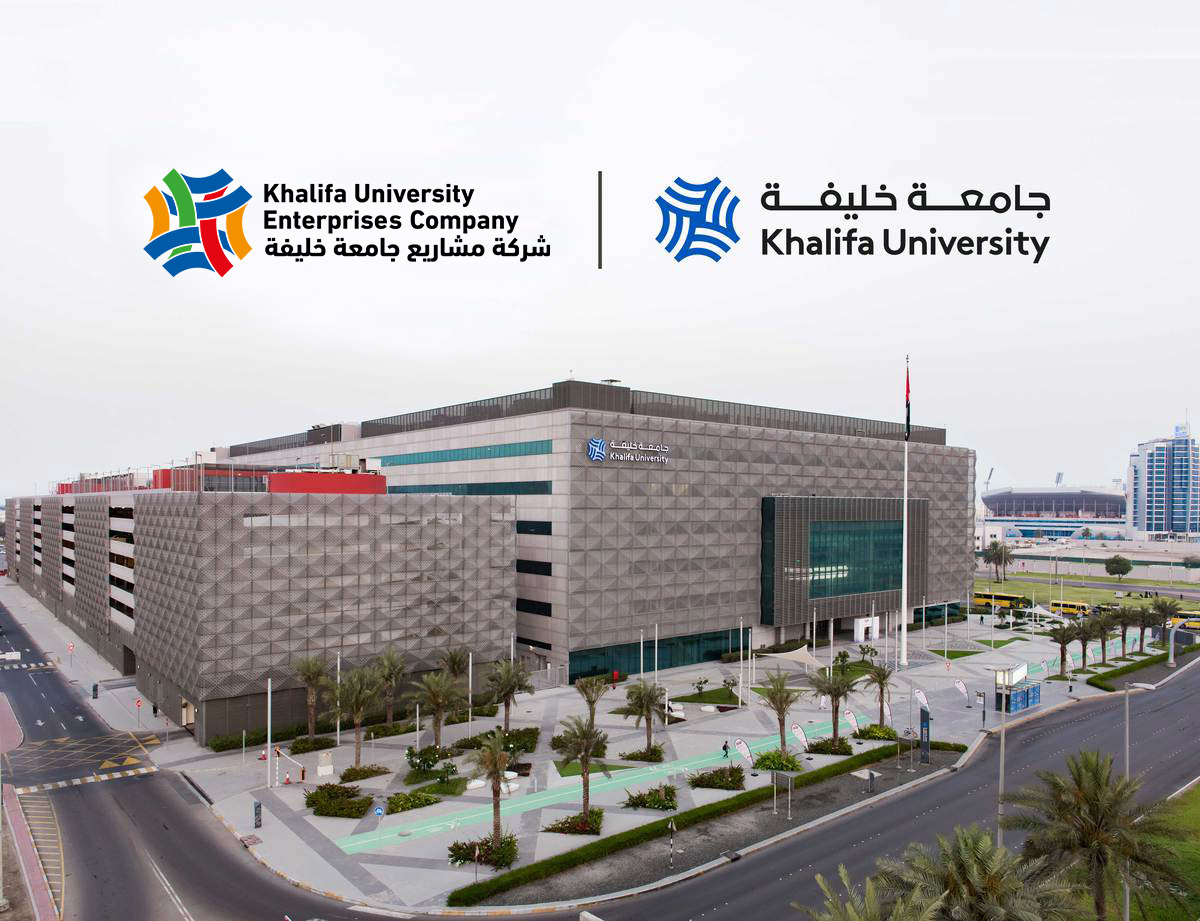
Khalifa University Launches ‘Khalifa University Enterprises Company’, Backed by AED100-Million Endowment

  • KUEC Will be Investment and Business Platform for Investors, Private Partners, Government Entities and Entrepreneurs to Accelerate Economic Impact of Research and Intellectual Property;

  • KUEC Will Leverage the Support of BlackRock, J.P. Morgan and Techstars to Speed Up Commercial Potential of University’s Cutting-Edge Technical and Scientific Resources, Assets and Patents


Khalifa University of Science and Technology today announced the launch of ‘Khalifa University Enterprises Company – KUEC’, which will act as the business and investment arm of the University. The new company is backed by an endowment of AED100-million.


KUEC will include ‘Innovation Acceleration and Startups’ and ‘KU Ventures’, which will support establishing and operating non-IP technology companies. KUEC also includes the Endowment Fund that will allocate funds for investments and operations.


The mission of KUEC is to boost and speed up business engagement with the University to accelerate innovation and create impact on the University’s scientific research assets and resources. Furthermore, KUEC will also aim to encourage technology investors and entrepreneurs to partner with the University to commercialize its growing patent portfolio in areas such as energy, advanced manufacturing, health, artificial intelligence and robotics through creation of technology startups. 


Established and structured in consultation with three partners, KUEC will leverage the support of the leading asset manager, BlackRock, and global financial services leader JPMorgan. On the innovation side, Techstars will play a pivotal role in growth and scaling of UAE startups.


BlackRock will invest the endowment assets on behalf of KUEC in a diversified global portfolio, while J.P. Morgan will provide custodial services to KUEC, supporting the asset management part of the endowment. Techstars will focus on reviewing Khalifa University’s patents, conducting research to identify commercial suitability and viability, as well as in market assessment and validation that will then lead to development of prototypes and use cases.


KUEC will work in collaboration and partnership with Khalifa University’s Technology Management and Innovation Office to help generate commercial outputs of University intellectual property and introduce university spin-outs to the market. Similarly, KUEC will work with the University’s Finance and Business Development Office to ensure external partners and entities benefit from university resources and assets. 


Dr. Arif Sultan Al Hammadi, Executive Vice-President, Khalifa University, said: “The Khalifa University Enterprises Company will usher in a new research-education-economy ecosystem paradigm in Abu Dhabi, the UAE and the region. In line with the best practices of some of the globally high-ranked universities which have similar companies to maximize their economic development mission, we have launched this new entity not only to work within our mandate and benefit the country and the region, but most importantly to realize the vision of our leaders in creating a knowledge-based economy. The intellectual, innovation and financial revenue coming out of KUEC will advance and enhance the University’s mission in research and innovation.” 


Paschalis Bouchoris, Managing Director, Country Head for BlackRock in Dubai, said: “We are delighted to be able to support the university with this endowment. The commitment to supporting innovation and entrepreneurship will inevitably benefit not just the students, but also the broader economy. We thoroughly look forward to watching the endowment flourish.”


Bouchoris’ responsibilities include BlackRock’s business operations, strategy and senior client relationships across the Middle East (ex-Saudi) region. In his previous role at BlackRock since May 2015 he led the activity of Financial Market Advisory (FMA) in Southeastern Europe and Middle East and served as a senior oversight in multiple client engagements with financial and official institutions focusing on risk management and policy advisory, capital markets, asset valuations and transactions.


“J.P. Morgan has been providing custodial services to some of the most prestigious University endowments and foundations for many years, and we are delighted that the Khalifa University Enterprise Company has selected us to partner with them for this important initiative.” – Timothy Peters, head of Securities Services CEEMEA at J.P. Morgan.


“Techstars’ global reach coupled with our passion of supporting the development of entrepreneurs, provides a highly engaged experience to unlock their entrepreneurial potential as we support these teams through validating and invalidating their theories to launch new ventures for growth” said Esther Lim, Director of Engagement for Techstars.


Leading global universities have played a vital role in translating intellectual property into successful business ventures. According to PitchBook, a research and technology company covering private capital markets, between 2006 and 2017, Massachusetts Institute of Technology (MIT) produced 907 company founders as alumni or current students, creating 780 companies – the third most among all universities in the world. An earlier MIT study in 2015 reported that 30,000 companies founded by MIT alumni were active as of 2014, employing 4.6 million people and producing annual revenues of US$1.9 trillion, equivalent to the world’s 10th largest economy.


The newly launched Khalifa University Enterprises Company is expected to work along similar lines, encouraging innovation and stimulating the creation of technology startups while further motivating students and alumni to explore entrepreneurship based on university research outputs. 


Clarence Michael
English Editor Specialist
25 November 2021

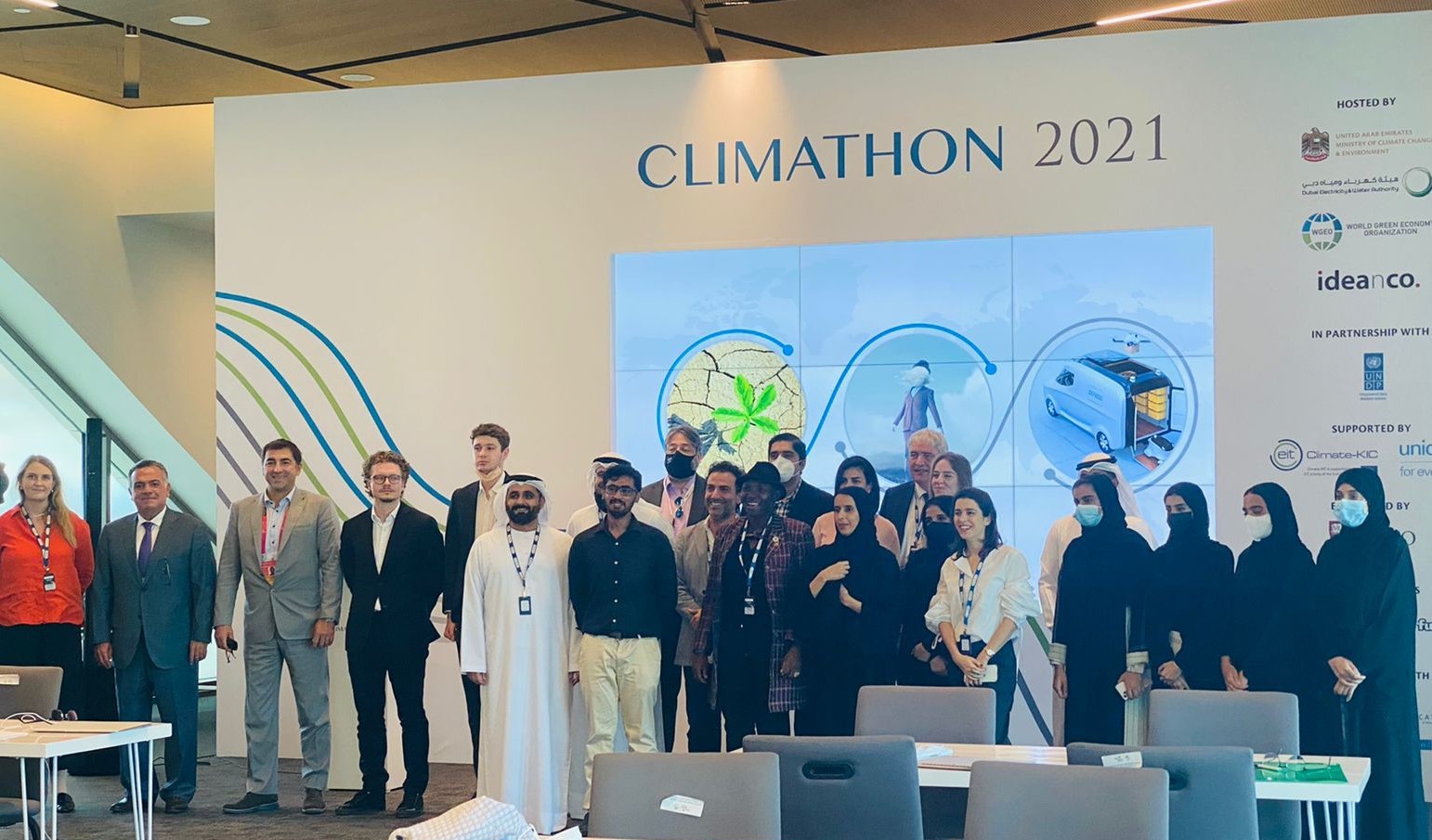
Research Associate Leads Winning Team at CLIMATHON 2021

Photo Caption: Abhijith Suboyin and other regional innovators with H.R.H. Princess Abze Djigma, Ambassador for Renewable Energy and Energy Efficiency of Burkina Faso and Initiator and Leader of the ‘MAMA-LIGHT Initiative for Sustainable Energy”, a worldwide program that provides access to affordable energy for women, small business and children. The program was selected by the United Nations as one of the 14 global breakthrough solutions for achieving the new Sustainable Development Goals.


Abhijith led the Dubai team that won Best Cohort in the Agribusiness category and Top Cohort Winner at Climathon 2021. Their winning solution proposes a restructured product labeling system that improves data transparency and promotes sustainable practices, while also building trust among producers, retailers, and consumers. 


Climathon 2021 is a climate change initiative that brings together innovators around the globe who have the passion, expertise, and capability to tackle climate challenges. The hybrid event took place from October 2 to 12, 2021 and was co-hosted by the UAE Ministry of Change and Environment and the World Green Economy Organization (WGEO). The event is also led by Ideanco in partnership with UNICEF and the United Nations Development Programme (UNDP). 


This year, Climathon connected 475 innovators from 9 selected cities, namely New York, Bristol, Tampa, Toronto, Calgary, Vancouver, Orange County, Dubai, and Beirut, to resolve three core challenges: agribusiness, air pollution, and mobility. 


The event was divided into three parts:

  • Greenhouse (Learn) – A virtual sustainable academy offering hands-on experience to validate ideas, build business models and structures, and form teams. 
  • Greenhouse (Award & Explore) – Innovators based in the UAE were invited to attend the World Green Economy Summit (WGES) 2021 at the Dubai Expo. 
  • C-Lab (Ideate) – This part of the event is dedicated mainly to come up with climate solutions for the participating cities. Each core challenge is shared with three focused cities, with each city having one cohort or team. 


Khalifa University’s Abhijith Suboyin, a Petroleum Engineering Research Associate, was among the top innovators shortlisted to participate in the finals and chosen to lead the Dubai cohort. Abhijith’s team was assigned in the agribusiness category and they had to propose solutions for the challenge within 72 hours. 


To address the agribusiness challenge, Abhijith and his teammates devised a solution that redefines product labeling. The solution is a simple, color-coded, and restructured labeling system that is compliant with ISO 28219:2017 and Regulation (EU) No 1169/2011, and addresses the UN Sustainable Development Goals (SDGs) of Good Health & Well-Being (SDG 3) and Responsible Consumption and Production (SDG 12). 


They came up with a system where labels will incorporate a QR code, an illustration of key components (including allergens), and sustainability metrics that will be available in an app accessible and easily understandable by everyone, including those with disabilities. The platform will contain a digital, decentralized ledger for data transparency and tracking food provenance to create/promote sustainable practices, as well as build trust among producers, retailers, and consumers. 


The team’s proposal impressed the judges and won Best Cohort in the Agribusiness category. The cohort also garnered the highest score out of all the other cohorts in all three challenge categories, catapulting them to take home the Top Cohort Winner award. 


“Participating in Climathon was an extraordinary experience and is definitely something we hope to carry with us for the rest of our lives. I am extremely grateful to everyone involved, especially for their support and allowing our team to share our ‘dream’/‘solution’,” Abhijith said. 


“As someone in R&D, I’ve always been motivated by creative projects, teamwork, and contributing to the pool of knowledge to design a better future. Furthermore, it is rare to get an opportunity to present an idea and potentially implement it in reality. Thankfully, we live in one of the best regions that fosters scientific curiosity, growth, and development.


“We all, particularly the KU community, have the capability to do better and work towards a brighter future. And I encourage everyone to have a look around, as events such as these are a great place for us to kick-start this journey,” he added. 


Ara Maj Cruz
Creative Writer
25 November 2021

Students’ Artworks Featured in Art + Technology Exhibit at Khalifa University

The two-week exhibition showcased 13 artworks created by KU students who participated in a workshop hosted by Abu Dhabi Art earlier this year.


Artwork by students who completed the Art + Technology Program were displayed in an exhibit on the Ground Floor of Building E & D at the Main Campus from October 17 to 30, 2021. 


Art + Technology is an annual community program launched in 2017 by Abu Dhabi Art in partnership with Khalifa University to connect art and technology for students majoring in STEM, nurturing their creativity and allowing them to harness their artistic talents. The program invites established artists from around the world to visit and collaborate with students in a series of workshops. 


The “Viral Images” exhibit showcased artwork created by students during their sessions under the mentorship of Alfred Tarazi, a Lebanese multidisciplinary artist who is active in collaborating in initiatives that seek to promote and expand the appreciation for contemporary art. 


Students during their tour at the Louvre Abu Dhabi.

Due to the pandemic, this year’s collaboration was through online workshops, with students and the artist meeting in a virtual studio space over a period of eight days. Aside from the lectures with Tarazi, the students also visited Louvre Abu Dhabi to further inspire them while working on their own art pieces. 


According to Tarazi, ‘Viral Images’ is a reaction to the clutter of images in which we live; a paradigm shift imposing on its participants the limit of the production of a single image. 


“Viral Images is a crash course in image-making, alternating the urgency of expression with the necessity of reflection. It aims to inscribe the individual practice of each aspiring artist within a greater tradition of image-making,” he said. 


The students’ artworks were also exhibited at the Abu Dhabi Art Fair at Manarat Al Saadiyat in November 2021. The Art Fair is a yearly event that culminates all the visual arts initiatives of Abu Dhabi Art throughout the year. It brings together local and international artists to showcase their works. 


Ara Maj Cruz
Creative Writer
24 November 2021