
Khalifa University Professor Habiba Alsafar Awarded with Belgium’s Knight in the Order of Leopold

Prestigious Honor Presented on Behalf of His Majesty the King of the Belgians at Khalifa University


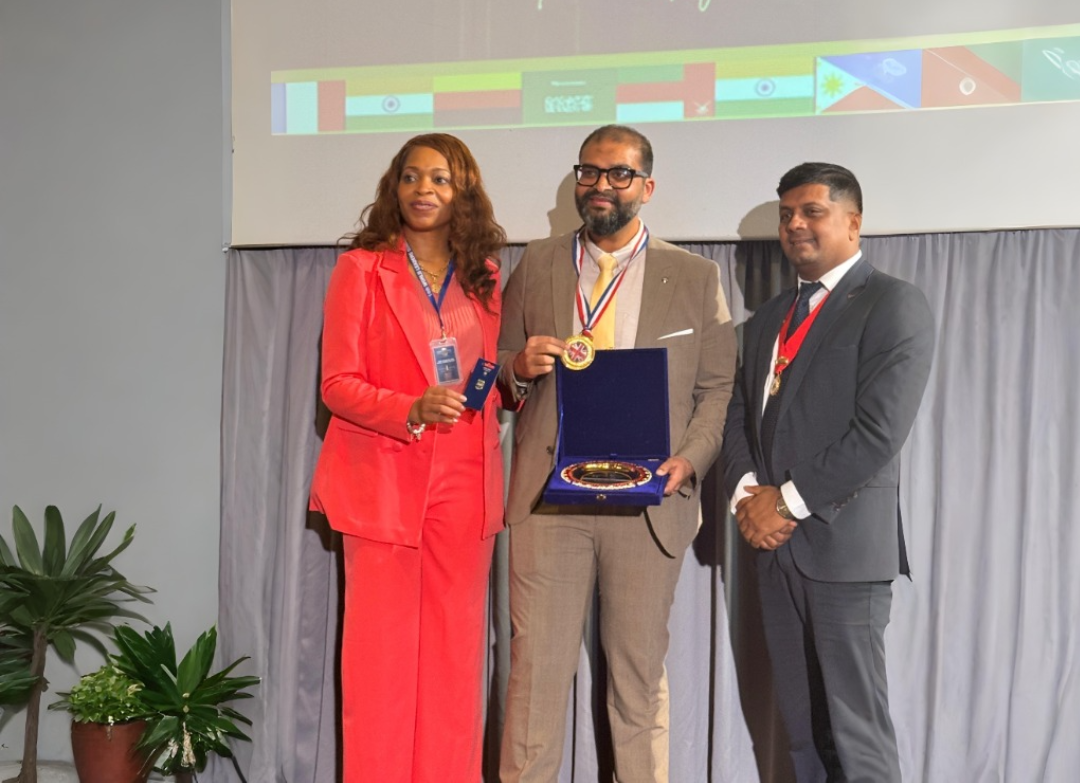
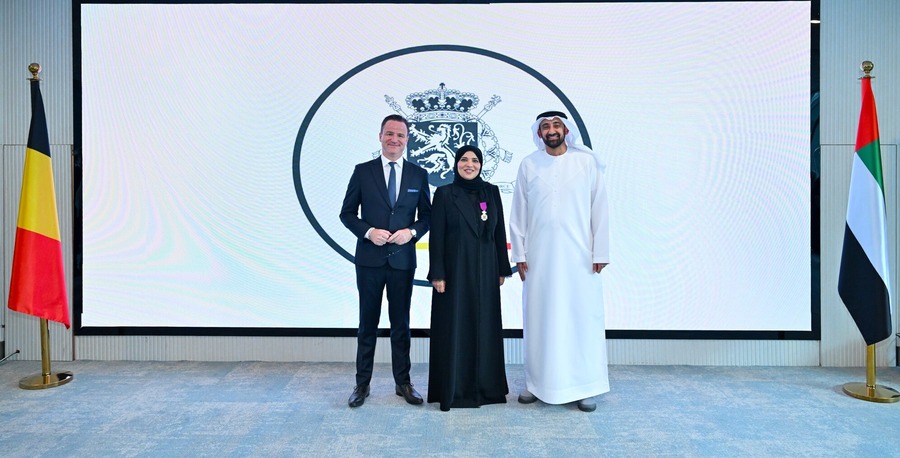
Khalifa University of Science and Technology’s Professor Habiba Alsafar, Dean, College of Medicine and Health Sciences, has been awarded Belgium’s top honor of Knight in the Order of Leopold, making her the first UAE scientist to receive this honorable distinction.


This recognition follows years of UAE–Belgium scientific collaboration, including Prof. Alsafar’s role in the landmark Biomedical Science Discovery (BISDI) biomedical research partnership, launched in the presence of His Highness Sheikh Hamed bin Zayed Al Nahyan and His Majesty Philippe, King of the Belgians.


His Excellency Antoine Delcourt, Ambassador of the Kingdom of Belgium to the UAE, presented the prestigious honor on behalf of His Majesty the King of the Belgians to Prof. Alsafar for her scientific contributions and role in strengthening international collaboration in medical research.


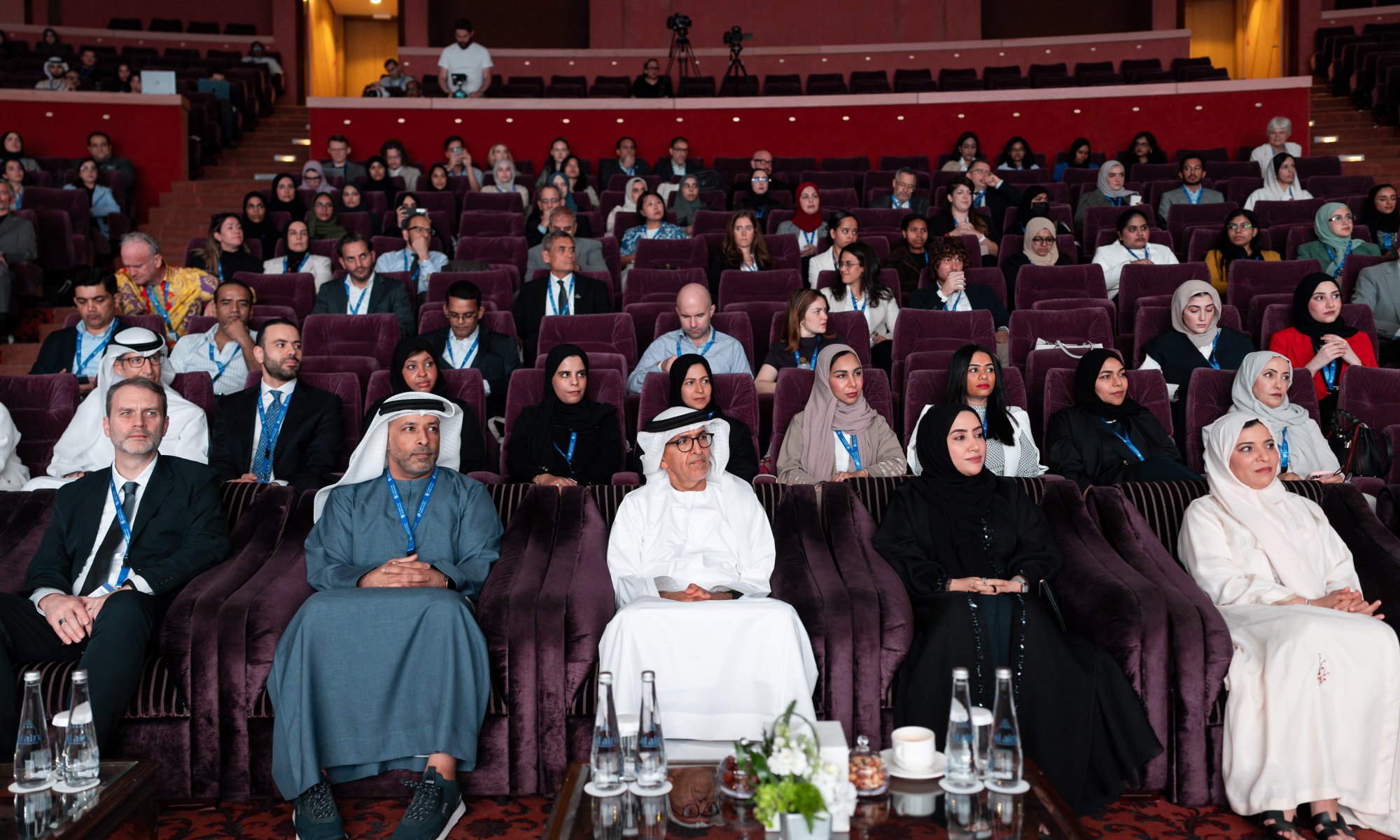
The ceremony was attended by His Excellency Homaid Al Shimmari, Vice-Chairman of the Board of Trustees of Khalifa University, Her Excellency Samar Almansoori, Senior Vice-President, Support Services, Khalifa University, and Her Excellency Amal Al Jaberi, CEO, Khalifa University Enterprises Company, along with senior officials from the Embassy of Belgium in the UAE, Khalifa University leadership, faculty, and students, highlighting the significance of the occasion and the regional importance of the honor. 


H.E. Antoine Delcourt, Ambassador of the Kingdom of Belgium said: “The Order of Leopold is the oldest Order of Knighthood in the Kingdom of Belgium. It is awarded to individuals who have rendered exceptional service through their leadership, their achievements, and their contribution to the public good. It recognises a brilliant career – as well as integrity, perseverance, and a sense of responsibility towards others.


“By bestowing upon you the title of Knight in the Order of Leopold, His Majesty the King of the Belgians wishes to honour not only an exceptional scientific career, but also the friendship and trust that unite our two countries. Your work, your leadership and your vision have given a very concrete meaning to the words ‘Belgium–UAE partnership’.” 


His Excellency Prof. Ebrahim Al Hajri, President, Khalifa University, said: “Prof. Habiba Alsafar’s recognition as the first UAE scientist to receive Belgium’s Order of Leopold is a proud moment for Khalifa University and for the country’s scientific community. Her work demonstrates the level of excellence, integrity, and global collaboration that shapes our research mission. This distinction also reflects the UAE’s growing status as a hub for biomedical discovery, and we look forward to supporting many more achievements that advance science and serve society. We are proud to see her contributions recognized at such a distinguished level.”


The Order of Leopold is one of Belgium’s three national orders of knighthood. It is the country’s oldest and highest distinction, established in honor of King Leopold I, and is awarded to individuals who have made exceptional contributions in their fields.


Prof. Habiba Alsafar said: “Receiving the title of Knight in the Order of Leopold is an extraordinary honor, and one that I accept with deep gratitude. This honor reflects the spirit of collaboration between the UAE and Belgium. It is a recognition that extends beyond me as an individual; it reflects the growing maturity of the UAE’s scientific ecosystem and the collective work of the researchers, clinicians, students, and partners who support our vision at Khalifa University. Our efforts in genomics and precision medicine have aimed to address the real challenges facing communities in this region, while building bridges with institutions worldwide. This distinction motivates me to continue strengthening cross-country partnerships and to contribute to research that advances healthcare outcomes for future generations.”


Prof. Alsafar has led several national and international research initiatives in genomics and precision medicine across Belgium and the UAE, contributing to the development of the UAE’s capabilities in advanced healthcare research. As Dean of the College of Medicine and Health Sciences, she has driven progress in academia, research, and innovation, supporting strategic initiatives aligned with national health priorities and the UAE’s vision for medical excellence.


The Biomedical Science and Discovery (BISDI) Program serves as a flagship scientific collaboration between the UAE (Khalifa University) and Belgium (VIB-KU Leuven), aiming to transform the UAE into a global hub for precision medicine and drug development. The program focuses on developing immunotherapy drugs for diabetes and cancer, utilizing advanced genomic technologies, AI-driven target discovery, and rapid validation platforms to uncover disease-causing mystery genes and accelerate the development of new therapies. BISDI also promotes knowledge exchange, Emirati scientist mobility, and capacity-building by enabling young researchers to train in both countries through a Joint PhD Program, strengthening innovation, scientific competitiveness, and national healthcare impact.


The knighthood underscores the growing ties between the UAE and Belgium across various fields, including science, healthcare, and innovation, while highlighting Prof. Alsafar’s long-standing contributions to research and academic development. 
Khalifa University and Global Alliance of Universities for Climate Lead Higher Education Dialogue at COP30 in Brazil

Global Universities and International Participants Engage with Khalifa University’s Climate Leadership, Research Excellence, and Global Outreach


Khalifa University of Science and Technology joined with the Global Alliance of Universities for Climate (GAUC) to lead a high-level climate dialogue for the international higher education community at COP30 Brasil Amazonia in Belém, Brazil.


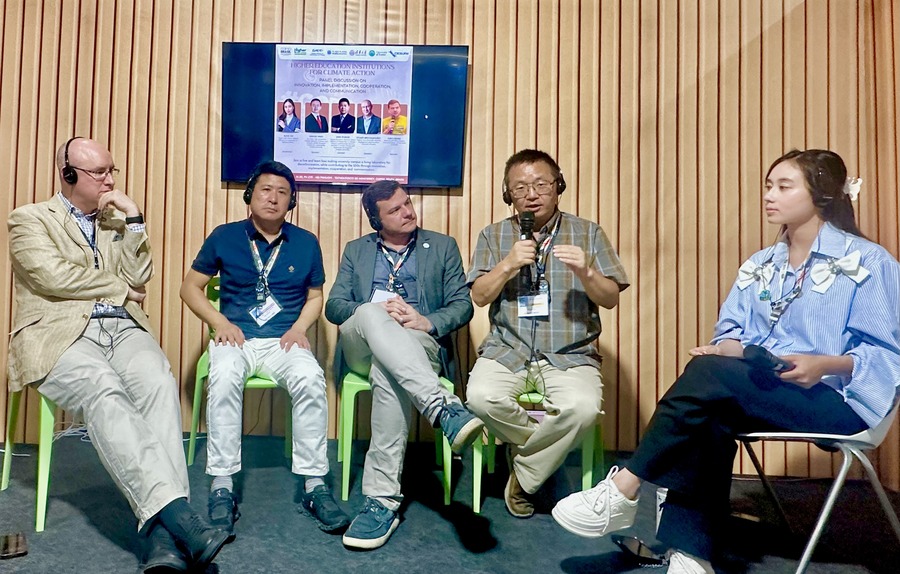
The dialogue featured a standout panel discussion workshop focused on ‘Higher Education Institutions for Climate Action: Innovation, Implementation, Cooperation, and Communication’, emphasizing four important components of the critical roles of higher education institutions. It was chaired and moderated by GAUC’s Chief Youth Officer, Alice Ho, with Deputy Secretary-General of GAUC, Dr. Jian Zhang, as a panel member. Dr. Jian is also Associate Director of the Institute of Climate Change and Sustainable Development at China’s Tsinghua University.


Representing Khalifa University at this high-level higher education workshop, held at UNFCCC Higher Education for Climate Action Pavilion, was Dr. Samuel Mao, Director, ASPIRE Research Institute for Sustainability, and Professor of Practice, Mechanical and Nuclear Engineering. Dr. Samuel is also Co-Chair of the UAE Universities Climate Network, which consists of 38 higher education institutions of the UAE. After the workshop, Dr. Samuel and Khalifa University’s two other COP30 delegates, Dr. Aisha Al Suwaidi, Associate Professor, Earth Sciences, and Mohammad Al Hamadi, a graduate student and the first Emirati to complete a polar ocean expedition recently, visited GAUC Pavilion, which also hosted a UAE Universities Climate Network COP30 session, co-organized by Khalifa University.


During the panel discussion, Dr. Samuel used his sustainable water extraction from air project as an example to illustrate Khalifa University’s leadership in every aspect of innovation, implementation, cooperation, and communication. He also introduced Khalifa University’s recent engagements with several GAUC member universities, including mutual visits of university leaders and development of collaborative research and education programs. Khalifa University’s commitment to advancing climate action and global outreach was acknowledged by the audience at COP30.


Other members of the panel were Dr. Stuart Brocklehurst, Deputy Vice-Chancellor for Business Engagement and Innovation, University of Exeter, UK, who is also Director of Green Futures Solutions, and Dr. Caio Fanha, Director of International Office, University Center of Pará State in Brazil, who leads global partnerships and Amazon-focused academic programs. Panel members agreed that universities are engines of climate-related innovation and their roles include conducting frontier research in areas such as renewable energy, carbon capture, and climate adaptation. They also affirmed that universities are ideal places to provide interdisciplinary problem-solving, by uniting scientists, engineers, economists, and policy experts toward common climate action goals.


On ‘implementation’, discussions highlighted the role of universities as living laboratories where climate solutions are tested and implemented in real-world settings. Universities can demonstrate scalable models that other private or public entities can replicate, and they can deploy circular-economy practices, such as zero-waste initiatives and campus-wide emissions targets that set institutional accountability. The session also noted that climate action requires collective and cooperative efforts, universities are natural conveners, forming research and action networks across institutions, countries, and disciplines to pool expertise and resources, and partner with government and industry to translate research into policy and market-ready solutions.


On ‘communication’, panelists underscored the key role universities play in shaping climate understanding and awareness as they are the places where students across all disciplines on climate science and sustainability converge, and they can address challenges in misinformation through evidence-based climate literacy and trusted expert voices. Panelists also agreed that universities are platforms that host public dialogues, seminars, and conferences to broaden climate engagement.

Khalifa University Faculty Honored with Two International Awards Recognizing Leadership in Higher Education

Khalifa University Associate Professor Dr. Junaid Kashir from the Department of Biological Sciences has been recognized with two recent international distinctions for his contributions to higher education and academic leadership.


Dr. Kashir received the ‘Global Changemaker in Higher Education Award’ during the 14th World Leaders Summit held at Keble College, University of Oxford and the Trailblazing Academic Leader in Higher Education Award at the inaugural Education Excellence Awards – The Middle East, hosted by the leading daily The Economic Times. Both awards highlight Dr. Kashir’s broader academic impact in academic leadership, research, and mentorship, recognizing the impact of his work across multiple institutions and disciplines. 


A Fellow of the Royal College of Pathologists (FRCPath), the Institute of Biomedical Scientists (FIBMS), and the Royal Society of Biology (FRSB), Dr. Kashir also serves on the Editorial Board of Frontiers in Cell and Developmental Biology, an academic editor for Biochemistry Research International, and as a reviewer for other leading journals.


An accomplished researcher, Dr. Kashir has authored more than 70 peer-reviewed publications, several book chapters, and numerous conference presentations. His research focuses on calcium signaling, fertilization, embryogenesis, and infertility, particularly the role of phospholipase C zeta (PLCζ) in human reproduction. His work aims to translate these fundamental insights into diagnostic and therapeutic applications within clinical embryology.


Alisha Roy
Science Writer 

Khalifa University Professor Lourdes Vega among 2025 ‘Women in Hydrogen 50’ Global List Highlighting UAE’s Growing Clean Energy Impact

Recognized for Pioneering Hydrogen Research, Professor Vega is One of Only Four Women from UAE Featured in the Global List


Khalifa University of Science and Technology today announced Professor Lourdes Vega, Director, Research and Innovation Center on CO₂ and Hydrogen (RICH) and Professor of Chemical and Petroleum Engineering, has become one of only four women from the UAE included in the Women in Hydrogen 50 for 2025 global list’s Technology and Innovation category. Professor Vega’s selection highlights her extensive contributions to research and development in hydrogen production, storage, transport and utilization technologies.


Curated by Hydrogen Economist and H2Tech, in collaboration with the Women’s Global Leadership Conference in Energy (WGLC), the global list includes 50 leaders across five categories such as ‘Projects and Partnerships’, ‘Technology and Innovation’, ‘Policy and Regulation’, ‘Industrial Use and Switching’, and ‘Rising Stars’. Following a global nomination and review process, the list was published in June 2025, with formal celebrations set to take place in October this year.


Professor Vega’s inclusion in this year’s list, underscores the UAE’s increasing relevance in shaping clean energy transition. She was nominated by multiple industry leaders for her impact on hydrogen technology and her efforts in empowering the next generation of scientists.


Professor Ahmed Al Durra, Associate Provost for Research, Khalifa University, said: “The inclusion of Professor Lourdes Vega in the Women in Hydrogen 50 list for 2025 in the Technology and Innovation category is a tremendous achievement that demonstrates her outstanding contributions and world class expertise at Khalifa University. This recognition is a proud moment for the scientific community and further affirms the University’s status as a hub for innovative research in the region. It also highlights the pivotal role Khalifa University plays in advancing hydrogen and clean energy solutions alongside industry partners in the UAE and globally.” 


Professor Lourdes Vega said: “It is an honor to be recognized in the Women in Hydrogen 50 List among such accomplished professionals who are shaping the future of hydrogen. This recognition is also a reflection of the collaborative environment at Khalifa University, where science and innovation go hand in hand with impact. At RICH, our efforts directly support the UAE’s Net Zero 2050 Strategy and contribute to the global decarbonization agenda. We are focused on finding practical, real-world solutions that contribute to a more sustainable energy future, not just for the UAE, but globally.”


With over 30 years of experience across the US, Europe, and the Middle East, Professor Vega is recognized for her work in molecular modeling, hydrogen and its derivatives, CO₂ capture and utilization, alternative energy, sustainable refrigerants, and water treatment. In addition to her academic role, she serves as an Independent Member of the Board of Directors of Ercros, a leading chemical company and Canal de Isabel II water company. She is a scientific advisor to global research entities such as the Catalan Institute for Energy Research (IREC), ‘Frontier Engineering’ Centre for Nature Inspired Engineering (CNIE) and the Chair of the International Advisory Board of the Hydrogen Integration for Accelerated Energy Transitions (HI-ACT),


A former member of the Emirates Scientist Council, and the Lead of the Advisory Board on Engineering and Technology in the UAE, Professor Vega is also a member of the Clean Hydrogen Mission Innovation, representing the UAE on the technical side. Her honors include the Mohammed Bin Rashid Medal for Scientific Distinguishment and recent inclusion in both the TOP100 Women Leaders in Spain and Impactful Women in Sustainability the Middle East (2024). She is also a member of the Royal Academy of Sciences of Spain and a Fellow of the American Institute of Chemical Engineers.


The RICH Center at Khalifa University tackles decarbonization through innovative solutions, leading strategic collaborations across academia, government, and industry to accelerate the path from fundamental research to real-world deployment.

Beyond the network: How 6G will transform our daily lives

Merouane Debbah, Director, Khalifa University’s 6G Research Center, Professor, Computer and Information Engineering, and Ambassador for Khalifa University’s Digital Future strategy. 


With over two decades of experience behind him, Professor Merouane Debbah remains at the forefront of wireless communications, mathematics and artificial intelligence. He has built top-tier teams at major industry leaders including Motorola, his first job after a PhD at  École Normale Supérieure Paris-Saclay (2002), and Huawei. He joined Khalifa University in 2023 to establish the 6G Research Center, a new hub dedicated to shaping the future of wireless technology.


  • Tell us about your role as Khalifa’s ambassador for Digital Future strategy. 

As an ambassador, I focus on bridging advanced research with the digital transformation goals of the UAE. I engage with stakeholders across academia, government and industry to align our efforts with these goals. I also promote awareness of how AI and 6G can be responsibly deployed to serve communities, industries and public services.


  • What makes the 6G initiative at Khalifa University a unique opportunity for innovation? 

I have always been drawn to high-impact foundational problems, and 6G is a rare opportunity to redefine networks and the way intelligence and connectivity co-evolve. Leading the 6G initiative at Khalifa University allows me to channel theoretical work into strategic innovation with regional and global resonance.


  • How are you connecting cutting-edge research to the UAE’s digital future? 

Our research focuses on enabling ‘intelligent connectivity’ by grounding AI in reality, literally. We are exploring how AI systems, such as large language models (LLMs) and agents, can be integrated into wireless networks, making them self-aware and self-optimizing. We are also designing architectures that combine sensing, communication and computing; these are essential for immersive experiences and real-time virtual representations called digital twins. Our goal is to create faster networks that are also smarter, adaptive and more sustainable.  


  • What are the team’s most exciting research findings, and how might they affect future developments?

We are building intelligent systems that understand context, learn from historical patterns and act. In 2024, we introduced TelecomGPT, the first telecom-specific LLM. It allows telecom operators to optimize, diagnose and automate complex networks using natural language interfaces that facilitate human-computer interaction through voice or text. We have now launched TelecomGPT-Arabic to support regional models and broaden accessibility.


“Our research focuses on enabling ‘intelligent connectivity’ by grounding AI in reality, literally.” Merouane Debbah

Our most forward-looking endeavor addresses large perceptive models. The models go beyond text and integrate signals from various data types, real-time optimization, and user intent to drive automation. Imagine an environment where a user simply says, “optimize my home’s energy use while I am away,” and the system autonomously reconfigures connected devices, manages charging schedules and balances loads in real time.  


  • How important are collaborations in shaping your research priorities and turning ideas into real-world impact?  

Collaboration is crucial. We see ourselves as a scientific hub and a strategic integrator; working across academia, industry and policy to shape the future of intelligent networks. Partnerships amplify our impact and ensure that research outcomes translate to real-world systems that benefit operators and society.


We worked with the GSM Association, which represents mobile network operators worldwide, to initiate the first open benchmarking platform for telecom LLMs. The platform, which defines performance standards, is a key step toward responsible AI adoption.


Together with the regulator, the Telecommunications and Digital Government Regulatory Authority, we developed the UAE’s 6G Strategic Vision. We also contribute to IEEE [Institute of Electrical and Electronics Engineers] initiatives, including chairing the IEEE GenAINet [Large Generative AI Models in Telecom Emerging Technology] Initiative that drives generative AI integration into telecom architectures.  


  • What role does your work play in the major wireless transformation underway today?

Soon, wireless networks will not just carry information: they will understand it, reason over it and act upon it. Our research is central to this shift. By grounding intelligence into the fabric of connectivity, we empower machines and people to work together more naturally, efficiently and sustainably.

Khalifa University’s RIC2D Brings World’s Leading Innovators and Startups to Abu Dhabi for 2nd I2DM Summit on Graphene and Advanced Materials

Global Summit Features 2010 Physics Nobel Laureate Professor Sir Kostya Novoselov, a Pioneer in Graphene Research and 20 National and International Startups


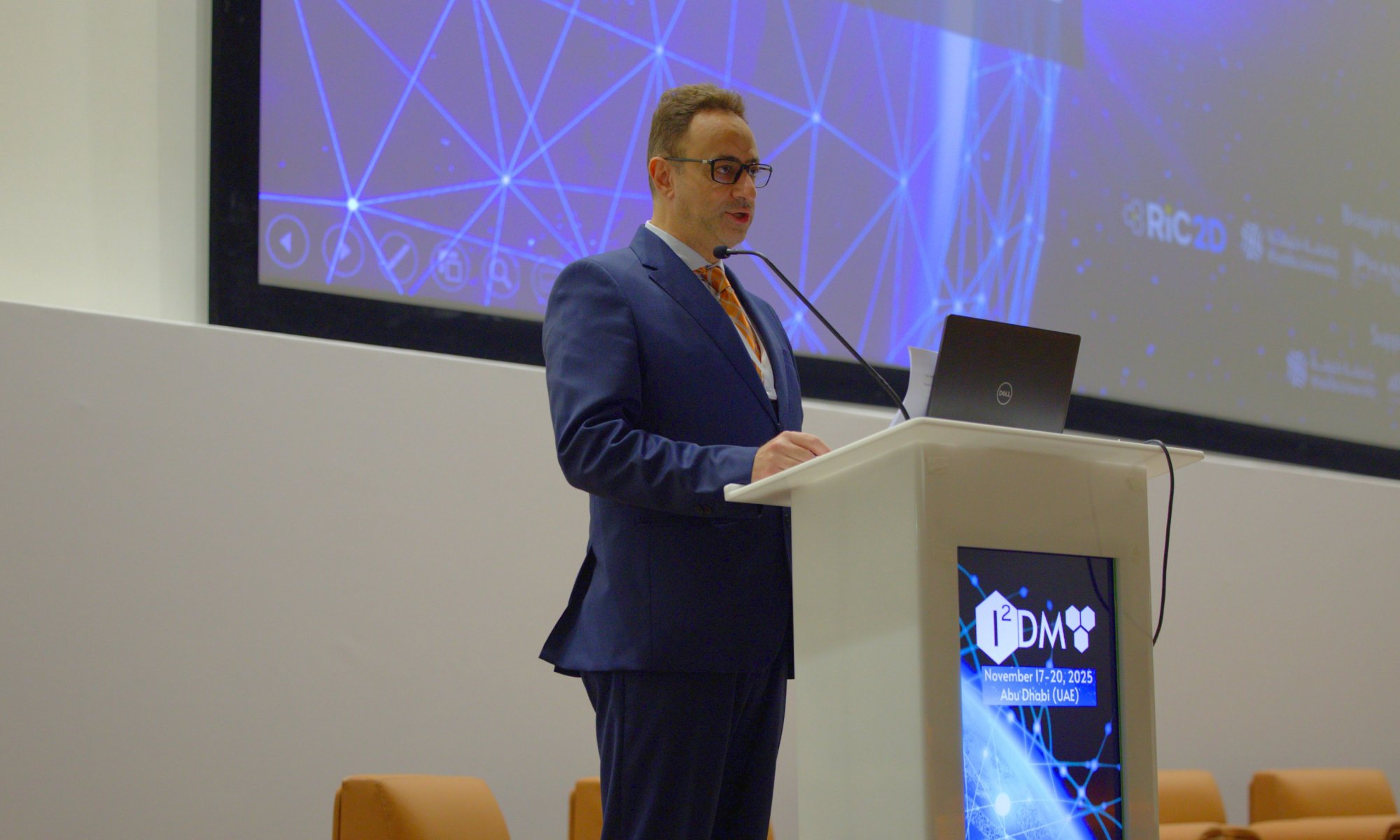
Khalifa University of Science and Technology today inaugurated the second edition of the Innovative and Industrial 2D and Advanced Materials Summit  (I2DM 2025) at its Main Campus in Abu Dhabi, organized by Khalifa University’s Research and Innovation Center for Graphene and 2D Materials (RIC2D) in collaboration with the Phantoms Foundation and supported by the Ministry of Higher Education and Scientific Research, and Khalifa University Enterprises Company (KUEC). 


The event running from 17-20 November 2025 brings together more than 300 participants, pioneering international industries and startups that showcase innovations, real world applications  and foster collaboration in advanced materials driving progress in water, energy, aerospace, healthcare, and high-precision manufacturing. The event opened in the presence of senior officials from Khalifa University, alongside delegates from academia and industry.


Professor Hassan Arafat, Senior Director, RIC2D, said: “Hosting this global gathering in Abu Dhabi reflects the growing role of Khalifa University and the Research and Innovation Center for Graphene and 2D Materials as a center for advanced materials research and technology development. Our infrastructure and industry partnerships continue to drive an economy powered by technology-backed startups and innovation. The UAE is investing in knowledge and knowledge commercialization that builds real capability and events like I2DM 2025 illustrate how collaboration between academia and industry accelerates technologies that deliver tangible impact.”


Building on the success of last year’s inaugural summit, the 2nd edition includes a plenary session with Nobel Laureate in Physics (2010), Professor Sir Kostya Novoselov from the National University of Singapore, who will outline how advances in 2D materials could reshape the future of electronics and quantum technologies. A total of seven keynote speakers, 38 invited lectures, and an exclusive session for pitching as well as an industry forum have created a global platform for collaboration between researchers, industry experts, and emerging technology startups. 


The I2DM 2025 exhibition is hosting 22 companies, including Khalifa University spinoff INTRATOMICS, Thermo Fisher Scientific, Merck, ESANanotech, Edinburgh Instruments, and the Technology Innovation Institute (TII) – Abu Dhabi, representing the complete innovation chain from scientific instruments to industrial applications. 


Designed and Chaired by Dr. Mamoun Taher, technology entrepreneur and Director of Research and Innovation at RIC2D, the pitching session brought together 20 pioneering startups. The session supports the building of a dynamic platform for transforming cutting-edge inventions into impactful startups and to enable strategic connections with Khalifa University and the innovation ecosystem positioning Abu Dhabi as a strong emerging advanced technology hub and a platform for local and international collaborations.


Over the coming days, the summit continues with more technical sessions, exhibitions, and networking activities designed to strengthen partnerships and translate advanced materials research into real-world solutions.

Khalifa University’s KUEC Signs MoU with Rabdan Academy to Collaborate on Education, Research, and Training in SSDEC Sectors 

MoU also Outlines Joint Initiatives in Student Internships, Research Projects, Knowledge Exchange, and Event organization


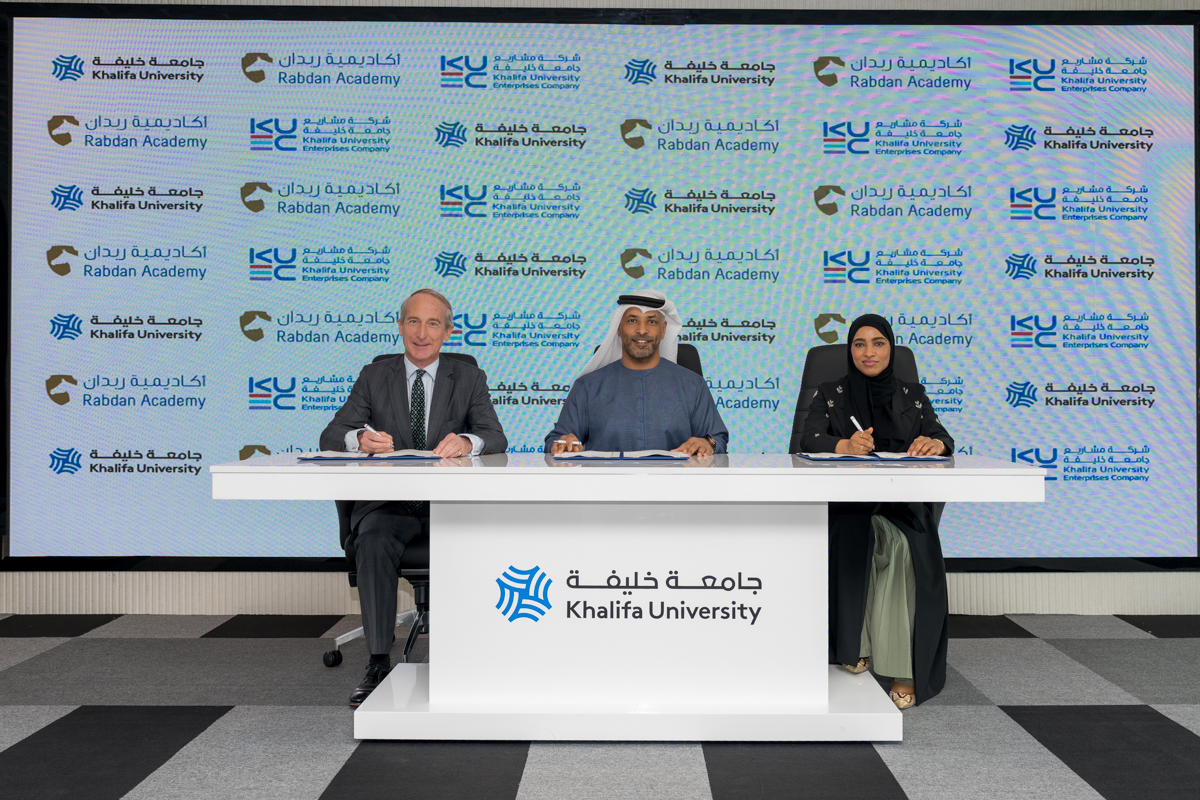
Khalifa University of Science and Technology’s Khalifa University Enterprises Company (KUEC), the University’s business and investment arm, and Rabdan Academy today announced they signed a Memorandum of Understanding (MoU), creating a framework for collaboration in education, research, and training within the Safety, Security, Defence, Emergency Preparedness, and Crisis Management (SSDEC) sectors


The MoU was signed by H.E. Prof. Ebrahim Al Hajri, President, Khalifa University, H.E. James Anthony Morse, President, Rabdan Academy, and H.E. Amal Nasser Al Jabri, Chief Executive Officer, KUEC, in Abu Dhabi.


H.E. Prof. Ebrahim Al Hajri said: “Khalifa University is pleased to enter into this MoU with the Rabdan Academy through KUEC and ensure sharing of knowledge to help develop human capital. Our University’s academic and research expertise, coupled with KUEC’s capabilities in entrepreneurship, as well as IP and commercialization of technology startup, will benefit the Rabdan Academy in combining academic and vocational education. More importantly, the MoU facilitates internship programs that will significantly assist students in gaining hands-on work experience, enabling them to be part of the right talent pool for recruitment by employers.”


H.E. James Anthony Morse emphasized that this partnership marks a strategic step towards strengthening integration among higher education institutions in the UAE, contributing to the development of an advanced learning ecosystem that serves the evolving needs of the Safety, Security, Defence, Emergency Preparedness, and Crisis Management sectors. He highlighted Rabdan Academy’s strong belief that collaboration with leading academic and research institutions such as Khalifa University enhances its efforts to develop highly qualified human capital capable of addressing future challenges through academic and vocational excellence, applied research, and meaningful knowledge exchange.


H.E. Amal Nasser Al Jabri said: “The MoU with Rabdan Academy is in line with KUEC’s mandate to accelerate the UAE’s transition to a knowledge-based economy. As a key enabler of innovation, we cultivate an ecosystem that brings together academic excellence, research capabilities, and entrepreneurial ambition, which will go a long way in enabling students to gain advantage in their professional careers. We believe this MoU will significantly help engage the students with professionals in various fields, especially the SSDEC sectors.”


The MoU also outlines joint initiatives in student internships, research projects, knowledge exchange, and event organization, while aiming to enhance institutional capabilities and student development through shared expertise and coordinated initiatives.

Khalifa University-Led Review Highlights Perovskite’s ‘Fatal Flaw’ and Unlock Commercial Potential

A new roadmap identifies pathways to stop metallic lead formation in perovskites

Listen to this article here

Lead halide perovskites are among some of the most promising materials in modern science. They are expected to revolutionize next-generation electronics, leading to ultra-high-efficiency solar cells, brilliant LEDs, and super-sensitive cameras. But this ‘wonder material’ has a fatal flaw that is holding back its widespread commercial use.


There is a major issue with its instability. When exposed to real-world conditions like light, heat, or moisture, these materials can begin to break down, forming tiny particles of ‘metallic lead’, a defect that acts like a trap for energy.


These defects stop energy from flowing freely, which  severely impedes the device’s performance. This is the main roadblock preventing the technology from reaching its full commercial  potential.


A team of international and Khalifa University researchers has published a comprehensive review in ACS Nano. The team, led by Dr. Ahmed L. Abdelhady that included  Yuki Haruta, Mohammed Misbah Uddin, and Makhsud I. Saidaminov, has created the first definitive roadmap of this complex problem.


The review systematically analyzes the origins of metallic lead, detailing the stages of its formation under various conditions. More importantly, it maps out all the known strategies to suppress this formation.


The work summarizes possible solutions, from designing more stable recipes for the material to incorporating special additives and protective layers.


Dr. Lourdes

“Perovskites are a ‘wonder material’ for solar cells , but they have a fatal flaw: they aren’t stable in real-world conditions. We’ve created the first definitive roadmap that identifies why this material breaks down and how to fix it , which is the key to unlocking its full commercial potential.”

Dr. Ahmed Abdelhady, Assistant Professor, Khalifa University.


“The formation of metallic lead is the critical obstacle the entire field is facing,” explains Dr. Ahmed Abdelhady, Assistant Professor, Chemistry. “By creating this comprehensive roadmap, we are helping the global research community identify the most promising pathways to finally enhance the stability of these devices and enable their widespread adoption.”


This review acts as a critical guide for researchers, identifying the most effective strategies to enhance device stability. By understanding the cause and the reason of this breakdown, the research work provides the insight needed to overcome this final hurdle and unlock the full potential of perovskite technology that has great potential in low-cost, high-efficiency, and flexible solar cells, fuel cells and catalysts, as well as in low-power electronics and light emitters.


Momen Khaiti
Communications Manager

Khalifa University announces winners of 8th RoboCup Asia-Pacific in Abu Dhabi

Khalifa University of Science and Technology today announced winners of various leagues at the 8th edition of RoboCup Asia-Pacific (RCAP) 2025, proving the depth of technology and innovation in autonomous systems, and emphasising the role of Abu Dhabi as a leading hub for excellence in AI and robotics.


Teams from Russia walked away with 19 awards while South Koreans won 15 honors as the 8th edition of RoboCup Asia-Pacific successfully concluded in Abu Dhabi.


There were a total of over 160 teams and more than 700 participants with nearly 2,000 researchers, industry professionals, students, and visitors from around the globe to witness the competition in AI-driven autonomous robotics challenges, with eight leagues and 15 sub-leagues, including soccer and rescue.


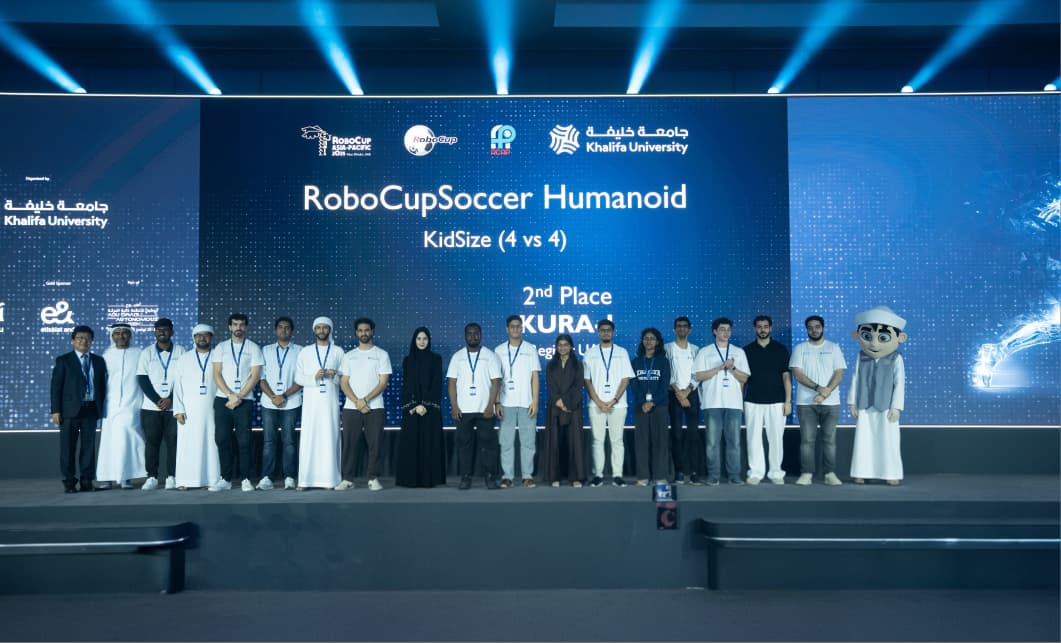
At an awards ceremony, the winning teams across the RoboCupJunior, CoSpace, Rescue, and Humanoid leagues were recognized, highlighting the growing global appeal of RoboCup Asia-Pacific. The competition celebrated remarkable performances from students representing Russia, India, South Korea, Indonesia, China, Egypt, Pakistan, Croatia, Chinese Taipei, and the UAE.


Khalifa University teams also delivered strong results, securing second and third places in the Humanoid 3-versus-3 and 4-versus-4 leagues, while two UAE teams earned distinctions across the Junior and CoSpace categories, reinforcing the country’s rising capabilities in robotics, AI, and autonomous systems.


Events such as RCAP 2025 organised in Abu Dhabi, alongside other major robotics and AI events, strengthen, and nurture the country’s robotics ecosystem. For Emirati students and researchers, this translates to hands-on exposure to cutting-edge robotics and AI, opportunities to compete and present research, and directly interact with global experts.


RCAP 2025 also offered an opportunity to create a collaborative platform where researchers, engineers, and students from around the world gathered to exchange ideas, test new technologies, and develop solutions.


RoboCup Asia Pacific 2025 was organised by Khalifa University with the support of the Smart and Autonomous Systems Council, as part of Abu Dhabi Autonomous Week 2025. The event was sponsored by Mubadala (Strategic Partner), Etisalat e& (Gold Sponsor), and Abu Dhabi Convention and Exhibition Bureau (Supporter), reflecting a shared commitment to advancing robotics, AI, and sustainable innovation in the UAE.

Khalifa University Inaugurates Healthy Longevity Symposium 2025 with Global Experts Exploring Biomedical Research and Science and Policy of Wellbeing

Top Scientists from Leading Institutions, including Harvard, Oxford, Stanford, NUS, Peking University, and the Chinese Academy of Medical Sciences, Participate


Khalifa University of Science and Technology, through hosting the 3rd Healthy Longevity Symposium featuring the Nature Forum: Measuring Healthy Aging, exemplifies its role as a catalyst for impactful research and knowledge exchange that advance health and wellbeing, said H.E. Prof. Ebrahim Al Hajri, President of Khalifa University, in his opening remarks.


Welcoming delegates and participants to the forum, which opened on 13 November 2025 at Erth Hotel Abu Dhabi, H.E. Prof. Al Hajri commended the collaborative efforts of stakeholders in the UAE, the regional research community, and international partners who have contributed to bringing a forum of this caliber to Abu Dhabi. The scientific program, themed “Measuring Healthy Aging,” runs until 14 November 2025, showcasing more than 100 student poster presentations on the first day, highlighting emerging biomedical research from Khalifa University and partner institutions, making it a platform for young scientists to engage with international experts and share innovative approaches to longevity science.


The opening ceremony set the stage for two days of cross-disciplinary dialogue on healthy aging, bringing together senior officials and leading researchers. The forum welcomed H.E. Dr. Mugheer Khamis Al Khaili, Chairman of the Department of Community Development, H.E. Dr. Noura Al Ghaithi, Undersecretary of the Department of Health – Abu Dhabi, along with senior officials from Khalifa University, including Dr. Habiba Alsafar, Dean, College of Medicine and Health Sciences, and Prof. Sebastien Thuault, Chief Editor of Nature Aging.


H.E. Dr. Noura Al Ghaithi, Undersecretary, Department of Health – Abu Dhabi, said: “This forum highlights our shared commitment to extending both lifespan and healthspan, positioning Abu Dhabi as a global hub for longevity science and innovation. Through initiatives like the Future Health and Emirati Reference Genome Programme, and in collaboration with Khalifa University, we are advancing precision health and building a healthier, longer-living society.”


H.E. Prof. Ebrahim Al Hajri said: “This forum reflects Khalifa University’s commitment to shaping a healthier, more resilient society through science, innovation, and policy integration. By uniting experts from across the world, we continue to strengthen our collective understanding of longevity and wellbeing, while supporting research that can improve the quality of life for generations to come.”


The opening keynote was delivered by H.E. Dr. Noura Al Ghaithi, who highlighted the Emirate’s strategic commitment to fostering innovation and longevity research, followed by Prof. Kaare Christensen from the University of Southern Denmark and Prof. Terrie Moffitt from Duke University, who discussed global insights into aging and mental health.


More than 25 international experts in public health, biomedicine, and aging research discussed the metrics and technologies that shape healthy aging, data-driven health strategies, and translational research that links science with clinical outcomes. Multiple scientific sessions and three keynotes featured leading researchers from the Department of Health – Abu Dhabi, Nature Portfolio, and Khalifa University, alongside renowned international speakers from institutions across Europe, the U.S., and Asia.


A high-level panel titled “Healthy Aging: Challenges and Opportunities in the UAE and MENA Region” brought together Dr. Mohammed Al Ameri, DoH, Dr. Mie Rizig, University College London, Prof. Kaare Christensen, University of Southern Denmark, and Dr. Wadha A. Al-Muftah, Qatar Precision Health Institute. Discussing regional frameworks for advancing healthy longevity, the session was moderated by Dr. Khaled Musallam, Adjunct Faculty at Khalifa University and Group Chief Research Officer at Burjeel Holdings.


Technical sessions under the theme “Measurements of Body and Organ Function as a Foundation for Healthy Aging; included Prof. John Beard and Dr. Dan Belsky, Columbia University; Dr. Jamie Justice, Wake Forest University School of Medicine; and Prof. Heike Bischoff-Ferrari, University of Basel.


A session on “Measuring Aging in High-Dimensional Molecular Datasets” examined the molecular and data-driven frontiers of aging research. Presentations were delivered by Prof. Vadim Gladyshev, Harvard Medical School; Prof. Guang-Hui Liu, Chinese Academy of Medical Sciences; Prof. Cornelia van Duijn, University of Oxford; and Dr. Joris Deelen, Leiden University Medical Center, who discussed quantitative and multi-omics insights into aging, longevity, and global health markers.


Learn more at: https://ku.events/3rd-healthy-longevity-symposium/

INTRATOMICS and MAGMA Sign MoU to Transform Industrial Waste into Graphene

Collaboration Marks Strategic Step Toward Building UAE’s Circular Economy by Turning Industrial Byproducts into High-Value Advanced Materials


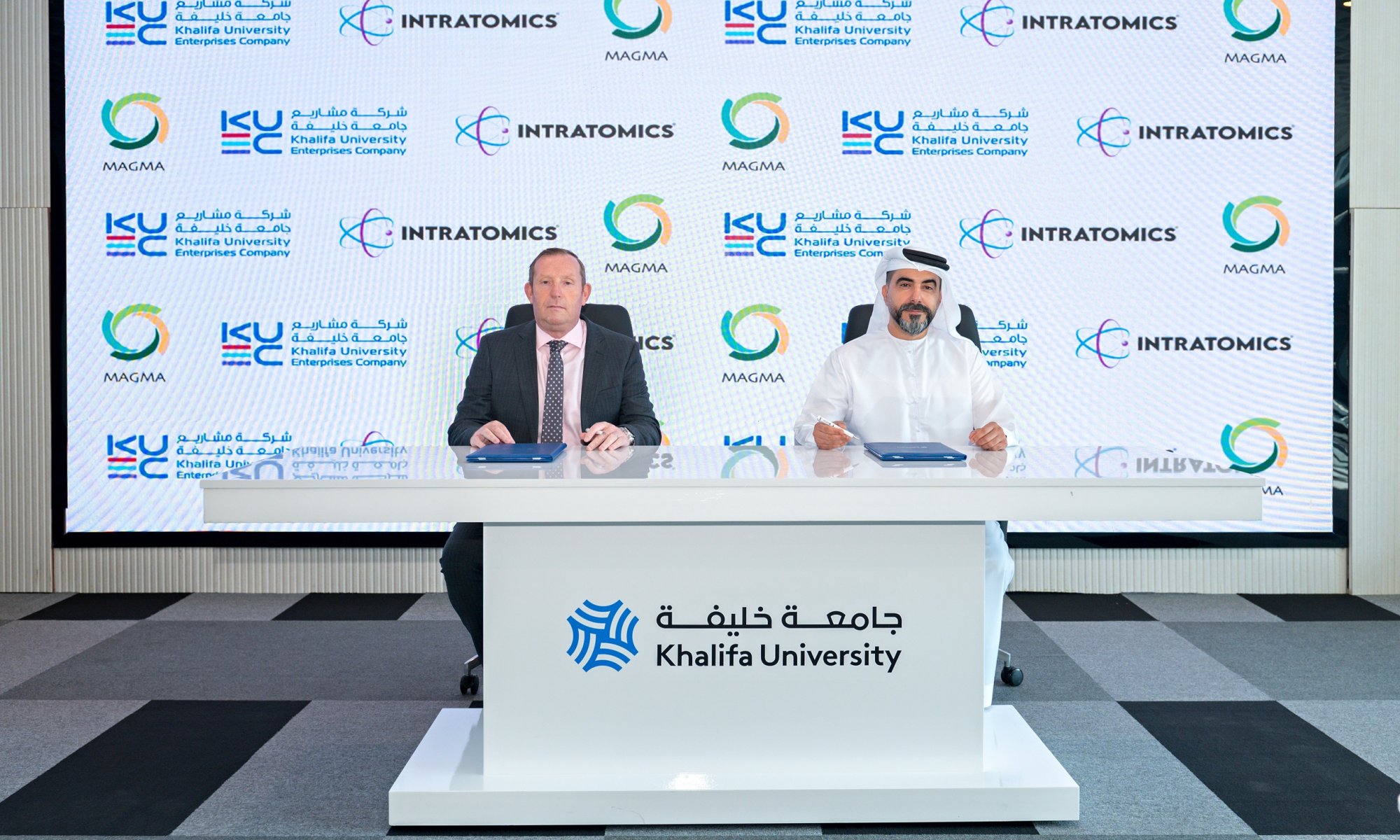
INTRATOMICS Advanced Material Technologies, the commercial spin-off of the Research & Innovation Center for Graphene and 2D Materials (RIC2D) under Khalifa University Enterprises Company (KUEC), the business and investment arm of Khalifa University of Science and Technology, has signed a Memorandum of Understanding (MoU) with MAGMA (RWM), a UAE-based company specializing in waste valorization and sustainable material recovery.


The MoU was signed by Fahed Mohamed Rashed Alabsi, Director, Commercialization and Special Projects, RIC2D and Chief Executive Officer, INTRATOMICS, and Mark Anthony Woods, Chief Executive Officer, Magma.


The collaboration aims to develop scalable pathways to recover, process, and upcycle industrial byproducts into advanced materials, enhancing both sustainability and performance across multiple industries. It marks a strategic step toward building a circular economy where industrial waste is converted into graphene and graphene-related materials (GRMs), unlocking new value chains for the UAE’s manufacturing, construction, petrochemical, infrastructure, and environmental sectors.


Fahad Mohamed Rashed Alabsi said: “This collaboration redefines how waste is perceived — not as a burden, but as a source of value. Together with MAGMA, we are pioneering a new frontier where waste materials from across sectors become feedstock for graphene and GRM production, enabling cleaner, more efficient industries and advancing the UAE’s leadership in sustainable innovation.”


Mark Anthony Woods said: “Our partnership with INTRATOMICS represents a shared vision for transforming industrial waste into advanced materials that serve multiple industries. By combining MAGMA’s expertise in waste management with INTRATOMICS’ scientific and technological capabilities, we can demonstrate a circular model where sustainability and profitability coexist.”


H.E. Amal Al Jabri, Chief Executive Officer, KUEC, said: “This partnership highlights the role of Khalifa University and KUEC in bridging research excellence with national industrial priorities. By supporting collaborations like INTRATOMICS and Magma, we enable science to become a catalyst for circular economy transformation and global leadership in sustainable materials.”


The collaboration will focus on converting diverse waste streams, including coke, fly ash, biosolids, metallic residues, and other industrial byproducts into graphene and GRM-based materials suitable for coatings, composites, filtration systems, lubricants, and structural materials.


By bridging environmental engineering with advanced material science, the partnership will enable the creation of locally produced, high-value materials that support construction, energy storage, mobility, and manufacturing sectors, contributing to the UAE’s industrial self-reliance.


The initiative will also demonstrate how scientific innovation can drive circularity by turning waste liabilities into resource assets, while lowering carbon intensity and fostering sustainable industrial growth aligned with UAE Net Zero 2050 ambitions.

Zayed bin Mohamed bin Zayed attends inauguration of RoboCup Asia-Pacific 2025

His Highness Sheikh Zayed bin Mohamed bin Zayed Al Nahyan, has attended the opening ceremony of the 8th edition of RoboCup Asia-Pacific (RCAP 2025), organised by Khalifa University of Science and Technology. The event will run until 15 November 2025.


Held as part of the inaugural edition of Abu Dhabi Autonomous Week, RCAP 2025 is being hosted for the first time in the MENA Region under the theme Artificial Intelligence and Robotics for a Sustainable Future.


The event features more than 170 teams and in excess of 700 participants, including 22 teams from Singapore with a strong contingent of 61 students and 55 officials, Egypt with 18, Russia with 18 teams, China with 10, and with the UAE fielding 12 teams of 44 students.


His Highness Sheikh Zayed bin Mohamed bin Zayed Al Nahyan toured several competition areas and reviewed cutting-edge robotics projects showcased by student teams from various countries participating in both the main and sub-challenges.


His Highness emphasised that investing in artificial intelligence, robotics technologies and autonomous intelligent systems will serve as a fundamental pillar in the journey of future development, noting that nurturing young talent and promoting research and development contributes to strengthening Abu Dhabi’s position both as a global platform for supporting the innovation ecosystem and a destination for attracting future industrial sectors, in alignment with the emirate’s vision of building a knowledge-based economy driven by advanced science and technology.


A project-oriented educational initiative, RoboCupJunior sponsors local, regional and international robotic events for young students and will have Soccer, OnStage and Rescue leagues.


RCAP 2025 features eight main competitions and 15 sub-challenges, covering Soccer, OnStage and Rescue leagues. RoboCup Soccer will include four challenges covering Standard Platform, Humanoid, Simulation 2D and RoboCupJunior leagues.


His Excellency Professor Ebrahim Al Hajri, President of Khalifa University, said: “Hosting RCAP 2025 in Abu Dhabi marks a major milestone for Khalifa University, the UAE and regional robotics ecosystem, highlighting Abu Dhabi’s role as a regional centre for advanced robotics and AI research. This aligns with Abu Dhabi’s vision to become a leader in technology and innovation, and the UAE Vision 2031, showcasing how AI and robotics can transform industries.


“The event will also generate more interest in STEM-related subject areas for the students while creating fresh talent suitable for future leadership. Additionally, such major events help in attracting top global talent in AI and robotics to Abu Dhabi and the UAE.”


Alya Al Hosani, Executive Director, Community Affairs, Mubadala Investment Company, said: “Mubadala is proud to support RoboCup Asia-Pacific 2025, a distinguished platform that underscores the UAE’s leadership in innovation and technology. Our commitment to advancing youth engagement in STEM education and fostering innovation in fields such as robotics reflects our dedication to nurturing the next generation of talent that will continue to advance the UAE as a knowledge-based economy.”


Dr Hamad Karaki, General Chairman of RCAP 2025, said: “The number of participating teams and the diversity of competitions strongly reflect Abu Dhabi’s ability to attract the top-tier technology experts to compete through the latest AI technologies.


“RCAP 2025 aims to strengthen, and nurture the UAE’s robotics ecosystem following the initiatives to create an AI-powered government, that includes 100 per cent digitisation of processes, and the deployment of more than 200 AI solutions. Such efforts have positioned the UAE as a global magnet for the top technology leaders participating in RCAP 2025.”