ISYE Department Now a Member of the Council of Engineering Systems Universities (CESUN)

Khalifa University’s Industrial and Systems Engineering (ISYE) Department joins other prominent international universities as it becomes a member of the Council of Engineering Systems Universities (CESUN). The CESUN is an organization of more than 50 universities from North America, Europe, Asia, and Australia. It was established in 2004 by top-ranked universities from around the world that offer educational and research programs in Engineering Systems. Among the member universities are MIT, Georgia Tech, Carnegie Mellon University, University of Tokyo, and Cambridge University. Khalifa University is the first from the MENA region to join the Council. 


One of the missions of KU’s ISYE Department is to prepare its students for the challenges that they will be facing in the 21st century. “The great achievements of the past century have led to the development and growth of large systems that are complex and require a new set of skills to grapple with them. Over the past decades, a new engineering field of study (Systems Engineering, Engineering Systems, …) has emerged with the aim to address these challenges in systems such as energy, communications, transportation, health care, and many others,” Dr. Ali Bouabid, Assistant Professor of Industrial and Systems Engineering, said. 


“CESUN is, at its core, about bringing to bear engineering knowledge, along with research and design, to address the great challenges posed by large-scale, interconnected, and therefore highly complex and dynamic social-technical systems,” Dr. Bouabid further explained. 


The main goal of the Council is to provide a mechanism for member universities to work together in developing the discipline of Engineering Systems as a new field of study, and to broaden its engineering education and practice. “Our department will benefit greatly from this membership in sharing best practices among the member universities, and establishing connections with the best educators and researchers in this discipline,” said Dr. Bouabid 


The ISYE Department is eager to be an active member of CESUN. Some of the possible plans for KU would be to undertake joint projects of mutual interest in the field of study; organize meetings, symposia, and conferences; and build relationships with related professional societies and journals. These will help put Khalifa University on the world map as one of the top universities offering a program of study and research in Engineering Systems. 


Ara Maj Cruz
Creative Writer
6 January 2022

Dr. Ammar Nayfeh Selected to be the Deputy of the MBRAS Public Outreach Committee

Khalifa University’s Dr. Ammar Nayfeh, Associate Professor of Electrical Engineering and Computer Science, was selected by the Emirates Scientists Council to be the Deputy of the Public Outreach Committee of the Mohammed bin Rashid Academy of Scientists (MBRAS). Dr. Nayfeh will be working with Committee Chair Dr. Aaesha Abdulla Alnuaimi, KU alumna, and the other committee members to develop and coordinate outreach activities to promote MBRAS.                                                 


The committee aims to inspire a new generation of scientists and raise awareness about scientific research in the UAE, while also promoting MBRAS members and their projects. To help achieve these goals, Dr. Nayfeh will help arrange and manage two major events in the upcoming year with support from the wider committee.


“Inspiring young people to love science is a passion of mine.  It is important to start with students at a young age to build a strong scientific foundation. This will help increase the amount of students pursuing scientific majors and careers in the UAE. With this committee, our aim is to use fun, engaging, hands-on events and activities to help inspire young students scientifically. Additionally, there is a lot of amazing research being conducted in the UAE by top scientists including current MBRAS members that we will promote, which will also inspire students to explore science,” Dr. Nayfeh said. 


Dr. Nayfeh is regarded as an expert in nanotechnology and nano materials for future energy efficient optical electrical and photovoltaic nano devices.   


Erica Solomon
Senior Publication Specialist
5 January 2022

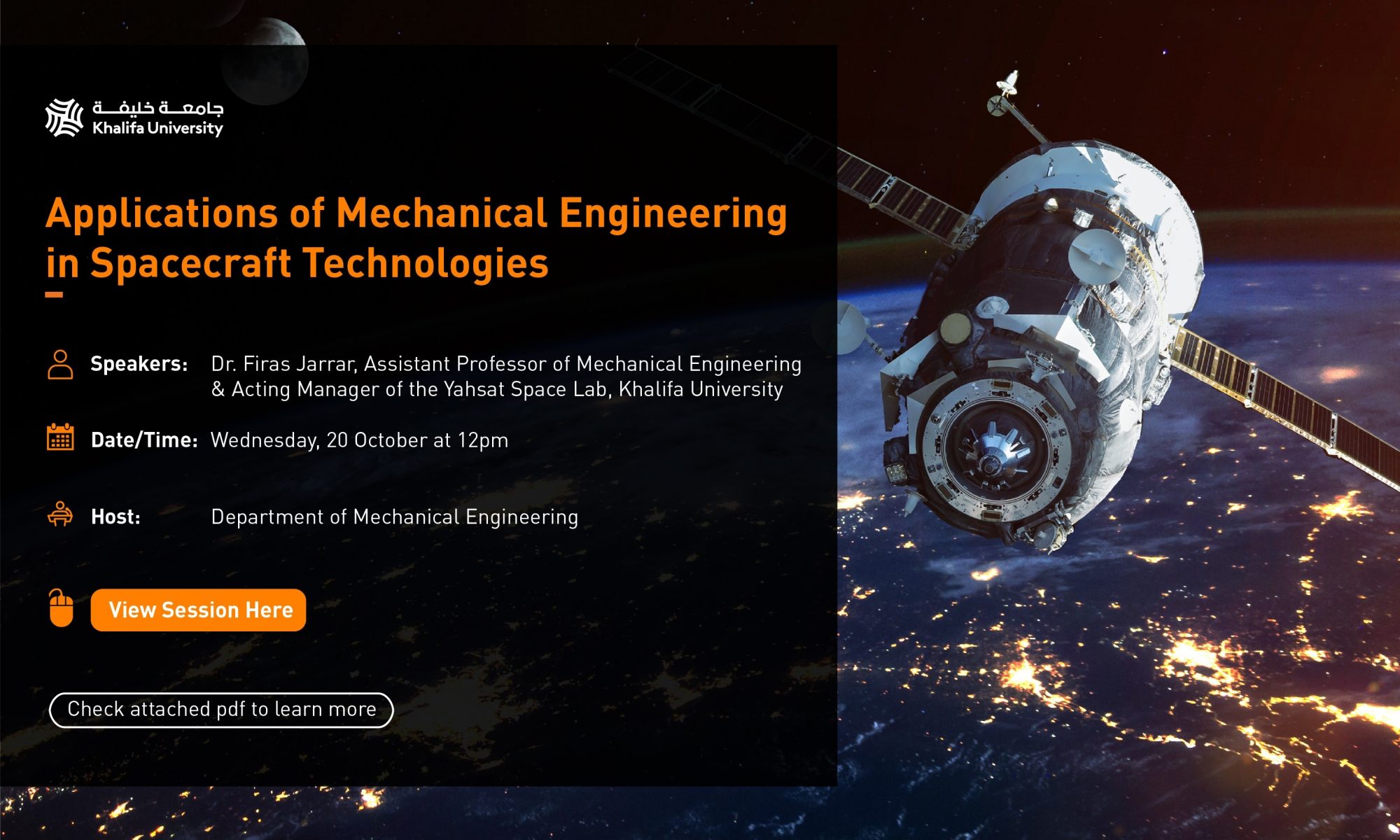
MEEN Webinar: “Applications of Mechanical Engineering in Spacecraft Technologies” by Dr. Firas Jarrar

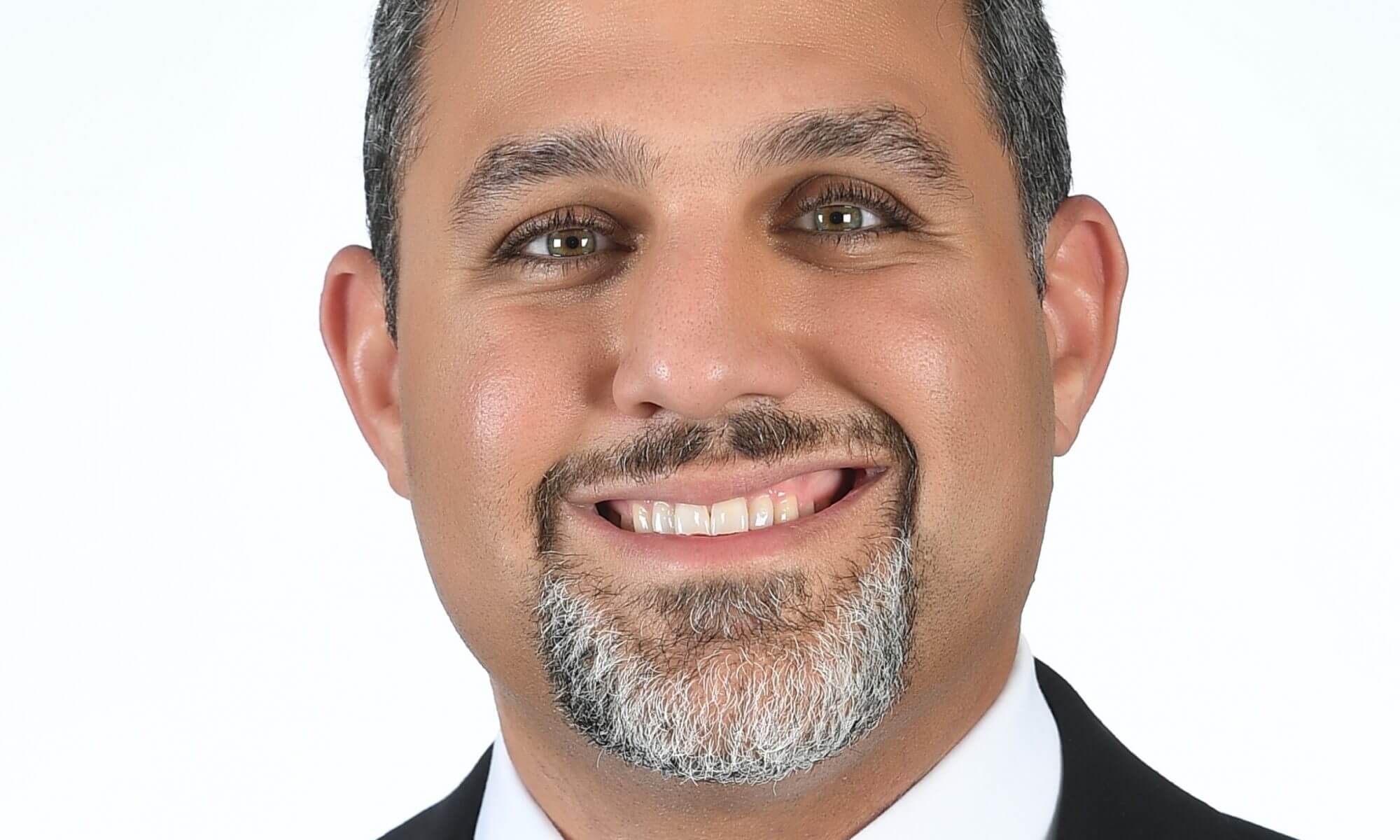
With the recent advancements in space technologies alongside with the substantial increase in the number of satellite deployments and space missions, it is clear that we are witnessing the dawn of the second space age. In this webinar, Dr. Firas Jarrar discussed the significance of the current achievements in space technologies during a webinar on Wednesday, 20 October. In addition, he addressed the opportunities and for mechanical engineers to get involved in this exciting field. 

In particular, Dr. Firas talked about the structural and thermal design and analysis of spacecraft, power budget calculations, and spacecraft dynamics.

Discussion Forum with Alumni and Senior Students

A panel discussion aimed at highlighting the experiences and aspirations of our Alumni and Senior students. The panelists included MEEN Alumni Maryam Naqi, Muhammad Ansari and our senior student Sultan Hussanieh. The discussion focused on MEEN student experience, the role of elective majors, academic and social life balance, future plans and message for young engineers.

A video of the virtual discussion can be viewed here.

3D Printed Toy Solar Car Competition

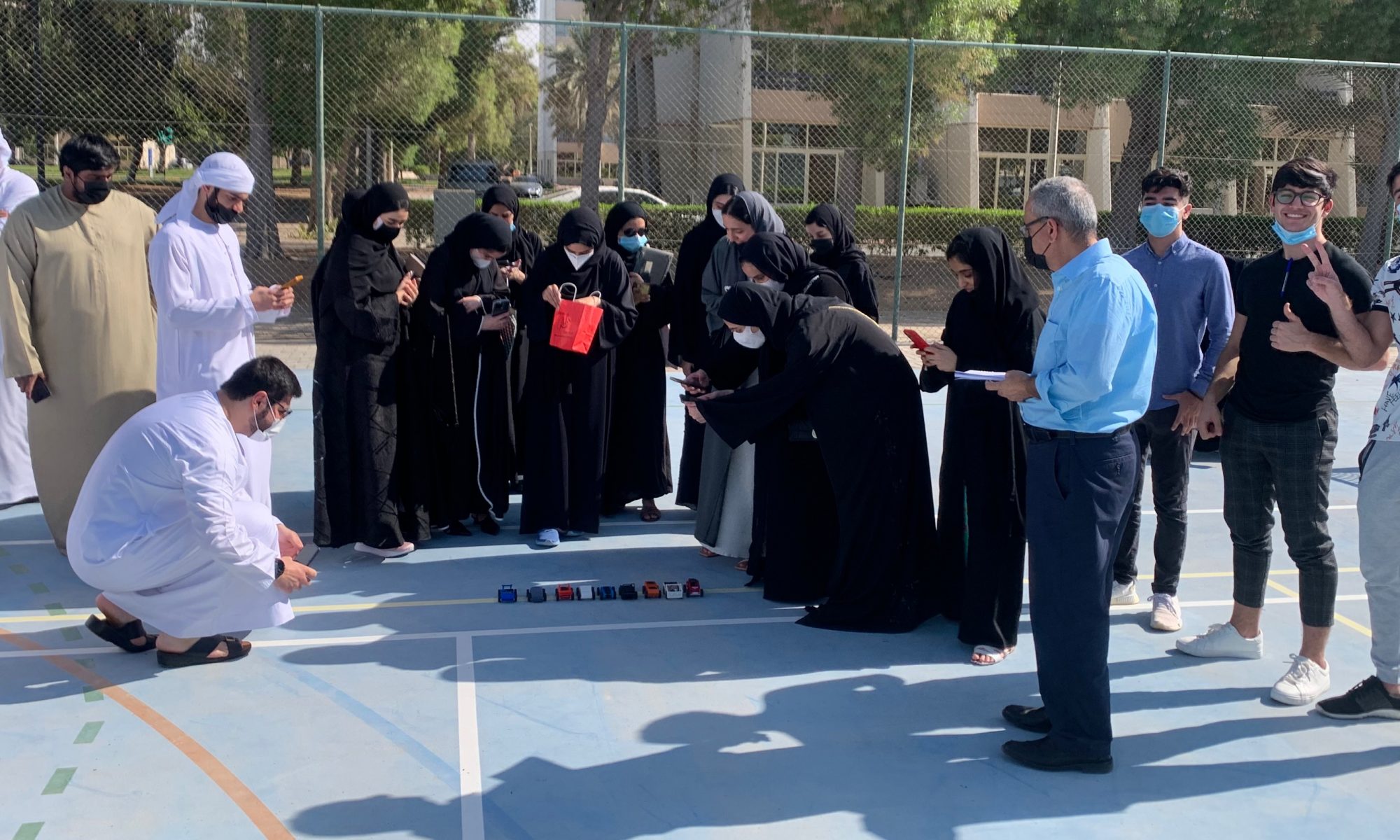
In this project, student teams in MEEN495-Additive manufacturing were required to design, fabricate and test an all-wheel drive toy solar-powered car using additive manufacturing technology. The car was judged on its performance and aesthetics. The teams were encouraged to minimize the number of parts and decrease the weight while maintaining ease of assembly. The only constraints were that the distance between axles should not exceed 60mm, and that all teams had to use the provided hardware which includes two axles, two motors, two solar panels, and four wheels. The winning team managed to design and fabricate a toy car made of a single component which weighed less than 11g.

An Efficient and Cost-effective New Material for Capturing Carbon Dioxide Emissions

Robust, cost-effective and energy efficient methods to capture carbon dioxide from the atmosphere are made possible with novel materials like porous organic frameworks


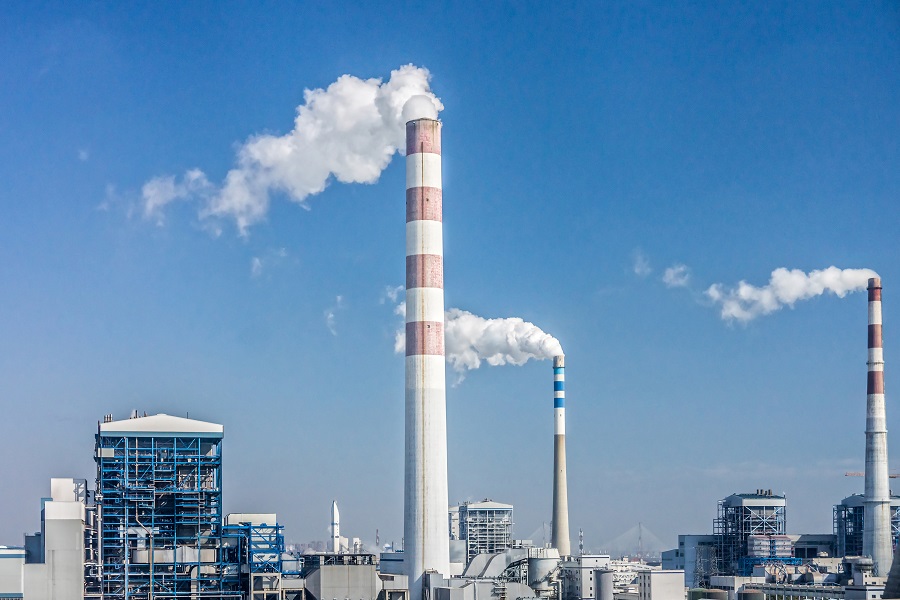
Reducing greenhouse gas emissions, particularly carbon dioxide, is paramount in combating climate change. One way to do this is to capture the carbon dioxide (CO₂) emissions directly from the source before they enter the atmosphere.


Dr. Georgios Karanikolos, Associate Professor of Chemical Engineering, Dr. Vengatesan Rangaraj, Research Scientist, and Dr. K. Suresh Kumar Reddy, Research Scientist, designed and developed a new material for use in carbon capture. The properties and efficacy of their phosphazene-core Covalent Triazine Framework were examined and tested at various conditions, with their results published in Chemical Engineering Journal.


“Carbon dioxide is the primary cause of global warming, which has had adverse effects on climate change in the last few decades and with even more negative consequences predicted for the near future,” Dr. Karanikolos said. “Combusting fossil fuels increases atmospheric CO₂ levels, and since fossil fuels are currently the predominant energy source for industry and the transportation sector, it is essential that we explore robust, and cost- and energy-efficient methods to capture the CO₂ emitted from combustion.”


Carbon capture, utilization and storage (CCUS) is the most widely accepted and promising strategy currently in use, and can be further developed to improve efficiency, energy consumption, and cost.


Successful carbon capture needs a sorbent material that will selectively grab CO₂ in a stream of gas and then readily release it when desired so that the material can be reused, while the released CO₂ can be utilized or sent for long-term storage.


In adsorption, CO₂ reversibly collects in the pores in the material that serve as active capture sites. When, for instance, temperature is lowered, CO₂ adheres to the surface, and when temperature is raised, CO₂ is released. Changes in pressure can also bring about these capture and release cycles.


Currently, aqueous amine solutions, which are solutions containing water and organic compounds called amines that contain nitrogen atoms attached to hydrogen and carbon atoms, are used to capture CO₂ in industrial applications. Amine solutions are excellent at trapping the CO₂, making them the most popular and developed carbon capture technology. However, their disadvantage  is that in order to recover the trapped CO₂ from the amine solution, the solution has to be heated, requiring large amounts of thermal energy and resulting in some amines being lost to the environment in this high-energy process.


To overcome the shortcomings of amine solutions, solid sorbent materials are a viable alternative. Solid sorbents can selectively adsorb CO₂, however some solid sorbent materials perform better than others. The KU research team focuses on investigating a variety of solid sorbents including zeolites, porous carbon nanostructures, metal-organic frameworks (MOFs), and porous organic frameworks (POFs).


“Over the last few years, MOFs and POFs have been studied extensively for various applications due to their superior textural properties, high structural flexibility and the various functional groups they can contain,” Dr. Karanikolos said. “However, MOFs typically possess low thermal and chemical stability, restricting their use especially in harsh environments. On the other hand, POFs are made of organic building blocks closely connected through covalent bonds that enhance chemical and thermal stability. This means they can be used in environments where MOFs are not suitable.”


Covalent Triazine Frameworks (CTFs) are a class of porous organic frameworks with properties that can be tuned through careful design for a wide range of applications. One such application is carbon dioxide adsorption. CTFs are easily manufactured and can be designed to include functionalities that are CO₂-philic, meaning they can selectively attract the CO₂ from the atmosphere to adsorb into the CTF for removal. CTFs can also include elements such as sulfur, phosphorous, boron, and oxygen to improve the chemical properties of the framework, which can be highly advantageous for CO₂ adsorption.


The KU research team designed and manufactured phosphonitrilic core CTFs (Pz-CTFs) and tested CO₂ adsorption, selectivity, and regeneration at various temperatures and pressures. These CTFs used a phosphorus-based core with a nitrile group to increase crosslinking, which created a material with a high porosity and surface area (one gram of the material has about 1,000 square meters of surface area), providing a large space for CO₂ adsorption.


High surface area, low density, excellent thermal and chemical stability and a large number of nitrogen functional groups make Pz-CTFs excellent potential candidates for CO₂ capture. The team’s Pz-CTFs can work in temperatures up to 500 °C, meaning they can be used in various industries that require high temperatures. Even at these high temperatures, the team’s material exhibited excellent CO₂ uptake. Furthermore, the material does exhibit significant hydrophobic character, meaning it is less impacted by the presence of water in a CO2-containing mixture, it is selective in the presence of other gas species, and it can be reused. Hence, it is a high-capacity and reversible adsorbent for selective carbon capture in extreme environments.


Jade Sterling
Science Writer
29 December 2021

How Dust from the Sahara Can Turn the Alps Red

Scientists say appearance of dramatic red or orange snow is likely to become more frequent due to climate change


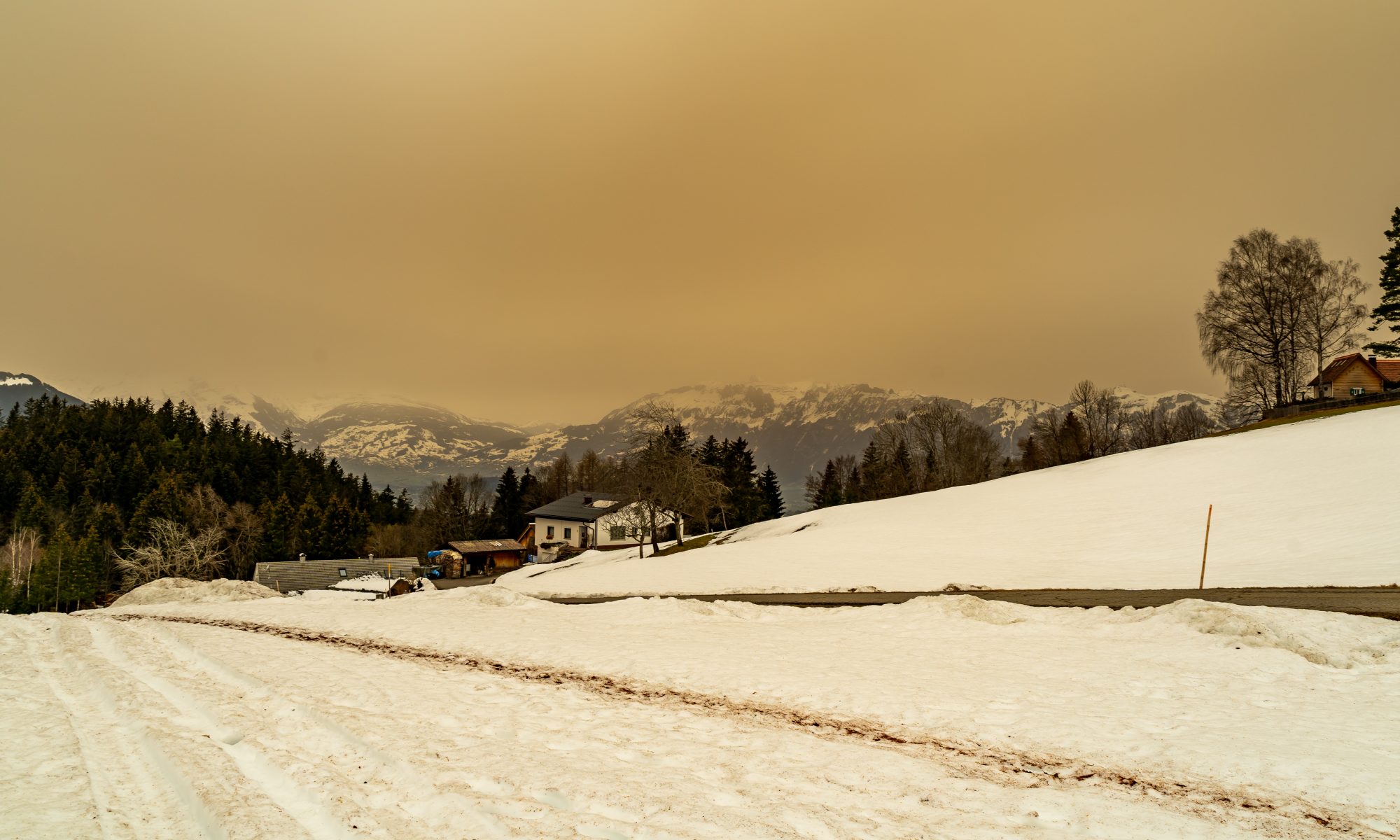
UAE researchers have revealed new details about how dust is travelling from the Sahara to the Alps to cause snowy pistes and glaciers to turn a dramatic red, pink or orange.


The striking colouration, which happens when the dust causes the growth of microalgae, makes the snow melt more easily and is likely to become more frequent because of climate change.


Scientists at Khalifa University in Abu Dhabi reported that flows of air called atmospheric rivers are closely linked to the transport of dust from the Sahara to as far as northern Europe.


“In our study, we found an increasing trend in atmospheric rivers and associated severe dust transport episodes towards Europe,” said an author of the study, Dr Diana Francis, head of Khalifa University’s Environmental and Geophysical Sciences (ENGEOS) Laboratory.


Read the rest of the story here: https://www.thenationalnews.com/uae/environment/2021/11/21/how-dust-from-the-sahara-can-turn-the-alps-red/ 

This Boxing Day, Have an Extra Helping of Pickled Vegetables

It takes guts – healthy guts – to fight Covid-19


With a week to go until the start of 2022 – and so much demand for a better year ahead than the one we are leaving behind – the time is ripe for making New Year’s resolutions. Few lists will be significantly different than those of years past. Every year, polling companies find the most popular resolutions to be the same the world over: eating better, exercising more and losing weight.


It is hardly a wonder why; the holiday season at the end of December is, in many wealthier countries, responsible for up to half of the average weight gained over the course of the year.


In a world ridden with Covid-19, old ambitions for a slimmer waistline have gained a new urgency. Diet, exercise and overall fitness are major factors in staying healthy during this pandemic. Maintaining a healthy diet is arguably the trickiest of these, particularly so soon after one has spent days feasting on Christmas dinners, Boxing Day lunches and New Year’s brunches.


According to a new study carried out in the UAE, however, diet may play an even larger role than was previously thought in maintaining the body’s defences against Covid-19. Scientists at the University of Sharjah and Khalifa University of Science and Technology, among others, found that the make-up of the body’s gut microbiome – the ecosystem of bacteria inhabiting our bellies – may influence the severity of a Covid-19 infection.


Read the rest of the article here: https://www.thenationalnews.com/opinion/editorial/2021/12/26/this-boxing-day-have-an-extra-helping-of-pickled-vegetables/

Khalifa University Participates in Emirates Mars Mission’s Planet X Youth Challenge


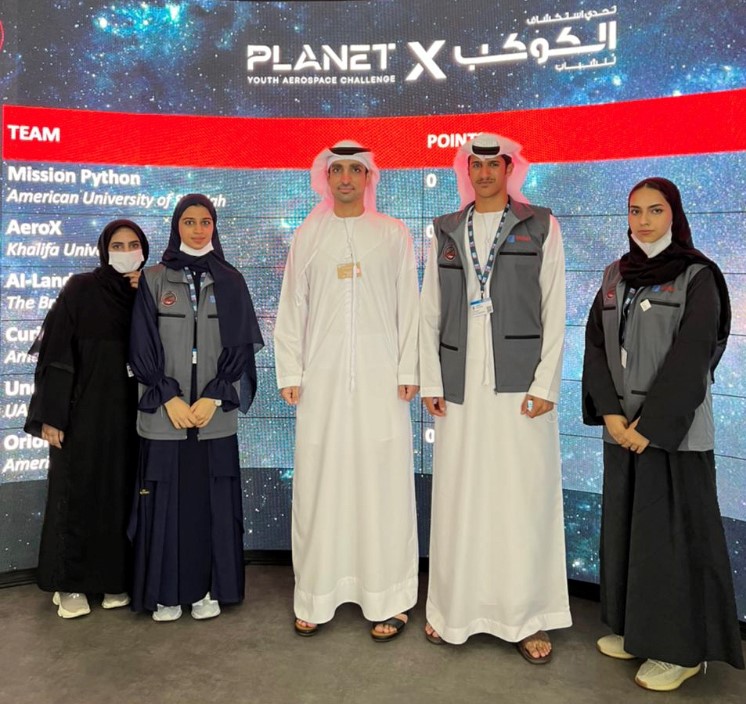
Khalifa University competed in the Planet X Youth Challenge, a nationwide event aimed to promote students’ interest in STEM. The competition was launched by the Emirates Mars Mission, in partnership with Dubai Airshow 2021, and was designed specifically to inspire the youth to pursue careers in space and aviation. 


A prequalification round was held in September where more than 200 teams from various universities in the country applied to be part of the challenge. This was followed by a two-day training in October. And finally, the main challenge that took place during the Dubai Airshow 2021.  


AeroX, KU’s representative team to the competition, was among the top 6 groups that qualified to compete in the final stage of the challenge after scoring a high score in the Python Hackathon. The team was composed of undergraduate students:

  • Soghah Mohamed Ali Jedeid Alshehhi (Electrical Engineering);
  • Ahmed Husain Hamad Abdulla Alawani (Aerospace Engineering);
  • Somayyah Mohamed Rashed Abdulla Althabahi (Aerospace Engineering); and
  • Fatema Saleh Hasan Ali Almarzooqi (Aerospace Engineering). 


During the finals, the teams worked on two main challenges:

  • UAV Challenge – The teams were tasked to design, print, and present an unmanned aerial vehicle (UAV) that will be able to conduct exploration missions and collect samples on a fictional planet, Planet X. In creating the model UAV, the teams had to consider the physics behind the design, as well as the environment of the planet. 
  • UGV Challenge – This challenge required teams to program an unmanned ground vehicle robot to accomplish several tasks while successfully overcoming obstacles within the 5-minute time limit. 


The AeroX team designed an UAV specific to the environment of Planet X, taking into consideration its gravity, surface temperature, atmospheric pressure, etc. The team observed the differences between Earth’s environment and Planet X, and from their observations they were able to develop their UAV “HEXAPLORE”. Hexaplore is a unique UAV that has five main parts: hexagonal body (base), hexa rotor, higher antenna, drills, and a multi-mission radioisotope thermoelectric generator (MMRTG). It is designed to automatically perform the missions required to explore Planet X, including discovering new areas, taking pictures, and collecting samples.


“From this experience, we are able to sharpen our way of thinking and we have gained a lot of knowledge about space missions, especially the Emirates missions. Furthermore, the challenges introduced us to a new programming language and designing software that helped us complete the challenges,” Fatema and Soghah said. 


“We are very honored that we got the chance to meet people from the Mohammed bin Rashid Space Centre (MBRSC) who are currently working on different space missions and Eng. Omran Sharaf, the project manager of the UAE’s first mission to Mars. Winning the prize wasn’t our only consideration in participating but meeting these passionate people who push us, the youth, to take part in these amazing opportunities and motivate us to work hard to have a bright future working on STEM jobs,” they added.


Ara Maj Cruz
Creative Writer
26 December 2021

Petroleum Engineering Faculty Discusses Advanced Discretizations in New Book on MATLAB Reservoir Simulation

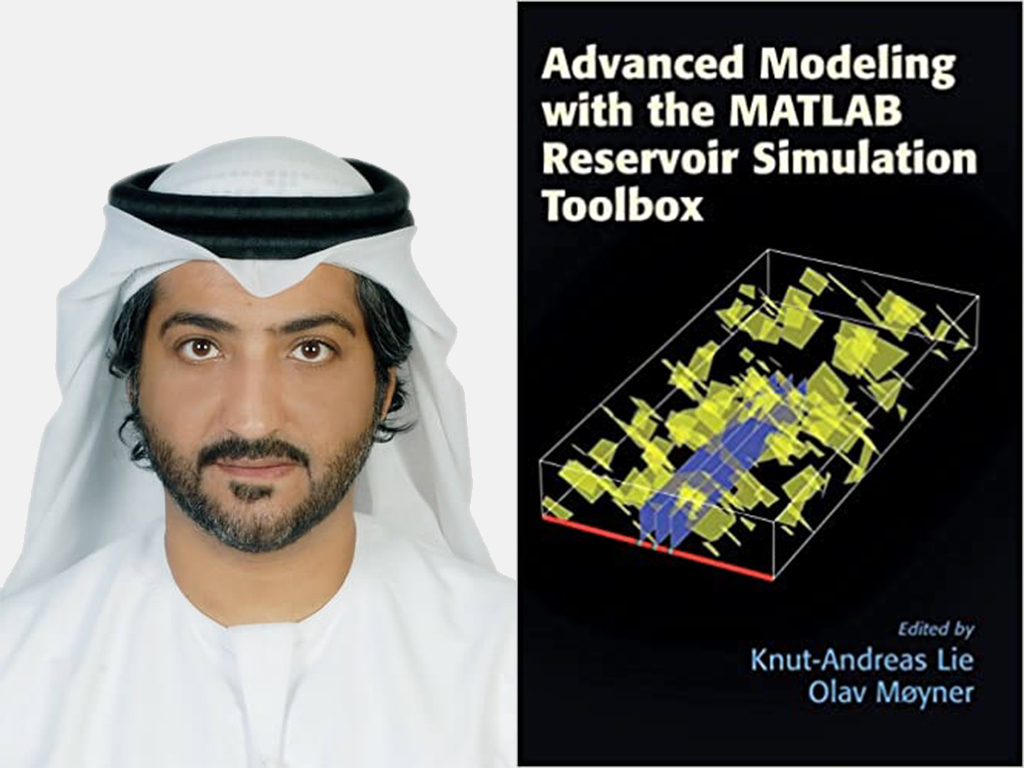
Dr. Mohammed Saad Al Kobaisi, Associate Professor of Petroleum Engineering, is sharing his expertise in advanced discretizations and has collaborated with other leading industry experts in the newly published book Advanced Modeling with the MATLAB Reservoir Simulation. Dr. Al Kobaisi authored Chapter 2 of the book titled “Nonlinear Finite-Volume Methods for the Flow Equation in Porous Media,” which succinctly explains the formulation of nonlinear finite-volume (NFV) methods as advanced discretization schemes. 


“It was in 2019 when I first received the invitation from Chief Scientist Knut-Andreas Lie, of the SINTEF research center in Oslo, to contribute with a chapter in an upcoming book titled ‘Advanced Modeling with the MATLAB Reservoir Simulation Toolbox’. I was humbled to learn that our recent works in the area of advanced discretizations were gaining traction in the scientific computing community and being cited in prestigious research centers and universities’ publications (the likes of NASA Ames Research Center, Stanford University, University of Illinois at Urbana-Champaign, Institute of Applied Physics and Computational Mathematics, Communication University of China, among others). Although our developments were primarily targeting the oil and gas industry, the numerical tools we are working on at KU have applications in numerous industries and fields such as aerospace engineering, material sciences, environmental engineering, hydrology, CCUS, applied mathematics, and more,” Dr. Al Kobaisi shared. 


The advanced discretization schemes Dr. Al Kobaisi talks about in his chapter are consistent and monotone by design. “We show the basic ideas of how to construct one-sided fluxes, interpolate using harmonic averaging points, and obtain unique discrete fluxes through grid faces with convex combinations of one- sided fluxes. Key functions in the accompanying nfvm module in the MATLAB Reservoir Simulation Toolbox (MRST) are outlined and examples of how the method is applied are presented,” he explained.


Dr. Mohamed Sassi, Professor & Acting Department Chair of the Petroleum Engineering Department commented: “Dr. Al Kobaisi’s contribution to the book and his work with other eminent scientists in the petroleum engineering world is a great achievement. This is testimony of the exceptional caliber of our faculty and the strength of our Petroleum Engineering program, which ranks 21st worldwide in the QS World University Rankings.” 


Dr. Al Kobaisi has extensive experience in the industry, previously serving as Energy Affairs Manager of the Directorate of Energy and Climate Change (DECC) at the Ministry of Foreign Affairs (MOFA) where he was in charge of the work on bilateral energy relations in oil, gas, and renewable energy. He was also Deputy Permanent Representative of the UAE Mission to the International Renewable Energy Agency (IRENA) and an Advisor to the Ministry of Climate Change and Environment (MOCCAE) from 2017 to 2019. 


The book Advanced Modeling with the MATLAB Reservoir Simulation is published by Cambridge University Press and electronic copies of the book can be downloaded for free from their website.


Ara Maj Cruz
Creative Writer
26 December 2021

Celebrating UAE’s Golden Jubilee with Solar Lights and Reflections on Antarctica

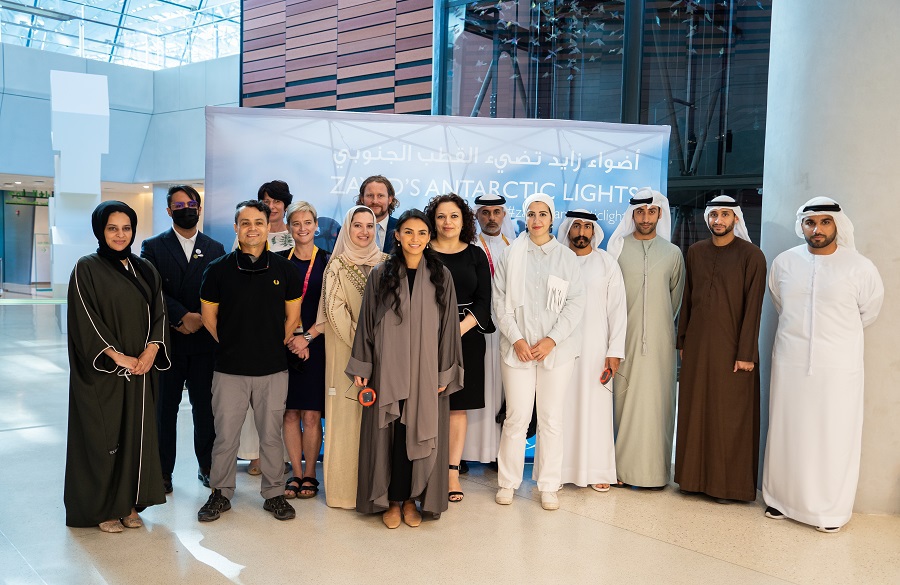
Dr. Diana Francis, Senior Scientist and Head of Environmental and Geophysical Sciences (ENGEOS) Lab at Khalifa University, participated in the Antarctica Day event on 1 December 2021 at the Dubai Expo. The event, which was hosted by Environment Agency — Abu Dhabi (EAD), brought together the 35 people from the UAE who have visited the world’s polar regions of Antarctica and the Arctic. 


The purpose of the gathering was to share stories on historic UAE Antarctic and Arctic expeditions from the previous 50 years, discuss the importance of the polar regions to the UAE with respect to climate change and plan future environmental collaborations, in celebration of the UAE’s 50th anniversary.


“I have been studying polar regions and particularly Antarctica for more than five years,” Dr. Francis shared. 


“My interest is specifically in the climate science of Polar Regions with emphasis on the link between the atmosphere and the cryosphere (both land ice and sea ice). In this context, I organize every year, along with two other polar scientists, a workshop on Polar Meteorology and Climatology at the European Geosciences Union General Assembly to facilitate the exchange of new knowledge among the international community of polar scientists, which helps us to identify current gaps and plan future activities,” she added.


Currently, at the ENGEOS Lab, KU researchers are conducting a project on Antarctic sea ice and how global warming is affecting it. KU has instruments in Antarctica to measure the state of ice and gain invaluable knowledge about its variability. The work is being done in collaboration with Australia.


Future plans include additional projects to study the variability of Antarctic Ice and its impact on Sea level rise globally and regionally, as well as the development of new methods to investigate the Antarctic environment from space (via satellites) and on the ground (via in-situ observations).


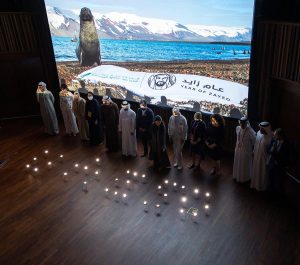
The Antarctic Day event was organized under the Zayed’s Lights initiative. During the gathering, each participant received a Zayed light, which is a small solar powered light, in recognition of their contribution to Antarctic science and polar science in general.


Over 100 Zayed Lights were used in 2018 by a team of UAE researchers from EAD who traveled to Antarctica to light up the Antarctic sky, sending a message of unity, hope and action on climate change.


To symbolically raise awareness on the importance of climate change action, in replicating the initiative of EAD’s Team Zayed in Antarctica, the attendees at the Expo 2020 Dubai event wrote the following words: ‘Antarctica, Climate Change, Dubai Expo, UAE 50 Years and COP 28’, using 50 individual solar lights, reflecting 50 years of the UAE.


The participants, who are now part of the UAE Polar Network, also discussed the key messages from the August 2021 Intergovernmental Panel on Climate Change (IPCC) Report, which warned about the impact of climate change and the urgency to take action to mitigate the worst impacts of climate change in the future. 


Erica Solomon
Senior Publication Specialist
26 December 2021

Healthy Gut Bacteria Can Reduce Severity of COVID-19, UAE Researchers Say

The study shows that certain types of anti-inflammatory bacteria and fatty acids in the intestines strengthen the body’s immune response


Scientists in the UAE have found that some bacteria in the gut may reduce the severity of Covid-19 in infected people.


The study carried out by scientists at the University of Sharjah, Khalifa University of Science and Technology in Abu Dhabi, and other institutions, said the make-up of the gut microbiome may influence the severity of the disease and the body’s immune response.


The work is among the latest of many studies of the relationship between the gut microbiome and Covid-19, some of which have analysed how diet influences a person’s ability to fend off the coronavirus.


The study, published in Frontiers in Microbiology, looked at 86 infected people and another 57 without the disease.


Read the rest of the article here: https://www.thenationalnews.com/uae/health/2021/12/23/healthy-gut-bacteria-can-reduce-severity-of-covid-19-uae-researchers-say/