
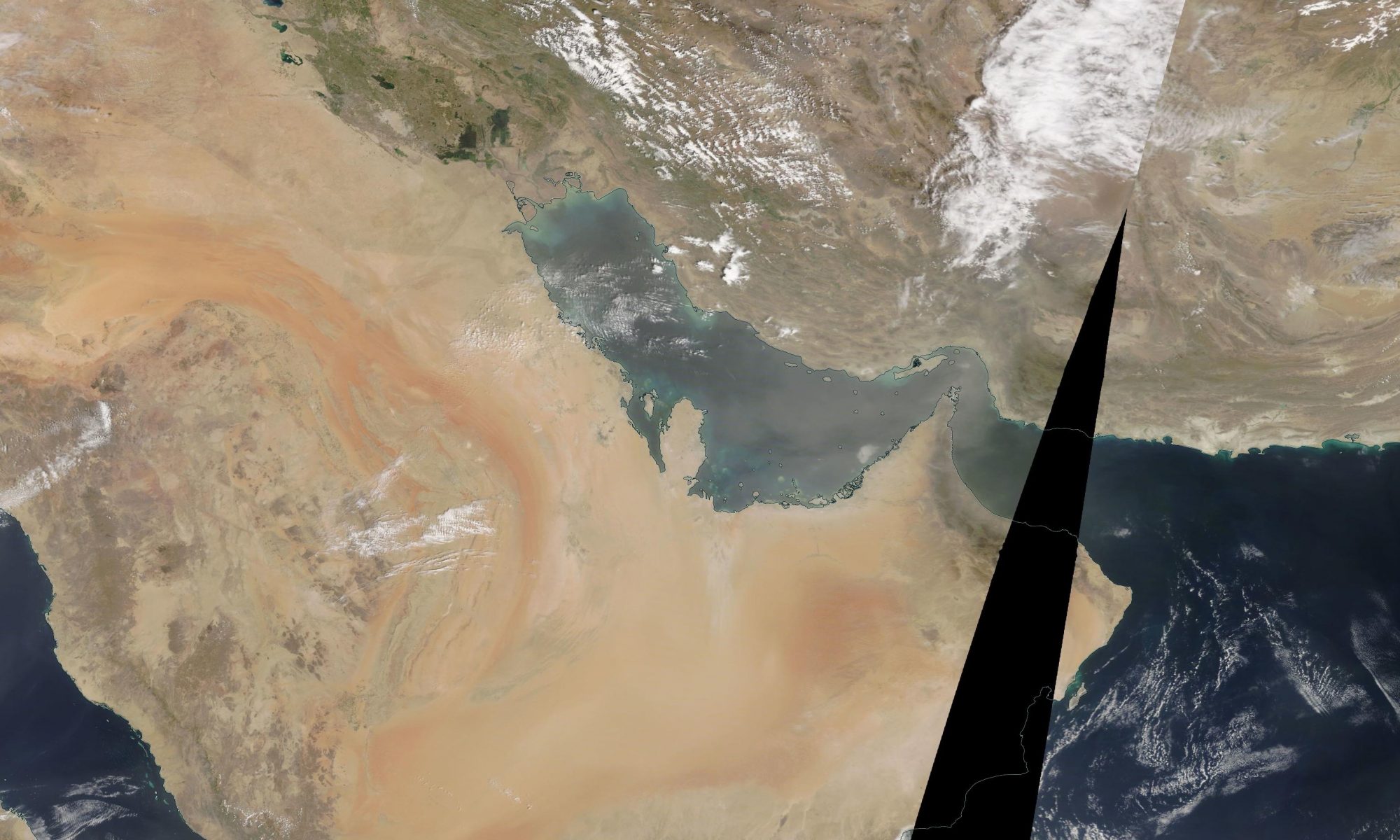
Why Reduced Emissions over the Arabian Peninsula Did Not Make the Air Any Cleaner during the Covid-19 Lockdown in 2020

Khalifa University and the Environment Agency Abu Dhabi found that reduced human-caused air pollution during the Covid-19 lockdown was accompanied by increased surface-level winds, resulting in higher concentrations of dust and particulate matter. 


Research has shown that the global lockdowns seen during the start of the Covid-19 pandemic had a significant impact on the climate of several regions around the world by improving air quality. However, some regions actually saw increases in particulate matter in the atmosphere, as a result of a dustier than expected air. 


Dr. Diana Francis, Head of the Environmental and Geophysical Sciences Lab (ENGEOS), Dr. Ricardo Fonseca, Research Scientist, and Dr. Narendra Nelli, Postdoctoral Fellow, along with Oriol Teixido, Ruqaya Mohamed and Dr. Richard Perry from the Environment Agency Abu Dhabi, investigated the increased dust activity over the Arabian Peninsula in combination with an increase in wind speed during the Covid-19 lockdown period in 2020. They found that while anthropogenic emissions were reduced, particulate matter concentrations from natural sources increased. Their results were published in Aeolian Research. 


The main winds driving dust emissions over the Arabian Peninsula are known as Shamal winds. They result from an East-West pressure dipole with a low over the Indo-Pakistani subcontinent and a high over northern Africa. During the lockdown, emissions reduction over the Indian subcontinent resulted in a deeper low pressure, which caused an increase in Shamal winds over the Arabian Peninsula leading to more dust emissions and higher concentrations of particulate matter over the UAE and surrounding countries.

The policies aimed at restricting mobility and promoting social distancing in an attempt to control the spread of the virus also impacted atmospheric and oceanic conditions through changes in human-caused emissions of pollutants. The global Covid-19 lockdowns resulted in a reduction of transportation and  closure of industrial facilities closures during a two month period, which resulted in  a seven percent drop in global carbon dioxide emissions from human activity. 


At the lockdown peak in April 2020, regions responsible for around 90 percent of global CO2 emissions were under some level of confinement. The resultant drop in emissions led to a reduction of the mean sea surface temperatures (SSTs) of 0.5 degrees Celsius in most coastal areas, with the SSTs in the north Indian Ocean decreasing by about 5 percent. The cleaner air also led to lower night-time land surface and air temperatures, with urban areas experiencing a more pronounced reduction than rural ones. During the daytime, on the other hand, the surface and air above were warmer due to less scattering and absorption of the incoming UV radiation from the sun. 


In more polluted environments, like in the four major cities of India (Delhi, Kolkata, Mumbai and Chennai), the impact was even more dramatic with the monthly mean temperature dropping by up to 3 degrees Celsius. 


As temperatures varied, near-surface wind speeds were also affected, as winds are a response to local-scale pressure and temperature gradients. 


In the UAE, reduced emissions led to a 40 percent decrease in the concentration of pollutants such as nitrogen dioxide, sulfuric dioxide, and carbon monoxide, compared to pre-lockdown levels. However, the particulate matter concentrations increased by up to 45 percent. 


“This was unexpected,” Dr. Francis said. “Published works reported a general reduction in particulate matter during the lockdown period, owing to lower emissions and changes in precipitation. However, some cities in Europe and China saw an increase in particulate matter in the atmosphere due to long-range transport of dust. In fact, in Morocco, the decrease in local emissions was offset by long-range transported aerosols from non-local emissions. It is important to understand the impact of the large-scale circulation on dust activity over the Arabian Peninsula and its effects on air quality throughout the lockdown period given that the region is one of the largest sources of mineral dust on Earth with mineral dust potentially accounting for more than 40 percent of the particulate matter levels.”


The researchers found that while there was a reduction in anthropogenic, or human caused, emissions in the Arabian Peninsula during the lockdown period, the particulate matter concentrations actually increased due to higher dust loadings. This was due to the increased Shamal winds that caused more dust aerosols to be picked up from dust sources in the Arabian Peninsula and then transported across the region and beyond. 


Compared to the four years prior to 2020, the dust loading in 2020 was higher over the majority of the eastern Arabian Peninsula, with hotspots in Kuwait, Iraq, and neighboring Saudi Arabia.” Dr. Francis said.


Dust aerosols are the main contributor to particulate matter concentrations and long-range transport of aerosols can explain aerosol increases in regions further from loading areas. The peaks in dust loading go hand in hand with the peaks in particulate matter, according to the researchers, as the increased dust emission was driven by high near-surface winds in response to the change in temperature and pressure gradients.


“While the reduction in the concentration of pollutants, such as carbon monoxide, has been widely reported, in the vast majority of published studies the particulate matter in several regions around the world also decreased,” Dr. Francis said. 


“Over the eastern Arabian Peninsula, however, it actually increased due to more active wind flow. This highlights the complex nature of dust emissions and its relationship to anthropogenic and natural effects. Having less man-made pollutants does not necessarily mean having a cleaner environment. It is essential that dust aerosols and their feedback on the regional climate should be considered when establishing national and regional strategies for anthropogenic emission reduction.”


Jade Sterling
Science Writer
26 April 2022
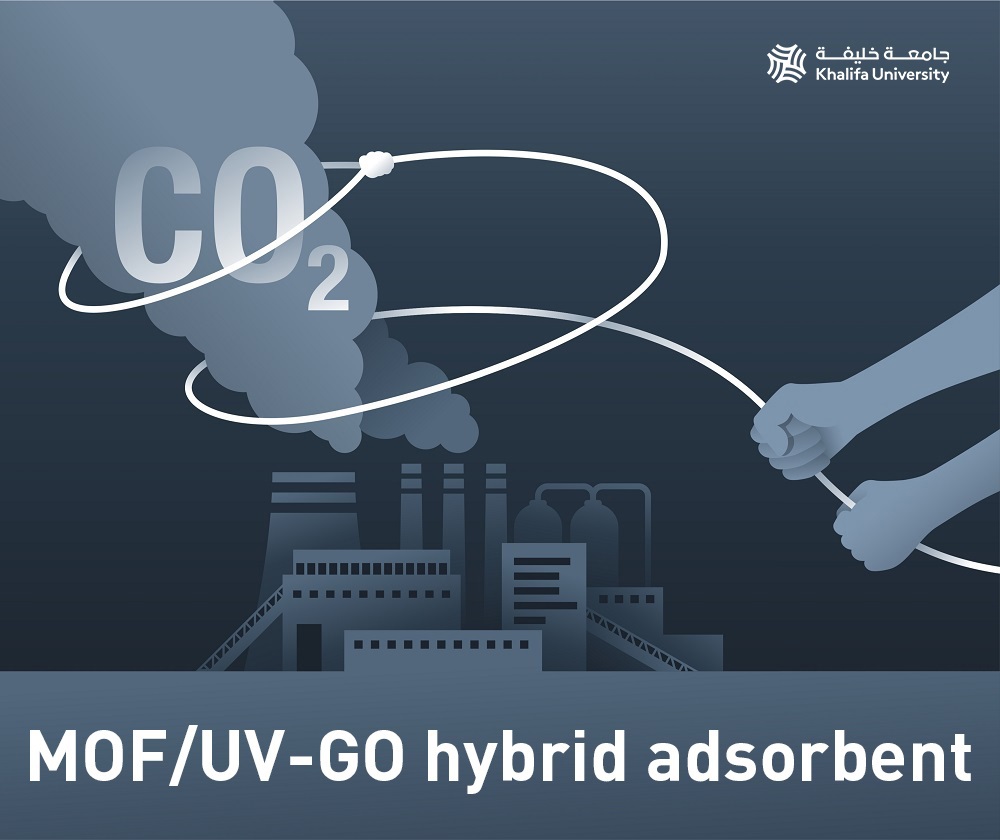
UV Radiation of Graphene Oxide Improves Carbon Capture Efficiency in Metal-Organic Frameworks

Carbon capture technology can be further improved for efficiency by simply irradiating one of the components, according to research from a Khalifa University team of chemical engineers


Reducing greenhouse gas emissions, particularly carbon dioxide (CO2), is paramount in combating climate change. Along with a paradigm shift from fossil fuels to renewable energy sources, deployment of carbon capture and storage technologies is a key strategy to actively limit the global average rise in temperature to less than 1.5 ⁰C relative to pre-industrial levels.


Carbon capture, utilization and storage (CCUS) is the most widely accepted and promising strategy for mitigating point source CO2 emissions, with technologies being increasingly demonstrated across a number of industries globally. These technologies typically include capturing CO2 from emission sources such as power plants, followed by compression prior to transportation to long-term storage sites. These approaches can be further improved for increased efficiency and reduced energy consumption and cost.


The team found that activating the graphene oxide using ultraviolet light improves the surface, structural, and morphological properties for enhanced selective carbon dioxide affinity.


Team members included Eng. Anish Mathai Varghese, Research Associate, Dr. K. Suresh Kumar Reddy, Research Scientist, and Dr. Georgios Karanikolos, Associate Professor of Chemical Engineering. Their results were published in Chemical Engineering Journal.


Successful carbon capture needs a sorbent material that will selectively grab CO₂ in a stream of mixed gases and then readily release it when desired so that the material can be reused, while the captured CO₂ can be utilized or sent for long-term storage.


In adsorption, CO₂ collects in the pores in the material that serve as active capture sites. When, for instance, temperature is lowered, CO₂ adheres to the surface, and when temperature is raised, CO₂ is released. Changes in pressure can also bring about these capture and release cycles.


Currently, aqueous amine solutions, which are solutions containing water and organic compounds called amines that contain nitrogen atoms attached to hydrogen and carbon atoms, are used to capture CO₂ in industrial applications. Amine solutions are excellent at capturing the CO₂, making them the most popular and developed carbon capture technology. However, their disadvantage is that in order to recover the trapped CO₂ from the amine solution, the solution has to be heated, requiring large amounts of thermal energy and resulting in some amines being lost to the environment in this high-energy process.


To overcome the shortcomings of amine solutions, solid sorbent materials are a viable alternative. Solid sorbents can selectively adsorb CO₂, however some solid sorbent materials perform better than others.


“Adsorption is gaining increased attention due to advantages that include low energy consumption, ease of implementation, cost-effectiveness, and generation of harmless byproducts,” Eng. Varghese explained. “To be suitable for large scale carbon capture, however, the adsorbent materials need to offer certain features and properties, including low energy consumption, chemical and thermal stability, low manufacturing cost, and mechanical robustness. As such, a large variety of materials are being investigated globally, like metal-organic frameworks, zeolites, covalent organic materials, and porous polymers, among many others. We developed a hybrid metal-organic framework adsorbent using copper ions, and UV-activated graphene oxide.”


Metal-organic frameworks offer superior textural properties, high structural flexibility, and can be combined with various functional groups for different applications. However, MOFs typically possess low thermal and chemical stability, restricting their use in harsh environments. To overcome this, the research team used a MOF-based hybrid known as HKUST-1 or MOF-199. This MOF is particularly promising for CO2 capture thanks to its extended porous structure with large surface area and pore volume, along with good chemical stability, ease of synthesis and commercial viability. It is a 3D porous framework combining copper ions with oxygen atoms.


The team went a step further too: they used UV-irradiated graphene oxide to increase the hybrid MOF’s CO2 adsorption capacity by 45 percent.


UV irradiation of the graphene oxide affected the distribution of the copper ions on the surface of the resulting MOF, which enhanced the pore shape and structure to allow for better CO2 selectivity and adsorption.


“These results show that UV treatment is a simple and scalable technique that can enhance the characteristics and performance of MOF/GO hybrid adsorbents for CO2 capture,” Eng. Varghese said. “Our hybrid material is an excellent adsorbent in humid conditions, which is beneficial since water vapor is often present in CO2-containing mixtures, such as in post-combustion of fuels.”


This material now has the potential to be further developed and scaled-up, with UV activation of graphene before capture application serving as an easy and low-cost pre-treatment technology.


Jade Sterling
Science Writer
12 April 2022

Top High School Students Learn Coding and More during Ektashif Spring Camp 2022

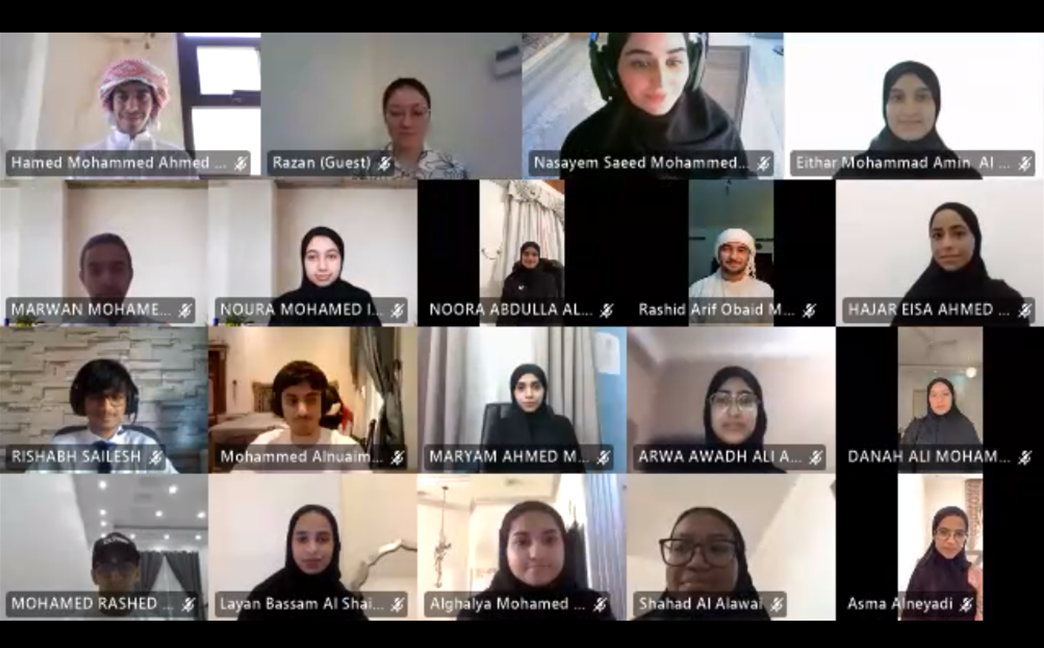
Forty-eight UAE high school students participated in the virtual Ektashif Spring Camp, which ran from 28 March to 6 April 2022. Ektashif is a program organized by KU’s Outreach Office designed to teach high achieving students in grades 10, 11, and 12 programming languages so they can create games, apps, robots, and more.


This year’s cohort was a diverse mix of students from different backgrounds and nationalities. Thirty-six were UAE national students, while 12 were international students from the Kingdom of Saudi Arabia, Jordan, India, Oman, Yemen, Sudan, Palestine, and Iraq. 


The two-week long program included programming workshops on C++ and MATLAB, as well as workshops on MBTI personalities, discussions on undergraduate major selections, courses on building critical thinking and grit, and much more. 


The students enjoyed the experience and the opportunity to gain important skills and knowledge in C++ and MATLAB, both powerful programming languages.


Coding will equip youth with the skills needed to excel in the world as it moves towards a more automated and digital future, and it is an integral part of Digital Literacy, or the ability to effectively and appropriately use technology. These skills are becoming increasingly important in the employment market, particularly in the high-growth industries of big data, blockchain, robotics and other tech sectors.


Layan Al Shaibani, a grade 11 American Curriculum student from ADNOC Schools, described the program as fulfilling. “I was able to achieve a deeper understanding of my passion, computer science, as well as better understand important life-related topics that will not only help me in college but also later in life.”


Rashid Arif Obaid Mohammed Alzaabi, a grade 11 ASP student from Humaid Bin Abdul Aziz Secondary Education School, had fun learning new programming skills and other soft skills. “I really enjoyed all the programming and self-improvement classes we took. Everyone was really nice, and I liked that we were organized into groups so we could socialize and learn the values of having a team that works together toward a shared goal. All the instructors were excellent and professional in giving us instructions and answering all our questions clearly. I would definitely recommend this program to others.”


Shiakha Khalid juma Albloushi, a grade 12 Elite student from Al Nuaimia School for Basic and Secondary Education, said that she was certain that she will use everything she learned in her future career.


Noora Abdulla Ali Alnaqbi, a grade 11 Elite student from Um Almumneen school, felt proud to be a part of the program and to be surrounded by her fellow participants. “This program was unforgettable and it was one of the best experiences I have ever had. I improved my communication skills since I had to socialize with my group members and participate in the lessons. I learned how to program using C++ and Matlab in a short period of time, which is actually difficult but because of the best teachers I had no difficulties. I will never forget this experience. I would like to sincerely thank the organizers and instructors.”


Erica Solomon
Senior Publication Specialist
12 April 2022

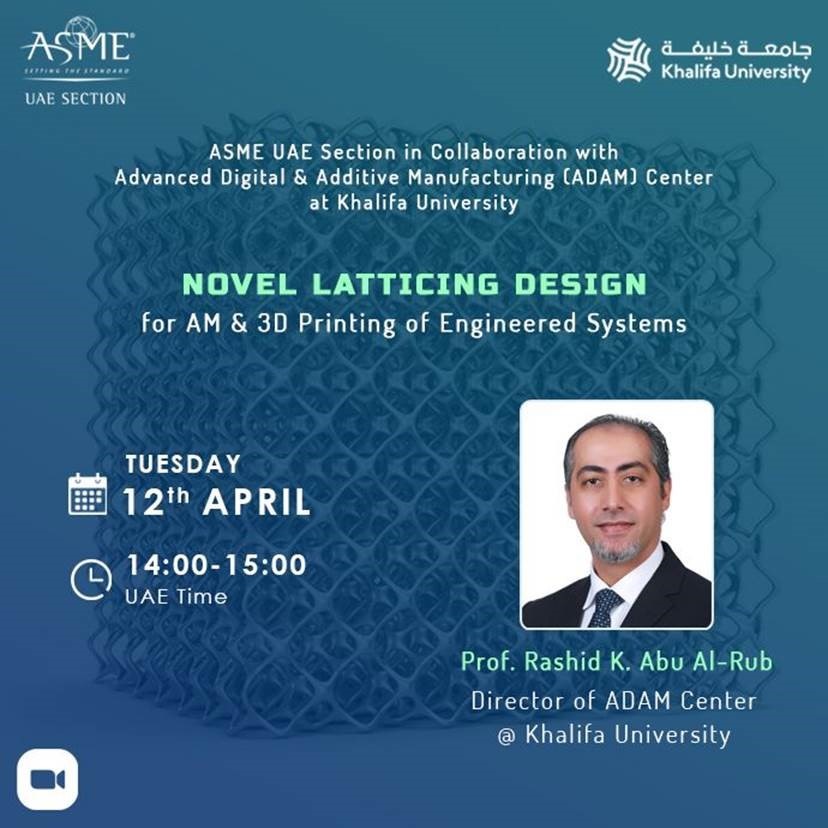
ASME Lecture: Novel Latticing Design for AM & 3D Printing of Engineered Systems

In nature, cellular materials exhibit enhanced multi-functionalities driven mainly by their sophisticated topologies and length scales. These natural systems have inspired the development and expansion of synthetic architected materials or lattices for revolutionary applications. Due to advances in additive manufacturing (AM), design for additive manufacturing (DfAM) gained considerable attention in the last few years. Of particular interest is designing lattices with topologies based on triply periodic minimal surfaces (TPMS) which attracted a lot of attention recently due to their mathematically-controlled fascinating topologies and exhibited superior physical and mechanical properties.

This talk focuses on the design, additive manufacturing, and use of TPMS for enhancing the multi-functionality of additively manufactured components made of metals, polymers, ceramics, and composites. We summarizes the various R&D activities within the Advanced Digital & Additive Manufacturing (ADAM) Center at Khalifa University on TPMS latticing and their applications to light-weighting of AM components and enhancing the performance and efficiency of mechanical and thermo-fluid systems such as sandwich panels, heat exchangers, energy storage devices, catalytic converts, etc.


Join Zoom Meeting
https://us02web.zoom.us/j/83940548011?pwd=aDFQZ3NTTnRyOU5IVktOeHVndFc2UT09

Meeting ID: 839 4054 8011
Passcode: 623314


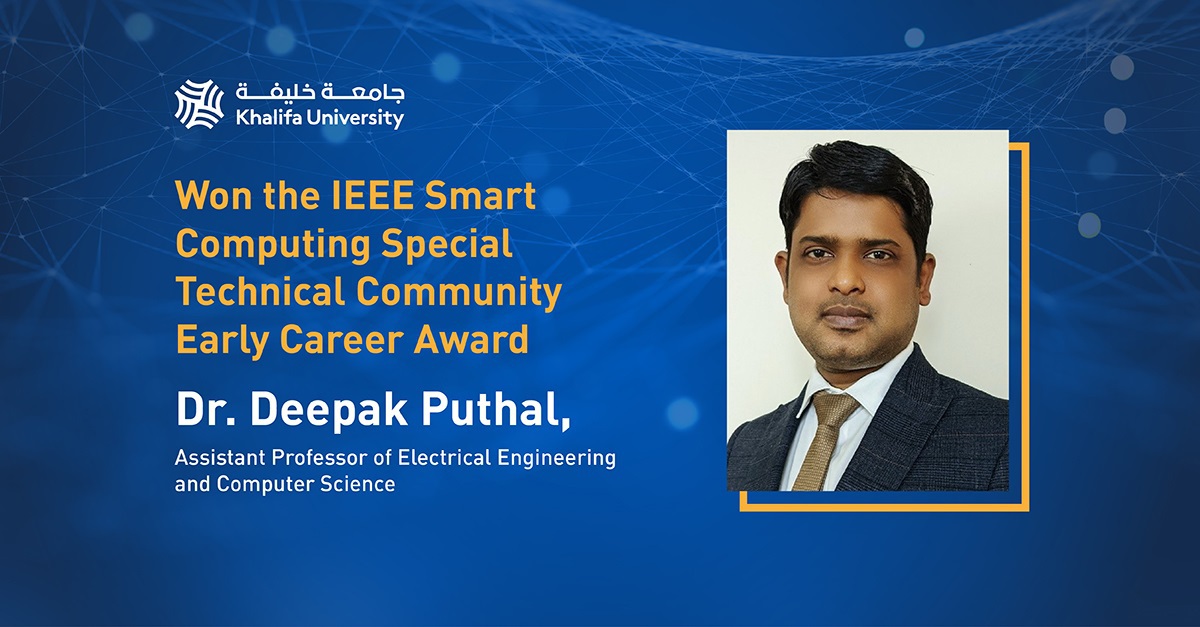
Dr. Deepak Puthal Honored with Early Career Award for Contributions in Smart Computing

Dr. Deepak Puthal, Assistant Professor in the Department of Electrical Engineering and Computer Science, was honored by the IEEE Smart Computing Special Technical Community (SCSTC) with the Early Career Award, a recognition for young researchers and scientists who have made outstanding strides in their respective industries early on in their careers. 


Nominees for the Early Career Award should have significant and relevant research contributions and a strong academic record, achieving these within 10 years after obtaining their PhD degrees. 


Dr. Puthal is making a name for himself in the field of smart computing with his groundbreaking research in cybersecurity, blockchain, and Internet of Things (IoT)/edge computing. A few of his notable works are Proof of Authentication (PoAh), the first-ever blockchain consensus for IoT; PUFChain, a hardware-assisted blockchain; and CryptoClinqIn, a graph-theoretic cryptography using clique injection. He is also a co-developer of two open-source simulators, the IoTSim-Edge and the IoTSim-SDWAN. 


He is also active in the scientific community, serving in different capacities namely as a technical board member of the IEEE Hyper-Intelligence Technical Committee and as an associate editor for several publications such as IEEE Transactions on Computational Social Systems, IEEE Transactions on Big Data, and IEEE Consumer Electronics Magazine. 


“I am both humbled and excited to receive this award. It is an honor that the potential of my research is recognized by my colleagues in the industry,” Dr. Puthal said. Prior to his IEEE SCSTC Early Career Award, Dr. Puthal has also received the 2019 Best IEEE ComSoc Young Researcher Award for Europe, Middle East, and Africa and the 2018 IEEE TCSC Award for Excellence in Scalable Computing Early Career Researcher. 


“I believe that we should put ourselves forward and join competitive international awards. Recognitions like these bring honor not only to me as an individual, but to Khalifa University as well and I would like to thank the university for its continuous support.”


Ara Maj Cruz
Creative Writer
8 April 2022

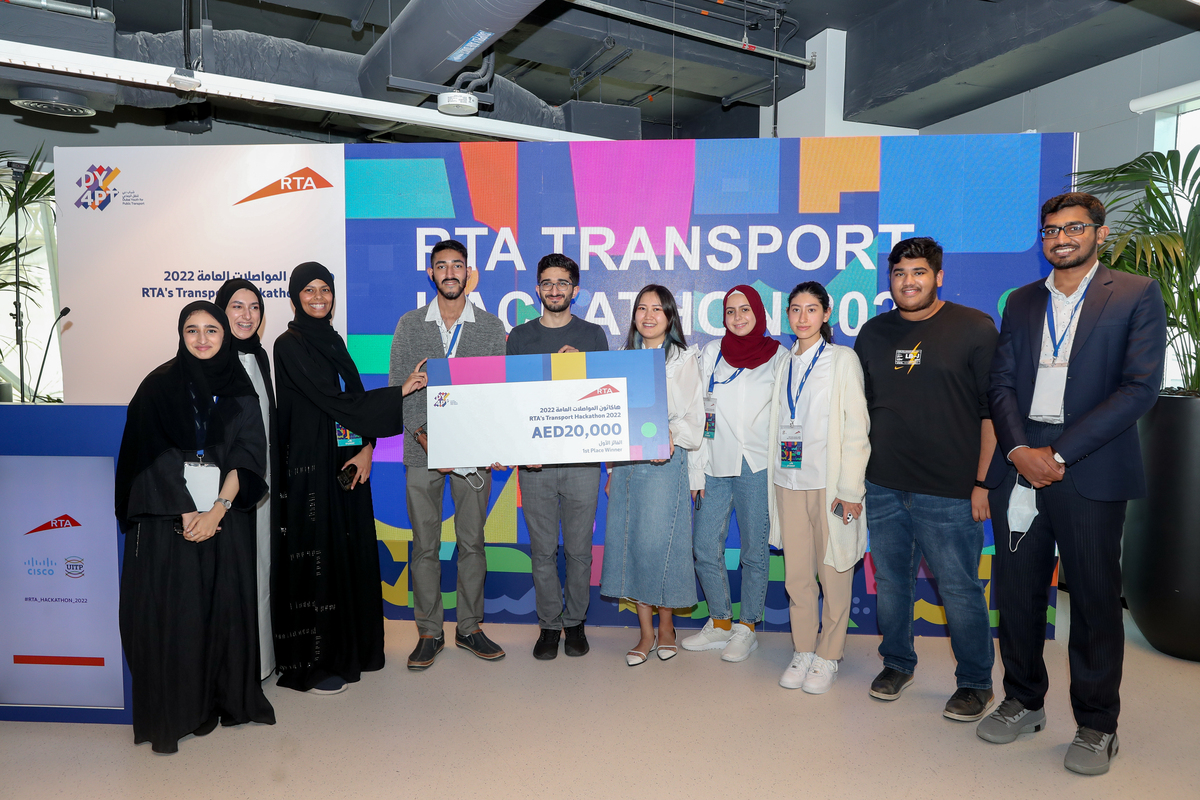
KU Student Part of RTA’s Transport Hackathon 2022 1st Place Winning Team


Computer Engineering sophomore student Muhamed Nebuhan Shajahan was part of the team who won first place in the recently concluded RTA Transport Hackathon 2022. Muhamed’s team was composed of other students from universities around the UAE.


The Hackathon, one of the biggest competitive events in the UAE, aims to promote the culture of digital transformation in the country. The event focuses on enhancing RTA’s services through technology and research, with the wellbeing of the community at the center. It also helps identify the future of mobility and infrastructure by addressing the needs of the next generation of users. 


Muhamed’s team developed the winning app, Scooty, to provide a safe riding experience for e-scooter users. As the number of e-scooter users steadily grows, it is important to ensure that not only the riders but everyone in the community is safe. 


The Scooty app includes regulatory features wherein the RTA can incorporate functionalities such as adding scooter licenses that users can apply for within the app. With safety as the main goal, the app monitors adherence to  riding rules. Scooty uses computer vision and machine learning techniques to detect if the rider is wearing a helmet, and a rider’s speed and navigation in following e-scooter lanes are tracked through GPS technology. The app also rewards riders with points when they follow correct riding practices. 


Joining the Hackathon was a great learning experience for Muhamed. “Khalifa University is committed to nurturing students’ potential and skills, particularly teamwork and collaboration. The opportunity to be able to participate in competitions such as the RTA Hackathon has helped me collaborate with individuals from different schools to brainstorm and conceptualize innovative solutions to some of the pressing challenges in our communities,” he said. 


Ara Maj Cruz
Creative Writer
8 April 2022

Team of Khalifa University Researchers and Collaborators Wins ‘UAE Together Apart Hackathon’ Grand Prize to Visit Ericsson’s Headquarters in Sweden

RenAIssance Team to Present in Sweden Disruptive Innovations in IoT Devices and 5G Technology with Cloud-Based, Medical IP-Rich AI Platform to Deliver High Quality Healthcare Services  


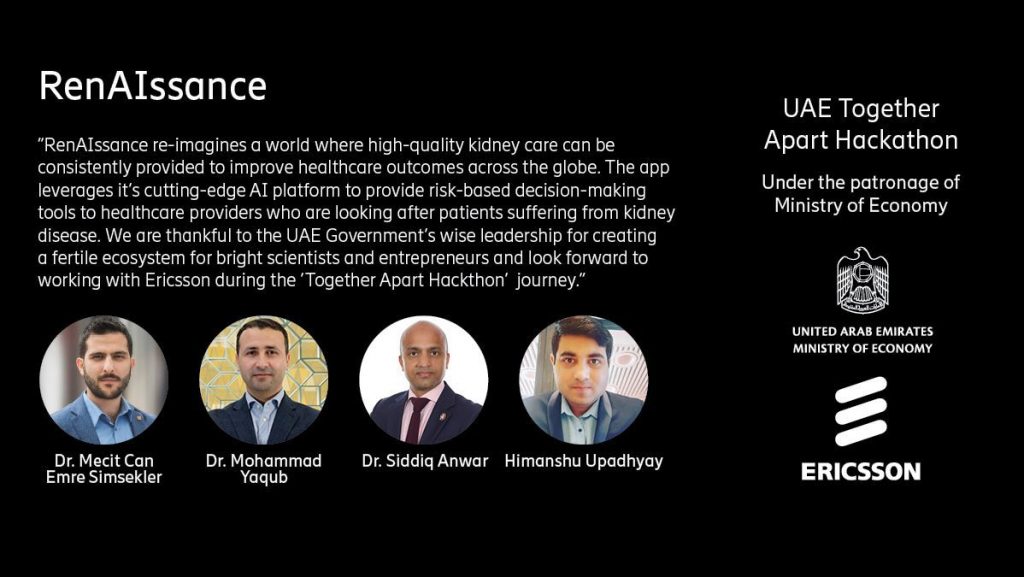
Khalifa University of Science and Technology has announced RenAIssance, a team of researchers and collaborators, has won the grand prize at Ericsson’s ‘UAE Together Apart Hackathon’ for its solution RenAIssance. The grand prize  includes a fully-paid visit to showcase the solution at Ericsson’s Headquarters and engage with the entrepreneurial community in Stockholm, Sweden. 


The Hackathon, organized under the patronage of the UAE Ministry of Economy, is inspired by the UAE Vision 2021 objectives, and aims to accelerate the journey towards a more connected future and solving global challenges. 


The RenAIssance team includes Dr. Mecit Can Emre Simsekler, Assistant Professor, Industrial and Systems Engineering, Khalifa University; Dr. Siddiq Anwar, Physician, Sheikh Shakhbout Medical City and Adjunct Associate Professor at Khalifa University College of Medicine and Health Sciences, Khalifa University alumni and Engineering Systems and Management Master’s graduate Himanshu Upadhyay, and Dr. Mohammad Yaqub, Assistant Professor, Mohamed bin Zayed University of Artificial Intelligence. 


RenAIssance re-imagines a world where high-quality medical care can be consistently provided to improve healthcare outcomes across the globe. RenAIssance endeavors to provide risk-based decision-making tools to healthcare providers looking after patients suffering from kidney disease by leveraging its cutting-edge AI platform. It integrates disruptive technologies and innovations in medical IoT devices and 5G technology with its cloud-based, medical intellectual property-rich AI platform to deliver its services.


Clarence Michael
English Editor Specialist
8 April 2022

Success for Khalifa University Team at Women to Impact 2022 Resilience Challenge for takeAbreath Stress Monitoring Facemask

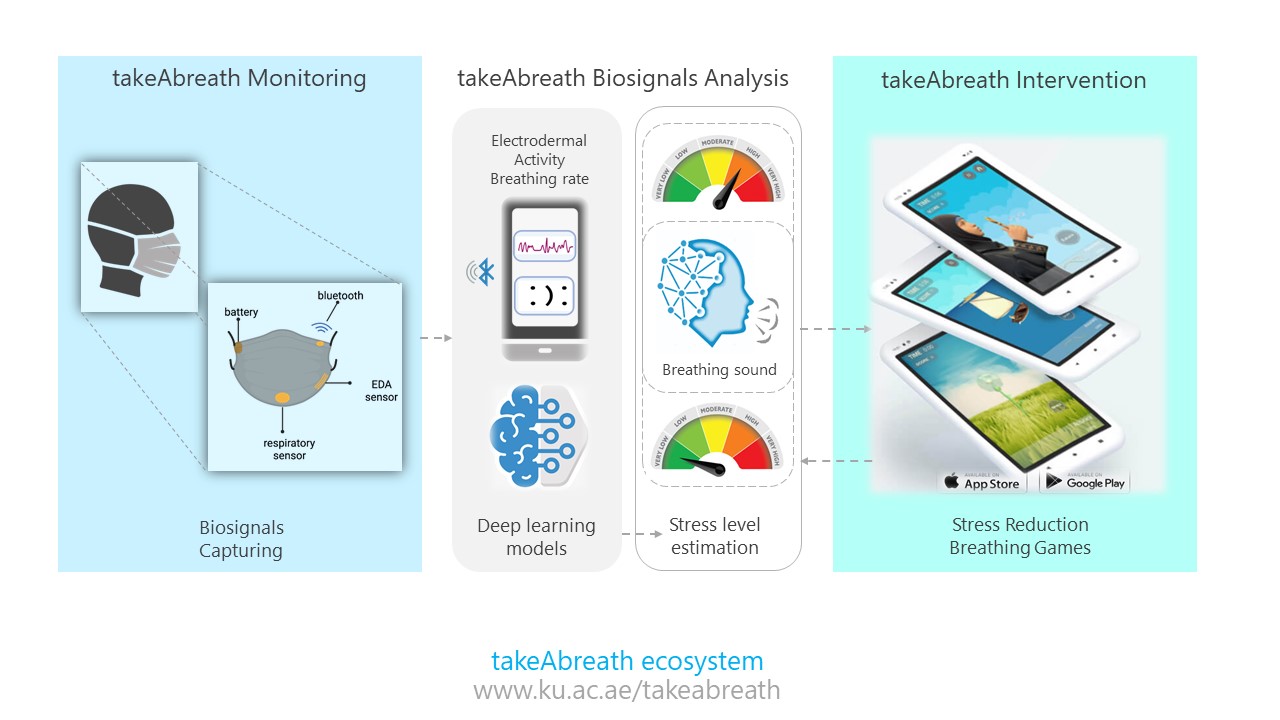
The takeAbreath facemask combines sophisticated machine learning with advanced sensors and gamification to address the stress and anxiety levels brought to the surface by the Covid-19 pandemic.


Not only does their facemask help monitor stress, it is linked to a smartphone app that offers breathing games to help reduce stress levels.


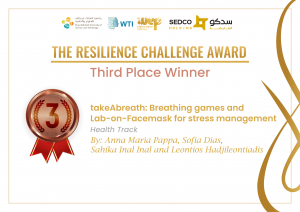
Dr. Anna-Maria Pappa, Assistant Professor, Dr. Sofia Dias, Research Scientist, and Prof. Leontios Hadjileontiadis, Biomedical Engineering Department Chair, collaborated with Dr. Sahika Inal, King Abdullaziz University of Science and Technology, to develop a smart mask that monitors stress and offers intervention techniques, including games and breathing exercises, to the user. Out of 314 applications from all over the world, the innovative mask won third place in the Women to Impact 2022 WEP Resilience Challenge.


The Women to Impact Resilience Challenge, organized by the King Abdullah University of Science and Technology (KAUST), is aimed at individuals and teams from around the world with technology-based solutions that help local ecosystems build resilience to real-world challenges such as climate change, disasters, epidemics, food insecurity, and environmental degradation. The Khalifa University team entered the Health track which required their solution tackle ‘the prevention, detection and treatment of diseases and pandemics.’


The takeAbreath team received a prize of USD 5,000 for their solution in an award ceremony held on the 20th of January.


“Covid-19 exacerbated the psychosocial effects that put adults at high risk for chronic depression and anxiety,” Dr. Pappa explained. “The need for continuous stress monitoring and stress management is timelier than ever. But emotional expression is hampered by the face mask that became a necessary protective accessory during the pandemic. Our takeAbreath solution transforms a simple mask to a smart ‘Lab-on-Facemask’.”


Sensors in the facemask recognize physiological signals related to stress and anxiety, including breathing patterns and variations in the electrical conductance of the skin, known as electrodermal activity (EDA). Research shows that both breathing and EDA signals can be indicative of the intensity of our emotional state.


“When physiological signals are transferred to a smartphone app via Bluetooth, our algorithms perform deep data analysis using trained deep learning models to identify the stress or anxiety levels of the user,” Dr. Dias explained. “Once this has been determined, the app offers personalized breathing games and exercises to the user, controlled by the users’ breathing sounds.”


“Recent work published in the Lancet revealed that in 2020, cases of major depressive and anxiety disorders increased by 28 percent and 26 percent respectively, notably in countries with high Covid-19 infection rates,” Prof. Inal said. “With the social distancing requirements preventing traditional doctor’s office visits and diagnoses, we need technological advancements to help support mental health. Our smart facemask concept with its integrated real-time stress-sensing capabilities offers that support.”


Beyond the pandemic however, as facemasks seem likely to remain an accessory to everyday life, continuous monitoring of stress and anxiety can help users maintain better mental health throughout their lives.


“Overall, our approach builds on existing studies where respiratory patterns and electrodermal activity have been successfully employed, either separately or in combination, in assessing the mental state of individuals and proposing suitable intervention strategies,” Dr. Pappa said. “We incorporated a sensing framework into a wearable facemask linked to a smartphone for real-time continuous measurements and to provide stress management through breathing games and exercises.”


Breathing exercises have long been recommended for reducing stress levels as they increase oxygen exchange, which reduces blood pressure, slows the heart, and releases any tension held in the abdomen. These physical changes also benefit the mental state as focusing on breathing can bring patients back to the present and to a state of mindfulness. While breathing exercises may not be a full stress management technique, they are clinically proven to lessen the symptoms of stress and anxiety and can be employed whenever and wherever needed.


“takeAbreath showcases the skills of the KU Department of Biomedical Engineering faculty to approach health problems by normalizing the technology to the user’s everyday living customs and turning simple means, such as a mask, to a smart health monitoring sensor. This line of research, by involving gamified interventions, exemplifies to the young students the way they could think in order to provide innovative solutions to GLocal problems, such as stress, anxiety and Covid-19 pandemic” Prof. Hadjileontiadis, Chair of BME, highlights.


Jade Sterling
Science Writer
6 April 2022

Khalifa University Wins British Safety Council’s International Safety Awards 2022 with ‘Distinction’ for Health and Safety Measures

Top Category Award Reflects EHS and Facilities Management Teams’ Commitment to Operational Efficiency 


Khalifa University has become the only university in the Middle East to win the British Safety Council’s International Safety Awards 2022 with ‘distinction’, for its commitment to health, safety and wellbeing during the 2021 calendar year.


Khalifa University is one of 135 organizations to win a Distinction in the International Safety Awards 2022. Keeping in line with the UAE’s emphasis on health and safety protocols throughout the year, Khalifa University has consistently demonstrated that the fight to prevent COVID-19 has not been at the expense of ensuring the effective management of the broader hazards posed to health, safety, and wellbeing in the workplace. The Khalifa University Environment Health and Safety (EHS) department aims to create and sustain a positive and productive study and work environment that stimulates creativity, while ensuring health and safety of students, faculty and staff, as well as improving conservation and management of natural resources.


Dr. Ebrahim Al Hajri, Senior Vice-President, Support Services, Khalifa University,  said: “Winning ‘distinction’ in British Safety Council’s International Safety Awards 2022 once again justifies Khalifa University’s status as an institution that places primary importance to health and safety measures, on and off campus. This is a combined effort from the Environment Health and Safety (EHS) and Facilities Management team that establishes high operational efficiency. The team members did not only achieve their objectives within the deadline but also set a great example of distinction. We believe this award will further motivate us towards achieving higher goals, while establishing new benchmarks for academic institutions in ensuring safety of the community.”


Now in their 64th year, the International Safety Awards recognize and celebrate organizations from around the world which have demonstrated to the satisfaction of the scheme’s independent judges their commitment to preventing workplace injuries and work-related ill health during the previous calendar year. The awards also acknowledge organizations that have shown commitment to wellbeing and mental health at work. 


In 2022, 549 organizations won an International Safety Award. They span all sectors with significant representation from the construction, manufacturing, oil, gas, mining, power and utility sectors. Winners were drawn from 39 countries worldwide. A total of only 135 organizations were awarded a Distinction, 204 organizations were awarded a Merit and 210 organizations achieved a Pass. 


Mike Robinson, Chief Executive of British Safety Council, congratulated Khalifa University on its success in winning an International Safety Award 2022 with a Distinction: “The British Safety Council applauds Khalifa University on their achievement. The award is in recognition of their commitment and hard work to keep their employees and workplaces free of injury and ill health.  


“The vision of the British Safety Council is that no-one should be injured or made ill through their work – anywhere in the world. Achieving this requires more than complying with legislation; it means people committed not only to health and safety but also more and more to workplace wellbeing and impelling others to follow suit.


“The long list of winners of the International Safety Awards, demonstrates that a significant number of companies recognise that effective management of health and safety risks is a business growth enabler, benefiting not just employees, but organizations and wider society. By celebrating the achievements of the 549 winners of the 2022 International Safety Awards and over six decades of improving health and safety standards around the world, we encourage other organizations to adopt this approach and place employees’ health, safety and wellbeing at the core of their business.”


“Our heartfelt congratulations to Khalifa University. All of those working at the university should be enormously proud of their achievement.”


Clarence Michael
English Editor Specialist
4 April 2022

Khalifa University and Boeing Partnership Helps Strengthen UAE’s Human Capital in Aerospace Engineering

The partnership Focus on Curriculum Enrichment, AIAA Student Chapter, Outreach and Retention, and Student Projects  


Khalifa University of Science and Technology and Boeing today announced they have reconfirmed their partnership to strengthen the university’s Aerospace Engineering curriculum through grant, and by offering hands-on projects that facilitate capacity building locally to meet the UAE’s expanding aviation industry.


The grant allows Khalifa University to support curriculum enrichment, and enable student design projects, which in 2021 included attitude determination and control system for Khalifa University’s CubeSat, design and fabrication of a shock-tube, and a supersonic wind tunnel. The grant was also used to organize a series of events by the American Institute of Aeronautics and Astronautics (AIAA) Student Chapter, which were led by speakers from the aerospace industry and Khalifa University alumni. The grant was also used to acquire an optical breadboard with supporting frame and a satellite tool kit license.


Dr. Arif Sultan Al Hammadi, Executive Vice-President, Khalifa University, said: “We are delighted that our partnership with Boeing for grants that support curriculum enrichment, student chapter, outreach and retention programs and student projects continues to help in building capacities in aerospace engineering in the UAE. We believe our students will gain more exposure through these initiatives and utilize their critical innovative skills to obtain space technology solutions for the future.”


Kuljit Ghata-Aura, President of Boeing Middle East, Turkey and Africa (META), said: “It is important for us at Boeing to equip the youth with the right skills to be successful in the job market. That is why our partnership with Khalifa University is designed to inspire and cultivate a global workforce for aerospace innovation by increasing access to education, accelerating skills development and enriching the educational experience for students.”


At Khalifa University, Aerospace Engineering Bachelor’s Senior Design Projects (SDPs) aim at developing student skills and cutting-edge expertise in aerospace engineering disciplines, thus enhancing student experience. As part of the ongoing Khalifa University-CubeSat Senior Design Project, the student group is currently involved in developing the CubeSat. During the fifth phase of this project, the students will be working on finalizing the design, integrating the previously designed subsystems, and conducting a demo testing.


Also part of the SDP, a small-scale shock tube apparatus is being designed, fabricated, and tested to simulate the atmospheric re-entry of spacecraft via generating hypersonic flow. This shock tube will accommodate a 5.0-Mach shockwave, which can be used to calibrate fast response instruments and study the effect of blast-wave on living organisms, in addition to the data acquisition systems and flow visualization techniques.


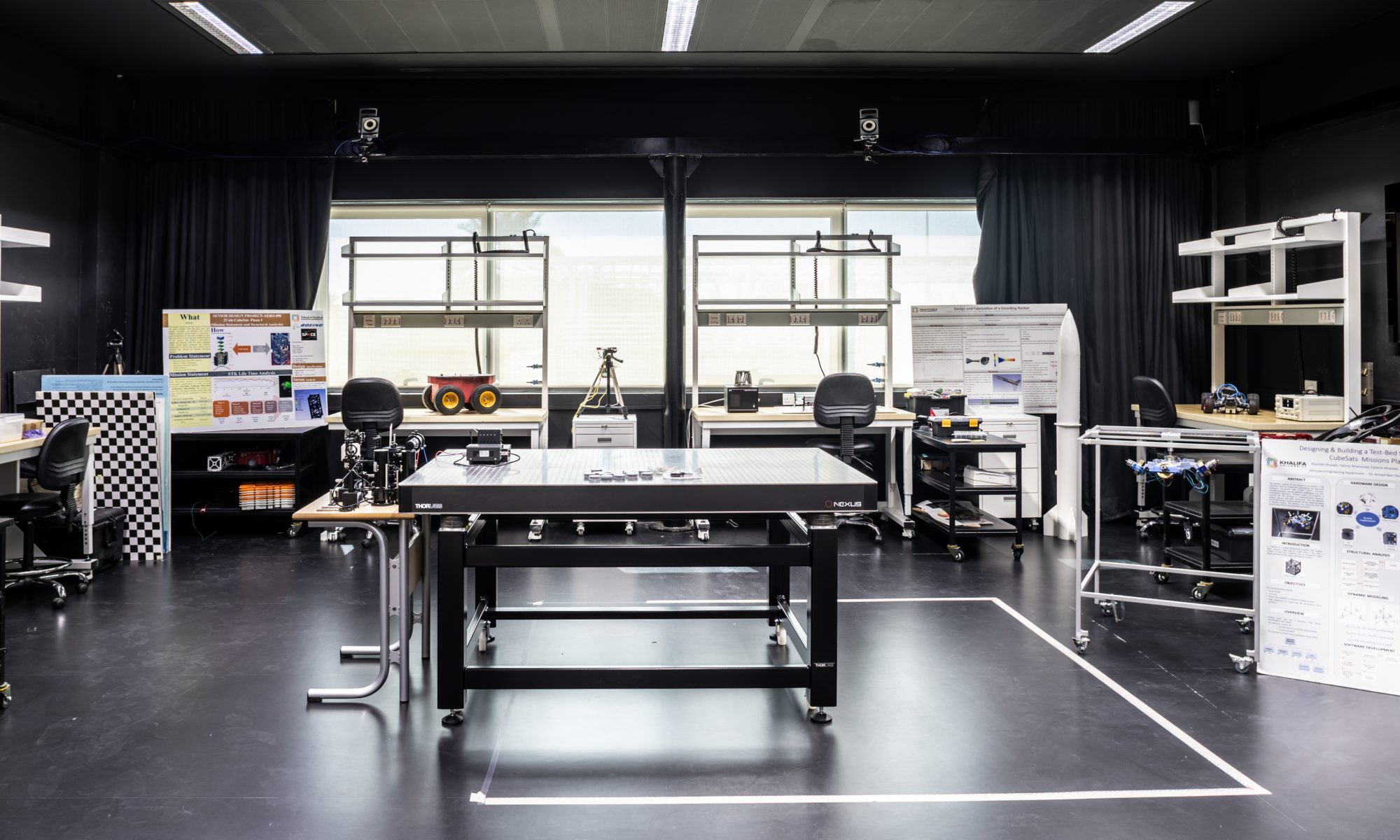
The first part of the funding is being used to enhance the student experience at Khalifa University through improving the Space Platform for Celestial Emulation (SPACE) laboratory, laboratory hardware and software. The grant is also used to support the technically-challenging Boeing Senior Design Project, and other projects in the department focusing on developing cutting-edge expertise in space engineering. In addition, the fund supports the students’ AIAA chapter that will facilitate in attracting high caliber students to the discipline.


Clarence Michael
English Editor Specialist
1 April 2022