Khalifa University to Host Siemens Energy Abu Dhabi Innovation Center

One of Only Four Global Centers to Leverage Siemens Energy’s Expertise in Developing Sustainable, Reliable and Affordable Clean Energy Technologies 


Khalifa University of Science and Technology will host Siemens Energy’s Abu Dhabi Innovation Center at its Sas Al Nakhl Campus, in a move that will leverage both partners’ strengths, to accelerate the journey to Net Zero, with technology and research co-creation opportunities, knowledge transfer, development of local capabilities, as well as employment opportunities.


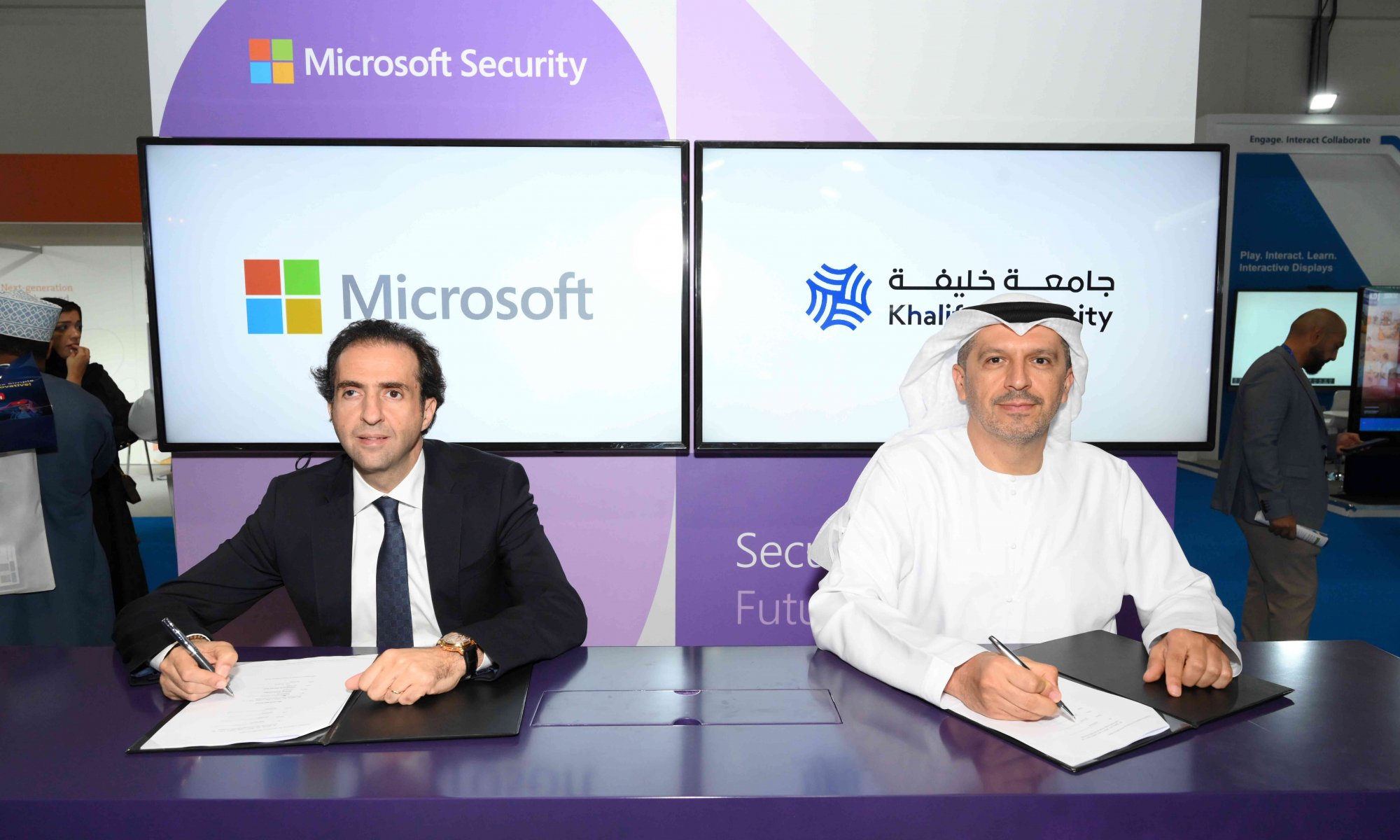
On the sidelines of Abu Dhabi International Petroleum Exhibition and Conference (ADIPEC) 2022, Khalifa University and Siemens Energy signed a ‘teaming agreement’ providing a dedicated location for the Innovation Center at the university’s campus located near the Maqta Bridge, which connects Abu Dhabi Island to the mainland.


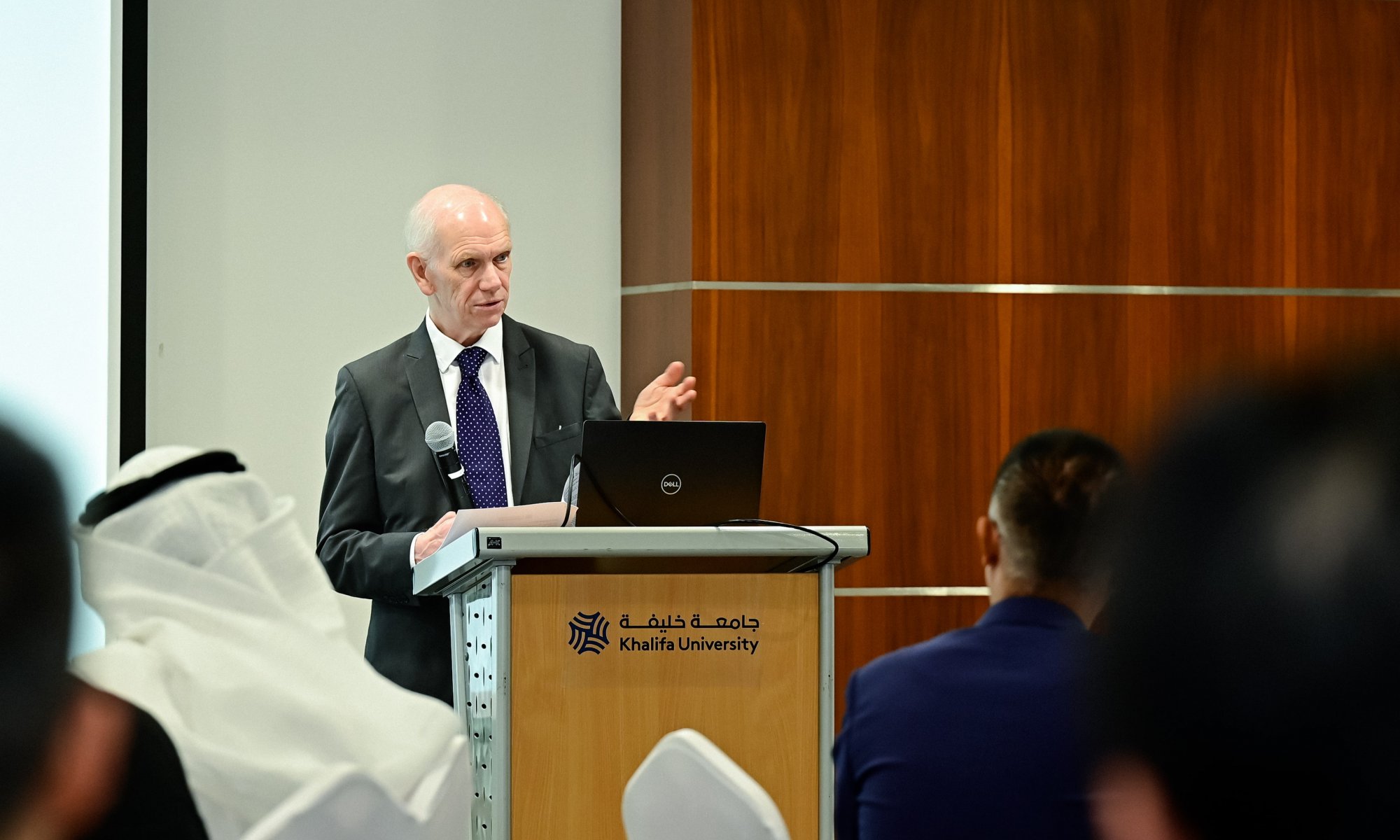
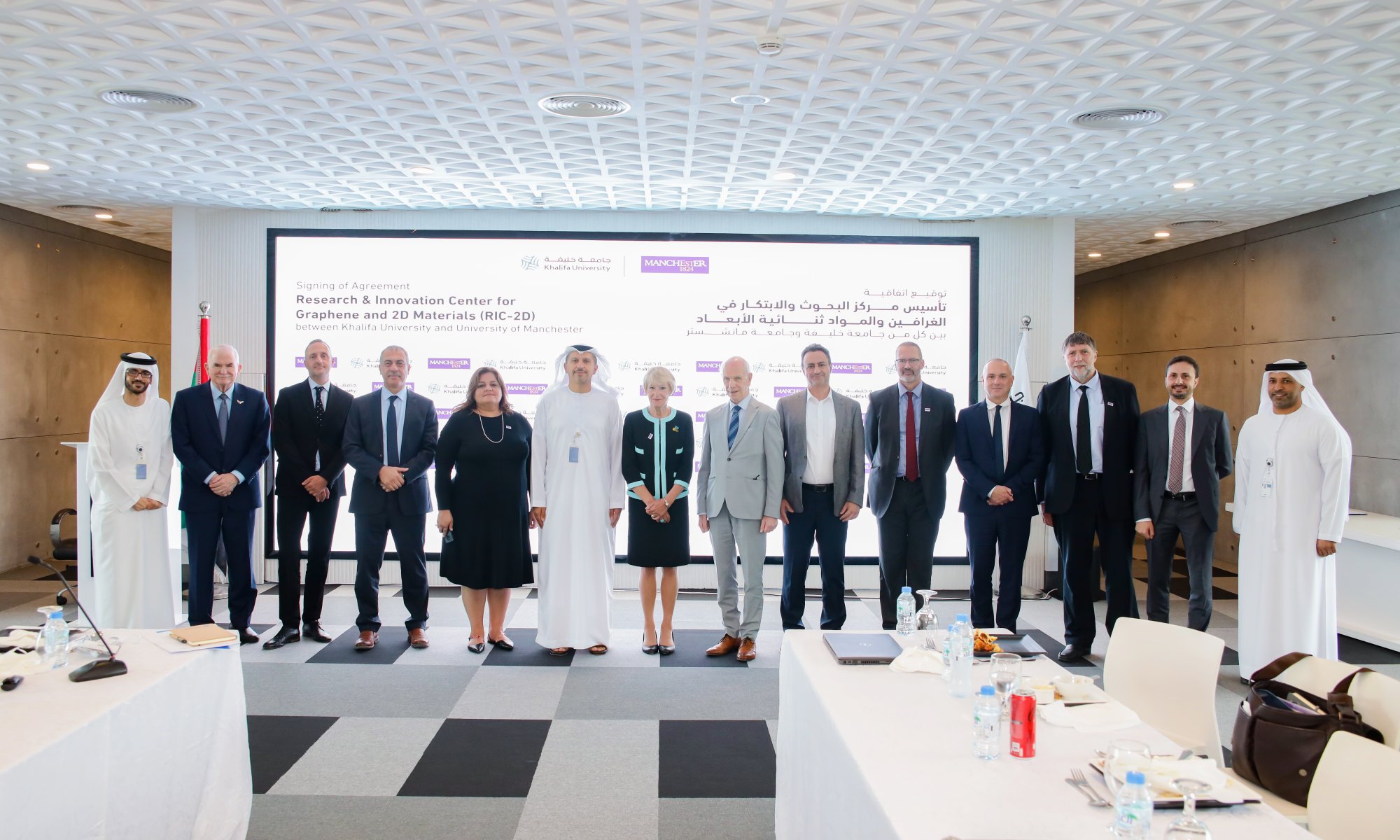
The agreement was signed by Dr. Arif Sultan Al Hammadi, Executive Vice-President, Khalifa University and Dr Fahad Al Yafei, Chief Technology Officer, Siemens Energy Abu Dhabi Innovation Center. Professor Sir John O’Reilly, President, Khalifa University, and His Excellency Homaid Al Shimmari, Member of The Board of Trustees of Khalifa University, as well as Vinod Philip, Executive Board Member, Siemens Energy, and Dietmar Siersdorfer, Managing Director, Middle East and UAE, Siemens Energy, were also present on the occasion.


The consistently top-ranked university in the UAE provides a world-class faculty and state-of-the-art research facilities, enabling the Innovation Center’s work on co-creating decarbonization technologies in the areas of Power-to-X, Decarbonized Heat and Industrial Processes, Condition-based Service Interventions, Energy Storage & Fuel Cells, and Block-chain for Energy applications, among others.


As a research-intensive educational institution that seeks to produce world leaders and critical thinkers in applied science and engineering, while catalyzing the growth of Abu Dhabi and the UAE’s rapidly developing knowledge economy, Khalifa University is an ideal location for Siemens Energy’s regional Innovation Center.


Dr. Arif Sultan Al Hammadi, Executive Vice-President, Khalifa University, said: “The hosting of Siemens Energy’s Abu Dhabi Innovation Center at our Sas Al Nakhl Campus reflects further strengthening of our long-standing legacy collaboration with Siemens Energy since 2011, especially in innovation, research and academics. From Carbon Capture and Storage (CCS) projects to solar panel coatings, our previous partnerships have demonstrated some of the most successful research and innovation outcomes. We believe the Abu Dhabi Innovation Center that will offer access to Siemens Energy’s global technology hubs infrastructure will also pave the way for productive collaborative outcomes in energy storage, fuel cells, blockchain and industrial processes, as well as human capital development for the UAE.”


“To accelerate decarbonization and reach net zero faster, we need to leverage partnership and innovation. Locating this Innovation Center at Khalifa University’s campus will prove to be mutually beneficial. As well as helping to develop local capabilities, locating the innovation at Khalifa University’s campus will provide opportunities for co-research, internships and training, and for Siemens Energy experts to be visiting lecturers,” said Dr. Fahad Alyafei, Chief Technology Officer, Siemens Energy Innovation Center Abu Dhabi.


The Innovation Center will strengthen specialized skill sets and create 75 high-skilled jobs in Abu Dhabi by 2025. Siemens Energy will also offer at least six internships annually to students from Abu Dhabi universities, of which 50% of the interns will be Emiratis.


This Innovation Center is one of only four globally that Siemens Energy has created, with the other locations in Orlando in the United States, Shenzhen in China, and Berlin in Germany. It will leverage the company’s expertise in developing sustainable, reliable and affordable clean energy technologies.


It will also act as an incubator for new technologies, bringing together customers, industrial partners, academia, and research centers, to accelerate the commercialization of innovative solutions driving the energy transition.


Clarence Michael
English Editor Specialist
1 November 2022

1,191 Khalifa University Students Conferred Degrees by HH Sheikh Saif bin Zayed at 2022 Commencement Ceremony

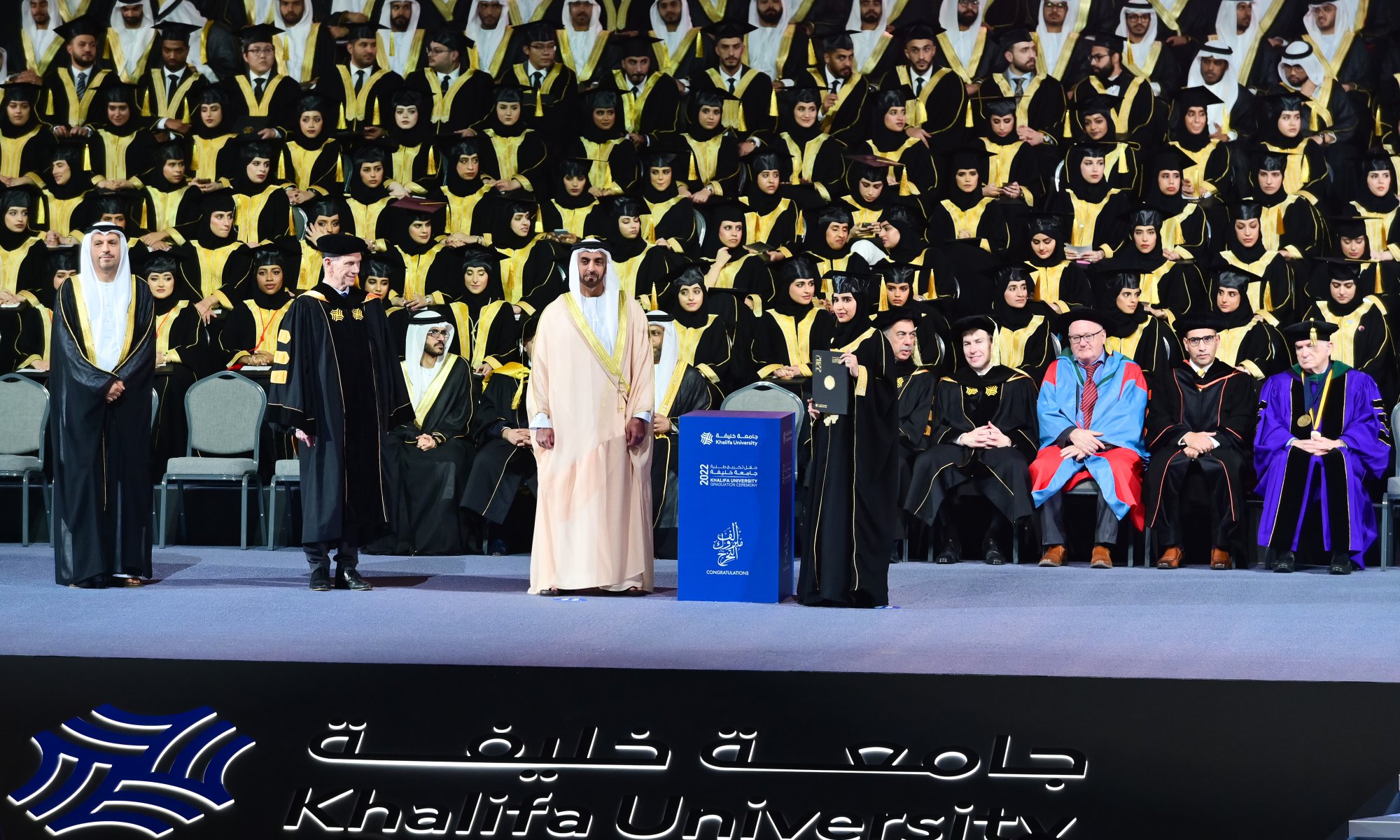
Abu Dhabi-UAE: 25 October 2022 – Under the patronage of The UAE President His Highness Sheikh Mohamed bin Zayed Al Nahyan, 1,191 bachelor’s, Master’s and PhD students of Khalifa University of Science and Technology were conferred degrees by His Highness Lieutenant General Sheikh Saif bin Zayed Al Nahyan, Deputy Prime Minister and Minister of the Interior, at the 2022 graduation ceremony.


Dignitaries, members of the University’s board of trustees, faculty and staff, including Professor Sir John O’Reilly, President, Dr. Arif Sultan Al Hammadi, Executive Vice-President, and Dr. Ahmed Al Shoaibi, Senior Vice-President, Academic and Student Affairs. The ceremony was also attended by graduates and members of their families.


The ceremony celebrated the graduation of 1,191 students, 27 of which were PhD students, 270 Master’s and 894 Bachelors of Science, and Engineering programs. The graduates included 490 male, and 701 female students. The number of UAE Nationals totaled 895, while international students numbered 296.


His Highness Lt. General Sheikh Saif bin Zayed congratulated the students on their graduation and wished  them success for the future.


H.H. Lt. General Sheikh Saif emphasized that the wise directives of His Highness Sheikh Mohamed bin Zayed Al Nahyan, President of the UAE, have helped Khalifa University achieve prestigious international rankings because of distinguished academic programs and advanced research initiatives. He praised the University’s various advancements in academics, research and technology innovations, especially being the only university from the UAE to be ranked among the top 200 universities in the world. He also commended the university’s consistent efforts towards achieving further milestones that has firmly cemented its position among the top institutions in the world.


His Highness Lt. General Sheikh Saif offered his congratulations to the cohort of fresh graduates and hoped that with their newly acquired knowledge and expertise, they would play a truly critical role, contributing to the economic progress of the UAE, as well as in many regions across the world.


Moreover, demonstrating its status as a leading sustainability-based institution, Khalifa University launched the Khalifa University autonomous vehicle (AV) – the UAE’s first driverless 12-seater shuttle to transport students and staff around the Sas Al Nakhl Campus. One of the first-ever AVs to be deployed in the UAE in a ‘mixed traffic mode’, the AV can drive on the road with other cars, while also providing a research and development platform to  faculty and researchers at the Khalifa University Center for Robotics and Autonomous Systems (KU-CARS), to investigate autonomous driving in challenging scenarios.


During the ceremony, Hour Matar AlMadhaani, a Mechanical Engineering graduate, offered the graduate address.


Khalifa University is top-ranked in the UAE and among the top 10 out of 125 Arab institutions in the Times Higher Education (THE) Arab Universities Ranking for three consecutive years. In the Nature Index 2021, Khalifa University ranked top in the UAE and second among Arab institutions in terms of research output with 22 research papers, only for the 1 May 2020 – 1 April 2021 period. In the 2023 QS (Quacquarelli Symonds) World University Rankings, Khalifa University is ranked among the top 200 universities (181) globally and top in the UAE.

Khalifa University to Organize Graduation Ceremony on 25 October

Under the Patronage of His Highness Sheikh Mohamed bin Zayed  


Under the patronage of the UAE President His Highness Sheikh Mohamed bin Zayed Al Nahyan, Khalifa University of Science and Technology will organize the graduation ceremony on 25 October at the Abu Dhabi National Exhibition Center (ADNEC). 


The event will honor the success of the University’s 1,191 students from various undergraduate, graduate, and PhD programs in science and engineering. 


In all, 297 students will receive their PhD and Master’s at the graduation ceremony. A total of 894 students will be receiving their bachelor’s degrees in science, and engineering. Out of this, 490 are male students and 701 female (58.9%). The UAE national students total 895, while international students number 296.


Sir. John O’Reilly, President, Khalifa University, said: “Graduation marks the culmination of a student’s successful academic endeavor and it will surely be one of the most memorable days in their lives. Therefore, we look forward to conferring the degrees on this special day, and wish them success for their future.”


Dr Arif Sultan Al Hammadi, Executive Vice-President, Khalifa University, said: “This year’s graduation ceremony on 25 October will be an occasion to celebrate the successful academic efforts of students who have reached major milestones in their lives through Khalifa University. Their success also reflects Khalifa University’s commitment to the steadily widening graduate programs encompassing some of the vital sectors in emerging science and technology, while focusing on nurturing innovation through strengthening our research fundamentals. Thus, our efforts are directed towards helping the industry sector to become more competitive internationally, while building the country’s knowledge-economy areas.”


Khalifa University will be hosting the graduation ceremony at a time marked by successive achievements and international recognitions. The university launched the Khalifa University Enterprises Company (KUEC) in 2021, a business and investment arm backed by AED100-million endowment. Khalifa University also launched the UAE’s first driverless, autonomous 12-seater shuttle to transport students and staff around the Sas Al Nakhl Campus. 


During the year, Khalifa University was ranked 20th among 606 emerging economies universities by the Times Higher Education (THE) Emerging Economies Rankings 2021. Moreover, Khalifa University has maintained its top position among universities in the UAE for six  years in a row and was placed 181 in the 2023 QS (Quacquarelli Symonds) World University Rankings.


Clarence Michael
English Editor Specialist
20 October 2022

L’Oréal-UNESCO For Women in Science Middle East Regional Young Talents Program Honors Five Trailblazing Arab Female Scientists from the GCC


The exceptional scientists received grants totaling EUR 76,000 to further their innovative research in Science, Technology, Engineering and Mathematics (STEM) 


In its ninth year, the L’Oréal-UNESCO For Women in Science Middle East Regional Young Talents Program, in partnership with Khalifa University of Science and Technology, has honored five visionary women from the GCC region to recognize, and support furthering their groundbreaking research in the fields of Life Sciences, Physical Sciences, Mathematics and Computer Science. 


The regional program is part of the L’Oréal-UNESCO’s global For Women in Science initiative that has already recognized over 3,900 phenomenal researchers and more than 100 Laureates from more than 110 countries and regions since its inception in 1998. 


This year, grants were awarded to Post-doctorate Researchers Dr. Maha Zakariya Yahya Al-Riyami (Oman), Dr. Raefa Abou Khouzam (UAE) and Dr. Fatiha M. Benslimane (Qatar), who received EUR 20,000 each; and PhD students Hessa Ebrahim Ali Alfalahi (UAE) and Ayesha Abdulla Alkhoori (UAE), who were awarded EUR 8,000 each in their category. These women are playing a pivotal role in addressing critical global issues and paving the way forward for more young women to enter STEM fields. Since its inception in the region, the program has recognized 45 researchers from the UAE, Oman, Kuwait, Bahrain, Qatar, Saudi Arabia and Yemen. 


The program continues to receive the endorsement, for the fourth year in a row, of H.E. Sarah bint Yousef Al Amiri, UAE Minister of State for Public Education and Advanced Technology and Chairwoman of the UAE Space Agency, who said: “Fondation L’Oréal and UNESCO’s initiative to recognize young women scientists is a strong validation of their contribution at every level of STEM. Over the past few years, we have seen a healthy increase in the representation of women in these fields, but we know that there is a lot more work that needs to be done to foster a more inclusive, diverse and career progression for them. Creating opportunities such as this is the essential first step to encouraging more young women researchers to push ahead and make a mark in the science and technology fields.” 


Her Excellency added: “The Arab world has no dearth of pioneering women scientists, and their work has played a key role in addressing issues that impact global society.” 


The latest UNESCO Science Report recognizes the effort of many countries in the Arab world for achieving gender parity at the university level. The gap, however, widens as women enter the workplace with several barriers that set them back in their careers. Women researchers were found to have shorter, less well-paid positions, and were given smaller grants than their male counterparts. 


The driving ethos behind the L’Oréal-UNESCO For Women in Science Program is ‘The world needs science and science needs women’. The program was created to break down barriers to progress for women in STEM and provide them with the tools to succeed. 


Laurent Duffier, L’Oréal Middle East Managing Director, said that the initiative has been instrumental in unearthing the brightest minds and inspiring careers for future generations.


“The program has grown from strength-to-strength and so has the number of women scientists who are leading people-centered research and development. At L’Oréal Groupe, science and innovation are at the heart of everything that we do. Enabling and empowering emerging female scientists and their cutting-edge research is a mission that we are committed to, especially in this region where contributions by women scientists are vital to solutions for the emerging world. Our winners represent the most ambitious and passionate women in the region who are not deterred by any hurdle in their pursuit and commitment to finding novel solutions to problems that impact our communities, while also being a beacon of empowerment for young girls embarking on their careers in STEM.” 


Dr. Arif Sultan Al Hammadi, Executive Vice-President, Khalifa University of Science and Technology, said: “We only need to look within our own research-intensive academic institution to gauge the immense potential among the region’s women researchers who are ready to seize every opportunity to make a difference in our societies. Khalifa University itself can proudly boast several high-profile women scientists among our faculty and researchers. Now more than ever, we need women to take the lead in driving the Industry 4.0 revolution and are proud to partner with the L’Oréal-UNESCO For Women in Science in the Middle East for the fourth year in a row to nurture their career development. The UAE has made great strides in ensuring equality and representation across the board, right from the education level to women spearheading key scientific and technological advancements, which has enhanced its global competitiveness. More such initiatives across the region and globally will secure a diverse and talented workforce in science and technology.” 


Professor Mouïn Hamzé, President of Program’s Jury, added: “Equity, diversity and inclusion are the cornerstones of science and research. Women bring to the table perspectives and diverse viewpoints that are imperative to finding innovative solutions for pressing global issues, such as climate change, food insecurity, pandemics, future tech and cybersecurity. This program has successfully built a network of bright minds who have contributed to many advancements in these areas and continues to turn the tide on underrepresentation in the STEM fields by encouraging young women to pursue careers that respond to the needs of the society.”  


About the 2022 Middle East Regional Young Talents:

PhD students:

  •         Hessa Ebrahim Ali Alfalahi (UAE): For her research on early detection and diagnosis of depression and Parkinson’s disease using smartphone data collected in-the-wild through novel Artificial Intelligence (AI) algorithms
  •         Ayesha Abdulla Alkhoori (UAE): For her research on converting carbon dioxide (CO2) into clean fuel to alleviate global warming and provide a solution for the energy depletion crisis

Post-doctorate researchers:

  •         Dr. Maha Zakariya Yahya Al-Riyami (Oman): For her research on investigating somatic mutations in type 1 diabetes that can lead to new avenues for autoimmunity research.
  •         Dr. Raefa Abou Khouzam (UAE): For her research on investigating new treatment strategies to counter pancreatic cancer growth and evolution
  •         Dr. Fatiha M. Benslimane (Qatar) : For her research on developing a fast, reliable and cost-effective protocol for microbial analysis to allow real-time diagnosis

The 9th edition of the program housed an impressive jury of eight renowned experts from prestigious institutions in the Middle East including:

  •         Dr. Mouin Hamze, President of the Jury, Former Secretary General of the National Council for Scientific Research, Lebanon.
  •         Dr. Maha Al Mozaini, King Faisal Specialist Hospital & Research Center, KSA.
  •         Dr. Thurayya Arayssi, Weill Cornell Medical College, Qatar.
  •         Dr. Ameenah Farhan, Kuwait University and Kuwait Foundation for the Advancement of Sciences (KFAS), Kuwait.
  •         Dr. Habiba Al Safar, Khalifa University, UAE.
  •         Dr. Fatma Taher, Zayed University, UAE.
  •         Dr. Ramia AlBakain, The University of Jordan, Jordan.


Clouds on Mars: Everyday Variability in Cloud Development Investigated Using Data from the Emirates Mars Mission

Researchers from Khalifa University have investigated data from the Emirates Mission to Mars to identify patterns in cloud development on Mars. Understanding this process could feed into long-term climatic studies into how Mars lost its atmosphere and whether such a thing could happen here on Earth. 


Clouds on Mars fascinate researchers. Mars has a thin atmosphere and water scarcity, so clouds are rare occurrences on the red planet. When they do form, they may not be water-ice clouds at all, but dry ice clouds — so high in the atmosphere and so cold that theyre clouds of frozen carbon dioxide. An infrequent and little understood phenomenon, water-ice clouds are the focus of research for Khalifa Universitys Dr. Samuel Atwood, Post-doctoral Fellow.


With researchers from Arizona State University; Northern Arizona University; Space Science Institute, Colorado; Laboratoire de Météorologie Dynamique, France; NASA Goddard Space Flight Center; and Mohammed Bin Rashid Space Center, Dr. Atwood used observations from the Emirates Mars Mission Hope Probe spacecraft to measure the abundance of clouds in the Martian atmosphere and investigate how they change throughout the day. Their results, published in Geophysical Research Letters, add detail to our understanding of cloud behavior on Mars and help validate computer models of the Martian atmosphere.


The Emirates Mars Mission is the United Arab Emiratesfirst mission to Mars, its Hope Probe designed to orbit the red planet and study the dynamics in the Martian atmosphere. One of the instruments on board the Hope Probe is the Emirates Mars Infrared Spectrometer, used to study the clouds on Mars.


A considerable record of Martian water-ice-cloud observations from thermal-infrared spectrometers has now been produced from the combined measurements of numerous Mars missions,” Dr. Mohamed Ramy El-Maarry, Associate Professor and Director of the Space and Planetary Science Center, and co-author on the paper explained. From these, a general climatology has been developed showing water-ice cloud to be a prominent component of the Martian atmosphere with substantial seasonal and spatial variability.”


This variability is the focus of Dr. Atwoods research. The Hope Probe orbits Mars at a greater distance than most previous orbiting spacecraft, which are traditionally inserted closer to the planet to get high-resolution pictures and act as telecommunications relay stations for the probes sent to the surface. Instead, the EMM will study the weather and climate systems from a greater distance, which will allow measurements at different times of day and across a larger section of the planet at any one time.


Previous research has shown a pattern of increasing and decreasing cloud coverage throughout the Martian day.


We know there is a general midday minimum in water-ice-cloud abundance in the aphelion cloud belt, a prominent region of clouds occurring at low latitudes near the equator during the Mars aphelion season when Mars is at its farthest distance from the Sun,” Dr. Atwood said. This has been observed over six years of data from other instruments orbiting Mars. Some studies indicate that cloud cover increases throughout the day and reaches a maximum in the afternoons, while others show generally higher nighttime water-ice-cloud abundance. However, there are gaps in our observations, which limit our understanding of how these clouds develop and which hinder efforts to develop Martian atmospheric climatologies, validate global circulation models, and resolve observational anomalies.”


Using data gathered from the Emirates Mars Infrared Spectrometer, combined with modelling tools, the research team detailed the daytime cloud variability for different regions on Mars. They considered the aphelion cloud belt, a prominent region of clouds commonly observed near the equator during the Mars cold season, and orographic clouds, which form in the vicinity of volcanoes in response to the forced lifting of air by the surface topography.


The results show that throughout much of the aphelion cloud belt, the lowest optical depths were observed near midday, with higher values often occurring in both the morning and afternoon. Optical-depth measurements provide information on the radiative properties of clouds, helping to determine the liquid and ice-water content as infrared light is scattered. The higher the optical depth, the more water in the cloud. For the orographic clouds at the volcanoes, optical depths increased through the afternoon and showed no indication of a maximum having been reached by dusk when coverage ended for this study.


The data from the Emirates Mars Mission constitute a new and unique Mars atmospheric data set due in large part to the observational capabilities of the EMM Hope Probe spacecraft,” Dr. El-Maarry said. The results were generally consistent with expectations based on previous observational datasets and model findings, but the observational coverage provided by the Emirates Mars Infrared Spectrometer allowed for more detailed analysis of the development of water-ice clouds throughout the day, especially in the morning hours when fewer observations have historically taken place.”


Future work using data from the EMM will focus on extending the timeframe for analysis to a full Martian day, particularly during the night. As we learn more about the atmosphere on Mars, we can use data from the EMM to help model the Earths atmosphere and study its evolution over millions of years. 


Jade Sterling
Science Writer
24 October 2022

Ankabut at Khalifa University partners with Oracle for collaboration on emerging technology and digital transformation

Ankabut, the UAE’s Advanced National Research and Education Network offering academic institutions connectivity to education networks around the world, will be working with Oracle to expand one of the leading education programs in the UAE and the Middle East. The two organizations signed a memorandum of understanding (MoU) during GITEX Global 2022 outlining their future cooperation.


The partnership confirms Oracle as Ankabut’s long-term technology solution provider and strategic technology partner, taking full advantage of the company’s integrated cloud applications and infrastructure portfolio. Ankabut selected Oracle as a partner to build the new education ecosystem and cloud platform services. The two organizations will now work together to expand the existing footprint using Oracle, in turn strengthening the UAE’s position as a leader in educational services and accelerating digital transformation. The extended Oracle cloud platform services will enable Ankabut to provide innovative services to educators in the UAE and across the region.


Fahem Al Nuaimi, CEO of Ankabut, said: “Ankabut is pleased to expand its existing relationship with Oracle as our long-term solution provider and strategic technology partner. By working with Oracle, Ankabut will establish the best education cloud services in the UAE and the entire Middle East while making it accessible to more universities and academic institutions. We have decided to expand the footprint of that cloud, taking advantage of Oracle advanced technology to lead the digital transformation journey of the education industry”.


“Ankabut’s vision to establish a progressive digital environment will unlock endless opportunities for further education and collaboration in the region. Through this partnership, Oracle will support the expansion of Ankabut’s e-learning services by enabling an IT infrastructure that is autonomous, secure and scalable,” said Cherian Varghese, Senior Vice President, Technology – Middle East, Africa, Turkey and Levant, Oracle.


Managed by Khalifa University, Ankabut has more than 30 institutional members with connections to over 70 sites throughout the UAE, and offers UAE academic and research institutions connectivity to other education networks worldwide.


Clarence Michael
English Editor Specialist
13 October 2022

Khalifa University’s EBTIC to Feature Innovative Next-Generation Technology Projects at GITEX Global 2022

Khalifa University of Science and Technology announced the Emirates ICT Innovation Center (EBTIC) will feature breakthrough next generation technology innovations at the Gulf Information Technology Exhibition (GITEX) Global 2022, the 42nd edition of the one of the largest technology and start-up event in the world. 


Scheduled to be held from 10-14 October at the Dubai World Trade Centre, more than 4,500 companies from 170 will be participating in the event. The EBTIC booth at the Abu Dhabi Digital Authority (ADDA) stand will feature innovations in Wi-Fi signals and artificial intelligence-based predictive maintenance.


Dr. Arif Sultan Al Hammadi, Executive Vice-President, Khalifa University, said: “As a top-ranked research-oriented institution, Khalifa University is delighted to participate through EBTIC and present some of the key research projects at GITEX Global 2022. Our research centers, including EBTIC, remain focused on technology innovation and scientific exploration, especially those that result in obtaining community-specific solutions. EBTIC focuses on driving research and innovation in intelligent systems and applications, and we believe industry leaders and stakeholders visiting this event will find our promising solutions relevant and useful. In addition two more projects – Energy-efficient magnetic-electrical technology for desalination and a novel process to fabricate the flexible Li-ion batteries – will also be presented at the technology event.”


EBTIC will feature its ‘Wi-Fi Sensing’ technology that has wide applications across many sectors such as health, emergency services, security, retail and energy management. In recent years, many studies have shown that RF signals from already deployed Wi-Fi infrastructure can be used for sensing various indoor activities. Human body movements cause a change in the wireless signals, such as variation in power and phase of the Wi-Fi signal, which can be monitored and analyzed for various applications. Some of these applications that can be developed by monitoring Wi-Fi signals include intrusion detection, daily activity recognition, gesture recognition, and vital signs monitoring for health applications. 


Another project from EBTIC is an AI-based predictive maintenance solution that aims to estimate the health of the Industrial Machinery and can look for any future fault in the motors. This can also help finding faults in machines driven by those motors using AI and Machine Learning. This equipment, which facilitates implementation of a key aspect of Industry 4.0, will help optimize cost, improve safety, and minimize operational disruptions to many sectors such as oil and other gas and Industry 4.0 applications, especially hazardous work environments.


This predictive maintenance solution will be demonstrated with the help of Cling, a technology start-up, and a spin-off from Khalifa University that is currently under incubation at the Khalifa Innovation Center. Cling, developed by Dexter Robotics, can walk and cling on to structural surfaces to perform some tedious work such as glass cleaning, wall painting, and concrete drilling/coring. EBTIC’s physical sensor will be attached to Cling to showcase how it can predict future mechanical failure. Another version of Cling, Cling Heavy Duty, is used for manufacturing, such as drilling, on horizontal and inclined large surfaces. Cling Climbing, on the other hand, is used for climbing vertical and overhead surfaces to perform tasks such as glass cleaning and wall painting in tall buildings or maintenance tasks on other large vertical structures.


Dr. Nawaf Almoosa, Director, EBTIC, and Assistant Professor, Electrical Engineering and Computer Science, Khalifa University, said: “We are delighted to showcase our next generation innovations at GITEX Global 2022 and present our achievements to industry stakeholders through the ADDA stand. The ‘Wi-Fi Sensing’ technology and the AI-based predictive maintenance solution are only two of our most effective recent research outcomes that will be presented at GITEX. We believe our participation at GITEX will help us gain further momentum in not only helping us to understand the immediate requirements of niche industry sectors but also in obtaining new technology solutions.”


Recently, an EBTIC team of researchers presented a short paper on predicting the costs associated with freight forwarding contracts during a special session at the 17th Conference on Computer Science and Intelligence Systems FedCSIS 2022 in Sofia, Bulgaria. EBTIC researchers competed against 135 teams from 24 countries across the world to win the FedCSIS 2022 data mining competition, the 8th organized in association with the Conference on Computer Science and Information Systems. 


EBTIC, based at the Khalifa University campus in Abu Dhabi, was founded by Khalifa University, Etisalat and BT (British Telecom), and supported by the Telecommunication and Digital Government Authority’s (TDRA) ICT Fund. 


EBTIC has produced more than 560 scientific publications, developed more than 80 inventions, resulting in 64 granted patents, with more pending, and has trained more than 400 students,  and 300 professionals. It has also organized 10 international technical workshops and developed numerous technologies and worked on many projects in collaboration with its partners and stakeholders.


Clarence Michael
English Editor Specialist
12 October 2022

Khalifa University Research Centers to Present 10 Projects at International Exhibition for National Security and Resilience Abu Dhabi 2022

EBTIC, C2PS, RIC-2D and KU-CARS Line Up Technology Innovations for Region’s Top National and Cybersecurity Officials, Buyers and Supply Chain Stakeholders


Khalifa University of Science and Technology today announced four of its research centers will showcase 10 research projects and a startup at the International Exhibition for National Security and Resilience (ISNR) Abu Dhabi 2022. 


Organized by Abu Dhabi National Exhibitions Company from 10-12 October, ISNR Abu Dhabi 2022 is the region’s most trusted platform for bringing together national and cyber security officials, buyers and supply chain stakeholders, to showcase innovation and influence future projects. Khalifa University will present projects from four research centers – the Emirates ICT Innovation Center (EBTIC), Center for Cyber Physical Systems (C2PS), Research and Innovation Center for Graphene and 2D Materials (RIC-2D) and the Khalifa University Center for Autonomous Robotics Systems (KU-CARS). 


Dr. Arif Sultan Al Hammadi, Executive Vice-President, Khalifa University said: “Khalifa University’s research centers will present some of their latest technology innovations at ISNR Abu Dhabi 2022, an event that attracts leading stakeholders in national security, cyber security, policing and law enforcement, critical infrastructure protection and commercial security. Our research outcomes will have direct impact on some of the challenges posed by the industry, and we believe this event will help facilitate our interaction with top industry leaders, enabling translating of these technologies into workable solutions for the benefit of the community at large.” 


EBTIC will present projects on data protection and anonymization to reduce or eliminate the risk of non-compliance, and Wi-Fi Sensing for Emergency and Security Services, while C2PS will showcase three projects, including two collaboration projects with Abu Dhabi’s Technology Innovation Institute (TII). They are “Making Machine Learning-based security controls resistant to attacks’, and ‘Zero trust-based system for UAVs’ remote identification. The third project titled ML-based Fitness-for-Duty evaluation for risk management in critical infrastructures is a collaboration project with the Korea Advanced Institute of Science and Technology (KAIST). 


At the same time, Khalifa University’s RIC-2D booth will showcase the impact of Graphene & 2D materials in the areas of light-weighting (swapping traditionally-used materials for lighter materials), water and energy.


KU-CARS will present four projects in total. Two projects include robots for low visibility surveillance, as well as unmanned aerial and marine vehicles surveillance in an environment without global navigation satellite system (GNSS). Two more projects – Intelligent systems for automated threat items detection in X-ray baggage screening and Computer vision for underwater video analytics for inspection and surveillance – will also be showcased at the Khalifa University KU-CARS stand, in addition to the Droneleaf startup.


Clarence Michael
English Editor Specialist
11 October 2022

New Insights to the Characteristics of the Plasma Sheath Could Further the Development of Nuclear Fusion Technology

For nuclear fusion to power the world, the energy produced and the plasma used to create it must be contained within a generating device. Research from Khalifa University has unlocked new understanding into how plasma interacts with container solid surfaces such as those that may be used in nuclear reactors of the future. 


Dr. Ioannis Kourakis, Associate Professor, has investigated the characteristics of a phenomenon that occurs when a superheated plasma interacts with a solid surface. With Dr. Mohammed Mohsen Hatami, Khaje Nasir Toosi University of Technology, Iran, Dr. Kourakis calculated how the boundary between the plasma and solid may be affected by different concentrations of positively charged ions in the plasma. The findings represent the first time researchers have been able to characterize the properties of the plasma sheath in a plasma containing three positive ion species. The results were published in Nature Scientific Reports.


Plasma is an interesting research challenge to scientists across disciplines. So much of the universe is made of plasma — it comprises over 99 percent of the visible universe as stars, nebulas, auroras, lightning and neon signs.


Plasma is often called the “fourth state of matter” after solid, liquid, and gas. When gas is sufficiently heated, the molecules get more energetic and excitable, moving around more and more freely. At a high enough temperature, the atoms themselves will break apart, with electrons separating from their nuclei, leaving behind charged particles known as ions amid a swirl of electrons. This is plasma.


“Plasmas are large ensembles of charged particles or ionized gases which either occur in various forms in nature or may be produced artificially in the laboratory,” Dr. Kourakis said. “In the laboratory, plasmas are fabricated in large chambers hosting electric discharge experiments, in which the plasma is separated from the wall surface by a thin positively charged region called the sheath. This arises from the difference in mobility between the ions and the electrons.”


The plasma sheath is formed when plasmas come in contact with solid surfaces. It balances the fluxes of fast electrons and slow ions to keep the plasma neutral. A plasma is a superheated gas with electron temperature usually equal to or higher than that of ions. Since electrons are much lighter than ions, they can escape from plasma at much faster speed if there is no confining potential barrier. Once the electrons are mostly depleted from the boundary interface between the plasma and the solid surface, a region with only positive ions and neutrons will be formed. This is the plasma sheath. At the same time, the solid surface becomes negatively charged relative to the plasma. As the potential increases, more and more electrons are reflected by the sheath.


Positive charges in the sheath can push more ions to diffuse out of plasma. Eventually, the loss rate of electrons and ions will reach an equilibrium.


“Although plasma-sheath formation is one of the oldest problems in plasma physics, it is still far from being thoroughly understood and attracts attention among researchers,” Dr. Kourakis said. “This is due to its importance in the modification of the surface properties of the materials, in excitation of electrostatic waves, and its relevance in magnetic confinement fusion plasma.”


In plasmas composed of different gases, the resulting ions may have different velocities. In a two-ion-species plasma derived from argon and xenon gases, the argon and xenon ions move at the same speed. When a third species is added, the first two species move at different speeds and this change is related to the concentration of the third ion species. How this impacts the plasma sheath remains unclear.


Dr. Kourakis and his collaborator investigated this phenomenon in plasma comprising argon, xenon and krypton ions. By combining mathematical investigations with kinetic modeling and experimental results, the researchers were able to accurately compute the velocity of the ion species at the sheath edge. This then allowed them to investigate their effect on the structure and properties of the plasma sheath.


“We found that increasing the krypton concentration causes a decrease in the space-charge density, which leads to a decrease in the sheath thickness and an increase in the sheath potential,” Dr. Kourakis said.


Understanding how the plasma sheath can be manipulated by adding different ion species to the plasma mixture could be crucial to our efforts to achieve nuclear fusion on Earth. Any attempt to harness the power of nuclear fusion requires containing plasma superheated to over 100 million degrees Celsius within the walls of a device. Plasma, meet solid surface. Plasma this hot and energetic is impossible to contain in any normal vessel, with current solutions involving magnetic fields to draw the plasma away from the walls and keep everything contained.


Much of this relies on controlling the direction of the ions in the plasma and reducing the volume of positive ions that collide with walls of the fusion containment device. The researchers’ results show different concentrations of ion species impact the collision force, which in turn impacts the width of the plasma sheath. These findings could help design new nuclear fusion experiments and reactors.


Jade Sterling
Science Writer
12 October 2022

The Possible Genetic Links between Obesity and Cancer

New research suggests mutations on a gene associated with obesity could also be associated with various cancers. While further research is required, confirming this link could lead to the development of more targeted and effective cancer treatments. 


As obesity rates rise around the world, so do cancer rates. Since both pose a serious threat to human health, the relationship between the two has attracted much research attention.


In 2007, single nucleotide polymorphisms (SNPs) within the fat mass and obesity-associated gene (FTO) became the first be associated with human body mass. SNPs are single base-pair mutations that occur at a specific site in the DNA sequence. They are responsible for over 80 percent of the variation between two individuals.


The FTO gene codes for the FTO protein that affects a molecule known as m6A. m6A is a chemical derivative of adenosine in RNA that plays important, wide-ranging roles in the regulation of gene expression. It is present at tens of thousands of sites across the transcriptome, and found in all human tissues studied so far. The effects of m6A on gene expression are wide-ranging, with m6A emerging as a key regulator of numerous important biological processes in normal physiology and in disease — including cancer.


New research suggests that levels of FTO and m6A are dysregulated in various cancers, leading researchers to question the relationship between the two.


Sarah Azzam, PhD candidate, Dr. Habiba AlSafar, Associate Professor and Director of the Khalifa University Biotechnology Center, and Dr. Abdulrahim Sajini, Assistant Professor of Biomedical Engineering, reviewed the current research investigating m6A and FTO to confirm FTO’s causative link to obesity and discuss novel approaches using RNA demethylase inhibitors as targeted oncotherapies. Their review aims to confirm m6A demethylation as a risk factor in obesity as well as in cancer, to stimulate new research in FTO and human disorders.


The team’s results were published in the International Journal of Molecular Sciences.


Obesity is a major international public health threat and economic burden. Although environmental factors, such as little physical activity and over-eating, have driven the recent rise in the numbers of people who are overweight or obese, genetic factors are estimated to account for much of the population variation in body mass index (BMI).


Genes influence every aspect of human physiology, development and adaptation, with obesity no exception. Several genetic factors are responsible for very rare, single-gene forms of obesity but research has also started to identify the genetic underpinnings of ‘common’ obesity, which is influenced by multiple genes.


“The fat mass and obesity-associated (FTO) gene was the first gene to show the strongest association with polygenic obesity,” Dr. Sajini explained. “m6A is an abundant modification in mRNA and DNA that modulates several cellular processes. An imbalance of m6A has been associated with various human disorders, including obesity and cancer. Emerging studies suggest m6A and FTO levels are dysregulated in various cancers; we wanted to see if m6A demethylation could be a risk factor in obesity too.”


An important aspect of m6A as a regulatory system is its reversibility; it can be removed from mRNA by FTO, which is a demethylase protein.


In genome-wide association studies, FTO constantly scored high among obese and cancer cohorts, with the researchers suggesting variation in FTO could explain the m6A imbalance found in both obesity and cancer. Research so far has only focused on FTO in either adipogenesis, the growth of fat cells, or tumorigenesis, the growth of cancer cells, when FTO has a potential dual function in obesity and cancer through common pathways.


“Several studies have highlighted the underlying molecular mechanisms by which FTO is associated with obesity, given its role as an m6A demethylase,” Dr. Sajini explained. “It’s likely that there are pathways affected by dysregulated FTO action on m6A in both adipogenesis and tumorigenesis that we have yet to uncover.”


Some research has shown an overexpression of the FTO gene in breast cancer cells affecting energy metabolism, while another study noted the FTO protein’s oncogenic role in ovarian cancer, where higher levels of the protein increased the autophagy function of ovarian cancer cells.


Clinically, the studies reviewed by the research team demonstrate that FTO could be an interesting drug target in different human disorders, especially in cancer.


“Developing selective FTO inhibitors is still underway but as nearly one-third of mRNAs are m6A modified, the number of target genes regulated by FTO is relatively large,” Dr. Sajini said. “With such a large network of genes reliant on the FTO enzymatic role, we must explore dysregulations in FTO m6A demethylase function further. Moving from genome wide studies to investigating the molecular and biological underpinnings will require the use of all technologies at our disposal, but hope we will soon be able to fully understand their roles in diseases such as obesity and cancer and develop precise therapies for better health outcomes.”


Jade Sterling
Science Writer
12 October 2022

Reviewing the Development of Decellularization Technologies for Bioartificial Blood Vessels

Decellularization technologies hold great promise for the bioartificial tissue and organ industry, and understanding the limitations of these scaffolds will provide insight into the biomechanical improvements needed to increase their quality and support their clinical utility.


Vascular diseases are a global leading cause of death. Existing treatments include medications and surgery, as well as lifestyle changes, with the most invasive treatment the vascular bypass. During this procedure, blood is rerouted to flow around a blocked blood vessel using a grafted vessel. A patient’s own vein is the preferred vessel for avoiding an immune response, but this is not always possible and an artificial blood vessel is required.


Previous research efforts have developed artificial vessel substitutes using synthetic materials, but the synthetics have limitations, including decreasing efficacy, lack of elasticity, and increased risk of inflammation. Additionally, they last between only two and five years.


Dr. Peter Corridon, Assistant Professor of Immunology at Khalifa University, focuses on developing another potential option: bioartificial blood vessels. Dr. Corridon, Xinyu Wang, Research Assistant, and Dr. Vincent Chan, Professor of Biomedical Engineering, examined the current state-of-the-art approaches used to create decellularized vessel segments and identified the challenges and future perspectives for research in this area. Their results were published in Frontiers in Bioengineering and Biotechnology.


“Vascular bypass procedures are often used to treat severe conditions, but this form of vascular replacement therapy relies on harvesting blood vessels from a patient’s arms, legs, chest and abdomen to replace damaged ones,” Dr. Corridon explained. “Unfortunately, harvesting vessels from recipients can cause significant donor-site morbidity, require expensive surgical procedures to repair lesions at the donor site, and often result in multiple post-surgery side effects, including infection and long-term pain.


“The aesthetic outcomes of these procedures may have severe social and psychological impacts on the patients too.”


And there is a third potential problem: Not all patients have vessels suitable for replacement due to such issues as pre-existing vascular diseases or previous surgical interventions.


“Instead, we need transplantable vascular substitutes,” Dr. Corridon said.


Arteries, veins and capillaries are all blood vessels. They are categorized by their caliber (inner diameter), with different sized vessels differing in cell composition, cell organization and physiological function. However, all three types of blood vessels contain networks of biofactors and proteins called the extracellular matrix. These networks regulate cellular and tissue functions and maintain vascular structural integrity.


The extracellular matrix can then be implanted into a recipient where it forms the scaffold for the recipient to rebuild their own blood vessels. This reduces concerns around transplant rejections and is a fully biocompatible solution.


“Vascular decellularization technologies remove the cellular components from native tissue to leave behind the extracellular matrix, the scaffold that gives the blood vessel its structure,” Dr. Corridon said. “When implanted, they are biocompatible and biodegradable, possessing integrative and functional properties to support normal in vivo physiologic conditions such as the high-pressure blood flow in arteries.

“Various sources, including human and animal cadavers, have been identified as the supply of native vessels for decellularization, but we do need to be aware of immunogenicity. Some donor vessels have the capacity to provoke an immune response in the recipient so only certain donor animals are appropriate for clinical use. Bovine carotid arteries and mesenteric veins are among those commercially available.”


Decellularization is the process of taking an existing natural organ, either from a human or a nonhuman animal donor, and sterilizing it to the extent that only the collagen network base remains, forming a natural scaffold. The decellularized scaffold can then be repopulated with a patient’s own cells to produce a personalized tissue from the acellular human vessel or animal-derived vessel (xenograft). They are a scaffold for the body to incorporate and provide a platform for cell growth, tunable to each recipient. They also act immediately as blood vessels, allowing the flow of blood through the kidneys while the body’s own cells grow into the matrix.


While the decellularization process holds tremendous potential, it still faces challenges and needs profound improvements to optimize structure, function, safety, and functionality.


“From a preclinical view, present decellularization methods may adversely alter the mechanical integrity of vessels and retain cellular and antigenic components that can induce immunogenicity,” Dr. Corridon said. “There are also problems with accurately mimicking vascular structures that can withstand in vivo conditions. Strengthening the decellularized wall with hydrogel-based approaches may be helpful here.”


Incorporating hydrogels is one research direction, but efforts are also focusing on incorporating artificial intelligence to supervise and potentially automate the process.


“Ideally, we need to minimize immunogenicity and maximize physiological performance,” Dr. Corridon said. “So far, we have gained tremendous insight into how decellularizing agents impact native structures, and these achievements have spawned interest in generating commercially available vascular substitutes derived from natural materials to replace existing synthetic devices. However, several challenges must still be overcome to support this progression. Perhaps solutions to these major challenges may come from other combinative approaches that include emerging strategies. Altogether, the future looks promising for decellularization.” 


Jade Sterling
Science Writer
12 October 2022

Khalifa University’s Center for Biotechnology Becomes UAE’s First Non-diagnostic Research Laboratory to Receive DoH Accreditation

Accreditation Validates BTC’s World-Class Infrastructure to Offer Training in Molecular Biology, Genetics, and Clinical Biochemistry to Fresh Graduate Students, Interns, and Volunteers


Khalifa University of Science and Technology today announced the KU Center for Biotechnology (KU-BTC) has become the first non-diagnostic research laboratory in the UAE to get accredited by the Department of Health – Abu Dhabi, for fulfilling a criteria of Approved Practice Setting (APS) that can currently be otherwise fulfilled only by diagnostics facility in hospitals or medical centers or diagnostics medical laboratories.


The DoH accreditation means that KU-BTC has the required setup and the infrastructure to train fresh graduate students, interns, volunteers in Molecular Biology, Genetics, and Clinical Biochemistry in a world-class environment for up to six months. Moreover, graduates from Khalifa University or any other local or international institutions, who are looking to be qualified (licensed) as medical lab technologists, can start their work placement or internship with BTC, which will give them hands-on experience in molecular biology and genetics.


Dr. Habiba Alsafar, Director, KU-BTC, and Associate Professor-Molecular Biology and Genetics, Khalifa University, said: “Being accredited by DoH will help KU-BTC explore more research activities in diverse fields, while attracting professors and post-doctorates to start their research in a certified laboratory. This certification will also raise KU-BTC’s local and international visibility and would help attract more talented students to Khalifa University, in addition to affirming our excellent credibility.”


Students of Khalifa University’s College of Art and Science and Biomedical Engineering will also be able to earn credit towards their training or internship with KU-BTC. At the same time, the DoH accreditation will also attract students majoring in Engineering and Science subjects to fulfill their internship programs with the research center.


Recently, KU-BTC organized the 2022 summer internship to empower students with technical competence and the confidence needed to work in a molecular biology and genetics laboratory. A total of 16 third- and fourth-year bachelor’s students in Biology and related sciences participated in various Molecular Biology projects and learnt invaluable skills like DNA extraction, PCR testing, Genotyping and Sequencing.


Clarence Michael
English Editor Specialist
7 October 2022