Khalifa University’s 6G Research Center Wins Telecom Review Excellence Award 2025 for TelecomGPT-Arabic

Khalifa University’s 6G Research Center (6GRC) has won the ‘Telecom Review Excellence Award for Best AI Application for Vendors in the Middle East’ for its joint initiative ‘TelecomGPT-Arabic’, developed in collaboration with du, Nokia, Microsoft, and the International Telecommunication Union (ITU).


TelecomGPT-Arabic reflects 6GRC’s vision of AI-native networks, systems that can interpret complex situations, reason over telecom knowledge, and adapt network operations and customer support workflows with higher speed and consistency. 


Designed to understand telecom queries in Arabic, TelecomGPT-Arabic supports decision-making across common operational scenarios, with an extensible architecture for future integration of voice, text, and structured telecom data.


This recognition reinforces Khalifa University’s commitment to advancing next-generation wireless systems and accelerating innovation across the UAE and the broader region through high-impact research, technology transfer, and international partnerships.

Physics Department Hosts Winter 2026 Retreat

The Physics Department faculty and staff came together for a full day of engagement and planning on 6 January for the Winter 2026 Retreat. Dr. Dirar Al Homouz, Chair, offered an overview of the Department’s strategic priorities and the vision for the upcoming academic period.

The agenda included a series of presentations and discussions on key academic and institutional themes, such as research infrastructure and access to ABET accreditation, program reviews, and departmental implementation plans.

Khalifa University Faculty Elevated to IEEE Fellow and Reappointed for Third Consecutive Term as Vice President of IEEE AESS Technical Operations

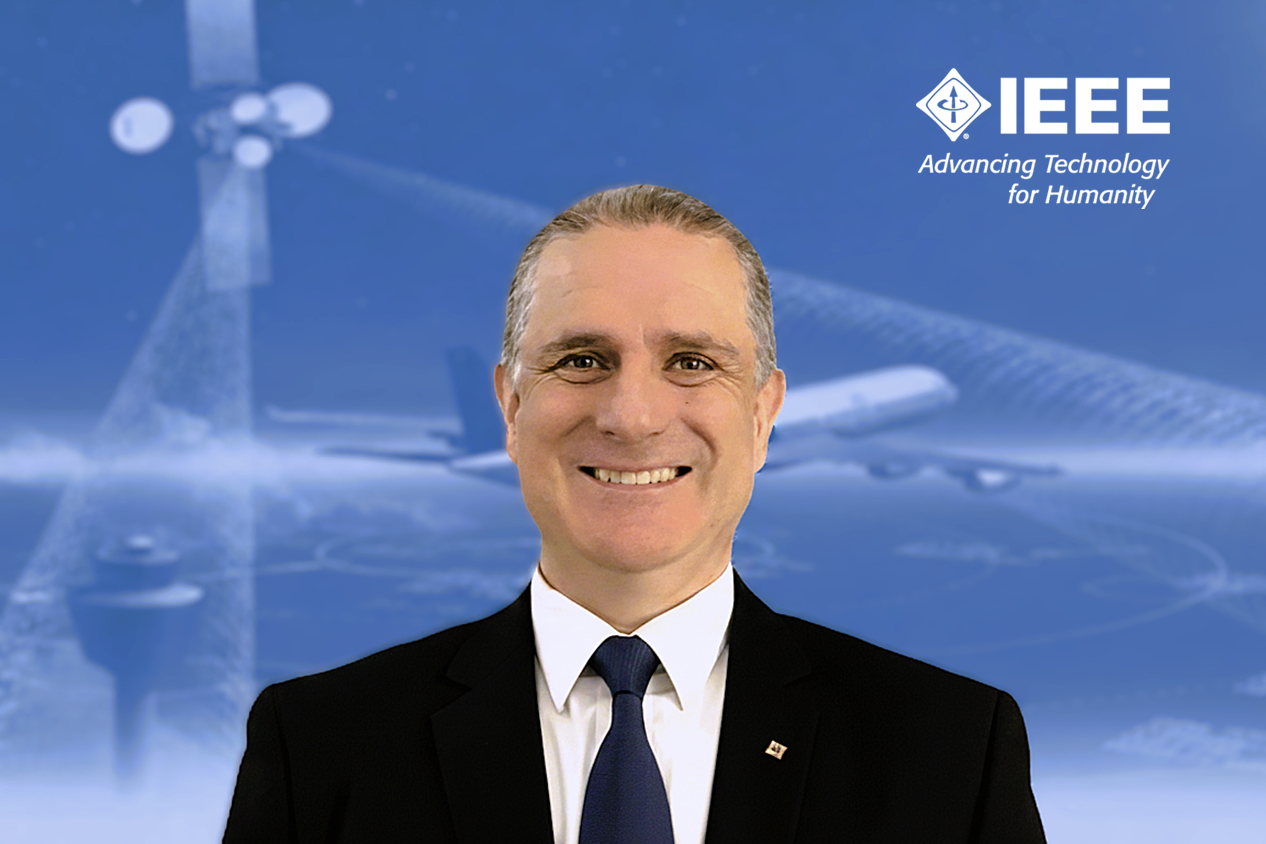
Professor Roberto Sabatini, Director of FALCON Program, Recognized for Leadership in Digital Avionics for Sustainability and Trusted Autonomy.


Khalifa University Professor Roberto Sabatini, Director, FALCON Program, Aerospace Engineering, has been elevated to the prestigious rank of Institute of Electrical and Electronics Engineers (IEEE) Fellow, the highest professional honor awarded to only 0.1% of IEEE members annually.


Professor Sabatini is recognized for his ‘leadership in digital avionics for sustainability and trusted autonomy’, according to the IEEE citation. As IEEE Fellow, he will also serve his third consecutive term as Vice-President of Technical Operations for the IEEE Aerospace and Electronic Systems Society (AESS).


IEEE is the world’s largest professional engineering organization with over 500,000 members across more than 160 countries. Guided by its mission, ‘Advancing Technology for Humanity’.


Prof. Sabatini, who has over three decades of global experience in aerospace, defense, and geospatial systems, is a founding Co-Editor of the IEEE Press Series on Aeronautics and Astronautics Systems, Editor for Progress in Aerospace Sciences, and Associate Editor for the IEEE Transactions on Aerospace and Electronic Systems, Robotica, the Journal of Navigation, and Aerospace Science and Technology. 


Since joining Khalifa University in 2021, Prof. Sabatini has spearheaded transformative initiatives that have significantly enhanced the University’s reputation as a global leader in aerospace research and education. Under him, Khalifa University established the Aerospace Systems Research Group (ASRG) and the Guidance, Navigation, and Control Laboratory (GNC Lab), pivotal research hubs driving advancements in sustainable aviation, unmanned systems, and intelligent aerospace technologies.


In 2022, Prof. Sabatini was appointed Chair of the Aerospace Research Strategy Committee, where he fostered collaborations with national and international stakeholders to strengthen the innovation ecosystem of the UAE’s aviation and aerospace industries. He currently leads Khalifa University’s FALCON Program, which focuses on transformative areas such as trusted autonomous flight systems, Advanced Air Mobility (AAM), and integrated air and space traffic management solutions.


Prof. Sabatini’s innovative solutions in fault-tolerant avionics, trusted autonomous flight, and cognitive human-machine systems have cemented his position among leading researchers in aerospace systems. His work aligns with the UAE’s national focus on pioneering advancements in sustainable aviation technologies, advanced air mobility, and commercial spaceflight.


Prof. Sabatini said: The future lies in our ability to prepare a new generation of engineers, scientists, and innovators. By equipping them with deep domain expertise, interdisciplinary knowledge, and a global mindset, we are building the leaders and pioneers of tomorrow. These recognitions motivate me to continue working towards creating aerospace technologies that transform mobility, connectivity, and sustainability,” he shared. At Khalifa University, I have found a supportive and dynamic environment, as we are able to perform groundbreaking research and champion industry-focused training and innovation initiatives that align with the UAE’s vision for a knowledge-based economy and a sustainable future.”

Clarence Michael
English Editor – Specialist 


Khalifa University Wins Bid to Host Prestigious 53rd Computers and Industrial Engineering (CIE53) International Conference in Abu Dhabi

Khalifa University of Science and Technology today announced it has successfully won the bid to host the 53rd International Conference on Computers and Industrial Engineering (CIE53) in Abu Dhabi, UAE, from 20–23 October 2026.


Supported by the Abu Dhabi Conventions & Exhibition Bureau, Khalifa University’s Department of Management Science and Engineering has completed the process for hosting the event that will include four days of discussions on knowledge exchange, collaboration and networking.


His Excellency Professor Ebrahim Al Hajri, President, Khalifa University, said: “Khalifa University is proud to have won the bid to host the 53rd International Conference on Computers and Industrial Engineering (CIE53) for the first time in the GCC region. We are also delighted to organize such an international event that will once again showcase the UAE’s industrial, research and academic capabilities engineering and management science. We believe the knowledge exchange and presence of global leaders will result in collaborations that will benefit not only the local but the regional economies as well.”


Participants will explore cutting-edge research and breakthroughs in industrial engineering, gain valuable insights from emerging start-ups, leading AI and engineering enterprises, and world-class scholars. expand professional networks with experts and peers from across the globe, as well as get inspired by the brightest minds shaping the future of this multi-faceted field.


Dr. Mecit Can Emre Simsekler, Chair of CIE53, Acting Chair, and Associate Professor, Department of Management Science said: “Khalifa University is honored to bring this world-renowned conference to Abu Dhabi and the UAE. Hosting CIE53 reflects our commitment to advancing research and innovation in industrial engineering, management science and related fields, and we look forward to welcoming global experts and scholars to Abu Dhabi.”


CIE53 continues the prestigious tradition of a conference series sponsored by Computers & Industrial Engineering: An International Journal, published by Elsevier. The journal ranks in the top 4% among general engineering journals in this field. 

Global Alliance of Universities on Climate Commends Khalifa University for Advanced Research and Innovation in Clean Energy

GAUC Delegation Shows Keen Interest in Highlighting Roof-Top Off-Grid, Entirely Solar-Powered Water-from-Air System at Global Forums


Khalifa University of Science and Technology today announced The Global Alliance of Universities on Climate (GAUC), an elite group of top universities, has commended the University’s sustainable development activities in research and innovation, student experience, outreach engagement, and institutional effectiveness and infrastructure.


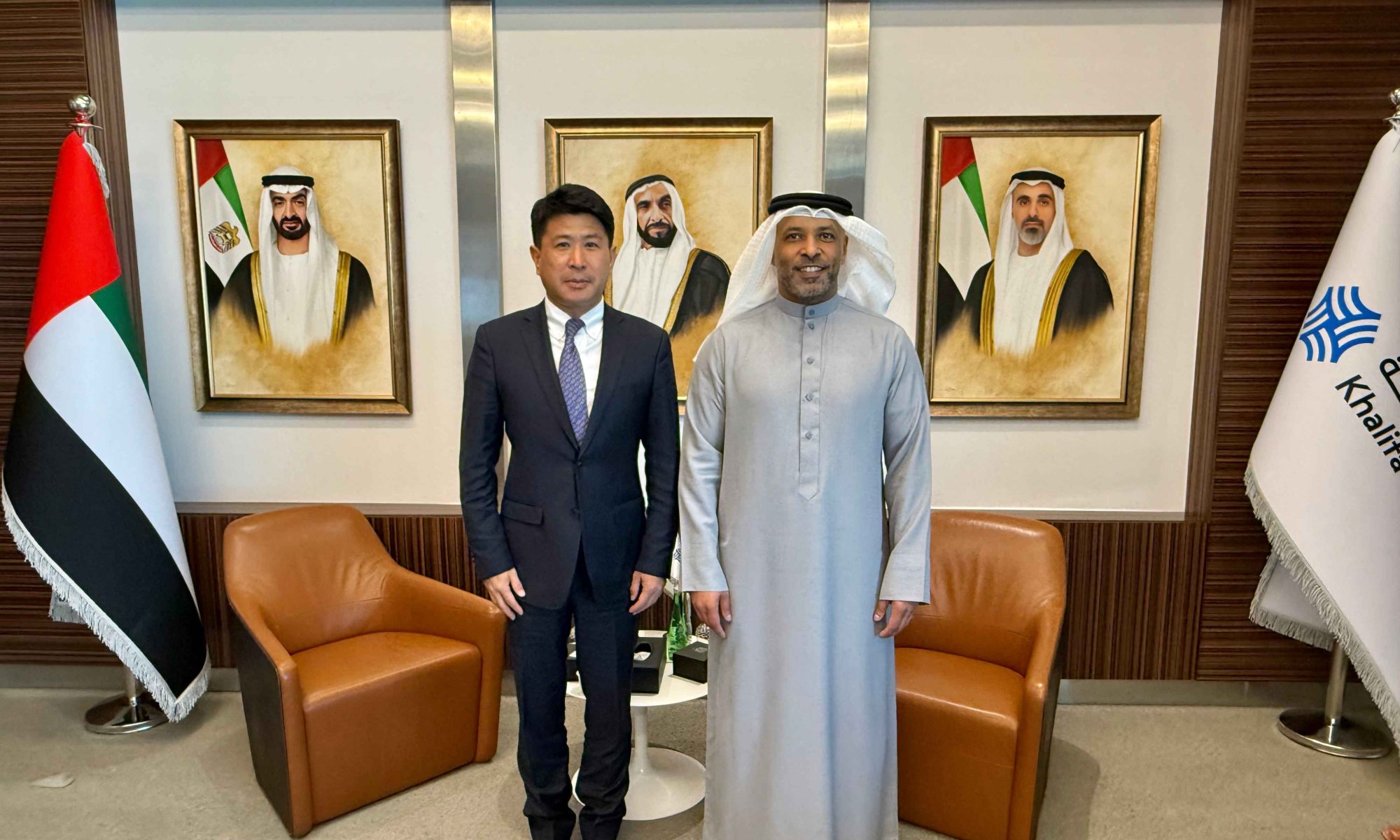
A high-level GAUC delegation led by Dr. Jian Zhang, Deputy Secretary-General, was received by Khalifa University President His Excellency Professor Ebrahim Al Hajri at the University’s Main Campus. The GAUC was formed in January 2019 during the World Economic Forum in Davos, Switzerland, with eight elite universities. H.E. Prof Al Hajri also chairs the leadership group of the Khalifa University Sustainability Task Force.


H.E. Prof  Al Hajri said: “We are pleased that Khalifa University’s accomplishments toward United Nations Sustainable Development Goals (SDGs) have been acknowledged by the world’s elite university alliance, as we welcome Dr. Zhang to our campus and take a close look at many of our research innovations. Universities play a critical role in driving climate action and enhancing sustainability on campuses and in communities. Khalifa University understands its obligations and in line with the UAE’s Net Zero objectives, has implemented a sustainability policy that emphasizes efficiency and integrity, while ensuring consistency with the strategic priorities.”


Dr. Zhang said: “I am impressed by Khalifa University’s vision and the leadership’s dedication to sustainability. I am pleased to see that the university has achieved greatly in building a more climate resilient future through developing and implementing sustainable technologies, supporting youth engagement and educating leaders of tomorrow, convening communities and promoting partnerships, and advocating for climate action. Through my four-day in-depth visit, I am convinced that Khalifa University is at the forefront of addressing some of the most pressing challenges facing the world.”


Accompanied by Professor Samuel Mao, Co-Chair, UAE Universities Climate Network, and Director, ASPIRE Research Institute of Sustainability, the GAUC delegation met with Dr. Ashraf Al-Najdawi, Vice-President for External Relations and Chief of Staff, Khalifa University. During the meeting, Dr. Al-Najdawi highlighted the broad spectrum of Khalifa University’s academic and industrial partnerships and explored strategic collaboration opportunities with GAUC members, as well as Khalifa University’s potential contributions to GAUC’s initiatives. Later, the GAUC delegation examined the sustainable practices throughout the campus buildings, such as the installation of energy efficient LED lighting and elimination of plastic water bottles. Dr. Zhang expressed a strong interest in the roof-top off-grid, entirely solar-powered water-from-air system, capable of producing fresh water from air moisture round the clock.


Dr. Zhang recommended that Khalifa University should consider presenting this demonstrated sustainable water technology to global higher education institutions that might generate significant interest because of the global water crisis caused by population growth, climate change, pollution, and inadequate infrastructure.


Dr. Zhang also gained the first-hand knowledge of sustainable technology innovations from Khalifa University’s Research and Innovation Center on CO2 and Hydrogen (RICH), and the ASPIRE Research Institute of Sustainability (ARI), where he met RICH Director Professor Lourdes Vega and Professor Samuel Mao. He also met Assistant Professor Dr. Diana Francis and Associate Professor Dr. Aisha Alsuwaidi, Khalifa University’s polar science experts and faculty members of the Earth Science Department, who introduced the research of the cryosphere where climate change-induced ice melting causes sea level rise that directly threatens the communities of the GCC region.


Dr. Mao said: “Through the University Sustainability Task Force, Khalifa University has adopted climate action strategies, such as renewable energy, water conservation, energy efficiency, and waste reduction, by engaging faculty, staff, and students in a sustainable campus community. Khalifa University has integrated sustainability into curricula, research, and every corner of the operations. In addition, through its leadership in UAE Universities Climate Network, Khalifa University is fostering strong collaborations among national and global universities on various issues of sustainable development.”


Dr. Zhang also engaged Nasser Almemari, Director, Student Life, and several leaders of Khalifa University student clubs that focus on sustainability and climate action. Khalifa University provides a vibrant student life, where many student clubs offer opportunities for students to take action on climate change. Recognizing climate change as one of the greatest threats to the future quality of life, Khalifa University’s students work closely with faculty and staff, organizing sustainability-themed activities that provide, for example, real-life project experience and technical skills and international mindset for a greener future.


The founding members of GAUC include elite universities such as the University of California at Berkeley, Massachusetts Institute of Technology, University of Cambridge, Imperial College London, London School of Economics and Political Science, Australian National University, University of Tokyo, and Tsinghua University. GAUC’s mission is to advance climate change solutions through research, education, and public outreach, and to partner with industry, non-profit and government organizations to promote rapid implementation from local to global scales. GAUC has been actively promoting exchange and cooperation among member universities and providing leadership of global higher education efforts addressing climate change.


Adopted by United Nations Member States in 2015, the Sustainable Development Goals (SDGs) are a call for action by all countries to promote prosperity, while protecting the environment. Higher education institutions remain a crucial pillar of the pursuit of the SDGs. They provide the knowledge, skills and mindsets essential for solving the world’s sustainable development challenges, leveraging their obvious strengths like education and research, but also their capacity to build communities, to influence people and to engage communities directly.


Nearly 200 Attend 2025 Khalifa University Winter School in Chemistry and Physics

Week-long Immersive Experience Includes Interactive Lectures by Faculty, Utilizing State-of-the-Art Facilities and Team-based Activities


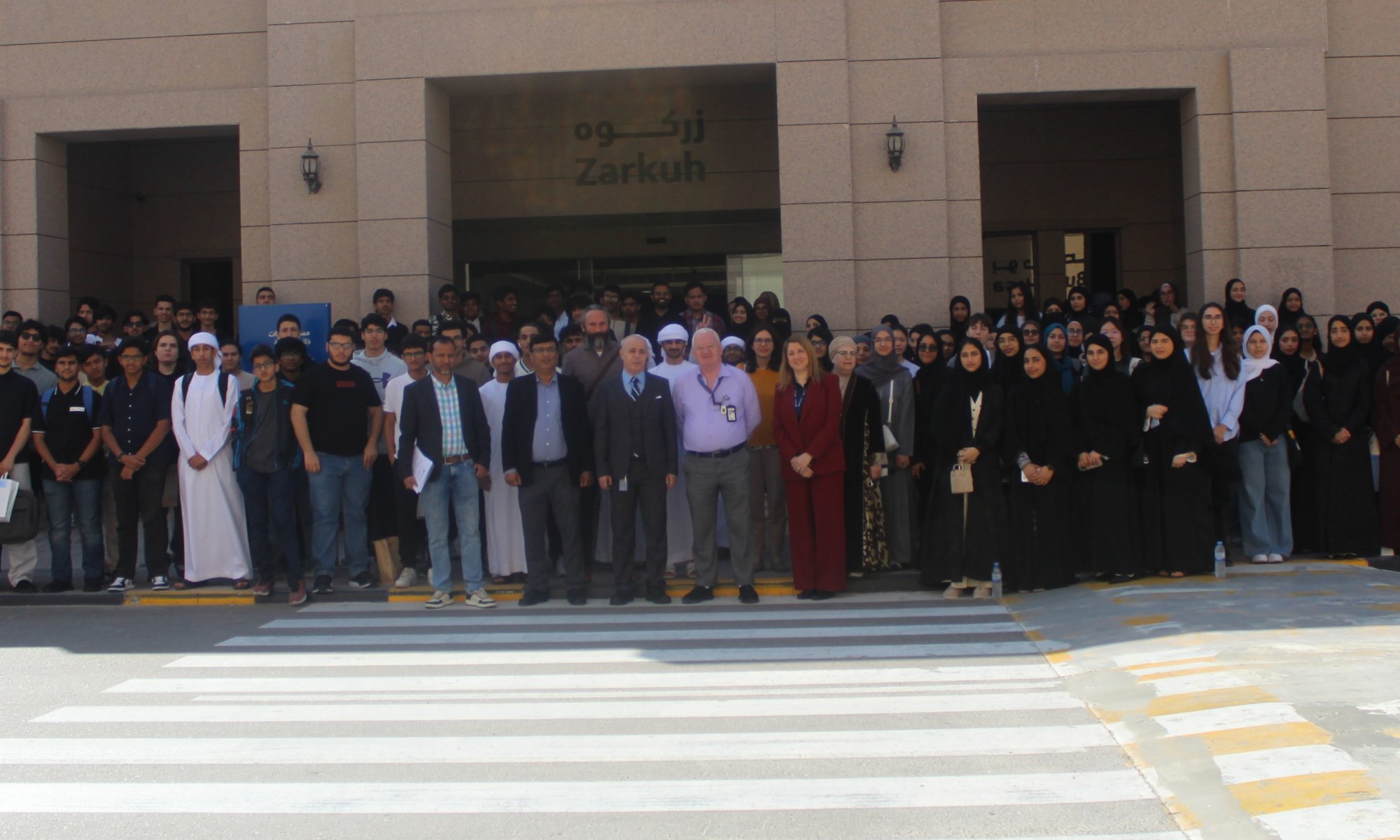
Nearly 200 high school students from across the UAE participated in the Khalifa University of Science and Technology’s 2025 Winter School in Chemistry and Physics, learning about the bachelor’s programs, and gaining experience in hands-on lab experiments and molecular modeling.


Titled ‘Enhancing the Sciences for the Future’, the 2025 Winter School in Chemistry and Physics was organized from 15-19 December at the Sas Al Nakhl (SAN) Campus to demonstrate the status of Khalifa University as a leader in science education and inspire student participants to pursue their studies by enrolling in Chemistry and Physics bachelor’s programs. The participants were selected out of 1,041 applicants from 80 high schools in the UAE.


Participants had week-long immersive experience, after being introduced to fundamental concepts through carefully designed interactive lectures by faculty, utilizing state-of-the-art facilities, and team-based activities aimed at fostering collaboration and problem-solving skills.


Khalifa University has already registered several milestones in chemistry and physics worldwide, including becoming a member of the ATLAS collaboration at the Large Hadron Collider (LHC) at the European Organization for Nuclear Research (CERN), the world’s largest particle physics laboratory, located in Geneva, Switzerland. In addition, KU became a member of the KM3NeT, one of the largest neutrino telescopes located in the Mediterranean Sea. Furthermore, the Physics department has a wide spectrum that spans from Material Sciences, Medical and Biophysics, and Optics. This variety of research and educational programs greatly increases the visibility of the Khalifa University College of Engineering and Physical Sciences, facilitating student exchange programs and contributing to impactful scientific publications.


More recently, a physics PhD graduate won gold medal and first-place prize for his work on ‘Novel Nanoparticles for Targeting and Imaging of Cancer Cells’, at the fourth Three Minute Thesis (3MT®) competition organized during the 2025 AIChE Annual Meeting. 


In Chemistry, three teams from Khalifa University won top prizes across three research categories at the 13th edition of the Sharjah Sustainability Award for the 2024–2025 academic year. The awards were presented for developing an innovative solution to restore coral reefs using steel slag, new materials to recover gold from electronic waste, and a greener pathway for meeting the rising global demand for lithium. The Chemistry department organized the first Doctoral Sprint (thesis competition) for the 2025-2026 academic year through the AcerS UAE chapter to promote competition and enhance science communication skills among UAE Science graduates. 


Professor David Sheehan, Chair, Chemistry, said: “At Khalifa University, we envision a future where curiosity drives breakthroughs. By immersing young minds in real-world science and cutting-edge research settings, Khalifa University goes beyond teaching chemistry and physics — to shaping the innovators who will define the future of technology and sustainability. Through immersive programs like the 2025 Winter School in Chemistry and Physics, we empower participants to transform chemistry and physics into engines of innovation that will redefine technology and sustainability for future generations.”


Clarence Michael
English Editor Specialist 

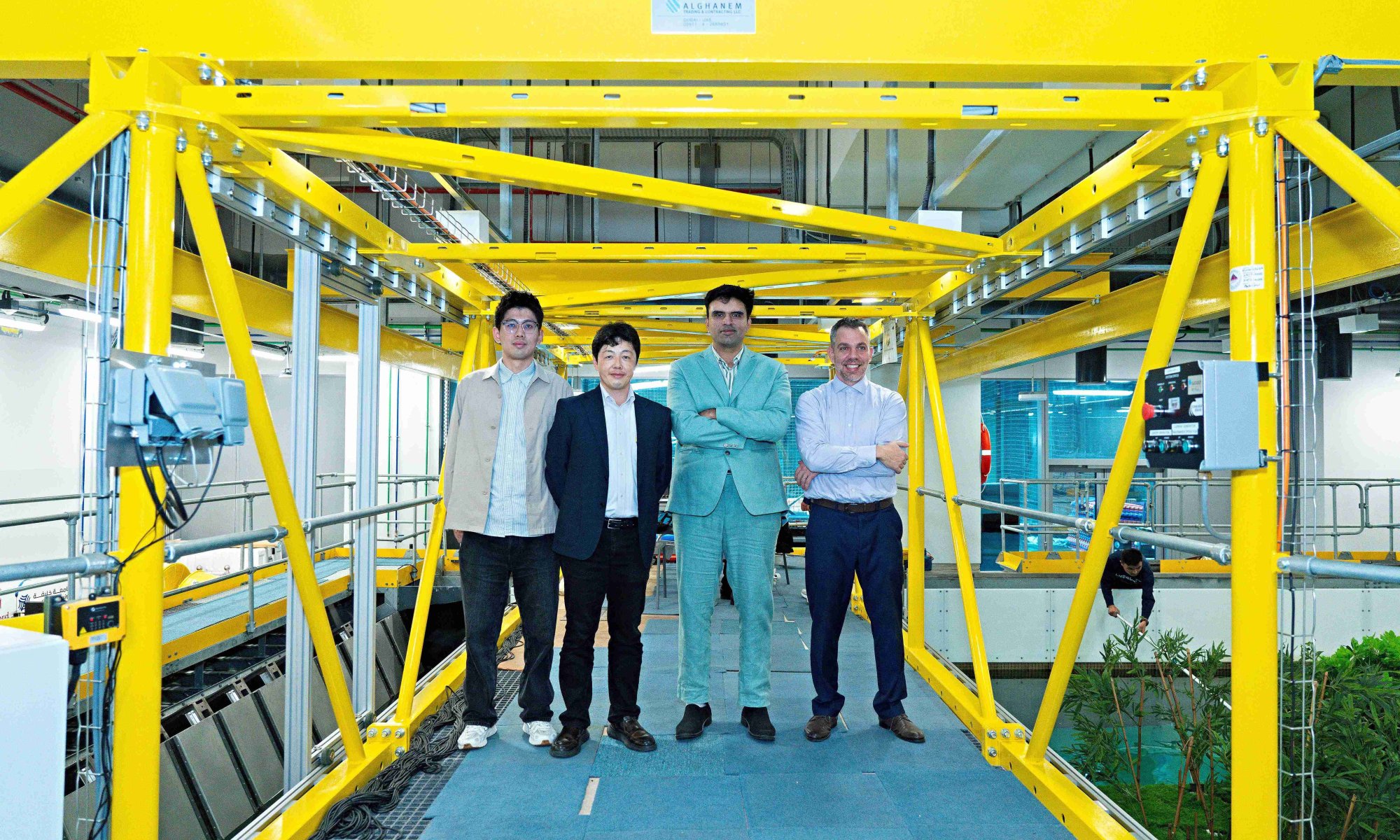
Khalifa University and University of Tokyo Strengthen Joint Research and Ecosystem Stewardship to Advance Marine Robotics

Khalifa University’s Robotic Fish Monitor Mangroves and Coral Reefs, Following a Successful UAE–Japan Mangrove Initiative


Khalifa University and The University of Tokyo (UTokyo) have launched a collaborative effort in marine robotics to support the UAE–Japan Mangrove Planting Initiative, with Khalifa University’s Heterogeneous Swarm of Underwater Robotic Fish (H-SURF) deployed for pre-planting monitoring of mangroves and coral reefs — providing environmental observations that help ensure healthy marine ecosystems while advancing joint research and innovation.


As part of the UAE Embassy in Japan’s mangrove planting initiative, Khalifa University and UTokyo established a long-term collaboration focused on marine robotics research and capacity building. Earlier, a delegation from UTokyo visited Khalifa University’s Marine Robotics Lab, where researchers demonstrated its Heterogeneous Swarm of Underwater Robotic Fish (H-SURF) in a mock-up monitoring setup, designed to illustrate how autonomous systems can observe and characterize mangrove and coral environments prior to planting. The delegation from UTokyo was led by Prof. Toshihiro Maki, Associate Professor, UTokyo, with Dr. Yang Weng, Associate Professor, School of Electrical, Computer, and Energy Eng., Arizona State University, and Mr. Qi Ming Yew, Master’s Student, The University of Tokyo.


The HSURF platform from Khalifa University supported the initiative by collecting baseline environmental observations — such as water parameters, habitat conditions, and visual assessments — that inform site readiness and help optimize planting outcomes. This project underscores both countries’ commitment to advancing technology and protecting marine ecosystems, aligning cutting edge robotics with sustainability and science-driven conservation.


During the visit, UTokyo delegation witnessed how the Khalifa University Marine Robotics Lab setup simulated key aspects of these tasks, offering insights into how HSURF integrates sensing, autonomy, and data workflows to support conservation actions. The demonstration was also a springboard for research exchanges — discussing sensor integration, autonomous navigation strategies in complex shallow-water environments, and the data analytics that translate raw observations into actionable insights.


Mangroves and coral reefs are crucial habitat-forming ecosystems, as they stabilize shorelines, sequester carbon, and shelter juvenile fish. Coral reefs support extraordinary biodiversity, protect coasts against storm surges, and underpin local economies.


Prof. Ahmed Al Durra, Associate Provost for Research, Khalifa University, said: “Khalifa University’s innovation ecosystem remains committed to move seamlessly from concept to real-world impact. By proactively initiating steps on international partnerships such as the collaboration with the University of Tokyo in advance, we demonstrate the readiness of our research capabilities, and sustainability priorities to the visiting delegations. This way, we ensure advanced technologies such as marine robotics are not only developed but deployed where they can make a measurable difference.”


Prof. Yahya Zweiri, Director, Advanced Research and Innovation Center (ARIC) and Acting Center Director, Center for Robotics and Autonomous Systems (KU-CARS) said: “Khalifa University and The University of Tokyo are working together to advance marine robotics research. Our HSURF robots successfully supported the UAE–Japan Mangrove Planting Initiative by monitoring mangroves and coral reefs to ensure healthy marine ecosystems. This partnership highlights the commitment of both institutions to advancing technology and protecting marine ecosystems.”


Clarence Michael
English Editor – Specialist 

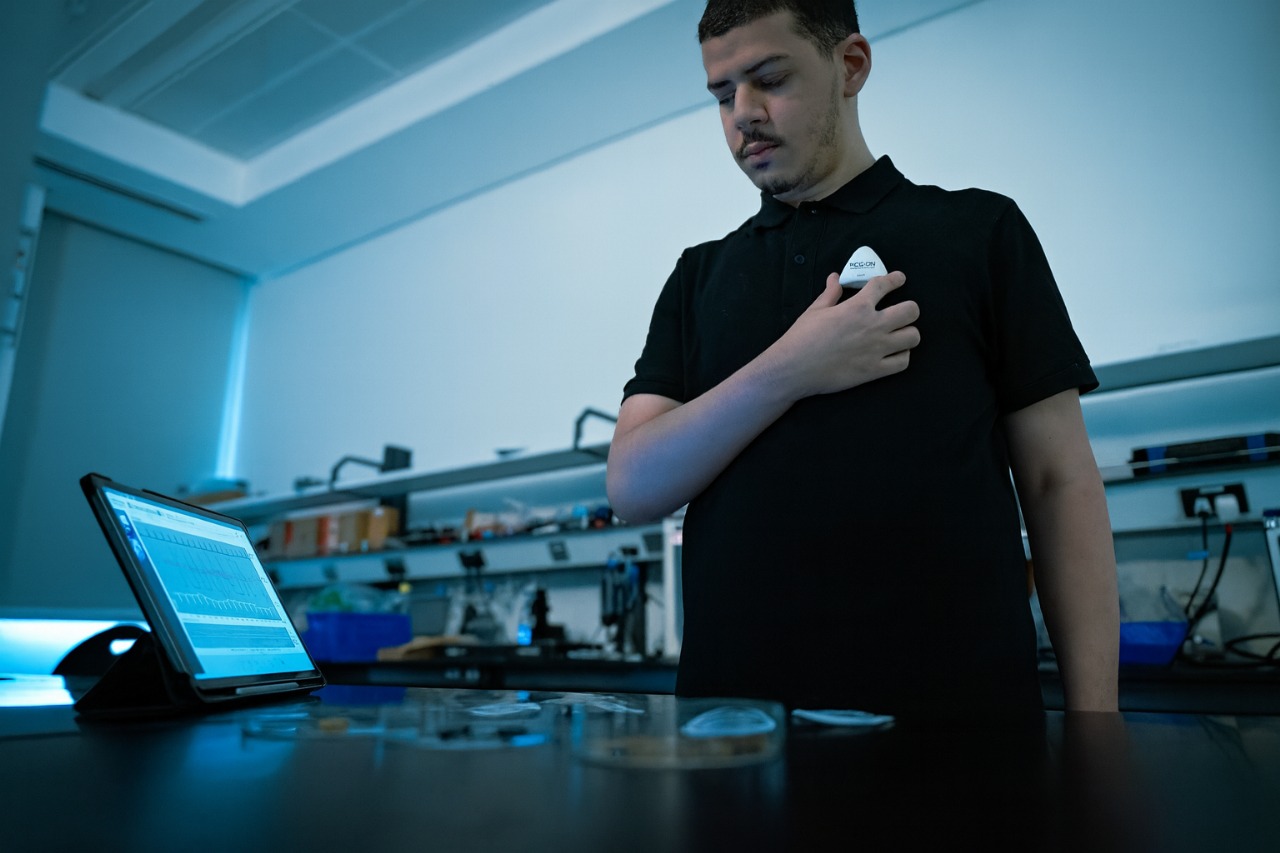
Khalifa University Researchers Develop Hydrogel Electrode that Sets New Standards for ECG, EEG, and EMG Monitoring 

Noise-Tolerant, Stretchable, and Flexible Hydrogel Electrode Outperforms Conventional Sensors for Epidermal Bioelectronics


A research team at Khalifa University has developed a next-generation conductive hydrogel electrode that promises to transform wearable and clinical bioelectronics, delivering superior signal fidelity, comfort, and sustainability compared to traditional electrodes.


The graduate students Nazmi Alsaafeen from the bioelectronics and biosystems on chip (LAB-BBC) group and Ioannis Ziogas alongside their supervisors , Dr. C. Pitsalidis, Dr. Ahsan Khandoker, Dr. Antoun Khawaja and  Dr. Anna-Maria Pappa and co-authors have published their study in Advanced Science.


Conventional electrodes suffer from poor skin conformity, gel drying, and motion-induced noise, limiting their reliability for long-term monitoring. The Khalifa University team addressed these challenges by engineering a soft, conductive hydrogel infused with a polymer uniformly mixed into its structure, offering intrinsic stretchability, self-adhesion, and biocompatibility.


Electrochemical tests revealed that the new electrode, called poly-ethylenedioxythiophene polystyrene sulfonate hydrogel Golde (PEDOT:PSS – PPHG), maintains low impedance, high dielectric stability, and a filtering effect that suppresses motion while preserving critical bioelectric signals. In trials with 39 participants, PPHG outperformed conventional electrodes in electrocardiography (ECG), electroencephalography (EEG), and electromyography (EMG), delivering clearer measurements and sharper muscle and ocular signals.


The new method offers Superior Signal Quality with higher signal-to-noise ratios and reduced baseline drift in ECG recordings. It also offers enhanced comfort since 72% of participants preferred PPHG for long-term wear, citing better adhesion and zero skin irritation. Moreover, since it is fabricated via a single-container water-based process, PPHG avoids toxic crosslinker chemicals and supports partial biodegradation, making it eco-friendly and reusable.


The PPHG electrode is poised to transform cardiac monitoring, neuro-diagnostics, and rehabilitation, enabling high-fidelity, multimodal recordings in real-world conditions. Its scalability and cost-efficiency make it ideal for next-generation wearable health devices and clinical monitoring systems.


Dr. Anna-Maria Pappa said: “Our hydrogel electrode bridges the gap between biology and the traditional hard electronics. This innovation opens new doors for next-generation wearable health devices, neuro-diagnostics, and long-term cardiac monitoring.”


PhD student Nazmi Alsaafeen said; “By combining softness, conductivity, and noise tolerance, we have created a platform that not only improves diagnostic accuracy but also sets a new benchmark for sustainable wearable technologies.”

Clarence Michael
English Editor – Specialist

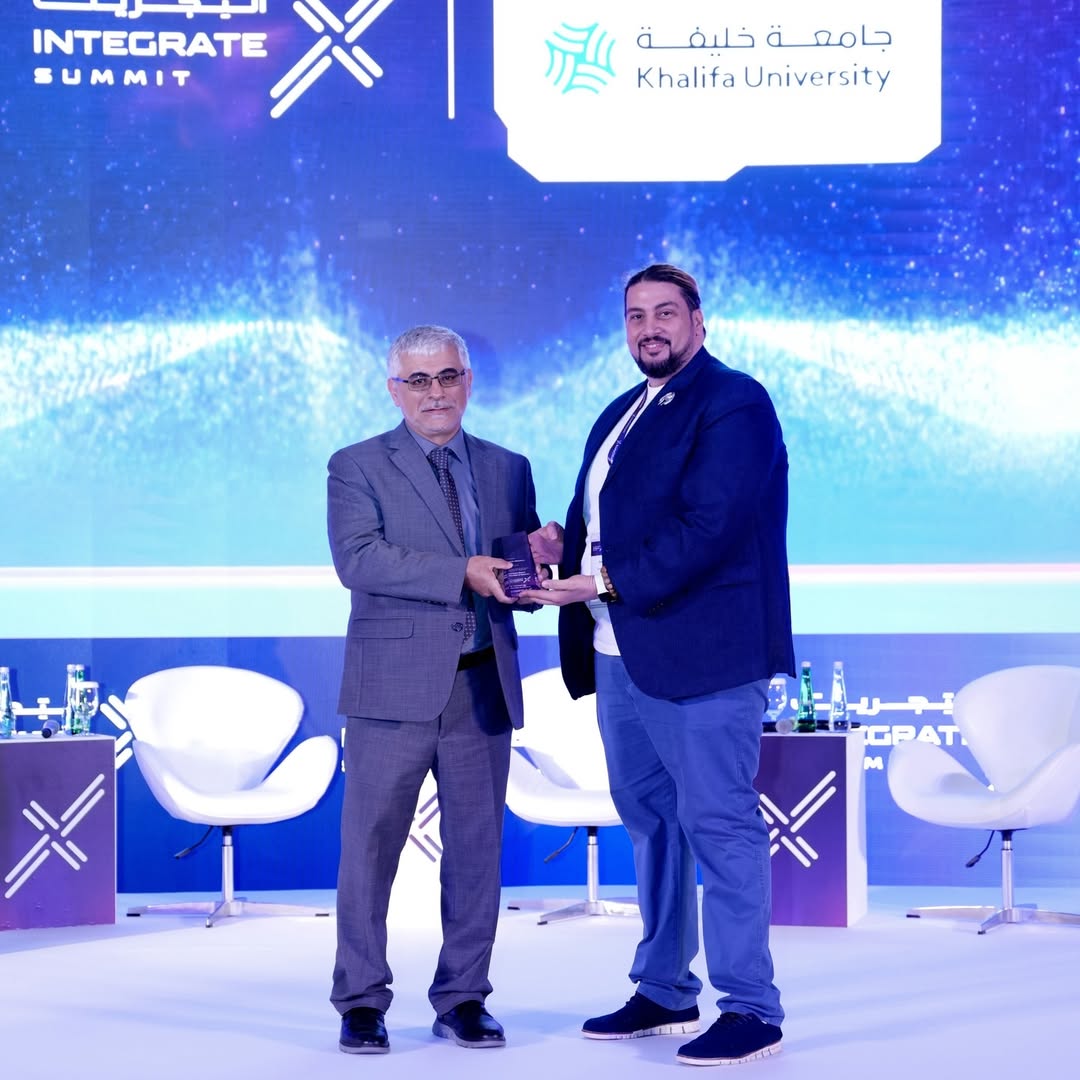
Prof. Baker Mohammad Outlines Pathway to Sustainable and Compact High-Performance AI Systems at IntegrateX Summit 2025

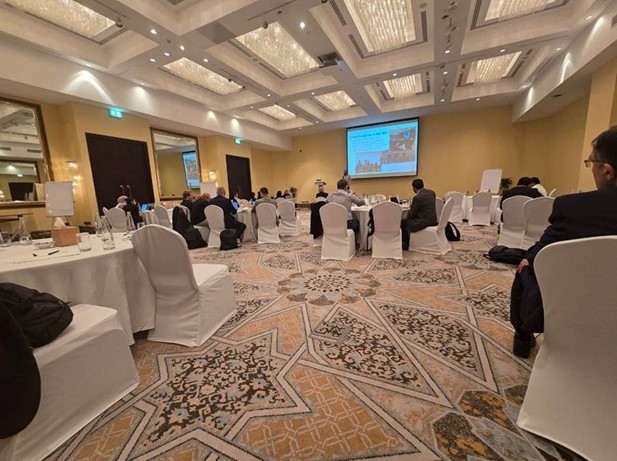
A clear pathway toward high-performance AI systems that are sustainable, compact, and ready to meet future demands was outlined by Prof Baker Mohammad, Chair, Computer and Information Engineering Department, Khalifa University, at the IntegrateX Summit 2025, an event that brought together global technology leaders, innovators, and policymakers to shape the future of digital infrastructure.


Khalifa University was the ‘Knowledge Partner’ of IntegrateX Summit 2025, which served as a premier platform for collaboration across critical sectors such as semiconductors, data centers, and system integration. The summit was supported by the UAE Ministry of Industry and Advanced Technology, Mubadala, and G42.


Prof. Mohammad delivered a focused and forward-looking session titled ‘AI Acceleration Without the Heat: Memory-Centric and Neuromorphic Approaches’. He offered his insights into innovative strategies to address the energy and thermal limitations of conventional AI systems, emphasizing the potential of memory-centric architectures and neuromorphic computing to enable faster, more efficient, and scalable AI acceleration. He delved into topics including the design principles behind low-power VLSI systems, development of hardware accelerators, and the potential of emerging memory technologies.


IntegrateX Summit 2025 featured more than 60 exhibitors and attracted over 1,000 professionals, including C-level executives, engineers, and IT specialists. With more than 30 sessions and 10 panel discussions, participants explored cutting-edge topics like AI-powered processors, sustainable data centers, cloud computing, and industrial IoT.

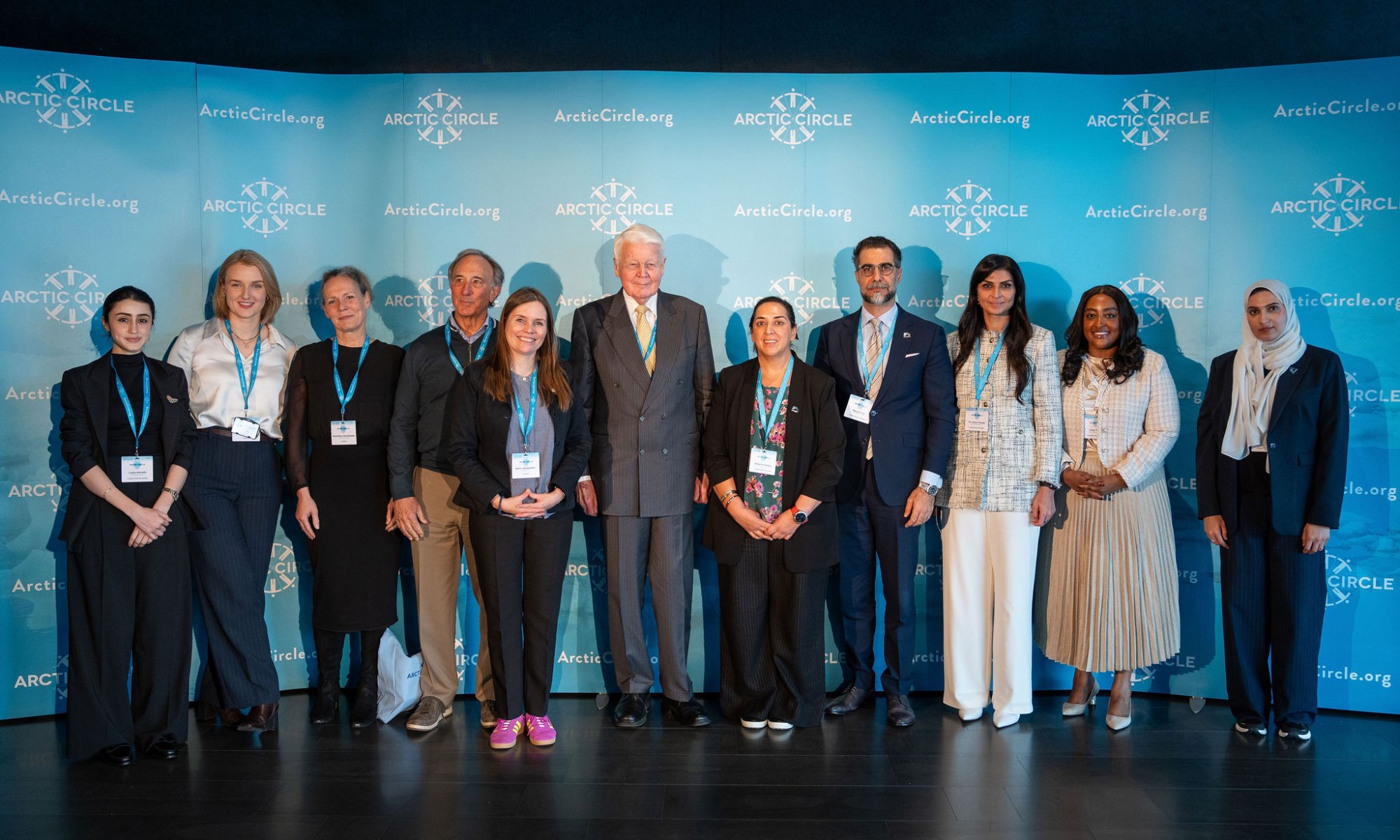
Khalifa University Scientist Highlights UAE’s Expanding Polar Research Role at World’s Largest Arctic Circle Assembly in Iceland

Emirates Polar Program and Polar Research Center engage in Global Dialogue on Science, Sustainability, and Arctic Cooperation


The UAE’s expanding role in polar research and climate-related initiatives were highlighted at ‘Where Science Meets Business: Global Collaboration,’ a key session hosted by the Emirates Polar Program, during the world’s largest Arctic Circle gathering, by Khalifa University’s Dr. Aisha Al Suwaidi, the only academic from the UAE invited to speak at the Arctic Circle Assembly 2025 in Reykjavík, Iceland.


As a member of the Polar Research Center at Khalifa University, Dr. Aisha Al Suwaidi, Associate Professor, Earth Sciences, joined global experts, policymakers, and industry leaders in a panel discussion at the Assembly’s Business Forum where she shared the importance of linking scientific research with sustainable business and investment in the polar regions. 


During the Assembly, Dr. Al Suwaidi also briefed H.E. Ólafur Ragnar Grímsson, former President of Iceland and Chairman of the Arctic Circle, on the extent of Khalifa University’s growing recognition among global polar research communities.


The session featured a pre-recorded address by H.E. Mariam bint Mohammed Almheiri, Chair of the Emirates Polar Program Steering Committee and Head of the International Affairs Office at the Presidential Court, who called for stronger integration between science, innovation, and finance to support global sustainability. 


H.E. Dr. Abdulla Al Mandous, President of the World Meteorological Organization, and Director General, the National Center of Meteorology, also joined a high-level plenary on ‘The Future of Science,’ alongside Professor Dame Angela McLean, UK Government Chief Scientific Adviser, and Dr. John Holdren, former White House Science Advisor, reflecting the UAE’s active role in advancing global climate dialogue.


Engagements explored future collaboration in climate monitoring, scientific data sharing, and education. This included meetings with delegations from the Government of Greenland, Gwich’in Council, EU Special Envoy on Arctic Matters, University of the Arctic, Arctic Monitoring and Assessment Program and the Sami Council amongst others. 


Khalifa University, through the Emirates Polar Program, continues to support UAE-led scientific missions in both the Arctic and Antarctic. Recent fieldwork in Svalbard and Livingston Island, Antarctica, has focused on understanding ancient climate patterns and modern environmental change, strengthening the UAE’s long-term investment in climate science and sustainability.


Dr. Aisha Al Suwaidi said: “Khalifa University’s participation underlines the UAE’s expanding role in global polar diplomacy, bridging Arctic and Antarctic science to address shared challenges such as climate change, melting ice systems, and environmental security. Through the Emirates Polar Program and the Polar Research Center, the University is actively building scientific partnerships that connect the UAE’s sustainability vision with international climate action. By contributing to the Arctic Circle Assembly, Khalifa University reinforces the UAE’s role as a bridge between the Arctic and the Global South, shaping a new model of international cooperation where science informs policy and diplomacy.”


Alisha Roy
Science Writer 

Khalifa University Bachelor’s Student Named 2025 UAE Rhodes Scholar, Plans to Study Master’s at Oxford

Khalifa University Biomedical Engineering undergraduate student Amal Musa Ali Alrebh has been named for the prestigious 2025 UAE Rhodes Scholarship, placing her among an elite group selected students for their outstanding intellect, leadership potential, strong character, and commitment to service.


Alrebh would like to pursue her Master’s in Healthcare Improvement and Evaluation at Oxford University, followed by a Master’s in Medical Physics. She views biomedical engineering as a vehicle for human benevolence and intends to merge advanced medical technologies with culturally tailored health policies to strengthen healthcare delivery across the UAE. Reflecting the values upheld by the UAE National Youth Agenda 2031, her selection underscores Khalifa University’s commitment to nurturing future leaders in science and technology.


Alrebh’s selection as a Rhodes Scholar highlights her role not just as a student, but as a future leader committed to sustainable healthcare solutions. By advancing education and research, she will contribute to expanding the UAE’s growing presence in global innovation networks. Her journey exemplifies Khalifa University’s mission to empower students in making meaningful contributions to society and driving progress in critical sectors. 


Source: Khaleej Times

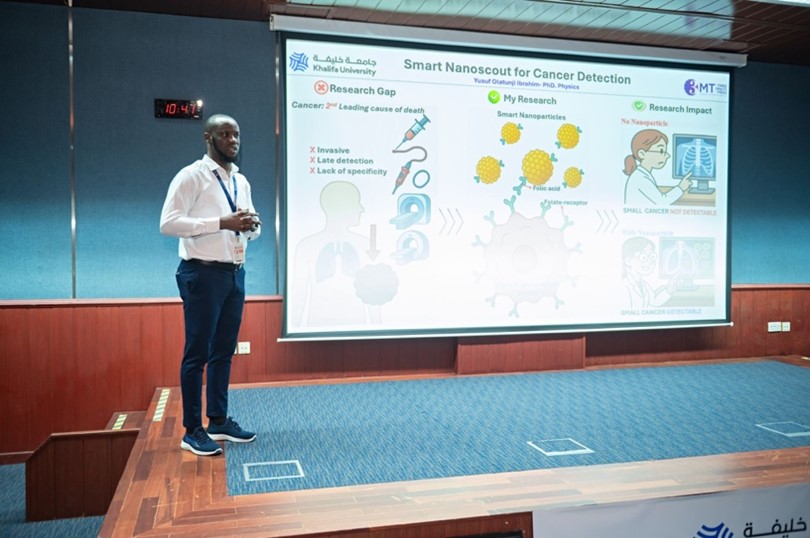
Physics PhD Graduate Wins Gold Medal

Physics PhD graduate Yusuf Olatubnji won gold medal and first-place prize for his work on ‘Novel Nanoparticles for Targeting and Imaging of Cancer Cells’, at the fourth Three Minute Thesis (3MT®) competition organized during the 2025 AIChE Annual Meeting.


Yusuf is a recipient of several awards including the 2024 Outstanding Graduate Student, Khalifa University, the 2023 Best Presentation Award, 8th Annual Radiology Meeting (ARM), World Trade Center Dubai, UAE, the 2023 Best Abstract Submission Award, second Middle East Society for Therapeutic Radiation Oncology (MESTRO), Alfaisal University, Riyadh, Saudi Arabia, and the 2023 Best Poster Paper Presentation (Physics), UAE Graduate Student Research Conference, Abu Dhabi.