
Khalifa University and China’s Aviation Products and Technology Company Sign MoU to Establish CATIC-KU Joint Lab

Partnership to Cover Exchange of Researchers and Students, Industrial Internships, and Support for Student-Oriented Activities, including Senior Design Projects  


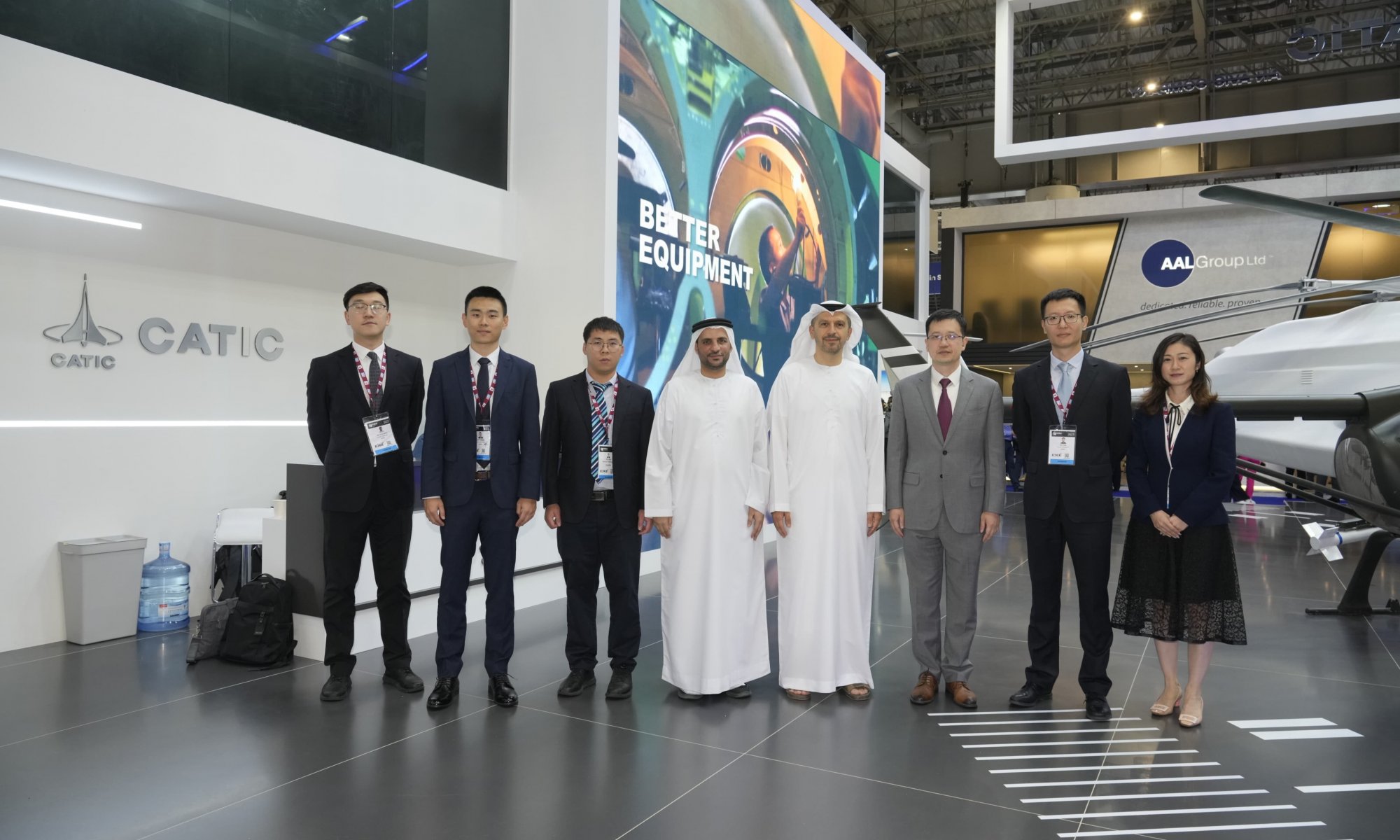
Khalifa University of Science and Technology and the China National Aero-Technology Import and Export Corporation (CATIC) today announced they have signed a memorandum of understanding (MoU) to establish a ‘CATIC-KU Joint Lab’ and facilitate talent exchange of researchers and students. 


The MoU was signed by, Dr. Arif Sultan Al Hammadi, Executive Vice-President, Khalifa University, and Wang Donghua, Managing Director of Sales Division, CATIC, in the presence of Quan Xin, Senior Project Manager, Fiona, Senior Project Manager, and Zhang Jinyu,  Representative, CATIC Gulf Office. The MoU will also assess the viability and feasibility of jointly addressing opportunities in areas related to aerospace technology, as well as support related educational programs. 


Dr. Arif Sultan Al Hammadi: “We are pleased to enter into this partnership with CATIC and ensure that Khalifa University’s academic activities focusing on aerospace programs receive a major impetus to achieve further innovation. The exchange of expertise and sharing of knowledge between both partners will definitely lead to extraordinary outcomes that will benefit the aviation and aerospace sectors. We also believe this collaboration will prove immensely beneficial to students who will acquire special skills in niche areas.”


Wang Donghua said: “CATIC is a Chinese state-owned company that is devoted to building itself as a business destination to share Chinese aviation products and technology with the world as well as bringing peace to the world through its own efforts. This chance to cooperate with Khalifa University will be a good opportunity to achieve something special between the two country’s aviation and aerospace research and educational area. As a strategic cooperation partner of UAE, CATIC feels excited about this collaboration.”


The CATIC-KU Joint Lab will donate lab equipment to support student and faculty research in aerospace-related projects, as well as jointly sponsor international student competitions in areas connected with aerospace. It will also support student-oriented project activities, including Senior Design Projects (SDPs). 


In addition, the joint lab will enable an industrial internship and exchange program at the CATIC facility in China for Khalifa University’s undergraduate and postgraduate students. Similarly, faculty and researchers from Khalifa University will have access to the CATIC facility to conduct joint research. 


Moreover, a number of emerging technical challenges in aerospace sectors will also be addressed jointly through the CATIC-KU Working Group, which will comprise faculty and researchers from Khalifa University and researchers from CATIC. Current areas of research interest include AI-based air vehicle systems, advanced aero-structures and materials, and innovative sensing and detection.
SANAD and Lufthansa Technik Middle East Spearhead Aviation Industry Innovation with Khalifa University’s Expertise 

Cutting-Edge Collaboration: Sanad, Lufthansa Technik Middle East and Khalifa University join forces to develop cutting-edge digital solutions poised to transform the aviation industry.


  •         Technological Leap: this technology leverages AI, IoT, 3D imaging, and the AVIATAR platform, to reduce a minimum of 10 days from the traditional 30-day TAT for component repairs.
  •         Innovative Research at Khalifa University: Khalifa University’s Advanced Research and Innovation Center (ARIC) plays a crucial role in this initiative. With a dedicated team developing cutting-edge technologies.


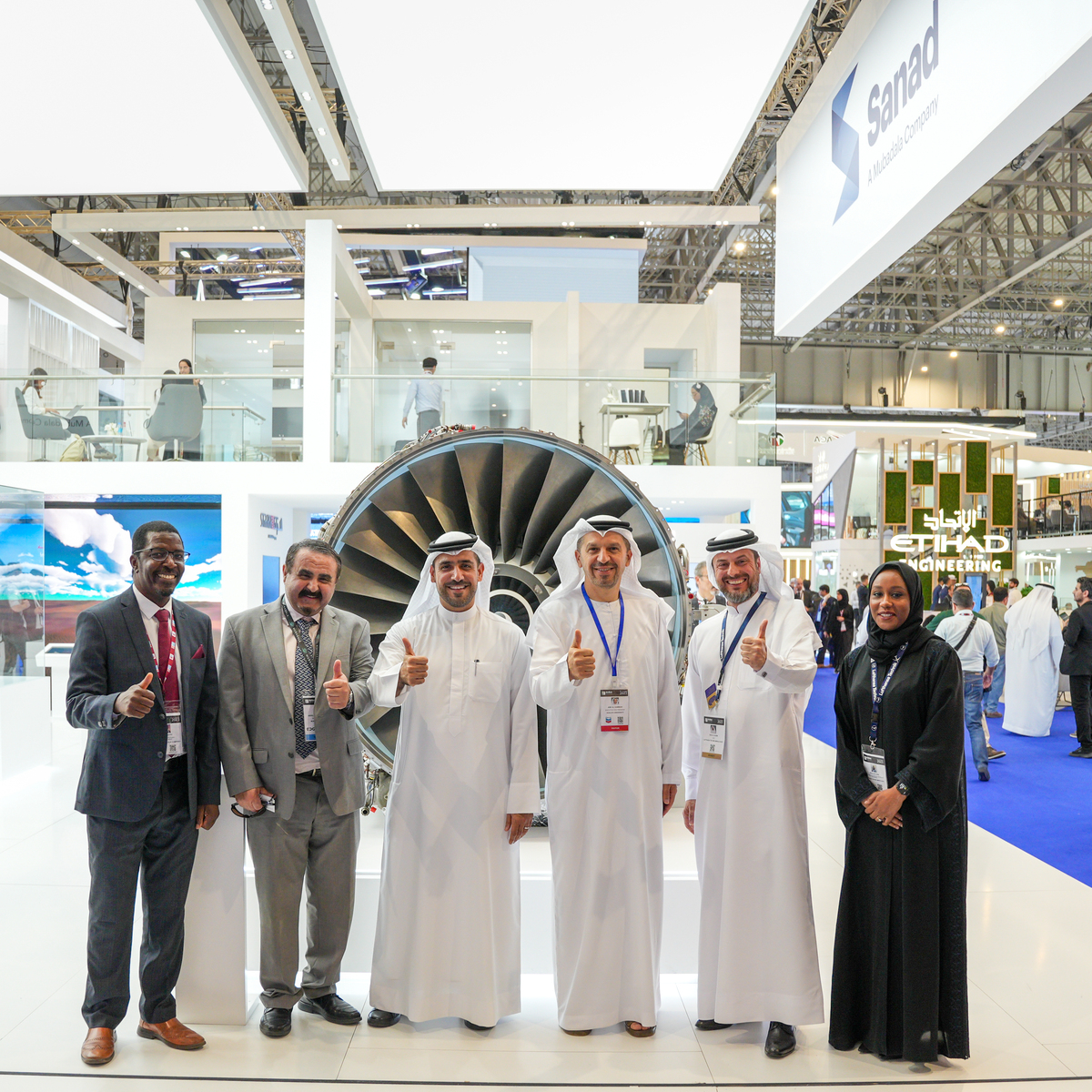
In a groundbreaking collaboration, Khalifa University of Science and Technology, in collaboration with Sanad, the global aerospace engineering and leasing solutions leader wholly owned by Abu Dhabi’s sovereign investor Mubadala Investment Company PJSC (Mubadala), and Lufthansa Technik Middle East (LTME), world-renowned provider of maintenance, repair and overhaul (MRO) services, have announced the development of cutting-edge digital solutions poised to transform components repair turnaround time (TAT). 


This technological leap, spearheaded by Sanad and LTME, has been further enriched through the dedicated  team of researchers at Khalifa University’s Advanced Research and Innovation Center (ARIC), a collaborative R&D center between Mubadala and Khalifa University.  It signifies a pivotal moment in the aviation industry, leveraging the power of Artificial Intelligence (AI), Internet of Things (IoT), 3D imaging, and the innovative AVIATAR platform. Collectively, their mission is to reduce a minimum of 10 days from the traditional 30-day turnaround time for component repair. At the core of their innovative approach lies the streamlining of preliminary inspections driven by an innovative AI-based tool developed by Khalifa University researchers. 


With technical guidance from the Sanad R&D team, the research team at Khalifa University’s ARIC, including 10 UAE National undergraduate students, a PhD researcher, three research engineers, and two faculty members, has developed the automated chord measurement system. This system utilizes laser profiling and robotic technologies for aerospace MRO operations. ARIC’s advanced AI-based visual inspection of aero-engine blades promises to reduce human error and expedite the time-consuming process associated with current manual inspections, thereby elevating precision, efficiency, and safety in chord measurements and blade inspections within aerospace MRO operations.  


Khalifa University’s revolutionary tool automatically generates a comprehensive digital inspection report that encompasses all relevant preliminary inspection details. Seamless sharing of this inspection report is facilitated through a secure digital connectivity platform, built upon Lufthansa Technik’s AVIATAR Management platform, enabling real-time defect detection using laser calibration and robot arms. 


This collaboration marks another stride by Khalifa University in its contribution to developing advanced technology components for the aerospace sector and building human capital in the UAE. The synergy between LTME and SANAD is set to empower LTME to enhance the overall value they deliver to their partners while simultaneously supporting SANAD in minimizing downtime. 


Dr. Arif Sultan Al Hammadi, Executive Vice-President, Khalifa University, said: “The value of this academia-industry partnership, as exemplified by combining Khalifa University’s expertise and talent with Lufthansa Technik Middle East and Sanad Aerotech, gains further significance with the outcome that benefits all stakeholders. As a research-intensive and innovation-oriented academic institution that is continuously pioneering scientific excellence, Khalifa University works towards providing real-life solutions, leveraging on its good rapport with industry partners. We believe this partnership not only highlights the importance of such a collaboration but also emphasizes the key role of education, expertise and knowledge that make dreams a reality.” 


“Today marks the beginning of a journey that goes beyond the standards of our industry,” said Ziad Al Hazmi, Chief Executive Officer of LTME. “I have no doubt that this industry-academia collaboration with Khalifa University in the lead, is the stepping stone for digitalization in aircraft maintenance, and will pave the way for new technological discoveries. Our partnership with SANAD, is a testament to our commitment to make use of the immense potential of the next generation of innovators and shaping their brilliant minds.” 


“With the dedication and strength of our partnerships with LTME and the potent synergy of academia and industry, we have propelled the aviation industry into a new era. Together, we are turning possibilities into tangible breakthroughs, and our journey has only just begun,” said Mansoor Janahi, Managing Director and Chief Executive Officer of Sanad. “This collaboration, bridging academia and corporations, reinforces our commitment to excellence, fortifying the aviation supply chain. Through our pursuit of innovation and efficiency, we’re reshaping the landscape of component repair turnaround times and cementing Abu Dhabi’s position as a dynamic aviation hub, charting a course for an even brighter future in the aerospace industry.”


Together, LTME, SANAD, and Khalifa University are embarking on a transformative journey to digitize and transform the aviation industry’s MRO process. Their shared vision is to establish new standards for efficiency and reliability in component repair, solidifying their commitment to excellence in the aviation sector’s maintenance, repair, and overhaul process. 

Khalifa University Second in Arab World and Top in UAE in THE Arab University Rankings 2023

Khalifa University of Science and Technology today announced it has surged ahead to be placed second in the Times Higher Education (THE) Arab University Rankings 2023, moving higher from the 5th place in last year’s ranking, while maintaining its position as the top university in the UAE for the third consecutive year.


In all, 313 institutions across 18 countries are listed in THE Arab University Rankings 2023. There are 10 institutions from the UAE in the list. Khalifa University is also ranked first in the ‘Society’ and ‘Teaching’ categories in the UAE.


THE Arab University Rankings 2023 employs 16 carefully calibrated performance indicators that are organized within five categories – Teaching (the learning environment); Research (volume, income and reputation); Citations (research influence); International outlook (staff, students, and research); and Society (knowledge transfer and impact).


To learn more about THE Arab University Rankings 2023, click here.

To learn more about KU’s rankings, click here.

ADNOC Partners with Khalifa University to Launch Minor in Energy Transition’ Program

New academic program will provide students with an insight into the challenges and opportunities in transitioning from fossil-based conventional energy sources to more sustainable and lower-carbon alternatives.

 Program supports UAE Energy Strategy 2050 and highlights ADNOC’s commitment to equipping young talent with the skills required to build successful careers during the energy transition.


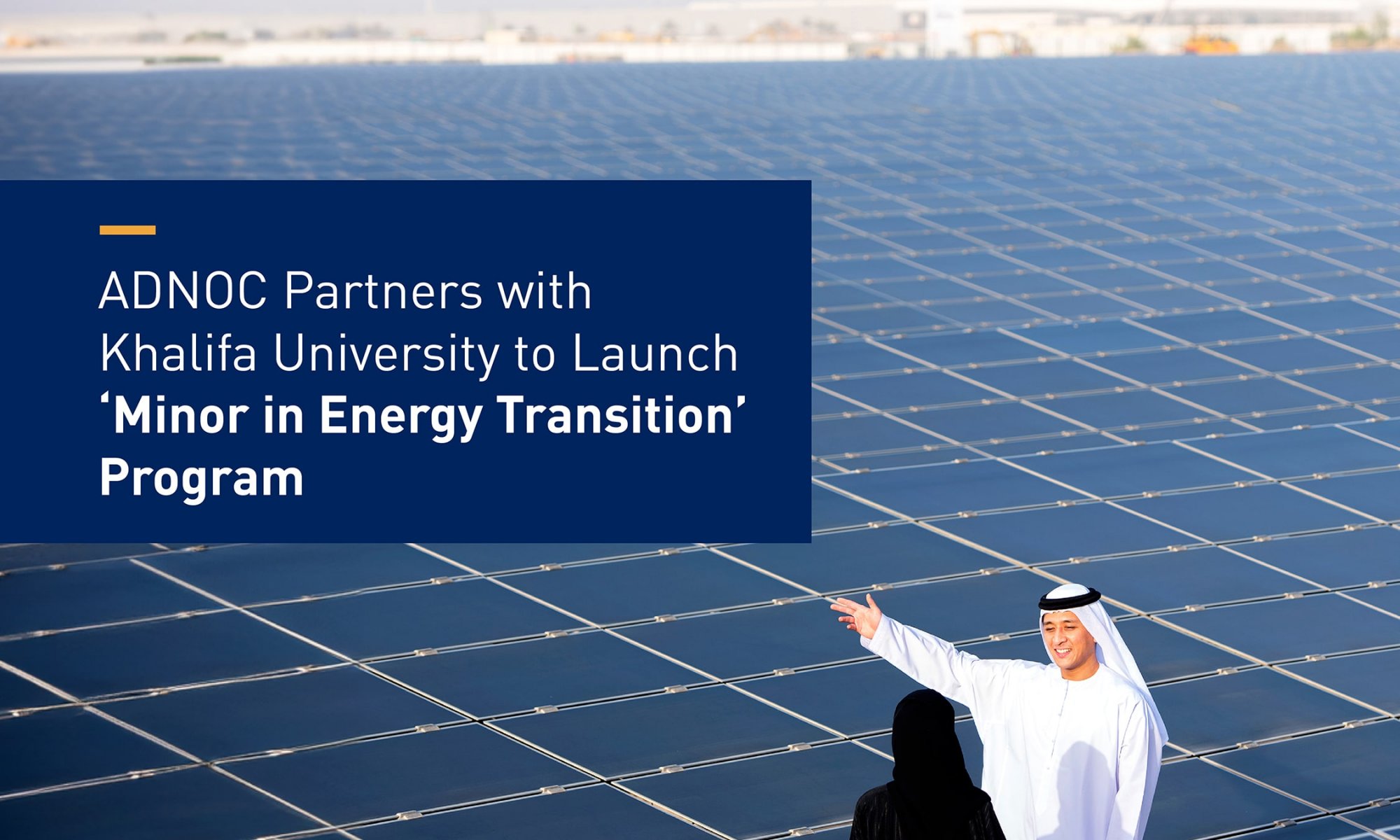
Khalifa University of Science and Technology and ADNOC, today announced the launch of a ‘Minor in Energy Transition’ academic program for undergraduate students.


The minor in ‘Energy Transition’ program is designed for all Engineering and Science majors and will provide students with an insight into the challenges and opportunities in transitioning from conventional fossil-based energy sources to more sustainable and lower-carbon alternatives. The program will also help students to understand how the energy landscape is transforming and open a pathway to possible future careers across the energy industry.


The program supports the goals of the UAE Energy Strategy 2050 and highlights ADNOC’s commitment to equipping young talent with the skills required to build successful careers in the energy sector. These goals emphasize the critical importance of switching from fossil fuels to clean and renewable energy sources, thus improving energy security by lowering our reliance on the limited fossil fuel supplies while reducing our carbon impact.


Professor Sir John O’Reilly, President, Khalifa University, said: “As a research-intensive higher education institution, Khalifa University firmly believes in collaborating with key stakeholders to develop local and regionally-relevant academic programs that are designed to benefit the global community. The launch of the Minor in Energy Transition program in collaboration with ADNOC will definitely create and nurture skill sets to steer the UAE in the sustainability arena, especially in policy-making and rapid adoption of renewable energy.”


Yaser Saeed Almazrouei, ADNOC Executive Director, People, Commercial & Corporate Support, said: “Nurturing talent is a top priority for ADNOC and we are very pleased to partner with Khalifa University to introduce the minor in ‘Energy Transition’ program. The energy landscape is fast evolving so it is important that we empower our young people with the skills and knowledge required to enable our industry to transition to a lower-carbon future. As a responsible global energy provider, ADNOC will continue to invest in our youth and support initiatives that will help them to play leading roles in the energy transition.”


Students taking up the minor in ‘Energy Transition’ program must complete a minimum of 15 credit hours of coursework – three core courses for nine credits, and two Technical Elective courses for six credits. The core courses are Introduction to Energy Transition Management, Energy Policy and Economics, as well as Innovative Low-Carbon Energy Conversion Systems.


Students will also have the option to select any two Technical Elective courses out of the following – Carbon Capture and Storage, Climate Change Policy and Risk Management, Pollution Prevention and Waste Management, Introduction to Clean Energy Production, as well as Renewable and Sustainable Energy.

The Interplay between Sustainable Development Goals and Country-Level Business Risk: A New Perspective

KU research offers insights to creating a sustainable and economically robust business environment for policymakers.


The world’s perception of sustainability has been encapsulated as meeting today’s needs without compromising the ability of future generations to meet their own. This ideal, encompassing the harmony of environmental, economic, and social balances, is the backbone of the Sustainable Development Goals (SDGs) introduced by the United Nations in 2015. Yet, as this harmony is pursued, the looming threats of sustainability risks — which cover environmental degradation, social disparities, and economic vulnerabilities — pose significant challenges to current and future generations.


Moreover, the notion of country-level business risk, which is the probability of encountering obstacles when engaging in business within a specific nation, further adds layers to the complex quilt of challenges. As businesses today operate in an increasingly interconnected global ecosystem, understanding the interdependencies between SDGs and business risks is paramount for creating a sustainable future.


A team of researchers including Khalifa University’s Dr. Mecit Can Emre Simsekler, Associate Professor of Management Science and Engineering, has developed a model to explore dependences among SDG risks and business risks to help policymakers mitigate business risks while contributing to national sustainability goals. Dr. Simsekler collaborated with Abroon Qazi, American University of Sharjah, and M.K.S Al-Mhdawi, Teesside University, with their results published in the Journal of Cleaner Production, a top 1% journal for sustainability and business.


Understanding country-level sustainability risks is crucial for minimizing operational disruptions and reputational damage while ensuring compliance with regulations and maintaining good investor relations.


While there have been studies around the relationship between aspects of sustainability and business risk, a comprehensive exploration of how all 17 SDG risks interplay with business risks in a networked environment is notably absent. Dr. Simsekler’s work aims to bridge this gap. By delving into the intricate web of relationships between each SDG risk and business risks, it provides a robust foundation for understanding the interdependencies and offers a roadmap for holistic decision-making.

For instance, while previous studies have underscored environmental performance as an indicator of business risk, this study’s findings illuminate the broader picture. The SDGs related to ‘quality education’, ‘no poverty’, and ‘affordable and clean energy’, representing social, economic, and environmental dimensions of sustainability respectively, are pivotal when understanding on the connection between SDGs and business risk.


This research also serves as a call for multi-stakeholder engagement. Addressing the intertwined challenges of SDGs requires a symphony of efforts from businesses, governments, civil society organizations and academia.


A key takeaway is the need to integrate sustainability considerations into traditional risk management processes. While the conventional risk frameworks have primarily revolved around financial risks, the evolving landscape necessitates a broader view, encapsulating sustainability risks.


While this study has shed light on the complex landscape of SDG risks and business risks, several avenues remain unexplored, such as the dynamic behavior of business and SDG risks, or the detailed strategies to mitigate these intertwined risks.

Dr. Simsekler says subsequent research could delve into the nuanced relationship between SDG risks and specific dimensions of business risk like financial or reputational risks. Such granular analysis can empower businesses with actionable insights tailored to their specific industry or operational scale. Moreover, understanding these associations across different scales – organizational to global – can offer a more holistic view of the intricate landscape of SDGs and business risks.


As the world strides towards a sustainable future, recognizing, understanding, and addressing the nexus between SDGs and business risks becomes paramount. This research serves as a beacon, guiding stakeholders through the complex maze of interdependencies and offering a blueprint for a balanced and harmonious future.

Jade Sterling 
Science Writer
9 November 2023

Abu Dhabi launches Clinical Genomic Medicine and Genetic Counselling course

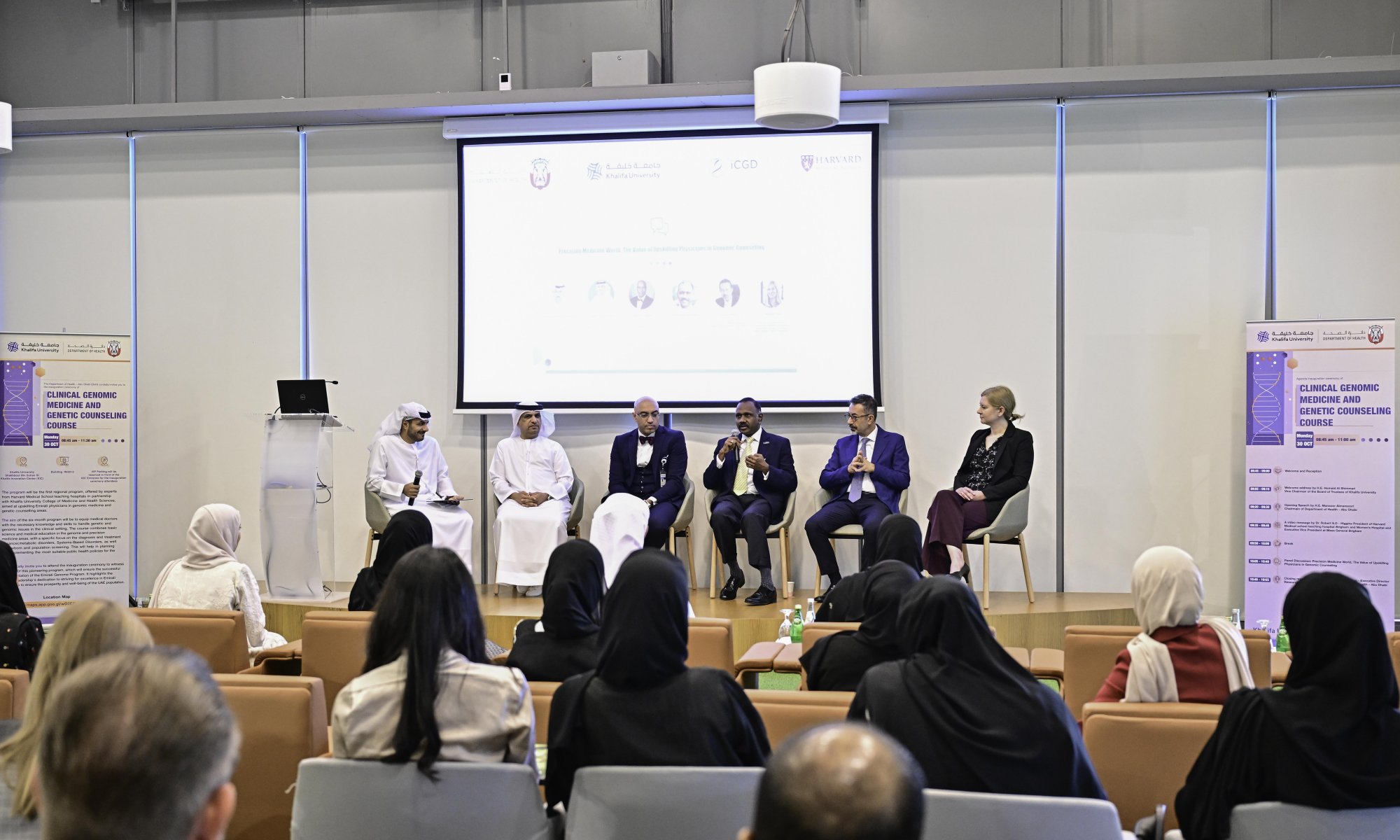
The Department of Health – Abu Dhabi (DoH), the regulator of the healthcare sector in the emirate, has launched the Clinical Genomic Medicine and Genetic Counselling Course for 100 Emirati physicians from different healthcare facilities across the UAE. The course is offered by DoH, in partnership with the International Center for Genetic Disease (iCGD), Brigham and Women’s Hospital, Harvard Medical School and Khalifa University of Science and Technology, which hosted the inaugural ceremony. The programme is considered to be iCGD’s largest and most comprehensive national genomics educational programmes, reflecting DoH’s commitment to upskilling physicians in genomic medicine and equipping them with the necessary knowledge and skills.


The inaugural ceremony was attended by His Excellency Mansoor Ibrahim Al Mansoori, Chairman of Department of Health – Abu Dhabi (DoH), Professor Sir John O’Reilly, President of Khalifa University, His Excellency Homaid Al Shimmari, Vice Chairman of the Board of Trustees of Khalifa University and representatives of local and global partners.


The launch of the genomics course comes as a continuation of the partnership between DoH and iCGD, following the signing of a Declaration of Collaboration during the department’s participation in the BIO International Convention 2023.


The six-month course is the region’s first programme offered by experts from Harvard Medical School Teaching Hospitals and seeks to equip medical doctors with the necessary knowledge and skills to handle genetic and genomic issues in the clinical setting. By integrating fundamental science and medical education in the fields of genomics and precision medicine, this course will emphasise the diagnosis and treatment of cancer, metabolic disorders, system-based disorders, and newborn and population screening. It will also enable participants to become proficient in diagnostics, clinical decision-making and the analysis and interpretation of genomic data. Through this, the course will contribute to building the professional and genomic medicine capacity essential for the successful implementation of the Emirati Genome Programme. Consequently, it will play a pivotal role in the development and execution of the most appropriate public health policies.


Her Excellency Dr. Noura Al Ghaithi, Undersecretary at the Department of Health – Abu Dhabi, said: “Abu Dhabi has positioned itself as the region’s leading destination for healthcare and innovation in life sciences. Our constant pursuit of partnerships with renowned global partners allows us to enhance healthcare outcomes and elevate the quality of life in the emirate and beyond. Following the directives of our wise leadership, the Department of Health – Abu Dhabi is committed to empowering national competencies, by ensuring that they have access to leading experts and sharing the necessary knowledge and skills in innovative fields, such as genomics, leveraging the emirate’s advanced capabilities and its infrastructure.”


“This comes as a continuation of our collaboration with iCGD and Harvard Medical School that started earlier this year, providing the world with genomic solutions that address international health challenges and needs. This comes in line with the DoH’s efforts to unlock opportunities for local talents and ensure the sustainability of our healthcare sector. These continuous strides further cement Abu Dhabi’s position as a leading destination for healthcare.”


Dr. Robert S.D. Higgins, President of Harvard Medical School Teaching Hospital – Brigham and Women’s Hospital and Executive Vice President at Mass General Brigham, said: “We are delighted to collaborate with the Department of Health – Abu Dhabi to launch one of the largest genomic medicine training programmes, aiming to boost the capacity in genomics and genetics in the UAE. We anticipate that the positive impacts of this initiative will extend beyond the UAE to other countries in the region.”


Professor Sir John O’Reilly, President, Khalifa University, said: “We are delighted to join with our partners to launch the Clinical Genomics and Genetic Counselling course in the realm of healthcare at Khalifa University. Developments in this area represent a tremendous leap towards empowering individuals with a profound understanding of their own genetic tapestry. As a leading institution involved in nurturing curious minds across a broad spectrum of research and innovation, we are pleased to offer our expertise to healthcare professionals, to help guide them as they embark on a transformative journey, one wherein the intricacies of our DNA unravel and pave the way for personalised care, informed decision-making, and a future promising the boundless potential of genetic medicine.”


This programme is part of the comprehensive partnership with the Department of Health- Abu Dhabi to advance Life Sciences that highlights the Emirati leadership’s dedication to striving for excellence in Emirati physicians to ensure the prosperity and wellbeing of the UAE population.


In collaboration with Khalifa University as the local operator, the course is scheduled to start October 2023 consisting of weekly classes totalling between 45- 55 lectures.


The Emirati Genome Programme (EGP) is a national project, indispensable for the realisation of the National Genome Strategy. It ranks among the most extensive population genomic initiatives to date, harnessing state-of-the-art whole sequencing and artificial intelligence (AI) technologies to generate high-quality data essential to developing advanced healthcare solutions. The EGP’s progress has been remarkable, with over 400,000 genetic samples collected to date, marking substantial progress towards the national target of 1 million. Emiratis of all ages are encouraged to join this transformative initiative by providing a blood sample (or an inner cheek swab for children) at one of the 143 designated sample collection centres available throughout the UAE.


Source: Abu Dhabi Media Office

RIC2D Highlights Commercialization of Research at Graphene Week 2023 in Sweden

RIC2D’s presence at the event emphasized its focus on creating an advanced materials innovation ecosystem in Abu Dhabi through research, technology development and commercialization.

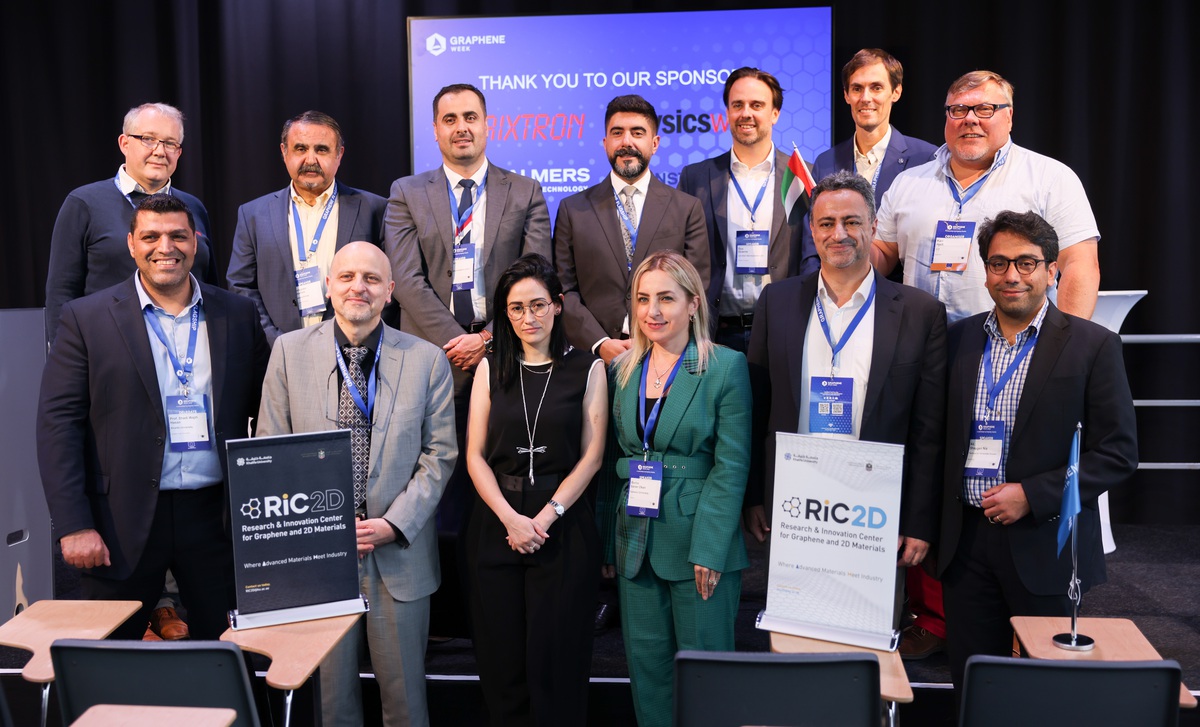
Khalifa University of Science and Technology’s Research and Innovation Center for Graphene and 2D Materials (RIC2D), a leading center for graphene research and development, highlighted the commercialization of research and how challenges from the region are addressed with innovations in construction, health care, aerospace, energy, and water purification, at the 2nd EU-UAE International Workshop at Graphene Week 2023 in Gothenburg, Sweden.


The workshop was part of the Graphene Week 2023 program, where attendees had an opportunity to learn about ongoing research activities and real-world technology transfer applications in the UAE, including spin-offs from the Graphene Flagship. Dr. Hassan Arafat, Senior Director, RIC2D, discussed the future of graphene during a talk hosted at the event.


Prof. Arafat and Dr. Kari Hjelt, Head of Innovation, Graphene Flagship, co-chaired the workshop in which eight presentations were given by representatives of Graphene Flagship industry partners and business developers, as well as UAE partners, each presenting relevant research and innovation actions involving graphene and 2D materials, addressing important technological and societal challenges.


RIC2D’s local partners, including the Technology Innovation Institute (TII) Abu Dhabi, and STRATA Manufacturing offered presentations, in addition to international partners Graphmatech AB, Levidian and Grapheal. Apart from these presentations, this workshop provided opportunities to discuss topics of common interest, explore possible new collaborations, and an interactive panel discussion that clarified queries raised by participants.


Prof. Arafat presented on ‘The Research and Innovation Center for Graphene and 2D Materials (RIC2D) at Khalifa University’ explaining the emergence of RIC2D as a result of the UAE’s early recognition of the significant potential of graphene and other 2D materials. From its inception, the center has established a valuable association with the Graphene Engineering Innovation Centre (GEIC) at the University of Manchester.


The talk also emphasized RIC2D’s focus on creating an advanced materials innovation ecosystem in Abu Dhabi through research, technology development and commercialization, providing funding and support for collaborative international research endeavors. Prof. Arafat also shared that within the realm of 2D technologies, RIC2D prioritizes areas such as water, energy (including hydrogen), and lightweight materials, while exploring opportunities in healthcare, photonics, and communications. The presentation also explored how RIC2D extends an open invitation to all stakeholders for joint research and development proposals.


At Graphene Week, RIC2D played a pivotal role in catalyzing scientific development and fostering the commercialization of technologies derived from graphene and other enhanced 2D materials in the UAE. RIC2D’s presence at Graphene Week 2023 underscored its dedication to fostering collaboration, innovation, and the realization of this transformative potential.


Dr. Kyriaki Polychronopoulou, Professor, and Director, Khalifa University’s Center for Catalysis and Separation (CeCaS), was also an Invited Speaker at Graphene Week 2023, and presented a research paper that demonstrated how certain catalysts can address sustainable needs in the energy and fuel sector.

Clarence Michael
English Editor Specialist
31 October 2023

Khalifa University Researcher Receives URSI GASS 2023 Young Scientist Award for Study on Saturn’s Magnetosphere

Dr. Steffy Sara Varghese’s theoretical model could be an efficient tool to understand the microphysics of Saturn’s magnetosphere and plasma waves. 


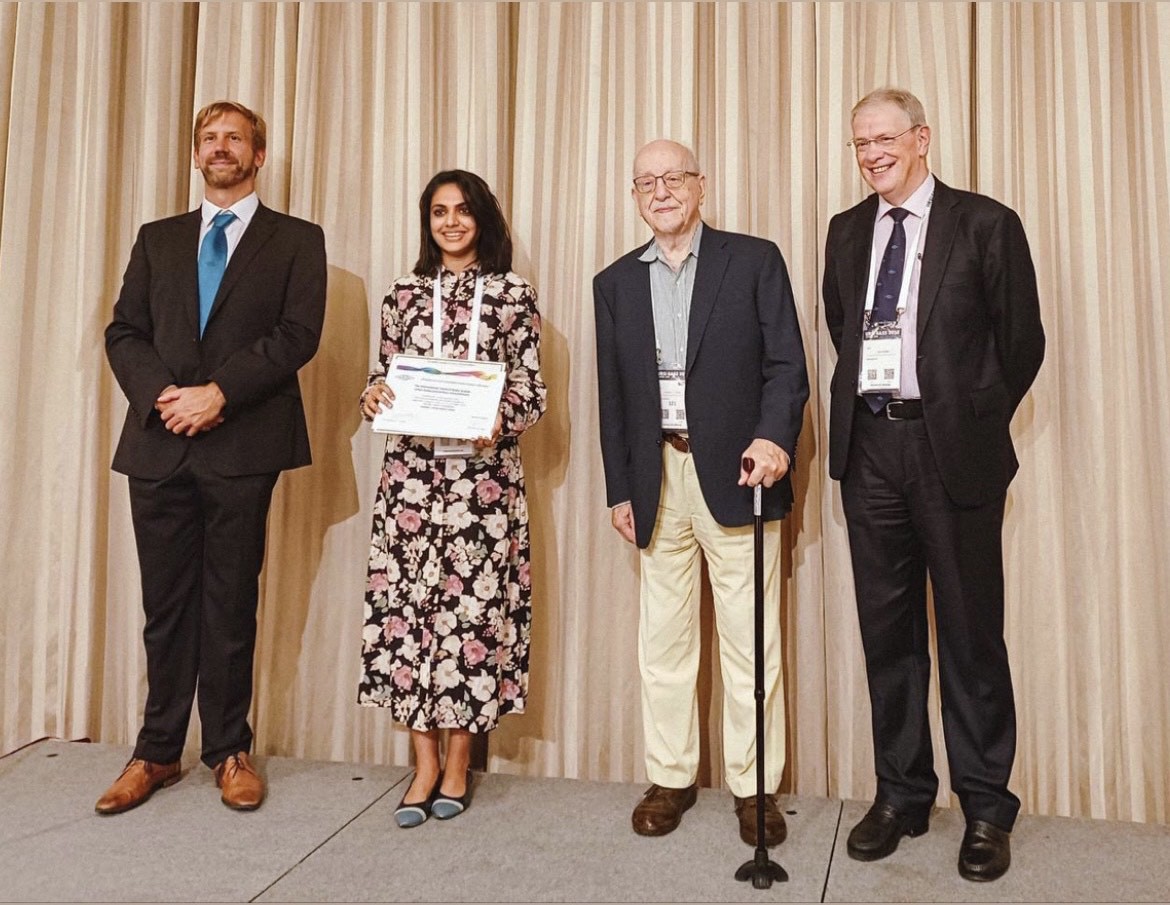
Khalifa University of Science and Technology Postdoctoral Fellow, Dr. Steffy Sara Varghese, has been awarded the URSI GASS 2023 Young Scientist Award for her research paper titled ‘Significance of Kappa Distributed Electrons on Electrostatic Solitary Waves in Saturn’s Magnetosphere’, at a scientific symposium recently held in Japan.

Affiliated with the Mathematics Department at Khalifa University and as a researcher at the Khalifa University Space and Planetary Science Center (KU SPSC) – Magnetospheric Modeling – Dr. Varghese published her paper under the guidance of Dr. Ioannis Kourakis, Professor of Mathematics and Theme Leader for Magnetospheric Physics at KU SPSC. 


The announcement of the Young Scientist Awards was made by the International Union of Radio Science (Union Radio-Scientifique Internationale or URSI) during the 35th General Assembly and Scientific Symposium (GASS) of URSI and the URSI Atlantic Radio Science Conference (AT-RASC) recently held in Sapporo, Hokkaido, Japan. These awards recognize young individuals – less than 35 years of age – who have made innovative contributions and discoveries in multidisciplinary research related to radio science, which is the study of all aspects of electromagnetic fields and waves.


URSI General Assemblies and AT-RASC conferences are held every three years to review current research trends, present new discoveries, and plan for future research and projects in radio science.


Dr. Varghese’s award-winning paper focuses on the significance of kappa distributed electrons on electrostatic solitary waves (ESW) in the magnetosphere of Saturn – an ideal environment for studying the behavior of particles and waves owing to the planet’s rich plasma system in its magnetosphere.  


Kappa distributions have been studied extensively in different space environments as well – such as the solar wind, planetary magnetospheres (including Saturn’s), and other regions. Scientists have also used data from sophisticated diagnostic instruments onboard the NASA Cassini mission to Saturn to detect and characterize ESWs in Saturn’s magnetosphere.


Following a similar path of using observations from the Cassini spacecraft mission, Dr. Varghese investigated the behavior of electrons following kappa distributions in Saturn’s magnetosphere and explored their impact on the formation of plasma waves, particularly ESWs. Her theoretical model explored the significance of the electron parameters (density and temperature) in the evolution and the characteristics of ESWs occurring in Saturn’s magnetosphere. In order to validate the accuracy of the theoretical model, Dr. Varghese compared its predictions with real observations of ESWs in Saturn’s magnetosphere, providing an efficient tool to understand the microphysics of Saturn’s magnetosphere and enhancing our understanding of ESWs.


This year’s Young Scientist Awards were presented during the Young Scientists Party, a networking event where scientists interacted with senior members of URSI, including URSI Board members, Commission Chairs, Vice-Chairs, and Early Career Researchers.


Alisha Roy
Science Writer
31 October 2023

Khalifa University Team Develops Green Humidity Sensors for Wearable Electronics

A new fabrication technique for wearable humidity sensors developed from graphene oxide and paper cellulose fiber provides enhanced efficiency and a reduced environmental impact. 


A team of researchers from Khalifa University’s System on Chip Lab (SoCL) has developed a novel humidity sensor from environmentally friendly paper cellulose fiber and graphene oxide matrix. Their sensor, which is also biocompatible, is designed for use in various wearable electronic devices and has already been employed in several applications, including non-contact proximity sensing, environmental humidity detection, and human respiration detection. The applications showcase the sensors broad potential. 


Postdoctoral Fellow Dr. Muhammad Umair Khan, Research Scientists  Dr. Yawar Abbas and Dr. Heba Abunahla, Associate Professors Dr. Moh’d Rezeq and Dr. Anas Alazzam, Assistant Professor Dr. Nahla Alamoodi, and Prof. Baker Mohammad, published the details of this work in the journal Sensors and Actuators B: Chemical


“Our work represents a significant milestone in developing inexpensive and eco-friendly humidity sensors, from paper and carbon nanomaterials, which are abundant in nature and biocompatibile,” said Dr. Alamoodi.


Humidity sensors are used in a wide variety of industrial applications, from environmental monitoring and defogging in vehicles to wearable technology and food logistics. However, making these sensors more sensitive, responsive and reliable is a research priority. Research focusing on using green and eco-friendly materials for humidity-sensing devices is particularly important. 


Wearable electronics often use humidity-sensing materials placed on flexible substrates, including polyimide and other polymers, but these substrates come with challenges: There’s a risk of separation during deformation, affecting their performance, and there are also environmental concerns as many of these polymer materials aren’t biodegradable. 


Using eco-friendly materials in device manufacturing can combat these challenges, mitigating environmental impact and ensuring high performance. 


Paper cellulose is the most abundance natural polymer. Its mechanical stability, high hydrophilicity, and water insolubility make it a promising candidate for humidity sensors, but cellulose by itself cannot offer electrical conductivity. The research team integrated reduced graphene oxide, a carbon-based conductive material. Their novel fabrication method enhances the device’s detection range, flexibility and stability, as the combination of paper cellulose fiber and graphene oxide shows improved sensitivity and a rapid response time to changes in humidity. 


“We used normal office paper, which is mainly composed of cellulose,” said Dr. Alamoodi. “This improves sustainability as our device can also be produced from recycled office paper. 


“Carbon-based conductive materials offer high conductivity and stability for humidity sensors in paper-based composite or layered structures,” said Dr. Alamoodi. “Previous methods have used graphene and carbon-based materials in combination with cellulose, but the resulting materials cracked during deformation due to the incompatibility of the stiff conductive filler and the flexible paper. We introduced a novel fabrication process to make a flexible and green humidity sensors, without the need for conductive fillers. Our method is simple and inexpensive and results in a three-layer sensor device.”


The KU team’s strategy is straightforward and effective, producing a high-performance and environmentally friendly humidity sensor from a paper cellulose fiber and graphene oxide matrix. Their sensor can detect moisture from human breath, fingertip proximity and moisture detection in open environments, suggesting it has potential for use in agro-industrial enterprises and healthcare systems.

Jade Sterling
Science Writer
30 October 2023

Researchers at Khalifa University Develop Human-Powered Wearable Technology

As wearable health-monitoring electronics miniaturize and integrate more deeply within our bodies, a critical concern emerges: How do we power them safely and sustainably?


With the surge in wearable and implantable devices, there’s a heightened demand for self-powered electronics. Current on-skin or implantable devices rely predominately on battery power, both rechargeable and non-rechargeable, but this isn’t sustainable. Batteries come with environmental concerns given their toxicity and post-recycling challenges, and size constraints and the need for periodic replacements highlight the need to develop alternatives.


A team of researchers at Khalifa University has turned to the realm of biomimicry and bio-derived materials to develop a biocompatible triboelectric nanogenerator (TENG). Dr. Bushara Fatma, Postdoctoral Fellow, and Dr. Charalampos Pitsalidis, Assistant Professor of Physics, collaborated with researchers from the Indian Institute of Technology Kanpur, to create a green energy harvester using bacterial cellulose to create energy generators that can be used in healthcare wearable applications. They published their results in Nano Energy, a top 1% journal in the field of electrical and electronic engineering.


Triboelectric nanogenerators integrated into clothing or wearable patches harvest mechanical energy from body movements, enabling continuous power for health-monitoring sensors that can track heart rate, breathing, or other vital signs.


Easy to fabricate, cost-effective and highly efficient, TENGs could offer the panacea to the conundrum of battery-driven wearables and implants. However, many TENGs still employ non-environmentally friendly materials that can cause discomfort or even skin infections.


Bacterial cellulose has potential as a triboelectric layer in a TENG. Produced under the right conditions by bacteria, bacterial cellulose offers a web-like morphology, good mechanical strength, breathability, and high surface area, among other beneficial traits. It is also cost-effective and eco-friendly to produce. By chemically modifying bacterial cellulose and introducing nanocoatings, the research team was able to finely tune its triboelectric properties, paving the way for high-performance, bio-friendly TENG devices.


Developing efficient TENGs is only the first part of the process. For integration with the human body, materials must pass the stringent tests of biocompatibility and bioabsorption. Preliminary results suggest bacterial cellulose-based triboelectric devices meet these criteria, opening the door for their use as implants.


Bacterial cellulose also stands out for its stability in aqueous environments — a vital requirement for implants. To showcase its versatility, the research team developed a device capable of harnessing energy from various foot motions.


“This TENG technology provides a unique combination of properties and has the potential to be implemented in wearables electronics and in vivo applications,” Dr. Pitsalidis said. “We are currently working on various cellulose-based materials which are combined with 2D materials like graphene for high-performance TENG devices. Our long term goal is to implement this technology into smart wearable electronics for health monitoring and wound patch applications.”

Novel Human Ear-Based Biometric Identification Technique

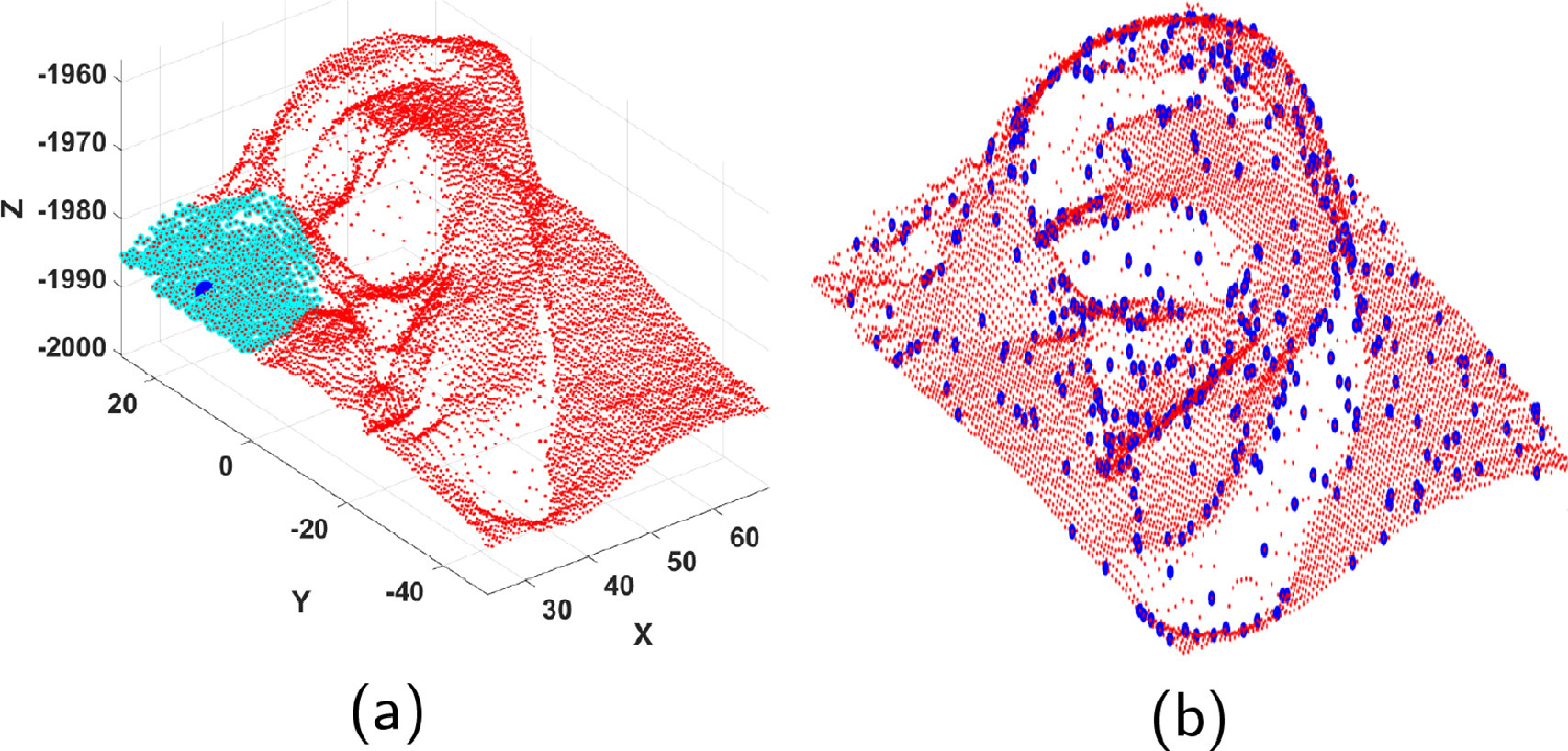
A team of researchers from Khalifa University has helped to develop a technique that uses 2D and 3D images of people’s ears for a biometric authentication method. It is the first study of its kind to combine both texture and geometrical information to create such a technique.


Dr. Iyyakutti Iyappan Ganapathi, Dr. Syed Sadaf Ali, Dr. Muhammad Owais, all Postdoctoral Researchers, and Prof. Naoufel Werghi, Department of Electrical Engineering and Computer Science, collaborated with Uttam Sharma and Pradeep Tomar from Gautam Buddha University, India, to develop their technique. They published their findings in Computers and Security, a top 1% journal for social sciences.


In the quest for efficient and secure authentication methods, research is turning to an unexpected part of the human anatomy: the ear. Biometrics have long leveraged unique physiological and behavioral features to confirm a user’s identity, but while fingerprint and facial recognition have dominated security systems, ear recognition is proving superior to other biometric authentication methods.


“During the pandemic, face masks posed a significant challenge to facial recognition,” the team said. “Likewise, hygiene concerns reduced people’s willingness to touch fingerprint sensors. These scenarios made us realize the importance of having a passive, undisturbed biometric feature.”


Unlike the ever-changing landscape of the face with its array of expressions, the ear remains consistent. This simplicity offers a more stable and accurate biometric reading. The ear also doesn’t require any active interaction from users, making data collection effortless.


The research team combined both 2D and 3D imaging. The three-dimensional construct of the ear, with its unique contours and details, is less affected by external factors and using 3D data considerably improves recognition efficiency. These images were combined with deep learning techniques to build a comprehensive detector and descriptor, realizing a potent increase in recognition efficiency.


“Within the existing body of literature, numerous techniques have been proposed, demonstrating considerable efficacy in the task of human recognition,” Dr. Ganapathi said. “The majority of these approaches predominantly rely on 2D ear images, a choice that introduces susceptibility to challenges related to illumination and pose variations. In contrast, our method leverages both 2D and their corresponding 3D ear images. This holistic approach allows us to achieve state-of-the-art results while simultaneously ensuring robustness to these challenges.”


The research team tested their method on the largest database of ear images to affirm its resilience against factors like noise, pose shifts and occlusions. As promising as the approach is, however, it is not without its limitations. One primary challenge is the need for co-registered 2D and 3D data. The team plans to create a comprehensive 3D ear database, opening the door to deep learning techniques and even more advanced recognition systems. 

Jade Sterling
Science Writer
30 October 2023

Asteroid Named after Khalifa University Faculty by International Astronomical Union

Naming of Asteroid (357148) El-Maarry Recognizes Dr. Mohamed Ramy El-Maarry’s Profound Impact on Planetary Science and His Commitment to Pushing the Boundaries of Science 


Khalifa University of Science and Technology today announced that the International Astronomical Union (IAU) has named an asteroid after its faculty Dr. Mohamed Ramy El-Maarry, Associate Professor of Planetary Science in the Earth Sciences department, and Director of the Space and Planetary Science Center. The asteroid that once bore the designation of 2002 CZ has now been named (357148) El-Maarry – marking a historic moment for Khalifa University and for the UAE space sector. 


The asteroid, named in recognition of El-Maarry’s significant contributions to the study of comets, and planetary science in general, was originally discovered on 2 February 2002, through the efforts of a joint venture between the Department of Astronomy and Astronomical Observatory of Padova and the German Aerospace Center DLR Berlin. The survey led to the discovery and naming of several asteroids, including the asteroid now known as (357148) El-Maarry.


Dr. Arif Sultan Al Hammadi, Executive Vice-President, Khalifa University, said: “The naming of the asteroid by the International Astronomical Union after our faculty marks a significant milestone for Khalifa University and the UAE. Congratulations to Dr. El-Maarry. The recognition also emphasizes the globally-relevant research that our world-class faculty takes up at Space and Planetary Science Center in scientific exploration. We believe such honors recognize the impactful role played by scientists and researchers in the UAE’s space and astronomy sector while inspiring the future generation of innovators in science and technology.” 


At the Khalifa University Space and Planetary Science Center, Dr. El-Maarry’s research covers planetary surfaces and the physical processes that affect them using a multi-disciplinary approach that involves data analysis of remote sensing data, modeling, lab work and comparative planetology mainly through fieldwork. 


Dr El-Maarry has been involved with numerous international and national space missions in the past 16 years, including the European Rosetta mission to comet 67P/Churyumov-Gerasimenko, NASA’s New Horizons mission that explores Kuiper Belt Objects at the edge of our solar system, and the Emirates Lunar Mission, in addition to being on the science team for numerous other active and future missions including HiRISE and CaSSIS imagers onboard NASA’s MRO and ESA’s TGO missions, respectively, and the upcoming ESA ExoMars Rover, Comet Interceptor, the planetary defense mission Hera, and the Emirates Mission to the Asteroid Belt. 


On receiving the award, Dr. El-Maarry said: “I feel humbled and privileged to get such an honor. Having an asteroid named after you is sort of a life-time achievement award that signifies your contribution to planetary science, and I hope this award can be an inspiration to the next generation of Arab scientists. Our Earth Sciences department offers the only bachelor’s degree in Earth and Planetary Science in the region. Our ambition is to prepare the next generation of Emiratis to take part in the upcoming UAE space missions, especially the UAE Mission to the Asteroid Belt, which is due to launch in 2028.” 


The asteroid can be viewed in the NASA Small Bodies Database. According to the information available, it is located in the inner Asteroid Belt, more than 300 million km away from the Sun. It orbits the Sun once every approximately three-and-a-half years, and should get closest to the Sun on 11 August, 2024.