
Khalifa University and ADNOC Logistics & Services Sign Agreement to Advance Research on Decarbonization and Sustainable Practices

Agreement Covers R&D in Critical Technology Areas Such as Clean Energy, Greenhouse Gas Emission Reduction, Low-Carbon Solutions for Offshore Vessels, Ocean Protection, Information Technologies, and Carbon Capture and Utilization


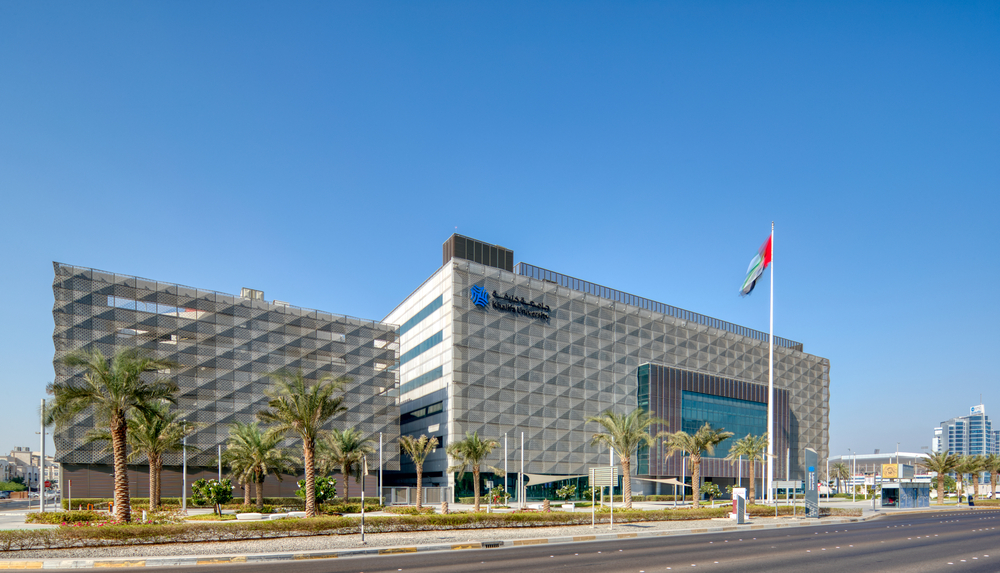
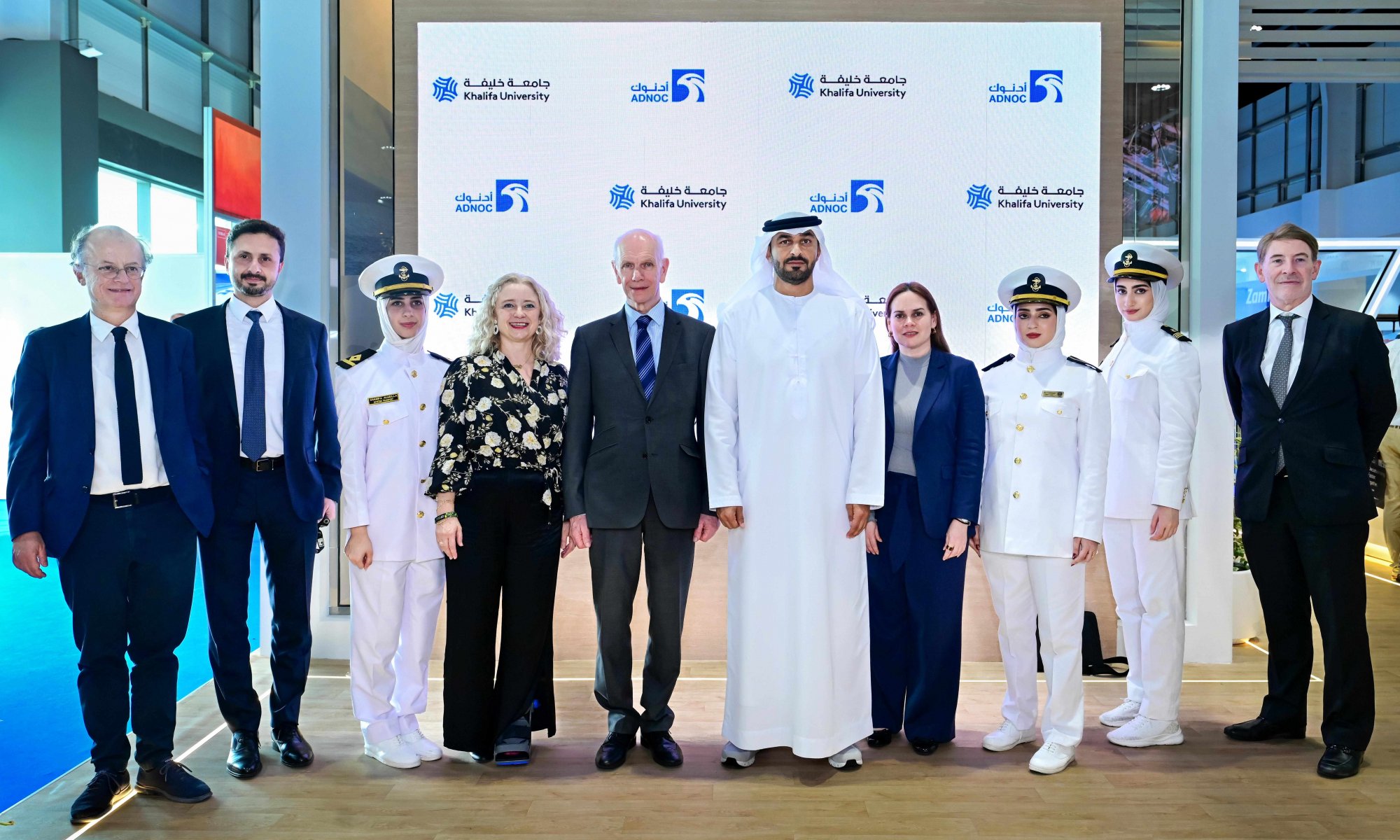
 Khalifa University of Science and Technology and ADNOC Logistics and Services plc (ADNOC L&S), a global energy maritime logistics leader, signed a collaboration agreement to undertake joint research on decarbonization and sustainable projects. 


The agreement was signed by Professor Sir John O’Reilly, President, Khalifa University, and Captain Abdulkareem Al Masabi, Chief Executive Officer, ADNOC L&S.


Professor Sir John said: “Khalifa University is delighted to enter into this collaboration with ADNOC Logistics and Services towards advancing research and innovation in low-carbon solutions and clean energy resources through our Research and Innovation Center on CO2 and Hydrogen (RICH center). Khalifa University is already a strong driver of innovation in carbon capture, utilization, and storage (CCUS), as well as hydrogen production, storage, and utilization, and we believe this partnership will further strengthen our research activities, yielding more effective sustainable solutions that will benefit global stakeholders.” 


In support of the UAE’s Net Zero by 2050 Strategic Initiative, ADNOC Group has brought forward its net zero ambition by five years to achieve net zero by 2045. As a global energy maritime logistics leader with a strong commitment to sustainability, ADNOC L&S has committed approximately $2 billion to invest in building environmentally efficient vessels. The company has already reduced the carbon intensity of its own fleet by more than 20% between 2018 and 2022.  


Captain Abdulkareem Al Masabi, CEO of ADNOC L&S, said: “Our partnership with Khalifa University demonstrates a shared commitment to decarbonization in the maritime sector and underscores the importance of technological innovation in achieving greenhouse gas emissions reductions targets. This collaboration will further accelerate research and development (R&D) programs, advancing low-carbon technologies and solutions on the path to achieving ADNOC Group’s 2045 net-zero goal, protect our oceans, and champion sustainability in the UAE’s maritime and logistics ecosystem.” 


The agreement covers R&D in areas including clean energy technologies, Greenhouse Gas (GHG) emission reduction programs, and development of low-carbon solutions for the shipping industry, offshore vessels, platforms, and facilities. It will also cover technologies for Environmental Ocean protection, CCUS, sustainable fuels as well as information technologies and techniques. 


Additionally, the two partners will collaborate on post-graduate research programs for ADNOC L&S employees and engage in other initiatives connected with Khalifa University’s RICH Center. The agreement also includes participation in joint activities, such as technical inspections, workshops, and scientific or engineering panels. 


The RICH Center at Khalifa University already leads in R&D of novel materials and technologies for CO2 capture, utilization, and storage, as well as H2 production, transportation and utilization, and sustainable fuels, as key enabling technologies for the energy transition. More recently, a team of researchers at RICH led by Prof. Vega, in collaboration with Universitat Rovira I Virgili, Spain, has patented a novel integrated approach to evaluate new sustainable refrigerants using a machine-learning approach.

Clarence Michael
English Editor – Specialist
19 January 2024
Khalifa University’s Center for Experiential Learning and Clinical Simulation First in UAE to Receive Unique Dual Accreditation from US

Recognition from Society for Simulation in Healthcare Recognizes High Quality Medical Education Through Simulation


The Khalifa University Center for Experiential Learning and Clinical Simulation (KU-CELS) has become the first clinical simulation program in the UAE to receive dual accreditation in the specific criteria for Assessment and Teaching/Education from the Society for Simulation in Healthcare (SSH), a leading US-based Non-Governmental Organization (NGO). 


To achieve this accreditation from the SSH, which integrates international site reviewers to perform on‐site reviews, KU-CELS met a comprehensive set of criteria including demonstrating a well-structured and supported simulation program, ensuring educators and assessors are competent, hosting exemplary activities, and ensuring the simulation center is equipped with the latest technology.


In its citation, the SSH commends KU-CELS for providing quality services as well as meeting key accreditation requirements including confidentiality procedures, physical and psychological safety, separation of simulation and actual patient care materials, storage and maintenance of equipment and supplies, video recording, data retention, and prioritization of simulation resources.


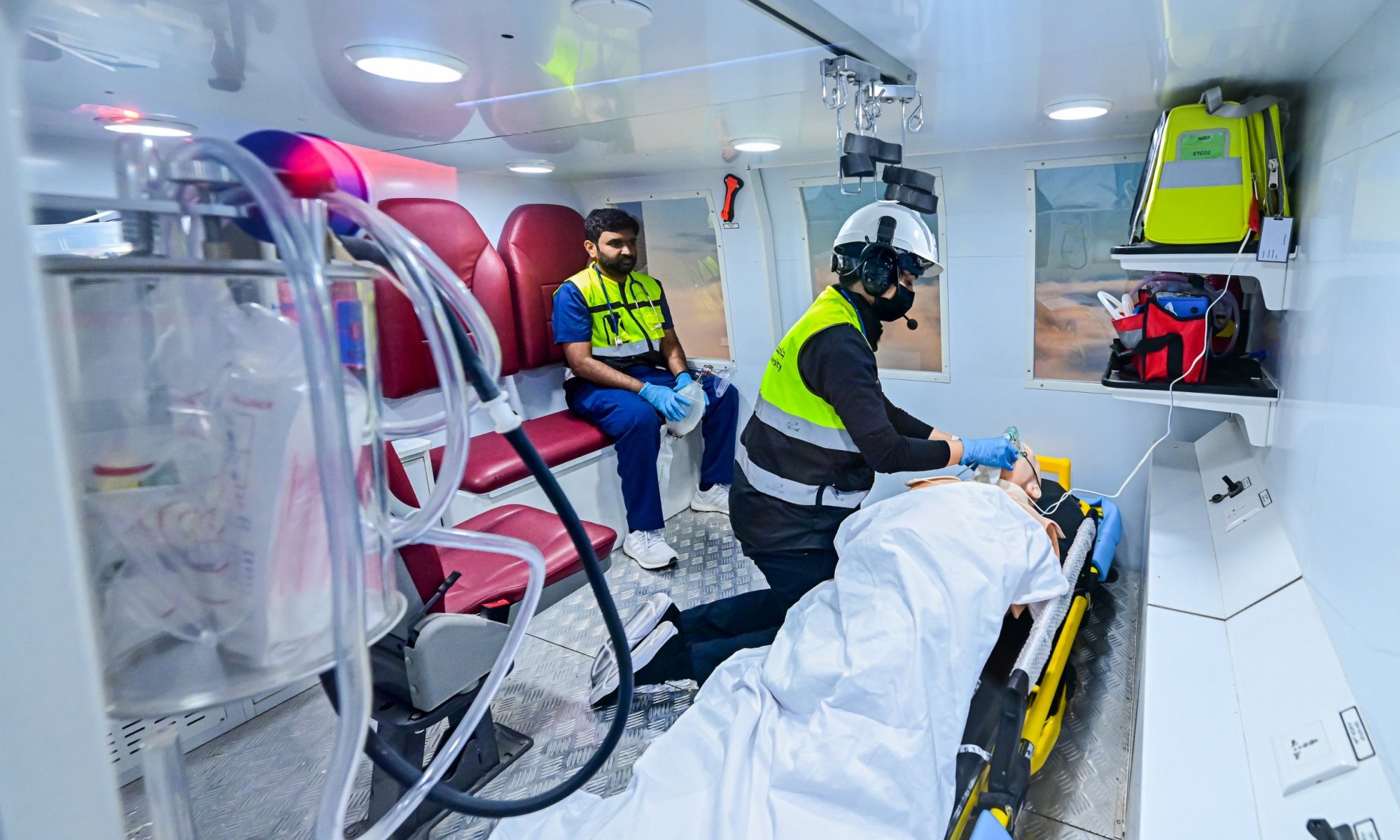
The Center which includes a large virtual-environment mass casualty and disaster training area, complete with helicopter and ambulance facilities, was also previously granted accreditation as an American Heart Association International Training Center.


Dr. Habiba Alsafar, Dean, College of Medicine and Health Sciences (CMHS), Professor Biomedical Engineering and Biotechnology, said: “Simulation plays a crucial role in Khalifa University’s medical education program, aligned with the university’s vision of supporting a healthier community in Abu Dhabi and the UAE and in developing competent practitioners globally. Simulation is integrated into our curriculum to enhance clinical skills, communication, teamwork, and the overall quality of medical training. The SSH accreditation for KU-CELS will enhance the learning experiences of our students, achieved by added credibility and quality to our simulation programs, aligning them with international standards and best practices.”


For the SSH, accreditation is defined as a ‘peer-reviewed, customized evaluation of a healthcare simulation program’ and to credibly achieve accreditation, the SSH assesses the qualifications of instructors, faculty and others who perform vital roles in the program.


The team at KU-CELLS comprises simulationists and subject matter experts who possess prestigious certifications such as the Certified Healthcare Simulation Educator (CHSE), Certified Healthcare Simulation Operation Specialist (CHSOS), CHSOS-Advanced (CHSOS-A), and CHSE-Advanced (CHSE-A). One of the team members also holds both CHSE-A and CHSOS-A certifications, a rare achievement in the field of simulation.


Dr. Christopher Guyer, Assistant Dean, Clinical Skills and Simulation Training, Associate Professor, Medical Sciences, said: “The accreditation from SSH underscores KU-CELS’s commitment to providing top-tier education and simulation training, setting a high standard in healthcare simulation. This acknowledgement highlights the Center’s capabilities beyond education and assessment domains, positioning KU-CELS to pursue additional domains, such as research, both within the university and in collaborations with other programs.


Alisha Roy
Science Writer
18 January 2024

Aerospace Engineering Faculty’s Book Offers Deep Insights into Sustainable Aviation Technology

Advances in Systems Engineering and Lifecycle Management, Bridging Gaps between Academic Research and Industry Practices Highlighted


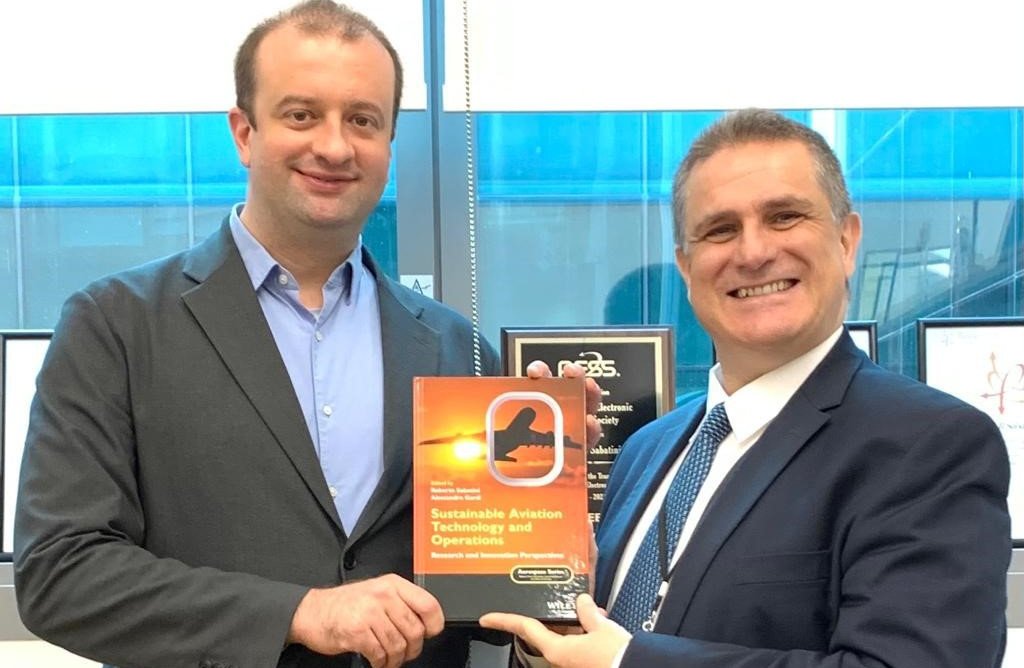
A book titled ‘Sustainable Aviation Technology and Operations: Research and Innovation Perspectives’ edited and co-authored by Khalifa University’s Dr. Roberto Sabatini, Professor and Dr. Alessandro Gardi, Assistant Professor, was released by multinational publishing company John Wiley & Sons. The 544-page hardcover and e-book offers a comprehensive and timely collection of recent research advances in aeronautics and air transport, with a focus on long-term sustainable development goals and current achievements.


This new and timely editorial initiative was presented during the COP28 UAE summit and covers a broad spectrum of topics including aircraft technologies, air traffic management, systems engineering, propulsion, aerodynamics, avionics, structures, materials, airspace management, biofuels, and sustainable lifecycle management.


Dr. Sabatini leads the Intelligent Aerospace Systems Group/Flight Systems Research and Training Initiative – FALCON Center Project, Department of Aerospace Engineering, and is affiliated with the Center for Cyber-Physical Systems (C2PS), Space Technology and Innovation Center (KUSTIC), and the Robotics and Intelligent Systems Institute (RISI). Dr. Gardi is affiliated to the same research entities and specializes in multi-objective trajectory optimization, optimal control methods, and AI/metaheuristics for air and space platforms.


The FALCON Center has seven ongoing projects and five more planned for 2024, which include the developments of a Multi-Domain Airspace Management Decision Support System; Hybrid-Electric VTOL Unmanned Aircraft Design and Flight Optimization; eVTOL Drone Wake Turbulence and Separation Modeling; and Urban Air Mobility Avionics and Flight Guidance Systems. Of these, two ongoing projects – the Design of a Hybrid Electric Drone for Sustainable Urban and Regional Air Mobility Design and Testing of a CubeSat for Climate Change Impact Assessment – were also presented at COP28 UAE.


Organized into four sections — Aviation Sustainability Fundamentals, Systems for Sustainable Aviation, Aerostructures and Propulsive Technologies, and Research Case Studies – the book also provides an in-depth understanding of the physical processes associated with various aircraft emissions, such as air pollutants, noise, and contrails, which are crucial for developing computational models for aircraft design, flight path optimization, and environmental impact assessment.


In addition, the book highlights relevant advances in systems engineering and lifecycle management processes, bridging existing gaps between academic research and industry best practices, and offering insights into the practical implementation of sustainable aviation solutions.


With three decades of experience in avionics, defense and robotics/autonomous systems research and education, Dr. Sabatini has secured more than US$20 million in research funding. Currently, his research projects aim to develop intelligent and sustainable aerospace systems, including innovative hybrid propulsion architectures for drones and urban air mobility vehicles, advanced navigation and guidance systems, and decision support tools for air and space traffic management.


Dr. Sabatini and Dr. Gardi have included a collection of 10 case studies from field experts that explore various contemporary topics, including the overall contribution of wingtip devices to improving aircraft performance, the integration of naturally occurring materials in lightweight aero-structures, development of a tailored design methodology for distributed and hybrid propulsion systems, hydrogen as an alternative aviation fuel, and integration of hybrid-electric propulsion systems in small unmanned aircraft, among others.


Alisha Roy
Science Writer
17 January 2024

Harnessing the Power of Machine Learning in Materials Science

The integration of artificial neural networks and their variations is marking a new era in materials science research, especially in multiscale modelling and simulation


Machine learning and deep learning techniques are revolutionizing problem-solving in various fields, including materials science. Artificial neural networks (ANNs), including their variations as convolutional neural networks (CNNs) and recurrent neural networks (RNNs), have become one of the most effective machine learning approaches for applications in different computational materials science research topics, says Dr. Tae-Yeon Kim, Associate Professor of Civil Infrastructure and Environmental Engineering. 


Dr. Kim collaborated with researchers from University of Iowa, Northwestern University, and the University of Luxembourg, to share insights to these machine learning techniques in the materials science community and promote their applications in research. Their results were published in Advances in Applied Mechanics, a top 1% journal for computational mechanics. 


Advanced materials, which combine key properties, encompass multifunctional composites with enhanced capabilities. However, understanding these complex materials requires accurate estimates of physical properties — now possible through numerical modelling and simulations. Traditional computational methods have been used to study physical phenomena at various scales but the rising use of machine learning in materials science has helped to accelerate the discovery of new materials and improve material designs. 


ANNs are computing algorithms inspired by biological neural networks. They are not programmed with rules but rather trained by considering examples related to various tasks. They have a higher capacity for progressive learning than other traditional machine learning models, mainly due to the potentially large number of parameters which can be tuned to progressively build more accurate models. 


The research team’s paper offers a comprehensive overview of how these neural networks are being applied to some of the most advanced topics in material science, such as multiscale modelling, solving inverse problems, material image processing, and history-dependent constitutive modelling. 


A key highlight of this research is a case study focused on metal-ceramic composite materials. In this study, the team meticulously modelled and simulated these materials at the microscale to create a rich dataset. This dataset then became the foundation for developing and training neural networks, which were tasked with predicting material failures at the macroscale. This approach not only demonstrates the practical application of ANNs in materials science but also underscores the potential of neural networks in bridging the gap between microscale observations and macroscale behaviors. 


As computer technology continues to evolve, machine learning algorithms are expected to significantly enhance scientific understanding across various disciplines. This is particularly true for materials discovery and design, where the potential for innovation is vast.


Jade Sterling
Science Writer
17 January 2024

Revolutionizing UAV Communication with Security Enhancements

Researchers from Khalifa University have designed a novel approach to enhance security and robustness in communication to unmanned aerial vehicles (UAVs).


Dr. Chan Yeob Yeun and Dr. Hyeran Mun from Khalifa University’s Center for Cyber-Physical Systems collaborated with Kyusuk Han and Malavika Balakrishnan, both from Abu Dhabi’s Technology Innovation Institute, to develop a new security design to improve robustness and security and help avoid UAV collisions. Their work was published in Computers & Security, a top 1% journal. 


“UAVs integrate multiple components and a system called Cyphal is used to facilitate robust, real-time, intra-UAV communication between the distributed components of UAVs,” Dr. Yeun said. “Cyphal is designed to support communications over the controller area network (CAN) for UAV environments. However, certain features aren’t recommended for use in critical applications because of potential collision issues. We created a new design to enhance security and avoid collisions.”


Communication technology plays a pivotal role in ensuring seamless operation and integration of various components in UAVs. Central to this is the CAN, a robust and simple framework originally designed for automotive systems. Cyphal is a system designed to facilitate intricate communication networks within UAVs. However, it has the potential for data collision and the original design does not adequately address security issues, which is increasingly vital in the interconnected and potentially vulnerable world of UAVs. 


The research team’s design enhancements focus on two critical areas: collision avoidance and device authentication. Their design significantly reduces the risk of collisions in communications, even when the maximum number of modules are connected simultaneously. This enhancement is crucial for maintaining the integrity and reliability of UAV operations, especially in complex or high-stakes environments. 


The team’s proposed design also introduces a device authentication protocol which ensures that only authorized devices can connect and communicated within the UAV system, safeguarding against unauthorized access and potential security breaches. 


The team hopes their results will not only enhance the existing functionalities of Cyphal but also expand its applicability across various UAV platforms to meet the challenges of an increasingly complex and security-conscious aerospace sector. 


Jade Sterling
Science Writer
17 January 2024

Khalifa University’s RIC2D and Purapipe Sign MoU to Collaborate on Nanomaterials for Energy and Desalination Pipelines

Agreement Involves Joint Exploration of Nano Materials to Support Emerging Pipeline Needs Driven by Decarbonization


Khalifa University of Science and Technology’s Research & Innovation Center for Graphene and 2D Materials (RIC2D), and Swiss pipeline technology company Purapipe International today announced the signing of a Memorandum of Understanding (MoU) to transform the development of high-performance composite transportation pipelines for energy and desalination transportation by harnessing the potential of advanced nano materials.  


The MoU was signed by Dr. Hassan Arafat, Senior Director, RIC2D, and Mathias Dybvik, Chief Technology Officer, Purapipe International. Under this agreement, Khalifa University’s RIC2D and Purapipe’s Abu Dhabi-based subsidiary Purapipe Engineering Construction and Development LLC will jointly explore how nanomaterials can support emerging pipeline needs, driven by decarbonization. 


Professor Dr. Hassan Arafat said: “We are delighted to enter into this agreement with Purapipe to contribute to energy transition and low-carbon initiatives in the UAE and worldwide. As a research center dedicated to obtaining solutions that support the UAE’s strategic energy and desalination sectors, Khalifa University’s RIC2D continues to lay emphasis on innovation through graphene and nano materials. We believe the synergy resulting from this partnership will benefit the UAE and the global industrial sector with pipelines that provide cost and operational benefits.” 


Mathias Dybvik said: “Thermoplastic nanocomposites hold great promise for delivering substantial performance improvements for transportation pipelines.  We are looking forward to embarking on this journey with Khalifa University and to leverage their growing capabilities in nanomaterials research.”

Alisha Roy
Science Writer
5 February 2024

Bridging the Language and Culture Divide in Dementia Diagnosis in the MENA Region

The journey towards inclusive neuropsychology and expanding the horizons of cognitive testing means embracing cultural and linguistic diversity.


As the world grapples with the challenges of an aging population, the dramatic increase in dementia cases, particularly in the Middle East and North Africa (MENA) region, has become a pressing issue. This surge is not just a matter of numbers: It’s a complex health puzzle where language plays a critical role, says Prof. Mohamed Seghier, Director of the Khalifa University Healthcare Engineering Innovation Center (HEIC). 


“Cognitive decline, a key indicator of dementia, is typically assessed through standardized neuropsychological tools,” Prof. Seghier explains. “These tools have been effectively validated in widely spoken and well-researched languages such as English. However, a significant obstacle arises when it comes to linguistic diversity. The existing diagnostic tools fall short for speakers of less-studied languages, leading to a worrying disparity in access to early and accurate dementia diagnosis.”


Prof. Seghier and Oula Hatahet, Research and Teaching Assistant at Khalifa University, collaborated with Florian Roser from Cleveland Clinic Abu Dhabi’s Neurological Institute to explore the profound impact of this language gap, particularly in the MENA region. Their research delves into the challenges posed by inadequate tools and lack of expertise, considering the needs of the region’s people. Their results were published in Alzheimer’s and Dementia. 


“Here is a real challenge for a healthcare professional: Assess the cognitive abilities of someone speaking Hausa or Fulani,” Prof. Seghier says. “It is unlikely that validated neuropsychological tests exist for speakers of these languages, so a trained healthcare professional might rely on some available or customized translated versions. For many speakers of similar understudied languages, the context can be much more challenging than that, starting in the first place with a lack of trained professionals who can accurately administer the tests. This example is not limited to rare languages but applies to many languages spoken by hundreds of millions of people. Take Arabic, for example.”


The MENA region offers an interesting case to gauge the impact of the language gap on the assessment of cognitive decline, according to the research team. Almost half a billion people live in MENA’s 22 countries. The area has one of the highest forecasted rates of growth in the number of people living with dementia. This rise is set against a backdrop of vast socioeconomic diversity, ranging from very low to very high-income countries, and the burden of dementia on these economies is significant.


The linguistic landscape of the MENA region is marked by diglossia: Most people use modern standard Arabic for formal education and colloquial Arabic for everyday communication. This linguistic complexity raises questions about the impact of diglossia on dementia onset and assessment. The most frequently used tests are Arabic versions of the English cognitive screening tools which assess memory, attention, language and other cognitive skills. However, there is considerable variation in the cutoff values used for dementia detection in these tests, and the use of colloquial Arabic in translations poses additional challenges.


“The use of modern standard Arabic in cognitive tests could potentially alleviate some of the linguistic challenges, but its limited use among older generations and the competition from spoken dialects make this a complex issue,” Prof. Seghier explains. “Developing cognitive tests in Arabic requires consideration of cultural norms and values to avoid bias and would require involving populations from diverse backgrounds. What’s more, there is a pressing need for more comprehensive epidemiological data on dementia in the MENA region. We need significant investments to improve cognitive assessment and address the challenges associated with linguistic diversity and socioeconomic disparities.”


The research team does recognize it might not be realistically feasible to develop tests for every group and in every spoken language, and that translated versions might be the only option for some populations. However, the researchers point out that recent sophisticated machine learning architectures could support translation efforts ensuring “no language is left behind.”


“The availability of reliable and valid tests for English speakers is the result of a very active research community in cognitive neuroscience, too often relying too closely on English-speaking people,” Prof. Seghier says. “The research community in cognitive science needs to uphold inclusion by broadening the linguistic diversity of both its participants and researchers. By working on both sides of the challenge, we can offer equal opportunities when it comes to access to culturally valid and clinically useful diagnostic tools for the study of healthy and pathological aging.”


Jade Sterling
Science Writer
16 January 2024

The KU 6G Center Wins First Place in MIT-organized International Challenge 

The KU 6G Center Wins First Place in MIT-organized International Challenge 
 
Hearty congratulations to the 6G Center for securing the coveted top spot at the IEEE
International Conference on Acoustics, Speech, and Signal Processing 2024 (ICASSP) Grand
Challenge, organized by the Massachusetts Institute of Technology (MIT). The global
competition sought inventive approaches to Data-Driven Signal Separation in the Radio
Spectrum, a crucial element in advancing Wireless Communication technologies. 
 
ICASSP is the world’s largest technical conference focused on signal
processing and related applications. It offers a technical program presenting all
the latest development in research and technology in the industry that attracts thousands of
professionals annually. 
 
 
This year, the victorious team was a joint collaboration between Khalifa University and TII,
comprising Postdoctoral Fellow Dr. Abubakar Sani Ali and PhD student Abdullah Quran from
KU, who work under the supervision of Prof. Sami Muhaidat and Prof. Merouane Debbah, along
with Dr. Ahmed Alhammadi, Lead Researcher, and Dr. Yu Tian, Researcher from TII.
 
 
The renowned competition also drew the participation of other prestigious institutions like the
Technical University of Berlin (TUB) and IDLab at Ghent University – IMEC, emphasizing the
highly competitive nature of the challenge.
 
The winning team took a unique approach by developing an innovative deep neural network
model rooted in Wave-net architecture. Notably, this new model has the capability to
autonomously learn and optimize the receptive field size for denoising the signal. Additionally,
the team’s strategy involved using test data for validation – creating ingenious data
augmentation techniques to enhance the robustness of the trained model.
 
The team’s triumph showcases the expertise of the  KU-TII alliance while underscoring the
growing influence of the UAE in the next-generation 6G ecosystem. Such efforts are a
testament to the UAE’s dedication to strengthening its knowledge-based economy and
maintaining a leading position in advanced wireless communication research.

Khalifa University and Silal Sign Collaboration Agreement to Build UAE’s First Centre of Excellence for AgriRobotic and Automation

Joint Research Center to Accelerate Agri-Robotic and Automation Innovation in Agriculture and to Provide Training for Students and Farmers


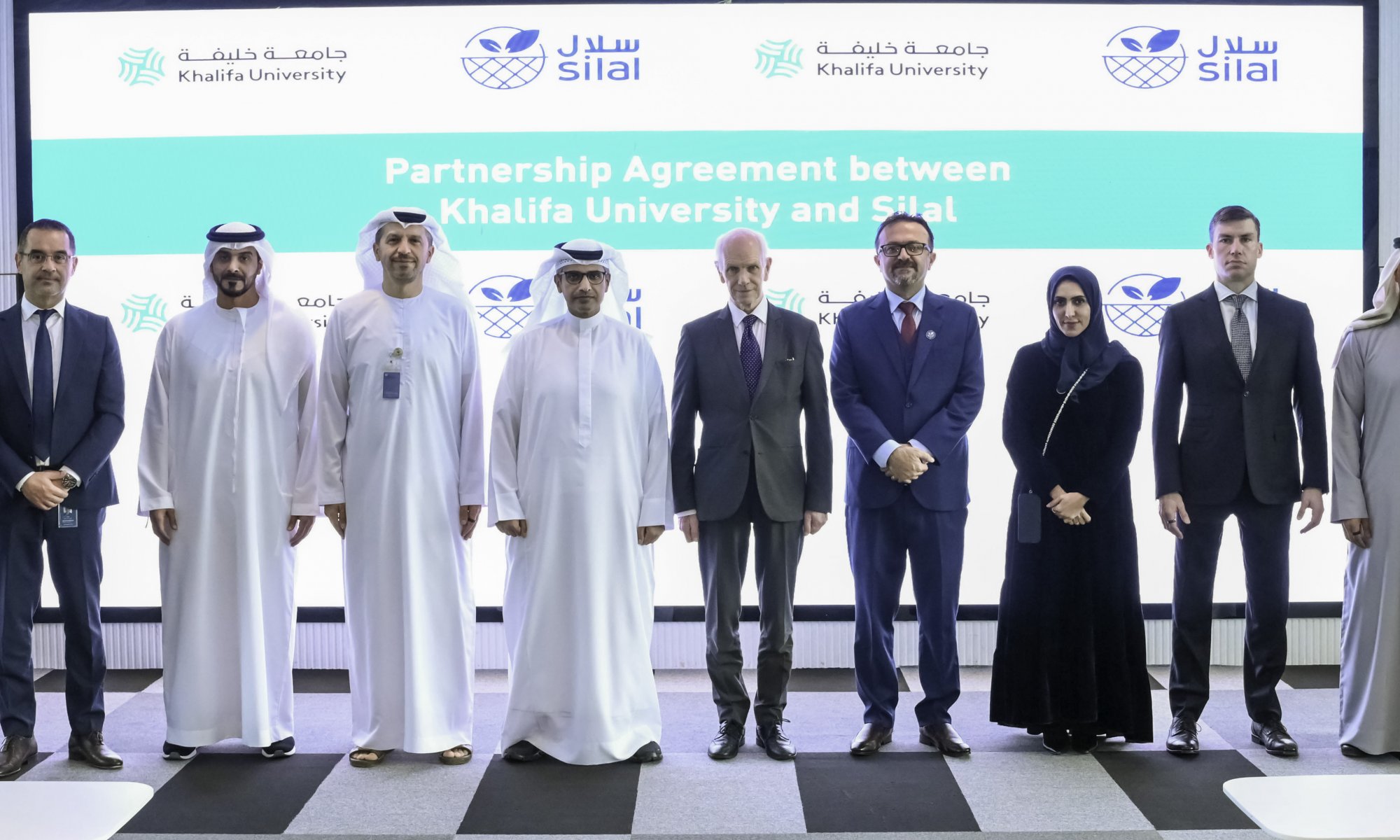
Khalifa University of Science and Technology and UAE’s leading agri-tech food company Silal Food and Technology today announced they have signed a collaboration agreement to create a joint Center of Excellence in Agri-Robotics and Automation. The partnership will leverage robotics and automation advancement to transform the agriculture sector in the UAE and beyond.


The agreement was signed by Professor Sir John O’Reilly, President, Khalifa University, and Salmeen Al Ameri, CEO, Silal Food, in Abu Dhabi. According to the agreement, the primary objective of the partnership is to build a joint research center – Centre of Excellence for Agri-Robotic and Automation – to drive innovation in agri-robotics and automation in agriculture, and exchanging technical knowledge and resources. The agreement also facilitates the transfer and commercialization of research outcomes, with researchers and students from Khalifa University leading the study, through internships and collaborative programs. Joint workshops, symposiums, and conferences will also be organized to facilitate collaboration and the exchange of research ideas.


Professor Sir John O’Reilly said: “We are delighted to collaborate with Silal and offer our robotics research expertise in the agriculture sector. Khalifa University is at the forefront of scientific research in the field of robotics and automation and is committed to furthering the education and training of our students through internships and collaborative programs. This partnership will facilitate the exchange of knowledge and foster research and development aimed at promoting sustainable food production in the country, in line with the directives of the UAE leadership.” 


Salmeen Al Ameri, said: “The advancement in robotic and automation science has a significant role to drive efficiency and sustainability in the food production systems. At Silal, we are building an ecosystem to bridge research capabilities and industry requirements. Our partnership with Khalifa University is a crucial step in this direction, to transfer scientific knowledge and expertise into practical solutions to sustain our food systems.”


The proposed research center, to be located at the Innovation Oasis site of Silal in Al Ain, will feature a dedicated autonomous greenhouse equipped with various robot platforms, sensors, and Internet of Things (IoT) infrastructure. This cutting-edge facility aims to support the development and pilot research conducted by scientists and start-ups from Khalifa University, who will also oversee the innovation activities in the Center in collaboration with agritech experts from Silal, who will manage the day-to-day operation.


Under this partnership, Khalifa University and Silal will develop support programs for startups, as well as training programs for Khalifa University students and farmers. The collaboration will also involve the development of project proposals, securing funding for collaborative projects, and the exchange of expert personnel, including faculty members, researchers, and students.


The Center will undertake research projects in collaboration with Khalifa University’s Center for Autonomous Robotic Systems for plant monitoring and interventions.


The Center will develop intelligent and cost-effective robotics solutions aiming to transform current farming practices. The Center will research crop monitoring utilizing AI-driven robotic platforms and computer vision to detect early-stage diseases and reduce the use of agrichemicals. The Center will also research novel autonomous robotic systems in food production including soft robot end-effectors and grippers to handle soft fruit and vegetables, thus enabling precision agriculture.


Alisha Roy
Science Writer
16 January 2024

Khalifa University Cybersecurity Academy Inaugurated


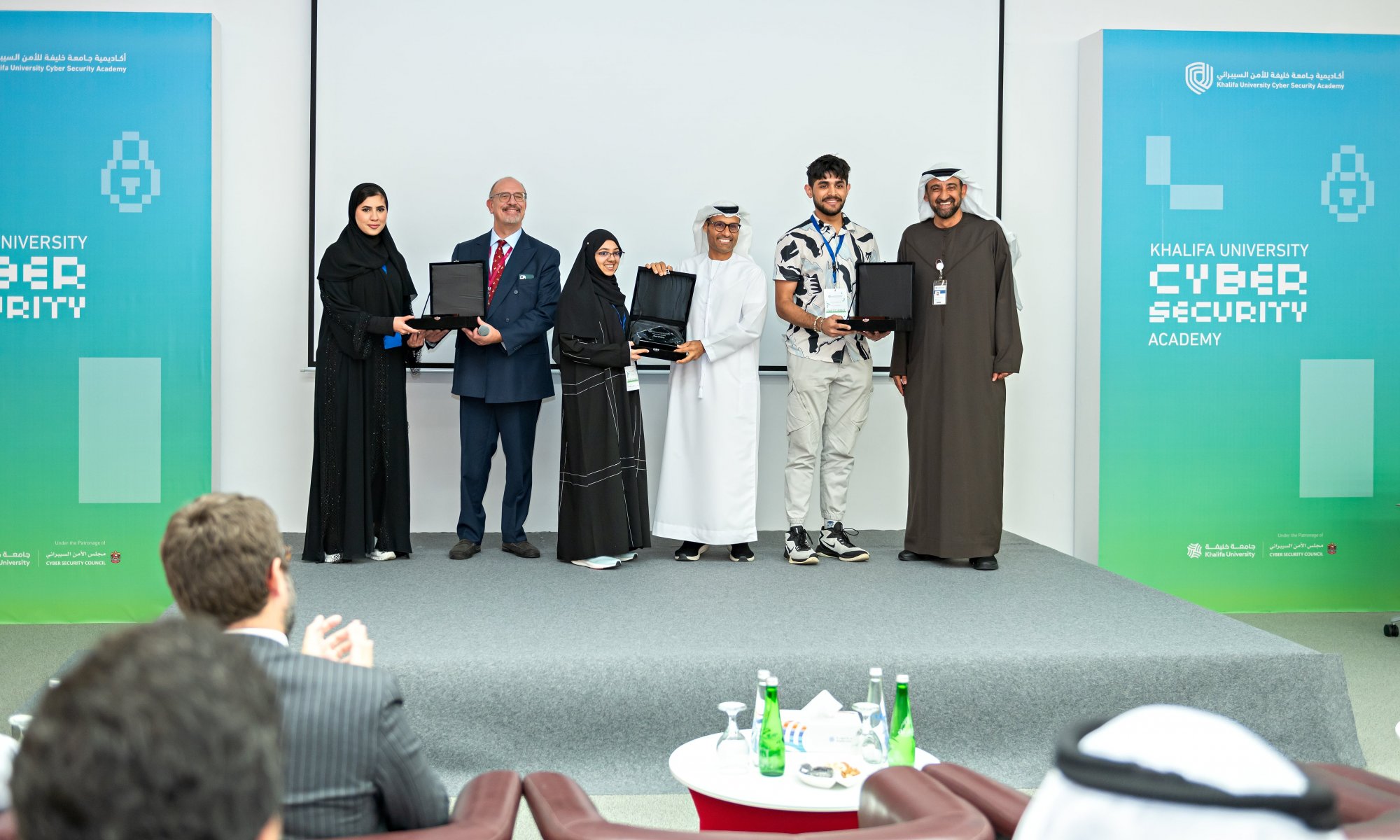
Khalifa University of Science and Technology and the UAE Cyber Security Council today jointly announced the inauguration of the Khalifa University Cybersecurity Academy that offers complete certification and training programs in English and Arabic, trains and certifies individuals, students, companies, and organizations on security issues through technological, regulatory, and methodological processes.


The launch ceremony was attended by His Excellency Dr. Mohammad Hamad Al Kuwaiti, Head of Cybersecurity, UAE Government, His Excellency Homaid Al Shimmari, Vice Chairman of the Board of Trustees of Khalifa University, Dr. Ernesto Damiani, Director, Khalifa University Center for Cyber Physical Systems (C2PS), and Acting Dean, Computing and Mathematical Sciences, faculty members and researchers. Representatives from Leonardo, the Italy-headquartered aerospace, defense and security multinational, and a partner for the Academy, were also present. 


His Excellency Al Shimmari said: “Khalifa University is delighted to join the UAE Cyber Security Council for the inauguration of the Cybersecurity Academy, the first of its kind in the region. The Academy will offer courses in both Arabic and English, reflecting our commitment to inclusivity and accessibility. With dedicated expertise from Khalifa University research staff, we believe the Khalifa University Cyber Security Academy will play an emphatic role in empowering individuals and organizations to secure the digital world, through knowledge, training, and innovation.” 


H.E. Dr. Mohamed Hamad Al-Kuwaiti, Head of Cybersecurity for the UAE Government, underlined that the inauguration of Khalifa University Cybersecurity Academy is in line with the UAE Cybersecurity Council’s efforts to enhance cybersecurity in the UAE and build qualified human capital in this vital field.


He said that “the inauguration of the Academy is a major step in empowering individuals and institutions with the necessary knowledge and skills to protect our digital infrastructure.” He stressed that protecting the digital realm has become extremely important, not only for protecting individuals’ privacy but also for maintaining the community members’ trust in the UAE Cybersecurity Council.”


Dr. Al-Kuwaiti explained that through the Academy’s comprehensive certification and training programs, together with our partners at Khalifa University, we provide individuals and institutions with the necessary tools to ward off the challenges of the ever-evolving cyber threats. He indicated that knowledge transfer, training, and innovation are the only means to ensure a more secure digital future for the UAE. He concluded by emphasizing that the Cybersecurity Council seeks to transform cybersecurity into a public culture through several initiatives, saying, “We believe that this Academy will play a pivotal role in achieving this goal.” 


The ceremony also honored the winners of the Capture the Flag (CTF) Battle, a cybersecurity challenge that simulates real-world scenarios offering participants an opportunity to showcase their cybersecurity expertise in a collaborative and challenging environment. 


The Khalifa University Cyber Security Academy is powered by the same proprietary platforms offered by Leonardo in Italy and worldwide, such as the Cyber Range. Designed with the principles of gamification, the Cyber Range leverages virtualization and interoperability to provide high-fidelity simulations of immersive operational scenarios. 


The academy offers special training initiatives to meet the needs of organizations within the UAE. These programs are designed to guide individuals, industry, and government sector policymakers  in responding to and taking preventive measures to stop cybercrimes even before they can happen. 


Recently, Khalifa University’s security professionals, who joined the trainers’ team at the Khalifa University Cyber Security Academy, underwent a six weeks training program at the Leonardo Cyber & Security Academy in Genoa, Italy, where they gained experience with Leonardo’s training platforms. 


The Khalifa University Cyber Security Academy will further enhance Khalifa University’s prime research and academic programs, which already offer highly specialized degrees that can take students all the way to top-rated doctorate degree holders, leveraging the KU Cybersecurity Academy’s expertise in securing digital ecosystems and building resilience for globally critical assets. 


Clarence Michael
Science Writer

15 January 2024

A New Era of Connectivity Beckons with Holographic MIMO Technology

Holographic MIMO technology offers potential to revolutionize connectivity and launch the 6G networks of the future, says Khalifa University’s Prof. Merouane Debbah, but it’s not without its challenges.


The landscape of wireless communication underwent a transformative shift with the advent of fifth-generation (5G) wireless networks, now being rolled out globally. However, the ambitions of 5G are already paving the way for the sixth generation (6G) wireless networks. 


A team of researchers including Khalifa University’s Prof. Merouane Debbah has investigated a potential and promising technology for supporting the expected extreme requirements of 6G communication systems: the holographic multiple-input multiple-output (HMIMO). The team believe this technology has the potential to actualize holographic radios with reasonable power consumption and fabrication costs. 


Prof. Debbah collaborated with researchers from Nanyang Technological University, Singapore; National and Kapodistrian University of Athens, Greece; Zhejiang University and Zidian University, China; and Princeton University. Their findings into the theoretical foundations, enabling technologies, and future directions of HMIMO technologies were published in IEEE Communications Surveys and Tutorials, a top 1% journal for electrical and electronic engineering. 


MIMO is a technology used in wireless communications where multiple antennas are used at both the transmitter and receiver ends of the communication circuit. The main idea behind MIMO is to increase the system’s capacity and reliability without needing additional bandwidth or increased transmission power. MIMO is a key component in modern wireless communication, including Wi-Fi and cellular networks. It’s one of the technologies that make high-speed internet and data transfer rates possible in today’s wireless networks. 


“6G is envisioned to offer extremely immersive experiences, full dimension coverage, extremely low latency, ultra-high reliability and synthesized functionalities of communications, localization, control and computing with native intelligence and integrated security,” Prof. Debbah says. “Compared to 5G, 6G is expected to provide tremendous performance enhancements, offering from 100 to 1,000 times higher peak data rates, among other improvements.”


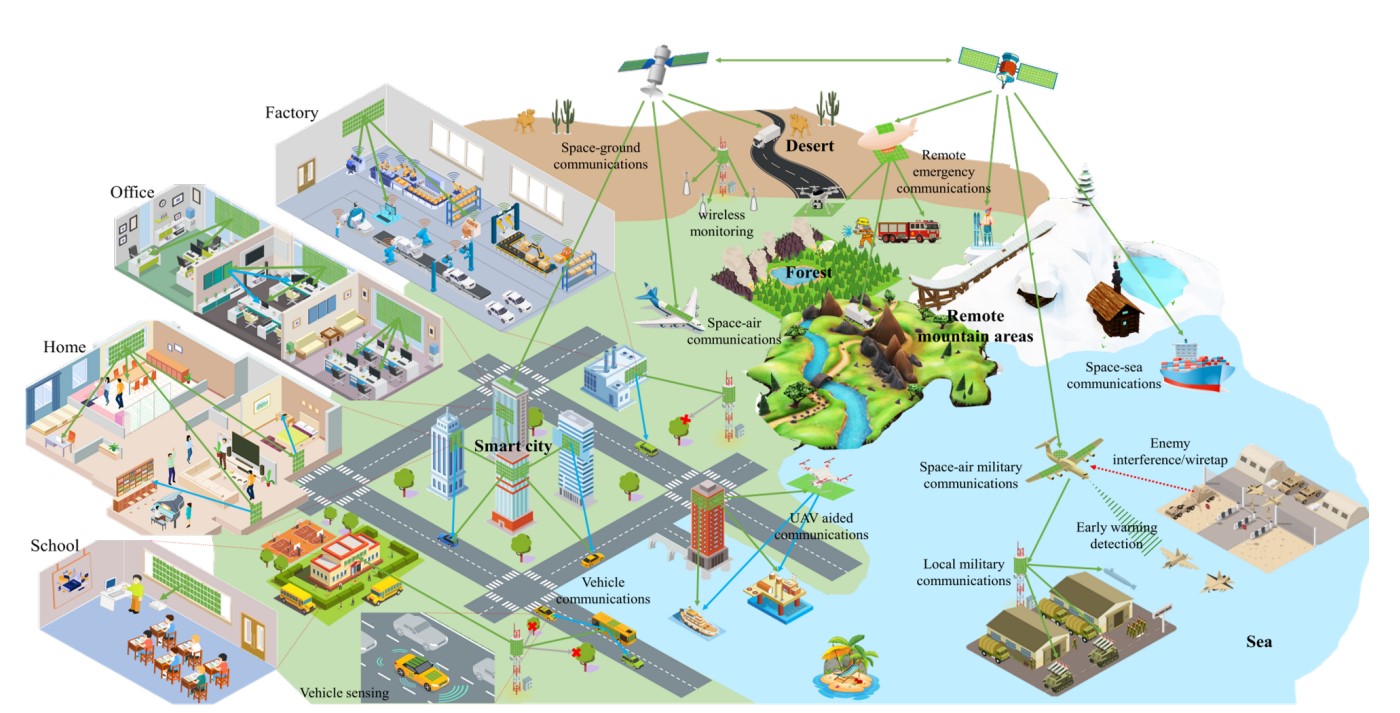
Forecasts for 6G networks include services expanding to all environments, including space, and the emergence of applications like holographic communication and fully autonomous driving. To meet these targets, significant technological advancements are required. 


The HMIMO concept is a fusion of advanced antenna technologies, such as metamaterials and metasurfaces, with the foundational theories of communications and electromagnetic waves. In contrast to conventional massive MIMO (mMIMO) systems, HMIMO surfaces offer a nearly continuous aperture. This enables the formation of sharper beams and the manipulation of electromagnetic waves with incredible flexibility. They are also simpler, more energy-efficient and less costly than the large, power-hungry devices used in mMIMO. 


“The HMIMO is facilitated by ultra-thin, extremely large, and nearly continuous surfaces that incorporate reconfigurable antennas or metamaterials,” Prof. Debbah explains. “Such surfaces comprising dense electromagnetic excited elements are capable of recording and manipulating impinging fields with utmost flexibility and precision, as well as with reduced cost and power consumption.”


The research team recognizes HMIMO surfaces represent a groundbreaking advancement in wireless communication and are capable of supporting the extreme requirements of 6G networks. However, despite its promising potential, HMIMO faces several technical challenges, including the complexity of designing and manufacturing these surfaces, developing suitable signal processing algorithms, and integrating them into existing wireless infrastructure. 


“We believe these challenges will drive unprecedented research in the future,” Prof. Debbah says. 


Jade Sterling
Science Writer
16 January 2024

Global Sustainable Aviation Exchange Launched

Milestone in Aviation Industry’s Efforts to Meet Net Zero 2050 Targets to Address Climate Change and Biodiversity


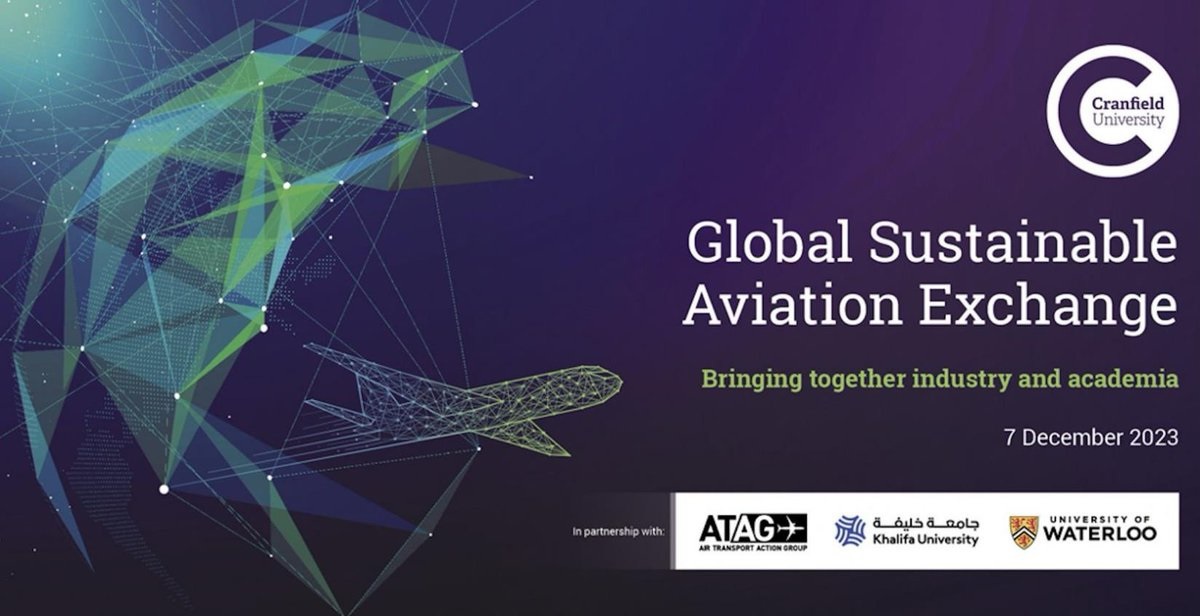
The Global Sustainable Aviation Exchange (GSAE) was officially launched at a ceremony co-hosted by Khalifa University in the Main Campus in Abu Dhabi and Cranfield University in Bedford, UK, marking an important milestone in the aviation industry’s efforts in meeting Net Zero 2050 targets to address climate change and biodiversity.


The hybrid event, which coincided with the Rest Day of the COP28 UAE Summit in Dubai and the International Civil Aviation Day 2023, brought together industry leaders, policymakers, investors, and leading academics from around the world.   


The GSAE builds upon the success of the Global Aviation Summits held from 2020 to 2022, organized by Cranfield University in partnership with the Air Transport Action Group (ATAG), a coalition of aviation industry experts focusing on sustainable development issues.


Professor Sir John O’Reilly, President, Khalifa University was present at the inauguration, who highlighted Khalifa University’s decade long role in advocating, recommending and leading with stakeholders in demonstrating sustainable aviation practices during his welcome address at the event. Dr. Alejandro Rios Galvan, Director, Sustainable Bioenergy Research Consortium (SBRC) and Chief Research Scientist, participated in discussions addressing the Top 10 Sustainability Challenges that highlighted the latest research from around the world addressing the challenge. Dr. Galvan moderated a panel on Sustainable Aviation Fuels (SAF) Scale Up and accelerating solutions. 


During the launch event, industry and academic speakers and moderators engaged in scientific and knowledge exchanges to review the top 10 sustainable aviation challenges that must be addressed by 2030 to achieve the aviation industry’s goal of reaching net-zero emissions by 2050. One of the objectives of the launch event was to utilize these discussions as a starting point for initiating global collaborations to deliver operational solutions within this decade. The GSAE will facilitate these collaborations through a program of challenge-specific workshops, starting in February 2024. 


Other discussions during the event focused on greater clarity on sustainability challenges, addressing research gaps for the aviation sector’s 2050 target, reinforcing the importance of collaboration and action for sustainable aviation, skills shortage and workforce sustainability, adaptations to climate change impacts, the aviation sector’s role in achieving Net Zero 2050 while keeping global warming below 1.5˚C, and the dissemination of leading research and innovations to industry, investors, and governments. 


Key participants of the launch event included patrons of the GSAE include Salvatore Sciacchitano, President, International Civil Aviation Organization (ICAO), Jane Hupe, Deputy Director Environment, ICAO, Willie Walsh, Director General, International Air Transport Association (IATA), and Julia Simpson, President and CEO, World Travel and Tourism Council (WTTC).   


Professor Sir John also mentioned Khalifa University’s own contributions to sustainable aviation practices, including initiatives such as the SBRC, which focuses on developing clean, alternative fuels for aviation, which in collaboration with key stakeholders resulted in the successful flight from Abu Dhabi to Amsterdam fueled by biofuel produced through the SBRC’s Seawater Energy and Agriculture System (SEAS).


Alisha Roy
Science Writer
5 January 2024