
Khalifa University Hosts Inaugural Winter School on AI & Cybersecurity with Support from Google.org

Initiative, Organized in Partnership with UAE Cyber Security Council and CyberE71, Welcomes 270 Participants to Tackle Future Digital Threats


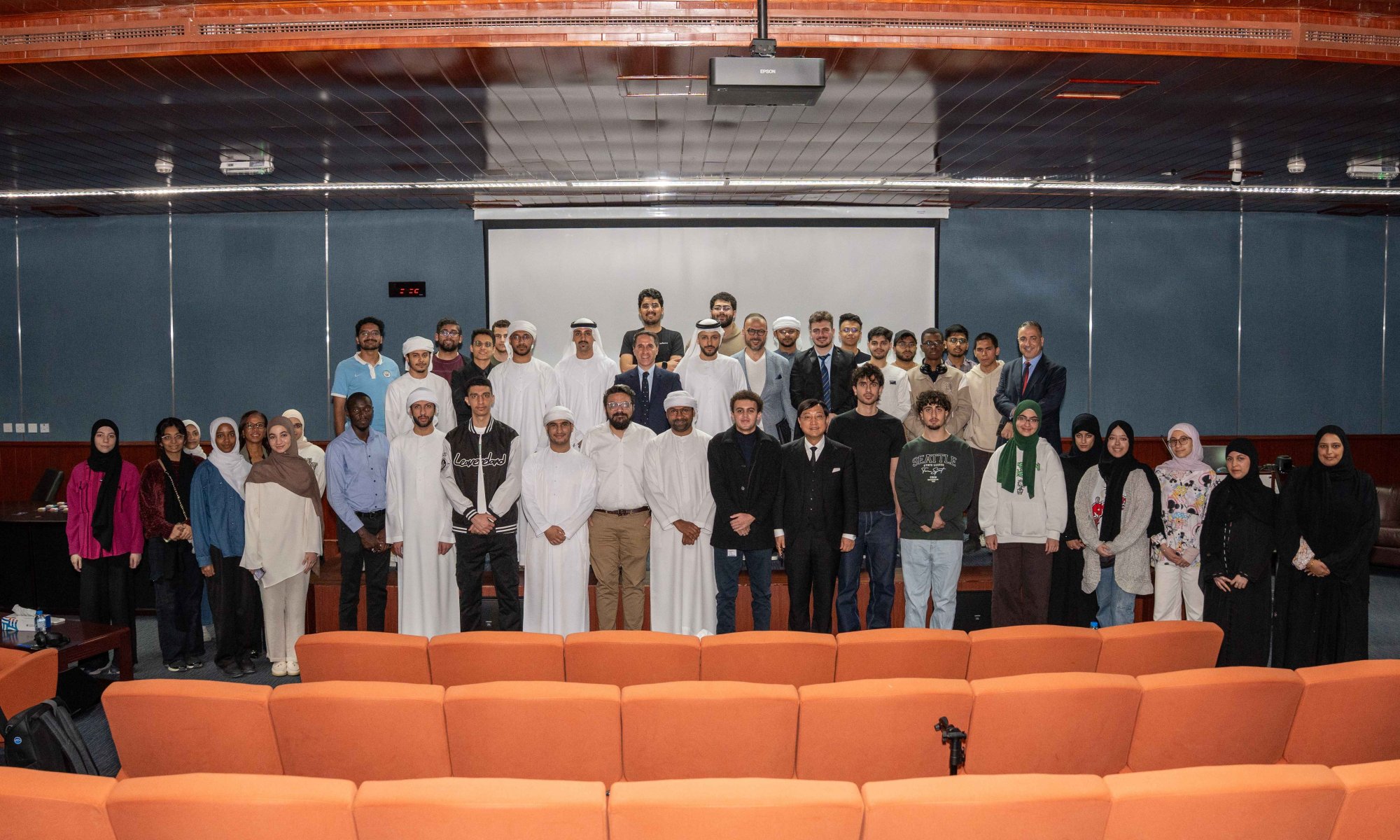
Khalifa University of Science and Technology today announced 270 participants attended the inaugural Winter School on Artificial Intelligence and Cyber Security.  Organized with support from Google.org, the UAE Cyber Security Council, and CyberE71, the event marks a critical extension of one of the most comprehensive Cybersecurity Seminars Program in the region.


A total of 100 in-person and 170 online participants joined from across the UAE and received certificates endorsed by Khalifa University and the UAE Cyber Security Council, signifying high-level readiness to combat cyber threats and architect secure AI systems. Participants included high school and university students, PhD candidates, academic staff, cybersecurity professionals, and representatives from the both public and private sectors.


The Winter School’s multidisciplinary program combined theoretical knowledge, practical skills, and policy perspectives, providing a holistic, practice-oriented learning experience. Key focus areas included AI and cybersecurity: technology and geopolitics; Graph Neural Networks for hardware security; human factors in AI and cybersecurity; AI, awareness, and cyber insecurity; quantum computing in the era of AI and cybersecurity; cybersecurity policy, governance, and compliance (with a focus on the UAE); AI and national security; Cyber threat intelligence and incident response; Digital forensics in the age of AI; and a Hands-on Capture-the-Flag cybersecurity simulation.


H.E. Dr. Mohamed Al Kuwaiti, Head of Cybersecurity for the UAE Government, was honored for his exceptional support for the program, while CyberE71 was recognized as the leading Local Community Organization (LCO) of the Khalifa University Program. Led by Dr. Luigi Martino, Principal Investigator, the opening session also featured a high-level panel discussion with representatives from key partners, including Fatima Alneyadi, Cyber E71 Program Director, Samer Abdullatif, Regional Executive of MEA Public Sector in Google Cloud, and YuYing Mak, Project Officer, Virtual Routes.


“There is a critical demand for skilled cybersecurity professionals as new technologies, like AI, present both opportunities and threats to the field,” said Dr. Wieland Holfelder, Vice President Engineering, Regional CTO for Google Cloud Security and Sovereignty. “We’re proud to support universities across EMEA to help build a strong, diverse, and AI-savvy cybersecurity workforce.


Prof. Bayan Sharif, Provost, Khalifa University, said: “The Winter School on Artificial Intelligence and Cybersecurity, organized with support from Google.org, reflects Khalifa University’s commitment to building critical human capital in cybersecurity and AI. By partnering the UAE Cyber Security Council and CyberE71, we are equipping the region with a multidisciplinary talent pool capable of tackling digital security challenges head-on. This initiative directly aligns with the UAE’s vision to become a global hub for advanced technology and artificial intelligence.”


H.E. Dr. Mohamed Al Kuwaiti, Head of Cyber Security for the UAE Government, affirmed that this initiative is an extension of national efforts aimed at nurturing talent and driving the development of innovative digital solutions capable of addressing evolving challenges and threats in cyberspace. He noted that the inaugural Winter School serves as an ideal platform for promoting cybersecurity awareness across society and showcasing advanced artificial intelligence and quantum computing technologies to strengthen cyber resilience and foster innovation.


H.E. Dr. Al Kuwaiti further emphasized that these efforts play a vital role in empowering youth and cultivating new generations of experts and leaders in the cybersecurity and digital security sectors. He highlighted that innovation is a cornerstone of the UAE’s National Cybersecurity Strategy and is a key driver in reinforcing the national cybersecurity ecosystem. In this context, he pointed out that the “CyberE71” continue to support and incubate innovative ideas and efforts in the cybersecurity domain, while safeguarding national achievements and sustaining long-term digital resilience affirming that CyberE71 aims to empower students and graduates by equipping them with knowledge, enabling them to become successful entrepreneurs in the field of cybersecurity.


Dr. Martino said: “The results of the Winter School are twofold. On the one hand, this initiative has clearly demonstrated the strong interest in topics such as Artificial Intelligence and Cybersecurity across different disciplines and sectors. On the other hand, it has confirmed that without a robust and supportive ecosystem, initiatives of this kind cannot succeed. The role played by all stakeholders is commendable.”


The Google.org Cybersecurity Seminars program provides funding and support from Virtual Routes to bolster cybersecurity education in higher education. The program helps students learn more about cybersecurity and explore pathways in the field through mentorship and learning resources that enhance their hands-on experience.


Clarence Michael 
English Editor – Specialist 

Physics Department Hosts World-Renowned Theoretical Physicist Prof. John Ellis

Khalifa University’s Physics Department had the honor of hosting Prof. John Ellis, Clerk Maxwell Professor of Theoretical Physics at King’s College London and the European Organization for Nuclear Research (CERN). Prof. Ellis is an internationally-renowned theoretical particle physicist, widely recognized for his pioneering contributions to particle-physics phenomenology, including his seminal work on the Higgs boson initiated in 1975.


During his visit, Prof. Ellis met with Prof. Ehab El-Saadany, the Dean of the College of Engineering and Physical Sciences, and Dr. Dirar Al Homouz, Department Chair, as well as faculty members, researchers, and students from the Physics Department. The visit provided a valuable platform for in-depth discussions on cutting-edge research in high-energy physics, emerging scientific opportunities, and future directions for advancing research and education in the field.


Prof. Ellis’s visit reflects the Physics Department’s ongoing commitment to fostering academic excellence, strengthening international collaboration, and enhancing research engagement in physics in general, and high-energy physics in particular, at Khalifa University.


Khalifa University and LODD Autonomous Sign MoU to Collaborate on Developing Talent in Next-Generation Aviation Technologies

Partnership to Focus on Electric Powertrain Development, Advanced Aerospace Mobility, and Student Experiential Learning


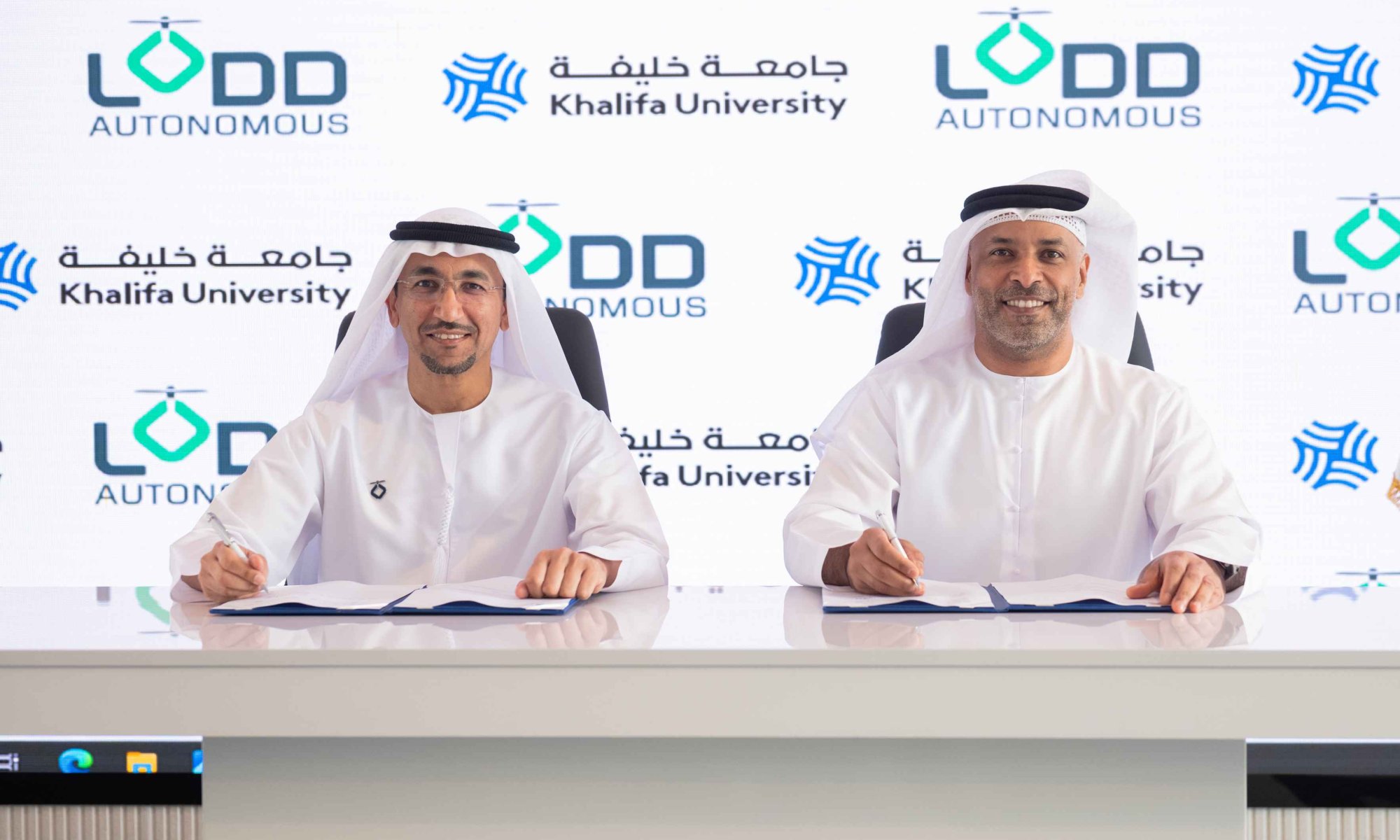
Khalifa University of Science and Technology and LODD Autonomous today announced they have signed a Memorandum of Understanding (MoU), bringing together the University’s research and innovation leadership with LODD’s expertise to strengthen collaboration in electric powertrain development, advanced aerospace mobility, and student experiential learning.


Supporting the UAE’s ambition to position itself at the forefront of next-generation aviation technologies, the partnership will focus on hybrid vertical take-off and landing (VTOL) unmanned aerial vehicles (UAVs). The MoU was signed by His Excellency Professor Ebrahim Al Hajri, President, Khalifa University, and Rashid Mattar Al Manai, Chief Executive Officer, LODD Autonomous.


His Excellency Professor Ebrahim Al Hajri said: “Khalifa University’s partnership with LODD Autonomous reflects our commitment to nurturing the next generation of engineering talent who will lead the advancement of sustainable aviation, advanced mobility, and clean energy technologies. The partnership underscores Abu Dhabi’s growing ecosystem for aerospace innovation and Khalifa University’s continued role as a hub for cutting-edge research and workforce development. By working with innovative industry partners like LODD, we ensure our students gain exposure to real world challenges and contribute meaningfully to the UAE’s future-focused sectors.”


Rashid Mattar Al Manai said: “Working with Khalifa University allows us to engage directly with young engineers and researchers while supporting the growth of advanced air mobility solutions in the UAE. This MoU represents an important step in aligning academic research with real operational needs.”


The institutions will work towards a pilot project in Electric Powertrain Analysis and Design involving Khalifa University undergraduate students, with opportunities for sponsored graduate research through the University’s Advanced Power and Energy Center (APEC). The collaboration also includes joint technical lectures, coordinated industry–academic visits, and internship placements for Khalifa University students at LODD’s state-of-the-art facilities in Abu Dhabi. These initiatives enhance hands-on learning, accelerate innovation, and cultivate engineering talent in the UAE.

Six-Week Simulation-Based Entrepreneurship Workshop Offers Students Tips on Creating Successful Business Ventures

Pilot Initiative by Department of Management Science & Engineering Transforms Traditional Classroom into a Dynamic Startup Environment 


The Khalifa University Department of Management Science & Engineering organized a six-week entrepreneurship workshop,  a pilot simulation-based learning initiative led by Dr. Malik Mansoor Ali Khalfan, Associate Professor, Management Science and Engineering to offer tips on creating successful business ventures.


Integrating a business simulation into the curriculum, this project transformed the traditional classroom into a dynamic startup environment, challenging students to step into the role of CEO. Moving beyond static lectures, students navigated the complexities of running a business, such as managing cash flow, analysing market demand, and setting pricing strategies, all within a risk-free virtual setting. The focus was on learning by doing, allowing aspiring entrepreneurs to experience the consequences of their decisions first-hand.


The impact was immediate and measurable. Post-workshop data revealed a 47% increase in students’ confidence regarding foundational business concepts, while self-assessed proficiency in marketing effectiveness doubled. Notably, 100% of participants rated the simulation as more effective than traditional lecture-based learning, for providing practical, hands-on experience.


Students felt the simulation program provided real life experience and scenarios, presenting information in a creative and engaging manner. This allowed them to not only learn concepts in business, but also actively make decisions and learn from trial and error.


Dr. Mecit Can Emre Simsekler, Acting Chair, Management Science and Engineering, said: “This pilot underscores the immense value of simulation-based learning in modern education, offering students not just theoretical knowledge but the resilience and strategic agility required for businesses to succeed in the real world. This initiative reflects the department’s commitment to empowering students through experiential learning. By bridging theory and practice, we are equipping our students with the confidence, skills, and mindset needed to thrive in real-world business environments.”

Khalifa University Faculty and Researchers Named in Prestigious Forbes Middle East’s 30 Under 30 Class of 2025 List

Honor for Faculty, Four PhD Students and A Postdoc Fellow In Science and Technology Category


Khalifa University of Science and Technology today announced a faculty, four PhD students and a Postdoctoral Fellow have been named among the prestigious Forbes Middle East’s 30 Under 30 Class of 2025 in the Science and Technology category, reinforcing the University’s status as a leading institution fostering talent that drives innovation and addresses global challenges.


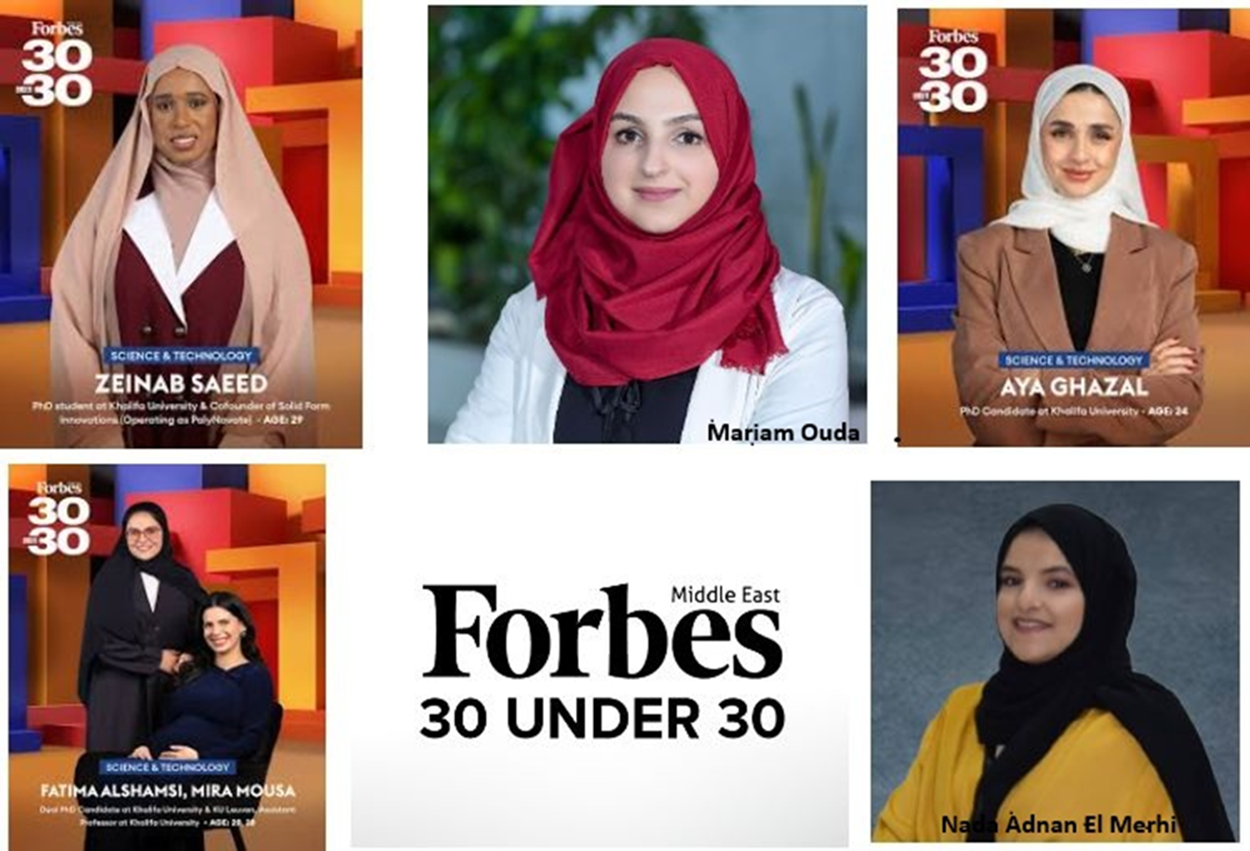
The list names Dr. Mira Mousa, Assistant Professor, Public Health and Epidemiology, Khalifa University College of Medicine and Health Sciences (CMHS), as well as Fatima Alshamsi, CMHS PhD Student, Zeinab Saeed, PhD student and Cofounder of Solid Form Innovations, (Operating as PolyNovate), Mariam Ouda, Postdoctoral Fellow at the Research and Innovation Center for Graphene and 2D Materials (RIC2D), PhD candidate Aya Ghazal, and Nada El Merhi, PhD student.


His Excellency Professor Ebrahim Al Hajri, President, Khalifa University, said: “The names of a faculty, four PhD students, and a Postdoctoral Fellow, in the prestigious Forbes Middle East’s 30 Under 30 illustrate Khalifa University’s commitment to empowering the next generation of leaders and innovators. Our graduates continue to demonstrate excellence and impact on a global scale and these outstanding achievements showcase the depth of talent that is nurtured here at Khalifa University. Their work not only advances fundamental science but also directly addresses pressing global challenges. We are immensely proud of their accomplishments and eager to support the next chapters of their innovation journeys.”


Dr. Mousa and Alshamsi work within the Biomedical Science and Discovery (BISDI) Program —a strategic collaboration between Khalifa University and VIB–KU Leuven of Belgium — to develop novel immunotherapies for diabetes. Using in-house AI tools, they identify mystery genes that cause endothelial cell dysfunction, which drives vascular complications such as heart attacks, strokes, and vision loss. They have co-authored papers in leading scientific journals including Nature and ScienceDirect.


RIC2D postdoctoral fellow Mariam Ouda has designed an electro-membrane filtration system using 2D materials to remove nano-plastics and has filed a U.S. patent during her PhD. She serves on the Early Career Editorial Board of the Journal of Water Process Engineering and co-chairs the Young Leaders Program at the International Desalination Association. She has also helped scale up 2D-enabled membranes with the University of Manchester, now set for testing.


Zeinab Saeed, a recent PhD graduate in Chemistry, and co-founder of Solid Form Innovations, is recognized for her pioneering sustainable photomechanical methods to upcycle plastic waste into commercially viable products. PhD candidate Ghazal is recognized for co-developing solar‑powered titanium nitride membranes for treating and reusing domestic wastewater.


Current Chemistry PhD student Nada El Merhi is acknowledged for her innovative work on covalent organic frameworks (COFs) aimed at advanced water purification, green catalytic pollutant degradation, and ultra-sensitive electrochemical sensors for medical diagnostics.

Khalifa University Showcases Climate Action Leadership at World Economic Forum 2026 in Davos

Discussions with Presidents of Sciences Po Paris, University of Cambridge, Tsinghua, MIT, and Mitsubishi Heavy Industries


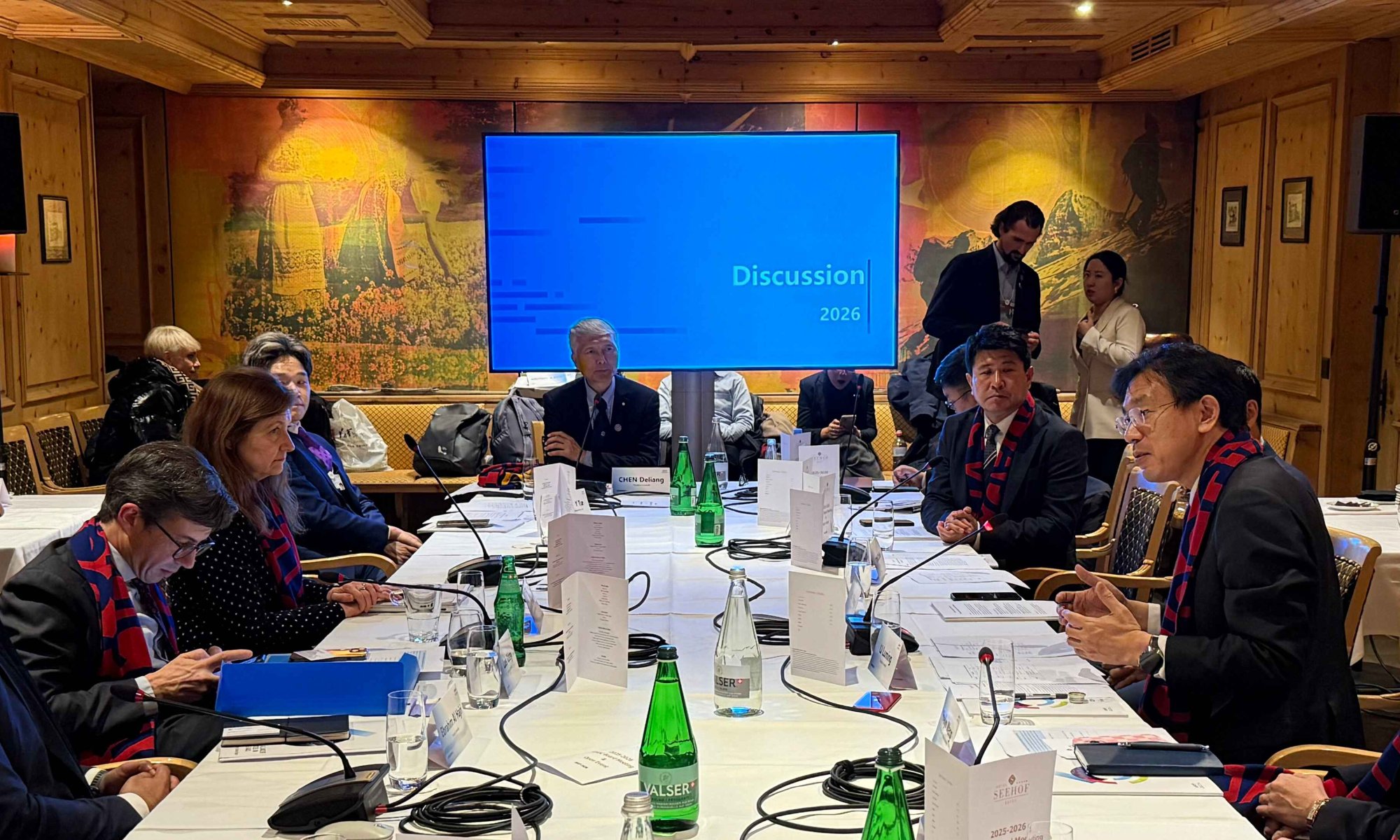
Khalifa University of Science and Technology today announced His Excellency Professor Ebrahim Al Hajri, President, Khalifa University of Science and Technology, presented the University’s achievements in climate action and sustainability in Davos on the sidelines of the World Economic Forum (WEF) Annual Meeting 2026. He also engaged with leaders of world universities, and global industry, laying out more adaptive academia-industry partnership strategy for the changing global economic environment.


His Excellency Prof. Ebrahim’s presentation emphasized Khalifa University’s integrated approach to climate action, including advanced research, academic programming, and partnerships that support national priorities and global sustainability agendas. The invitation to WEF 2026 Davos reflects Khalifa University’s growing international profile as a research-intensive institution addressing climate challenges through innovation, interdisciplinary scholarship, and global engagement.


At WEF 2026 Davos, H.E. Prof. Ebrahim met with Luming Li, President of Tsinghua University, Luis Vassy, President of Sciences Po Paris, Deborah Prentice, Vice-Chancellor (President), University of Cambridge, and Evelyn Wang, Vice President of MIT – member universities of the Global Alliance of Universities on Climate (GAUC), advancing partnerships with leaders of world university as well as global industry. The meeting included Eisaku Ito, President and Chief Executive Officer (CEO) of Mitsubishi Heavy Industries (MHI), and other representatives of global industry leaders.


H.E. Prof. Ebrahim is accompanied by Dr. Ashraf Al Najdawi, Vice-President, External Relations, & Chief of Staff, Khalifa University, and Professor Samuel Mao, Co-Chair, UAE Universities Climate Network, and Director, ASPIRE Research Institute of Sustainability.


His Excellency Prof. Ebrahim said: “International collaboration is essential to deliver climate solutions at scale. In the spirit of the UAE’s global engagement, we are deepening partnerships with leading universities and organizations to co-develop technologies, share data, and build talent pipelines that amplify impact across regions. Khalifa University’s climate action is aligned with the UAE’s Net Zero by 2050 Strategic Initiative and the legacy of COP28. Our mission is to convert breakthrough research into real-world solutions that strengthen resilience, accelerate decarbonization, and contribute to the UAE’s vision for a sustainable, knowledge-based economy.”


The discussion in Davos included Khalifa University’s work across climate-relevant research and innovation areas, such as water, energy, and climate-resilient infrastructure.


Khalifa University’s climate research portfolio includes more than 350 issued patents and over 800 inventions disclosed with active projects and startups in collaboration with international academic and industry partnerships in more than 20 countries. Delivered across key research areas, the University’s work spans across its 14 research centers including the Research & Innovation Center for Graphene and 2D Materials (RIC2D), Advanced Research and Innovation Center (ARIC), 6G Research Center, Polar Research Center, and Environmental and Geophysical Sciences (ENGEOS) Lab.

Khalifa University Scientist Commended by UNEP for Contributing to Landmark Global Environment Outlook 7 Report

Chapter Lays Out Transformative Strategies to Shift Global Systems and Address Unsustainable Production and Consumption Patterns 


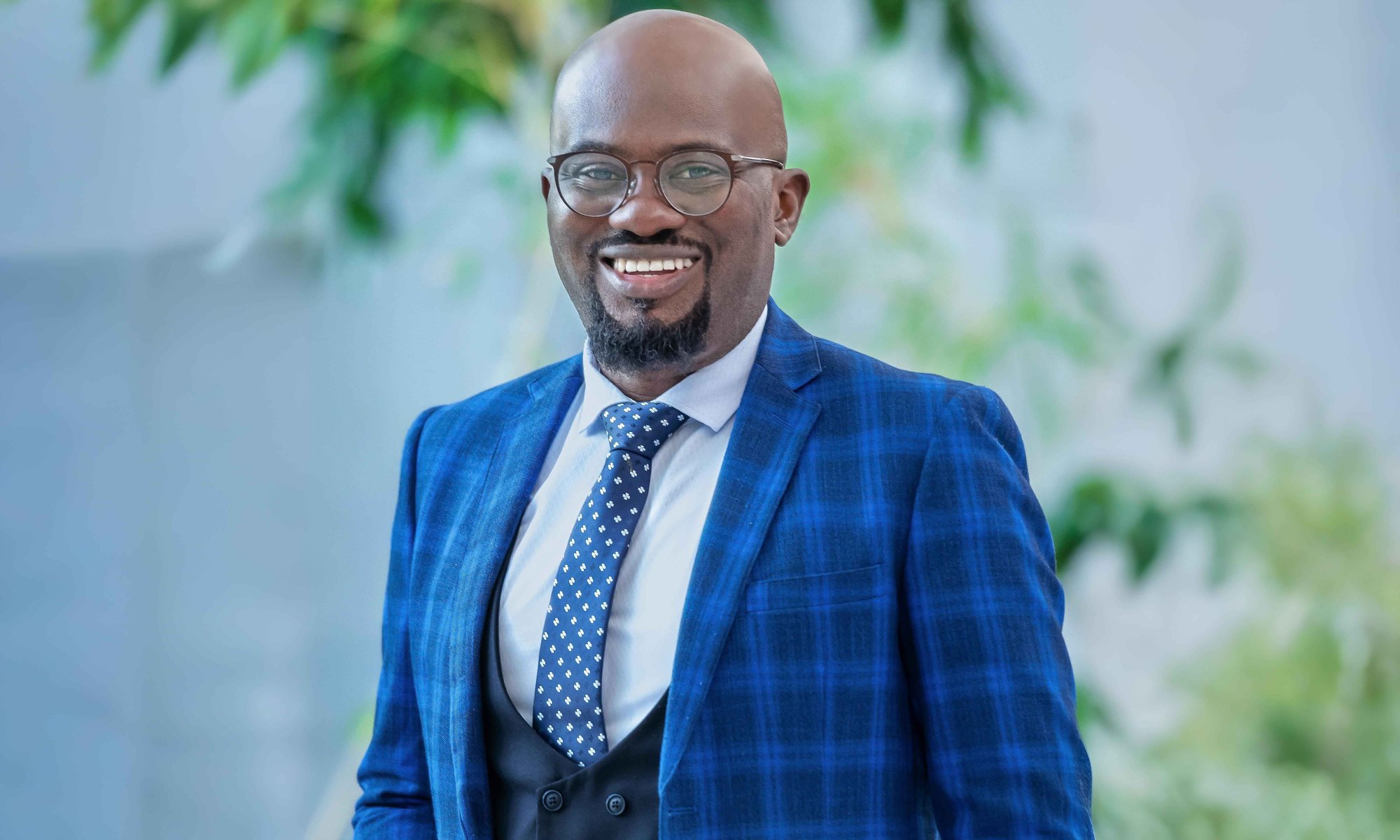
Khalifa University faculty Dr. Adolf Acquaye, Associate Professor, Department of Management Science and Engineering, and a member of The Research and Innovation Center on CO2 and Hydrogen (RICH), has been commended for his role as the lead author of a chapter in the seventh edition of the United Nations Environment Program’s (UNEP) flagship report, ‘Global Environment Outlook 7 (GEO-7): A Future We Choose.


In an official letter of appreciation, Dr. Maarten Kappelle, Acting Head of the GEO-7 Secretariat and Chief of Service, Office of Science at UNEP, acknowledged Dr. Acquaye for his ‘invaluable contribution’ and confirmed that Member States officially acknowledged GEO-7 during the Seventh United Nations Environment Assembly (UNEA-7).


Dr. Acquaye served as a lead author for a chapter on Solution Pathways enabling a Sustainable and Resilient Environment for Systems Transformation’. This critical chapter lays out transformative strategies to shift global systems and address unsustainable production and consumption patterns toward sustainability and resilience.


Launched on 9 December 2025 during the seventh session of the United Nations Environment Assembly (UNEA-7), GEO-7 is described as the most comprehensive scientific assessment of the global environment ever undertaken. Produced by multidisciplinary experts from around the world, the report assesses the interconnected crises of climate change, biodiversity loss, land degradation, desertification, and pollution and waste, which are already costing the global economy trillions of dollars annually.


GEO-7 is already making an impact across the globe, receiving widespread recognition for its urgent and solution-driven approach. It deepens the assessment of how global environmental crises are interconnected and must be addressed together, emphasizing actionable solutions and transformative pathways for governments and decision-makers. The report introduces new modelling results that compare ‘business-as-usual’ scenarios with transformative pathways, helping policymakers design coherent strategies for a sustainable and just future. It points out that transformative change is not only possible but necessary.


Dr. Acquaye said: “This report sends a powerful message to governments, industries, and communities alike: the time to act is now, and the solutions are within reach. I am honored to have contributed to a work of this scale and importance, representing Khalifa University, a globally recognized institution in the UAE and the GCC region that continues to support research bridging science and policy for a resilient planet..


Clarence Michael 
English Editor – Specialist 
Khalifa University Turns Spotlight on Next-Generation Robotics, AI, UAVs, and Secure Systems at UMEX 2026

Mission-Ready Innovations for Safer, Smarter, and Real-Time Data Analytics Attract Visitors


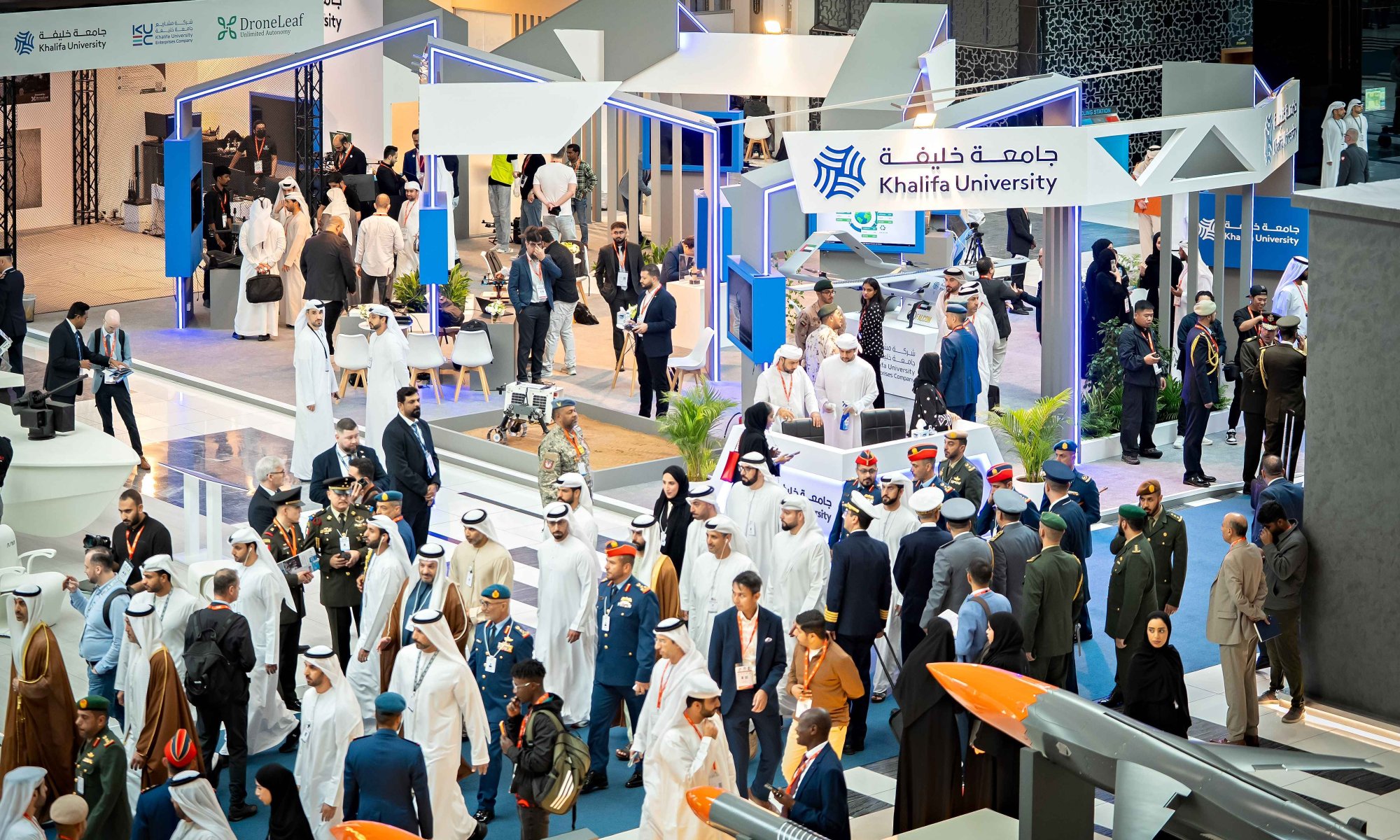
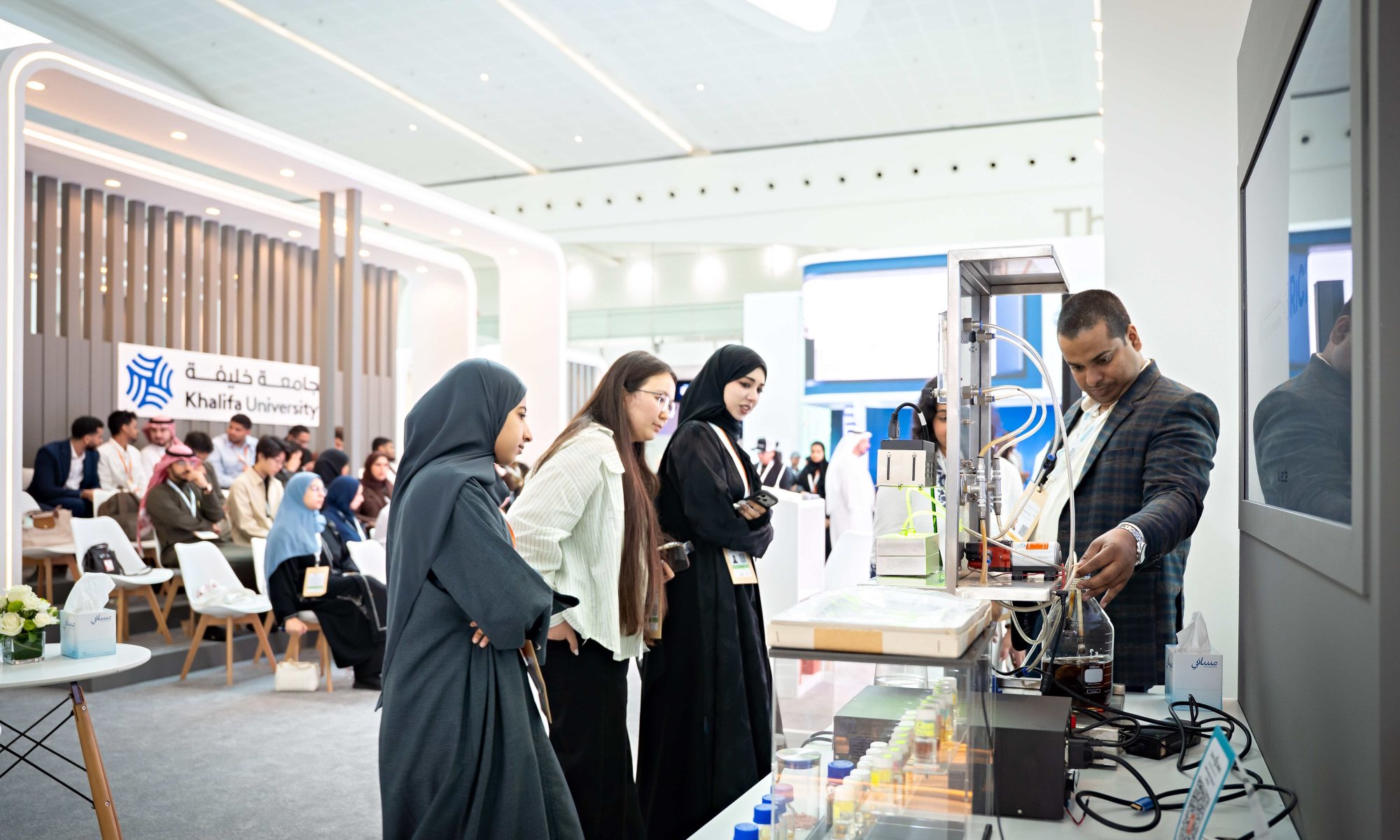
Khalifa University of Science and Technology today announced it is showcasing groundbreaking research and technologies in next-generation robotics, AI, unmanned aerial vehicles (UAVs), and secure systems at the Unmanned Systems Exhibitions and Conference (UMEX) 2026.


From e-VTOL (electric-Vertical Take-off and Landing) cloud-seeding and firefighting drones to neuromorphic rovers and airspace security AI, Khalifa University’s mission-ready innovations in autonomous navigation, AI-driven mission planning, and real-time data analytics are attracting visitors to its stand (A-025) at UMEX 2026 that has gathered global defense leaders, decision-makers, and technology providers from 20-22 January 2026 at ADNEC Centre Abu Dhabi. Khalifa University’s Al Nokhba Program’s National Service and Reserve Authority (NSRA) recruits are presenting five projects.


Khalifa University’s commercial arm Khalifa University Enterprises Company (KUEC) is presenting three high-potential technology concepts, in line with its mandate to actively prioritize investment-ready opportunities, structure commercialization strategies, and identify strategic industrial and financial partners. These include an AI-driven hybrid-electric power and propulsion system for UAVs and advanced air mobility platforms with vertical take-off and landing (VTOL) capability, a vision-based tactile sensing device to non-destructively estimate fruit firmness and ripeness, and DroneLeaf – a Khalifa University startup translating years of research into AI software for unmanned systems, with solutions that strengthen drone performance, autonomy, and resilience.


His Excellency Professor Ebrahim Al Hajri, President, Khalifa University, said: “The participation in UMEX 2026 reflects Khalifa University’s commitment to advancing technologies that translate frontier research into deployable solutions for national and global impact. UMEX 2026 is the ideal global stage to showcase how autonomy, AI, and sustainable engineering converge at Khalifa University’s research centers — spanning eVTOL cloud-seeding and firefighting drones, neuromorphic robotics, secure airspace solutions, and hybrid-electric propulsion. These technologies underscore our pledge to lead in secure and advanced air mobility, but also advance the UAE’s vision for a smart, safe, and sustainable future.”


Some of the technologies featured at the Khalifa University stand include an advanced autonomous drone system featuring AI control, eVTOL design, and smart sensors to enhance cloud-seeding accuracy, reduce operational risks, and drive UAE-based innovation in weather modification. A drone customized for firefighting operations, designed to improve safety and efficiency in emergency response scenarios is also on display.


Khalifa University’s Advanced Research and Innovation Center’s (ARIC) KU Lunar Rover – is a hybrid mobility platform with neuromorphic event-based vision system that combines a rocker–bogie suspension with actuated legs for energy-efficient traversal over steep slopes and loose, fragmented material. It helps with real-time soil analysis and wheel-slip detection for high autonomy in harsh extra-terrestrial environments.


Researchers have also developed a mimetic robotic system for field research that enables real-time observation and interaction with Houbara birds without disturbing natural behavior, while supporting conservation programs and genetic diversity efforts.


NeuroWave is a 5G-enabled AI platform optimized for high throughput and low latency, offering secure, scalable, and energy-efficient computing, while delivering web and mobile access for robust, and flexible AI deployment. The Secure UTM Systems Lab within the Center for Cyber-Physical Systems (C2PS) will showcase three cutting-edge solutions that advance airspace security for smart cities. AuthRID delivers end-to-end trusted remote drone identification by integrating hardware, software, mobile applications, and cloud services to enable real-time authenticity verification for unmanned traffic management and deter malicious UAV operations.


GenAeye is an AI-powered web platform that harnesses generative intelligence to amplify  human-decision-making, allowing operators to monitor drone traffic and ensuring compliance at scale, rapidly assess compliance, and respond with confidence. WidEye transforms city-wide drone surveillance by fusing crowd-sensed imagery and phone sensor data to accurately localize UAVs in 3D, achieving pervasive monitoring without the need for costly additional infrastructure.


Visitors will also be able to view the AI-driven Intelligent Hybrid Electric Propulsion System (iHEPS) for UAVs and Advanced Air Mobility (AAM) vertical takeoff and landing (VTOL) platforms for improved efficiency, extended range, and reduced emissions. Also on display is TouchRipe, a vision-based tactile sensing device to non-destructively estimate fruit firmness and ripeness.


Three Khalifa University Researchers Win MIT Technology Review Arabia’s Innovators Under 35 MENA Awards

Researchers Recognized for Transformative Contribution to Materials Engineering, Sustainable Energy, and Water Treatment


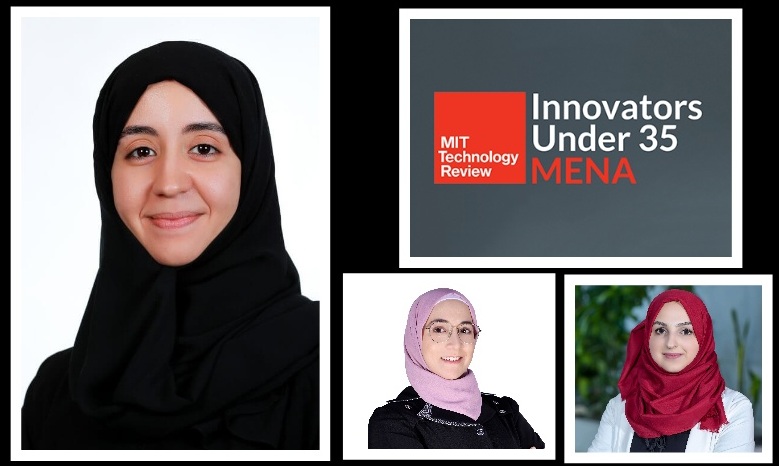
Three researchers from Khalifa University have won honors at the eighth annual Innovators Under 35 MENA (IU35 MENA) awards announced by MIT Technology Review Arabia.


The three – Chemical Engineering Associate Professor Dr. Maryam Tariq Ahmed Khaleel Alhashmi, Postdoctoral Fellow Mariam Ouda, and Chemical Engineering Researcher Nour Shehade Abdelrahman – each recognized for their transformative contribution to materials engineering, sustainable energy, and water treatment.


The annual IU35 MENA Awards showcase 20 exceptional innovators from across the Middle East and North Africa (MENA) region and this year’s winners represent breakthroughs in biotechnology, medicine, energy, environment, and chemistry. The three winners from Khalifa University are part of a larger cohort pushing the boundaries — from deep-space neuroscience to biodegradable irrigation crystals — highlighting the institution’s leadership in applied research and sustainable development.


Dr. Alhashmi has pioneered a materials-engineering method using controlled crystallization to create hierarchical porous structures — engineered for scalable deployment in clean energy technologies.


Ouda has developed a modular 2D-material electrified membrane system that combines coagulation and filtration in a compact, low-energy, anti-fouling unit — designed to significantly reduce energy, reduce membrane fouling, and eliminate chemical dependencies in water treatment. Abdelrahman has engineered a multi-approach material and separation platform for precise lithium recovery from complex aqueous streams—such as desalination brine and industrial effluents—contributing to sustainable resource management.


Reflecting collaborative excellence and highlighting a robust research and development ecosystem, these breakthroughs emerge from strategic collaboration within Khalifa University’s research centers — The Research and Innovation Center of CO2 and Hydrogen (RICH), the Center for Membranes and Advanced Water Technology (CMAT) and the Research & Innovation Center for Graphene & 2D Materials (RIC2D).


From Ouda’s intelligent membrane to Shehade’s lithium recovery, Khalifa University is tackling resource scarcity and pollution head-on in water and environmental solutions. Alhashmi’s crystallization techniques offer scalable solutions for next-generation clean energy applications.


Professor Ahmed Al Durra, Associate Provost, Research and Development, Khalifa University, said: “The triple honor at the IU35 MENA reflects the caliber of Khalifa University researchers and the strength of our innovation ecosystem, especially in advanced materials and water technologies, while raising the University’s international research profile. Khalifa University has once again demonstrated its expanding role in high-impact research and innovation across critical sectors. These individual achievements — spanning water treatment, materials science, and energy — embody the institution’s mission to shape a more sustainable, technologically advanced future.”


Clarence Michael
English Editor – Specialist 
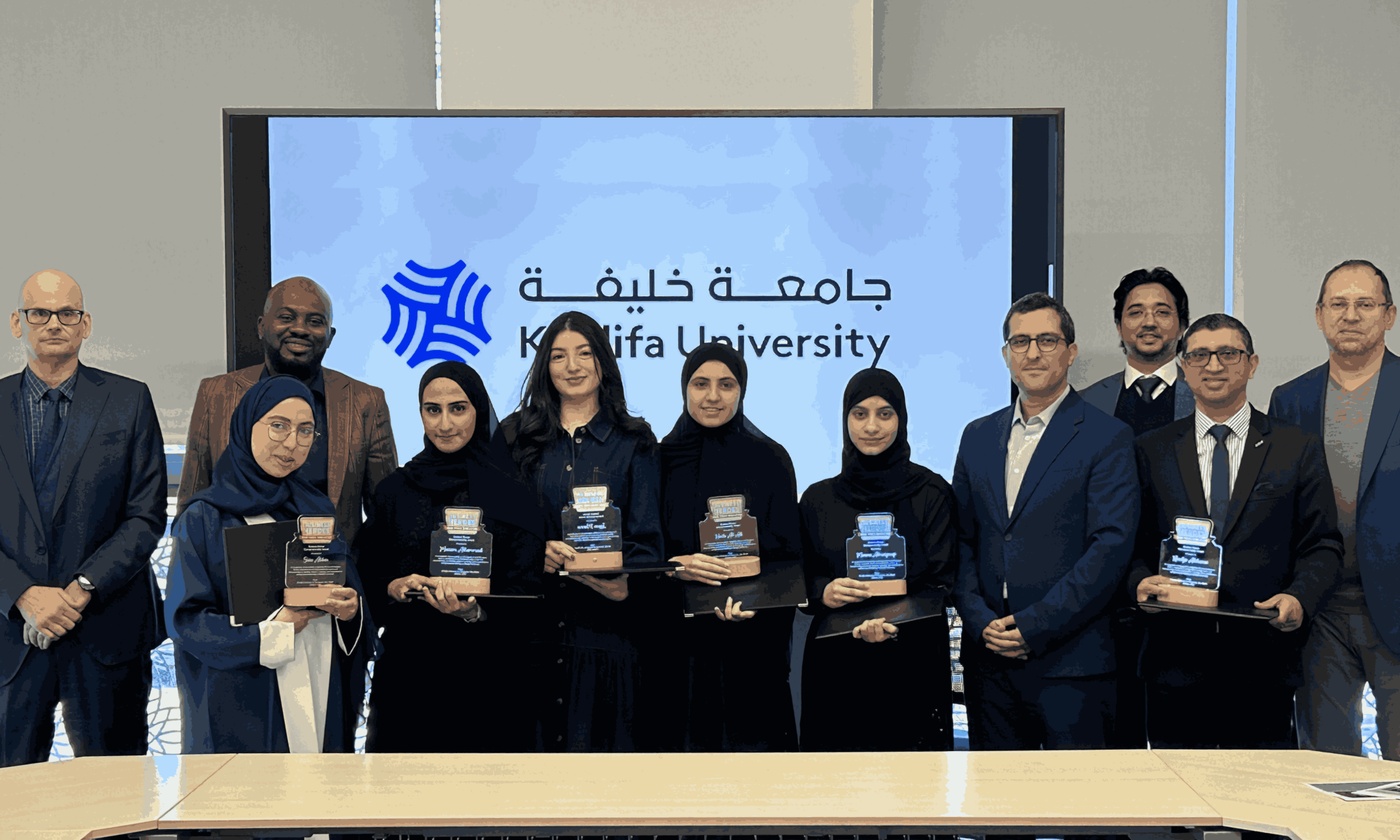
Khalifa University PhD Student Wins Best Paper Award at IAEE Middle East and Central Asia Conference 2025 in Turkey

Sara Khalil Zaidan’s Research Focuses on Building Decarbonization to Achieve Net-Zero Emissions by 2050 in Line with Paris Agreement.


Khalifa University Management Science and Engineering PhD student Sara Khalil Zaidan has won the Best Paper Award at the prestigious International Association for Energy Economics (IAEE) Middle East and Central Asia (MECA) Conference 2025, one of the region’s leading platforms for energy researchers, policymakers, and industry leaders, held in Turkey.


Sara Khalil won the award for her paper, titled ‘Beyond Technology: Behavioral Interventions and Policy Levers for Building Decarbonization, which addresses one of the most urgent global challenges – achieving net-zero emissions by 2050 in line with the Paris Agreement. Guided by her faculty advisor Professor Mutasem El Fadel, Chair, Civil & Environmental Engineering, her award-winning research demonstrates that behavioral interventions —changes in everyday practices — offer fast, cost-effective, and scalable pathways to reduce energy demand, particularly in regions where technical solutions are slow to diffuse or resource-intensive.


The study highlights the built environment as a critical frontier for climate mitigation, especially in the Gulf Cooperation Council (GCC) region, where extreme climatic conditions and high per-capita energy use make building decarbonization both challenging and impactful. By integrating global evidence with regional policy examples, Sara proposes a structured portfolio of interventions across core building energy services — cooling, heating, lighting, water heating, and appliances — supported by policy instruments that enable adoption alongside technological upgrades.


Dr. Mecit Can Emre Simsekler, Acting Chair, Management Science and Engineering, said: “Our PhD Student Sara Khalil Zaidan’s achievement reflects the caliber of research we foster at Khalifa University. Her work not only advances scientific understanding but also provides actionable solutions for one of the most pressing sustainability challenges in our region. We are proud to see our students contributing to global climate goals and shaping the future of energy systems. This recognition also underscores Khalifa University’s commitment to advancing policy-oriented research that supports regional and global climate goals.”


Clarence Michael
English Editor – Specialist 
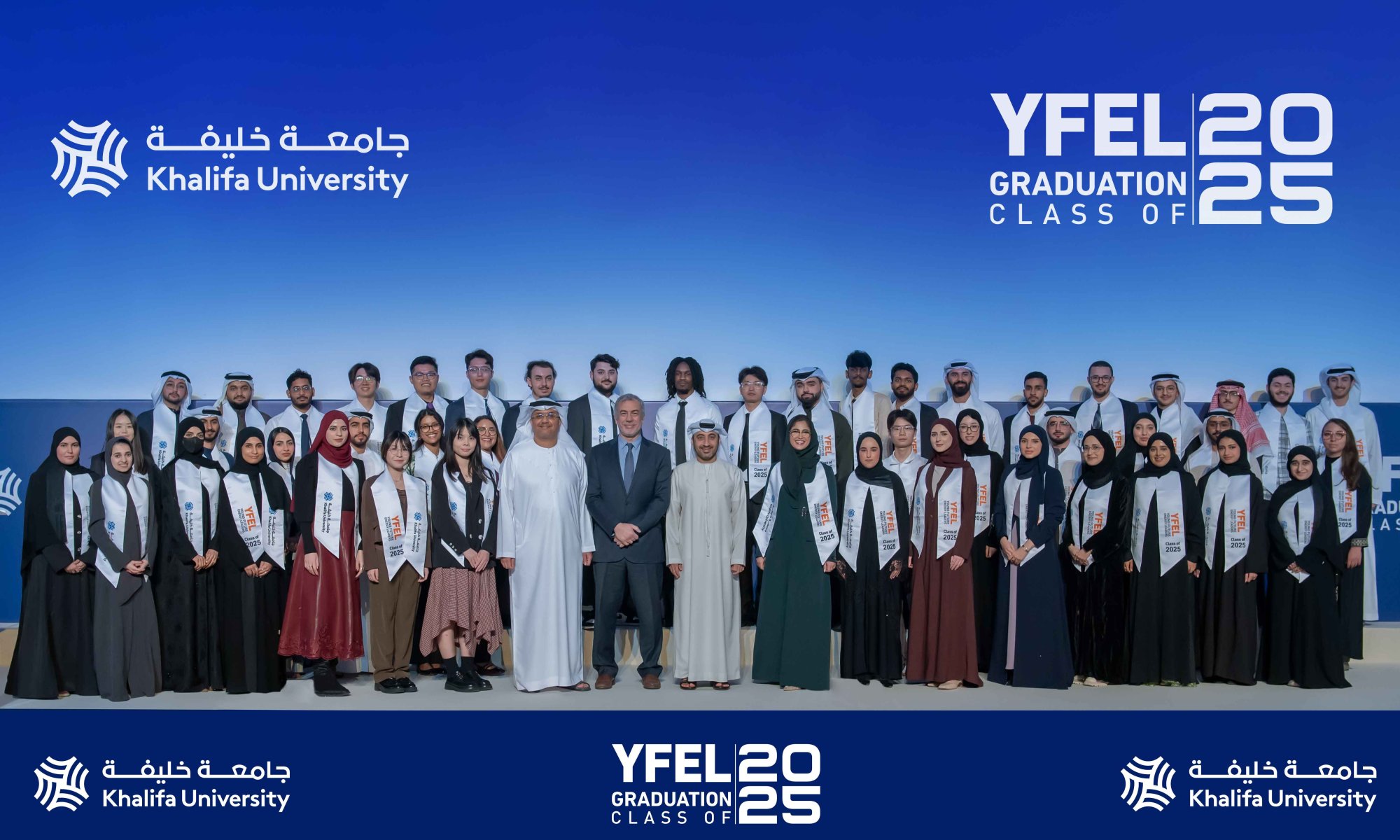
Khalifa University’s YFEL Outreach Program Marks 16 Years of Impact as Members of 2025 Cohort Graduate

2025 YFEL Program Members Showcase Applied Innovation and Global Partnerships Advancing Sustainability


Khalifa University of Science and Technology today announced 50 members of its flagship Young Future Energy Leaders (YFEL) outreach program were honored at the 16th annual graduation ceremony for successfully completing their year-long commitments, underscoring Khalifa University’s emphasis on empowering youth with the knowledge, skills, and leadership mindset to shape a more sustainable future.


The graduation ceremony at the Khalifa University Main Campus was attended by members of the Khalifa University Board of Trustees along with dignitaries, guests, Professor Bayan Sharif, Provost, Dr. Waleed Alameri, Associate Provost for Student Affairs and Associate Professor of Chemical & Petroleum Engineering, and Dr. Mohamed Saeed AlShehhi Assistant Provost, Enrollment and Graduate Studies, who gave the welcome remarks.


Since its establishment in 2010, the YFEL program has evolved into a nationally and internationally recognized platform for sustainability and energy leadership. The program’s growing alumni body of 680 members contribute across academia, industry, entrepreneurship, and public service.


Dr. Waleed Alameri, said: “The graduation of the 2025 YFEL cohort is especially meaningful as sustainability has moved from long-term aspiration to immediate responsibility. As mandated, Khalifa University firmly believes in equipping young people not only to understand global challenges but to actively participate in solving them. Through initiatives such as the YFEL program, Khalifa University continues to demonstrate how the power of collective action among universities, industry, government, and international partners could be critical to translating ambition into progress in sustainability, policy-making, technology and leadership.”


The 2025 edition of YFEL program introduced a refined three-phase framework, guiding participants from foundational understanding to real-world application. Phase I built strong fundamentals in energy systems, sustainability, and climate science—equipping participants to approach complex challenges with clarity and critical thinking. Phase II advanced hands-on exploration through projects in renewable energy, climate solutions, and emerging technologies. Phase III focused on leadership and application, empowering members to lead multidisciplinary teams and deliver tangible outcomes — embodying the YFEL program’s ethos of preparing leaders ‘who do not wait for change, but actively shape it’.


A defining milestone of the 2025 YFEL journey was the 5th Edition of the German-Emirati Sustainability Days, which showcased collaboration between academia, industry, and international institutions, featuring Dr. Martin Henkelmann, CEO, German Emirati Joint Council for Industry and Commerce, and leading industry partners including Linde, Siemens, and Wilo, with a keynote contribution from the International Renewable Energy Agency (IRENA). The platform demonstrated how German engineering expertise, Emirati ambition, and youth-driven innovation can converge to deliver practical, applied solutions to global sustainability challenges.


Across various platforms, the 2025 YFEL cohort presented projects tackling some of the region’s most pressing sustainability and energy challenges. They include Smart sustainable buildings to enhance energy efficiency and intelligent infrastructure; AI-driven hydrogen demand forecasting that integrates real-time traffic and weather data to optimize refueling efficiency; Decarbonizing gas compressor stations using Organic Rankine Cycle systems to reduce emissions and improve energy recovery, Biofuels production and utilization within the Hybrid renewable systems (solar and wind) for carbon capture, Autonomous renewable-powered vessels to lower the carbon footprint of marine fishing; Plastic-to-energy pyrolysis supporting circular economy models across the Gulf; and AI-driven autonomous smart desert farming to strengthen food security in arid environments.


2025 YFEL member Fatma AlRaeesi said: “We did not just study leadership; we were challenged to practice it—leading teams in high-pressure case competitions and communicating complex ideas with clarity and conviction. We leave here today not with all the answers, but with the right questions and the tools to find them.”


2025 YFEL member Zhao Jingyi, student from Universiti Sains Malaysia, said: “Expert instructors at the YFEL program led engaging classes, challenging me to think critically, especially during discussions on global issues. In addition to valuable mentorship, collaborating with peers from diverse backgrounds taught me the value of teamwork and different perspectives. We learned to combine our ideas, resulting in innovative solutions.”


The YFEL program’s early patrons and partners who laid its foundation, as well as Khalifa University faculty and mentors, were acknowledged for sustaining the YFEL program’s excellence and impact.

Khalifa University Showcasing Cutting-Edge Solutions in Artificial Intelligence, Sustainability and Desalination at WFES 2026

Intelligent Waste Sorting to Advanced Water Treatment and Desert Greening Technologies Demonstrate Local and Global Relevance


Khalifa University of Science and Technology today announced it is showcasing cutting-edge solutions in artificial intelligence and sustainability covering intelligent waste sorting to advanced water treatment and desert greening technologies, at the World Future Energy Summit 2026, part of Abu Dhabi Sustainability Week.


The Khalifa University projects that are being showcased at the Abu Dhabi National Exhibition Centre (ADNEC) from 13–15 January include an Artificial Intelligence based autonomous material sorter, and 2D enabled functional membranes for water treatment and desalination. In addition, members of Khalifa University’s flagship outreach program the Young Future Energy Leaders (YFEL), will present their project proposals, participate in debates, and interact with business leaders while attending various sessions.


Khalifa University’s commercial arm Khalifa University Enterprises Company (KUEC) is presenting two high-potential technologies with clear commercialization pathways: sustainable soil enhancement solutions derived from plant-based waste fibers for arid agriculture, and a solvent-based high-temperature delamination process enabling efficient recycling of photovoltaic modules. KUEC’s mandate goes beyond research presentation to actively prioritize investment-ready opportunities, structure commercialization strategies, and identify strategic industrial and financial partners. This approach accelerates market entry, enables scalable deployment, and creates new revenue-generating sectors within the knowledge-based economy.


Professor Bayan Sharif, Provost, Khalifa University, said: “The Khalifa University projects being showcased at the World Future Energy Summit 2026 illustrate some of the most transformative technologies in artificial intelligence and sustainability, emanating from our core research centers. From intelligent waste sorting to advanced water treatment and desert greening technologies, our research is shaping a sustainable and resilient world. By merging artificial intelligence with breakthrough solutions in water, energy, and agriculture, we are shaping a world where smart systems and green practices work hand in hand to secure the planet for future generations.”


Professor Samuel Mao, Director, ASPIRE Research Institute for Sustainable Energy, and Professor of Practice, Mechanical and Nuclear Engineering, Khalifa University, will participate in a high-level, invitation-only dialogue, titled ‘Opportunity, Responsibility, and Governance in Extreme Domains’, co-hosted by the Emirates Polar Program and Arctic Circle. Professor Mao will also be on the judges panel for ‘Y4S Innovation Program – Final Pitch Day’ in which Youth-led teams present their sustainability-driven projects developed through the Y4S Innovation Program.


Focusing on sustainable and secure society, Khalifa University researchers are developing nanosheet-integrated hybrid membranes to address fouling and ageing issues in water treatment and desalination. These responsive membranes enable self-cleaning, sensing, and catalytic functions, improving separation efficiency, while reducing energy use and operational footprint.


The artificial Intelligence-based autonomous material sorter ‘IntelliBin’ enables proper segregation to help reduce landfill waste, increase recycling rates, and support sustainable urban development in line with the UAE’s 2030 Green Agenda and the UN’s Sustainable Development Goals. It has an impressive 97% accuracy rate on unseen images, and currently the model is being optimized for deployment on low-resource devices. In addition to urban waste, the sorter can also be used at hospitals to reduce medical waste.


Among the KUEC projects, an eco-friendly, low-cost solution developed by Khalifa University researchers, helps improve water retention, carbon content, and erosion resistance in sandy soils using plant-based agricultural waste fibers. This technology reduces irrigation needs, repurposes waste, and supports climate-resilient agriculture for desert greening.


Another project is addressing the growing challenge of solar panel waste by providing a sustainable and cost-effective recycling solution. It is developing a solvent-based process to recycle photovoltaic (PV) modules using a specially designed tubular reactor to recover valuable materials such as silicon, glass, and solar back-sheet components, supporting the circular economy and promoting cleaner energy practices for a more sustainable future.