Faculty Joins Editorial Board of Springer Nature’s Communications Engineering Journal

Dr. Ahsan Ul Haq Qurashi Will Oversee Manuscripts Related to Electrocatalysis and Nanotechnology for Clean Energy Applications


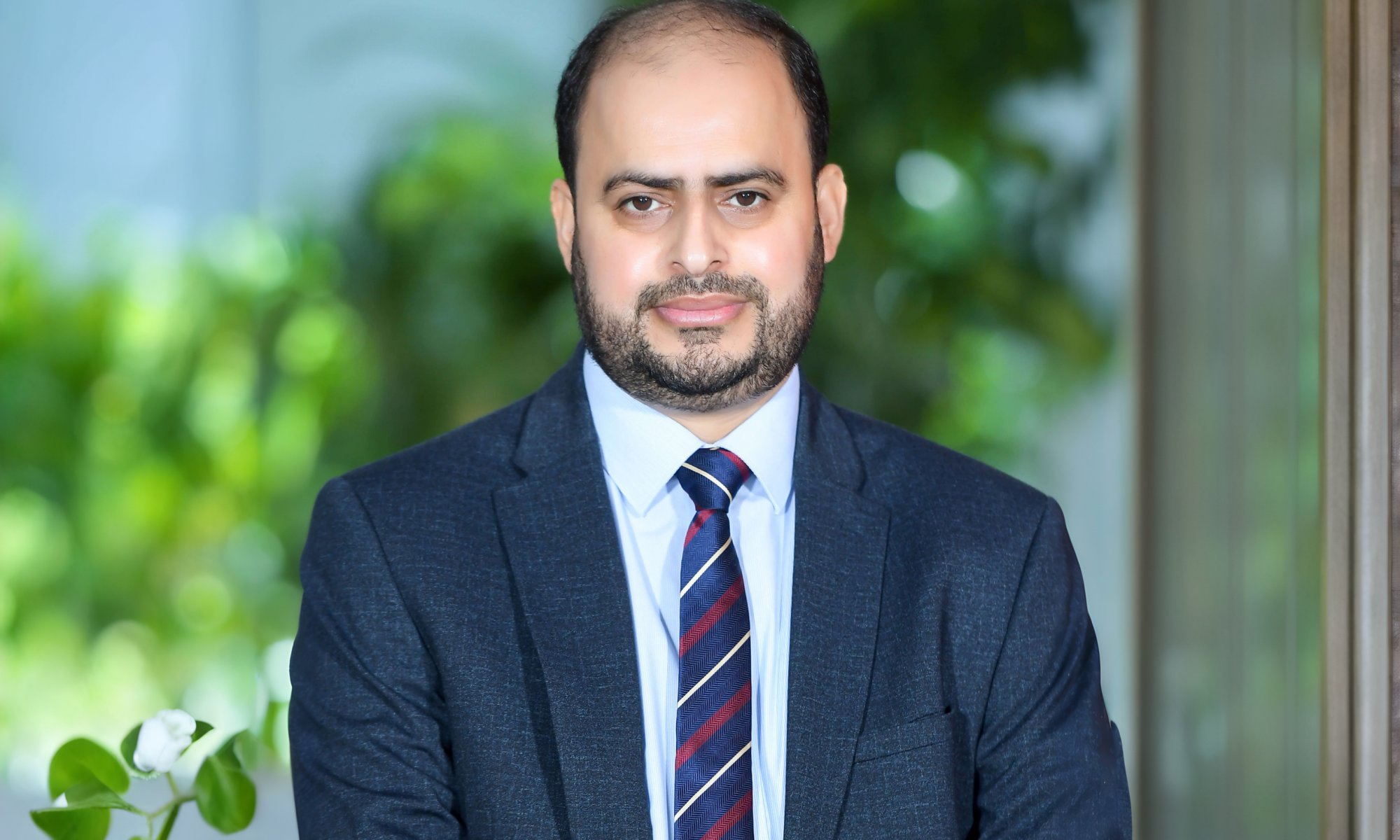
Khalifa University faculty Dr. Ahsan Ul Haq Qurashi, Deputy Director, Center for Catalysis and Separation (CeCAS), and Associate Professor, Chemistry has been appointed to the editorial board of Springer Nature’s Communications Engineering to oversee manuscripts related to electrocatalysis and nanotechnology for clean energy applications.


Communications Engineering, a journal that supports Springer Nature’s effort to advance progress towards the United Nations Sustainable Development Goals (UN SDGs) publishes research papers that represent developments for specialized areas.


Dr. Qurashi is already the editorial board member of the top 2% Ultrasonics Sonochemistry journal, and the top 1% Energy and Environment Materials and Materials Research Bulletin where he contributes to the editorial process in advanced materials synthesis and characterization for clean energy applications.


A visiting faculty in the California Institute of Technology, Dr. Qurashi has published more than 125 articles in peer-reviewed journals, and has presented over 75 papers in international conferences and proceedings. Previously Dr. Quraishi has remained a faculty in the Swiss Federal Institute of Technology Lausanne (EPFL), Tokyo University and Nagoya University. He is also Fellow of the Royal Society of Chemistry (FRSC) and member of Mohammed bin Rashid Academy of Scientists (MBRAS).


Dr. Qurashi’s research interests include the development of new materials, novel methods for the production of materials for clean energy generation and storage, catalysis, sensors and biomedical applications. He is subject editor/editorial board member for the International Journal of Hydrogen Energy (Sabbatical), Materials Research Bulletin and Scientific Reports.


Clarence Michael
English Editor – Specialist
7 May 2024

Khalifa University Ranks Top in UAE and 40th in Asia in THE Asia University Rankings 2024

Khalifa University of Science and Technology today announced it has jumped five slots to be ranked top in the UAE and 40th in Asia in the Times Higher Education (THE) Asia University Rankings 2024, which has evaluated 739 universities from 31 countries/territories.

Khalifa University also jumped four places to be ranked 2nd among Arab universities mentioned in the THE Asia University Rankings 2024.

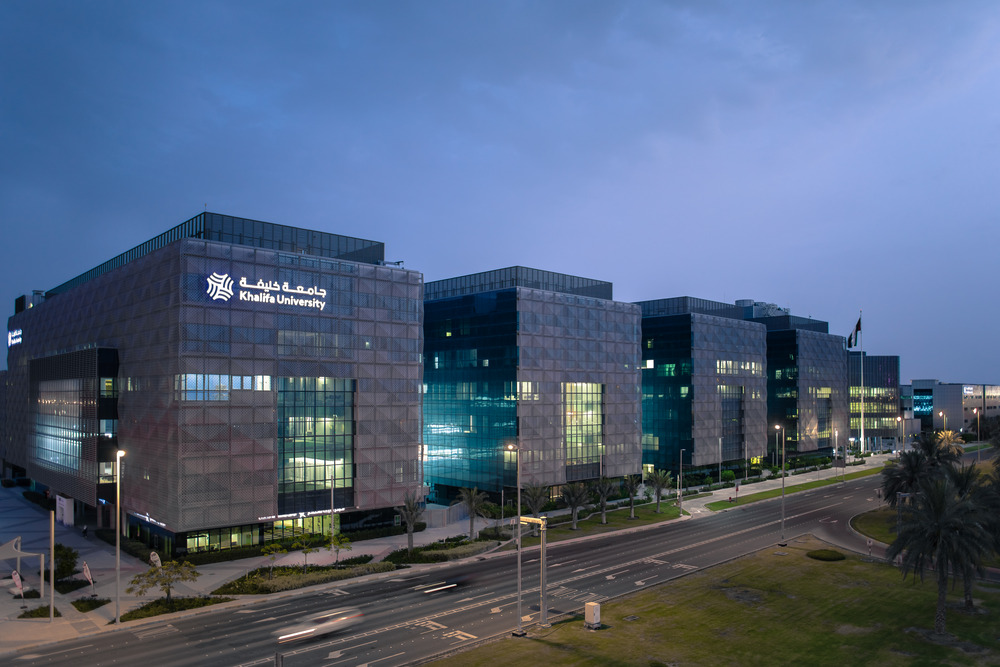
With three colleges including the College of Engineering and Physical Science, College of Computing and Mathematical Sciences, and College of Medicine and Health Sciences, Khalifa University remains at the forefront of providing a research environment that is unparalleled in the UAE. Alongside the ASPIRE Virtual Research Institute, are 12 Core Research Centers dedicated to various fields, fostering collaboration and innovation across disciplines.

How Nuclear will help Meet Region’s Growing Energy Demands Sustainably

With electricity demand in the GCC growing, the region is turning to nuclear to diversify its power mix and reduce reliance on fossil fuels. The UAE understands that nuclear power can be one major component of the decarbonizing process: A new UAE energy plan announced in January 2017 involves investment of USD163 billion by 2050 to achieve half of its energy from nuclear power and renewables.


At Khalifa University, we’re poised to join the drive towards nuclear power in the UAE. Our Department of Nuclear Engineering is innovating in nuclear engineering research and education to produce graduates who will be able to substantially contribute to academia, industry, and the community.


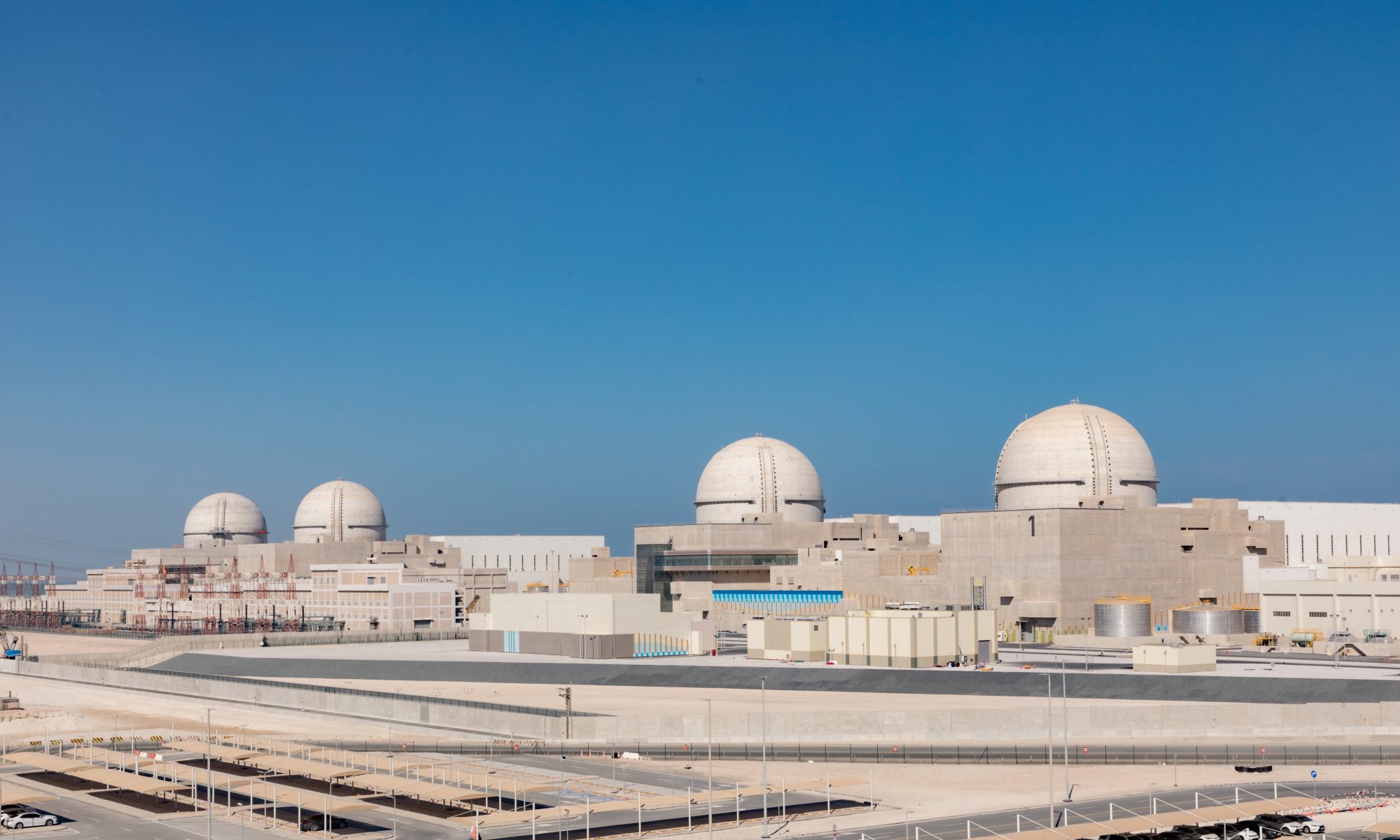
The need for diversification of energy resources, consistent with international attention to climate change, makes nuclear energy seem newly attractive and attention is turning to the completion of the first nuclear unit at the new Abu Dhabi Barakah Nuclear Energy Plant.


In 2016, the UAE produced 130 TWh of electricity, almost exclusively from fossil fuels. Concurrently, the country relies entirely on electricity generation to provide its power as well as much of its potable water from thermal desalination via cogeneration with electricity. The four nuclear units at Barakah are expected to produce up to 25 percent of the UAE’s electricity at an affordable cost and further support the UAE’s transition to emissions free electricity based desalination technologies.


To support the long-term sustainability of the UAE Peaceful  Nuclear Energy Program, the Emirates Nuclear Technology Center was inaugurated by the UAE Minister of Energy and Industry at Khalifa University’s Sas Al Nakhl Campus in November 2019 as a dedicated innovation hub for peaceful nuclear technologies.


Nuclear energy is a mature industry with a record of safety and reliability without the emission of greenhouse gases, and is economically attractive for power generation once all capital investments have been made. The interest in nuclear power for meeting future electricity and seawater desalination needs in the GCC states is prudent, logical and timely given the availability of financing and strong commitment to safe and efficient operation.


Admittedly, nuclear power plants generally have higher up front costs to build and a larger investment than an equivalent coal- or gas-fueled plant, but they provide electricity at a lower marginal cost, combined with fewer greenhouse gas emissions and a tremendously long life expectancy that can extend well beyond that of a conventional fossil fuel plant.  


One of the key challenges is integrating nuclear units into the electricity network and optimizing the system to ensure security of supply for all power needs, including water production via reverse osmosis.


Nuclear energy plants generally tend to generate electricity only, whereas the GCC is accustomed to co-generation where power plants generate electricity and also desalinated water. Unless the system adopts nuclear technology which directly integrates desalination technology, then the challenge remains in terms of ensuring sufficient capacity for growing desalination needs.


However, future desalination plants in the region are largely focused on using reverse osmosis, making nuclear energy an adequate power generation solution.


The Emirates Nuclear Technology Center (ENTC), for which I serve as the Director, will focus on three areas initially: nuclear safety and systems, nuclear materials science and chemistry, and radiation safety in the environment. The ENTC will cement the UAE’s position as an international role model for the development of new peaceful nuclear technology projects around the world. Innovation and continuous development are essential to the sustainability and long-term success of the UAE’s requirements for nuclear technology research in various sectors, as well as the UAE’s ongoing transition to a knowledge-based economy and society.
We also have a scaled-down model of one of the four advanced pressurized water nuclear reactor (APR-1400) units constructed at Barakah on display at Khalifa University’s main campus to provide students and visitors an in-depth insight to the basics of a nuclear energy plant’s operations.


The pressurized water reactor (PWR) is the most common reactor used in the world’s nuclear power plants. The core inside the reactor vessel creates heat, while the pressurized water in the primary coolant loop carries this heat to the steam generator. The ‘steam-line’ directs the steam to the main turbine, turning the generator and producing electricity. 


The Emirates Nuclear Technology Center will engage in research projects designed and approved by the ENTC’s Senior Management Board, conducted by students, academics and researchers from Khalifa University. Research is already underway in nuclear materials science, reactor design and analysis, instrumentation and control, environmental and waste management, and nuclear safeguards and security. Our research is supporting the UAE’s nuclear technology programs to meet the country’s future nuclear technology needs in many sectors from energy to health, and from forensics to security.


The Barakah Nuclear Energy Plant is now more than 93 percent complete. Following receipt of the Operating License for Unit 1 in February 2020, the initial fuel load was completed in March and preparations to generate the first clean, safe, 24/7 electricity from nuclear energy are steadily underway.   


Dr. Philip Beeley is Professor and Chair of Nuclear Engineering and Director of the Emirates Nuclear Energy Center at Khalifa University.


Four Khalifa University Faculty Awarded SWARD Grants by Sandooq Al Watan for Innovative Research Projects

Research Projects Focus on Advancing UAE’s Circular Economy, Combating Climate Change, and Promoting Sustainability


 Four researchers from Khalifa University have been awarded grants ranging from AED100,000 to AED500,000 by the Sandooq Al Watan Applied Research and Development (SWARD) initiative for their research projects that focus on contributing to advancing the UAE’s circular economy, combating climate change, and promoting social sustainability.


 The researchers, Dr. Charalampos Pitsalidis, Assistant Professor, Physics; Dr. Maryam Khaleel, Assistant Professor, Chemical and Petroleum Engineering; Dr. Naoufel Werghi, Professor, Electrical Engineering; and Dr. Ahmed Alhajaj, Assistant Professor, Chemical and Petroleum Engineering, have received grants of up to AED500,000 each.


 Out of the numerous proposals received, the SWARD committee chose the best six papers for sponsorship. The selection process for the SWARD grants involved a rigorous evaluation by an expert panel of scientists, environmental researchers, and industry professionals, assessing intellectual merit and broader impacts of the proposed projects, focusing on innovative ideas, transformative concepts, and the effectiveness of the plans.


Dr. Charalampos Pitsalidis, said: “We are honored to receive the grant from the SWARD initiative which will provide vital funding opportunities to further enhance innovation at Khalifa University. By supporting our research, the SWARD program can unlock social and economic benefits for the country and contribute towards the UAE’s sustainability goals. This remarkable initiative is a catalyst for progress, bridging the gap between academia and industry, further developing the research landscape in the UAE.”  


Launched by the Sandooq Al Watan Fund during the COP28 UAE global climate conference, the SWARD initiative aims to support international and Emirati experts from universities and research institutions in the country, for their innovative sustainability efforts through scientific and research endeavors. The program encourages researchers from various universities to apply for grants to advance their projects and contribute to the achievement of the UAE Net Zero 2050 objectives and the United Nations Sustainable Development Goals (UN SDGs).  


The SWARD initiative focuses on these three strategic research areas, with three cycles per year: Circular Economy, Climate Change, and Social Sustainability. Under the Circular Economy cycle, the researchers explore interdisciplinary approaches to foster innovation, inform policy-making, and promote sustainability and resilience in the economy and society.  

Alisha Roy
Science Writer
4 April 2024

Khalifa University Showcases Rare Books about UAE’s Heritage and History at Abu Dhabi International Book Fair 2024

Khalifa University to Give Away Books to Visitors, University Students, and Researchers


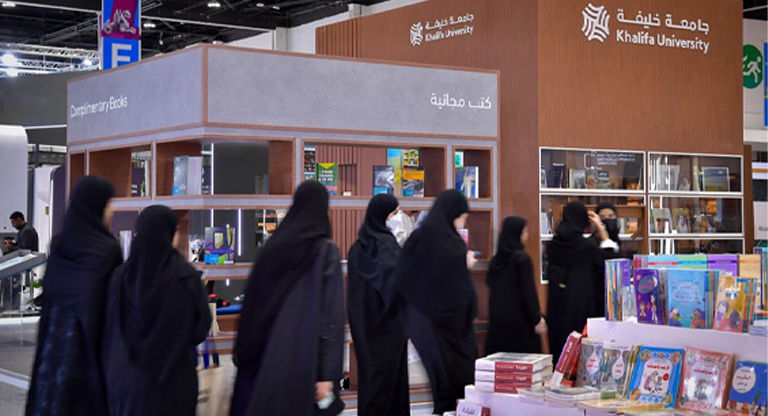
Rare books about the UAE’s heritage and history will be on display at Khalifa University’s stand during the Abu Dhabi International Book Fair 2024. Among the notable works on display are early books published on the UAE’s leaders including the Founding Father of the UAE Late Sheikh Zayed bin Sultan Al Nahyan.  


 Providing a unique opportunity for attendees to access valuable resources and gain insights into the UAE’s history and achievements, Khalifa University will also give away books to visitors attending the event. The Abu Dhabi International Book Fair 2024 is being held from 29 April-5 May 2024 at the Abu Dhabi National Exhibition Center (ADNEC).


 Driving the intellectual capital creation on campus is the Khalifa University Libraries, a thriving center for knowledge, offering Arabic and English titles about fiction, dictionaries, and general books in different disciplines such as humanities, history, science, engineering, and technology, besides recreational and fiction titles.


The Khalifa University Libraries have a collection of more than 100,000 printed books in Arabic and English, including 27 study rooms and 5 instruction rooms; 196 public access computers, 680,000+ e-books, 60,000+ e-journals, and 90+ online databases. It is a research library, and a reputable leader among academic libraries in the region.  


The KU Libraries is committed to the goals of the university aimed at advancement of knowledge, science, and technology, while helping the faculty with publications in top journals, and Gold Open Access publishing information in partnership with scholarly and professional communities both locally and internationally. At the same time workshops on data literacy, and life-long learning are also offered to both undergraduate and postgraduate students. 

Clarence Michael
English Editor Specialist
29 April 2024

Physics-Based Optical Modeling Reveals Iron Disulfide Thin Films Can Be Suitable for Solar Cell Technologies

Collaborative Research Reveals Fool’s Gold as a Promising Solar Material


Iron pyrite (FeS2), commonly referred to as fool’s gold due to its striking resemblance, has captured scientists’ imaginations due to its abundance and low cost, making it suitable for harnessing the sun’s energy. Reality has fallen short of expectations, with iron pyrite’s conversion efficiency remaining low, hindering its widespread adoption in solar cells. Now, scientists from Khalifa University, in collaboration with researchers from the University of Dubai and King Abdullah University of Science and Technology (KAUST), have shown that iron disulfide thin films can absorb a significant amount of sunlight making them highly suitable for solar cell applications.


The findings, published in a research paper titled Physics-based Optical Modeling of Iron Disulfide Thin Films , in the top 5% journal APL Materials, from American Institute of Physics (AIP), highlight the significant potential of iron disulfide thin films in solar cell applications. The Khalifa University research team includes principal advisor Dr. Saeed Alhassan, Professor, Chemical and Petroleum Engineering, co-advisor Dr. Ammar Nayfeh, Associate Professor, Electrical Engineering, and PhD student Awais Zaka, as well as Dr. Sabina Abdul Hadi, Associate Professor, University of Dubai, and Pratibha Pal, Research Engineer, Dayanand Kumar, postdoctoral fellow, and Dr. Nazek El-Atab, Assistant Professor, Electrical and Computer Engineering from KAUST.


The team used a combination of experimental techniques to study the iron disulfide thin films and its bandgap – or the range of light wavelengths it can absorb – a critical property that influences performance in light-harvesting devices. These techniques included X-ray, Ultraviolet-visible (UV-Vis) spectroscopy and computer modelling of ellipsometry data to measure changes in light polarization.


Using a plasma-assisted, radio frequency-powered sputtering technique in the Khalifa University cleanroom, the team deposited the thin films and, upon further analysis, found that the iron disulfide films absorb a significant amount of sunlight and have a bandgap was approximately 1.16eV, making them an ideal fit for use in solar cells. Additionally, using physics-based optical modeling of a solar cell, the films can achieve a maximum current density of 38 milliamperes per square centimeter (mA/cm²). This indicates they could generate a relatively high amount of electrical current needed for solar cell applications.


Professor Nayfeh said: “Researching new materials for solar cells is one the key methods for increasing efficiency and reducing cost. Our physics based experimental and optical modeling approach, allows for new materials to be studied as potential absorber layers. The results here show that iron disulfide thin films have great potential as a solar cell absorber layer and for many other optical devices.”


Previous studies have compared 23 materials, such as Silicon, Cadmium Telluride, Copper Oxide, and Lead Sulfide, to find the most cost-effective option for use in devices such as solar cells or other technologies and found that iron disulfide showed the most promise. However, using FeS2 in practical devices comes with a few challenges, including Fermi level pinning, deep donor states, phase purity and alternative phases, and surface inversion, which collectively impact the efficiency and performance of the material in practical applications.


By conducting physics-based optical modelling, the researchers explored the viability of the thin films for their potential as light-absorbing layers in solar cells, further expanding the applications of these films in optoelectronic devices as well. The study’s findings highlight the optical absorbing potential of iron disulfide and emphasize the broader applicability of physics-based optical modelling for novel materials and advancing the field of solar technology.


Alisha Roy
Science Writer
22 March 2024

Two Day Khalifa University SEHA Workshop Launches 2024 Clinical Research Certificate Program

Over 150 SEHA Medical Residents, and Fellows Enrolled in a Clinical Research Training Program, Furthering the Region’s Research Capacity


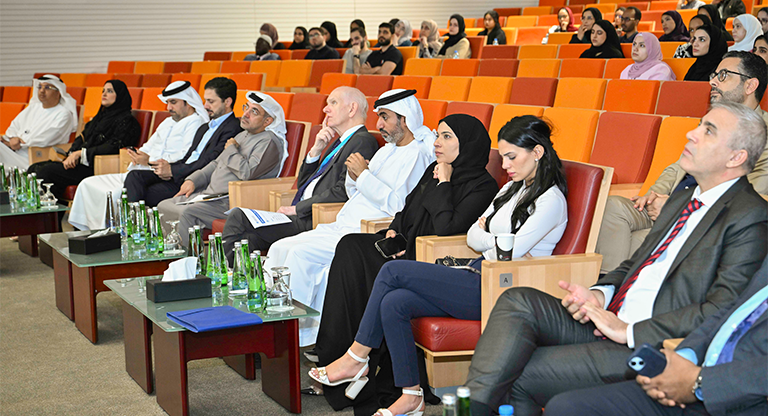
A two-day workshop marking the inauguration of the Clinical Research Certificate (KU-SEHA CRC) training program, a Khalifa University collaboration with the Abu Dhabi Health Services Company (SEHA) and the Department of Health – Abu Dhabi, was launched at the Main Campus. Over 150 SEHA medical residents and fellows were enrolled in this clinical research training program, furthering the region’s research capacity


The launch ceremony was attended by Professor Sir John O’Reilly, President, Khalifa University, Dr. Ghanem Ali Al Hassani, Group Education Director and Research Director, SEHA. The inaugural event was also attended by Dr. Habiba Al Safar, Dean, College of Medicine and Health Sciences (CMHS), Director of Biotechnology Center, and Professor, Biomedical Engineering and Biotechnology, Dr. Yousof Al Hammadi, Senior Vice-President, Academic and Student Services, Assistant Vice-President, Graduate Studies and Associate Professor Electrical Engineering, and Dr. Waleed Alameri, Assistant Vice-President, Student Affairs and Outreach as well as faculty members and officials from SEHA and DoH – Abu Dhabi


Led by KU-SEHA CRC program director Dr. Abderrahim Oulhaj, Associate Professor, Public Health and Epidemiology, the inaugural workshop addressed the need for research and development (R&D) training in SEHA and the Department of Health (DoH) – Abu Dhabi, while equipping individuals with the necessary skills and knowledge to adapt to the evolving healthcare landscape.


Dr. Habiba Alsafar said: “We are delighted to host this workshop and provide the knowledge and necessary skills to conduct high-quality clinical research studies in the region. The KU-SEHA CRC program stands as a testament to the unwavering commitment of Khalifa University, SEHA, and the Department of Health – Abu Dhabi towards advancing healthcare and research excellence in the UAE. Aligned with the country’s goal to enhance healthcare research capabilities, the program, now in its second year, represents Khalifa University’s consistent collaboration with national and international organizations, marking a significant stride towards the advancement of clinical research and medical education.”


Dr. Oulhaj also outlined the program’s objectives and learning outcomes, the structure of the program, the mode of delivery, placing a strong emphasis on supervision and mentoring to ensure that the course offered personalized guidance throughout the program. Other topics focused on identifying the target population, conducting power and sample size calculations, and creating a statistical analysis plan. Participants learned how to address potential biases in clinical research, including different types of bias and confounding variables, and strategies to mitigate them.


Additionally, the workshop included ways to select the appropriate study design, performing literature search and addressing ethical considerations. Ethics of human experimentation, research integrity, and authorship ethics as well as Good Clinical Practice (GCP) guidelines and the process of submitting research proposals to the SEHA Institutional Review Board (IRB) were also discussed.

Alisha Roy
Science Writer
21 February 2024

MIT Professor Visits Khalifa University’s Labs and Facilities

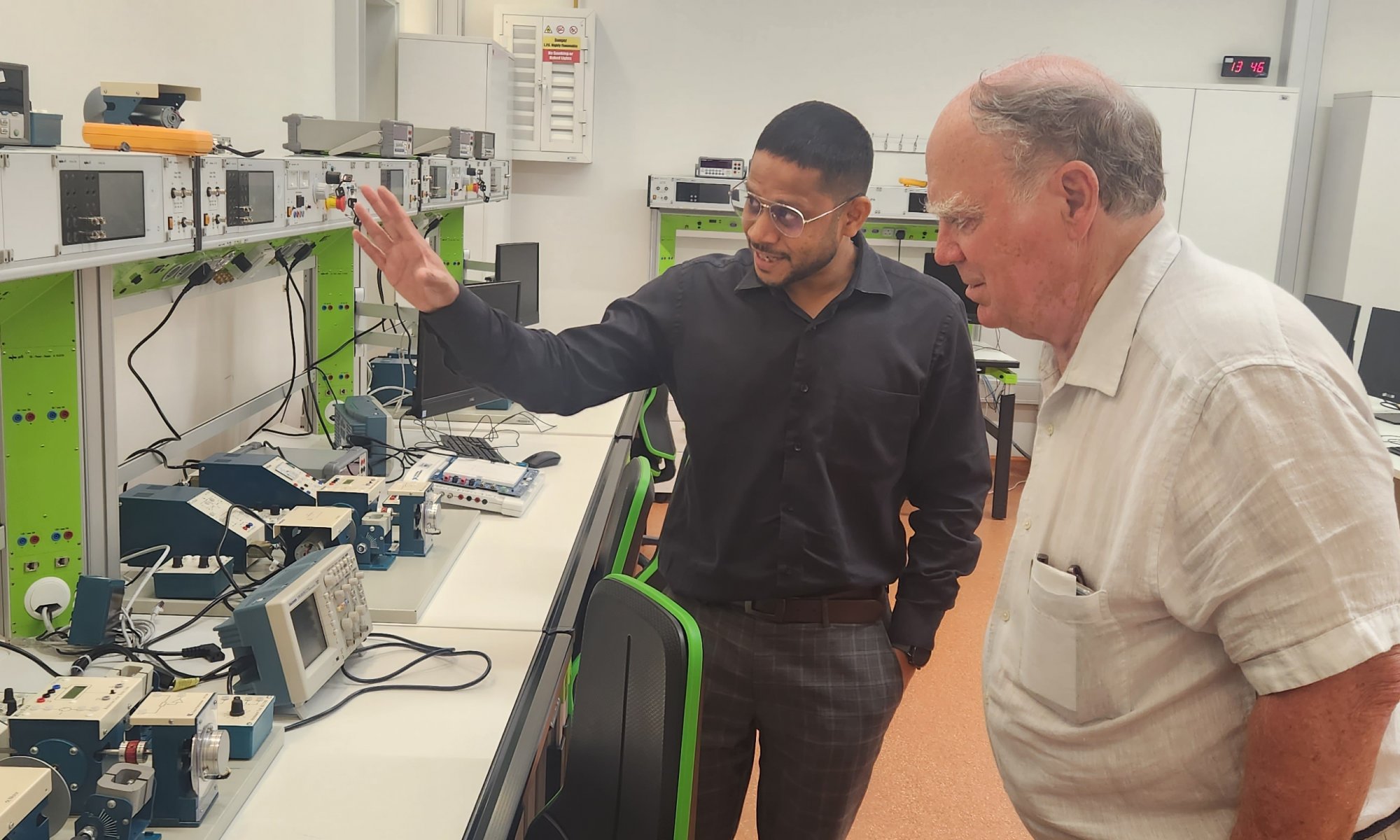
Dr. James Kirtley, Professor, Electrical Engineering and Computer Science, Massachusetts Institute of Technology (MIT), and a specialist in electric machinery and power systems engineering, recently visited the laboratories and research facilitates at Khalifa University.


Dr. Kirtley, also an Advisory Board member for Advanced Power and Energy Center (APEC). He was briefed by Professor Hatem Zeineldin, Chair, Electrical Engineering, and Professor Mohamed El Moursi, Director, APEC. Later, he also held discussions with Professor Ehab El-Saadany, Dean, College of Engineering and Physical Sciences.

He has participated in broadly-based research and development in electric machinery and electric power systems. He served as Editor in Chief of the IEEE Transactions on Energy Conversion from 1998 to 2006. Dr. Kirtley was made a Fellow of IEEE in 1990. He was awarded the IEEE Third Millenium medal in 2000 and the Nikola Tesla prize in 2002. Dr. Kirtley was elected to the United States National Academy of Engineering in 2007.


Author of two books, more than 90 articles in journals and IEEE magazines, and over 100 conference papers, Dr. Kirtley holds 24 US patents. He has participated in broadly-based research and development in several areas, including superconducting electric machinery, conventional turbo-generators, large machinery for ship propulsion, monitoring of electric power systems and equipment, magnetic bearings and magnetic levitation and design of electric machinery. His research areas include Electronic, Magnetic, Optical and Quantum Materials and Devices, as well as Energy and Robotics.


APEC is one of Khalifa University’s 12 research centers planning a wide spectrum of low and High Technology Readiness-level (HTR) projects, aspiring to craft the future of electric energy systems allowing seamless and economical operation of high capacity renewable/non-renewable energy resources (PV, CSP, wind, nuclear, and ESS). It supports hybrid AC/DC power grids, microgrids, AI applications in power systems, and providing optimal architecture, control and operation for smart grid and transportation electrification.


Alisha Roy
Science Writer
26 April 2024

Khalifa University, Mubadala and KELIX bio Collaborate to Advance UAE’s Biopharma Capabilities

Local Research Activities Foster Sustainable Opportunities to Develop Life Sciences Technologies and Therapeutic Opportunities


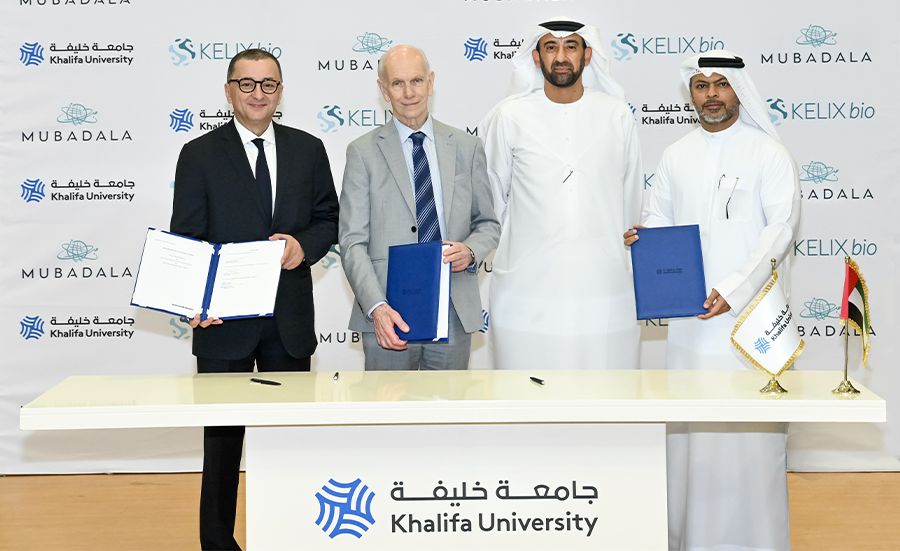
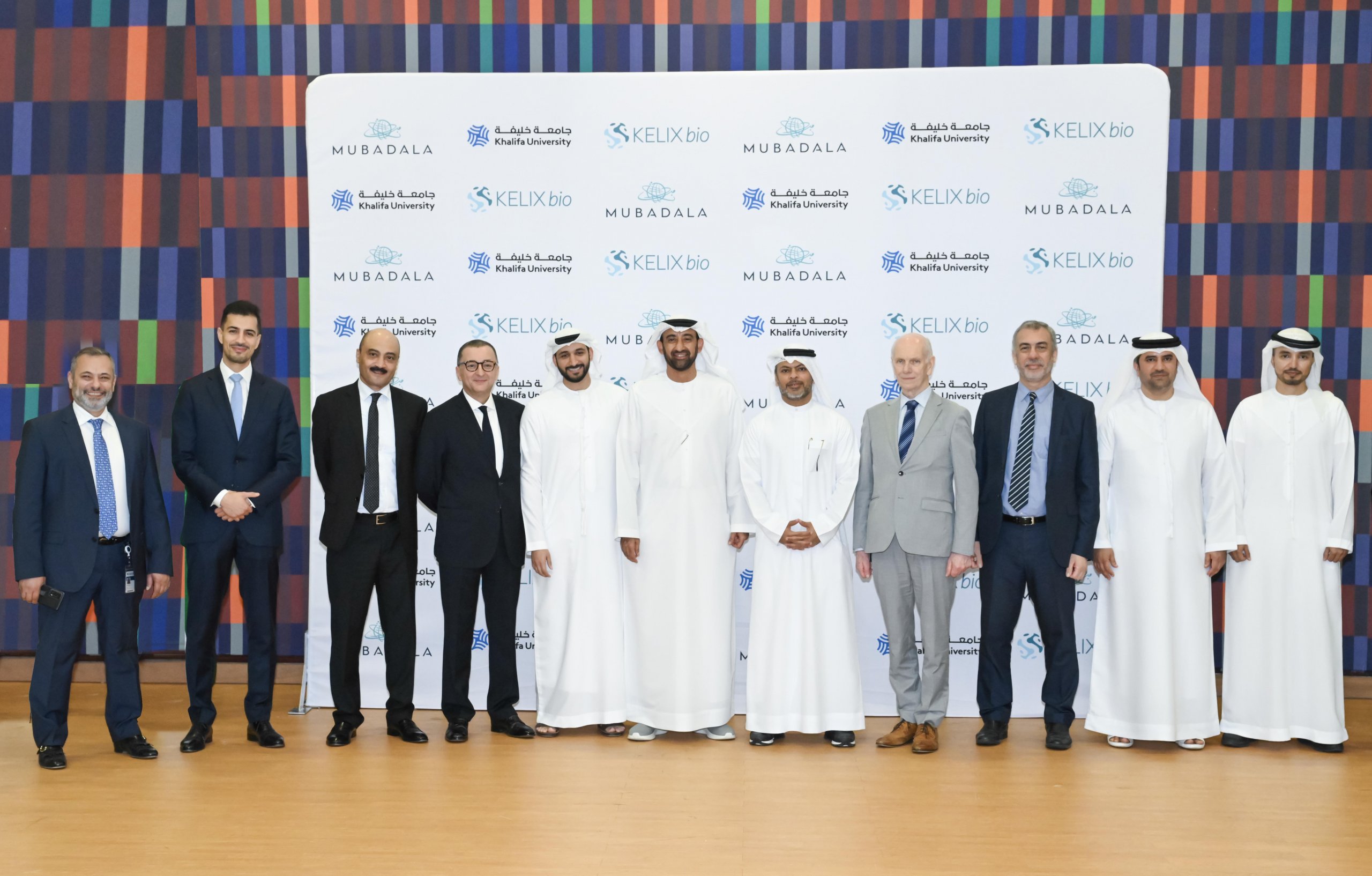
Khalifa University of Science and Technology, Mubadala Investment Company PJSC (Mubadala), an Abu Dhabi sovereign investor, and KELIX bio, a pioneering firm in specialty pharmaceuticals and complex generics aimed at positively impacting healthcare across emerging markets, today announced that they have signed a Memorandum of Understanding (MoU) to collaborate on advancing biopharmaceutical technologies.


The MoU signing was witnessed by HE Homaid Al Shimmari, Vice Chairman of the Board of Trustees of Khalifa University, Deputy Group CEO and Chief Corporate & Human Capital Officer of Mubadala, and signed by Professor Sir John O’Reilly, President of Khalifa University, Ismail Ali Abdulla, Head of UAE Clusters at Mubadala’s UAE Investment Platform, and Hocine Sidi-Said, CEO of KELIX bio.


By leveraging the established and growing expertise in biopharmaceuticals in the UAE, the collaboration aims to focus on new therapeutic technologies, including immediate areas of priority encompassing oncology, metabolic disorders, neurobiology, rare diseases, cell and gene therapies and genome-based therapeutics. The partnership will create local research activities and foster sustainable opportunities in the identification, evaluation, and development of life science technologies and therapeutic opportunities. It will tap into global state-of-the-art vaccine and therapeutic products to strengthen regional supply chains.


Professor Sir John O’Reilly, President, Khalifa University, said: “This partnership is a strong indicator of Khalifa University’s commitment as a responsible research-driven academic institution to bring together leading organizations in the field of biopharmaceutical technologies in order to achieve far-reaching healthcare objectives to drive innovation and create sustainable solutions. The potential of biopharmaceutical products to address previously untreatable conditions inspires confidence in the sector’s future growth potential. By combining our collective expertise and resources, we can make significant strides in developing novel therapies, furthering our plans to positively impact the lives of patients and drive forward the UAE’s healthcare agenda.”

Ismail Ali Abdulla, Head of UAE Clusters at Mubadala’s UAE Investment Platform said: “This partnership with Khalifa University marks a pivotal step in the UAE’s ambitious journey to elevate its life sciences sector to new heights. We aim through this partnership to bolster the UAE’s research and development capabilities, setting the stage for revolutionary breakthroughs in therapeutic technology. We are confident that by bringing together the academic expertise of Khalifa University, and the innovative capabilities of KELIX bio, we will achieve breakthroughs that will transform the healthcare landscape.”


Hocine Sidi-Said, Chief Executive Officer, KELIX bio, commented: “I am particularly honored, on behalf of KELIX bio, to be part of this unique knowledge alliance and grateful to the leadership of both the Khalifa University and Mubadala for orchestrating what promises to be an exciting value-driven partnership. We have a common purpose, common goals, and an uncompromising desire to advance science and innovation in the United Arab Emirates. Together, we believe we have the capabilities, the network and pipeline to deliver on that shared vision.


KELIX bio’s core capabilities are centered around identifying, licensing, developing novel formulations and supporting regulatory submissions in a range of therapeutic areas, leading to successful commercialization. KELIX bio’s key focus will remain novel therapeutics across a range of modalities including New Chemical Entities, biological and next generation medicines – Advanced Therapy Medicinal Products. These efforts will greatly complement the ongoing research interests of KU faculty of medicine and faculty of biotechnology. Working with the talented KU scientists holds the promise of accelerating a commercially relevant pipeline aligned with global underserved medical needs and the Nation’s priorities.


Khalifa University’s research in biopharmaceutical technologies remains relevant to the region and internationally. The Khalifa University Center for biotechnology received the UAE’s first Department of Health (DoH) accreditation as a non-diagnostic research laboratory. Khalifa University scientists have successfully completed a significant local genome study that contributes to nationwide efforts to build a high-quality, comprehensive reference genome for the UAE population.


Moreover, Khalifa University’s research centers focus not only on academic and scientific exploration, but also on complying with global criteria while offering top-of-the-range research services to stakeholders with its Center for biotechnology becoming the first in UAE to receive EIAC Accreditation for ISO-15189:2012 compliance.


A team of researchers from Khalifa University’s Healthcare Engineering Innovation Group has been named a semi-finalist Discovery Award winner for the UK’s Longitude Prize on Dementia. The team’s iMAGIC smart glasses solution offers dementia patients assistive features including facial recognition, reminders and alerts, zooming in and out to facilitate navigation, phone calls to loved ones, and vital-sign monitoring.

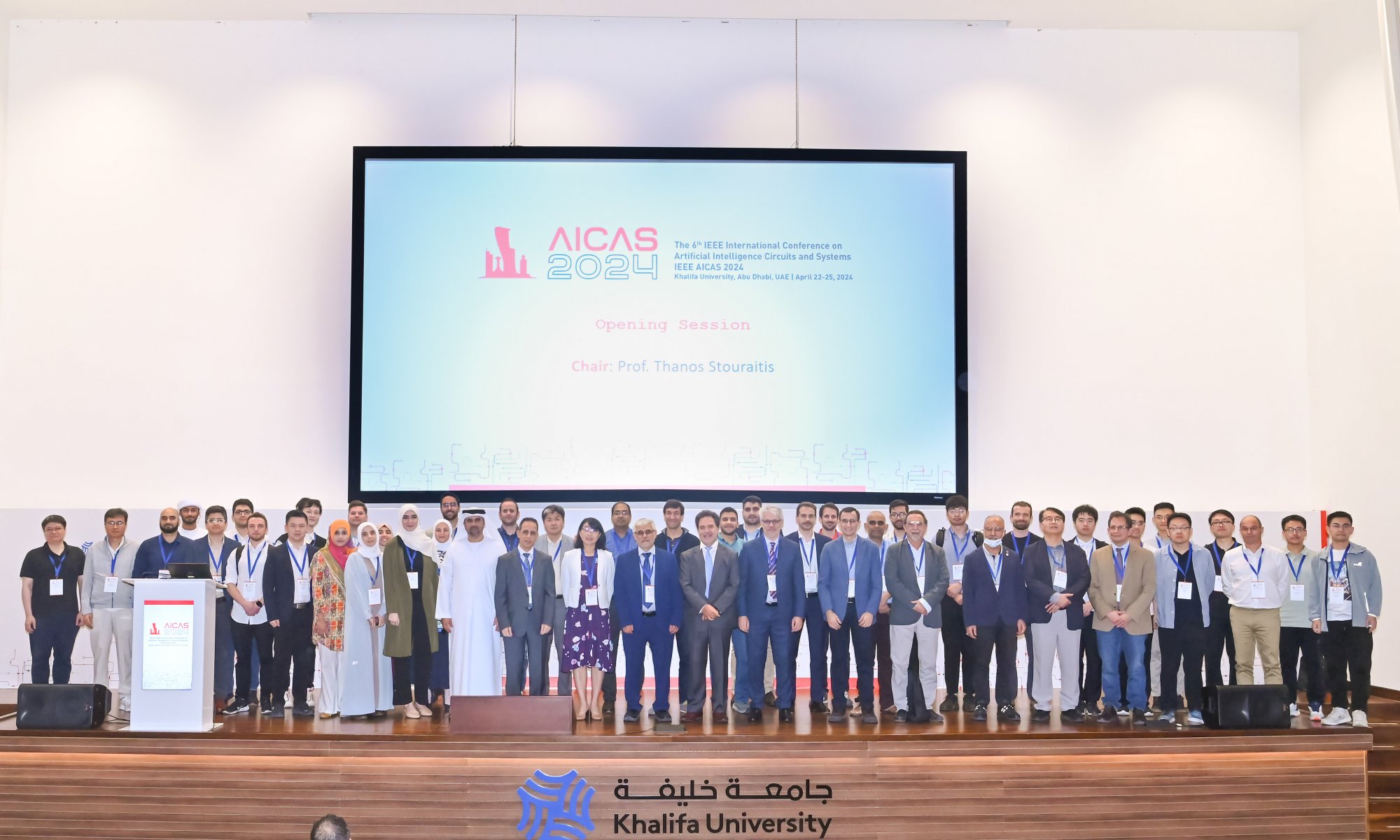
AICAS 2024 Concludes Successfully

Khalifa University organized the 6th IEEE International Conference on Artificial Intelligence Circuits and Systems (AICAS 2024).


The premier event brought together researchers, engineers, and students from around the world to present their latest work and discuss algorithms, applications, and implementations for artificial intelligence systems.


The conference featured a rich technical program comprising keynote speeches, tutorials, live demonstrations, lecture and poster sessions, and a grand challenge competition. Participants had the opportunity to exchange ideas and insights on recent advancements and future perspectives in various aspects of circuits and systems for AI and machine learning.


With contributions from 23 countries across Asia/Pacific, Europe, Middle East/Africa, and North America, AICAS 2024 facilitated valuable interactions between academia, industry, government, and research institutions, fostering collaboration and driving innovation in this rapidly evolving field.


Momen Khaiti 
Communication Manager
26 April 2024

Khalifa University and Silal Sign Collaboration Agreement to Build UAE’s First Centre of Excellence for AgriRobotic and Automation

Joint Research Center to Accelerate Agri-Robotic and Automation Innovation in Agriculture and to Provide Training for Students and Farmers.


Khalifa University of Science and Technology and UAE’s leading agri-tech food company Silal Food and Technology today announced they have signed a collaboration agreement to create a joint Center of Excellence in Agri-Robotics and Automation. The partnership will leverage robotics and automation advancement to transform the agriculture sector in the UAE and beyond.


The agreement was signed by Professor Sir John O’Reilly, President, Khalifa University, and Salmeen Al Ameri, CEO, Silal Food, in Abu Dhabi. According to the agreement, the primary objective of the partnership is to build a joint research center – Centre of Excellence for Agri-Robotic and Automation – to drive innovation in agri-robotics and automation in agriculture, and exchanging technical knowledge and resources. The agreement also facilitates the transfer and commercialization of research outcomes, with researchers and students from Khalifa University leading the study, through internships and collaborative programs. Joint workshops, symposiums, and conferences will also be organized to facilitate collaboration and the exchange of research ideas.


Professor Sir John O’Reilly said: “We are delighted to collaborate with Silal and offer our robotics research expertise in the agriculture sector. Khalifa University is at the forefront of scientific research in the field of robotics and automation and is committed to furthering the education and training of our students through internships and collaborative programs. This partnership will facilitate the exchange of knowledge and foster research and development aimed at promoting sustainable food production in the country, in line with the directives of the UAE leadership.”


Salmeen Al Ameri, said: “The advancement in robotic and automation science has a significant role to drive efficiency and sustainability in the food production systems. At Silal, we are building an ecosystem to bridge research capabilities and industry requirements. Our partnership with Khalifa University is a crucial step in this direction, to transfer scientific knowledge and expertise into practical solutions to sustain our food systems.”


The proposed research center, to be located at the Innovation Oasis site of Silal in Al Ain, will feature a dedicated autonomous greenhouse equipped with various robot platforms, sensors, and Internet of Things (IoT) infrastructure. This cutting-edge facility aims to support the development and pilot research conducted by scientists and start-ups from Khalifa University, who will also oversee the innovation activities in the Center in collaboration with agritech experts from Silal, who will manage the day-to-day operation.


Under this partnership, Khalifa University and Silal will develop support programs for startups, as well as training programs for Khalifa University students and farmers. The collaboration will also involve the development of project proposals, securing funding for collaborative projects, and the exchange of expert personnel, including faculty members, researchers, and students.

The Center will undertake research projects in collaboration with Khalifa University’s Center for Autonomous Robotic Systems for plant monitoring and interventions.


The Center will develop intelligent and cost-effective robotics solutions aiming to transform current farming practices. The Center will research crop monitoring utilizing AI-driven robotic platforms and computer vision to detect early-stage diseases and reduce the use of agrichemicals. The Center will also research novel autonomous robotic systems in food production including soft robot end-effectors and grippers to handle soft fruit and vegetables, thus enabling precision agriculture.


Alisha Roy

Science Writer

16 January 2024

Khalifa University Ranks First in UAE in Top 1% Research Journal Publications 

Khalifa University Also Leads in Top 5% Journal Percentiles by CiteScore


Khalifa University of Science and Technology today announced that it is ranked first for publications in top 1% Journal Percentiles by CiteScore Percentile, with a total of 125 papers published in 2023, surpassing its peers in the UAE, according to data from Scopus.


This represents an increase of 40% over the year 2022 when Khalifa University had published 89 research papers in top 1% journals, demonstrating a consistent increase in research excellence over the years. Khalifa University also leads in Top 5% Journal Percentiles by CiteScore Percentile, publishing a total of 532 papers for the same year, an increase of 39.6% over 2022. 


Dr. Ahmed Al Durra, Associate Provost, Research, Khalifa University, said: “With over 300 issued patents, more than 230 pending patent applications, and 680 plus invention disclosures, the University leads in groundbreaking research in sectors like aerospace, biomedical sciences, energy, robotics, and engineering. Khalifa University’s remarkable performance in publishing in the top 1% and top 5% Journal Percentiles by CiteScore Percentile is a testament to our commitment to fostering a culture of high-quality research and deep tech innovation. The University remains successful in nurturing talented scientists who can publish their research in renowned journals, including the highly esteemed science journals. Our international collaborations further highlight Khalifa University’s significant contributions to the advancement of scientific pursuit, not only within the UAE but also on a global scale.”


With 12 research centers planning a wide spectrum of low and High Technology Readiness-level (HTR) projects, seven research groups and labs, and seven core labs that have state-of-the-art facilities, Khalifa University continues to contribute to the UAE’s human and intellectual capital development goals. 


Novel approaches for green hydrogen production, materials for storage and transportation, and applications such as combustion and fuel cells as well as advances in genetics and biochemistry are some of Khalifa University’s research scope that also covers a broad spectrum of disciplines, ranging from robotics to decarbonization, and sustainable fuels. 


Clarence Michael
English Editor – Specialist
24 April 2024