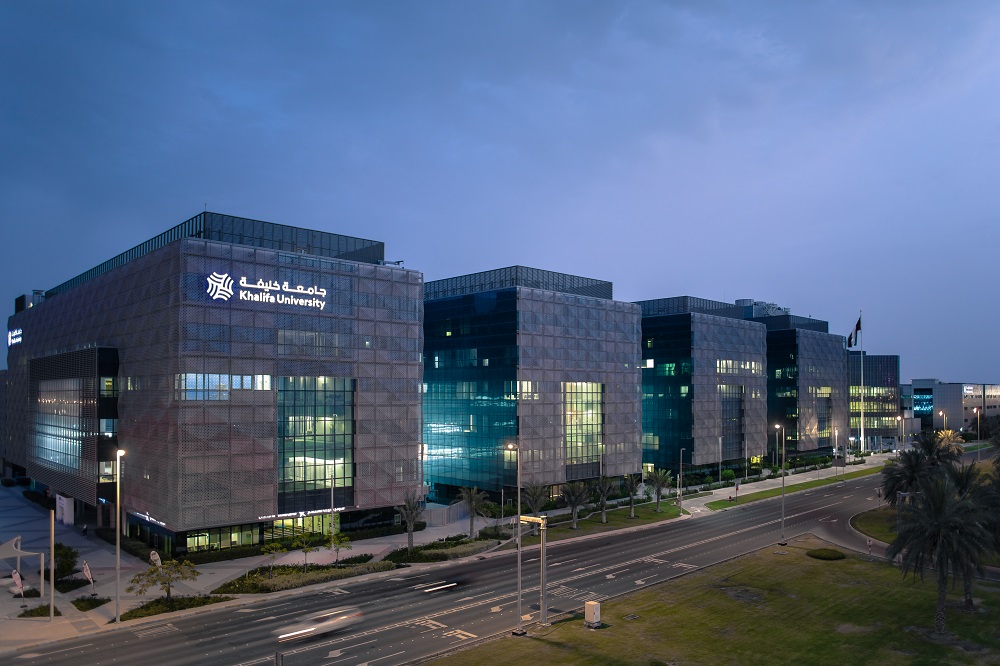
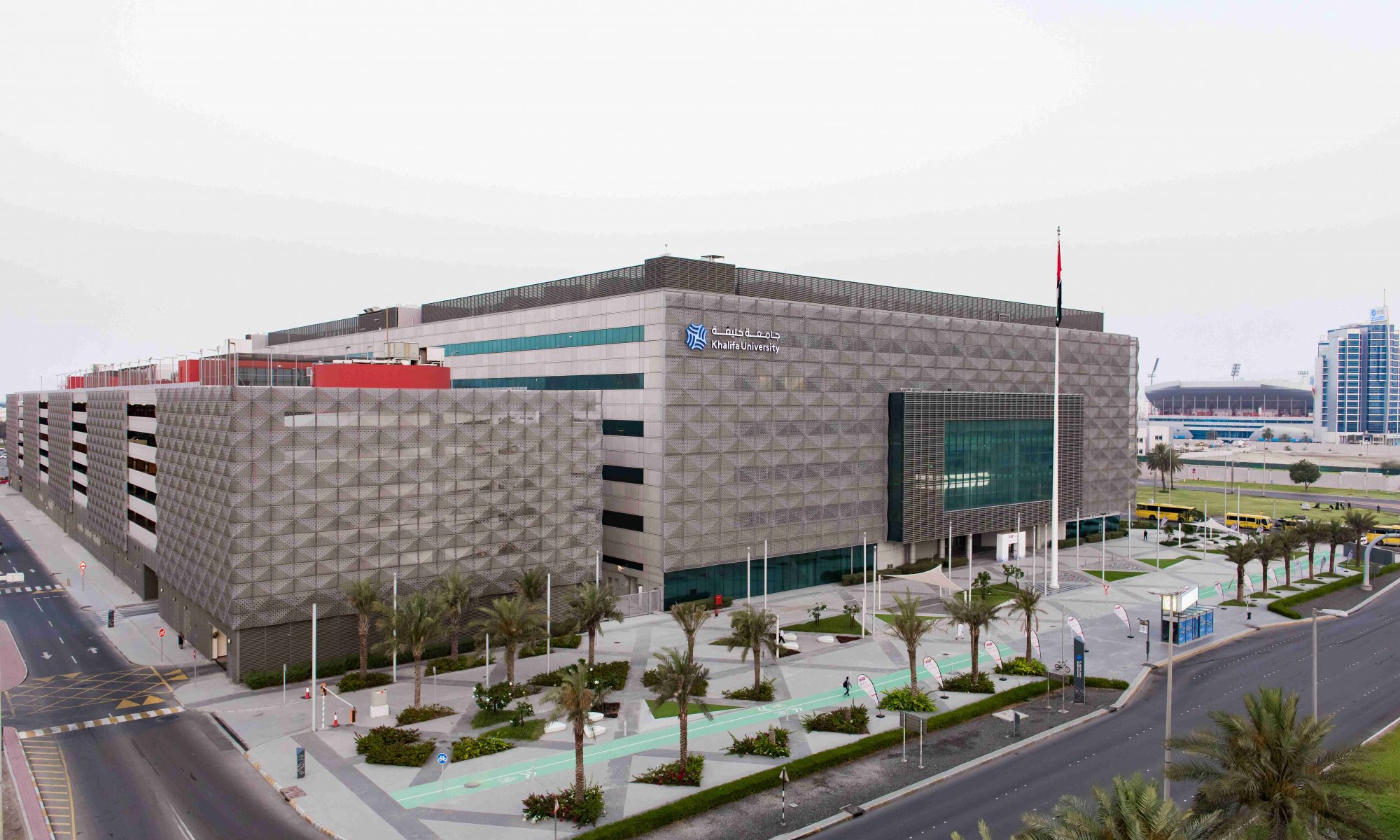
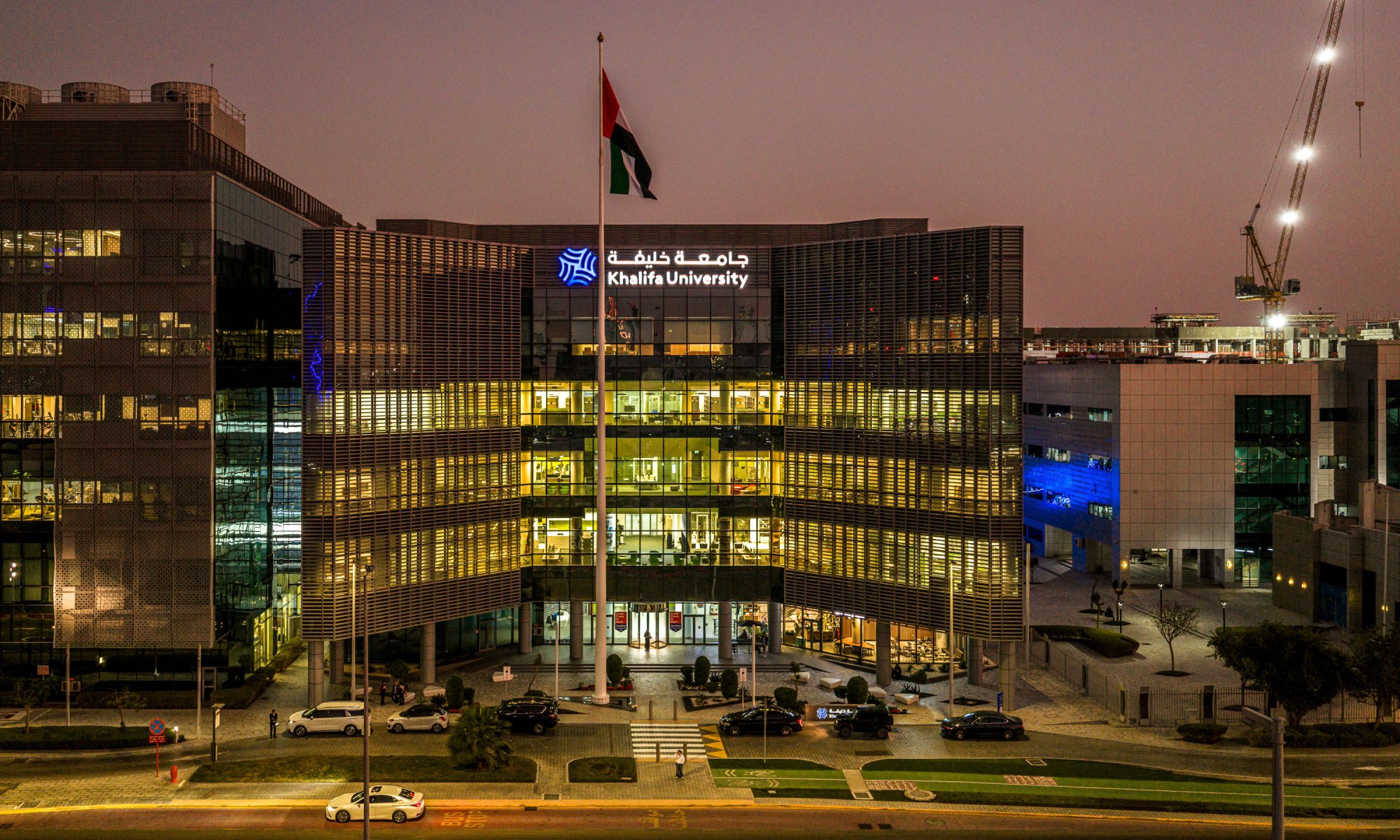
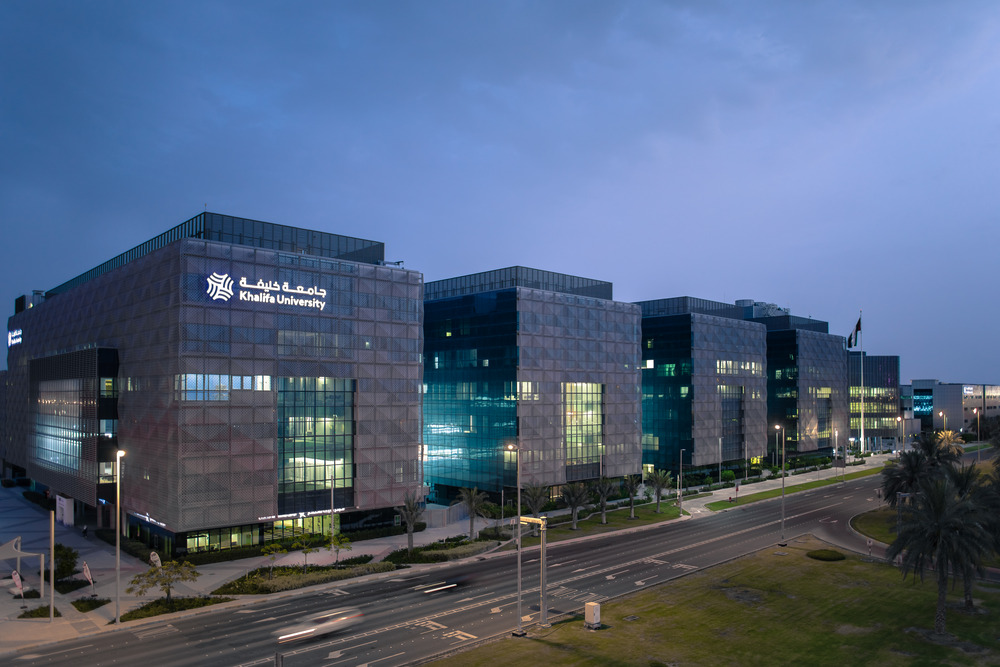
Khalifa University Ranks 27th Worldwide and Top in MENA in THE Young University Rankings 2024

Khalifa University of Science and Technology today announced it is ranked 27th worldwide and top in the MENA region in the Times Higher Education (THE) Young University Rankings 2024, moving 22 slots higher from the 49th place in last year’s ranking.


In the 2024 ranking, there has been an increase in the number of universities listed from 605 in 2023 to 673. Additionally, there are 499 institutions with ‘reporter’ status, indicating that they provided data but did not meet the THE eligibility criteria to receive a rank. 


The THE Young University Rankings lists the world’s best universities that are 50 years and younger and utilize the same 13 performance indicators as the flagship THE World University Rankings. Cementing its position as a leading educational institution on a global scale, Khalifa University also remains top in the UAE and 40th in Asia in the THE Asia University Rankings 2024. The universities are judged across all their core missions – teaching, research, knowledge transfer and international outlook – to provide the most comprehensive and balanced comparisons available.


Alisha Roy
Science Writer
15 May 2024

Khalifa University to Organize 2024 Graduation Ceremony on 29 May 

Under the Patronage of His Highness Sheikh Hamed bin Zayed Al Nahyan


Under the patronage of His Highness Sheikh Hamed bin Zayed Al Nahyan, Chairman of the Board of Trustees of Khalifa University of Science and Technology, the 2024 graduation ceremony will be organized on 29 May at the Abu Dhabi National Exhibition Center (ADNEC).


The event happening in the extended Year of Sustainability 2024 will honor the success of the University’s 826 students from various undergraduate, graduate, and PhD programs, including the second cohort from the College of Medicine and Health Sciences (CMHS). 


In all, 61 students will receive their PhD degrees, while 244 will receive their Master’s at the graduation ceremony. A total of 498 students will be receiving their bachelor’s degrees, making the overall total numbers to 826 including the 23 medical graduates. Out of this, 403 are male students and 423 females (approximately 51%). Marking the extended Year of Sustainability, Khalifa University has the distinction of graduating two Master of Science students from the Water and Environmental Engineering program and three students from the Sustainable Critical Infrastructure program.


Professor Sir John O’Reilly, President, Khalifa University said: “Khalifa University is delighted to announce our graduation ceremony scheduled for May 2024, a momentous occasion marking another significant milestone in our steadfast commitment to fostering the next generation of science, engineering, and technology leaders addressing global environmental challenges and sustainable practices. This celebration of our students’ achievements also reflects the deep commitment of our expert faculty, researchers, and students and their relentless pursuits of academic excellence. It is a testimony to Khalifa University’s drive for talent development to fuel innovation toward shaping the future knowledge economy of the UAE.”

Alisha Roy
Science Writer
13 May 2024


Khalifa University Researchers Win Top International Award at Prestigious Nuclear Thermal Hydraulics CFD Competition in US

High-Performance Computing Enables Khalifa University Team to Successfully Run Complex Simulations


Khalifa University’s powerful high-performance computing (HPC) infrastructure enabled researchers Prof. Abdallah Sofiane Berrouk, Professor, Mechanical and Nuclear Engineering,  Theme Leader, Research Center for Catalysis and Separation (CeCaS), and Ahmed Mongy Alatyar, PhD Researcher, to win the First Annual American Society of Thermal and Fluid Engineering (ASTFE) Nuclear Thermal Hydraulics CFD Competition in the US.


Organized by the ASTFE and Framatome, an international leader in nuclear energy, the competition involved a complex challenge for developing the most accurate Computational Fluid Dynamics (CFD) model for the multi-jet Gas-mixture Dome (MiGaDome) facility installed at the University of Michigan. The CFD competition was part of ASTFE 2024 organized earlier at Oregon State University, with 12 CFD research groups participating. Out of these, five groups were shortlisted to present their work at the 9th Thermal and Fluids Engineering Conference, 2024 (TFEC-ASTFE 24), and the Khalifa University team won the award.


A panel of judges conducted a comprehensive comparison of the CFD models and the experimental data from the MiGaDome. According to the judges, the Khalifa University team’s CFD model exhibited the best correlations on almost all the studied parameters and the energy consumption, earning them the top spot in the competition.


HPC was crucial in allowing the team to successfully run their complex CFD simulations, handle the large data volumes, and quickly debug their models, enabling them to obtain the required results within the competition’s tight timeframe. The CFD model got the best correlations with the experimental data while consuming the minimum computational energy, demonstrating the best effective model fitness.


The MiGaDome facility at the University of Michigan is designed to study the fluids-mix inside large enclosed spaces, an important factor for nuclear reactor designs. The data from experiments conducted at this facility was used to test the accuracy of the CFD models submitted by the competition participants, without the participants knowing the experimental results ahead of time.


Moreover, the teams built the CFD models without the ability to simply guess or trial-and-error their way to a solution. All participants only discovered how well their results matched the experimental data when the models were presented at the conference, making the competition even more rigorous, as the teams had to rely solely on their modeling expertise to try to predict the outcomes.


The achievement is expected to have a significant impact on the future of nuclear thermal hydraulics research in the UAE as advanced 3D CFD simulations have proven to be indispensable for making reliable predictions across a wide range of operating conditions and safety scenarios in the nuclear energy field. These powerful 3D models can provide much more cost-effective solutions for tackling the complex thermal-hydraulic analysis challenges that the traditional one-dimensional computer models struggle with as they often lack the necessary detail and accuracy to fully capture important thermal-hydraulic phenomena in nuclear reactors.


Prof. Abdallah Sofiane Berrouk said: “The success from this prestigious competition underscores Khalifa University’s commitment to advancing nuclear engineering research and its potential to contribute to the future of the peaceful nuclear energy industry in the UAE. This achievement demonstrates the University’s cutting-edge research infrastructure capabilities in helping establish the UAE’s knowledge base for thermal-hydraulic multiscale simulations with the dual purposes of enhancing the current reactors’ safety and operations reliability, and accelerating the deployment of future advanced nuclear reactors. I am hopeful this success will encourage more support for Mechanical and Nuclear Engineering projects from across the academic and research spectrum.”


The Energy-Water Nexus and a New Paradigm for Integrated Resource Management

Incorporating demand response programs could provide a solution for effective energy management


As the world’s energy system switches from more than 200 years of fossil fuel dominance to renewable energy sources, there’s a growing need to integrate renewable energy systems to the traditional power grid and the way we consume energy. Over the past decade, as technology has advanced, the prices for wind and solar generation have plunged with solar now the cheapest form of electricity generation in history. For the Gulf, a region bestowed with plenty of sunlight, renewables are a sensible way forward.


But the proliferation of distributed energy resources necessitates the radical transformation of how power systems operate, particularly since managing the impact of integrating renewable energy sources is a tricky task. 


The energy available from sun, wind, waves, and tides varies in ways which may not match variations in consumer energy demand. Assimilating these fluctuations can affect the operation and economics of electricity networks and markets. Much like the weather, electricity consumption can be reasonably well predicted, but not controlled. Reacting to demand in traditional fossil fuel power stations is as easy as adjusting supply: burning more fuel to produce steam to spin a turbine to run a generator. Making more electricity from non-renewable resources can happen at the relative push of a button.


Demand response applications can step up here, playing a critical role in shaping the day-ahead scheduling of electricity markets.


A team of researchers led by Dr. Ameena Saad Al-Sumaiti, Associate Professor, from Khalifa University’s Advanced Power and Energy Center (APEC) has developed a model that coordinates the operation of grid-connected water desalination plants and the operation of renewable-rich power systems with demand response options. The team includes Mohamed Elsir, Graduate Research and Teaching Assistant; and Prof. Mohamed Shawky El Moursi,  Director of APEC . Also participating: Ali Taleb Al-Awami from Saudi Arabia’s Interdisciplinary Research Center for Smart Mobility and Logistics. Their simulation results show that their system’s efficiency is enhanced by employing energy flexibility of water desalination, minimizing cost, facilitating the integration of renewable energy sources and smoothing the fluctuation in hourly electricity prices.


Their results were published in Applied Energy, a top 1% journal in the fields of engineering and environmental science.


This innovative approach, featuring hybridized operations of energy storage systems, enhances power system operation and avoids the need for additional peak-load power plants. When everyday consumers need power, it is supplied by renewable sources; but when it isn’t. the energy can still be generated and supplied to desalination plants instead. The goal is to meet water demand and power loads: Desalinated drinking water can be stored much more easily than electricity and it is cost effectively.


The research team also notes that significant attention has been focused on the energy-water nexus and the inter-dependencies between power and water systems. The power and water systems can mutually benefit each other: There’s the potential for water facilities’ responsive electrical loads to offer much-needed flexibility to power system operations. The potential is vast when water systems consume significant portions of a nation’s total electricity consumption.


Models already exist to reduce the curtailment of renewable energy sources during periods of oversupply by co-optimizing the scheduling of both systems in a centralized entity. However, these models can be enhanced with considering the role of demand response.


“Demand response indicates that end-use consumers can be motivated to positively change their electricity consumption based on a coordination program or tariff,” Dr. Al-Sumaiti said. “This tariff is influenced by the conditions of the electricity market. Demand response applications could reduce the demand peak and price volatility of the market.”


Demand response involves shifting or shedding electricity demand to provide flexibility in power markets, helping to balance the grid. In a smart grid, demand response programs can manage desalination plants’ energy consumption. Given the energy-intensive nature of desalination (and reverse osmosis is one of the least energy-consuming methods), running these facilities during times of low demand and therefore lower energy prices, can make this process more cost-effective and less taxing on the overall power grid.


Sounds simple, but implementing demand response and day-ahead scheduling in a smart grid is a complex task that requires advanced forecasting techniques and optimization algorithms. For everything to work, accurate forecasting of the next day’s energy demand, energy prices, and renewable energy-generation potential are essential. The next step is to plan the desalination plants’ operation accordingly, scheduling high-energy processes for the most advantageous times.


The KU research team took a novel approach, coordinating the day-ahead operation of desalination plants within the operation of power systems, incorporating a demand-response bidding framework. The teams’ model includes a centralized scheduling entity to organize the operation of both power and water system based on the received demand-response offers and the operational constraints of desalination plants. In addition, the proposed structure considers the energy flexibility of these plants and their associated components, such as water storage tanks, to influence system flexibility without compromising the reliable supply of water services.


In this context, the “offers” or “bids” refer to proposals made by demand-response aggregators to the centralized entity representing the willingness and capacity of their customers to reduce their load in a variety of ways. These offers are characterized by specific parameters related to each demand-response option and can include things like the amount of power that can be reduced, the price required for that reduction, and certain constraints or limitations. Each aggregator represents a group of customers that can contribute to demand response.


Customers could reduce their energy usage overall, without shifting this reduction to other times or shift their energy usage from peak hours to off-peak hours. Those with their own power generation sources (such as solar panels) can reduce the need for grid power, while those with energy storage can charge their batteries during off-peak hours and then discharge during peak hours. For water desalination plants, operation can be adjusted to reduce and shift power consumption in response to electricity prices.


Once all the bids are in, the information is used to clear the day-ahead electricity market. This involves scheduling the generation and consumption of electricity for the next day, aiming to balance supply and demand in the most cost-effective way.


The research team’s framework, formulated as a mixed-integer linear programming problem, offers a functional solution to demand response due to its high solution efficiency and significant computational time savings. The simulation results demonstrate that more flexible options can be made available and available energy resources can be scheduled to minimize system operation costs, maximize the harvesting of renewable energy sources generation, and reduce peak demand in the day-ahead energy market. Plus, the model substantially reduced electricity price volatility and increased revenues for aggregators.


“We recognize, however, that the scheduled operation of water desalination plants may not necessarily be the optimal solution here,” Dr. Al-Sumaiti said. “Future research could expand the operation model to handle more dynamic characteristics, such as varying hydraulic and osmotic pressures applied on the reverse osmosis membrane, as well as incorporate models for water and hydrogen networks. This would further enhance the adaptability and effectiveness of our proposed coordinated operation model, potentially providing even greater benefits for power systems and sustainability initiatives.”


The work has the potential to support the UAE’s strategic economic goals by enhancing the overall effectiveness of managing energy and water resources within a smart grid framework focused on demand-side management.


Jade Sterling
Science Writer
8 May 2024

Faculty Joins Editorial Board of Springer Nature’s Communications Engineering Journal

Dr. Ahsan Ul Haq Qurashi Will Oversee Manuscripts Related to Electrocatalysis and Nanotechnology for Clean Energy Applications


Khalifa University faculty Dr. Ahsan Ul Haq Qurashi, Deputy Director, Center for Catalysis and Separation (CeCAS), and Associate Professor, Chemistry has been appointed to the editorial board of Springer Nature’s Communications Engineering to oversee manuscripts related to electrocatalysis and nanotechnology for clean energy applications.


Communications Engineering, a journal that supports Springer Nature’s effort to advance progress towards the United Nations Sustainable Development Goals (UN SDGs) publishes research papers that represent developments for specialized areas.


Dr. Qurashi is already the editorial board member of the top 2% Ultrasonics Sonochemistry journal, and the top 1% Energy and Environment Materials and Materials Research Bulletin where he contributes to the editorial process in advanced materials synthesis and characterization for clean energy applications.


A visiting faculty in the California Institute of Technology, Dr. Qurashi has published more than 125 articles in peer-reviewed journals, and has presented over 75 papers in international conferences and proceedings. Previously Dr. Quraishi has remained a faculty in the Swiss Federal Institute of Technology Lausanne (EPFL), Tokyo University and Nagoya University. He is also Fellow of the Royal Society of Chemistry (FRSC) and member of Mohammed bin Rashid Academy of Scientists (MBRAS).


Dr. Qurashi’s research interests include the development of new materials, novel methods for the production of materials for clean energy generation and storage, catalysis, sensors and biomedical applications. He is subject editor/editorial board member for the International Journal of Hydrogen Energy (Sabbatical), Materials Research Bulletin and Scientific Reports.


Clarence Michael
English Editor – Specialist
7 May 2024

Khalifa University Ranks Top in UAE and 40th in Asia in THE Asia University Rankings 2024

Khalifa University of Science and Technology today announced it has jumped five slots to be ranked top in the UAE and 40th in Asia in the Times Higher Education (THE) Asia University Rankings 2024, which has evaluated 739 universities from 31 countries/territories.

Khalifa University also jumped four places to be ranked 2nd among Arab universities mentioned in the THE Asia University Rankings 2024.

With three colleges including the College of Engineering and Physical Science, College of Computing and Mathematical Sciences, and College of Medicine and Health Sciences, Khalifa University remains at the forefront of providing a research environment that is unparalleled in the UAE. Alongside the ASPIRE Virtual Research Institute, are 12 Core Research Centers dedicated to various fields, fostering collaboration and innovation across disciplines.

How Nuclear will help Meet Region’s Growing Energy Demands Sustainably

With electricity demand in the GCC growing, the region is turning to nuclear to diversify its power mix and reduce reliance on fossil fuels. The UAE understands that nuclear power can be one major component of the decarbonizing process: A new UAE energy plan announced in January 2017 involves investment of USD163 billion by 2050 to achieve half of its energy from nuclear power and renewables.


At Khalifa University, we’re poised to join the drive towards nuclear power in the UAE. Our Department of Nuclear Engineering is innovating in nuclear engineering research and education to produce graduates who will be able to substantially contribute to academia, industry, and the community.


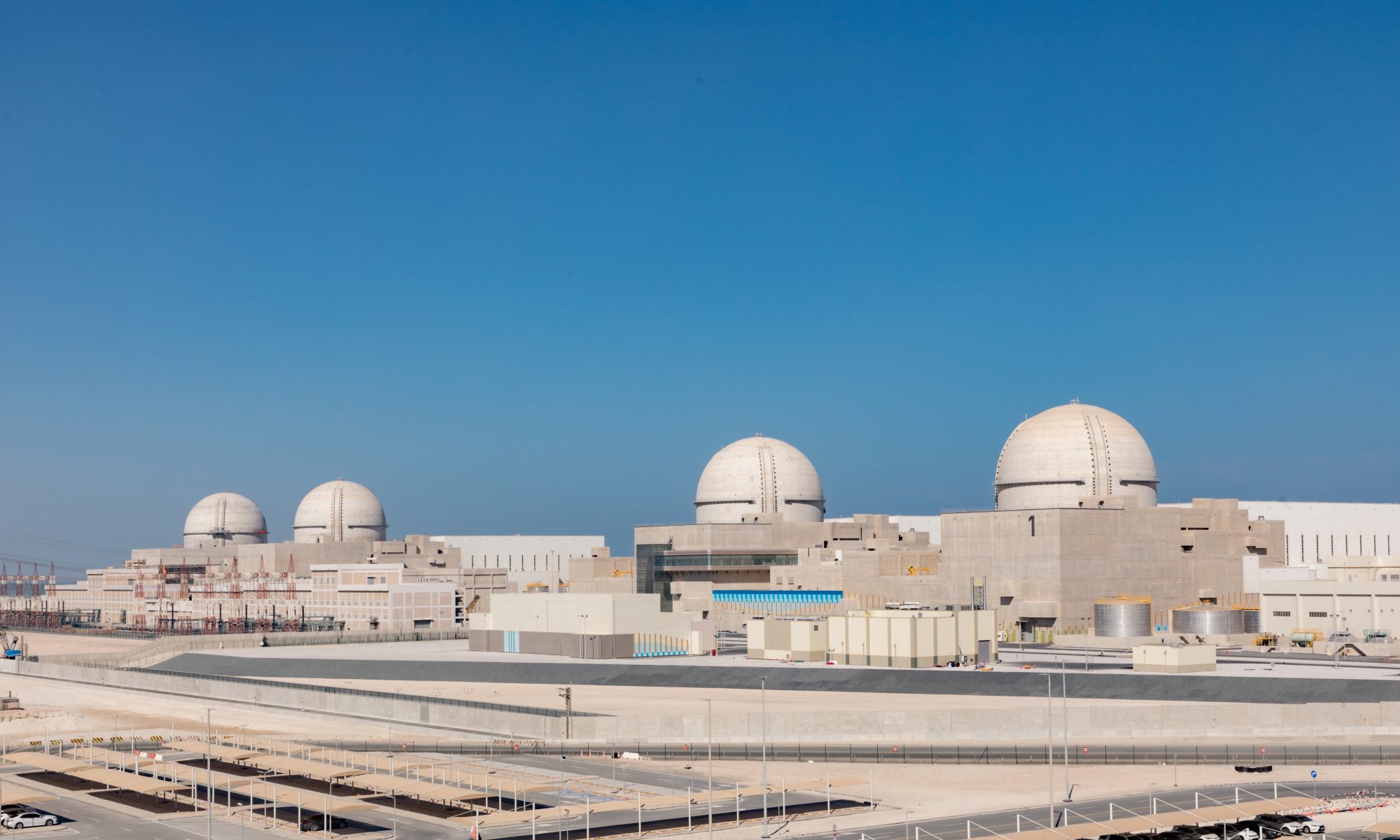
The need for diversification of energy resources, consistent with international attention to climate change, makes nuclear energy seem newly attractive and attention is turning to the completion of the first nuclear unit at the new Abu Dhabi Barakah Nuclear Energy Plant.


In 2016, the UAE produced 130 TWh of electricity, almost exclusively from fossil fuels. Concurrently, the country relies entirely on electricity generation to provide its power as well as much of its potable water from thermal desalination via cogeneration with electricity. The four nuclear units at Barakah are expected to produce up to 25 percent of the UAE’s electricity at an affordable cost and further support the UAE’s transition to emissions free electricity based desalination technologies.


To support the long-term sustainability of the UAE Peaceful  Nuclear Energy Program, the Emirates Nuclear Technology Center was inaugurated by the UAE Minister of Energy and Industry at Khalifa University’s Sas Al Nakhl Campus in November 2019 as a dedicated innovation hub for peaceful nuclear technologies.


Nuclear energy is a mature industry with a record of safety and reliability without the emission of greenhouse gases, and is economically attractive for power generation once all capital investments have been made. The interest in nuclear power for meeting future electricity and seawater desalination needs in the GCC states is prudent, logical and timely given the availability of financing and strong commitment to safe and efficient operation.


Admittedly, nuclear power plants generally have higher up front costs to build and a larger investment than an equivalent coal- or gas-fueled plant, but they provide electricity at a lower marginal cost, combined with fewer greenhouse gas emissions and a tremendously long life expectancy that can extend well beyond that of a conventional fossil fuel plant.  


One of the key challenges is integrating nuclear units into the electricity network and optimizing the system to ensure security of supply for all power needs, including water production via reverse osmosis.


Nuclear energy plants generally tend to generate electricity only, whereas the GCC is accustomed to co-generation where power plants generate electricity and also desalinated water. Unless the system adopts nuclear technology which directly integrates desalination technology, then the challenge remains in terms of ensuring sufficient capacity for growing desalination needs.


However, future desalination plants in the region are largely focused on using reverse osmosis, making nuclear energy an adequate power generation solution.


The Emirates Nuclear Technology Center (ENTC), for which I serve as the Director, will focus on three areas initially: nuclear safety and systems, nuclear materials science and chemistry, and radiation safety in the environment. The ENTC will cement the UAE’s position as an international role model for the development of new peaceful nuclear technology projects around the world. Innovation and continuous development are essential to the sustainability and long-term success of the UAE’s requirements for nuclear technology research in various sectors, as well as the UAE’s ongoing transition to a knowledge-based economy and society.
We also have a scaled-down model of one of the four advanced pressurized water nuclear reactor (APR-1400) units constructed at Barakah on display at Khalifa University’s main campus to provide students and visitors an in-depth insight to the basics of a nuclear energy plant’s operations.


The pressurized water reactor (PWR) is the most common reactor used in the world’s nuclear power plants. The core inside the reactor vessel creates heat, while the pressurized water in the primary coolant loop carries this heat to the steam generator. The ‘steam-line’ directs the steam to the main turbine, turning the generator and producing electricity. 


The Emirates Nuclear Technology Center will engage in research projects designed and approved by the ENTC’s Senior Management Board, conducted by students, academics and researchers from Khalifa University. Research is already underway in nuclear materials science, reactor design and analysis, instrumentation and control, environmental and waste management, and nuclear safeguards and security. Our research is supporting the UAE’s nuclear technology programs to meet the country’s future nuclear technology needs in many sectors from energy to health, and from forensics to security.


The Barakah Nuclear Energy Plant is now more than 93 percent complete. Following receipt of the Operating License for Unit 1 in February 2020, the initial fuel load was completed in March and preparations to generate the first clean, safe, 24/7 electricity from nuclear energy are steadily underway.   


Dr. Philip Beeley is Professor and Chair of Nuclear Engineering and Director of the Emirates Nuclear Energy Center at Khalifa University.

Four Khalifa University Faculty Awarded SWARD Grants by Sandooq Al Watan for Innovative Research Projects

Research Projects Focus on Advancing UAE’s Circular Economy, Combating Climate Change, and Promoting Sustainability


 Four researchers from Khalifa University have been awarded grants ranging from AED100,000 to AED500,000 by the Sandooq Al Watan Applied Research and Development (SWARD) initiative for their research projects that focus on contributing to advancing the UAE’s circular economy, combating climate change, and promoting social sustainability.


 The researchers, Dr. Charalampos Pitsalidis, Assistant Professor, Physics; Dr. Maryam Khaleel, Assistant Professor, Chemical and Petroleum Engineering; Dr. Naoufel Werghi, Professor, Electrical Engineering; and Dr. Ahmed Alhajaj, Assistant Professor, Chemical and Petroleum Engineering, have received grants of up to AED500,000 each.


 Out of the numerous proposals received, the SWARD committee chose the best six papers for sponsorship. The selection process for the SWARD grants involved a rigorous evaluation by an expert panel of scientists, environmental researchers, and industry professionals, assessing intellectual merit and broader impacts of the proposed projects, focusing on innovative ideas, transformative concepts, and the effectiveness of the plans.


Dr. Charalampos Pitsalidis, said: “We are honored to receive the grant from the SWARD initiative which will provide vital funding opportunities to further enhance innovation at Khalifa University. By supporting our research, the SWARD program can unlock social and economic benefits for the country and contribute towards the UAE’s sustainability goals. This remarkable initiative is a catalyst for progress, bridging the gap between academia and industry, further developing the research landscape in the UAE.”  


Launched by the Sandooq Al Watan Fund during the COP28 UAE global climate conference, the SWARD initiative aims to support international and Emirati experts from universities and research institutions in the country, for their innovative sustainability efforts through scientific and research endeavors. The program encourages researchers from various universities to apply for grants to advance their projects and contribute to the achievement of the UAE Net Zero 2050 objectives and the United Nations Sustainable Development Goals (UN SDGs).  


The SWARD initiative focuses on these three strategic research areas, with three cycles per year: Circular Economy, Climate Change, and Social Sustainability. Under the Circular Economy cycle, the researchers explore interdisciplinary approaches to foster innovation, inform policy-making, and promote sustainability and resilience in the economy and society.  

Alisha Roy
Science Writer
4 April 2024

Khalifa University Showcases Rare Books about UAE’s Heritage and History at Abu Dhabi International Book Fair 2024

Khalifa University to Give Away Books to Visitors, University Students, and Researchers


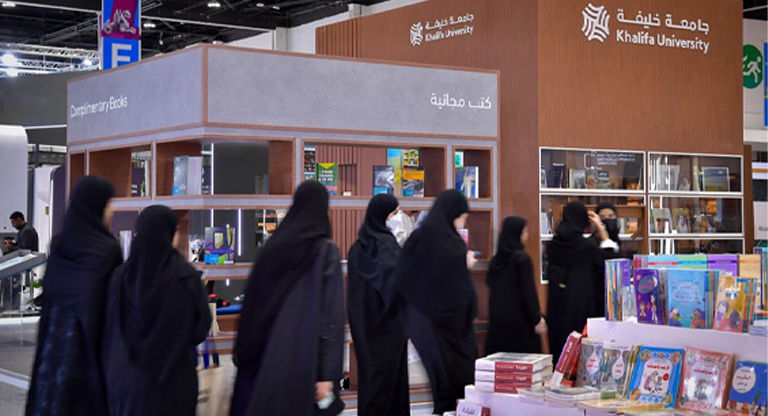
Rare books about the UAE’s heritage and history will be on display at Khalifa University’s stand during the Abu Dhabi International Book Fair 2024. Among the notable works on display are early books published on the UAE’s leaders including the Founding Father of the UAE Late Sheikh Zayed bin Sultan Al Nahyan.  


 Providing a unique opportunity for attendees to access valuable resources and gain insights into the UAE’s history and achievements, Khalifa University will also give away books to visitors attending the event. The Abu Dhabi International Book Fair 2024 is being held from 29 April-5 May 2024 at the Abu Dhabi National Exhibition Center (ADNEC).


 Driving the intellectual capital creation on campus is the Khalifa University Libraries, a thriving center for knowledge, offering Arabic and English titles about fiction, dictionaries, and general books in different disciplines such as humanities, history, science, engineering, and technology, besides recreational and fiction titles.


The Khalifa University Libraries have a collection of more than 100,000 printed books in Arabic and English, including 27 study rooms and 5 instruction rooms; 196 public access computers, 680,000+ e-books, 60,000+ e-journals, and 90+ online databases. It is a research library, and a reputable leader among academic libraries in the region.  


The KU Libraries is committed to the goals of the university aimed at advancement of knowledge, science, and technology, while helping the faculty with publications in top journals, and Gold Open Access publishing information in partnership with scholarly and professional communities both locally and internationally. At the same time workshops on data literacy, and life-long learning are also offered to both undergraduate and postgraduate students. 

Clarence Michael
English Editor Specialist
29 April 2024

Physics-Based Optical Modeling Reveals Iron Disulfide Thin Films Can Be Suitable for Solar Cell Technologies

Collaborative Research Reveals Fool’s Gold as a Promising Solar Material


Iron pyrite (FeS2), commonly referred to as fool’s gold due to its striking resemblance, has captured scientists’ imaginations due to its abundance and low cost, making it suitable for harnessing the sun’s energy. Reality has fallen short of expectations, with iron pyrite’s conversion efficiency remaining low, hindering its widespread adoption in solar cells. Now, scientists from Khalifa University, in collaboration with researchers from the University of Dubai and King Abdullah University of Science and Technology (KAUST), have shown that iron disulfide thin films can absorb a significant amount of sunlight making them highly suitable for solar cell applications.


The findings, published in a research paper titled Physics-based Optical Modeling of Iron Disulfide Thin Films , in the top 5% journal APL Materials, from American Institute of Physics (AIP), highlight the significant potential of iron disulfide thin films in solar cell applications. The Khalifa University research team includes principal advisor Dr. Saeed Alhassan, Professor, Chemical and Petroleum Engineering, co-advisor Dr. Ammar Nayfeh, Associate Professor, Electrical Engineering, and PhD student Awais Zaka, as well as Dr. Sabina Abdul Hadi, Associate Professor, University of Dubai, and Pratibha Pal, Research Engineer, Dayanand Kumar, postdoctoral fellow, and Dr. Nazek El-Atab, Assistant Professor, Electrical and Computer Engineering from KAUST.


The team used a combination of experimental techniques to study the iron disulfide thin films and its bandgap – or the range of light wavelengths it can absorb – a critical property that influences performance in light-harvesting devices. These techniques included X-ray, Ultraviolet-visible (UV-Vis) spectroscopy and computer modelling of ellipsometry data to measure changes in light polarization.


Using a plasma-assisted, radio frequency-powered sputtering technique in the Khalifa University cleanroom, the team deposited the thin films and, upon further analysis, found that the iron disulfide films absorb a significant amount of sunlight and have a bandgap was approximately 1.16eV, making them an ideal fit for use in solar cells. Additionally, using physics-based optical modeling of a solar cell, the films can achieve a maximum current density of 38 milliamperes per square centimeter (mA/cm²). This indicates they could generate a relatively high amount of electrical current needed for solar cell applications.


Professor Nayfeh said: “Researching new materials for solar cells is one the key methods for increasing efficiency and reducing cost. Our physics based experimental and optical modeling approach, allows for new materials to be studied as potential absorber layers. The results here show that iron disulfide thin films have great potential as a solar cell absorber layer and for many other optical devices.”


Previous studies have compared 23 materials, such as Silicon, Cadmium Telluride, Copper Oxide, and Lead Sulfide, to find the most cost-effective option for use in devices such as solar cells or other technologies and found that iron disulfide showed the most promise. However, using FeS2 in practical devices comes with a few challenges, including Fermi level pinning, deep donor states, phase purity and alternative phases, and surface inversion, which collectively impact the efficiency and performance of the material in practical applications.


By conducting physics-based optical modelling, the researchers explored the viability of the thin films for their potential as light-absorbing layers in solar cells, further expanding the applications of these films in optoelectronic devices as well. The study’s findings highlight the optical absorbing potential of iron disulfide and emphasize the broader applicability of physics-based optical modelling for novel materials and advancing the field of solar technology.


Alisha Roy
Science Writer
22 March 2024

Two Day Khalifa University SEHA Workshop Launches 2024 Clinical Research Certificate Program

Over 150 SEHA Medical Residents, and Fellows Enrolled in a Clinical Research Training Program, Furthering the Region’s Research Capacity


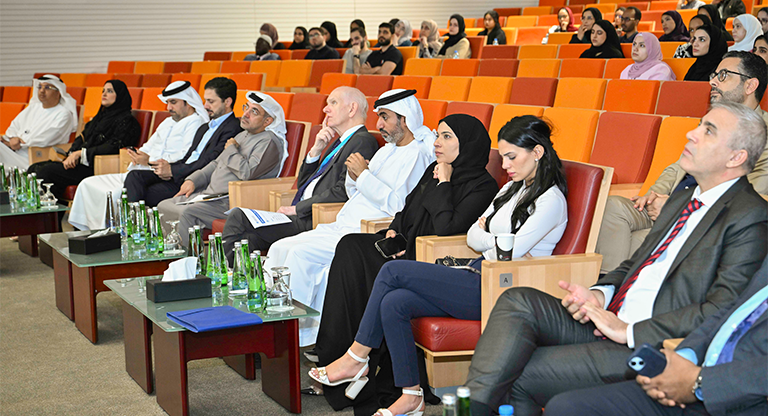
A two-day workshop marking the inauguration of the Clinical Research Certificate (KU-SEHA CRC) training program, a Khalifa University collaboration with the Abu Dhabi Health Services Company (SEHA) and the Department of Health – Abu Dhabi, was launched at the Main Campus. Over 150 SEHA medical residents and fellows were enrolled in this clinical research training program, furthering the region’s research capacity


The launch ceremony was attended by Professor Sir John O’Reilly, President, Khalifa University, Dr. Ghanem Ali Al Hassani, Group Education Director and Research Director, SEHA. The inaugural event was also attended by Dr. Habiba Al Safar, Dean, College of Medicine and Health Sciences (CMHS), Director of Biotechnology Center, and Professor, Biomedical Engineering and Biotechnology, Dr. Yousof Al Hammadi, Senior Vice-President, Academic and Student Services, Assistant Vice-President, Graduate Studies and Associate Professor Electrical Engineering, and Dr. Waleed Alameri, Assistant Vice-President, Student Affairs and Outreach as well as faculty members and officials from SEHA and DoH – Abu Dhabi


Led by KU-SEHA CRC program director Dr. Abderrahim Oulhaj, Associate Professor, Public Health and Epidemiology, the inaugural workshop addressed the need for research and development (R&D) training in SEHA and the Department of Health (DoH) – Abu Dhabi, while equipping individuals with the necessary skills and knowledge to adapt to the evolving healthcare landscape.


Dr. Habiba Alsafar said: “We are delighted to host this workshop and provide the knowledge and necessary skills to conduct high-quality clinical research studies in the region. The KU-SEHA CRC program stands as a testament to the unwavering commitment of Khalifa University, SEHA, and the Department of Health – Abu Dhabi towards advancing healthcare and research excellence in the UAE. Aligned with the country’s goal to enhance healthcare research capabilities, the program, now in its second year, represents Khalifa University’s consistent collaboration with national and international organizations, marking a significant stride towards the advancement of clinical research and medical education.”


Dr. Oulhaj also outlined the program’s objectives and learning outcomes, the structure of the program, the mode of delivery, placing a strong emphasis on supervision and mentoring to ensure that the course offered personalized guidance throughout the program. Other topics focused on identifying the target population, conducting power and sample size calculations, and creating a statistical analysis plan. Participants learned how to address potential biases in clinical research, including different types of bias and confounding variables, and strategies to mitigate them.


Additionally, the workshop included ways to select the appropriate study design, performing literature search and addressing ethical considerations. Ethics of human experimentation, research integrity, and authorship ethics as well as Good Clinical Practice (GCP) guidelines and the process of submitting research proposals to the SEHA Institutional Review Board (IRB) were also discussed.

Alisha Roy
Science Writer
21 February 2024

MIT Professor Visits Khalifa University’s Labs and Facilities

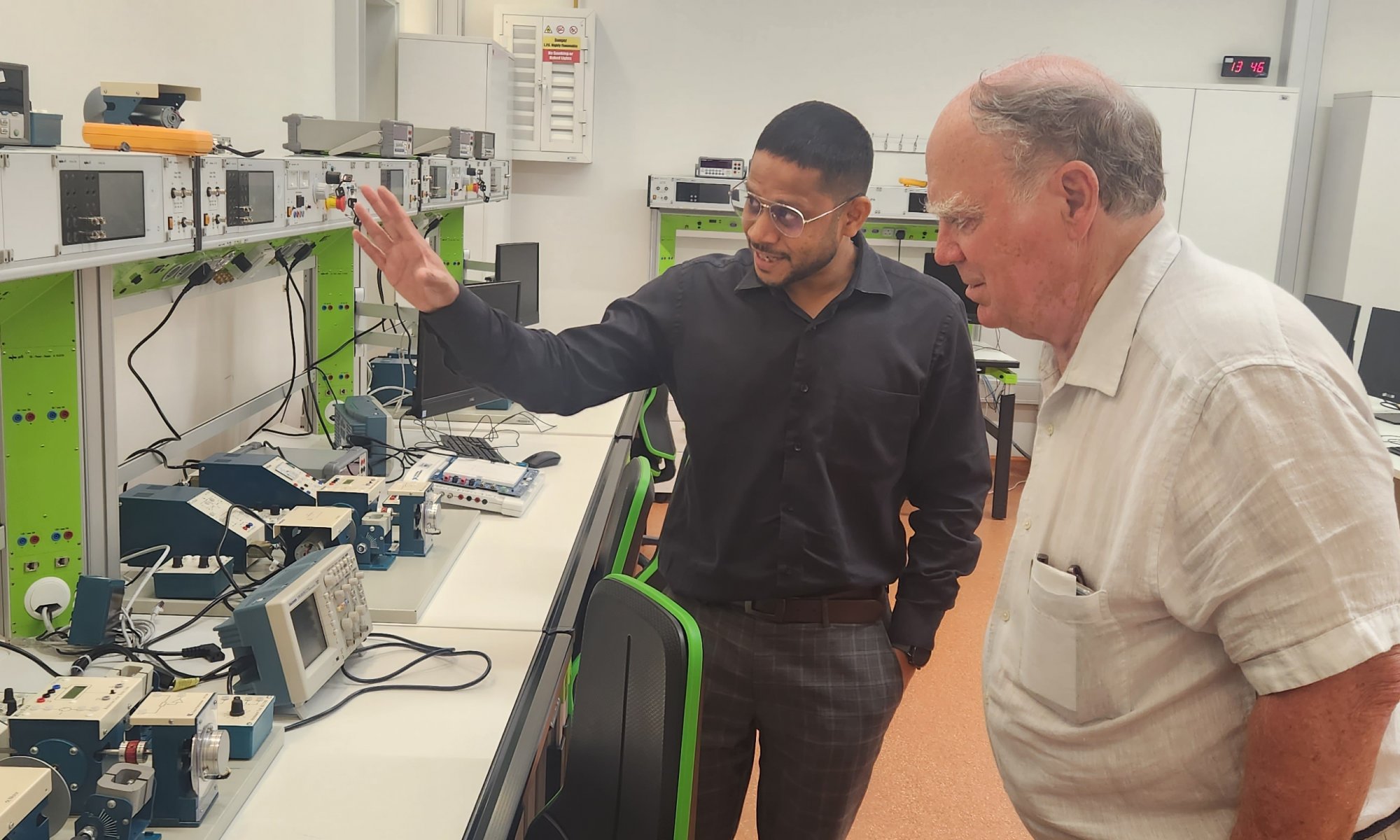
Dr. James Kirtley, Professor, Electrical Engineering and Computer Science, Massachusetts Institute of Technology (MIT), and a specialist in electric machinery and power systems engineering, recently visited the laboratories and research facilitates at Khalifa University.


Dr. Kirtley, also an Advisory Board member for Advanced Power and Energy Center (APEC). He was briefed by Professor Hatem Zeineldin, Chair, Electrical Engineering, and Professor Mohamed El Moursi, Director, APEC. Later, he also held discussions with Professor Ehab El-Saadany, Dean, College of Engineering and Physical Sciences.

He has participated in broadly-based research and development in electric machinery and electric power systems. He served as Editor in Chief of the IEEE Transactions on Energy Conversion from 1998 to 2006. Dr. Kirtley was made a Fellow of IEEE in 1990. He was awarded the IEEE Third Millenium medal in 2000 and the Nikola Tesla prize in 2002. Dr. Kirtley was elected to the United States National Academy of Engineering in 2007.


Author of two books, more than 90 articles in journals and IEEE magazines, and over 100 conference papers, Dr. Kirtley holds 24 US patents. He has participated in broadly-based research and development in several areas, including superconducting electric machinery, conventional turbo-generators, large machinery for ship propulsion, monitoring of electric power systems and equipment, magnetic bearings and magnetic levitation and design of electric machinery. His research areas include Electronic, Magnetic, Optical and Quantum Materials and Devices, as well as Energy and Robotics.


APEC is one of Khalifa University’s 12 research centers planning a wide spectrum of low and High Technology Readiness-level (HTR) projects, aspiring to craft the future of electric energy systems allowing seamless and economical operation of high capacity renewable/non-renewable energy resources (PV, CSP, wind, nuclear, and ESS). It supports hybrid AC/DC power grids, microgrids, AI applications in power systems, and providing optimal architecture, control and operation for smart grid and transportation electrification.


Alisha Roy
Science Writer
26 April 2024