
Khalifa University Researchers Discover Earth’s Earliest Fresh Water and Dry Land, Revealing Key Ingredients for Life

Research Uncovers Presence of Ancient Hydrological Processes on Earth Older than 4 billion Years 


Khalifa University of Science and Technology today announced researchers from the Earth Sciences department, College of Engineering and Physical Sciences, are piecing together a more comprehensive picture of our planet’s ancient past. They have uncovered evidence of ancient hydrological processes dating back to 4 billion years, revealing the first evidence of the presence of freshwater and dry land in our planet’s early stages, shedding light into the environmental conditions significant for the development of life on Earth. 


The momentous finding detailed in the manuscript ‘Onset of the Earth’s hydrological cycle four billion years ago or earlier’ by the lead author of the study, Dr. Hamed Gamaleldien, Assistant Professor, Earth Science at Khalifa University, along with an international team of researchers, published  in Nature Geoscience, a top 1% of Earth and Planetary Science journals.


Dr. Ahmed Al Durra, Associate Provost, Research, Khalifa University, said: “We are delighted to announce the groundbreaking discovery made by Dr. Hamed Gamaleldien and his colleagues. The extraordinary research marks a significant milestone in our understanding of Earth’s early history and holds profound implications for the search for evidence of life as early as 600 million years after our planet’s accretion. The findings highlight the intricate relationship between the hydrological cycle, the emergence of land and fresh water, and the potential for life to arise and flourish. This research not only deepens our understanding of Earth’s early development but also has broader implications for astrobiology and the search for life beyond our planet.”


Scientists made significant progress in understanding the origins of life on Earth, with the oldest life on Earth dating back approximately 3.5 billion years, believed to have emerged in hot spring environments on land where fresh water was present. However, the exact timing of the widespread interaction between fresh water and dry land remained uncertain. Through the new study, scientists examined an abundance of different oxygen isotopes in tiny mineral crystals called zircon from the sedimentary particles of Jack Hills from Western Australia, the oldest terrestrial materials found so far, covering a period from the Hadean to the Paleoarchean era (around 4.4 to 3.1 billion years ago).


The researchers measured the ratios of heavy oxygen to light oxygen which are thought to be much lighter in freshwater than in seawater. Measuring this ratio in over 1,000 zircon crystals, a valuable portion from 4.0 and 3.4 billion years ago had unusually light oxygen isotopes, indicating that they are formed from magma originated by interacting fresh water with rocks.  


Through thousands of computer simulations, the researchers demonstrated that the zircon with very light isotopic values could only result from the interaction between crustal magmatic systems and fresh water. This finding provides valuable insights into the earliest presence of fresh water and dry land on Earth, and the initiation of the hydrological cycle. Moreover, these factors likely created the environmental conditions necessary for life to evolve within a relatively short time span of less than 600 million years after the formation of Earth.


Alisha Roy
Science Writer
6 June 2024
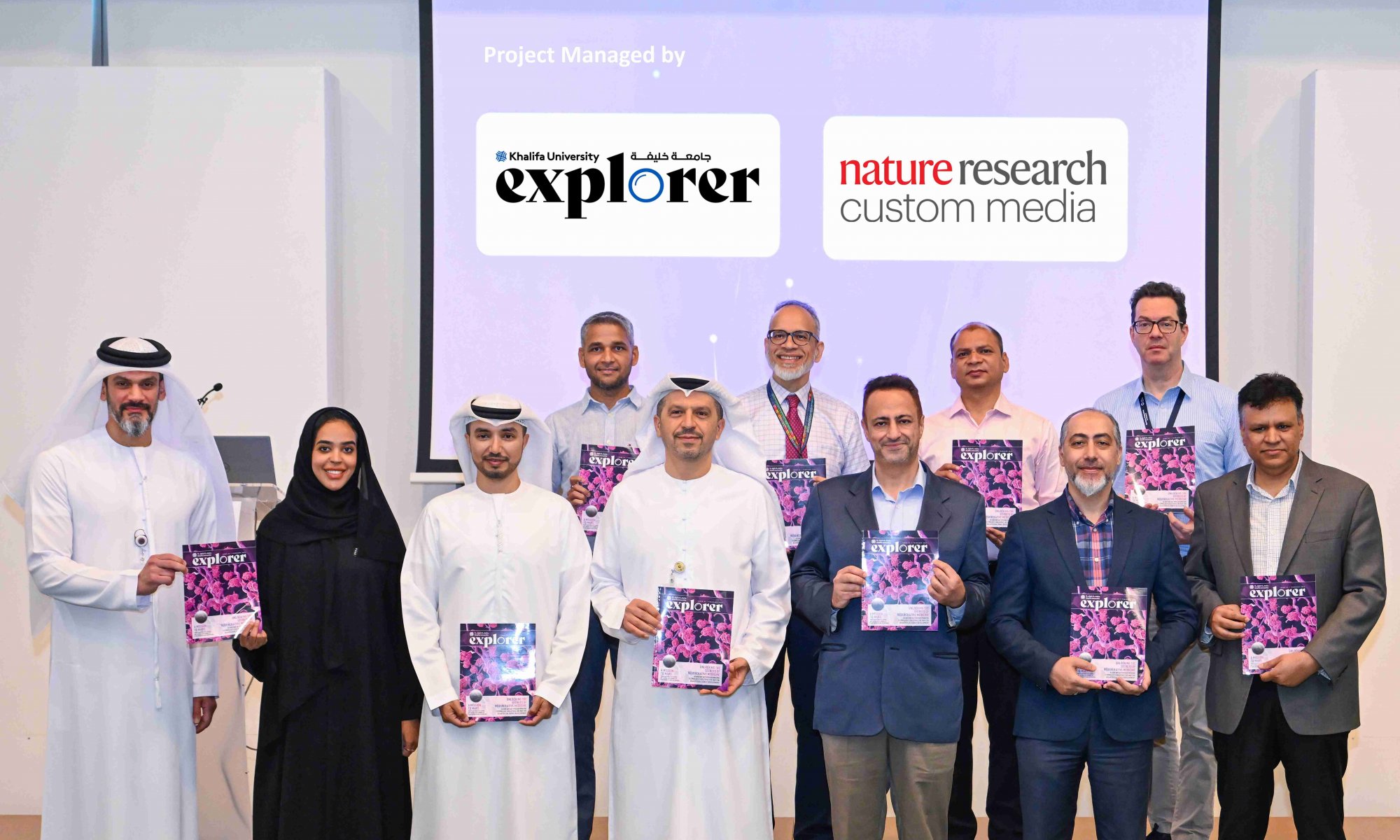
Khalifa University Launches Explorer, Research focused magazine in collaboration with Springer Nature

Khalifa University of Science and Technology today announced the launch of Explorer, a research-focused publication that highlights the pioneering innovations from Khalifa University, published in collaboration with Nature Research Custom Media, part of Springer Nature, the leading academic and scientific publisher.


The magazine was launched at an event held at Khalifa University’s main campus in Abu Dhabi. The event was attended by Dr. Arif Sultan Al Hammadi, Khalifa University’s Executive Vice President, members of the University’s management and researchers. 


Explorer serves as a window into the cutting-edge research emerging from Khalifa University’s faculty and researchers, including outputs from the university’s research groups, special facilities, labs and research centers. 


Dr. Arif Sultan Al Hammadi, Khalifa University’s Executive Vice President, said: The Explorer signifies a new addition to Khalifa University’s expanding portfolio of science, technology and research publications. The collaboration with Springer Nature also illustrates the University’s commitment to showcase to a worldwide audience the extent of cutting-edge research that goes on at Khalifa University. This publication will turn the spotlight on how Khalifa University continues to play a pivotal role in creating human and intellectual capital for the UAE and the region, through scientific exploration.”


The impactful research projects covered in the inaugural issue of Explorer include articles on space exploration, regenerative medicine, and the development of a fully functioning bio-artificial kidney. Other articles discuss a pioneering study on how a specific class of drugs has the power to safeguard patients suffering from a form of heart failure, significantly reducing the risk of cardiac arrest and death, as well as how genomic analysis can shed light on diabetic kidney disease in the UAE. Also included in this first issue of the publication is how machines can detect early signs of kidney damage, and advanced imaging techniques that can provide insights into organ scaffold viability.


The Explorer Magazine can be viewed by visiting: https://bit.ly/KUExplorer


Clarence Michael
English Editor – Specialist
5 June 2024

Khalifa University Researchers Win Top International Award at Prestigious Nuclear Thermal Hydraulics CFD Competition in US

High-Performance Computing Enables Khalifa University Team to Successfully Run Complex Simulations


Khalifa University’s powerful high-performance computing (HPC) infrastructure enabled researchers Prof. Abdallah Sofiane Berrouk, Professor, Mechanical and Nuclear Engineering,  Theme Leader, Research Center for Catalysis and Separation (CeCaS), and Ahmed Mongy Alatyar, PhD Researcher, to win the First Annual American Society of Thermal and Fluid Engineering (ASTFE) Nuclear Thermal Hydraulics CFD Competition in the US.


Organized by the ASTFE and Framatome, an international leader in nuclear energy, the competition involved a complex challenge for developing the most accurate Computational Fluid Dynamics (CFD) model for the multi-jet Gas-mixture Dome (MiGaDome) facility installed at the University of Michigan. The CFD competition was part of ASTFE 2024 organized earlier at Oregon State University, with 12 CFD research groups participating. Out of these, five groups were shortlisted to present their work at the 9th Thermal and Fluids Engineering Conference, 2024 (TFEC-ASTFE 24), and the Khalifa University team won the award.


A panel of judges conducted a comprehensive comparison of the CFD models and the experimental data from the MiGaDome. According to the judges, the Khalifa University team’s CFD model exhibited the best correlations on almost all the studied parameters and the energy consumption, earning them the top spot in the competition.


HPC was crucial in allowing the team to successfully run their complex CFD simulations, handle the large data volumes, and quickly debug their models, enabling them to obtain the required results within the competition’s tight timeframe. The CFD model got the best correlations with the experimental data while consuming the minimum computational energy, demonstrating the best effective model fitness.


The MiGaDome facility at the University of Michigan is designed to study the fluids-mix inside large enclosed spaces, an important factor for nuclear reactor designs. The data from experiments conducted at this facility was used to test the accuracy of the CFD models submitted by the competition participants, without the participants knowing the experimental results ahead of time.


Moreover, the teams built the CFD models without the ability to simply guess or trial-and-error their way to a solution. All participants only discovered how well their results matched the experimental data when the models were presented at the conference, making the competition even more rigorous, as the teams had to rely solely on their modeling expertise to try to predict the outcomes.


The achievement is expected to have a significant impact on the future of nuclear thermal hydraulics research in the UAE as advanced 3D CFD simulations have proven to be indispensable for making reliable predictions across a wide range of operating conditions and safety scenarios in the nuclear energy field. These powerful 3D models can provide much more cost-effective solutions for tackling the complex thermal-hydraulic analysis challenges that the traditional one-dimensional computer models struggle with as they often lack the necessary detail and accuracy to fully capture important thermal-hydraulic phenomena in nuclear reactors.


Prof. Abdallah Sofiane Berrouk said: “The success from this prestigious competition underscores Khalifa University’s commitment to advancing nuclear engineering research and its potential to contribute to the future of the peaceful nuclear energy industry in the UAE. This achievement demonstrates the University’s cutting-edge research infrastructure capabilities in helping establish the UAE’s knowledge base for thermal-hydraulic multiscale simulations with the dual purposes of enhancing the current reactors’ safety and operations reliability, and accelerating the deployment of future advanced nuclear reactors. I am hopeful this success will encourage more support for Mechanical and Nuclear Engineering projects from across the academic and research spectrum.”


Alisha Roy
Science Writer
5 June 2024

Khalifa University Jumps 28 Slots to be Ranked 202nd Globally and Top in UAE for Seventh Consecutive Year

According to QS World University Rankings 2025


Khalifa University of Science and Technology today announced it has jumped 28 slots to be ranked Top in the UAE for seven years in a row and 202nd globally in the QS World University Rankings 2025, which was announced today and assessed over 1,500 universities across 105 countries/territories.


In the QS World University Rankings 2025 Khalifa University has performed well while scoring ‘100’ globally for International Faculty Ratio, the strongest indicator.


The QS World University Rankings assess each academic institution on six metrics, including its reputation amongst academics and employers. The criteria include Academic Reputation, Employer Reputation, Faculty/Student Ratio, Citations per Faculty, International Faculty Ratio, International Student Ratio as well as International Research Network.


To learn more about the QS World University Rankings 2025, click here.

To learn more about Khalifa University’s rankings, click here.


Alisha Roy
Science Writer
5 June 2024

RIC2D Joins with Max Planck Institute and TU Dresden to Host Symposium on 2D Materials in Water Applications

Spotlight on Graphene and 2D Materials for Water Purification to Help Address Water Scarcity Challenges Globally


Khalifa University’s Research & Innovation Center for Graphene and 2D Materials (RIC2D) joined with Max Planck Institute of Microstructure Physics and TU Dresden in Germany to host a symposium that explored the transformative potential of 2D materials in water applications, specifically focusing on desalination and water treatment.


More than 40 renowned scientists and industrial experts in graphene and 2D materials for water purification discussed possible ways to address water scarcity at the symposium that was titled ‘2D Materials in Water Applications’. It was co-chaired by Professor Hassan Arafat, Senior Director, RIC2D, and Professor Xinliang Feng, Director, Department of Synthetic Materials and Functional Devices, Max Planck Institute of Microstructure Physics.


Dr. Ludovic Dumee, Assistant Professor, Chemical and Petroleum Engineering, Khalifa University, presented his project titled ‘Decarbonizing the desalination industry – potential of 2D nanomaterial enabled separation solutions’, as one example of translational research activities in this field at Khalifa University. The paper highlighted current avenues being investigated to make the water industry more sustainable and presented recent innovations that may support net-zero water revolution. Dr. Shadi Hasan, Director, Center for Membranes and Advanced Water Technology (CMAT) and Associate Professor of Chemical and Petroleum Engineering at Khalifa University presented a paper titled ‘Advancements in 2D Material-Based Water Purification: A Research Team’s Endeavors’, highlighting several projects developed at CMAT including membranes for desalination, wastewater treatment, and oil-water separation as well as biosensors for environmental applications.


Professor Hassan Arafat said: “The quest for sustainable solutions feels more urgent than ever as the need for access to clean drinking water gains immense significance. This symposium highlighted the fact that 2D materials offer a solution, with the potential to transform desalination and water treatment. The knowledge exchange that happened at our symposium between academia and industry working on this topic will surely help chart a path towards a water-secure future while assisting our community to address global challenges in water scarcity. The new 2D materials, including graphene and its derivatives, offer a way to make clean drinking water for everybody a reality and contribute towards the United Nations Sustainable Development Goals.”


Leading researchers, industry experts, and policymakers explored breakthroughs to gain insights into the latest advancements in 2D materials research and applications, while forging collaborations and networking with leading minds to ignite transformative partnerships. Participants at the symposium also discussed challenges and opportunities for real-world applications, while strategizing different ways for commercialization, and contributing to developing sustainable solutions for global water challenges.


Clarence Michael
English Editor – Specialist
4 June 2024

Mathematical Model Leads to Discovery of 12,000-Year-Old Ancient Tsunami in Alpine Lake 

Research Aligns Numerical Simulations with Geological Evidence to Find Tsunamis Can Impact Small Inland Lakes


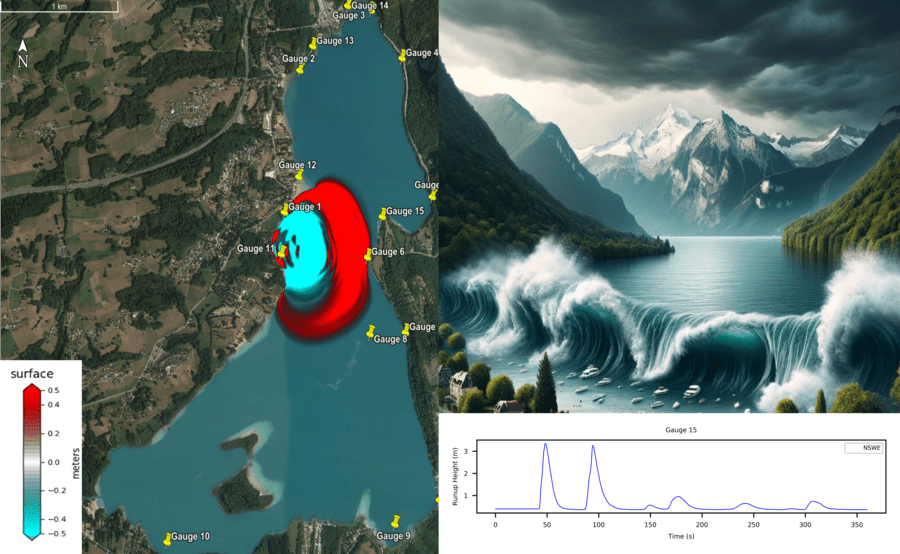
Using a multidisciplinary approach combining geological analysis and advanced numerical modeling, researchers from Khalifa University and the University of Savoy Mont Blanc have uncovered evidence of a previously unreported 12,000-year-old palaeo-tsunami event in Lake Aiguebelette, an alpine lake in France.


Since this tsunami was caused by an instability of underwater sediments in relation to a past earthquake, the study in particular shows that tsunami waves can happen even in small lakes, and that a major rock collapse is not always necessary to trigger such an event.


The findings, published in the Journal of Geophysical Research – Solid Earth (Wiley), titled ‘Numerical Reconstruction of Landslide Paleotsunami using Geological Records in Alpine Lake Aiguebelette’ detail the reconstruction of this ancient tsunami event and challenge conventional assumptions about the causes and behavior of tsunamis. The research team includes Dr. Denys Dutykh, Associate Professor, Mathematics, Khalifa University; Muhammad Naveed Zafar, PhD Researcher, and Dr. Pierre Sabatier, Lecturer, Earth Sciences, University of Savoy. 


The team’s numerical simulations, which closely matched the available geological data, revealed that the palaeo-tsunami took place approximately 11,700 years ago, enabling the detection of traces of the event in deep sedimentary layers. A mathematical modeling of the paleo underwater landslide, which indicates a significant paleo-tsunami event, also provided valuable insights into the risks of landslide-induced tsunamis in mountainous regions.

By aligning computer simulations with the actual geological evidence, the researchers determined that wave dispersion played a relatively minor role in this particular lacustrine (lake-based) tsunami event, highlighting how tsunamis can also occur and impact small inland bodies of water.


Several advanced techniques were used to study the lake and gather data about the event, including identifying the initial area where the event originated. By acquiring highly detailed bathymetric data, which provided very accurate measurements of the lake’s depth, they also used seismic profiling and core sediment to create and characterize the mass wasting deposit in the lake sediment. Building on this geological fieldwork data, researchers conducted complex computer modeling and simulations. Mathematical models were used to simulate the underwater landslide and the resulting tsunami. The depth-averaged visco-plastic Herschel-Bulkley rheological model, known as BingClaw, was employed for the landslide simulation. For the tsunami, both the depth-averaged nonlinear shallow water equations (NSWE) model, GeoClaw, and the dispersive tsunami model, BoussClaw, were utilized. 


Dr. Denys Dutykh said: “Researching palaeo-tsunamis is crucial due to the long recurrence intervals of these events. This multidisciplinary research not only enhances our understanding of tsunamis in small lacustrine settings, but also lays the groundwork for future investigations in other lakes and coastal areas. The contribution of both mathematicians and the geologists were crucial. Without the successful reconstruction of the event using geological and numerical studies, this work would not have been accepted for publication in such a prestigious journal.” 


The team plans to expand their studies to additional lakes and conduct onshore tsunami deposit surveys at Lake Aiguebelette to further refine their understanding of this ancient palaeo-tsunami event.


Alisha Roy
Science Writer
4 June 2024

Real vs Synthetic Data: Is Generative Content in Need of Human Touch

Research Finds Large Language and Vision Models Becoming Less Effective When Saturated with Machine-Generated Content


Maintaining the right balance between authentic, human-created content and auto-generated data can prevent smart content generation tools from losing their ability to respond in diverse, natural-sounding language according to researchers from Khalifa University, the Technology Innovation Institute (TII) – Abu Dhabi, the New York University – Abu Dhabi (NYUAD), and the University of California (UC), Berkeley, US.  


To avoid Model Autophagy Disorder (MAD) where the intelligent system recycles data and becomes stuck with repetitive, low-quality output, researchers found that the amount of machine-generated data should be considerably smaller compared to the human-origin data.


The findings, published in Cornell University’s Arxiv, titled ‘How Bad is Training on Synthetic Data? A Statistical Analysis of Language Model Collapse,’ will be presented at the Conference on Language Modeling 2024 (COLM2024) at the University of Pennsylvania, US being held from 7-9 October 2024. The Khalifa University research team includes Dr. Merouane Debbah, Professor, Computer and Communication Engineering, Mohamed El Amine Seddik, Senior Researcher, TII, Dr. Soufiane Hayou, Researcher, UC, Berkeley, Dr. Pierre Youssef, Associate Professor, Mathematics, and Suei-Wen Chen, Research Assistant, NYUAD.


GPT-2, GPT-3, and GPT-4 have shown they can respond intuitively using pre-existing information and ChatGPT made these kinds of advanced language models accessible to everyday people.  As these large language models (LLMs) train on text and even images generated by other intelligent systems – rather than real human work – even in small quantities, machine-generated data can eventually ‘poison’ the smart content apps, leading to MAD or a model collapse. In fact, previous studies highlight how a self-consuming loop affects linguistic diversity where models from the current generation produce data that pollutes existing information on the web; setting up the next generation models to train on contaminated data.


Using a special type of math called a linear SoftMax, researchers looked at the changes in the intelligent system as it calculated probabilities for each next word. Through simulations and tests with realistic GPT-2-style language models on actual data, the researchers confirmed training with data sampled from a previous generation model, always leads to model collapse. A careful control of the amount of synthetic data inputs demonstrated that these findings can also be applied beyond theoretical settings.


Dr. Merouane Debbah said: “With the adoption of generative Large Language and Vision models, the amount of synthetic data on the web is growing at an unprecedented rate. Several works showed that incorporating synthetic data in the training can hurt the performance of trained diffusion models. In fact, practitioners are willingly using synthetic data to train next-generation models leading to Model collapse. As intelligent systems become increasingly advanced and widespread, our research lays important groundwork for better understanding and mitigating model collapse in future machine-generated content.”


Alisha Roy
Science Writer
4 June 2024

Dr. Kynan Eng Sheds Light on Critical Applications Including Perception and Computing

ARIC Highlights Potential of Neuromorphic Vision in Multiple Industries 


A seminar on advanced technology that mimics the human brain or ‘neuromorphic’ at Khalifa University’s Advanced Research and Innovation Center (ARIC) shed light on critical applications of neuromorphic perception and computing, exploring its potential across industries.


Delivered by Dr. Kynan Eng, Co-founder and CEO of Zurich-based IniVation, a spin-off of IniLabs and ETH Zurich, the seminar titled ‘Neuromorphic Vision: Principles, Applications, and Future’, highlighted the critical applications for which neuromorphic technology lay the groundwork in various sectors. He emphasized its role in high-speed inspection, precise and rapid manufacturing solutions, cluttered environment applications, and particle image velocimetry.


Additionally, Dr. Eng focused on the long-term Internet of Things (IoT) monitoring, space-based sensing and light monitoring, imaging with HDR ultra-slow motion, 3D area volume scan, low-latency mobile eye tracking, mobile sensor data mapping for railway structures, drones, and the automotive industry.


The seminar also highlighted ARIC’s synergistic association with IniVation, a prominent manufacturer of electronics and neuromorphic vision sensors based in Zurich. By developing advanced neuromorphic perception algorithms tailored for industrial solutions, ARIC enhances the practical applications of IniVation’s sensors. Additionally, the center’s ongoing collaborative projects with industrial partners, including Strata Manufacturing and Sanad Group from Mubadala, have successfully utilized IniVation’s sensors in precision manufacturing, high-speed visual inspections, and robotic grasping applications.


ARIC has integrated IniVation’s sensors into a diverse range of projects including high-speed inspection and groundbreaking endeavors such as neuromorphic vision-based drilling. Of importance are ARIC’s two industry-driven Neuromorphic projects – the Countersink Inspection and Tactile Sensing – which focus on the inspection and manufacturing of aerospace parts and the inspection of aero-engine blades, where IniVation’s products are being utilized as hardware in these projects. Furthermore, it is actively engaged in discussions with IniVation and Inilab at ETH Zurich to establish research collaborations involving neuromorphic vision.


In addition to their patents, publications, and deployed industrial solutions, ARIC achieved several notable milestones including the showcase of the MMO-500 robot by Khalifa University’s Senior Design Project students to H.H. Sheikh Khaled bin Mohamed Bin Zayed Al Nahyan, Abu Dhabi Crown Prince and Chairman of the Executive Council of Abu Dhabi at the ‘Make It in The Emirates’ exhibition. Furthermore, ARIC established collaborations with industrial partners, including Strata, Sanad, and Amana Healthcare from Mubadala, on various projects. Their research also received recognition, with ‘Asynchronous Events-based Panoptic Segmentation using Graph Mixer Neural Network’ winning the Best Paper award in 2023.


Alisha Roy
Science Writer
30 May 2024

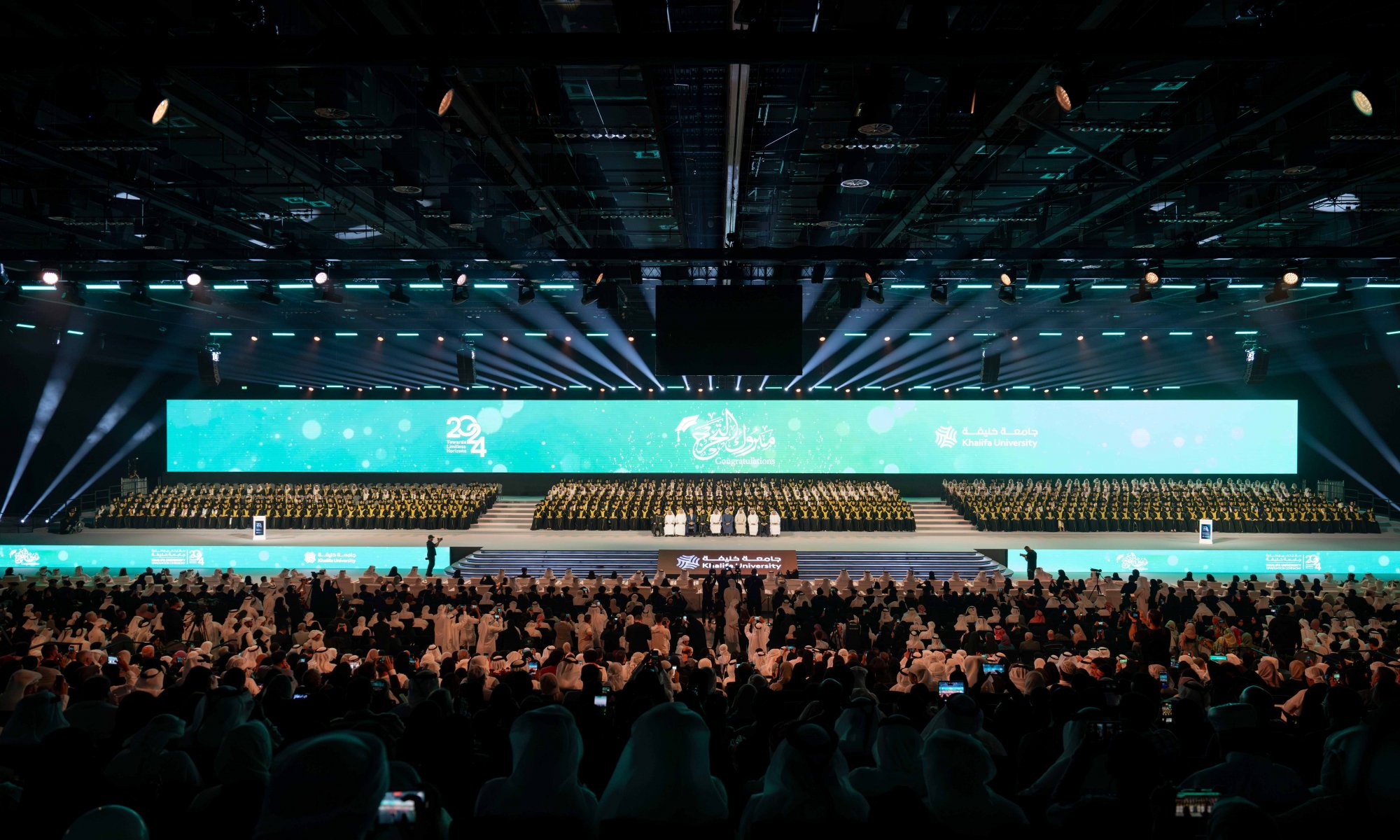
Khaled bin Mohamed bin Zayed attends Khalifa University graduation ceremony

His Highness Sheikh Khaled bin Mohamed bin Zayed Al Nahyan, Crown Prince of Abu Dhabi and Chairman of the Abu Dhabi Executive Council, has attended the Khalifa University 2024 graduation ceremony, celebrating 826 students receiving their bachelor’s, master’s, and PhD degrees. 


His Highness Sheikh Khaled bin Mohamed bin Zayed Al Nahyan congratulated the graduates, their parents and the university management on the remarkable academic achievement. His Highness also wished the new graduates success in their future careers and encouraged them to contribute to the nation’s progress in line with strategic national goals. His Highness emphasised the leadership’s commitment to investing in an integrated educational and academic ecosystem that prepares a generation equipped with scientific skills and knowledge who are capable of meeting the nation’s goals and building a knowledge-based economy.


His Highness honoured several of the university’s distinguished students who received bachelor’s degrees. The ceremony, attended by prominent intellectual and academic figures from across the UAE, as well as members of the university’s Board of Trustees, academic and administrative staff, and parents of graduates, celebrated the graduation of 826 students. Among them, 61 earned PhDs, 244 obtained master’s degrees, 498 received bachelor’s degrees in science and engineering, and 23 graduated from the College of Medicine and Health Sciences (CMHS).


His Highness Sheikh Khaled bin Mohamed bin Zayed Al Nahyan also congratulated His Highness Sheikh Hamed bin Zayed Al Nahyan, Chairman of the Board of Trustees of Khalifa University, commending his efforts and leadership in further enhancing the university’s status. The university has attained high rankings in international classifications through its academic programmes and research initiatives across various scientific fields.


Professor Sir John O’Reilly, President of Khalifa University, said: “Congratulations to the graduating students, who, we believe, will play key roles in leading Abu Dhabi’s knowledge-based economy of the future in this region and across the world. Our graduates have now become Khalifa University Alumni – special ambassadors who will leave an indelible mark on the broader community while upholding the university’s name with honour.”


In his address, Sir John O’Reilly expressed his gratitude to His Highness Sheikh Mohamed bin Zayed Al Nahyan, the UAE President, for his visionary leadership and for providing support not only to Khalifa University, but to the country’s academic and research sectors in general. During the year, Khalifa University was ranked top in the UAE and 40th in Asia in the Times Higher Education (THE) Asia University Rankings 2024, reinforcing its status as one of the pioneering educational institutions in the UAE, regionally and globally.


The academic year witnessed Khalifa University further enhancing its status as a leading academic institution through its focus on transformative technological innovations and strategic collaborations with key international partners to enhance cyber security, develop technologies for aerospace applications, and conduct advanced studies on printing and deposition of two 2D materials in space, among other high-priority sectors.


Khalifa University has also launched two research-oriented journals: Khalifa University Science and Technology (KUST) Review, which covers international and regional scientific innovations, and Explorer – an annual research magazine highlighting the first-ever genomic analysis of the Emirati diabetic population, among other innovative topics.

Khalifa University Showcased Array of Academic, Research and Scholarship Options at 10th UAE Education Interface Exhibition and Middle East Youth Conference 

Khalifa University’s Initiatives Aim to Contribute to UAE’s Vision 2030 Objectives on Human Capital Building


A diverse range of academic programs, from engineering to biomedical sciences, as well as scholarship options, innovative projects and accomplishments of Khalifa University faculty and students were showcased during the UAE Education Interface Exhibition and Middle East Youth Conference 2024.


The 10th edition of the two-day exhibition and conference is held under the patronage of Lt. General His Highness Sheikh Saif bin Zayed Al Nahyan, Deputy Prime Minister and Minister of Interior.


Held from 27th to 28th May 2024 at the Abu Dhabi National Exhibition Centre (ADNEC), the event offered a platform for educational entities to showcase programs, scholarships, financial aid programs, and educational services. The Khalifa University stand provided an overview of key initiatives including the more than 90% scholarships option that aimed to meet capacity building objectives under the UAE’s vision 2030 plan. Information was also available on the broad range of disciplines in science, engineering, medicine, and life sciences, continuously broadening the scope for world-class academics with highly focused research.


Khalifa University’s choice as a compelling premier academic, research and enterprise-oriented institution was recently validated when it was ranked top in the UAE and 40th in Asia in the Times Higher Education (THE) Asia University Rankings 2024. The THE Young University Rankings 2024 has placed the University 27th worldwide, which marks a significant jump of 22 slots from the 49th place in last year’s ranking.


Academically, the university refined the college structure under three colleges; the College of Computing and Mathematical Sciences, the College of Engineering and Physical Sciences, and the College of Medicine and Health Sciences (CMHS). Research activities are organized around seven key themes with 12 core research centers, and 228 state-of-the-art laboratories to address challenges in sectors that are of critical importance to the country’s development.


The UAE Education Interface and Middle East Youth Conference 2024 is expected to attract over 15,000 attendees, including high school students, parents, higher education professionals, graduate-level learners, and national service recruits, providing Khalifa University with a unique opportunity to engage with a diverse audience and showcase its academic excellence on a global stage.


In the 2023 edition of the event, more than 350 educational entities and institutions participated in the exhibition and provided opportunities that contributed to advancing sustainable development in the country.


Alisha Roy
Science Writer
28 May 2024

3rd UAE Anatomy and Cellular Biology Conference at Khalifa University Highlights Evolution of Clinical Anatomy

More than 100 Anatomists, Human Biologists, and Health Professionals from across the World Attend Keynotes, Plenary Speakers, Six Podium Sessions and Over 80 Poster Presentations


The evolution of clinical anatomy and the role of imaging modalities in collaborative research was highlighted at the UAE Anatomy and Cellular Biology Conference 2024, the third edition of the annual meeting of anatomists within the Middle East and North Africa (MENA) region that was hosted by Khalifa University.


More than 100 anatomists, human biologists, and health professionals from across the MENA region, and the world attended the two-day event that featured a packed program focusing on the latest advancements in the fields of anatomy and cellular biology. The program included two keynotes, three plenary speakers, six podium sessions, and over 80 poster presentations. The conference also included a guided tour of the Khalifa University Body Museum by Body Worlds, and the state-of-the-art Anatomy Labs.


In her welcome remarks, Dr. Habiba Al Safar, Dean, College of Medicine and Health Sciences (KU-CMHS), said: “We are delighted to provide a platform for the anatomy and biology community to come together, share their research, and explore new frontiers. Bringing together leading experts from across the world, is set to inspire the next generation of healthcare professionals, while highlighting the modern teaching methods and technologies being explored at Khalifa University in anatomy and cell biology.”


A keynote address from Dr. Albert-Neels van Schoor, Professor of Anatomy, University of Pretoria, delved into the evolution of clinical anatomy and the role of imaging modalities in collaborative research. Delivering the next day’s keynote talk on ‘Advancing Biomedical Research through Animal Modeling’ was Dr. Abdullah Assiri, Deputy Executive Director of Research and Innovation, King Faisal Specialist Hospital and Research Center.


The first plenary talk by Dr. Su Ryon Shin, Assistant Professor, Department of Medicine, Harvard Medical School, focused on the engineering of nano-biomaterials for tissue fabrication and regenerative medicine, while the second by Dr. Museer Lone, Group Leader, University of Zurich, Switzerland, presented ‘Decoding the Sphingolipid Enigma: Bridging Neurodegeneration, Metabolism, and Therapeutic Frontiers’.


A talk from Dr. Michael Fakih, Founder and Chairman, Fakih IVF Fertility Center, discussed ‘A Holistic Approach for Fertility Treatment in the UAE’.


The conference also featured a variety of networking events and student activities. The six podium sessions covered ‘Applied and Clinical Anatomy’, ‘Education and Pedagogy’, ‘Tissue Engineering’, ‘Cellular Biology’, and ‘Precision Medicine’ which included 28 presentations. There were also poster displays, and two rapid-fire rounds, with an awards session recognizing top presentations.


Alisha Roy
Science Writer
28 May 2024

A Global Look at Cardiovascular Disease over Three Decades

Study from the Global Burden of Disease Collaborator Network, including Khalifa University’s Dr. Wael Osman, tracks the global shifts in cardiovascular health over decades of heart health research.


Cardiovascular disease (CVD) remains the world’s number one killer, but a comprehensive study spanning over three decades shows both progress and persistent challenges in the global fight against heart disease. The study was conducted by an extensive collaborative team of researchers from around the world, including Khalifa University’s Dr. Wael Osman, Assistant Professor of Biological Sciences. One of many such studies by the Global Burden of Disease Collaborator Network, the investigation examines the trends and impacts of cardiovascular diseases globally from 1990 to 2022.

Share on X


The global study with the Global Burden of Disease Collaborator Network, which includes more than 700 investigators worldwide, estimated the CVD burden for 204 countries and territories. The results were published in the Journal of the American College of Cardiology, a top 1% journal.


The study shows that significant strides in reducing CVD mortality rates are tempered by the uneven distribution of progress. While, globally, CVD mortality has decreased by 34.9 percent since 1990, region disparities are stark: High-income Asia Pacific countries saw the lowest age-standardized CVD mortality rate in 2022, at 73.6 per 100,000 people, while Eastern Europe reported a rate of 432.3 per 100,000.


“The cardiovascular disease epidemic is a significant global health challenge, causing heart attacks, strokes, and other complications that greatly affect mortality and morbidity rates,” the researchers say. “In this study, countries and territories are categorized into different regions to give a comprehensive perspective. Eighteen cardiovascular conditions and 15 prominent risk factors were assessed across three categories, including environmental, metabolic and behavioral factors.”


Ischemic heart disease, also known as coronary heart disease, and stroke remain the leading causes of CVD deaths, emphasizing the continued need for robust healthcare systems and effective public health strategies.


“As the disease results in a substantial number of premature deaths and preventable deaths, preventative measures and effective management strategies are essential,” the study says. “Considering the aging population and rapid urbanization of contemporary societies, this underscores the necessity for increased awareness and action through targeted public health measures.”


The study also highlights the impact of various risk factors on CVD rates. High systolic blood pressure is identified as the leading risk factor for CVD globally, contributing to the highest number of disability-adjusted life years (DALYs), a measure of overall disease burden. On the other hand, household air pollution from solid fuels, a significant risk factor in lower-income regions, saw the largest decrease in attributable DALYs, dropping by 65.1 percent since 1990.


While the reduction in global CVD mortality rates is encouraging, the persistent high rates in regions like Eastern Europe and Central Asia point to an ongoing need for targeted health interventions and policies. For example, Central Asia saw a 16.5 percent decrease in mortality, compared to Australasia’s 65.5 percent reduction. The overall global decline in CVD deaths demonstrates the potential benefits of improved healthcare access and advancements in medical technology, alongside the changes brought by policy shifts in diet, exercise and smoking habits.


This extensive study not only sheds light on the progress made but also underscores the work that remains. With continued international collaboration and commitment, further strides can be made towards a healthier global population. 


Jade Sterling
Science Writer
27 May 2024