
Climate Change in the MENA Region Forecasts a Looming Crisis

With rising temperatures, shifting weather patterns, and increased frequency of extreme events, the MENA region is at the forefront of the global climate crisis


The Middle East and North Africa (MENA) region is no stranger to extreme weather, but recent research highlights an alarming trend: The climate in this arid region is changing more rapidly and dramatically than ever before.


Dr. Diana Francis and Dr. Ricardo Fonseca published a comprehensive study on these climatic shifts in Scientific Reports. They used a combination of observational data and advanced climate models and found significant changes in the region’s climate over the past four decades, with even more drastic shifts expected by the end of the 21st century.


One of the most striking trends is the increase in air temperatures across the MENA region. Between 1981 and 2020, the annual air temperature rose by an average of 0.36°C per decade. Summers are warming even faster, with temperatures climbing by 0.45°C per decade. The region has already experienced record-breaking heatwaves, such as July 2023 when temperatures soared to 51°C in Algeria, 49°C in Tunisia, and 46°C in Jordan. These extreme temperatures are dangerous, leading to widespread power outages, health crises, and even fatalities.


Drs. Francis and Fonseca also noted shifts in weather patterns. In the summer, convective regions move northward, while in winter, they shift eastward. These changes are influenced by alterations in the location and intensity of thermal lows and subtropical highs, which in turn affect the amount of dust in the atmosphere and cloud cover. The subtropical highs, for example, are projected to move poleward by 1.5° due to the expansion of the Hadley cells, a crucial component of Earth’s atmospheric circulation system which transport heat from the equator to higher latitudes.


Dr. Francis says the projections are concerning: “By the latter half of this century, up to half of the MENA population — around 600 million people — could be exposed to super- and ultra-extreme heatwaves. Temperatures during these events could reach and even exceed 56°C, lasting for several weeks. And even though the region has seen increased aridity, extreme rainfall events are becoming more intense. As sea surface temperatures rise, the atmosphere holds more moisture, leading to more severe precipitation events.”


The MENA region’s vulnerability to climate change is exacerbated by its limited water resources and rapid population growth. Higher temperatures and changing precipitation patterns threaten water security, agriculture, and public health. The combination of heat and humidity in some areas has already surpassed the thresholds for human habitability, a situation likely to worsen with continued warming.


Understanding these climatic changes is essential for developing strategies to adapt and mitigate their effects.


 “Renewable energy, particularly solar power, has seen exponential growth in the region and will play a crucial role in reducing greenhouse gas emissions,” Dr. Francis says. “Improved water management, resilient infrastructure, and robust health systems are also critical to coping with the impacts of climate change.”


This research underscores the importance of continuous monitoring and advanced climate modeling. A clearer picture of how the climate is changing and will continue to change will allow policymakers and scientists to better prepare for and respond to the challenges ahead. The stakes are high, but with informed action and innovative solutions, a more resilient future for the MENA region is possible.


Jade Sterling
Science Writer
16 July 2024

Khalifa University’s UK Collaboration Partner Creo Medical Wins King’s Award for Enterprise in Innovation

Breakthrough Innovations in Surgical Endoscopy Coming to the UAE through Khalifa University-Creo Medical Partnership


Khalifa University of Science and Technology today announced its collaboration partner, Creo Medical Group of the UK, which earlier this year established its local presence in Abu Dhabi with joint research laboratories at the University, has won the King’s Award for Enterprise in Innovation, an accolade that honors innovative UK companies for their impact in their respective sectors.


The prestigious award was presented to Craig Gulliford, Chief Executive Officer, Creo Medical, during a ceremony at Windsor Castle. Creo is a medical device company focused on innovation in minimally invasive surgical endoscopic technologies, developing Advanced Energy platforms and devices that utilize microwave and radiofrequency energy for cutting, coagulating, and ablating soft tissue during endoscopic surgical procedures (surgery performed without making incisions through the skin). Creo’s devices allow doctors to remove cancerous and pre-cancerous growths and complex lesions from inside the body, including in the bowel, oesophagus, and lung.


The award recognizes the company’s outstanding achievements in providing transformational improvements in cancer patient treatment and outcomes while at the same time, by way of simplified procedures and reduced time in hospital, providing substantial operational improvements and reduction in costs in the healthcare system. 


Craig Gulliford Creo Medical Chief Executive said: “We are delighted to have received this award from His Majesty The King in recognition of our team’s outstanding work, dedication and achievements towards innovation in healthcare across the globe. Khalifa University played an instrumental role in attracting us to establish a local presence in Abu Dhabi to serve the UAE, Middle East and wider Africa region. Its commitment to advancing engineering and technology research, innovation and enterprise to improve medical science and practice makes the University an ideal partner, with the attendant proximity to talent and discovery enabling us further to develop our technology and activities locally.”


Khalifa University President Sir John O’Reilly said: “The award for Creo Medical bears testimony to the extent of Khalifa University’s collaboration with globally leading innovation pioneers across all areas including medical sciences, as well as commercialization and application, patient care and diagnostics. We strongly believe our research expertise combined with technological breakthrough medical technology solutions from Creo will usher in an era that will benefit not only the region but the global community as well.” 


Khalifa University’s partnership with Creo is structured around three main areas – research, education and investments. As well as engaging with university faculty in research and innovation such as Advanced Energy electrosurgical sensing and advancing Creo’s Plasma Technology for sterilization and advanced wound care. The company contributes to the educational mission, including fostering innovation in technology and entrepreneurship with presentations such as ‘Anyone Can Be an Entrepreneur’ with Creo Medical’s journey providing an insightful, inspiring, practical case study for students.


Clarence Michael
English Editor – Specialist
16 July 2024

Abu Dhabi to Host Top International Conference and Exhibition on Intelligent Robots and Systems

IROS 2024 Coming to MENA Region for the First Time


Khalifa University of Science and Technology today announced it will be hosting the 36th edition of the IEEE/RSJ International Conference on Intelligent Robots and Systems (IROS 2024) in Abu Dhabi, to highlight the region’s rapidly advancing capabilities in the robotics and intelligent transport systems.


Coming to the MENA region for the first time, IROS will be hosted  from 14-18 October 2024 at the Abu Dhabi National Exhibition Center (ADNEC), gathering researchers, academics, leading corporate majors, and industry professionals from around the globe. One of the largest and most important robotics research conferences in the world, IROS provides a platform for the international robotics community to exchange knowledge and ideas about the latest advances in intelligent robots and smart machines.


Themed ‘Robotics for Sustainable Development’, the IROS 2024 Organizing Committee and its Editorial Board is currently receiving papers for presentations and the event will offer a platform for Khalifa University to display its research and innovation activities and initiatives in robotics. The event is sponsored by IEEE Robotics and Automation Society, Abu Dhabi Convention and Exhibition Bureau, the Robotics Society of Japan (RSJ), the Society of Instrument and Control Engineers (SICE), the New Technology Foundation, and the IEEE Industrial Electronics Society (IES).


Dr. Arif Sultan Al Hammadi, IROS2024 General Co-Chair, said: “Khalifa University is proud to host the Intelligent Robots and Systems 2024 in line with the theme Robotics for Sustainable Development. As the region’s rapidly advancing capabilities in robotics and intelligent transport systems gain momentum, this event serves as a platform to incubate ideas, exchange knowledge, foster collaboration, and showcase our research and innovation activities. By hosting IROS 2024, Khalifa University aims to reaffirm the UAE’s status as a global innovation hub and destination for all industry stakeholders to collaborate on research, and explore business opportunities within the country’s innovation ecosystem.”


Dr. Arif also added: “With great pride, the organizing committee of IROS 2024 announces that they have received a total of 3,753 submissions representing 60 countries, with China leading with 1,029 papers, followed by the US (777), Germany (302), and Japan (253), as well as the UK and South Korea (173 each). The UAE with a total of 68 papers comes atop the Arab region.”


A total of nine global-level competitions and challenges covering various aspects of robotics and AI, an IROS Expo, as well as an exclusive Career Fair will also be part of IROS 2024. The challenges and competitions will focus on physical or athletic intelligence of robots, remote robot navigation, robot manipulation, underwater robotics, as well as perception and sensing.


A major component of the conference will be the exhibits of the latest robotics technologies and products, while poster sessions, keynotes, panel discussions, and networking events are also being planned. Attendees will represent manufacturing, healthcare, logistics, agriculture, defense, security, and mining sectors with 60% of them having over six years of experience in robotics.


The Khalifa University Center for Robotics and Autonomous Systems (KU-CARS) drives innovation with around 50 researchers and state-of-the-art laboratory facilities, including a vibrant multidisciplinary environment for conducting robotics and autonomous vehicle-related research and innovation.


The Technology Innovation Institute (TII) of Abu Dhabi is a strategic sponsor for IROS 2024 while Astribot, and Dubai Electricity and Water Authority (DEWA) are Platinum sponsors. The Dubai Future Foundation and the Mohamed bin Zayed University of Artificial Intelligence are gold sponsors, while NOKOV Motion Capture Company and Emirates Nuclear Energy Corporation (ENEC) are silver sponsors. The Beijing Institute of Technology is the University partner.


DEEP Robotics and ITT Project Management Services will join the 11 startups that will showcase their robotics innovations.


Clarence Michael
English Editor – Specialist
18 July 2024

Breakthrough Algorithm to Enhance Solar Panel Efficiency

Research Focuses on Limitations Mathematical Formulation for Solar Modules


A team of researchers including a Khalifa University faculty have developed a computational algorithm based on a mathematical analysis for understanding how solar panels function and identify the optimal operating conditions for the solar photovoltaic (PV) system.


The study was published in a paper titled ‘On the parameters domain of the single-diode model’ in Solar Energy, the official journal of the International Solar Energy Society. The research team includes Dr. Denys Dutykh, Associate Professor, Mathematics, Khalifa University, Dr. Sylvain Lespinats, Researcher at the French Alternative Energies and Atomic Energy Commission and Dr. Carlos Cárdenas-Bravo, PhD Candidate, Université Savoie Mont Blanc, France.


With renewables playing a crucial role in addressing climate change, even solar power which stands out as a plentiful source of energy, can be challenging to harness, given the complex technology needed to support solar panels, essential for converting sunlight into electricity. Across different techniques to enhance the use of solar panels, the single-diode model (SDM), a mathematical equation to better predict and analyze the behavior of panels, is frequently employed to optimize panel performance.


In order to make the model more applicable to use in the field of solar energy technology, the computational algorithm developed by the researchers helps determine the parameters’ limit of the single-diode model. This analysis provides insight into how solar panels operate under specific voltage and current combinations that provide maximum power in a solar PV panel system.


The researchers tested their new algorithm using both simulated and real-world solar panel data to demonstrate its effectiveness and potential usefulness. Experiments involved  the use of 40,000 different hypothetical situations where a solar panel produced its maximum possible power. These experiments enabled the researchers to find the optimal value for the single-diode model equation to most accurately predict and match the maximum power points seen in the simulated cases. Using the algorithm, the research team also analyzed databases from the California Energy Commission (CEC) and the National Renewable Energy Laboratory (NREL), a research institute in Colorado, US, to highlight the practical approach of the SDM.


The researchers plan to explore extending the study to other solar PV models, such as the double-diode model or granular models and expand the current methodology to better analyze the electrical operation of solar PV systems.


Alisha Roy
Science Writer
15 July 2024


Morphing Airplane Wing Material Can Boost Flight Efficiency

Carbon Fiber Reinforced Elastic Skin Maintains Rigidity in Lab Flight Tests  


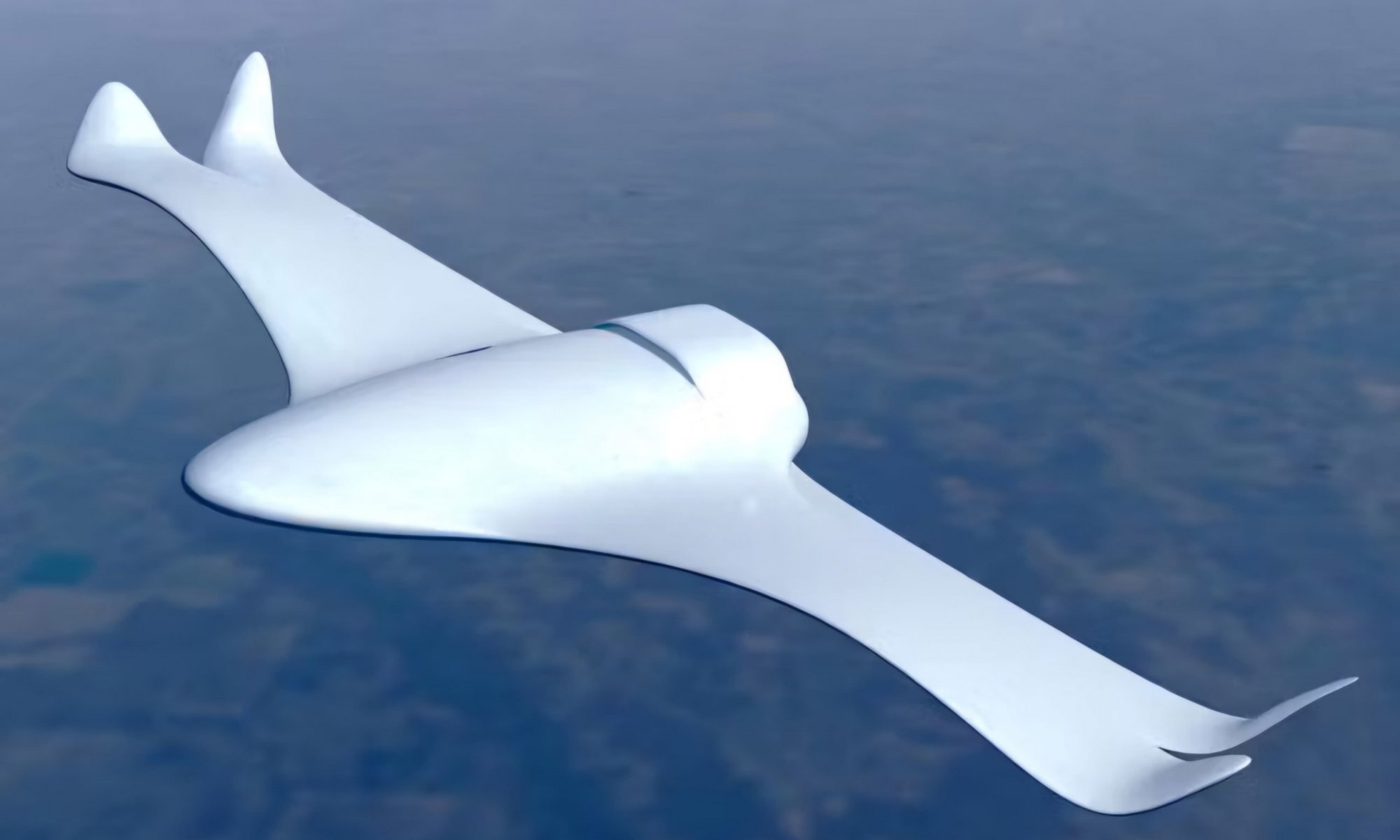
Researchers from Khalifa University have engineered a novel carbon fiber-reinforced elastomeric material for airplane wings, advancing morphing wing technologies in the aerospace industry. By combining carbon fiber with a specially designed elastic material, the team created a skin that can stretch up to 200% without getting thinner, offering potential improvements in efficiency, maneuverability, and overall aircraft performance. 


The study was published in a paper titled ‘Innovative Skin Structures: Synthesis, Void Analysis, and Hysteresis Modeling of Zero Poisson’s Ratio Skin for Span Morphing Wing’ in the International Journal of Applied Mechanics (IJAM). The co-authors include Dr. Dilshad Ahmad, Postdoctoral Fellow, Advanced Research and Innovation Center (ARIC), Department of Aerospace Engineering, Khalifa University, Sankalp Gour and Deepak Kumar from the Department of Mechanical Engineering at Maulana Azad National Institute of Technology, Bhopal, India, as well as Dr. Rafic M. Ajaj, Associate Professor, Aerospace Engineering, Khalifa University, and Dr. Yahya Zweiri, Director, ARIC. 


The study focuses on the development of advanced elastomer-based viscoelastic skin structures with a zero Poisson’s ratio, aiming to enhance efficiency and adaptability in aerospace engineering. The primary advantage of a zero Poisson’s ratio skin is its ability to allow significant longitudinal stretching (up to 200%) without getting thinner, unlike most materials that shrink when stretched. By reducing the Poisson’s ratio, the new material can be used for airplane wings that need to change shape during flight, as well as for soft robotics and other high-tech applications. 


The research involved advanced imaging techniques such as the Micro-CT tomography and X-ray tomography to confirm that the material combined with carbon fiber has the ability to stretch in one direction without changing its shape. Double degassing process, both before and after the insertion of the carbon fiber, in removing any trapped air bubbles ensured the creation of the high-quality elastomeric morphing skin.


The study also created an Unmanned Ariel Vehicle (UAV) wing that can double its wingspan with wind tunnel tests at various speeds and angles showing the skin bent less than 0.5 mm. Another part of the study found that using a special lightweight material could boost the wing’s lift by up to 21%.


Alisha Roy
Science Writer
12 July 2024

Tesla Official Visits Advanced Power and Energy Center Labs

Visit Highlights Exceptional Performance of Alumni in Tesla Research Team


An official from Tesla Energy was briefed on the research projects of Khalifa University’s Advanced Power and Energy Center (APEC) in renewable energy integration, energy storage systems, advanced grid integration studies, and transportation electrification — areas that closely align with Tesla’s research and development interests.


Dr. Hussam Alatrash, Sr. Staff Power Electronics Controls Engineer, Tesla, US, recently visited the APEC labs and also met with Professor Sir John O’Reilly, President, Khalifa University. He highlighted the exceptional performance and the quality of education and preparation of the Khalifa University alumni in his team.


Dr. Alatrash also met with Dr. Mohamed El Moursi, Director, APEC, who offered an overview of APEC’s research capabilities, emphasizing innovative technologies with commercialization potential. He also interacted with APEC’s researchers and students who showcased experimental setups and discussed technical aspects of their research projects.


Also present during the visit were Dr. Khalifa Al Hosani, Theme Lead for Industry Engagement, Commercialization, and Professional Development, and Dr. Balanthi Beig, Theme Lead for Transportation Electrification.


Alisha Roy
Science Writer
12 July 2024

Cutting-Edge Machine Learning for Cancer Detection

New algorithm represents a promising tool for the early detection and classification of cancer, with the potential to streamline the diagnostic process


For the approximately 20 million new cases of cancer reported each year, early and accurate diagnosis is crucial.  The demand for precise diagnostic tools has never been higher, and traditionally, the visual examination of tissue slides by pathologists has been the gold standard in cancer detection. However, with advancements in digital pathology, these tissue slides can now be digitized into multi-gigapixel whole slide images (WSIs). These high-resolution images hold immense potential for machine learning applications, but their sheer size presents a significant challenge.


A team of researchers including Khalifa University’s Dr. Sajid Javed and Prof. Naoufel Werghi, proposed an innovative, fully unsupervised machine learning approach to classify WSIs, enabling faster and more accurate cancer detection, among other clinical uses. The team also included researchers from Information Technology University, Pakistan, and the University of Warwick, United Kingdom. Their results were published in Medical Image Analysis, a top 1% journal.


Classifying WSIs involves analyzing the image to determine whether it contains cancerous tissue. Deep learning models for classifying WSIs already exist but they often require manual annotations for expert pathologists, which is both time-consuming and costly. Recent advancements have introduced weakly supervised learning methods to alleviate this burden, but these still depend on large, labelled datasets. The research team’s fully unsupervised approach bypasses the need for any labelled data.


Their algorithm divides WSIs into smaller, more manageable patches. These patches are then transformed and subsequently inverse-transformed back to their original spaces. The transformation error — the difference between the original and inverse-transformed patches — is used to generate “pseudo labels”. This method hinges on a crucial observation: Normal tissue patches tend to be more homogenous than cancerous patches, which exhibit greater variability in texture and patterns.


The algorithm then further refines the labels to reduce noise and enhance accuracy. This mutual learning process continues iteratively, with each cycle improving the model’s performance.


The researchers tested their algorithm on four publicly available datasets, with their model outperforming existing state-of-the-art approaches in fully unsupervised settings, underscoring its potential for effective cancer diagnosis without the need for expensive and labor-intensive annotations from human experts. These implications are profound, with this algorithm a promising tool for the early detection and classification of cancer, making it more efficient, accurate and accessible.


The research team says further research could explore the integration of this method with semi-supervised or weakly supervised approaches to further enhance its accuracy and applicability in clinical settings. 


Jade Sterling
Science Writer

11 July 2024

Khalifa University Researchers Pioneer Innovative Technologies for CO2 Capture and Conversion

Catalysis and 3D Printing Fields Converge to Transform Carbon Dioxide Decarbonization


Researchers from Khalifa University’s Center for Catalysis and Separation (CeCaS) and Advanced Digital & Additive Manufacturing (ADAM) Group are merging the fields of catalysis and 3D printing to develop groundbreaking technologies for capturing and converting carbon dioxide (CO2), a critical step in addressing the global challenge of decarbonization. This is part of the SynERGON joint initiative in CeCaS, which aims to break the silos and create more areas of collaboration among traditional and contemporary fields of research towards creation of innovative solutions.


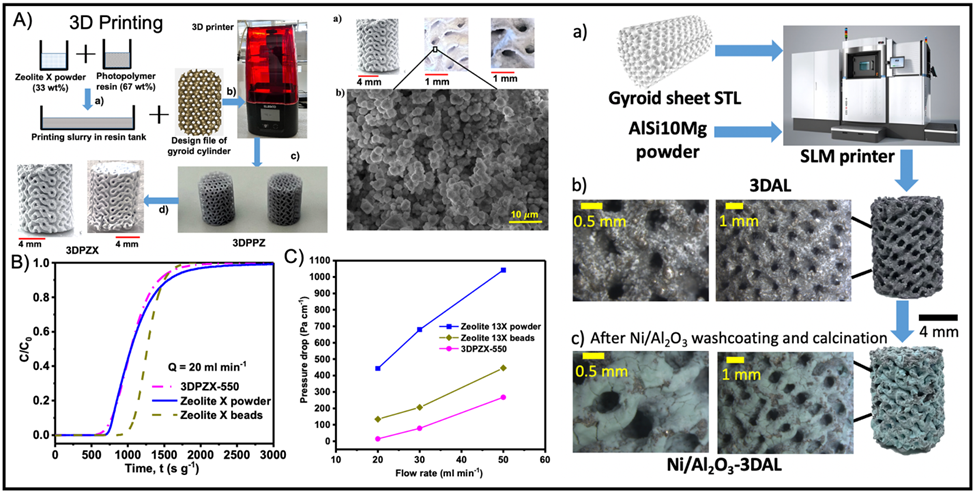
Published in Separation and Purification Technology, a top 10% journal, the paper titled ‘Zeolite-coated 3D-printed gyroid scaffolds for carbon dioxide adsorption’ highlights how 3D printing can be used to create structured adsorbents which can improve performance in sustainable CO2 capture applications. The synergy between catalysis and 3D printing has allowed the team to overcome long standing limitations and create innovative solutions for sustainable carbon management. 


The research team includes Professor Kyriaki Polychronopoulou, Director, CeCaS, and Professor, Mechanical Engineering, Dr. Georgios Karanikolos, Associate Professor, Chemical Engineering, University of Patras and external collaborator, CeCaS, Dr. Nahla Al Amoodi, Theme 2 leader, Kedar Jivrakh, PhD student from CeCas, and Professor Rashid Abu Al-Rub, Director, ADAM, and Professor, Mechanical Engineering.


The team has identified that the main challenge in 3D printed adsorbents is low mechanical strength which needs to be improved and we are currently working on it by utilizing adsorbents grown in-situ on 3D-printed metal supports. 


3D printing allows the precise fabrication of complex, high-surface-area structures, significantly improving the efficiency of CO2 capture and conversion. By combining the strengths of catalysis and additive manufacturing, the team is creating customized adsorbents and catalysts that outperform conventional materials.


For CO2 capture, the researchers utilized 3D printing techniques like selective laser melting (SLM), stereolithography (SLA), and digital light processing (DLP) to fabricate structured zeolite-based adsorbents with optimized geometries, such as gyroid sheets.

Additionally, the team explored 3D printing of metal supports coated with catalysts for converting captured CO2 into useful fuels or chemicals. The 3D-printed metallic supports facilitated efficient heat dissipation, leading to enhanced catalytic stability and activity.


Alisha Roy
Science Writer
10 July 2024

Research Computing Services Organizes Fortran Programming Workshop for Researchers to Help Develop HPC Skills

Post-Workshop Feedback Reveals 50% Can Apply Fortran Knowledge Gained within One Month


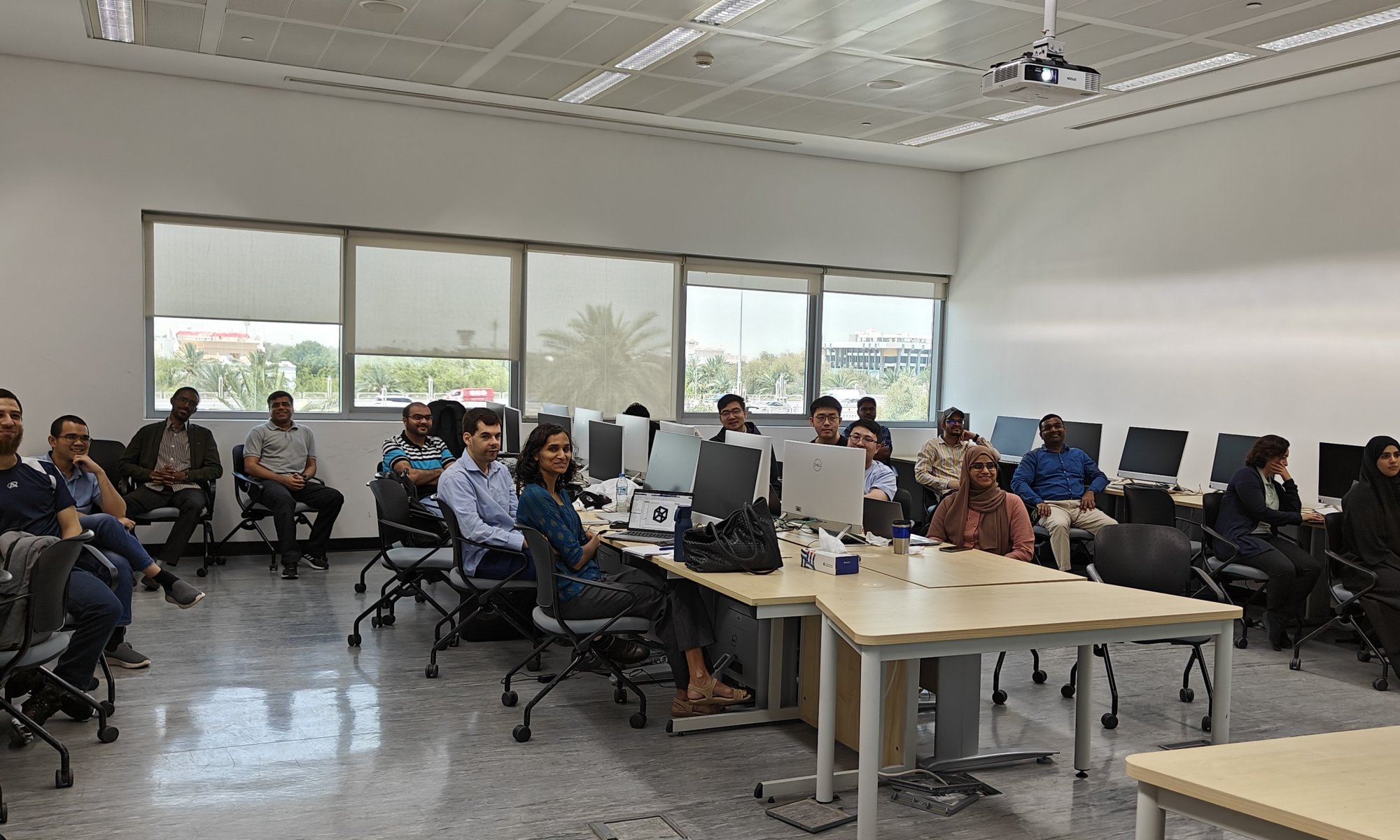
The Research Computing Services department organized a Fortran programming workshop as part of its efforts to help researchers develop high-performance computing (HPC) skills and expertise that will enable them to accelerate their research.


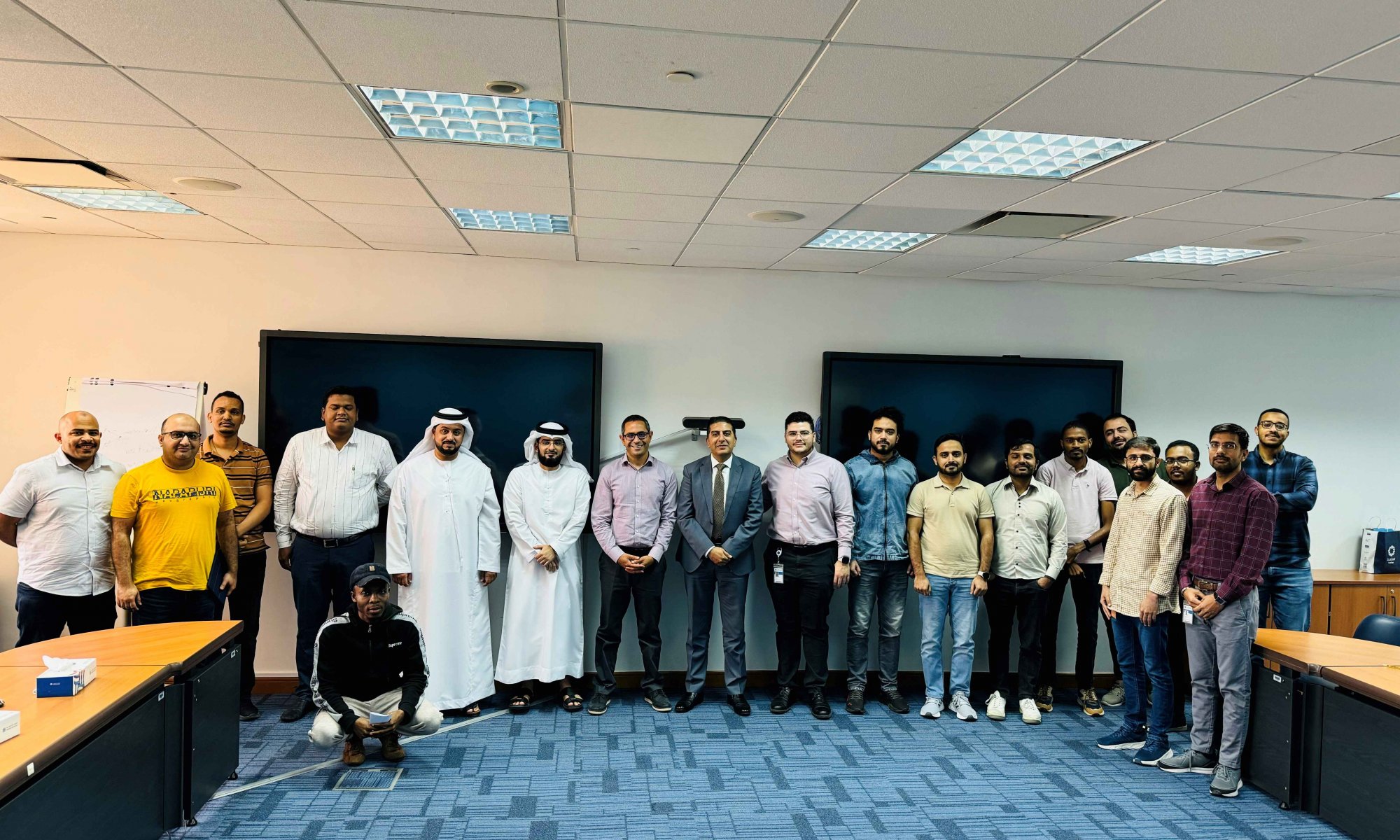
The workshop was led by Dr. Wadud Miah, Scientific Computing Support, Khalifa University, HPC specialist and a computational scientist who uses modern Fortran to advance computational science. Starting with the structure of a Fortran code, Dr. Miah offered tips on ways to compile and link codes in the Linux operating system – the dominant operating system used in the Research Computing service.


Other topics included data types, printing and reading, control structures, procedures, modules, and pointers. The workshop also covered data management by presenting the NetCDF file format which allows users to store meta-data about their experiment and simulation, as well as share data with other scientists. Visualization which allows users to visualize their data and test their simulation was also covered. In addition, the workshop touched on parallel programming in OpenMP and Message Passing Interface (MPI) on how to parallelize codes, since larger and complex simulations require quicker time to solve.


The workshop had a strong emphasis on ‘applied’ to help participants apply their knowledge to accelerate their research. Practical exercises were given to reinforce participants’ knowledge and help clarify complex information.


Fortran remains the dominant programming language of HPC and accounts for around 70% of CPU cycles for the UK Archer supercomputer since many HPC applications in chemistry, physics, biology, environmental sciences, and materials science are developed in Fortran. The need for programming skills and expertise is essential for users who need to develop their own applications or extend the features of existing open-source applications, even though most Research Computing users use existing applications such as GROMACS, VASP, or Ansys.


Post-workshop feedback revealed that 50% will be able to apply the Fortran knowledge gained within one month and the remaining will be able to apply the knowledge between one and six months. Such promising statistics indicate how quickly the lessons learnt can be applied to research areas.


With an average rating of 4.75 out of 5, the workshop was also successful in terms of the extent of engagement by participants. Such dialogue leads to between the attendees which is highly encouraged as we would like attendees to collaborate and share their experience and knowledge with others.


The Research Computing Services places special emphasis on continuous learning and development to advance careers and accelerate science. Research Computing Services serves as a scientific instrument that helps scientists to be more productive.


If you have training ideas for a topic on Research Computing, please contact researchcomputing@ku.ac.ae


Further information on HPC workshops can be found here:

https://www.ku.ac.ae/research-offices/research-computing

Deep Learning Unveils New Horizons in Ionic Liquid Design

Synergy between computational power and molecular science heralds a new era in the rational design of ionic liquids 


In a leap forward for green chemistry, a team of researchers at Khalifa University has harnessed the power of deep learning to predict the properties of over 300,000 novel ionic liquid variants.


Ionic liquids are a class of compounds known for their unique, tunable properties and minimal environmental impact. They have applications in energy storage, nano-engineering, drug delivery, and environmental remediation, among many others, but the sheer number of possible combinations — created by pairing different cations and anions — presents a daunting challenge. Traditionally, identifying the right ionic liquid for a specific application has required laborious and time-consuming experimental work.


To overcome this, the Khalifa University team from the Research & Innovation Center for Graphene and 2D Materials (RIC-2D), and the Center for Membranes and Advanced Water Technology (CMAT), turned to computational methods, combining robust molecular modeling with advanced ensemble deep learning techniques. Tarek Lemaoui, Tarek Eid, Ahmad Darwish, Prof. Hassan Arafat, Prof. Fawzi Banat, and Prof. Enas Nashef developed an artificial neural network model capable of reliably predicting how different ionic liquids will behave based on their molecular structures.


Their results were published in Materials Science and Engineering R: Reports, a top 1% journal.


The research team’s model screened 303,880 ionic liquids, created by systematically combining 1070 cations with 284 anions. This screening process allows researchers to identify ionic liquids with specific property profiles, drastically reducing the need for extensive experimental validation. The team also developed an open-source “Inverse Designer Tool”, which acts as an advanced database filter, enabling users to explore ionic liquids based on defined criteria, streamlining the identification of promising candidates for various applications.


The integration of data-driven models with molecular insights represents a significant advancement in the field of materials science. The team’s approach enhances the efficiency of ionic liquid design and promotes the development of environmentally friendly solvents. By significantly reducing the experimental workload, their system accelerates the adoption of ionic liquids in various industrial fields, from energy storage to pharmaceuticals.


The principles demonstrated by the team could also be applied to other complex chemical systems, fostering innovations in material design and environmental sustainability, underscoring the importance of interdisciplinary approaches in tackling research challenges. 


Jade Sterling
Science Writer
4 July 2024

Khalifa University Scientist among Recipients of IEEE Communications Society Best Tutorial Paper Award 2024 for Advancing Wireless Communication

Professor Merouane Debbah Recognized for Groundbreaking Research Work on Reconfigurable Intelligent Surfaces


Professor Merouane Debbah, Director, 6G Research Center, and Professor, Computer Communication, Khalifa University has been awarded the 2024 IEEE Communications Society Best Tutorial Paper Award by the IEEE Communications Society, honoring his groundbreaking research and advancements in wireless communications.


The award-winning paper titled ‘Smart Radio Environments Empowered by Reconfigurable Intelligent Surfaces: How It Works, State of Research, and The Road Ahead’ was published in the IEEE Journal on Selected Areas in Communications in November 2020. It provides a comprehensive overview of Reconfigurable Intelligent Surfaces (RIS) – an emerging wireless transmission technology with the potential to transform future 6G networks.


Co-authors of the research paper and notable 2024 IEEE Communications Society Best Tutorial Paper Award recipients include Dr. Marco Di Renzo, Research Director, Centre National de la Recherche Scientifique (CNRS), Dr. Alessio Zappone, Professor, the University of Cassino and Southern Lazio, Dr. Mohamed-Slim Alouini, Al- Professor, King Abdullah University of Science and Technology (KAUST), Dr. Chau Yuen, Associate Professor, Singapore University of Technology and Design (SUTD), Dr. Julien de Rosny, CNRS Senior Scientist with the Institut Langevin, Paris, and Sergei Tretyakov, Professor, Department of Radio Science and Engineering, Aalto University, Finland.


The 2024 IEEE Communications Society Best Tutorial Paper Award includes a plaque and an honorarium of up to US$500 for each author. Nominations were shortlisted and finalized by the Magazines and Journals Paper Awards Selection committees with the approval of the Magazines/Journals Editors-in-Chief, Director of Magazines, and Director of Journals.


In the award-winning paper, the research team has shown the great potential of RIS in enhancing wireless networks, making it easier to understand and develop these advanced systems. It highlights how RIS use many simple, low-cost antennas or special materials to control wireless signals. Unlike other technologies like phased arrays and relays, which are more complex, RIS is more affordable and can improve signal coverage, capacity, and energy efficiency. 


Jade Sterling
Science Writer
4 July 2024

Khalifa University And Abu Dhabi Department of Education and Knowledge launch STEM programme

Abu Dhabi Department of Education and Knowledge (ADEK) and Khalifa University of Science and Technology have collaborated to shape future-ready STEM leaders by elevating the skills and knowledge of teachers and 11th grade students in Abu Dhabi’s Charter Schools.


The dual-focused programme will enhance STEM teaching capacities while facilitating students’ transition from high school to university, preparing them for academic excellence.


The comprehensive one-year programme will see teachers across charter schools in the emirate undergo in-depth training provided by a world-class faculty from Khalifa University. The programme includes peer mentorship, which involves Khalifa University faculty and students providing personalised support and guidance to charter school students.


Dr Ahmed Sultan Alshoaibi, Acting Executive Director of the Higher Education Sector at ADEK, said: “Joining forces with Khalifa University, we reaffirm our commitment to establish robust, purpose-driven partnerships that bridge the gap between academia and industry. Through this initiative, our goal is to provide students with upskilling opportunities at any stage of their academic journey, ensuring they are equipped to join top higher education institutions. Our collaborative programme sets the stage for success in these pivotal disciplines, nurturing the foundational assets of Abu Dhabi’s human-knowledge capital.”


Teachers undergoing the one-year specialised training will gain insights into student’s proficiency levels, allowing them to effectively tailor learning environments according to each student’s level. They will also learn how to fully integrate and adapt new teaching methodologies using technology and various digital platforms.


The peer mentorship model is designed to foster a supportive environment that encourages curiosity, a sense of belonging and enhanced learning experiences, all while drawing inspiration from accomplished role models in the STEM field. Eligible students will be selected based on their academic performance in mathematics, as evidenced by MAP Growth study results and teachers’ recommendations.


Professor Sir John O’Reilly, President at Khalifa University, said: “We are delighted to collaborate with Abu Dhabi Department of Education and Knowledge on this transformative programme to elevate STEM education across Charter Schools in Abu Dhabi. Aligning with the directives of the UAE’s wise leadership to boost human capital development, we aim to equip the next generation of Emirati leaders with the skills and knowledge necessary to excel in STEM fields through world-class training for teachers and personalised mentorship to students. Alongside facilitating a seamless transition from high school to university, we aim to create a lasting impact, inspiring a lifelong interest for mathematics and the sciences among participants, preparing students for the academic excellence we foster at Khalifa University.”


The programme has started at Al Ghad School – Charter Schools as an inaugural phase to enhance problem-solving skills and empower students to apply mathematical concepts in real-life situations adeptly. Ultimately, it will help them boost EmSAT math scores, master test-taking strategies through the ALEKS online assessment platform, strengthen academic skills, cultivate personal growth, develop communication and teamwork abilities, and foster interest in mathematics by introducing the inaugural Musabaqat math competition for high school students.


With a one-year timeline, the pilot programme will utilise diverse teaching methodologies, catering to the diverse learning needs of participating students by combining a rigorous math curriculum with hands-on exercises, as well as leveraging innovative tools and techniques, including ALEKS and peer mentoring.


Following the pilot phase, the programme will be implemented across all Abu Dhabi Charter Schools at a later stage.