His Excellency Prof. Ebrahim Al Hajri Appointed as President of Khalifa University of Science and Technology

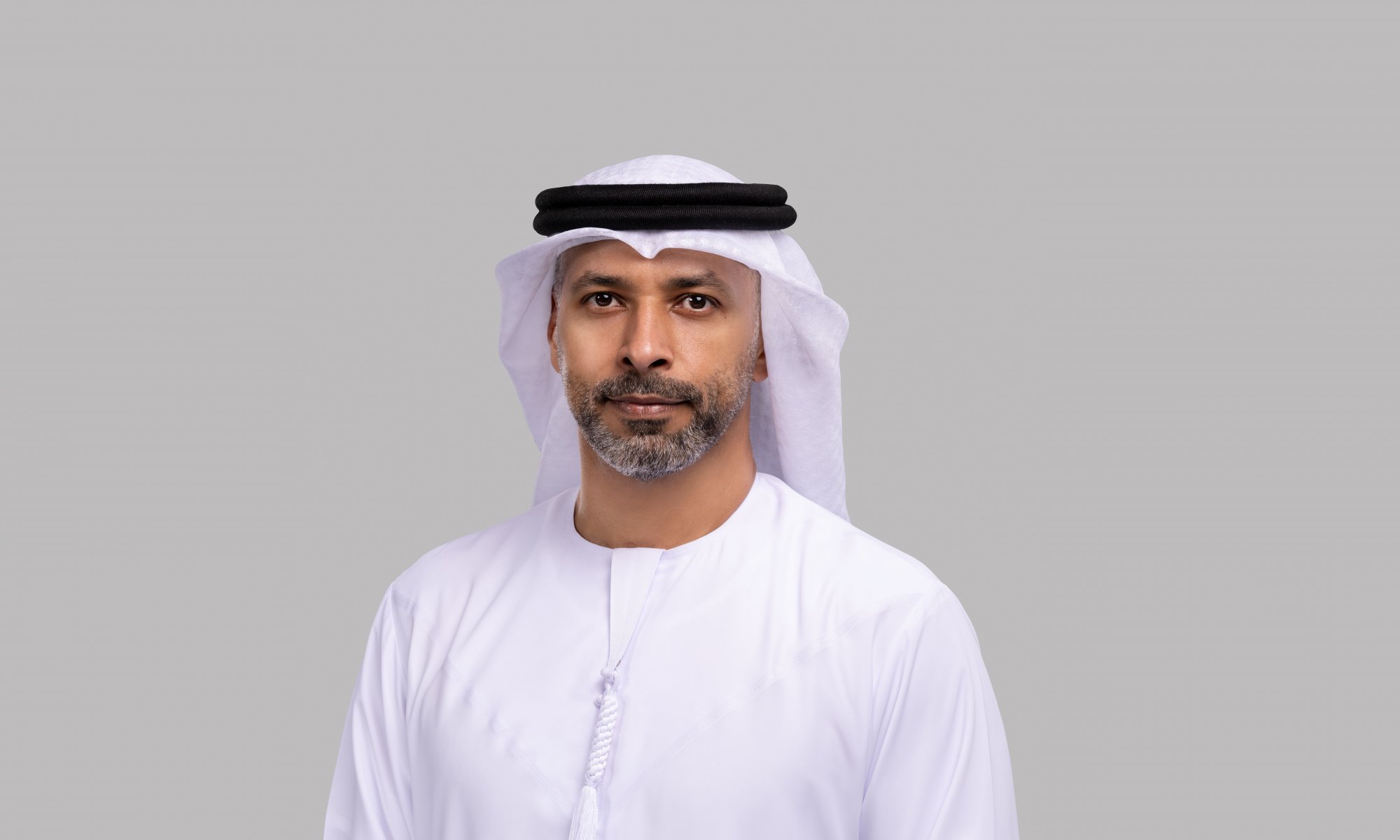
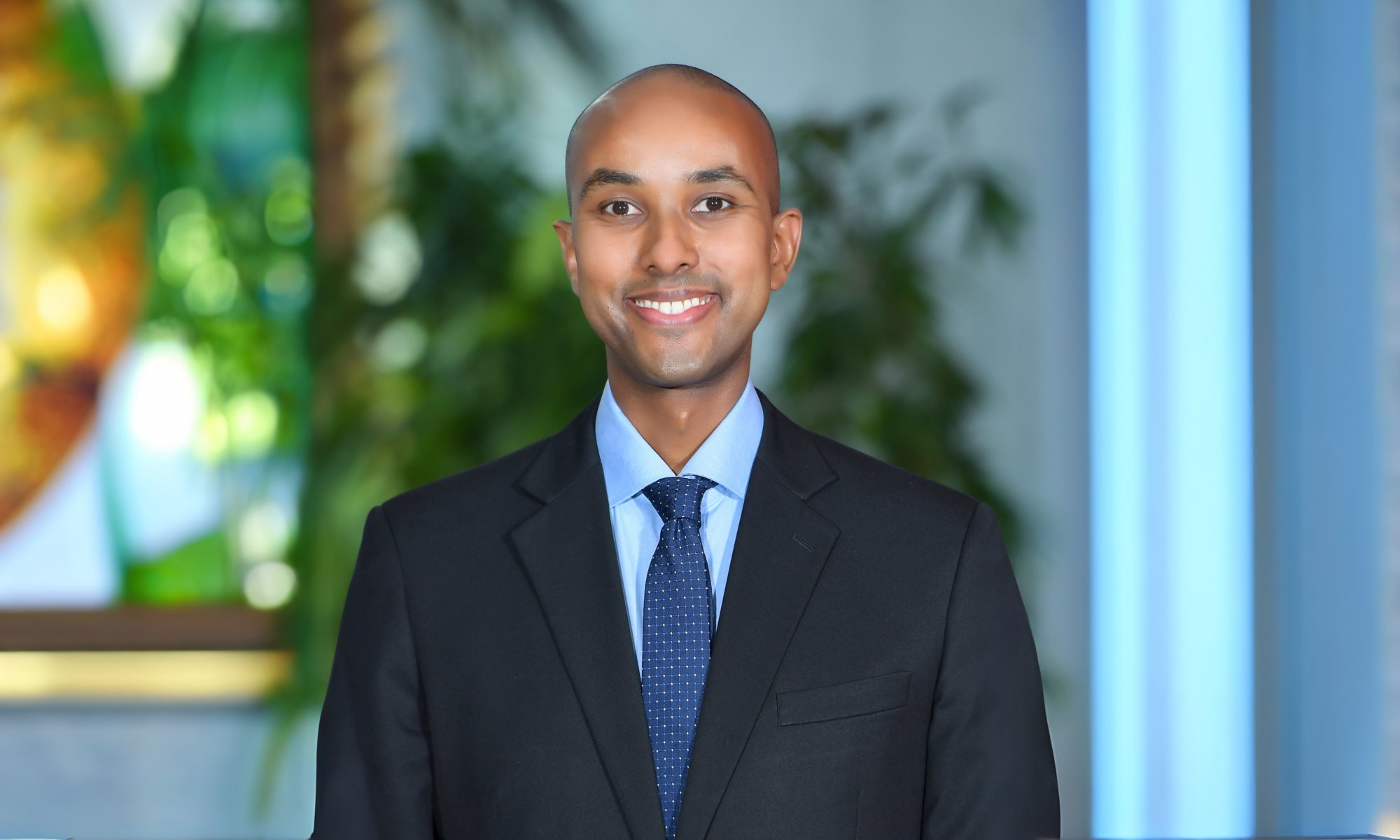
Khalifa University of Science and Technology today announced that the Abu Dhabi Executive Council has issued a resolution appointing His Excellency Prof. Ebrahim Al Hajri as President of Khalifa University.


His Excellency Prof. Al Hajri brings over a decade of extensive experience in management, engineering, and higher education and his leadership has been pivotal in driving operational excellence, strategic initiatives, and fostering a culture of innovation at Khalifa University. His impressive track record includes transformative work at the Petroleum Institute and the Emirates College for Advanced Education, positioning him uniquely to lead the university into its next phase of growth and academic excellence.


His Excellency Prof. Al Hajri received his PhD in Mechanical Engineering from the University of Maryland, US, and his Master’s in Mechanical Engineering from Colorado University. He received his bachelor’s from University of Arizona.


His Excellency Prof. Al Hajri earned his professorship in Mechanical Engineering from Khalifa University following his academic achievements and his contributions locally and globally to scientific research in his field of specialization. Chair and member of various professional local and international technical committees including American Society of Heating, Refrigeration and Air Conditioning Engineering (ASHRAE), and the American Society of Mechanical Engineers (ASME), His Excellency Prof. Al Hajri has also been serving as the chapter’s board of governors since 2010.


Khalifa University Faculty Elevated as Senior Editor of IEEE Transactions on Power Delivery Journal

Dr. Mohamed Shawki El Moursi Receives Additional Recognition from IEEE 


Khalifa University’s Dr. Mohamed Shawki El Moursi, Director, Advanced Power and Energy Center (APEC) and Professor, Electrical Engineering, is appointed as Senior Editor of IEEE Transactions on Power Delivery, which focuses on innovations in electric power transmission and distribution technology. It covers critical areas such as power system protection, instrumentation, communication, and grounding; as well as electromagnetic transients, power quality, and substation automation.  


Dr. El Moursi is an IEEE Fellow (Class of 2024) for his contributions to “Renewable Energy Integration and Hybrid Power Grids”, and a Distinguished Lecturer of IEEE Power and Energy Society (PES). He received several international and national prestigious awards such as his academic expertise and his research team’s development of the SAVE software, earned first place in the R&D Award category for Universities and Research Centers from the UAE Ministry of Energy and Infrastructure (MOEI) in 2023. His other recognitions include the Khalifa Award for Education ‘Distinguished University Professor’ in 2022; ‘Outstanding Associate Editor Award’ for the IEEE Transactions on Power Systems in 2021, the ‘Member for Mohamed Bin Rashid Scientists Council’, UAE in July 2021 and Mission Innovation Champion in 2019 at Fourth Mission Innovation Ministerial event in Vancouver, Canada in 2019. 


Dr. El Moursi has published 241 scientific articles in top-quality journals and conferences with a record of 130 IEEE Transactions and has several U.S. patents. He has also successfully secured research grants based on internally and externally funded projects from Europe, North America, GCC region, and South Korea. In addition, 10 PhD and 35 MSc students have graduated and achieved several awards under his guidance.  


He serves as Editor for IEEE Transactions on Smart Grid, IEEE Transactions on Power Delivery, IEEE Transactions on Power System (2017-2023); Guest Editor-in-Chief for a special section of IEEE Transactions on Power Systems and Power Delivery (2019- 2021); Associate Editor for IEEE Transactions on Power Electronics; Regional Editor of IET RPG and Associate Editor for IET Power Electronics. He was elected in 2018 to chair the IEEE PES chapter in UAE after serving more than two years as a Vice Chair (2015-2018). 


Khalifa University Joins Hands with Belgium’s KU Leuven to Launch Dual PhD Program in the Field of Biomedical Sciences and Engineering

PhD Students to Spend Part of Their Studies at KU Leuven to Work on Collaborative Research Projects 


Khalifa University of Science and Technology today announced the launch of a dual PhD program in the field of Biomedical Sciences and Engineering, in partnership with KU Leuven of Belgium, providing students from both institutions the opportunity to gain international research experience.  


According to an agreement signed by both institutions, Khalifa University students will spend at least one year of their PhD studies at KU Leuven. This time will be primarily dedicated to conducting research under the joint supervision of advisors from Khalifa University and KU Leuven. Similarly, KU Leuven students will have the opportunity to gain international research experience and a dual PhD degree by spending at least one year at Khalifa University.  


Professor Sir John O’Reilly, President, Khalifa University, said: “We are delighted to launch this dual PhD program with KU Leuven to facilitate shared research excellence in the field of Biomedical Sciences and Engineering. This will enable students to further expand their skills set, especially working in a laboratory, experiment planning, research and data interpretation. We believe this program will not only help strengthen human capital development and exchange of expertise in strategic areas for the UAE and the region but accelerate progress in scientific research and subsequent innovations, while enhancing opportunities for various international research programs.”  


Professor Luc Sels, Rector of KU Leuven, added: “KU Leuven is looking forward to collaborating with Khalifa University on this dual PhD program. This initiative aligns with our commitment to fostering international partnerships and advancing research in biomedical sciences. Our joint efforts will provide students with a unique and enriching academic experience, promoting scientific breakthroughs that address global health challenges.” 


The final PhD thesis will be examined by a joint committee from the two institutions and an independent examiner from another institution. Successful students will receive a certificate from both Khalifa University as well as from KU Leuven.  


Earlier in 2022, the two institutions joined forces to initiate a Biomedical Science Discovery (BISDI) program supported initially for a two-year run-in period by an investment of €10 million for Khalifa University and VIB, KU Leuven. The objective of the program was to develop new treatments for diabetes by innovative intelligent systems-based target discovery and drug target validation tools.  


Khalifa University currently offers PhD programs in the broad fields of Aerospace Engineering, Biomedical Engineering, Computer Science, Electrical and Computer Engineering, Mechanical Engineering, Chemistry, Earth Sciences, Physics, Mathematics, Biomedical Sciences, Molecular Life Sciences, and Public Health. 


Clarence Michael
English Editor – Specialist
24 July 2024

How MXene Quantum Dots are Revolutionizing Cancer Treatment

New study unveils the impact of MXene quantum dots on tumor and immune cells as nanoparticles offer new hope in the fight against cancer


In a significant leap forward for cancer nanomedicine, a groundbreaking study has revealed how MXene quantum dots (MQDs) interact with tumors and their surrounding environments to influence cancer treatment outcomes.


Khalifa University’s Dr. Lucia Gemma Delogu led an international group of scientists from Ankara University, Turkey; University of Manitoba, Canada; Drexel University, USA; Gazi University, Turkey; and the International Agency for Research on Cancer, World Health Organization. Their research was published in Nano Today, a top 1% journal. Their research highlights the potential of MQDs to enhance cancer therapy through their interactions with immune cells and tumor microenvironments (TMEs).


Nanoparticles have become a cornerstone of modern cancer therapy, known for their ability to overcome the limitations of traditional treatments. However, the complex and heterogeneous nature of tumors presents ongoing challenges. A TME is a dynamic ecosystem, comprising cancer cells and a diverse array of immune cells that can significantly affect the efficacy of treatments. Understanding how nanoparticles interact with these various cell types is crucial for developing more effective therapies.


The research team explored the use of a particular bidimensional material: MXene quantum dots. Their small size and fluorescent properties made them ideal for tracking and studying their distribution with tumors. The researchers used spatial transcriptomics, an advanced technique combining histology and sequencing, to map the gene expression and cellular interactions within the tumor microenvironment. By injecting MQDs into breast cancer tumors in mice, they tracked how these nanoparticles distributed themselves within the tumor and influenced various cell population reactions.


In regions where MQDs accumulated in high concentrations, a notable tumor-suppressive effect was observed. These areas showed increased apoptosis (programmed cell death) and decreased proliferation of tumor cells. Gene expression analysis indicated significant downregulation of pathways involved in cell survival and a process often linked to cancer metastasis.


Conversely, in regions with low MQD accumulation, a more protumorigenic profile was seen, meaning that the cellular and molecular environment in these regions was conducive to tumor growth and survival, rather than suppression. This highlights the importance of ensuring adequate distribution of nanoparticles within the tumor to achieve the desired therapeutic effect of inhibiting tumor growth.


The researchers found that B cells and plasma cells were key players in high-MQD regions. These immune cells were activated in response to MQD accumulation, suggesting that MQDs can modulate the immune landscape within the tumor. This activation could potentially enhance the body’s natural immune response against cancer cells.


 Using spatial transcriptomic provided detailed insights into the molecular and cellular dynamics at play, paving the way for more targeted and effective nanomedicine strategies. Further research will need to explore various MXenes and cancer types to fully understand the complex interactions within the TME.


Jade Sterling
Science Writer
22 July 2024

Researchers at Khalifa University and University of Manchester Lead Breakthrough with Graphene in Next-Generation Technologies 

New Graphene Device Can Transform Energy, Computing, and Catalysis Technologies


Researchers from Khalifa University of Science and Technology’s Research & Innovation Center for Graphene and 2D Materials (RIC2D) and the Research Innovation Center on CO2 and Hydrogen (RICH) have collaborated with others from the University of Manchester to create a new device using graphene to transform next-generation technologies in hydrogen fuel cells, computing, and catalysis.


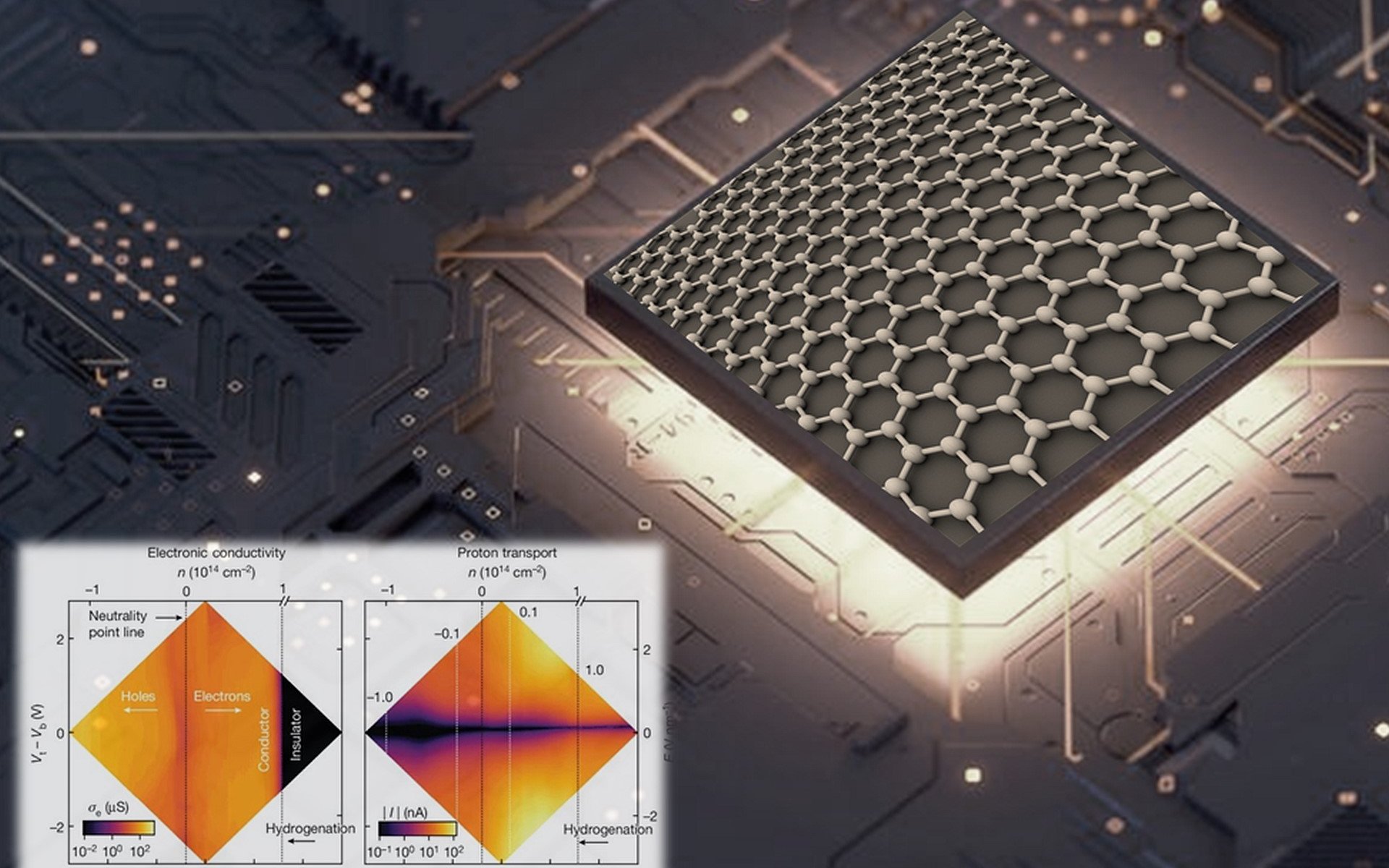
The research shows that the properties of a graphene sheet can be fine-tuned with the help of electric fields to independently host proton and electron currents, thus setting the stage for a device that serves both computer memory and logic functions. Researchers have published their paper titled ‘Control of Proton Transport and Hydrogenation in Double-Gated Graphene’, in Nature, the multidisciplinary science journal.


Dr. Ahmed Al Durra, Senior Vice-President, Research and Development, Khalifa University, said: “Khalifa University is delighted to lead and collaborate across disciplines on this groundbreaking discovery about graphene. Featured in Nature, this research breakthrough highlights the significant advancements in the material’s applications. We strongly believe that our work on the computational aspects of this research will contribute to the development of future graphene-based technologies. The research endeavors of both RICH and RIC2D centers and leading international universities is a true testament to the strength of collaboration.”


Dr. Marcelo Lozada-Hidalgo, Senior Lecturer and Royal Society University Research Fellow at the University of Manchester, scientist lead of the contribution, said: “We hope that this understanding of the connection between electronic and ion transport properties in electrode-electrolyte interfaces in 2D materials will inspire various communities, including physics, catalysis, and interfacial science… It has been a pleasure to collaborate with RIC2D and the Khalifa University team and we are looking forward for many more collaborations between both institutions.”


The scientist leading from Khalifa University is Dr. Lourdes Vega, Director of RICH and Theme lead of Energy and Hydrogen at RIC2D, and Dr. Daniel Bahamon Garcia, Research Scientist, RIC2D. The work was done in collaboration with other scientists from the University of Manchester, the University of Cambridge in the UK, and Universidade Federal do Ceará in Brazil.


By using a technique known as double gating, where graphene is sandwiched between non-aqueous electrolytes and connected to gate electrodes on each side to induce electrons to flow through the sheet, researchers enabled independent control of proton transport and proton chemisorption (also known as hydrogenation). By precisely tuning the voltages on the electrodes, the authors were able to enhance the perpendicular flow of protons through graphene. Another combination of voltages induced hydrogenation of the crystal lattice and the associated transition to an insulating state, which compromises graphene’s superior electrical conductivity by disrupting the flow of electrons through the sheet.


Dr. Vega said: “Such control between both the proton transport and the two conductive states (insulator and conductor) are so robust and reproducible that can be exploited to build a device that performs both memory and logic functions in a computer, a milestone achievement because it combines the functionalities of two devices into one and eliminates the need for other circuits to link them. The discovery can also have implications in proton-conducting membranes for hydrogen, catalysis and isotope separation.”


RICH is the only dedicated center in the UAE, and first in the region, focused on carbon capture, utilization and storage, hydrogen and its derivatives, and sustainable fuels. RIC2D continues to expand its range of collaborations to lead innovations in graphene and 2D materials.


Alisha Roy
Science Writer
22 July 2024

Khalifa University to Empower Exceptional Students to Join Doctoral Research Directly after Bachelor’s Degree

Top Bachelor Graduates Can Fast-Track to Doctorate Programs 


Khalifa University of Science and Technology received the approval of the UAE Commission for Academic Accreditation (CAA) to admit students with only Bachelor’s degrees directly to Doctorate programs offered by the university. This provides exceptional bachelor’s graduates the opportunity to directly pursue a doctoral degree in approximately five years.


The CAA has approved Khalifa University’s application to introduce this fast-track option for talented bachelor’s graduates with a minimum Cumulative Grade Point Average (CGPA) of 3.5. The new offering builds on previous accelerated educational programs, including allowing high-performing high school students to take bachelor’s level courses for credit, and enabling exceptional bachelor’s students to take Master’s level courses.


Dr. Bayan Sharif, Provost, Khalifa University, said: “We remain committed to maintaining the highest standards of academic and research excellence and this direct BSc to PhD program, which is well aligned with the practice in leading international universities, represents our continued effort to further strengthen our research focus. By empowering our top bachelor’s degree graduates to expedite their path to a doctoral degree in critical fields, we are facilitating professional advancement through our innovative programs and enabling our most talented students to realize their full potential through a streamlined educational journey.”


Students admitted to a PhD program directly after a Bachelor’s degree typically require one additional year of study to complete the PhD compared with those who already have a Master’s degree. Students will have the opportunity to pursue PhD degrees and conduct innovative research in various areas within the broad fields of Aerospace Engineering, Biomedical Engineering, Computer Science, Electrical and Computer Engineering, Mechanical Engineering, Chemistry, Earth Sciences, Physics, Mathematics, Biomedical Sciences, Molecular Life Sciences, and Public Health. 


Alisha Roy
Science Writer
19 July 2024

Khalifa University-United Arab Emirates University Joint Research Program Shortlists Four Projects for Funding

Collaboration Highlights the Two Leading Institutions’ Initiative towards Driving Innovation in STEM Fields


Khalifa University of Science and Technology and the UAE University today announced four projects have been selected for funding under Khalifa University and UAE University Joint Research Awards, highlighting the collaboration between the two leading institutions to drive groundbreaking research and innovation in STEM fields.


Faculty teams representing both institutions received the certificates for funding during a ceremony that was held at Khalifa University Main Campus. The event was attended by Khalifa University President Professor Sir John O’Reilly, Prof. Ahmed Ali Alraeesi, Acting Vice Chancellor of UAE University, as well as senior officials from both universities in addition to a large number of faculty and researchers.


Professor Sir John O’Reilly, said: “The Khalifa University – UAE University Joint Research Awards underscore the benefit we gain from collaborations between our two institutions. Each of these projects brings together a joint team of faculty and researchers from the two universities drawing on complementary strengths and specializations in interdisciplinary collaborations to advance science and innovation to the benefit of society, the region and the wider world. Congratulations to the recipient teams for their outstanding contributions.”


Professor Ahmed Ali Alraeesi stated, “This joint research grant with Khalifa University represents one of the most significant initiatives for UAE University. We started with two research projects focusing on agriculture and food security and are now expanding into other areas of research importance to the two universities. He added “Khalifa University is one of our strategic collaborators, and together we have published over 185 papers from 2021 to June 2024. The results of this collaboration will further enhance both the quantity and quality of our publications. Congratulations to all the winners, and we look forward to fruitful outcomes.”


The KU-UAEU Review Committee evaluated submissions and identified four projects and the final recommendation includes impressive research on machine learning, solar cells, catalysts, and rare genetic diseases.


The selected projects are ‘Machine Learning Edge Accelerators for Wearable Health Monitoring Devices’, ‘Defects Passivation Strategies toward Higher Efficiency Perovskite Solar Cell Devices’, ‘MOFs derived transition metal heterogeneous catalysts for H2 production: A combined experimental and theoretical approach’, and ‘GenRare: An AI Assistant Tool for Rare Genetic Diseases: Early Diagnosis and Management’.


The Khalifa University – UAE University Joint Research Awards leverages Khalifa University’s strengths in Engineering, Science, Technology, and Medicine, alongside UAEU’s diverse expertise in Engineering, Science, Medicine, Agriculture, Veterinary Medicine, and IT.

Khalifa University Faculty Becomes First from Middle East to Co-Chair 2028 Gordon Research Conference

Dr. Sharmarke Mohamed to Lead Two International Crystal Engineering Conferences in 2026 and 2028


Khalifa University’s Dr. Sharmarke Mohamed, Associate Professor of Chemistry, Head of the Chemical Crystallography Laboratory (CCL) and Theme Leader in the Center for Catalysis and Separations (CeCaS), has been elected by the solid-state chemistry community to co-chair the 2028 Gordon Research Conference (GRC) in Crystal Engineering. 


The election of Dr. Mohamed took place during the business meeting of the 2024 GRC in Crystal Engineering, held from 23-28 June 2024 in Newry Maine, US. It marks a four-year commitment for Dr. Mohamed to help organize the upcoming two GRCs in Crystal Engineering (as vice-chair in 2026 and co-chair in 2028). It also marks the first time a researcher from the Middle East has been elected to lead this globally recognized conference series in the sciences. 


The Gordon Research Conferences provide an international forum for the presentation and discussion of frontier research in the biological, chemical, physical and engineering sciences. The first GRC in crystal engineering took place in 2010. 


Dr. Mohamed said: “The Gordon Research Conference (GRC) is an international premier scientific conference for researchers in the natural sciences and I am honored to represent Khalifa University and the Middle East as vice-chair of the 2026 conference and co-chair of the 2028 conference in Crystal Engineering. This recognition from my peers is a testament of the global research impact of Khalifa University in the sciences and the recent advancements made in science and technology in the Middle East. My election campaign was based on a platform of increasing diversity and inclusion and I plan on using this opportunity to bring better visibility to crystal engineering research from the Middle East, Africa and Asia.” 


Earlier, Dr. Mohamed was elected as Chair of the ACS International Chemical Sciences Chapter in the UAE and has served as the Secretary & Treasurer of the Chapter. He is also the co-founder of the Emirates Crystallographic Society (ECS) and has served as its founding Vice-President and the UAE representative to both the European Crystallographic Association (ECA) and the International Union of Crystallography (IUCr). With an interdisciplinary research program spanning mechanochemistry, chemical crystallography, computational chemistry and crystal engineering, Dr. Mohamed also serves on the advisory board of the Royal Society of Chemistry’s CrystEngComm journal. 


Alisha Roy
Science Writer
18 July 2024

 Major General Pilot Sheikh Ahmed bin Tahnoun Attends Graduation of Al Nokhba and Tumooh Students at Khalifa University

Graduate Project Areas Span Robotics, Secure Communication, Water Desalination, Autonomous Vehicles, Upcycling of Textile Waste 


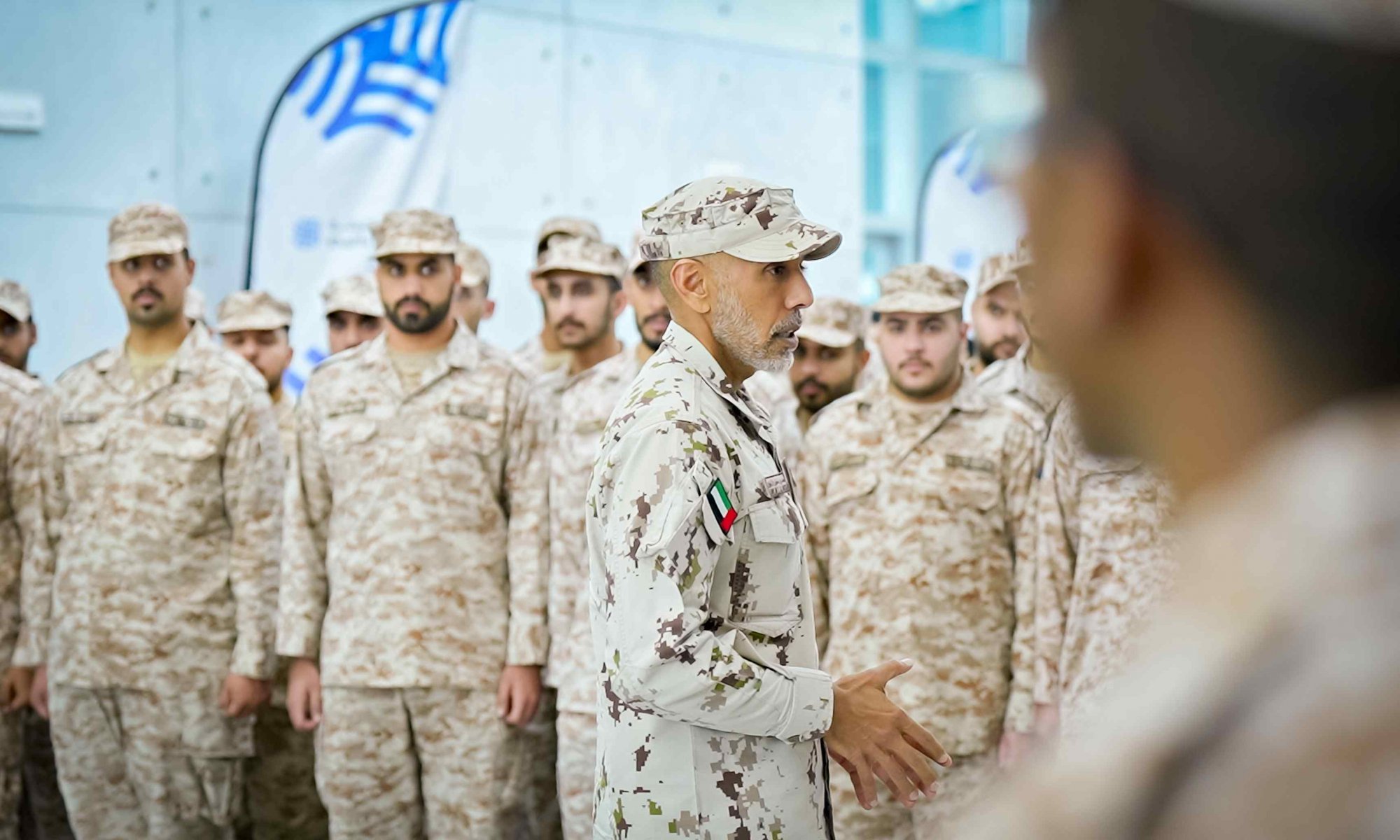
Major General Pilot Sheikh Ahmed bin Tahnoun Al Nahyan, Deputy Chief of Staff of the Armed Forces, attended the graduation of the sixth cohort of UAE National Service and Reserve Authority (NSRA) recruits, and the second batch of Tumooh program at Khalifa University of Science and Technology.


The recruits were honored for successfully concluding their intense months-long training in research and development in a wide array of advanced technology fields. The graduation ceremony was also attended by senior officials from NSRA including Brigadier Khalifa Hamad Khalifa Al Kaabi, Chief of the National Service and Reserve Authority, and Brigadier-General Obaid Ali Al-Mansoori, Director, Directorate of Information and Corporate Communication, NSRA, as well as dignitaries and guests.


Major General Pilot Sheikh Ahmed affirmed the commitment of the UAE’s wise leadership, under the patronage of His Highness Sheikh Mohamed bin Zayed Al Nahyan, President of the UAE and the Supreme Commander of the Armed Forces, to empower and prepare the nation’s youth. Since youth are the backbone of the present and architects of the future, investing in youth and working on their qualifications have been a consistent Emirati approach since the establishment of the UAE in the 1970s, which continues even now. Major General Pilot Sheikh Ahmed commended the innovations of the national service recruits from the Al Nokhba and Tamouh programs, which contribute to serving the country and its citizens.


Dr. Yousof A. Alhammadi, Senior Vice-President, Acting Academic and Student Services, Khalifa University, said: “Khalifa University is proud to graduate the sixth cohort of the Al Nokhba and the second batch of Tumooh recruits and empower the next generation of innovators, professionals, and industry leaders in the UAE’s strategic sectors. The graduation of this diverse group is a testament to the research-intensive curriculum and elite standards of the Al Nokhba and Tumooh programs, which are developed in partnership with the UAE National Service and Reserve Authority (NSRA). These graduates exemplify the foundation upon which future advancements and innovations will be built, in scientific applications. We congratulate these exceptional students for their success and achievements in academic, and research disciplines, spanning a diverse range of engineering and technical specialties.”


Launched by Khalifa University in partnership with the NSRA in 2019, the Al Nokhba and Tumooh programs have created an alumni body of researchers. During the 2024 program the Al Nokhba recruits completed training courses, research projects and specific assignments.


In January 2024, a group of Al Nokhba-NSRs presented several innovations including drones, and underwater robots that were showcased at the sixth edition of the Unmanned Systems Exhibition (UMEX) and Simulation and Training Exhibition (SIMTEX) conference.


With support from Khalifa University faculty and researchers, the Al Nokhba recruits worked on projects including a multipurpose climbing robot, advanced drones that require the least human intervention, ‘Simulation of Autonomous Car’, ‘Autonomous Vehicle Platform & Communication’, a method for recycling and upcycling textile waste using fungus, and an energy-efficient method for water desalination.


The Al Nokhba graduates also developed technologies such as a model to address issues related to telecommunication devices and networks, and a real-time algorithm capable of tackling various datasets with least memory and time using intelligent systems. The Al Nokhba program for university graduates prepares recruits for postgraduate studies and enables representation of the UAE in international competitions, involvement in research and publishing research findings.


The Tumooh program for high school graduates offers a platform for in-depth learning, particularly in scientific and technical domains and helps them explore the world of knowledge and innovation. Participants undergo technical courses facilitated by professional development sessions from the Center for Teaching and Learning (CTL), and introductory research visits coordinated by the Research Office and various Research Centers. Participants are equipped with theoretical knowledge and practical skills essential for academic and professional development.


Alisha Roy
Science Writer
17 July 2024

Revolutionizing Cancer Detection with Carbon Nanomaterials 

New electrochemical immunosensor developed at Khalifa University represents a significant advancement in cancer diagnostics


Gastric cancer is a leading cause of cancer-related deaths worldwide, primarily due to late-stage diagnosis. Early detection is crucial for improving patient outcomes, but current diagnostic methods have significant limitations. A team of researchers from Khalifa University have developed a groundbreaking solution: the first-ever electrochemical immunosensor for a protein marker overexpressed in various cancers, including gastric cancer.


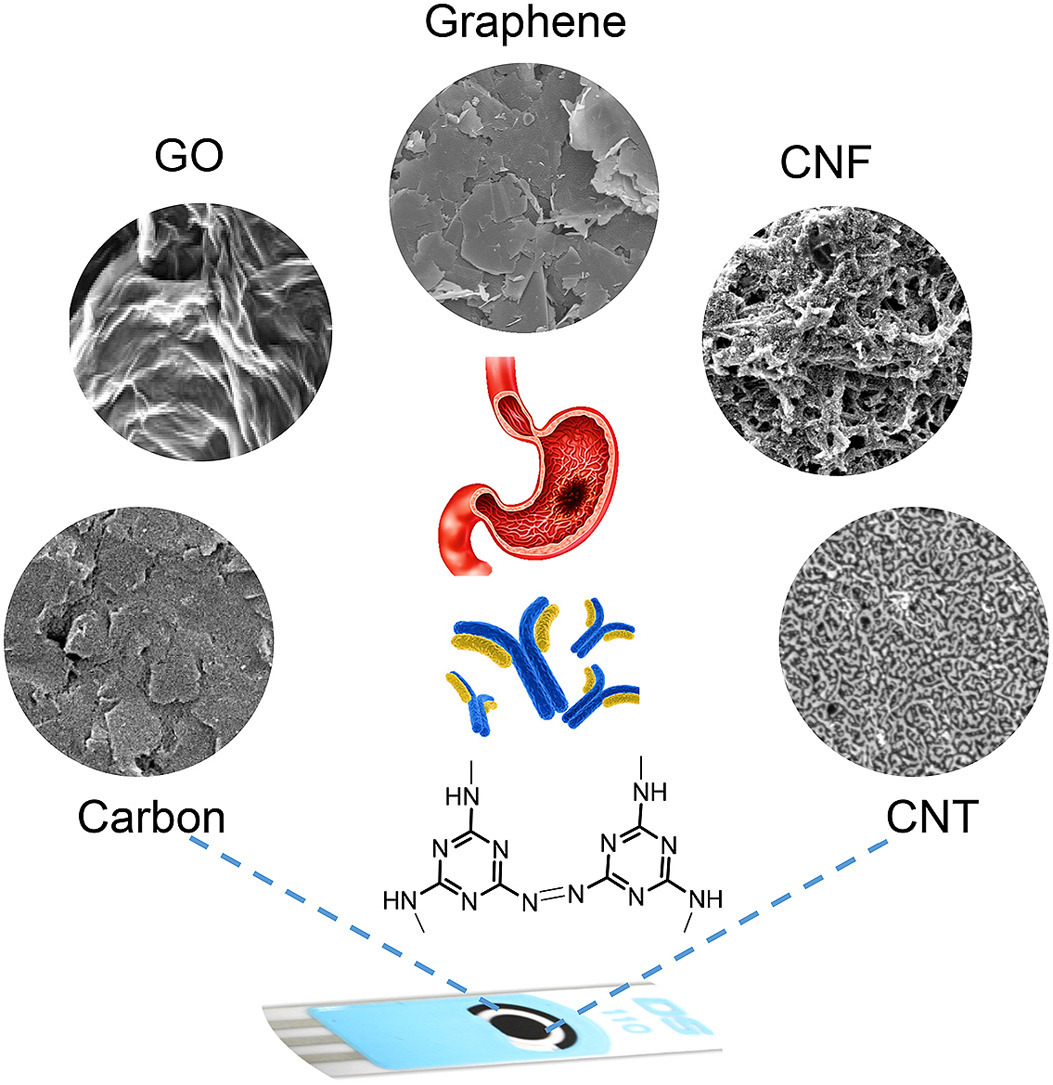
Dr. Shimaa Eissa and Dr. Pandiyaraj Kanagavalli developed the immunosensor for Claudin18.2 (CLDN18.2) using carbon nanomaterial-based electrodes modified with polymelamine. Their immunosensor leverages carbon nanomaterials to create a highly sensitive and selective detection platform. They explored different carbon nanomaterials including graphene, graphene oxide and carbon nanotubes to identify the best substrate for their electrodes, finding that graphene and carbon nanotubes were the most suitable.


Their results were published in Biosensors and Bioelectronics.


The immunosensor detects the presence of CLDN18.2 through a series of electrochemical reactions. The polymelamine layer on the carbon nanomaterials acts as both a redox-active surface and a substrate for attaching antibodies. When CLDN18.2 proteins bind to these immobilized antibodies, they cause a measurable change in the electrochemical signal, indicating the presence and concentration of the biomarker.


The method is highly sensitive and non-invasive, providing results within 30 minutes, compared to the hours required for traditional enzyme-linked immunosorbent assays.


The implications are profound: gastric cancer is often diagnosed at an advanced stage due to the limitations of current screening methods. The development of a sensitive, non-invasive, rapid diagnostic tool can significantly improve early detection rates, allowing for timely intervention and better patient outcomes.


The use of polymelamine-modified graphene and carbon nanotubes in biosensing also opens new avenues for developing similar sensors for other biomarkers and diseases. Carbon nanomaterials have unique properties, including high surface-to-volume ratio, electrical conductivity, and mechanical strength, making them ideal for a wide range of applications in medical diagnostics and beyond.


“Our immunosensor results, when compared with standard techniques, showed excellent recovery percentages,” Dr. Eissa says. “This redox-probe free electrochemical immunosensor offers significant advantages by eliminating the need for external mediators, thus simplifying the process for scaling up production.”


The next steps for this research include validating the immunosensor with real patient samples and comparing its performance with existing diagnostic methods. If successful, this technology could soon be integrated into routine clinical practice, revolutionizing how we detect and treat gastric cancer.


Jade Sterling
Science Writer
17 July 2024

Khalifa University Researchers Identify Genetic Factors Underlying Autism Spectrum Disorder in the UAE

Research Team Receives UAE International Genomics Award for Innovation in Genetic Research


A recent study led by researchers at Khalifa University has identified seven novel genetic variants associated with autism spectrum disorder (ASD) in Emirati children, which could potentially inform more personalized and effective treatments and interventions for individuals with the disorder.


The research team includes Dr. Hamdan Hamdan, Assistant Professor, Khalifa University and visiting professor, Baylor College of Medicine, US, along with collaborators from Fakih-IVF Fertility Center, Abu Dhabi, and Baylor College of Medicine.


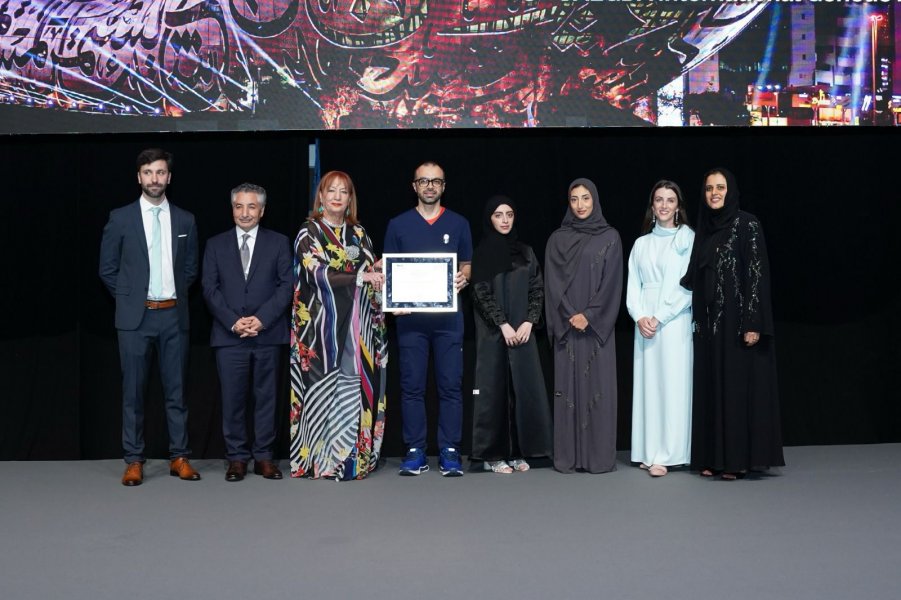
Using next-generation DNA sequencing, the team identified mutations in specific genes that play a crucial role in the development and function of neurons, providing insights into the mechanisms behind this condition. Findings were also presented at the 8th International Genetic Disorders Conference during the IFCC WorldLab 2024 in Dubai, where the team received the UAE International Genomics Award by His Excellency Sheikh Nahyan bin Mubarak Al Nahyan, UAE Minister of Tolerance and Coexistence, for fostering innovation in genetic research.


Autism is a psychological and neurological condition that affects how a person communicates, interacts, and experiences the world around them, with the global prevalence of ASD estimated at 1 in 100 children, according to the World Health Organization. In the UAE, the condition affects 1 in 146 births according to The National Institutes of Health, US.  Despite statistics indicating its prevalence, research on the cause of autism spectrum disorder in the Middle East has been relatively scarce, and limited to the factors contributing to ASD within the region. Global research has so far identified many genes that have been linked to ASD, however, understanding exactly how they cause the disorder remains a challenge.


Cutting-edge gene-editing technology such as CRISPR-Cas9, and advanced protein mapping BioID technique enabled the team to shed light on the roles of novel genes and gain new insights into the causes of ASD. The findings also highlighted factors affecting epilepsy, which is part of the team’s research scope, as such conditions, including attention-deficit/hyperactivity disorder (ADHD), sleep disorders, and gastrointestinal disorders can co-occur with ASD.


Dr. Hamdan Hamdan said: “Understanding the prevalence and characteristics of ASD in the UAE is crucial for developing targeted interventions and specialized healthcare services tailored to the unique needs of this population. Disorders that co-occur with ASD can complicate diagnosis and treatment, and a comprehensive and multidisciplinary approach is also needed in order to improve diagnosis, prevention strategies, as well as specialized treatments. Many genes have been implicated in ASD phenotypes and it is important to understand their precise mechanisms.”


Alisha Roy
Science Writer
17 July 2024

PhD Researcher Achieves Breakthrough 45% Conversion of Palm Oil into Sustainable Aviation Fuels

Internship at ETH Zurich Opens Doors for Khalifa University to Further Enhance Collaboration in Catalysis Research


Khalifa University PhD researcher, Sara Alkhoori, has made significant strides in advancing green fuel production – converting 45% of palm oil into sustainable aviation fuels (SAFs) and biogasoline using advanced catalysts. Her PhD thesis on turning palm oil into clean fuel was part of an internship program at ETH Zurich which focused on developing sustainable energy solutions for the future.


The research internship at ETH Zurich also marked the initiation of a collaboration aligning with the learning objectives of Alkhoori’s PhD project at Khalifa University. This is expected to foster more collaboration between Khalifa University and ETH Zurich, bringing together top scientists from both institutions including Prof. Dr. Kyriaki Polychronopoulou, Director, Center for Catalysis and Separation (CeCaS), Khalifa University, who will be working closely with Dr. Jeroen A. van Bokhoven a leading scientist in catalysis and Director of the Laboratory of Catalysis and Sustainable Chemistry, ETH Zurich, to advance the development of sustainable fuels.


Alkhoori was offered the internship by Prof. Dr. van Bokhoven to join his research group at the Department of Chemistry and Applied Biosciences and the Laboratory for Catalysis and Sustainable Chemistry at the Paul Scherrer Institute in Switzerland. She also collaborated with Dr. Paunovic Vladimir, Professor, Heterogeneous Catalysis, and Dr. Chao Wang, Associate member of the van Bokhoven Group, at ETH Zurich to investigate catalysts made with different combinations of metals. Their research focused on understanding how these catalysts could be used to remove oxygen from palm oil, a process known as hydrodeoxygenation, ultimately transforming it into a clean and sustainable fuel.


Additionally, Alkhoori trained in the state-of-the-art Nuclear Magnetic Resonance (NMR) Spectroscopy equipment, to identify specific atomic structures within materials made of zeolite, a type of mineral that have a very unique structure, crucial for the catalysts to work.


Her research aimed to use advanced NMR techniques, specifically multinuclear and multidimensional NMR, to gain a deeper understanding of the intricate arrangement of atoms in the zeolite framework. By pinpointing the exact locations and types of atoms within the material, she could better understand how the catalyst’s acidic nature contributes to the process of turning palm oil into fuel.


Alisha Roy
Science Writer
16 July 2024