
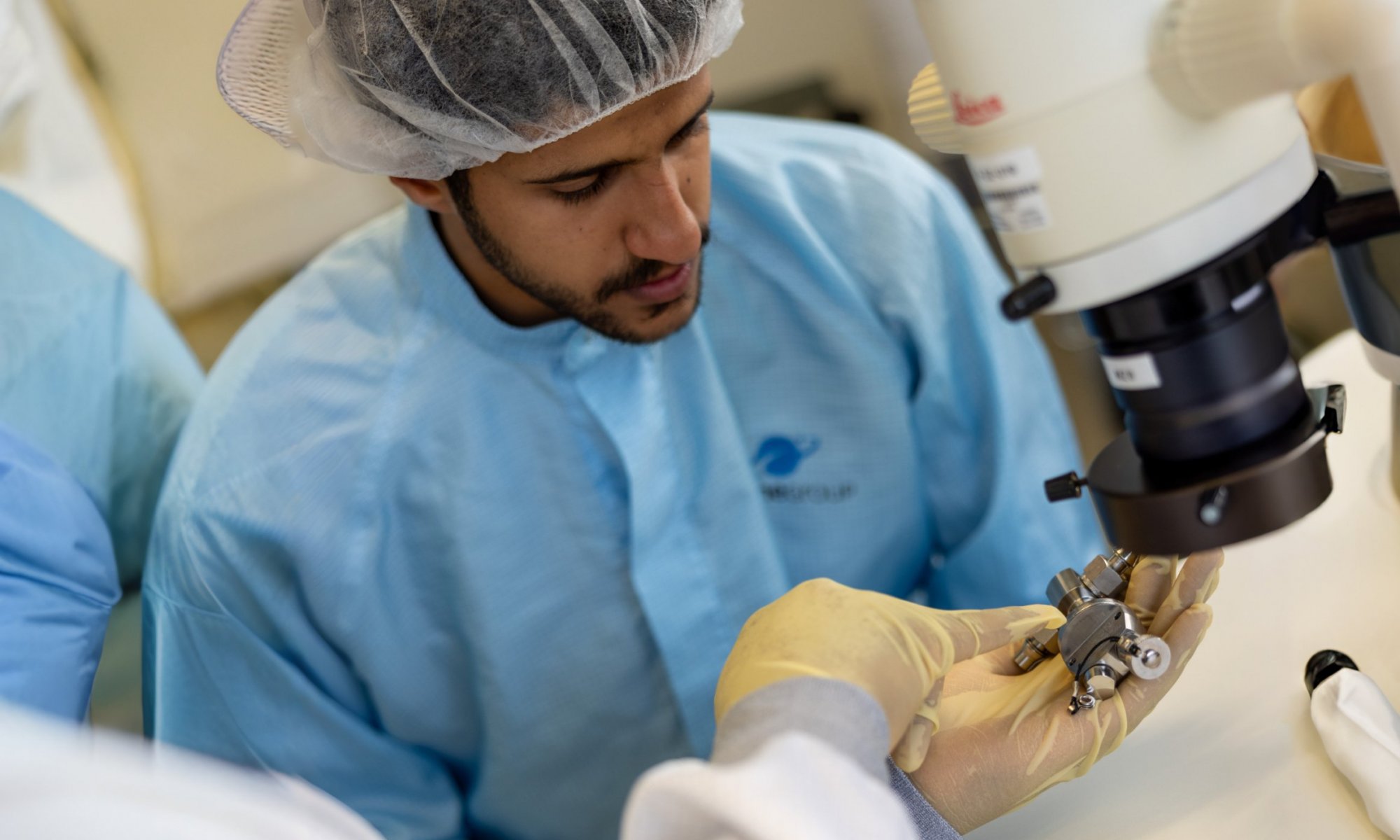
Khalifa University Student Participated In Developing First-of-its-Kind Lunar Lander and Drone

Khalifa University Aerospace Engineering student have participated in developing a first-of-its-kind lander and drone, distinguished by its advanced lunar lander technology during an internship at ArianeGroup’s Orbital Propulsion Center in Germany.


Ahmed Al Awani from Khalifa University was part of the internship organized through the Jusoor 2024 Program, an initiative by Sandooq Al Watan, the UAE Space Agency, and the German Emirati Institute’s Academic Entrepreneurship Program.


Khalifa University provides a range of aerospace engineering programs at both undergraduate and postgraduate levels, supplemented by a research center focused on real-world challenges and technology innovation. The university also hosts the KU Space and Planetary Sciences Group (SPSG), which participates in national and international space missions, including those targeting the Moon, Mars, comets, and the Kuiper Belt. SPSG additionally supports the development and training of future Emirati and Arab space science professionals.


Ahmed Al Awani said: “At ArianeGroup, we developed a special type of lander and drone, aiming to make it unique by integrating advanced technology that enables it to function like a lunar lander. This is a first-of-its-kind achievement, and I would like to thank the German Emirati Institute and Khalifa University for their incredible support throughout this journey and for inspiring us as aspiring engineers in this field.”


Al Awani’s role was to help in the design and implementation of the lunar lander and drone, which can transport essential equipment and materials to the moon’s surface. The drone is designed to conduct aerial surveys and gather high-resolution data, which is vital for future lunar explorations. Cutting-edge propulsion systems was a crucial aspect of the work and were developed according to the requirements of the mission.

Khalifa University to Organize Eight Global-Level Competitions and Challenges during IROS 2024 in Abu Dhabi

Challenges to Cover Various Aspects of Robotics and AI at 36th Edition of International Conference on Intelligent Robots and Systems


Abu Dhabi-based Khalifa University of Science and Technology in the United Arab Emirates (UAE) today announced eight global-level competitions and challenges that inspire creativity will form an essential part of the 36th edition of the IEEE/RSJ International Conference on Intelligent Robots and Systems (IROS 2024).


Themed ‘Robotics for Sustainable Development’, the eight challenges and competitions at the Middle East and Africa (MENA) region’s first-ever IROS 2024 will focus on robots’ physical or athletic intelligence, remote robot navigation, robot manipulation, underwater robotics, and perception and sensing, at the Abu Dhabi National Exhibition Center (ADNEC) from 14-18 October 2024.


Additionally, the Falcon Monitoring Challenge is aimed at advancing the field of wildlife tracking and conservation through the development of sophisticated, noninvasive monitoring systems. Moreover, shortlisted finalists from the Pan-African Robotics Competition (PARC) will demonstrate their project concepts, further intensifying interest in Africa. There will also be an IROS Expo and an exclusive Career Fair at the world’s biggest gathering of researchers, academics, and industry professionals from around the globe for IROS 2024.


Dr. Jorge Dias, General Chair, IROS 2024, and Director, Khalifa University – Center for Autonomous Robotic Systems, said: “These eight competitions and various challenges reflect Khalifa University’s commitment to engage the stakeholders at IROS 2024 and inspire them to seek solutions that involve robotics and drones. The diverse nature of these competitions also demonstrates the overarching range of new technologies in robotics and drones that could be exploited for the benefit of the global community. We look forward to intense participation from global researchers and academic institutions and believe the resulting solutions will justify humanity’s commitment to adopting rapidly evolving technologies in robotics for all occasions.”


The eight challenges include AI Olympics With RealAIGym: Is AI Ready for Athletic Intelligence in the Real World? assesses the physical or athletic intelligence of robots, The Earth Rovers Challenge that focuses on remote robot navigation, Robotic Construction Challenge that focuses on that focuses on robot manipulation, the euROBIN Manipulation Skill Versatility Challenge ‘MSVC’ Competition also targets robot manipulation.


The Underwater Robotics Challenges also introduces innovation and problem-solving in the fields of underwater robotics and artificial intelligence, the Automatic Data Annotation Challenge for ROAD Dataset building on breakthroughs in perception and sensing, as well as the F1Tenth Autonomous Racing Competition, and the IEEE RAS Quadruped Robot Challenge (QRC), all concentrating on navigation.


The Technology Innovation Institute (TII) of Abu Dhabi is a strategic sponsor for IROS 2024 while Astribot, and Dubai Electricity and Water Authority (DEWA) are Platinum sponsors. The Dubai Future Foundation and the Mohamed bin Zayed University of Artificial Intelligence are gold sponsors, while NOKOV Motion Capture Company and Emirates Nuclear Energy Corporation (ENEC) are silver sponsors. The Beijing Institute of Technology is the University partner. 


DEEP Robotics and ITT Project Management Services will join the 11 startups that will showcase their robotics innovations.


For more information, visit IROS 2024.

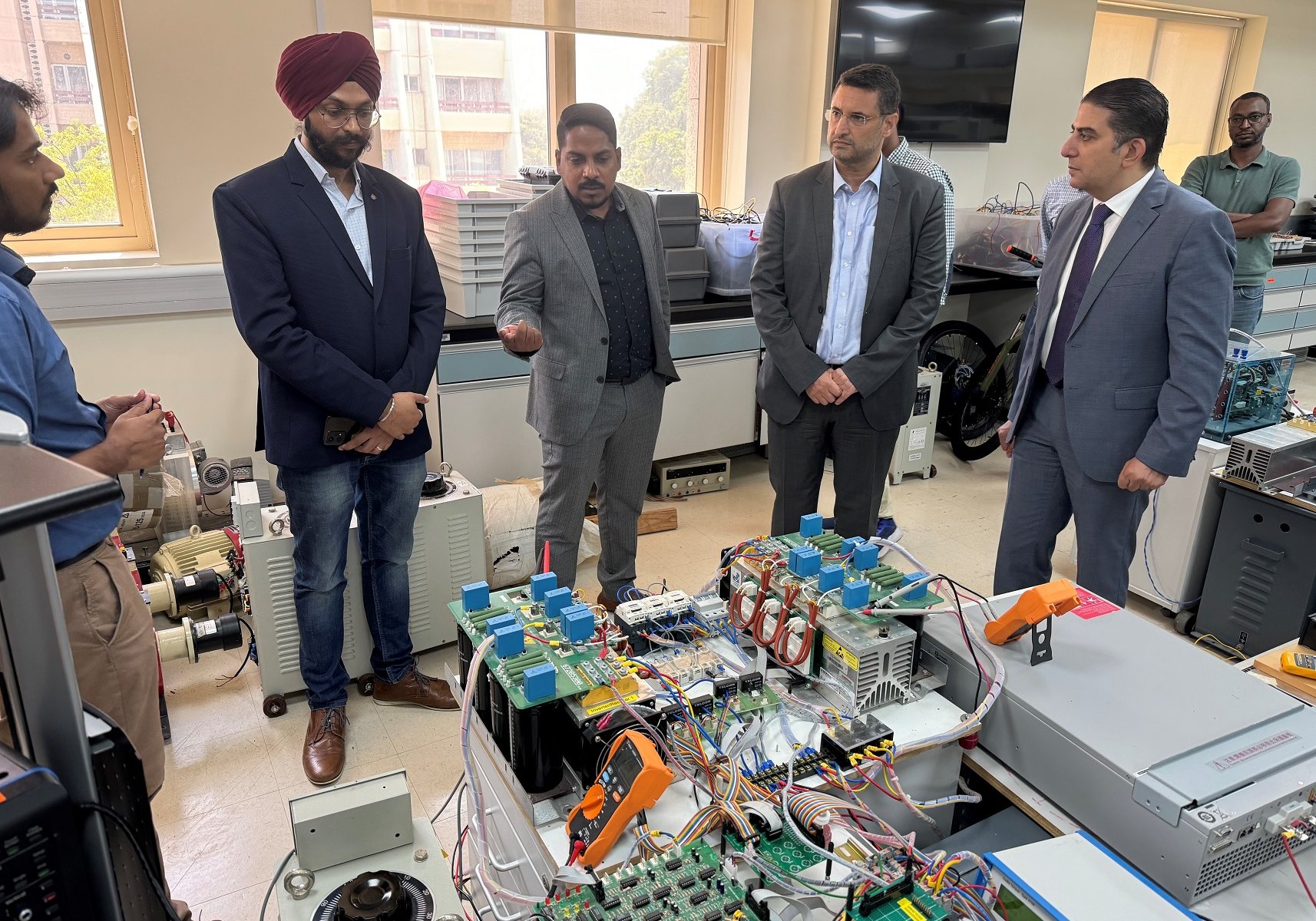
DEWA R&D Delegation Visits APEC Labs

A delegation of experts from the Dubai Electricity and Water Authority (DEWA) R&D visited the Advanced Power and Energy Center (APEC) to explore more collaboration opportunities in research and innovation.

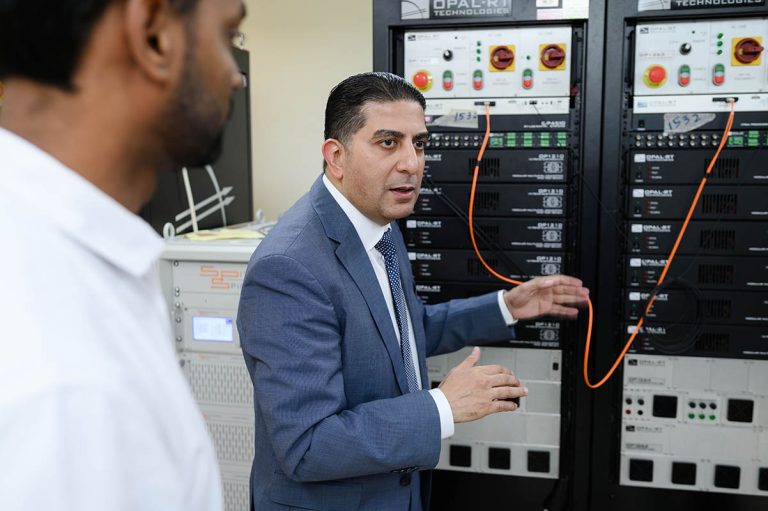
The delegation was received by Prof. Mohamed El Moursi, Director of Advanced Power and Energy Center (APEC), and he introduced the advanced research works and capabilities of APEC Labs. Dr. Tareg Ghaoud and his team deeply valued the ongoing R&D projects that align with the power utilities and industry needs.

The DEWA R&D team included Dr. Tareg Ghaoud, Senior Principal Researcher, Head of Smart Grid Integration, and his research team that includes Dr. Sajan Sadanandan, Principal Researcher- Power System Lead, and Dr Gagandeep Singh Dua, Senior Researcher-II, Smart Grid Integration.

The delegation members were briefed about the advanced research works that focus on renewable energy integration, smart grid, energy storage systems, advanced grid integration studies, and transportation electrification. Ongoing research projects, development of experimental setups and the research facilities at APEC were commended by the DEWA team.

The APEC team including Prof. Moursi and Prof. Khadkikar had successfully completed two funded research projects in collaboration with the DEWA R&D team. The research outcomes benefited DEWA power grid, with new technologies that tackle operational challenges.

Unlocking the Potential of Regioisomerism in Enhancing Protection from Corrosion

New research provides valuable insights for the development of more efficient and robust corrosion inhibitors 


Researchers from Khalifa University have explored the impact of regioisomerism on the performance of organic inhibitors against corrosion. Dr. Chandrabhan Verma and Prof. Akram Alfantazi collaborated with researchers from Nagaland University and University of Delhi, India, to examine how molecules with the same functional groups but different spatial arrangements can exhibit vastly different corrosion inhibition efficiencies.


Their review was published in Coordination Chemistry Reviews, a top 1% journal.


Corrosion is an inevitable and costly problem, eating away at metals and structures worldwide, leading to economic losses and safety risks. Research has long sought ways to combat this relentless issue and one promising avenue lies in the nuanced world of organic chemistry, particularly through the concept of regioisomerism.


Regioisomerism refers to the different positions of functional groups within a molecule. These functional groups are the active parts of the molecule that engage in chemical reactions. Their position can significantly alter a molecule’s chemical behavior, affecting everything from stability to reactivity.


For corrosion inhibition, the arrangement of functional groups within organic inhibitors is crucial. These inhibitors work by forming a protective layer on the metal surface, preventing corrosive substances from causing damage. The effectiveness of this protective layer largely depends on how well the inhibitor molecules can adhere to the metal surface and form stable bonds.


The research team highlights that functional groups positioned differently within a molecule can either enhance or reduce the molecule’s ability to form stable complexes with metal surfaces. Certain configurations can also result in increased electron density at the active sites, improving the adsorption process and enhancing the inhibitor’s protective capabilities. These differences in positioning lead to significant variations in their corrosion inhibition performances, with the best performing isomers those where these groups are positioned to maximize electron donation and stability of the formed complexes.


“Understanding the role of regioisomerism opens new possibilities for designing more effective corrosion inhibitors,” Prof. Alfantazi says. “By strategically positioning functional groups within the inhibitor molecules, we can enhance their stability and bonding capabilities, leading to improved protection in industries reliant on metal infrastructure, such as construction, automotive, and aerospace.”


Understanding and leveraging the subtle differences in molecular arrangements could be the key to safeguarding our infrastructure and reducing the economic burden of corrosion. As research continues to delve into the intricacies of functional group positioning, the future holds promise for even greater advancements in corrosion protection technology.


Jade Sterling
Science Writer

9 Sep 2024

Research Team Explores Sailing Towards Sustainability by Decarbonizing International Shipping

By investing in low-carbon fuels and technological innovation, the maritime industry can steer towards a greener horizon


Uncover the future of sustainable shipping—listen now!


International shipping is a significant yet often overlooked contributor to global carbon dioxide (CO2) emissions. Responsible for about 1.0 gigatonnes of CO2 annually — roughly 2.8 percent of global emissions — the shipping industry faces mounting pressure to decarbonize.


Khalifa University’s Dr. Pedro Rochedo was part of an international team exploring how this sector can slash emissions by 2050, revealing both promising pathways and formidable challenges. The research team showed that climate mitigation strategies have the potential to reduce emissions by up to 86 percent, primarily achieved through the deployment of low-carbon fuels.

Their results were published in Nature Climate Change, a top 1% journal.


International shipping plays a crucial role in global trade, but its reliance on fossil fuels has significant environmental repercussions. The International Maritime Organization (IMO) set ambitious targets in 2018 to reduce greenhouse gas emissions from shipping by at least 50 percent by 2050, compared to 2008. The research team’s results align with this goal, but the IMO’s revised target of net-zero life-cycle greenhouse gas emissions by 2050 remains more ambitious still.


The research team used integrated assessment models, which simulate different scenarios to assess the impact of various decarbonization strategies on international shipping. Of the three scenarios developed, one projected emissions to stabilize or even rise due to increased shipping activity and limited efficiency gains, but two showed significant emission reductions, facilitated by adopting low-carbon fuels and technological advancements.


The study highlights several low-carbon fuels that could replace conventional fossil-based maritime fuels, including biofuels, renewable alcohols and green ammonia. These alternatives are essential for achieving deep decarbonization, but their widespread adoption requires significant investment in new ship engines and global bunkering infrastructure.


“Transitioning to low-carbon fuels is not without challenges,” Dr. Rochedo explains. “The long lifespan of ships and the low average age of existing vessels imply substantial technological inertia. The current fleet’s reliance on compression ignition engines makes it difficult to adopt new fuel types without extensive retrofitting, and developing a global network for low-carbon fuel distribution is complex and costly.”


The study’s findings offer optimism for a future with dramatically reduced greenhouse gas emissions from the international shipping sector, but to achieve the revised goals of net-zero emissions will require advancements in fuel technologies and integrating carbon capture and removal strategies. Early investment in low-carbon fuels, new motor technologies, and infrastructure will be crucial.


Decarbonizing international shipping is an integral part of the broader effort to combat climate change. Continuous improvement in integrated assessment models and a deeper understanding of the shipping sector’s dynamics will support effective policymaking and help navigate the maritime industry towards a more sustainable future. 


Jade Sterling
Science Writer

Khalifa University Secures Patent for Innovative Hybrid Aerial and Submersible Drone

Professor Yahya Zweiri’s Patent Additionally Covers Methods for Operating Vehicle in Multiple Environments


A hybrid vehicle technology developed by Khalifa University professor Dr. Yahya Zweiri, Director, Advanced Research and Innovation Center (ARIC), has secured a patent for the Hybrid Unmanned Aerial and Submersible Vehicle (UASV) representing a significant advancement in multifunctional autonomous vehicles.


Capable of operating as an aerial drone, water surface vehicle, and an underwater submersible, this platform addresses a wide range of applications, including environmental monitoring and search and rescue operations.


The UASV, described in the patent ‘US 12,037,095 B2’ is capable of seamlessly transitioning between air, water, and underwater operations. A fuselage, wing structures, a propulsion system, and a tail assembly allow the vehicle to adapt to different environments.

Professor Yahya Zweiri said: “The development of this hybrid vehicle showcases Khalifa University’s commitment to pushing the boundaries of aerospace engineering and innovation. Receiving the US patent highlights the potential impact on various industries and applications and demonstrates the university’s enterprising approach to research and development.”


The patented UASV technology developed by Professor Zweiri at Khalifa University has far-reaching implications for fields such as environmental monitoring, search and rescue, and security applications, to monitor missions from a safe location, eliminating risks to personnel, and reducing cost.


A unique wing tilting mechanism, which allows the wings to rotate 360 degrees enables the vehicle to adjust its configuration for optimal performance and a smooth transition between aerial, surface, and underwater modes. The tilting wings also allow the UASV to take off and land on water or any surface without the need for a runway, providing a fast and seamless air-to-water transition.


The UASV also features a propeller protection system, a landing system, control surfaces, and an array of sensors to enhance its versatility and safety.


Alisha Roy
Science Writer
4 Sep 2024

15 Khalifa University Faculty among Top 0.05% Worldwide in ‘Highly Ranked Scholars’ Category by ScholarGPS

29 Faculty Members Also Ranked among ‘Top 0.5% Scholars’ Worldwide in Prestigious ScholarGPS Listing 


Khalifa University of Science and Technology today announced 15 faculty members are included in the Highly Ranked Scholars who are ‘Top 0.05% Worldwide’, according to ScholarGPS, which recognizes top international scholars for their outstanding performance in various research areas. There are also 29 faculty members ranked among the Top 0.5% Scholars worldwide in the prestigious ScholarGPS listing. 


Highly Ranked Scholars™ are those authors ranked in the top 0.05% with ScholarGPS within their specialty, discipline, field or across all fields, and they have the most number of publications whose works are of profound impact (citations) and of high quality (h-index). The scholarly contributions of Highly Ranked Scholars position these eminent individuals within the top 0.05% of all scholars worldwide. 


This is enabled by the generation of over 30 million detailed scholar profiles based on unique ScholarGPS® classification of over 200 million scholarly publications of record. The data used to identify the ScholarGPS®. Highly Ranked Scholars™ are based on lifetime or prior five-year activity, weighting each publication and citation by the number of authors, and excluding self-citations.


Prof. Ahmed Al Durra, Associate Provost for Research, Khalifa University, said: “With 15 faculty in the Highly Ranked Scholars among ‘Top 0.05%’, and 29 among the Top 0.5% Scholars worldwide, Khalifa University remains top in the UAE in world-class faculty experts who lead research and innovation. This ScholarGPS ranking for Khalifa University is also in line with the UAE’s emphasis on attracting worldwide talent in STEM fields, and follows the country’s efforts to create the right environment for scientific exploration which researchers can utilize to obtain solutions to real-world challenges. We believe such faculty accomplishments bring honor not only to Khalifa University but to the UAE and the region in general, while making the UAE’s status as a country with progressive policies that facilitate research and innovation.” 


In the ‘Global Discipline Lifetime’ category, Khalifa University’s Industrial Engineering and Operations Research discipline is ranked #53 worldwide and Aerospace and Aeronautical Engineering is ranked #54, thus remaining among the top 100. With Chemical Engineering at #137 and Electrical and Computer Engineering at #160, Khalifa University remained among the top 200 in these disciplines. In addition, the number of total publications in five years reached 7,340 with Total Citations touching 91,528. 


In the Specialties category, Khalifa University remained among top 10 with #2 in Six Sigma, #3 in Distributed Generation and Deep eutectic solvent, #5 in Distillation, Glass fiber and Pulse-width modulation, #6 in Desalination and Performance management, #7 in Heat transfer enhancement, #8 in Inelastic electron tunneling spectroscopy, Palpation, and Drilling fluid, and #9 in Fractal dimension. 


Khalifa University also had 90 faculty members who have earned a place on the prestigious 2023 Stanford University World Ranking, which identifies the Top 2% most influential researchers worldwide, according to a study conducted by global information analytics company Elsevier and Stanford University. The Khalifa University faculty represents more than 22% of all UAE faculty totaling 407 for 2023. Earlier, in 2019, a total of 45 Khalifa University faculty were included in the prestigious listing of the world’s top 2% of scientists.


Clarence Michael
English Editor – Specialist
3 Sep 2024

Eight-Member Beihang University Delegation Visits APEC Labs

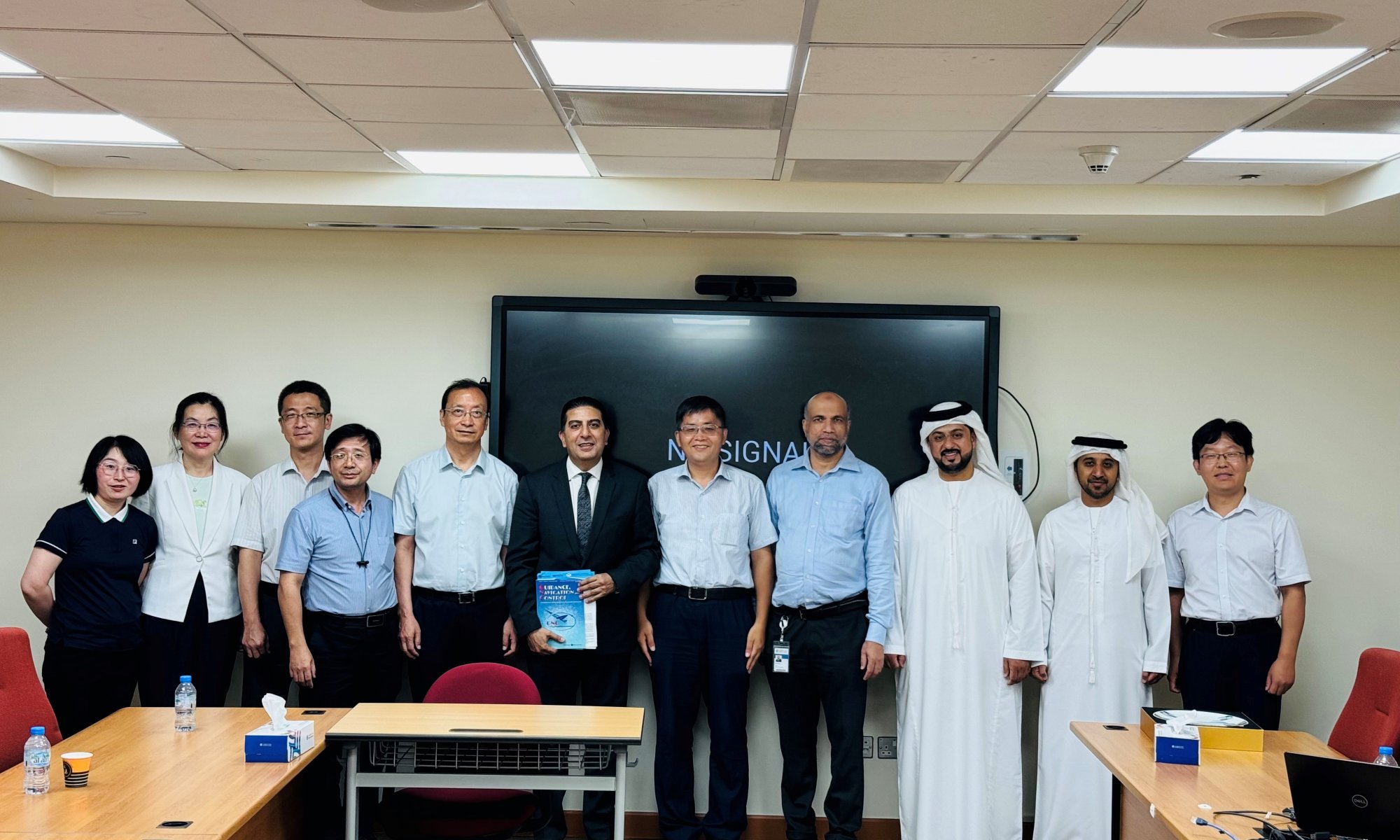
An eight-member delegation from China’s Beihang University recently visited the Advanced Power and Energy Center (APEC) at Khalifa University to discuss potential research collaboration opportunities focusing on renewable energy integration, transportation electrification and advanced power electronics for various applications.

During the meeting, Dr. Mohamed El Moursi, Director, APEC, along with Associate Professors from Electrical Engineering Dr. Khalifa Al Hosani, Dr. Balanthi Beig, and Dr. Omar Al Zaabi, explored areas of mutual interest. The delegation members later toured the APEC labs.

The Beihang delegation included Dr. Zongxia Jiao, a member of the Chinese Academy of Engineering whose research focuses on electromechanical and hydraulic control. Others included Dr. Mei Yuan, Head of Department Council, Dr. Zheng Zheng, Deputy Dean for Research Affairs, Changjiang Scholar Distinguished Professors Dr. Liang Yan and Dr. Haibin Duan, as well as Associate Professors Dr. Jian Shi, Dr. Xiaoshan Gao, and Dr. Yushan Liu, whose research interests span topics like intelligent control, health management, and power electronics.

Research Team Led by Khalifa University Faculty Identifies Essential Role of Sperm Protein in Early Embryo Development and Pregnancy for the First Time

Dr. Junaid Kashir’s Research Project Supported by Khalifa University’s Faculty Start-up Grant, Offers Scope for Infertility Challenges


A team of researchers led by a Khalifa University faculty has identified for the first time the essential role of a sperm protein in ensuring high embryo quality and successful pregnancy rates in humans. The study on the protein called phospholipase C zeta (PLCζ), responsible for ensuring successful fertilization in mammals, during the early stages of embryogenesis, has important implications for addressing infertility challenges. 


The research was published in the paper titled ‘The mammalian sperm factor phospholipase C zeta is critical for early embryo division and pregnancy in humans and mice’ in the Oxford Academic journal Human Reproduction. The research team, led by Dr. Junaid Kashir, Associate Professor, Biological Sciences, Khalifa University College of Medicine and Health Sciences, (CMHS). The project was also supported by Khalifa University’s faculty start-up grant. 


The researchers discovered that levels of this specific sperm protein are closely linked to the success of early embryonic development and successful pregnancy outcomes, where an optimal range of this protein was required to cause successful embryogenesis and pregnancy. Couples where the male partner’s sperm had PLCζ levels above a certain threshold were significantly more likely to achieve a successful pregnancy through fertility treatment, compared to those with lower PLCζ levels. 


Key institutions that were part of the research project included King Faisal Specialist Hospital and Research Centre (KFSH&RC), Saudi Arabia, and the College of Medicine, QU Health, Qatar University, 


Dr. Kashir said: “Our data suggests this important sperm protein could be a valuable biomarker to help guide fertility treatments and for the first time the clinical utilization of PLCζ may stand to benefit not just a specific population of male infertility but a larger population of couples seeking fertility treatment. Male patients whose sperm had levels of this protein below a threshold while leading to successful fertilization, led to poorer embryogenesis and resulted in lower pregnancy success rates. However, patients whose sperm had levels of this protein higher than this threshold led to good quality of embryogenesis and almost double the pregnancy success. This represents the first time that PLCf levels in sperm have been correlated to predictive measures of embryogenic efficacy and pregnancy rates in humans. ” 


A total of 54 couples were analyzed at the KFSH&RC for this study. Patient samples and data for this study were obtained from consecutive treatment cycles of couples undergoing fertility treatment in the ART laboratory at the King Faisal Hospital and Research Centre (KFSH&RC), Riyadh, Saudi Arabia. 

To further support this data, the research team generated the first genetically engineered mice via CRISPR-Cas9 gene-editing technology in Saudi Arabia at the KFSH&RC, in order to gain a broader understanding of the function of the gene responsible for producing the PLCζ protein in the body. This precise gene modification allowed the team to observe that mice lacking the PLCζ protein exhibited an increase in the rate of polyspermy, leading to early embryo development failure and consequently fewer births compared to mice with normal protein levels. 


Researchers emphasize that the test should be expanded to examine a multicenter group since the variables for infertility rates differ from one human group to another and that the results from the mutant mouse suggest the significant role of PLCζ in early embryo development. 


All procedures and experiments involving laboratory animals were approved by the Institutional Animal Care and Use Committees (IACUC) and Research Advisory Council (RAC) at the KFSH&RC. The mice were raised and maintained in the Association for Assessment and Accreditation of Laboratory Animal Care International accredited laboratory animal facility. The experimental procedures involving mice were carried out according to the Animal Research: Reporting of In Vivo Experiments (ARRIVE) and IACUC guidelines. Human patient recruitment was approved by the local research ethics committee and the office of research affairs at the KFSH&RC.


Clarence Michael
English Editor – Specialist
22 Aug 2024

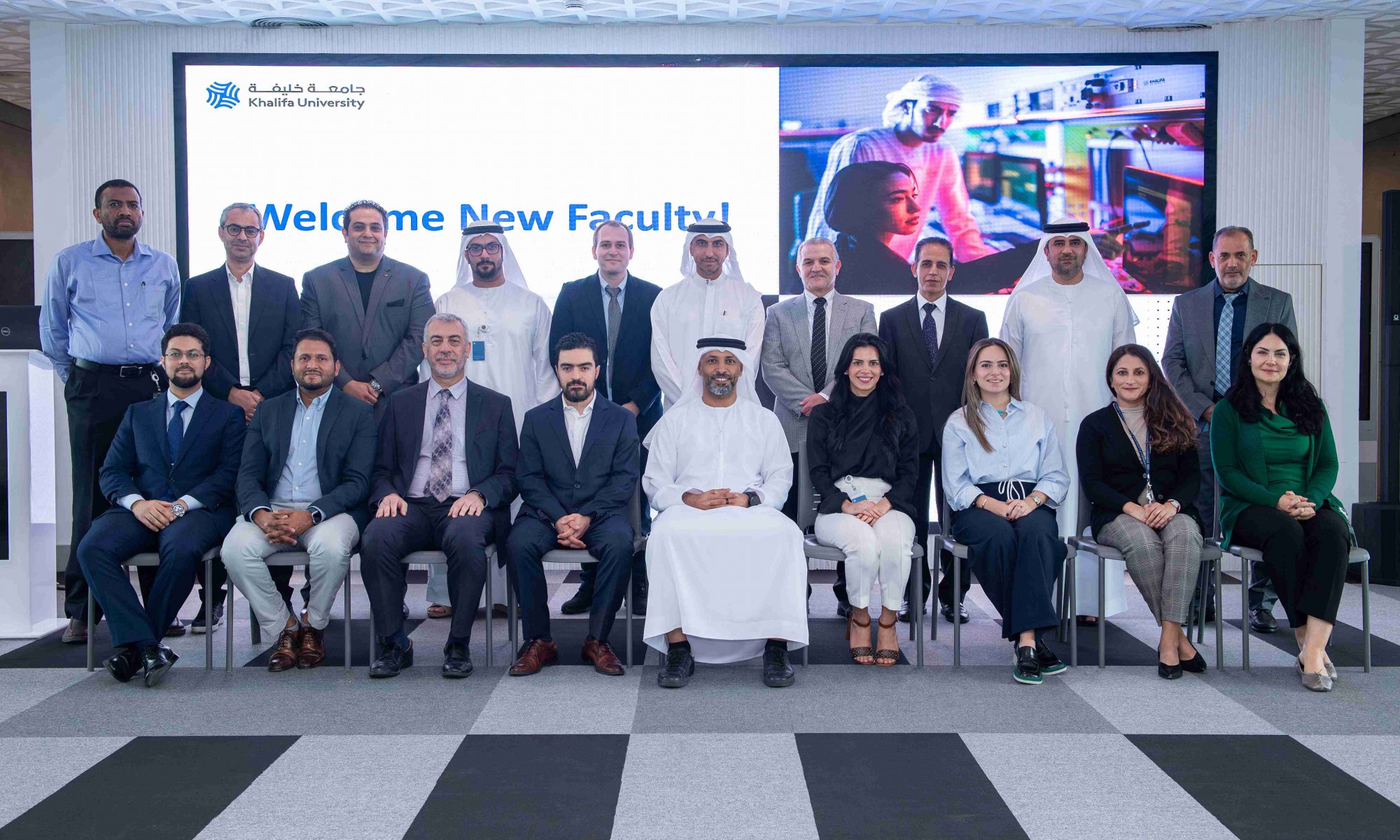
Khalifa University Welcomes 22 New Faculty Members for Fall 2024

A total of 22 new faculty members representing various disciplines were welcomed by Khalifa University leadership including His Excellency Professor Ebrahim Al Hajri, President, and Dr. Bayan Sharif, Provost during the Fall 2024 orientation program at the Main Campus.


Dr. Sharif introduced the deans and chairs of various academic departments and offered an overview of the undergraduate, graduate and Ph.D. programs. The faculty were also presented details on Khalifa University’s research verticals and horizontals, 12 research centers and their directors as well as other state-of-the-art facilities across the two campuses. He also offered information on the research innovation and entrepreneurship ecosystem including resources as well as the publication policy, and the R&D functions.

16 Khalifa University Students Successfully Conclude two-month CATIC-led Industry Internship in China

Internship Program Covered Aviation History, Aircraft Design, Manufacturing and Materials, Software Operation, Case Analysis, Experiment Enterprise Visits, and Cultural Experience


A total of 16 Khalifa University students from five academic programs successfully concluded a two-month undergraduate industry internship at the Chinese Aeronautical Establishment with the support from the China National Aero-Technology Import and Export Corporation (CATIC). The student group included seven Aerospace, four Mechanical, three Electrical, as well as one each from Computer and Industrial and Systems Engineering programs.


The eight-week program held at Yangzhou city in eastern China’s Jiangsu Province, included a course on aviation history and the industry’s current developments, professional courses on aircraft design, manufacturing, control, and materials, practical teaching of software operation, case analysis, experiment enterprise visits, as well as cultural experience and sports.


Under the practical internship section, students focused on the basic flow of static, dynamic, fatigue testing of aircraft structure, gaining experimental skills and ability in data analysis. Moreover, they learnt about the innovative design of three-dimensional (3D) models, structure optimization, model and printing process, and quality inspection methods of aviation additive manufacturing parts. They were also able to master the basic physical models and basic operations of Fluent, and conduct numerical simulations of fluid-related problems.


Participants gained practical skills of using Matlab and Python programming languages to analyze data relevant to the aviation field. On their ‘Enterprise Visit’ under the internship program, students focused on new aviation materials, aviation cables, and commercial aircraft research and production. They also practiced on product innovation design, product optimization, installation verification, 3D testing, functional testing and rapid prototyping at the Yangzhou 3D Printing Innovation Application public service platform. The internship also included visits to top universities in China.


Dr. Toufic Mezher, Associate Dean, Undergraduate Studies, and Professor, Management Science and Engineering, Khalifa University said: “The two-month CATIC undergraduate industry internship provided Khalifa University students with an excellent avenue to gain knowledge and hands-on experience about aviation and the related sectors in general. The program also effectively helped students to enrich their cross-cultural communication capabilities while enabling them to familiarize themselves with the Chinese work and social customs. We believe such industry internships not only bring better understanding of different cultures, but facilitate sharing of knowledge and experience that helps in personal and professional development.”


Clarence Michael
English Editor – Specialist
21 Aug 2024