Khalifa University Among Top 150 Globally in Engineering and Top in UAE in Engineering, Computer Science and Physical Sciences

According to THE World University Rankings by Subject 2025 


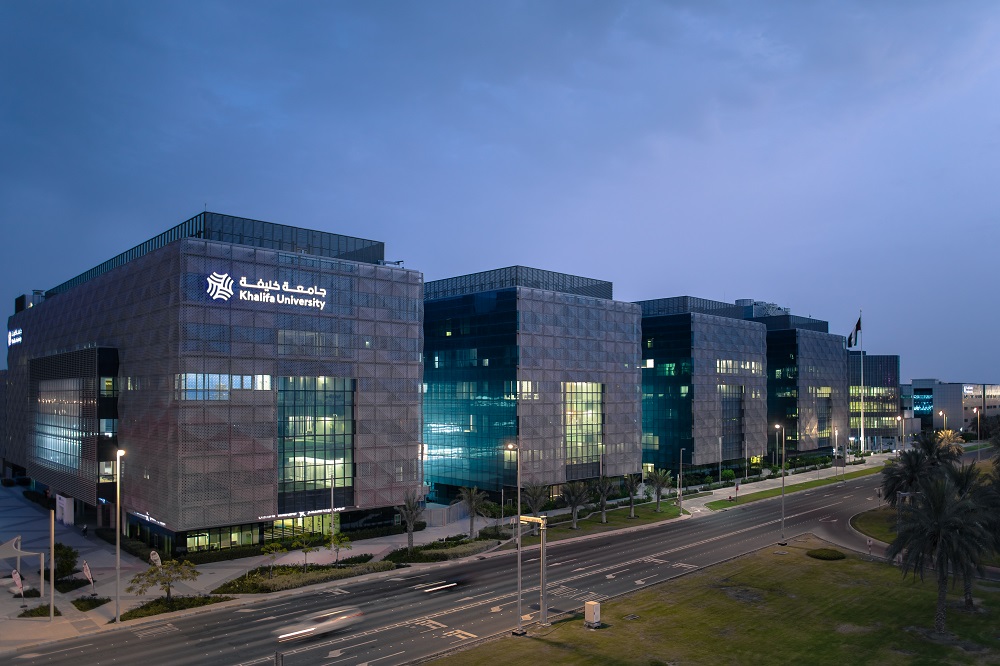
Khalifa University of Science and Technology today announced it has topped the UAE in three subjects – Engineering, Computer Science, and Physical Sciences in the newly released Times Higher Education (THE) World University Rankings by Subject 2025.  


This year’s rankings include Khalifa University’s Engineering program which climbed to 126-150. The rankings also listed Khalifa University’s Computer Science which secured its place in the 176-200 band for the first time-ever. Physical Sciences program sprang up to the 176-200 band.  


The THE subject rankings evaluate universities across various core disciplines, within each subject. 


His Excellency Prof. Ebrahim Al Hajri, President, Khalifa University, said: “We are delighted to achieve top rankings in the UAE and to be placed among some of the top-ranking global universities. The significant achievement in rankings reiterates our deep-rooted commitment to excel in all academic programs. This achievement is congruent with the UAE’s vision to become a global pioneer in various areas, and more specifically in research and education.” 


PhD Student Wins Best Paper Award for Innovative Sepsis Management Model at CIE51 International Conference in Sydney 

Firda Rahmadani’s Prediction Model Improves Diagnostic Accuracy and Decision-Making by Using Clinician Feedback 


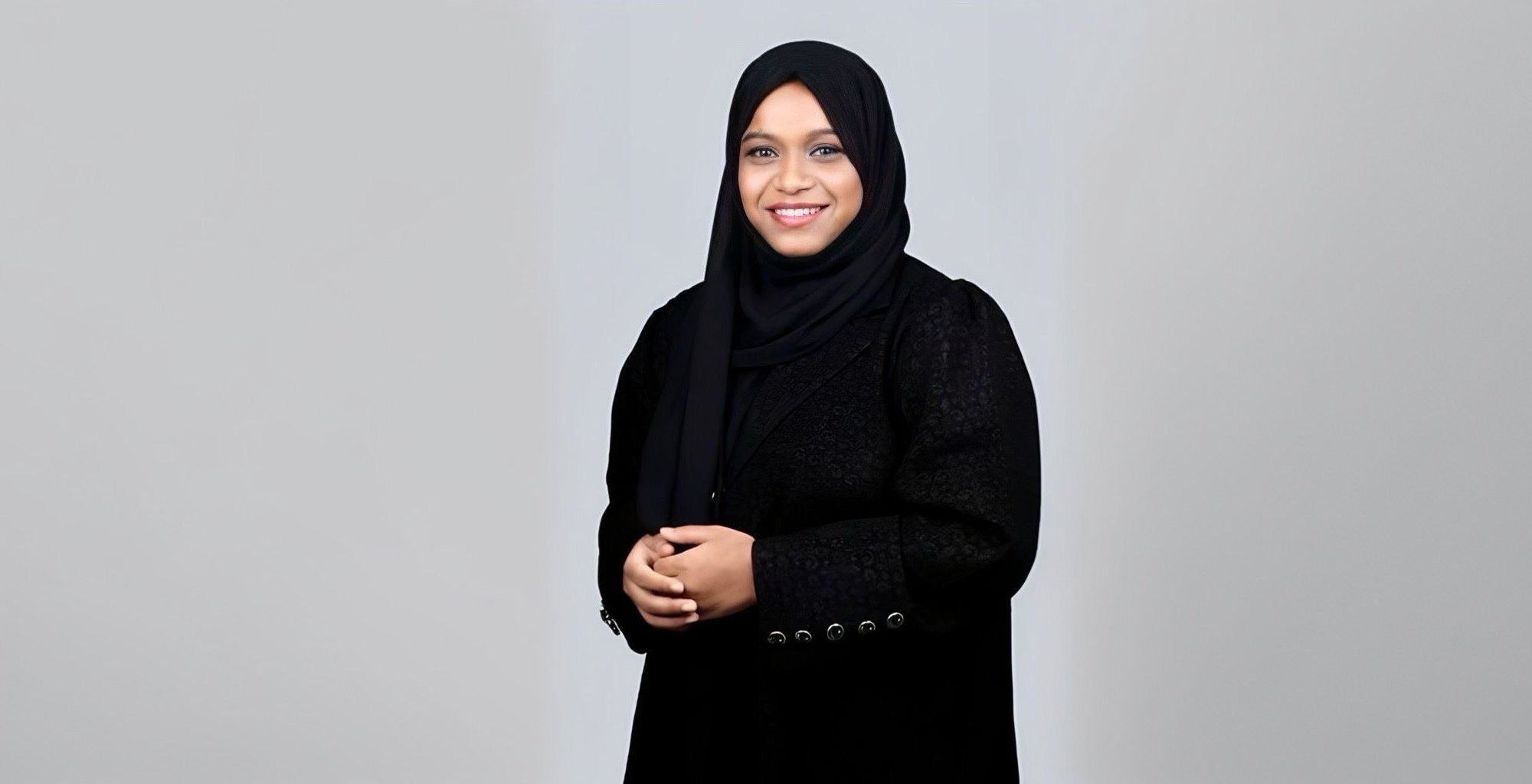
A doctoral candidate in Management Science and Engineering from Khalifa University won the Best Paper Award for its innovative approach to addressing a critical challenge in healthcare at the International Conference on Computers and Industrial Engineering (CIE51), hosted by the University of New South Wales (UNSW) Sydney.  


Firda Rahmadani’s award-winning paper titled ‘Human-Centered Prediction Model to Streamline Decision-Making in Sepsis Management Pathways,’ addresses Sepsis, a life-threatening condition caused by the body’s response to infection, which remains a leading cause of mortality worldwide. Her work is supervised by Dr. Mecit Can Emre Simsekler and Dr. Mohammed Omar, who collaborated with Dr. Siddiq Anwar and Dr. Ali Mohammed Al Shidi from Sheikh Shakhbout Medical City in Abu Dhabi. 


The award-winning research paper combines machine learning, human-centered design principles, and real-world medical data to create a prediction model to optimize sepsis management. This model aims to improve diagnostic accuracy and align decision-making by incorporating clinician feedback, ensuring the human-AI system is easy to understand and integrate with existing workflows. 


The paper was presented during a special session titled ‘The Future of Education and Work in the New Digitized Society’, which highlighted transformative contributions in education, healthcare, and the workforce in a digital world. 


Dr. Simsekler said: “Rahmadani’s research captured the essence of the session’s theme by showcasing how technology can be tailored to improve human-centric outcomes in high-stakes environments. The recognition underscores the importance of interdisciplinary approaches in tackling real-world problems.” 


Clarence Michael
English Editor – Specialist

Khalifa University Research Scientist Appointed Associate Editor for Two Prestigious Journals 

Dr. Nilesh Chodankar Joins Journal of Energy Storage and Carbon Letters Editorial Board 


Khalifa University Research Scientist Dr. Nilesh R. Chodankar, has been appointed as an Associate Editor for the Journal of Energy Storage and Carbon Letters, highlighting his extensive contributions to the field of energy storage systems and sustainable energy solutions. 


The Journal of Energy Storage, a leading platform with an impact factor of 8.9, focuses on systems integration, electric grid management, novel technologies, and global developments in energy storage. In his new role, Dr. Chodankar will manage manuscripts related to supercapacitors and batteries.  


In parallel, Carbon Letters is renowned for its comprehensive coverage of carbon materials and carbon-rich molecules, featuring research on various forms of carbon, their secondary production, and the development of new composite materials. Dr. Chodankar will serve a two-year term as an Associate Editor for Carbon Letters


Dr. Chodankar’s research is focused on the design and synthesis of functional materials, innovation of devices for electrochemical energy storage and conversion applications, including next-generation aqueous storage systems, supercapacitors, electrocatalysts (water splitting), to generate best-in-class performance and compete with expensive technologies/commercial materials for real-world applications. In addition, he is focused on the design and development of different biocompatible materials for implantable and safe energy storage systems for advanced implantable electronic medical devices. 


With over 110 high-ranking peer-reviewed publications and more than 7,770 (Google Scholar) citations, Dr. Chodankar also holds two patents filed in Korea and the US on aqueous energy storage systems. 


Dr. Chodankar said: “Joining such prestigious journals is a privilege and an incredible opportunity to collaborate with leading researchers and thought leaders. I look forward to engaging with groundbreaking ideas that will enhance the energy storage landscape and support the global energy transition. It is a true honor to contribute to sustainable energy solutions and the meaningful work at Khalifa University.” 


Alisha Roy
Science Writer
Khalifa University Researcher Receives IUCr Rising Star Award 2024 for Innovative Protein Crystallization Research 

Research Presentation Tackles Challenges in Crystallizing Protein-Drug Complexes Essential for Therapeutics 


Khalifa University Research Associate Salma Sultana Syed from the Department of Chemistry has received an International Union of Crystallography (IUCr) Rising Star Award 2024 for her poster presentation on enhancing the crystallization of proteins. The award was presented at the 18th Conference of the Asian Crystallographic Association (AsCA 2024), in Kuala Lumpur, Malaysia.  


The award-winning poster titled ‘Nanoparticle-Assisted Protein Crystal Growth: Novel Techniques for Optimized Crystallization’, is co-authored by Professor David Sheehan, Chair, Chemistry Department, and Professor Sharmarke Mohamed, Head of the Chemical Crystallography Laboratory, Khalifa University. The research presentation aims to address existing limitations in crystallizing protein-drug complexes, which are crucial for the creation of various therapeutics. It focuses on improving the crystallization of proteins necessary by using nanoparticles to enhance crystal growth without needing additional agents or changes to the proteins.  


In addition to receiving the award, Sultana Syed actively participated in a Pre-Conference Workshop on Protein Crystallography, which was part of the AsCA 2024 program.  


Dr. David Sheehan said, “Salma Sultana Syed’s achievement highlights both her contributions to the field of Crystallography and Khalifa University’s consistent commitment to advancing our research in this essential area. This international recognition not only reflects her hard work and dedication but also underscores the Chemistry Department’s and the University’s essential role in fostering talent and promoting groundbreaking research in the scientific community.”  


Alisha Roy
Science Writer
Khalifa University to Organize ‘Open Day’ on 25 January to Showcase Academic, Research and Scholarship Offerings

Agenda Includes Special Campus Tours for Undergraduate and Graduate Student Visitors and Families


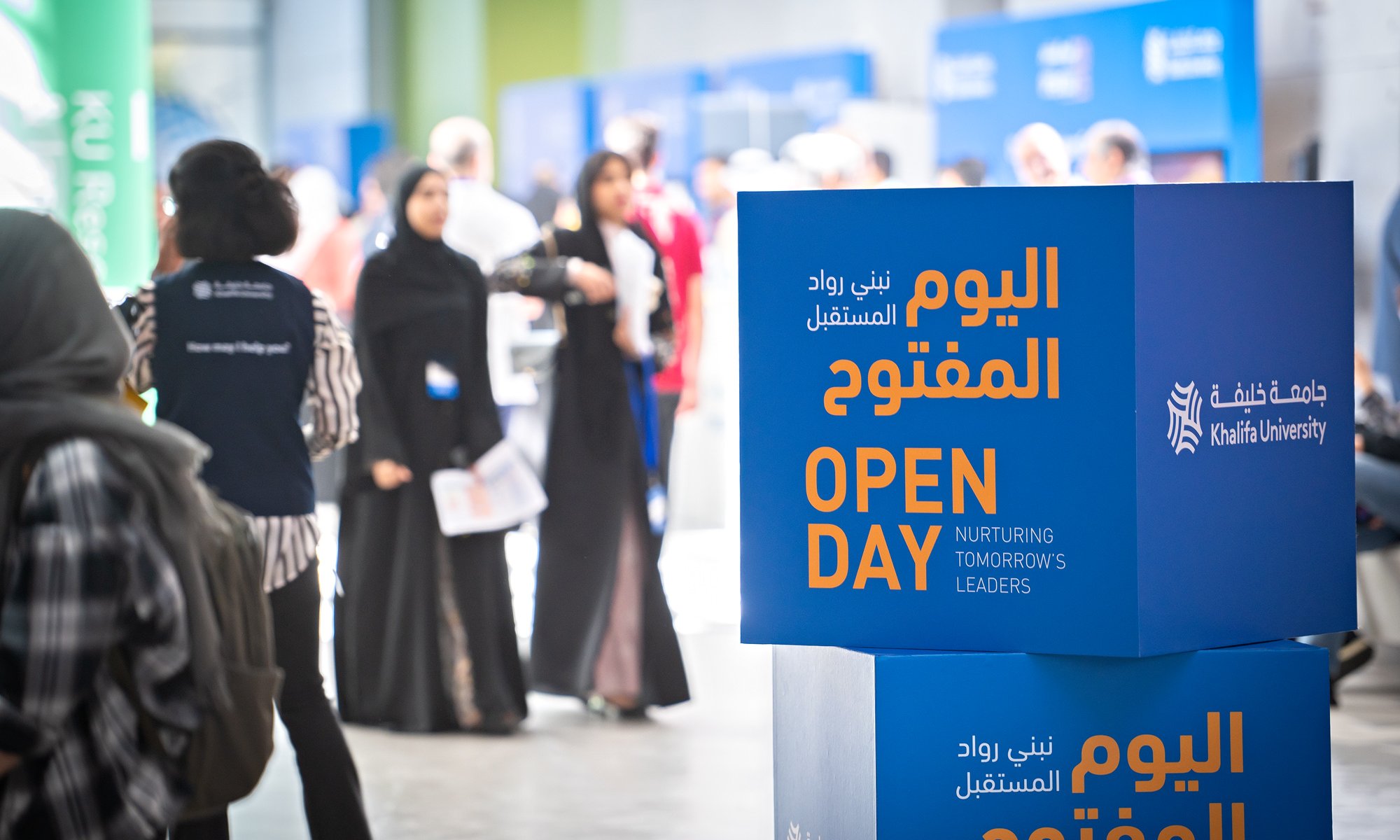
Khalifa University of Science and Technology today announced it will organize its annual ‘Open Day’ on 25 January to showcase its exciting academic, research and scholarship offerings across the two campuses, inviting potential scientists, innovators and future leaders to enroll at the University.


The day’s events at the Main Campus will feature cutting-edge laboratory facilities, student life activities and other amenities.


Khalifa University offers undergraduate and graduate students a diverse range of research-focused and experiential Bachelor’s and Master’s programs designed to inspire innovation and hands-on learning. At present, the University offers 16 bachelor’s programs with seven Minors, 25 Master’s and eight PhD programs. The University’s current faculty body of 391 represents 57 countries, while 76 countries are represented in a student body of nearly 4,466.


Ranked as the top UAE institution for seven consecutive years and second in the Times Higher Education (THE) Arab University Rankings 2023, Khalifa University stands as a premier choice for students seeking world-class education.


Professor Bayan Sharif, Provost, Khalifa University, said: ““Khalifa University Open Day 2025 offers UAE National high school graduates, international students, and professionals exploring postgraduate opportunities a valuable platform to discover their most suitable academic path and prepare to become future innovators and researchers. With a strong foundation in academic excellence and cutting-edge research, we empower students from the UAE and around the world to play a pivotal role in advancing the UAE’s knowledge economy. Our diverse range of programs, extensive research opportunities, and state-of-the-art campus facilities provide an exceptional environment for students to embark on their academic journey at Khalifa University.”


With 13 interdisciplinary research centers focused on strategic priority areas, Khalifa University has so far generated more than 315 patents and over 700 invention disclosures, reflecting a strong IP portfolio. Approximately 40% of research publications are featured in the Top 10% of Journals, with nearly 20 citations per publication.


In addition to supporting innovation in aerospace and nuclear engineering sectors, Khalifa University has strong capabilities in robotics, artificial intelligence, cybersecurity, data science, materials science, clean and renewable energy, water and environment, as well as food and agriculture technologies.


Khalifa University fosters robust global partnerships with renowned higher education institutions, facilitating a wide array of opportunities. These include student exchange programs, sponsorships, internships, and collaborative research initiatives, all aimed at enhancing academic and professional growth.


Alisha Roy
Science Writer
Two Khalifa University PhD Students Highlight ENTC’s Role in Ensuring UAE’s Nuclear Safety on Emirates TV’s Morning Program

Two Mechanical and Nuclear Engineering Ph.D. Students highlighted the critical role of Khalifa University’s Emirates Nuclear Technology Center (ENTC), a key partner in the UAE’s peaceful nuclear energy program, in ensuring nuclear reactor safety, during an interview with Emirates TV’s Sabah Al Emarat program. 


Asma Al Zarouni and Sameer Osman also offered viewers details of their research work focusing on areas ranging from Accident Tolerant Fuels (ATF) to cooling strategies for in-vessel retention in extreme conditions during the program. With key stakeholders such as the Emirates Nuclear Energy Company (ENEC), and the UAE Federal Authority for Nuclear Regulation (FANR) the ENTC fosters advancements that align with the UAE’s vision for sustainability and clean energy leadership. 


With a strong foundation in chemical and nuclear engineering, Al Zarouni’s research has centered on enhancing thermal performance and safety of power plants. Her MSc thesis explored accident-tolerant fuel coatings, while her ongoing PhD research focuses on condensation phenomena in cooling systems—both critical areas in advancing reactor technology. Osman applies his expertise in thermal-hydraulics to study flow boiling on curved heated walls. His research contributes to enhancing safety systems like External Reactor Vessel Cooling (ERVC), which play a key role in maintaining optimal reactor performance under challenging conditions.


Together, the two students aim to contribute to enhancing nuclear safety by developing predictive models validated through cutting-edge experiments and computational tools. Their research also explores advanced sustainability by improving reactor efficiency and reliability, ensuring nuclear power remains a cornerstone of clean energy strategies. 


Professor Yacine Addad, Deputy Director, ENTC, said: “The two students’ research work not only reinforces Khalifa University’s role as a leading global institution in scientific research and innovation, but also showcases the UAE’s commitment to clean energy and nuclear safety. Together with ENTC and Khalifa University, our students join our efforts towards a safer, cleaner energy future for the UAE and the world.” 


The ENTC also has collaboration with ENEC and the Technology Innovation Institute’s (TII) Quantum Research Center (QRC) to innovate in the realm of nuclear reactor simulations, using quantum-inspired algorithms.  


In collaboration with the FANR and the French Institut de Radioprotection et de Sûreté Nucléaire (IRSN), the ENTC successfully completed Phase 1 of the Numerical Modelling of Radionuclides Dispersion (MORAD) program in March 2024, yielding 13 published papers, highlighting crucial environmental aspects. Additionally, the ENTC is collaborating with the FANR on the ongoing OECD-ATLAS Phase III project, further advancing its contributions to nuclear safety research. 


Khalifa University Faculty’s Book Bridges Theoretical Principles and Practical Engineering Design 

Book Offers Fresh Perspective on Design and Applications of Tapered Beams in MEMS Devices  


A new book titled ‘Tapered Beams in MEMS: A Symbolic Modeling Framework with Applications to Energy Harvesting,’ co-authored by Khalifa University’s Dr. Ibrahim M. Elfadel, Professor, Computer and Information Engineering, and corporate researcher Wajih U. Syed was released by Springer Nature. The 236-page hard cover and e-book provides a detailed look at the important role of micro-electromechanical systems (MEMS) – technology used to create micro sensors and actuators, focusing on the design and use for energy harvesting applications. 


This new and timely editorial initiative addresses a crucial challenge in the design of MEMS devices, highlighting the advantages of tapered beams over standard rectangular beams, with focus on their impact on harvesting energy from mechanical vibrations using a physical phenomenon called piezoelectricity. Although tapered beams are very common in MEMS, their benefits have often been overlooked due to the reliance of design engineers on numerical modeling techniques.  


In this new book, the authors take a physics-based approach, utilizing advanced analytical methods in combination with symbolic algebraic systems to develop efficient models that improve the design of tapered beam elements in MEMS energy harvesters and enable a principled approach to their reliability analysis.  


Another significant aspect of the book is its focus on analytical and semi-analytical models to help engineers understand how variations in material, geometric, and environmental factors can affect the device’s behavior. The book has already garnered close to 900 accesses, according to the publisher’s website.  


Dr. Ibrahim M. Elfadel, said: “In a sense, we have written a contrarian book where the methodology is physics-based rather than data-driven. The compact models proposed in this book amply illustrate the power of analytical approaches, especially when they are combined with the well-established tools of computer algebra. On the application side, the models of this book can be found useful by engineers involved in the design and optimization of MEMS devices. With its emphasis on both theoretical foundations and real-world applications, I hope the book’s analytical and symbolic methodologies will be applied to other engineering domains beside MEMS and energy harvesting.” 


Alisha Roy
Science Writer

Khalifa University Honors 24 YFEL Program Members for Successfully Completing Annual Projects and Courses

Globally Appealing YFEL Outreach Program Enters 15th Year Creating an Alumni Body of More Than 600 Members


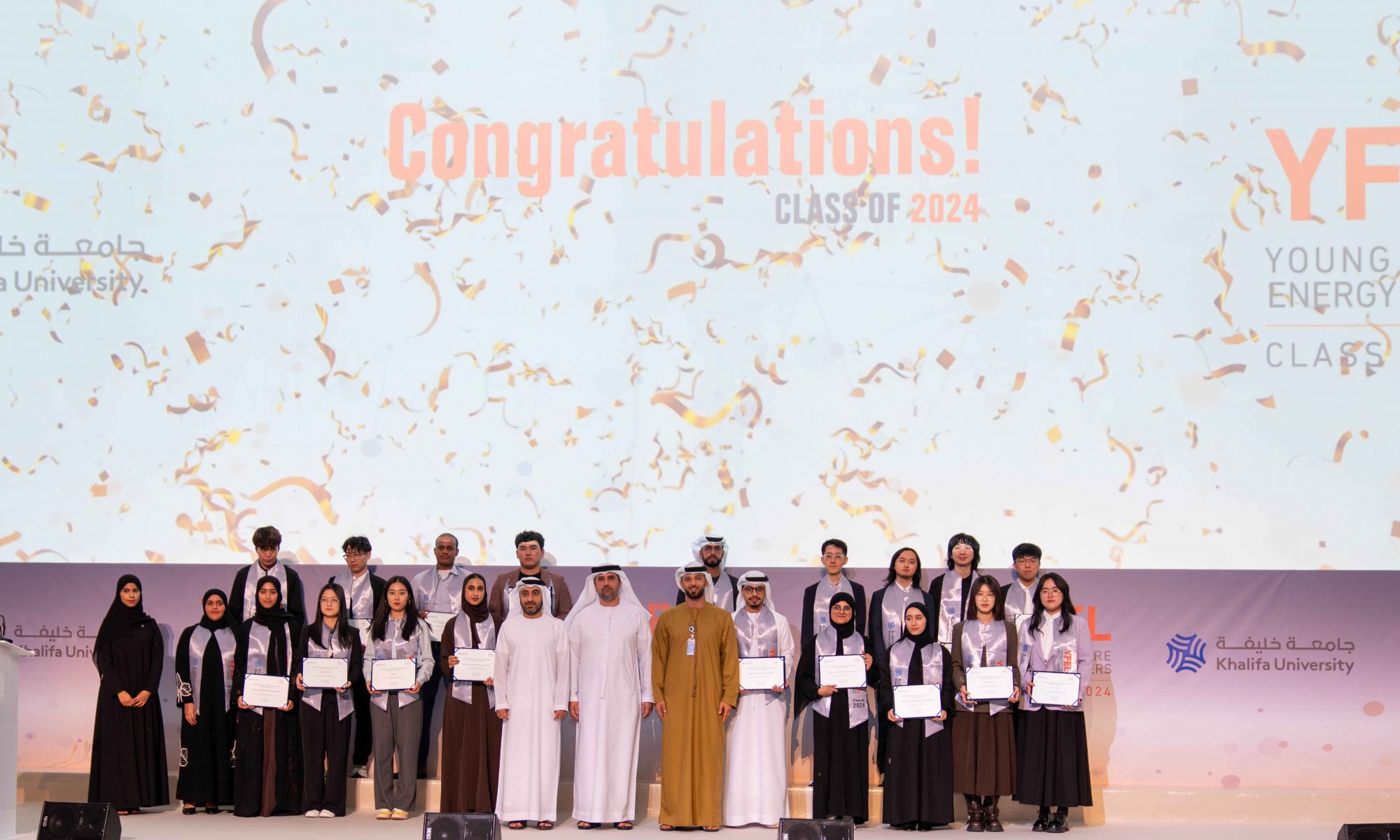
Khalifa University of Science and Technology today announced 24 members of the 2024 Young Future Energy Leaders (YFEL) program, the flagship outreach initiative, received their certificates of completion at a grand ceremony after having successfully concluded their annual schedule of courses and projects.


Launched in 2010 by the UAE President His Highness Sheikh Mohamed bin Zayed Al Nahyan, the YFEL program offers members – students and young professionals – exceptional and unmatched access to top global leaders, senior business executives, and academics engaged in clean energy and sustainability.


The 15 male and nine female members of the 2024 YFEL program represent six nationalities, and are associated with two local and eight international universities, demonstrating the global appeal of the YFEL program among students and youth interested in clean energy and sustainability. The YFEL 2024 cohort includes 14 international students who live outside the UAE, which further signifies the overall inclusive characteristic of the YFEL outreach program. The graduates join an alumni body of more than 600 former YFEL members, driving new initiatives in sustainability and clean energy.


Professor Bayan Sharif, Provost, Khalifa University, said: “The YFEL program is Khalifa University’s flagship outreach initiative that have consistently grown to its 15th year now, creating leaders for the future who can ensure the continuation of initiatives in sustainability and clean energy. The multifaceted aspects of the YFEL program make it more globally appealing as can be gauged from the cross-section of nationalities that are its current and past members. We believe these talented students and young professionals, fully equipped to tackle challenges, will provide sustainable solutions from the knowledge they have gained through the YFEL program. I offer my congratulations to the graduating 2024 YFEL members and wish them the best.”


One of the key events during the year was the fourth edition of YFEL German-Emirati Sustainability Days conference with inspiring debates, panel discussions and interactive dialogue between UAE stakeholders, German industry and 2024 YFEL members. A case study competition focusing on addressing misalignment challenges in EV wireless charging systems through literature reviews and innovative solutions produced 13 winners, selected for their exceptional research, insight, and alignment with program goals. As part of their recognition, they were awarded an exclusive training session sponsored by German company BASF. These were in addition to their active participation and engagement at events such as the World Future Energy Summit 2024, and the COP28 UAE Summit.


The 2024 YFEL members also successfully completed six projects that reflected their involvement in sustainability and clean energy technologies. The projects include ‘Sustainable Urban Design of Abu Dhabi Public Transportation’, ‘PV Panel Intelligent Fault Detection Techniques’, ‘Carbon Capture Utilization and Storage (CCUS): Advancements, Challenges, and Future Prospects in the UAE’, ‘Advances in Methane Cracking for Hydrogen and Graphene Production’, ‘Promotion for Rooftop Solar Panels in Abu Dhabi Households’, and ‘Carbon Footprint Tracker’.


Emirati YFEL member and Khalifa University Biomedical Engineering student Rodha AlQubaisi said: “The YFEL workshops were highly relevant and beyond my expectations. The instructors were incredibly supportive, and I gained valuable skills and built lasting connections.”


YFEL member Abylai Shynggys from Kazakhstan and student at Hong Kong Poly Technic University said: “The YFEL program provided engaging workshops and an excellent platform to grow professionally. I appreciated the opportunity to network with others in my field and enhance my knowledge.”


YFEL member and Hong Kong Poly Technic University student Cai Zhuoang from China said: “The YFEL program provided excellent workshops, great support from instructors, and well-organized logistics. The networking opportunities were very effective, and I achieved my learning goals.”


Over the years, the YFEL program has received support from community leaders such as His Excellency Sultan bin Rashed Al Dhahiri, and His Excellency Mohamed Bin Kardous Al Ameri, as well as several UAE-based and German corporate sponsors including AHK, BASF, Siemens, Linde Engineering, Wilo Group, and ADNOC, Dolphin Energy, ADWEA, and ENEC.

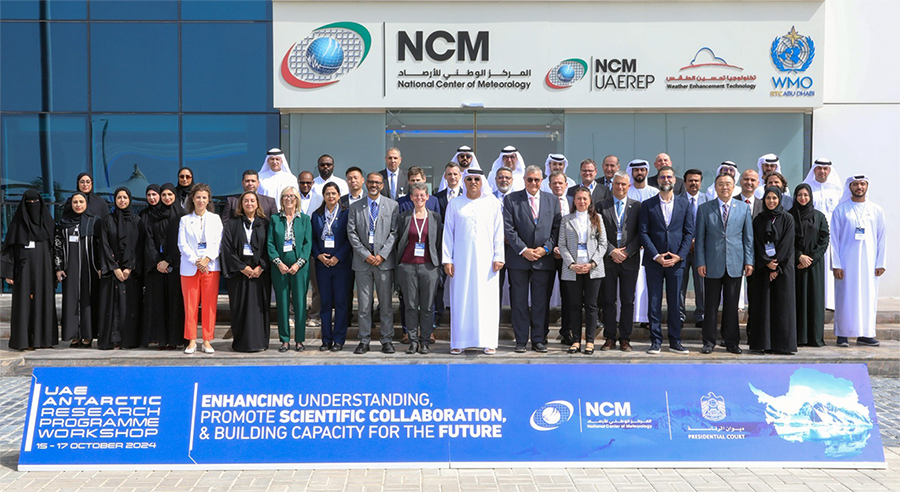
Khalifa University Scientists attend the NCM Workshop on Antarctic Research

The UAE Antarctic Research Programme Workshop was convened in Abu Dhabi by the UAE National Meteorological Center (NCM) with the aim of seeking input from the international Antarctic research community to the development of a UAE Antarctic Program to ensure both its alignment with the overall priorities for Antarctic research laid out by the Scientific Committee on Antarctic Research (SCAR) and other international coordination bodies and it’s complementarity to other existing national Antarctic research programs.

The primary objectives of the UAE Antarctic Research Programme Workshop were to:

  • Enhance the understanding of the current global research priorities and activities in Antarctica and the role of Antarctic systems in climate change and global climate processes within the UAE research and policy community.

  • Promote networking and collaboration between UAE researchers, institutions, and policymakers interested in or already involved in Antarctic research and the global Antarctic research community.

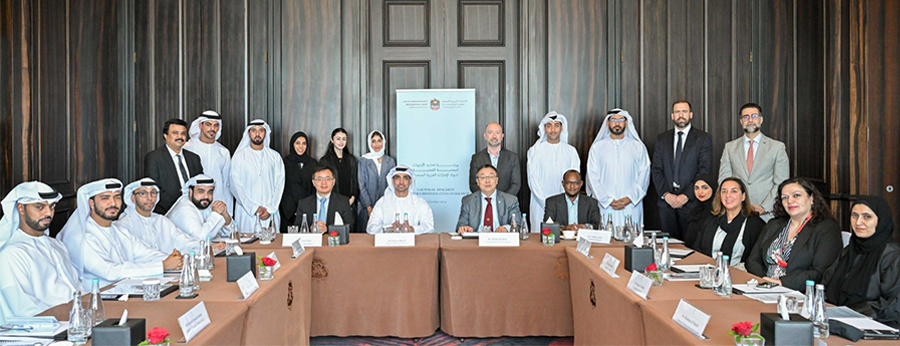
Khalifa University Faculty attend UAE Polar Research Priorities Workshop

The UAE Polar Program Steering Committee, through the International Affairs Office initiated a series of consultations over the past few months, with public, private, and academic stakeholders to help shape the strategic research agenda. Several focus group discussions and workshops, including the workshop hosted by the National Center of Meteorology have helped identify the needs. Hosted by the International Affairs Office at the Presidential Court and the UAE Polar Mission Steering Committee, this workshop represented the final phase of the process. It focused on developing a high-level strategic research agenda.

Khalifa University Faculty Elected Vice-President Technical Operations for the IEEE Aerospace and Electronic Systems Society

Appointment Highlights Prof. Roberto Sabatini’s Contributions to Aerospace Systems Research, Innovation, and Education   


Khalifa University faculty Prof. Roberto Sabatini, Department of Aerospace Engineering has been elected as Vice-President of Technical Operations by the IEEE Aerospace and Electronic Systems Society (AESS), the most prestigious professional organization entirely dedicated to this field. 


This appointment highlights Prof. Sabatini’s extensive contributions to aerospace systems research, innovation and education, over the past three decades. His career is marked by a series of leadership roles across industry, government, and academia in Europe, North America, Australia, Asia, and the Middle East, making him a renowned figure in the advancement of aerospace and aviation technologies worldwide. 


Prof. Sabaini’s research addresses key contemporary challenges in avionics, spaceflight and robotics/autonomous systems design, test and certification, focusing on the central role played by cyber-physical systems and AI in the digital transformation and sustainable development of the aerospace and aviation sectors. Practical applications include trusted autonomous flight systems, urban and regional air mobility, distributed space systems, space domain awareness, and multi-domain traffic management.  


Throughout his career, Prof. Sabatini has led several industry and government-funded research projects and has authored or co-authored more than 350 peer-reviewed international publications. He holds various academic qualifications in engineering, science and management disciplines, including doctoral degrees in Aerospace Engineering (Cranfield) and Geospatial Systems (Nottingham).  


As a licensed Flight Test Engineer, Private Pilot and Remote Pilot, he has logged more than two thousand flight hours on various aircraft types, including jets, turboprops, propeller aircraft, helicopters, and both fixed-wing and multi-rotor unmanned aircraft. Prof. Sabatini is a Chartered Professional Engineer (CPEng), as well as a Fellow and Engineering Executive of Institution of Engineers Australia (FIEAust and EngExec). He is also a Fellow of the Royal Aeronautical Society (FRAeS), Fellow of the Royal Institute of Navigation (FRIN), and Fellow the International Engineering and Technology Institute (FIETI). 


Currently, Prof. Sabatini serves in the editorial board of several journals, including the IEEE Transactions on Aerospace and Electronic Systems, Progress in Aerospace Sciences, Robotica, Aerospace Science and Technology, the Journal of Navigation, and the IEEE Aerospace and Electronic Systems Magazine. 


Since joining Khalifa University in 2021, Prof. Sabatini has founded the Intelligent and Autonomous Aerospace Systems (IAAS) Group and the Guidance, Navigation and Control Laboratory (GNC-Lab). He also leads the FALCON program, a transdisciplinary research and training initiative dedicated to the future of aviation and commercial spaceflight. The FALCON program addresses critical gaps in sustainable flight systems design and operations, including advanced air mobility, high-speed and suborbital transport, and the seamless integration of ground and space-based communication, navigation and surveillance infrastructure. 


Prof. Sabatini said: “As Vice-President Technical Operations of the IEEE AESS, I envision a future where the aerospace and electronic systems community capitalizes on its strengths, embraces constant improvement, and leverages collaboration opportunities to maximize impact. I am strongly committed to the AESS mission and values, and I have actively contributed to this prestigious society since 2008 in various technical and operational leadership roles. As Vice-President, I will continue working with the team to uphold the highest possible standards in technical operations, also contributing to high-impact publications, educational initiatives, conferences, and standardization working groups.” 


Alisha Roy

Science Writer