Khalifa University Marks ‘Year of Tolerance’ with Global Day 2019 Festivities

Culture Booths Representing 21 Different Nationalities Portray Benefits of Diversity in Campus Life at Event Themed ‘Tolerance Unifies Us’

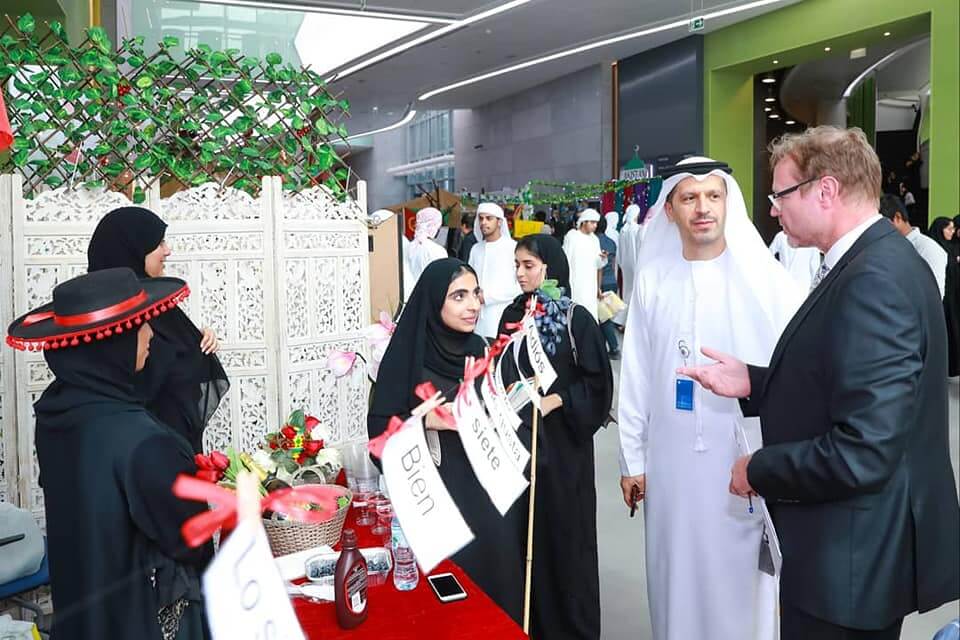
From the traditional Yowla dance of the UAE and the regional Dabke performance, to music from Kazakhstan and Eritrea as well as from various other groups, the kaleidoscopic nature of diversity at Khalifa University of Science and Technology was highlighted as part of the Global Day 2019 festivities to mark the Year of Tolerance in the UAE.

Themed ‘Tolerance unifies us’, the Global Day 2019 at Khalifa University marked the Year of Tolerance declared by His Highness Sheikh Khalifa bin Zayed Al Nahyan, President of the UAE, to educate youth on the values of tolerance, make the UAE the global capital of tolerance through new initiatives and implement cultural programs to build a more tolerant community.

One of the seven main pillars of the Year of Tolerance is promoting ‘tolerance and culture’, especially through events to celebrate expat communities, enhance interactions and hosting gatherings in arts and culture. In line with the spirit of the Year of Tolerance, Khalifa University Main Campus sported a festive look as activities of the Global Day 2019 reflected the true essence of unity in diversity during the campus life of the students.

Culture booths representing more than 20 countries portrayed the lifestyles and heritage of various nationalities, while music and dance performances continued throughout the afternoon by students from different groups. As part of the Khalifa University tradition to appreciate and acknowledge innovation at every stage, awards were presented for the Best Creative Stand and Best Costume.

Culture booths represented countries including the UAE, Algeria, Bahrain, Egypt, Eritrea, India, Japan, Jordan, Kazakhstan, Lebanon, Libya, Morocco, Nepal, Pakistan, Palestine, Philippines, Saudi Arabia, South Korea, Spain, Sudan and Syria.

The Year of Tolerance in the UAE aims to highlight the country’s dedication to welcoming people of all backgrounds and beliefs and its role in encouraging peace and stability in the Middle East and beyond.

News Writer
26 March 2019

EBTIC’s Fourth Innovation and Entrepreneurship Bootcamp at Khalifa University Concludes Successfully

Panel of Judges Selects Student Team that Presents the Most Innovative and Pragmatic Business Concept for Top Award

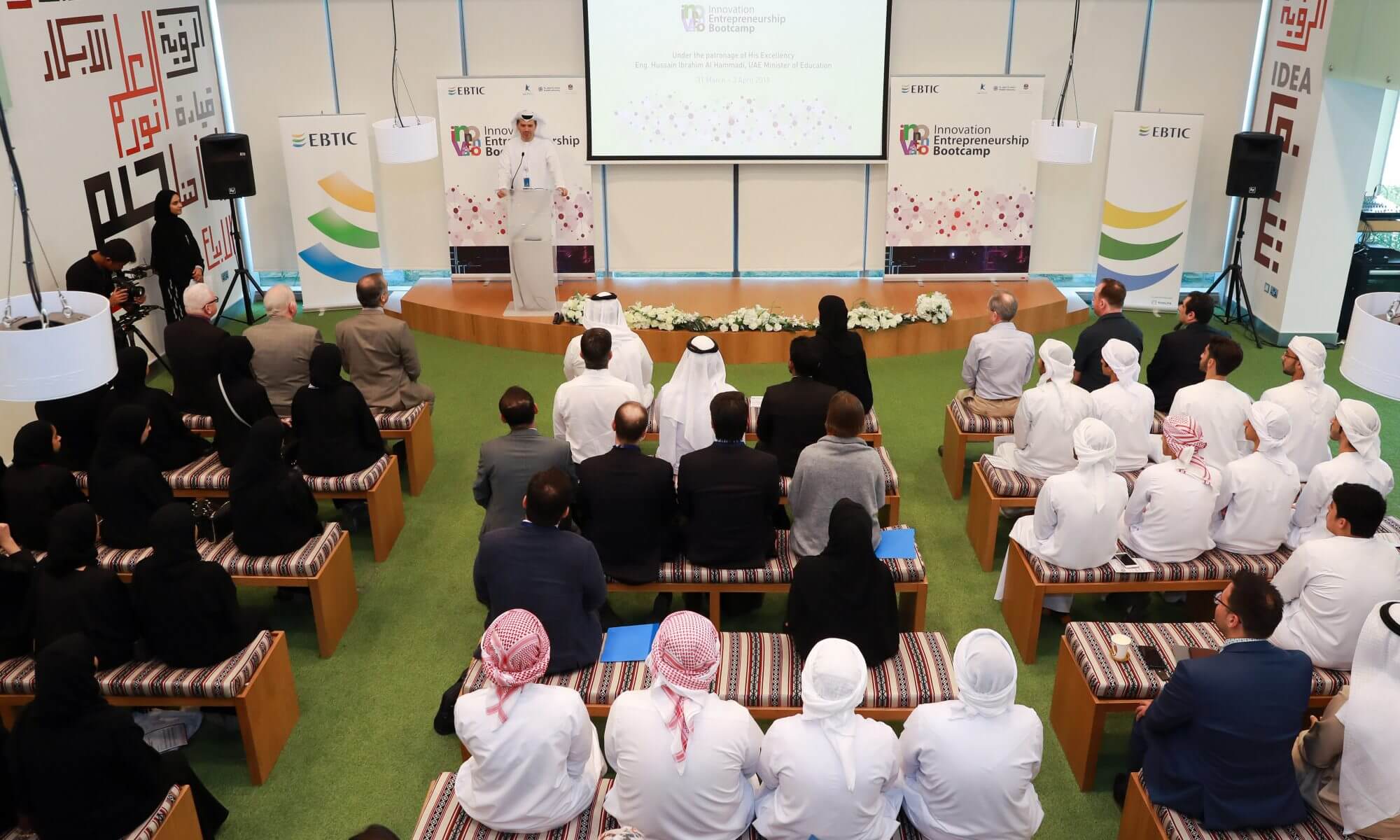
Under the patronage of His Excellency Eng. Hussain Ibrahim Al Hammadi, Minister of Education and Vice Chairman of the Khalifa University Board of Trustees, more than 40 students from across schools in the UAE participated in the fourth Innovation and Entrepreneurship Bootcamp organized by the Emirates ICT Innovation Center (EBTIC) and Khalifa University of Science and Technology, in collaboration with the UAE Ministry of Education.

The bootcamp that opened on 31 March, successfully concluded with an awards ceremony on 3 April. It was attended by industry, academia and government stakeholders as well as technology leaders with an excellent track record in initiating and leading business start-ups.

The student team that presented the most innovative and pragmatic business concept was declared winners. In all, a total of six teams participated in the fiercely contested challenge in which the students showcased and presented their projects to a panel of judges. The judges’ panel comprised academics and senior business professionals, selected from industry, academia, government and the media.

His Excellency Al Hammadi said: “The fourth EBTIC Innovation and Entrepreneurship Bootcamp is one of the pioneering initiatives that supports the UAE’s progress, through inspiring innovation, a key focus area in the country’s future strategy. The Ministry of Education always aims to achieve an innovative school community, in order to build a scientifically-tuned future generation. This bootcamp provides the right environment to students and guides them towards developing new capabilities and expanding knowledge, especially through research and investigation that help transform ideas into projects, benefiting the community.

“Initiatives such as this bootcamp are fertile grounds for encouraging creativity, helping students to expand their knowledge, especially through practical lectures and workshops in innovation, business development, marketing, entrepreneurship, intellectual property. The bootcamp also emphasizes strengthening the student’s connection with each new and enhancing aspect of planning, study and research in important developmental sectors,” he remarked.

His Excellency Al Hammadi added: “The participants, chosen through the National Festival of Science, Technology and Innovation (NSTI) held in February 2019, are already distinguished in knowledge and research. We expect them to have a scientifically and professionally promising future. And we believe the bootcamp will help build well-informed future leaders suitable for the UAE’s sustainable knowledge economy.”

Eng. Saleh Abdullah Al Abdooli, Group Chief Executive Officer, Etisalat, said: “Etisalat has always believed in laying the foundation for the future, nurturing creativity and fostering the growth of tomorrow’s innovators, future scientists and engineers. Innovation and digital transformation are key to our success and a result of our vision at the next level of development that has led the company to play a greater role in the digital lives of consumers and enterprises.

“This collaboration with EBTIC is in line with our strategy ‘Driving the digital future to empower societies’ that will pave the way for smarter solutions and applications, mentor the next generation of young UAE innovators and entrepreneurs and contribute towards an innovative knowledge-based economy. Etisalat is constantly looking to tap into the possibilities of the booming startup ecosystem. We are looking for avenues to support entrepreneurial growth by creating partnerships that will provide them the platform to grow and showcase their abilities. We are able to work together with these young innovators and entrepreneurs to imagine, design and co-create the future. This has led to Etisalat actively contributing to UAE’s national innovation strategy where digital technology is also one of the top seven primary national sectors.

“The association with EBTIC’s fourth ‘Innovation and Entrepreneurship Bootcamp’ will give a platform to the youth to develop STEM skills enabling them to translate their fresh and innovative ideas into solutions that will contribute to the development of the society and economy.”

Eyad Shihabi, Vice-President, Middle East, Africa, and Turkey, BT, said: “The innovation and entrepreneurship bootcamp is designed to bridge the gap between the worlds of education and business, as well as inspire and mentor the next generation of innovators. Over the past few days, some of the brightest young minds in the UAE presented their creative inventions and business propositions, and the talent on display was inspiring. We are delighted to be working in partnership with Khalifa University and the UAE Ministry of Education through EBTIC, to create a learning platform wherein students can develop skills for life.”

Dr. Nawaf Al Moosa, Acting Director of EBTIC and Assistant Professor at Khalifa University said: “The fourth EBTIC Innovation and Entrepreneurship Bootcamp proved even more successful than the previous years with enthusiastic participation by students who developed some of the most innovative business concepts. The student teams’ presentation skills, honed by the team mentors, were remarkable. We thank all the stakeholders and partners for their support to this bootcamp and we hope to continue our efforts towards building and nurturing young talent.”

Earlier, a BT official offered an overview of the bootcamp that aims to teach participating students the innovation process, business development, commercialisation skills, entrepreneurship and Intellectual Property (IP) issues.

The six participating teams had a professional mentor, who guided the students through a series of interactive workshops in order to help the students develop a business or investment proposition around a specific project.

EBTIC is an ICT research and innovation center, founded by Khalifa University of Science and Technology, Etisalat and BT, and supported by the ICT Fund.

News Writer
03 April 2019

Khalifa University to Host Mubadala-SRC Forum on Artificial Intelligence to Define Region’s Future Direction in Technology R&D

Special Sessions to Examine Areas of Future Research for Co-Funding with Government

Khalifa University will be hosting the three-day Mubadala-SRC Forum on artificial Intelligence (AI) in Abu Dhabi in order to define future research and development programs of AI hardware systems.

To be held from 15-16 April 2019 at the Khalifa University Main Campus, the forum will have representations from regional and international technology leaders such as Intel, GlobalFoundries, IBM, NXP, Arm, Synopsys, Siemens, Texas Instruments, IMEC, and LETI, as well as Mubadala Investment Company and SRC.

Keynotes and panel discussions will focus on identifying major challenges, opportunities, and the most strategic lines of research to pursue in order to drive future funding of AI research and development through SRC and SRC-Government co-funding. A roundtable on ‘Research Needs and Potential Responses’ will examine pacing research issues for future AI and identify
promising areas for university research from the perspectives of industry, university and government stakeholders.

Also joining the forum will be researchers and scientists from leading research-intensive universities such as Universities of California at Berkeley and Irvine, Stanford University, Georgia Tech, Duke University, ETH Zurich, Arizona State University, Texas A&M University and Khalifa University.

Dr Arif Sultan Al Hammadi, Executive Vice-President, Khalifa University of Science andTechnology, said: “As a research-intensive academic institution seeking to widen the impact of AI and machine learning, Khalifa University is delighted to partner with stakeholders such as Mubadala and SRC to host this forum. Our research centers have already been working on research projects in these rapidly developing technology fields. We believe bringing science and
technology leaders to Abu Dhabi for this knowledge sharing event will help raise awareness about emerging areas such as AI and their role in accelerating economic growth.”

Ahmed Yahia Al Idrissi, CEO Mubadala Technology, Manufacturing and Mining, will be giving the plenary keynote address. Speaking of the forum, he said, “Mubadala and GlobalFoundries are proud to support this important event at Khalifa University that brings together some of the world’s top AI scientists from academia and industry.”

“SRC is delighted to partner with Mubadala Technology and Khalifa University to explore research opportunities in this exciting explosive new growth area of AI for the semiconductor industry. The outcome of the forum will prioritize topics for SRC funding in the forthcoming AI Hardware Systems research program.” said Ken Hansen, SRC CEO.

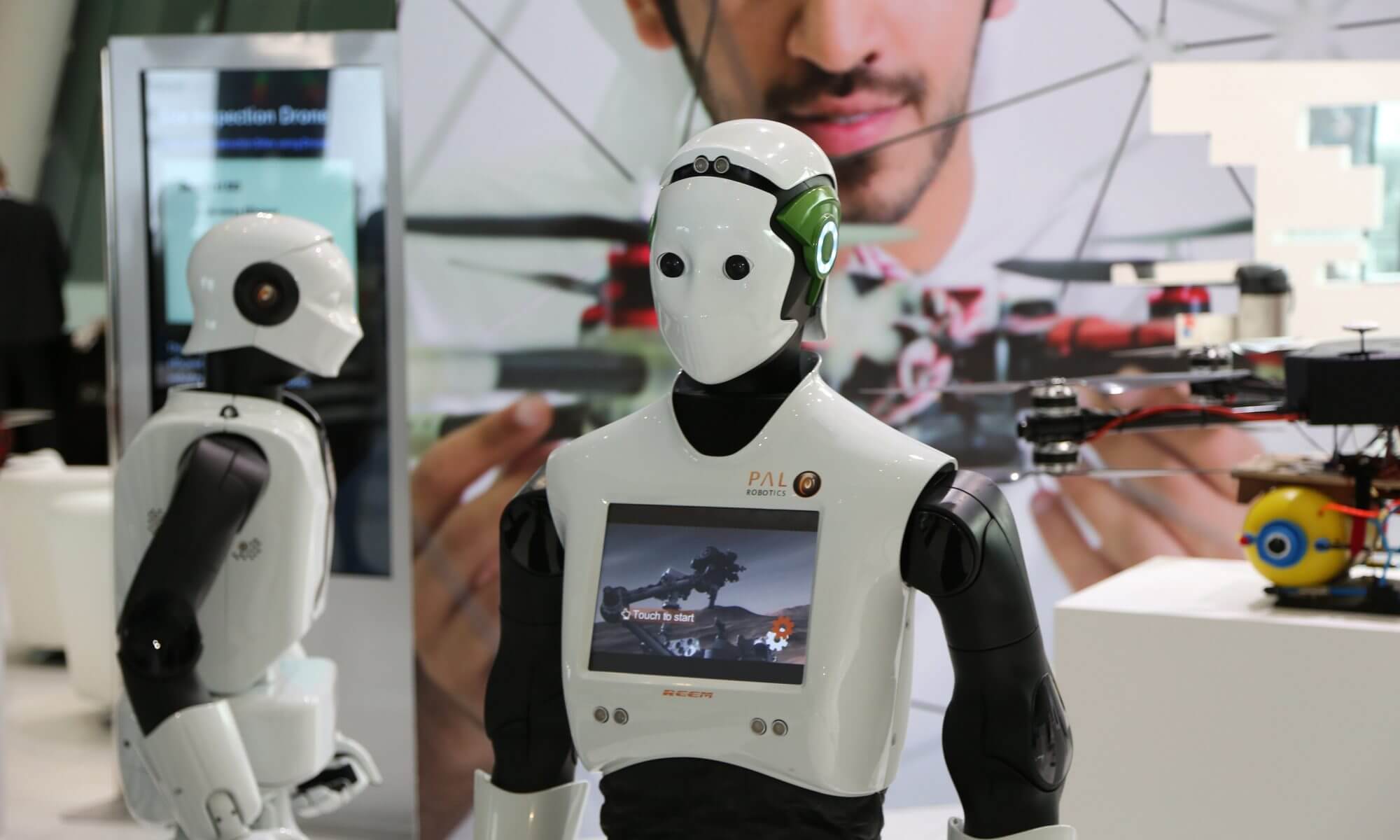
With several research centers working on unmanned aerial vehicles and robotics research projects, Khalifa University plays an instrumental role in advancing current technology solutions to make them suitable for the future. These research centers include Advanced Power and Energy Center (APEC), Aerospace Research and Innovation Center (ARIC) – a partnership with
Mubadala Aerospace, the Center of Excellence for Integrated Photonics, the Center of Excellence on RF/5G Communications, the Emirates ICT Innovation Center (EBTIC), System-on-Chip Center (SoCC), Khalifa University Center for Autonomous Robotic Systems (KUCARS) and the Center for Cyber-Physical Systems (C2PS).

News Writer
14 April 2019

Khalifa University Organizing ETIC for 7th Successive Year at Emirates Skills National Competition 2019

ETIC 2019 Challenges Student Teams in Eight Categories; University Also Showcasing Relevant Research Innovations at Emirates Skills 2019


Khalifa University has announced it is organizing the Emirates Technology and Innovation Competition (ETIC) for the seventh successive year in collaboration with the UAE Ministry of Education at the Emirates Skills National Competition 2019.


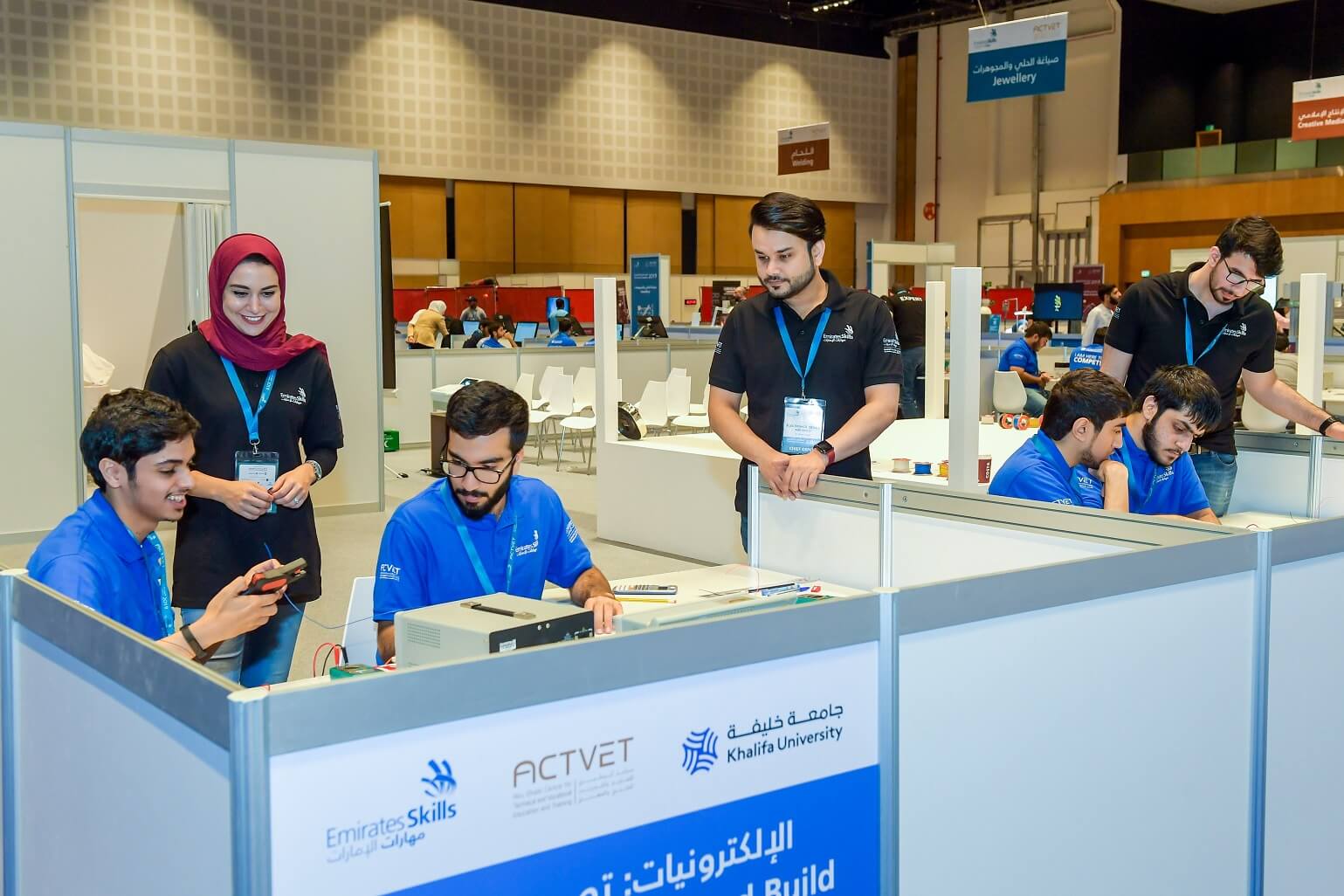
ETIC 2019 enables student teams to express their knowledge and abilities in their areas of expertise in a fun way in eight challenging categories. These categories include Computer Programming, Cyber Security, Mobile Application Programming, Game Development, Drones: Build and Fly, Renewable Energy, Electronics: Design and Build, and Artificial Intelligence (AI).


The categories of ETIC 2019 are specifically designed to test and hone the skills of UAE national students in science and technology. They also demonstrate the expertise of our faculty,who will judge the student teams’ talents in each category according to the criteria set by the WorldSkills International.


Dr Arif Sultan Al Hammadi, Executive Vice-President, Khalifa University of Science and Technology, said: “For the seventh successive year, Khalifa University is proudly partnering with the Ministry of Education to host ETIC, which has grown into a multi-category challenge offering a perfect platform for students to measure their skills against peers from other institutions, and
enhance knowledge. As the need for science and technology expertise multiplies in the UAE, we are rising to the challenge by engaging the youth, and showing them how interesting and motivating a professional career in science could be.”


“It’s gratifying to witness the enthusiasm of young men and women who challenge themselves in these categories and even exceed our expectations. We believe this year’s ETIC at the Emirates Skills National Competition 2019 will further encourage students to explore emerging technologies, making them suitable future leaders to contribute to the UAE’s knowledge economy transformation,” he added.


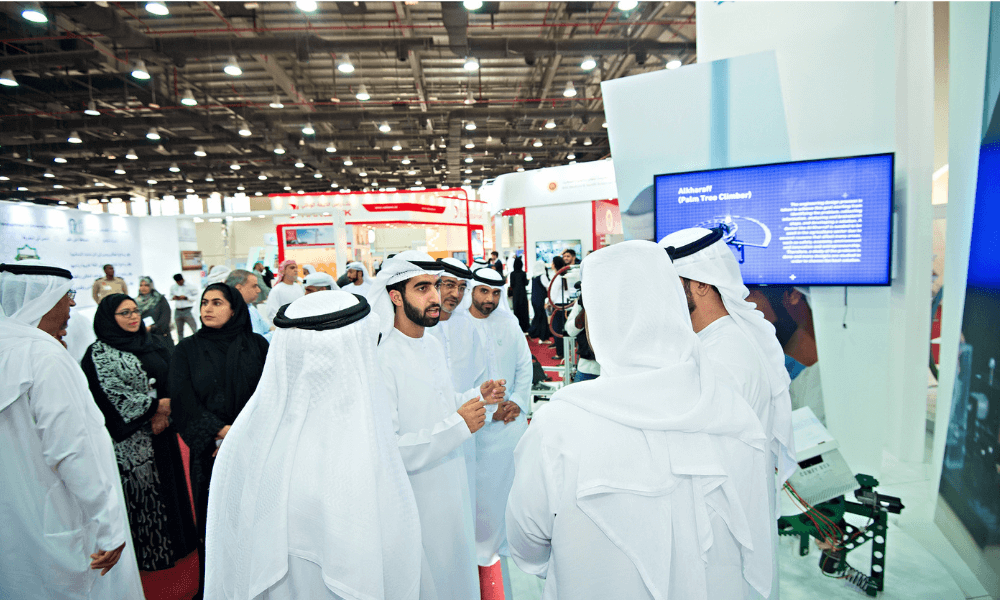
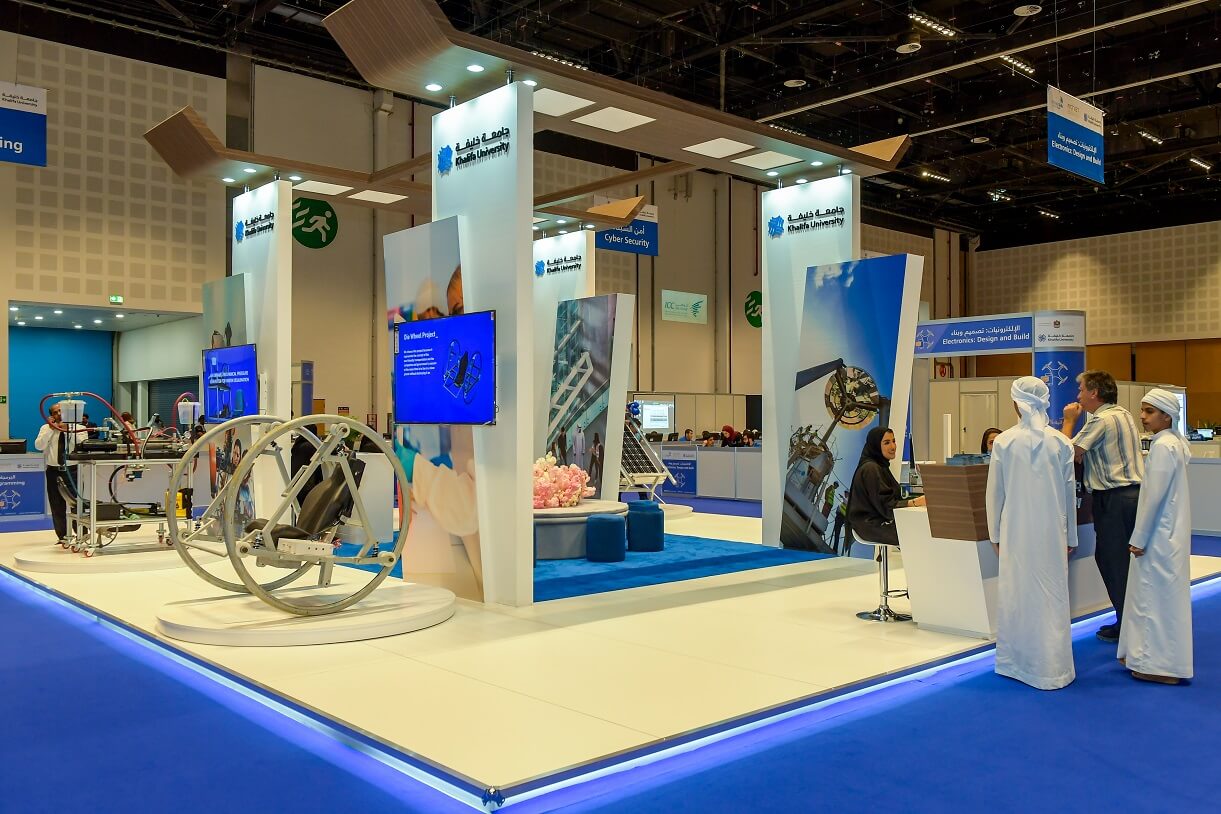
In addition, Khalifa University is also showcasing some of its community-relevant and region-specific research innovations at Emirates Skills National Competition 2019. These innovative concepts include ‘Al Kharraf’ – a smart and practical climbing device to make collecting date palms easier, ‘Die Wheel’ – an eco-friendly vehicle powered by batteries for transportation either
in small areas such as buildings or can be used for mobility in cities, an automated cleaning system for solar photovoltaic (PV) panels, and a ground-breaking desalination device that can transform salt water into fresh water without electricity.


Organized by the Abu Dhabi Centre for Technical and Vocational Education and Training (ACTVET) from 15-17 April 2019 at the Abu Dhabi National Exhibition Center (ADNEC), the Emirates Skills National Competition 2019 showcases the talent of selected Emirati youths that demonstrates their skills in different competitions in the field of craftsmanship and technology by
challenging their peers, based on the standards and criteria of WorldSkills International. The National Competition is a great chance for discovering new skills and getting involved in “hands-on” workshops, as well as getting career advice by meeting with educators, experts and major industries.


As a research-intensive higher education institution, Khalifa University actively organizes and participates in trade, technology and academic exhibitions to demonstrate its capabilities in driving research and innovation.


News Writer
15 April 2019

Khalifa University Featuring Select Research Innovations at RAK Education, Training and Employment Exhibition 2019

University Stand Offers Visitors Information about Wide Array of Academic and Research Offerings as well as Scholarship Options

Khalifa University is showcasing select research innovations and its overall academic offerings at the RAK Education, Training and Employment Exhibition 2019 that was inaugurated today by His Highness Sheikh Saqr Bin Saud Al Qasimi at the Ras Al Khaimah Exhibition Centre.
Organized from 23 – 25 April, the event provides an opportunity to interact with stakeholders in the academic sector including representatives from over 80 universities across the globe, as well as Khalifa University, and learn about employment and scholarship opportunities.
The Khalifa University stand is showcasing several innovations including a special climbing device to collect date palms from trees, an eco-friendly vehicle to easy transportation in cities, an automated solar PV cleaning system, and a sustainable device that can be used for desalination without electricity. In addition, the university offers visitors information about its
wide array of academic and research offerings as well as scholarship options. Khalifa University currently offers 12 bachelors, 16 Master’s and two PhD programs with 12 Concentrations across science, engineering and emerging technology areas.
In addition to the wide range of academic programs, Khalifa University’s 16 research centers offer students an entire gamut of options to undertake research in advanced technology areas such as artificial intelligence, robotics, drones, biotechnology, energy storage, wind and solar power, water and environment, desalination, petroleum geosciences, aerospace, cyber security,big data, and healthcare.
The research centers at Khalifa University provide students several avenues to seek innovations and new solutions in the most challenging science and technology areas. Such cutting-edge research centers and their remarkable outcome of intellectual capital (IP) keep the university in the forefront of research and innovation, thus gaining regional and global rankings.
Khalifa University is already ranked top in ‘research’ and ‘industry income’ – two key indicators that validate the research-intensive nature of the leading institution. In the most recent Times Higher Education (THE) Emerging Economies University Rankings 2019, Khalifa University is placed 13th out of 442 universities from 43 countries, thus remaining among the top 15 and the only one from the Middle East and North Africa (MENA) region.

News Writer
23 April 2019

EBTIC Demonstrates Technology Advances in Celebration of 10 Years of Achievements at Khalifa University Main Campus

Public Interaction on 24 April Highlights New Advances in Operational AI,Sentiment Analysis, Smart City and IoT Applications.

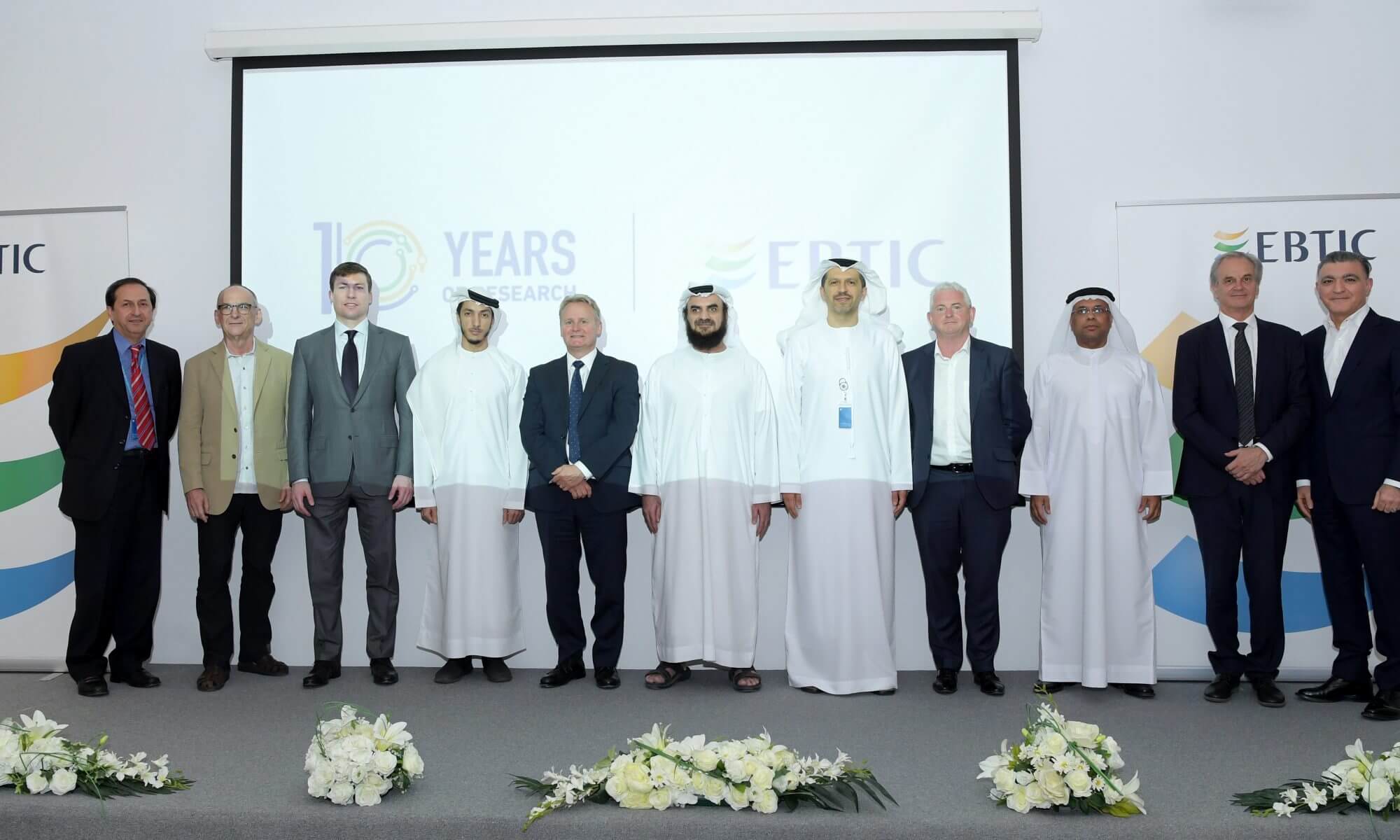
The Emirates ICT Innovation Center (EBTIC) marked its 10 th anniversary celebrations,showcasing some of its technology achievements, especially advance intelligent systems and network technologies and applications, at the Khalifa University main Campus today.

The celebrations on Wednesday 24 April 2019 marked a decade of successful contributions by EBTIC, which was founded by Khalifa University, Etisalat and BT, and supported by the Telecom Regulatory Authority’s (TRA) ICT Fund.
Some of the EBTIC projects showcased during the celebrations included intelligent optimization of organizational and infrastructure assets, social media and sentiment analysis, Automatic Arabic summarization, Smart Cities, Big Data and internet of things (IoT). In addition, two startup technologies currently undergoing commercialization were also featured at the event.

Dr Arif Sultan Al Hammadi, Executive Vice-President, Khalifa University of Science and Technology, said: “Congratulations to EBTIC whose track-record suggests not only human and intellectual capital development but also knowledge transfer across the academic and government sectors. A decade of achievements and excellence is a proud moment for EBTIC and Khalifa University. We thank all the collaboration partners who have consistently supported EBTIC in its research initiatives and ensured continuous economic impact from its research outcome.”

Presenting some of the landmark achievements, Dr. Nawaf Almoosa, Acting Director, EBTIC,offered a chronological review of EBTIC’s evolution in its first decade.

Dr Almoosa said: “During the last 10 years, we have successfully demonstrated our capabilities in human and intellectual capital development, research and knowledge transfer, as well as commercialization. We are also proud to mention that we have expanded the geographical reach of our IP portfolio into China, beyond the traditional EU and North American markets. As we look into the next decade of vigorous growth, we will remain committed to expanding our research scope and facilitating new solutions that will bring benefits to the UAE and the global community.”

Dr Ahmed Bin Ali, Senior Vice President, Corporate Communication, Etisalat Group, said: “I want to congratulate EBTIC on its 10th anniversary as an institute that has laid the foundation for the future and fostered the growth of tomorrow’s innovators, future scientists and engineers.

This falls in line with the UAE 2021 national agenda that aims to develop a world-class education system by raising standards and creating a knowledge-based economy driven by innovation, research, science, technology and an education system above international standards.

“Etisalat works closely with EBTIC to help achieve our vision and strategy of ‘Driving the digital future to empower societies’ and contribute to the next level of development of playing a greater role in the digital lives of consumers and enterprises. We look forward to working with EBTIC and the next generation of young UAE innovators and entrepreneurs to contribute towards an innovative knowledge-based economy.”

Prof Tim Whitley, Managing Director, Applied Research, BT said: “EBTIC and its vision have been a major regional priority for BT, and we are delighted to be in the company of such illustrious peers in this initiative. The consistent march of technology and its impact on lives and society is something that every nation faces, and with initiatives such as EBTIC, the UAE is showing how the coming together of Government, academia, and industry can have real-world impact on a nation and its future. The 10th anniversary of EBTIC is an opportunity to look back and celebrate, as well as a chance to look ahead with optimism, and I congratulate all our partners in EBTIC on this milestone.”

Dr Ken Ford, Director of the Florida Institute for Human and Machine Cognition, and EBTIC Technical Advisory Board Member, spoke about the current research directions of the AI industry and the challenges, while Prof. Mike Georgeff, School of Primary and Allied Health Care, Monash University Australia, and EBTIC Technical Advisory Board Member, deliberated upon AI applications and their impact.

Prof. Gerard Parr, Professor of Telecommunications Engineering and Head of School of Computer Science, University of East Anglia, and EBTIC Technical Advisory Board Member, offered an overview of EBTIC’s evolution over the past 10 years.

EBTIC currently has over 60 patents filed/being filed, of which 42 are granted.

News Writer
24 April 2019

Khalifa University to Host Times Higher Education Asia Universities Summit 2019 in Abu Dhabi

Under the Patronage of UAE’s Education and Human Resources Council
The Middle East’s First-Ever THE Asia Universities Summit 2019 will Take Place in Abu Dhabi

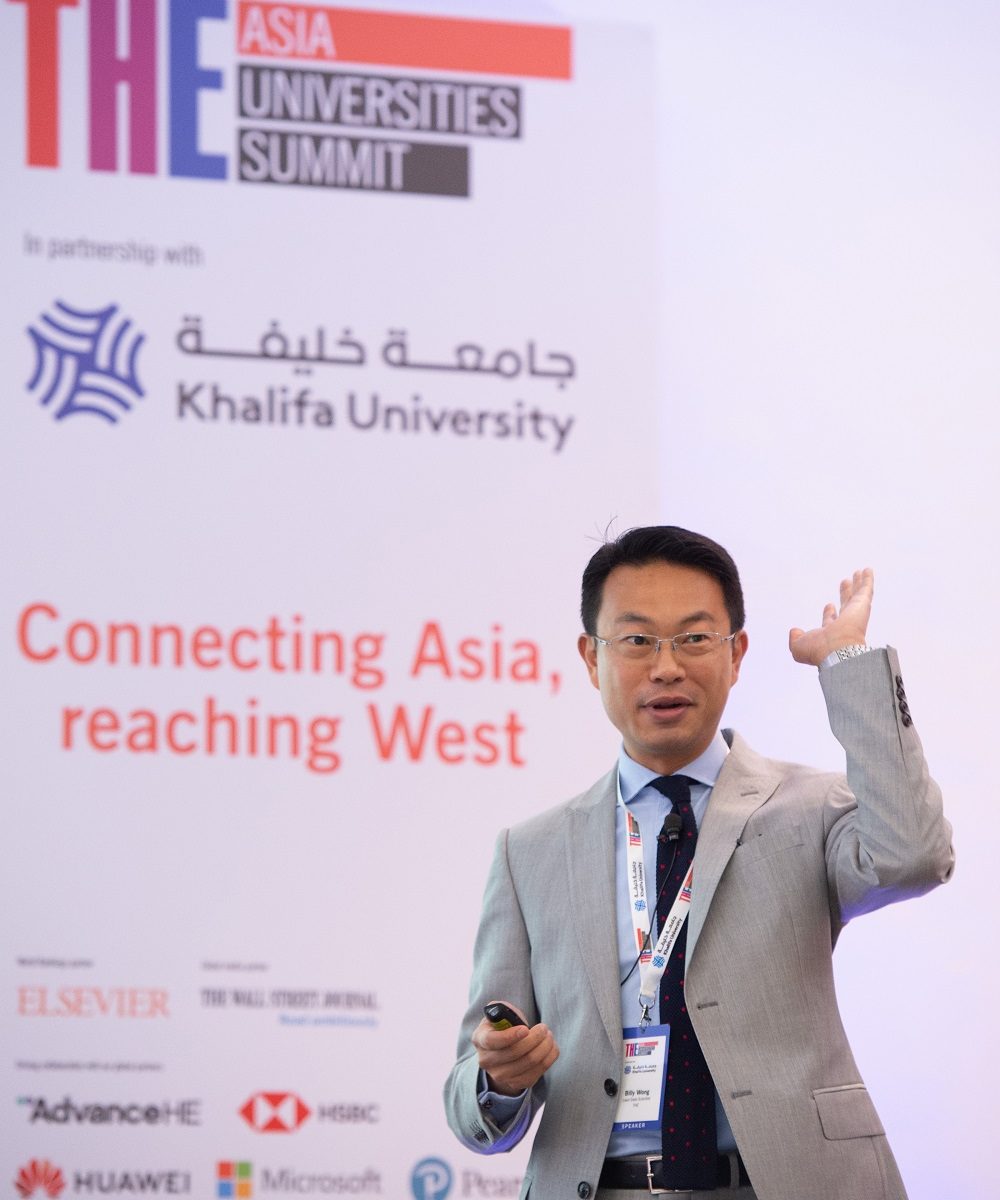
Khalifa University of Science and technology and the Times Higher Education (THE) today announced they will host prominent global universities for the THE Asia Universities Summit 2019 in Abu Dhabi.

The Middle East’s first-ever THE Asia Universities Summit 2019 themed ‘Connecting Asia,Reaching West’, will be held from 30 April – 2 May 2019 in Abu Dhabi. The summit will include the launch of THE Asia University Rankings 2019 during a gala dinner at Emirates Palace in Abu Dhabi on 1 May. Moreover, the inaugural THE Awards Asia will also honor select universities for their track-record in five different categories during the dinner event.

In addition to Her Excellency Sarah Al Amiri, Minister of State for Advanced Sciences, Ministry of Cabinet Affairs and the Future, UAE, who will offer a keynote during the inauguration of the THE Asia Universities Summit 2019, other notable speakers include presidents and higher officials of Asia’s best universities with high academic ranking such as Tsinghua University,
China, Hong Kong University of Science and Technology, and Korea Advanced Institute for Science and Technology. Other key speakers from Khalifa University, the UAE Ministry of Education and THE will also offer their perspectives at the official inauguration of the THE Asia Universities Summit 2019.

The THE Asia Universities Summit 2019 aims to highlight the importance of inter-Asian partnerships as the vital networks of the era. It aims to unite leaders of Asia’s best institutions with industry executives, policymakers and star researchers for three days of debate and discussion that will address challenges and frame the agenda for growth. The focus will be on the way universities can stay equipped and relevant for the pace of change in an age when research exchange is based increasingly on industry growth.
Dr Arif Sultan Al Hammadi, Executive Vice-President, Khalifa University of Science and Technology, said: “The selection of Khalifa University by the prestigious global Times Higher Education to host The Middle East’s first-ever THE Asia Universities Summit 2019 indicates the high status and good reputation that Khalifa University has in terms of academic capabilities, the knowledge industry’s progress and the policy-makers commitment to ensuring world-class education, not only in the UAE but also across the region, the continent and the rest of the world”.

News Writer
28 April 2019

Five Khalifa University Students Win Honors at Emirates Skills 2019

Students Demonstrate Public Speaking Skills, Culinary Talent and Expertise in Jewelry Designing

Khalifa University Chemical Engineering student Hamda Ali Alblooshi, junior Electrical Engineering student Buthaina AlKhayat, another Electrical Engineering student Khadeeja Khaled Hashem Mohamed Aljaberi and Industrial and Systems Engineering (ISYE) student Ahoud Abdulrahman Mohamed A. Alhashmi, as well as Aamna Hasan Almansoori have successfully proved their talents and won honors for the university at the 11th edition of Emirates Skills National Competition 2019.

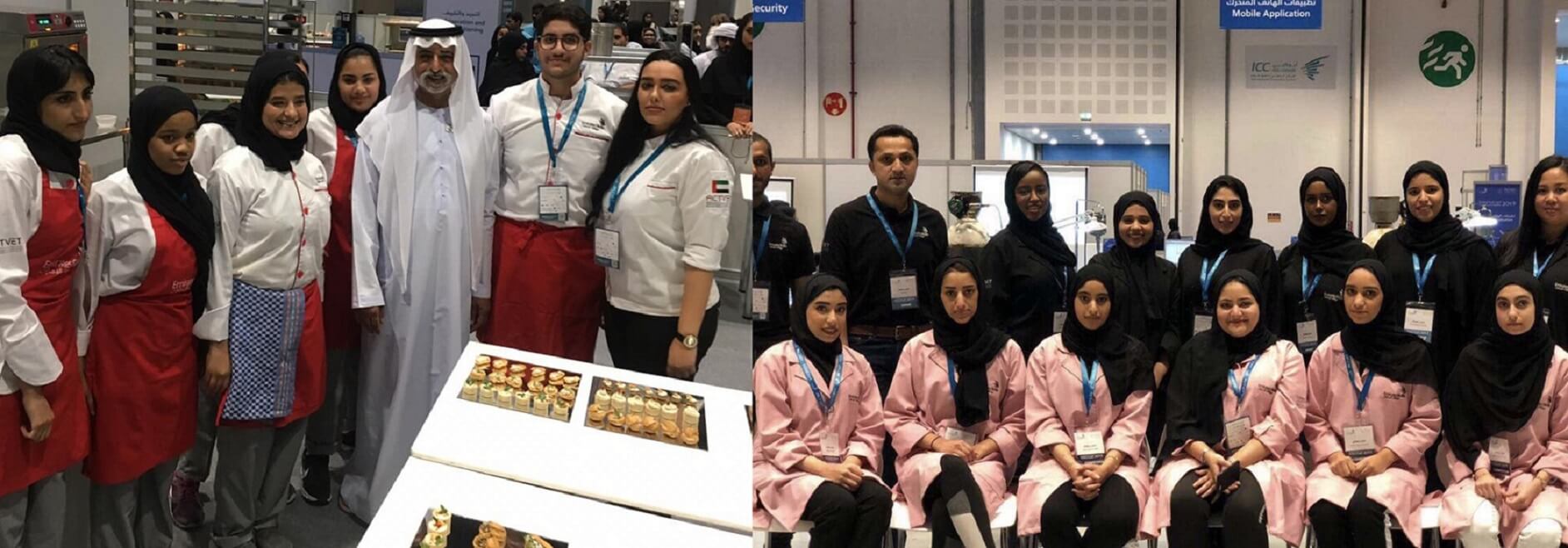
Alblooshi won ‘Silver’ and AlKhayat received ‘Gold’ in Public Speaking, while Aljaberi bagged a ‘Bronze’ in ‘Electronics’ at the crowded Emirates Skills 2019 competition that gave each talented individual an opportunity to outshine their peers. ‘Bronze’ winner Alhashmi proved her skills by becoming one of only six competitors shortlisted from nearly 40 applicants after individual culinary skills were tested in a cook-off challenge prior to the national competition. Aamna Hasan Almansoori won ‘Silver’ in Creative Arts and Fashion – ‘Jewelry’ category in WorldSkills-Abu Dhabi.

Faculty played a major role in developing student skills. It was Assistant Professor Dr. Nader Ayish, Department of English, who introduced the competition to Alblooshi and encouraged her to participate.

Alblooshi viewed the opportunity as both a learning experience and a challenge as she was still working on her public speaking skills. She said: “I arrived at the competition not knowing what to expect but still excited to perform and tried my best.”

As the days of the competition went by, Alblooshi learned a lot from her peers and mentors. She added: “Winning ‘Silver’ helped me to become more confident about my skill but also showed me that I have room to grow and learn. However, it was a great experience and I recommend this to everyone.”

AlKhayat promised herself that she would be 100% committed and would give it all, even though she realized she would miss a couple of labs and exams. But she went ahead all the same.

She said: “I did not set any expectations as to how good the other contestants would be because, to me, I was challenging myself and experiencing something new.”

She added that the contestants were definitely skilled and that was when she understood she had to bring in some uniqueness to her speeches. “That got me my ‘Gold’ medal which is the first step to achieve higher levels of confidence to develop my public speaking skills even more,” remarked a cheerful AlKhayat.

AlKhayat was guided by Dr Ayish, Assistant Professor Dr. Asli Hassan, and Senior Lecturer Dr. John Langille, all from Department of English.

Participating in WorldsSkills at Emirates Skills 2019 was an eye-opener for Aljaberi, who won ‘Bronze’ as she learned to work under extreme stress, pushed herself hard, and never giving up. “In the ‘Electronics-WorldsSkills EmiratesSkills’ category, students were tested in their electrical design, hardware and software skills,” she said.

On the third day, she and her partner were programming a vending machine that has its own database of users and credit information. She added: “It was definitely a real challenge, but I am grateful for the experience and happy about the medal. I am looking forward to get trained more to qualify for the WorldSkills AsiaSkills-Electronics category.”

Winning over others in culinary skills calls for professionalism and tackling several factors. In Alhashmi’s case, she never had any professional culinary experience or training, while other contestants were extremely skilled and passionate about cooking. However, she found the challenge hard for a different reason – because her category was sponsored by Emaar Hospitality which has very high standards for judging performances and even accepting contestants.

Once she was shortlisted, it was different, Alhashmi said and added: “I found it pleasant mostly because the relationship with other contestants was based on fair competition, mutual respect and similar interests.”

“The National competition in itself was a fertile soil for networking and meeting other people with a large spectrum of skills and possible project partners,” she added.

Almansoori began planning about competing in WorldSkills EmiratesSkills ‘Jewelry’ category even during her vacation. She said: “Jewelry design requires precision and I would like to be precise and perfect in everything I do. I know I have won, but in all honesty, it would not have really mattered if I didn’t, because finishing the competition with the most satisfying results mattered more to me than winning.”

Explaining how the whole experience also taught her patience, Almansoori added: “Waiting for my work to finish and waiting for the results, was quite nerve-wracking at first but I eventually learned to wait patiently. Even though my teammates and I were competing together, it didn’t impact our relationship, and we have become friends.”

Overall, Khalifa University students Alkhayat and Alblooshi won in the ‘National’ category from Abu Dhabi, while Alhashmi, Aljaberi and Almansoori were acknowledged in the WorldsSkills EmiratesSkills category.

A total of 114 Emirati youths were honored with gold, silver and bronze medals after the event in which 402 Emiratis had the opportunity to highlight their capabilities in 49 engineering, technological, technical and industrial areas, such as Artificial Intelligence, drone design, AutoCAD drawing, web design, aircraft and car engine maintenance, computer-assisted manufacturing, welding, fashion technology, robots and garden design.

Clarence Michael
News Writer
29 April 2019

Khalifa University Team Wins ‘Silver’ in ‘Artificial Intelligence’ Category at Emirates Technology Innovation Competition 2019

Two Computer Engineering Students Acknowledged for Developing Model on Image Processing and Machine Learning

A Khalifa University team comprising Computer Engineering student with Software Concentration Salma Mohamed Al Hashidi, and Computer Engineering student Mjalli Ahmed Moosa has won ‘Silver’ with a score of 84 in the artificial intelligence (AI) category at the Emirates Technology Innovation Competition (ETIC) 2019 that was organized during the 11 th edition of Emirates Skills National Competition 2019 in Abu Dhabi.

ETIC 2019 challenged student teams in eight categories including Computer Programming,Cyber Security, Mobile Application Programming, Game Development, Drones: Build and Fly,Renewable Energy, Electronics: Design and Build, and Artificial Intelligence (AI). Each category had a set of challenges that students must fulfil during the three days of the competition. In
some categories, students were given tasks and in some others, they were asked to develop a project that will be evaluated on the last day.

The two Khalifa University students excelled during ETIC 2019 that was organized for the seventh successive year by Khalifa University, in collaboration with the Ministry of Education.Students were judged by Khalifa University faculty in each category according to WorldSkills International criteria. A total of 96 students from Applied Technology High School (ATHS), UAE University, Higher Colleges of Technology (HCT) and Khalifa University participated in the event.

In the AI category, students were required to utilize machine learning algorithms to construct usable models in order to identify and classify objects from real image datasets and to appropriately train their constructed models. They were also expected to use and fine-tune existing machine learning algorithms, while judges looked for high classification accuracy, precision, recall, and sensitivity in the constructed model.

Al Hashidi and Moosa won ‘Silver’ for their work on image processing using MatLab – the multi-paradigm numerical computing environment and proprietary programming language. It was a machine learning process, where the team needed to train the computer to recognize specific objects.

The duo worked on different types of identification throughout the three-day course. Al Hashidi said: “Starting from familiarization with different algorithms, we had to learn how to classify images. Lastly, we had to train a model that would be used by cars to detect other vehicles and ‘stop’ signs. This model used a dataset provided to us and then the accuracy of this was tested
by the judges.”

Associate Professor Dr Hadi Otrok, Electrical and Computer Engineering Department, said: “During the competition, Mjalli and Salama were among the enthusiastic teams who were actively attempting to solve all the tasks they were provided, even those which were new for them. They were also committed to identify training material to prepare them as much as
possible for the competition and sought only minor guidance.”

For the two students, the occasion proved to be immensely challenging in the beginning. Al Hashidi said they were hesitant at first as ETIC within the Emirates Skills National Competition 2019 was a huge event. But after the first day, they team became more involved in the competition.

“We motivated each other and thankfully remained steadfast in our efforts. We had no background in this field, so we took it upon ourselves to learn this new concept. We worked together to explain to each other whenever we found ambiguities. In addition, we received help from instructors who guided us as to what we should be aware of,” added Al Hashidi.

Moosa said “Our main goal at first was to participate and experience something new. It was a fun experience, new to us.”

But everything did not go smoothly for the team, especially on the last day of the competition,when the code they had developed was taking too long to execute. Al Hashidi felt that might affect their scoring. She said “It took so long that we overstayed even after the competition, waiting to know our score, until everyone had to leave the stand.”

She added: “Both of us left, not sure if we were among the top three. Nonetheless, we were only curious to know our ranking. On the day of announcement, however, we were overjoyed to learn that the Silver medal was ours.”

“It was also a proud moment since we were the only ones representing our university in AI category, while other teams were representing their high schools,” remarked Al Hashidi.

The categories of ETIC 2019 were specifically designed to test and hone the skills of UAE national students in science and technology.

News Writer
07 May 2019

Senior Design Projects Win Big at Undergraduate Research Competition

KU undergrad seniors win first, second and third place for innovative engineering projects at UAE’s premier national event for undergraduate research

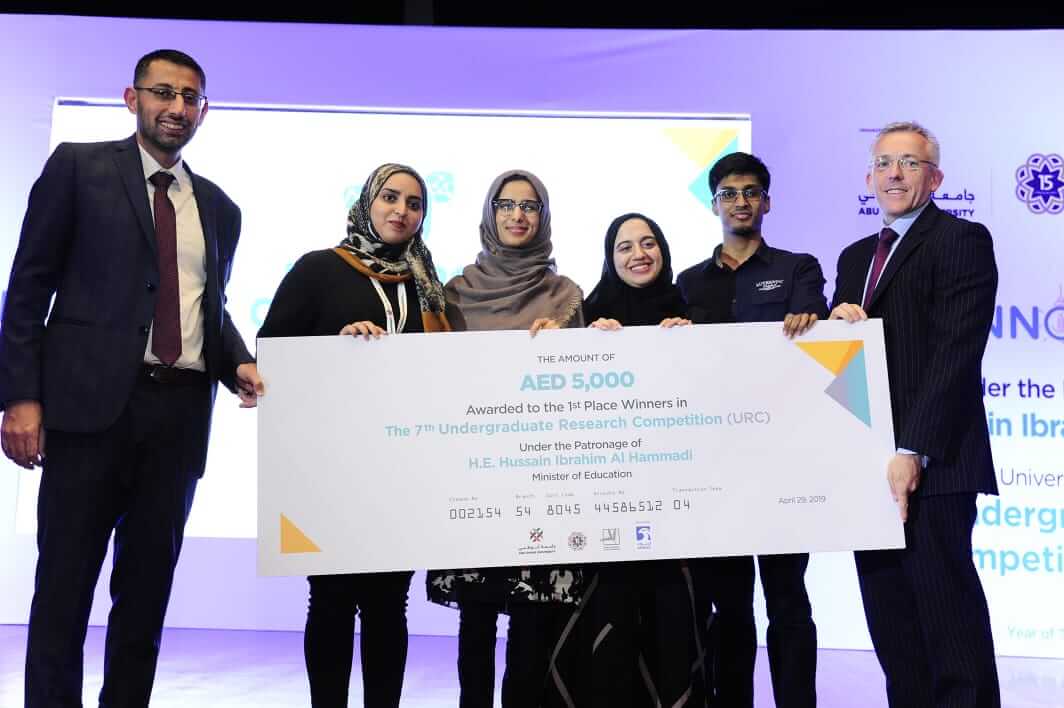
Khalifa University students won first, second and third place at the 7th Undergraduate Research Competition (URC) hosted by Abu Dhabi University on 29 April, 2019, beating out over 260 teams that competed from 54 universities in the UAE, Saudi Arabia and Oman.

Senior students Noor Shahab Fikree, Wasiq Ahmed, Hiba Tariq, and Nida Rashid won first place in the Biomedical and Electrical Engineering Category for their Senior Design Project, ‘A Game-Based Exoskeleton Hand for Rehabilitation.’ The exoskeleton hand and game system provides engaging hand rehabilitation to individuals with diminished hand mobility and strength, such as stroke patients or people suffering from spinal cord injury.

The interactive game-based approach is intentionally designed to keep patients motivated so that they can be consistent in their rehabilitation training, which is key to regaining proper hand function.

The wearable exoskeleton employs a novel mechanism that allows for variable strength and mobility training. The interactive game aptly tracks the users’ capability to bend their fingers, simultaneously as the game is played, unlike clinical progress measurement techniques for rehabilitation. The system is also light weight and cheaper than existing systems on the market.

Another benefit to the system is that the user and his/her therapist can remotely access the patient’s progress over time. This implies that such a system has the potential to open the door for at-home therapy, which would further reduce cost and resources associated with traditional one-on-one therapy.

All three components – the exoskeleton, the game and the progress measurement – were developed by a multidisciplinary team of two mechanical engineering students, one electrical and electronics engineering student, and one computer engineering student, under the supervision of Dr. Shakti Singh, Assistant Professor of Electronic Engineering, and Dr. Dongming Gan, Assistant Professor of Robotics.

“As an interdisciplinary team, we learned a lot from each other. The nature of the project allowed each one of us to put our engineering knowledge to the test. We learned not only technical skills but also people skills through communication with advisors, suppliers, and each other. Undertaking this SDP, we learned how to learn, and we believe that it is the most important thing all of us can take away from this experience,” shared Fikree, Ahmed, Tariq and Rashid.

Another team earned second place in the Chemical and Environmental Engineering Category. Fatima Abdulla, Meera Alqemzi, and Alya Alzaabi won for their Chemical Engineering Design Project, ‘Development of Secondary Phase in Various Zeolites Framework.’

The project builds on the novel zeolite research work of Dr. Yasser AlWahedi, Assistant Professor of Chemical Engineering. Dr. AlWahedi discovered a new phase that can adsorb, or capture, two times as much hydrogen sulfide from natural gas compared to a typical zeolite, which is a special kind of mineral that can trap water and other molecules inside of it.

The team developed a low-cost adsorbent out of Dr. AlWahedi’s unique phase that can efficiently adsorb (capture) hydrogen sulfide from natural gas and desorb it (release from the adsorbent’s surface somewhere else). The eco-friendly adsorbent is an important step towards helping gas processing industries remove toxic levels of hydrogen sulfide from a natural gas stream more efficiently.

The yearlong project was quite a journey, all team members remarked. They gained valuable skills throughout the year, including problem and design analysis, experimentation, communication, leadership and project management skills.

“The feeling of achievement means everything to us, which words simply cannot describe. This project was very meaningful for us in both personal and professional levels. We were excited about the opportunity to expand our understanding and knowledge in applying all the engineering principles we have learned over the past three years with the hopes of having the slightest meaningful impact on our community,” Abdulla, Alqemzi and Alzaabi said.

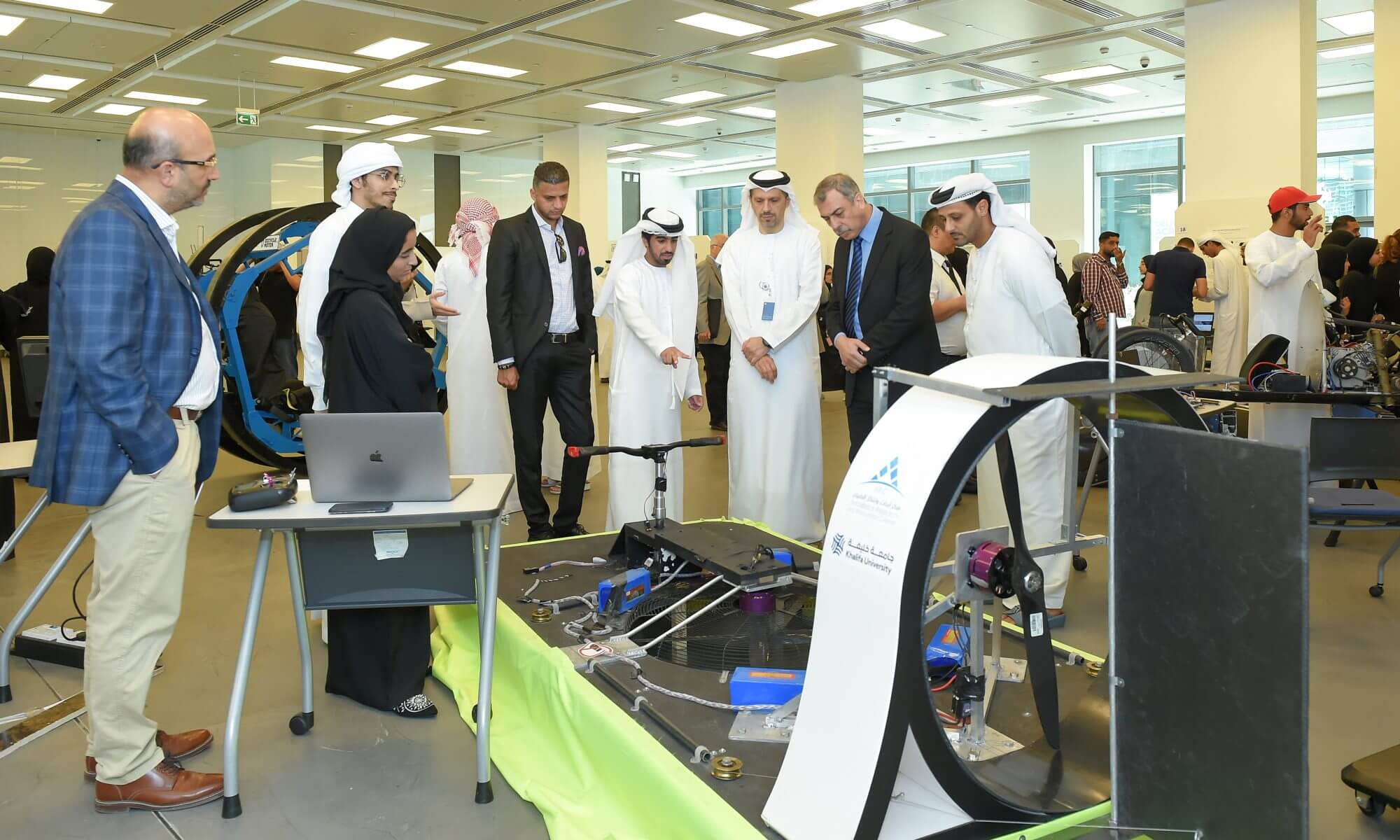
A third KU team, seniors Suhaila Fareed Al-Ali and Omar Ali Alhammadi, took third place in the Mechanical Engineering Category for their project, ‘Dicycle Motor’ – a self-driving electric vehicle with two side-by-side parallel wheels.

Al-Ali and Alhammadi spent two years designing and fabricating the Dicycle Motor, valued at AED30,000, under the supervision of Dr. Bashar El-Khasawneh, Graduate Program Chair of the Department of Mechanical Engineering, and Dr. Federico Renda, Assistant Professor of Mechanical Engineering.

The Dicycle Motor is controlled remotely using a laptop. The operator sets the desired location using a program developed by the team, and the dicycle will take the rider there automatically.

Measuring 1.8 meters by 0.71 meters, the dicycle weighs around 250 kg and should be able to carry passengers of any size and weight. It can reach speeds around 40 km/h. Another unique feature of the dicycle is its ability to be easily customized to meet the rider’s needs.

Al-Ali and Alhammadi see many potential applications of the Dicycle Motor, such as in malls and for delivery services, allowing security guards and delivery personnel to drive through crowds of people and traffic more effectively. They also see potential military and search and rescue applications, explaining that the Dicycle Motor can be transformed into an unmanned drone and sent across far distances, even into hostile or hazardous environments.

Held annually under the patronage of H.E. Hussain Ibrahim Al Hammadi, Minister of Education, the URC is the premier national event that targets undergraduate students from across all universities in the UAE. It aims to encourage universities to promote scientific research among undergraduate students, while directly supporting the UAE government’s drive toward fostering innovation. This year, the competition extended participation to the entire GCC region.

Erica Solomon
Senior Editor
 22 May 2019

Student Engineering Projects on Display at Annual KU Exhibitions

ENGR111 Term Presentation Day and Senior Design Project – Innovation Day Highlight Student Solutions to Real World Challenges

Freshmen engineering students presented 39 innovative engineering prototypes on 14 May at the Engineering Design Spring 2019 (ENGR111) Term Project Presentation Day, while 144 senior engineering students unveiled the results of their extensive Senior Design Projects at Innovation Day on 15 May.

Dr Arif Sultan Al Hammadi, Executive Vice President, Khalifa University of Science and Technology, said: “The ENGR111 Term Project Presentation Day and Innovation Day demonstrate our students’ creative solutions in design-stage concepts and prototypes and celebrate the students’ hard work and achievements throughout the year. These projects reflect the university’s research strength, our academic resources and faculty expertise, which keep us at the forefront of innovation. The twin events help us to showcase our overall capabilities to stakeholders while also maintaining our leading position, both regionally and internationally.”

Addressing topics as diverse as unmanned aircraft designs, desalination membranes, wearable sensors, farming robots and solar houses, over 140 seniors from undergraduate engineering programs – including Aerospace Engineering, Chemical Engineering, Biomedical Engineering, Mechanical Engineering, Electrical Engineering, Civil Engineering, Industrial and Systems Engineering, and Petroleum Engineering – presented the results of their yearlong projects.

Also addressing a wide range of real-world challenges, freshmen engineering students presented projects ranging from solar cookers, coin-based waste dispensers, heartbeat sensors, self-driving suitcases, and blind aid sticks.

Two competitions were held during ENGR111 Term Project Presentation Day: The Audience Award, which invited all visitors to vote for the most outstanding project solution; and the Judge’s Award, which included a judging committee comprised of engineering faculty, who selected the winning project based on the technical and presentation aspects of the solution. Saimon Amanuel, won the Judges Award for his project, titled ‘Smart Baby Temperature Alarm System,’ and Aryam Khalifa Dhay Alkaabi, won the Audience Award for her project, titled ‘Automated Stress Analyzer.’

Both Innovation Day and ENGR111 Term Project Presentation Day attracted a steady stream of students, faculty, staff, alumni, and industry representatives. Audience members clustered around posters, giving participants a chance to present their work and answer questions in real time.

Clarence Michael
News Writer
20 May 2019

Face Recognition System Makes it to Final Rounds of IEEE Circuits and Systems Society Student Design Competition

Khalifa University Undergraduate Students Win 1st Place in Europe Middle East and Africa Region

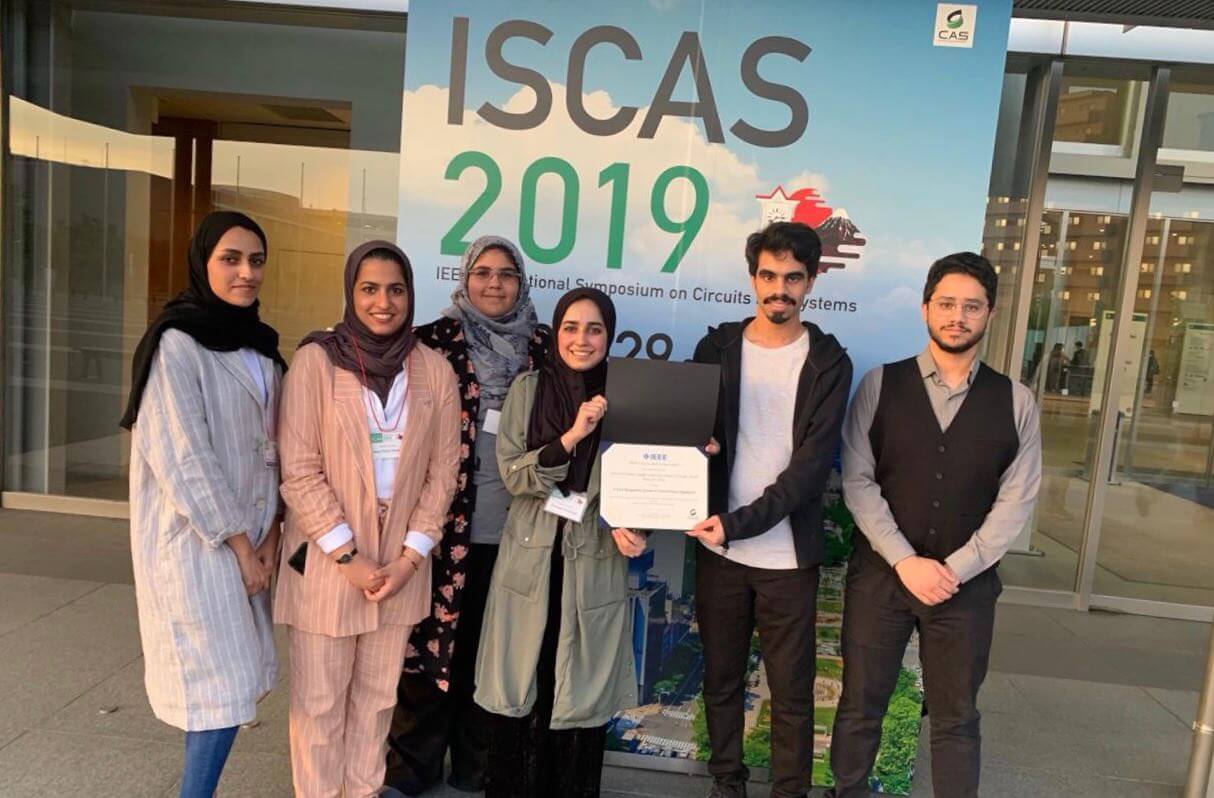
A group of six undergraduate students from Khalifa University reached the final round of the 3rd annual IEEE Circuits and Systems Society (CASS) Student Design Competition, which took place from 26-29 May in Sapporo, Japan.

Electrical Engineering students Alanoud Almemari, Mohammed Alyayaee, Rodah Almazrooei, Safa Alkatheeri, and Mohammed Alnuaimi, and Computer Engineering student Noura Alnuaimi, became one of five finalist teams out of 23 global entrants after winning first place at the regional round of the competition in Europe, Middle East and Africa for their project, ‘A Face Recognition System to Control House Appliances.’

The project describes a system that uses facial recognition to access and control house appliances such as lightbulbs, doors and air conditioning. People around the world are concerned about their home security along with their energy consumption, and the Khalifa University project tackles both at once with one innovative solution. The face recognition system designed by the team eases home entry and automates the turning on and off of electrical appliances. Forget your keys? Your face opens the door. Forget to turn off the lights? Your face does it for you as you leave.

The system is divided into two sub-systems: the first is the face recognition code that works on MATLAB machine learning tools and a laptop camera; and the second controls the appliances in the home. These are a serial monitor (Arduino), door locks, fans and lightbulbs.

The prototype operates across three different rooms, all accessed by the same door: the front door. A camera attached to the door registers the face of the user and assigns a room to that face using signature extraction and local binary pattern. After registering, the user is then recognized by the system when they approach the house, with the front door opening and the Arduino operating the lights and AC in the room designated to that user. They’ll even get a message welcoming them home.

Should the person not be recognized by the system, a message will be sent to the admin with the picture of the person trying to enter. There is also password access, so if the face isn’t recognized, anyone with the password can unlock the house. If the incorrect password is entered three times, the admin user will be alerted, enabling them to remotely open the door if the visitor was expected, or to call the police if necessary.

There are also extra options provided for different situations, like visitors, deliveries, using passwords and even writing a message for the main user.

On the way out, the system can recognize the person leaving the house and switch off the appliances in designated rooms. People have a tendency to leave appliances on if they’re leaving in a rush or are distracted, which leads to an expensive electricity bill or even fires in worst case scenarios. This system automates the procedure for the user, signaling an end to excessive energy consumption and fire risks when the house is empty.

The project faced stiff competition in Sapporo against projects including an early pneumonia detecting system, a real-time mapping and monitoring network for water quality analysis in cisterns and tanks, and a neural network-based wireless vision detection system. The 2018-2019 CASS Student Design Competition World Winner came from the US and Canada regional entry for their wireless recorder for intracranial epileptic seizure monitoring.

The IEEE CASS Student Design Competition is a worldwide competition where undergraduate students suggest and execute projects related to electrical engineering and similar areas to offer a solution to a real-life problem. The competition comprises three phases: the first at the chapter level, the second at the regional level, and a final at world level. This year’s final took place during the IEEE International Symposium on Circuits and Systems (ISCAS) 2019 in Sapporo, Japan.

Jade Sterling
News and Features Writer
16 June 2019