Sustainable, Cost-Efficient Oily Water Treatment Membrane Offers Wide Range of Applications

As 2.9 million barrels of oil are extracted from the ground each day in the UAE, seven to ten times more barrels of oily wastewater are generated as an unwanted byproduct.

Treating this oily wastewater so it can be safely discarded is a significant financial and energy expense for oil and gas companies. However, an innovative membrane developed at Masdar Institute may soon help make separating waste oil from water significantly cheaper, easier and more sustainable.

A research team being led by Masdar Institute’s Dr. TieJun Zhang, Assistant Professor of Mechanical and Materials Engineering, has designed a novel membrane made of copper mesh coated with nanostructured titanium oxide to treat produced oily wastewater from the petroleum industry. The membrane can recover water by separating oil more effectively than traditional polymer-based membranes. These membranes have remarkable separation efficiencies (over 99%) with extremely low levels of remaining oil residue. And as the membrane can be cleaned with sunlight rather than harsh chemicals, it is significantly more environmentally-friendly and sustainable than other types of membranes.

The high separation efficiency and sunlight-sensitive cleaning properties of the membrane are mainly due to its nanostructure and material composition.

“The mesh is composed of nanostructured titanium dioxide grown on bare copper and nanostructured covered copper oxide. This makes it superhydrophillic – meaning it attracts water – and underwater oleophobic – meaning when wet, it repels oil. As the water flows through the mesh, it creates a barrier layer that forbids the oil to permeate,” said Dr. Aikifa Raza, a post-doctoral researcher at Masdar Institute and lead author of a paper that was published today on the team’s research in the journal Scientific Reports, a journal of the Nature Publishing Group.

The novelty of the work is the enhanced light absorption properties of these meshes, which enable them to degrade contaminants responsible for fouling – which is the build-up of contaminants and bio-materials on the surface of a membrane that drastically reduces its efficiency – when exposed to sunlight.

When fouling occurs, the membrane can be cleaned quickly and efficiently with sunlight, a feature achieved by the membrane’s titanium dioxide coating. Experimental testing revealed that after approximately two hours of sunlight exposure, the fouled membrane was completely cleaned. This sustainable and efficient cleaning method will reduce the energy, environmental and financial costs that are exacted by conventional cleaning processes, which rely on expensive and environmentally-unfriendly chemicals that can take up to several hours to clean.

Additionally, the membrane has been designed to operate with a cross-filtration technique, which allows only water to flow downwards, leveraging the pull of gravity rather than relying on energy-intensive pressures or pumps often required by conventional water treatment solutions. This technique reduces both the energy requirement and financial cost of the membrane.

The resulting membrane not only effectively and efficiently recovers water from produced oily wastewater, it can also be used to help collect extra oil or clean up oil spills by separating the oil from the body of water it has polluted.

And while the published research paper highlights the membrane’s application for oily wastewater treatment, the membrane’s design can be altered to treat other types of wastewater, such as wastewater that is high in dirt and sand concentration.

“We just need to play around with the membrane’s nanostructures and wettability, which we grow on the surface of the copper mesh substrate,” Dr. Raza explained.

By changing the nanostructures’ properties, certain features of the membrane can be altered, like which type of liquid will pass through it and which type of liquid or substance will remain behind. This allows the membrane to treat a diverse range of wastewater streams.

New potential applications will capitalize on the membrane’s unique properties. Its inorganic materials make it significantly more stable than conventional polymer-based membranes. This stability enables it to withstand much higher temperatures (up to 250° Celsius) and increases its resilience to fouling.

With a goal to reuse maximum amounts of wastewater produced in all sectors, this sustainable membrane and its commercial applications could give a critical boost to the UAE’s ambitious wastewater reclamation efforts and environmental preservation activities.


Erica Solomon
News and Features Writer
10 May 2016

Masdar Institute Students Ready to Advance UAE Industries and Economy

Masdar Institute of Science and Technology final year students preparing for their commencement on 24 May are already making waves locally and internationally with their research of relevance to the UAE’s economic and development interests, and are looking forward to furthering their contributions to industry post-graduation.

Over the course of their degree programs, Masdar Institute’s Class of 2016 students have attracted attention from the scientific and industrial communities through their novel research and its potential to bring innovation to key UAE industries.

Baddreya Alshehhi focused her MSc in Microsystems Engineering thesis research on advancing the Internet of Things (IoT) in support of the UAE’s semiconductor interests.

IoT describes a network of physical objects like devices, vehicles, buildings and other items embedded with electronics, software, sensors, and network connectivity to enable them to collect and exchange data. Although estimates vary, over 24 billion IoT devices are expected to be connected to the internet by 2020, with nearly USD6 trillion expected to be spent on IoT solutions over the next five years.

Alshehhi’s research looks to overcome one of IoT’s major challenges – the cost of powering and connecting smart devices, which must be powered by tiny sensors that need energy to receive and transmit data.

“There has been incredible growth in wireless technologies over the last few decades. Sensors, Radio-Frequency Identification (RFID) tags, mobile phones, and actuators all interact seamlessly to provide users the ability to smartly control their environment. That is why I focused my thesis on developing a tiny wireless transmitter that requires relatively little power is low cost and can be integrated directly onto a chip,” she explained.

“The semiconductor sector has opened a diversity of business ideas and demands for communication. To help support it, we need to develop of new ways to do more with less. That is how I would like to contribute to the UAE through my work, to help develop its competitive high-tech sectors that are integral to the UAE Vision 2030 plans for economic diversification,” Alshehhi added.

She plans to work in radio-frequency/analog circuitry design following her graduation to continue to support the UAE’s semiconductor ambitions, as she believes this field to be pervasive to modern life.

Fellow Class of 2016 student Zaid Almahmoud, who will be receiving a MSc in Computing and Information Science later this month, has also developed academically-recognized research of relevance to a key sector in the UAE – energy.

He recently received one of the 20 UAE Graduate Student Research Conference 2016 (GSRC) awards for a paper relating to smart grids, which he co-authored with Dr. Khaled Elbassioni, Associate Professor of Computing and Information Science

Explaining the scope of his work, Almahmoud said: “Our research proposes methods for optimizing power consumption in the smart grid, which would help achieve the UAE’s goal of developing smart techniques to support a sustainable energy system.” Smart grids leverage advanced systems and technologies, like digital communications, to accommodate a mix of renewable and conventional energy sources.

Smart grids are an essential part of the renewable energy-powered future envisioned by the UAE leadership, which has set a goal of clean energy accounting for 24% of the country’s energy mix by 2021. This technology also represents a new market for the UAE to explore as part of its diversified knowledge economy, as the global smart grid market is predicted to reach USD118.1 billion by 2019.

Almahmoud’s thesis research could eventually  help the UAE’s electricity companies control the demand profile for electricity, which could help avoid the need for new power capacity.

“By optimizing the power load, the economical saving is quite substantial, since the current power consumption is highly inefficient. In addition, the reduction in the peak power demand would reduce the usage of the limited resources to generate power, thus reducing carbon emissions,” he explained.

Almahmoud plans to work in research engineering post-graduation to further develop his research, before ultimately pursuing his doctoral degree.

“My goal is to help UAE in using our proposed methods to optimize power consumption, as the energy savings would be quite substantial, and the methods we proposed are environmentally friendly,” he shared.

Upcoming MSc in Mechanical Engineering graduate Juliana Beltran Torres also co-authored a GSRC 2016 award-winning paper relating to renewable energy.

Her paper explored the optical performance of the Masdar Institute Solar Platform Beam-Down Concentrator, to validate the system used to track the reflected solar rays to ensure optimal energy capture. This research aims to help make solar energy capture at CSP facilities more efficient and effective. CSP can offer 24-hour renewable energy supply by coupling it with thermal energy storage technologies that store the solar energy during the day so it can be released on demand.

Torres says she would like to continue to work in CSP in the region to contribute to its cost competitiveness and overall uptake.

“I would like to expand the use and implementation of CSP to a large scale. It would be great to see the UAE invest in more plants like Shams 1, the world’s largest CSP plant, as they can become more efficient and provide more energy in a sustainable way,” she shared.

With around 679 MW of CSP capacity installed worldwide and more than 2000 MW under development, it is estimated that CSP could end up providing 25% of the world’s energy needs by 2050.

While many of Masdar Institute’s graduate students explored research topics of relevance to future knowledge economy sectors like renewable energy and semiconductors, MSc in Materials Science and Engineering Khalid Marbou’s focused his innovative thesis research on advancing and improving the UAE’s most established sector – oil and gas.

His research explored how inkjet printer technology can be leveraged as a low-cost way to produce sensors to detect scaling and obstructions in oil and gas pipelines. Scaling refers to a buildup of materials on the surface of something, which in the case of pipelines, result in inefficiency, downtime, and cost for treatment. Marbou’s project used inkjet printers to ‘print’ layers of carbon nanotubes (CNT) to form low-cost sensors that demonstrate good chemical, electrical and mechanical properties.

“Research using CNT as a sensing material to monitor scaling in the context of the oil and gas industry is a groundbreaking new research area with significant potential in the industry. Being one of the world’s largest producers of oil, the UAE stands to benefit a lot from any research that can enhance the efficiency and efficacy of oil and gas production and transport,” Marbou shared.

His research has attracted both local and international attention, as it has been presented in the US at the 2015 Materials Research Science Fall Meeting and Exhibit in Boston, and in the UAE at the GSRC 2016.

Marbou, who has an entrepreneurial bent and has previously set up a tech-startup for web services called mGhribisoft and is one of the founding members of the Moroccan Scientific Community, has plans to remain in the UAE post-graduation to further contribute towards sustainability through professional or further academic work.

MSc in Engineering Systems and Management student Noora Abdulrahman is another upcoming Masdar Institute graduate whose research and expertise has caught the eye of industry.

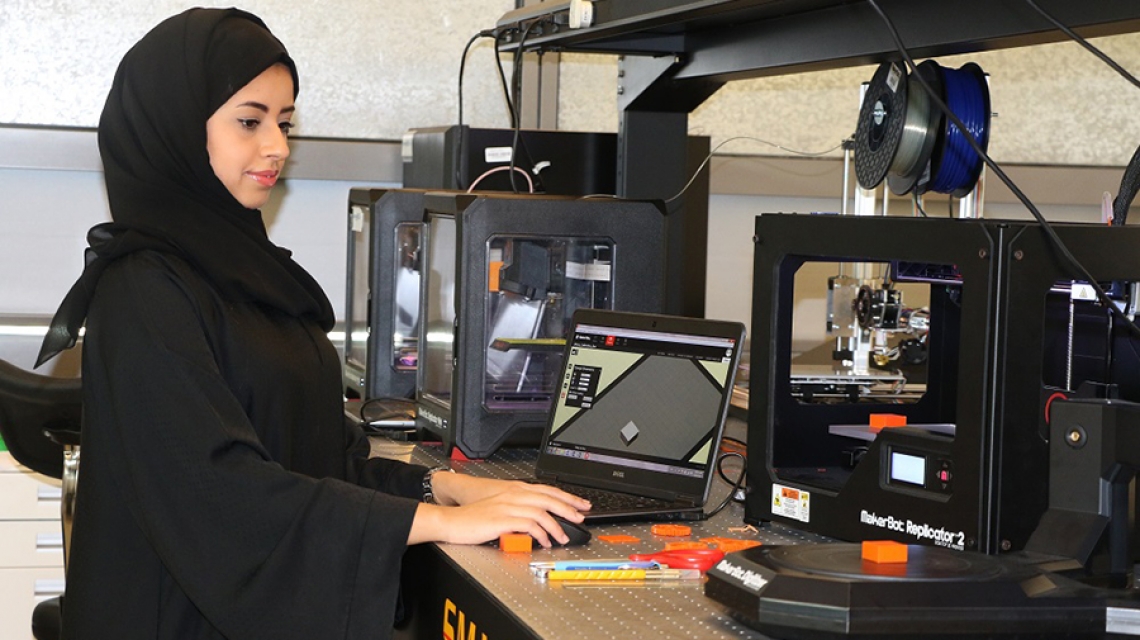
Abdulrahman focused her thesis on improving the quality of 3D printing using tools from different fields such as smart manufacturing, fabrication, data science, and quality improvement.

“3D printing has the potential to impact every aspect of our lives including construction, medical and much more, which I recognized could be aided with data mining to develop higher quality and more efficient 3D printers,” she explained.

Abdulrahman even presented her research at the JGC Corporation in Japan while doing an internship there.

“Improving the quality of the 3D printer in manufacturing will help ensure sustainable manufacturing by creating products in a way that is more economical and less wasteful. In particular, 3D printing can help the UAE’s aerospace, automotive, and medical sectors become more internationally competitive,” she said.

The technical skills and understanding Abdulrahman gained through her research has already landed her a job after graduation, working as a data scientist for GE to build new innovative industrial machines based on knowledge and data.

“I am looking forward to utilizing my experience to contribute to sustainability in the UAE’s industries. The impact that I would like to have on the UAE is to help in the transformation of the UAE to a knowledge-based economy and enhance its position as a leader in global sustainability,” she shared.  

These students are among the over 120 Masdar Institute students scheduled to receive their degrees in programs of direct relevance to the UAE’s knowledge economy transformation goals. They are set to join the institute’s nearly 450 world-class alumni, of whom over 90% have already found placement in professional roles or PhD programs in the UAE and abroad.


Zarina Khan
Senior Editor
19 May 2016

 

Low-Cost Coating for a More Sustainable Glass

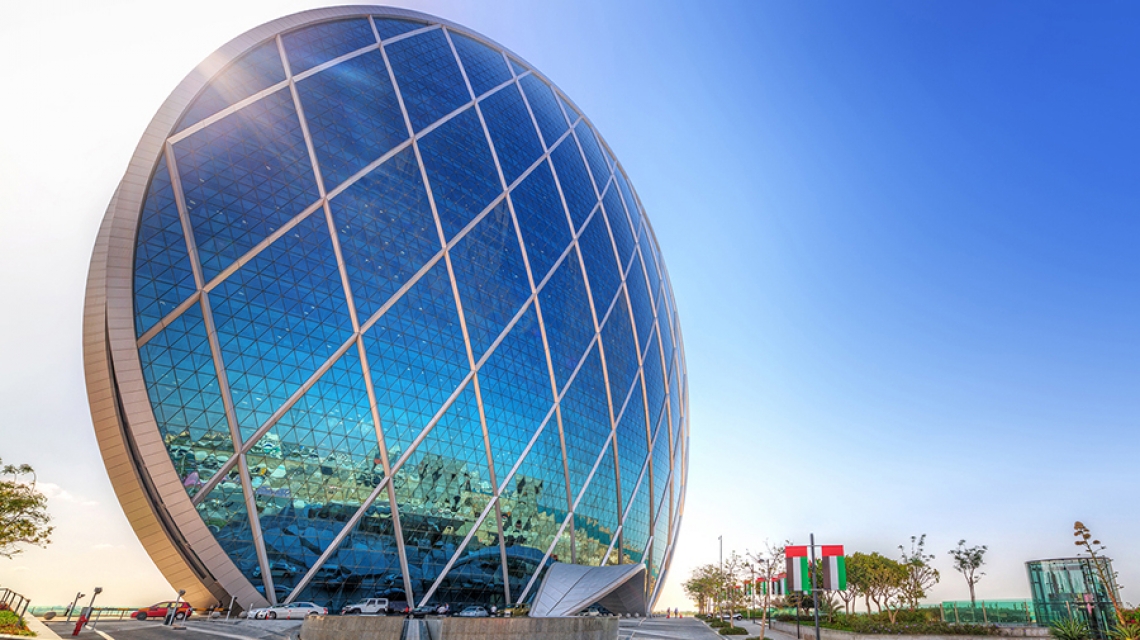
The panoramic glass façades of modern day high-rises and office buildings may be aesthetically pleasing, but they can come at a cost. The visible light they let in, accompanied by infrared light that can cause buildings’ temperatures to rise, can lead to increased air-conditioning use and higher levels of energy consumption, especially in hot, desert climates like the UAE.

The amount of energy needed to cool and ventilate all-glass buildings can make them extremely heavy users of resources, an expense that has both ecological and economic consequences. This is why glazing technologies – the specialized coatings that either reduce or increase the amount of heat and light that passes through glass, depending on the needs of the building – have a critical role to play in the future of glass manufacturing and sustainable urban development.

In fact, researchers estimate that optimized glazing can reduce a building’s cooling load upwards of 20%, which is significant in a country like the UAE, where air-conditioning accounts for up to 75% of peak-day electricity use in the summer months. But producing the necessary glass glazing is not easy, and thus, not cheap.

“Although recent advances in glazing technologies have helped reduce heat transfer in glass buildings, the complex, multi-layered coatings that have been developed are often expensive and difficult to manufacture, adding to the glass’ economic and ecological costs,” explained Masdar Institute’s Assistant Professor of Mechanical and Materials Engineering Dr. Adel Gougam.

The challenge thus is finding innovative ways to improve glazing technologies so that manufacturing costs remain low while also ensuring the natural-looking colorless appearance of glass is not sacrificed, as some heat-blocking coatings alter the color of the glass, giving it a less desirable brown or reddish appearance.

In an effort to make all-glass buildings more sustainable and energy-efficient, Dr. Gougam led a team of researchers from the Masdar Institute, which included Class of 2016 MSc in Materials Science and Engineering graduate Abdulla Bin Afif, to develop a low-cost glass coating that can significantly reduce the amount of heat that penetrates glass while minimizing manufacturing costs. The team’s innovative glazing technology may give the UAE’s glass manufacturing sector a considerable competitive advantage in the region, as building developers seek more sustainable building materials in response to the growing push for “green buildings” that are more environmentally-friendly.

Conventional coatings achieve high selectivity – a measurement that indicates how effective a coating is at blocking heat but letting in sunlight – by stacking multiple layers, usually around five, of varying compositions and thicknesses on a glass pane. Most coatings today use expensive silver nanolayers sandwiched between other layers of various other materials.

“In response to this, we have developed a glass coating made of a single layer of cheap, metallic oxide material that can block heat at nearly the same rate as the highest performing multi-layered coatings currently on the market, while minimizing manufacturing costs,” he added.

Creating these multi-layered coatings is a complex, expensive and rigorous process. Each layer is deposited sequentially over the pane of glass using a physical vapor deposition technique. Through this technique, the nanoparticles from a target material (such as silver) are knocked off by gas molecules, which, powered by electricity, bump up against the target material at high speeds. The knocked off nanoparticles then deposit on the glass pane. Conventional coatings repeat this physical vapor deposition technique several times to create the multi-layered coatings.

The material used by Dr. Gougam’s team to make this unique glass coating is metal oxide based, which when coated on a glass pane, can let in an ample amount of sunlight while blocking solar infrared radiation (the heat-emitting component of the solar spectrum), and retain glass’ neutral and natural appearance at a much lower manufacturing cost than conventional coatings.

“By avoiding the need to repeat the vapor deposition technique several times, we have reduced the complexity and energy requirement of the manufacturing process, as well as the manufacturing cost, contributing to a more sustainable production process and product,” Dr. Gougam said.

A poster describing the research was presented at the 2016 Materials Research Society (MRS) Meeting and Exhibit, which was held in March in Phoenix, USA, and was selected from hundreds of posters as one of the 30 nominated for Best Poster Award.

The assistant professor plans to continue studying ways to optimize further the metal oxide coating, while keeping the manufacturing process as simple and cost-effective as possible.  His next steps involve scaling up the coating to ensure that the same level of selectivity is achieved on a larger glass pane, and performing environmental tests to ensure its long-term suitability and sustainability in the UAE’s climate.


Erica Solomon
News and Features Writer
14 June 2016


Novel Device to Boost Power Output from Solar Panels

While recent advancements in solar cell technologies have significantly improved their sunlight-to-energy conversion efficiencies, without continued advancements in the actual panel technology, photovoltaic (PV) systems will never realize their maximum potential.

This is because technological limitations prevent solar panels – which amplify and boost the electric current generated by multiple solar cells – from supplying all the electricity they generate to the electric grid. However, a team of researchers from the Masdar Institute may have discovered a way to overcome these technological limitations in the most popular PV connection system through a novel, low-cost and easy-to-install device that could significantly increase the amount of power generated by the system.

“The problem occurs in series-connected solar panels (which is one of the most common ways of connecting solar panels for distributed PV systems), when solar modules are experiencing varying levels of irradiation or temperature. This can result from sporadic clouds, dust accumulation on the PV panels, or uneven air ventilation. In these instances, the current generated by each module is different,” explained Masdar Institute Research Engineer Omair Khan.

“The low-performing solar modules affect the energy output of the entire string of solar panels, as the maximum power output is governed by the lowest current in the system. This means that if one solar module is shaded and thus generating a low current, and is connected in series to several good, high-performing modules, then the high-performing modules cannot operate at higher currents,” he added.

The device developed by Khan and Masdar Institute Associate Professor of Electrical Engineering and Computer Science Dr. Weidong Xiao aims to optimize the power output of the series-connected solar panels. Series-connection is how the majority of PV panels are connected in a PV system and to electrical grids, including small-scale rooftop PVs and large-scale solar power plants.

Series-connected solar panels direct the electrical currents produced by each submodule (usually three submodules form a solar panel) through the group, or “string”, of connected solar panels to the string’s centralized converter. The drawback of series-connected solar panels is that each panel needs to share the same electric current, which is set by the submodule with the lowest current.

Khan and Dr. Xiao think they discovered a way to get around this “lowest current” limitation that series-connected solar panels face, through their device – called a “submodule integrated converter” – which tracks and feeds each of the three independently produced electrical currents for one solar module directly into the centralized converter, thus boosting the PV system’s overall power output, especially in the case of a current mismatch.

It does this by capitalizing on the key properties of gallium nitride, which is the material used to make the converter’s switches. Gallium nitride’s high electrical conductivity is able to convert 99% of the power produced by each submodule into electricity for the centralized converter and enables the device to be made small enough to fit into the existing junction box on the back of each solar panel. Thus, the device can be easily installed into existing solar panels without needing to retrofit or re-build conventional solar panel systems.

“By employing a dedicated converter to independently perform maximum power point tracking on each submodule, rather than the string of modules as a whole, means that the operating point of each submodule has no effect on the rest of the submodules in the system. Each converter extracts the maximum power possible from each submodule, thus maximizing the PV system’s energy-efficiency,” explained Khan.

“Through this novel device, we are able to get more electricity out of conventional solar panels using a method that is easily scalable,” said Dr. Xiao.

The researchers plan to optimize the product and develop a ready-to-install version that is capable of withstanding the UAE’s harsh weather.

Khan and Dr. Xiao co-authored three journal papers on this research this year including two in the IEEE Transactions on Industrial Electronics and one in IEEE Transactions on Sustainable Energy.

This research was funded through the joint MI-Massachusetts Institute of Technology (MIT) active flagship research project, titled “High-Performance Compact Solar Thermal Power and Cooling System.”


Erica Solomon
News and Features Writer
21 June 2016


Developing the Next-Generation of Power Lines

A Masdar Institute Assistant Professor may have brought engineers one step closer to developing the type of next-generation power lines needed to achieve sustainable and resilient electrical power grids.

Dr. Kumar Shanmugam, Assistant Professor of Materials and Mechanical Engineering, helped develop a novel coating made from carbon nanotubes that, when layered around an aluminum-conductor composite core (ACCC) transmission line, reduces the line’s operating temperature and significantly improves its overall transmission efficiency.

The new coating is described in a paper published earlier this month in the Journal of Engineering Materials and Technology (ASME Transactions). The study’s co-authors include Dr. Tushar Shah, Chief Technology Officer, Applied Nanostructures Solutions, Lockheed Martin, and former Masdar Institute research engineer Ranjith Kumar and postdoc Dr. Ghanshayam Pal.

The coating is made from carbon nanostructures (CNS) – which are bundles of aligned carbon nanotubes that have exceptional mechanical and electrical properties – provided by the project’s sponsor, Lockheed Martin. The second component of the coating is an epoxy resin, which is the thick material used to protect things like appliances and electronics from damage.  Together, the CNS and epoxy resin help prevent power lines from overheating, increases their current carrying capacity (the amount of current that can flow through a transmission line), while also protecting them from damages associated with lightning strikes, ice and other environmental impacts.

The researchers found that by replacing traditional steel-core transmission lines with ACCC cables layered with a CNS-epoxy coating (referred to in the study as ACCC-CNS lines), the amount of aluminum used in an ACCC cable can be reduced by 25%, making the cable significantly lighter and cheaper to produce. The span length of a transmission line can also increase by 30%, which will make it easier to transmit electricity across longer distances while the amount of current the line can carry can increase by 40%.

“The coating helps to dissipate the heat generated in the conductor more efficiently through radiation and convection, thereby preventing the cable from overheating and enabling it to carry more current farther distances,” Dr. Kumar explained.

Ultimately, the purpose of the coating is to effectively eliminate the transmission line losses. Each year, anywhere from 5% to over 10% of the overall power generated in a power plant is lost in transmission and distribution lines. Most of this electrical energy is lost in the form of heat; as current runs through a conductor (the transmission line), the conductor heats up because it resists the flow of electrons to some extent – a phenomenon known as resistive Joule heating. Resistive Joule heating causes the energy that was moving the electrons forward to change into heat energy, which means some of the generated power gets converted into heat and lost to the surrounding environment instead of getting to its intended destination (like our homes and offices).

In addition to wasting energy, resistive Joule heating can lead to overheating, which can trigger a transmission line to “sag”, or physically droop low to the ground. Sagging power lines in turn can have catastrophic effects, including short circuits and power outages.

Efforts to reduce the problem of resistive heating and energy loss in power lines have led to significant improvements in transmission line technologies. For example, in 2002 ACCC transmission cables – which feature a carbon and glass-fiber reinforced composite core wrapped in aluminum conductor wires – were invented. The ACCC conductors are lighter and more heat-resistant than traditional steel-core cables, which means they can carry more current without overheating or sagging. Today, it is estimated that over 200 power and distribution networks use ACCC transmission cables.

While the advent of composite core cables marks the first major turning point in the development of energy-efficient transmission lines, Dr. Kumar’s CNS-epoxy coating may be the second significant advancement in the evolution of sustainable power lines.

The CNS-epoxy coating works by keeping the cable’s operating temperatures low. It does this by dissipating, any generated heat away from the conductor efficiently, thereby preventing further increase in temperature of the line and avoiding the trickle-effect that often leads to overheating.

The coating is layered twice in the ACCC cable – an outer layer, which dissipates the heat and protects the cable from environmental factors like lightning strikes and foreign object impact; and an inner layer, which protects the composite core from damage caused by stray radio frequency radiation generated by the electromagnetic pulse emanating from high electric current carrying aluminum conductor

The research team utilized a multi-physics modeling framework to analyze how the CNS-epoxy coating would influence the performance of ACCC transmission line. After fabricating the coating, they characterized it, which is a critical step to determine its mechanical, thermal and electrical properties. These properties were then used in the computational and theoretical models to evaluate and predict the coating’s performance. Finally, a design tool was developed and used to find the optimal combination of parameters (core diameter, span distance and sag) needed to reduce the cable’s weight, sag, and operating temperature while increasing its span distance and current carrying capacity.   

Dr. Kumar’s innovative transmission line technology research comes at a pivotal time, when countries all over the world, including the UAE, are seeking ways to reduce their carbon footprint in a concerted effort to mitigate global climate change. Turning to energy-efficient power lines that waste less power and in turn produce less carbon dioxide emissions will be an obvious choice for nations devoted to greater sustainability.


Erica Solomon
News and Features Writer
29 August 2016


Generating Steam from the Sun Sustainably

The UAE’s dusty atmosphere is one of the biggest obstacles to the country’s efforts to harness its abundant solar energy resource. As a beam of sunlight journeys to the Earth’s surface, it bounces around between dust particles and other aerosols present in the air, spreading out along the way – a process known as diffusion.

Because of the dust, a large portion of the UAE’s sunlight is “diffuse” rather than “direct” – which is when a beam of sunlight hits the surface head-on at a 90° angle. Yet, some of today’s most widely used solar technologies, such as concentrating solar power (CSP), mainly rely on direct sunlight.

In fact, counter to our intuition, the UAE’s direct normal irradiance (DNI) actually decreases during summer months because of aerosol-induced light scattering and hot ambient condition, reducing CSP plants’ power generation levels. For those solar technologies that don’t rely on direct sunlight, like solar photovoltaics (PV), they are affected by dust in other ways; as dust coats a solar cell’s surface, its electrical conversion efficiency can be slashed in half.

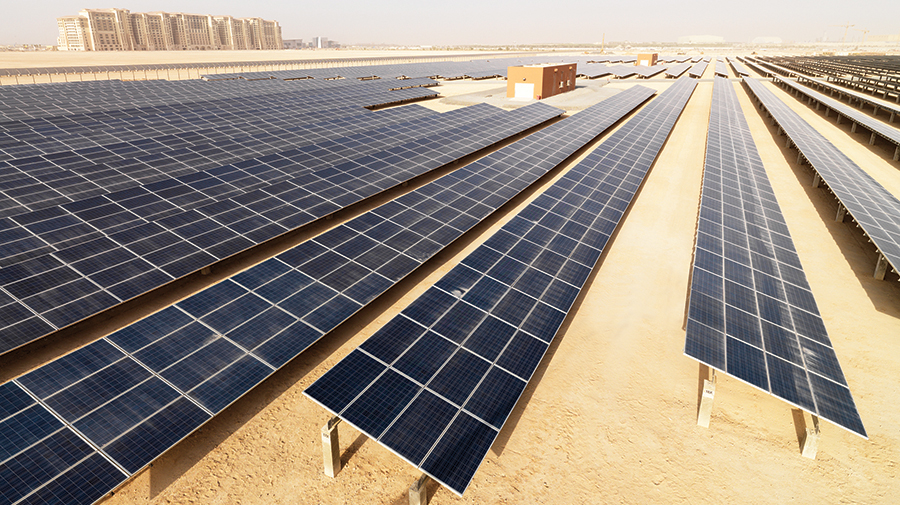
A team of researchers from the Masdar Institute and the Massachusetts Institute of Technology (MIT) may have found a way around the UAE’s dust difficulties with a novel solar thermal energy conversion system that can leverage all of the country’s sunshine – both direct and diffuse (known as global horizontal irradiance, GHI) – to generate steam in a simple, low-cost way.

“The system we have developed enables us to generate steam with solar energy without having to rely on direct sunlight,” said Dr. TieJun Zhang, Masdar Institute Assistant Professor of Mechanical and Materials Engineering. “The technology is particularly suited for the UAE’s dusty climate, as it fully uses solar thermal radiation (GHI) rather than the direct sunlight, which can be hindered by the aerosols,” he added.

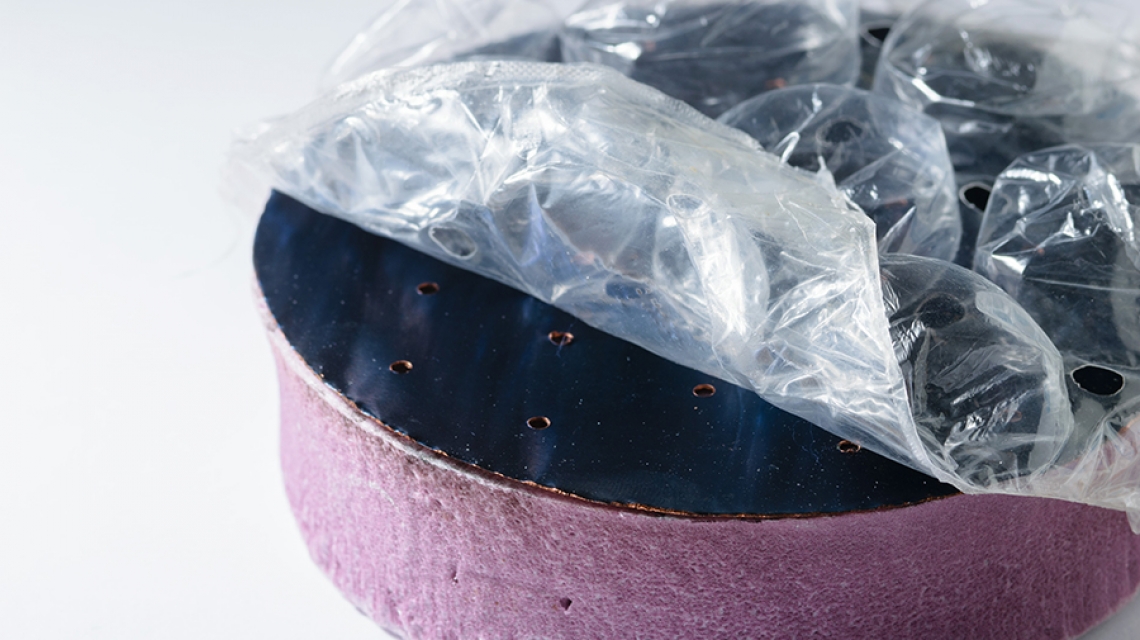
The MI-MIT solar thermal energy conversion system is designed as a floating solar receiver that is able to convert 20% of incoming solar energy into steam at 100 degrees Celsius without expensive optical concentration devices and is made of cheap, commercially available materials, including bubble wrap and a polystyrene (plastic) foam.

Dr. Zhang, MIT’s Mechanical Engineering Department Head Dr. Gang Chen, PhD student Hongxia Li and Postdoc Weilin Yang at Masdar Institute, published a paper on their new floating solar receiver last week in the journal Nature Energy, along with George Ni, an MIT graduate student and the paper’s leading author, and two other researchers at MIT.

Avoiding optics and mechanics

Today’s steam-generating solar technologies rely on expensive optical concentration systems and bulky mechanical pumps. For example, CSP systems concentrate direct sunlight to an equivalent of over 50 suns (that’s roughly 300-400° Celsius) onto a fluid-filled pipe in order to generate steam. To reach such high temperatures, sun-tracking equipment coupled with a vast array of mirrors are required to follow the path of the sun and concentrate the direct sunlight, which ends up accounting for up to 30% of a CSP plant’s total installed costs.

Because steam is very important for power generation – approximately 90% of the world’s electricity is produced from steam turbines – and seawater desalination, finding ways to generate steam sustainably from the sun (instead of from burning greenhouse-gas emitting fossil fuels) is critical to efforts to increase renewable energy’s share of the global energy mix.   

The MI-MIT solar receiver is one step closer to such sustainable solar-driven steam generation, as it is able to generate steam without expensive optical and mechanical systems by concentrating thermal energy instead of direct sunlight. Additional applications of the floating solar receiver include residential water heating, wastewater treatment and medical tool sterilization.

A Floating Solar Receiver

The receiver’s design is relatively simple: A floating, sponge-like device made of a spectrally-selective absorber (a ceramic and copper absorber coated with graphite, which is commonly used in solar water heaters) allows visible light energy from the sun in, while restricting the amount of heat that radiates back out into the atmosphere. This heat-trapping effect significantly improves the device’s sunlight-to-steam efficiency.

The absorber is sandwiched between a top bubble-wrap layer, which helps absorb sunlight and reduce the amount of heat lost to the air through convection, and a bottom insulating foam layer, which floats the entire structure on a body of water and reduces the thermal loss of the generated heat to the water below.

An MIT press release explains in detail how the device works: Channels are drilled through the foam structure and copper layers conduct heat toward the channels. Water is drawn up through the bottom foam layer into the channels, where it is heated and converted into steam.

The floating receiver acts like a sponge, constantly soaking up water and evaporating it, producing a continuous stream of steam.

The solar receiver was validated on MIT’s rooftop, where it demonstrated the ability to rapidly reach 100°C and generate steam during periods of low and high direct sunlight, such as during non-summer months and heavy cloud coverage.

“The technology we have demonstrated is particularly attractive for hot-arid region such as Abu Dhabi for potential applications in waste water treatment, seawater desalination, and power generation.” Dr. Gang Chen says.

Inspired by the biological processes that occur in salt-tolerant plants, Dr. Zhang remarked on the similarity between his solar floating receiver and the mangrove tree: “They both root in seawater, absorb sunlight and evaporate water vapor.”

“Scientific research is empowering us to understand nature in order to engineer our world. We hope to see more mangroves as well as our floating solar devices along the coast of UAE. We envision a world where people will pack our device for a beach party and enjoy sunshine with a cup of self-produced freshwater. Life should be like that,” he added.

“This project is an excellent demonstration of how international collaboration and use-inspired research can yield cutting-edge scientific findings that have direct application to the sectors that are at the core of the UAE’s continued evolution toward an innovation and knowledge-based economy,” said Dr. Steve Griffiths, Vice President for Research and Associate Provost, Masdar Institute.

This research is part of the MI-MIT active flagship program.


Erica Solomon
News and Features Writer
30 August 2016


New Nanomaterial Could Pave the Way for More Protective Materials and Efficient Batteries

Researchers at the Masdar Institute of Science and Technology have developed a novel type of “buckypaper” – a thin film composed of carbon nanotubes – that has better thermal and electrical properties than most types of buckypaper previously developed. Researchers believe the innovative buckypaper could be used to create ultra-lightweight composite materials for numerous aerospace and energy applications, including advanced lightning strike protection on airplanes and more powerful lithium-ion batteries.

Masdar Institute’s Associate Professors of Mechanical and Materials Engineering Dr. Rashid Abu Al-Rub and Dr. Amal Al Ghaferi, along with Post-Doctoral Researcher Dr. Hammad Younes, developed the buckypaper with carbon nanostructures provided by global security, aerospace, and information technology company Lockheed Martin. A paper on their research was published earlier this year in the journal Diamond and Related Materials. The paper was co-authored by Masdar Institute PhD student Mahfuzur Rahman and Mechanical Engineering MSc alumni Ahmed Dalaq.

The black, powdery flakes provided by Lockheed Martin’s Applied NanoStructured Solutions (ANS) contain hundreds of carbon nanotubes, which are one-atom thick sheets of graphene rolled into a tube that have extraordinary mechanical, electrical and thermal properties. Lockheed Martin’s carbon nanostructures are unique because the carbon nanotubes within each flake are all properly aligned, making them good conductors of heat and electricity.

“Lockheed Martin’s carbon nanostructures have many potential applications, but in its powdery form, it cannot be used. It has to be fabricated in a way that keeps the unique properties of the carbon nanotube,” explained Dr. Al Ghaferi. “The challenge we faced was to create something useful with the carbon nanotubes without losing any of their unique properties or disturbing the alignment.”

Dr. Younes said: “Each flake is a carbon nanostructure containing many aligned carbon nanotubes. The alignment of the tubes creates a path for conductivity, much like a wire, making the nanostructure an exceptionally good conductor of electricity.”

The Masdar Institute team mixed the carbon nanotubes with a polymer and their resulting buckypaper, which successfully maintained the alignment of the carbon nanotubes, demonstrated high thermal-electrical conductivity and superior mechanical properties.

“We have a secret recipe for self-aligning the carbon nanotubes within the buckypaper. This self-aligning is key in significantly enhancing the electrical, thermal and mechanical properties of our fabricated buckypapers,” explained Dr. Abu Al-Rub.

Despite their microscopic size – a carbon nanotube’s diameter is about 10,000 times smaller than a human hair – carbon nanotubes’ impact on technology has been huge. At the individual tube level, carbon nanotubes are 200 times stronger, five times more elastic, and five times more electrically conductive than steel.

Because of their extraordinary strength, thermal and electrical properties, and miniscule size, carbon nanotubes can be used in a number of applications, including ultra-thin energy storage devices, smaller and more efficient computer chips, photovoltaic solar cells, flexible electronics, cancer detection, and lightning-resistant coatings on airplanes.

According to a report by Global Industry Analysts Inc., the current global market for nanotubes is pegged at roughly US$5 billion and its market share is growing sharply, reflecting the rising sentiment worldwide in carbon nanotubes’ potential as a wonder technology.

Masdar Institute’s efforts to capitalize on this emerging technology have resulted in several cutting-edge carbon nanotube research projects, including an attempt to create carbon nanotube-strengthened concrete, super capacitors that can hold 50 times more charge, and a membrane that can bind organic micro-pollutants.

As the UAE moves towards a clean energy future, innovations in renewable energy storage systems and other sustainable technologies are crucial for the country’s successful transition, and researchers at Masdar Institute believe that carbon nanotubes will play a huge role in achieving energy sustainability.


Erica Solomon
News and Features Writer
20 September 2016


How to Make Buildings More Energy Efficient

Buildings are the UAE’s biggest energy consumer and heaviest greenhouse gas emitter, consuming almost 80% of the nation’s electricity. While some of this consumption is a function of the country’s harsh environment and the subsequent need for year-long cooling, a significant share is a result of energy wastage due largely to inefficient energy management systems and actions taken by occupants and facility managers.

In an effort to reduce the energy wasted by UAE buildings, a team of researchers at Masdar Institute have developed a novel tool that evaluates a building’s energy performance through a holistic and integrated human-centered approach, producing optimal cooling strategies that maximize both energy savings and building occupants’ thermal comfort.

“The proof-of-concept tool we have developed sheds light on the integral correlation between people’s behavior and a building’s energy performance. Prior to this model, there was no attempt to study and optimize the performance of the built environment in such a holistic manner,” explained Masdar Institute Assistant Professor of Engineering Systems and Management Dr. Elie Azar.

“The model successfully captures the missing ‘human’ dimension of building performance, which is a crucial step to designing smarter and more sustainable buildings, communities, and cities,” he added.

Dr. Azar worked with Masdar Institute researchers Christina Nikolopoulou and Sokratis Papadopoulos to develop and test the modeling framework, which runs on a Java-based agent-based modeling (ABM) software. The framework integrates key dimensions of building performance: people’s schedules, or how they move around in their environment; energy consumption, or how much energy is consumed based on the air-conditioning set-point temperature; and thermal comfort, which include metrics like outdoor temperature, humidity, air velocity, people’s metabolic rate, and clothing. By integrating these three dimensions into one overarching model, the team developed a tool that is able to determine both how individual people impact energy consumption and also how people get impacted by their environment; a crucial dynamic that is often overlooked by conventional building performance models.

The team demonstrated the model’s validity by applying it to a mock campus environment in Abu Dhabi, in which the tradeoff between energy consumption and thermal comfort was simulated and quantified. Through the simulation, an optimal cooling strategy resulting in a 19% reduction in energy consumption was achieved, without compromising occupants’ comfort and well-being.

The cooling strategy consisted of varying the heating, ventilation and air conditioning (HVAC) thermostat set point settings for classroom, office, and dormitory buildings, based on their expected occupancy levels. The comfort level of occupants was evaluated using a well-established static model for predicting the percentage of people dissatisfied given environmental conditions (such as temperature and humidity) as well as occupant-related information (such as metabolic rates and clothing levels). The findings were recently published in the journal Applied Energy.

“The complex and multidisciplinary challenges encountered in the built environment require more comprehensive energy solutions than current models offer,” Dr. Azar remarked. “The lack of modeling frameworks that integrate these performance metrics together, and ignore the relationship between buildings and their occupants, can lead to solutions with unintended negative consequences such thermal discomfort and productivity losses among occupants.”

The assistant professor expects that the tool’s potential applications will expand in the coming years as more data and information from other Masdar Institute research projects that also focus on interactions between weather, buildings and behavior are incorporated. The resulting holistic modeling tool could be used to guide future planning of urban areas to reduce buildings’ energy consumption, thus contributing to the UAE’s sustainable development goals.

The building sector has a key role to play in achieving greater energy efficiency and sustainability in the UAE, and the holistic modelling tool developed at MI could help capture a significant share of this energy savings potential. The tool exemplifies how Masdar Institute works to develop region-specific technologies that will contribute to an innovation ecosystem to help meet the UAE’s energy efficiency goals.


Erica Solomon
News and Features Writer
19 October 2016


Layering Graphene to Make Membranes for Efficient Desalination

Membranes made from carefully arranged graphene layers could help transform seawater desalination from an energy intensive process into one that is significantly more energy efficient. Such a transformation would reduce the carbon footprint and power demand of countries that rely on desalination to meet their freshwater needs, like the UAE, but current technological limitations make large-scale, low-cost fabrication of graphene membranes challenging.

Now, researchers from Masdar Institute have come up with an innovative synthesis technique that could help take graphene-based filters a step closer towards becoming competitive with their conventional polymer membrane counterparts.

The technique uses a “bottom-up” approach, which involves layering many small graphene sheets together, in contrast to the more common “top-down” approach, which involves fabricating a single large graphene sheet and subsequently poking tiny holes in it to construct pores. The new approach and findings are described in the Journal of Membrane Science, in a paper by Dr. Linda Zou, Professor of Chemical and Environmental Engineering, Zhongshen Zhang, Research Engineer, Dr. Mustapha Jouiad, Principal Research Scientist in Mechanical and Materials Engineering Department and Microscopy Facility Manager, and two others.

The technique is “a novel but extremely challenging approach to fabricating graphene laminate films to be used as a membrane’s top layer,” Dr. Zou says. In contrast to other fabrication techniques, she adds that this one “has more potential to be scaled up.”

“This research addresses several important challenges limiting the development of graphene water filtration membranes. This includes a lamination process that controls the layer separation within tight limits, especially well-suited to water molecule passage, and which better stabilizes reduced graphene oxide in water.  Long term, these membranes have potential for both water softening and desalination,” said Dr. John H. Lienhard, the Abdul Latif Jameel Professor of Water and Director of the Abdul Latif Jameel World Water and Energy Security Lab at the Massachusetts Institute of Technology (MIT), who was not involved in the research.

Graphene is a one atom-thick sheet of carbon often regarded as the lightest, strongest, thinnest, best heat- and electricity-conducting material ever discovered. Immediately recognized as a ‘wonder’ material after it was first isolated in 2003, it is graphene’s unique two-dimensional structure, chemical stability and superior strength that makes it a potential candidate as a membrane for energy-efficient desalination. In particular, its two-dimensional structure makes it easy to form a barrier or have good permeability if perforated, enabling water to pass through relatively easy compared to conventional polymeric membranes.

“Conventional polymeric membranes have shortcomings. While they have relatively high ability to filter out salt ions, they are susceptible to damage caused by high temperatures and the chemicals, such as chlorine and others, that are used to clean the membrane and disinfect the water,” explained Dr. Zou.

These factors cause polymeric membranes to require frequent replacement. Graphene, on the other hand, is significantly more resistant to the damaging effects of chemicals, temperature, and high pressure, which makes them much less vulnerable to damage and fouling – which is the buildup of filtered material on the membrane.

In response to the need for low-cost, high-quality graphene, Dr. Zou’s team uses an affordable chemical approach to fabricate tiny graphene sheets, that when layered together, form a large graphene sheet with fine gaps. When the tiny graphene sheets are stacked in layers, water molecules pass through the channels that are formed between the layered sheets. A finely controlled condition is required to keep the channels wide enough to let water molecules pass, while blocking the salt ions.

“We used a chemical oxidation and reduction process to produce large numbers of small reduced graphene oxide sheets as the building blocks,” explained Dr. Zou. The team generated thin sheets of graphene oxide from graphite particles and then removed some of the oxygen groups to produce reduced graphene oxide, which are then assembled into a laminate film as the top layer of a membrane.

“Our approach does not need to fabricate any large graphene sheets to be used as a membrane. Instead, we got around this by fabricating countless numbers of tiny sheets and layering them together,” Dr. Zou added. This technique is more affordable and in turn, more easily scalable.

Dr. Hongwei Zhu, Professor of Materials Science and Engineering from Tsinghua University, who was not involved in the study, said, “Dr. Zou’s research is of great significance in advancing graphene oxide films to a further level of practical application. Meanwhile, the subsequent research on improving the salt rejection of sodium chloride is still worth waiting, and this will be of great value in promoting the application of graphene oxide membranes in seawater desalination and thus help alleviate the freshwater scarcity in the Middle East.”

The project led by Dr. Zou is exemplary of the type of research needed to bolster graphene’s commercial potential as a desalination membrane. The team’s research on this topic is on-going and the graphene-assisted membrane’s potential will be further fine-tuned for energy-efficient desalination.


Erica Solomon
News and Features Writer
09 November 2016


Supporting the Electric Grid with Solar Photovoltaic Power Plants

Connecting renewable energy technologies to the electricity grid has been a challenge due to their intermittent nature, which is their inability to produce a constant stream of energy. However, a research team at Masdar Institute has found a way to turn the challenges posed by the intermittency of solar energy into an asset that may improve an electricity grid’s power quality.

Dr. Mohammad El Moursi, Associate Professor of Electrical Engineering and Computer Science, and Nada Al Awadhi, Class of 2015 MSc in Electrical Power Engineering alumna, have developed a technology that enables a PV system to dynamically support the grid with an optimized compensation scheme when voltage imbalance occurs on the transmission system, at any time of the day or night.

Reactive power helps maintain the voltage levels needed to deliver active power – which is what we use to power our homes – through transmission lines. If there is not enough reactive power, the voltage, which is required to transmit the active power through the power lines, drops and it becomes impossible to deliver active power through the grid and in turn will lead to system failure.

“We have developed a way to leverage what some people call the weakness of solar power, which is its inability to produce continuous active power, to enhance the security and quality of the electric power grid,” Al Awadhi shared. The research, which was published earlier this month in the IEEE Transactions on Energy Conversion, was the outcome Al Awadhi’s Master’s thesis.

PV power plants are connected to transmission systems using an interface called inverters. Inverters are sized according to peak generation of the PV power plant, which means they only feed active power generated by the PV plant to the grid when the plant produces its maximum amount of electricity, which is usually limited to a few hours midday.

“As they are currently designed, a PV plant’s grid-tied inverter can only be fully utilized during peak hours. As for the rest of the day, they operate below their rated capacity or not at all, such as during the night. It is more economical to utilize the spare capacity of these inverters to inject reactive power into the grid as needed instead of installing additional, expensive power electronic-based devices to do the job,” Al Awadhi explained.

The proposed technology capitalizes on the inverter’s unused capacity to generate reactive power, which increases the value of the expensive inverter equipment, and also transforms the PV system from a potential grid destabilizing threat to an important grid supporting resource.

A sophisticated centralized controller is designed to mitigate the voltage unbalance in transmission systems by injecting both positive and negative reactive current (that is, adding or subtracting current), depending on the system’s evaluation. Consequently, it supports the electric grid and improves the power quality at the transmission level while connecting large scale PV power plants, giving it a competitive advantage that allows it to outperform conventional power plants.

“This technology can be used on other renewable energy sources, like wind turbines, as well, but because PV is the most abundant renewable energy source in the UAE, we focused on its application for PV systems,” Al Awadhi shared.

The UAE national alumna is now an electrical engineer at Siemens, where she conducts power studies to help industries develop efficient energy management schemes. She credits her experiences at MI, including the invaluable skills gained in the lab while conducting research with her peers, the mentoring received from her advisor, and the summer internship opportunity in Japan, for the robust research she published and for accelerating her career.


Erica Solomon
News and Features Writer
15 November 2016


PhD Student Becomes first UAE National to Defend Thesis on Ocean Color Remote Sensing

A Masdar Institute PhD student has become the first UAE National in the country to defend a thesis in the field of earth observation and ocean color remote sensing, which is an area of research that is focused on monitoring and protecting the marine environment.

In her thesis, titled “Characterization and Detection of HABs in the Arabian Gulf,” PhD student Maryam Rashed Al Shehhi explains how she has developed an advanced, regionally-adapted model to detect harmful algal blooms (HABs) in the Arabian Gulf – a tool that could potentially result in significant economic, environmental and public health savings for the country.

“The Arabian Gulf is a unique body of water, which is why special monitoring tools are needed to detect HABs,” Al Shehhi explained. “The water here is shallow and turbid compared to other regions, and also the very dusty atmosphere makes it difficult to rely on conventional satellite remote sensing techniques alone to detect the potentially harmful algal blooms with enough time to properly manage them.”

HABs, also known as red tides, occur when colonies of algae grow out of control in the water, consuming excess amounts of oxygen and/or producing toxins, which has detrimental effects on marine organisms, coastal resources, public health and local economies.

In the UAE, HABs have resulted in significant economic losses due to reduction in tourism, public illness, and closure of coastal fisheries and seawater desalination plants. In 2009, the Ghaleelah seawater desalination plant in Ras Al Khaimah was forced to shut down for up to ten hours a day for several days due to a HAB event that caused damage to the plant’s membranes and clogged its intake filters, resulting in financial and water supply losses.

In a review paper of HAB outbreaks in the Arabian Gulf, which was published in the Marine Pollution Bulletin in 2014, Al Shehhi explains that the primary reason behind the algae bloom outbreaks in the Arabian Gulf is due to the water’s high nutrient concentration, which is caused in part by the abundant level of dust that accumulates in the water and by human activities, which include wastewater discharges into the Gulf. These activities have significantly increased the nutrient load in the water, which in turn has increased the rate of algal bloom occurrences.

Responding to the challenge that rapidly occurring harmful algal blooms are posing to the UAE, Al Shehhi focused her thesis research on the development of an advanced model that will help monitor, forecast and predict when and where these harmful blooming events will occur.

Currently, environmental remote sensing satellites, like the multi-spectral ocean color sensor aboard one of the United States National Aeronautics and Space Administration’s (NASA) earth observing satellites known as the Moderate-resolution Imaging Spectroradiometer (MODIS), are used to detect the presence of algal blooms around the world, including the Arabian Gulf. MODIS works by measuring the wavelengths of light reflected by different environmental parameters and objects, including surface temperatures, vegetation and algae. It collects this data at a spatial resolution of one kilometer in the visible and infrared wavelengths with a repeat cycle of one to two days.

While the information provided by MODIS and other remote sensing satellites are extremely helpful, these satellites alone do not provide enough information needed for near real-time monitoring of potentially harmful blooms, due largely to limitations posed by reduced visibility form high concentrations of dust in the atmosphere and limited frequency of satellite revisits to monitored locations. Thus for a more robust and reliable monitoring system, an advanced model is required, one that incorporates the combination of field measurements and remotely sensed data.

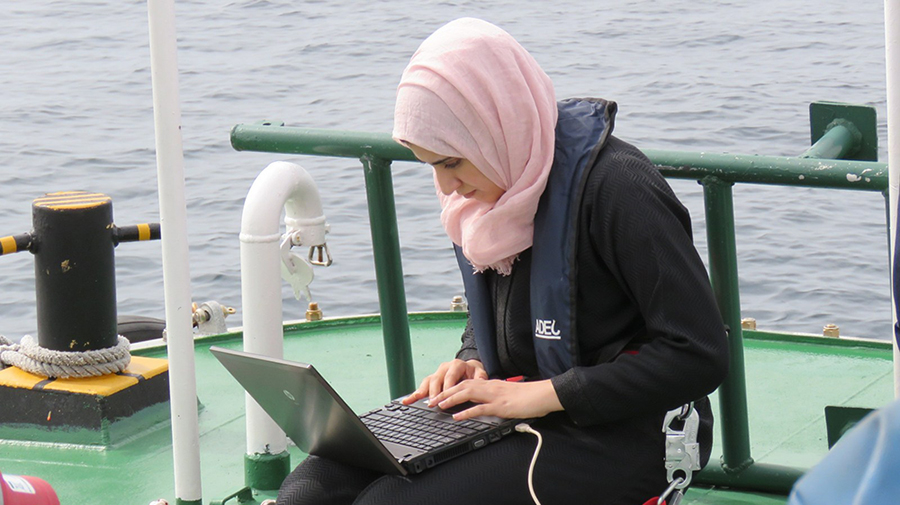
That is why Al Shehhi and a team of researchers from Masdar Institute collected and analyzed bio-optical, physical, chemical and spectral data from various points across the Arabian Gulf off the UAE’s coast between 2013 and 2016.

“Based on these data, we have developed a regionally-adapted and more precise model than the conventional ocean color models to detect HABs accurately from the MODIS sensor,” Al Shehhi shared.

Al Shehhi believes that the combination of field measurements and remotely sensed data will allow for the development of a reliable, physically-based model that will eventually be converted to a format that environment stakeholders and managers can access and use through mobile devices and web portals.

The three-member PhD committee that reviewed Al Shehhi’s thesis research included Dr. Hosni Ghedira, Director of the Research Center for Renewable Energy Mapping and Assessment (ReCREMA) and Professor of Practice, Dr. Hector Hernandez, Assistant Professor of Chemical and Environmental Engineering, and Dr. Dara Entekhabi, the Bacardi and Stockholm Water Foundations Professor of Civil and Environmental Engineering at the Massachusetts Institute of Technology (MIT).

Dr. Ghedira praised Maryam’s research efforts and her contributions to MI: “Maryam was one of the first researchers who joined Masdar Institute’s Earth Observation Lab as a research assistant in 2010. She played an active role in building our unique capabilities on water quality observation from space at Masdar Institute. She coordinated many field trips in the Arabian Gulf where the spectral properties of UAE coastal waters were measured for the first time using NASA protocols. During her graduate studies, Maryam gained advanced knowledge as well as theoretical and practical skills in satellite data processing and modeling, with special focus on dusty and arid climates.”

Al Shehhi will receive her doctorate degree at the 2017 Masdar Institute commencement.

Erica Solomon
News and Features Writer
15 December 2016


Remote Sensing Reveals Pristine Undiscovered Reef in Abu Dhabi

While researching how coral reefs respond to different stressors and environmental conditions, Masdar Institute PhD student Haifa Ben Romdhane discovered an unmapped coral reef off the coast of Abu Dhabi.

It was her observations and analysis of satellite images, which revealed an unusual and unmapped feature near Dalma Island, some 42km off the coast of Abu Dhabi and a subsequent site visit with marine scientist and marine life photographer, Mohamed Al Musallami, who performed a deep dive at the site that confirmed the presence of a reef habitat in the waters below.

Ben Romdhane and the Masdar Institute research team to which she belongs will soon be publishing their findings. The team includes Dr. Prashanth Marpu, Assistant Professor of Chemical Engineering, Dr. Taha B.M.J. Ouarda, Professor of Chemical and Environmental Engineering and Dr. Hosni Ghedira, Director of the UAE Research Center for Renewable Energy Mapping and Assessment (ReCREMA) and Professor of Practice.

The discovery of such a well preserved coral habitat is a cause for excitement. Coral reefs are regarded as some of the most valuable ecosystems on Earth. While they cover less than 1% of the Earth’s surface, coral reefs are vital to more than 500 million people who depend on them for the marine life they support, and jobs through tourism and fishing that have an estimated economic impact of US$375 billion a year.

The new reef discovery also strengthens validity of Ben Romdhane’s original research, which sought to study the UAE’s coral reef ecosystems to better understand these critical marine habitats and the factors that harm and help them. The goal of her research is to develop an advanced model to predict how different stressors like sea water temperature and sunlight – which are exacerbated by the effects of climate change – impact reefs’ health, which could help policy makers, environmentalists and maritime stakeholders properly manage, monitor and conserve the precious reef ecosystems.

“Like coral reefs around the world, the reefs of the UAE are facing danger from global climate change, which is why well-designed conservation and management plans are critically needed to mitigate potential losses,” Ben Romdhane remarked.

If a coral reef dies, the repercussions are far-reaching – the important marine life the reef sustains will die, and the animals that rely on coral for protection, such as grouper, snapper, oysters and clams would also be negatively affected. And because this marine life is a vital staple in many peoples’ diets, the death of a coral reef would cause disruptions to the food chain and biodiversity of the ocean, leading to significant challenges, the full extent of which is difficult to measure.

Using advanced satellite remote sensing techniques, where sensors on satellites are used to collect data from objects on earth by detecting the wavelengths of light that they reflect, the

Masdar Institute research team has been gathering data on reefs to develop this advanced model. To aid the model development, Ben Romdhane has been exploring data on the largest area in the region in terms of geographic size of coral reefs. These data include observational data on the UAE’s ten major reef environments provided by the Environment Agency of Abu Dhabi (EAD), DubaiSat-2 satellite images provided by Mohamed Bin Rashed Space Centre (MBRSC), Worldview-2 data provided by Abu Dhabi Systems and Information Centre (ADSIC), remote sensing data from the National Oceanic and Atmospheric Administration’s (NOAA) global map of reefs, and data collected from her own remote sensing research, which shows how the UAE’s reefs have changed over time.

The reef data provided by these agencies was instrumental to Ben Romdhane’s thesis research, which she successfully defended last month, revealing the valuable role that collaboration plays in developing solutions for UAE’s marine ecosystems. As a result of her work, she hopes to help bridge the gap between scientists and environmental managers, like the EAD, creating a synergy between these two traditionally polarized groups that could lead to better reef monitoring and management.

“Through innovative remote sensing technologies, advanced numerical modelling and rigorous statistical analyses, we were able to detect coral patterns and changes among the ten major UAE reefs over a period of six years,” Ben Romdhane explained.

With these data, she was able to identify several key environmental factors that are potential threats to the UAE’s coral reefs, which she then used to develop a set of predictions of coral response to these potential stressors. This information forms the basis of the model, which she hopes will help accelerate coral reef conservation efforts and prevent coral bleaching (when algae leaves the coral, leaving the coral vulnerable to disease and death) and other stress-induced events that can cause coral reef decline.

“Modeling paves the way to a greater understanding of coral reef patterns and how they respond to environmental factors. Unfortunately, there have been few studies that have attempted to model coral reef patterns and processes, including bleaching, in UAE waters,” Ben Romdhane said. Her modelling approach is believed to be the first to use a combination of wide-ranging coral assessment and water quality monitoring data along Abu Dhabi coasts over the course of four years, making it significantly representative of Abu Dhabi and UAE coral reefs.

It was from the changes detected over the four-year period of her data collection that led Ben Romdhane to discover the pristine coral reef off Dalma Island and one more pleasant surprise: the UAE’s coral reefs are incredibly robust.

“Our change detection analysis revealed that the studied live corals remained unaltered, despite the challenging environmental conditions present in the Arabian Gulf and UAE waters,” she remarked. Over the last two years, which included the strongest El Niño event on record – a climate cycle that warms ocean waters – she observed no bleaching of the studied reef communities.

The waters of the UAE are among the hottest and most saline in the world, and scientists believe that these harsh conditions may enable the local reefs to be better equipped to fight the rising temperatures that accompany climate change.

The next stage of this research project will focus on conducting further ecological research and lab experiments to further confirm the effect of different environmental factors on the coral reefs health.

“This work is a significant contribution to the studies on the behavior of corals in the UAE waters. By using advanced remote sensing based modeling framework, several robust tools were developed to aid in the efforts for conservation and protection of fragile marine ecosystems. The integrated approach opens up a new avenue for researchers and stakeholders to collaborate efficiently in developing the right safeguards regimes,” Dr. Marpu remarked.

Ben Romdhane’s findings have contributed to important findings that will bolster the UAE’s reef management and monitoring efforts, which will in turn help secure the UAE’s marine environments against the threat of global climate change and support the UAE’s sustainability goals.

Erica Solomon
News and Features Writer
25 December 2016