
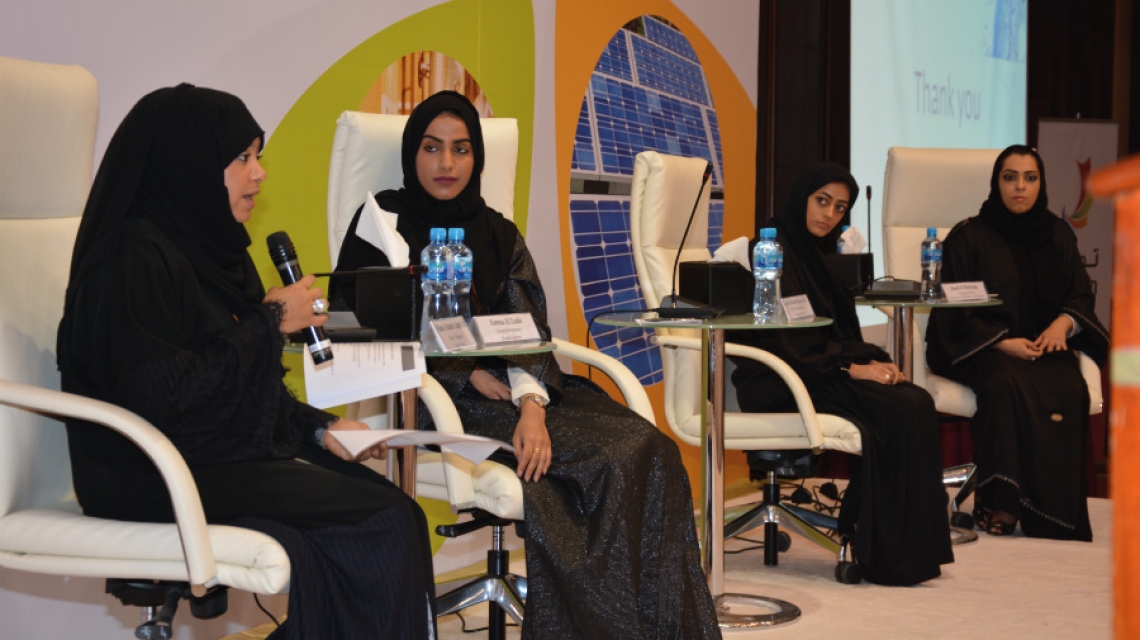
Young Future Energy Leaders Featured at GCC Leadership Conference in Bahrain


Abu Dhabi-UAE: 27 April, 2015 – The Young Future Energy Leaders Program of the Masdar Institute of Science and Technology participated in the 3rd Gulf Cooperation Council (GCC) Leadership Conference: Developing Energy Leaders, which took place in Manama, Bahrain, on 15-16 April.
 
YFEL, as one of the UAE’s leading outreach initiatives aimed at developing the country’s young energy professionals, contributed in a special panel at the conference titled ‘UAE Model of Future Energy Leadership.’
 
The 3rd GCC Leadership Conference attracted over 200 participants from the Gulf energy sector. The conference is held annually to bring together energy sector leaders from the Gulf region to identify the current leadership gaps in this field and to promote collaboration to develop a new generation of leaders. This year, the conference highlighted energy sector manpower statistics and discuss the job needs of the sector going forward. It also reviewed best practices and training and discussed leadership issues and topics such as innovation and performance.
 
Part of the Masdar Institute’s Outreach program, YFEL offers young professionals and students from the UAE and abroad an opportunity to become more engaged in finding solutions to the world’s biggest challenges – achieving energy efficiency and tackling climate change. It also aims to bring young professionals closer to government representatives, business leaders and other organizations active in the area of alternative energy and sustainability.
 
“One of the key objectives of YFEL 2015 is to increase its engagement regionally by partnering with Gulf initiatives, activities and elite conferences. The GCC Leadership Conference is a regional event that has a very similar rationale to our own program, with its focus on energy sector leadership, and as such, offered a great opportunity for exchange of ideas and wider outreach,” said Zainab Abdul Rahim Al Ali, Program Manager, YFEL.
 
YFEL was approached to participate in the GCC Leadership Conference following meetings at the sidelines of the World Future Energy Summit, which was hosted in Abu Dhabi in January.
 
“The representatives from Bahrain were amazed by the YFEL program so they invited us to to their conference to highlight our program, its vision, mission, strategies and methodologies, to engage youth and empower them to become future leaders,” Al Ali added.
 
A total of 13 international, regional and local expert speakers presented their knowledge and experience in the fields of leadership and energy at the event. The conference also featured an intensive training workshop on how to develop the next generation of leaders in a given industry.

The conference was held under the patronage of H.E. Dr. Abdul Hussain Bin Ali Mirza, Minister of Energy in Bahrain and was organized by Expressions Marketing Communications in collaboration with the Bahrain National Oil and Gas Authority and the Electricity and Water Authority. The conference strategic partners included the Arab Renewable Energy Commission, the Federation of GCC Chambers and Tamkeen. The conference was also supported by Bahrain Development Bank, Youth Pioneers Association, Ibtikar Society and the Businesswomen Society.
 

Masdar Institute Addressing UAE Mars Mission Needs with Research, Collaboration, and Innovation


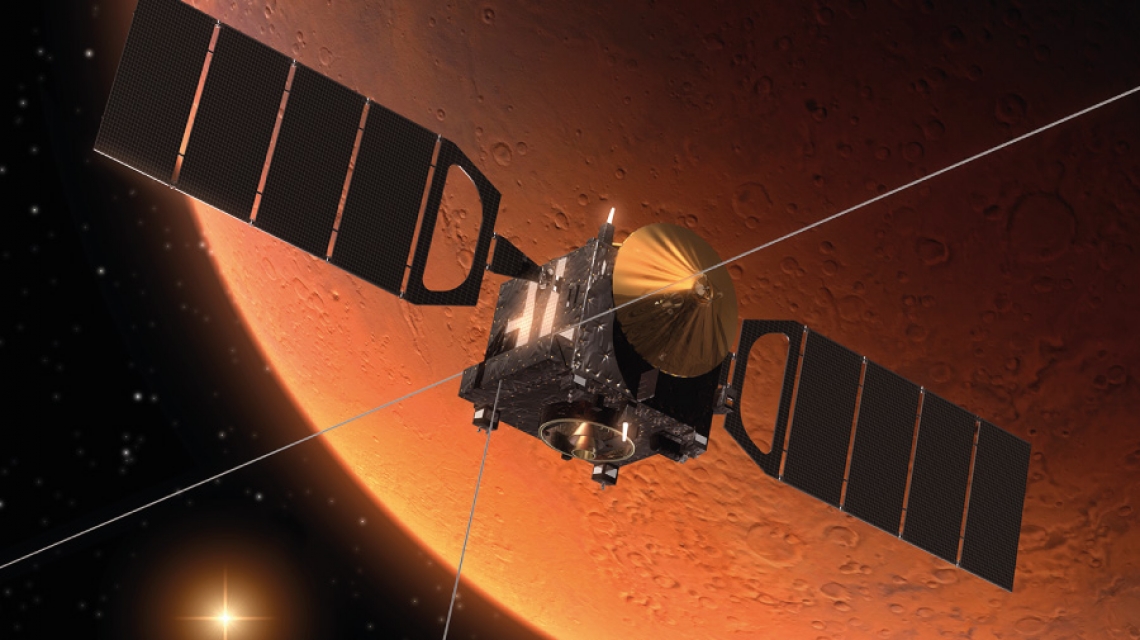
Abu Dhabi-UAE: 23 May, 2015  ̶  The Masdar Institute of Science and Technology is ramping up its efforts to support the UAE’s Mars mission and its focus on developing its space technology sector through a number of initiatives that are already underway.

Masdar Institute has set up an internal team of researchers to ensure that its research and academic offerings are ready to help the UAE achieve its goal of sending an unmanned space probe to Mars by 2021.

Masdar Institute is also a member of the Mohammed bin Rashid Space Center’s science and research team, which is one of seven teams of UAE National scientists that have been established to cover all aspects of the Mars mission. Masdar Institute is one of the seven universities on the Mohammed bin rashid Space Center science and research team, which is tasked with planning science objectives, implementing data gathering resources to meet objectives and complete analysis of incoming scientific data from the mission.

“Masdar Institute is committed to supporting the UAE’s space ambitions and needs. The team we have set up is tasked with ensuring that Masdar Institute is able to support the UAE’s Mars Mission to the fullest, capitalizing on the diverse and high-value expertise of our faculty, our programs, our students and our research infrastructure,” Dr. Mohamed Sassi, Interim Dean of Faculty and Professor of Mechanical and Materials Science at Masdar Institute, explained.

Masdar Institute is actively working towards setting up a sustainable research and training infrastructure in the UAE with the long-term objective of generating the human and intellectual capital that is required to achieve the UAE’s space goals.

It is estimated that 150 Emirati scientists and engineers will be needed to work on the Mars mission by 2020. In response to the growing need for engineers and technical specialists with relevant training in space technologies Masdar Institute is laying the groundwork for the establishment of dedicated graduate level space-oriented education programs to form and train UAE Nationals in fields relevant to the UAE space agency mission. The established programs will foster the development of R&D projects in which graduate students and scientists will be involved to address the UAE’s space goals. In addition, the diverse disciplines of Masdar Institute’s existing educational programs will be applied to other space-oriented research needs.

“Student researchers in the UAE can focus their research efforts towards solving real problems and exploring new research opportunities. Students who will work on answering questions posed by the Mars mission ‘Hope’ will have a sense of ownership, accomplishment and satisfaction by solving real problems and serving real clients,” said Dr. Saif Al Mheiri, Assistant Professor of Mechanical and Materials Engineering at Masdar Institute.

The team members include Dr. Sassi, Dr. Al Mheiri, Dr. Prashanth Marpu, Assistant Professor of Water and Environmental Engineering, Dr. Bruce Ferguson, Head of the Institute Center for Innovation and Entrepreneurship, Dr. Marouane Temimi, Associate Professor of Water and Environmental Engineering, Dr. Hosni Ghedira, Director of the UAE Research Center for Renewable Energy Mapping and Assessment and Professor of Practice, and Dr. Daniel Choi, Associate Professor – Department of Mechanical & Materials Engineering.

To further enrich the UAE’s broader research ecosystem in a way that contributes to the country’s space ambitions, Masdar Institute has also established the UAE Chapter of the Institute of Electrical and Electronics Engineers’ (IEEE) Geoscience and Remote Sensing Society (GRSS). It aims to engage in active collaborations with various universities, industry and government agencies in the UAE to foster remote sensing research by bringing together the remote sensing researchers and professionals. The chapter will also provide a platform to organize regular meetings for timely dissemination of research results and outreach.

“The UAE has already invested US$5.4 billion in space technologies; thus, collaboration between the industry and academia warrants a sustainable growth to the Emirati space industry through knowledge creation. The benefits of such collaboration are mutual to both parties. The industry will have access to cutting-edge scientific research and specialized equipment as well as the invaluable experience that researchers bring to the table,” Dr. Al Mheiri said.
Masdar Institute’s Earth Observation and Hydro-climatology Lab has been engaged in a number of research projects that enrich and expand local competency in technical areas of relevance to the Mars mission. Its faculty is working on a diverse range of remote sensing research projects with special focus on desert and arid climate such as urban heat island studies; monitoring oil spills, solar resources, and dust storms; land-atmosphere interactions; modeling of hydro-meteorological variables; and climate change studies.

Masdar Institute will be proposing some new applications of its research to the needs of the Mars mission at the upcoming Global Space and Satellite Forum, to be held in Abu Dhabi on May 26-27. The event is hosted by the Mohammed Bin Rashid Space Centre with the endorsement of the UAE Space Agency and aims to will gather key regional and international stakeholders and decision makers from the space and satellite industry.

The UAE entered the space race last July with its announcement of a goal to send an unmanned probe to Mars by 2021, making it the first Arab nation with a mission to another planet. In response to the UAE’s “Hope” Mars Mission, the Mohammed bin Rashid Space Center was established, incorporating the pre-existing Emirates Institution for Advanced Science and Technology (EIAST), to coordinate the UAE’s growing space technology sector and to supervise the mission.

Under the Patronage of His Highness General Sheikh Mohamed bin Zayed Al Nahyan Masdar Institute Holds Commencement Ceremony for Class of 2015


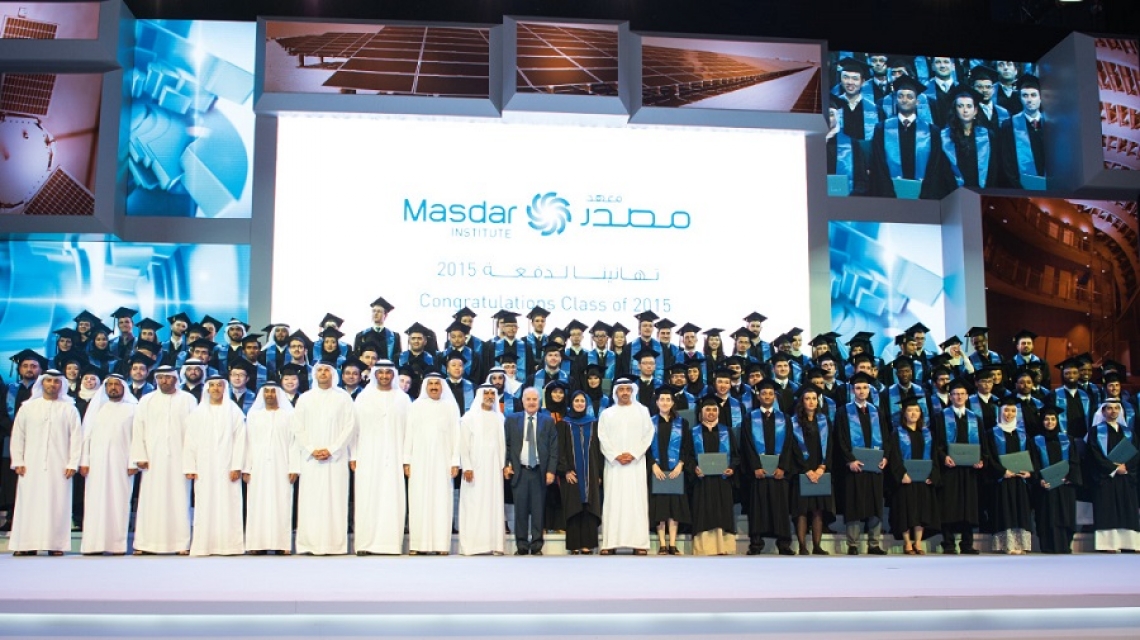
ABU DHABI: 26 May, 2015 – Under the patronage of His Highness General Sheikh Mohamed bin Zayed Al Nahyan, Crown Prince of Abu Dhabi and Deputy Supreme Commander of the UAE Armed Forces and Chairman of the Board of Trustees of Masdar Institute, His Highness Sheikh Abdullah bin Zayed Al Nahyan, UAE Minister of Foreign Affairs, His Excellency Sheikh Nahyan bin Mubarak Al Nahyan, Minister of Culture, Youth, and Community Development, and others, today attended the graduation ceremony of the Masdar Institute of Science and Technology Class of 2015.

His Excellency Saqr Ghobash, UAE Minister of Labour, Dr. Sultan Al Jaber, UAE Minister of State, Chairman of Masdar, and Chairman of the Masdar Institute Board of Trustees Executive Committee, His Excellency Khaldoon Khalifa Al Mubarak, Chairman of Abu Dhabi Executive Affairs Authority, Member of Abu Dhabi Executive Council, and CEO of Mubadala Development Company, His Excellency Dr. Mugheer Khamis Al Khaili, Chairman of Health Authority Abu Dhabi (HAAD), Saeed Eid Al Ghafli, Chairman of the Department of Municipal Affairs, Abu Dhabi, Abdulla Nasser Al-Suwaidi, ADNOC Director General, and other dignitaries also attended the ceremony.

Masdar Institute Commencment Class of 2015His Highness Sheikh Abdullah awarded graduation certificates to the first two Masdar Institute PhD graduates in Interdisciplinary Engineering and more than 100 Masdar Institute Master of Science graduates. The commencement, which was Masdar Institute’s fifth, was held at the Emirates Palace Hotel, Abu Dhabi.
 
In his keynote speech, His Highness Sheikh Abdullah said that Masdar Institute’s Class of 2015 commencement was a testament to the efforts being undertaken to achieve the country’s National Innovation Strategy goals, which require high-value human capital to advance the key high-tech sectors targeted in the strategy.
 
His Highness Sheikh Abdullah said, “As a member of Masdar Institute’s Board of Trustees, I have witnessed the results of its commitment to laying the foundation for the UAE’s global technology leadership. Its faculty, students and researchers have produced six full patents, with dozens more in the pipeline. Its research has appeared in hundreds of papers published by leading scientific journals. Its name has been illuminated through numerous awards, including a Medal of Top Emiratis for one pioneering student researcher… But the greatest proof of Masdar Institute’s value to the UAE’s economic vision isn’t its remarkable facilities or labs. It is you, the graduates, the Masdar Institute Class of 2015.”
 
He thanked His Highness Sheikh Khalifa bin Zayed Al Nahyan, UAE President and Supreme Commander of the UAE Armed Forces, for leading the country towards such a future full of innovation and prosperity.
 
He also thanked His Highness Sheikh Mohamed bin Zayed Al Nahyan, Crown Prince of Abu Dhabi and Deputy Supreme Commander of the UAE Armed Forces, for his tireless efforts to support and develop that future.
 
The Masdar Institute Class of 2015 included 22 UAE nationals and 84 international graduates from 36 countries. The graduates received degrees in Masdar Institute’s specialized programs developed in response to the UAE’s strategic and economic goals – Engineering Systems and Management, Computing and Information Science, Materials Science and Engineering, Mechanical Engineering, Water and Environmental Engineering, Microsystems Engineering, Electrical Power Engineering, and Chemical Engineering.
 
Dr. Sultan Al Jaber said, “Masdar Institute has been playing a critical role in the UAE’s knowledge-economy transformation since it was established in 2007. Following the announcement by the UAE leadership of the National Innovation Strategy, Masdar Institute has strengthened its focus on supporting the innovative capacity of the UAE in key economic sectors.
 
“With this fifth commencement taking place in the UAE’s Year of Innovation, Masdar Institute is making a sizeable contribution to those sectors and the country’s overall innovation ecosystem, providing the highly-skilled engineering graduates who will drive the country’s targeted high-tech industries,” he added.

Speaking at the commencement, Dr. Behjat AlYousuf, Interim Provost, Masdar Institute, said: “With every passing graduation, our alumni have somehow managed to improve upon the last. Each year, we seem to attract more and more talented young men and women; young men and women who are willing to meet our strict academic requirements; who recognize the value and importance of our mission and want to learn how to change the world. (They) inspire me and give me hope that the world can achieve its necessary sustainability goals.”
 
Within a few years since inception, Masdar Institute has built a reputation as a leader in locally relevant and world-class research innovation by nurturing talented faculty and students, equipping them with the resources they need and connecting them with academia, government and private sector research partners.
 
Masdar Institute’s notable research outcomes have helped it secure the number one ranking in university research citation impact category for the Arab region in the 2015 US News and World Report rankings.
 
A number of Masdar Institute’s Class of 2015 graduates have concluded their research thesis on issues of strategic relevance and economic value to the UAE. These areas include clean energy, advanced technology, and water-related technologies. In 2015 alone, faculty and students have more than doubled Masdar Institute’s issued US patents to six and those in the pipeline now include 54 pending patent applications and 96 invention disclosures, thus firmly establishing their place as leaders in the development of intellectual capital.
 
The ceremony also highlighted the commencement of Masdar Institute’s PhD graduates in Interdisciplinary Engineering program.
 
UAE national Faisal Al Marzooqi was the first Masdar Institute PhD student cleared to graduate after successfully defending his dissertation focused on a novel desalination membrane that he developed. A technology patent resulting from Al Marzooqi‘s thesis is now pending with the US Patents Office. Another UAE national PhD student Aamena Ali Alshamsi’s thesis covers some of the highly technical aspects of ‘Big Data’ and explores the possibilities of using social media and mobile phones to understand what makes society happy. The findings could be used to provide real-time analytics about individuals and collectives for timely intervention by decision-makers. They could also be leveraged to build productive teams and design informed strategies to achieve desirable goals in many aspects, including sustainability.
 
The Class of 2015 graduates are expected to apply the knowledge and expertise gained during their Masdar Institute studies to advancing technology, research, government, academia and entrepreneurship, here in the UAE and abroad. Masdar Institute has successfully facilitated placement of 96% of its previous graduating class who now serve as innovation leaders at organizations and institutions including Microsoft, GE, YahSat, Mubadala, Ministry of Foreign Affairs (MOFA), Siemens, and the Emirates Nuclear Energy Corporation (ENEC). Some are also currently with leading universities including the University of California-Los Angeles (UCLA), MIT, NYU, UC Berkeley, UT Austin, and Imperial College, London, as faculty or PhD students.
 
Masdar Institute held its first graduation in June 2011, where more than 70 students graduated. With the fifth commencement now, the total number of Masdar Institute graduates has crossed the 400 mark.

UAE National Masdar Institute Students Intern at World-Renowned Facility in Germany to Develop Innovative Integrated Circuits

Three UAE National graduate students from Masdar Institute have embarked on a two-week internship at GLOBALFOUNDRIES, the world’s second largest semiconductor foundry company, wholly-owned by Abu Dhabi’s Mubadala Development Company, in Dresden, Germany.
 
A semiconductor power-house with advanced operational and technology capabilities, the GLOBALFOUNDRIES facility in Dresden, known as Fab 1, is one of the company’s most advanced 300mm semiconductor manufacturing site, and is credited as one of the most innovative and productive manufacturers of integrated circuits in 28 nanometer (nm) technologies.
 
Dr. Behjat AlYousuf, Interim Provost, Masdar Institute, said, “We are pleased to see three of Masdar Institute’s UAE nationals take on this incredible opportunity to intern at GLOBALFOUNDRIES. Internships like these underscore Masdar Institute’s commitment to developing the country’s indigenous human capital. We hope that the knowledge gained by these young Emiratis will translate into engineering innovations, contributing to the growth of the UAE’s knowledge economy and nascent semiconductor industry. With the support of the UAE leadership, we will continue to offer internship opportunities with top-level global corporations and we hope the program will benefit everyone involved.”
 
A report from Reuters predicts the global microchip market to reach US$355 billion by 2016. Masdar Institute aims to position Abu Dhabi at the forefront of the growing semiconductor industry by developing skilled human capital capable of producing next-generation microchip technologies.
 
Badreyya AlShehhi and Hamad Alblooshi, MSc students from Masdar Institute’s Microsystems Engineering program, along with Noora M. AlSheehi, a MSc student from the Electrical Power Engineering program, will gain firsthand experience in the design of nano-sized integrated circuits, which is integral to their thesis research projects.
 
Dr. Mihai Sanduleanu, Associate Professor, Microsystems Engineering, Masdar Institute, is supervisor to the three students and expects that each student will develop patents and form start-ups around the microchips they will begin to develop at Dresden.
 
Speaking about the internship, Dr. Sanduleanu explained, “The students will have access to state-of-the-art facilities and technology provided by GLOBALFOUNDRIES in Dresden, including their cleanroom. Additionally, they will get training in computer-aided design (CAD) for integrated circuit design, digital design flow, analog design flow and layout, as well as on-wafer measurements.”
 
AlShehhi’s thesis seeks to develop an ultra-low power (ULP) wireless transceiver solution for connecting different electronic devices, such as radio-frequency identification tags, sensors, and mobile phones, with a master device. The transceiver will have no external components, except a battery, and will have an on-chip integrated antenna.
 
“This internship will help me to obtain new skills and allow me to deeply understand the topic of my MSc thesis work,” AlShehhi said.
 
“It is a great opportunity to network with experienced analog/radio frequency designers and to share ideas and feedback. I expect that I’ll get a better understanding of how semiconductor fabrication works and I am eager to visit the cleanroom to see the process flow of the technology,” she added.
 
The aim of AlSheehi’s research is to develop an ‘invisible’ identification tag that will operate without battery or external components. The device could be embedded in banknotes, identification cards, books, jewelry, or mobile phones. One potential application of the identification tag is to certify if the object that it is embedded on is fake or genuine.
 
AlSheehi said, “This internship is a great opportunity because it will give me the chance to develop the skills and confidence I need so that I can start designing my circuits. It will give me an opportunity to understand the details of the integrated circuit design.”
 
Alblooshi is developing a microchip that, when placed on a flexible photovoltaic (PV) cell, will boost the energy efficiency of the cell. Currently, flexible PV cells have a photovoltaic efficiency of only 10%, which means that they can only convert 10% of the sun’s energy into electricity. With Alblooshi’s proposed microchip, which connects to an antenna printed on the back side of the photovoltaic cell, the chip will be able to harvest more energy from the crowded, low GHz part of the electromagnetic spectrum, such as the radio waves – an area of the electromagnetic spectrum that PV cells are unable to harness.
 
Alblooshi said, “My internship in Dresden will provide me with valuable insight on the fabrication of complementary metal-oxide-semiconductor (CMOS) technologies. This insight will be extremely valuable as I design my hybrid electromagnetic and solar energy harvester at Masdar Institute.”
 
Masdar Institute has a longstanding relationship with GLOBALFOUNDRIES, where it has previously sent interns in 2013, including Masdar Institute PhD students Wala Saadeh and Muhammad Awais Bin Altaf. Masdar Institute faculty and students have access to GLOBALFOUNDRIES’ Abu Dhabi-based laboratory, where they have developed semiconductor designs for 28nm microchips – a process known as ‘tape-out’ – which will be manufactured in GLOBALFOUNDRIES’ Fab 1. Mohamed Lakehal, Senior Manager of Technology Research Enablement at GLOBALFOUNDRIES, manages the R&D partnership with Masdar Institute.
 
Through its backing of the Mubadala Technology-SRC Center of Excellence for Energy Efficient Electronic Systems – which helps create a regional ecosystem in the areas of design and testing of integrated energy efficient micro-systems – and its commitment to broadening the local technology workforce, Masdar Institute is driving innovation in next-generation electronic systems and contributing to Abu Dhabi’s sustainable knowledge economy transformation.

Erica Solomon
News and Features Writer
20 June 2015

Innovative Masdar Institute and MIT Research Targets UAE Cyber Infrastructure Security Challenges

Abu Dhabi-UAE: 28 June, 2015 – The Masdar Institute of Science and Technology, an independent, research-driven graduate-level university focused on advanced energy and sustainable technologies, has recently launched a collaboration with the Massachusetts Institute of Technology (MIT) to advance cybersecurity research in the UAE.

The ultimate objective of the study is to ensure better cybersecurity on critical infrastructure sites in the UAE and globally by using an innovative approach to assess potential vulnerabilities against cyber attacks on critical infrastructure. Using Abu Dhabi’s power system as a case study, the research will undertake a multilayered methodology, which will ensure the development of a knowledge map of the power system and its shortcomings.

MIT Cyber Security Consortium
Dr. Fred Moavenzadeh, President, Masdar Institute, said, “Through Masdar Institute’s ongoing research efforts, greater emphasis is being placed on the protection of critical infrastructure sites by enhancing cybersecurity. This project will help to develop the Institute into a knowledge center for cybersecurity in the UAE and promote Masdar Institute and its Institute Center for Smart and Sustainable Systems (iSmart) as a leader in cybersecurity research. The collaboration with MIT will also help to identify competency gaps, generate critical mass between the faculty and develop human capital in the niche area of cybersecurity.”

The collaboration will see Masdar Institute and MIT undertake research involving Abu Dhabi’s power system and will focus on using a novel and comprehensive approach to identify and assess the different sources of cyber gaps in a critical infrastructure system. The research will also investigate the significance of each of these challenges to the integrity of the physical system. This collaboration is a project of the MIT Technology and Development Program.

The principal investigators of the project are Dr. Sameh El Khatib, Assistant Professor in the Masdar Institute Department of Engineering Systems and Management and member of iSmart, and Dr. Nazli Choucri, Professor of Political Science at the MIT School of Humanities, Arts and Social Sciences, and Principal Investigator and Director of the MIT/Harvard initiative in Explorations in Cyber International Relations (ECIR).

A number of research projects have already been undertaken to better secure conventional information systems, but no research had been conducted regarding the protection of critical infrastructure. Dr. Choucri and Dr. El Khatib’s work will rectify this by addressing the cybersecurity of critical infrastructure. The research will also serve as a guide for policymakers in an age where cybersecurity has become one of the biggest issues for businesses and government.

“Our research aims to contribute to the development of cybersecurity as an emerging field of scientific inquiry. To date, there have been few robust scientific investigations that provide comprehensive evidence on the sources and consequences of cyber security. The overarching goal of the project is to analyze and define the science behind cyber security in an effort to provide substantial and concrete scientific data related to the weaknesses of critical infrastructure and how to better protect them,” said Dr. El Khatib.

The project is due to run for two years. At the end of this two year period, it is hoped that data from the comprehensive analysis of Abu Dhabi’s power system could be compared against data from the projects running concurrently in New York and Singapore to develop a comprehensive knowledge map, capable of being applied to critical infrastructure worldwide. It will also aid with the development of human capital in this area, beginning with the five Masdar Institute students – three of which are UAE nationals – that are working with Dr. El Khatib in this cybersecurity project.  

Speaking about her involvement in the project, UAE national student Reem Al Hammadi said, “By undertaking this research in collaboration with MIT, I have had the opportunity to develop knowledge and highly technical skills related to the niche area of cybersecurity and critical infrastructure. The continued development of local talent by Masdar Institute in this area will ensure that the UAE is fully equipped to advance research related to cybersecurity and critical infrastructure.”

The research collaboration is part of the Masdar Institute and MIT Joint Cooperative Program and in collaboration with the MIT Interdisciplinary Consortium for Improving Critical Infrastructure Cybersecurity (IC)3, which is one of three recently launched initiatives by MIT dedicated to lead global research in cybersecurity. The (IC)3 initiative, which is directed by Dr. Stuart Madnick, Professor of Information Technologies, MIT Sloan School of Management & Professor of Engineering Systems, MIT School of Engineering, has been formed to address the need  to improve the cybersecurity of critical infrastructure, with a focus on strategic, operational and managerial issues related to cybersecurity.

Research Presented on Next-Generation of Integrated Circuits and Sensors

Research by Masdar Institute faculty and graduate students towards creating electronic-photonic integrated circuits (EPICs) was presented at the Integrated Photonics Research, Silicon and Nano Photonics (IPR) conference – the premier and longest-running international meeting dedicated to groundbreaking advances in research and development of integrated photonic and nano-photonic technologies.

The research papers were prepared by Electrical Engineering and Computer Science Assistant Professors Dr. Marcus Dahlem and Dr. Anatoly Khilo, and four graduate students from Masdar Institute’s Microsystems Engineering program – Kenaish Al Qubaisi, Hayk Gevorgyan, Soha Yousuf and Mahmoud Shahin. The conference was organized by the Optical Society of America (OSA) and held in Boston, Massachusetts. Its aim was to bring together experts from both academia and industry for open discussions on cutting-edge research, technology trends and new challenges with photonic integrated circuits and related devices.

Dr. Dahlem said, “This is a leading conference on silicon photonics, and it was an excellent opportunity for our graduate students to present their research to a broad international audience of experts. Attendees included researchers from top institutions such as the Massachusetts Institute of Technology, Harvard, Stanford, Yale, ETH Zurich, Ghent, and more, including government agencies. The research presented at the conference is partially funded by GlobalFoundries and is in line with Abu Dhabi’s investments in the semiconductor industry.”

Dr. Dahlem and the students presented papers related to their innovative photonics and optical micro-electromechanical systems (MEMS) research. Three papers, titled “Phase Response Reconstruction in Ring Resonator Filters,” “Time-Wavelength Pulse Interleaver on a Silicon Platform,” and “TM-Polarizer using Segmented Silicon Waveguide,” highlight their efforts to create EPIC devices, which expand existing integrated circuits by adding optical components to them.

Integrated circuits are the principal component in all electronic devices, including laptops, mobiles and TVs. A collection of electrical components printed on wafers of semiconductor materials such as silicon, integrated circuits use electrons to transport data. Since their advent in the mid-twentieth century, integrated circuits have been getting increasingly smaller and more efficient with each passing year. But integrated circuits are reaching their peak in terms of speed, energy consumption and processing power, leading scientists to turn to photonics – or light – to help them create the next-generation of semiconductor products.

Photonic integrated circuits use both light and electrons to build integrated systems that are smaller and more efficient than their electrical-based counterparts. By adding photonic components, Dr. Dahlem and his team at Masdar Institute are creating powerful integrated circuits, capable of managing and transmitting more data, faster.

Such innovative photonic integrated circuits have novel applications in high-tech industries such as aerospace, computer science, robotics, quality control systems, bioengineering, and medical devices.

The fourth paper presented at the conference, titled “Suspended Microring Resonator Sensor Using Internal Sub-Wavelength Grating,” explains the team’s research on the development of advanced sensors based on optical MEMS. Like photonic integrated circuits, optical MEMS involve computer circuits that process light. Optical MEMS can be used for high-speed, high-resolution sensing and they are very small, in the range of 100 nanometers to 1 millimeter. Dr. Khilo and Dr. Dahlem, along with Dr. Clara Dimas and other researchers at Masdar Institute, are working to decrease the cost and size of the optical MEMS sensors while increasing their sensitivities and processing capabilities.

Dr. Dahlem and Dr. Khilo belong to the Institute’s Center for Microsystems (iMicro), which has a research portfolio that includes development of integrated photonic circuits, fiber optics sensors, silicon photonics, and MEMS – all at the micro- and nanometer scales.

Their research leverages complementary know-how from Masdar Institute and the Institute of Microelectronics (IME), with overall guidance from GlobalFoundries, a wholly owned Mubadala business, to push the cutting-edge development of MEMS and enhance Abu Dhabi’s leadership in this burgeoning industry. 


Erica Solomon
21 July, 2015

Masdar Institute and MIT Developing Innovative Renewable Energy Storage Technology

Abu Dhabi-UAE: 03 August, 2015 – Masdar Institute of Science and Technology, an independent, research-driven graduate-level university focused on advanced energy and sustainable technologies is working with the Massachusetts Institute of Technology (MIT) to develop an innovative energy storage technology that can support renewable energy in the UAE.

Dr. Saif Almheiri, an assistant professor of mechanical and materials engineering at the Masdar Institute, is working with MIT on a unique electrochemical energy storage technology that has the potential to be a key storage solution for electrical power sourced from renewable and conventional energy.

“Coming up with ways to store renewable energy so it can be banked when plentiful and distributed when needed is one of the more exciting engineering challenges. There are a few solutions in the market today, but they tend to be expensive and cannot be used in all the operating environments that require renewable energy uptake. But the technology we’re working with has the potential to overcome these obstacles” Dr. Almheiri explained.

The battery they are developing aims to help the UAE store its renewable energy in a secure and dependable manner. Developing such a novel energy storage system could also provide the UAE with a valuable product for global energy storage market, which is forecasted to reach US$113.5 billion by 2017. With an effective and realistic energy storage technology, the UAE will be able to take advantage of its plentiful solar and wind energy, providing the country with clean power to take it into the next century.

He believes the needed breakthrough in electrochemical energy storage will be in Redox Flow Batteries (RFBs). An RFB is a rechargeable battery built around two chemical components dissolved in liquids contained within different tanks in the system and the flow of the liquids is separated by a membrane, allowing the electrical energy to be stored in chemical energy, and then converted back into electrical energy when wanted.

Dr. Almheiri is now collaborating with MIT scientists to develop the novel non-water-based VRFB system that provides the higher conductivity, better solubility limits and stable electrodes that tomorrow’s reality demands.

“One of the most promising of all of the redox solutions is one based on the metal known as vanadium. Vanadium can exist in a solution in several different oxidation states, so it can effectively take the place of both of the necessary chemical solutions in the RFB – meaning it can be vanadium on each side of the cell. Using the same element avoids the risk of contamination across the membrane that can otherwise, over time, impair or damage a battery,” he explained.

Another advantage of the VRFB is that its capacity is limited only by the size of the tanks used to store its electrolytes. Vanadium is easily able to handle the give and take of electrons that is crucial to a rechargeable battery, making it a very stable source element. A VRFB can be discharged and recharged 20,000 times, maintaining their near unchanging battery performance for decades.

This technology, however, is not yet fully optimized. Using a water-based solution to hold the electroactive vanadium imposes two limitations. It requires the operating temperature range for RFBs to be limited to 0-100oC, so the water does not freeze or evaporate. Second, the open circuit voltage is limited to only 1.2V to keep the water solution electrolytes electrochemically stable, which restricts the energy density of RFBs.

“To help VRFB, we are looking to discover new solvents to replace the water. This could allow the open circuit potential to exceed 1.2V, enhancing the energy density of the RFB,” Dr. Almheiri said.

Moving forward, Dr. Almheiri and his team will examine various supporting electrolytes and solvents and design advanced electrodes, which conduct electricity, with improved electrochemical reactions and stability. They intend to build a working flow battery cell and will test the system’s stability and ability to cycle back and forth – charging, discharging and recharging.


New Masdar Institute Space Concentration in Collaboration with Yahsat and Orbital ATK Receives Ministry Accreditation

 
Abu Dhabi-UAE: 19 August, 2015 – The Masdar Institute of Science and Technology, an independent, research-driven graduate-level university focused on advanced energy and sustainable technologies, together with Yahsat, the UAE satellite operator,  today announced that approval has been received  from the Commission for Academic Accreditation (CAA) of the UAE Ministry of Higher Education and Scientific Research to incorporate a Space Systems and Technology concentration into seven of its Master of Science degree programs.
 
The approval enables Masdar Institute to welcome its first group of students this September, considerably ahead of the initially scheduled January 2016 timeline. The seven Masdar Institute academic programs that will now include the space concentration option are: MSc in Mechanical Engineering; MSc in Materials Science and Engineering; MSc in Computing and Information Sciences; MSc in Electrical Engineering; MSc in Engineering Systems and Management; MSc in Microsystems Engineering; and MSc in Water and Environmental Engineering.

Dr. Behjat Al Yousuf, Interim Provost, Masdar Institute, said, “The CAA approval to incorporate the Space Systems and Technology concentration demonstrates Masdar Institute’s ability to create the talent required for the UAE’s space program. Following this approval, Masdar Institute is better positioned to contribute to the country’s national ambitions and we believe our commitment to developing human and intellectual capital will place us as one of the frontline institutions that will be closely involved with the UAE’s strategic initiatives.”

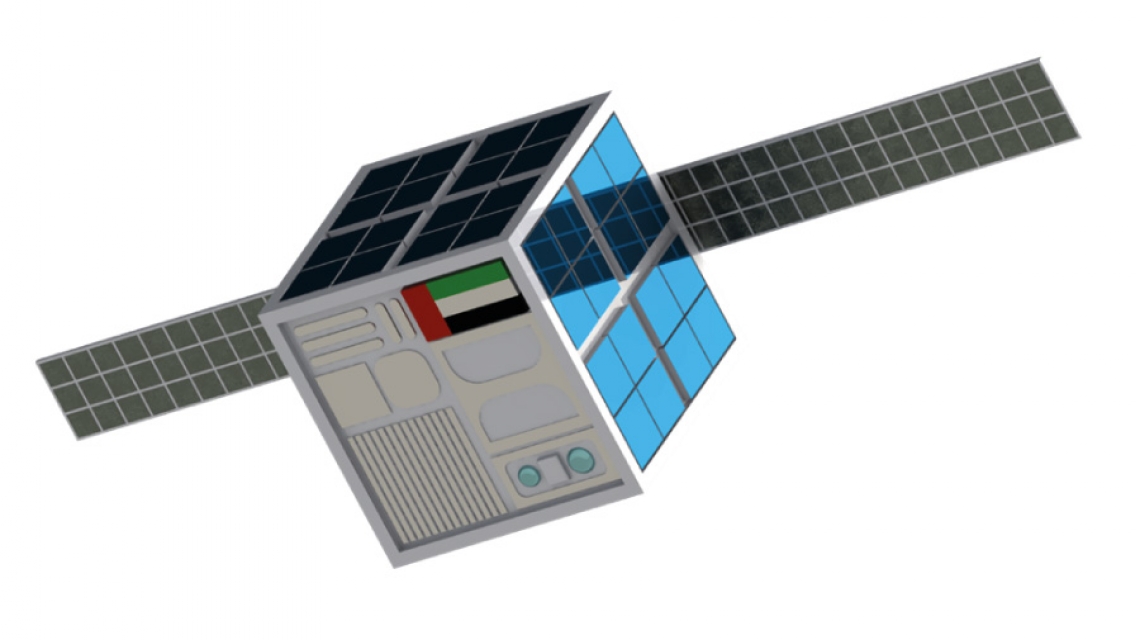
Masdar Institute’s Space Systems and Technology concentration is part of a collaboration with satellite industry leaders Yahsat and Orbital ATK, who are currently building Yahsat’s third satellite Al Yah 3. The Master’s concentration includes student-led design, integration, construction, testing and operation of a CubeSat that will be subsequently launched and monitored via a ground station.

The first class of over 15 students will be welcomed this September at Masdar Institute of Science and Technology, following an induction program at Yahsat’s Headquarters. The course will provide a rigorous academic grounding in a multitude of space-related scientific and engineering disciplines. Subject matter experts from Orbital ATK will also help refine and structure the curriculum in order to provide students with an industry-centered educational experience and training.

Commenting on this important achievement, Executive Director of Human Capital, Mona Al Muhairi said, “This is a significant milestone for the UAE’s Space initiatives, and we are very proud to be key contributors towards developing this sector and this program. Building a talent pool of the next generation of space engineers is vital to the sustainable growth of the space industry. As market leaders, Yahsat is committed to developing specialist talent and expertise in the field of science and technology. This commitment further demonstrates our support for an innovation-led knowledge based economy.”

Orbital ATK’s Vice President and Chief Technical Officer, Antonio Elias, said “Orbital ATK is pleased that Masdar Institute has achieved this first important milestone in the establishment  of the new Space Systems and Technology Concentration. We look forward to welcoming the first cohort of students this September, as they represent the next generation of Emiratis contributing to the country’s goals of establishing a vibrant space program.”

The CAA approval will not only enable the launch of Masdar Institute’s academic program on Space Systems and Technology, but it will also ensure that the research-based institution plays a leading role in producing trained manpower that will contribute to the UAE’s growing space sector and missions.

“Our space concentration is designed to give students the specialist knowledge and skills required for a career working with space technology and its applications. Students’ theses work will address challenges and scientific research opportunities in space science and technology and will be complemented by a hands-on project focused on designing, building, testing and launching a small satellite,” explained Dr. Youssef Shatilla, Dean of Academic Programs, Masdar Institute.

The space concentration is part of Masdar Institute’s growing engagement in space and satellite-related research and technology. It has been developing increasing expertise in high resolution imagery of the surface using remote sensing with visible and thermal portions of the electromagnetic spectrum, which allows identification of minerals at/near the surfaces of the planets. The Institute is also collaborating with the US National Aeronautics and Space Administration (NASA) in a joint four-year pilot study to understand how the level of soil moisture affects dust in desert and dry environments.
 
More recently, Masdar Institute announced the formation of the UAE Chapter of the Institute of Electrical and Electronics Engineers’ (IEEE) Geoscience and Remote Sensing Society (GRSS). As part of the activities during the first year, the UAE Chapter will host a series of distinguished lecturers sponsored by the IEEE GRSS, along with organizing local meetings to share technical interests and foster collaborations. The Earth-Observation and Hydro-Climatology Lab (EOHCL) is spearheading key remote-sensing research projects.
 
These initiatives support the UAE’s national space ambitions. Last year the UAE leadership announced that the Emirates Mars Mission would launch a probe to the red planet in 2020. Space is also one of the seven sectors targeted in the UAE National Innovation Strategy, which aims to make the UAE one of the world’s most innovative countries by 2021.

Clarence Michael
News Writer
19 August 2015

Inaugural Book Advances Enzyme-Exploiting Technology

A Masdar Institute faculty member is advancing science’s ability to capitalize on the transformative potential of enzymes – nature’s chemical catalysts – with a new book on her research of cutting-edge enzyme-based technologies to produce useful chemicals, which is set to be released in December.

Dr. Hanifa Taher, an Assistant Professor of Chemical Engineering, co-authored the book titled Supercritical Fluids Technology in Lipase Catalyzed Processes with Dr. Sulaiman Al-Zuhair, Associate Professor of Chemical and Petroleum from UAE University. The title is Dr. Taher’s first book and the third full book to be published by a Masdar Institute faculty member.

“Of all known enzymes, lipases represent the most important group of biocatalysts for biotechnological applications,” said Dr. Taher. “Lipases’ versatility makes them the enzyme of choice for many industrial activities that require catalytic processes, and they are a much greener, or environmentally friendly, option for biodiesel production over conventional chemical processes.”

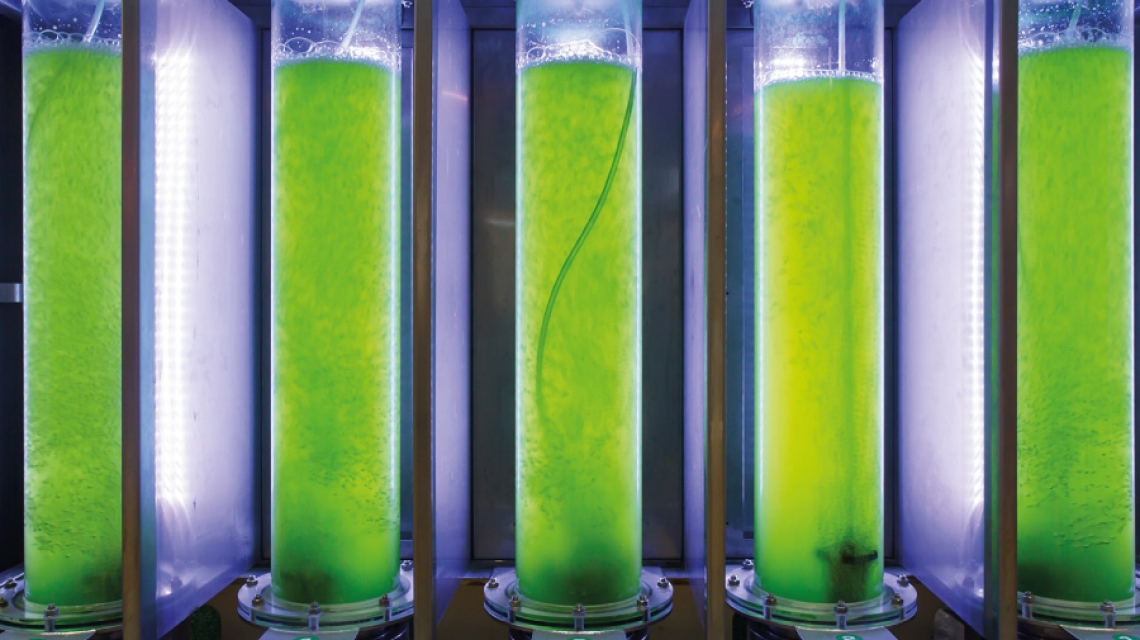
Lipase is an enzyme that the body produces naturally to break down fats in food so they can be absorbed in the intestines. Similarly, lipases can be used to catalyze the breakdown of animal fat and plant oils – the primary biodiesel feedstocks – in order to transform the raw fat or oil into esters, which is biodiesel.

Other than biodiesel production, lipases extracted from microorganisms are used in various industries such as dairy, food, detergents, textile, pharmaceutical, and cosmetic industries. Lipases are also used for synthesis of fine chemicals, agrochemicals and plastics.

Enzymes are considered the environmentally friendly solution to industrial problems; they can perform the same job as a chemical, but cheaper and without threatening the environment. Although chemicals are still used to catalyze the conversion of raw fat or oil to fuel, enzymes, such as lipases, are preferred to chemicals because they yield a higher conversion rate and can be separated from the biodiesel and reused.

The book, which is being published by CRC Press, presents a comprehensive review of the Dr. Taher and Dr. Al-Zuhair’s innovative research of lipases – which are enzymes that break down fats to produce bioenergy – and how they can be used to get more out of the plant oils in a sustainable, environmentally friendly way.

“The book presents our research on how lipases exposed to supercritical fluids enhances biodiesel production,” Dr. Taher explained. “We think this technology could make biofuel production a lot more efficient and sustainable.”

Their research examines how combining lipases with a supercritical fluid – a liquid that is compressed and heated beyond its critical point – yields greater amounts of biodiesel and is more environmentally friendly than conventional solvent extraction techniques.

Supercritical fluids are nontoxic, nonhazardous, chemically stable, inexpensive, and have shown to be a promising technique for future large-scale biodiesel production. They significantly increase the amount of oil that can be extracted from plants by preventing degradation to the lipases.

“Supercritical fluids (SCF) are new to biodiesel production and they represent a breakthrough technology in the industry. SCF is very sustainable route for biodiesel production and I am eager to see how this technology will grow and further advance the efficiency of biodiesel production in the coming years,” Dr. Taher said.

Dr. Taher has been studying lipases and their catalytic role in the production of biodiesel since her graduate studies at UAE University, where she earned her PhD in Chemical Engineering in 2014.

She has reviewed a number of research articles submitted for publication to international journals including Biomass and Bioenergy, Fuel, the Journal of Supercritical Fluids and other waste management journals. In addition, she was member in the organizing committees of several events organized by UAE University including the Renewable Energy Conference in 2010 and 2012 and the Future UAE Energy and Environment leaders’ Competitions in 2013 and 2014.

Erica Solomon
News and Features Writer
23 August 2015

Faculty Receive Expert Coaching Ahead of Launch of Space Concentration

Faculty for Masdar Institute’s new advanced space technology and systems Master’s concentration received guidance and coaching from experts from the international aerospace firm Orbital ATK ahead of start of classes in September.

Carlos Niederhauser, Master Systems Engineer, and Shahriar Setoodeh, Scientist of Mechanical Analysis, at aerospace leader Orbital ATK, joined other staff members/engineers to lead faculty enrichment seminars at Masdar Institute covering key areas of the new space concentration. Niederhauser and Setoodeh led the on-site lectures at Masdar Institute Auditorium, while others at Class Room 4 were linked through a video tele-conference from Orbital ATK headquarters in Dulles, Virginia, US.  

Held over the week from 23 August, the seminar topics included Understanding Space, Orbital Mechanics, Mission Design & Operations, Propulsion Fundamentals, The Natural Space Environment, Thermal Effects, Radio Communications, Launch Vehicle Design, Orbital Debris, Spacecraft Systems Engineering, Attitude Control Systems, Radiation Effects & Mitigation, Command & Data Handling, Power Systems, Mechanical Analysis and Design, Propulsion Technologies, Flight Software, Spacecraft Thermal Control, ‘Integration, Test, and Launch Operations’, Communication Systems, and Introduction to CubeSats.
 
A provider of space-related systems, Orbital ATK develops new commercially-driven products and services to make space accessible to millions of people on Earth. The company has joined with Yahsat of the UAE and Masdar Institute as a collaboration partner to launch the space concentration, which will be available to a selected group of Master’s students from the Fall term.

The new concentration relates to seven of Masdar Institute’s existing academic programs: MSc in Mechanical Engineering; MSc in Materials Science and Engineering; MSc in Computing and Information Sciences; MSc in Electrical Engineering; MSc in Engineering Systems and Management; MSc in Microsystems Engineering; and MSc in Water and Environmental Engineering.

“The objective of this concentration is to foster the advanced research areas in space science and technology for the development of the UAE National space program and provide the space industry with human resources and infrastructure,” said Dr Youssef Shatilla, Dean of Academic Programs. “The seminar series will surely help enhance our faculty’s preparedness to teach this important and evolving area of science and engineering.”

Space is one of the seven sectors targeted in the UAE National Innovation Strategy and the country has a goal sending an unmanned probe to Mars by 2021. The UAE is one of only nine countries in the world with a space program to explore the Mars, the success of which will make the UAE the first Arab nation to reach the Red Planet.

Clarence Michael
News Writer
23 August 2015


New Masdar Institute Students Prepare to Innovate

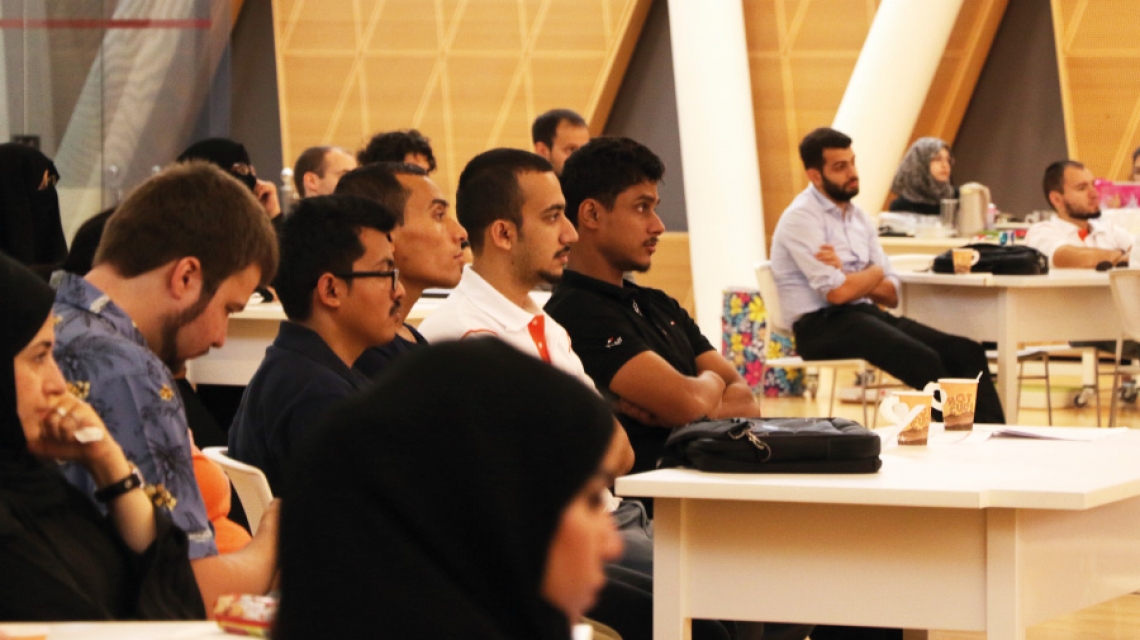
The Masdar Institute of Science and Technology, an independent, research-driven graduate-level university focused on advanced energy and sustainable technologies, celebrated its incoming class of Master’s and PhD students during its orientation program.

With its incoming class, the Institute welcomes a diverse student body of 140 UAE national and international students from over 40 countries.

Masdar Institute’s history of locally relevant innovation and its collaboration with the world-renowned Massachusetts Institute of Technology (MIT) resulted in a significant influx of applications to the university. In the end, only the very best graduate-level candidates were selected to join the ranks of Masdar Institute, whose acceptance standards are on par with those of MIT.

Dr. Behjat Al Yousuf, Interim Provost, who provided the new students with an insight into the continuous commitment of the UAE and the Emirate of Abu Dhabi towards creating advanced sustainable technologies through innovation, research and human capital development, said, “The Orientation Week is just the beginning of these students’ journey into  research, innovation and a sustainable on-campus lifestyle. We are certain that these new students will build on the intellectual capital developed by Masdar Institute researchers thus far, and firmly cement the status of Masdar Institute as the leading research-driven institution in the region.”

The week-long program opened with an interactive session by Dr. Amal Al Ghaferi, Interim Dean of Students, who welcomed the newcomers.

“Masdar Institute has the distinction of welcoming talented students from across the world as part of its mission to develop human capital in future energy and advanced technology areas,” said Dr. Al Ghaferi. “We are sure you will work towards gaining expertise at Masdar Institute to contribute towards tackling global energy and climate challenges.”

As part of the initiation process for the newcomers, Dr. Youssef Shatilla, Dean of Academic Programs, provided an introduction to the academic programs and procedures, while Dr. Mohammed Sassi, Interim Dean of Faculty, offered an overview of Masdar Institute, its accomplishments and its progress in developing intellectual capital in renewable energy and advanced technologies. Dr. Tariq Shamim, Professor, Mechanical and Materials Engineering, outlined details of the interdisciplinary PhD program..

Masdar Institute was joined at the orientation by several of its industry partners, including Yahsat, which is collaborating with Masdar Institute to offer a Master’s concentration in Space Systems and Technology. Yahsat’s CEO, Masood M. Sharif Mahmood, explained the company’s role in developing human capital to support the country’s space program.

New students at the orientation join a growing legacy of innovators at Masdar Institute, which has, in its short history, already produced six US patents, 54 patent applications, over 600 papers in peer-reviewed journals, five startups and the top place in the research citation impact category for Arab region in the 2015 US News and World Report rankings.

Clarence Michael
News Writer
31 August 2015

Innovative Research Outcomes Shared at Global Summit

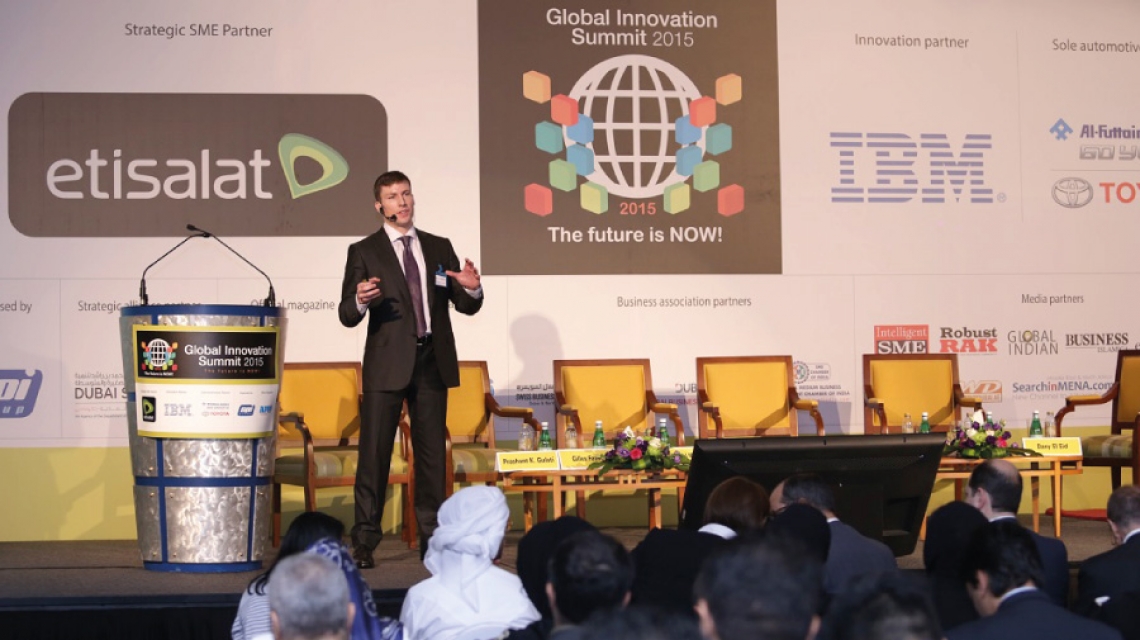
Abu Dhabi-UAE: 02 September, 2015 – Masdar Institute of Science and Technology’s efforts to spearhead technological innovation through research and development (R&D) in sustainability challenges and smart cities were highlighted at the Global Innovation Summit 2015 that was held in Dubai.

Masdar Institute was the ‘Knowledge Partner’ for the summit, which was organized under the patronage of Her Excellency Sheikha Lubna Bint Khalid Al Qasimi, UAE Minister of International Cooperation and Development. The event was attended by entrepreneurs, chief executive officers, chief information officers, chief marketing officers, chief experience officers, tech developers, young innovators and government dignitaries.

Dr. Steve Griffiths, Vice-President for Research, and Interim Associate Provost, offered a keynote titled ‘The role of research, development and collaboration in technology innovation’, while Dr Mohammed Omar, Department Chair, Engineering Systems and Management, moderated a panel titled ‘How to make smart cities smarter.’ Dr Omar later participated in a panel discussion that focused on ‘What is the future of work.’

“The key link between research and development (R&D) and innovation is the translation of the knowledge and technologies produced by R&D into commercial solutions that generate profits. These profits can then be reinvested, at least partially, into R&D to form a virtuous cycle of technology development for economic benefit. ,” said Dr. Griffiths. “At Masdar Institute, we seek to support this paradigm for R&D and innovation through knowledge and technical research at our four institute research centers (iCenters), translational research funding, innovation and entrepreneurship education at our Institute Center for Innovation (iInnovation), translation of intellectual property to companies and new startups via our Technology Transfer Office (TTO), and by entering into multiple industry R&D partnerships.”

In this context, Dr. Griffiths referred to the upcoming launch of a new Masdar Institute-Masdar-BP Technology Accelerator in the fourth quarter of 2015.

He added, “Our Master’s and PhD graduates who are innovating at prominent multinational organizations, the startup companies formed by members of our community, and our successful technology transfer to industry for commercialization are some of the direct outcomes of Masdar Institute’s R&D and innovation activities.”

Currently, Masdar Institute has six approved US patents, 54 patent pending, and has announced 96 invention disclosures, demonstrating the successful outcome of its ongoing research efforts. The research-based institution has also initiated 149 active research projects, of which over 40% are externally funded.

Dr. Griffiths cited Masdar Institute’s research and innovation collaboration with the University of Manchester on graphene and related 2D materials – one of the most exciting research areas in advanced materials and nanotechnology – as one of its important initiatives. “This knowledge partnership is the perfect example of research, development and collaboration to advance technological innovation that is of the high importance and relevance to the UAE,” he said.

Moderating the panel on ‘How to make smart cities smarter,’ Dr. Omar said, “Only breakthroughs in fast computing, physical (grid), procedures and protocols will enable the acceleration of smart city realization. At the same time, there is an urgent need to create the right business models and partnerships towards developing smart cities. All these have become today’s imperative with the current and growing pace of urbanization.”

Quoting recent European Union (EU) statistics, Dr. Omar pointed out that more than 1.4 million people move to cities every week as urban populations in EU countries is expected to grow to 524 million by 2030, from 376 million in 1950. In the GCC countries, urban population will reach 53 million by 2030, compared to 930,000 in 1950. By the year 2030, nearly 60% of the world population is expected to live in cities. He also highlighted the move by EU Horizon 2020, which has dedicated €30 billion in research funding towards tackling societal challenges.

Such growth trends are expected to create mega-cities and mega-corridors, around 30 cities with populations exceeding 15 million, and 80% of the global economic output is expected to come from such urban areas. These factors indicate an urgent need to move towards realization of ‘smarter’ cities.

“Several ‘soft’ or ‘digital’ technologies and products, such as sensors, have already been developed and they will remain key to realizing smart cities,” Dr. Omar explained. “To expedite smart city realization, the focus will be on how better to integrate/plan the capabilities/technologies from the digital fabric (sensors), Internet of Things (IoT), and smart meters, into horizontal infrastructure such as roads, supply chains, electricity grids, and water supply, as well as into vertical infrastructures such as urban morphology and the smart built environment.”

The session concluded with various panelists sharing their perspectives on the realization of the smart city concept in Dubai in the next five years.

Clarence Michael
News Writer
02 September 2015