Khalifa University among Top 40 in THE 2019 Young University Rankings

University Jumps 11 Slots to be Placed 38th Out of 351 Academic Institutions

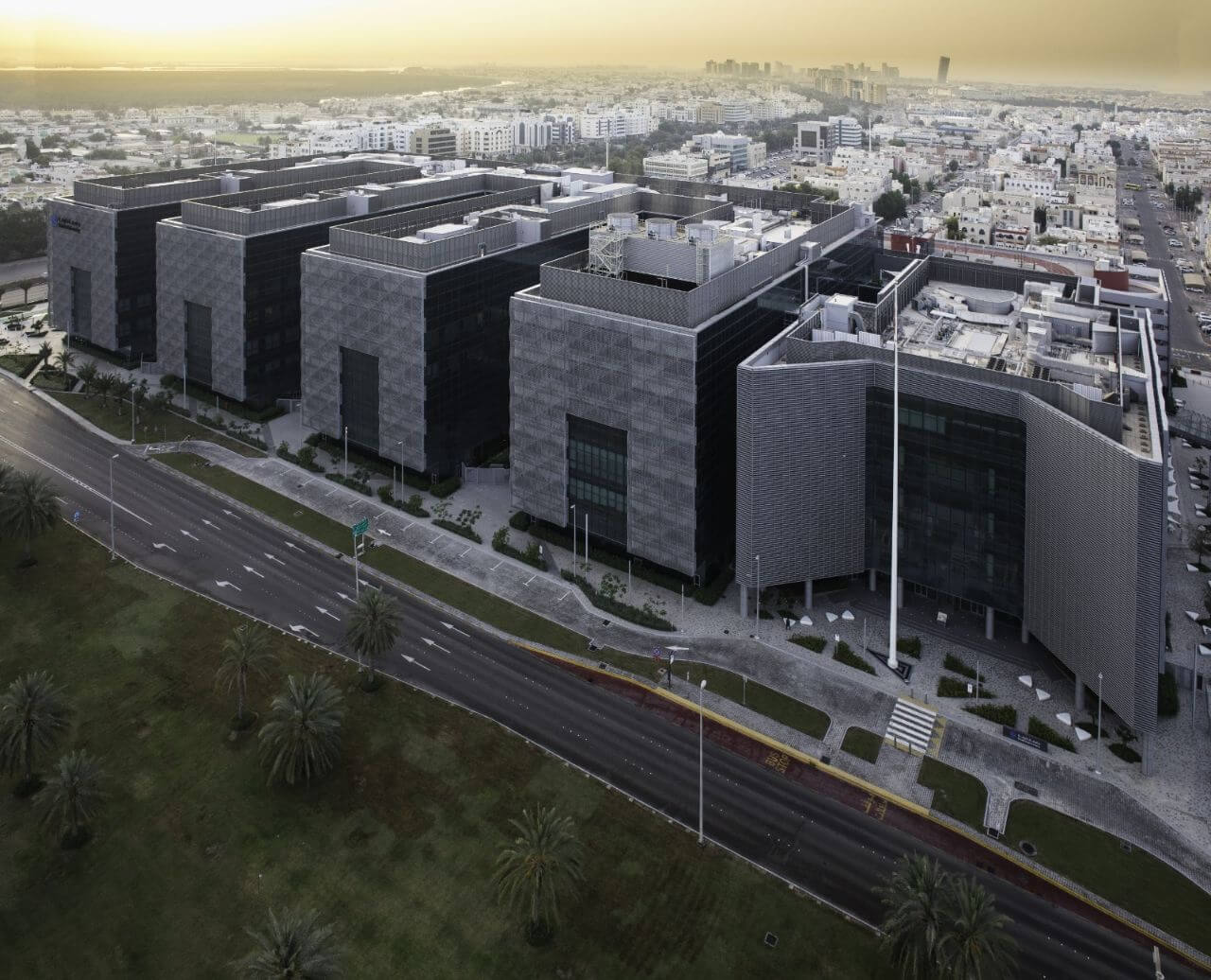
The Times Higher Education (THE) 2019 Young University Rankings has placed Khalifa University among the top 40 leading academic institutions.

Khalifa University is now ranked 38th out of 351 academic institutions, a jump of 11 slots from the previous year’s ranking of 49th in the THE list. The new rankings were released at the THE Young Universities Summit being organized in partnership with the University of Wollongong in Australia and the University of Surrey at Surrey’s campus in the UK. Themed “Embracing risk, creating opportunities”, the summit also hosted the exclusive launch of two THE university rankings – the “Golden Age” rankings of institutions founded since 1945, and the Young University Rankings, featuring institutions under the age of 50.

Khalifa University’s Dr. Arif Sultan Al Hammadi, Executive Vice President, said: “Being ranked among the top 40 in THE 2019 Young University Rankings reflects our consistent success in not only advancing our research but also our international outlook. Our research scope continues to widen, embracing more industry segments and our faculty increase their niche publications across various leading scientific journals. Our students too have successfully demonstrated their talents in regional and international competitions, and we believe the new rankings will further encourage us to seek even greater milestones.”

Khalifa University has also maintained a score of 100 in ‘Industry Income’ (knowledge transfer), while it received 96.4 in ‘International Outlook’ for the proportion of a university’s total research journal publications that have at least one international co-author. The ‘Industry Income’ category seeks to capture the university’s ability to help industry with innovations, inventions and consultancy, as well as how much research income an institution earns from industry against the number of academic staff it employs.

Khalifa University also moved one notch up to be ranked 11th in the ‘THE Young Universities: millennial universities’. This THE list ranks the top “millennial” universities – institutions founded since the year 2000.

The THE 2019 Young University Rankings for Khalifa University closely follows other achievements. Earlier in June 2019, the QS (Quacquarelli Symonds) World University Rankings 2020 placed Khalifa University among the top 300 academic institutions globally, the first-ever from the UAE to achieve this milestone. The university jumped of 47 slots to be ranked 268th overall globally.

In May 2019, Khalifa University jumped four slots to be placed 28th in top 30 among 417 Asian universities in the 2019 THE Asia University Rankings, an improvement from last year when it was placed 32nd in Asia.

In January 2019, Khalifa University became the only one in the Middle East and North Africa (MENA) region to come among the top 15 when it was placed 13th out of 442 universities from 43 countries in the THE Emerging Economies University Rankings 2019, up slightly from 15th position the previous year.

Clarence Michael
News Writer
30 June 2019

KAIST-KU Joint Research Center Launches from Korea to Bolster 4th Industrial Revolution R&D

Kustar

Following the official launch of the Khalifa University – Korean Advanced Institute of Science and Technology (KU-KAIST) Joint Research Center (JRC) at KU’s Main Campus in April 2019, the official opening ceremony for the KAIST-KU JRC at the KAIST Daejeon campus took place on Friday, 5 July, 2019.

The KU-KAIST JRC aims to provide comprehensive support for research projects involving the development of technologies that are shaping the Fourth Industrial Revolution, particularly in the areas of Smart Transportation and Smart Healthcare, across the two campuses. Two projects linked to Smart Transportation will commence under the KU-KAIST JRC this August.

The senior delegation at the opening ceremony included Khalifa University’s Dr. Arif Al Hammadi, Executive Vice President, Dr. Steve Griffiths, Senior Vice President for Research and Development, and Dr. Daniel Choi, Associate Professor of Mechanical and Materials Engineering and  KU-KAIST JRC Co-Director,  as well as KAIST’s Dr. Shin Sung-chul, President, Dr. Hyun-wook Park, Vice President of Research, Dr. Soo Chan Chae, Vice President of External Relationship, Dr. Man Sung Im, AVP of International Collaboration, Dr. Chang-Hui Jang, Dean of KAI-NEET Educational Research Center, and Dr. Jong Hyun Kim, KU-KAIST JRC  Co-Director.

The launch of KU-KAIST JRC underscores the long history and strong bilateral relations between the UAE and South Korea. Over the past decade, the relationship between KU and KAIST has deepened and strengthened in line with both the UAE’s and South Korea’s strategic goals.

Erica Solomon
Senior Editor
9 July 2019

KU’s New Research Institute on AI Kicks Off

Second Edition of MBZIRC to Help Advance Innovation in Robotics and Artificial Intelligence

Khalifa University Launches ‘Program in Artificial Intelligence’ from Fall 2019 Semester

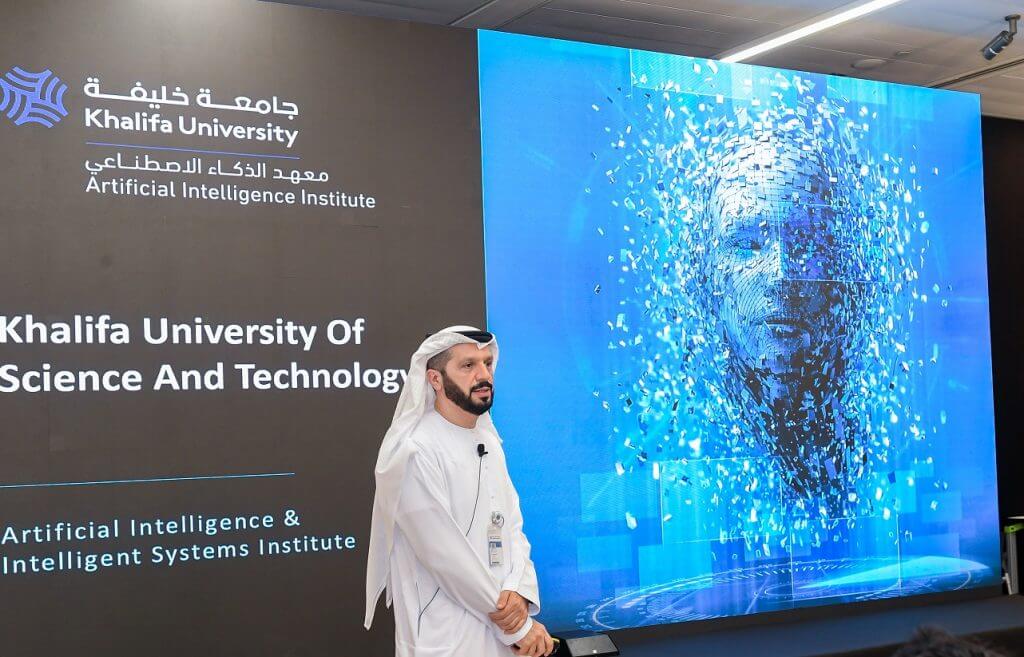
Khalifa University today announced a major foray into building talent and human capital in artificial intelligence by unveiling three initiatives – the Artificial Intelligence and Intelligent Systems Institute (AI Institute), a Program in Artificial Intelligence, and the Mohammed Bin Zayed International Robotics Challenge (MBZIRC) that will be held in February 2020 to further advance innovation in robotics and artificial intelligence.

Khalifa University has committed a funding outlay of more than AED160 million over a five-year period for projects under the scope of the AI Institute. This is in addition to the AED160 million already committed to the Emirates ICT Innovation Center (EBTIC), thus making the university’s total spend on artificial intelligence research projects to more than AED320 million.

The AI Institute is Khalifa University’s third, and complements the other two – Masdar Institute and Petroleum Institute. The third institute’s focus areas will include academic programs in artificial intelligence development, continuous professional development and research centers.

The announcements were made during a press conference that was addressed by Dr Arif Sultan Al Hammadi, Executive Vice-President, Dr. Ahmed Al Shoaibi, Senior Vice-President, Academic and Student Services, Dr Steve Griffiths, Senior Vice-President for Research and Development, Dr. Ernesto Damiani, Senior Director, AI Institute, and Dr. Lakmal Seneviratne, Associate Provost of Research & Graduate Studies and Professor of Robotics, as well as other faculty members.


The AI Institute will aim to bring all the university’s research in robotics, artificial intelligence (AI), data science and information and communication technologies under a single umbrella.

With US$5-million prize money, the highest in the world, the MBZIRC 2020, one of the world’s largest and most prestigious AI and robotics competitions, is scheduled for February 2020. The international biennial challenge will select 34 robotics teams from top universities around the world to compete in Abu Dhabi for a three-day event that will test the innovation and science and engineering skills.

The Program in Artificial Intelligence, first-of-its-kind in the UAE, will be available to all undergraduate, graduate and PhD science and engineering students starting from Fall 2019 semester. Designed for non-Computer Science and non-Computer Engineering majors, the course will provide students with the required knowledge in AI and related skills to serve the UAE government agencies and the industry sector.

Students pursuing the Program in AI will take five courses – all involving practical work in the lab, helping them link theory to practice. The program culminates with a final AI project which is directly related to students’ major studies.

Mandated to focus on research for next generation digital technologies, the AI Institute will focus on AI, data science, robotics, next generation networks, semiconductor technologies and cybersecurity. The primary focus will be on applied AI, while fundamental and general AI will be additionally pursued through partnerships.

Of the core research centers under AI Institute, Khalifa University Center for Autonomous Robotic Systems (KUCARS) focuses on research for robotics in extreme environments, industrial applications, and infrastructure inspection. EBTIC leads research into advancing intelligent systems technologies for next generation networks (NGNs) and NGN-enabled ICT applications and services that enable the digital economy in the UAE.

The Khalifa University Center for Cyber-Physical Systems (C2PS) focuses on cybersecurity, big data analytics and artificial intelligence, networks and communication technology, and computation architectures. The System-on-Chip Center (SoCC) covers integrated SoC solutions for various applications targeting near market research. The Khalifa University-Korea Advanced Institute of Science and Technology (KU-KAIST) Joint Research Center focuses on technologies that are shaping the Fourth Industrial Revolution (IR 4.0), particularly in ‘Smart Transportation’ and ‘Smart Healthcare’.

The AI Institute will be headed by Senior Director Dr. Ernesto Damiani, The institute’s core research centers, already launched in 2018, are the KUCARS and the C2PS. Also under the institute’s umbrella are the KU-KAIST Joint Research Center, the SoCC and the Healthcare Engineering Innovation Center (HEIC). The EBTIC, which includes Etisalat, ICT Fund and British Telecom as partners, will also be central to the institute’s research and development capabilities.

Speaking at the press conference, Dr Arif Sultan Al Hammadi, said: “Khalifa University’s AI Institute, a single umbrella that gathers activities of six research centers, reflects our commitment to research in next generation digital technologies that are priority areas for the UAE’s economy. This is the first institute in the UAE focused on AI applications and will train government and industries in AI science and applications. It will also conduct state-of-the-art research that will benefit government and industry sectors. As new intelligent system capabilities such as artificial intelligence and machine learning, gather steam, Khalifa University will be at the forefront of developing new innovations from these platforms.”

“With US$5-million prize money, the MBZIRC’s second edition to be held in February 2020 will demonstrate our commitment to encourage innovation and nurture talent, while the launch of the Program in Artificial Intelligence will facilitate greater contribution to developing talent in this growing area of science. We believe, with the new research institute, the MBZIRC 2020 and the Program in AI, Khalifa University will continue to lead innovation in next generation technologies that bring benefits to the community,” Dr Al Hammadi added.

MBZIRC 2020 will address key application challenges including security, civic emergency response, and construction automation. Challenge 1 requires a team of unmanned aerial vehicles (UAVs) to autonomously track, locate and capture hostile UAVs to ensure safety.

Challenge 2 requires a team of robots (UAVs and unmanned ground vehicles – UGVs) to collaborate and autonomously locate, pick, transport and assemble different types of objects to build pre-defined structures, in an outdoor environment. Challenge 3 requires a team of UAVs and UGVs to collaborate and autonomously extinguish a series of simulated fires in urban high-rise buildings. The Grand Challenge requires a team of robots (UAVs and UGVs) to compete in a triathlon-type event combining aspects of all three categories.

Clarence Michael
News Writer
15 July 2019

KU Celebrates Bold Achievements from 2018-2019 Academic Year

Partnerships, Recognitions and New Launches Inspire New Successes in Year to Come

Launching of new initiatives, collaborations, regional and global recognitions, as well as participating in and hosting major international conferences have transformed 2018-19 into an academic year of milestones for Khalifa University.

The launch of the College of Medicine and Health Sciences (CMHS) began KU’s foray into the healthcare sector, designed to contribute to the UAE’s ecosystem with qualified, trained and skilled care providers and medical professionals.

The year also witnessed the official launch of the next edition of the Mohamed Bin Zayed International Robotics Challenge (MBZIRC), scheduled to take place in February 2020 to focus on the role of robotics and artificial intelligence as smart city solutions. The global competition aims to provide an environment to foster innovation and technical excellence in robotics, while encouraging spectacular performance with robotics technology.

Dr. Arif Sultan Al Hammadi, Executive Vice President, said: “Each year reflects our qualitative and quantitative success that consolidates our status as a globally recognized research-oriented academic institution. We believe our achievements will continue across all segments even as we seek to expand our research areas and diversify our academic offerings.”

The university marked the successful completion of the critical design review (CDR) for MYSAT-2, the university’s second CubeSat. Earlier, MYSAT-1,  the first CubeSat developed by Khalifa University students, successfully captured an image of earth in March 2019, following its launch in November 2018.

Reiterating its involvement in the rapidly growing space and aerospace sector, two Khalifa University start-ups – Ayn Astra and Utopia – won UAE Space Agency-Krypto Labs’ Joint GeoTech Innovation Program for Incubation. Ayn Astra focuses on providing land monitoring services using satellite data, while Utopia aims to develop optimal urban and rural land management strategies.

Tie-Ups and Collaborations

In partnerships, Khalifa University is collaborating with Dubai’s Road and Transport Authority (RTA) for the Dubai World Challenge for Self-Driving Transport, supporting the UAE’s progress towards adoption of this new mode of transport.

KU is also collaborating with the L’Oréal-UNESCO For Women In Science Middle East Fellowship Program, offering three post-doctoral and three PhD fellowships including one exclusively for a UAE national student. A partnership with the China Scholarship Council (CSC), the region’s first, enables up to 30 Chinese students each year to pursue their PhD studies at Khalifa University. The launch of a Joint Innovation Laboratory of Artificial Intelligence for Clean Energy with Alibaba Cloud, the cloud computing arm of Alibaba Group, was another key collaboration. The university also signed an MoU with Japan’s Institute of Energy Economics to further strengthen industry-academia collaborations.

Khalifa University hosted major events including the Middle East and North Africa (MENA) region’s first-ever IEEE Global Communications Conference, Globecom 2018; the Khalifa University-Mubadala-SRC Forum on Artificial Intelligence (AI); and the Times Higher Education Asia Universities Summit 2019.

Khalifa University also participated in major events, including the 14th International Defense Exhibition (IDEX 2019), the 5th Naval Defense Exhibition (NAVDEX 2019), and Abu Dhabi Sustainability Week (ADSW) 2019. During ADSW 2019, KU celebrated the success of the its Sustainable Bioenergy Research Consortium (SBRC), which produced the first batch of sustainable halophyte-based biofuel at its Seawater Energy and Agriculture System (SEAS) facility that was combined with traditional jet fuel to power the world’s first commercial flight on an Etihad Airways Boeing 787 from Abu Dhabi to Amsterdam. The SEAS pilot facility recently completed a major upgrade to improve its performance and the healthy growth of its salt-tolerant plants and fish.

Local and International Recognitions

Student success at international and regional competitions not only marked faculty expertise at Khalifa University but also helped drive innovations. These include the 2019 MENA SPE PetroBowl® Regional Championship by Petroleum Engineering students, ninth place out of 104 universities at the Design Build Fly (DBF) 2019 American Institute of Aeronautics and Astronautics (AIAA) Competition in the US, and top honors for two projects at the 14th IEEE UAE Student Day 2019 competition.

Several students won honors for their innovations at the Think Science Fair 2019 when a large number of school students from grades 9-12 as well as undergraduate and diploma levels students showcased their prototypes at the 2019 Think Science Competition.

Moreover, a team of six Electrical and Computer Engineering bachelor students became one of five global finalists to present a project at the IEEE Circuits and Systems Society (CASS) Student Design Competition during the International Symposium for Circuits and Systems (ISCAS) 2019 in Japan. Also, the ‘SparKU’ team of nine Mechanical, Electrical, Computer and Chemical Engineering students won eighth place out of 31 international universities at the Society of Automotive Engineers (SAE) Supermileage 2019 competition in the US.

KU students also claimed five of the 11 Best Paper Awards at the fifth UAE Graduate Students Research Conference (GSRC 2019) in which nearly half of the 120 finalist papers came from KU graduate students.

During the year, the Emirates ICT Innovation Center (EBTIC), which leads research into advancing intelligent systems technologies for next generation networks (NGNs) and NGN-enabled ICT applications and services for the UAE’s digital economy objectives, celebrated its 10th anniversary. Founded by Khalifa University, Etisalat and BT, and supported by the ICT Fund, EBTIC has over 40 patents granted, with 60 more currently being filed in ICT, big data, and data storage in its decade-long existence.

Climbing the Rankings

Capping these achievements came the international rankings. In the most recent Times Higher Education (THE) 2019 Young University Rankings, Khalifa University is placed among the top 40 leading institutions with a ranking of 38th out of 351 academic institutions, a jump of 11 slots from the last year. In the QS (Quacquarelli Symonds) World University Rankings 2020, the University is ranked 268th overall with a jump of 47 slots, out of the 1,000 universities assessed from 82 different locations across the world, and remains the top-rated institution in the UAE.

Clarence Michael
News Writer
1 August 2019

DarkMatter and Khalifa University Launch CyberSecurity Research Award

The initiative will give university students, graduate research assistants, and researchers the opportunity to win a grant worth US$1.5 million

DarkMatter Group, the region’s first and only fully integrated digital and cyber transformation firm, and Khalifa University of Science and Technology, have announced the launch of US$1.5 million Cyber Security Research Award (CRA) – an award focused on generating ideas that will safeguard the world’s smart cities against the cybersecurity threats of tomorrow.

In conjunction with strategic partner, Khalifa University, DarkMatter Group is inviting university students, graduate research assistants, researchers, and faculty from both local and international institutions to present ideas that could potentially advance the field of cybersecurity in the era of smart and digital cities.

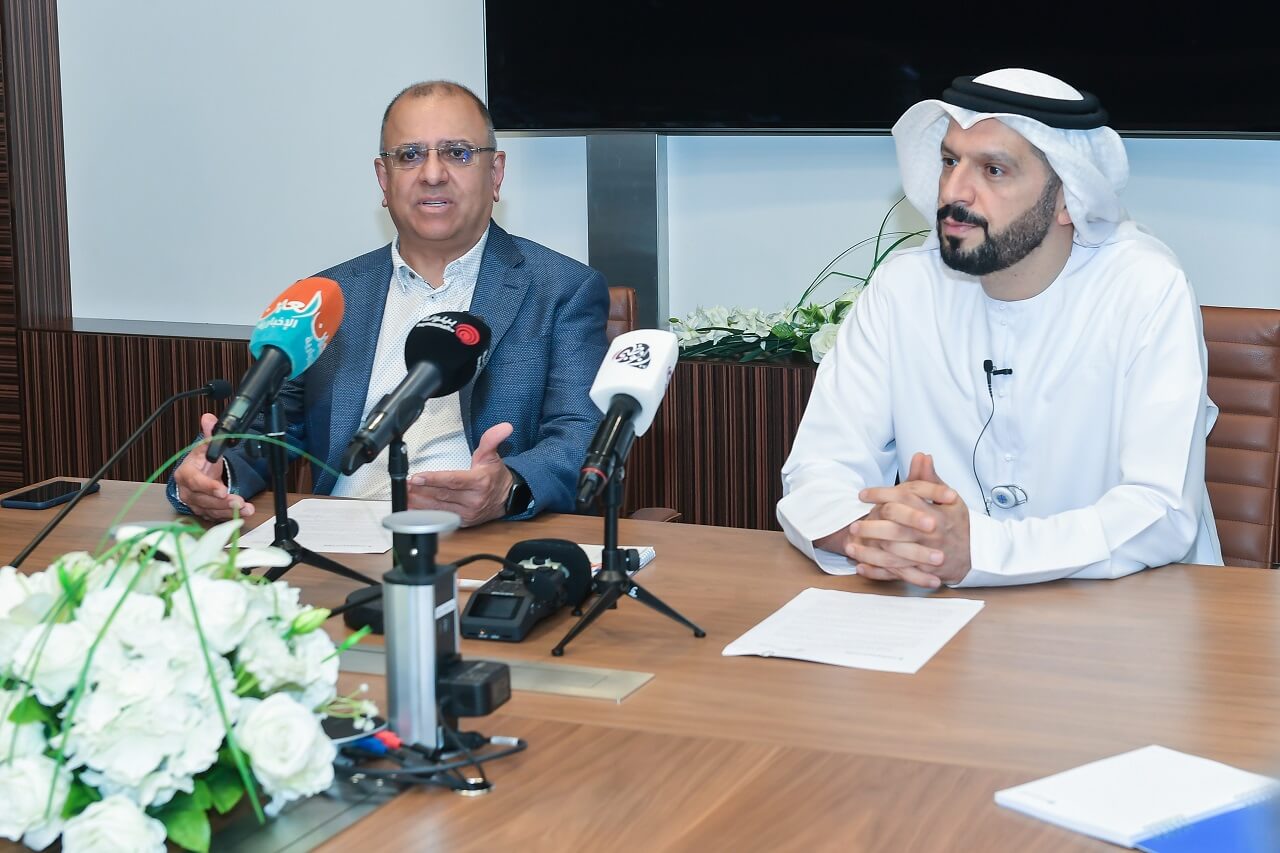
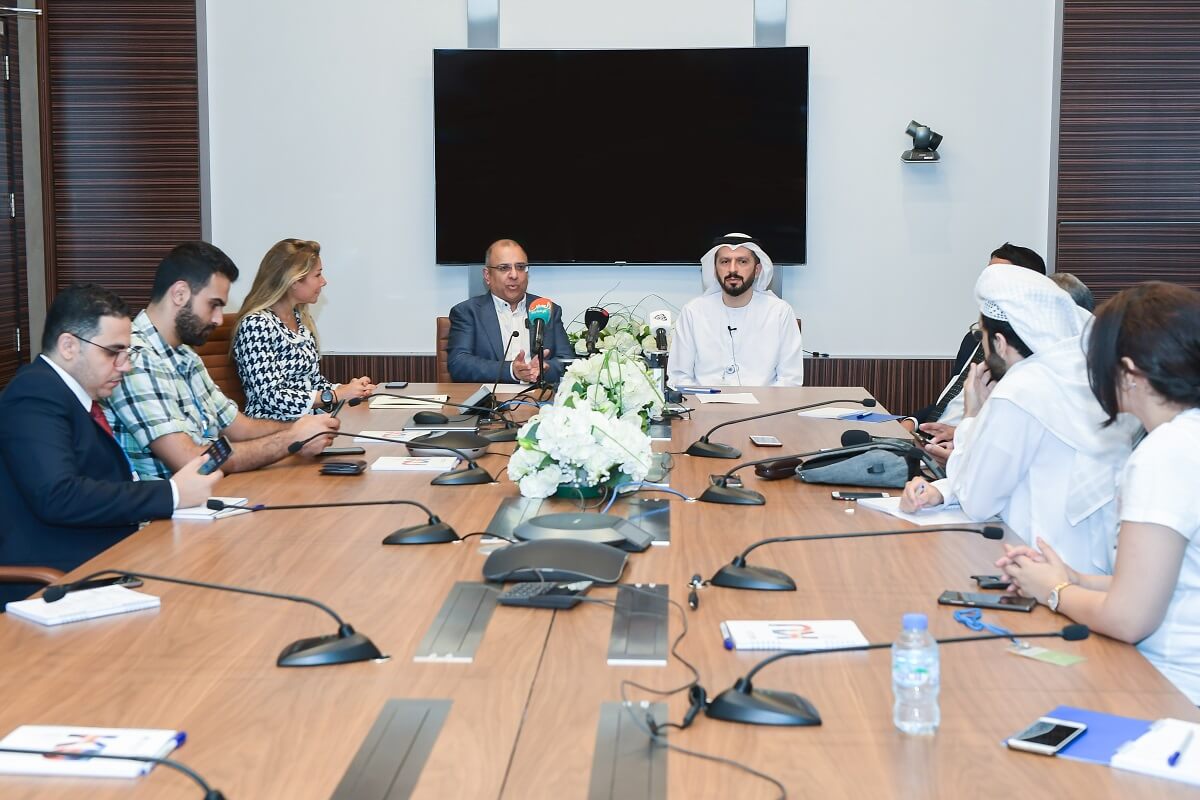
The announcement came during a media roundtable that was organized at the Khalifa University Main Campus in Abu Dhabi and was attended by top officials from DarkMatter and Khalifa University.

“The sustainability of our smart city future depends on creative and robust cybersecurity infrastructure and solutions to combat rising threats within today’s digital landscape,” said Dr Shreekant Thakkar, Chief Scientist, Advanced Research of DarkMatter Group.

“With the unveiling of the Cyber Security Research Award (CRA), we are one step closer towards uncovering breakthrough solutions that will futureproof our connected, digitalized cities. At DarkMatter Group we encourage research and are proud to be fostering a collaborative ecosystem that will leverage the skills and expertise of private, public, and academic entities in a bid to create a safer, more secure society for all.”

Dr Arif Sultan Al Hammadi, Executive Vice-President, Khalifa University of Science and Technology, said: “We are delighted to partner with the DarkMatter Group to announce the launch of the CRA, as private and public sector collaboration with universities can be an effective tool for securing the key pillars of smart city infrastructure and services. Cybersecurity has come to remain one of the essential factors for today’s technology-driven world, and the UAE and the region place significant emphasis on the safety and security of the digital resources.”

“As a research-intensive academic institution, we are also keen to share the expertise and knowledge with our collaboration partners and we believe the CRA, a robust research award initiative, will set the foundation for a smarter, safer digital world,” Dr Al Hammadi added.

The Initiative Milestones

The pre-proposal stage of the CRA initiative is currently open to applicants, with submissions closing on 30 August 2019. Selected applicants will then be invited to present their ideas to the CRA stakeholders and committee who will assess the impact of contestants’ presentations.

Following this, shortlisted teams will be invited to submit full proposals in February 2020. All awards will be selected by a rigorous, three-stage merit review process, and announced in May 2020.

To identify which projects to support, the CRA committee will rely on a merit review process that incorporates consideration of both the technical aspects of a proposed project and its potential to contribute more broadly to the security of smart cities.

For more information on the CRA, the involved partners and the key milestones of this initiative, see https://researchawards.cyberweek.ae/.

Contestants of the CRA will showcase their poster talks for the committee to assess at HITB+CyberWeek UAE 2019, the new flagship event of Hack-in-the-Box (HITB), taking place in Abu Dhabi from 12-17 October. This premier event encourages the next generation of leading cybersecurity minds to explore and develop solutions that will solve cybersecurity problems of the future. For more info on HITB+CyberWeek, see https://cyberweek.ae/

News Writer
07 August 2019


Following Progress Towards MBZIRC 2020

The first progress reports from teams competing in the Mohamed Bin Zayed International Robotics Competition promise an exciting tournament in 2020

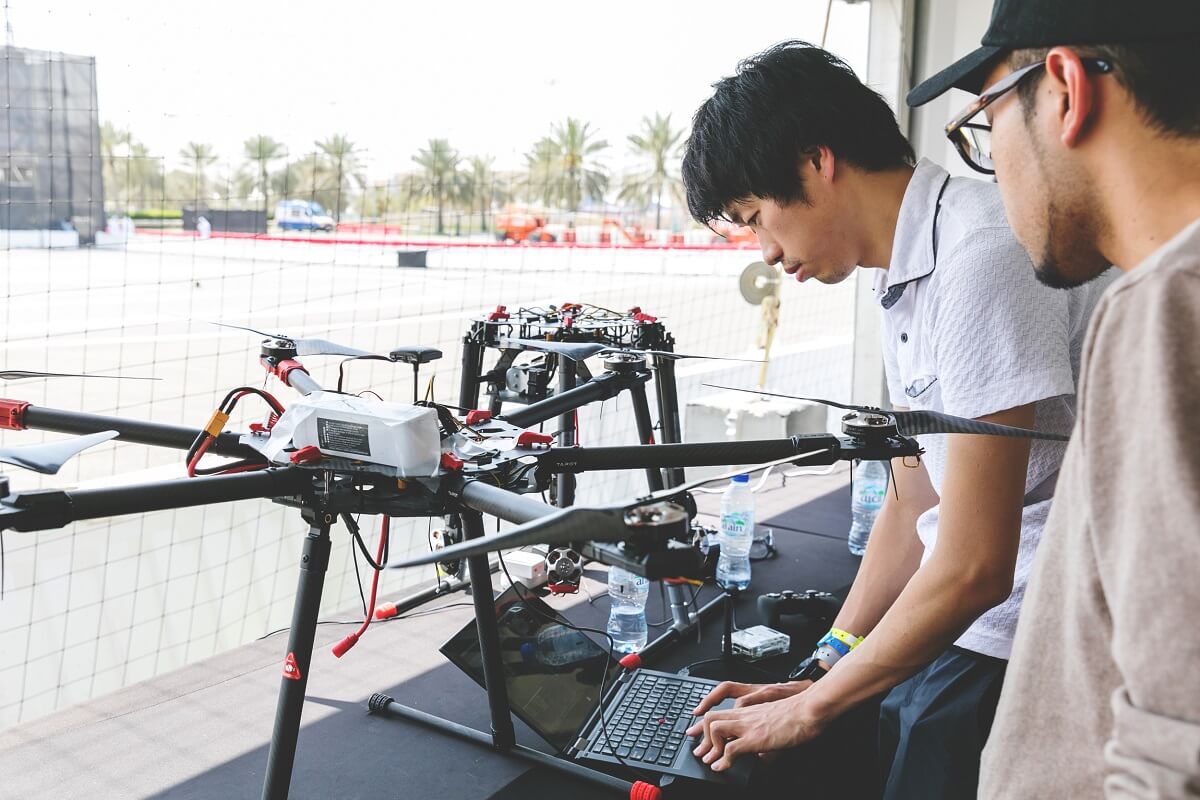
For autonomous drones to be useful in tasks such as disaster zones or as first responders, they will need to be able to fly fast, far and without human oversight, often in environments where they can’t rely on external guidance systems like GPS. It’s this autonomy that’s the biggest challenge facing the teams competing in the 2020 Mohamed Bin Zayed International Robotics Competition (MBIZRC), as their drones take on three intense challenges and a final grand challenge combining all three in a triathlon.

MBZIRC 2020 will be based on autonomous aerial and ground robots, carrying out navigation and manipulation tasks, in unstructured, outdoor and indoor environments. The challenges are motivated by pushing technological and application boundaries in robotics.

To follow the teams as they develop their entries, progress reports are submitted to the MBZIRC organizers, with the first reports showing great promise for the 2020 competition. Teams from the Korea Advanced Institute of Science and Technology (KAIST), the Swiss Federal Institute of Technology in Zurich (ETH Zurich) and Carnegie Mellon University (CMU) are among many elite teams working hard in preparation for the challenges ahead.

How are teams preparing?

“After our successes at the inaugural 2017 MBZIRC, our team is leveraging our experience and in-house research results to revamp our team hardware, software and general approaches to achieve the best results,” said the KAIST team. “We are also leveraging our experiences in IROS Autonomous Drone Racing, where we have built a new drone that can detect the gates using machine learning and fly through them as fast as possible.”

Machine learning allows AI to train much faster than a traditional pilot. They say 10,000 hours of practice makes you an expert: a human would need five years of five eight-hour days a week. An autonomous drone can also fly more precisely by making subtle alterations to its flight path and use information from sensors that humans don’t have to work out its best route.

“We divide each challenge into a series of sub-problems,” explained the ETH Zurich team. “On the one hand, this allows us to delegate standalone projects to students, and on the other hand, we can profit from existing solutions for those sub-problems which we had tackled previously at our labs. Also, we can track which parts of the challenges we solved and which parts still need more work.”

This is where humans excel over drones—for now. Merging these sub-problems into one challenge is a human ability as people can sense the world, make decisions, and act on them in real-time, compared to autonomous drones which struggle to think this quickly.

“Our approach to the three challenges, as well as the grand challenge, focuses on robustness at all levels of the task executions,” said the team from the Carnegie Mellon University Robotics Institute. “Communication between the drones will be limited to high-level task information, such as task allocations, which block to place next, and how to divide the arena for exploration. The drones will also use sensory feedback to quickly detect when the contact state changes or when errors occur to react and recover accordingly.”

The next steps on the road to MBZIRC 2020

The first progress reports indicate that all teams are progressing well and are looking forward to exhibiting their achievements at the competition in 2020. Many of the teams explained that their next steps involve rigorous testing beyond simulations. The real world, where these autonomous drones will be expected to compete, can be an immensely noisy place, and many autonomous robots that excel in the lab struggle to translate that ability to a chaotic environment.

“Our students have already conducted significant work on each challenge. We have already developed and implemented a large number of algorithms and have tested the different components of each challenge in simulations and real-world experiments,” said the ETH Zurich team. “Now, we aim to improve each of them step by step and integrate them into a stable and robust system.”

“Our next steps will focus on the interaction controllers for performing the challenges,” said the CMU team. “At each stage, we will further optimize and edit the individual modules for speed and robustness to ultimately win the challenges.”

“We’re looking forward to this competition very much,” said Team KAIST. “We ranked fourth or fifth last time due to minor issues, and this time we hope to do better than last time. In the last competition, we found there are so many great teams all over the world that far exceeded our expectations. Therefore, this time, we are trying very hard to come up with a system that can not only fulfil the requirements, but fulfil it faster and better to get more points.”

Meanwhile, the competition organizers are following the teams’ progress with great anticipation.

“The Mohammed Bin Zayed International Robotics Competition is one of the most prestigious robotics competitions, reflected by its popularity and the number of teams participating,” said Dr. Lakmal Seneviratne, Technical Chair of the Organizing Committee and Director of the KU Center for Autonomous Robotic Systems (KUCARS). “These challenges are pushing the boundaries of autonomy in targeted applications with high societal impact and economic potential.”

Jade Sterling
News and Features Writer
25 August 2019

Artificial Intelligence Key to Cybersecurity

KU Advances AI Research with Launch of Cybersecurity Research Award with DarkMatter to Accelerate Development of Cyber Solutions for Smart Cities

Security concerns have taken center stage in the internal processes of public and private organizations of all sizes, as well as in the everyday life of individuals. Innovative techniques, protocols, and systems for identifying cyber security threats are all required to address the pressing issue of cyber crisis management.

Cyberattacks are the fastest growing crime in the United States and are increasing in size, sophistication, and cost at the global level. Yet, according to research from the European Commission, the cybersecurity field is suffering from a massive skills shortage.

To encourage local advancements in the field of cybersecurity in this era of smart and digital cities, Khalifa University’s new Artificial Intelligence and Intelligent Systems Institute (AI Institute) will focus its capabilities in machine learning, robotics and AI to find ground-breaking, innovative and exciting solutions to cybersecurity concerns.

Since 2010, the UAE leadership has launched national strategies to guide the country’s development in specific sectors and outcomes that will position the UAE as a knowledge and innovation leader; the AI Institute’s work on cybersecurity will play a large part in this through its Center for Cyber-Physical Systems (C2PS).

The C2PS dedicates itself to establishing an internationally recognized center of excellence in cybersecurity research and is currently addressing key technologies and applications in the security of global ICT infrastructure, data protection and encryption, and the security of cyber-physical systems. Dr. Ernesto Damiani directs both the C2PS and the AI Institute and says AI has become crucial for cybersecurity.

“Traditional security measures are useless against hidden cyberattacks, but some AI models like Recursive Neural Networks can be trained to repel these intruders,” Dr. Damiani explained at the European Agency for Network and Information Security’s high-level meeting in June.

Beyond academia, there are some exciting opportunities for students, graduate research assistants, and researchers generating cybersecurity solutions.

Khalifa University and DarkMatter Group have launched a cybersecurity research award (CRA) for ideas that will safeguard the world’s smart cities against the cybersecurity threats of tomorrow. This is not exclusive to KU students and staff either; applications from both local and international institutions are encouraged to present ideas that could advance the field of cybersecurity. The most innovative solution could be awarded a USD1.5 million grant to pursue their solution.

Applications for the CRA close on 30 August 2019, with selected applicants then invited to present their ideas and submit full proposals by February 2020. The CRA winners will be awarded in May 2020.

KU’s support of the CRA and other initiatives that encourage R&D of smart systems, such as the Mohamed Bin Zayed International Robotics Competition (MBZIRC), is a testament to the university’s commitment to advancing understanding of AI, and to harnessing it to make a better, cyber-secure world.

Jade Sterling
News and Features Writer
25 August 2019

KU’s Masdar Institute and Petroleum Institute Line Up Five Research Innovations for 24th World Energy Congress

Khalifa University Senior Vice President for Research to Lead Knowledge Exchange at Panel Discussions and Special Interviews on Energy

Khalifa University of Science and Technology’s two research institutes – Masdar Institute and Petroleum Institute – have lined up five energy-related research innovations for the 24th World Energy Congress that opens on 9 September in Abu Dhabi.

Organized by the Global Energy Association, a non-governmental organization, with the theme ‘Energy for Prosperity’, the World Energy Congress is being held until 12 September at the Abu Dhabi National Exhibition Center (ADNEC). The tri-annual event is expected to receive more than 15,000 attendees from the UAE and overseas, including 4,000 delegates and 66 ministers. Khalifa University’ is also expected to sign a partnership MoU with the Global Energy Association.

Dr Arif Sultan Al Hammadi, Executive Vice-President, Khalifa University of Science and Technology, said: “Our gas and clean energy-related research innovations being displayed at the World Energy Congress by Masdar Institute and the Petroleum Institute signify the degree of our involvement in ushering in not only the cutting-edge solutions in energy but also our commitment to scientific exploration. We are also sharing our expertise at panel discussions covering new clean energy technologies and the future of the energy industry. We believe our participation will throw light on the research achievements, thus effectively informing stakeholders in the academic, research and industry sectors looking for research collaborations with Khalifa University.”

The Khalifa University pavilion (Stand No. H7-210) is displaying some of Masdar Institute’s cutting-edge research projects such as the Sustainable Bioenergy Research Consortium’s (SBRC) Seawater Energy and Agriculture System (SEAS), projects linked to the Masdar Institute Solar Platform (MISP), the Renewable Energy Management System with Saudi Arabia developed by the Research Center for Renewable Energy Mapping and Assessment (ReCREMA), and the rainfall enhancement project with novel cloud seeding material developed by a faculty. A research project from the Petroleum Institute – a real time device that detects the presence of black powder in Abu Dhabi’s gas transmission and distribution pipelines – is also on display. Faculty and students are on hand to interact with visitors, offering information on the latest research projects and how their outcome will impact communities across the world.

In addition, Dr Steve Griffiths, Senior Vice-President for Research and Development, Khalifa University, will share his thoughts at a panel discussion titled ‘Mission possible: The Global Energy Prize as a driver for sustainable energy for all’. Additionally, Dr Griffiths will speak about ‘The Impact of the 4th Industrial Revolution Within the Energy Sector’ covering areas including cyber-protection, changes of the working process, new skills, future shift towards electricity, impact of artificial intelligence on the sphere of energy, shift towards renewable energy and potential drawbacks. Dr Griffiths is also member of the Global Energy Prize International Award Committee.

The two research institutes – Masdar Institute and the Petroleum Institute – continue their legacy of specialized research leadership at Khalifa University, hosting sustainability-focused clean energy research centers, and hydrocarbon production and exploration-focused research centers. The two institutes serve as interdisciplinary research units, contributing to Khalifa University’s long-term strategic priorities through industry collaborations.

Clarence Michael
News Writer
08 September 2019

Over 250 Teachers from Region Attend College Board’s Inaugural AP Summer Institute at Khalifa University

AP Facilitators Lead Informative Special Sessions for Advancing Education in Mideast

More than 250 teachers and university staff from over 70 educational institutions participated in the Mideast region’s first Advanced Placement Program® (AP) Summer Institute for secondary teachers, organized the College Board at the Khalifa University of Science and Technology Main Campus from 25-29 August.

The series of specially designed summer workshops included a two-day AP Administrators and Coordinators’ session, four-day workshops in various AP academic subjects, and a five-day AP Seminar workshop. AP consultants, who are endorsed by the College Board, offered tips on how teachers can assist students during their transition from secondary school to university. Participants gained deeper insight into planning and teaching AP courses, as well as assessing student progress and engaging as members of the AP community.

AP facilitators hosted teacher development sessions on Biology, Calculus, Chemistry, English Language and Literature, Physics C (electricity, magnetism, and mechanics); and examined the pedagogical approach of AP Seminar, one of the newest AP courses. The AP Coordinator training, which covered administration of AP for schools, was also part of the program. College Board-trained Advanced Science Program (ASP) teachers from the UAE Ministry of Education attended some of the sessions.

“Interest in the Advanced Placement courses and exams is growing rapidly in the U.A.E and the Gulf region. This inaugural summer institute will help ensure even more classrooms in the Emirates and Middle East have trained AP teachers, who will in turn ensure more students are exposed to advanced coursework and leave secondary school university-ready,” said Paul Sanders, Executive Director, International, the College Board. “The core of AP is delivering university-level coursework in secondary school, and we were pleased to host these workshops at a world-renowned research institution like Khalifa University.”

Kicking off the workshops, Dr. Ahmed Al Shoaibi, Senior Vice President of Academic and Student Affairs, Khalifa University, highlighted the importance of STEM education in the classroom – citing that over the next decade, 75% of all jobs will require STEM skills – and the need to adapt to a rapidly evolving academic landscape. Dr Al Shoaibi also emphasized Khalifa University’s commitment to creating new research and academic offerings in STEM fields and areas of strategic relevance to the UAE, such as artificial intelligence.

For each AP course, facilitators work with teachers to understand the skills and content needed to succeed in rigorous academic coursework. Additionally, facilitators are introducing teachers to the College Board’s new suite of AP classroom supports launched earlier at collegeboard.org/ap2019.

AP workshop and institute facilitators are trained and endorsed by the College Board to deliver high-quality learning experiences to AP teachers and coordinators all over the world. All AP facilitators also read AP examinations each year in June.

AP is an internationally recognized curricular program with 38 university-level courses, delivered in schools globally. Each course culminates in a rigorous, standardized exam that used for admissions by universities in the Gulf and worldwide.

Clarence Michael
News Writer
09 September 2019

HH Sheikh Hamed Attends Khalifa University’s ‘White Coat Ceremony’ and Inaugurates Region’s First-Ever ‘Body Museum’ Exhibition

HH Sheikh Hamed Chairs Khalifa University Board of Trustees Meeting

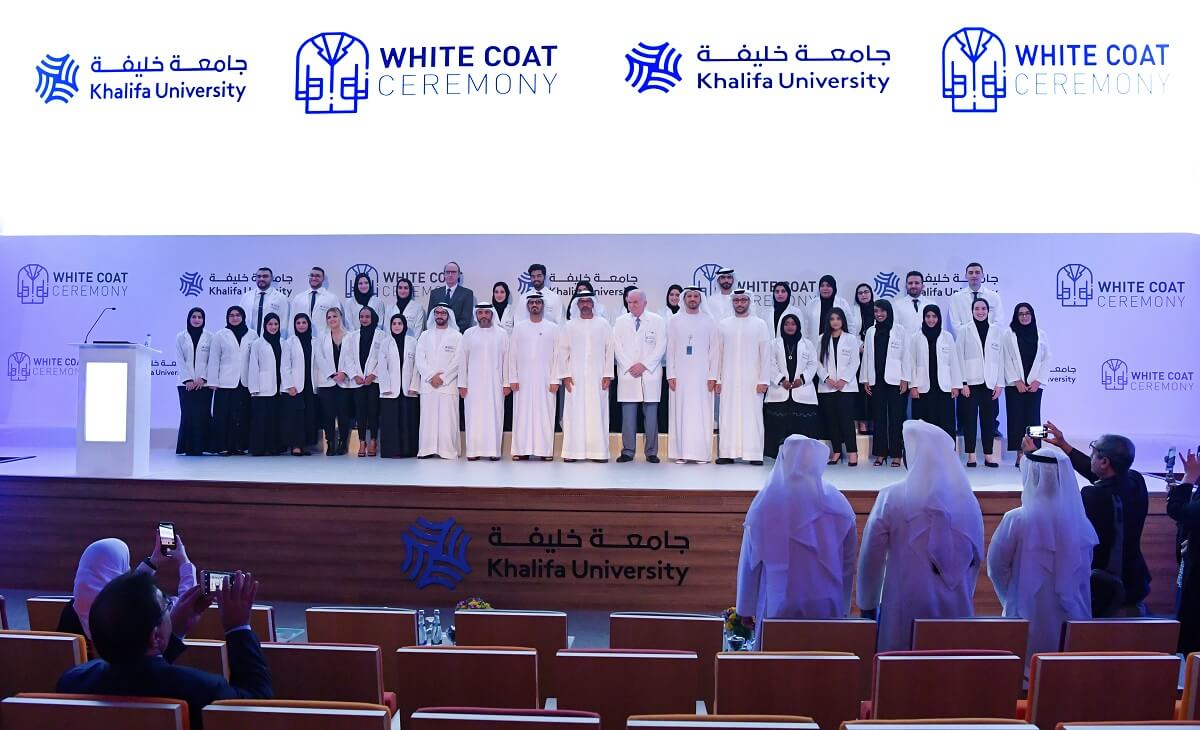
His Highness Sheikh Hamed bin Zayed Al Nahyan, Chairman of Abu Dhabi Crown Prince’s Court, and Chairman of the Board of Trustees of Khalifa University of Science and Technology, today chaired a meeting of the Khalifa University Board of Trustees on the Main Campus. HH Sheikh Hamed also witnessed the White Coat Ceremony that marked the start of Fall 2019 classes for the newly enrolled first cohort of students at the College of Medicine and Health Sciences, and inaugurated ‘The Body Museum’ – the region’s first-ever Body Worlds Exhibition, a traveling exposition of dissected and ‘plastinated’ human bodies, at the Main Campus.

The White Coat Ceremony symbolizes the entrance of medical students to the practice of medicine, and elevates the value of humanism as the core of health care. It also symbolizes a student’s transition to a scientific approach to medicine, while signifying the commitment to the practice of medicine and the patient-physician relationship. Traditionally, the first-year students receive their first white coat of their medical school career that stands as a symbol of the medical profession.


HH Sheikh Hamed then toured the College of Medicine and Health Sciences’ medical laboratories and class room facilities.

Khalifa University’s Board of Trustees (BoT) members HE Hussain bin Ibrahim Al Hammadi, Cabinet Member and Minister of Education and Vice Chairman of the Board; HE Dr. Sultan Al Jaber, Minister of State, Chief Executive Officer, Abu Dhabi National Oil Company (ADNOC), and Chairman, Masdar, HE Prof. Maha Barakat, Senior Advisor, Abu Dhabi Executive Office, Senior Advisor, Mubadala; HE Eng. Saleh Al Abdooli, Chief Executive Officer, Etisalat Group, HE Abdulmunim Saif Al Kindy, Director, Exploration, Development and Production Directorate, ADNOC, HE Abdulaziz Abdulla Alhajri, Director, Refining and Petrochemicals Directorate, ADNOC, and HE Dr. Nawal Al-Hosany, Permanent Representative of the UAE to International Renewable Energy Agency (IRENA) were present on the occasion.

Others from Khalifa University included Dr Arif Sultan Al Hammadi, Executive Vice-President, Dr. Ahmed Al Shoaibi, Senior Vice President, Academic and Student Services, Dr. John Derek Woollins, Provost, and Dr John Rock, Founding Dean, College of Medicine and Health Sciences.

Dr. Rock said: “We extend a warm welcome to the newly-enrolled students through this White Coat ceremony as they begin their learning process, on campus and at external medical facilities. We firmly believe the first batch of students beginning their classes today will excel in their academic and practical performance, setting an excellent standard for the upcoming students to follow in the future. We look forward to celebrating your successful journey to become a physician over the next four years.”

Khalifa University’s College of Medicine and Health Sciences is the first 4X4 allopathic LCME-comparable (Liaison Committee on Medical Education), post-baccalaureate medical college, which prepares its medical students for residency programs in the US and Canada.

Khalifa University has established a “Balsam” community outreach program endorsed by the Abu Dhabi Health Services Company (SEHA) and the Authority for Social Contribution (Maan) to place inter-professional teams in household-centered care.

Khalifa University College of Medicine and Health Sciences has also developed one of the largest comprehensive 24-station OSCE (Objective Structured Clinical Examination) and Simulation Center, which is designed to test clinical skill performance. The program provides a hands-on real-world approach to learning and assessment. This program will serve hospital residency programs, military training units, and other medical schools in the UAE.

Additionally, the College of Medicine and Health Sciences has developed a state-of-the-art testing center, which is created with Prometric and Pearson VUE standards which will allow Graduate Record Examinations (GRE), National Board of Medical Examiners (NBME), United States Medical Licensing Examination (USMLE) and Medical College Admission Test (MCAT) testing on site.

Khalifa University has signed a six-month agreement with Body Worlds to host the exhibition at the campus in Abu Dhabi. The region’s first-of-its-kind exhibition aims to inform visitors about anatomy, physiology, and health by viewing real human bodies that are preserved through plastination. The exposition of dissected human bodies, animals, and other anatomical structures focuses on the human life-cycle, capturing the body at every stage – at its most healthy, as it changes, grows, matures, and finally wanes. The Body Worlds Exhibition being hosted at Khalifa University is open to students from across schools and universities in the UAE as well as general public.

Dr. Arif Sultan Al Hammadi said: “By bringing the Body Worlds Exhibition to Abu Dhabi, we have demonstrated to the community the extent of learning the students will undergo at Khalifa University’s College of Medicine and Health Sciences. The exhibits demonstrate the complexity, resilience, and vulnerability of the human body in distress, stricken by disease or in optimal health. We believe the exhibition will help students in the UAE learn about the marvels of human body and gain insights into human anatomy, its various stages and how adopting a healthier lifestyle positively impacts the body.”

The intent of the exhibition is to introduce the visitor to the functions of each human muscle and nerve, while moving or concentrating as is the case with the chess player, as well as the contraction of each muscle and nerve in the back and its extension, with each movement of his hand while moving a heavy stone. The plastinated body also demonstrates the coordination of a swimmer’s feet, leg muscles and arms with every movement in water, as well as spectacular muscle growth in athletes. The display of dark gray smokers’ lungs damaged by smoking, demonstrates how bad habits damage the body.

The most visited traveling exhibition in the world, ‘Body Worlds: The Original Exhibition of Real Human Bodies’, was invented in 1977 by the German anatomist Dr. Gunther von Hagens. The plastination process, which can take up to a year for each body, is a technique or process used in anatomy to preserve bodies or body parts. The water and fat are replaced by certain plastics, yielding specimens that can be touched, do not smell or decay, and even retain most properties of the original sample.

With plastination, it is possible to permanently display the inside of a body in a more fascinating and aesthetic way. These plastinated specimens are practically imperishable, allowing them to be handled and understood but can be used for the training of future doctors, as well as for educating medically interested laymen.

The Body Worlds exhibition aims to urge human beings to realize the importance of the human body and keep away from diseases caused by harmful habits and behavior. The exhibition can also be described as a simplified anatomy lesson that combines visitor education and satisfies curiosity.

Preparing a whole body plastinate can take up to 800 hours of work, and it requires good anatomical knowledge, manual skill, and  patience. However, once completed, this plastinated body highlights only the scientific aspect of anatomy and does not in any way harness the human spirit for commercial display. Thus a student or a visitor can understand, from inside, the human body, which is otherwise only explained by a physician or can be read from a book with theoretical information, but without sufficient life-like visual details.

Located at the Main Campus of Khalifa University in Abu Dhabi, the College of Medicine and Health Sciences is offering the post-graduate MD program in five strands – Biomedical Science, Clinical Medicine, Medicine and Society, Physicianship, as well as Research, Technology and Innovation.

Clarence Michael
News Writer
10 September 2019

Azelio Partners with Khalifa University and Masdar to Install New Clean-Tech Pilot Project at Masdar City

Agreement Formalizes Partnership Signed at 24th World Energy Congress in Abu Dhabi

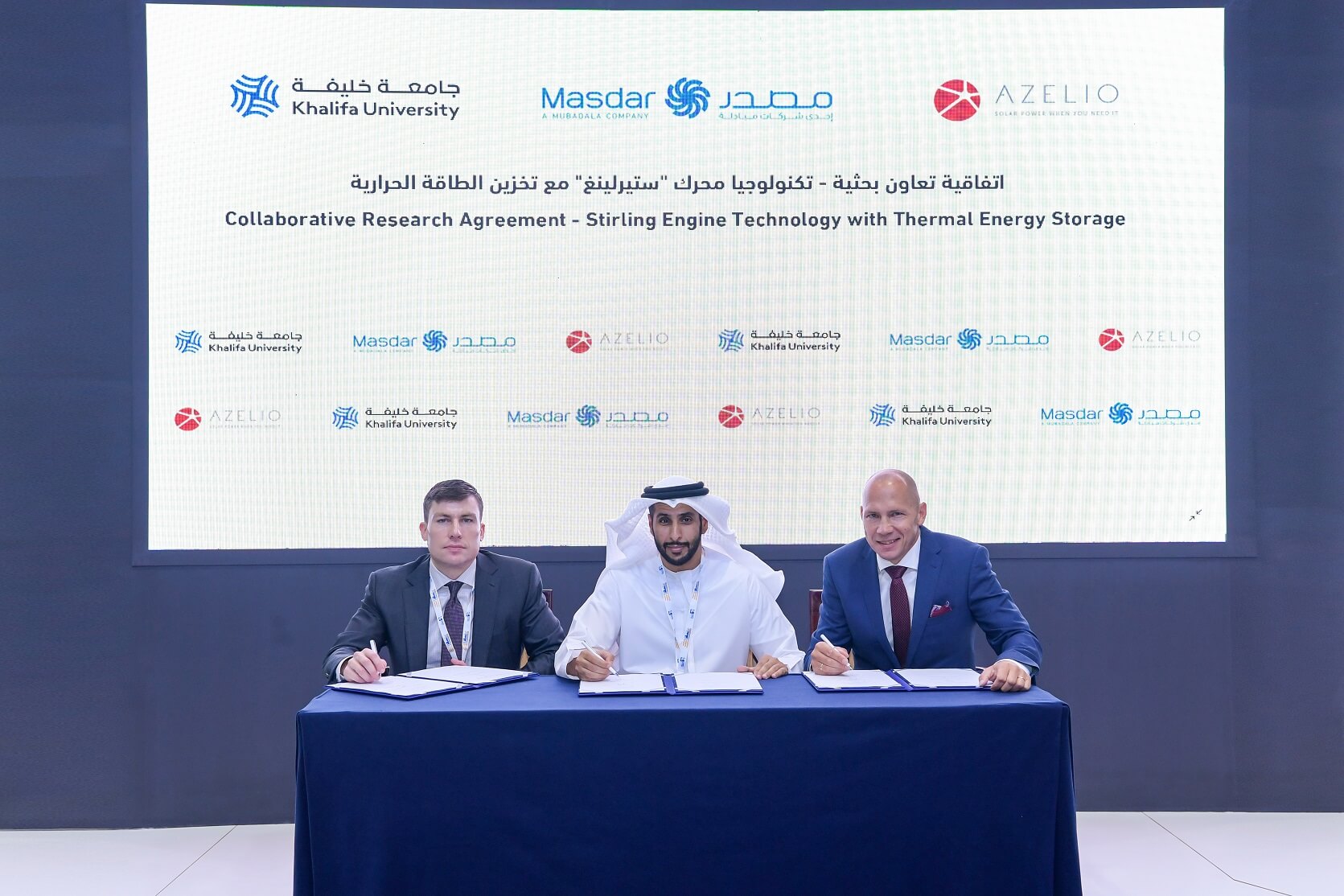
Swedish solar energy company Azelio has partnered with Abu Dhabi Future Energy Company (‘Masdar’) and Khalifa University of Science and Technology to run a pilot project evaluating new technology in power storage.

An agreement formalizing the partnership was signed by Jonas Eklind, Chief Executive Officer, Azelio, Abdulla Balalaa, Director, Real Estate Development and Design at Masdar, and Dr Steve Griffiths, Senior Vice President for Research and Development, Khalifa University of Science and Technology, at the 24th World Energy Congress in Abu Dhabi.

The project aims to test and demonstrate Azelio’s Stirling engine systems and integrated thermal energy storage (TES) solution for renewable energy projects that use photovoltaic solar, concentrated solar power (CSP) and wind energy, or projects that provide off-grid solutions, with the purpose of determining if the technology can be included in current and future renewable energy projects.

“With Masdar City established as the natural home for innovation in sustainable urban development and clean technologies, we are delighted to be working with Azelio and Khalifa University to help validate the commercial feasibility of their project,” Yousef Baselaib, Executive Director of Sustainable Real Estate at Masdar.

Testing will begin with an evaluation of Azelio’s Stirling engine system for renewable power production in fall 2019. This will be followed by an analysis of the complete system – including the TES – during the first half of 2020.

Dr Arif Sultan Al Hammadi, Executive Vice-President, Khalifa University of Science and Technology, said; “As a research-intensive academic institution, Khalifa University offers one of the most suitable platforms for testing and demonstration of new technologies and solutions, especially in clean energy, and we are delighted to partner with Azelio and Masdar to evaluate the Stirling system with integrated energy storage. We believe the pilot phases will provide adequate data that will help Azelio’s technology to target large and exposed segments in terms of access to energy. We look forward to offer our expertise in evaluating the technology together with our partners.”

He added: “Masdar Institute at Khalifa University will continue to serve as the research location for leading and pioneering cutting-edge scientific exploration in clean energy-related areas including energy storage, biofuels, renewable energy mapping, advanced power and nuclear energy. We firmly believe, as a research institute, Masdar Institute will continue to set fresh milestones while obtaining new solutions in clean energy and advanced sustainable technologies.”

Khalifa University will provide the research support and expertise for the two testing periods and the data collected by the researchers during the testing phases will be compared with data from existing dispatchable technologies.

“Masdar has a proven track record in the incubation of advanced clean technologies,” said Eklind. “Through this agreement we hope to gain vital operational data and other technical insights to help prepare our solution for the commercial market.”

The pilot will be installed within the site of the Sustainable Bioenergy Research Consortium (SBRC) – a research center located at the Masdar City campus of Khalifa University. The power generated from the project will be used to power the air conditioning for the project’s office and storage units.

News Writer
12 September 2019

KU and Moscow Power Engineering Institute Sign MoU on Research Partnership and Long-term Collaboration

Signed at Aqdar World Summit in Moscow, MoU Will Establish Joint Research Program to Bring Together Multidisciplinary Scientists, Engineers, Talented Students, Industrial Partners and Stakeholders

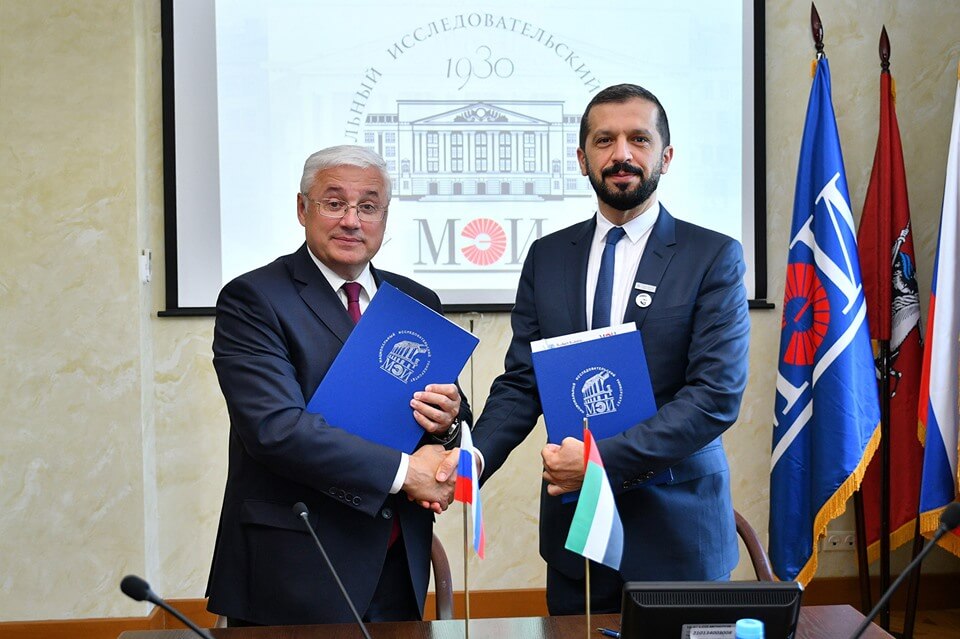
Khalifa University of Science and Technology and Russia’s National Research University (Moscow Power Engineering Institute – MPEI), one of the largest technical universities of Russia, have signed a memorandum of understanding (MoU) to further strengthen the long-term partnership, specifically in innovation and research-related activities.

The joint research partnership will enhance the ongoing industrial capacity cooperation between the UAE and the Russian Federation, while fostering the high-caliber human capital development in both countries.

The MoU was signed by Dr. Arif Sultan Al Hammadi, Executive Vice-President, Khalifa University, and Dr. Nikolay D. Rogalev, Rector, Moscow Power Engineering Institute, in the presence of ministers, government officials and management team members from both the institutions, on the sidelines of the Aqdar World Summit in Moscow.

According to the MoU, the two partners will establish a joint research program to bring together multidisciplinary scientists, experienced engineers, talented students, industrial partners, and stakeholders. It will also create a research partnership and develop effective and long-term collaboration through interdisciplinary research and innovation, including, power and energy-related fields. In addition, it will set up student-exchange and joint educational activities, particularly at Ph.D. and Post-doctoral level, with support from the Russian and UAE governments and the relevant industries.

Founded in 1930, MPEI is a leading Russian technical university that provides the specialist’s training and scientific research in energy, electrical engineering, radio electronics, and computer engineering. It has modern academic and scientific laboratories, students’ hostels, cutting-edge experimental facilities, a pilot-plant, and a heat-and-power plant for academic research, which also serves as a technical park.

MPEI offers foreign undergraduate and graduate students programs covering power engineering such as hydropower, wind power, thermal, nuclear, solar and space power, as well as electrical equipment, materials science, electronics, classical and applied physics, radio engineering and communication, computer systems, management and economics in power engineering. At present, about 900 foreign students from 60 countries are being trained at MPEI.

Clarence Michael
News Writer
25 September 2019