
HE Hussain Al Hammadi Inaugurates MENA Region’s First IEEE Globecom 2018 in Abu Dhabi

Khalifa University Presents Eight ICT Research Innovations at 37th IEEE Global Communications Conference

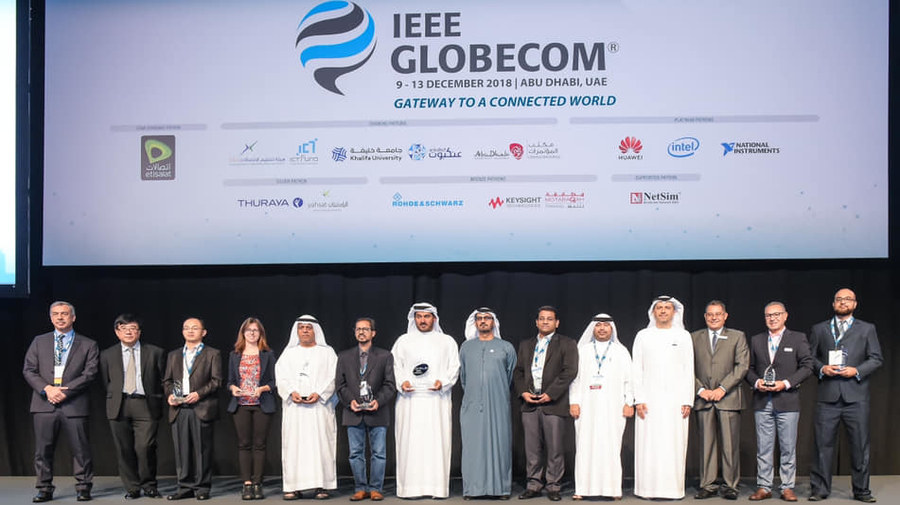
His Excellency Hussain bin Ibrahim Al Hammadi, UAE Minister of Education and Vice Chairman of the Board of Trustees of Khalifa University of Science and Technology, inaugurated the Middle East and North Africa (MENA) region’s first-ever IEEE Global Communications (Globecom) Conference in Abu Dhabi.

The 37th IEEE Global Communications Conference (Globecom 2018), one of the IEEE Communications Society’s two flagship conferences dedicated to driving innovation in nearly every aspect of communications, was held on 9-13 December at the Abu Dhabi National Exhibition Center (ADNEC). Themed ‘Gateway to a Connected World’, the conference offers five full days of original paper presentations, tutorials, workshops, keynotes, demonstrations, industry sessions and social events designed to further career opportunities and in-depth understanding of the latest communications advancements worldwide.

Khalifa University’s faculty and students presented eight research innovations in the ICT sector at this international telecommunications-focused conference, alongside nearly 1,000 technical and research papers. Experts from industry leaders including Intel Corporation, Nokia Bell Labs, Huawei Wireless, and Canadian telecommunications company TELUS, addressed the event.
The UAE’s telecom operator Etisalat is the ‘star diamond’ sponsor for Globecom 2018, while =Khalifa University is one of the ‘diamond’ sponsors.

Dr. Arif Sultan Al Hammadi, General Chair of Globecom 2018 Conference, and Executive Vice-President, Khalifa University of Science and Technology, said: “With our partners, we are delighted to bring this major global conference for the first time to the Middle East and North Africa region, gathering distinguished speakers from industry, academia and government sectors. These professionals will share their expertise and exchange novel ideas that will shape future generations of communication technologies. We believe the Globecom 2018 conference will showcase the innovation strength of the UAE and the region in various telecommunications
disciplines.”

Some of the innovations Khalifa University is presenting include the development of key enabling techniques for the next generation wireless networks, mobile agents integrated with web services for use in personalized healthcare, smart homes, big data analytics and e-commerce, and a novel approach to trace unknown tweets to their actual authors.

This five-day event included six keynote speakers highlighting the state-of-the art advancements in wireless communications, 5G, and the Internet-of-Things, among other emerging topics in telecommunications systems. In addition to the main symposia, IEEE Globecom 2018 featured workshops on emerging and important topics in the field, which will be held on the first and last day of the conference.

Keynote speakers included Bell Labs President and Nokia Corporate Chief Technology Officer, Marcus Weldon; Huawei Fellow and Huawei Wireless Chief Technology Officer Dr. Wen Tong; Vodafone Chair and Technical University Dresden Professor Gerhard P. Fettweis; and Intel Fellow in Network Platforms Group and Chief Technologist for Network Infrastructure at Intel Corporation Udayan Mukherjee.
The conference received a total of 2,562 paper submissions from 76 countries, out of which 999 papers have been accepted – corresponding to an acceptance rate of 38.9%.

Clarence Michael
News Writer
12 December 2018
KU Closes Out 2018 with Diverse Achievements

Milestones Include New Technology Initiatives, Collaborations, Scientific Advancements, Creation of Intellectual and Human Capital

For Khalifa University, 2018 proved to be another outstanding year, with global rankings, research milestones, academic achievements, special honors and external collaborations.

The university closed the year a win in the Pride of Zayed Award 2018, where it was recognized with the UAE Pioneers Award for being the national hub for scientific research and introducing meticulously planned programs that meet the employment market requirements in Abu Dhabi and the UAE.

In terms of global rankings, Khalifa University ranked among the top 200 academic institutions worldwide according to the Times Higher Education (THE) 2019 World University Subject Rankings placed it in the 176-200 band for ‘Engineering & Technology’. The university already tops the categories of ‘Research’ (score at 29.1) and ‘Industry Income’ (perfect score of 100). At the same time, the 2019 Quacquarelli Symonds (QS) ‘Top 50 Under 50’ rankings placed Khalifa University top not only in the UAE but also in the Middle East and North Africa (MENA) region. In addition, it is ranked 33rd in the listing of the world’s top young universities.

Dr. Arif Sultan Al Hammadi, Executive Vice-President, Khalifa University of Science and Technology, said: “Over the year, our faculty and students have contributed significantly through publishing technical research papers at various conferences, paving the way for the university’s rising status in global academic rankings. By continuously driving research and innovation in all economic fields, especially in the UAE’s strategic sectors, Khalifa University remains a key contributor to not only scientific development but also in the creation of intellectual and human capital for the country and the region. In the coming years, we aim to further intensify our efforts and achieve milestones that will contribute to the UAE’s drive towards transforming itself into a knowledge-based economy.”

Khalifa University also launched its first CubeSat designed, developed,and built by its students, the MYSAT-1,to the International Space Station (ISS), from where it will be released into its orbit soon.

The university also announced the launch of the second edition of the Mohamed Bin Zayed International Robotics Challenge (MBZIRC), which contributes towards KU’s commitment to promoting and rewarding new concepts, particularly in robotics and artificial intelligence as smart city solutions.

The KU College of Medicine and Health Sciences was also announced in 2018, which will begin functioning from Fall 2019,marking the next stage for Khalifa University’s expanded academic offerings. A Pre-Medical Bridge program has already started preparing students for the medical degree as of Fall 2018, which is also when KU launched its new BSc in Chemistry.

The 2018 year also saw the roll-out of the new branding for Khalifa University of Science and Technology to represent its new augmented mission and vision, incorporating the UAE’s three major science and technology universities, which were merged in February 2017.

The university’s major output for 2018 was more than 1,000 graduates, who received their degrees in a two-phased graduation that covered students all three campuses.

KU also debuted first sports bicycle manufactured in the UAE with 3D printing and composite materials, through a joint funding from Khalifa University, Abu Dhabi Sports Council and Mubadala’s Strata Manufacturing, and developed at the Aerospace Innovation Research Center (ARIC) was another key highlight of the year.

The 3D manufactured bicycle was just one of many novel IP achievements from KU in 2018. At present, the university has more than 70 patents and 219 invention disclosures and was the single biggest contributor to the UAE’s total number of patents in 2017, having registered approximately 30.3% of the total registered for the UAE that year.

Besides the academic and research endeavors, Khalifa University also puts emphasis on nurturing talented youth and supporting them in their higher studies through various scholarship programs. One such program is the Buhooth Scholarship Program that offers Master’s and Doctorate scholarships to UAE Nationals with the aim of promoting graduate studies and research, as well as developing specialized human capital. Vindicating the beneficial nature of the Buhooth scholarship program, students have proved their determination in bringing more laurels to the university.

During the year, students have brought honor to Khalifa University through their outstanding performance in various areas. Two Computer Engineering undergraduate students successfully developed prototype apps for patient care as part of their internship program at Sheikh Zayed Institute for Pediatric Surgical Innovation at Children’s National Medical Center in Washington DC. Khalifa University also works collaboratively with a number of organizations in different countries including Germany, the United States, Italy, France, Japan, Ireland and Korea, to secure internship placements, sending around 30 students overseas every year.

Within the UAE, more than 400 students interned with various government and private sector organizations for a minimum of eight weeks during the summer in 2018.

KU also led many international exhibitions and conferences like the 37th IEEE Global Communications Conference (Globecom), which was held in the Middle East and North Africa region for the first time and saw renowned global ICT sector leaders present novel innovations in the ICT sector.A memorandum of understanding (MoU) was also signed with the IEA Greenhouse Gas R&D Program to host the 15th International Greenhouse Gas Control Technologies Conference (GHGT-15) in Abu Dhabi in 2020.

Key external collaborations achieved by KU in 2018 included the Joint Innovation Laboratory of Artificial Intelligence for Clean Energy (“The Lab”) with Alibaba Cloud, the inauguration of the Secondary Standards Dosimetry Laboratory (SSDL) of the Federal Authority for Nuclear Regulation (FANR) at the Main Campus premises, an MoU with National Research Council of Science and Technology (NST) of Korea to further expand a Korea-UAE science and technology collaboration, and another MoU with the Korea Advanced Institute of Science and Technology (KAIST) to establish a research collaboration program and help build skilled human capacity.

Clarence Michaels

News Writer

2 January 2019

KU, Transco and Manitoba Hydro International to Develop Software to Monitor Clean Energy Integration

Collaboration to Include Industrial-Level ‘Stability Assessment, Visualization and Enhancement’ Software Tool


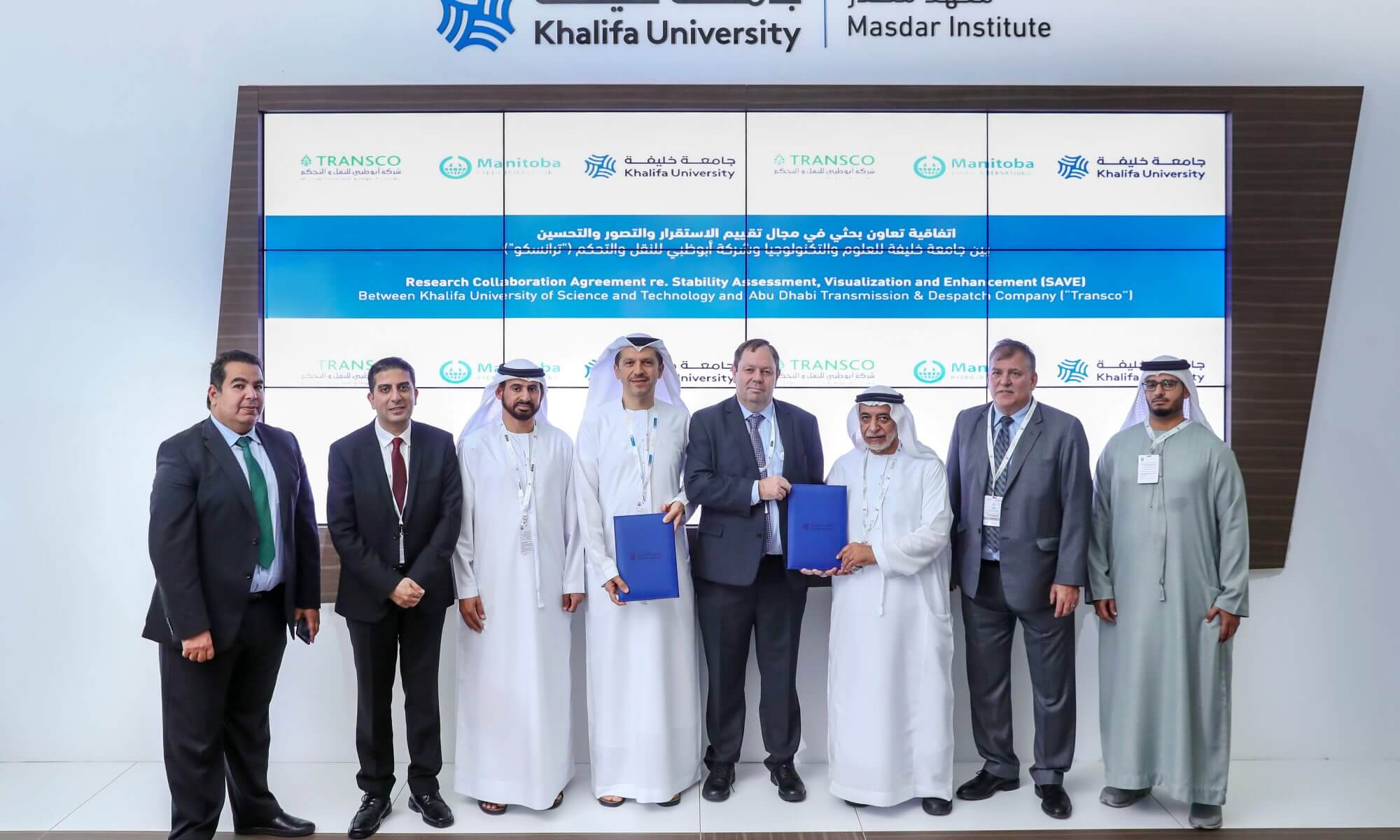
Khalifa University, the Abu Dhabi Transmission and Dispatch company (TRANSCO), a subsidiary of Abu Dhabi Water and Electricity Authority (ADWEA), and the Manitoba Hydro International Ltd (MHI) of Canada, have signed a collaboration agreement today for building an industrial-level software to monitor, predict, and interact with network operators in real time and enable renewable energy integration with the UAE power system.

The collaboration was announced during the World Future Energy Summit (WFES) 2019 that is being held as part of the Abu Dhabi Sustainability Week (ADSW) 2019 at the Abu Dhabi National Exhibition Center (ADNEC) from 12-19 January. The agreement signing ceremony was attended by KU Executive Vice-President Dr. Arif Sultan Al Hammadi, Dr Bruce Stedall, Acting Managing Director, TRANSCO, Leo St. Hilaire Senior Manager, and Jamal Al Dharif, Senior Executive, from MHI’s UAE Office, officials, faculty members and students.

The industrial level software – ‘Stability Assessment, Visualization and Enhancement’ (SAVE) tool – will utilize real-time measurements to evaluate the transmission network stability through the development of state-of-the-art mathematical methods combined with a data analytics based classification engine to precisely estimate the domain of stability and to predict the transient margins.

Furthermore, a visualization system will be developed by a team of scientific researchers to support human-in-the-loop classification, diagnosis of the transmission system events, and the visualization of system stability. The integrating modules of SAVE tool that current researchers have already been investigating, have accumulated comprehensive expertise, enabling them to reach industrial level platforms.

Dr. Arif Sultan Al Hammadi, said: “This industry-academia collaboration led by Khalifa University with TRANSCO and Manitoba Hydro International reflects the partners’ commitment to develop innovative technologies that can integrate renewable energy with the existing systems. Power system stability is particularly relevant given the objective of Abu Dhabi and the UAE to significantly increase the penetration of renewable energy. The recent completion of GCC power interconnections between the UAE, Oman and Saudi Arabia has significantly highlighted the need for inter-area oscillations (IAOs) for greater stability. We believe this collaboration that lays emphasis on innovations such as the SAVE tool, will tackle the complexity of the challenges in integrating renewable energy with the existing power system.”

Dr. Stedall said: “We are very pleased and excited to be working with Khalifa University and Manitoba Hydro International on this project. The generation portfolio is going to change considerably in the coming years to include substantial volumes of renewable energy sources as Abu Dhabi and the wider UAE migrate to a low carbon economy. The project will support TRANSCO by ensuring that certain technical challenges resulting from the changes in the generation portfolio associated with security and stability of the system can be managed.  As part of the project, we will also be developing the knowledge and capability of our future engineers to cope with systems employing large penetration of renewable technology.”

Dr. Dharshana Muthumuni, Managing Director, Power Systems Technology Center at MHI, said, “MHI is proud to partner with Khalifa University and TRANSCO on this significant initiative that will undoubtedly help the integration and reliable operation of power systems with large scale renewable energy sources. We are particularly pleased to collaborate with Khalifa University’s highly-skilled team, with whom we have had a long and thriving association.”

Dr. Mohamed El Moursi, Professor, Electrical and Computer Engineering Department at Khalifa University, is the Principal Investigator and the Project Manager, He is a specialist in renewable energy systems (photovoltaic and wind) and smart grid innovations. He will be joined by Dr. Surour Mohamed Alaraifi, main researcher from TRANSCO, who, during his PhD studies at Khalifa University under Dr. El Moursi, developed novel techniques to study and predict the dynamics in large-scale networks that will serve as one of the key elements in this research project. Others include Dr. Ahmed Atiah, Power Network Planning & Studies Section Manager, TRANSCO, as well as Dr. Dharshana Muthumuni, Managing Director, Manitoba High Voltage Direct Current (HVDC) Research Center, and Dr. Farid Mosallat.

The research team working in this project includes Dr. Mohamed  El Moursi, Dr. Ehab El-Saadany, Dr. Khalifa Al Hosani, Dr. Bashar Zahawi, Dr. Khaled Elbassioni, Dr. Wei Lee Woon and Dr. Davor Svetinovic, from Khalifa University.

The project requires complex multi-disciplinary integration of power system stability, power electronics, renewable energy systems, system control, data mining/ analytics, algorithms/ optimization and artificial intelligence.


Clarence Michael

News Writer

15 January 2019


World’s First Commercial Flight Fueled from Saltwater Plants

Khalifa University, Etihad Airways, Boeing, ADNOC, Safran, GE and BAUER Resources celebrate a major milestone in developing a comprehensive sustainable aviation fuel value chain

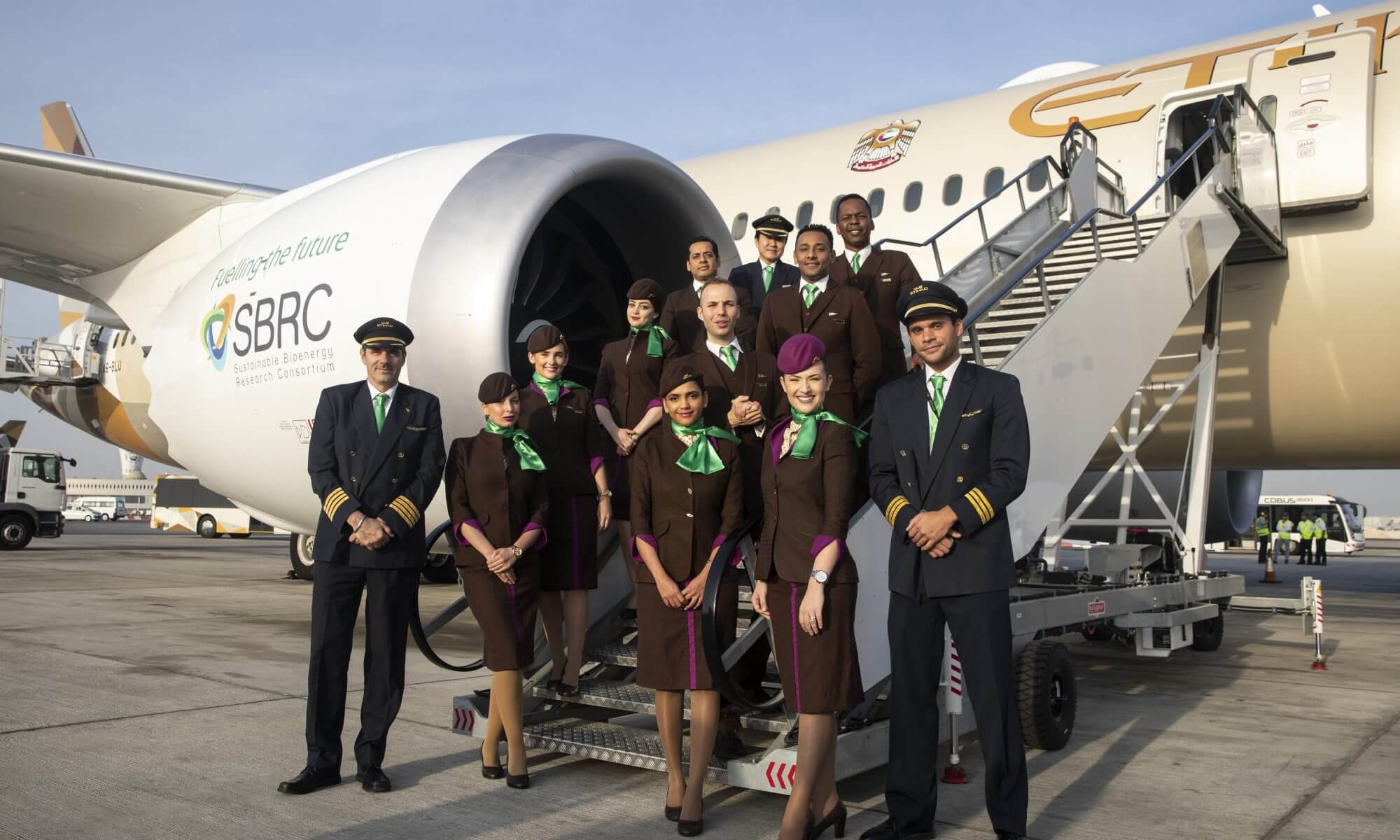
The Sustainable Bioenergy Research Consortium (SBRC), a non-profit entity established by Masdar Institute that is part of Khalifa University of Science and Technology and supported by Etihad Airways, The Boeing Co, ADNOC Refining, Safran, General Electric and BAUER Resources, announced the world’s first successful commercial flight on an Etihad Airways Boeing 787 using locally produced sustainable fuel.

The flight from Abu Dhabi to Amsterdam marked a major milestone in the development of a clean, alternative aviation fuel to reduce carbon emissions. The initiative also addresses food security in the United Arab Emirates through the farming of seafood as a core element in the process.

The SBRC partners have been working together to prove the concept of a comprehensive value chain that is centered around the Seawater Energy and Agriculture System (SEAS). This is a synergistic industrial platform that supports the aviation sector, the oil and gas industry, food production and the creation of a new agricultural alternative in the UAE.

His Excellency Dr Thani bin Ahmed Al Zeyoudi, Minister of Climate Change and Environment, said: “The UAE’s visionary leadership is strongly committed to positioning the country as a global hub for innovation and sustainability. In this context, productive cross-disciplinary public-private partnerships are crucial to fueling research and development efforts and creating game-changing innovations that enable a more sustainable future.

“Deep decarbonization of energy-intensive industries has a ripple effect on food security and climate action. Clean, alternative aviation fuels are an innovative and sustainable solution to significantly reducing harmful carbon emissions. The UAE is proud to be a pioneer in this domain.”

Her Excellency Mariam bint Mohammed Saeed Hareb Al Mehairi, Minister of Food Security in the UAE, said: “This proof of concept is a ground-breaking development that confronts local, regional and global challenges of energy, water and food security. The system’s production of seafood offers a sustainable source of nutrition for the UAE into the future.”

Etihad Airways has been at the forefront of aviation biofuel research in the region and this marks the first time that a flight has been operated on fuel derived from plants grown in saltwater.

Tony Douglas, Group Chief Executive Officer Etihad Aviation Group, said: “This is a significant milestone for the UAE and its key industries. Etihad is fully committed to this project which demonstrates a successful proof of concept that is local, viable, cost-effective and sustainable.

“Decarbonisation is important across the aviation industry and, together with our partners, Etihad is proud to be at the forefront of this pioneering new research.”

Sustainable fuel for the flight was derived from oil in Salicornia plants, which were grown on the two-hectare SEAS farm in Masdar City. The SEAS is the world’s first desert ecosystem designed to produce fuel and food in saltwater. Fish and shrimp raised at the facility provide nutrients for the plants as well as contribute to the UAE’s food production.

Dr Arif Sultan Al Hammadi, Executive Vice-President, Khalifa University of Science and Technology, said: ““The landmark achievement by the Sustainable Bioenergy Research Consortium, part of Masdar Institute at Khalifa University, and partners marks a new beginning for the use of clean fuel for air travel. Khalifa University is proud to be part of the consortium, driving research and innovation, while contributing to creating a sustainable biofuel value chain, supporting the UAE’s strategic objectives in energy and food sectors. The collaboration partners and Masdar Institute researchers have contributed significantly to achieve this success and we believe the use of biofuel for this commercial flight will make a compelling statement that impacts stakeholders in the aviation, energy and transportation sectors.”

Dr Al Hammadi added: “As a leading research institution in the region focused on providing cutting edge technologies in clean energy, Masdar Institute at Khalifa University remains committed to continue with its mandate to produce biofuel, clean energy, and sustainable technologies for reducing carbon emissions, as well as water and environment-related research.”

Using sustainable feedstock to produce the fuel significantly reduces life-cycle carbon dioxide emissions compared to fossil fuel. The biofuel is blended directly with jet fuel and does not require any modifications to aircraft, engines or airport fuelling delivery systems. The unique initiative also bolsters the oil and gas industry by using existing refining infrastructure, with the potential to become an important new option for sustainable aviation fuel in the future.

ADNOC Refining has played a fundamental role, providing the expertise and infrastructure to ensure the effective refining of the seed oil to meet stringent jet fuel standards. ADNOC Distribution has also provided an essential element of the project through the blending and delivery of the biofuel to the aircraft.

UOP-Honeywell’s (a founding member of the SBRC) Ecofining technology was used in the refining process of the oil and recognition is also given to Abu Dhabi Vegetable Oil Company (ADVOC) for essential assistance in the pre-treatment phases.

Jasem Al Sayegh, Chief Executive Officer ADNOC Refining, said: “We are proud of the role that ADNOC Refining is playing in carrying out this research for the SBRC pilot project. Today represents a significant step forward on the journey towards finding a final solution for commercial-scale aviation biofuel.”

Approximately 160,000 passenger flights have flown on a blend of sustainable and traditional jet fuel since the first biofuels were certified for commercial use in 2011. Sustainable aviation fuel represents a significant opportunity to help aviation meet its goals to cap the growth of carbon emissions by 2020 and cut levels to half of what they were in 2005 by 2050.

Sean Schwinn, Vice President of Strategy and Market Development for Boeing International, said:“Etihad’s flight proves SEAS is a game-changer that can substantially benefit air transport and the world. The research and technology being developed shows significant promise to transform coastal deserts into productive farmland supporting food security and cleaner skies.”

Operated by the SBRC, the SEAS pilot facility became operational in March 2016. Salt-tolerant halophyte plants that thrive in desert conditions and do not require fresh water or arable land to grow are nurtured there. After wastewater from the fish fertilizes the plants, it is diverted into a cultivated mangrove forest. This further removes nutrients and provides valuable carbon storage before the naturally filtered and treated effluent is discharged back into the sea.

16 January 2019

KU, Air Liquide, and Al-Futtaim Motors Release Study on Hydrogen Mobility in UAE


Study Outlines Favorable Prospects for Hydrogen Mobility in UAE

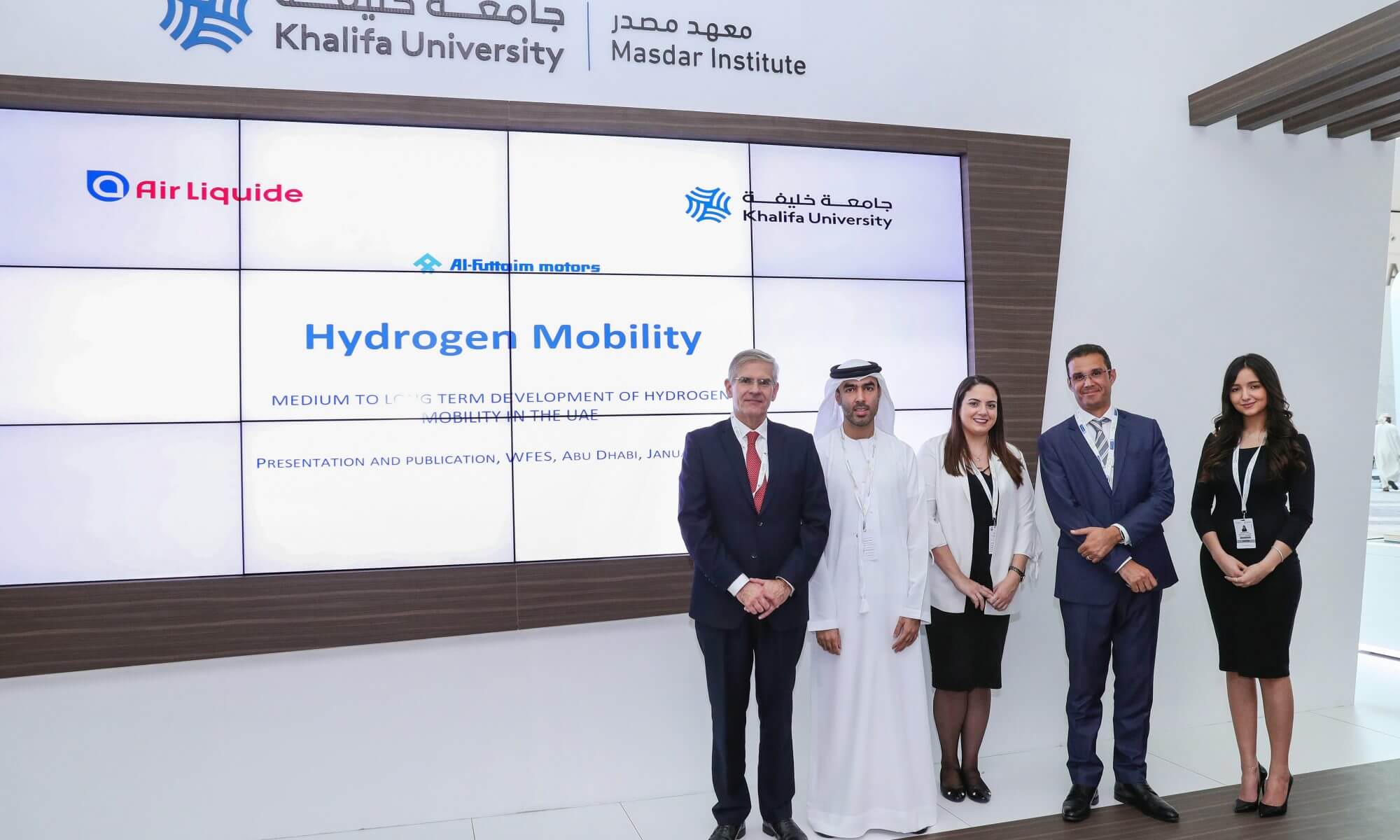
Air Liquide, Khalifa University of Science and Technology and Al-Futtaim Motors released a joint study during Abu Dhabi Sustainability Week 2019, on the ‘Medium to Long Term development of Hydrogen Mobility in the UAE’. This collaborative study outlines the contribution of hydrogen to the energy transition and demonstrates the favorable prospects for hydrogen mobility in the UAE.

The study demonstrates that hydrogen mobility in the UAE has a substantial potential to develop into a major economy for the country, and can contribute to the achievement of its clean energy goals, in line with the UAE’s Vision 2021. The study was conducted by Maram Awad, a Khalifa University graduate student during her summer internship with Air Liquid. Awad was guided by Olivier Boucat of Air Liquide, and Dr Ahmed Al Hajaj, Assistant Professor, Chemical and Environmental Engineering, Khalifa University.

The study reiterates the UAE’s commitment to diversifying the energy sources, and calls for the pivotal collaboration of the various public and private players for a successful deployment of hydrogen mobility. It also demonstrates the requirement for an initial focus on fleet vehicles, such as buses, trucks and taxis, which would generate enough hydrogen need for an optimized production scale. The use of local sources of hydrogen in addition to excess hydrogen produced in various industries, such as refining, can also contribute to very competitive costs of hydrogen for commercialization.

Air Liquide is leading the hydrogen supply for the Hydrogen Mobility market in the UAE, with ongoing projects to develop the hydrogen infrastructure, connecting hydrogen production sources and utilization routes.

Hydrogen is an alternative to fossil fuels in addressing the clean transportation challenge while improving air quality. Used within a fuel cell, hydrogen combines with oxygen from the air, to produce electricity, with water as the only byproduct. The fuel cell is used to convert hydrogen into energy to run an electric motor in vehicles known as Fuel Cell Electric Vehicles (FCEV). FCEVs are considered complementary to Battery Electric Vehicles (BEV), especially in large fleets of vehicles, in heavy duty vehicles and in providing greater autonomy in extreme climates, where BEVs are less efficient. A FCEV can be refuelled as quickly as an internal gas or diesel combustion engine vehicle, hence allowing for optimum flexibility of use.

Hydrogen as a transportation fuel has gained momentum globally for its emission-free property and its ease of use. The deployment of hydrogen powered vehicles is already in progress and expanding in the United States, Europe, Japan and Korea, and is now being introduced in the UAE.

As a leading research-based institution in the region focused on providing cutting edge technologies in clean energy and sustainability, Khalifa University, through Masdar Institute, remains committed to obtaining solutions for carbon mitigation and climate change especially through innovations in CO2 capture, biofuel, waste-to-energy, energy storage, desalination and solar power.

Air Liquide and Al-Futtaim Motors inaugurated the Middle East’s first hydrogen station in Dubai, in October 2017, to support the deployment of the FCEVs in the UAE. Once deployed on a larger scale, the Fuel Cell Electric technology has the potential to significantly reduce the UAE’s dependence on oil and lower car-generated pollution levels.


Abu Dhabi

15 January 2019

KU and Wahaj Solar Sign Agreement to Test Innovative Prototype at Masdar Institute Solar Platform


10-meter Diameter Prototype to Help in Energy Storage, High-Efficient Power Generation, Desalination and Other Applications

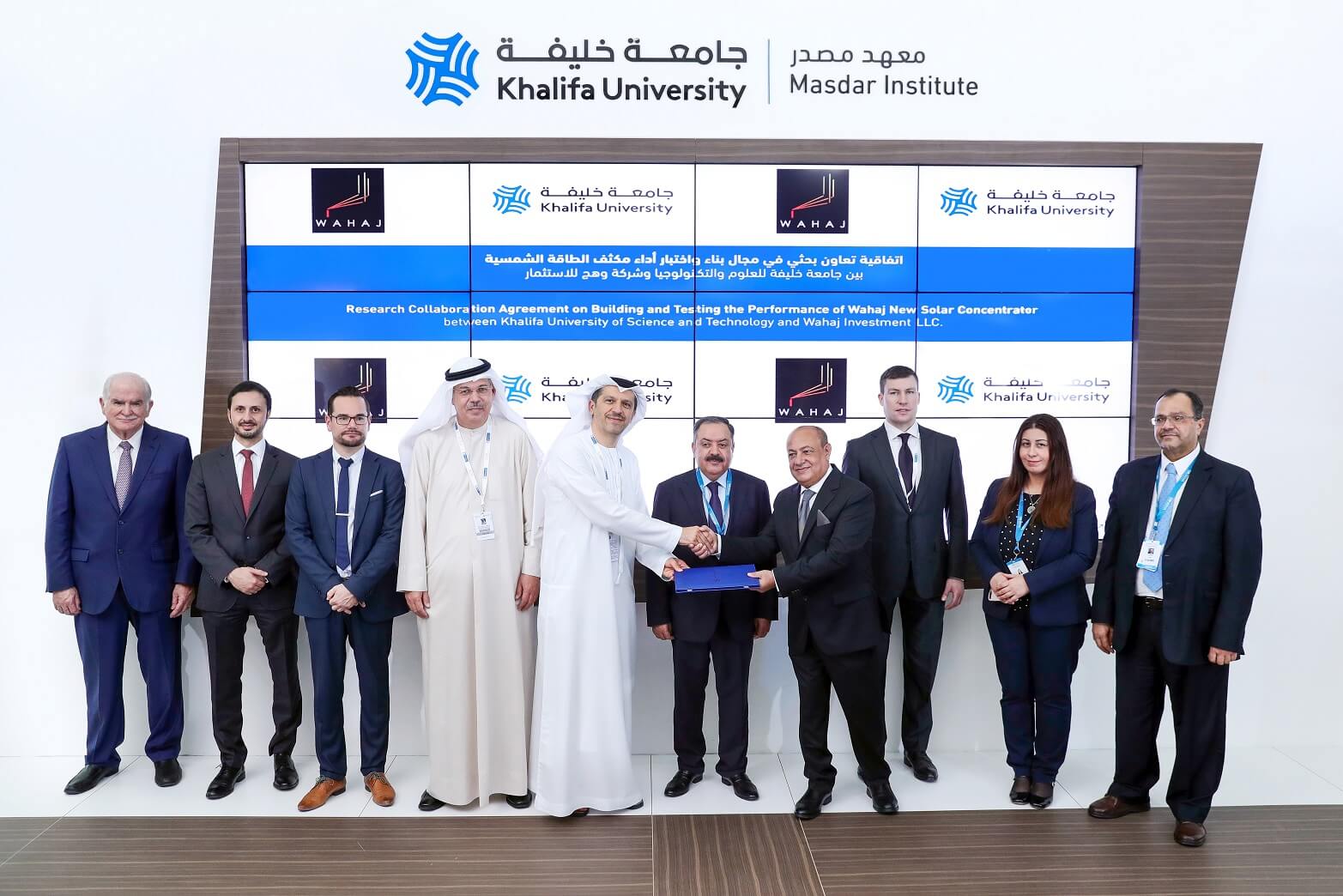
Khalifa University and Wahaj Solar (Wahaj Investment L.L.C) have signed an agreement to test and verify a patented prototype in the Concentrated Solar Power (CSP) industry at the Masdar Institute Solar Platform (MISP).

The 10-meter diameter high-flux solar furnace – the first medium-scale point solar concentrator –can focus solar energy efficiently to a lower point fixed on the ground generating a very high temperature which is easily accessible. This system is unique since the focal point is fixed on the ground while the solar disk turns around it throughout the day. This would result in many applications including low cost solar energy storage allowing for 24/7 electricity production, high efficiency in electricity production, hydrogen generation from water, desalination, as well as melting metals or sand to produce glass.

The project period is one year during which the performance of the concentrator will be tested analyzed, and certain applications demonstrated by a team led by Dr. Nicolas Calvet, Assistant Professor, College of Engineering, and Chair of the Masdar Institute Solar Platform – Khalifa University. The invention has already received favorable reviews from experts in reputable international research institutes worldwide.

Dr Arif Sultan Al Hammadi, Executive Vice-President, Khalifa University of Science and Technology, said: “The MISP is a unique world-class research facility, pushing the boundaries by being multipurpose, modular and the first-of-its-kind, bringing niche capabilities to the UAE. We welcome collaborations with industry partners that will result in cutting-edge solutions in solar power, thereby facilitating faster adoption of sustainable energy technologies. We believe testing of this innovative prototype from Wahaj Solar will further demonstrate MISP’s capabilities and help in the development of CSP components, and high-temperature thermal energy storage (TES) solutions.”

Motasim Al Daour, the majority shareholder at Wahaj Solar said: “We are working with the Masdar Institute Solar Platform at Khalifa University because we would like to take advantage of the available expertise and resources at this world class facility. In collaboration with Khalifa University, we are keen launch this potentially breakthrough invention from the UAE to the entire world in the hope of considerably contributing to the progress of the CSP technology as an alternative clean source of energy.”

The technology is already patented by Wahaj’s Dr Ayman Al-Maaitah in the US, European Union, GCC and at the World Intellectual Property Organization (WIPO) with priority protection in 150 countries worldwide.

The MISP is a unique tool for developing large scale TES systems for on-demand and ‘dispatchable’ electricity production. Initially built as a demonstration plant in 2009, the facility has been significantly modified and extended by Masdar Institute in 2014 to become a user research facility also valued by industry, capable of testing large scale TES units up to 500 kWh storage capacity. This innovative and educative research facility has already attracted several international collaborations.

Clarence Michael

News Writer

20 January 2019

KU Ranks 13th out of 442 in THE Emerging Economies University Rankings 2019

Only University from Middle East and North Africa Region to be Among Top 15

Khalifa University has become the only university in the Middle East and North Africa (MENA) region to be ranked in the top 15 in the Times Higher Education (THE) Emerging Economies University Rankings 2019, which placed the university 13th out of 442 universities from 43 countries. The university has edged up slightly from 15th position in the same listing last year.

Dr. Arif Sultan Al Hammadi, Executive Vice-President, Khalifa University of Science and Technology, said: “The latest THE Emerging Economies University Rankings 2019 once again reiterate our status as the premier institution for not only higher learning, but for cutting-edge research and innovation. Our university has been consistently rising in global rakings, exceeding other local, regional and international institutions, on the basis of research excellence and faculty expertise. We believe this new ranking will motivate us to further move up the notches and reinforce our role as a leading research-oriented academic institution with diverse specializations.”

Khalifa University currently is top-ranked in ‘Industry Income’ in the Arab world, while remaining among the top 200 for Engineering & Technology subjects. It also placed in the 301-350 berth overall by the THE rankings.

With a total of 16 specialized research centers focused on advanced technology solutions across various industry sectors, Khalifa University remains in the lead in volume and quality of cutting-edge innovation. Its two research institutes – Masdar Institute and Petroleum Institute – oversee research in two main areas – sustainable technologies, and hydrocarbons. Such range and diversity in research provides Khalifa University a special status to generate valuable human and intellectual capital.

A growing number of industry leaders in the corporate and government sectors find Khalifa University a more suitable institution to partner with and produce opportunities for innovation. This has helped the university to obtain research contracts worth over US$50 million with more than 50 organizations in the UAE, regionally and globally.

The current THE rankings further strengthen the already robust profile of Khalifa University. The recent 2019 THE World University Subject Rankings for Engineering & Technology placed Khalifa University in the 176-200 band, placing the university among the top 200 out of over 900 institutions assessed across more than 70 countries. This follows Khalifa University’s 12th placement in the THE Young University Rankings 2018: Millennial Universities Millennial Ranking and 49th in the Young University Ranking.

Clarence Michael

News Writer

27 January 2019

KU and Japan Institute of Energy Economics to Strengthen Industry-Academia Collaborations

Memorandum Paves Way to Facilitate Research Collaboration

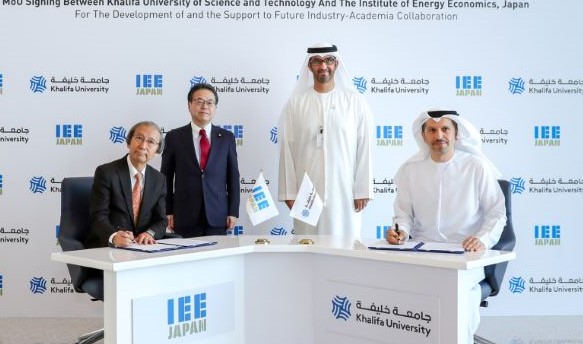
Khalifa University and the Institute of Energy Economics of Japan (IEEJ) have signed a memorandum of understanding (MoU) for the development of and the support to future industry-academia collaborations covering a wide range of activities, and further strengthening their previous relationship.

The MoU was signed by Dr. Arif Sultan Al Hammadi, Executive Vice-President, Khalifa University, and Prof. Dr. Masakazu Toyoda, Chairman and CEO of IEEJ in Abu Dhabi. The signing ceremony followed a bilateral meeting between H.E. Dr. Sultan Al-Jaber, Minister of State, Chief Executive Officer, Abu Dhabi National Oil Company (ADNOC), and Member of the Khalifa University Board of Trustees, and H. E. Hiroshige Seko, Minister of Economy, Trade and, Industry, from Japan.

Dr. Steve. Griffiths, Senior Vice-President, Research and Development, Khalifa University, and IEEJ’s Masakazu Toyoda, Chairman and CEO, will serve as a secretariat to facilitate collaboration among universities, organizations and industries to conduct research and potential business development in mutually beneficial areas.

Dr. Al Hammadi said: “The MoU paves way for facilitating research collaboration between universities and organizations in both countries and we are delighted to be part of this initiative. Japan is rated as one of the top economies in terms of science and technology innovations based on consistent decades-long research. And as a leading research-based academic institution driving innovation and technology solutions, we believe this MoU will help not only research but also facilitate business development in areas that will benefit the academia, industry and government sectors in both the countries.”

Prof. Toyoda said: “I sincerely hope this memorandum of understanding is only the beginning for the success of the industry-academia collaboration initiative between our two countries. It should contribute to further diversify the development of the UAE economy as well as strengthening the energy security of Japan. It is more than words, it is about people from our two countries meeting and collaborating to make the world a better place.”

The MoU will enable identifying of opportunities for both countries for fruitful exchanges and collaboration between industry and/or academia while assisting each other in the organization of seminars, conferences, and workshops. The two partners will also facilitate visits from each other in order to develop cooperative mechanisms and to expand areas of cooperation.

The UAE and Japan have been working together on miscellaneous projects not limited to energy projects for many years. Building upon such successful experiences and recognizing the importance of the Comprehensive Strategic Partnership Initiative (CSPI) between Japan and the UAE, Khalifa University of Science and Technology and the IEEJ felt the need to develop a program with a wider range of activities.

Clarence Michael

News Writer

29 January 2019

Learning from dust

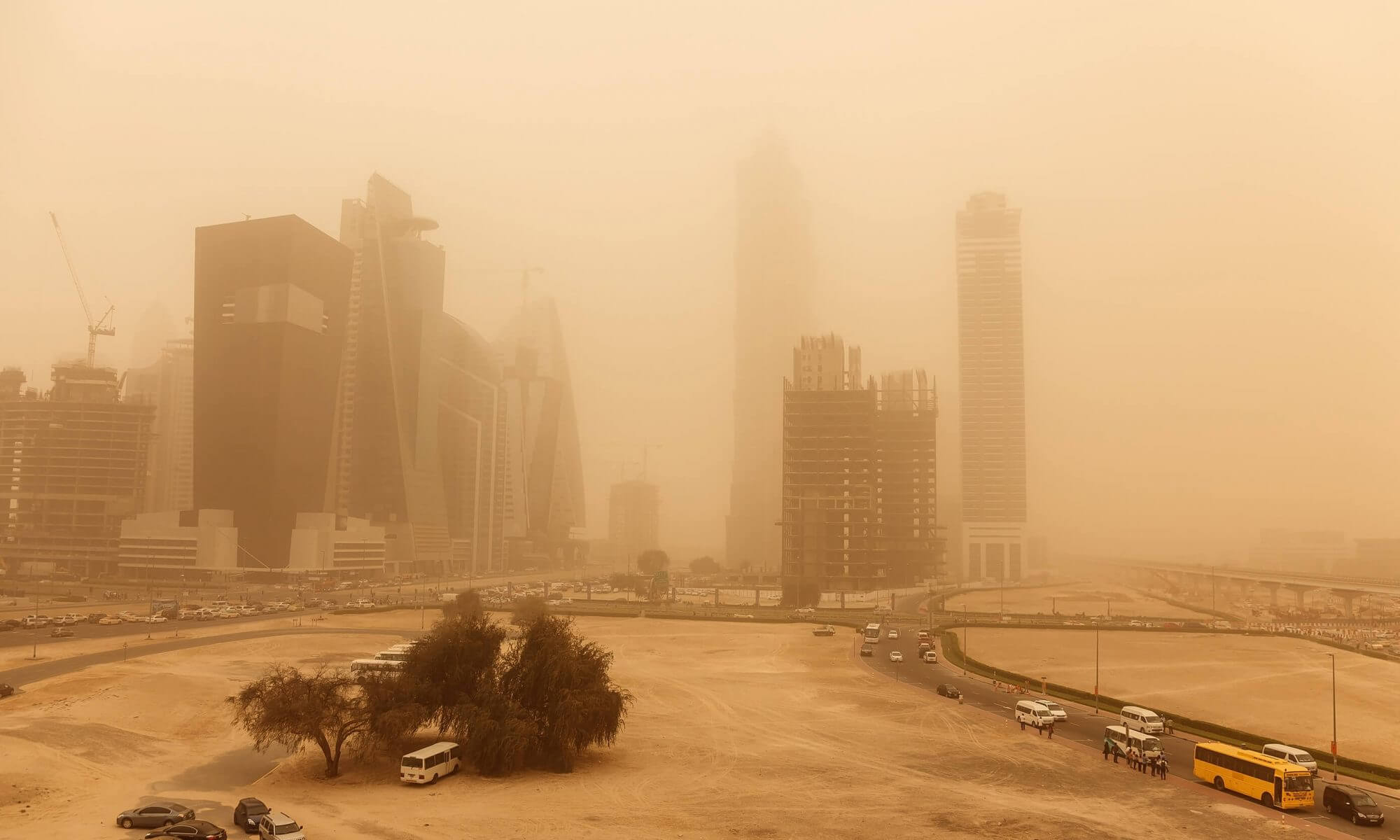
It is estimated that every year up to two billion tons of dust are carried into the atmosphere, mainly by dust storms. One dust storm alone can lift and deposit more than 200 tons of dust, with the Arabian Peninsula listed as one of the five major-dust producing regions in the world. As residents of the United Arab Emirates know well, dust storms can seem frequent in this area.

A dust storm, or sand storm, is a collection of particles of dust or sand, vigorously lifted to great heights by a strong and turbulent wind, reducing visibility and causing hazards and nuisance. Although little distinction is usually made between whether the cause of the poor visibility is dust or sand, there is a difference: the diameter of grains of desert sand usually varies from 0.15mm to 0.3mm, with the lower limit being 0.08mm. Anything below 0.08mm is defined as dust, which is more likely to be found in and around inhabited areas where human activity tends to break and crush sandy soil to produce finer sand or dust.

Observational records kept at Abu Dhabi International Airport from 1982 to 2001 show that while haze due to dust, commercial pollutants, or moisture is very common and occurs on average 242 days of the year, dust storms are far less prevalent—the average being three per year. Dust storms then are not as common as one would think, given the geographical location of the UAE and the tumultuous weather experienced by the country in the early months of 2019.

Dust events are most likely when the wind is off the desert to the south, and considerably less so when the wind is from the north-west with Shamal conditions and dust has to be transported across the Arabian Gulf. A Shamal wind is a northwesterly wind blowing over Iraq and the Persian Gulf states, which blows almost continuously in June and July. The problem with forecasting dust storms associated with Shamal winds is that the storms are not common, so the forecaster needs to be more vigilant when model data indicate strong winds from further afield. Poor visibility is most likely from after sunrise during the morning and the early afternoon during the time of surface heating, and when the regular morning land breeze reinforces any southerly flow off the desert.

When a severe dust storm hit the Middle East in April 2015, extremely low visibility resulted in hundreds of road accidents, dozens of flight delays, and school closures. The team of researchers at the Khalifa University’s Masdar Institute, however, were delighted as the dust storm validated the researchers’ dust model, which simulated the dust storm ahead of time, making it one of the most effective dust models to date for predicting dust storms in the region.

This year, researchers from the Masdar Institute published a paper in Air Quality, Atmosphere and Healthdetailing their findings and examining the impact of severe dust storms on air quality conditions using the sophisticated technology and methods available at the Institute. The authors explained airborne particles emitted and transported during dust storms affect climate and weather systems by changing cloud microphysical properties and atmospheric temperature profiles, while also deteriorating air quality conditions and impacting human health. They highlight that understanding the complex effects of such events is particularly important especially in the Arabian Peninsula.

The authors investigated one particular extreme dust event occurring between March 29 and April 3 in 2015; it was used as a test to assess the performance of the WRF-Chem model. The Advanced Weather Research and Forecasting (WRF-ARW v3.8.1) model with the chemistry/aerosol (WRF-Chem) is used to simulate emissions of aerosols and gases, their transport, and chemical and microphysical transformations.

Their study suggests that the dust event was trigged by Shamal wind—as the dense dust plume passed over the country, the temperature dropped by around 7°C and strong northeast winds reached speeds of 14m s-1. “Modeling of dust over desert areas is still challenging because of lack of information about dust sinks and correct linkage with meteorology,” said the researchers. “The use of ground observations from meterological stations and air quality stations may be used in the future to validate and correct modeled simulation of dust over the UAE as well as to understand caveats in the input data, such as emission inventory and land use data used in the WRF-Chem model.”

This research represents the first attempt to use WRF-Chem results to estimate the air quality index over the UAE as well as the possibility to use two satellite products (the Moderate Resolution Imaging Spectroradiometer with the Multi-Angle Implementation of Atmospheric Correction algorithm [MODIS-MAIAC] and the Meteosat Second Generation Spinning Enhanced Visible and Infrared Imager [MSG-SEVIRI]) to track dust over the UAE. “This work showed the added value of using high spatial resolution satellite data as future datasets that could be assimilated in air quality modeling to increase accuracy when forecasting air quality conditions,” concluded Dr. Morouane Temimi, Associate Professor of Civil Infrastructure and Environmental Engineering.

In 2016, the Masdar Institute of Science and Technology announced the launch of a real-time dust forecasting system that provides accurate, up-to-date information on storms for the Middle East region. This forecasting system is available as the Extreme Weather App for residents in the UAE, and is powered by a series of algorithms using real-time satellite data and weather forecasting models from the Masdar Institute.

“With access to accurate forecast of dust events and sandstorms, people can better prepare for them. This information will be extremely useful for the transportation sector, as it will help show motorists, pilots and air traffic controllers where the dust will be and for approximately how long,” said Dr. Hosni Ghedira, Director of the Research Center for Renewable Energy Mapping and Assessment (ReCREMA) and Professor of Practice at Masdar Institute in 2016.

By being better able to predict the UAE’s dust storms, the country can more effectively and efficiently manage its agricultural sector, renewable energy infrastructure, transportation, health, environment, and climate policy­—and provide advanced warning to reduce risk to human life. Researchers at Masdar Institute are responding to the country’s need with several dust-focused research projects, including a comprehensive characterization of the UAE’s dust.

Dust storms are expected to become more prevalent with global climate change, but the UAE government says it is on top of this problem and actively seeking ecologically sustainable solutions for everyday life and getting involved in climate change dialogues around the world. This expectation is backed up by research from Masdar Institute which found that severe dust storms are occurring more frequently in the UAE, accelerating the need for a reliable and accurate dust forecasting system for the region.

The Extreme Weather App pairs the regional expertise and practical knowledge developed at MI with sophisticated Earth-observation technologies and scientific modeling­—as the UAE invests more heavily in Earth-monitoring satellites and on-the-ground research, the dust forecasting system will be supported in helping the UAE be better equipped to tackle dust storms.

https://link.springer.com/article/10.1007%2Fs11869-019-00674-z

Jade Sterling
News and Features Writer
26 March 2019

Khalifa University and L’Oréal Middle East Sign MoU to Partner on L’Oréal-UNESCO For Women In Science Middle East Program

Partnership to Offer Three Post-doctoral Researchers and Three PhD Students Fellowships

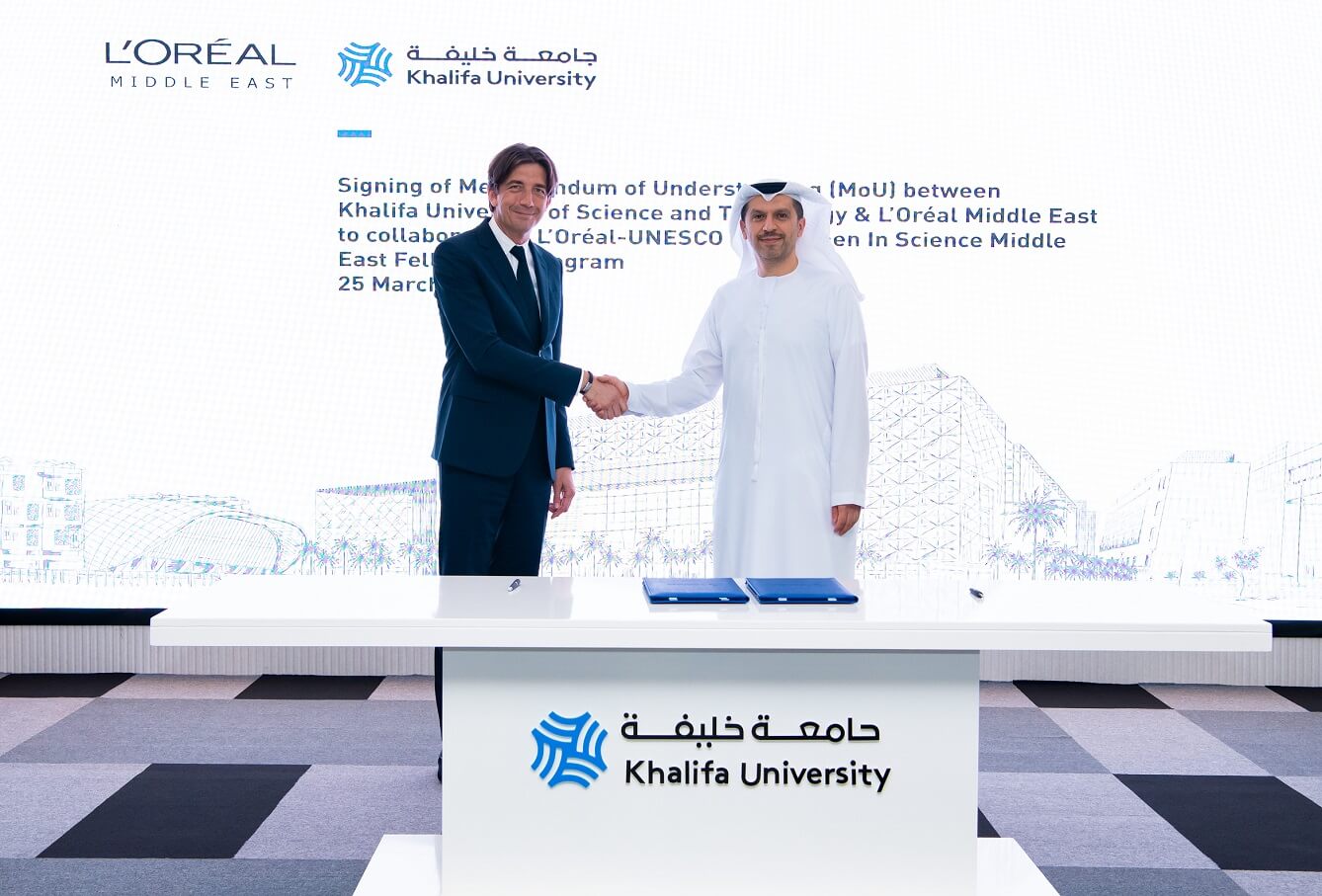
Khalifa University of Science and Technology and L’Oréal Middle East, the number one leader in the beauty industry, today announced the signing of a memorandum of understanding (MoU) to partner on the L’Oréal-UNESCO For Women In Science Middle East Program.

The aim of this partnership is to strengthen the program and reach new heights in promoting the outstanding research done by Arab women based in the region. As per this agreement, L’Oréal will offer three fellowships worth €20,000 each for Post-doctoral Researchers and three fellowships worth €8,000 each for PhD Students.

The MoU was signed by Dr Arif Sultan Al Hammadi, Executive Vice-President, Khalifa University, and Remi Chadapaux, Managing Director, L’Oréal Middle East, during a ceremony held at the Khalifa University Main Campus.
Dr Arif Sultan Al Hammadi said: “The MoU with L’Oréal Middle East for the L’Oréal-UNESCO For Women In Science Middle East Program illustrates our commitment to encouraging female participation in STEM areas as directed by the UAE leadership. The UAE already prides itself in offering equal opportunities to women while creating the right environment for their intellectual potential to be tapped in science, engineering, technology and math fields.

“Similarly, Khalifa University places huge importance to developing future women leaders as can be gauged by the current number of female students, which stands at over 58% of the total student body. We believe the MoU with L’Oréal Middle East will help us to further expand our role in developing female talent across the science and technology spectrum,” Dr Al Hammadi added.
“We are thrilled about partnering up with Khalifa University, as it is one of the most reputable universities in the region; with leadership in the advancement of learning and world-class recognition in research. Together we hope to achieve new levels of excellence and highlight the importance of gender diversity in research” said Remi Chadapaux, Managing Director, L’Oréal
Middle East. “Since the launch of the program in the GCC, we have empowered 23 outstanding Arab female scientists and recognized the importance of their research for the betterment of our local societies, and the global scientific communities at large,” added Chadapaux.

The L’Oréal-UNESCO For Women in Science Middle East program rewards talented young female scientists in Life Sciences including biology, biochemistry, biophysics, genetics,physiology, neurosciences, biotechnologies, ecology and ethology, as well as Physical Sciences
such as physics, chemistry, petroleum engineering, mathematics, engineering sciences,information sciences, earth and universe sciences.

The L’Oréal-UNESCO For Women in Science was launched 21 years ago by the L’Oréal Foundation. Since the launch of the program, it has recognized and honored over 3,100 women, including 107 laureates and granted 3000 doctoral and post-doctoral fellowships in 117 countries.

News Writer
16 April 2019

A step closer to genome editing with AI

The Next Generation of Genome Editing is on the Horizon

DNA editing at the cellular level is a reality. Technologies are editing out genes that might cause disease in mice or editing in genes that can create high-yield, drought-resistant crops. Genome editing is of great interest in the prevention and treatment of human diseases but scientists are still working to determine whether this approach is safe and effective for use in people. It is being explored in research on a wide variety of diseases and so far, scientists have used it to reduce the severity of genetic deafness in mice, created mushrooms that don’t brown as easily, and edited bone marrow cells in mice to treat sickle-cell anemia.

“Genomics is the study of the function and information encoded in DNA sequences of living cells. A detailed understanding of the relationship between genetic variations and cell function can facilitate the developments of new cures and treatments for various diseases,” said Dr. Hasan Al Marzouqi, Assistant Professor in the Department of Electrical and Computer Engineering.

Genome editing is technology that gives scientists the ability to change an organism’s DNA by adding, removing, or altering genetic material at particular locations in the genome. Several approaches to genome editing have been developed, with the most well-known being clustered regularly interspaced short palindromic repeats (CRISPR) and CRISPR-associated protein 9 (CRISPR-Cas9). This is a faster, cheaper, more accurate, and more efficient method than existing genome editing technology, and was adapted from a naturally occurring genome editing system in bacteria. The bacteria capture snippets of DNA from invading viruses and use them to create DNA segments known as CRISPR arrays; these arrays allow the bacteria to “remember” the viruses, so if they attack again, the bacteria produce RNA segments from the arrays to target the viruses’ DNA. The bacteria then use Cas9 or a similar enzyme to cut the DNA apart, disabling the virus.

In the lab, researchers create a small piece of RNA with a short “guide” sequence that attaches to a specific target sequence of DNA in a genome. The RNA also binds to the Cas9 enzyme; as in bacteria, the modified RNA is used to recognize the DNA sequence, and the Cas9 enzyme cuts the DNA at the targeted location. Once the DNA is cut, the researchers use the cell’s own DNA repair machinery to add or delete pieces of genetic material, or to make changes to the DNA by replacing an existing segment with a customized DNA sequence.

“Precise genome editing holds great potential for significantly improving the way we treat and understand diseases,” said Dr. Al Marzouqi. “Modern genome editing tools like CRISPR-based systems require the design of a guide RNA sequence (gRNA) that binds to an area of interest within the DNA. Guide sequences vary considerably in efficacy and can cause undesired outcomes. Reducing these negative effects paves the way for applying genome editing in humans.”

The reason we aren’t already using CRISPR-Cas9 in fixing all human diseases? While it’s relatively simple and powerful, this technique isn’t perfect. Recent studies have shown this approach to gene editing can inadvertently wipe out and rearrange large swaths of DNA or even trigger cancer. The risks and uncertainties around CRISPR modification are extremely high, meaning most of the scientific community believe experiments in humans are premature.

“The first step in a genome editing experiment is to choose a guide RNA based on on-target and off-target effect predictions,” explained Dr. Al Marzouqi. “Off-target score, an indicator of specificity, estimates the off-target effects which are the number of changes occurring at locations away from the desired target. On-target scores estimate on-target efficiency and are frequently measured using the percentage of indels (insertions or deletions) induced at target sequences. The unpredictable nature of these effects is a major obstacle that prevents the use of genome editing systems in humans.”

The human genome comprises 20,000 genes and more than 3 billion base pairs of the genetic building blocks: adenine, guanine, cytosine and thymine. Trawling through those 3 million base pairs to find repeating sections is time-consuming and meant progress was stalled by the complexity and enormity of the data that needed to be evaluated. With advances in artificial intelligence and machine learning applications, researchers are better able to interpret and act on genomic data.

Rational design rules and modern deep learning techniques­—like residual neural networks, LSTM and attention layers­—will be used to design new prediction systems with improved performance. In addition, machine interpretation models will be utilized to explain the performance of the developed models and provide insights that explain the performance of computational models.

Some of the latest research focuses on resolving the issue of off-target effects—when the tools mistakenly work on the wrong gene because it looks similar to the target gene. AI can help accelerate our understanding of how and why this happens­—and help prevent it.

Collating data points from CRISPR experiments and adding them to machine learning algorithms will further improve an AI system’s accuracy. Predicting the guide performance for different target sequences allows the adjustment of the total number of guides necessary, which maximizes results and lowers costs—and minimizes undesired side effects.

“Deep learning techniques are currently state of the art in numerous machine learning tasks. They achieve remarkable results across many fields including genetic data analysis,” said Dr. Al Marzouqi.

Machines help identify patterns within genetic data sets and then computer models can make predictions about an individual’s odds of developing a disease, responding to interventions, or where DNA might be altered to remove disease susceptibility. We can use AI to decode the genome and determine the best medication therapies for an individual or predict the impact of a gene mutation. We could develop CRISPR-Cas9 techniques to eradicate certain bacteria or viruses like HIV.

“In the future, we plan to extend our investigation to other problems involving the use of machine learning and genomics like protein structure determination and gene expression inference,” said Dr. Al Marzouqi.

Understanding and manipulating the human genome is a daunting task and thus far, breakthroughs have relied on human capabilities. Artificial intelligence is launching us into the future of genome editing.

Jade Sterling
News and Features Writer
1 May 2019

Khalifa University Ranked among Top 30 in Asia

First UAE Institution to be Placed among Top 30 in Asia

Abu Dhabi-UAE: 02 May, 2019 – Khalifa University of Science and Technology, a research university dedicated to the advancement of learning through the discovery and application of knowledge, has announced that it has further improved its rankings to be placed 28th in the prestigious Times Higher Education (THE) Asia University Rankings 2019 that was released in Abu Dhabi.

With the new ranking, Khalifa University has jumped another four slots to be placed in top 30 among 417 Asian universities in the latest 2019 THE Asia University Rankings, an improvement from last year’s ranking when it was placed 32nd in Asia. This also makes the University first in the UAE.
The rankings were released at the THE Asia Universities Summit 2019 that is being held from 30 April – 2 May in Abu Dhabi as a collaboration between Khalifa University and the Times Higher Education. This year rankings have been expanded to include 417 universities, up from 359 institutions the previous.

Dr Arif Sultan Al Hammadi, Executive Vice-President, Khalifa University of Science and Technology, said: “Khalifa University’s status in the THE Asia Universities Ranking 2019 further validates our research capabilities, faculty expertise and modern cutting-edge facilities that encourage innovation. Collaborations with industry leading brands in every major sector are the other factor that keeps us in the forefront of intellectual and human capital creation, thanks to the UAE’s wise leadership for their endless support for Khalifa University. We believe the new ranking will further encourage and motivate us to set new benchmarks of excellence in the academic and research arenas.”
In January 2019, Khalifa University became the only one in the Middle East and North Africa (MENA) region to be among the top 15 in the Times Higher Education (THE) Emerging Economies University Rankings 2019. The university was placed 13 th out of 442 universities from 43 countries, edging up slightly from 15 th position in the same listing the previous year.

In November 2018, Khalifa University was placed in the 176-200 band out of over 900 institutions assessed across more than 70 countries in the 2019 THE World University Subject Rankings for Engineering and Technology. In September 2018, Khalifa University was ranked 1st in the UAE and 2nd in the Arab region by the THE World University Rankings 2019. The university was also ranked top in the categories of Research and Industry Income.
The Asia University Rankings use the same 13 carefully calibrated performance indicators to provide the most comprehensive and balanced comparisons, trusted by students, academics,university leaders, industry and governments. However, the weightings are specially recalibrated to reflect the priorities of Asian institutions. The performance indicators are grouped into five areas – teaching, research, citations, international outlook and industry income.
ENDS

About Khalifa University of Science and Technology
The Khalifa University of Science and Technology merges the Masdar Institute of Science and Technology, Khalifa University of Science, Technology and Research and the Petroleum Institute into one world-class, research-intensive institution, producing world leaders and critical thinkers in applied science and engineering. The Khalifa University of Science and Technology endeavors to be a catalyst to the growth of Abu Dhabi and the UAE’s rapidly developing knowledge economy as an education destination of choice and a global leader among research intensive universities.