
Khalifa University’s Masdar Institute Solar Platform Installs UAE’s First-of-a-Kind Solar Concentrator at Masdar City

Khalifa University of Science and Technology, Abu Dhabi’s flagship sustainable community Masdar City, and Wahaj Solar jointly announced the installation of a first-of-its-kind solar concentrator in the UAE at the Masdar Institute Solar Platform – a first step in the development of a unique scalable high-temperature Concentrated Solar Power (CSP) system including thermal energy storage for more efficient on-demand and ‘dispatchable’ electricity generation, solar fuels production or industrial process heat applications.

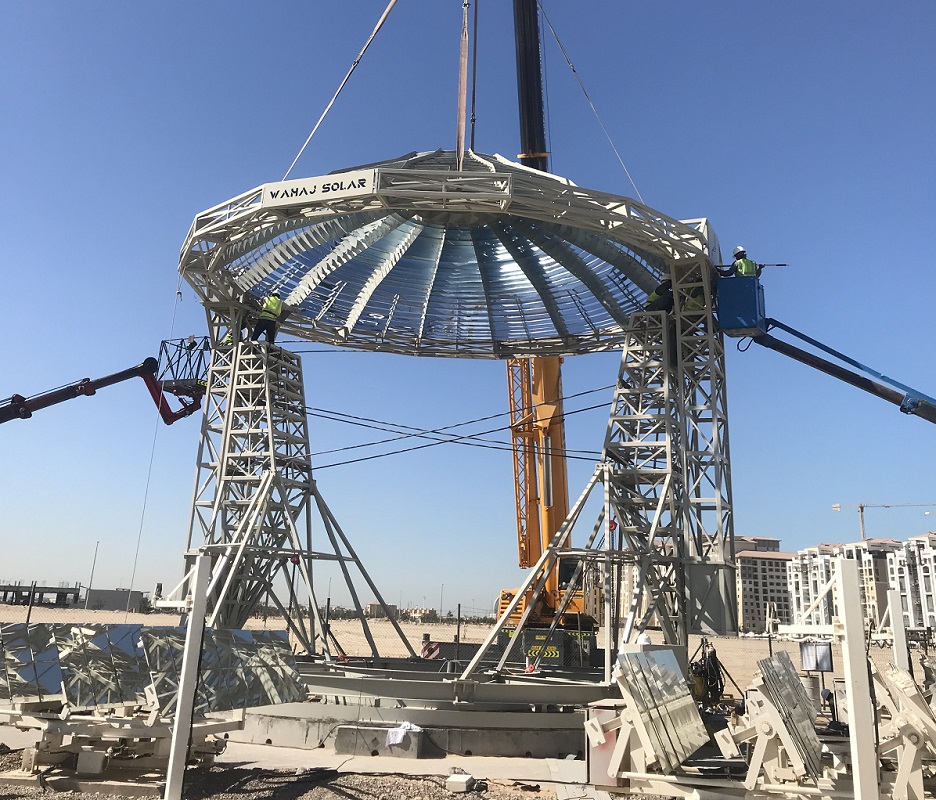
The ASC10 model, a 10-meter diameter pre-commercial scale solar concentrator, designed and developed by UAE-based Wahaj Solar, is located at the Masdar Institute Solar Platform (MISP) located at Masdar City. The MISP is also part of the Masdar Solar Hub, which was launched in 2015 with focus on accelerating and testing pilot scale solar technologies.

The newly installed concentrator – a metallic reflector-based giant Fresnel lens with fixed focal point relative to the ground – will offer a concentration ratio close to 1000 suns and temperatures above 1000 degrees Celsius, enabling the system to achieve higher temperature with less mirror surface, compared to conventional CSP systems. It can be combined with a more efficient high-temperature power generation system, helping to convert more solar energy into electricity. Moreover, high temperature thermal energy storage can be integrated with the ASC10.

Dr Arif Sultan Al Hammadi, Executive Vice-President, Khalifa University of Science and Technology, said: “The installation of UAE’s first-of-a-kind solar concentrator marks the next stage of Masdar Institute Solar Platform’s advancing research in solar energy technologies. The MISP stands as an example for innovation and we are keen to contribute to seeking new solutions to increase efficient clean generation of 24/7 power, which remains one of the strategic areas for the UAE. We believe the MISP will further enhance its significance to innovations in the energy sector, especially solar power, while attracting more industry collaborators.”

Motasim Al Daour, majority shareholder at Wahaj Solar, said: “After realizing the potential of the ASC technology and its coherence with UAE policies regarding innovative solar energy reliance especially in the topic of CSP, we decided to invest in developing and verifying the ASC and to introduce this breakthrough technology to the world from UAE. We are setting a unique example in the region where a private small company is created for the sole purpose of developing innovative new products with completely private investments”.

“Through combining technologies in power generation and storage, solar energy is becoming an increasingly reliable provider of electricity at night as well as during the day,” said Yousef Baselaib, Executive Director for Sustainable Real Estate at Masdar. “The launch of the UAE’s first Solar Concentrator at Masdar City will help to accelerate this exciting industry development, while providing further evidence of the potential for homegrown innovation here in the UAE.”

“As the natural home for innovation in clean-tech and sustainable urban development, Masdar City is delighted to be working alongside Khalifa University and Wahaj Solar to support R&D into concentrated solar power, a sector where Masdar is already playing a leading role. The Solar Concentrator will also complement other pilot projects hosted at the city and attract even more clean-tech businesses to Abu Dhabi and the UAE.”

Wahaj Solar proposed an innovative metallic-reflector-based Fresnel lens beam-down concentrator, called Ayman solar concentrator (ASC). A 40cm-prototype of this was successfully demonstrated in 2016 in Jordan. Based on this laboratory-scale proof-of-concept and an optical model, a new design of a 10-meter diameter pre-commercial scale unit was developed. This is currently under experimentation at the MISP in Masdar City. The system is protected by patents registered in the US, European Union Countries, GCC, and the World Intellectual Property Organization covering 150 countries worldwide.

Dr. Ayman Al-Maaitah, the inventor of ASC and the managing partner of Wahaj Solar said: “We have decided to launch this breakthrough technology form the UAE because of its vision in supporting innovation especially in the solar energy field. Khalifa University strongly declares its devotion to research and development and support of innovation. The Masdar Solar Platform at KU is an ideal location for testing and verifying new innovative solar technologies which will help us to obtain a verification from a respected third party of our system and hopefully to further develop its applications. “

With the newly installed concentrator, Khalifa University can develop other relevant projects to work on high-temperature thermal energy storage systems including thermochemical energy storage or solar fuel production. At a later stage, this could even lead to consider solar metallurgy by melting metals such as aluminum with solar energy alone.

Clarence Michael
News Writer
16 January 2020
KU Students Develop Airline Chatbot for Travelers

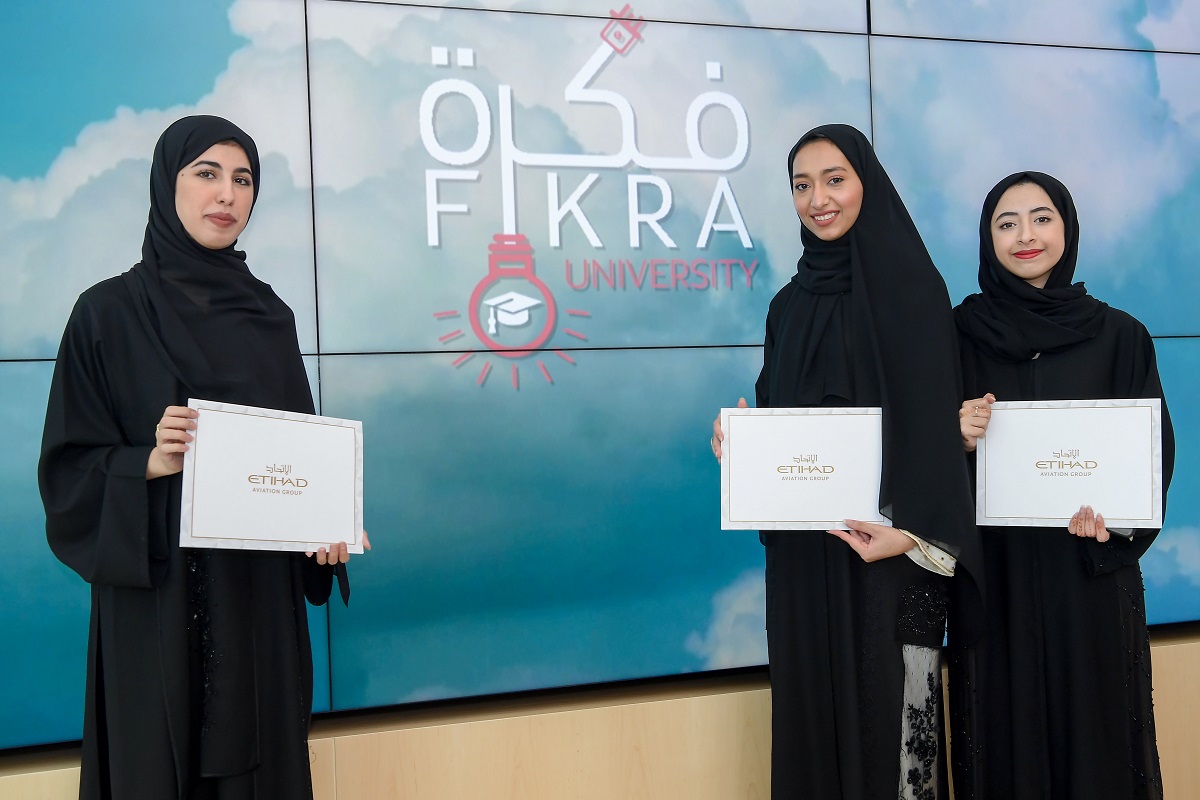
A team of Khalifa University students has developed a chatbot that will ease the flight booking process for group travelers. Team Safratna, comprised of BSc in Aerospace Engineering students Ashwaq Alkaabi, Shamsa Alyaarbi, and Amna Almatrooshi, was among the six finalist teams of Etihad Aviation Group’s Fikra University Competition 2019. The competition aims to empower talented university students across the UAE with hands-on experience in solving real-world problems in the aviation industry and encourage them to produce original solutions through creative thinking.

The chatbot, called Wahjini, was developed by Team Safratna to help group travelers with basic airline booking. When booking flights, the bot will include the whole group in a chat where they can choose their choice of destination and travel dates. The chatbot will also be able to send high-value upgrade suggestions, targeted offers, personalized recommendations, real-time flight notifications, as well as help check the visa requirements and process for the chosen destination. After everything has been finalized, the bot will then send the details to an Etihad agent to complete the booking.

The team presented their project to a judging committee that included Tony Douglas, Group Chief Executive Officer, Etihad Aviation Group and other chiefs and executives from Etihad Aviation Group, SAP, Cognizant, and IBM. Demo day was held at the Abu Dhabi Youth Hub on 15 December 2020.

Ara Cruz
News Writer
16 January 2020

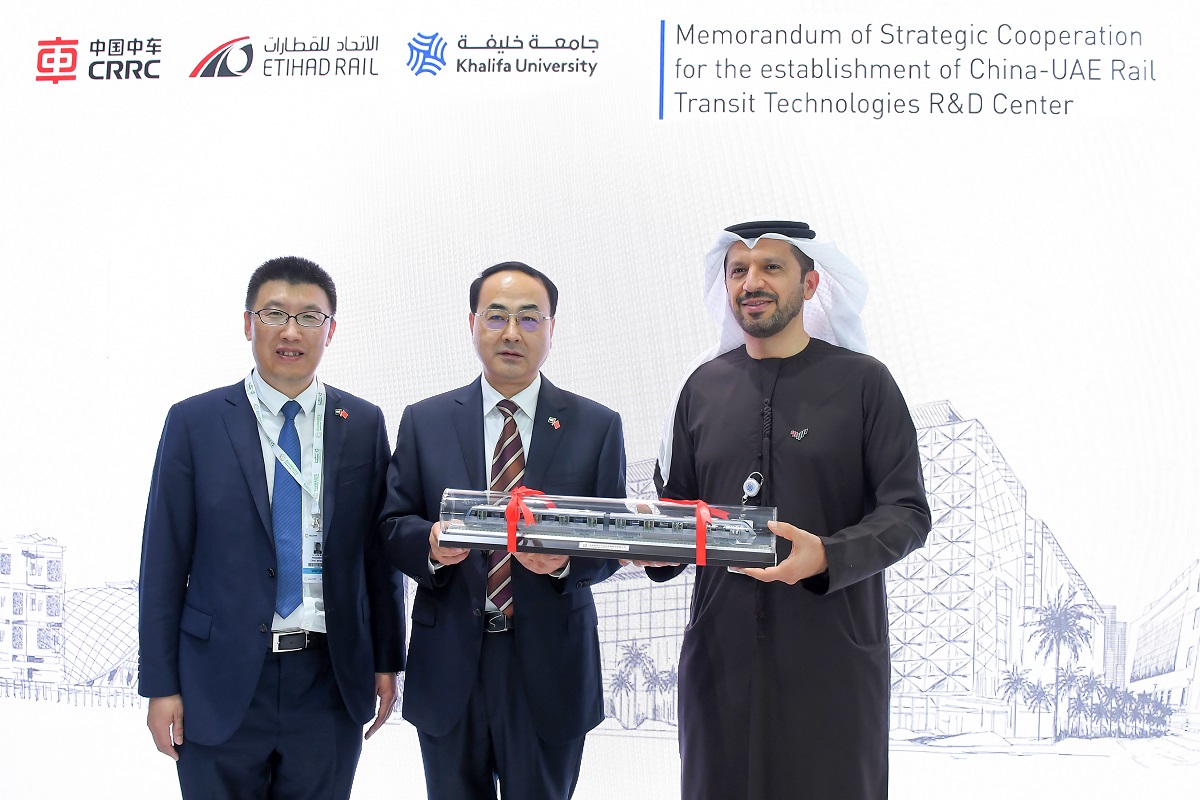
Khalifa University, China’s CRRC Qingdao Sifang and Etihad Rail to Establish China-UAE Rail Transit Technologies R&D Center

Khalifa University of Science and Technology and China’s CRRC Qingdao Sifang Co., a global designer, manufacturer and maintenance provider of advanced passenger railway vehicles have signed a strategic cooperation memorandum to jointly plan and establish the China-UAE Rail Transit Technologies R&D Center in Abu Dhabi. Etihad Rail, developer and operator of the UAE’s national railway, will also be a key party in developing the center.

The Center would be the first in the Middle East region for CRRC Sifang, which already has four national R&D institutes in China. CRRC Sifang is one of the vital subsidiaries of CRRC and an industrialization hub for Chinese high speed trains.

The memorandum was signed by Dr. Arif Sultan Al Hammadi, Executive Vice President, Khalifa University, and Dr. Jiangying LIANG, Vice President and Chief Engineer, CRRC Sifang in Abu Dhabi. His Excellency, Hussain Ibrahim Al Hammadi, UAE Minister of Education and Vice Chairman of Khalifa University’s Board of Trustees, and Shadi Malak, CEO, Etihad Rail, were present on the occasion.

The Center will focus on new technologies in rail transit industry, especially in the field of artificial intelligence (AI), big data and new composite materials for railway applications. Combining CRRC Sifang’s technology application experience and the scientific research capabilities of Khalifa University, the China-UAE Rail Transit Technologies R&D Center will carry out joint projects to significantly enhance the technological innovations for global and regional rail transit markets, while further strengthening the Sino-UAE technological cooperation.

Dr. Arif Sultan Al Hammadi said: “The synergy resulting from this strategic cooperation memorandum with China’s CRRC Qingdao Sifang is intended to significantly benefit the rail transit sector. This partnership will most importantly strengthen the UAE’s plans to further develop the rail transport systems through Etihad Rail. Moreover, we believe our research track record in artificial intelligence and composite materials will enormously benefit the activities of Rail Transit Technologies R&D Center.”

Dr. Jiangying LIANG said: “We are delighted to enter into this agreement with Khalifa University to jointly plan and establish the China-UAE Rail Transit Technologies R&D Center in Abu Dhabi. Through this agreement we will also offer our rail transit technology expertise to Etihad Rail that will help strengthen the UAE-China relations. We believe this hub will also help us explore new areas for business expansion in the nearby regions.”

Shadi Malak said: “Combining the skill-sets of these two entities, both renowned experts in their respective fields, will enable Abu Dhabi and the UAE to become a leading hub for research into the application of new rail technologies. With Stage Two of the Etihad Rail network poised to launch, the China-UAE Rail Transit Technologies R&D Center in Abu Dhabi will be able to guide the future of innovation in the region’s rail transportation infrastructure, increasing efficiency and driving sustainability for the future.”

The China-UAE Rail Transit Technologies R&D Center will aim to build a hub specialized in the latest rail transit technologies and focus on utilizing competitive advantages of the partners’ technological resources. The partners will additionally explore the possibility of launching communication forums and training programs between China and the UAE, to cultivate local and international talents.

In addition, they will seek to establish a platform and hub for all joint collaborations within the field of China-UAE rail transit industries, including co-participation and pushing forward of research projects agreed by all parties.

The China-UAE Rail Transit Technologies R&D Center will have an Administrative Board that will include Dr. Jianying Liang, Vice President and Chief Engineer, CRRC, Dr. Steve Griffiths, Senior Vice President, Research and Development, Khalifa University, and Didier Leperou, System Assurance, Etihad Rail.

The agreement also enables the establishment of a Working Group, affiliated to the Administrative Board. It will have Dr. Ernesto Damiani, Senior Director, KU Artificial Intelligence and Intelligent Systems Institute, and Dr. Wesley Cantwell, Co-Director, KU Aerospace Research and Innovation Center, as well as Engr. Sébastien Mangeant, Head of System, Etihad Rail.

The CRRC representatives on the working group include Dr. Liu Shaoqing, Executive Vice-Director of National Engineering Research Center, Dr. Chen Dawei, Technologies & Development Department, National Engineering Research Center, and Dr. Li Peng, Director of International Cooperation Department, National Engineering Research Center.

Clarence Michael
News Writer
15 January 2020

A Blockchain-based Model for Cloud Service Quality Monitoring

A researcher from Khalifa University has designed a blockchain-based model using smart contracts for trading computing resources between cloud providers as well as monitoring the service quality among cloud service providers.

“Our model enables quality verification for cloud providers who lease computing resources from each other,” explained Dr. Hadi Otrok, Associate Professor of Electrical Engineering and Computer Science.

Many of today’s information technology applications rely on access to state-of-the-art computing facilities, including cloud computing. Cloud computing enables convenient, on-demand network access to a shared pool of configurable computing resources that can be rapidly provisioned and released.

“The demand variation has forced cloud providers to preserve a massive amount of computing resources to avoid Service Level Agreement (SLA) violations,” explained Dr. Otrok. “To mitigate the issue of underutilized and over-provisioned computing resources, cloud providers scaled their pool of resources by forming cloud federations to maximize their profit and provide guaranteed Quality of Services.”

Cloud federations have emerged as a new paradigm in which cloud service providers share resources and revenue. Providers tend to collaborate when they face a hike in the demand for their services, but trust issues can make this collaboration challenging.

“In spite of their prominent advantages, cloud providers are reluctant to participate in federations due to some strict challenges, including the federations’ stability, long-term commitments from the providers, fair revenue sharing, the presence of unknown and untrusted participants, security and privacy concerns regarding the managed data, and the creation and management overhead of these federations,” explained Dr. Otrok.

“In order to overcome these limitations, the proposed Cloudchain is a new distributed blockchain-based framework to support interoperability and coopetition (cooperative competition) among the cloud providers. Cloudchain allows the cloud providers to outsource their unmet computing demands and agree on the values of shared variables (for example, the amount of resource, SLA and price) and keep a history of how the values change over time.”

A blockchain is a distributed ledger of transactions validated by a community rather than a central authority. It’s a collection of records that are validated and maintained as encrypted blocks, with the blocks being linked together as a chain, each one referencing the prior. The entire chain of blocks is retained on the public network in multiple copies, making it essentially immune to tampering, as no one person can go back and change records. This level of transparency is one of the main advantages of blockchain.

“The blockchain structure removes the barriers of a traditional centralized federation and offers a fully distributed and transparent administration by enforcing the involved agents to maintain consensus on the data. For a blockchain-based federation, it is vital to avoid blind-trust on the claimed SLA guarantees and monitor the quality of service which is highly desirable considering the multi-tenancy characteristic of cloud services.”

However, formation of federations remains hindered as blockchain has no visibility for the outside world and decisions made using its information content are dependent on the information provided to it.

“Due to the fact that the blockchain network is unable to access the outside world, it cannot detect SLA violations. Thus, we introduce Oracle as a verifier agent to monitor the quality of the service, perform verification tasks, confirm if the SLA is met, and report to the smart contract agents deployed on the Blockchain,” Dr. Otrok explained. Oracle, in the blockchain context, is a fully-trusted third-party agent that has access to the outside world and feeds the data into the blockchain via smart contracts to be accessible by the applications.

Smart contracts are simple programs that are stored on the blockchain and can be used to automatically execute instructions under certain conditions. Smart contracts take the digital place of a trusted third party and because they are stored on the blockchain, they inherit the immutable and distributed properties from the blockchain. Hence, tampering with smart contracts becomes almost impossible.

“Blockchain had a revolutionary impact in corporate governance by offering greater transparency among stakeholders. By leveraging blockchain-enabled smart contracts, we eliminate the need for trust in the federation and reduce barriers of entry, lock-in, and transaction costs, by removing obsolete trust-establishing mechanisms,” said Dr. Otrok.

There are a handful of blockchain networks that support smart contracts, with Ethereum being the largest and specifically created and designed to support them. Dr. Otrok and his team implemented a decentralized model on the Ethereum network, designing their smart contracts with the Solidity programming language. Their model is designed to embody quality verification for cloud providers who lease computing resources from each other and optimize workload.

“The interaction between cloud service providers (either providing a service or requesting it from another provider) and the Oracle through smart contracts comprises a system of autonomous and utility maximizer agents. Cloud requesters seek to receive high quality services with constant monitoring at cheap prices or even with no charge, while cloud providers aim to have a balanced workload with less preserved capacity, and the Oracle tends to charge higher for their monitoring services. Therefore, to model this conflicting situation, we formulated a dynamic Stackelberg differential game to optimize the cost of using the Oracle and maximize the profit of the agents with the role provider agent as a leader, and the requester and verifier agents as followers.”

The Stackelberg game model is a strategic game in economics in which the leader firm moves first and the follower firms move sequentially; in game theory terms, the players of this game are a leader and a follower, with players competing on maximizing their gain. The Stackelberg model can be solved to find the subgame perfect Nash equilibrium (SPNE), which is the strategy equilibrium that optimizes outcomes for each player.

“Game theory has been successfully applied in the cloud computing area for resource allocation and pricing mechanisms, where the interactions of players have to be taken into account,” said Dr. Otrok. “A user-provider interactive approach has been taken in previous works, where a Stackelberg game is designed to consider constrained pricing with limited resources offered by a cloud service provider and the optimal user demands. However, the price is the only utility factor considered in these studies and the importance of Quality of Service is somehow neglected.”

“The results from our Stackelberg differential game revealed that the requester agent initiates most of the quality verification requests at the beginning to the middle of the contract. Thus, the provider agent could reserve fewer computing resources as it could share the workload among other customers’ computing resources during this peak-time. Moreover, imposing a higher penalty on the provider agent increased the capacity and decreased the number of requests for quality verification at the equilibrium. We also found that the impact of timing in the dynamic pricing strategy of the verifier agent is very minimal, and the provisioning capacity of the provider is strongly correlated with the monitoring price.”

Dr. Otrok’s model used a single trusted Oracle to perform the verification. However, blind trust in a single third-party may hinder the reliability and efficiency of the blockchain network. His team plans to consider multiple Oracles and more advanced techniques such as reinforcement learning, to enforce truthfulness among the Oracles and select the most reliable and efficient at each stage of verification.

Jade Sterling
News and Features Writer
12 January 2020

Khalifa University Partnering with Morocco’s AMEE on Research in Energy-Efficient Technologies

Khalifa University of Science and Technology has signed a memorandum of understanding (MoU) with the Morocco’s National Agency for Energy Efficiency (L’Agence Marocaine pour l’Efficacité Énergétique – AMEE) for research collaboration in energy-efficient technologies.

The agreement was signed by Dr Arif Sultan Al Hammadi, Executive Vice-President, Khalifa University of Science and Technology, and Said Mouline, Chief Executive Officer, AMEE, recently.

Dr Arif Sultan Al Hammadi said: “Khalifa University is renowned for pioneering innovations in energy-efficient technologies covering various renewable energy areas and this MoU will pave way for such innovations to reach communities that require energy. We are delighted to enter into this research collaboration with AMEE and we believe we will be able to offer Morocco the most suitable solutions towards the country’s transition to the clean energy route.”

Saïd Mouline, said: “The collaboration with Khalifa University, a well-known university respecting the environment and promoting energy efficiency, is in line with our strategy of long-term partnerships. With this partnership, AMEE will support a major operator, to enable it to take a step forward in its sustainable approach. The operationalization of energy efficiency is nowadays a privileged tool of good governance and it is essential for reducing the energy consumption and the realization of an increasingly significant green growth rate.”

According to the agreement, the two institutions will jointly promote and facilitate technology exchange and development in several aspects of energy efficiency, and renewable energy covering advanced materials, high performance equipment and expertise. The two have also agreed on fostering joint development and demonstration of clean projects in clean technology innovation.

In addition, AMEE will offer assistance with regard to accessing data on the hourly electricity demand profile of the entire country, while sharing support materials such as technical presentations, studies and successful case studies. On its part, Khalifa University will investigate possible energy transition pathways to complete substitution of fossil fuel energy resources by renewable energy, using the hourly electricity demand profile by regions and by industries.

The collaboration is part of Morocco’s ambitious national energy strategy which targets over 50% of installed electricity production capacity from renewable sources by 2025 and aims to cut energy consumption by 15% by 2030. The country also seeks to reduce greenhouse gas (GHG) emissions by 32% by the year 2030.

Khalifa University’s Research Center for Renewable Energy Mapping and Assessment (ReCREMA) has become a regional research hub for renewable energy mapping and assessment in desert environment in the UAE, Kuwait, Saudi Arabia, Egypt, and Oman. It is playing a pro-active role in bringing International Renewable Energy Agency’s (IRENA) Global Atlas Project to the UAE. The Global atlas servers are presently hosted at the university’s Data Center; operated and maintained by ReCREMA engineers.

ReCREMA was also mandated by the Saudi Government (KA-CARE) to develop the Saudi Solar Atlas and is currently operating the solar forecasting system for Saudi Arabia.

Moreover, Khalifa University currently has several energy efficient technologies-related projects. These include a project to develop a new blend of refrigerants meant to have little or no global warming potential (GWP), to replace widely used refrigerants like hydrofluorocarbons (HFCs).

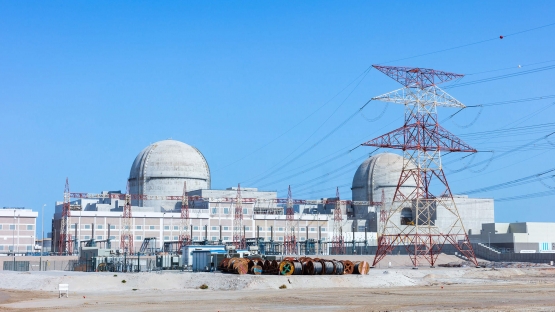
Khalifa University recently joined the official launch of the Emirates Nuclear Technology Center (ENTC) at its campus. A collaboration with partners including the Emirates Nuclear Energy Corporation (ENEC), and the Federal Authority of Nuclear Regulation (FANR), ENTC aims to support the long-term sustainability of the UAE’s Peaceful Nuclear Energy Program by creating a dedicated innovation hub for peaceful nuclear technologies.

Clarence Michael
News Writer
14 January 2020

Combating Deepfake Videos Using Blockchain and Smart Contracts

To combat the proliferation of deepfake videos on the internet, Dr. Khaled Salah, Professor of Electrical and Computer Engineering, with Haya Raed, as part of her MSc thesis work, investigated the use of blockchain and smart contracts for her MEng in Computer and Electrical Engineering.

The paper for this research was published in April 2019 in IEEE Access and is currently ranked within the top 50 most popular papers published by the Institute of Electrical and Electronics Engineers (IEEE), with 4,074 views, increasing exponentially every month.

Deepfakes are manipulated digital media produced using artificial intelligence technique to create fabricated images and sounds that appear to be real . They often combine and superimpose existing media onto source media using machine learning techniques. As artificial intelligence (AI) applications make their way into mainstream use, deepfake video production has become commonplace.

The deepfake video of the former US President Barack Obama that went viral in April 2018 caught Haya Raed’s attention and served as a catalyst to her research. Modified video footage of Obama depicts him mouthing the words contained in a separate audio track and highlights the potential of deepfakes to undermine truth, confuse viewers, and accurately fake reality.

“With the rise of artificial intelligence and deep learning techniques, fake digital content has proliferated in recent years,” said Raed. “Fake footage, images, audio and videos (known as deepfakes) can be a scary and dangerous phenomenon and have the potential to alter truth and erode trust by virtue of false reality.”

Although academic interest related to deepfakes dates back to 1997, deepfake came into the mainstream in 2017, starting with a group of social media users employing AI to swap the faces of celebrities with other film characters. This may have been an innocuous start to the use of such technology, but as artificial intelligence applications have made their way into the hands of the average person, such content quickly took on a far more nefarious quality. In some early examples of deepfakes, a large number of famous political leaders, actresses, and other celebrity figures had their faces weaved into indecent videos. More worryingly, as much of today’s news is circulated on social media, deepfakes can have an enormous impact on public opinion and democratic outcomes.

“With the advent of social networks, proliferation of such content can be unstoppable and can potentially exacerbate problems related to misinformation and conspiracy theories,” added Dr. Salah. “Hence, there is an immense need for a Proof of Authenticity (PoA) system for online digital content to identify trusted published sources and therefore be able to combat deepfake videos, audio, and images.”

There are real-world solutions available to prove the authenticity of physical works. A certificate of authenticity is often provided with the purchase of a piece of art or a luxury item, but it is possible to forge this or to find the item unsigned from a known and trusted authority. Many times, when an item is bought on a secondary market, the onus is on the buyer to prove authenticity, leaving them with substantial manual work and risk. For digital media online, there are no established methods to determine authenticity and subjecting online content to a certificate of authenticity would be unfeasible.

“Deepfake videos are very realistic and make use of deep learning techniques with large samples of video images used to achieve face swapping,” explained Dr. Salah. “The higher the number of samples, the more realistic the outcome. The Obama video was created from more than 56 hours of sample recordings to make it extremely real and believable.”

“It is crucial to have techniques to detect, fight, and combat deepfake digital content that may include fake videos, images, paintings, audio, and so on. Achieving this purpose is not difficult if there is a credible, secure and trusted way to trace the history of digital content. Users should be given access to a trusted data provenance of the digital content, and be able to track back an item in history to prove its originality and authenticity.”

Blockchain technology offers an immutable and tamper-proof ledger of data and transactions as a shared database, validated by a wide community. Each record created forms a block, and as each block is confirmed by the community, it is paired up with the previous entry in the chain, creating a chain of blocks. Blockchain could be used to prove authenticity and originality of digital media in a way that is decentralized, trusted, and secure, with tamper-proof records, logs, and transactions.

“Proof of authenticity of digital media is critical to help eradicate the epidemic of forged content,” explained Raed. “Current solutions lack the ability to provide history tracking and provenance of digital media. Our solution uses Ethereum smart contracts to trace and track digital content to its original source, even if the digital content is copied multiple times.”

The solution designed by Dr. Salah and Raed uses an Ethereum blockchain-based solution that establishes authenticity of digital content by providing credible and secure traceability to a trusted artist or publishing source. The main aim of the solution is to assist a user in tracing back a video with multiple versions to its origin. If a video cannot be traced to its original publisher, then it cannot be trusted.

“The smart contract uses the hashes of the interplanetary file system (IPFS) used to store digital content and its metadata,” said Dr. Salah. “Our solution focuses on video content, but the solution framework is generic enough to be applied to any other form of digital media. Our solution relies on the principle that if the content can be credibly traced to a trusted or reputable source, the content can then be real and authentic.”

The Ethereum platform also allows for the development of a decentralized application which can automate the authenticity process, or integrated within video players or a web browser to indicate authenticity of played or displayed content. Every video in the system is associated with a smart contract that points to its parent video, and every parent video is linked to its child, in a hierarchical fashion. Smart contracts are simple programs that are stored on the blockchain, inheriting the immutable and distributed properties from the blockchain host.

In the solution, the owner of a video first creates a smart contract where other artists can request permission to edit, alter or distribute the content. The secondary artist requests permission, the request is assessed by the original artist, and the result is then announced. Once an artist gets approval, they create a child contract similar to the original contract and update the parent’s information. Hence, both contracts point to each other and the chain between the videos is complete. The original smart contract can handle multiple requests at the same time and multiple different requests by the same artist.

“It is important that all transaction history as well as the provenance data available for the users to track and trace a video is tamper-proof,” said Dr Salah. “Our solution ensures the integrity of all the events and logs by storing it in the immutable blockchain infrastructure. Moreover, a video’s integrity is also maintained by storing it on the IPFS distributed servers and only storing the hash in the smart contracts. Any change to the video will lead to a new hash that will not match the hash in the smart contract. Consequently, the video content on the blockchain is tamper-proof as well as the reputation of the creator.”

Future work focuses on developing front-end decentralized applications for users to automate establishing authenticity of published videos. Dr. Salah and Raed also plan to develop a pluggable application to provide traceability and establish authenticity when playing or displaying videos within a web browser, and is also designing a fully functional and operational decentralized reputation system.

“The full code of the smart contract has been made publicly available at Github,” said Raed. “I wanted to contribute to the scientific community and push science forward. Sharing the code helps accelerate innovation and research.”

Jade Sterling
News and Features Writer
11 December 2019

GCC members discuss renewable energy plans

Measuring solar radiation for power at Masdar

3rd July 2012

Abu Dhabi: Research institutions, policymakers and utilities from the six GCC countries convened for the first time to identify collaboration opportunities in resource mapping activities and discuss renewable energy plans, especially sharing past experiences and requirements in resource assessment, at a workshop in Abu Dhabi.

KU’s Advanced Materials Science Research Highlighted at MRS Conference

KU researchers presented eight conference papers at the Materials Research Society’s (MRS) flagship conference, the 2019 MRS Fall Meeting & Exhibition, which took place from 1 – 6 December 2019 in Boston, Massachusetts, USA.

The eight papers presented by KU faculty, researchers, and students demonstrated the university’s robust materials science research activities.

Two KU faculty members are the principal investigators for the papers presented at the conference – Dr. Matteo Chiesa, Professor of Mechanical Engineering and head of the Laboratory for Energy and Nano Science (LENS), and Dr. Rashid Abu Al-Rub, Professor and Acting Chair of Aerospace Engineering, Director of Advanced Digital and Additive Manufacturing Group (ADAM) and Professor of Mechanical Engineering.

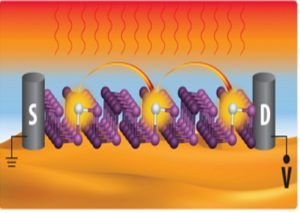
Dr. Chiesa presented two papers. In the first paper, titled “GeS Field Effect Transistor for High Temperature Applications,” Dr. Chiesa describes how his team investigated the effects that intrinsic crystal defects in an ultrathin, 2D germanium sulfide (GeS) material have on the material’s electrical properties at different temperatures. More specifically, he studied how the crystal defects effect the germanium sulfide’s behavior as a field effect transistor (FET) that amplify and switch electronic signals.

Boulos Alfakes, PhD student under the supervision of Dr. Chiesa, also presented two papers. His first paper was titled “Effect of Hf Doping on ZnO Photo-Anode.” In this project, Alfakes and his team developed an enhanced zinc oxide-based anode for use in a photoelectrochemical (PEC) cell – a device that splits water and produces hydrogen. The researchers doped the zinc oxide with the chemical element hafnium, using an atomic layer deposition (ALD) approach. They observed a 250% increase in the photocurrent, or the electric current induced from light, travelling in the anode.In his second paper, titled “Spectroscopy Studies on Multi-Layer InSe with Visible Range Band Gap,” Dr. Chiesa revealed important properties of the 2D material indium selenide (InSe). His team used Raman spectroscopy, a technique involving light scattering to understand material properties, to determine the electronic band structure and lattice vibrations of indium selenide and indium selenide coated with graphene. Both papers’ co-authors include Dr. Srinivasa Tamalampudi, Dr. Raman Sankar, Dr. Ibraheem Almansouri, and Dr. Jin-You Lu.
Alfakes’ second paper was titled “Hf Doped ZnO Engineering for Various Solar Cells Architectures.” In this study, Alfakes and his team took precise measurements using scanning and transmission electron microscopy, x-ray diffraction, Kelvin probe force microscopy, and other characterization techniques to provide conclusive evidence that hafnium doped zinc oxide produces a tunable band gap and work function, as well as decreases electrical resistivity, making it an ideal material for solar cell applications.

Dr. ChunYu Lu, Postdoctoral Fellow working under Dr. Chiesa, presented a paper titled “Density Functional Theory Simulation on Material Science—Bridging the Gap Between Theory and Experiment.” In this research, Dr. Lu and his team performed Density Functional Theory (DFT) – a computational modeling method to investigate electronic structures – on 2D materials, including indium selenide, graphene, and doped zinc oxide, to characterize the materials and design ideal material properties for different applications.

Dr. Nitul Rajput, Postdoctoral Fellow working under Dr. Chiesa, presented his research titled “EELS study of Vertically grown Graphene sheets on Ge.” The poster describes how his team used transmission electron microscopes (TEM) – a type of microscope that uses a beam of electrons instead of light to see through a material – and electron energy loss spectroscopy (EELS) – a technique to measure the change in kinetic energy of electrons after they interact with a specimen – to study and investigate the carbon bonds within a vertically grown carbon material on germanium. This study will bring new insight into the growth mechanism of graphene sheets on semiconductor materials.

Juveiriah M. Ashraf, an MSc student in Materials Science and Engineering supervised by Prof. Rashid Abu Al-Rub and Prof. Kin Liao, presented two papers. The first was titled “Three-Dimensional Architected Graphene Lattices from Additively-Manufactured Polymer Templates.” Juveiriah described how her team developed a simple, scalable, and architecturally versatile additive manufacturing approach to creating 3D graphene structures based on triply periodic minimal surfaces (TPMS), which are cellular lattices that have perfectly curved surfaces with no self-intersecting or enfolded surfaces. Being able to translate graphene’s unique 2D properties – particularly, its exceptional strength and conductivity – into a 3D form will extend the potential application of graphene into numerous fields.

Juveiriah’s second papers was titled “Effective Thermal/Electrical Conductivities of Three-Dimensional Cellular Architectures based on Triply Periodic Minimal Surfaces.” She compared the electrical and thermal conductivity of three different types of TPMS structures – Gyroid, IWP and Diamond shapes using computational modelling. Her findings indicate that the sheet network version of each structure demonstrated higher conductivities compared to the solid networks, and that the IWP sheet network demonstrated the highest conductivity overall. The research was then used to compare the thermal and electrical conductivities of graphene-based TPMS structures that were fabricated experimentally.

The Fall Meeting & Exhibit is the world’s foremost international scientific gathering for materials research. The meeting provided an opportunity to spotlight some of the innovative materials science research and advanced capabilities being developed at KU.

Erica Solomon
Senior Editor
10 December 2019

KU Undergrad Student Wins 1st Place at the 2019 IEEE International Conference on Imaging Systems and Techniques

Khalifa University’s BSc in Electrical Engineering and Computer Science student Khadeeja khaled Aljaberi won first place in the Student Poster Competition at the 2019 IEEE International Conference on Imaging Systems and Techniques, which took place from 8 – 10 December 2019 in Abu Dhabi.

The poster describes Aljaberi’s experiments on near-field microwave imaging probes, which was conducted as part of her independent study course under the supervision of Dr. Mohammed Abou Khousa, Associate Professor of Electrical and Computer Engineering, and Research Associate Andri Haryono.
“The project focuses on experimentally investigating the resolution of near-field microwave imaging probes which are based on a square spiral resonator design. The aim was to enhance the probe’s imaging resolution while the operating frequency is maintained in the UHF band (300MHz – 1000MHz)” Aljaberi shared.

Near-field microwave imaging could be used to see hidden or embedded objects in a structure. It is useful for numerous industrial applications, including surface crack detection, mapping of corrosion and inspection of composite materials.

Microwave frequency range starts from as low as 3MHz (HF Band) up to 300 GHz (mm Band). While the imaging resolutions of probes operating at higher frequencies (in the GHz) are better, the cost and complexity of the system increases at higher frequencies, and the system’s stability is compromised. Which is why developing probes that can operate in the lower frequency ranges (e.g. UHF Band), while producing decent quality and high resolution images, is critical.

Addressing this issue, Aljaberi experimentally investigated the behavior, sensitivity and resolution of three microwave probes labelled as probe A, B and C, which operated at 530MHz, 630MHz and 780 MHz, respectively. These probes were designed with different lateral dimensions of the probe’s spiral resonators. Aljaberi concluded that by reducing the lateral dimensions, the imaging resolution of the probes operating at the UHF band (MHz) was comparable to the imaging resolution of probes operating at higher frequency bands (GHz).

“In conclusion, the resolution of the first two probes – A and B – was found to be 4mm. While the third probe – Probe C – had a resolution of 3mm. Each probe successfully produced a 2D image of a metal sample. The images were then compared to the images taken by microwave imaging probes operating at 24, 33 and 70 GHz. It was experimentally proved that Probe C (operating at only 780MHz) had a better resolution compared to the probes operating at 24GHz and 33GHz. Additionally, it had a similar imaging outcome compared to a probe operating at 70GHz frequency,” Aljaberi shared.

Erica Solomon
Senior Editor
9 January 2020

Masdar Institute’s Water and Environment Engineering Programme contributes to crucial clean energy knowledge building

31st July 2012

Masdar Institute of Science and Technology, an independent, research-driven graduate-level university focused on advanced energy and sustainable technologies, has announced the Water and Environmental Engineering (WEN) Master’s programme further amplified its contribution to clean energy knowledge building in the UAE and worldwide following the creation of the UAE Center for Renewable Energy Mapping and Assessment.

Newcomers Helping Newcomers: UAE’s Khalifa University Hosts IAEA Training Course

What does it take to develop the infrastructure for a new nuclear power programme?

Junior and mid-career professionals from 19 countries seeking answers to that question attended a training course organized by the IAEA in collaboration with Khalifa University of Science and Technology in the United Arab Emirates (UAE), which shared its experiences as one of the most advanced newcomers to nuclear power.

Read full story here: https://www.iaea.org/newscenter/news/newcomers-helping-newcomers-uaes-khalifa-university-hosts-iaea-training-course