
Khalifa University’s Masdar Institute to Showcase Latest Research Innovations in Advanced Sustainable Technologies and Clean Energy at WFES 2020

University Also to Drive Knowledge Exchange Sessions and Sign Collaboration Agreements with Industry and Technology Leaders
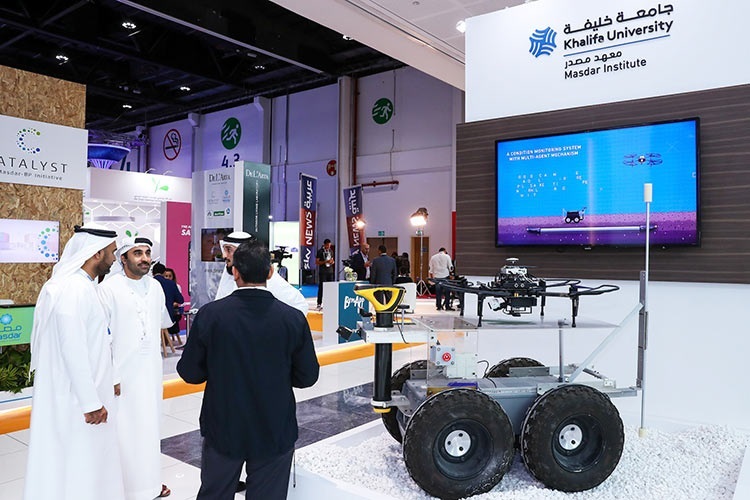
Khalifa University announced it will showcase Masdar Institute’s latest research innovations in advanced sustainable technologies and clean energy during the World Future Energy Summit (WFES) 2020 that is part of Abu Dhabi Sustainability Week (ADSW) 2020.

As a research-intensive higher education institution focusing on renewable energy, advanced sustainable technology, energy storage, biofuel, and water and environment, Khalifa University will be signing collaboration agreements, while showcasing its most recent research innovations at its stand (A-411) at WFES 2020. In addition, faculty experts will participate and lead various dedicated workshops, technical sessions, panel discussions and forums at the event focusing on energy, energy efficiency, water, solar, waste and smart cities.

In addition, a total of 26 members of the Young Future Energy Leaders (YFEL) program will be honored during the week for successfully completing their year-long schedule of mandatory programs.

Dr Arif Sultan Al Hamadi, Executive Vice-President, Khalifa University of Science and Technology, said: “We are privileged to showcase Masdar Institute’s renewable and sustainable energy technology innovations at the World Future Energy Summit, which serves as the most prominent networking platform for business, innovation and knowledge exchange. We believe such gathering of technology and industry leaders will give further momentum to expedite the adoption of clean technologies, thus benefiting the communities globally.”

He added: “At the same time, we are delighted to host the graduation of YFEL members who are trained to become tomorrow’s decision-makers and industry leaders driving advanced energy and sustainable technology solutions.”

Other Khalifa University innovations that will be featured at the event will include the Sustainable Bioenergy Research Consortium (SBRC), the Masdar Institute Solar Platform (MISP), and a nuclear project.

Dr Steve Griffiths, Senior Vice President, Research and Development, Khalifa University, will share his perspectives during a keynote panel on ‘Making a city smart and sustainable: Closing the gap between public need and available services’. Dr Griffiths, will also share his thoughts on leveraging artificial intelligence in renewable energy environments and moderate a keynote panel on “Happy Cities: The goal of sustainable urban master planning”.

From the Khalifa University Center for Membranes & Advanced Water Technology at Masdar Institute, Prof. Hassan A. Arafat, Director, will offer his views on socio-political factors impacting the sustainability of desalination during a research and development spotlight. Additionally, Dr Riaan van der Merwe, Assistant Professor, Dept. of Civil Infrastructure and Environmental Engineering, will share his views on rethinking brine discharge from regional desalination.

Research centers and facilities at Masdar Institute in Khalifa University continue to lead innovation in renewable energy. Most recently, the University’s Masdar Institute Solar Platform (MISP) in partnership with Wahaj Solar installed the UAE’s first-of-a-kind concentrator to helps achieve higher temperature with less mirror surface, thus enabling conversion of more solar energy into electricity. The MISP is part of the Masdar Solar Hub development launched in 2015 focused on accelerating and testing pilot scale solar technology.

Khalifa University’s Sustainable Bioenergy Research Consortium (SBRC) completed significant structural improvements to enable better yields of the salt-loving Salicornia plant and the growth of a wider range of fish species. SBRC’s Seawater Energy and Agriculture System (SEAS), is the world’s first research facility to grow both food and fuel using desert land irrigated by seawater.

Moreover, Masdar Institute’s Research Center for Renewable Energy Mapping and Assessment (ReCREMA) will showcase its recently launched Renewable Energy Management System for Saudi Arabia.

A global hub for business, innovation and knowledge exchange at the heart of ADSW, the World Future Energy Summit (WFES) is a global industry platform connecting business and innovation in energy, clean technology and efficiency for a sustainable future. The WFES 2020 will be held from 13-16 January 2020 at the Abu Dhabi National Exhibition Center (ADNEC).

Clarence Michael
News Writer
7 January 2020
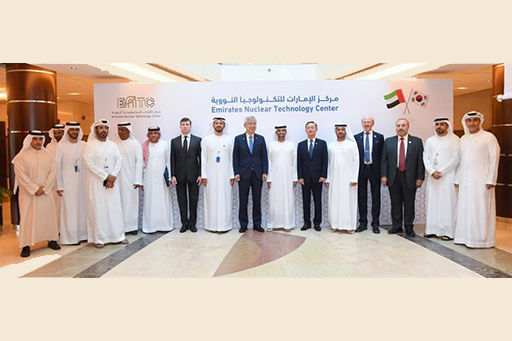
UAE Ministry of Energy and Industry Launches Emirates Nuclear Technology Center at Khalifa University’s Sas Al Nakhl Campus in Abu Dhabi

 The new center will support research, innovation and capacity building in the UAE’s peaceful nuclear energy industry

A Memorandum of Understanding has been signed by UAE’s MoEI, and the Korea’s MoFA to cooperate in research projects

 The UAE Ministry of Energy and Industry opened the Emirates Nuclear Technology Center, at Khalifa University’s Sas Al Nakhl Campus in Abu Dhabi, UAE, to support the long-term sustainability of the UAE Peaceful Nuclear Energy Program by creating a dedicated innovation hub for peaceful nuclear technologies.

 A Memorandum of Understanding (MoU) was exchanged by His Excellency Suhail Bin Mohammed Faraj Faris Al Mazrouei, UAE Minister of Energy and Industry, and His Excellency Lee Taeho, Second Vice Minister of Foreign Affairs, Republic of Korea, during the opening ceremony, attended by His Excellency Engineer Mohamed Al Hammadi, Chief Executive Officer of ENEC, Christer Viktorsson Director General of the Federal Authority of Nuclear Regulation (FANR), Dr. Arif Sultan Al Hammadi Executive Vice President of Khalifa University, and senior officials from all five entities.

The MoU between the UAE MoEI and the Ministry of Science, and Information and Communications Technology of Korea, under the UAE-Korea Consultation Committee on Nuclear Technology, outlines the framework of cooperation on research projects between the center’s relevant partners.

The Emirates Nuclear Technology Center will engage in research projects designed and approved by ENEC and FANR, and will be conducted by students, academics and researchers from Khalifa University. The Center’s initial research projects will focus on three areas – nuclear safety and systems, nuclear materials science and chemistry, and radiation safety in the environment.

Through the MoU, the ENTC will benefit from sharing of knowledge and expertise from the Korean nuclear energy industry, which has been operating for over 40 years, along with experience in developing nuclear research reactors.

“It is my pleasure to launch the Emirates Nuclear Technology Centre in Abu Dhabi, which is an outcome of our collaborative approach with our South Korean government counterparts and all UAE nuclear stakeholders, who are working to further Nuclear Science & Technology Research and Development. Investing in research and innovation are prerequisites for the long-term success of the UAE’s peaceful nuclear energy industry. It will further position the UAE as an international role model for the development of a peaceful nuclear energy program by building UAE National capabilities and conducting industry-leading research on radiation safety and nuclear energy technologies,” said His Excellency Suhail Al Mazrouei.

“Within the frame of the High-Level Consultation on Nuclear Cooperation, we and our UAE partner are expanding areas of cooperation in the Barakah Nuclear Energy Plant construction and operations, new nuclear energy project in third countries, nuclear R&D, and safety regulations. I believe that the MoU on nuclear energy and R&D cooperation will serve as a catalyst that will further accelerate our bilateral nuclear energy cooperation”, said His Excellency Lee Taeho,.

H.E. Eng. Mohamed Al Hammadi, CEO of ENEC, said: “We are delighted to be part of this initiative to establish the Emirates Nuclear Technology Center. As the UAE’s emerging peaceful nuclear energy industry continues to grow and develop, collaboration and cooperation between academia and industry will allow us to ensure the long-term sustainability of the UAE Peaceful Nuclear Energy Program, as well as enhancing our global competitiveness and high standards of safety. Through its projects and research the Center will provide talented UAE Nationals with the opportunity to work alongside international experts in conducting cutting-edge research, thereby developing their skills and capabilities within the field of peaceful nuclear energy.”

 Dr Arif Sultan Al Hammadi, Executive Vice-President, Khalifa University of Science and Technology, said: “We are delighted to join the official launch of the Emirates Nuclear Technology Center (ENTC), hosted on our campus, in collaboration with our stakeholders including our partners ENEC and FANR. The ENTC reflects another strong commitment from Khalifa University to contribute to enhancing the UAE’s nuclear technology research capability and support our key stakeholder’s goals for the delivery of safe, clean and efficient nuclear technology to meet the UAE 2030 vision. The center will significantly optimize the multidisciplinary capabilities through Khalifa University’s diverse community of faculty and researchers to meet the national objectives.”

“We are delighted to join our national and international stakeholders in launching the Emirates Nuclear Technology Centre. Investing in research and innovation in nuclear technologies is indispensable to ensure the sustainability of the nuclear program. We will work closely with our partners to identify priority areas, focus on strategic nuclear sector research, ensure continuity of projects and provide support to national and international initiatives in line with FANR’s R & D Policy, which was launched in 2017. FANR will support the mandate of the new center by utilizing its Research and Development Program. FANR’s Research and Development Program aims to develop and attract Emiratis by providing opportunities for postgraduate education and research in the nuclear field. It also aims to ensure sound technical basis for all regulatory activities, mitigate risks related to safety, security and safeguards in the UAE nuclear sector,” said Christer Viktorsson, Director-General of the Federal Authority for Nuclear Regulation (FANR) in the UAE.

The establishment of the Emirates Nuclear Technology Center will cement the UAE’s position as an international role model for the development of a new peaceful nuclear energy projects around the globe. Innovation and continuous development are essential to the sustainability and long-term success of the UAE’s peaceful nuclear energy industry, as well as the UAE’s ongoing transition to a knowledge-based economy and society.

The MoU comes at a pivotal time for ENEC, with the 4 Units of Barakah Nuclear Energy Plant more than 93% complete. Unit 4 is over 82% complete, Unit 3 is more than 91% and Unit 2 is more than 95%. Unit 1 construction has been completed and is currently undergoing operational readiness preparations pending regulatory approval and receipt of the Operating License for Unit 1 from FANR, anticipated in early 2020.

After the launch of ENTC and the MoU signing, His Excellency Suhail Al Mazroui, His Excellency Lee Taeho and members of the official delegation from Korea, ENEC, and FANR along with Khalifa University senior management team, faculty members and researchers toured the research facility.

Later, delegation members from the two countries attended the second meeting of the ‘UAE-Korea high-level consultations on nuclear cooperation’.

News Writer
27 November 2019

Three Teams Emerge Leaders from Day 1 Trials at US$5-Million MBZIRC 2020 in Abu Dhabi

 Preparations in Full Swing for Grand Challenge while Teams Asses their Performance during Trials in All Three Challenges

Organizers of the US$5-million Mohamed Bin Zayed International Robotics Challenge (MBZIRC) 2020 today announced the names of three leading teams from Day 1 trials as the participating teams complete Day-2 trials, looking forward to the Grand Challenge.

In Challenge 1 trials, the Beijing Institute of Technology emerged leaders from Day 1, proving their skills in autonomously tracking the intruder unmanned aerial vehicle (UAV), while capturing and neutralizing it inside the arena. The Prague Czech Technical University-University of Pennsylvania-NYU team came second, while the University of Tokyo came third.

In Challenge 2, the Prague Czech Technical University-University of Pennsylvania-NYU team emerged leaders, demonstrating the autonomous maneuverability of a team of unmanned aerial vehicles (UAVs) and unmanned guided vehicles (UGVs) to collaborate and autonomously locate, pick, transport and assemble different types of brick-shaped objects to build pre-defined structures, in an outdoor environment. The Technical University of Denmark came second, while the University of New South Wales – Sydney came third.

In Challenge 3, the Technical University of Denmark came out the leaders, presenting their drones’ capabilities in a firefighting scenario in an urban high-rise building. The Korea Advanced Institute of Science and Technology (KAIST) came second, while the University of Zagreb Faculty of Electrical Engineering and Computing, and the Polytechnic University of Madrid-University Pablo Olvide-Poznan University of Technology teams shared the third place honors.

The UAE’s Al Nokhba Team has performed strongly to reach sixth and seventh positions respectively in the Challenges 2 and 3, thus emerging among the most prestigious research centers worldwide. The performance indicates the high level of innovation the young Emirati team has achieved in advanced technologies, enabling them to compete globally.

Winners will be announced on the last day of the Challenge in all four categories. Each of the teams at MBZIRC 2020 attempt two trials for Challenges 1, 2 and 3 and the best score is retained. For the Grand Challenge, there is just one trial. Trials are scheduled during daylight hours, from 7.30am-5.30am, while floodlights may be used in the event of adverse weather conditions or overrunning of schedules.

US$5-Million Mohamed Bin Zayed International Robotics Challenge 2020 Kicks Off in Abu Dhabi

Day 1 Trials Test Teams for Embodied Artificial Intelligence Skills in Challenges 1, 2 and 3

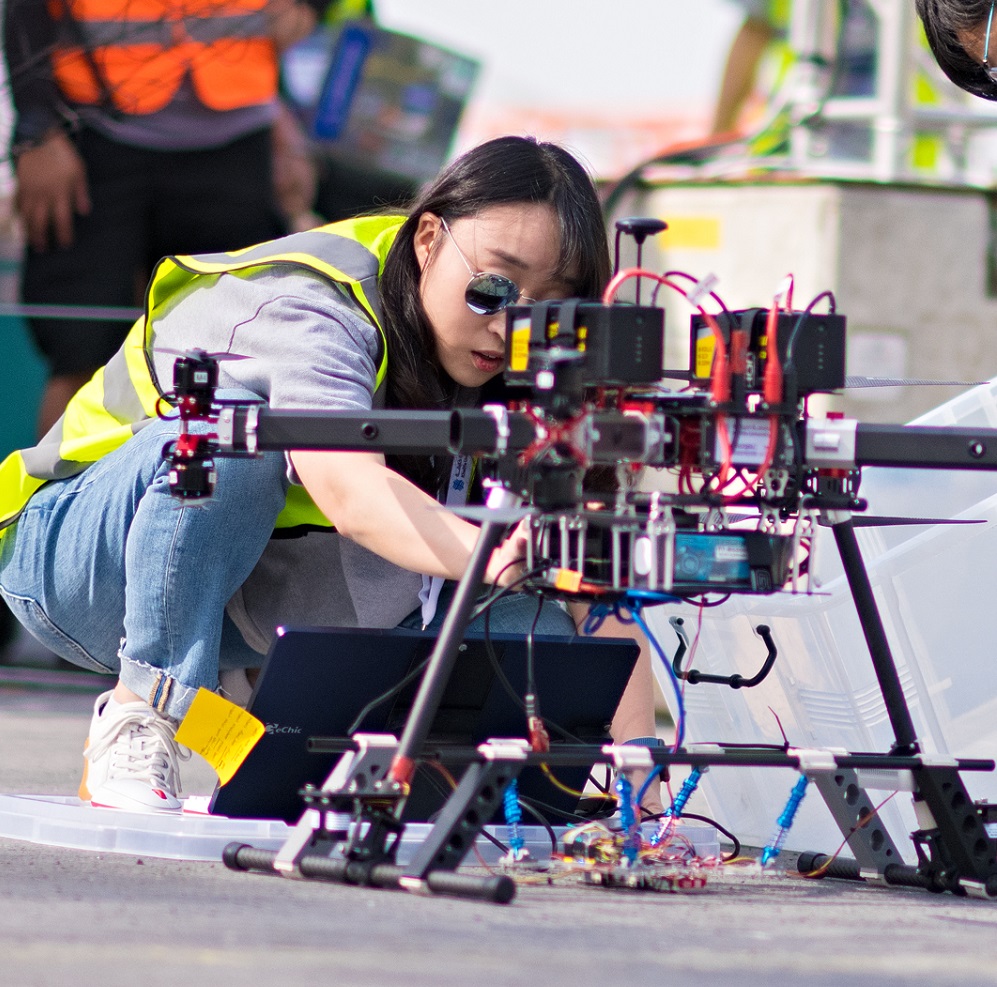
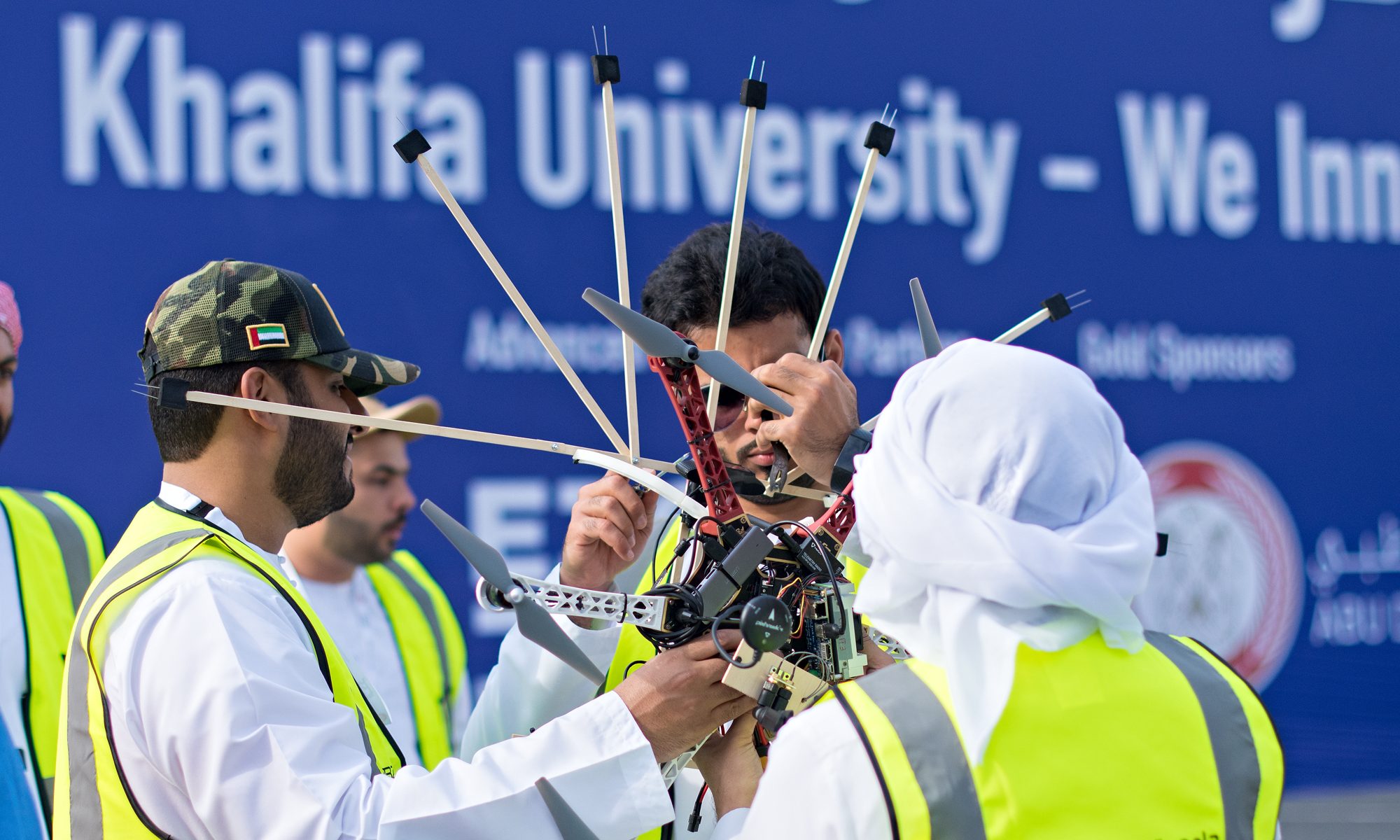
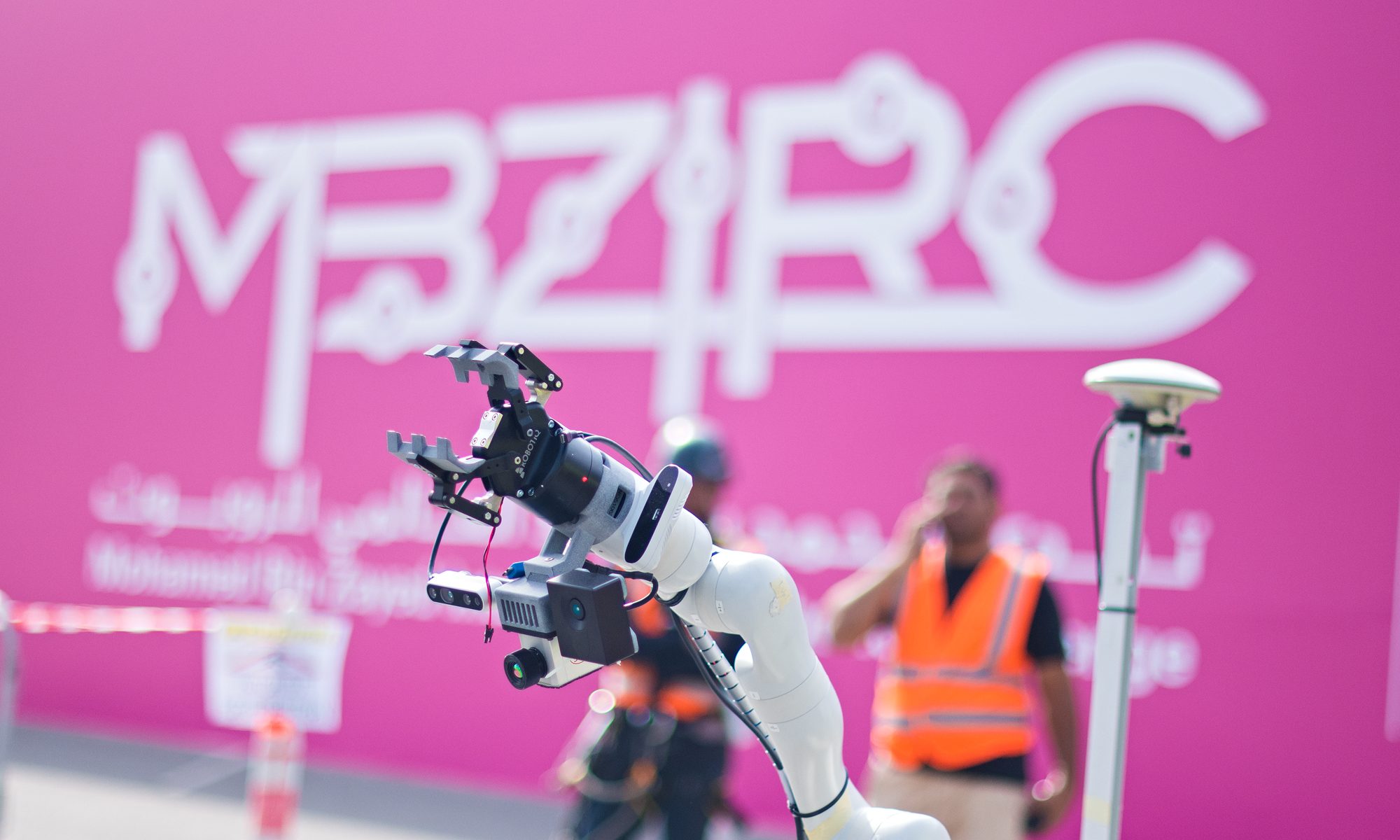
 The US$5-million biennial international robotics competition Mohamed Bin Zayed International Robotics Challenge (MBZIRC) 2020 kicked off today with 32 participating teams competing to establish their superior embodied artificial intelligence (AI) skills in drone capture, construction automation, firefighting and emergency response, organizers Khalifa University of Science and Technology announced.

The three-day Challenge is organized in parallel with the 4th edition of Unmanned System Exhibition (UMEX) and the Simulation and Training Exhibition and Conference (SimTEX) at the Abu Dhabi National Exhibition Center (ADNEC). Following the MBZIRC 2020 challenge, a two-day MBZIRC Symposium will be held from 26-27 February at ADNEC.

Dr Arif Sultan Al Hammadi, Steering Committee General Vice-Chair for MBZIRC 2020, said: “We are delighted to witness the teams from top-ranking universities and research laboratories taking part in MBZIRC 2020, pushing technological boundaries to demonstrate their capabilities. This signifies the prestige and global appeal of MBZIRC 2020, which offers the most suitable environment to bring out highly advanced technologies in drone capture, construction automation, firefighting and emergency response. We believe MBZIRC 2020 will firmly establish Abu Dhabi and the UAE among the top league of countries renowned for technology-intensive competitions that contribute to the overall benefit the global community.”

Dr. Lakmal Seneviratne, Technical Chair, MBZIRC 2020 Organizing Committee, Director, Center for Autonomous Robotic Systems, Khalifa University, and Professor, Mechanical Engineering, said: “Day-1 at MBZIRC 2020 is setting the tone for the rest of the Challenge, making the competition even more exciting. The MBZIRC 2020 Challenges will truly test the limits of UAV and UGV autonomy in complex outdoor environments.”

A total of 24 teams signed up for the Day 1 trials for Challenge-1, which will test the teams for autonomously tracking the intruder unmanned aerial vehicle (UAVs), while capturing and neutralizing it inside the arena. The MBZIRC 2020 jury panel includes globally-renowned scholars and eminent researchers in robotics and artificial intelligence.

A total of 20 teams are seeking to outshine others in Challenge-2, in which a team of UAVs and a UGV will collaborate to autonomously locate, pick, transport and assemble different types of brick shaped objects to build pre-defined structures, in an outdoor environment.

For Challenge-3, a total of 22 teams have agreed to display their skills in a firefighting scenario in an urban high-rise. All Challenges are designed to ensure fast autonomous navigation maneuverability of drones by the teams in semi-structured, complex, and dynamic environments.

Day 2 entails second trials for all three Challenges, while final winners will be announced on Day 3, which will also witness the teams competing for the Grand Challenge followed by the final award ceremony to honor the winners.

US$5-Million Mohamed Bin Zayed International Robotics Challenge 2020 to Kick Off Tomorrow in Abu Dhabi

Challenge-1 Will Assess Performance of UAVs for Autonomously Tracking, Capturing and Neutralizing Intruder UAVs Inside the Arena;

Khalifa University Lines Up Array of Scientific Innovations for UMEX and SimTEX 2020

Abu Dhabi-UAE: 22 February 2019 – Khalifa University of Science and Technology, organizers of the Mohamed Bin Zayed International Robotics Challenge (MBZIRC 2020), today announced the second edition of the US$5-million biennial international robotics competition kicks off on 23 February (tomorrow) with 32 participating teams at the Abu Dhabi National Exhibition Center (ADNEC).

The three-day MBZIRC 2020 is co-located with the 4th edition of Unmanned System Exhibition (UMEX) and the Simulation and Training Exhibition and Conference (SimTEX). The Khalifa University stand at UMEX 2020 will offer an array of innovations in various science, engineering and technology areas. Following the MBZIRC 2020 Challenge, a two-day MBZIRC Symposium will be held from 26-27 February at ADNEC.

Dr Arif Sultan Al Hammadi, Steering Committee General Co-Chair for MBZIRC 2020, and Executive Vice-President, Khalifa University, said: “The much-awaited MBZIRC 2020, beginning on Sunday, will be offering a glimpse of the technical and scientific skills of various teams from top-ranked institutions across the world. We welcome the participating teams and believe the prestigious international competition will prove Abu Dhabi’s pioneering status as a place for advancing technologies in drones, robotics, artificial intelligence (AI) embodiment, UAVs and UGVs.”

The 32 participating teams represent 17 countries and have been shortlisted from a total of 134 teams from across the globe that applied to compete in the MBZIRC 2020 competition. With an average of 15 members, the teams currently have over 400 international robotics experts present in Abu Dhabi.

An elite panel of judges – globally-renowned scholars and eminent researchers in robotics and artificial intelligence from some of the top universities and research labs in the world – will assess the participating teams for their technical capabilities.

On Sunday 23 February, the teams will have their first trials for Challenge 1, 2, and 3. Challenge-1 will assess the performance of a group of unmanned aerial vehicles (UAVs) for autonomously tracking, capturing and neutralizing intruder UAVs inside the arena.

Challenge-2 will focus on how a team of UAVs and an unmanned ground vehicle (UGV) can collaborate to autonomously locate, pick, transport and assemble different types of brick-shaped objects to build pre-defined structures, in an outdoor environment. Challenge-3 will assess how a team of UAVs and a UGVs will collaborate to autonomously extinguish a series of simulated fires in an urban high-rise and related tasks. The Grand Challenge requires a team of UAVs and UGVs to compete in a ‘triathlon-type’ event, combining Challenges 1, 2 and 3.

Meanwhile, Khalifa University’s various research institutes, centers and facilities have lined up their innovations at UMEX 2020. The College of Engineering is displaying projects including the innovative ‘Di-wheel’ – a remotely-controlled vehicle for confined mobility spaces; a magnetic brake system to reduce vehicle speed and for energy storage; a smart, reliable, affordable, and integrated technological solution to assist people with Alzheimer’s; and a wearable system for monitoring mobility disorders for rehabilitation.

In addition, the Sustainable Bioenergy Research Consortium (SBRC) will share latest updates on its Seawater Energy and Agriculture System (SEAS) project, while the Masdar Institute Solar Platform (MISP) will showcase its newly installed pre-commercial scale solar concentrator. The Emirates Nuclear Technology Center (ENTC) will demonstrate a nuclear reactor model, and the Aerospace Research Innovation Center’s (ARIC) display will feature the KU-Strata bike. The multiple award-winning aerodynamic solar car built at Petroleum Institute will also be on display.

The Emirates ICT Innovation Center (EBTIC) will present eight innovations including a tool to assess customer volumes and services at Abu Dhabi National Oil Company (ADNOC) petrol stations, an intelligent software analytics and governance platform, an AI solution to predict the need for spare parts in a given network to optimize distribution, a tool to harvest publicly available social media messages and perform text analytics to better manage vehicular traffic build-up or disruption in a telco network, an AI-based tool that allows for rapid automated planning of completely optimized wired and wireless networks, another AI tool for Heating, Ventilation, Air Conditioner (HVAC) systems to forecast future energy usage within a building, a novel time synchronization technology for mobiles communications and applications, Radio Access Network (RAN) slicing for 5G networks, and geo-scope analytics for future smart cities.

In addition, Ankabut – Emirates Advanced National Research and Education Network – at Khalifa University, will offer an insight into its various products and services, while the College of Arts and Science and the College of Medicine and Health Sciences will provide visitors with details about their offerings.

Over 60 Government Institutions, Companies and Private Sector Organizations Explore Talent at Khalifa University Career Fair 2020

World-Class Faculty and State-of-the-Art Campus Facilities Help Equip Students with Right Abilities to Tackle Challenges as Industry Professionals

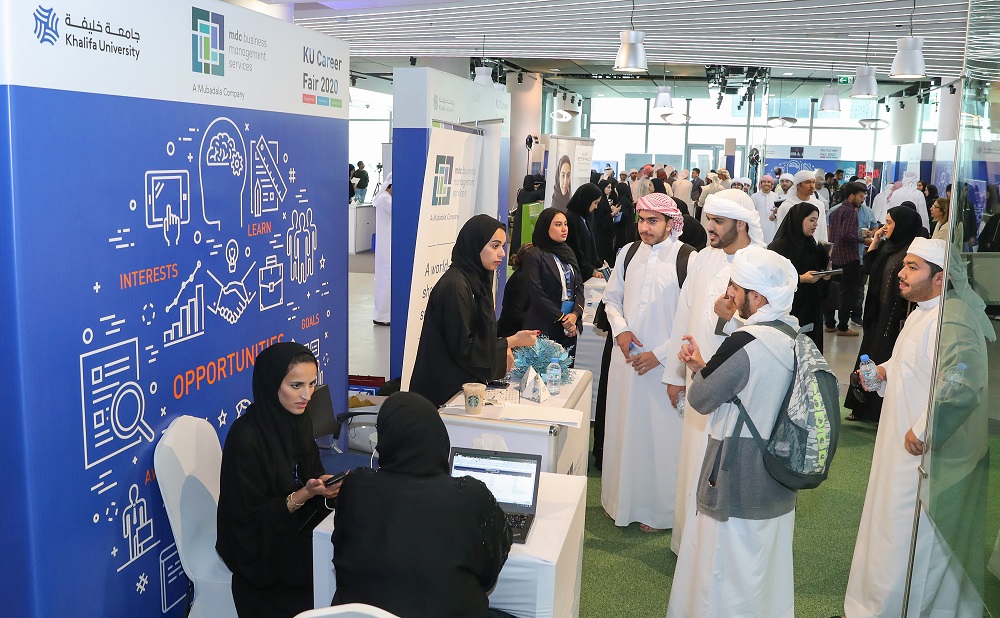
More than 60 government institutions, companies and private sector organizations participated in the Khalifa University of Science and Technology annual Career Fair 2020 to identify and recruit talented students and future leaders, capable of becoming full-fledged professionals and contributing to the UAE’s growth.

Organized by the Khalifa University Career Services department at the Main Campus, the annual Career Fair 2020 witnessed the participations of organizations including Etisalat, UAE Ministry of Education, Abu Dhabi National Oil Company (ADNOC), UAE Telecom Regulatory Authority (TRA), Abu Dhabi Transmission and Despatch Company (TRANSCO), Abu Dhabi Investment Council, Abu Dhabi Municipality, Abu Dhabi Police, DP World, du, Dubai Asset Management, Emaar Group, Emirates Steel, Etihad Aviation, National Petroleum Construction Company (NPCC), Mohammed Bin Rashid Space Centre, RAK Properties, Smart Dubai, Strata Engineering, Tadweer and Tawazun Economic Council.

Other participants included ABB Industries, Aramex, Baker Hughes, Cognizant Technology Solutions, Diehl Defence, EMITAC Healthcare Solution, Ernst & Young, GE, General Motors, Honeywell, Lockheed Martin, Mott Mac Donald, Petrofac International, Samsung Engineering, Schlumberger, and Schneider Electric.

Each year, Career Services organizes the on-campus Career Fair to create mutual links between upcoming graduates and potential employers. The event provided students with the opportunity to explore careers in a wide range of industries, including healthcare, biotechnology, clean energy, nuclear engineering, aerospace, oil and gas, as well as other advanced technology sectors such as robotics, artificial intelligence, supply chain logistics, and 3D-printing.

Dr. Ahmed Al Shoaibi, Senior Vice-President, Academic and Student Services, Khalifa University, said: “We are delighted to witness the participation of a very high number of government institutions, companies and private sector organizations in our annual Career Fair 2020, hunting for the right talent. We realize that most industries today are going through transformation at the dawn of the fourth industrial revolution and therefore Khalifa University has taken the initiative to offer academic programs which prepare our students for the jobs of the future by equipping them with 21st century skills. Khalifa University has the resources and assets to achieve this because our faculty lead cutting-edge research in their fields. Our students have the distinct advantage of having access to these top researchers and their labs, and therefore they are exposed to the latest technologies as part of their educational journey in Khalifa University.”

Shireen Al Romaithi, Head of Scholarship, Talent Acquisition, ADNOC, said: “ADNOC and Khalifa University have a strong and long-established strategic relationship that facilitates closer engagement during participation at events and exhibitions, including the Career Fair. ADNOC seeks to support young Emiratis keen to pursue their graduate studies, and obtain degrees in technical disciplines that meet with ADNOC Group’s future vision. We aim to achieve this through providing academic scholarships to talented students who look for new majors, including different engineering specializations.”

A significant number of Khalifa University students have received employment, training or internship offers in the last few years when the annual career fairs were held on campus. Career fairs offer employers an easy way to begin building their recruiting efforts on-campus, while providing a valuable platform for them to interact with students, as Khalifa University remains a key enabler for talented and skilled future professionals.

Additionally, such interactions also bring together emerging entrepreneurs, industry experts, and students to continue working towards rapidly changing the market landscape of the future, thus providing an impetus to the UAE’s knowledge economy transformation efforts.

Moreover, on-campus career fairs also facilitate graduate placements while enabling talented students to seamlessly integrate with the national workforce amid the rapid redefinitions of careers driven by technology. In addition, these fairs also help students in obtaining internships, and inspire them to chart their future career map.

Clarence Michael
News Writer
12 February 2020

How Nature Can Lead the Next Robotic Revolution

Dr. Federico Renda, Assistant Professor of Mechanical Engineering at KU, discusses how robots can use bioinspiration to achieve major breakthroughs. 

Nature is a rich source of knowledge, and present-day human life has undoubtedly progressed because of our ability to be inspired by nature and to then innovate solutions to our problems through biomimicry. Biomimicry is exactly what it suggests: it’s imitating biological systems, features, and elements to solve engineering problems for humans. Biomimicry differs from bionics in that it involves conscious copying of examples and mechanisms from nature, while bionics implements a function.

When we consider that biological systems have been in development for billions of years, it makes intuitive sense to copy the solutions for many different classes of problems that have been provided through optimization of designs adapted to changing conditions on Earth. We’ve looked at nature for answers to our problems throughout our existence—Velcro tape was inspired by the tiny hooks on bur fruits while Leonardo da Vinci based his sketches for a flying machine on bat wings.

Our research and development cycles can be glacial and researchers are realizing that we don’t need to reinvent the wheel—we can copy it. Robots everywhere could use some bioinspiration.

For example, the robots used today to inspect and repair the world’s most critical underwater infrastructure, from sea-floor water pipelines and electrical power cables to offshore drilling platforms and submarines, could use serious improvement. Most commercial underwater robots are bulky and rigid, restricted to travelling only in open stretches of the sea, and sometimes even wreak havoc on sensitive equipment when they navigate too close. Soft robots would offer a much better solution to the complex underwater tasks of the mysterious and largely unexplored subsea world.

My team and I took inspiration from the E. Coli bacteria which use flagella to move seamlessly through fluids. These “tails” are slender, threadlike appendages and have been described as the only known example of a biological “wheel”. They operate as a “system capable of providing continuous propulsive torque about a fixed body” and propel the bacteria through liquids. Our soft robot physically resembles the flagellum and moves in a similar whipping motion; it even mimics the intracellular motor that flagella use to propel forwards, making it capable of continuous locomotion.

A bioinspired robot using a bioinspired propulsion system to effectively navigate the ocean world—just one example of how bio-inspiration is leading the transition from industrial robots, caged in inaccessible spaces within factories, to collaborative robots, machines designed to interact with natural and unstructured environments on the sea, land, and sky.

Biomimicry also extends to taking inspiration from human movement and behavior. My colleagues in the Khalifa University Center for Autonomous Robotic Systems (KUCARS) are developing compliant robotic manipulators—compliant actuators to allow a robot to move more dynamically in its space. In industrial robotics, the term ‘compliant’ refers to a robot’s flexibility and suppleness. An actuator inspired by human motion and learning behavior will endow robots with versatile and constantly adaptive movements, offering an unprecedented aptitude for integrating in our environments. Having robots that can undertake repetitive or potentially risky tasks with high levels of dexterity and autonomy will help make industrial processes more efficient as well as offer unprecedented and potentially disruptive innovative opportunities.

Other colleagues in the Department of Electrical Engineering and Computer Science are working on giving robots this dexterity by mimicking the functionality, if not the structure and mechanisms, of human skin. Naturally, the development of a sense of touch is a real engineering challenge and requires development spanning materials and electronics to communication and processing. Humans interact with unstructured and uncertain environments by sensing and perceiving everything from location, temperature, and elasticity, to stiffness, texture and pressure. Mimicking the way the human finger experiences the physical world will allow robots to respond to multiple stimuli and better interact with the world around them. Inspiration from human biology can lead to huge breakthroughs in robotics and human-robot interaction.

Humans are endlessly inventive but we’ve only been inventing for the blink of an evolutionary eye. Nature and biology offer a wealth of painstakingly developed adaptations for innumerable problems and we’re only scratching the surface of what our future robots could do.

Dr. Federico Renda is Assistant Professor of Mechanical Engineering at Khalifa University and a member of the Khalifa University Center for Autonomous Robotic Systems (KUCARS).
11 February 2020

KU to Host ‘Open Day 2020’ on 15 February for Ambitious Students Aiming to be Leaders in Science, Technology, Engineering and Medicine

Consecutively Top-Ranked for Three Years, University’s Combination of Rigorous Academic Programs and Thriving Student Life Offers Best Educational Option

Khalifa University of Science and Technology has announced it will welcome prospective students and their families on 15 February for the annual ‘Open Day 2020’, offering them an opportunity to learn about the university’s bouquet of academic programs, research offerings, scholarship options, and campus facilities.

With 13 Bachelor’s degree programs, some incorporating optional concentrations, 16 Master’s degree programs that include optional concentrations, Khalifa University remains one of the most sought-after universities in the UAE for both Emirati and international students to fulfil their professional and career ambitions. The university offers one Doctor of Medicine program and two PhD degree programs with 11 optional concentrations, thus providing a wide array of options to become scientists, researchers, innovators and future industry leaders.

Khalifa University has consistently remained a top-ranked institution in the UAE for three successive years while remaining among the top 30 Asian universities. For ‘Engineering & Technology’ subjects, the university is ranked among the top 200 by the Times Higher Education (THE) rankings, while in the US News & World Report’s 2020 Best Global Universities Rankings the university is ranked 114th worldwide. At the same time, the university has become the first-ever in the UAE to be placed among the top 300 academic institutions globally by the QS (Quacquarelli Symonds) World University Rankings 2020.

Khalifa University offers partial and full scholarships to eligible UAE Resident undergraduate students. Full scholarships are awarded to all admitted Emirati and international postgraduate students. Moreover, qualified post-graduate students are offered comprehensive scholarships covering educational expenses, as well as an opportunity to earn a monthly stipend. They include Buhooth Scholarships, Graduate Research / Teaching Assistant (GRTA) Scholarships, Waived-Fees Scholarships and Research Center Sponsorships.

Diversity at Khalifa University is an attractive feature that students will find reassuring as the 385 faculty members represent over 40 countries, while the student body currently represents 53 nationalities. With an 8:1 student-to-faculty ratio, and female students constituting over 60%, Khalifa University also leads other pioneering institutions in providing one of the most attractive learning environments. Moreover, world-class faculty and state-of-the-art research facilities offer students an unparalleled academic experience.

Dr Ahmed Al Shoaibi, Senior Vice-President, Academic and Student Services, Khalifa University, said: “Such international acknowledgements confirm the quality of world-class education, and our status as an eminent academic institution in the UAE and the region. Our university continues to evolve with the UAE’s rapidly expanding national goals and nurture an innovation ecosystem required for the country’s knowledge economy transformation. The university brings together the best in science, technology engineering and medicine in the UAE, offering specialized degrees that can take promising high school graduates all the way to top-rated doctorate degree-holders.”

The Khalifa University campuses have full academic and research facilities, as well as campus recreational facilities like gyms, sports courts, and various retail outlets. Moreover, students can choose from over 15 student clubs covering sports, culture, arts, and social service, to explore opportunities to grow and develop in areas related to leadership, teambuilding, and planning and organizing events, outside the classroom.

Students are also offered opportunities to actively participate in local and international competitions, conferences, workshops and events. They can also enjoy a range of activities to enhance their social and cultural experiences. Throughout the academic year, students are invited on trips to historical and cultural destinations such as Louvre Abu Dhabi, the Global Village in Dubai, and the local Korean and Chinese Festivals.

Khalifa University is a renowned higher education institution offering comprehensive academic streams through three colleges – College of Engineering, College of Arts and Science, and College of Medicine and Health Sciences. Additionally, the university’s three research institutes, 20 research centers, and 36 academic departments cover a broad range of disciplines in science, engineering, and medicine. With research remaining the mainstay of learning, Khalifa University leads in innovation with 126 issued patents, 343 pending patent applications and more than 400 Invention disclosures.

Clarence Michael
News Writer
9 February 2020

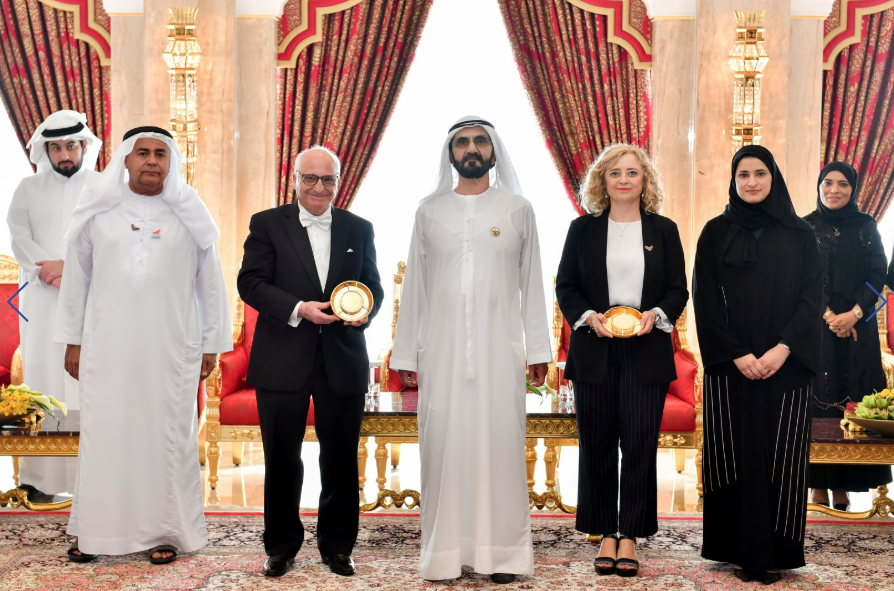
Sheikh Mohammed bin Rashid announces KU professor as scientific medal winner

Two leading scientists have been announced winners of the Mohammed Bin Rashid Medal for Scientific Excellence. Professor Rachid Yazami and Dr Lourdes Vega each received the prestigious accolade at a ceremony on Tuesday. Prof Yazami, from Morocco, has contributed to the development of lithium-ion batteries for mobile phones. Dr Vega is director of the Research and Innovation Centre on CO2 and Hydrogen at Khalifa University.

Read full story here: https://www.thenational.ae/uae/science/sheikh-mohammed-bin-rashid-announces-scientific-medal-winners-1.974187

KU Research Develops Novel Drug Delivery System Using White Blood Cells to Target Atherosclerosis

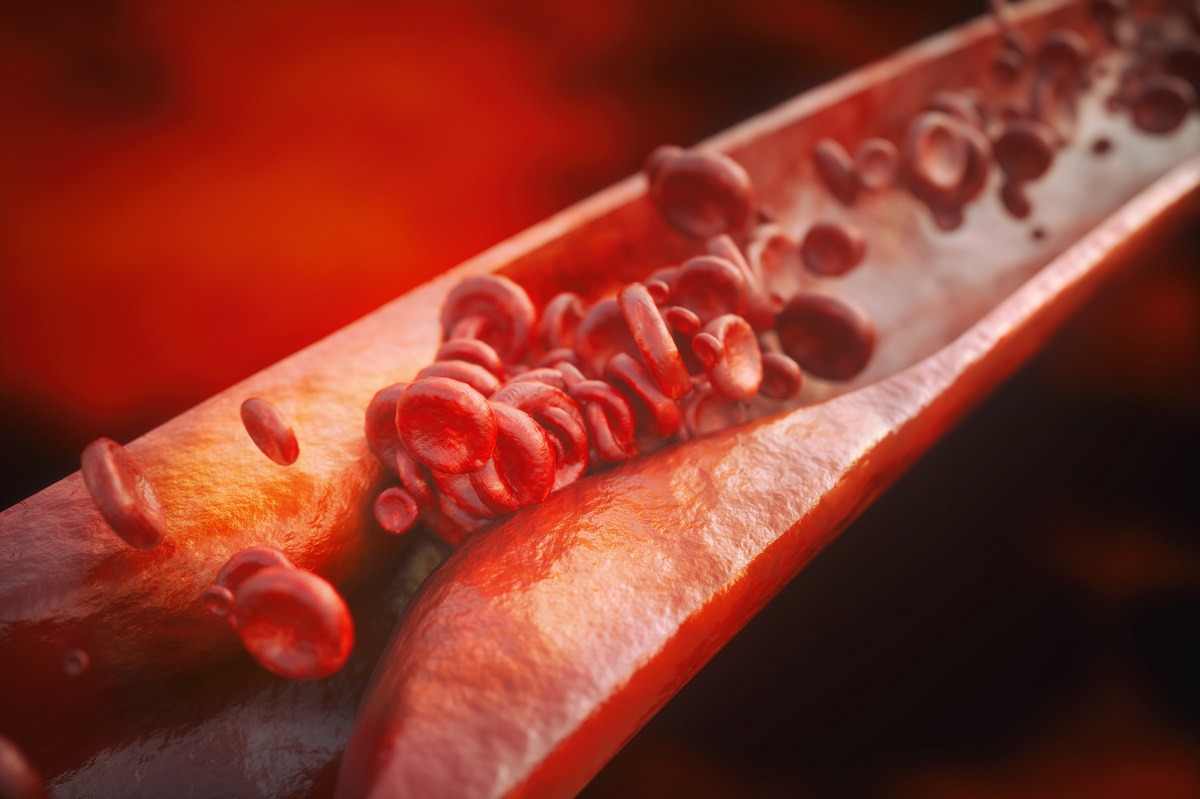
Research at Khalifa University’s Department of Biomedical Engineering, led by Assistant Professor Dr. Sungmun Lee, has developed a target-specific delivery system encapsulating antioxidants to ensure their successful delivery to cells damaged by atherosclerosis.

Atherosclerosis is a chronic inflammatory disease in which the inside of an artery narrows due to the build-up of plaque. For unknown reasons, white blood cells—also known as leukocytes—begin to attack the endothelium of the artery, and the ensuing inflammation leads to the formation of the atheromatous plaques, which accumulate over several years.

Inflammation is a natural defense mechanism induced by the body’s immune system to facilitate tissue repair. When inflammation is prolonged, there is a progressive shift in the type of cells present at the site of the inflammation, characterized by simultaneous destruction and healing of the tissue from the inflammatory process.

Oxidative stress induced by the generation of excess reactive oxygen species (ROS)—a group of small reactive molecules that play critical roles in the regulation of various cell functions and biological processes—is now understood to be implicated in the kind of vascular injury seen in atherosclerosis.

“Overproduction of ROS accelerates the process of inflammation and induces many inflammatory diseases such as cardiovascular disease, asthma, Alzheimer’s disease and cancers, as well as atherosclerosis,” explained Dr. Lee.
ROS are produced as by-products of normal cellular metabolism and are very useful tools to destroy biological pathogens. However, they are not pathogen-specific. To avoid toxicity to host cells, the body produces oxygen scavengers known as antioxidants. These antioxidants can convert ROS into less reactive and non-toxic compounds such as water and oxygen. Organisms usually maintain complex systems of overlapping antioxidants, such as glutathione and enzymes produced internally, and the dietary antioxidants vitamin C and vitamin E.

At low concentrations, ROS serve complex signaling functions, but when their production is uncontrolled through an imbalance in the oxidant/antioxidant mechanisms of the body, oxidative stress occurs. As the ROS activate endothelial cells, the endothelial cells then generate more ROS, and atherosclerosis becomes a self-propagating health concern if left unchecked.

“Scavenging of reactive oxygen species by antioxidants holds great promise to alleviate the symptoms of cardiovascular diseases and atherosclerosis,” said Dr. Lee. “In atherosclerosis, damaged endothelial cells generate more ROS and inflammatory drug candidates; however, antioxidant enzymes such as catalase are easily degraded in the body, and superoxide dismutase antioxidants such as tempol and tempo can diffuse into any type of cells indiscriminately.”

For antioxidant enzymes such as catalase and superoxide dismutase (SOD) to be employed as therapeutic drugs in the treatment of atherosclerosis, an effective drug delivery system is required as these antioxidants are not membrane-permeable and easily degrade in vivo. Even membrane-permeable antioxidants, such as tempol or tempo (both SOD enzymes), need a target-specific drug delivery method due to their non-specificity, or their tendency to catalyze more than one specific reaction.

Additionally, biomaterials originating from the host are much less likely to cause a response to their use as drug delivery vehicles. To minimize response, Dr. Lee used human acute monocytic leukemia cells (THP-1 cells) grown in the lab to encapsulate antioxidants including catalase, tempol and tempo. The results showed that monocytes (a type of white blood cell) can encapsulate both hydrophilic and hydrophobic antioxidants and scavenge ROS to the same level as free antioxidants in vitro.

“We found that antioxidant-loaded monocytes effectively targeted the damaged endothelial cells rather than other types of cells and the antioxidants scavenged more than 90 percent of the intercellular ROS generated by cytokines or exogenous ROS,” said Dr. Lee.

The results from this research promise a novel monocyte-based drug delivery system that will have numerous applications in the treatment of cardiovascular diseases and other disease associated with free radical damage, such as kidney disease and diabetes.

Dr. Lee’s research was presented at the first International Healthcare Engineering Innovation Group (HEIG) Workshop, held at KU Main Campus in November.

Jade Sterling
News and Features Writer
5 February 2020

The Cities of the Future: Rethinking Smart and Sustainable

Speaking at Abu Dhabi Sustainability Week in January, Dr. Steve Griffiths, Senior Vice President of Research and Development at Khalifa University, discussed how a city can become both smart and sustainable and the obstacles present in designing the cities of the future. In an article published recently in Energy Research and Social Science, Dr. Griffiths explores this topic by covering the making of Masdar City.

“Today, more than half of the world’s population lives in cities, and by 2050, this number will increase to nearly 70 percent,” explained Dr. Griffiths. “Cities will soon account for 90 percent of global population growth as well as about 75 percent of global carbon dioxide emissions and 75 percent of energy consumption. Despite this, urbanization will continue because cities are where 80 percent of global wealth is created and where people find opportunities for work and leisure.”

Cities are hubs of economic growth and innovation for any country and attract people from rural regions, nearby and far afield, seeking opportunities for employment, education and a better lifestyle. Yet with all these advantages, urbanization also brings certain challenges.

Urban challenges include poor air and water equality, insufficient water supplies, waste-disposal problems, and high energy consumption. These challenges are exacerbated by continuously expanding urban populations and, in the GCC, further compounded by unique regional environmental challenges that include extreme temperatures, sand, and high humidity.

“Rural to urban migration following the industrial revolution has led cities to grow rapidly and spontaneously in response to the evolving needs of inhabitants,” explained Dr. Griffiths. “This reactive, patchwork-like approach to city design has left many cities with inefficient layouts, technologies and infrastructure that consume large amounts of energy and water, and [contribute] significant amounts of pollution.”

However, urbanization is expected to continue and it is estimated that 60 percent of future urban environments are yet to be built.

It is clear that sustainable cities need to be more connected and less fragmented, taking into consideration the needs of citizens at work and during their downtime. New developments offer the opportunity to revolutionize urban planning and management and create sustainable environments, but as Dr. Griffiths explained, this hasn’t been an easy task:

“Sustainability is incredibly difficult to implement at the scale of a city, even one being built from the ground up.”

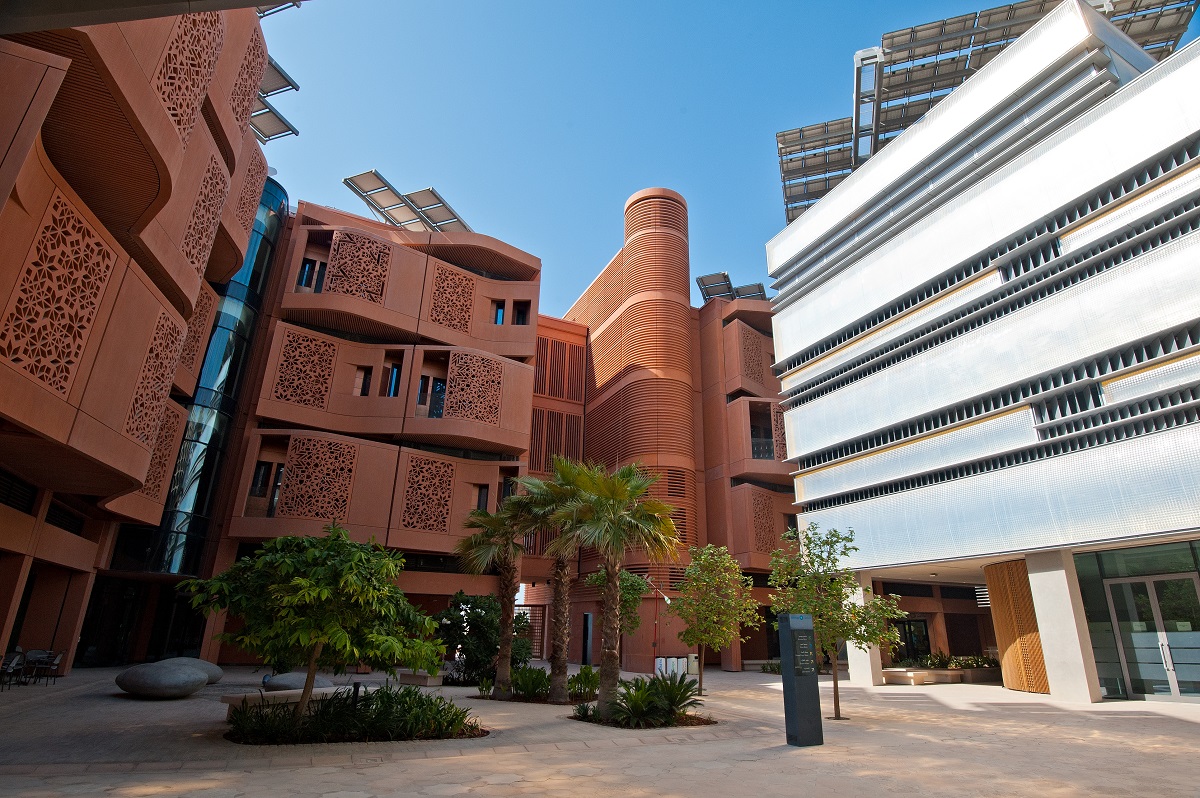
Masdar City in Abu Dhabi has been frequently labelled as an eco-city in the making. Masdar City, meaning ‘source city’ in Arabic, is a planned city project and sustainable mixed-use development envisioned to function on its own grid with full carbon neutrality. Today, Masdar City has moved away from its original vision of being zero-carbon and zero-waste, but retains its focus on sustainability.

“In spite of the apparent progress Masdar City is making on the economic and environmental front, the city continues to deflect criticism about deviation from its original vision and lack of progress relative to the original plan,” explained Dr. Griffiths. “Planning for future cities is a daunting task.”

Current approaches to building sustainable cities typically focus on technical solutions as disruptive and innovative technology promise to solve the urbanization challenges. ICT solutions can be used in infrastructure, technologies and everyday life in the city, as well as the entire life-cycle of the products and services consumed by its citizens. In this way, a city can become a smart city.

The concept of smart cities can be traced back to the business sector: it is a catchword that draws interest from companies involved in ICT and infrastructure. Much of the ICT included in smart city concepts already exists and it is their interconnection and synchronization that present the promise and the challenge.

Many smart city initiatives have already been developed around the world, with aims of improving efficiency and effectiveness of urban operations and resource management. They promise to generate economic, social and environmental value through seamless connection, but both smart and sustainable narratives have been widely criticized for promoting economic development while giving scant attention to environmental and societal concerns, with proponents of the smart city offering only a technocratic perspective, reducing sustainability to a buzzword.

“Smart is not necessarily sustainable,” concluded Dr. Griffiths.

A smart and sustainable city should be seen as an aggregate concept. A city can be sustainable without the use of smart technology, and smart technologies can be used in a city without contributing to any sustainable development. It is only where smart technologies are used to make a city more sustainable that a city could be considered both.

“A city’s sustainability and performance depend on how technologies and policies are mobilized to enhance energy, water, waste, healthcare, mobility, security, economic development, and community engagement,” added Dr. Griffiths. “Masdar City is a test-bed for new technologies required to meet extremely demanding sustainability targets.”

There are a number of different ways a city can become smart but ultimately, they all take the unprecedented ability to collect data, analyze it, and do something with it for the city’s residents. Digitalization and urbanization combine to augment the human experience in city living. With 70 percent of the world’s population expected to live in cities by 2050, cities are at the forefront of sustainable thought and need to be resilient.

In Masdar City’s case, the hope for the development to become “an exemplary eco-city” is not yet lost.

“If Masdar City works as currently planned it would underline the importance of integrating city planning, passive design, energy supply, transport, water, and recycling efforts so that the entire community is low-carbon,” explained Dr. Griffiths. “However, challenges and barriers remain for the city in its path ahead. It may be that the true legacy of the city will not be evolving into a model eco-city but rather continuing to serve as a beacon for broader societal change towards sustainability in the UAE and the Gulf region.”

Jade Sterling
News and Features Writer
9 February 2020