
US$5-Million Mohamed Bin Zayed International Robotics Challenge 2020 Successfully Concludes in Abu Dhabi

MBZIRC 2020 Reiterates Relevance to Future Smart City Solutions in ‘Security and Defence’, ‘Construction and Infrastructure’, and ‘Fire-Fighting and Emergency Response’

The Mohamed Bin Zayed International Robotics Challenge (MBZIRC) 2020, the second edition of the prestigious biennial international competition, drew to a successful conclusion in Abu Dhabi, reiterating its relevance to future smart city solutions including security and defense, construction and infrastructure, as well as fire-fighting and emergency response.

The three-day Challenge witnessed the participation of 32 teams from 17 countries, selected out of 134 teams that had originally applied to compete, while gathering a large assembly of more than 400 robotics and artificial intelligence experts at the Abu Dhabi National Exhibition Center (ADNEC) from 23-25 February. MBZIRC 2020 was supported by Tawazun Economic Council, and Abu Dhabi Police, while EDGE was the advanced technology partner.

The Challenge was immediately followed by the first-ever two-day MBZIRC Symposium, offering the teams an opportunity to learn about each other’s UAVs and UGVs, and showcase the projects directly to industry representatives, in order to further increase interest and raise awareness, while facilitating opportunities for research collaborations.

Dr Arif Sultan Al Hammadi, Steering Committee General Co-Chair for MBZIRC 2020, said: “The intensely exciting MBZIRC 2020 and its successful conclusion, comprehensively illustrated the pivotal role of Khalifa University in furthering innovation in robotics and artificial intelligence. The competition adequately highlighted the role of UAVs and UGVs in a smart city’s vital areas such as security, infrastructure and emergency.”

Dr Al Hammadi added: “We thank the UAE leadership for their consistent support to Khalifa University and all our research and academic-related endeavors, encouraging the university to widen the industry-academia-government collaborations to drive innovation in science, technology and engineering fields. We thank the sponsors, panel of judges and everyone who contributed to the success of the second edition, as we look forward to the next edition of MBZIRC.”

Shahab Issa Abushahab, Chief Strategy Officer, Tawazun Economic Council, said: “We are proud of the notable results of the second edition of MBZIRC, and extend our appreciation to all stakeholders for making the challenge a home for cutting-edge technology and innovation. Our support for MBZIRC 2020 is aligned with Tawazun’s mandate to support technology and innovation and create opportunities for the young generation to contribute towards building a diversified economy in the UAE, driven by innovation and creativity. At Tawazun, we continually invest in the creative ideas of our people and promote a strong culture of innovation to achieve a competitive position for our country in advanced high-tech industries.”

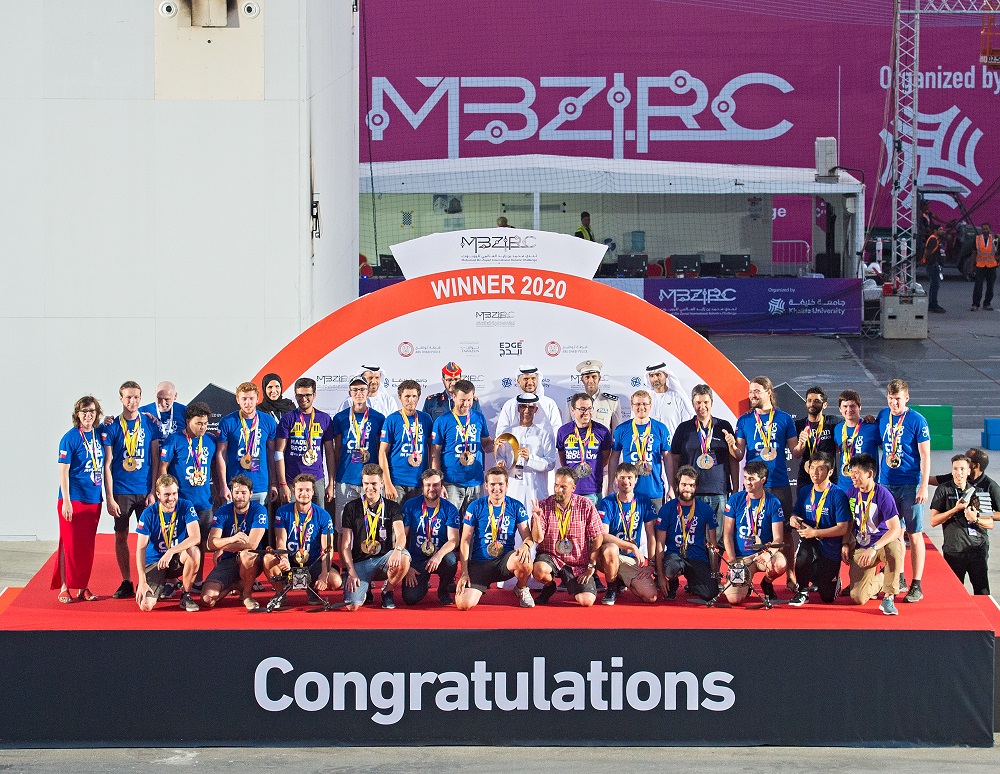
There were four iconic challenges – Challenge 1, Challenge 2, Challenge 3 and the triathlon Grand Challenge – to test advanced embodied AI technical skills. The Czech Technical University-University of Pennsylvania-NYU team, the Grand Challenge winner, demonstrated exemplary skills in safety, construction automation and fire-fighting.

Each of the winners in the Challenge categories had individually displayed their drones’ performance, stamping their authority in integrating machine learning algorithms. Challenge 1 tested the UAVs and UGVs in autonomously tracking, capturing and neutralizing intruder drones, while Challenge 2 was a test of skills in construction automation and robot-based 3D printing of large structures. Challenge 3 assessed how a team of UAVs and a UGV collaborate to autonomously extinguish a series of simulated fires in an urban high-rise building.

Keeping in line with the UAE leadership’s objective towards capacity building, the young Emirati team Al Nokhba, performed strongly in the MBZIRC 2020 categories, emerging among some of the most prestigious universities and research centers worldwide.

The criteria the judges looked for in each team’s performance included robust perception and tracking of dynamic objects in 3D, sensing and avoiding obstacles, GPS-denied navigation in indoor-outdoor environments, physical interactions, complex mobile manipulations, and air-to-surface collaboration.

The MBZIRC 2020 was officiated by an elite panel of judges that included globally-renowned scholars and eminent researchers in robotics and artificial intelligence from some of the top universities and research labs in the world. The international judges were supported by over 10 judges from among Khalifa University faculty, as well as arena managers and scorers.

Clarence Michael
News Writer
27 February 2020
 

Khalifa University robotics competition takes on real-world challenges for cash prize

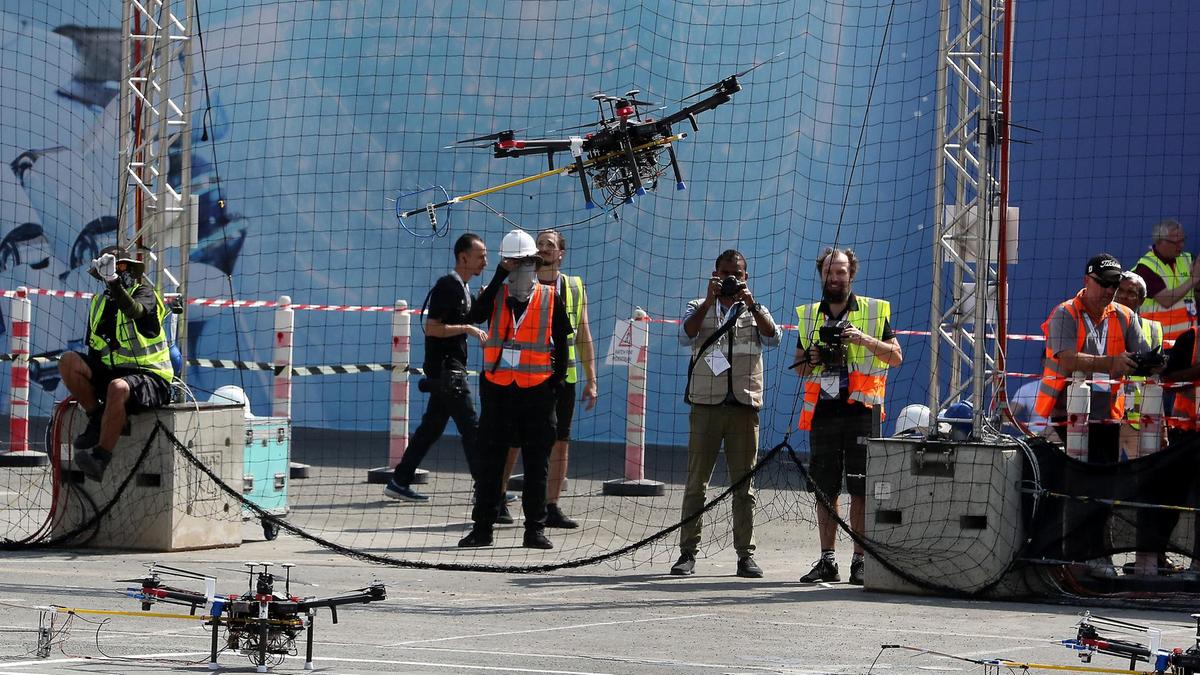
Thirty-two teams from universities around the world brought their best drones and robots to compete in Abu Dhabi this week at the Mohamed Bin Zayed International Robotics Challenge.

The international competitors demonstrated their abilities to tackle real world challenges like taking another drone out of the sky, building a wall and putting out a fire in a high-rise during the hi-tech event.

Khalifa University of Science and Technology, organisers of the MBZIRC 2020, whittled down the field from 134 applicants to those elite 32, granting $3 million (Dh11 million) to the competitors to hone their projects and come to the UAE to compete for a $2 million prize (Dh7.35 million).

Read the full story on The National, here:  https://www.thenational.ae/uae/education/khalifa-university-robotics-competition-takes-on-real-world-challenges-for-cash-prize-1.984596

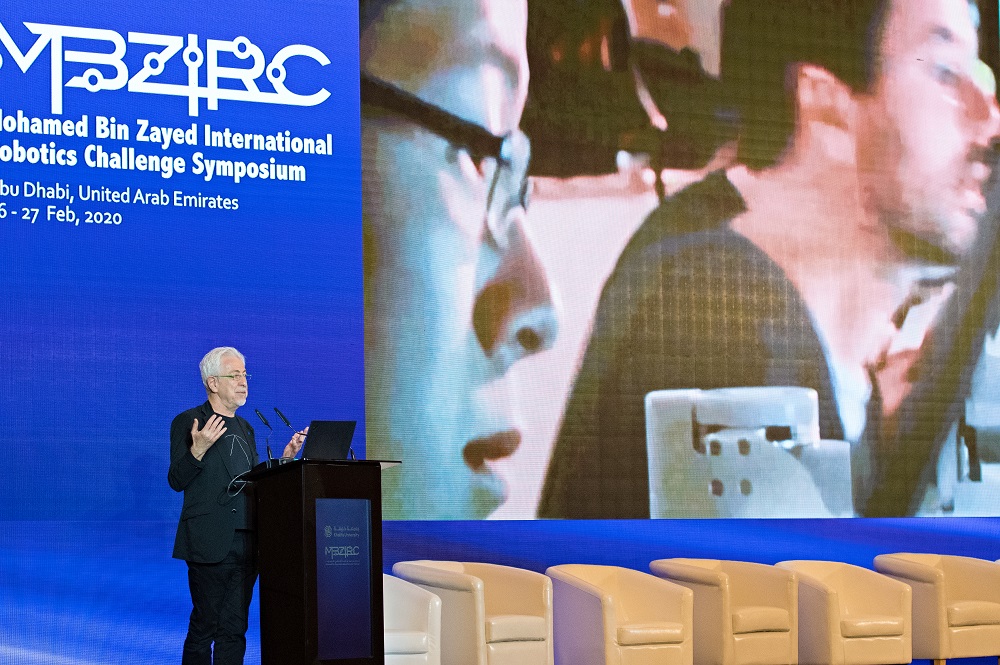
First-Ever MBZIRC Symposium Opens in Abu Dhabi with More Than 400 International Robotics and Artificial Intelligence Experts

Elite Networking Event Gathers MBZIRC 2020 Teams and Industry Representatives to Discuss Role of Competitions in Advancing Future Innovations

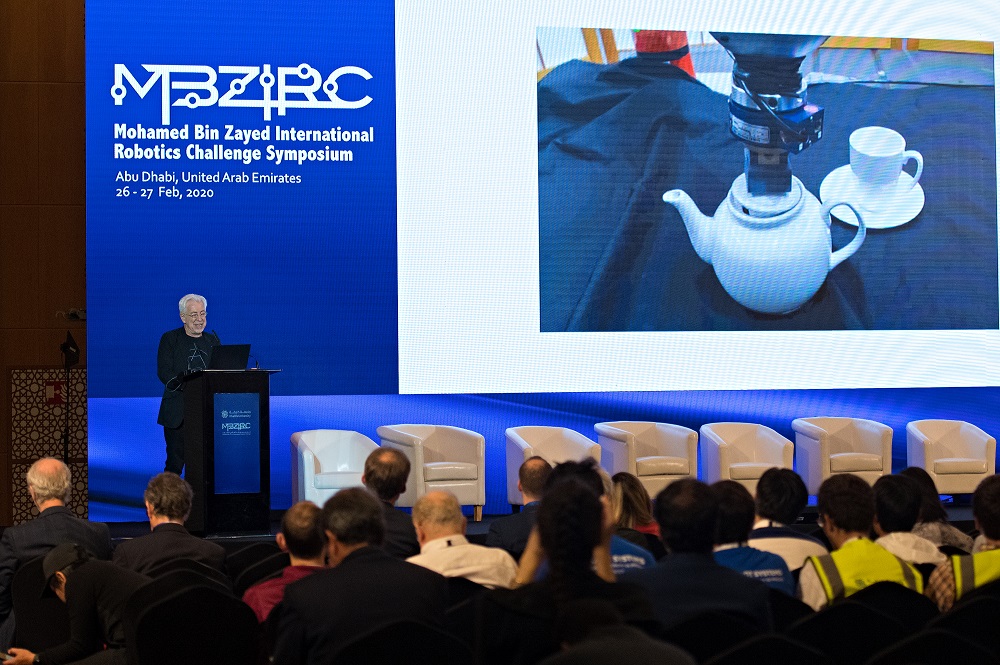
The first-ever Mohamed Bin Zayed International Robotics Challenge (MBZIRC) Symposium got under way in Abu Dhabi today with more than 400 international robotics and artificial intelligence experts in attendance, discussing the role of competitions in advancing future innovations.

The two-day symposium (26-27 February) at the Abu Dhabi National Exhibition Center (ADNEC) offers the MBZIRC 2020 teams an opportunity to showcase their projects directly to industry representatives, in order to further increase interest and raise awareness, while facilitating opportunities for research collaborations.

A plenary discussion by the MBZIRC organizing committee, jury members and the international teams is scheduled to focus on current challenges in robotics development and recommendations for future robotics competitions. They also evaluated to what extent competitions such as MBZIRC 2020 help foster research and innovation robotics and artificial intelligence.

Dr. Oussama Khatib, Artificial Intelligence Laboratory, Department of Computer Science, Stanford University, spoke about ‘Robotic Divers for Oceanic Discovery’, while Dr. Paolo Dario, Professor of Biomedical Robotics and Director of The BioRobotics Institute of the Scuola Superiore Sant’Anna (SSSA), shared his perspectives on ‘Frontiers of Biorobotics and Bionics Science and Engineering’

Dr. Tamim Asfour, Institute for Anthropomatics and Robotics, Karlsruhe Institute of Technology, Germany, focused on Engineering Humanoids with Motion Intelligence’, while Dr. Rainer Bischoff (Robotic Industry), Chair of the Department of Analytical Biochemistry, University of Groningen, offered his views on ‘From Challenges to Innovation in Robot-Based Automation’.

Dr. Jianwei Zhang, Professor and Head of Technical Aspects of Multimodal Systems (TAMS), Department of Informatics, University of Hamburg, spoke about ‘Cross-Modal Learning of Intelligent Robot Systems’. There were also special sessions on cooperative robotics and aerial robotics.

Leading robotics experts presenting at the symposium include Dr. Pedro Lima, Electrical and Computer Engineering, Instituto Superior Técnico (IST) – University of Lisbon; Dr. Marcello Ang, Associate Professor Department of Mechanical Engineering National University of Singapore; and Dr. Ronald Arkin (Robotic Colonies), Regents’ Professor, Director of Mobile Robot Laboratory, Georgia Tech.

Dr. Rachid Alami, Senior Scientist (Directeur de Recherche) at French National Centre for Scientific Research (CNRS), will also speak at the symposium.

Participating teams and other robotics experts presented papers at the symposium that included an engaging, and informative lineup of invited talks, presentations, and workshops seeking to foster innovation and research excellence in robotics and artificial intelligence.

Clarence Michael
News Writer
26 February 2020

US$5 Million MBZIRC 2020 Winners Awarded

Czech Technical University-University of Pennsylvania-NYU Team Wins MBZIRC 2020 Grand Challenge

H.E. Dr. Mugheer Khamis Al Khaili, Member of the Executive Council, and Chairman of Department of Community Development, today honored the Grand Challenge winners Czech Technical University-University of Pennsylvania-NYU team and winners of the three Challenge categories at the three-day US$5-million Mohamed Bin Zayed International Robotics Challenge (MBZIRC 2020) that concluded in Abu Dhabi, organizers Khalifa University of Science and Technology announced today.

The winning teams in all three categories – Challenge 1, 2, and 3 – also received awards from H.E. Dr. Mugheer Khamis Al Khaili at the ceremony that was attended by H.E. Eng. Awaidha Murshed Al Marar, Chairman of the Department of Energy, H.E. Mohammed Salem AlDhaheri, Director, National Rehabilitation Centre (NRC), H.E Mohammed Hamad Al Hameli, Undersecretary of the Abu Dhabi Department of Health, and His Excellency Hamad Salem Bin Kordous Al Ameri, Director General of the Zayed Bin Sultan Al Nahyan Charitable & Humanitarian Foundation.

Also present on the occasion were His Excellency Hussein Bin Ibrahim Al Hammadi, Steering Committee General Chair, MBZIRC 2020, Dr. Arif Sultan Al Hammadi, Steering Committee General Co-Chair, and His Excellency Dr. Mohammed Al Mualla, Steering Committee Member.

Others who attended the ceremony at Abu Dhabi National Exhibition Center (ADNEC) included high-ranking UAE government officials, Challenge partners, stakeholders from the academia, research, industry and government sectors, as well as all the MBZIRC 2020 participating team members.

The Czech Technical University-University of Pennsylvania-NYU team won the first position in the Grand Challenge. The University of Bonn team came second, while the combined team of Universidad Politecnica Madrid-Universidad Pablo Olvide Poznan University of Technology- Centre National de la Recherche Scientifique won the third place.

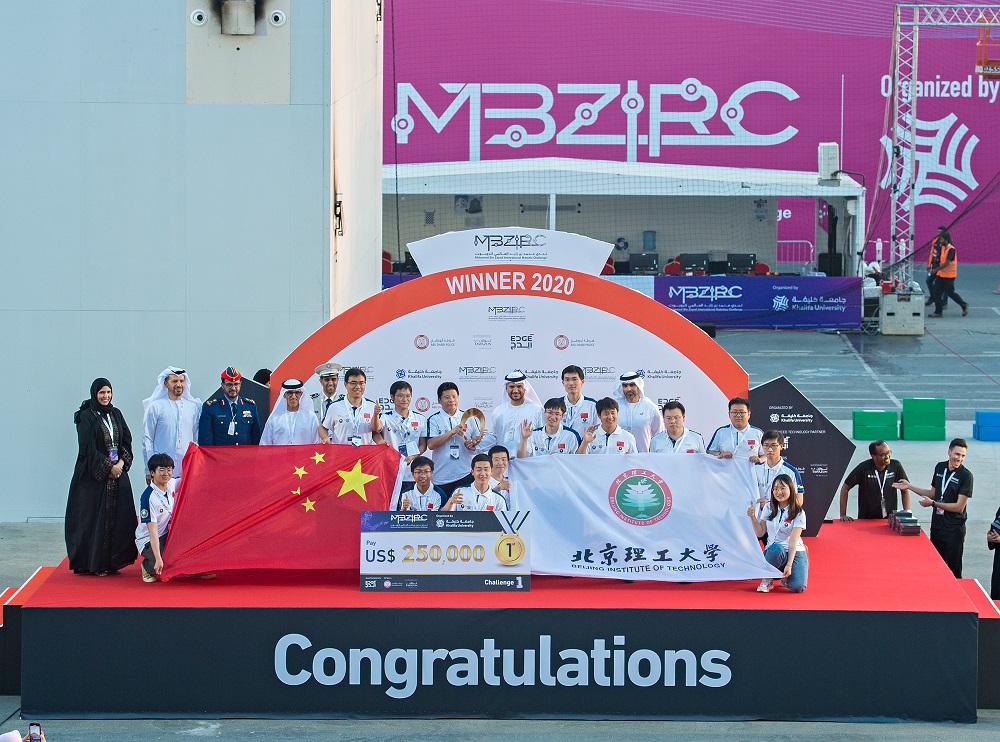
Beijing Institute of Technology won 1st place in Challenge 1

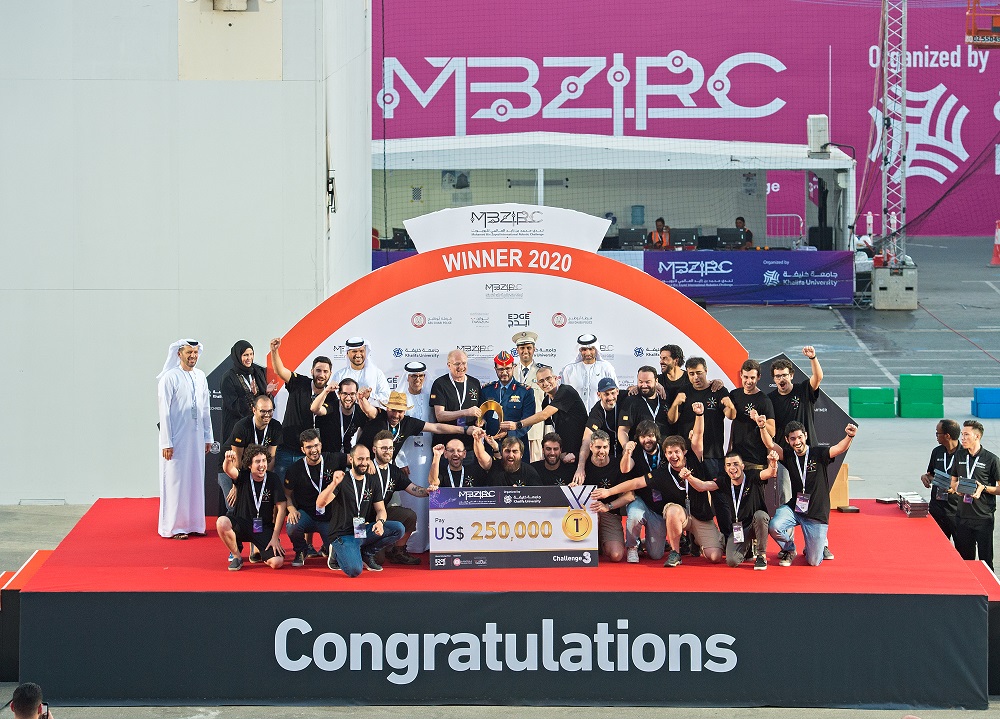
The Beijing Institute of Technology topped Challenge 1 category with the Czech Technical University-University of Pennsylvania-NYU team and the University of Tokyo in the second and third places, respectively, while the Czech Technical University-University of Pennsylvania-NYU team won the Challenge 2 category with Nimbro (University of Bonn) and Technical University of Denmark in the second and third places. The Challenge 3 was won by University of Seville-Tecnico Lisboa-CATEC team, while the Technical University of Denmark and the University of New South Wales-Sydney tied for the second place.

The Czech Technical University-University of Pennsylvania-NYU team won 1st place in Challenge 2

The 32 participating teams, representing 19 countries, were shortlisted as finalists out of a total of 134 teams from across the globe that applied to compete in MBZIRC 2020.

The University of Seville-Tecnico Lisboa-CATEC team won 1st place in Challenge 3

Dr. Arif Sultan Al Hammadi said: “The second edition of MBZIRC has emphatically placed MBZIRC as one of the most prestigious competitions in robotics and artificial intelligence globally, while positioning Khalifa University as the leading higher education institution driving innovation in all areas of science, engineering, and newly-emerging technologies.”

Dr. Al Hammadi added: “Congratulations to all the winners of MBZIRC 2020, especially the Grand Challenge winner and winners of all three Challenge categories. However, all the participating teams deserve credit for their commitment, determination and perseverance during the competition, consistently raising the bar of excellence as displayed by various autonomous drones. Through this Challenge, we have witnessed how technology continues to evolve and we firmly believe the advancements demonstrated by these UAVs and UGVs will very soon become part of our everyday lives.”

A two-day MBZIRC Symposium begins tomorrow (26 February) at ADNEC and will feature leading experts in robotics and autonomous vehicles from 32 MBZIRC 2020 teams, other international robotics and artificial intelligence experts, as well as industry representatives, sharing their insights on the Challenge and other developments in the sector.

The MBZIRC teams will be given the opportunity to showcase their projects directly to industry representatives, in order to further increase interest and raise awareness, while facilitating opportunities for research collaborations.

Clarence Michael
News Writer
25 February 2020

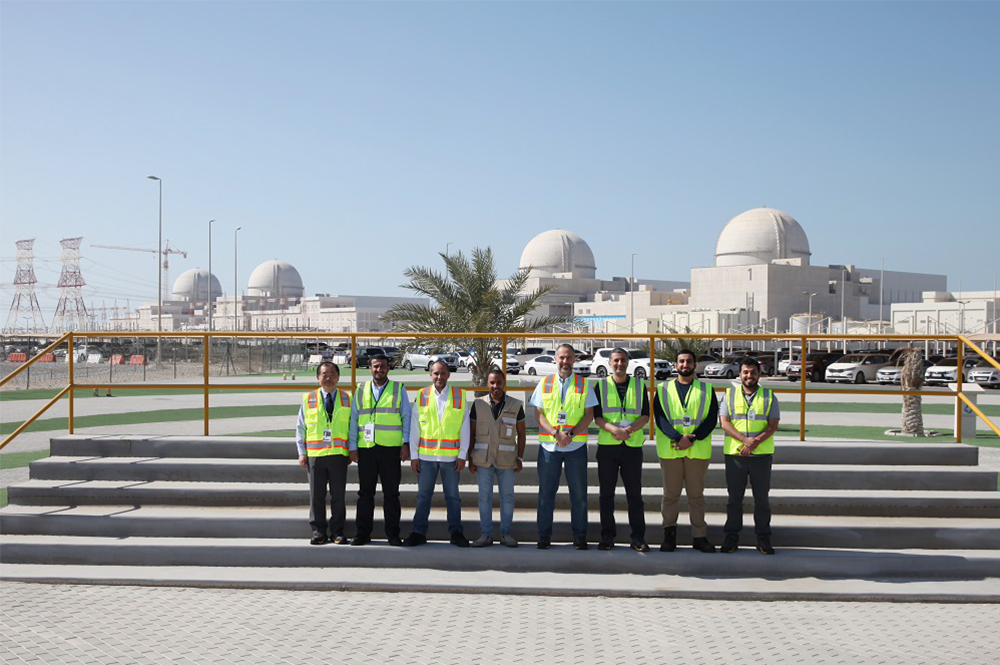
Five KU Faculty Visit Barakah Nuclear Energy Plant and Witness Historic Milestone

As part of the ongoing research and education partnership with Emirates Nuclear Energy Corporation (ENEC), five faculty members from the Nuclear Engineering Department at Khalifa University were given a unique opportunity to visit Barakah Nuclear Energy Plant.

During the visit, Dr. Yacine Addad, Dr. Youssef Shatilla, Dr. Akihide Hidaka, Dr. Saeed Al Ameri, and Dr. Ahmed Alkaabi witnessed firsthand the high safety standards that are embedded at the Barakah Nuclear Energy Plant. Upon completion of its four Units, the Barakah plant will generate 5,600 MW of clean electricity, providing up to 25 percent of the UAE’s electricity demand when fully operational, while preventing the release of 21 million tons of carbon emissions annually, equivalent to removing 3.2 million cars off the Nation’s roads each year.

The visit was timely as it came right before the completion of Unit 1 fuel load. The Barakah Unit 1 has since commenced the start-up process following successful completion of fuel loading in March 2020. Over a number of months, power levels will safely and steadily be raised, once reaching full capacity the unit will generate 1,400 MW of abundant baseload electricity.

This milestone reflects the vote of confidence that the plant specifically, and the UAE in general, have received after a lengthy licensing process by the UAE’s independent regulator, the Federal Authority for Nuclear Regulation (FANR). This process is followed for each of the four units.

The KU faculty expressed their gratitude and pride in witnessing this historic moment for the UAE.

Erica Solomon 
Senior Editor
10 February 2020

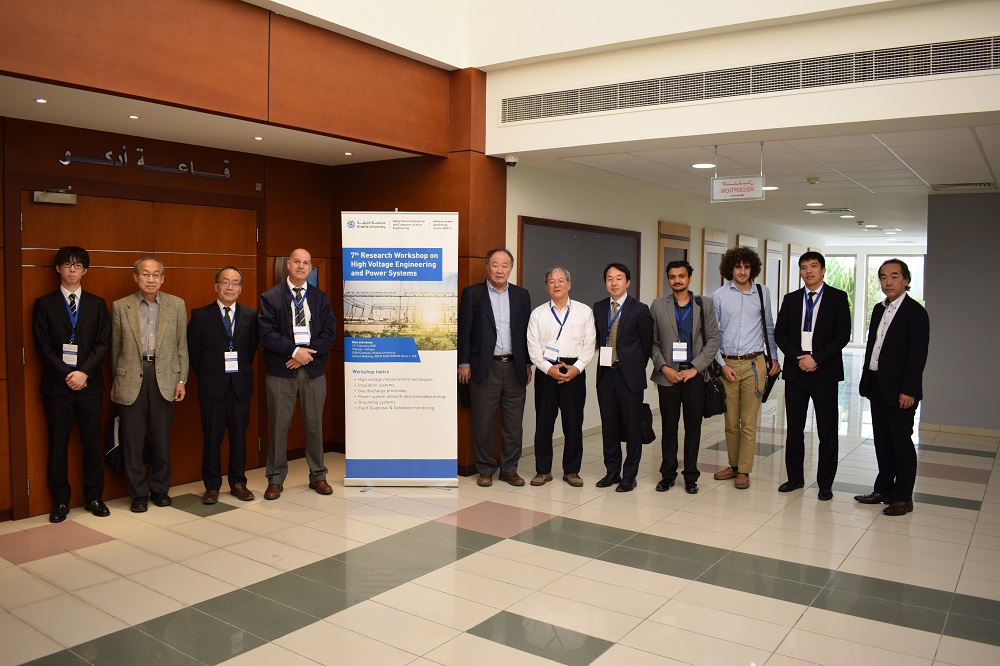
APEC Holds 7th High Voltage and Power Systems Research Workshop

The High-Voltage and Dielectrics Materials research group of the Advanced Power and Energy Center (APEC) at Khalifa University organized the 7th Research Symposium on High Voltage and Power Systems at Sas Al Nakhl Campus, which took place on Thursday, 13 February 2020.

The full-day symposium provided a forum for scientists, industry engineers working in the power and energy sector, and researchers to exchange ideas on recent advances in the topic. It was also an occasion to highlight the role of Khalifa University as a key research and educational hub for high-voltage technology and power system applications.

Representatives from Khalifa University’s APEC research center, The University of Tokyo, Kyushu Institute of Technology, Aichi Institute of Technology, Hosei University, Tokyo Denki University and local industry presented on a range of topics of current interest in the field, including transformer fault diagnosis and oil insulation, partial discharge measurement, high-voltage measurement and analysis, advanced grounding system research and lightning phenomena, and renewable energy.

Attendees had the opportunity to engage in fruitful discussions on these current issues and future research directions. A special visit was also arranged to one of Transco’s high-voltage substations in Abu Dhabi.

Lead organizers Dr. Noureddine Harid, Associate Professor of Electrical Engineering and Computer Science, and Dr. Huw Griffiths, Professor of Electrical Engineering and Computer Science, emphasized the need to promote and sustain such activities in future to enrich awareness about the important advances in such strategic areas and to help address the challenges expected from the rapid growth and development in the UAE’s electrical energy infrastructure.

Staff Writer
20 February 2020

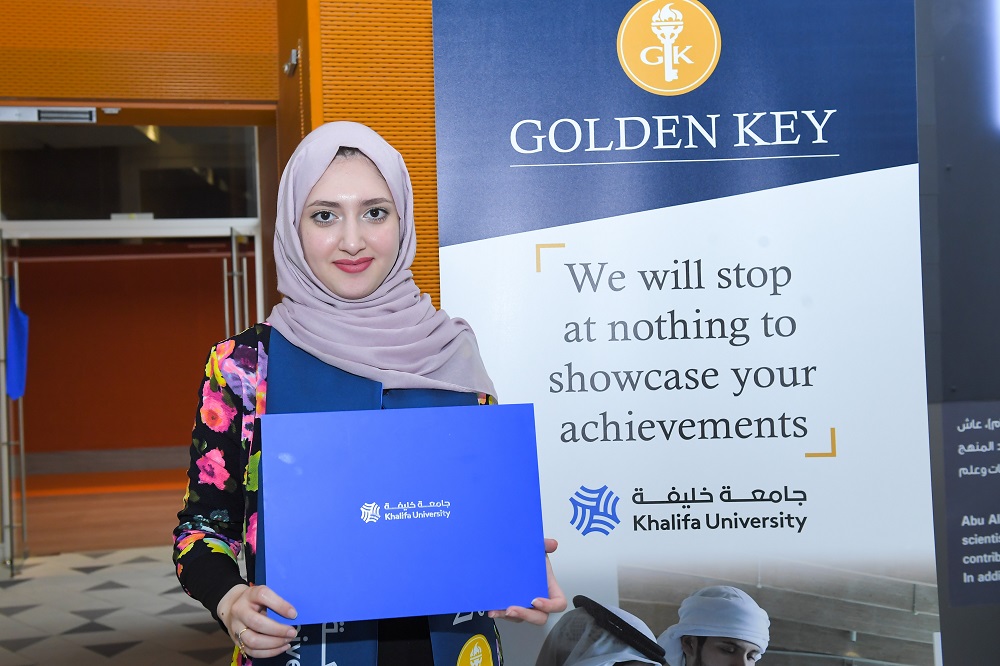
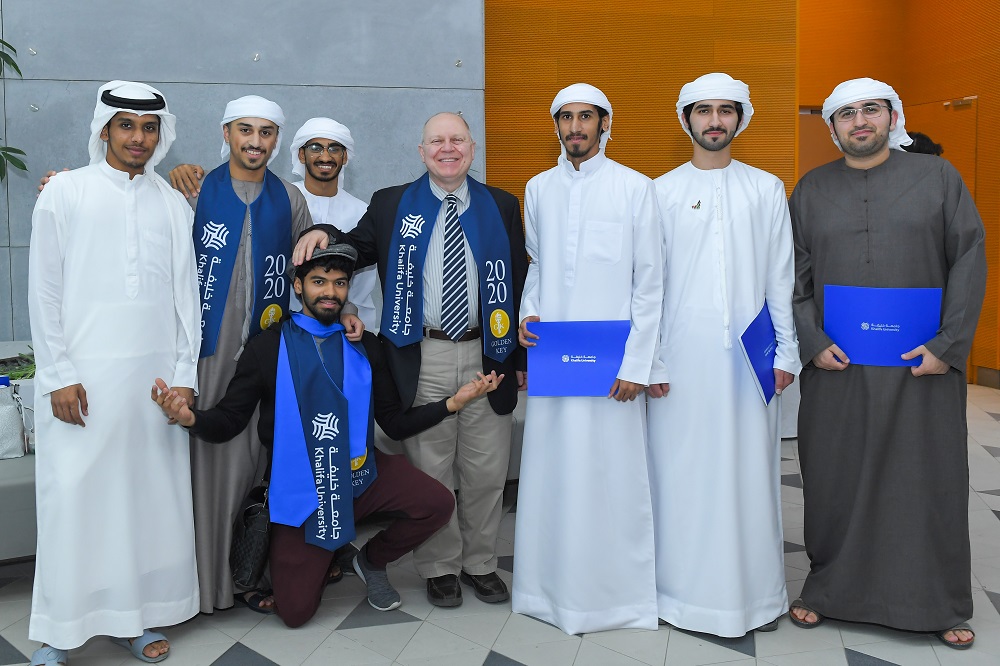
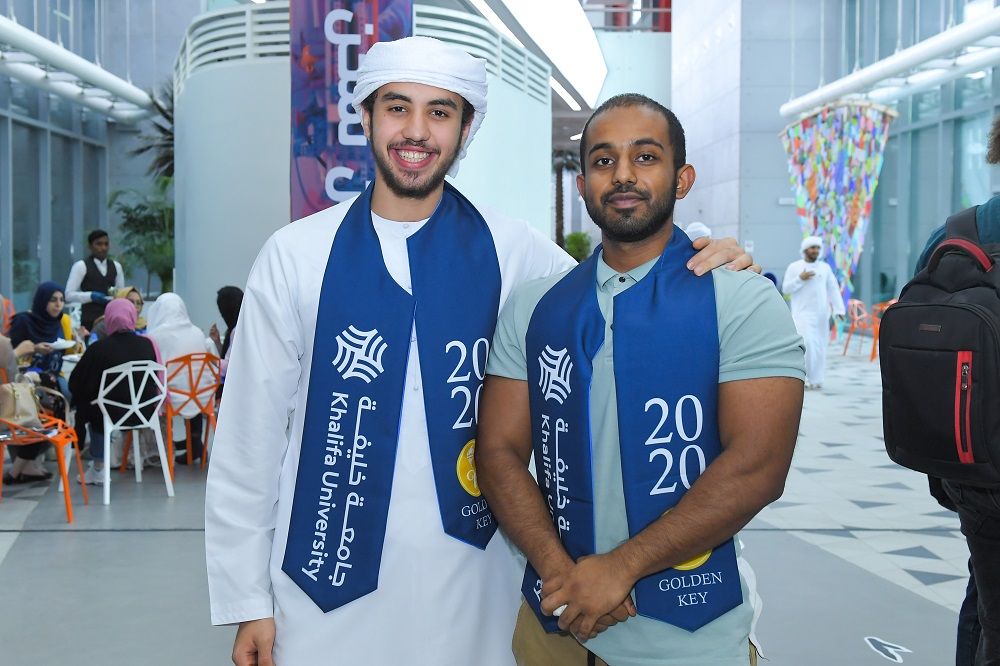
Top 300 Students Honored and Invited to Join KU’s Golden Key Chapter

The Student Success Department at KU organized “KU Honors Day” to recognize more than 300 students for their excellent academic performance during the 2019-2020 academic year. The event was held at the Main Campus in the presence of Dr Arif Sultan Al Hammadi, Executive Vice President of KU, Dr. Ahmed Al Shoaibi, Senior Vice President of KU, Dr. Derek Woolins, Provost, Deans, Faculty and the wider KU community on Tuesday, 17 February.


During the ceremony, KU inaugurated its Golden Key Honor Society Chapter, which is the first chapter ever in the Middle East, and invited its high-achieving students to join and become part of one of the world’s best networking groups. By extending Golden Key membership to its top-achieving students, KU is not only reaffirming its commitment to help students realize their full potential, but it is also setting a new standard of academic excellence in the region.

Zayed’s Green legacy

Four undergraduate students from Khalifa University described the environmental campaign they started, called Zayed’s Green Legacy, in an article featured in the State of Green Economy Report 2020, the official publication of the World Green Economy Summit (WGES).

Their mission is to raise awareness of the UAE’s flora and fauna, and its rich biodiversity. Read the full story on pgs 176-177 here: https://dcce.ae/publications/state-of-green-economy-report-2020/.

Khalifa University to Host Second Edition of Mubadala-Globalfoundries-SRC Forum on AI Hardware R&D in Abu Dhabi on 20 February

Forum on UAE’s AI Semiconductor Ecosystem and Launch of Hardware Research Projects in Partnership with Semiconductor Research Corporation

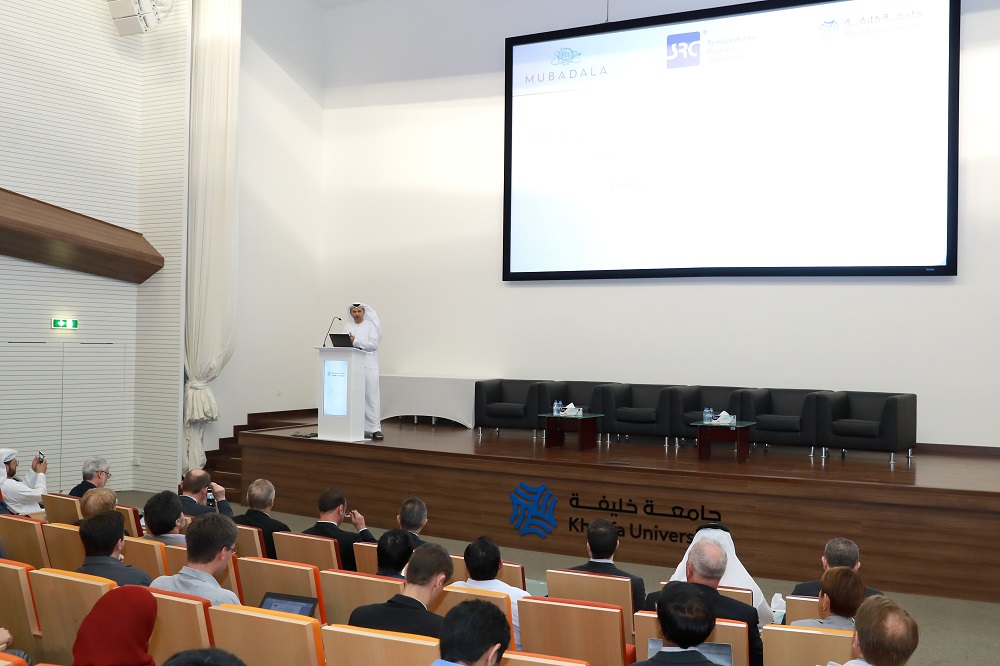
Khalifa University of Science and Technology will be hosting the second ‘Mubadala-Globalfoundries-SRC Forum’ in Abu Dhabi to formulate a vision and to chart future plans for the artificial intelligence (AI) semiconductor ecosystem in the UAE.

Titled ‘UAE AI Semiconductor Ecosystem: Looking Ahead’, the AI R&D forum scheduled for 20 February is being co-organized by Mubadala Investment Company, Globalfoundries and the US-based Semiconductor Research Corporation (SRC). It will include AI scientists from the academia and industry, as well as relevant government organizations such as Hub 71, Abu Dhabi’s global tech hub and flagship initiative of the economic accelerator program – Ghadan 21, and Abu Dhabi Investment Office (ADIO). The forum will also aim to cover priorities and working-model options to make the semiconductor ecosystem sustainable and successful.

In addition, scientists and faculty from NYU-Abu Dhabi, UAE University and Khalifa University will present the status of their latest research in AI, while exploring potential collaboration. Hub 71 and ADIO will focus on how they are supporting the growing AI community, upskilling developers and outlining startup incubator and funding opportunities for AI startups through the Hub71 Incentive Program, while the private sector initiative Sandooq Al Watan will present its programs on building Emirati talent.

The forum’s plenary titled ‘Future of AI Hardware Systems’ will be chaired by Dr Baker Mohammed, Professor, Khalifa University, while the session on ‘Academic Perspective on AI Hardware Research’ will be chaired by Victor Zhirnov, Chief Scientist, SRC. The session on ‘AI Hardware Ecosystem in the UAE – Key Enablers’ will be chaired by Dr Rafic Makki, Global Chief Scientist, Mubadala Capital–Ventures, while Dr Steve Griffith, Senior Vice-President, Research and Development, Khalifa University, will chair an interactive session on ‘Operating Model for a Successful Ecosystem’.

In April 2019, Khalifa University held the first forum on AI hardware that attracted speakers from a number of top universities in the US and industry leaders. The forum resulted in defining the technology strategy and launching an AI hardware thrust at the Semiconductor Research Corporation.

“We are pleased to announce that several projects from Khalifa University are being selected as part of this program,” said Dr Arif Sultan Al Hammadi, Executive Vice-President, Khalifa University. “We thank Mubadala, GlobalFoundries and SRC for their support over the past several years and for contributing to advancing the UAE’s objectives in this vital area of science. We believe the second edition of the Forum will further intensify our efforts towards driving innovation in R&D and bring AI closer towards everyday use,” he added.

The research projects cover different aspects of new chip architectures for Artificial Intelligence with a focus on power efficiency.

Ken Hansen, President and CEO, SRC, said: “We are in the early stages of unleashing this new technology but already are seeing widespread adoption across many different applications. While an impressive start, there are still unbounded opportunities ahead which are limited only by our ability to innovate AI solutions. Funding university research in AI is a vital element to invent the next generation AI hardware or to add new capability such as perception and cognition.”

News Writer
19 February 2020

Bringing 3D Printed Lower Limbs to Those in Need

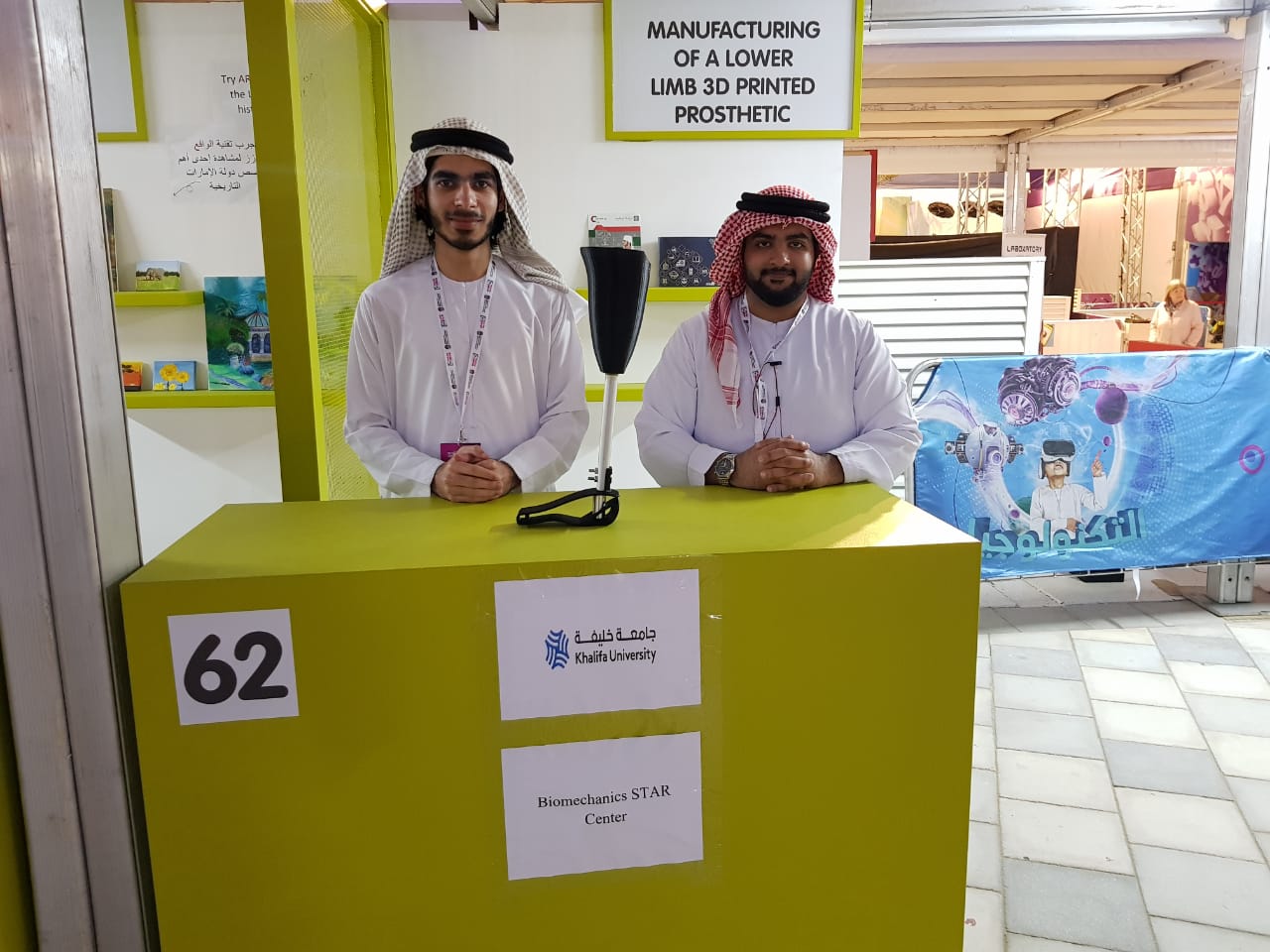
Two Khalifa University Mechanical Engineering students have presented their work at Innovator 2020 in Abu Dhabi to raise awareness of the important role additive manufacturing can have in medical fields. Abdulaziz Ali Alzurahi and Abdulla Mohammed Alkatheeri debuted a lower limb prosthetic device, designed with advanced creative engineering technologies and manufactured using the latest 3D printing technology.

“The project centers around producing patient-specific lower limb prosthetics for individuals who have lost their limbs due to genetics, diabetes, military combat, etc.,” explained Alzurahi.

Additive manufacturing, commonly called 3D printing, is a relatively new but promising technology available to prosthetists. A prosthetic hand can cost thousands of dollars and take months to produce using plastic molding techniques. The prosthetic limb showcased by Alzurahi and Alkatheeri costs less than USD1000 to print and can be produced in just 48 hours.

“Our goal is for this project to help people who cannot afford to buy a traditional prosthetic acquire a device for their daily assistive needs,” added Alzurahi. “Our work can help people in need in the UAE.”

Thanks to their relatively high accessibility and affordability, 3D printed prosthetics are slowly changing the face of medicine. While hands and arms are some of the most common printed prosthetics and can cost as little as USD50, Alzurahi and Alkatheeri chose to focus on lower limb prosthetics.
Traditionally, a prosthetist would create a socket from a reverse mold of the patient’s stump to measure as carefully as possible the precise pathology. Great care must be taken to avoid nerves and tender areas that may not tolerate the continuous pressure of resting on a prosthetic limb. This is a cumbersome and time-consuming process.

Uniquely, this 3D printed limb offers a huge advantage over conventional prosthetics currently on the market: using 3D printing and advanced medical software, Alzurahi and Alkatheeri can use advanced geometry to offer exact socket fittings for each patient, individualizing the prosthetic to a degree unheard of before. Additionally, 3D printed prostheses are a cost-effective way to keep up with a child as they grow or damage their current one as they enjoy their childhood.

“The other major advantage to a prosthetic that can be produced quickly and cheaply is that this is particularly helpful for children,” said Alzurahi. “A child’s lower limbs are continuously growing, which makes 3D printing the best current solution to their cases in particular. Usually, children have to change their sockets after six months of prosthetic use. That can get very expensive.”
Importantly, the prosthetic produced by Alzurahi and Alkatheeri can be manufactured using various 3D material types, geometrical shapes, images, and colors. They can make a prosthetic fun, which they say is crucial for encouraging children to like their prosthetics and interact more efficiently and enthusiastically with them.

“We can produce any design a child wants, based on their interests, hobbies or even cartoon characters,” said Alzurahi.
Alzurahi and Alkatheeri are continuing to develop their prosthetic and are currently working on a shock-absorbing technology to enhance the user experience.

3D printing materials cannot yet compete with the long-term durability of traditionally-made prostheses, and most printing plastics commercially available aren’t strong enough to support body weight. But this will soon change, and in the meantime, those with access to more advanced printers and materials are making cost-effective prosthetics a reality for those in need.

Jade Sterling
News and Features Writer
18 February 2020

Cultivating the Youth to Be Social Leaders

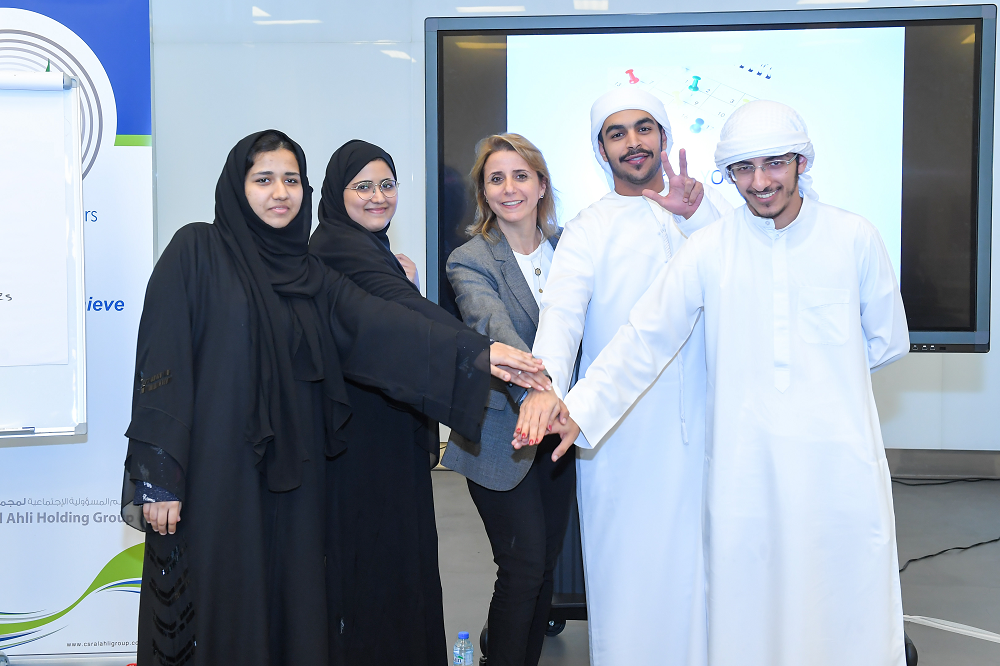
The Al Ahli Holding Group, through its CSR Division and in collaboration with Khalifa University’s Student Success Department, conducted a two-day UAE Social Leaders Program on 7–8 February 2020 at The Hive, located at Khalifa University’s Main Campus.

CSR Al Ahli aims to develop the youth to become global leaders through learning by exposure and cultivating their social enterprise and entrepreneurial skills.

Almost 30 Khalifa University students attended the two-day training program that included sessions about the concept of social entrepreneurship, sustainable development goals, and how to become a social leader. KU faculty Dr. Amani Abdullatif Omer, Associate Professor of Humanities and Social Sciences, led the session on Best CSR Practices and Alliya Rose Anderson, Lecturer of the Preparatory Program, led the team formation and team-building activities.

One of the goals of the training is to inspire the participants to come up with social enterprise projects. These projects, which are associated with social challenges built upon the needs of the UAE, should be able to address development requirements, and at the same time build strong grassroots initiatives.

During the training, the students were able to come up with nine projects that focused on poverty eradication, promotion of education for all, health awareness, and renewable energy and its environmental impacts. There will be a month-long mentorship and coaching period where the participants will further develop their projects and implementation plans.

At the end of the year, the committed projects will compete for the 10,000 USD prize in the annual Social Entrepreneurship Summit organized by CSR Al Ahli.

Ara Cruz
News Writer
13 February 2020


Khalifa University Hosts a University Tour for Armenian Students

To promote a strong cultural and educational exchange program between the UAE and Armenia, the UAE Embassy in Yerevan has initiated an educational trip for top Armenian students studying IT, Architecture, and Engineering to visit the UAE.

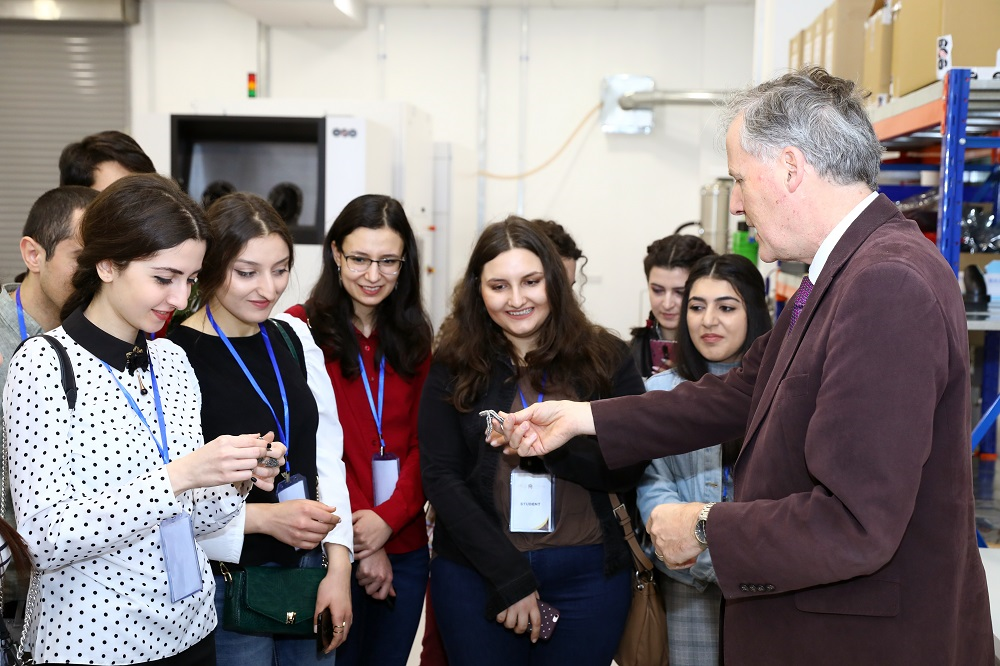
On 5 February 2020, Khalifa University welcomed 14 students from different Armenian universities at the KU Main Campus. The KU Outreach Department arranged a special full day tour, starting with a welcome note from Dr. Ahmed Al Shoaibi, Senior Vice President, Academic and Student Services. A presentation about Khalifa University’s academic programs, research centers, and KU initiatives and achievements was also shown to the guests.

The Armenian students also visited KU’s Aerospace Research and Innovation Center (ARIC), Healthcare Engineering Innovation Center (HEIC), and Emirates ICT Innovation Center (EBTIC). The directors of the centers, Dr. Wesley Cantwell, Dr. Cesare Stefanini, and Dr. Nawaf Al Moosa, met and discussed with the students about the goals, initiatives, and projects of each of the centers.

At the end of the tour, the students also visited the Admissions and Scholarship Office to know more about the admissions procedures, scholarships, and student services offered at KU.

Ara Cruz
News Writer
13 February 2020