
- Admissions
- Academics
- Research Office
- Student Life
- News & Events
- Outreach
- About

Dr. Mohamed Ibrahim Hassan Ali is a Full Professor in the Department of Mechanical and Nuclear Engineering at Khalifa University, Abu Dhabi. He brings more than three decades of experience in teaching, research, and industrial collaboration across the United Arab Emirates, the United States, and Egypt. His expertise spans thermal sciences, combustion, heat transfer, fluid mechanics, desalination, and sustainable energy conversion.
Dr. Ali’s research integrates computational modeling, experimental investigation, and engineering design to improve energy efficiency and freshwater production. His work focuses on membrane distillation, industrial waste heat recovery, alternative fuels and advanced combustion, solar energy systems, and compact heat exchangers. Through industry collaborations, he translates research findings into practical improvements in furnace performance, fuel efficiency, and industrial processes, particularly in the aluminum, steel, and cement sectors.
He earned his Ph.D. in Mechanical Power Engineering from Helwan University in 1997 through a channel program with the Department of Aerospace Engineering at the University of Michigan, Ann Arbor, and subsequently undertook postdoctoral research at the University of Kentucky. His previous appointments include Associate Professor at Helwan University, Senior Research Scientist and Senior Lecturer at the University of Kentucky, and Assistant Professor at Masdar Institute of Science and Technology.
Dr. Ali has authored or co-authored more than 200 journal articles and peer-reviewed conference papers, as well as a book chapter. He is a licensed Professional Engineer in Kentucky and a co-inventor of a granted U.S. patent for coating inspection. His professional memberships include the American Society of Mechanical Engineers (ASME), Sigma Xi, the Combustion Institute, and the European Desalination Society. He also serves on the editorial board of Energy Nexus and the conference committee for Sustainable Development of Energy, Water and Environment Systems (SDEWES).
At Khalifa University, Dr. Ali teaches undergraduate and graduate courses in thermofluids, thermodynamics, heat transfer, combustion, engineering experimentation and instrumentation, cooling and air conditioning, and energy sustainability. He supervises postgraduate research and serves as Theme Lead for Computational Fluid Dynamics and Thermal Desalination Processes within CMAT.
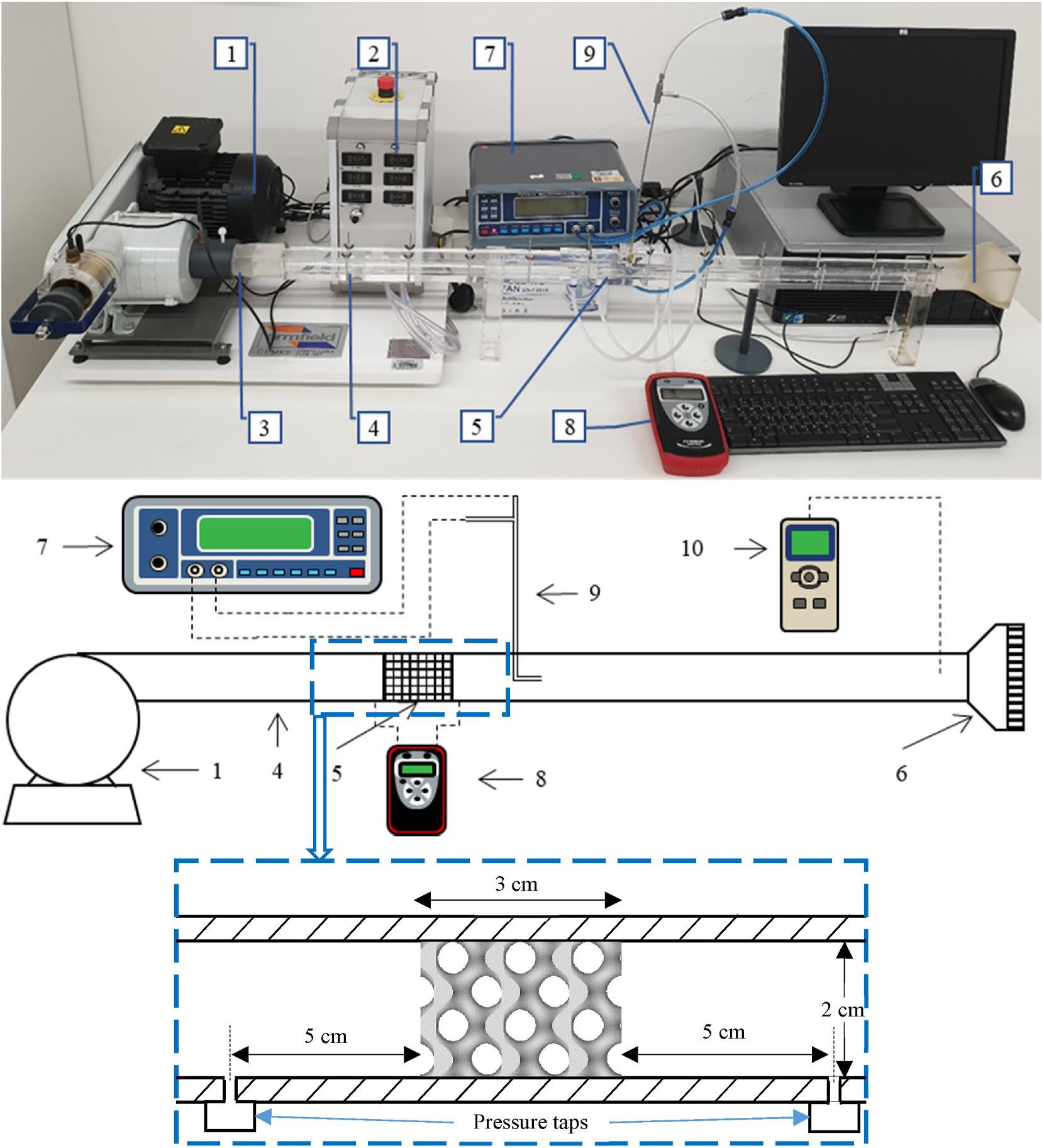
Heat Sinks testing apparatus - This apparatus is developed to test the Triply Periodic Meta Structure TPMS heat sink cooling performance. TPMS is produced using 3-D printing technology.
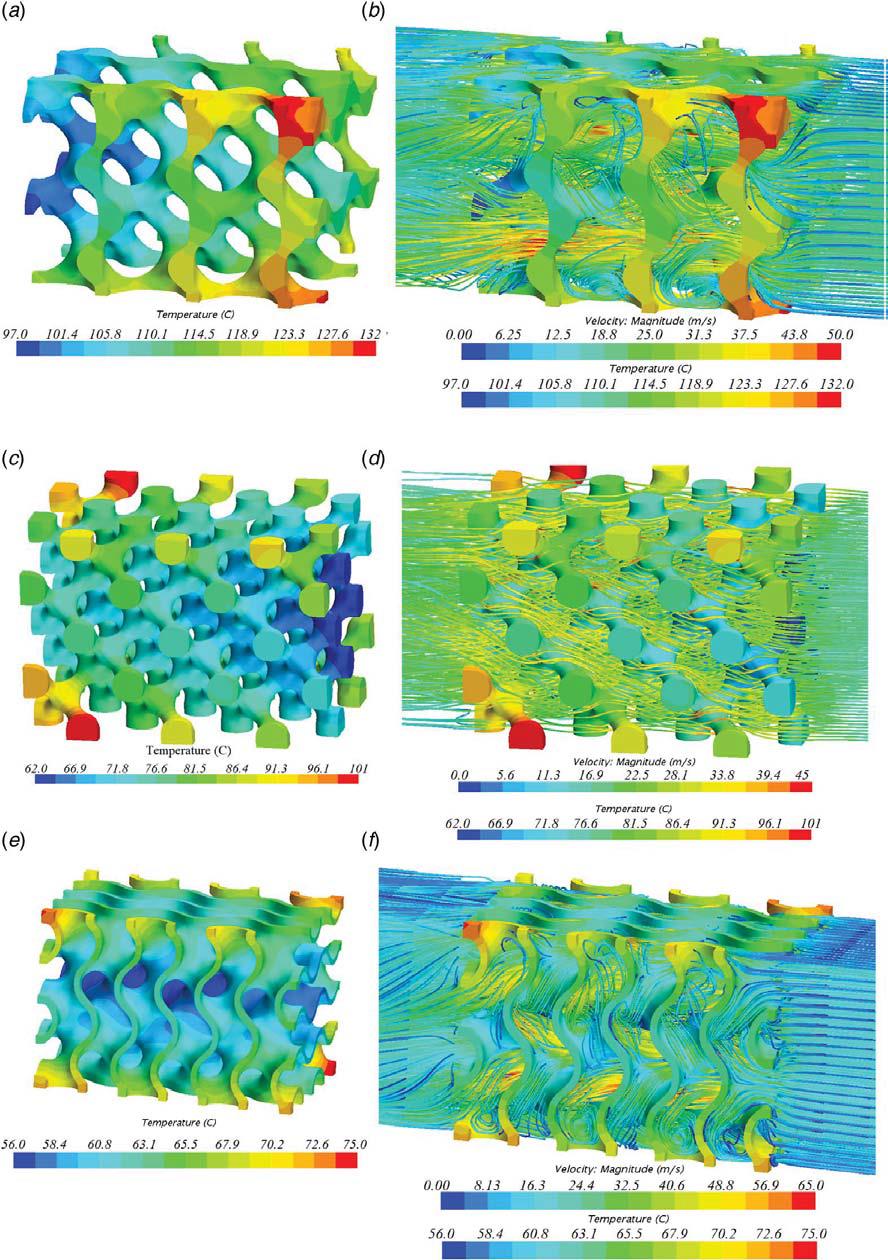
Heat Sinks CFD models - Detailed flow and temperature characterization for heat transfer performance.
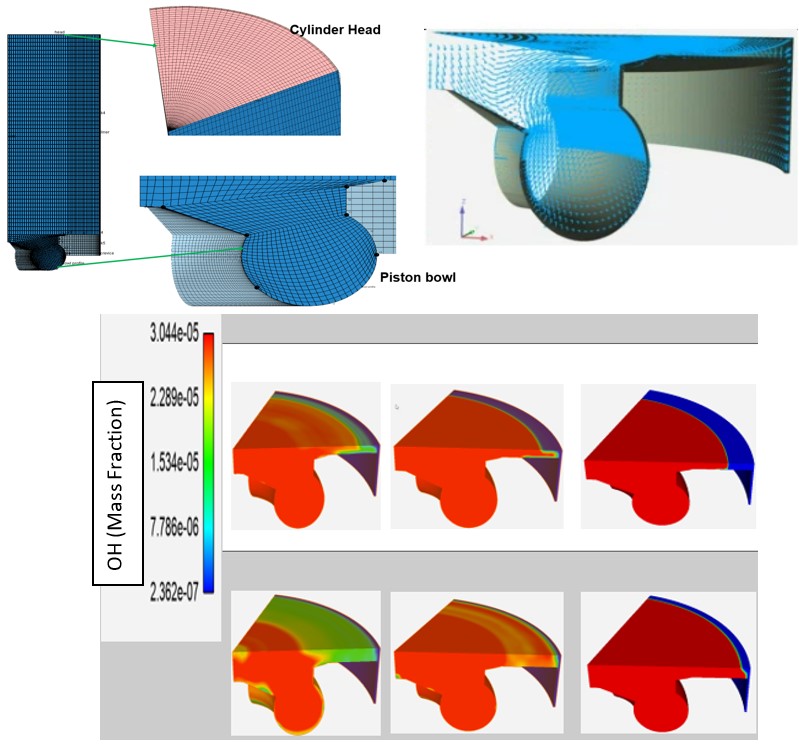
Internal Combustion Engine Simulation - This research focuses on the new engine design for bringing Hydrogen, syngas, and biogas fuels in HCCI engines.
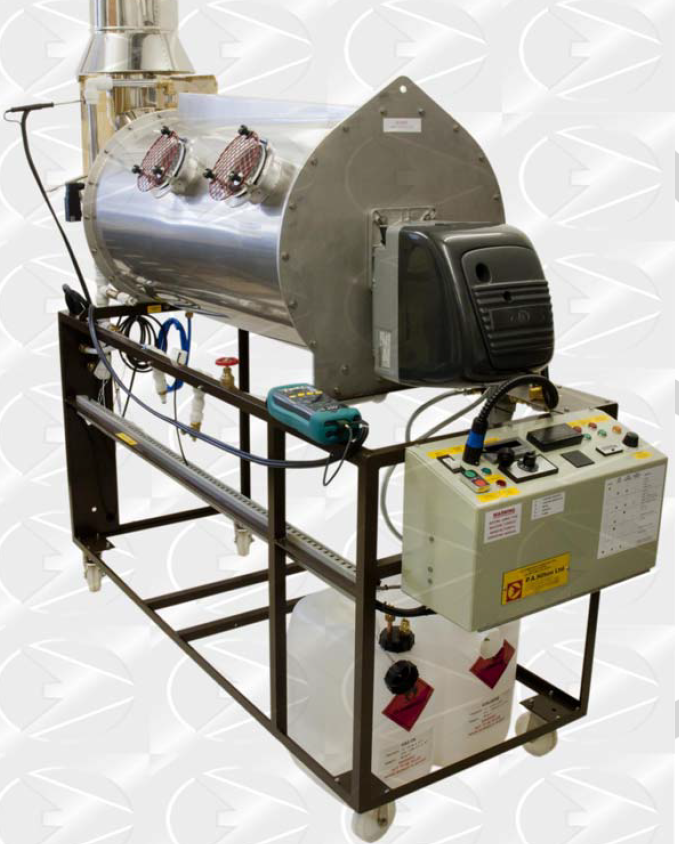
Hilton Combustion Units - This unit is used to combust different types of fuels, including Diesel and BioDiesel fuels to investigate the benefits of biofuels over conventional diesel fuels. Samples of soot formation are collected to study the flame soot characteristics of each fuel.
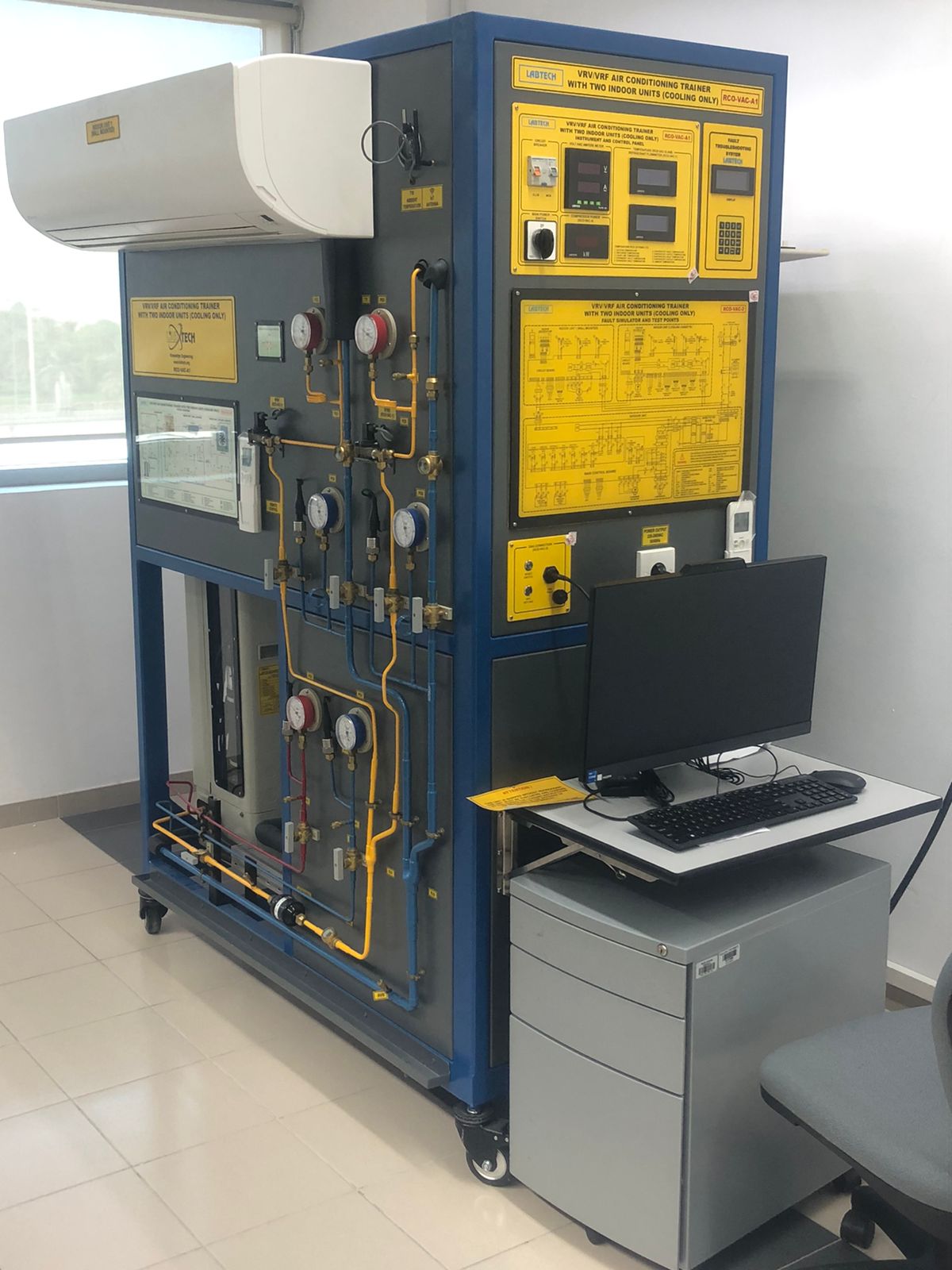
Title: Variable Refrigerant Flow (VRF) Cooling in Smart Buildings.
VRF systems use refrigerant as the cooling and heating medium, which can be precisely controlled to meet the varying needs of different zones within a building. These systems consist of an outdoor unit and multiple indoor units, with the capability to control the amount of refrigerant flowing to each indoor unit based on demand. Variable refrigerant flow (VRF) systems are a key component of smart building technology, offering enhanced energy efficiency, flexibility, and comfort. When integrated with smart building management systems, VRF systems contribute significantly to the creation of intelligent, responsive, and sustainable buildings.
.jpg)