
2020 Solar Eclipse in UAE Explained

Today, Sunday 21 June 2020, an annular solar eclipse was visible in the UAE, and a partial solar eclipse in Abu Dhabi. An expert at KU, Dr. Elena Fantino, Assistant Professor of Aerospace Engineering, explains what a solar eclipse is and its historical significance.

A solar eclipse occurs when a portion of the Earth is covered by the shadow of the Moon which fully or partially blocks the light from the Sun. This happens when the SunMoon and Earth are aligned and the Moon passes between Earth and the Sun. An eclipse can be total or partial. In a total solar eclipse, the disk of the Sun is fully obscured by the Moon. A partial eclipse is called annular when the Sun and Moon are exactly in line with the Earth, but the apparent size of the Moon is smaller than that of the Sun. Hence, the Sun appears as a thin ring surrounding the dark disk of the Moon.

Total solar eclipse

Partial solar eclipse

Historically, solar eclipse observations were used to determine the geographic coordinates of a location and improve our knowledge of the orbits of the Earth and the Moon. In the early twentieth century, solar eclipses played a role in the confirmation of Albert Einstein’s general theory of relativity. The progress of technology led to the development of instruments (most noticeably the coronagraph) that allow to observe the solar corona and the prominences on the surface of the Sun without the need for solar eclipses. Nowadays, we can study the Sun with sophisticated instruments aboard space telescopes or by propagation of radio waves, but solar eclipses have not lost their importance and are still used to study variations in the Sun’s diameter, the Sun’s atmosphere, the corona and much more.


Local Type: Partial Solar Eclipse, in Abu Dhabi

Begins: Sun, 21 Jun 2020, 08:12

Maximum: Sun, 21 Jun 2020, 09:33 0.902 Magnitude

Ends: Sun, 21 Jun 2020, 11:08

Duration: 2 hours, 56 minutes

[data and image from https://www.timeanddate.com/eclipse/in/united-arab-emirates/abu-dhabi]
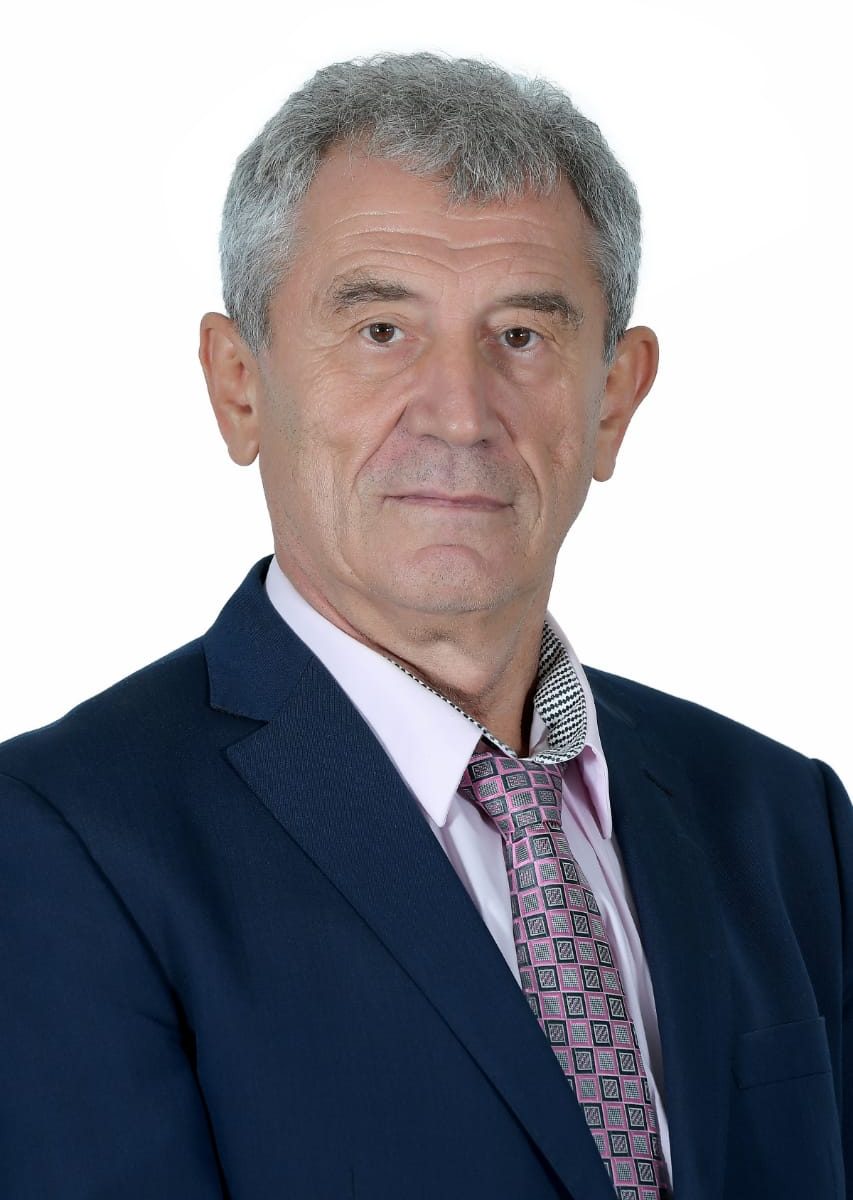


KU Professor Recognized as One of the Top Scientists in the UAE

Another Khalifa University faculty has been recognized as a top scientist in the UAE. Dr. Nenad Mladenovic is the #2 top scientist in the country according to the Guide2Research 2020 Computer Science and Electronics Top Scientists Ranking.
Dr. Mladenovic is currently a Professor of Industrial and Systems Engineering at Khalifa University. Before joining KU, he taught at several universities in different countries, including France, Canada, Serbia, and the United Kingdom. Since 2012, Dr. Mladenovic has been a member of the Academia Europaea, a non-governmental organization of scientists and scholars whose aim is to promote learning, education, and research.
Through his work in Optimization, also known as Operations Research, Dr. Mladenovic is named as one of the top scientists in the UAE by Guide2Research.
“Optimization problems are everywhere—in technology, economy, science, industry, environment, telecommunications, energy, transportation, supply chain management. They occur in private and public sectors, by individuals or by small or huge enterprises. Although they are at the first glance quite different, fortunately they usually share similar properties. In other words, a variety of problems in different areas of human activities share the similar symbolic presentation, or mathematical model. They all have decision variables, an objective function to minimize or maximize and the solution space of a huge number of solutions, where just one or just a few among them are optimal,” explained Dr. Mladenovic.
According to Dr. Mladenovic, the most useful and popular search techniques in solving difficult real-life optimization problems are heuristic methods. Metaheuristics (frameworks for building heuristic) try to establish general principles and rules that should be followed when searching for better solutions to problems, he explained.
“My basic approach is to search for simpler and user-friendly principles in solving mathematically and computationally hard problems,” Dr. Mladenovic said. Using this approach, he has proposed a few general such techniques that have been well received by scientists and practitioners. The three most cited approaches that he has developed are: variable neighborhood search, formulation space search, and the less is more approach. These techniques have been used by several organizations such as Hydro-Quebec Canada, Avis Car Rentals, and Ultramar Canada. They have also been applied in addressing issues such as human nutrition in the Yugoslav army, berthing allocation in the Hong Kong harbor, and the Petro-Brazilian over rig transportation, among others.
“My basic motivation in research is to provide better results with my methods than all other techniques from the literature, to as many as possible different optimization problems,” commented Dr. Mladenovic.
Guide2Research was established as a platform for academics and researchers to have up-to-date information, publications, and conferences related to computer science. Its ranking of top scientists is based on a wide range of metrics such as the scientist’s number of publications indexed in DBLP, their awards and achievements, and their H-index, which measures a scholar’s productivity and how often their works have been cited. Only scientists with an H-index of at least 40 within the area of Computer Science and Electronics are included in the ranking.
Ara Cruz
News Writer
21 June 2020

Khalifa University Researchers Develop Hybrid Graphene-Sand Material to Remove Pollutants from Industrial Wastewater

Sand and Dates – Two Abundantly Available Natural Resources in UAE to Produce Graphene-Sand Hybrid
Khalifa University of Science and Technology today announced a team of researchers has developed a graphene-sand hybrid material capable of absorbing pollutants from industrial wastewater, using two natural resources of great abundance in the UAE – sand and dates.
Safely and affordably removing pollutants from industrial wastewater is a primary focus area for governments worldwide. Conventional methods that are used for removing different harmful pollutants from wastewater suffer from drawbacks such as cost-effectiveness, efficiency, range of applicability, and reusability. Comparatively, adsorption method is a relatively mature, globally-acclaimed, economically feasible, and efficient technology for arresting environmental pollutants.
The Khalifa University research team has developed the graphene-sand hybrid material capable of adsorbing pollutants, which involves attaching pollutants onto small particles that are then easily removed.
While synthesizing graphene-sand adsorbents can be prohibitively expensive, the Khalifa University researchers have turned to a previously unused resource – date syrup – to provide the carbon needed to produce the graphene. The adsorbent can be used as an environmentally benign and scalable option for decontaminating wastewater, with the adsorption capacity far surpassing that of similar reported graphene-based adsorbents.
Led by Dr. Fawzi Banat, Professor, Chemical Engineering, the team includes Anjali Edathil, former Research Engineer, and Shaihroz Khan, visiting Research Assistant. The in-situ strategy used to produce the graphene-sand hybrid with date syrup is described in a paper published in Scientific Reports.
Dr. Banat’s team used pyrolysis – the process of chemically decomposing organic materials at high temperatures in the absence of oxygen – to decompose the date syrup. This triggers a change of chemical composition and the synthesis of a large volume of graphene material, that subsequently attaches to desert sand without the use of any external chemical agents. Moreover, graphene’s high surface area, combined with its versatile chemistry and highly water-repellent surface physical property, makes it an ideal adsorbent for removing pollutants.
Dr. Banat’s graphene-sand hybrid adsorbent was tested in the laboratory and showed remarkable efficiency in simultaneously removing both dye and heavy metals from multicomponent systems. The researchers concluded that their adsorbent had great potential as an exceptional material resource of water purification.
“This will undoubtedly open new avenues for the practicability of graphene to curb the existing water shortage,” said Dr. Banat. “We hope our material will help in increasing water resources in the UAE, reducing energy consumption in wastewater treatment processes and be used to convert oily wastewaters from waste-to-commodity that can be used in applications such as industrial recycling and agriculture.”
Jade Sterling
News and Features Writer
17 June 2020

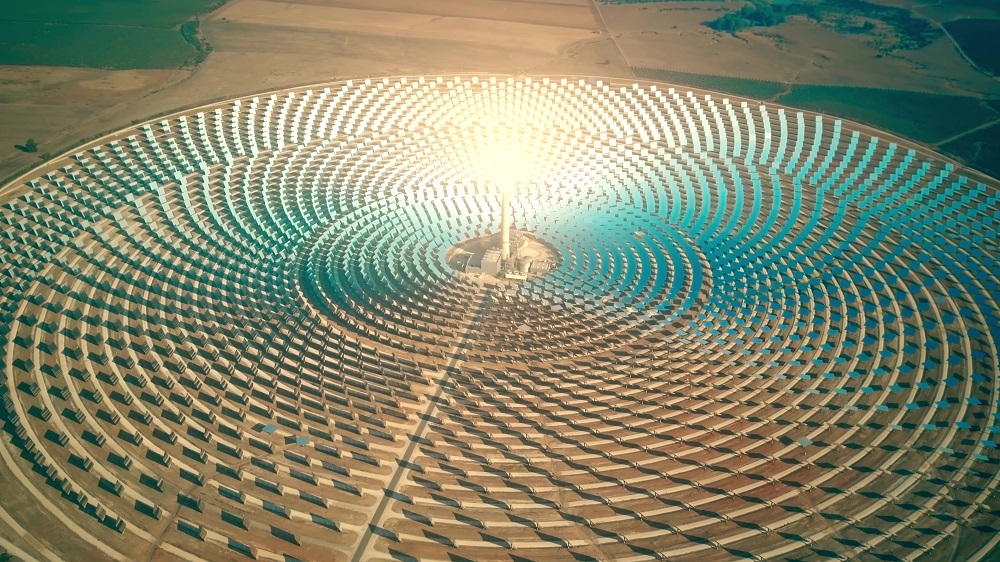
Novel Ultrathin Solar Absorber Coatings Could Offer Highest Efficiency Yet When Used in High Temperatures

Solar panel efficiency usually concerns how much of the sunlight hitting the panel is converted into electricity, but the temperature of the panel in direct sunlight on a hot summer day can significantly impact its performance. Unlike solar panels, however, solar thermal collectors (solar absorbers) which collect heat by absorbing sunlight, need to reach high temperatures to perform their intended functions.
Solar absorbers need to withstand very high temperatures for use in applications such as power generation. Unlike traditional solar panels, solar absorbers are specifically designed to withstand high operating temperatures. To enable the solar collectors to produce as much thermal energy as possible, absorber coatings are used. These coatings also need to withstand high temperatures, particularly for use in applications like concentrated solar power, as higher-temperature solar heat results in higher power generation efficiency.
Now, a new coating has been developed by a team of researchers at Khalifa University, led by Dr. Tiejun Zhang, Associate Professor of Mechanical Engineering, that works in very high temperatures up to 1050°K or 776°C.
“The more efficient the absorber coating is, the greater the solar collector’s output. Highly efficient solar-thermal energy conversion requires absorbers that can harness the full spectrum of sunlight, emit minimal heat, and maintain structural stability at high operating temperatures,” explained Dr. Zhang. “Our team has fabricated a new refractory nanocomposite which works in very high temperatures, making it suitable for applications here on Earth and also in space.”
Dr. Zhang and his team shared the development and efficiency of their solar absorber nanocomposite in a paper recently published in Advanced Optical Materials and a patent has also been filed for the new technology. The team comprised Dr. Aikifa Raza, Research Scientist, Afra Alketbi, PhD student, Dr. Rajakumar Devarapalli and Dr. Hongzia Li, both Postdoctoral Fellows, from the Khalifa University Department of Mechanical Engineering. Funding support was provided by the Alibaba Cloud-Khalifa University Joint Innovation Laboratory of Artificial Intelligence for Clean Energy and the Abu Dhabi Award for Research Excellence.
For industrial and commercial scale applications, increased operating temperatures are necessary to lower the cost of electricity when using concentrated solar energy. As such, operating temperatures in excess of 600°C are desirable for state-of-the-art systems.
Thermal stability at high operating temperatures is one of the most important criteria for solar absorber coatings but it is not the only concern. The coatings must allow the absorbers to absorb as much of the solar spectrum as possible while limiting oxidation, a chemical reaction that degrades the coating.
Commonly used solar absorber coatings are made from various composite materials, including cermets (materials composed of ceramic and metal), but their use in real-life applications has been impeded by their intense fabrication requirements, limited oxidation tolerance and high-infrared emissivity (their tendency to emit infrared light instead of absorbing it).
Dr. Zhang’s team has developed an ultrathin nanocomposite solar absorber using amorphous silicon carbide containing tungsten nanoclusters, which offers ‘ultrabroadband omnidirectional light absorption properties.’ Despite being less than 100 nanometers thick, this material can absorb nearly all the light in the ultraviolet to visible range from sunlight, absorbing 95.45 percent of the solar energy that hits it.
“Compared to traditional designs, we have developed a cost-effective absorber coating with a pair of silicon carbide-tungsten degradation-resistant nanocomposites,” explained Dr. Raza. “Here, the key point is to capture sunlight as efficiently as possible, meaning you have to do two things that compete with each other: first, absorb as much energy from the sun as possible, but secondly, not re-radiate that energy. Our ultrathin absorber demonstrates 95.45 percent absorption of the total incoming solar energy with thermal emission loss below 5 percent at ambient temperature.”
“Its superior thermal stability, oxidation resistance, and outstanding solar absorptance make this coating unprecedented compared to existing coatings,” added Dr. Zhang.
Besides concentrated solar power generation, the high-performance solar absorber can also be integrated into other solar thermal systems, such as solar water heaters, solar thermal photovoltaics and solar thermochemical catalysis. Additionally, nanomaterials can offer significant cost savings, especially when scaled up in industrial settings, while also saving weight for applications related to spacecraft.
“I am proud of this work, as the entire research, from conceptual design, numerical simulation, and nano-fabrication to device characterization was completed locally at Khalifa University,” said Alketbi. “I believe this work can motivate other students to innovate in the field of solar energy and sustainable development which is so relevant to our region.”
Jade Sterling
News and Features Writer
17 June 2020

ALUMNI SPOTLIGHT: From PhD to Postdoc: Why a Khalifa University Alumnus Chose to Continue his Groundbreaking Research at the Country’s Top University

Khalifa University’s distinguished world-renowned professors, and its deep commitment to supporting research with real-world applications, drew Dr. Nguyen Van Viet to Khalifa University in 2015.
After completing his BCs degree from Vietnam and his MSc degree from Taiwan, Dr. Viet came completed KU’s PhD in Interdisciplinary Engineering with a focus in Mechanical Engineering in 2019. A few months later he took up a postdoctoral position at the University, so he could continue his research in smart materials and energy harvesting. 
He says his decision to continue at KU post-graduation in a postdoctoral appointment was a no-brainer. 
“Being able to continue the research work I did as a PhD student, but at a deeper level, while further developing my research skills, accruing additional publications, and working with KU’s world-class faculty, is a unique opportunity that I didn’t want to pass up,” Dr. Viet shared.
The Vietnam native credits his professors at KU for providing him with the necessary guidelines, motivation, and engineering skills needed to overcome complex challenges and successfully complete his PhD work.
“The research environment at Khalifa University is like nothing else in the country. Researchers here collaborate with one another, and have access to state-of-the-art research facilities that make running large-scale experiments possible,” he said.
Currently, under the supervision of Associate Professor Dr. Wael Zaki, Dr. Viet develops constitutive models — which are mathematical models that describe the mechanical properties of a materialfor 3D printed shape memory alloys (SMAs). A shape-memory alloy is a special kind of material that can “remember” its shape, so it can be deformed when cold, but will then return to its pre-deformed shape when heated.  SMAs have numerous applications, including in medical devices like surgical tools, in aerospace components like rockets, in robotics like robot fingers, and more. 
Dr. Viet studies the mechanical structure of 3D printed SMAs in order to identify and analyze the influence of microscopically tiny ‘voids,’ or holes, that appear on the structure during service. These voids can pose challenges to the structural integrity of the SMAs, as the volume of the voids evolve when loads are applied on the structures. Thus finding a way to be able to model behavior of 3D printed SMAs, including void evolution, is a key aim of Dr. Viet’s research. 
“During my PhD studies, I focused my research in the area of solid mechanics. Initially, I worked on mathematical modeling of nanomaterials, and the design of and mathematical modeling for sustainable energy harvesters from wind and ocean waves based on piezoelectric effect. This research was supervised by Dr. Quan Wang. Afterwards, I worked on the development of mathematical models for energy harvesting based on smart materials, such as shape memory alloy and piezoelectric materials. This research was supervised by Dr. Wael Zaki and Dr. Rehan Umer.”
Dr. Viet’s research resulted in 17 original research papers in non-open access journals in the mechanical engineering field, in which he was the first author. All were published in Q1 journals, which represent the top 25% of journals in his field.  He also presented his research at international conferences in the US numerous times. 
“To get these works published in Q1-journals, we created novel and innovative research ideas that could be applied practically and developed into novel solutions capable of overcoming the challenges that emerged from such ideas.”
While conducting his own research is his current focus, Dr. Viet is eager to encourage the next generation of scientists to pursue their research interests. He believes that it is students who will shape the world’s future, which is why he hopes to take the skills and knowledge he’s gained at KU and become a professor one day, so he can pass on the knowledge, and help nurture the learning and development of future scientists.
To the current students of Khalifa University, and his own future students, he shares some words of wisdom:
“Humans, especially our brains, are much more powerful than we can imagine. Our potential is unlimited. Therefore, stay motivated, hardworking, and collaborative. Push yourself to the limit, and keep asking yourself for solutions while your body is being energized – for example, while you are walking – every day. If you do, you are going to receive wonderful answers from your powerful brain.” 
Erica Solomon
Senior Editor
14 June 2020

EBTIC Participates in Virtual Workshop on COVID-19 Pandemic Responses Organized by BT Applied Research

Researchers from Khalifa University’s Emirates ICT Innovation Center (EBTIC) participated in a virtual workshop organized and hosted by BT Applied Research’s Global Research and Innovation Program (GRIP) on COVID-19 pandemic responses on Monday, 11 May 2020. BT GRIP consists of BT research and innovation centers in collaboration with leading research institutions around the world.

The event gathered distinguished researchers from across GRIP’s collaborative base to discuss and develop initiatives between global universities to tackle emerging problems in the COVID-19 pandemic, share global experiences and best practices, and to identify the key issues and potential R&D collaborations that can take place.

The main focus of the talks was to understand, limit, and mitigate the pandemic and its impact on individuals, communities, and businesses. The workshop also looked at how countries can prepare for a sustained period of disruption followed by a new “post-COVID” normal, with potential areas such as contact tracing, modeling, and the expected impacts on work, the economy, education, and travel.

Prof. Ernesto Damiani, Research Professor at EBTIC, Senior Director of Artificial Intelligence and Intelligent Systems Institute, Director of C2PS Center, and Professor of Electrical and Computer Engineering and Professor of Electrical and Computer Engineering at Khalifa University, gave a talk on a COVID-19 tracking solution he is developing, called Spatio-temporal active surveillance (PLACES). This project is one of 14 flagship initiatives of the Khalifa University COVID-19 R&D Task Force. Prof. Damiani explained the completed work, as well as the next steps the task force is working on.

Dr. Dymitr Ruta, Chief Researcher at EBTIC, also discussed how the team has designed, developed, and tested a COVID-19 transmission model based on various data points that have been collected. Using the latest predictive management techniques the capability enables targeted investigations of specific high-risk areas, and provide forecasts on likely transmission rates in future scenarios.

Other speakers at the workshop were from Monash University, Australia; Shanghai Jiao Tong University, China; Indian Institute of Science, India; University of East Anglia, UK; University of Surrey, UK; Ulster University, UK; BT Applied Research, UK; and MIT, USA.

Each speaker discussed their national situation in terms of the pandemic response, as well as the current key challenges. They also presented some of the current project activities currently underway in each university.

Speaking after the workshop, Dr. Nawaf Almoosa, Acting Director of EBTIC, commented, “We were delighted to take part in this extremely informative event. It was fascinating to hear from the distinguished speakers, and we’re grateful to BT for organizing it. EBTIC will participate in the follow-up workshops to ensure that links remain, and we are exploring collaboration opportunities.”

News Writer
9 June 2020

Khalifa University Leaps 57 Slots to be Ranked 211th Globally in QS World University Rankings 2021

Khalifa University Becomes First University from UAE to Reach Such A Distinctive Place Among Top Universities in QS World University Rankings


Khalifa University of Science and Technology today announced that it has leapt higher by 57 slots, to be ranked 211 in the QS (Quacquarelli Symonds) World University Rankings 2021, the world’s most-consulted source of comparative information about university performance.


With the new rankings, Khalifa University has become the only university from the UAE to be placed among the top 250 universities in the world, according to QS World University Rankings 2021.


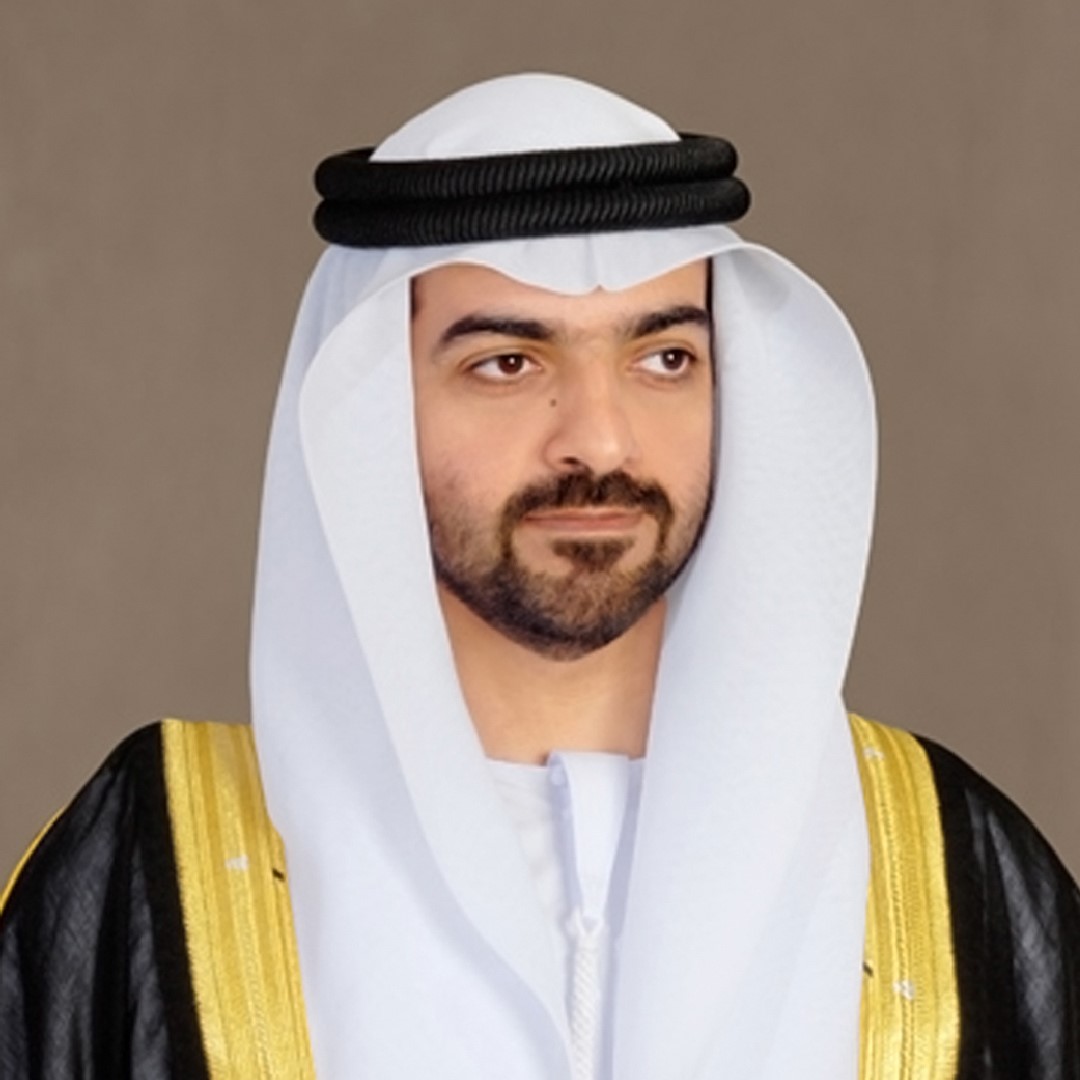
His Highness Sheikh Hamed bin Zayed Al Nahyan, Member of the Executive Council of the Emirate of Abu Dhabi, and Chairman of Khalifa University Board of Trustees, said that this new achievement is evidence to the tangible results driven by the vision of the wise leadership in supporting and developing Khalifa University.


His Highness Sheikh Hamed highlighted the role that Khalifa University plays in supporting the knowledge economy in the UAE by providing adequate human capital that leads the industries and enhances the country’s global competitiveness.


He added that the status Khalifa University has achieved, by becoming the first university in the UAE to be ranked 211 among the top universities in the world in the QS World University Rankings 2021, confirms the University’s continuous pursuit to be among the best international universities. He also said that this achievement reflects the great efforts of the University’s faculty, staff and students in the academic and research fields.


Khalifa University was ranked ‘very high’ in the ‘Research output’ category in the QS World University Rankings, which this year features 1,029 of the most prestigious universities in the world. The University is also placed in the #151-200 band in the ‘QS World University by Subject Ranking: Mechanical Engineering’.


The QS World University Rankings assess each academic institution on six metrics, including its reputation amongst academics and employers. The criteria include Academic reputation (40%), Employer reputation (10%), Faculty/Student Ratio (20%), Citations per faculty (20%), and International faculty ratio/International student ratio (5% each).


Khalifa University is already ranked top in the UAE and 114th globally in ‘Engineering’ subject in the US News & World Report’s, 2020 Best Global Universities rankings that was published in November 2019. The university is also ranked second in the Middle East and North Africa (MENA) region and among the top 200 globally in the Times Higher Education (THE) World University Rankings 2020 by Subject: Engineering and Technology.


Clarence Michael
News Writer
10 June 2020

Alumni Spotlight: Advising on Sustainability at Dream Job

Alumna Shefaa Mansour, Class of 2017 MSc in Water and Environmental Engineering graduate, is applying the skills and knowledge she gained as a student at Masdar Institute at Khalifa University at her dream job at Ernst & Young (EY) as a Climate Change & Sustainability Consultant. 


“Working at EY is an opportunity of a lifetime. I owe where I am today to Masdar Institute at Khalifa University. They put so much effort into forging strategic partnerships and relationships with organizations like EY, to give their students real-world, hands-on experiences,” Shefaa shared. 


For the past three years, Shefaa has worked as a consultant with EY MENA’s Climate Change and Sustainability Services Team. She helps companies understand the risks and opportunities arising from climate change and sustainability issues. Her work is especially important in light of recent climate change reports that reveal how climate change is accelerating at a faster rate than previously thought, and how critical it is to take urgent action to avert dangerous global temperature increases.


“Many of the skills I gained at Masdar Institute have supported me in my career at EY. This includes research and communication skills as well as learning to work in a multi-cultural environment in a comfortable and respectable manner.

“EY is truly an exceptional organization, especially in terms of how they are protecting their employees and their wellbeing during the coronavirus crisis,” she said.


In 2018, EY sent Mansour and her colleagues on a hike to Mount Kilimanjaro. She described it as an “absolute dream and an experience of a lifetime.” This was part of a personal leadership and development exercise organized by EY in order to promote and install team building as a core principle within its people. 

Among her most notable experiences at EY, is the time she visited a school for people of determination. EY provided the community of low-income students with computers to support their education. 


“I considered this experience as one of my biggest accomplishments.”


Erica Solomon
Senior Editor
10 June 2020

Khalifa University Emirati Researcher Creates New Web Tool to Facilitate First-Ever Twitter Analysis on COVID-19 in UAE

Project Assessed Tweets in English and Arabic from 01 January to 01 May on Messages Ranging from Origin and Spread of Disease, Government Responses, and Treatment
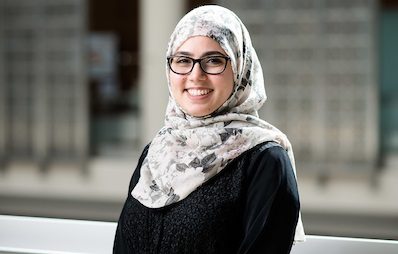
An Emirati faculty member at Khalifa University of Science and Technology has created a new web tool for analysis of COVID-19 Twitter data in the UAE, offering the public insights into conversations, emotions and sentiments concerning the virus.
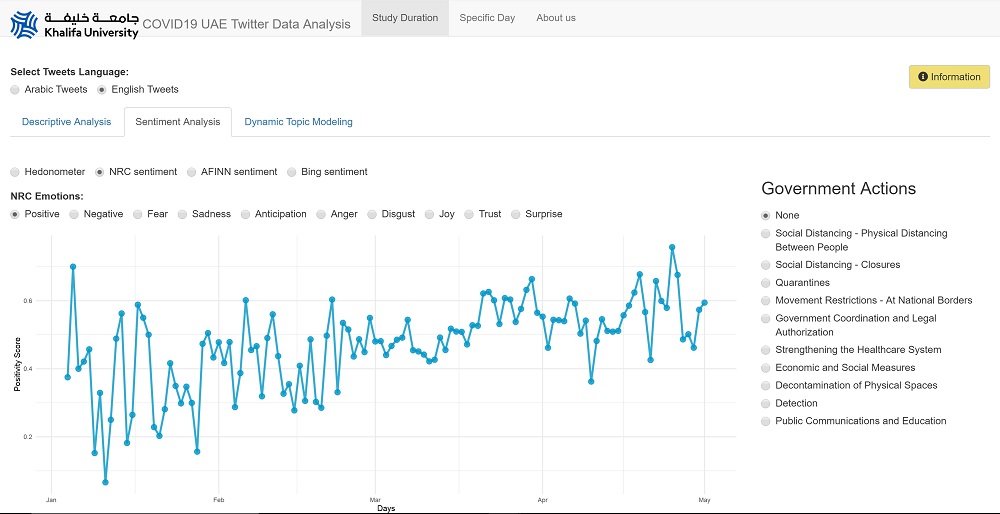
The tool titled Analysis of Cross-linguistic markers of COVID-19 Tweets in the UAE’ shows  that public sentiment remained positive and trustful of government actions towards mitigating the spread of the disease, reflecting the UAE’s effective measures against COVID-19.
The web tool developed by Dr Aamna Mohammed Al Shehhi, Assistant Professor, Electrical Engineering and Computer Science, facilitated understanding of social impacts of COVID-19 by creating a Twitter dashboard that offers an insight into public social media conversations. Analyzing linguistic markers in social media posts helps in assessing and evaluating changes in the narrative about COVID19, while understanding the social and emotional reaction to different government actions.

Dr. Arif Sultan Al Hammadi, Executive Vice-President, Khalifa University, said: “The new web tool for analysis of COVID-19 Twitter data in the UAE identifies the positive sentiment generated by the UAE government’s timely response to fighting the spread of COVID-19, indicating the leadership’s swift response to the pandemic challenge through social distancing and other health-related measures. We hope that this web tool will serve as an instrument to gauge the sentiment and attitudes of the community, helping governments and policymakers in understanding the impacts of policy measures.”

Led by Dr. Aamna Mohammed Al Shehhi, the project to develop the web tool for Twitter analysis in the UAE, was also supported by the Emirates ICT Innovation Center (EBTIC), which is supported by Etisalat, BT, Khalifa University, and the UAE ICT Fund.
Dr. Al Shehhi said this Twitter analysis indicates the ever-increasing role of social media and its impact on policy-making. She added: “Such understanding enables large-scale opportunities for information-seeking, and practice-sharing to calm people down, and understanding of the differences in the COVID-19 narrative delivered across languages. It also provides a tool to measure the COVID-19 impact on social well-being. Integrating Twitter dashboard analysis therefore can help policymakers during the decision-making process.”
The study assessed tweets both in English and Arabic during the observation period, which spanned from 01 January to 01 May 2020. The predominant topic of tweets ranged from the origin of the disease, the disease’s spread, government responses, and treatment, in addition to common themes of daily tweets.
The data shows that in early January, at the beginning of the observation period, panic behavior was noticed in both Arabic and English tweets on COVID-19, during which time fear topics such as virus, death, epidemic, and pneumonia were common content. However, since January-end, there was a greater spread of positive and hopeful sentiment, which increased over time. This increase in positivity is attributed to different government actions, such as restrictions of movement at national borders and strengthening of the healthcare system.
Clarence Michael
News Writer
9 June 2020

The Impact of Burnout Among Frontline Healthcare Professionals Tackling the Covid-19 Pandemic

As healthcare professionals around the world get to grips with the Covid-19 pandemic, most of the media focus and research attention centers around patient outcomes and the disease’s impact. While this research is crucial to containing the spread of the disease and saving lives, a team of researchers from Khalifa University is looking at the impact of Covid-19 on a different group: the frontline healthcare workers.


Dr. Ovidiu Baltatu, Dr. Eman Alfishat, Lujain Aloum and Nnamdi Valbosco Ugwuoke, all from the KU Department of Pharmacology and Therapeutics, are investigating the impact of burnout on frontline workers in Abu Dhabi during the Covid-19 pandemic. The outbreak of the novel coronavirus has been shown to have a strong impact on the mental health of medical and nursing staff, with professionals in Italy reporting insomnia and anxiety, with some cases progressing to alarm and panic.


Physician burnout is already a significant problem in the healthcare industry and has been associated with cardiovascular risk factors. Stress and adverse psychosocial working conditions may lead to cardiovascular diseases but research about the impact of fatigue arising from overworking and stress on heart function is still limited. Additionally, work-related stress can have detrimental effects on the immune system with elevated levels of immune system health biomarkers seen in professionals under intensive and prolonged periods of stress.


“The coronavirus disease pandemic has created new and unpredictable challenges for modern medicine and healthcare systems,” said Dr. Baltatu. “Healthcare professionals are heavily affected by this rapidly changing situation, and are also at higher risk of infection. Wuhan and other regions in China reported that staff experienced psychological burden, especially those directly engaged in the diagnosis, treatment and care of patients with Covid-19.


“The main objective is to investigate the evolution of psychosocial, cardiovascular and immune system markers in healthcare workers with different levels of exposure to the Covid-19 pandemic,” explained Dr. Baltatu. “We’re studying the level of burnout and its relationship with cardiovascular health in frontline and second-line healthcare professionals. We also want to investigate the possible association between burnout and experience; does experience level have anything to do with how much burnout a professional experiences?”


“We will measure burnout using social and physical data,” explained Dr. Baltatu. “We will also be looking at various cardiovascular biomarkers and blood immune system biomarkers.”


With a team comprising investigators from Khalifa University, Zayed Military Hospital, Abu Dhabi University, Cleveland Clinic, Sheikh Khalifa Medical City, Sheikh Shakboot Medical City and Mediclinic, the study will use questionnaires, heart monitoring equipment and blood tests to evaluate the link between burnout and heart and immune system biomarkers.


Medicine is a stressful profession under normal circumstances, with some studies suggesting burnout affects up to 50 percent of physicians in the United States. Healthcare workers on the frontline of the Covid-19 pandemic are not just treating critically ill patients, but are also risking their own health. The multi-center prospective cohort study spearheaded by Khalifa University and Zayed Military Hospital hopes to identify the key markers signalling physician burnout for early intervention in frontline workers. 


Jade Sterling
News and Features Writer
8 June 2020

Khalifa University Places 9th in 2020 Design, Build, Fly Competition

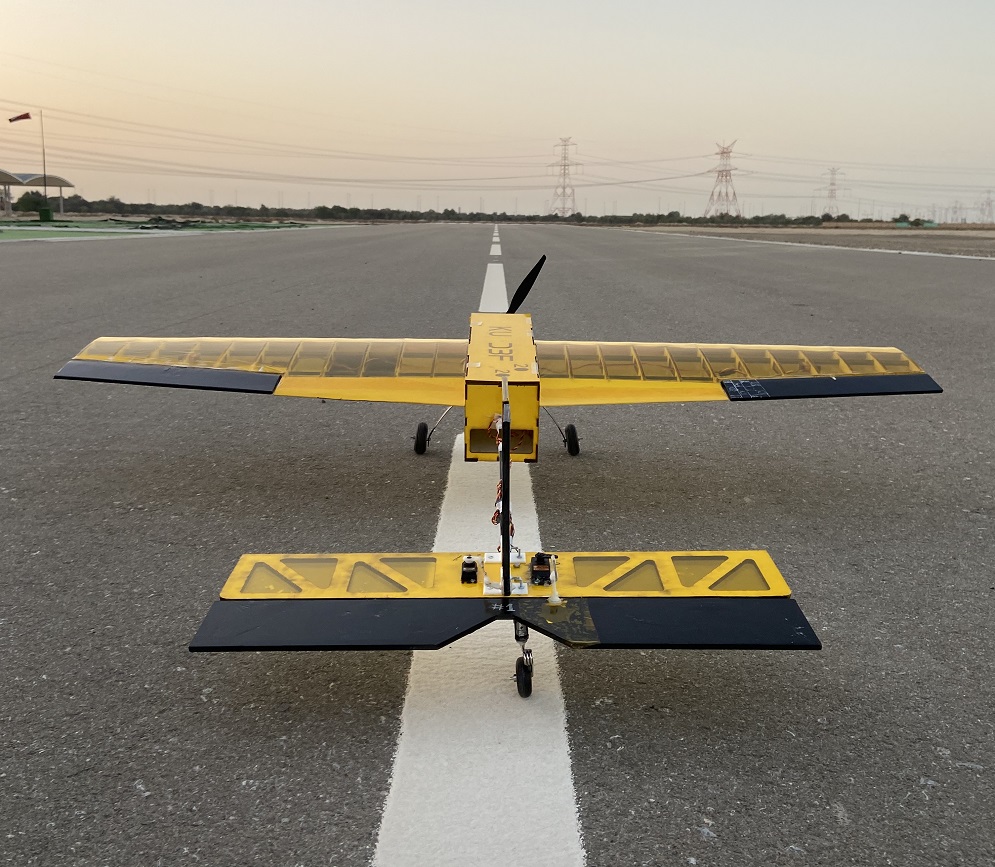
A team of 20 Aerospace and Mechanical engineering undergraduate students from Khalifa University took 9th place in this year’s DBF Competition after successfully designing, fabricating, and demonstrating the flight capabilities of an unmanned, electric powered, radio controlled aircraft.


“We believe that our students have achieved a great feat by securing 9th place out of 101 participating teams worldwide. This was an extremely tough competition where top ranked schools in the world were participating. We are very thrilled and proud of the achievement made by our students and hope we will continue to improve our ranking in coming competitions,” shared Dr. Rehan Umer, Associate Professor of Aerospace Engineering. Dr. Umer and Dr. Rafic Ajaj, Assistant Professor of Aerospace Engineering, supervised the team of 20 students.


The Design/Build/Fly (DBF) competition is a partnership between the AIAA Foundation, Cessna Aircraft Company, and Raytheon Missile Systems. This competition provides students an opportunity to design and build a radio controlled aircraft to perform specific missions. 


Khalifa University has been participating in the DBF Competition since 2012. KU faculty encourage senior students to participate each year, as it gives the engineering students a real-world aircraft design experience and an opportunity to validate the analytic skills they develop in the classroom.


Traditionally, participants who complete an entry form and submit a report on time are invited to bring their plane to a central location for a flyoff, with winners determined by a combination of their report score and their flight score. This year, however, the fly-off was cancelled to safeguard the health of the national and international teams due to the coronavirus pandemic. Thus, the winners were selected based on the formal submitted report alone.


The KU team built a total of three planes. The first plane was built to test their design to ensure the plane could fly properly. Using the lessons learned from this plane, they then built two more planes which address some of the issues they found in the first plane.
Their report detailing the steps they went through to design and test the aircraft landed them in 9th place. 


“All the planes we built were part of a process of refinement to optimize the design, and if the competition were to continue as normal, we would have built a final plane that would have been optimized for the fly-off,” explained BSc in Aerospace Engineering student and team member Omar Alhashmi.


“This has been a wonderful experience where we got to design and build an aircraft using the knowledge we have been acquiring. This journey will surly help shape us into the engineers we will be in the future, and we are glad to see students receiving support for such projects. I encourage all students to get involved in such activities as the knowledge and experience they reward are invaluable,” Alhashmi shared.


Congratulations to the team!


The 2020 KU DBF team members include:

  • Mohamed Alhosani
  • Hayat F. Ali
  • Salem Alzaabi
  • Omar Alhashmi
  • Noora Alzaabi
  • Hassan Elsheikh
  • Ahmed Alhantoobi
  • Reem Almheiri
  • Khaled Alhammadi
  • Maha Almarzooqi
  • Mohamed Alblooshi
  • Alhanouf Eshtairy
  • Mohamed Almazrouei
  • Hussein Ali
  • Sultan Al Hassanieh
  • Maryam A. Naqi
  • Abdulqader Aljaberi
  • Sara N. Alsabeeha
  • Filmon Tsegay
  • Suhail Alfalasi

Khalifa University Faculty Named Country’s Top Scientist

Dr. Ernesto Damiani Ranked #1 Scientist in UAE According to Guide2Research 2020 Computer Science and Electronics Ranking
Dr. Ernesto Damiani is Senior Director of Artificial Intelligence and Intelligent Systems Institute, Director of C2PS Center, Research Professor at EBTIC and Professor of Electrical and Computer Engineering at Khalifa University. As a regional leader in artificial intelligence, Dr. Damiani focuses his research on developing solutions to global challenges using intelligent systems, AI, and information and communication technologies.
In recognition of his pioneering work, he has been ranked the #1 scientist in the UAE, according to the Guide2Research Computer Science and Electronics Ranking 2020 of the Top 1000 Scientists in the field of Computer Science and Electronics. 
The Guide2Research ranking is based on the H-Index metric (the number of publications for which an author has been cited by other authors at least that same number of times) provided by Google Scholar and includes only leading scientists with an H-index of at least 40 and a considerable number of research papers indexed on DBLP (a computer science bibliography website).
Dr. Damiani’s research interests include secure service-oriented architectures, privacy-preserving big data analytics and cyber-physical systems security. On Scopus, he has co-authored around 600 scientific papers and many books, including Open Source Systems Security Certification.
In 2008, Dr. Damiani was nominated ACM Distinguished Scientist and received the Chester-Sall Award from the IEEE Industrial Electronics Society. In 2015, the Bill and Melinda Gates Foundation granted US100,000 for Dr. Damiani’s ‘Pay with a Selfie’ technology to be developed. Recently, Dr. Damiani has been chosen by the European Network and Information Security Agency among the international Group of Experts for Artificial Intelligence in Cyber-Security Defense.
“I welcome this ranking as a recognition of the international impact of the research in AI and cybersec done at KU. I am proud of my KU colleagues and of the students who contributed to this effort” said Dr. Damiani.
Erica Solomon
Senior Editor
10 June 2020