
Khalifa Innovation Center Organizes 5-Day Virtual Innovation-Based Entrepreneurship ‘Lab-to-Market’ Bootcamp

Eight New Technology Concepts in Electronics, Communication, Energy, Healthcare, Water and Robotics Showcased at Bootcamp

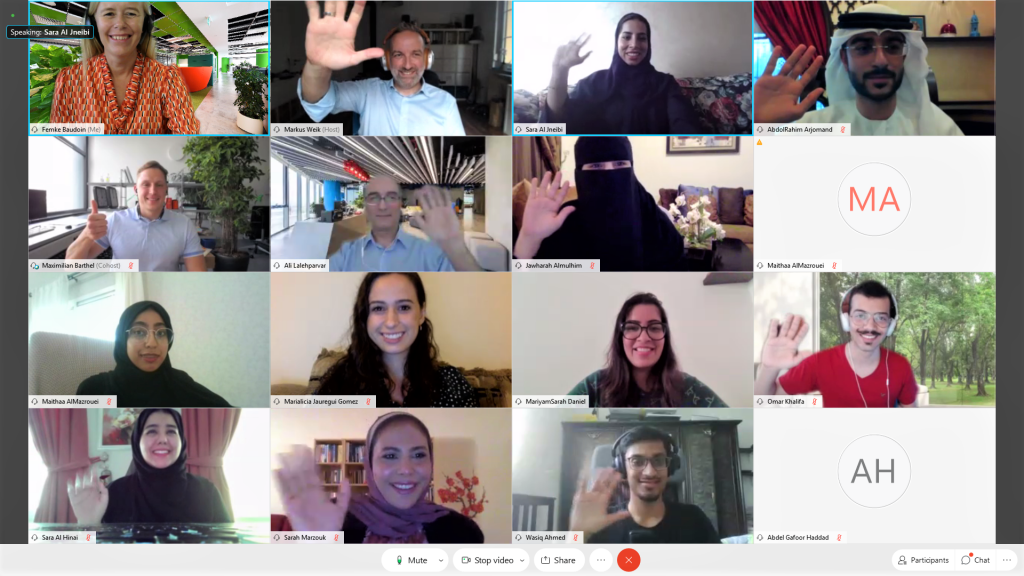
Khalifa Innovation Center (KIC), a collaboration initiative by Khalifa University of Science and Technology, Khalifa Fund for Enterprise Development, Tawazun, Mubadala Investment Company, and Sandooq Al Watan, announced a total of 24 participants representing 8 startups joined its Virtual Innovation-Based Entrepreneurship Bootcamp that aims at develop technical innovation in these startups and put it into commercial context for further discussions towards potential funding.

All the participating projects have sound technologies but they face ‘startup’ challenges. Just as any startup, they require either funding, or a complete team, or a partner who can provide co-development project support, which are offered by KIC, an innovative incubation center based at Khalifa University premises. The eight startups validated their entrepreneurship concepts during the five-day ‘Lab-to-Market’ bootcamp.

Dr. Arif Sultan Al Hammadi, Executive Vice-President, Khalifa University of Science and Technology, said: “The intense participation and the technologies that were showcased at KIC’s Lab-to-Market bootcamp illustrate the extent of youth involvement in launching science and engineering startups. These transformative ideas also reflect their awareness of the latest technology trends and their enthusiasm for bringing into existence promising concepts with potential commercial applications, in line with the Innovation Strategy of Abu Dhabi and the UAE. We believe the startups chosen for further discussions would lead to the fruition of those young entrepreneurs’ dream projects with KIC’s support infrastructure and encouragement.”

Mouza Obaid Al Nasri, Acting CEO, Khalifa Fund for Enterprise Development, said: “Since its inception, Khalifa Fund – one of the founding partners of the Khalifa Innovation Centre – has heavily contributed towards spreading the spirit of entrepreneurship and encouraging innovation in the market, with a particular emphasis on the ever-thriving technology sector.

“We’re delighted to example this through the ‘From the Lab to the Market’ training program, which aims to enhance the capabilities and skillset of entrepreneurs and contribute to the  further establishment of a strong and favourable business environment for the development and growth of emerging projects in the tech industry, as well as all other innovative sectors. We are fully prepared to continue to offer our expertise beyond From the Lab to the Market program, by providing counselling and training for entrepreneurs in the Khalifa Innovation Centre on a frequent basis.”

She concluded: “The ideas and participating projects reflect a tangible development in the quality and distinctiveness of advanced projects, both in terms of their economic viability and in terms of applicability of their impact in enhancing the business environment in the Emirate of Abu Dhabi.”

The bootcamp, organized at the KIC premises, was led by Dr Sami Bashir, Director, Technology Management and Innovation Office, Khalifa University, and Nouf Naser Al Jaafari, as well as KIC’s Mohamed Al Hashmi and Tariq Ahmed Syed. An elite panel of experts and judges who joined the final pitch sessions included Ahmed Fikri, Acting Director-General, Sandooq Al Watan, Elodie Guillerm from Gotham (Hub 71 Accelerator), Salim Bin Shabib, Chairman, Innovative Committee, Department of Economic Development-Abu Dhabi, Johan Maree from Mohamed Bin Rashid Space Center (MBRSC) and Qussay Abdul Wahab, Manager, from the Innovation Unit at Khalifa Fund for Enterprise Development.

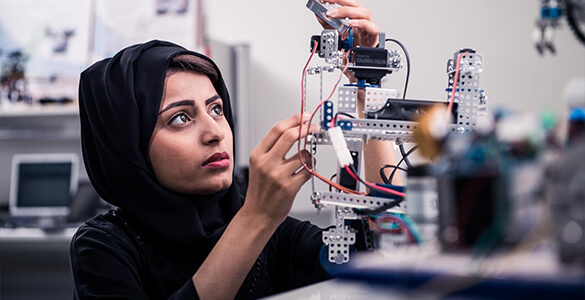
The 24 participants, representing eight science/engineering startup projects in the fields of electronics, communication, energy, healthcare, water and robotics, pitched their concepts before the panelists, who provided them with additional insight on how to translate their ideas into successful products.

In addition to external participants with science/engineering ideas, eight Khalifa University researchers, five faculty members and an alumnus joined the bootcamp, which aimed to develop science or engineering transformative ideas into successful startups. The event provided participants with insight and tools to help translate their ideas into successful products, using a defined commercialization roadmap.

The five-day KIC Virtual Innovation-Based Entrepreneurship Bootcamp helped participants to understand innovation aspects associated with the idea, validate the technology through execution of successful proof-of-concept and prototype projects, establish effective business models, develop robust financial framework, and be ready to pitch the technology to potential investors.

Each day of the bootcamp was focused on one key area, with the first day highlighting ‘Mindset Change and Ideas Evaluation and Scoping’, which helped participants to state clearly the problem and the solution that their technology can provide. The second day introduced aspects of ‘Intellectual Property and Market Landscape’ to help participants identify the knowhow resources, potential stakeholders and customers, as well as competitors related to their technologies.

In the following days participants engaged in hands-on exercises to develop efficient ways to identify novel attributes related to their technologies, effective ways to build prototypes and proof-of-concepts to validate their technology, and establish more engaging and realistic business models. The concluding day on ‘Let Us Think Startup’ saw teams working together in finalizing a clear identity of the startup and preparing a brief presentation.

Clarence Michael
English Editor Specialist
6 September 2020

Khalifa University Conducts Successful Professional Development Week for over 200 Faculty and 400 Students

KU’s Center for Teaching and Learning (CTL) held its second annual Professional Development Week from 17 August to 21 August 2020.  The virtual PD week was full of interactive workshops and presentations designed to promote participants’ personal, academic and career growth.

The week kicked off with a welcoming speech from Dr. Arif Al Hammadi, KU’s Executive Vice President. He praised the KU community’s efforts to overcome the many obstacles caused by COVID-19.

The PD Week offered a variety of sessions for faculty, staff and students including extensive training on Blackboard, KU’s new learning management system.  More than 200 faculty and 400 students attended various topics during the event ranging from Innovation through Integration to Online Learning Opportunities for faculty and students.

Plenary speakers included Dr. Stephen Krashen, Emeritus Professor of Education at the University of Southern California (USC), Dr. David Marsh, Director, Innovation & Outreach, EduCluster Finland, University of Jyväskylä Group, Finland, and Dr. Elaine Gallagher, Educational Consultant.  Their presentations titled, “Innovation through Integration, Fundamentals of Language Acquisition,” “Writing: Will more writing make you a better writer?” “The Effects of Globalization on Education in the 21st Century,” and “Developing Critical Thinking Skills,” were well-received by faculty and students, who commented on the breadth of knowledge and experiences of these internationally-known educators.

From KU, Dr. Hassan Barada, Associate Dean of Undergraduate Studies, College of Engineering, presented on ABET and Learning Outcomes, while Dr. Curtis Bradley, Associate Dean for Undergraduate Studies, College of Arts & Sciences, along with some Lab Teaching Staff, shared how they delivered their lab sessions using virtual labs during the pandemic. Sofiane Benna, Director of IT, shared IT services for faculty and students and John Radkowski, Director of Research Services, explained the process of research proposal submissions.

Participants received first-hand, world-class reports on how to implement teaching techniques based on empirical research to achieve success in teaching and learning. 

Undergraduate and postgraduate students presented in several sessions during the PD Week sharing their experiences in tutoring their peers in the Learning Centers, sharing their final projects from a leadership course, and from a teaching certificate course for Teaching Assistants. Faculty gained insights from the students’ perspectives.

Given that COVID-19 has closed schools in 160 countries, affecting more than one billion students worldwide, it is imperative that we become aware of, and involved in, transformation occurring in education systems, which must depend on distance learning finding common ground in the impetus required for the transformation of our educational processes. 

KU’s PD Week was aimed to inspire faculty and students, and instill in them a sense of motivation to get recharged and ready for the new academic year. It was an opportunity for the KU community, faculty and students, to exchange knowledge, experiences, and interact with each other.

CTL is planning to host another successful and memorable PD week in the Spring.

Staff Report
2 September 2020

Lockheed Martin and Khalifa University to Collaborate on Research, Academic Programs

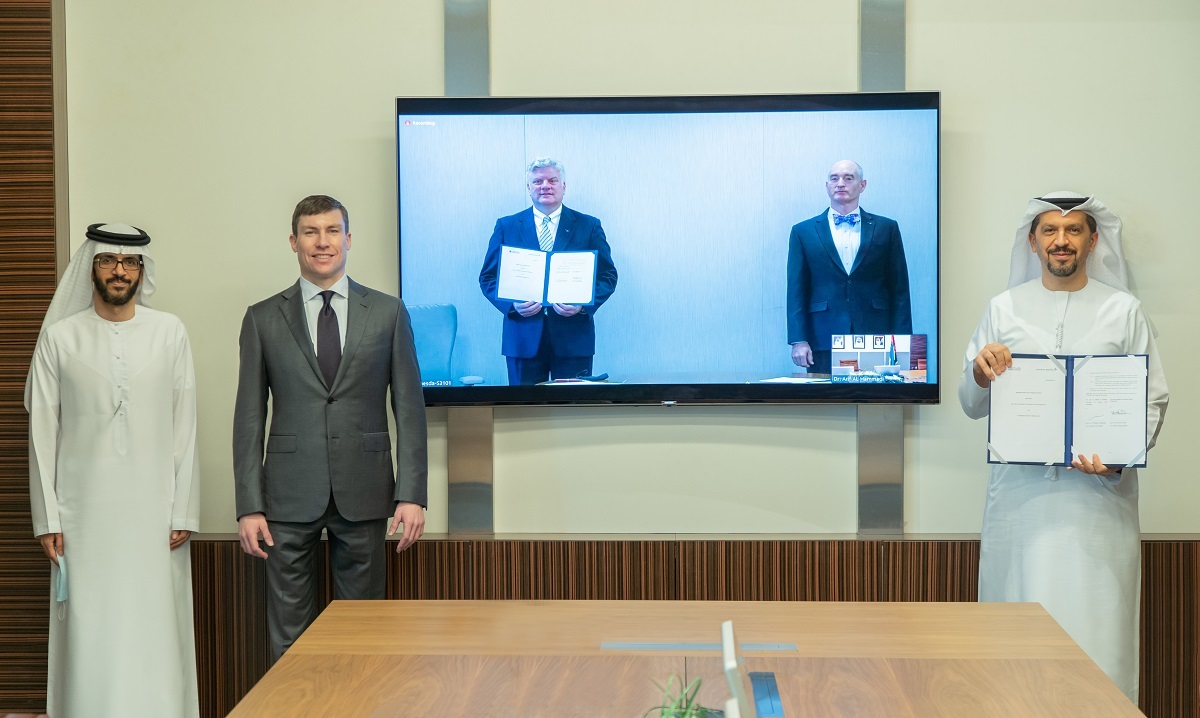
Lockheed Martin, a U.S.-based global aerospace, security and technology leader, and Khalifa University signed a Memorandum of Understanding (MOU) to collaborate on research and academic initiatives that will advance technology and human capital development in the United Arab Emirates.

Dr. Steven H. Walker, vice president and Chief Technology Officer of Lockheed Martin, and Dr. Arif Sultan Al Hammadi, Executive Vice-President, Khalifa University, signed the agreement virtually, which identifies areas of mutual interest in support of Lockheed Martin’s research endeavors and the development of a knowledge-based economy as outlined by UAE Vision 2021. It is the first of several planned formal agreements between Lockheed Martin and Khalifa University to increase the pipeline of highly skilled aerospace, defense, technology and security engineers in the region.

“At Lockheed Martin, we are committed to working together with colleges and universities to advance the strategic priorities of our customers,” said Dr. Walker, who recently joined the Khalifa University Board of Trustees, succeeding Lockheed Martin’s Executive Chairman Marillyn A. Hewson. “As a well-respected research institution and a leading contributor to the UAE’s vision to shape a knowledge-based economy, Khalifa University is an obvious partner. We are confident that our collaboration will help advance STEM careers, evolve the country’s research ecosystem and provide unique opportunities for research and development activities.”    

Under the agreement, Lockheed Martin and Khalifa University will explore opportunities for cooperation, led by the university’s faculty, in areas including machine intelligence, autonomy, microelectronics, structural and thermal materials, and air vehicle research. The publication of research, along with development and assessment of academic course material, will also add to knowledge sharing through the MOU.

Dr. Al Hammadi said: “As a research-intensive educational institution that seeks to produce world leaders and critical thinkers in applied science and engineering, we are delighted to partner with Lockheed Martin to focus more on advanced research areas. The MoU with a globally leading aerospace and advanced technologies company will not only help develop talent locally through STEM collaborations, but also offer us access to Lockheed Martin’s technological capabilities. We believe equipping the youth in the UAE and building new capacities in areas including aerospace will benefit the country, contributing to catalyzing the growth of the rapidly developing knowledge-economy of Abu Dhabi and the UAE.”

Lockheed Martin works with leading universities worldwide to sponsor research and perform collaborative research for government customers. The company’s Center for Innovation and Security Solutions (CISS), based in Masdar City, Abu Dhabi, has hosted merit-based summer internship programs for top-performing UAE engineering students every year since 2017. This summer, 16 talented students from leading institutions, including Khalifa University, are interning virtually at the CISS to comply with distance learning measures aimed at containing the spread of COVID-19.

With 19 research centers focusing on various economic sectors that are considered strategic to the UAE, Khalifa University drives innovation and scientific exploration in advanced technology areas such as aerospace, nuclear engineering, advanced materials, oil and gas, and clean energy. Each year, the University adds a sizable number of patents to the intellectual property (IP) basket of the UAE. At present, Khalifa University has 126 issued patents, with 343 patent applications pending, and more than 400 invention disclosures.

Clarence Michael
Senior English Editor
1 September 2020

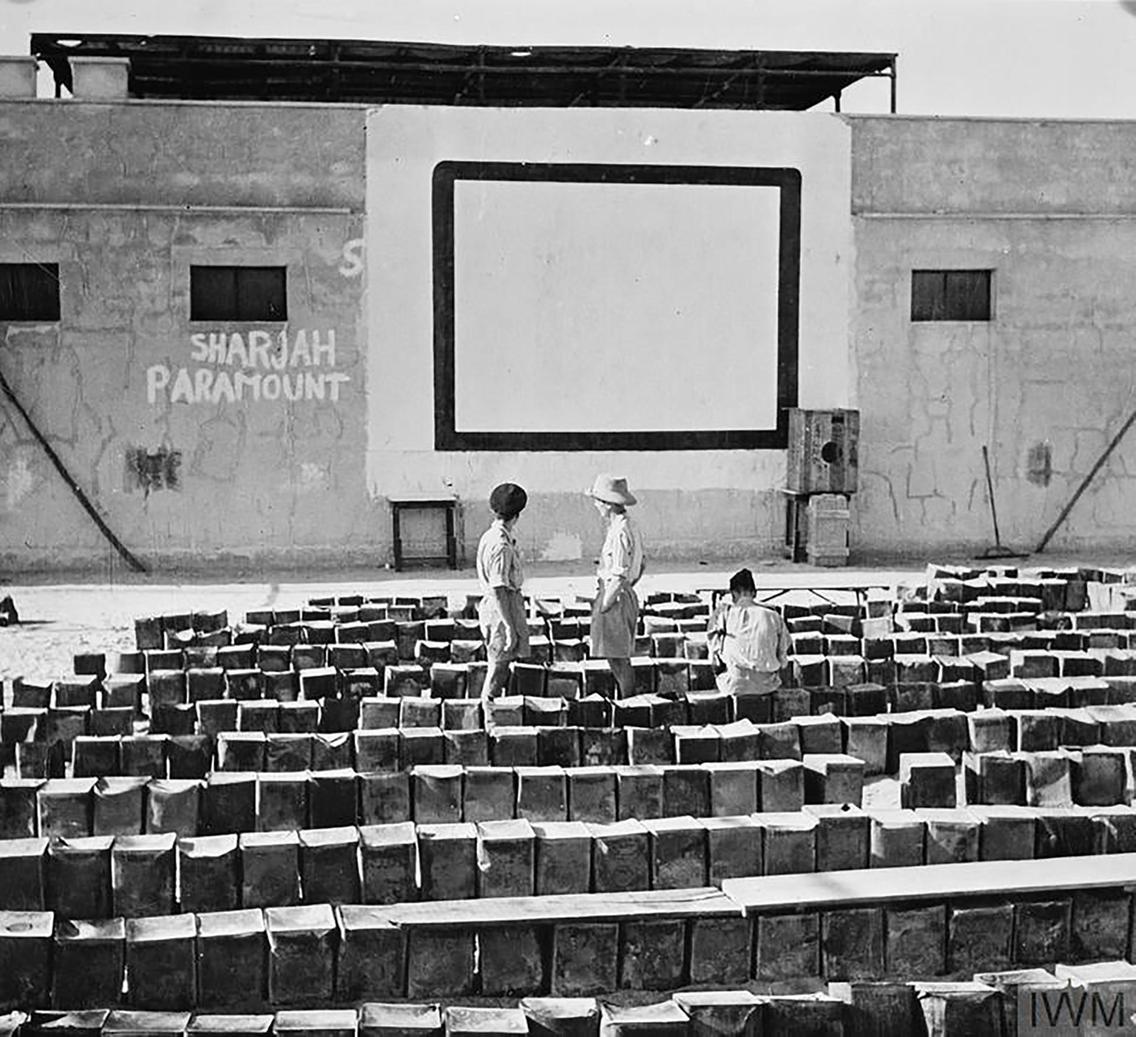
How Sharjah played its part in winning the Second World War

“There was a perception that this region had very little involvement in the war,” said Athol Yates, a professor at Khalifa University, who has written widely on this period.

“What hasn’t been known is how Sharjah became important in late 1944 and 1945 as a logistics base and navigational point to allow large amounts of aircraft to move east to west and back.”

Read full story here: https://www.thenational.ae/uae/heritage/how-sharjah-played-its-part-in-winning-the-second-world-war-1.1071217 

Khalifa University to Organize ‘Virtual Under-Graduate and Postgraduate Fall 2020 Orientation’ for Newly-Enrolled Students

Program to Cover Virtual Student Registration, Virtual Campus Tour, Interactive Sessions by College Deans and Academic and Service Departments 
Khalifa University of Science and Technology announced today that it will organize a ‘Virtual Under-Graduate and Postgraduate Fall 2020 Orientation Program’ to acclimatize newly enrolled students, enabling them to experience a smooth and positive onboarding and transition to the Khalifa University community, academically and socially. 
The virtual orientation program is part of Khalifa University’s response to the ongoing pandemic situation and the university’s efforts to ensure the safety of students and parents. The orientation program also serves as a model introduction to the upcoming classes in the new academic year and is part of Khalifa University’s online strategy to reach lessons to students wherever they are.
The Fall 2020 orientation program on 17-18 August will combine both live and pre-recorded sessions that will target new undergraduate students and their parents. The first day will target both students and parents, while the second day will be exclusively dedicated to students. The orientation program for newly enrolled students of MD, Master’s and doctoral programs is scheduled for 19-20 August.
The orientation program will include virtual student registration, welcome addresses by College Deans, informational interactive sessions by academic and service departments, as well as virtual tours of the campus and the dormitories/residences. New students and their parents will have online access to important information, including FAQs on available services and resources, Student Guidebook and Parent Guidebook. 
Dr. Ahmed Al Shoaibi, Senior Vice President, Academic and Student Services , said: “Khalifa University is organizing a virtual orientation program for Fall 2020 to welcome the newly enrolled students to the upcoming academic year 2020-2021. However, this virtual program will in no way diminish the importance we attach to receiving the students and helping them to familiarize themselves with the campus facilities, student life amenities, diverse student clubs and cutting-edge research laboratories. This year’s virtual event will be an opportunity for the parents and members of students’ families to gain first-hand insight into the world-class learning environment we provide at Khalifa University. We believe students and their families will use the virtual orientation program to complete all formalities as we continue to look forward to gradually increasing campus activities in the coming months.”
Dr. Ahmed added: “In line with the government directives, courses during this academic year at Khalifa University will be offered as a hybrid model, with a mix of online and on-campus courses. This will depend on the nature of each course and the need for students to access campus resources such as laboratories or studios, as required.”
At the Graduate Studies level, each of the departments in the College of Engineering, and College of Arts & Sciences will organize Graduate Program Information Sessions, while the College of Medicine and Health Sciences will offer special sessions on the Doctor of Medicine (M.D.) program and the Pre-Med Bridge (PMB) program.
Representatives from various administrative, campus-life and academic departments including Student Success, Center for Teaching and Learning (CTL), Student Life, Career Services, Health & Safety, Scholarship, IT Services (Ankabut), Finance, and Library will also offer details of each of the sections’ functions to familiarize the newly enrolled students.
From Fall 2020, Khalifa University plans to offer new Bachelor’s programs in ‘Earth and Planetary Sciences’, ‘Cell and Molecular Biology’, as well as post-graduate Masters programs in Civil and Infrastructural Engineering, Cyber Security, Health, Safety and Environmental Engineering, in addition to an Accelerated M.Sc. program. Also from Fall 2020, Khalifa University plans to offer Ph.D. programs in Science.
This academic year, Khalifa University of Science and Technology is targeting to admit more than 1,000 students across its bachelor’s, Master’s and doctoral programs. The University currently offers 16 bachelors, 17 Master’s and three doctorate (PhD) programs. Of the three doctorate programs, the PhD in Engineering is offered across 12 concentrations.
The new students will have the opportunity to work with continually evolving interdisciplinary, collaborative research centers in the UAE’s strategic science and technology domains. The research centers at Khalifa University cover nuclear engineering, robotics, aerospace, biomedical engineering, artificial intelligence, data science and information security, water and environmental engineering, space systems, smart technologies, advanced materials, hydrocarbon exploration and production, supply chain logistics, as well as renewable energy, and energy storage.
Clarence Michael
English Editor Specialist
16 August 2020

YFEL Members Take Part in Various Summer Workshops About Sustainability

Khalifa University’s Flagship Outreach Initiative Empowers Dozens of YFEL Members Through Virtual Workshops Led by Faculty and Industry Experts

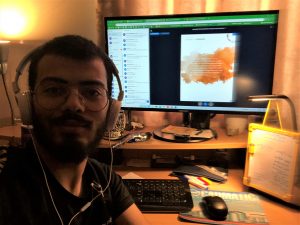
Multiple online summer workshops were organized for the members of the Young Future Energy Leaders (YFEL) program to keep them engaged with interesting topics related to sustainability and renewable energy.   

The YFEL program is an initiative led by Khalifa University to inspire, engage, and empower the youth to be tomorrow’s leaders in alternative energy and sustainability. The program brings together promising students and young professionals from the UAE and around the world to learn, exchange ideas, and become future energy industry leaders.

Satellite Development
The first workshop was about the “Life Cycle of Satellite Development” conducted by Dr. Prashanth Marpu, Associate Professor of Electrical Engineering and Computer Science and Manager of the YahSat Space Lab at Khalifa University. Dr. Marpu talked about the basics of satellite design and the various steps in the life cycle of satellite development. He also discussed his satellite development experience working on the MYSat-1 and MYSat-2 satellites.


Waste Management
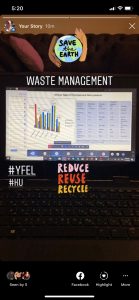
The second workshop was titled “Waste Management and Waste to Energy,” which was conducted by Dr. C. Srinivasakannan, Professor of Chemical Engineering. The course provided an overview of the growing waste problem in developing societies and the role of waste management in minimizing negative impacts.


Robotics
Dr. Hamad Karki, Associate Professor of Mechanical Engineering, presented the third workshop on the “Applications of Robotics in the Oil and Gas Industry.” In this workshop, the students were introduced on how robotics is used in the oil and gas industry, and how robotics and AI are integrated in the manufacturing process.


The Role of Policy
At the fourth workshop, Dr. Toufic Mezher, Professor of Industrial and Systems Engineering, talked about “The Role of Policy in the Renewable Energy Industry”. Dr. Mezher discussed strategic frameworks for managing high-technology businesses. The workshop highlighted the importance of acquiring powerful analytical tools that are critical for the development of a technology strategy as an integral part of business strategy.

Design Thinking for Sustainability

The last of the summer workshops was on “Design Thinking for Sustainability” conducted by BASF Executive Dr. Udo Huenger, Vice President, Middle East and other BASF trainers. BASF is a multinational chemical company and the largest chemical producer globally. During the workshop, the YFEL members learned about the basics of design thinking and how it can be applied to real-life sustainability challenges. The workshop also talked about how it helps to be inspired and create new ideas and solutions by combining feasibility, viability, and desirability.  

YFEL members from all over the world participated in the online workshops. 

“The program proves the commitment of the leadership at Khalifa University to prepare and equip young talent with the necessary tools for a more sustainable world. This has been done using a diverse selection of workshops as well as the irreplaceable experience of participating in World Future Energy Summit – Abu Dhabi 2020.” – Khalifa Sameh Khalaf Mohamed Aldhaen

“Personally, I really enjoyed learning about satellite development, because of my previous interest in aerospace engineering. It was also nice to know more about the role UAE is playing in this field. On the other hand, the practical experience with logic programming given by the robotics workshop was very interesting too. And finally, the leadership workshop gave me some fruitful insights on my leadership profile by learning about different types of leadership and example cases.” – Laura Suárez

“The workshops planned for YFEL were very diverse and interesting. It helped me gain knowledge about environmental topics and also exposed me to robotics and coding in an easy and enjoyable manner, thanks to Dr. Hamad Karki, since I thought such topics were difficult and perplexing. From these seminars, I gained new insights of different existing sectors and projects in the UAE, as well as enhanced my skills in leadership, projecting my ideas, and public speaking with the help of Mr. Kevin Garvey’s enthusiastic lectures.” – Maithaa Almazrouei

Ara Cruz
Creative Writer
29 September 2020

Khalifa University and Ministry of Education to Commence National Ambassadors Program ‘Estedad’

Led by Khalifa University Experts, Tracks on ‘Enrichment’, ‘Innovation and Entrepreneurship’ and ‘Scientific Research’ to Have 25 Students Each


Khalifa University of Science and Technology, in collaboration with the UAE Ministry of Education, today announced 19 August will mark the beginning of three tracks under the National Ambassadors Program ‘Estedad’, which aims to enrich the capabilities of students in high school and prepare them to excel academically, gain more insights in entrepreneurship and scientific research.


Khalifa University will be offering the three tracks – enrichment, innovation and entrepreneurship, and scientific research. Each of the tracks lasts for two-weeks and is led by a Khalifa University expert. Each track has 25 students from Grade 11 and 12, of which 20 are UAE nationals. Students were selected on the basis of their academic and behavioral performance in the school’s transcript and their score in National Ambassador Program entry assessments. Apart from the requirements from the UAE Ministry of Education, Khalifa University assessed their capabilities and potential through an interview and selection process.
Khalifa University organized an orientation session for the ‘Enrichment’ track students recently that included a general overview of the university and its academic programs, in addition to an introduction to the track.


Dr. Amna AlDahak AlShamsi, Acting Assistant Undersecretary, Activities Sector, expressed her appreciation for this solid collaboration between the Ministry of Education and Khalifa University of Science and Technology which became a nationally remarkable scientific symbol full of a diverse range of specialized experiences in many critical areas. The Ministry of Education seeks to leverage the university’s resources to empower students through a collaboration that can achieve the goals of the two sides and their future ambitions represented in creating a new generation who is able to rise and compete in different fields including Science and Technology, Innovation, Scientific Research and Entrepreneurship.


HE also added that the engagement of the students into these tracks which is led by Khalfa University is an ideal opportunity to develop their knowledge and skills in those tracks as well as introducing them to the nature of university life and the most important skills a student should own during his/her academic journey.


Dr. Ahmed Al Shoaibi, Senior Vice-President, Academic and Student Services, Khalifa University of Science and Technology, said: “We are happy to collaborate with the Ministry of Education on the Estedad capacity building initiative and contribute to developing talents and skills in key areas of importance for high school students. Our academic and research infrastructure provide the right learning ground for these students who can develop themselves in enrichment, innovation and entrepreneurship, and research tracks during this summer. We believe this summer program will prove beneficial to them as they seek higher academic and professional excellence for their future career.”


Led by Dr. Hassan Barada, Associate Dean for Undergraduate Studies, College of Engineering, and Professor, Electrical and Computer Engineering, Khalifa University, the ‘Enrichment’ track will focus on ‘design thinking’. It will seek to promote the students’ knowledge and skills in different aspects, train them on scientific areas including artificial intelligence (AI), programming, and robotics. It will also introduce them to design thinking, research methodologies, creativity and innovation while equipping them with the skills needed to apply for the university after school years.


Participants will be enriched by the Khalifa University College of Engineering, which is ranked among the top 200 worldwide.
Dr. Nawaf I. Almoosa, Acting Director of Emirates ICT Innovation Centre (EBTIC), and Assistant Professor, Electrical Engineering and Computer Science, Khalifa University, will lead the ‘Innovation and Entrepreneurship’ track and help nurture students in the business field, embedding them with the traits and skills of an entrepreneur, and empowering them to think out-of-the-box innovative solutions. Students will gain important entrepreneurial skills such as critical thinking, problem-solving, communication, risk-taking and collaboration. In line with the UAE’s vision, Khalifa University focuses on technology-based start-ups that contribute to the knowledge-based economy.


The ‘Research’ track led by Dr. Sami Bashir, Director, Technology Management and Innovation, Khalifa University, will provide students with the scientific research methodology concepts, protecting IP rights and filing patents. This will help students understand the importance of incorporating innovation skills in conducting cutting-edge scientific research and the ability to identify and contextualize problems, validate technological solutions, collect/analyze research findings, configure and present research data into meaningful perspective. Khalifa University has the highest number of patents and IPs in the UAE – with 167 issued patents, 228 patent applications pending, and 417 invention disclosures.


The Estedad National Ambassadors Program, launched by the Ministry of Education and 18 academic and related stakeholders in the UAE, is a prerequisite for the International Ambassadors Programs that the Ministry of Education has been implementing annually since 2016.


Clarence Michael
English Editor Specialist
18 August 2020

Khalifa University Faculty Share Their Expertise at the Arab Gulf Teachers Forum

Our University faculty were among the experts who conducted workshops and shared their knowledge on specific topics during the 6th Arab Gulf Teachers Forum that was held on 24-25 August 2020 and organized by Abu Dhabi’s Ministry of Education. The online forum, under the theme “Education for Quality of Life,” focused on highlighting the role of education in developing the learners’ personal skills in parallel with academic and scientific skills, and at the same time reinforcing their interest in adopting a balanced lifestyle characterized by excellent psychological, social, mental, and physical well-being.

The goal of the forum was to motivate school communities to adopt different aspects of quality-of-life practices to enrich the teaching and learning process with quality practices that enhance positive attitudes toward achieving the learning outcomes in a changing international environment.

As the top-ranked university in the UAE, Khalifa University is dedicated to sharing knowledge and expertise not only within the KU community but also to the local and global communities that we serve.

Dr. Ahmed Al Shoaibi, Senior Vice President, Academic and Student Services, was one of the speakers in the opening session of the forum entitled “Hybrid Learning: A New Direction in Education.” The session discussed the advantages of the hybrid learning, the smooth transition from traditional learning to hybrid learning, effectively using educational platforms for hybrid learning, and the expected positive impacts of hybrid learning on the quality of education in UAE schools.

Other KU faculty were also able to impart their expertise to help educators utilize all the resources that they have to provide learners with a full and comprehensive learning experience. Dr. Nader Ayish, Assistant Professor of the College of Arts and Sciences, talked about the role emotional intelligence plays in developing empathy among children and adults.
Dr. Siobhan O’Sullivan, Program Director of Medical Education, spoke about students being creators and curators of knowledge and promoting collaborative learning in an online environment. The workshop of Dr. Abdulhadi Shoufan, Associate Professor of Electrical Engineering and Computer Science, focused on learning management systems (LMSs) for distance and life-long education and how to address the limitations and challenges of LMSs. And Dr. Dymitr Ruta, Chief Researcher at EBTIC, and Dr. Asli Hassan, Center for Teaching and Learning Director, presented the concept of EduSense, a comprehensive system of detecting and measuring factors that affect student performance. They shared with the participants several case studies in higher education settings that illustrate how the sensing and acquisition of new data capturing various aspects of students’ interaction in and with the educational environment can be used to discover previously unknown information.

These workshops and discussions showed educators the different developmental opportunities that are available as our society recover from the changes and challenges brought about by the Corona virus pandemic.
We would also like to recognize the leadership of the Ministry of Education of Abu Dhabi for continuously working to update the educational experience in light with the current circumstances, and prioritizing the safety of students and educational staff. 
Ara Cruz
Creative Writer
31 August 2020

Khalifa University Launches 4+1 Accelerated Bachelors and Masters Programs, Encouraging Students at All Levels to Go for Higher Studies

Program Aims at Reducing Study Duration for Distinguished Students and Obtaining BSc Credit Hours at High School Level as well as Master’s Credits during Bachelor’s Course

Khalifa University of Science and Technology today announced the launch of an accelerated educational program which reflects the University’s efforts towards accelerating, integrating and aligning different educational levels, by allowing outstanding high school students to take Bachelor-level courses for credit, and brilliant Bachelor’s students to take Master’s level courses for credit. This is expected to bridge the gap between educational levels, providing an opportunity for exceptional students to obtain their degrees within a shorter duration.

Khalifa University collaborated with the Ministry of Education to select elite students from grades 11 and 12 to join this dual-credit program where they will be able to take one course per semester within the 2020-2021 academic year. For the Fall semester, 18 exceptional students were selected after excelling in rigorous entrance tests and personal interviews. The students were given a selection of five courses to choose from including calculus, physics as well as introduction to programming (C++ or Matlab). More High School students are expected to join in the Spring semester in addition to this first cohort.

On the other hand, the 4+1 Accelerated Master of Science Programs enable exceptional senior undergraduate students in the College of Engineering to start their Master’s studies even while pursuing their undergraduate education. Through the Accelerated MSc program option, a highly motivated student, with the help of her/his academic advisor, can finish undergraduate and Master’s degrees within a nominal period of five-years. The accelerated program targets students for whom a Master’s degree will provide the necessary preparation to achieve career goals, or for pursuing a doctorate degree. 

In parallel, the accelerated program also reflects Khalifa University’s efforts towards accelerating, integrating and aligning different educational levels, by allowing outstanding high school students to take Bachelor-level courses for credit, and brilliant Bachelor’s students to take Master’s level courses for credit. This is expected to bridge the gap between educational levels, providing an opportunity for exceptional students to obtain their degrees in a shorter duration. 

Dr Arif Sultan Al Hammadi, Executive Vice-President, Khalifa University, said: “The accelerated Master’s program at Khalifa University enables excellent students to jump-start graduate education with significant advantages such as saving on time and and efforts. Through this program, Khalifa University facilitates students right from the high-school and undergraduate levels, to continue learning right up to their Master’s, either to be eligible to join a workplace or continue their journey towards a PhD. We welcome the 18 newly enrolled dual-credit students and believe this program will encourage eligible students enthusiastic about pursuing their advanced degrees by offering them a fast-track option.” 

In order to be eligible for the Accelerated MSc program, a student must have a minimum cumulative Grade Point Average (CGPA) of 3.5 out of 4 with a minimum of 90 credits of undergraduate study. A conditional admission may be granted, if an application is made during the student’s junior year of undergraduate study. However, the student must meet all the Master’s admission requirements, including finishing the Bachelor’s degree, before being granted full admissions to the program. 

A student can register for up to six credits of Master’s level courses that can be used towards the elective courses during the undergraduate program. A Master’s-level course taken during the senior year of undergraduate studies will count towards the accelerated Master’s program courses requirement, provided the student achieves a minimum of B-grade in that course. 

Through its three colleges – the College of Engineering, College of Arts and Sciences and the College of Medicine and Health Sciences – Khalifa University currently offers 16 bachelors and 17 Master’s degree programs, in addition to three doctoral degree (PhD) programs with 12 Concentrations. 

Khalifa University has three research institutes – Masdar Institute, Petroleum Institute and the Robotics and Intelligent Systems Institute, in addition to 20 core research centers exploring sectors ranging from smart systems and robotics to clean energy, hydrocarbons and aerospace, as well as challenges of critical importance to the UAE’s knowledge economy transformation. The University has a strong IP portfolio – a total of over 140 issued patents – the highest among universities in the UAE, as well as around 360 filed patent applications, resulting from more than 400 invention disclosures.

Clarence Michael
English Editor Specialist
30 August 2020

The Anti-Locust Campaigns of the Second World War

Khalifa University Assistant Professor Shares Lessons on Locusts


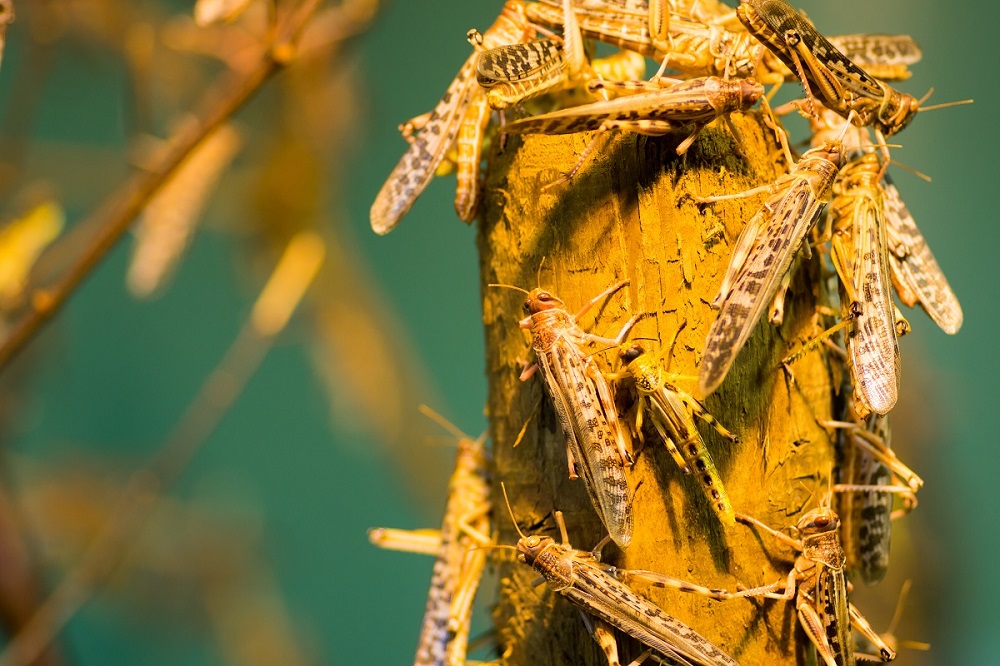
The size and weight of a paper clip, a single locust hardly appears capable of the devastation and destruction associated with it. But a single locust isn’t the problem—swarms are.


In a paper published in the Emirates Natural History Group journal, Tribulus, Dr. Athol Yates, Assistant Professor at the Khalifa University Institute for International and Civil Security, described the little-known, large-scale anti-locust campaign in the Arabian Peninsula, which was a combined military and civilian effort. 


“The desert locust is one of the most damaging pests to agriculture due to its ability to form huge swarms which devour everything in their paths,” explained Dr. Yates. “They have often caused devastation in the Arabian region, like in 1958 when they destroyed about 85 percent of crops in the then Trucial States.”


Plagues of locusts occur periodically, with most lasting for several years. The United Arab Emirates is not only in the path of locust swarms but is also a breeding site for the locusts.


“While scientific efforts started in the early 1900s to combat locust plagues, a lack of knowledge about the insect made it difficult,” explained Dr. Yates. “During the 1930s, great efforts were made to collect reliable information across the region, which allowed both the seasonal breeding areas and the paths of migrating swarms to be identified.”


There were multiple problems in how locust swarms were tackled prior to the campaigns led by the British military. As locust swarms occur in cycles of multiple years separated by an absence, countries only took action when they appeared, meaning responses were too late because little action was taken between these cycles to prevent reoccurrence. Since locusts cross international borders, countering them also requires coordinated action across countries. However, most responses were isolated. On top of this, chemical poison was only introduced in the early 1940s, with methods to counter locusts before this only partially effective and often improvised.


“In 1942, the first effective chemical poison was used to control locust populations,” explained Dr. Yates. “Sodium arsenate was mixed with wheat bran and laid in the path of the juvenile insects. Those that ate this preparation died, meaning they perished before becoming airborne and preventing further breeding.”


During this time, the Trucial States were a British protected state, with the British promising to protect the Trucial Coast from external aggression, in exchange for the Rulers allowing Britain to act with foreign powers on their behalf.


World War II started in 1939, with the Middle East a significant theater of operations in the early years because it allowed access to Africa, the oil of the Gulf and launching of operations against the Axis powers (Germany, Italy, and Japan) in the Mediterranean. In 1941, locust swarms were reported in the Arabian Peninsula, marking the start of seven years of locust plagues, threatening the stability of the region.


“The locust threat presented the British with unpalatable choices between allowing the local population to starve or importing and distributing large amounts of food,” explained Dr. Yates. “The latter would have had significant military consequences as it would divert ships and manpower essential for military operations in the region, while the former would lead to civil disturbances that would also affect military operations and undermine British prestige. In military terms, combatting locusts was ‘regarded as second only in importance to operations against the enemy.’”


In 1943, Britain formed the Middle East Anti-Locust Unit (MEALU) and tasked it with destroying locust swarms at the source. Its success hinged on coordination and input from other countries and large-scale logistics assistance from the British military. Such an undertaking was only feasible as a combined effort, with intense research and international conferences needed to develop the plan for the largest-ever coordinated operation against locusts in the Middle East.


“Until the very early 1940s, anti-locust measures concentrated on protecting crops. This defensive strategy meant waiting until the locusts arrived near the crops and then attempting to destroy them,” explained Dr. Yates. “In contrast, the MEALU approach involved sending scouting parties out into the desert, and when locusts were located, sending workers to destroy them. This required considerable planning and coordination so that the work was continuous, efficient, and effective.”


After 1944, the locust menace had been significantly reduced, but the threat remained as the war raged on. Combatting locusts remained a high priority but the military equipment and personnel were required in other arenas and could no longer participate in the anti-locust campaigns in the Middle East. Attention shifted in the immediate years after the war to more national-based efforts with less cross-country coordination. There was particular reluctance for the British to be in charge of the anti-locust campaign across the region.


“Wilfred Thesiger, an English explorer and travel writer, applied to work on locust research as he had a desire to explore the region. He was tasked with gathering information on the environmental conditions of southern Arabia to see if they were right for the development of desert locust swarms. Thesiger’s first journey began in October 1945 in Salalah, Oman. He explored the south-eastern edge of the Empty Quarter and the region around the intersection of modern-day Oman, Yemen and Saudi Arabia, recording information on locust breeding, seasonal rainfall and vegetation.”


During the 1950s and 1960s, Britain and Pakistan in particular supported anti-locust activities in the Trucial States. Now, pest control teams in the UAE are spearheaded by the Ministry of Climate Change and Environment.


“The British military’s support for the anti-locust campaign during the Second World War rarely rates a footnote in the histories of the Middle East,” said Dr. Yates. “This is unfortunate, for it overlooks important contributions made by the military in those years, not only to the health and livelihoods of the people of the Middle East, but also to winning World War II.”


Jade Sterling
Science Writer
30 August 2020

KU’s Red Crescent Club Develops 10 Humanitarian Initiatives to Support Smooth Transition to Distance Learning for the Underprivileged

Club Wins Aoun Award for Community Service 2020

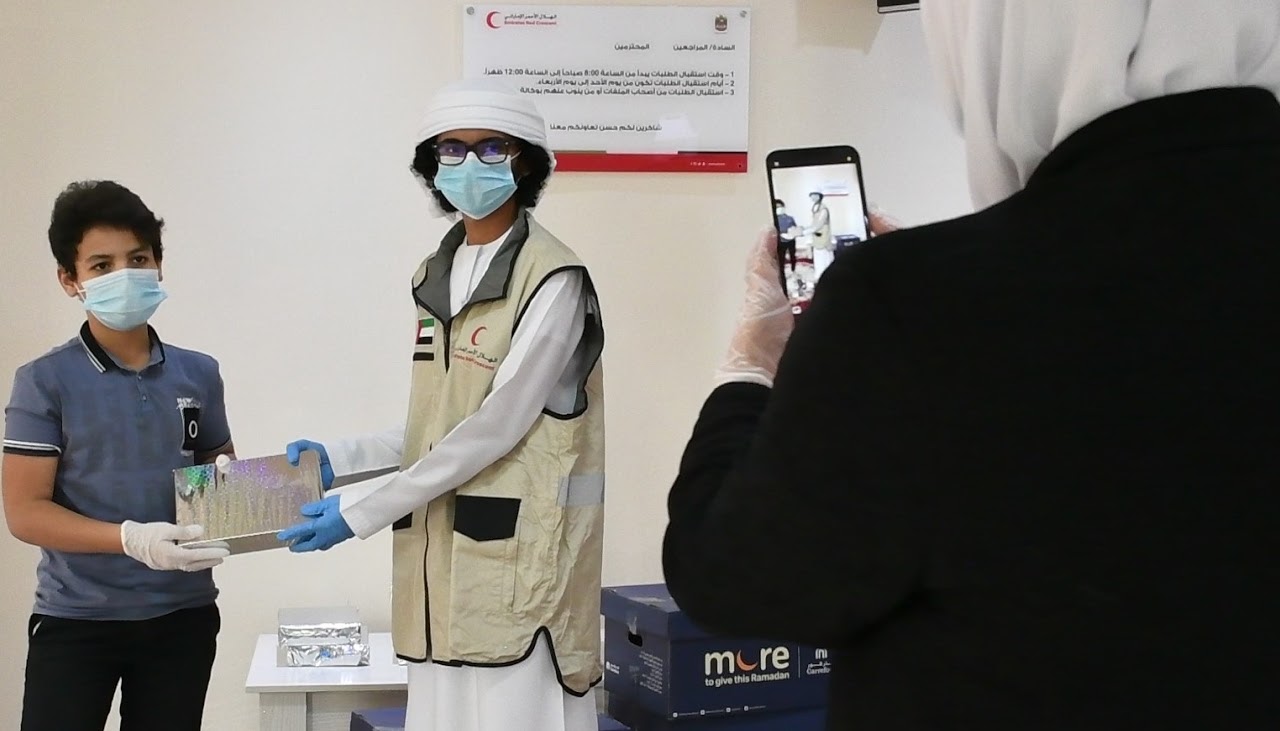
Khalifa University’s Red Crescent University Club created a portfolio of ten humanitarian initiatives around the theme “Using technology we learn from the safety of our homes.” The initiatives developed were specifically geared toward helping underprivileged students access resources to optimize their learning experience.  

As a result, the Club was named this year’s recipient of the illustrious Aoun Award for Community Service – Higher Education Category. This award is a program of the Emirates Red Crescent to encourage the Emirati youth to help the community and instill in them the culture of volunteerism. 

Following is a list of the 10 projects the club developed:

  • Launching a Learning Platform for Students Around the World

The Club developed and launched a “learning” platform that is open for all students around the world. This site offers different learning tools and resources such as tutorials, online courses and workshops, study guides and resources for different subjects, and even an online chat room where students can meet other students who have the same majors or interests. 

  • Setting Up Distance Learning at a Refugee Center

One of the remarkable achievements of the Club was helping a refugee center in Abu Dhabi set up their distance learning program. The club searched and selected the best tools and equipment for distance learning that the academic and administrative staff can use for the center. 

They built a website for the center and created official email accounts for the students and administrators. They also assisted in training the center’s administrative and academic staff on how to use the different distance learning platforms.


The club volunteers also worked on setting up virtual classrooms for the students in the refugee center to make it easier for them to attend their online classes. 

  • Donating Tablets to Students of the Refugee Center

The Club, in cooperation with the Emirates Red Crescent Authority and other donors, was able to provide 19 new tablets to the students in the refugee center. 

  • Preparing the Donated Tablets

Before distributing the tablets, the Club members formatted and programmed the devices to ensure that they were ready to be used by the students for their studies. 

  • Activating the Remote Volunteering System for the Club

This system allows students to volunteer remotely for tasks that do not require the actual presence of the individual. These tasks may include conducting research, designing websites, preparing marketing materials, online tutoring, and conducting remote lectures and workshops.

  • Conducting e-Lectures for KU Students

Club members shared their knowledge with their fellow students and conducted a lecture entitled “Strategies for Studying Differential and Integration Courses” to help other students excel in challenging subjects. The students who conduct these lectures have been trained by KU for them to correctly and effectively share what they know to their fellow students. 

  • Providing Online Workshops on Distance Learning

The Club also conducted two workshops, “Effective Tools to Improve Your Studies and Achieve Success” and “Digital Aids to Enhance Your Study Experience”, to enhance students’ study experience. 

The Club continues to provide online lectures and training courses for students and teachers as well to introduce the most effective tools and applications to support distance learning. 

  • Creating an Online Depository of Educational References and Electronic Tools

To accompany the workshops they conducted, club members also developed comprehensive digital guides that students can easily refer back to whenever they need. These resources are easily accessible on the Red Crescent Club website. 

  • Creating the “Your Guide to Academic Excellence” Resource

This guide summarizes all the strategies and methods used by students to help with their studies and excel academically.

  • Launching an Online Store to Feature Student Crafts and Products

The site was developed as a place for students to showcase things they have made that they want to sell. This initiative encourages students to invest their spare time in learning new skills and hone these skills to become future business endeavors. 

Majed Abdullah Abbod Bin Saad, President of the Red Crescent University Club, said: 

“Despite the challenges imposed on the Red Crescent Club of Khalifa University by these exceptional circumstances, the club managed to receive the first place of the Aoun Award. This is, if anything, proof of the members’ determination and their willingness to invest their time and efforts to create a better tomorrow for a better society. 

“I am proud to say that in our first participation we’ve achieved more than 40 different accomplishments and completed more than 800 volunteering hours to ensure that our initiatives serve the target group enduringly.

“I’d like to thank the Red Crescent for their unfailing efforts to instill the values of volunteering in the hearts of our youth through the Aoun Award. I would also like to thank Khalifa University for supporting our initiatives, inspiring the students’ sense of social responsibility, and encouraging them to invest both energy and time to serve the society.

“Our club will continue launching its innovative initiatives and programs thanks to our distinguished members and university who always strive to achieve more.”

Majed’s dedication to the club is admirable as he leads and inspires his fellow club members to imbibe the value of volunteerism. Majed is also one of the recipients of the Sharjah Award for Voluntary Work 2020 for his volunteer efforts.   

To learn more about the Red Crescent University Club or if you want to participate in their activities, you can visit their website: http://bit.ly/rcc_website

Ara Cruz
Creative Writer
25 August 2020

3D Printed Transparent Rocks with Fluid Imaging Could Help Extract Energy from the Ground


Khalifa University researchers leverage 3D printing to better image the fluid dynamics in underground rocks


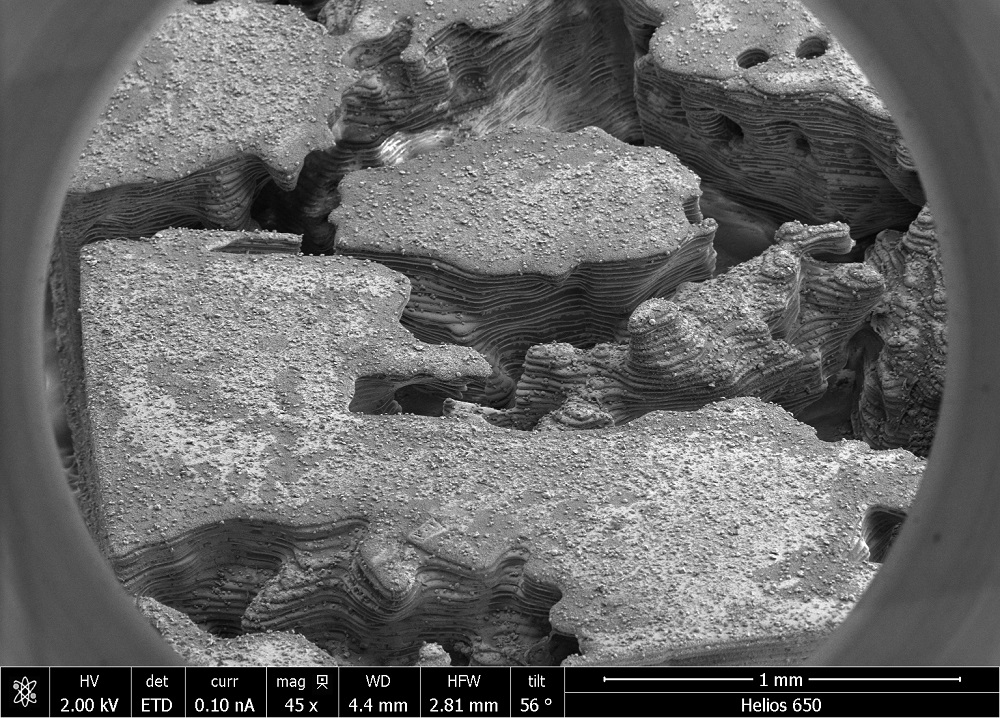
Researchers at Khalifa University have developed a new way to 3D print reservoir rock replicas that have complex porous structures and mimic a carbonate rock’s natural mineralogy. The 3D printed rocks are transparent, and allow researchers to image precisely how fluid flows through the ultra-tiny pores of rock – information which could help develop effective strategies for hydrocarbon and geothermal energy extraction, carbon sequestration, and even ice mining and water extraction from the ground during planetary exploration.


“While recent improvements in 3D printing enable scientists to fabricate 3D structures that have complicated porous structures by using polymeric materials, these structures ultimately lack in surface functionality. We overcame this problem by integrating high-resolution 3D printing with an internal coating to create structures that functionally replicate the natural rock,” explained Dr. TieJun Zhang, Associate Professor of Mechanical Engineering, and the principal investigator of a reservoir characterization and modeling project.


His team, which includes, Hongxia Li, Aikifa Raza, Qiaoyu Ge, and Jin-You Lu, recently published a paper in the journal Soft Matter describing the new micro-3D printing and mineral coating technique. This approach has been filed as both International PCT and GCC Patents.


Highly porous materials exist in all sorts of applications, from concrete and filtration to biology and oil and gas extraction. Engineers have been studying how fluids flow through porous materials for some time – a branch of study known as microfluidics. Because pore sizes can be as small as a single micrometer, and the porous material being studied can be in hard to reach places, like underground or within the human body, creating devices that can be used to simulate the way fluids flow through porous materials has been the primary way that scientists have advanced understanding of microfluidics.


Even better microfluidic devices, like the 3D printed porous structure developed by Dr. Zhang’s team, could open the door to a vast array of opportunities in quickly modelling and predicting microfluidic flow behaviors in applications such as geology and hydrocarbon extraction.


Traditional microfluidic chips show how fluids move through the pores of the rock and are typically made from glass or silicon. For some applications, this is enough, but carbonate rock is a material susceptible to fluids underground, and the microfluidic model needs to take into account the strong interactions between the fluid and the rock.


3D printing has emerged as one solution to this but many of the issues in fabricating complicated porous networks arise from the limitations in printing materials.


“Conventionally, we can enhance the thermal, electrical, and mechanical properties of 3D-printed devices by adding nanomaterials into polymer ink,” explained Dr. Li, the leading author of this work. “However, these added particles often cause severe light scattering, which impacts printing precision.


It’s then much harder to create the microstructures of natural porous materials like rock. Another issue is that this composite material has poor light transparency, meaning seeing the fluid flow through the device is much more difficult.”


To overcome these issues, the KU researchers used an alternative to polymer ink: in-situ mineral growth in 3D-printed device.


“On complex surfaces, putting a thin layer of a mineral coating on the inner surface of the micromodel mimics the natural surface mineralogy, but can mean that the crystal growth isn’t uniform,” explained Dr. Li. “To overcome this, we coated a seed layer of calcite nanoparticles on the inner surface. This facilitated calcite crystals to grow uniformly, resulting in a device that functioned precisely like carbonate rock. We made a ‘real’, yet transparent, rock.”


This device can then be used as a sort of ‘rock-on-a-chip’ to analyze how various fluids move through the pores and can be readily tailored to test, observe and analyze fluidics in biological, soft robotics, aerospace, and other emerging applications. This ‘rock-on-a-chip’ use has also been demonstrated by the team in another publication.


The transparent, 3D printed rock created at Khalifa University makes microfluidic technology more accessible to researchers in various fields and accelerates innovation. It could also be used to gain key insights into how to extract more hydrocarbons from the UAE’s oil fields in a more sustainable and cost-effective way.


Jade Sterling
Science Writer
25 August 2020