
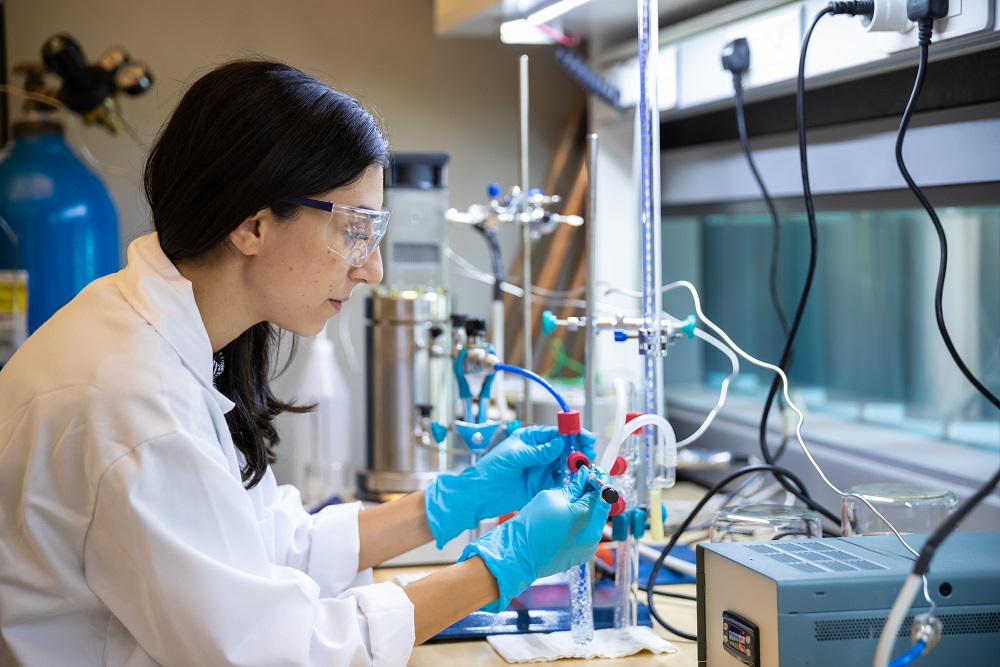
Building Bridges: Opportunities Ahead in UAE-Japan Industry-Academia Collaboration on Hydrogen

Hydrogen is in high demand as an energy source but producing it can be difficult. A UAE-Japan research collaboration is looking to tackle these challenges and see the opportunities ahead.


Read Arabic story here.


Hydrogen could help tackle – critical energy challenges in the modern world, with its ability to provide a sustainable energy source to meet the demands for quality of life and economic growth, while avoiding emitting greenhouse gases into the atmosphere. Hydrogen use is expected to increase significantly in the near future in line with efforts to compensate the declining fossil fuel reserves and as the world turns to cleaner sources of energy.


Khalifa University’s Research and Innovation Center on CO2 and Hydrogen (RICH) is collaborating with the Institute of Energy Economics Japan (IEEJ) and Kyushu University on hydrogen projects in the UAE and Japan.


Collaboration between the UAE and Japan in the area of hydrogen began in 2017 with several bilateral meetings between academia, companies and government. In 2019, the first UAE-Japan Workshop on Hydrogen was held in Abu Dhabi with participants from UAE and Japanese industry and academia enjoying presentations, roundtable discussions, poster sessions and the exhibition of the Toyota Mirai Hydrogen FC Electric Vehicle. In 2020, a steering committee was created to define a roadmap and specific objectives and projects between IEEJ, Khalifa University, the Abu Dhabi National Oil Company (ADNOC), and the Abu Dhabi Department of Energy.


The low density of hydrogen made it a natural choice for one of its first practical uses—filling balloons and airships, but now, hydrogen can be used as a means of decarbonizing heavy industry; used as a zero-emission fuel for transportation, including trains, buses, trucks, and ships; provide a source of energy and heat for buildings; and store energy produced from renewable sources.


And there’s plenty of it. Hydrogen is found in the sun and most of the stars, and the planet Jupiter is composed mostly of hydrogen. On Earth, hydrogen is found in the greatest quantities as water. While it is present in the atmosphere, only tiny amounts of pure hydrogen persist since any hydrogen that does enter the atmosphere quickly escapes the Earth’s gravity into outer space.


Despite being the most abundant chemical substance in the universe, producing hydrogen is the tricky part. Most of the hydrogen produced today is from steam methane reforming, where natural gas is heated with steam to form syngas (a mixture of hydrogen and carbon monoxide), which is then separated to produce pure hydrogen. However, this process is energy intensive and comes with a large carbon footprint.


Considerable efforts have been made in recent years to find cleaner methods, mainly by water splitting using renewable sources of energy or by capturing the carbon dioxide produced by steam methane reforming.


Around 75 million tons of pure hydrogen are produced today, with 76 percent of that from natural gas and 23 percent from coal. Transitioning into low carbon energy with hydrogen is on the horizon. Hydrogen-derived synthetic fuels offer real potential for combining hydrogen with carbon dioxide to produce cleaner fuels for those traditionally ‘hard-to-reach’ sectors such as aviation and shipping, which have so far proved hard to convert to green energy.


Water splitting via electrolysis is expected to increase as surplus energy from renewables offers a low-cost way of providing the electricity needed. However, if all current dedicated hydrogen production were produced through water electrolysis, this would require more electricity than the annual generation of the European Union. It’s clear there are still several challenges to be solved.


There are various projects underway at RICH to meet these challenges. Solar-driven hydrogen production by water and hydrogen sulphide – a by-product of natural gas and oil processing –  splitting is one such project.


Research shows that using 20 percent of the UAE’s land surface for solar plants producing green hydrogen for export would match the country’s current oil and gas revenue. Concurrently, using hydrogen to turn ammonia – another abundantly available resource – into a carbon-less fuel is also a focus for researchers in the center. Storing, processing, transporting and ultimately using these fuels requires an integrated infrastructure, which the researchers are also investigating via a systematic approach for optimal design and operation of a UAE hydrogen, carbon dioxide network.


With IEEJ, ADNOC, the Department of Energy, and Kyushu University, RICH is working to define a hydrogen smart town in Abu Dhabi in close relation to a more valuable oil and gas industry, while also developing a roadmap for research and development collaborations in low carbon hydrogen and hydrogen transportation.


As further opportunities in hydrogen production and use become apparent, the floor is open between the UAE and Japan to materialize them.


Jade Sterling
Science Writer
16 February 2021
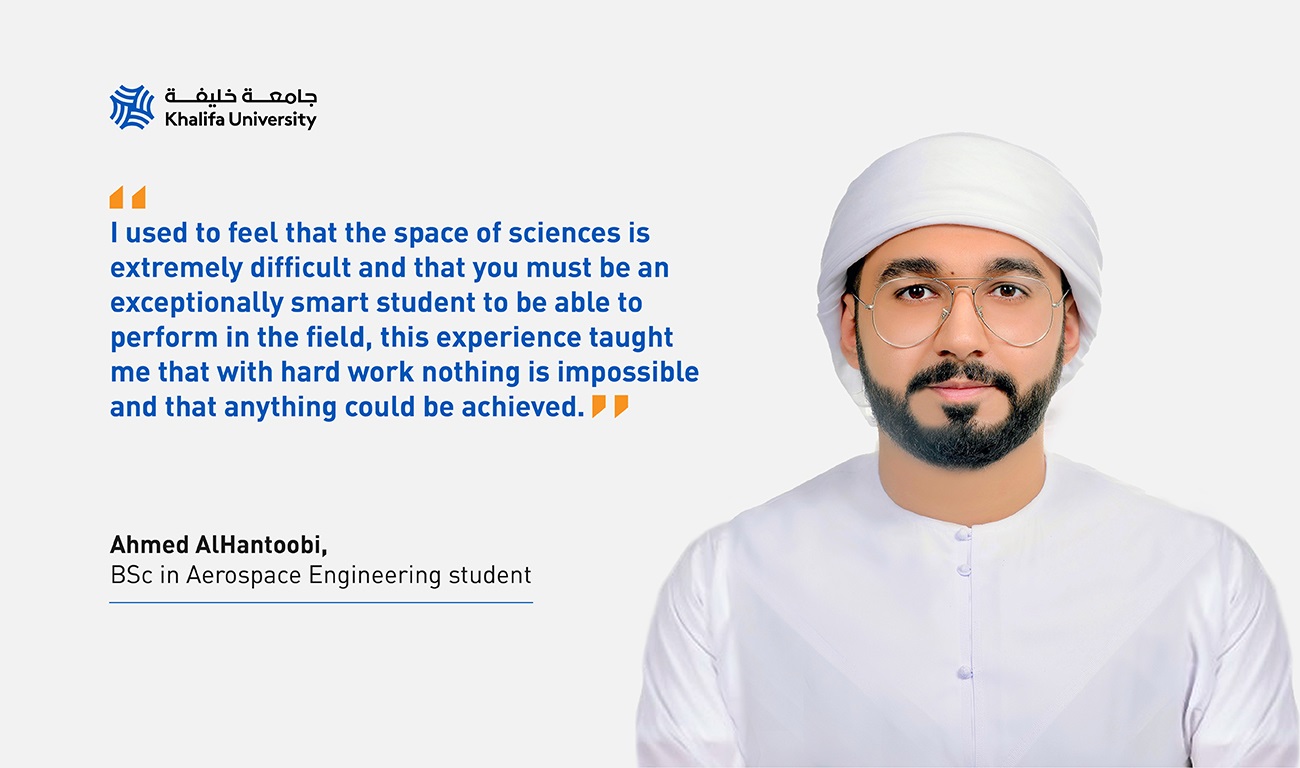
Student Spotlight: KU Senior Highlights Research Experience at Mohammed Bin Rashid Space Centre

A Q&A with Ahmed AlHantoobi, BSc in Aerospace Engineering student at Khalifa University, about his Research Experience at the Mohammed Bin Rashid Space Centre (MBRSC) in UAE. As a result of his Research Experience, Ahmed successfully published his research on Mars’ magnetism in Geophysical Research Letters, a prestigious journal that publishes high-impact research in geoscience disciplines.

Ahmed’s Research Experience at MBRSC was organized through the Research Experience for Undergraduates (REU) program


  • Why did you choose to apply to do your REU at MBRSC?


MBRSC provided an exceptional experience in research alongside scientists who have been studying the field of space sciences for years. Considering my curiosity and interest in the field this was an opportunity I couldn’t miss as it’s rare to find such an experience.


  • What was the main focus of your REU?


My internship focused on the magnetic anomalies on Mars and if we can explain the strong magnetic magnitude of those anomalies use the crustal mineralogy.


  • What skills did you gain during your REU?


Throughout this experience I have heavily developed my MATLAB, reading and communications skills. The MATLAB skills developed mainly from the analysis I had to run whilst the reading and communication skills came through weekly meetings where we would read and discuss a specific scientific paper which increased my knowledge in the field. 


For many years the exceptionally strong magnetic anomalies of Mars have been clashing with models of Mars’ ancient global magnetic field as their magnitude isn’t explained. My research focused on attempting to explain the strong magnetic anomalies on Mars using mineralogical composition of the uppermost crust. The findings of our research suggest that Mars’ ancient global magnetic field wasn’t of exceptional strength however the rocks in some regions on Mars are mineralogical enhanced making them exceptionally well at recording the magnetic field.


  • What is your favorite memory from your experience?


The long nights I would be running the analysis and finally getting the result you were hoping for meant the world to me.


  •  What was the most important lesson you learned?


I used to feel that the space of sciences is extremely difficult and that you must be an exceptionally smart student to be able to perform in the field, this experience taught me that with hard work nothing is impossible and that anything could be achieved.


  • What do you plan to do after you graduate from KU?


I am planning to enter graduate school in a field related to space sciences (not sure what yet) but the goal is to become a researcher in the field.


  • How does it feel to have studied the planet (Mars) that the UAE has successfully sent its first probe to?


The arrival of the Hope Probe shows the commitment of the UAE to develop the field of science and technology in the region and it is a clear investment in us, the youth. As a student, I am very excited as this means that more data is available and a better understanding of Mars’ atmosphere will be possible and hopefully us students can drive and stimulate this growth in the field using the foundations hope has put into place.


Erica Solomon
Senior Publication Specialist
14 February 2021

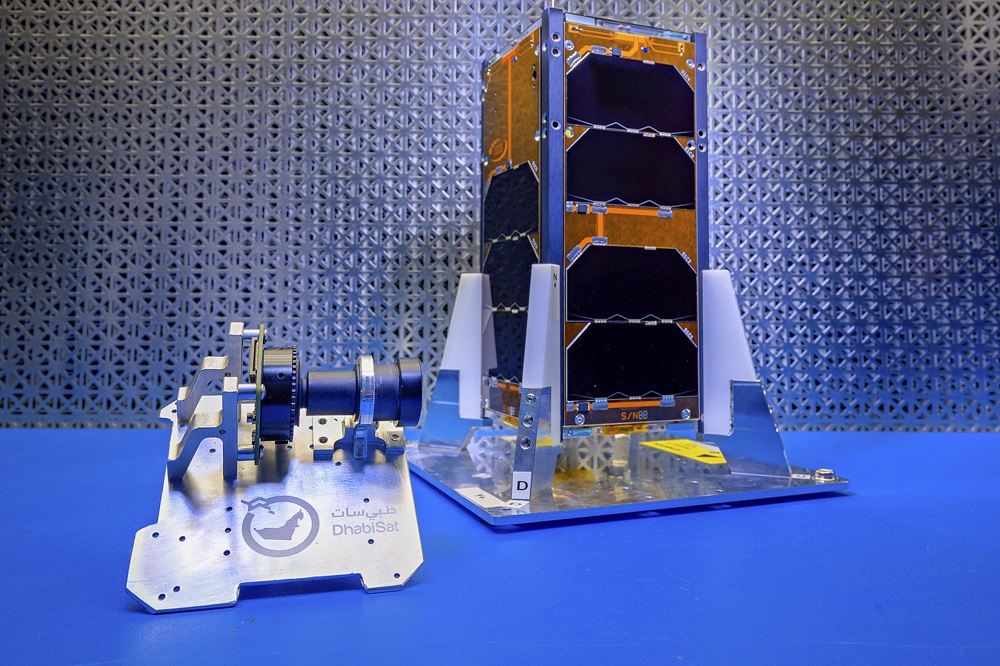
Khalifa University’s DhabiSat Set for Launch on 20 February from Aboard Cygnus

DhabiSat CubeSat to Enable Students to Design, Implement, and Test Software Modules for Attitude Determination and Control Systems  


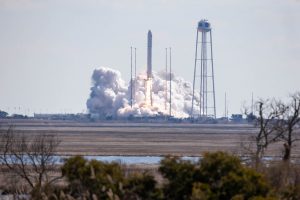
DhabiSat, the second CubeSat designed and developed by Khalifa University students with support from Al Yah Satellite Company (Yahsat) and Northrop Grumman, launched on 20 February from aboard the Cygnus spacecraft.


The primary mission of the second CubeSat, previously known as MYSat-2, is to enable students to design, implement, and test software modules for attitude determination and control systems (ADCS). The work has been conducted at the Yahsat Space Lab, which is part of the Khalifa University Space Technology and Innovation Center (KUSTIC).


DhabiSat will assess the accuracy of various ADCS pointing control strategies and validate the same by taking images using a digital camera onboard pointed in specific directions. The new ADCS algorithms shall improve the pointing accuracy of the CubeSat and its response time to attitude changes as compared to conventional algorithms. In terms of system resources, DhabiSat will require less power to achieve the targeted pointings and if successful, the algorithms will gain flight heritage on board DhabiSat, which then can be used as a baseline in future CubeSat missions.


DhabiSat took off from the Wallops Flight Facility in Virginia, US, on the Northrop Grumman Antares rocket, to the International Space Station (ISS) on 20 February 2021. It will then be deployed from the resupply spacecraft Cygnus NG-15, following departure from the ISS in approximately two to three months.


Khalifa University’s MYSat-1, the first mission that was conceptualized, designed, integrated, tested and operated as part of an academic program in the UAE, was deployed in February 2019. It carried an experimental coin cell battery, based on technology developed by Khalifa University students along with a VGA camera developed at the Yahsat Space Lab based on commercial off-the-shelf (COTS) components.


Clarence Michael
English Editor Specialist
14 February 2021

Solving Cybersecurity’s Biggest Challenges with KU-TII Projects

As our cities become ‘smarter’ and increasingly connected by Internet of Things (IoT) devices that collect and transmit data every second, governments across the world are figuring out the best way to keep this new IoT infrastructure secure and sustainable.


Read Arabic story here.


In the UAE, the Technology Innovation Institute (TII) – part of the Abu Dhabi Government’s Advanced Technology Research Council, which oversees research in the emirate – is partnering up with Khalifa University on a number of strategic research projects in cryptography, digital security, and secure communication, to help the country develop efficient and secure communications infrastructure.


Seven projects have been funded by TII as part of this partnership, each spanning a period of years across various topics.


Project 1: Energy-Aware IoT Devices


To have a powerful communications infrastructure, IoT devices need to communicate sustainably in an energy-efficient manner. The short battery lifetime in most IoT devices, however, still pose a major design challenge. In response, researchers are turning their attention to developing energy-aware, self-sustaining devices that can harvest and recycle energy from various sources.


One such technology under development is BackCom, which has emerged as a new communications paradigm for low-power wireless networks. BackCom is based on the concept that a transmitter sends data to its receiver by backscattering ambient signals, consuming significantly less power than traditional transceivers.


BackCom systems suffer from several drawbacks though, which a team from Khalifa University aims to solve by integrating radio frequency-powered transmission systems and optimizing them for network scenarios.


Dr. Sami Muhaidat, Professor, Dr. Paschalis Sofotasios, Assistant Professor, Dr. Lina Bariah, Postdoctoral Fellow, and Dr. Ernesto Damiani, Professor, Senior Director of the Robotics and Intelligent Systems Institute and Director of the Center for Cyber-Physical Systems (C2PS), will develop scalable solutions that can accommodate power-constrained wireless mesh networks (networks where a group of devices act as a single Wi-Fi network) with protocols that are energy aware and security systems that are lightweight, among other solutions to these challenges.


Project 2: Machine Learning to Optimize IoT Connectivity


Another project looking at wireless mesh networks and IoT devices aims to use machine learning to optimize IoT connectivity. Dr. Muhaidat, Dr. Sofotasios, Dr. Bariah, and Dr. Damiani are joined by Dr. Hany Elgala, Assistant Professor from the University of Albany, to address key challenges in mobile wireless mesh networks, with particular emphasis on unmanned aerial vehicle networks.


Current wireless technologies cannot meet the demands of the envisioned IoT where devices are more reliable with higher data-rates, extended coverage and better security. Machine learning techniques can address the various design challenges of mobile wireless mesh networks, and deep learning, a subset of machine learning, allows machines to learn complex functions with high accuracy and online self-optimization.


Project 3: Detecting Malware in Smart Phones


Also investigating machine learning are Dr. Damiani, Gabriele Gianini, Senior Researcher, and Hussam AlHammadi, Research Scientist, who will design a malware detection engine for Android phones based on machine learning techniques.


Data collected and routed by Android phones are targets for malware. Attacks targeting mobile phones often inject sleepers, malware modules that use open and cover channels, piggybacking legitimate protocols for infiltration and exfiltration (when malware carries out an unauthorized data transfer from a computer).


While periodically checking Android configuration can detect installed exfiltration code, only external monitoring systems, which continuously analyze the behavior of Android and onboard applications, can hope to detect and alleviate data leakage as it happens. The research team will design an exfiltration detection engine for Android phones based on machine learning to detect when exfiltration occurs.


Project 4: Protecting UAVs


Another team is conducting research on unmanned aerial vehicles (UAVs). UAVs can play a vital role in shaping the future of wireless networks, which is why protecting the networks from malicious parties is crucial.


UAV networks contain elements which make them more vulnerable to several types of attacks, since a security issue in any one element may impact the entire system. Some attacks could be performed by directly tampering with the physical elements in the networks, such as batteries, or realized through malware and software.


Dr. Arafat Al-Dweik, Associate Professor, Dr. Baker Mohammed, Associate Professor, and Dr. Yousuf Alsalami, Assistant Professor, are evaluating the feasibility of adopting physical layer security (PLS) techniques for UAV-aided wireless communications networks. PLS exploits the intrinsic characteristics of wireless channels, such as noise, fading, and interference, to secure the communications. Using PLS, the team aims to design a novel communications system with high reliability, security and anti-jamming capabilities for use with UAVs.


Project 5: Protecting Drones


Further targeting drone vulnerabilities, Dr. Abdulhadi Shoufan, Associate Professor, Dr. Faisal Shah Khan, Assistant Professor, Dr. Damiani, and Hussam Al-Hammadi, Research Scientist, aim to provide a holistic security analysis of drone operations in the context of unmanned traffic management systems to form the basis of the security functions and objectives which should be implemented on the drone.


Flying a drone is associated with security, privacy, and safety risks which have shaped the progress of this technology over the last few years. Security is an especially critical requirement for drone operations because cyber and physical attacks on drones do not only present a threat to information security, but also to people, assets and infrastructure.


The first challenge in securing drone operations is understanding all the vulnerabilities of this technology. Once understood, the security objectives will be implemented using a dedicated system-on-chip, which will support important security functions.


Project 6: Securing Wireless Sensor Networks with Hash Chains


IoT technology is accompanied by numerous cybersecurity challenges that must be addressed to ensure the security and privacy of the network. Many possible solutions have been proposed and many of them address important fundamental security requirements such as authentication, confidentiality and authorization. However, no proposed security protocol completely satisfies all the cybersecurity requirements of an IoT network. Dr. Chan Yeob Yeun, Associate Professor, Dr. Yousof Al Hammadi, Assistant Professor and Dean of Graduate Studies, and Dr. Damiani are looking to provide more secure and flexible solutions for wireless sensor networks using a combination of high-level and low-level key chains.


Comprising hundreds or thousands of small devices each with sensing, processing, and communication capabilities, wireless sensor networks have varied applications, but due to their distributed nature and deployment in remote areas, these networks are vulnerable to numerous security threats. The research team will use hash chain techniques – a method to produce many one-time keys from a single key or password – to ensure continuity of authentication and enhance the security of the network.


Project 7: Securing Data on the Cloud


The final project considers cybersecurity in the cloud. A field-programmable gate array (FGPA) is an integrated circuit designed to be configured by a customer or designer after manufacturing.


The main security risk to using FGPAs in the cloud stems from the multi-user environment, where several users may be sharing the same physical hardware platform, with the possibility of one user sniffing the bitstream file.


A sniffing attack involves the theft or interception of data by capturing the network traffic using a sniffer, an application aimed at capturing network packets. When data is transmitted across networks, if the data packets are not encrypted, the data can be read using a sniffer. An attacker can analyze the network and gain information to eventually crash or corrupt the network or read the communications happening within. Encryption may be a possible defense, with Dr. Ibrahim Elfadel, Professor, Dr. Abdulhadi Shoufan, Associate Professor, looking at cryptography to secure the information on a cloud using FGPAs with the intent that the security will be robust against even quantum computers. 


Jade Sterling
Science Writer
10 February 2021

Visiting Professor Highlights Importance of Scientific Collaboration in Infectious Disease Research


Khalifa University’s College of Medicine and Health Sciences invited the Senior Advisor on Research in the Middle East and North Africa for the National Institute of Allergy and Infectious Diseases (NIAD), which is part of the National Institute of Health (NIH), to discuss enhancing NIH-funded research collaborations in the MENAT (Middle East, North Africa and Turkey) region.


Dr. Mohamed H. Sayegh spoke in the CMHS Distinguished Lecture Series to an audience of 100 people in a webinar on Wednesday, 20 January 2021. Dr. Sayegh focuses on strengthening scientific collaboration among MENAT researchers and with US investigators in relevant focus disease areas.


He explained that in 2019 less than one percent of total NIAID international funding was invested in research in the MENAT region, constituting just 48 grants funded. However, Dr. Sayegh also explained that there are significant scientific opportunities of interest to NIAID in the region, including many research projects investigated at Khalifa University. Among these interests were infectious diseases such as SARS and Covid-19, genetic diseases of the immune system and infectious diseases in refugee populations.


Dr. Sayegh’s most resonant message was the importance of collaboration overall, saying “it is always better to work together than to work alone,” and highlighting the Covid-19 pandemic as a catalyst for global research collaboration.


It is becoming increasingly clear that infections that emerge in one area can rapidly spread to the rest of the world, making worldwide collaborative research crucial to combatting infectious diseases.


Dr. Sayegh spoke about the globality of the current health situation and how the UAE has shown itself to be a leader in the area of clinical trials, and shared recommendations for getting local and global collaborative projects off the ground. Such efforts further highlight our need to generate a large-scale funding system in the NIH within the MENAT region, analogous to the NIH.


The visiting professor concluded by reiterating the need for a solid plan for any research project and the importance of getting all stakeholders on board, to promote truly collaborative research. 


Jade Sterling
Science Writer
9 February 2021

Senior Design Project Develops Concept for Flying Cars of the Future

Vertical take-off and landing aircraft, better known as flying cars, could be the future of the transport sector by enabling aerial travel services.


Read Arabic story here.


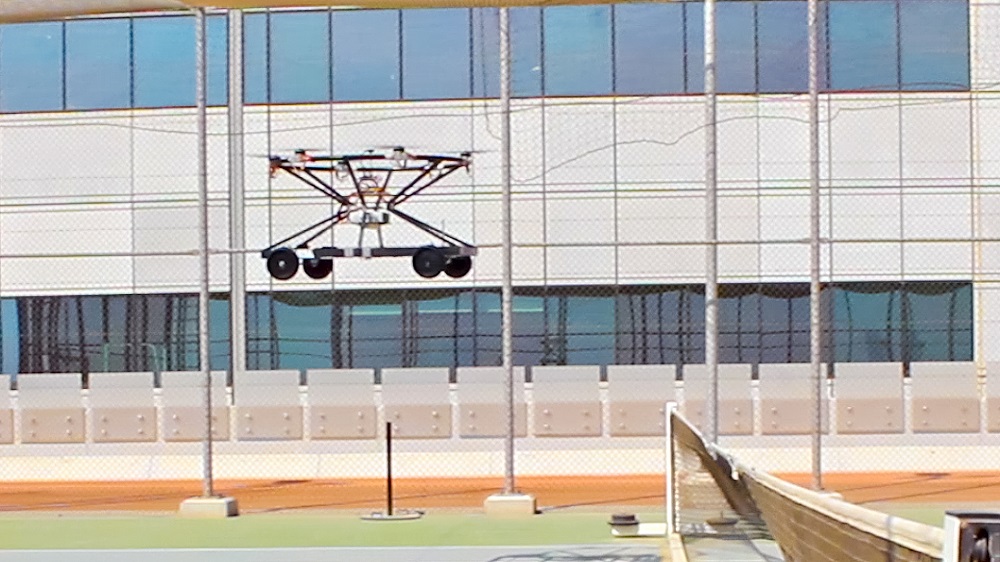
A classic in the realm of science fiction and the childhood dreams of many, flying cars continue to delight and challenge engineers around the world as the idea increasingly moves toward reality. Now, a team of four Emirati undergraduate students has designed, built and implemented a fully electric flying car prototype amidst all the difficulties and obstacles of the Covid-19 pandemic. The work was presented for their KU Senior Design Project.


Muneera Alhammadi from the Electrical Engineering and Computer Science Department worked with Mahra Alblooshi and Khoulood Nabeel from the Mechanical Engineering Department and Omran Alhammadi from the Aerospace Engineering Department under the supervision of Dr. Reyad El Khazali, Dr. Bashar El Khasawneh, and Dr. Ashraf Al Khateeb.


The transportation sector is faced with the challenge of meeting growing demand for convenient passenger mobility while reducing congestion and improving safety. While autonomous vehicles and electric cars may contribute to these goals, they cannot ease the congestion on existing roadways. Vertical take-off and landing aircraft, better known as flying cars, could overcome these limitations by enabling aerial travel services.  


“The flying car idea started in January 2020,” explained the team. “Our main focus was to design a flying car that can take off and land vertically, which gives the driver the ability to smoothly transition between cruising and flying without a runway. We also wanted it to be fully electric to cut back on carbon emissions.”


A practical flying car must be capable of safe, reliable and environmentally-friendly operation both on public roads and in the air.


“We went through multiple phases, from researching to building and fabricating the small-scale prototype, to stability testing,” explained the team. “The stability tests were done to ensure stable maneuvering and flying.”


The team’s prototype is a remotely controlled electric flying car that combines an electric car with a hex-copter drone. It uses GPS as a navigation system and can fly for 18 minutes. While a long way from an actual flying car, the prototype demonstrates the students’ understanding of the key design concepts behind such a vehicle.


“The hex-copter is characterized by its six rotor arms. This provides a more stable flight and more power compared to quadcopters, which have four rotors, and octocopters, with eight rotors. It is more precisely controllable and has a higher payload, perfect for transporting people through the air.


“This project represents the nuclei of the future of real flying cars developed and made in the United Arab Emirates,” said the team.


Jade Sterling
Science Writer
9 February 2021

KU Research Paper Wins IET 2020 Premium Award for Best Paper

A team of students and researchers from Khalifa University’s Department of Electrical and Computer Engineering has been awarded the 2020 Premium Award for Best Paper in IET Networks for their paper Monetization of IoT data using smart contracts.


According to the Institute of Engineering and Technology, Premium Awards recognize the best research papers published during the last two years. Ahmed Suliman, Zainab Husain, Menatallah Abououf, and Mansoor Alblooshi worked on the paper under the supervision of Dr. Khaled Salah, Professor of Electrical Engineering and Computer Science.

Dr. Khaled Salah

“This paper came out of research conducted during a graduate course on blockchain and the Internet of Things,” explained Dr. Salah. “In the era of the Internet of Things, smart connected devices have the ability to generate data that could be of interest to the public. This paves the way for an emerging market for monetized data exchanges, where IoT device owners can sell access to live data generated by their connected devices to interested users. Implementing a trusted, cost-efficient, automatic monetization solution of IoT data can be a challenging problem that blockchain and smart contracts could answer. Our paper presented a blockchain solution for monetizing IoT data on a secure and trusted platform.”


“The IET Premium Award is a highly prestigious acknowledgement by the Institute of Engineering and Technology, making this achievement a true reflection of the researchers’ excellent contribution to the field,” said Dr. Bayan Sharif, Acting Provost of Khalifa University.


Jade Sterling
Science Writer
9 February 2021

Detecting Parkinson’s Disease using Deep Learning Techniques from Smart Phone Data

Identifying Parkinson’s Disease early is crucial for slowing the disease progression and a new tool developed by Khalifa University can now detect the disease using sensors on the average smartphone.


Read Arabic story here.


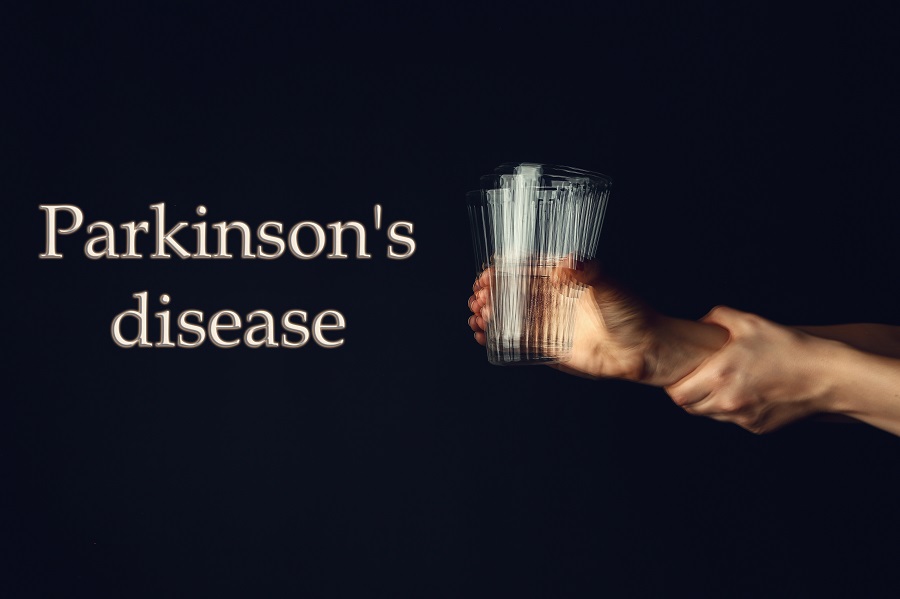
Parkinson’s Disease is the second most common neurodegenerative disorder, affecting more than one percent of the population above 60 years old. Often beginning as a barely noticeable hand tremor, over time, the disease interferes with movement, muscle control, and balance. Fine motor impairment (FMI) is progressively expressed in early Parkinson’s Disease patients but clinical techniques for detecting it may not be robust enough.


A team of researchers at KU including Dr. Leontios Hadjileontiadis, Professor of Biomedical Engineering and member of KU’s Healthcare Engineering Innovation Center (HEIC), has developed a tool that can screen for early motor Parkinson’s symptoms and alert individuals accordingly via their smartphones.


In collaboration with researchers from Greece, Germany and the United Kingdom, Dr. Hadjileontiadis introduced a deep learning framework that analyzes data captured passively and discretely during normal smartphone use and published the results in Scientific Reports.


“Remote unsupervised screening via mobile devices can raise awareness for medical care, with daily data assisting diagnosis,” explained Dr. Hadjileontiadis. “User interaction with smartphones can unveil dense and multi-modal data to reveal patterns that can be connected with both motor and cognitive function. In particular, Hold Time, the time interval between the press and release of a key, offers insights to the probability of a subject suffering from Parkinson’s.”


The rate at which a person presses down and then releases a finger on a key indicates how quickly the brain can control the muscles. When the body needs to start moving, the brain’s motor cortex sends signals to the spinal neurons to activate the muscles. Dopamine is one of the neurotransmitters involved that ignites a chain of events resulting in a movement, a feeling or an action. For Parkinson’s Disease patients, dopamine-producing cells in the brain become inactive and the loss of dopamine leads to issues with movement. Symptoms of the disease become increasingly more apparent and the patient develops tremors, difficulty walking, and other issues with movement.


“Detecting these smaller tremors at the start of the disease can lead to earlier diagnosis and allow us to implement management strategies earlier,” explained Dr. Hadjileontiadis. “The standard medical practice in diagnosing Parkinson’s Disease requires years of expertise. Using a smartphone provides an unobtrusive way of capturing data as we link keystroke typing with an enriched feature vector to describe the keystroke variables.”


Additionally, acceleration values from the smartphone’s Inertial Measurement Unit (IMU) sensor are used to monitor for hand tremors. This also is a source of data captured passively and unobtrusively as users perform common actions with their phone, from placing calls to typing messages.


When combined with deep learning, these data could provide a novel tool for effectively remotely screening the subtle fine motor impairments indicative of early onset of Parkinson’s Disease. Deep learning has been previously shown to be highly effective in extracting useful representations from high dimensional information like images, and the research team showed that deep learning can be leveraged to quantify touchscreen typing based information that is strongly correlated with FMI clinical scores.


In screening for Parkinson’s, deep learning algorithms can detect the disease from MRI scans, tremors recorded on accelerometers and voice degradation from voice signals. Now, typing on a smartphone can monitor keystroke dynamics in everyday activities.


“We tried to detect Parkinson’s Disease using a multi-symptom approach that merges passively-captured data from two different smartphone sensors via a novel deep learning framework,” explained Dr. Hadjileontiadis. “Our method is inspired by the typical workflow of a neurologist, in the sense that it outputs a score for tremor and FMI, two of the most common motor symptoms, as well as a score for Parkinson’s Disease.”


Automated Parkinson’s Disease detection is not a new idea. Many sensors have been tested to capture specific aspects of different symptoms, such as IMU sensors for gait alterations, microphones for speech impairment, keyboards for rigidity, and writing equipment for fine motor impairment. The common denominator in these studies is that they attempt to infer Parkinson’s Disease from single symptom cues. This is inherently problematic as Parkinson’s manifests differently in different subjects, meaning any system that can reliably detect the disease needs to cover multiple symptoms. The research from Dr. Hadjileontiadis is multi-modal in this way, capturing data unobtrusively and ‘in-the-wild.’


Using deep learning techniques, the team achieved 92.8 percent sensitivity and 86.2 percent specificity for Parkinson’s Disease detection. Not only is their proposed framework performing well, but it can also be extended to include additional data in the same architecture, including speech information, for example.


“Performance-wise, our approach produced good classification results and this is the first work to address the problem of detecting Parkinson’s from multi-modal data,” said Dr. Hadjileontiadis. “This is a solid first step towards a high-performing remote Parkinson’s Disease detection system that can be used to discreetly monitor subjects and urge them to visit a doctor signs of the disease are detected.”


Jade Sterling
Science Writer
7 February 2021

Khalifa University Hosts Three-Day Virtual Spring 2021 Orientation for Undergraduate, Postgraduate and Pre-Med Students

Newly-Enrolled Students Now Part of UAE’s Top University Renowned for Research Innovation and Academic Success  


Khalifa University organized a three-day virtual Spring 2021 Orientation program to acclimatize the newly enrolled undergraduate, postgraduate and Pre-Medicine Bridge program students, so they could smoothly transition into the academic and research environment at the university .


The two-pronged program – a day-long schedule for undergraduates and a two-day agenda for the post-graduates and Pre-Medicine Bridge program (PMB) aspirants – helped to ensure a smooth and positive onboarding and transition, academically and socially. For the post-graduate and the Pre-Medicine Bridge program students, the event was specifically designed for their research-intensive lives and medicine-related programs respectively. 


Almost 500 undergraduate, and post-graduate students, as well as accepted students in the Pre-Medicine Bridge program (PMB) attended the three-day virtual event to learn about various on-campus cutting-edge laboratory and research facilities as well as other academic services. 


Dr. Arif Sultan Al Hammadi, Executive Vice-President, Khalifa University of Science and Technology, said: “The three-day virtual Spring 2021 orientation program witnessed high engagement from our newly-enrolled students, emphasizing their ambitions and goals by joining the most sought-after university that offers some of the highly relevant academic programs for today’s job market. Moreover, Khalifa University already tops in the UAE with 25% of the total 178 UAE faculty who featured in the Stanford University list of the world’s top 2% of scientists with the greatest citation impact in a single year in 2019. We believe this is a strong element that appeals to the new generation of students who are keen to hone their skills in science and technology, and we warmly welcome the newly-enrolled students to the Khalifa University community.” 


The first day’s sessions offered newly-enrolled undergraduate students and parents information on academics and services through interactions with panel members from academia, Registrar, IT, Student Services, Library and Finance. An exclusive web ‘landing page’ offered students downloadable presentations as well as reference on important resources. 


The post-graduate students were offered an overview of their programs, research facilities and other offices, while a live chat box provided them with an opportunity to interact with faculty and officials who could clarify enquiries. A dedicated ‘landing page’ was also available with downloadable presentations and resources. Students were introduced to the three research institutes, 18 specialized research centers, two sponsored labs as well as 228 laboratories, three research facilities and two research projects.


Clarence Michael
English Editor Specialist
2 February 2021

A New Method to Determine the Strength of Aerospace Materials


Up to 80% of an airplane is covered in an aluminum alloy, making these alloys the most important aerospace materials. Understanding their mechanical and physical properties, however, remains a challenge for engineers.  


Read Arabic here.


The aerospace industry is constantly evolving, with new materials emerging that can revolutionize the sector. These materials must be lightweight to make air transport more economical and greener, but must also be rigid and strong enough to withstand intense mechanical stress. As aluminum alloys are increasingly used for their high damage tolerance and toughness, quantifying this ‘rigidity’ is important to understand how effective the material is. 


To determine the stiffness of a material—to find its Young’s modulus—Dr. Dalaver Anjum, Assistant Professor of Physics, has collaborated with Dr. Muna Khushaim from Taibah University, Saudi Arabia, to develop a method of ‘seeing’ how the alloys are impacted at the nanometer scale by adding different metals. They published their findings in Microscopy Research and Technique.


The Young’s modulus of a material is a fundamental property that cannot be changed within the elastic limit of that material. It is the stiffness of a material and states how easily it can bend or stretch, dependent upon temperature and pressure. When a material reaches a certain stress point, it will begin to deform. Consider a rubber band: when a rubber band is pulled, it is stretched, but not deformed. Stretch too far, however, and the band will begin to deteriorate or deform until it inevitably breaks. For engineers across all domains, the Young’s modulus is a critical constant for research and design as every material responds differently to stress.


Dr. Dalaver Anjum, Assistant Professor of Physics, Khalifa University


One of the ways to enhance the mechanical properties of metals involves synthesizing their alloys by mixing one metal with another. For example, the properties of aluminum can be dramatically enhanced using small amounts of copper or lithium. These added metals are known to exist in aluminum metal as precipitates and can make materials stronger by impeding the movement of metal atoms across the crystal defects in the host metal’s lattice structure. The stiffer a material, the higher its Young’s modulus.


“The stresses and elasticity of the strengthening precipitates in aluminum-based alloys play an important role in improving their mechanical and structural properties,” explained Dr. Anjum. “Using precipitates is known as strain hardening or precipitate hardening, with this method affecting the Young’s modulus of the host metal in question.”


Determining the Young’s modulus of the new alloy can be difficult. It is usually determined experimentally at macro or bulk scales and can only provide average values of the mechanical qualities. It would be preferable to determine it at nanoscale, simply because the precipitates adding to the Young’s modulus result are present at the nanoscale; they’re like nanoparticles in the host metal.


“More than 15 years ago, transmission electron microscopes were first used in conjunction with electron energy loss spectroscopy (EELS) detectors to estimate the Young’s modulus of metals,” explained Dr. Anjum. “But this only provides the average value on a rough scale. Ideally, we would like to be able to show how the precipitates impact the stiffness of the metal at the nanoscale and even sub-nanoscale. We could then see how the strain field is distributed around the precipitates in the metal lattice structure.”


To better ‘see’ the strain field and Young’s modulus simultaneously, Dr. Anjum and Dr. Khushaim developed a new method to generate spatially resolved maps of metal alloys by combining dark-field scanning transmission electron microscopy (DF-STEM) and EELS data and then processing these datasets with specific software algorithms.


The TEM results show the structure of the precipitates in the aluminum metal matrix, while the EELS data shows whether or not the electrons that pass through the material lose some of their energy or have their paths deflected by the atoms in the matrix. The amount that the electron’s path is deflected can be measured with DF-STEM and gives information about the dispersion of the atoms within the structure. The relative dispersion difference between the matrix and precipitate regions can then be expressed as ‘strain.’ Similarly, the electron beam also forces the freely roaming electron gas or plasmons to oscillate around their equilibrium and this can be measured with EELS. The frequency of these oscillations is related to the stiffness of materials. 


The researchers then feed this data into their algorithms to map and ‘see’ the strain fields in the alloy matrix. Using this data, they can then calculate the Young’s modulus of the material in question.   


This research has great potential in the UAE as the method can be used to develop the mechanical properties of metal alloys with applications in the aerospace industry and other areas important to the nation.


“Since it is based on measuring the fundamental properties of metals at the nanoscale, it offers a window to developing next-generation metal alloys based on fundamental materials science,” explained Dr. Anjum. “Therefore, these alloys are expected to be more durable, while also providing the opportunity of producing next-generation scientists and engineers in the UAE.”


Jade Sterling
Science Writer
24 January 2021

KU Research Predicts New Effect for Proving the Existence of Cosmic Strings

Researchers at KU have used the theory of General Relativity to figure out a new way to chart our universe and possibly detect cosmic strings. 


Read Arabic story here.


A team of researchers from Khalifa University has used the theory of General Relativity to figure out a new way to detect cosmic strings across the universe. The team applied the concept of ‘gravitational lensing’ to a family of pairs of black holes connected by a cosmic string in what is known as a C-metric, and computed the first ever lensing formula that can be coupled with existing technologies to chart our universe. 


Dr. Davide Batic, Associate Professor of Mathematics, Maha Alrais Alawadi, student from the Department of Mathematics, and Dr. Marek Nowakowski, Associate Professor from the Universidad de los Andes, Columbia, published their work last month in the journal Classical and Quantum Gravity.


What is gravitational lensing?


According to Einstein, the presence of a mass deforms the space-time geometry in such a way that light rays passing nearby get deflected. This is the idea behind gravitational lensing, where rays of light bend near sources of gravitation, such as stars. The greater the mass, the greater the gravity and the closer to the source of gravity, the greater the bending. This effect was observed for the first time in 1919, when English physicist Arthur Eddington measured the position of stars near the Sun before a total eclipse of the Sun and during the eclipse. By doing this, Eddington could discern if the Sun’s gravity bent the rays of light from these nearby stars.


The stars did appear to be displaced, but only by a small amount. However, this was compatible with what was predicted by Einstein’s theory of General Relativity. The mass of the Sun had caused the light to bend only at the plasma limb, or the very edge of the Sun.


“What Eddington observed was the least striking aspect of this gravitational distortion,” explained Dr. Batic. “However, scientists soon realized that this phenomenon could be used to probe the cosmic depths with an accuracy never imaged before, opening the door to modern cosmology. Gravitational lensing became and still is an extremely active research field.”


Modern technology in astronomy can measure the relative position of the stars, using this technique.


Imagine two stars and the Earth in a line: the effect of gravitational lensing would bend the light from the furthest star around the nearest star, creating a a displaced faint image of the star, which otherwise would be impossible to observe.  If we replace the gravitational source between the Earth and the distant star with a black hole, light rays emanating from the distant star may get caught by the black hole. These rays may move around a circular orbit in the exterior of the black hole and we would observe a ring of light around the black hole. In this way, we could infer the existence of the distant and apparently hidden bright gravitational object. This hypothetical effect is what scientists call an “Einstein ring.” Since the prediction of the light bending rule of general relativity, which suggests a direct interaction between gravitation and electromagnetism, several distorted images of distant galaxies, stars, star clusters and Einstein rings have been detected by extremely sensitive telescopes. The strong evidence of gravitational lensing in the universe suggests that this technique could be used to infer the existence of black holes scattered across the universe.


Using gravitational lensing to spot black holes


Light rays passing very close to a black hole may experience very strong deviations allowing us to ‘see’ black holes whether the light source is behind the black hole (standard gravitational lensing) or in front of the black hole (retrolensing).


“Light bending and possible bound states of light are genuine effects of general relativity,” explained Dr. Batic. “Whereas light bending has been studied and even observed in a variety of situations, bound orbits of massless particles are an interesting phenomenon and they deserve special attention.”


The research team investigated the effects of gravitational lensing on two black holes in a C-metric. A C-metric describes space-time with two black holes; one black hole here in this universe and one in a parallel universe. The two black holes have equal mass and are accelerating away from each other at a constant rate as a ‘cosmic string’ pulls the black holes apart. The team realized that the black holes in a C-metric would scatter light rays in such a way that would allow for gravitational lensing to detect them.


“There are two kinds of gravitational lensing: weak and strong lensing,” explained Dr. Batic. “Weak lensing occurs when the light rays emanating from the source pass at a distance from the gravitational object in the middle. Strong lensing occurs when the light rays travel very close to the gravitational source, and particularly when close to a special distance from the object called the photon sphere.”


While weak lensing for two uncharged black holes connected by a cosmic string is too small to be detected, strong lensing would indeed work, and the team went on to calculate the formula for detecting black holes in this way.


Their computations found that a weak lensing analysis applied to a supermassive black hole or anything smaller cannot discriminate what kind of metric is being represented. However, their new equations represent the general formula for using black holes in strong gravitational lensing and can be used with observational data to confirm or disprove the existence of black holes described by a C-metric.


“In order to understand the relevance of our result, we need to remember that in theoretical physics, String Theory or the Theory of Everything is our best candidate theory which brings together quantum mechanics with general relativity,” explained Dr. Batic. “Among several predictions provided by String Theory, we also find the so-called cosmic strings. If cosmic strings are observed by means of our theoretical predictions, this would provide the first experimental evidence of a string theory model underlying the structure of spacetime.”


Jade Sterling
Science Writer
21 January 2021 

KU Researchers Use Blockchain to Develop Digital Immunity Passports for COVID-19

Designed to help people prove they have been vaccinated against Covid-19, digital immunity passports may help significantly control the virus’ spread while allowing normal life to re-emerge.


Read Arabic story here


How or when our lives may return to normal is still unclear as Covid-19 continues its spread. But a new strategy is being proposed that may significantly help control the virus’ spread while allowing normal life to re-emerge. The new strategy focuses on identifying and documenting people’s immunity, or their inability to infect others, with so-called ‘immunity passports.’ 


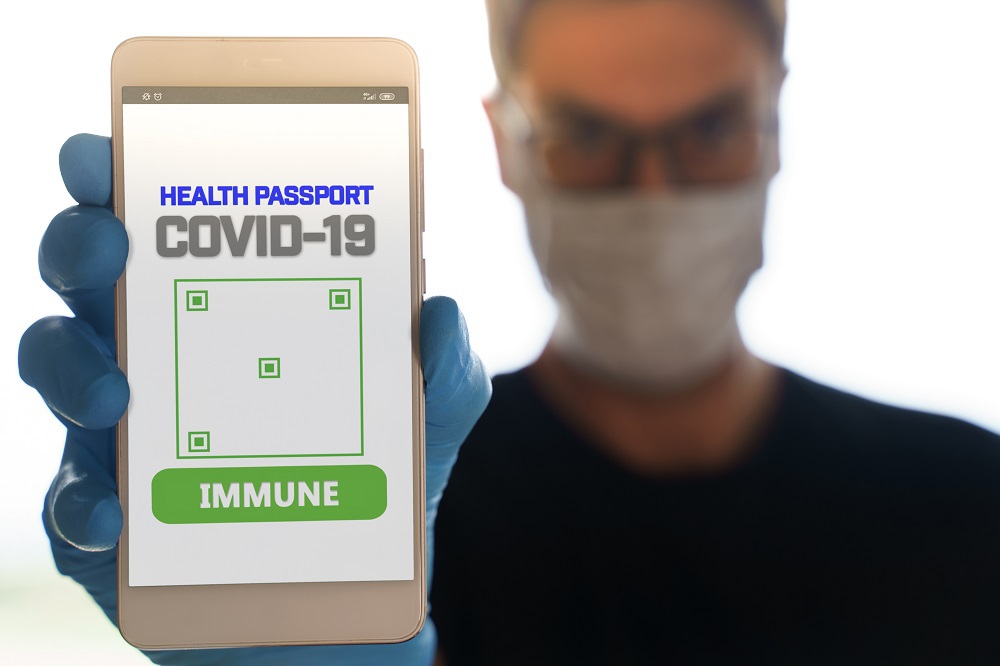
A digital immunity passport is a digital document detailing a person’s test results proving he or she is not considered a risk in spreading the virus. This accounts for people who have tested negative for the disease, have been vaccinated, or are otherwise immune to Covid-19. These passports will likely take the form of apps as outlined by a team of researchers at Khalifa University.


Haya R. Hasan, Research Associate, Dr. Khaled Salah, Professor, and Dr. Ibrar Yaqoob, Post-doctoral Research Fellow, from the KU Department of Electrical Engineering and Computer Science, with Dr. Mohammed Omar, Professor, and Dr. Raja Jayaraman, Associate Professor, from the Department of Industrial and Systems Engineering, collaborated with Dr. Junaid Arshad, Associate Professor at Birmingham City University, and Dr. Samer Ellahham from the Heart and Vascular Institute, Cleveland Clinic Abu Dhabi, to develop a blockchain-based solution for Covid-19 digital medical passports and immunity certificates. Their work was published in IEEE Access.


“Covid-19 has had an unprecedented impact on human life across the world,” said Dr. Salah. “Highly contagious, this disease has affected a significant proportion of the world population with a very large number of infections and deaths. Although the symptoms, which are similar to those of the influenza virus, vary in severity across people and not all people infected with the disease show symptoms. Some infected people are known as silent carriers or silent spreaders, which makes effective and verifiable testing paramount to a successful response to Covid-19.”


Immunity certification could prove valuable in settings where there is a high risk of transmission, such as large gatherings of people at sports events or during travel. The virus has wreaked particular havoc on the travel industry and so digital immunity passports may present a potential lifeline to that industry.


Designed to help people prove that they have been tested and that the test results belong to them, but without having to share any personal information, an immunity passport requires verifiable and trustworthy testing and concrete security.


“The government’s response strategy is evolved and implemented based on data related to infections collected by regional units,” explained Dr. Salah. “Such data relies on clinical diagnosis conducted by hospitals and other specialized facilities, but the presence of multiple intermediaries in this process causes delays in reporting time, which limits hospitals and testing centers from promptly reporting infections. Furthermore, the layered structure in reporting lines can lead to discrepancies, affecting the overall response strategy and its effectiveness in mitigating against the disease.”


The KU research team addressed the challenge of accurate and timely reporting of Covid-19 infections using blockchain technology to aid response strategies against the disease. Their solution uses programmable Ethereum smart contracts hosted on the blockchain to create a digital medical passport.


Blockchain technology offers an immutable and tamper-proof ledger of data and transactions as a shared database, validated by a wide community. Each record created forms a block, and as each block is confirmed by the community, it is paired up with the previous entry in the chain, creating a chain of blocks. Blockchain could be used to confirm a person’s immunity to Covid-19 in a way that is decentralized, trusted, and secure, with tamper-proof records, logs, and transactions.


“Digital health passports are a crucial mode of identification which can help mitigate the spread of contagious diseases,” explained Dr. Salah. “The smart contracts securely store the patient’s vaccination and immunization records as well as their medical and travel history, which is authenticated by the Ministry of Health and Ministry of Foreign Affairs for international usage. The patient’s personally identifiable information is completely secure, as disclosure is delegated to the owner of the information—the patient.”


Internationally, the biggest hurdle for the introduction of immunity passports is the scientific knowledge about Covid-19 itself. It is still unclear exactly how accurate antibody tests are, and when antibodies are detected, how long they remain in someone’s body. However, while the medical community continues to understand the nature of immune responses to Covid-19, researchers are building platforms and solutions on which to host digital immunity passports.


“For our purposes, we envisaged an immunity certificate to verify that a person has developed relevant antibodies to mitigate against Covid-19 and is consequently unable to infect other people,” explained Dr. Salah. “Whether this was from vaccination or previous infection is the medical aspect of this challenge and outside our scope. For us, people with these certificates can have them saved to their smart contract by a testing center or hospital and the time frame for immunity would also be included.”


In the team’s design, these smart contracts can generate events to notify patients and test-takers about medical updates with quarantine information or details on the medical tests they have completed. Health authorities are important stakeholders in this solution, representing legitimate testing and real results, and providing accurate information to the immutable blockchain.


As for privacy, every individual’s biometric information is associated with their unique Ethereum Address on the blockchain to maintain privacy. Users can control access to their sensitive information, including their identities and other credentials. The blockchain maintains authentication, trust and privacy, and allows users to share information as necessary when needed. At the same time, the solution offers security and transparency for international use.


“Our solution tackles an important problem where the travel history and medical history of a Covid-19 test taker or patient can be traced and tracked easily,” explained Dr. Salah. “Using the immutable logs, a patient can safely engage in social activities and institutions, while community managers and verified stakeholders can access immunization records in an efficient and trusted way.”


Jade Sterling
Science Writer
21 January 2021