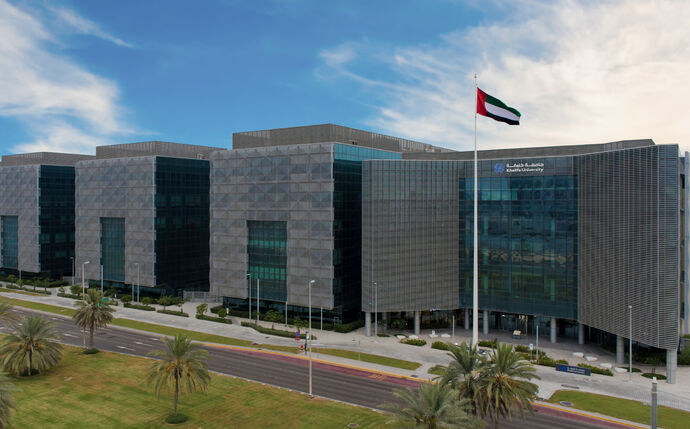
Khalifa University Renews Software Licenses for Oil and Gas Research

Agreement Highlights Commitment to Oil and Gas Research and Education

Khalifa University of Science and Technology has signed an agreement with Petroleum Experts (Petex), a UK-based petroleum engineering and structural geology company that has contributed the equivalent of £3,360,244.76 to Khalifa University through the renewal of its licensed software programs to enhance research capabilities in the oil and gas sector.


In addition to this, Petroleum Experts has granted Khalifa University access to their licensed software programs which are part of Petex’s Integrated Production Modelling software (IPM). The IPM suite of licenses models oil or gas production systems, including reservoirs, wells, and surface networks through the GAP, GAP Transient, Prosper, MBAL, PVTP, Reveal, Move, and Resolve licenses, enabling engineers to design complete field models seamlessly.


According to the agreement, Petroleum Experts has also committed to providing ongoing technical support and assistance related to the software and the associated hardware device called Hardlock. Support services include network-related issues, replacement of inactive or lost bitlocks, assistance with software installation, and free software upgrades when available.

Alisha Roy
Science Writer
20 October 2023

Development of New N-Type Semiconductor for Advanced Electronic Applications

New research pushes organic semiconducting materials into new territories, paving the path to advanced conductive n-type organic semiconductors. 


A team of researchers from Khalifa University, in collaboration with researchers from New York University Abu Dhabi, University of Nova Gorica, University of Maribor, American University of Beirut and Instituto de Ciencia de Materiales de Madrid, has developed a new type of semiconductor for use in organic optoelectronic devices. Their results are a significant advancement in materials science and have been published in Advanced Science, a top 1% journal in material science and applications. 


The Khalifa University team members included Dr. Kayaramkodath Chandran Ranjeesh, Safa Gaber, Dr. Gisha Elizabeth Luckachan and Dr. Dinesh Shetty, all Department of Chemistry, and Ayman Rezk and Dr. Ammar Nayfeh, Department of Electrical Engineering and Computer Science.


Electron transport is the fundamental backbone of the intricate world of semiconductors. These semiconductors play a pivotal role in contemporary electronics, serving as key components in solar cells, and thermoelectric generators. Traditional silicon-based electronics have dominated the industry, but organic semiconductors are making waves. They have unique attributes such as low-temperature processability, weight advantage, cost-effectiveness, high flexibility, structural tunability, and a rich diversity in potential applications. In this work, the team developed an n-type semiconducting conjugated microporous polymer (CMP), incorporating an Isoindigo (II) acceptor unit, a well-known molecule used in organic photovoltaics. They achieved the desired donor and acceptor combination by varying the donor units and their subsequent combinations. 


The electron-rich donor component linking with an electron-deficient acceptor unit is a key design approach in developing these organic semiconducting materials. However, most of the current organic semiconductors are p-type.


“For the holistic advance of the field, n-type organic semiconductors are needed. Since their development is challenging, this research area remains relatively unexplored,” Dr. Shetty said.  


Still, with the rise in organic electronics, enhancing both p-type and n-type organic semiconductors becomes imperative. Enter conjugated microporous polymers (CMPs), which have garnered attention for their promising attributes. These 2D-materials offer variable conjugation strength and micro-porous structures, promising a vast application potential.


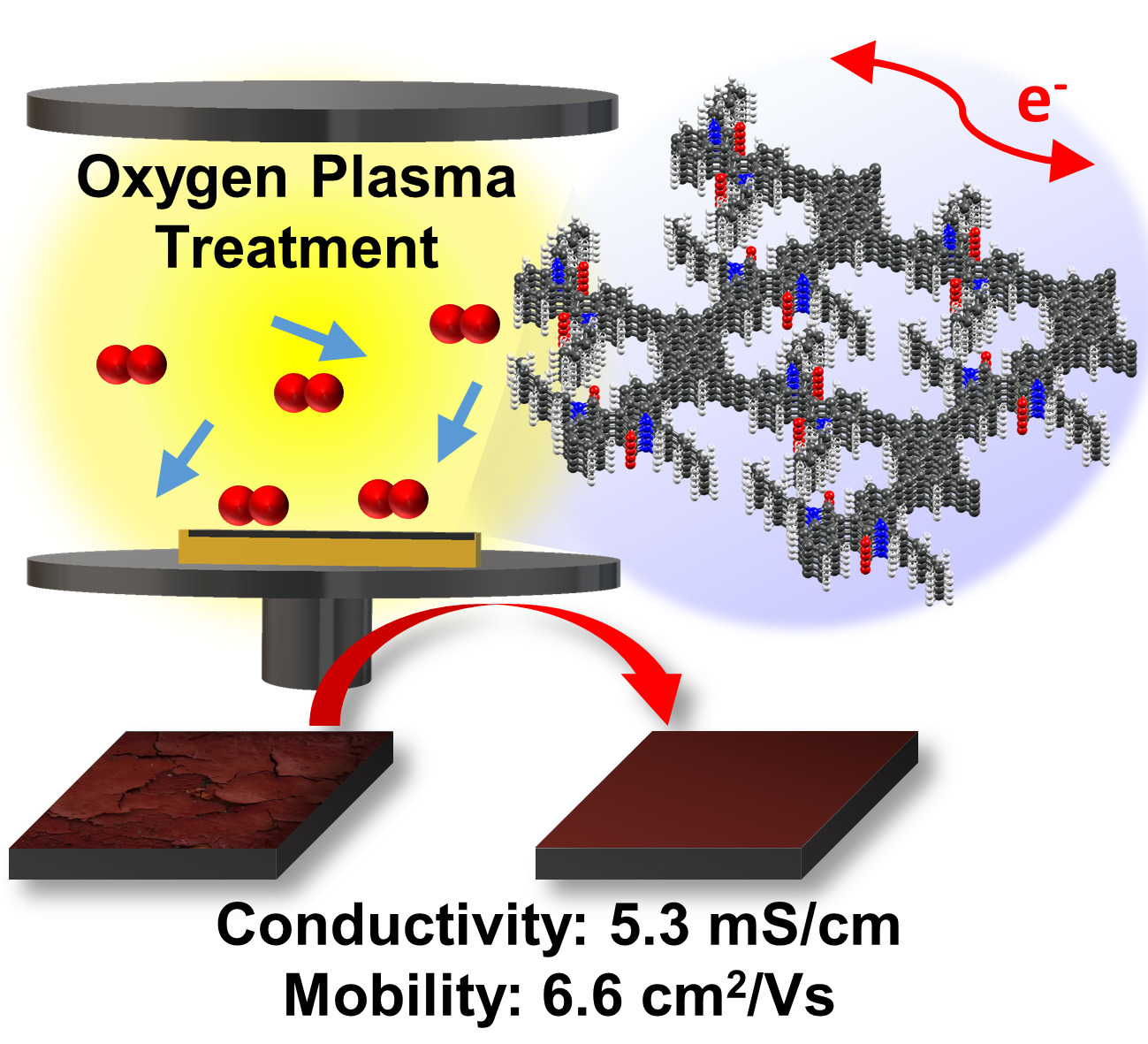
One of the main challenges in organic polymers application lies in optimized fabrication techniques. The team developed a plasma-assisted technique which bypasses existing organic materials fabrication limitations.


“The introduction of a plasma-assisted fabrication method aids in producing consistent, thin organic polymer films essential for mobility measurements,” Dr. Shetty said. “The optimized combination between II and pyrene units showed impressive conductivity and high electron mobility compared to other tested combinations at ambient conditions, surpassing previously known CMPs. The II unit was specifically chosen for its renowned properties, which include low-lying molecular energy levels and solubility upon N-alkylation, which is essential for both synthesis and fabrication of the materials.”


By understanding the intrinsic donor-acceptor interactions and integrating them with calculated models and observed transport properties, research is inching closer to pushing organic semiconducting materials into new territories. This CMP design with appropriate donor–acceptor pairs could propel charge mobility and conductivity in n-type organic semiconductors. This research could also well pave the path to advanced conductive n-type organic semiconductors, ushering in a new era of cutting-edge electronic devices.


Jade Sterling
Science Writer
20 October 2023

New Approach to Diagnosing and Staging Diabetes Developed Using Optoacoustic and Machine Learning Techniques

Advanced imaging and machine learning techniques unveil skin’s hidden microvascular network structures that could be early warning signs of diabetes onset and its severity


A team of researchers co-led by Khalifa University’s Prof. Leontios Hadjileontiadis, Chair of the Department of Biomedical Engineering and Biotechnology, has used machine learning techniques to identify features in skin’s microvascular network that are highly sensitive to diabetes and could help predict early onset of the disease, along with its severity. Their technique uniquely assesses the epidermal, dermal and subcutaneous fat layers to reveal the microvascular structures and using clinically explainable machine intelligence offers the potential for a new diagnostic and stage monitoring approach.


Prof. Hadjileontiadis collaborated with researchers from Helmholtz Zentrum Munchen, Technical University of Munich, Munich Heart Alliance, and Aristotle University of Thessaloniki. Their results were published in the journal Nature Biomedical Engineering.

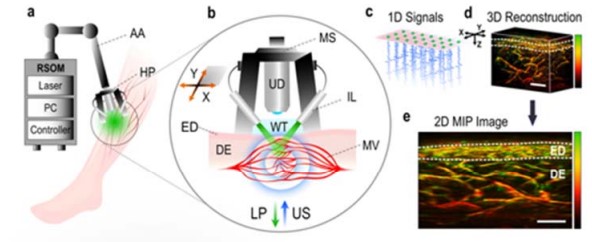
The research team turned to a non-invasive imaging technique called optoacoustic mesoscopy. This technique offers a detailed view of the microvasculature in-vivo, providing ultra-detailed images of skin vessels down to single capillary resolutions.


Using these images, the team employed machine learning techniques to link specific microvasculature features to diabetes complications. This method offers valuable insights by highlighting the precise microvascular network changes as diabetes gradually progresses.


Diabetes mellitus is a group of metabolic diseases, all of which are characterized by high blood glucose levels. If left untreated, diabetes can lead to severe complications including blindness, kidney and heart disease, stroke, loss of limbs, and reduced life expectancy. It is a major public health problem, affecting hundreds of millions of people worldwide and representing a substantial economic burden on society.


For the UAE, diabetes is a serious public health concern. Research shows that the prevalence of diabetes among citizens of the UAE is the second highest in the world with a prevalence rate around 20 percent in citizens above the age of 30 and as high as 40 percent in the age group 60 and above.


Diabetes also affects tissue microvasculature, the tiny blood vessels throughout the body, and these microvascular changes can severely affect the functions of many organs, including the skin. However, these skin changes can be one of the early warning signs of diabetes, often manifesting before other more commonly recognized complications arise.


Histological studies have shown thickened vessel walls and decreased vessel density in the later stages of the disease, especially in those who develop foot ulcers. However, these studies require invasive skin biopsies, which can alter the tissue’s natural structure.


 “We identified specific microvascular changes within the skin that are affected differently by various stages of diabetes,” Prof. Hadjileontiadis said. “There is a significant decrease in interconnected vascular branches within the deeper skin layers as diabetes progresses. This reduction has a domino effect, leading to diminished skin perfusion, altered skin mechanics, and neuropathy. Such changes escalate the risk of chronic wounds, a serious concern for those with diabetes.”


 “This is the outcome of three years of research collaboration and is a clear example of the opportunities the new technique of optoacoustics combined with machine learning could bring in the diagnosis of diseases such as diabetes,” Prof. Hadjileontiadis said.


The ability to non-invasively study these microvascular changes in real-time, in a living environment, paints a clearer picture of diabetes’ actual impact on the skin. It could revolutionize how we understand, detect, and manage the disease. As optoacoustic imaging continues to be refined, with faster scanning times on the horizon, its integration into clinical practice could soon make a difference in the detection, treatment, and monitoring of diabetes.


“The Khalifa University Biomedical Engineering and Biotechnology Department has acquired the first optoacoustic system in the MENA region, enabling the findings of this research to be further advanced towards exciting and totally innovative medical imaging capabilities for unobtrusive screening of UAE population for cardiometabolic diseases,” Prof. Hadjileontiadis said. 


Jade Sterling
Science Writer
12 December 2023

Faculty’s Research Paper at Graphene Week 2023 Sparks Hope for Clean Energy

From CO2 to clean fuels, Dr. Kyriaki Polychronopoulou’s research on graphene-based catalysts could unveil a greener future. 


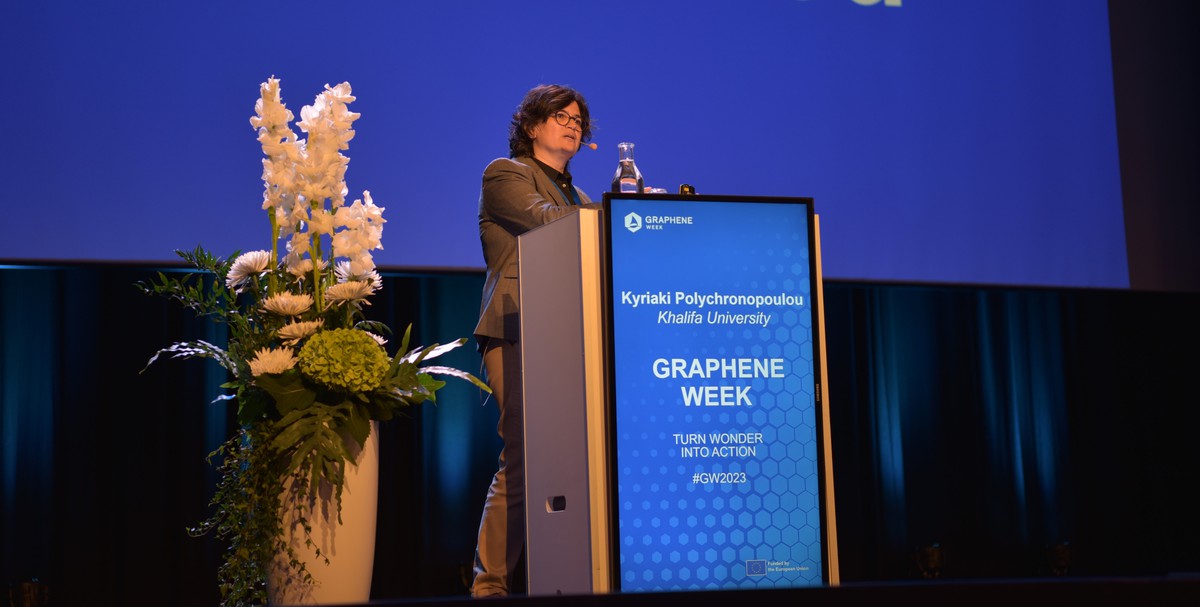
The potential of graphene-based catalysts in fuel-related technologies paving the way for sustainable energy production was highlighted by Dr. Kyriaki Polychronopoulou, Professor, and Director, Center for Catalysis and Separation (CeCaS), Khalifa University of Science and Technology, at Graphene Week 2023.


The 18th edition of Europe’s leading conference in Graphene and 2D Materials, recently held in Gothenburg, Sweden, is an annual conference that brings together researchers, professionals and enthusiasts to exchange knowledge in the field of graphene. One of the highlights of the conference was Dr. Polychronopoulou’s presentation, titled, “Designing Multifunctional Catalysts for Added-Value Products” that focused on the research conducted at Khalifa University to develop high performance catalysts for Energy/Fuel and decarbonization applications using graphene and ‘MXenes’, another category of materials. The research team specifically examined catalysts based on graphene for reducing carbon emissions and producing aviation fuels, as well as MXenes for generating hydrogen, which is considered a clean alternative to fossil fuels.


Dr. Polychronopoulou and her colleagues, Dr. Yarjan Abdul Samad, Assistant Professor, Aerospace Engineering, Dr. Nirpendra Singh, Assistant Professor, Physics, and Dr. Aseel Hussien, postdoctoral researcher, Mechanical Engineering, conducted a multifaceted study to address a sustainability challenge: CO2 utilization and H2 production. Two Mechanical Engineering MSc students are also involved in different aspects of this project; Mira Omar Mohamed and Louai Maghrabi.


The research team led by Dr. Polychronopoulou created graphene-based catalysts that efficiently converted CO2 into natural gas and biofuels, and discovered that graphene-based catalysts performed exceptionally well, demonstrating stability and selectivity. In their investigation, they compared catalysts with different qualities of graphene to understand their properties and performance. In the case of MXenes, they found that the structure and termination of MXenes influenced hydrogen production significantly.
During the presentation, Dr. Polychronopoulou showcased the fabrication, testing, and the analysis of the catalysts for specific reactions, highlighting how the methods, properties of the catalysts, and their performance are all interconnected. The presentation also emphasized the application of these catalysts in energy production and storage, particularly by enhancing geometric and electronic interactions of graphene and the creation of active catalytical sites.


This makes the new research all the more relevant as the utilization of CO2 through graphene-based catalysts has the potential to address the critical need for sustainable and renewable energy sources, aligning with UAE Energy Vision 2050, and offering a solution to a global problem.


Dr. Polychronopoulou said: “Energy or fuels is one of the strategic areas of the UAE. The energy diversification – energy mix – is a key component in the UAE Energy Strategy 2050. So, deployment of technologies that can produce fuels or upgrade the value of fuels is at the heart of the energy transition. Catalysis is the field mastering all these tools for the transition materialization from the atomic level to the technology deployment. At the same time, the Presidential Court endowment for graphene and 2D materials research is the most obvious demonstration of the high hopes and expectations put on these types of materials for advanced technologies in different sectors. So, the vital question to the UAE scientific community is how we can explore new research avenues and expand the possible applications for such materials?”


Dr. Polychronopoulou added: “Graphene Week was a great venue with a plurality of topics on graphene and other 2D materials, for example, MXenes, from fundamental to applied research and all the way to prototypes. I had the chance to witness many examples of research translation mostly on graphene. Furthermore, Graphene Week is a venue where people from academia, industry and startups can meet up and initiate fruitful synergies.”

Alisha Roy
Science Writer
10 October 2023

Khalifa University’s Melanie Bowman Named among 16 Stanford University Faculty Innovation Fellows Globally

KU Faculty Completes Two Years of Work in a Community of Practice with Peers and Administrators


Melanie Bowman, Lecturer, Management Science and Engineering, Khalifa University, has been named a Faculty Innovation Fellow by Stanford University, after completing two years of work in a community of practice with other faculty and administrators from around the world. She has become one of only 16 educators from 11 global higher education institutions to be named under the Faculty Innovation Fellow program, an offering of the University Innovation Fellows, housed at Stanford University’s Hasso Plattner Institute of Design (d.school). 


In the Faculty Innovation Fellows program, educators design unique projects that help students gain vital real-world skills and mindsets in an innovation ecosystem. The Fellows collaborate with one another to learn new change strategies, develop projects, gather feedback on ideas, and share resources. 


Humera Fasihuddin, Founder and Co-Director, University Innovation Fellows, and Co-Managing Director, d.school at Stanford University, said: “Melanie Bowman exemplifies the kind of educator we believe is necessary for higher education institutions to succeed in today’s global society. Graduates need to be able to tackle messy and ambiguous problems, for which there is no clear right answer. A different kind of educator that is both inviting and engaging will push students out of their comfort zone. Melanie Bowman’s project at KU does exactly that.” 


Fasihuddin added: “Engaging women, particularly Emirati women, in a peer-learning environment to try a new physical athletic activity engages both mind and body. We are very proud of Melanie Bowman and pleased to see these developments at Khalifa University.” 


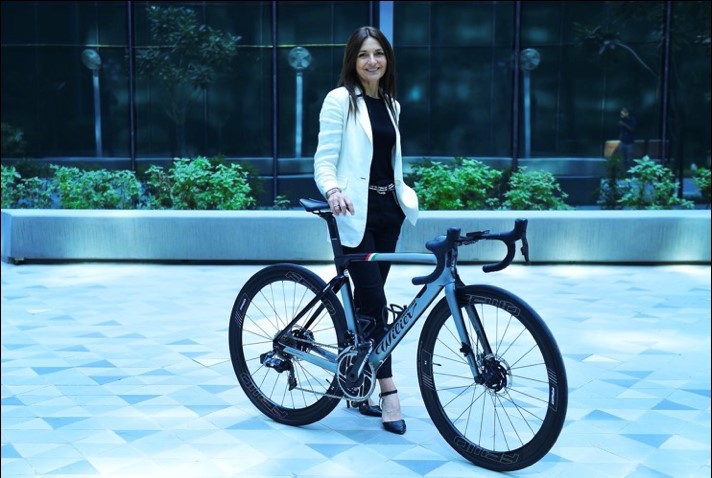
The goal of Bowman’s project was to enhance the lives of students through cycling. To support this, Bowman and her colleagues organized weekly rides in collaboration with the Abu Dhabi Cycling Club’s #sherides initiative. KU Student Life provided transportation for female participants, enabling them to cycle on a closed track exclusively for women. The outdoor rides attracted more than 50 KU ladies on some weeks. 


The highlight of  Bowman’s innovation efforts was the KU male / female indoor cycling challenge. This unique challenge took place at KU and utilized the MyWhoosh cycling program, allowing students to compete with each other in a live online environment. Female participants cycled in the gym, while male participants cycled in the atrium, represented by virtual avatars. This event marked the first time that a UAE university facilitated a culturally appropriate environment for males and female students to compete with each other. 


Bowman said: “I am proud of what was achieved at KU and the personal journey this UIF program allowed me to undertake. I am delighted when students come to me and chat about cycling or exercise in general. I can see there is a healthy movement here at KU, encouraging the community to form friendships through exercise and make healthy sustainable choices as we all attempt to strike a happy balance between our work, student life and recreational pursuits.” 


With a 20-year track record in Australia and the UAE at the undergraduate and postgraduate levels, Bowman is additionally experienced in delivering training within the vocational education and corporate sectors. She has been involved in key training projects and initiatives within commercial and educational environments, and her experience extends into executive coaching and business consulting. Bowman also has a passion for cycling. 

Alisha Roy
Science Writer
02 October 2023

Khalifa University Implements 30 Sustainability-Related Initiatives Ahead of COP28

Khalifa University of Science and Technology today announced it is implementing 30 sustainability initiatives such as a global sustainable aviation forum, an international conference on energy transition, an exhibition of Khalifa University’s sustainability-related projects and a COP28 model exhibition, as the UAE is gearing up to host COP28, from 30 November – 12 December this year. 


Khalifa University is also planning to organize an exhibition of climate change activities, a hackathon on food waste, stopping use of plastic bottles on-campus, a campaign to distribute plants to inspire the adoption of environment sustainability practices, and a waste-to-clothes conversion initiative to drive home the sustainability theme across all fronts through research, campus, media and communications, academic and student-related activities. Some of the other initiatives include a Sustainability Student Club logo design competition for students, a climate action pledge, podcasts on sustainability, and new initiatives from the Students Sustainability Club.


Dr. Ebrahim Al Hajri, Senior Vice President, Support Services at Khalifa University, said: “KU has always remained adopted as a culture at Khalifa University. It shows in its academic offerings, research outcomes and across all our operations. We are featuring this factor prominently just as the UAE is gearing up to host COP28. Reflecting our status as an academic institution of diverse research and academic strength, we also focus on collaborations in technology, entrepreneurship, sustainability as well as intellectual and human capital. This is in line with the directives of the UAE leadership on energy, water security and sustainability.”


Khalifa University is driving innovation through its academic programs, research centers and research facilities, and by obtaining patents. In fact, Khalifa University’s research endeavors  have so far obtained more than 280 patents, with over 60% of these patents being new discoveries and/or technologies related to sustainability. More recently, Khalifa University has listed 54 patents in areas such as Advanced materials and manufacturing, Clean and renewable energy, Environment, Hydrocarbon exploration and production, Robotics, intelligent systems and Data Science, Sensors, and Water and Environment.


Khalifa University’s campuses promote energy and water conservation and continuously engage with stakeholders to ensure adoption of best practices to reduce carbon footprint.  These initiatives include steps to improve energy efficiency on campus, cut operational cost and carbon footprint, while supporting the UAE Water Security Strategy 2036 and UAE Energy Strategy 2050. Currently, the EHS and Facility Management Department at Khalifa University is implementing a total of 22 initiatives, including plans for reducing 70% of drinking water bottles and introducing self-serving dispensers, increasing recycle waste from 4% to 30%, and achieving 3% reduction in energy consumption for this year, compared to 2022.


Academic programs that contribute to sustainability, include courses in Urban design for sustainability: theory and practice, Environmental geology, Sustainable building construction, Power electronics, Analysis of power systems over-voltages and transients, Photovoltaic technologies: materials, devices and systems, Solar thermal analysis, design and testing, Environmental remote sensing and satellite image processing, and Power system modeling and control. These courses and programs not only teach but also aim to imbibe the spirit of sustainability across all walks of life.


Moreover, Khalifa University has consistently remained committed to contributing to the United Nations’ (UN) Sustainable Development Goals (SDGs) through various on- and off-campus initiatives in areas including sustainability, clean energy, advanced fossil fuel technologies, and water and environment.


Clarence Michael
English Editor – Specialist
02 October 2023

Khalifa University PhD Student Receives Materials Research Society Outstanding Graduate Student Award 2023

Fahmi Anwar’s Award-Winning Presentation Emphasizes a New Approach to a More Energy-Efficient Method for Making High Quality Ethylene


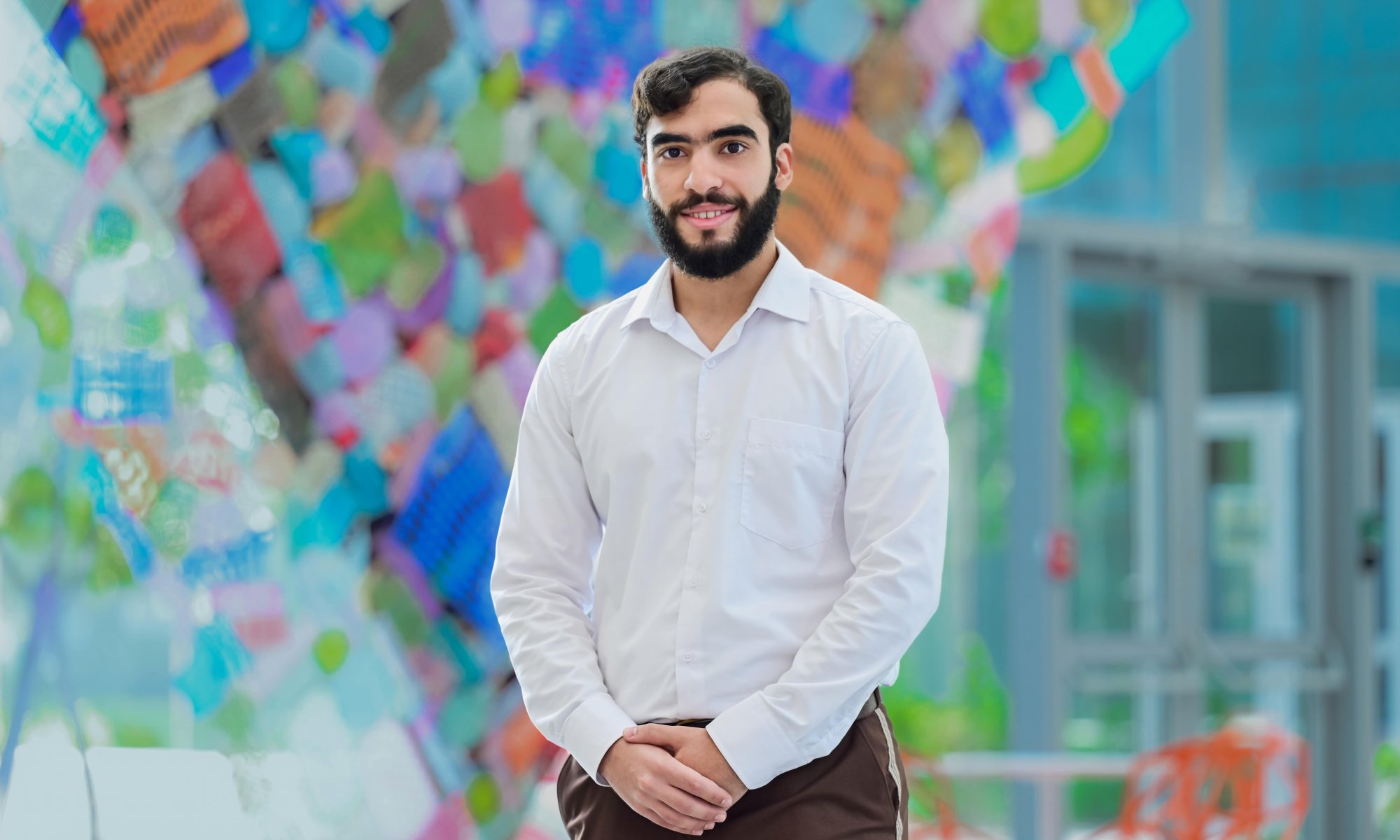
Khalifa University’s Fahmi Anwar, a PhD student, has been bestowed with the Materials Research Society (MRS) Outstanding Graduate Student Award 2023 for her contributions to the field of Aggregation-Based Crystallization Research. This award specifically acknowledges her achievements in materials science in the area of building advanced materials through aggregation or self-assembly.


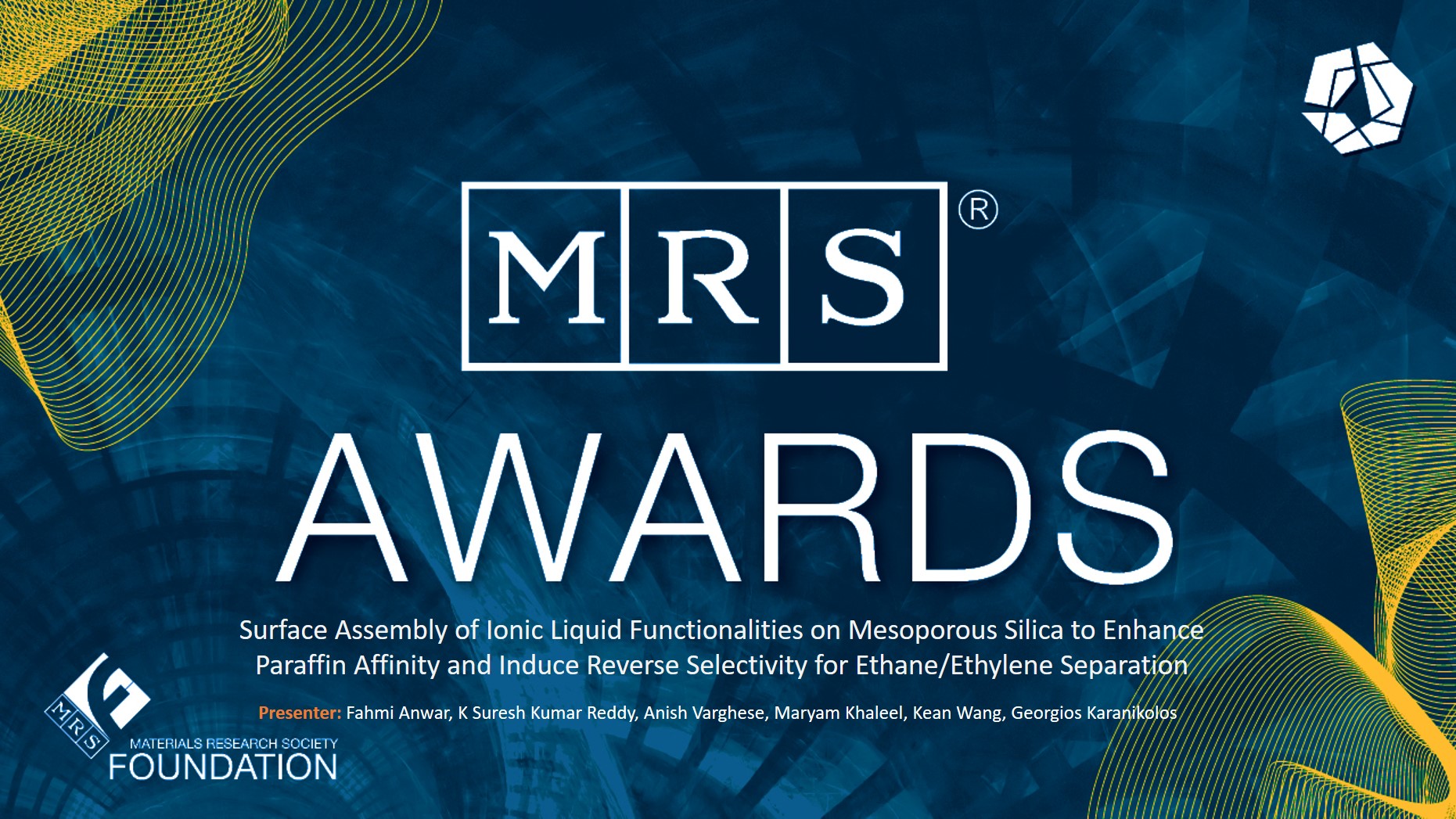
Anwar presented her paper titled ‘Surface Assembly of Ionic Liquid Functionalities on Mesoporous Silica to Enhance Paraffin Affinity and Induce Reverse Selectivity for Ethane/Ethylene Separation,’ that focused on developing ethane-selective adsorbents for energy-efficient ethane/ethylene separation, in Symposium SF05 at the 2023 MRS Spring Meeting and Exhibit that was organized earlier this year in San Francisco.


The chemical industry places substantial importance on the availability of high-quality Ethylene, as it serves as a building block for the production of diverse polymers. However, the conventional approach to obtain Ethylene involves a process called ‘naphtha cracking,’ which entails breaking down hydrocarbon feedstocks, such as naphtha, at high temperatures – a process that generates trace amounts of ethane alongside ethylene.


Moreover, the conventional method of separating these gases through ‘cryogenic distillations,’ is energy-intensive and requires several steps involving intricate chemistry. Anwar and her colleagues explored alternative techniques like membrane, absorptions, and adsorptions systems that may make it possible to get high quality ethylene.


Along with the research team at Khalifa University, Anwar developed highly paraffin selective silica-based adsorbents by adding ionic liquid (IL) functionalities that modified the silica surface. The surface modification switched the selectivity of the material from ethylene-selective to ethane-selective as a result of van der Waal’s interactions between the functional agents and ethane molecules.


Alongside Anwar, other presenters include Dr. K Suresh Kumar Reddy, Research Scientist, Dr. Anish Varghese, Dr. Maryam Khaleel, Dr. Kean Wang, and her faculty advisor Dr. Georgios Karanikolos, Associate Professor, Chemical and Petroleum Engineering.


Anwar said: “I am delighted to receive the MRS Outstanding Graduate Student Award as a Khalifa University PhD student as this recognizes my academic achievements and it highlights the incredible support and mentorship I have received throughout my journey at Khalifa University. I am truly honored to be considered among the outstanding graduate students, and I am excited to continue making impactful contributions to both Khalifa University and the broader academic community.”


Dr. Karanikolos, said: “Fahmi was chosen from a large group of extraordinary nominees, as MRS meetings are the top gatherings on materials globally. This achievement demonstrates that the research being done at Khalifa University is of the highest standards. I would like to thank Fahmi’s co-advisors, Dr. Maryam Khaleel and Dr. Kean Wang, my research group at the University, and the Center for Catalysis and Separations (CeCaS).”


Alisha Roy
Science Writer
28 September 2023

Khalifa University ACS Student Chapter President Chosen COP28 Student Ambassador

Mohammed Khalid Dawood Al-Dulaimi, senior undergraduate Chemistry student, and President and Founder of the American Chemical Society (ACS) student chapter at Khalifa University, has been chosen as one of the ACS Student Ambassadors for the 2023 United Nations Climate Change Conference or Conference of the Parties of the UNFCCC, commonly known as COP-28, in Dubai. 


Al-Dulaimi is the only non-US student who has been chosen to play a leadership role as part of the COP-28 Student Ambassador program organized by the ACS. He is one of the delegates, who will also have two mentors. These student delegates officially represent the American Chemical Society (ACS), a professional organization dedicated to the promotion and support of chemistry and its practitioners. The student ambassadors attend the COP that will run from November 30-December 12, and engage their communities through various social media outlets. After attending for one week, the students will continue publishing environment-themed blogs on the ACS’s climate change conversation website. 


Al-Dulaimi is also an active member of the Green Youth Majlis (GYM) at the Environment Agency in Abu Dhabi (EAD), one of the largest environmental regulators in the Middle East. 


Dr. Sharmarke Mohamed, Associate Professor of Chemistry, Chair of the ACS International Chemical Sciences Chapter in the UAE, and founding faculty supervisor of the ACS Student Chapter at KU, commended Al-Dulaimi and said the proud moment not only recognizes Mohammed’s exceptional work, but also underscores the significant strides made by the KU Chemistry Department. 


Dr. Mohamed added: “We are delighted that as a department, our students are being recognized on the global stage for their hard work and service to the University as well as the wider UAE community. The chemical sciences have a bright future in the UAE, and I am confident that the high-caliber faculty, staff, and students working in the KU Chemistry Department will continue to play a leading role in shaping the UAE’s transition to a knowledge-based economy underpinned by innovation.”


Alisha Roy
Science Writer
26 September 2023

Khalifa University Team Develops New Framework for Sustainable Wastewater Management in the Petroleum Sector

Framework offers a clear roadmap for effective implementation in wastewater management for the oil and gas industry.


A team of researchers from Khalifa University has provided a robust life cycle assessment (LCA) framework tailored for the petroleum sector, focusing their attention on the environmental ramifications stemming from petroleum wastewater.


The team, led by Dr. Mutasem El Fadel, Chair of the Department of Civil Infrastructure and Environmental Engineering, includes Huda Majid Al Zarkani, PhD student, and Prof. Toufic Mezher, Professor of Industrial and Systems Engineering, developed their framework to address the pressing need for an integrated and holistic approach to managing wastewater in the petroleum sector. They published their results in the Journal of Cleaner Production, a top 1% journal with focus on issues concerning sustainability.


Their framework concentrates on effective produced water treatment methods and management to diminish environmental repercussions. It has six phases: relevant data collection; design of experiment to identify relationships between input parameters and outcomes; LCA application; regression model implementation; multi-criteria decision analysis; and economic attractiveness assessment. The team’s framework uses life cycle cost analysis and decision matrix techniques which consider both environmental and economic impacts.


The oil and gas industry has held its position as a pivotal driver of global energy, economic growth and progress since its emergence in the late 1850s. Even with the modern need to transition to a carbon-neutral future, oil and gas is likely to stay relevant for decades to come. Hence, the petroleum sector’s need for effective water management remains critical.


The oil industry upstream and downstream operations produce vast amounts of water waste: During the exploration and production phase, over 80 percent of the waste generated is wastewater. This spikes to 95 percent in older oilfields. A significant portion of this wastewater stems from produced water, a byproduct of oil and gas extraction, rich in harmful inorganic and organic substances. Wastewater in downstream operations is equally challenging.


“Petroleum refineries and petrochemical plants are key players in downstream operations and yield industrial byproducts during their processes,” the research team stated. “The nature and composition of these residues hinge on both technological and crude oil variances. With water being a primary resource for numerous refinery processes, it’s not surprising that 80 to 90 percent of supplied water exits as wastewater. Given the hazardous nature of these effluents, their impact on health and ecosystems, particularly aquatic ones, can be profound.”


Selecting the appropriate waste management strategy is paramount. A holistic approach, such as the LCA, has gained traction in evaluating environmental footprints over product or service life cycles, and while LCA studies abound in wastewater and solid waste domains, the research team found that the petroleum sector remains underrepresented.


The KU team’s research delivers a comprehensive analysis of the LCA literature related to petroleum waste, emphasizing treatment methodologies, efficiency, energy utilization, and environmental implications.


“Our research also explored the various stages of life cycle assessment, pinpointing methodological voids,” the research team stated. “Among these gaps were the underrepresentation of produced water management, the absence of uncertainty evaluations, and the need for region-specific characterization factors. To address these shortcomings, we suggested a structured LCA-based framework. This emphasizes the importance of integrated produced water into future studies, meeting regulatory standards, and enhancing institutional capabilities.”


The research team noted that while traditional methods to treat wastewater like enhanced oil recovery are effective, they possess a significant environmental footprint. Recent techniques, like electrical heating and magnetic field, warrant further exploration. 


The team also highlighted the need to acknowledge the importance of regulatory compliance and institutional robustness in the successful deployment of any framework. 


Jade Sterling
Science Writer
25 September 2023

Khalifa University Inaugurates Region’s First-ever Advanced Lab for Marine Studies and Research

Khalifa University and Stanford University Collaborate to Develop Marine Robots


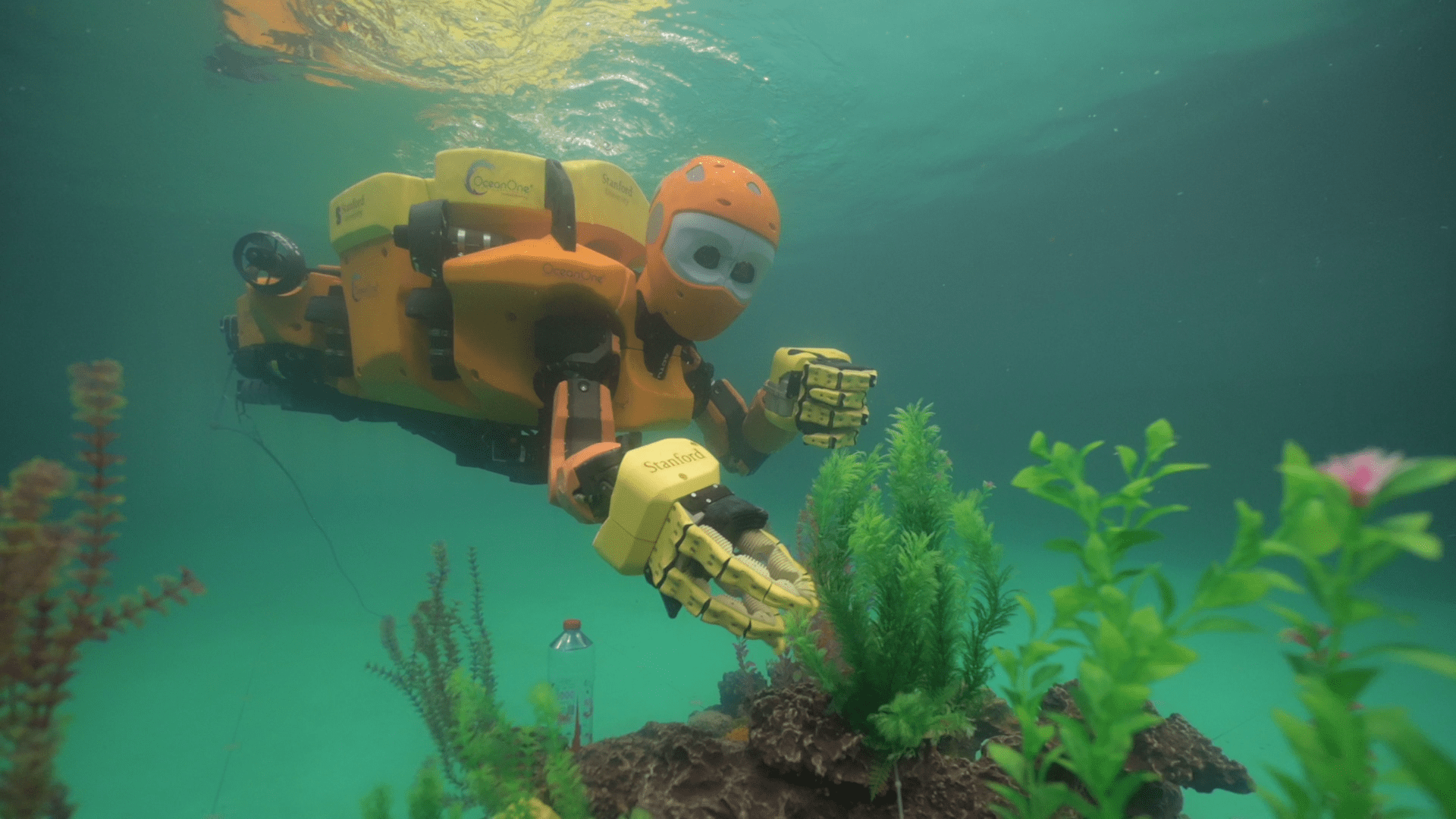
Khalifa University of Science and Technology today announced the inauguration of Khalifa University Marine Studies and Research Lab, the region’s first-ever advanced robotics research facility equipped with wave and stream generation facilities. Khalifa University’s Center for Autonomous Robotic Systems (KUCARS) and Stanford University have also announced they have entered into a collaboration to explore the use of marine robotics for sustainable ocean ecosystems, including removal of plastics to curb pollution.


The collaboration was part of a Memorandum of Understanding (MoU) that was signed by Professor Sir John O’Reilly, President, Khalifa University, and Professor Oussama Khatib, Director, Stanford Robotics Laboratory (SRL), in the Computer Science Department at Stanford University. The signing ceremony was attended by His Excellency Salem Butti Salem Al Qubaisi, Member of the Board of Trustees of Khalifa University, and Director-General of the UAE Space Agency, and His Excellency Fahed Salem Ahmed Alkayyoomi, Under-secretary of the Abu Dhabi Department of Government Support.


Stanford and Khalifa University robotics collaboration.


The Marine Studies and Research Lab  at Khalifa University allows testing robots under a controlled environment that simulates the adverse underwater environmental conditions of the sea. The pool includes a wave generator, a flow current generator, underwater and overhead tracking systems, and an overhanging (gantry-type) mechanism covering the entire width of the pool.


The OceanOneK robot, designed and built by a Stanford University team led by Dr. Khatib, also made its Abu Dhabi debut and demonstrated its capability in retrieving plastic waste in the Khalifa University Marine Studies and Research Lab.


The MoU between Khalifa University and Stanford will facilitate research and development of marine robotics systems for sustainable marine ecosystem applications, such as ocean-monitoring, ocean-cleaning, and deep-water exploration. 


Dr. Arif Sultan Al Hammadi, Executive Vice-President, Khalifa University, said: “Khalifa University’s Marine Studies and Research Lab, , one of the most important research facilities and the first-of-its-kind in the region, will develop marine studies and research in the UAE and the region. The new facility enhances the UAE’s research capabilities and places it at the forefront of countries in research and development in this field.”


He also said: “Khalifa University has always remained at the forefront of research and innovation in the UAE and the region, and we are delighted to enter into this collaboration with Stanford University to further expand the scope of our research in robotics and machine learning to ensure sustainability and cleaner oceans by removing plastics and other pollutants. We believe this collaboration will surely lead to more sustainable solutions that will benefit the UAE and the global community, in ensuring a cleaner environment on planet earth.” 


The Marine Studies and Research Lab  will allow for extensive and controlled testing of marine robotic vehicles including underwater, surface, autonomous or remotely tele-operated devices. Potential applications of marine robots include  underwater cleaning of plastics, coral reef inspection, and critical infrastructure inspection. 


Professor Lakmal Seneviratne, Director, KUCARS, said: “Our researchers are already developing autonomous robots for various land, air and marine applications. In the recent past KUCARS researchers have applied for patents on five innovative robotics solutions for these applications.”

How robots are about to impact our lives

Clarence Michael
English Editor – Specialist
26 September 2023

KU Research Helps Revolutionize Mobile Data Exchange with D2D Communications

New method helps direct sharing of content without involving a main communications network, reducing congestion and making data transfer faster


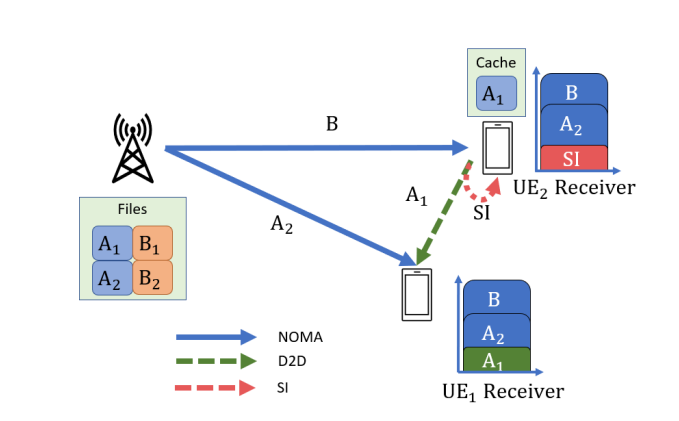
A research team led by faculty from Khalifa University of Science and Technology has developed a method where device-to-device (D2D) communications, combined with caching and non-orthogonal multiple access (NOMA) –  a multiple access technique used for 5G cellular wireless networks – can reduce mobile network congestion and make data transfer faster, thus revolutionizing mobile data exchange.


The digital age has seen an unprecedented boom in the consumption of multimedia content, with growth in users fueling the demand for faster and more efficient ways to access content. Today, seamless and quick sharing of digital content is expected. As demand surges, however, networks become clogged, resulting in slower downloads and buffering issues.


Research from Khalifa University may offer a potential solution to this issue. If two smartphones in close proximity could directly share a video without using bandwidth on the main network, this could be the next big leap in mobile data exchange. Enter device-to-device (D2D) communications, combined with caching and non-orthogonal multiple access (NOMA).


Prof. Zhiguo Ding, Department of Electrical Engineering and Computer Science at Khalifa University, with Kevin Shen and Daniel So from the University of Manchester, and Jie Tang, South China University of Technology, has developed a method where D2D communications can be used to allow users to share cached content directly with each other. Their work was published in IEEE Transactions on Wireless Communications, a top 1% journal in applied mathematics.


The idea behind caching is straightforward: Store popular or regularly accessed content closer to users. This reduces network congestion and enables faster access. By placing these caches at local access points or even directly on a user’s device, the time taken to fetch a requested file can be drastically reduced. This also reduces the burden on the main network, which can then better handle other tasks. This caching method is now a significant area of focus for researchers aiming to enhance user experience and overall network performance.


NOMA technology goes hand in hand with caching, aiming to increase the efficiency of networks by allowing multiple users to access resources simultaneously. The research team developed a simple power allocation method for D2D communications to maximize efficiency and ensure optimal sharing without making things too complicated. Their model is particularly effective when one user with a stronger network connection has content wanted by a user with a weaker connection. Even when the roles are reversed, their method still outperforms traditional NOMA set ups.


“If the content you want isn’t in your personal device’s cache, there’s a good chance nearby users might have it on theirs,” Prof. Ding explained. “This is where D2D communication becomes a game-changer. Instead of every user individually accessing a central server, D2D allows users to share content directly with each other, bypassing the main network. This not only speeds up access but also further alleviates network congestion.”


The research team’s solution introduces a system where users share partially cached content directly through D2D while the rest comes from NOMA in a power-efficient manner. Even if a device can’t store a full video, for example, it can store parts of it, and with D2D, share those parts directly with another user, making the entire process faster.


As the demand for rapid data sharing continues to grow, technology needs to adapt to meet that demand. While the current model focuses on fixed minimum rate requirements, future research will pivot to flexible rate constraints or minimizing total transmission times based on cached data. 


Jade Sterling
Science Writer
18 September 2023

Khalifa University’s RIC2D and Graphmatech Sign MoU to Collaborate in Advanced Graphene-Engineered Materials and Manufacturing Processes

Graphmatech to Offer its Technology, Products, and Services to UAE’s Energy and High Precision Industries.


Khalifa University of Science and Technology’s Research and Innovation Center for Graphene and 2D Materials (RIC2D) and Graphmatech AB, a leading company in the development of graphene-enhanced materials, today announced they have signed a memorandum of understanding (MoU), establishing a strategic framework for cooperation in advanced graphene-engineered materials and manufacturing processes.

The MoU was signed by Dr. Hassan Arafat, Senior Director, RIC2D, and Dr. Mamoun Taher, CEO and Founder of Graphmatech. The MoU aligns with and supports the UAE leadership’s vision towards achieving net-zero targets and diversifying the economy, while facilitating Graphmatech to offer its technology, products, and services to industries in the UAE, particularly in the energy and high-precision domains.

A spin-off from Sweden’s Uppsala University, Graphmatech’s unique technology platform to engineer materials with graphene offers a unique and strong value proposition across multiple industrial sectors. Graphmatech develops novel graphene-based nanocomposite materials and products, and focuses on three main business areas – metal-graphene composites and coated powders, polymer-graphene composites and additives for energy storage.

“The cooperation with RIC2D is strategically vital for Graphmatech, unlocking boundless opportunities to offer our products and services across sectors in the UAE and beyond,” expressed Dr. Mamoun Taher, CEO and Founder of Graphmatech. “We are thrilled to cooperate and support the UAE’s visionary leadership in attaining net-zero emissions and a diversified economy. Through advanced graphene materials technology, we aim to leave an indelible mark on this transformative journey, shaping a better and brighter future together.”

Dr. Arafat said: “Through the signing of this MoU, RIC2D and Graphmatech are forging a strategic alliance that paves the way to playing a critical role in meeting the UAE Net Zero by 2050 strategic initiative. Together, we are pushing the boundaries of advanced materials’ science, using graphene-based solutions to shape a sustainable and transformative future for industries, research and society at large.”