

Can This New Material Supercharge the Future?

Iron-Based Metal Organic Framework Shows Stability for Energy Storage  


Explore breakthroughs in supercapacitor technology with Fe-Tp MOFs—listen now!


Smartphones and electric cars both need energy sources that charge quickly and last long—the kind of power supercapacitors deliver, unlike traditional batteries. But the use of acids in such devices can hinder the advancement of energy storage materials development, a limitation that researchers at Khalifa University have addressed by developing a new iron-based conjugated metal–organic framework (Fe-Tp MOF). The research findings have been protected by a US patent application. 


The research was published in a paper titled ‘Iron salicylaldehydate conjugated metal–organic framework for quasi solid-state supercapacitor’ in the Chemical Engineering Journal, a top 1% journal.  


The research effort was led by Dr. Dinesh Shetty, Associate Professor of Chemistry and a Theme leader in the Center for Catalysis and Separations (CeCaS), Khalifa University, and the team includes Safa Abdullah Gaber, a PhD student; Dr. Abdul Khayum Mohammed, a Postdoctoral Fellow, and Gigi Xavier. Other authors are Yao He, New York University – Abu Dhabi, Ajmal Pandikassala, and Maria Kurian, CSIR-National Chemical Laboratory, Pune, India, Pilar Pena S´anchez, and Dr. Felipe Gandara, Instituto de Ciencia de Materiales de Madrid-CSIC, Madrid, Spain, and Dr. Stefano Canossa, Max Planck Institute for Solid State Research, Stuttgart, Germany.  


A material like Fe-Tp is more compatible with several highly acidic electrolytes that conduct electricity between the electrodes in traditional supercapacitors, leading to better performance and longer life for the supercapacitor. Beyond acid resistance, Fe-Tp can also withstand high humidity levels and air pollutants. This material is durable and can be charged and discharged 36,000 times without losing much of its ability to store energy, retaining 80% of its initial capacity. It can also tolerate extreme temperatures – keeping 93% of its mass up to 280°C – while being stable in a variety of solvents, including boiling water.  


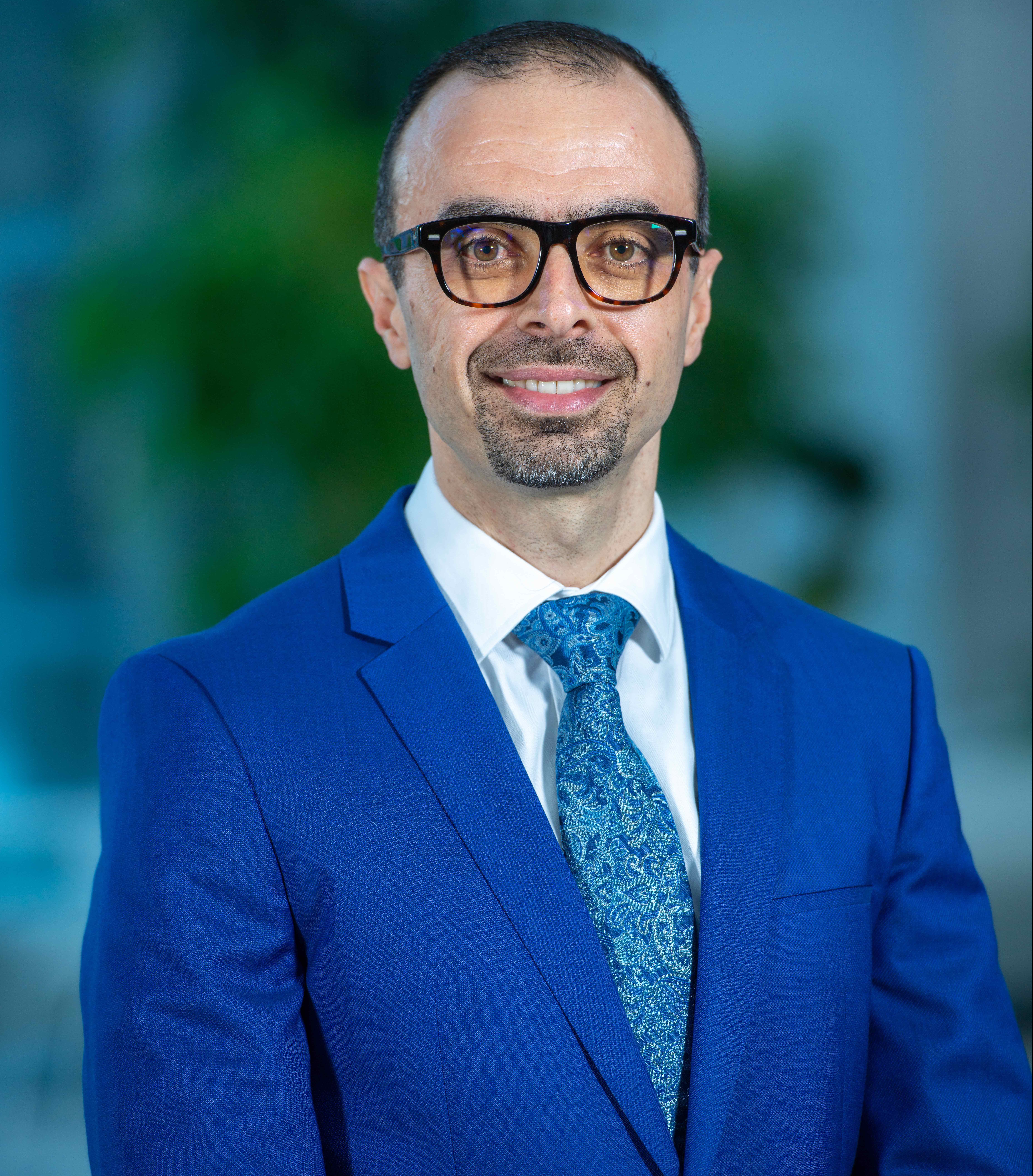
Dinesh-Shetty

“Our research team developed a stable material for supercapacitors, offering long-lasting performance and opening the door to more durable and efficient energy storage solutions.”

Dr. Dinesh Shetty, Associate Professor of Chemistry and a Theme leader in CeCas, KU.

Fe-Tp also exhibits a strong capacity for capturing CO2, making it useful for carbon storage and separation. In addition, with its ability to absorb visible light and a calculated band gap, Fe-Tp could find its way into electronic devices. Additionally, the researchers employed a simple, solvent-free mechano-mixing reaction to synthesize Fe-Tp to eliminate the need for large volumes of solvents, making the production process potentially more cost-effective and environmentally friendly, which is a paradigm shift in the conjugated MOFs research field. The efforts on scalability which can be difficult to achieve for conjugated MOFs are currently underway in Dr. Shetty’s research group.  


Dr. Dinesh Shetty said: “The primary aim of this research was to develop a conjugated metal-organic framework (MOF) that addresses the persistent challenge of chemical instability in existing supercapacitor materials. Our findings highlight the potential of Fe-Tp as a reliable electrode material, ensuring long-term performance in supercapacitors, opening doors to more durable energy storage systems. The strong coordination bond between two oxygen atoms from the Tp and strong Lewis acid Fe3+ contributes to the material’s remarkable stability, further enhancing its practicality for large-scale production.”  


Dr. Shetty has six patents to his name and is the author of 53 peer-reviewed journal papers and more than 30 conference papers. 


Alisha Roy
Science Writer
24 Sept 2024
2D MXene Effective as Flexible Electrodes for Wearable Nanoelectronics  

MXene Nanosheets Electrodes and Graphene Oxide Enable Humidity Sensor to Detect Moisture with High Sensitivity  


Explore the future of wearable tech with 2D MXene nanosheets—listen now!


Clothes equipped with sensors and next-generation wearables could soon transform our wardrobes and gadgets into health-tracking devices. As this technology evolves, researchers at Khalifa University have developed all 2D materials-based humidity sensor that adapts to our movements—working perfectly even when bent or stretched.  


Using innovative 2D materials like Ti3C2Tx MXene nanosheets and Graphene Oxide, the humidity sensing device improves wearable tech in health monitors and creates a more responsive environment in smart homes. The research was published in a paper titled ‘2D Ti3C2Tx-MXene nanosheets and graphene oxide based highly sensitive humidity sensor for wearable and flexible electronics’ in the Chemical Engineering Journal, a Top 1% journal Scopus 2023.  


The Khalifa University research team includes Dr. Anas Alazzam, Associate Professor, Dr. Shoaib Anwer, Research Scientist Department of Mechanical and Nuclear Engineering, Postdoctoral Fellows Dr. Waqas Waheed, and Dr. Muhammad Umair Khan, System on Chip Lab. 


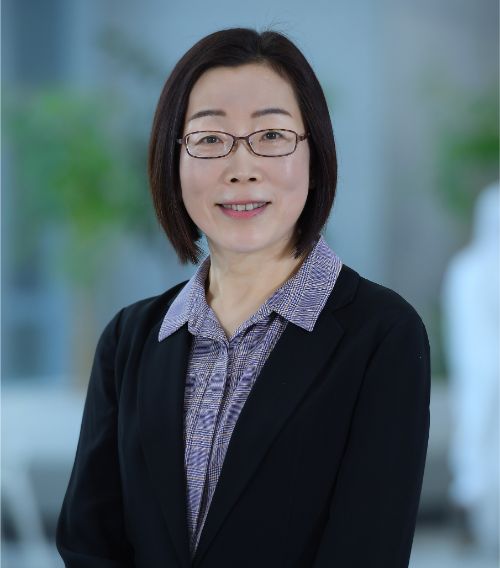
Dr. Shoaib-Anwer

“The practical applications of innovative 2D materials are essential for addressing energy and environmental sustainability concerns. The mechanical durability of 2D MXenes allows sensors to withstand stress, making them ideal for flexible and wearable sensing devices.”

Dr. Shoaib Anwer, Research Scientist, Mechanical & Nuclear Engineering, KU

With Ti3C2Tx MXene nanosheets as flexible and highly conductive electrodes and Graphene Oxide as the sensing layer, the humidity sensing device offers practical solutions for everyday use replacing traditional humidity sensors relying on the use of metallic electrodes with MXenes—thin layers of transition metal carbides—offering better conductivity and mechanical durability.  


The sensor operates on the principle that certain materials change their electrical properties when exposed to humidity. In this case, the MXene nanosheets serve as electrodes while the graphene oxide acts as the sensing layer. When humidity levels change, the sensor can detect these variations, responding to moisture levels from as low as 6% to as high as 97% at frequencies of 1 kHz and 10 kHz, maintaining stable performance over 24 hours. 


The potential uses for this technology are vast. Beyond just measuring humidity, the 2D materials-based humidity sensor can detect nearby objects or people without physical contact, making it useful for smart devices. Another standout feature is the sensor’s quick response time, taking only about 0.8 seconds to register changes in humidity – a crucial requirement for real-time monitoring of breathing patterns, creating responsive environments in smart homes, or advancing the agriculture sector. 


Dr. Shoaib Anwer said: “The practical applications of these nanomaterials are essential for addressing energy and environmental sustainability concerns as there is an urgent need to replace conventional, complex synthesis methods with low-cost and straightforward processes. The mechanical durability of 2D MXenes allows sensors to withstand stress, making them ideal for flexible and wearable sensing devices. This research not only showcases the potential of 2D MXenes as conductive and flexible electrodes but further explores the application of 2D materials in wearable electronics.”  


Alisha Roy
Science Writer
24 Sep 2024

Biological Sciences Faculty’s Book Explores Impact of Diet on Multiple Sclerosis 

Published by Springer Nature, Book Analyses Effects of Nutrition on Brain Function and Behavior  


Discover how diet impacts Multiple Sclerosis—listen now!


A comprehensive and timely collection of recent research advances in nutritional neuroscience, with a focus on the role of diet in influencing the development and management of Multiple Sclerosis, is the highlight of a book titled Exploring the Effects of Diet on the Development and Prognosis of Multiple Sclerosis (MS), edited and co-authored by Khalifa University’s Dr. Hamdan Hamdan, Assistant Professor, Biological Sciences, College of Medicine and Health Sciences.  


Published by Springer Nature, the 232-page e-book is part of a series that focuses on both basic and clinical research in the field of nutritional neuroscience, shedding light on how different nutrients, food agents, and supplements—ranging from vitamins and antioxidants to dietary regimens like the Mediterranean and ketogenic diets—affect brain function, neurodevelopment, and behavior.  


Edited by Dr. Hamdan, the book includes contributions from 13 students from Khalifa University’s College of Medical and Health Sciences who have contributed as authors. Among the contributors from CMHS were Azhar Abdukadir, Haia M. R. Abdulsamad, Hana Al-Ali, Haya Jasem Al-Ali, Maitha M. Alhajeri, Khalood Mohamed Alhosani, Sara Aljoudi, Rayyah R. Alkhanjari, Amna Baig, Zakia Dimassi, Rawdah Elbahrawi, and Nadia Rabeh. 


Supported by evidence from clinical trials and research papers, a key focus remains on the potential benefits of specific nutrients and dietary supplements in managing MS, including the role of vitamins A, B, and D and supplements like caffeine, carnitine, and lipoic acid. The book also highlights the potential harmful effects of the Western diet and high salt diet (HSD), which can negatively impact gut microbiome health and exacerbate MS symptoms. 


Organized into 16 chapters, including “Introduction to Multiple Sclerosis,” “Navigating MS Across Pregnancy and Beyond,” and “Therapeutic Strategies,” the book also provides an in-depth understanding of personalized medicine, robust biomarkers, and ongoing research to enhance outcomes for individuals affected by MS. 


Dr. Hamdan Hamdan

“This book is a testament to the hard work and the collaborative effort of Khalifa University students and faculty.”

Dr. Hamdan Hamdan, Assistant Professor at Department of Biological Sciences, KU

Dr. Hamdan’s research lab specializes in neurodegenerative diseases and autism spectrum disorders. He is part of a pioneering team from Khalifa University, which became the first in the region to reach the semifinals of the Longitude Prize on Dementia. He has led a recent study that identified novel genetic variants associated with autism in Emirati children. 


Dr. Hamdan said: “This book is a testament to the hard work and the collaborative effort of Khalifa University students and faculty. It offers a comprehensive view of Multiple Sclerosis (MS) by exploring its epidemiology, pathogenesis, and epigenetics while delivering well-supported findings on various dietary plans that may influence MS management and analyzing the molecular effects of diet on the immune system. The book is an invaluable resource for the scientific community and MS patients, healthcare professionals, researchers, and those interested in preventive medicine and dietary interventions for managing neurological disorders.” 


Alisha Roy
Science Writer
19 Sept 2024

Revolutionizing Fuel Cell Catalysts for a Clean Energy Future

Fluorine-doped carbon catalysts break barriers in fuel cell technology for a greener future


Revolutionize clean energy—listen now!

Hydrogen-based fuel cells have emerged as a leading contender to replace traditional internal combustion engines as the world moves towards cleaner, more efficient energy technologies. However, the widespread adoption of fuel cells has been hindered by the high costs and limited availability of platinum, the standard catalyst used for the crucial oxygen reduction reaction (ORR).


A team of researchers, including Khalifa University’s Prof. Akram Alfantazi and Dr. Karuppasamy Karuppasamy, has investigated using fluorine-doped carbons as a breakthrough innovation to revolutionize fuel cell technology. With researchers from Keimyung University, South Korea, Central Electrochemical Research Institute, India, Academy of Scientific and Jiangxi University of Science and Technology, China, the KU team reviewed the potential of fluorine-doped carbons in making fuel cells more stable and durable.


Their review was published in Coordination Chemistry Reviews, a top 1% journal.


Fuel cells generate electricity through electrochemical reactions, with the ORR at the cathode a key step. Historically, platinum supported on carbon has been preferred due to its high activity, but platinum’s high cost and susceptibility to fuel impurities limit its commercial viability.


Fluorine-doped carbons may represent a significant advancement. The electronic properties of carbon are modified through the introduction of fluorine, the most electronegative element in the periodic table. This doping changes the electronic band structure of carbon, enhancing its interaction with oxygen molecules and improving the ORR activity.


The fluorine also enhances durability, which is particularly crucial in the harsh conditions within fuel cells where stability against corrosion and oxidative potentials is paramount. Fluorine-doped carbons are exceptionally resistant to carbon corrosion, even in highly acidic and alkaline environments. This resilience is attributed to the formation of highly polarized carbon-fluorine bonds, which not only fortify the carbon matrix but also prevent degradation during the start-up and shut-down cycles of fuel cells, which are typically challenging for conventional catalysts.


More resistance to degradation means longer catalyst life and more reliable performance. Plus, fluorine-doped carbons can also work synergistically with other atoms like nitrogen, sulfur, boron and phosphorus. This could create more active sites for catalysis and introduce further beneficial defects in the carbon lattice, boosting the ORR activity. Nitrogen and fluorine co-doping, for example, has shown exceptional results, dramatically lowering the energy barriers for ORR and enhancing the overall efficiency of the fuel cell.


“The potential applications of fluorine-doped carbons extend beyond fuel cells,” Prof. Alfantazi says. “Their enhanced catalytic properties make them suitable for various electrochemical devices, including batteries and supercapacitors. Ongoing research aims to optimize the synthesis methods for these materials, focusing on achieving the perfect balance of dopants and structural properties to maximize performance and durability.”


By overcoming the limitations of traditional platinum-based catalysts, fluorine-doped carbons pave the way for more efficient, cost-effective and durable fuel cells.


Jade Sterling
Science Writer
19 Sep 2024

Delegation from China’s Sungrow Visits APEC Labs 

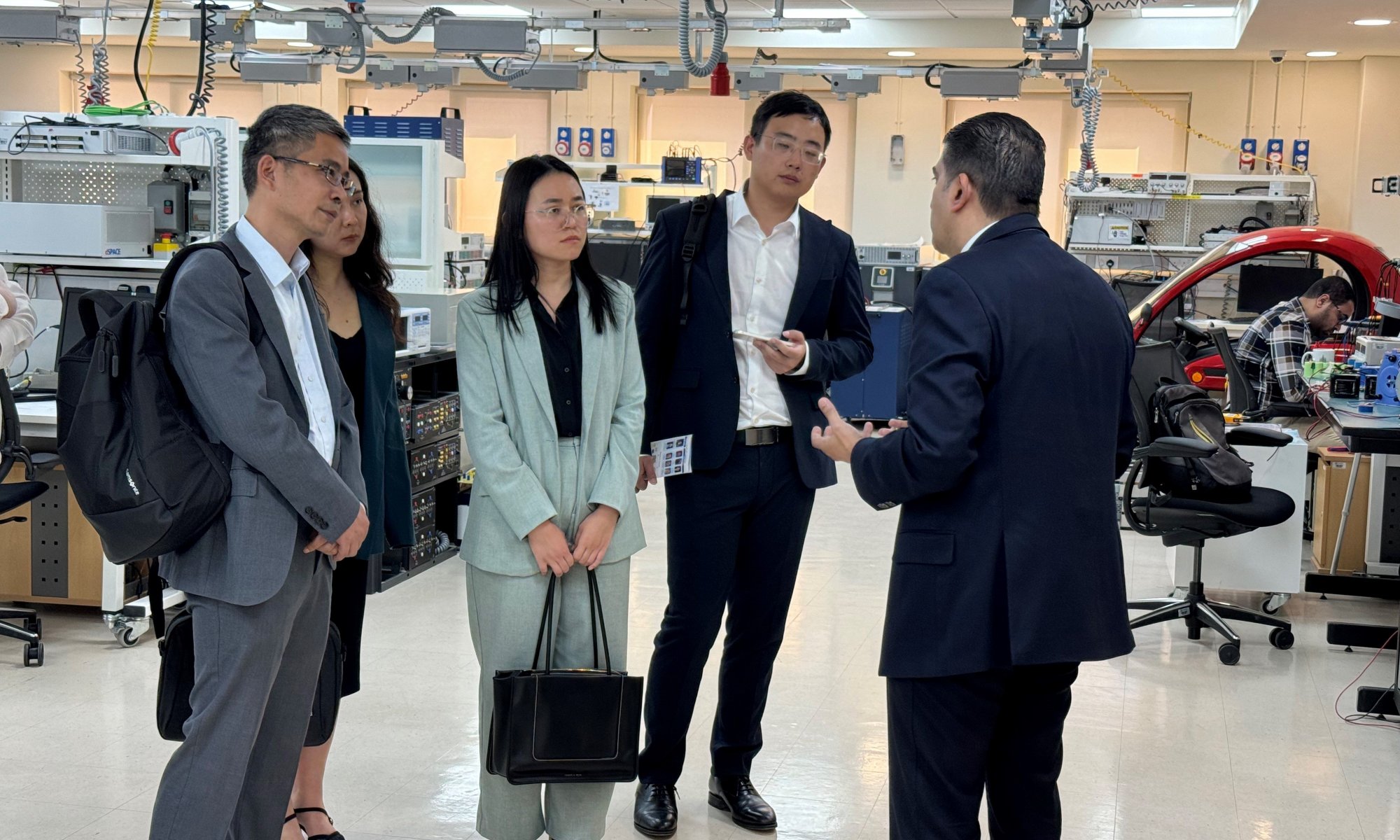
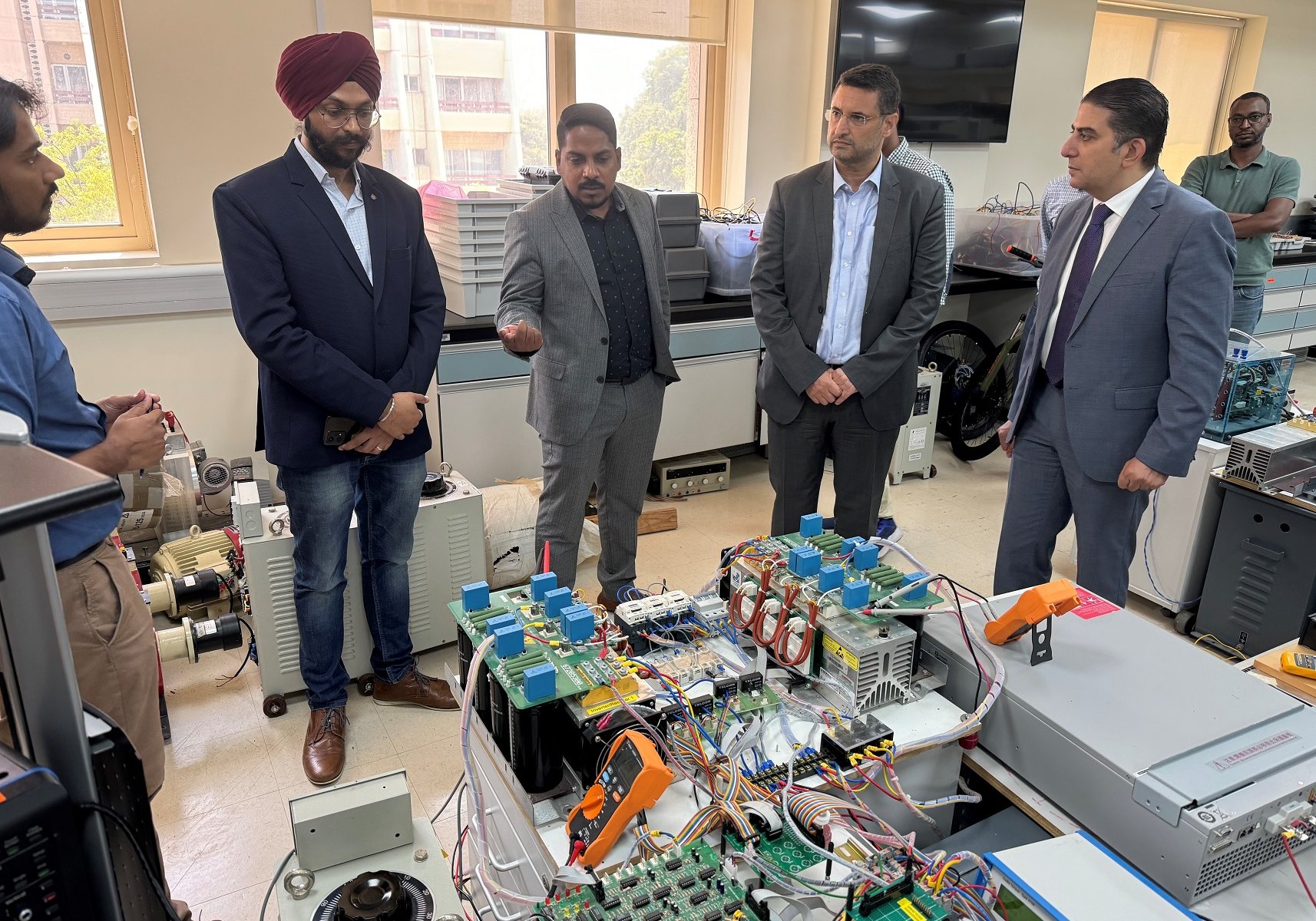
 A delegation from Sungrow, a PV inverter and energy storage system provider, visited the labs and the research facilities of Khalifa University’s Advanced Power and Energy Center (APEC) and expressed their interest in the ongoing research projects. 


The Sungrow officials were welcomed by Prof. Mohamed El Moursi, Director, APEC, who briefed them on the experimental setups and the research facilities, and introduced the advanced research works and capabilities of the labs. Sungrow’s research interests include renewable energy integration and energy storage system.    


During the visit, Prof. Mohamed El Moursi detailed the industrial research projects that carried out by APEC team, and how these projects are relevant to Sungrow’s operations in the GCC countries and globally“.


APEC is focused on developing very strong ties with industries and power utilities for accelerating the energy transition towards renewable energy integration and transportation electrification.  


Moreover, APEC’s research also covers advanced AI technologies for developing stable and economical renewable energy solutions supported with various types of energy storage systems. 


Khalifa University Researchers First from UAE to Attend Italy’s Urbino Summer School in Paleoclimatology  

Early-Career Scientists Gain Essential Skills in Paleoclimate Data and Modeling Techniques 


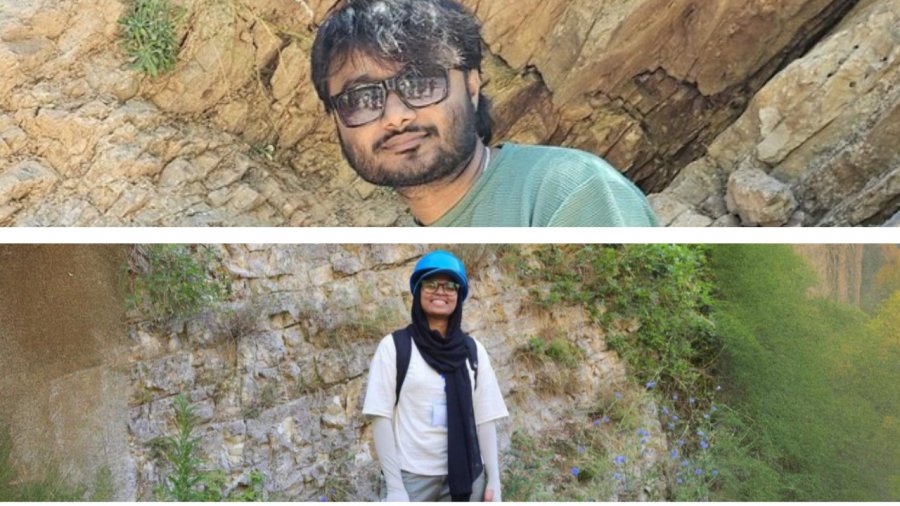
Two Khalifa University PhD researchers from the Earth Sciences department have become the first from the UAE to attend the paleoclimatology summer school held annually in Urbino, Italy. The 20th edition of the Urbino Summer School in Paleoclimatology (USSP) consortium focuses on understanding the methods and models used to examine climate change through Earth History.  


The two PhD researchers, Marwa Mohamed Shahid Vadakke Painkal and Indodeep Apurba Ghoshal, also presented their research, supervised by Dr. Aisha Al Suwaidi, Associate Professor, Earth Sciences department.  


The researchers were among 80 climate scientists from 20 countries who convened in Urbino, Italy, to participate in a wide range of disciplines that contribute to our understanding of paleoclimate and paleoenvironment, including geochemistry, cyclostratigraphy and paleobiology. The international program allowed the students to explore paleoclimate data and discuss their research with some of the leading scientists in the field and other PhD researchers. 


In the 2024 edition, participants explored a range of topics including biogeochemical cycling, paleoclimatology, paleoenvironment, paleoceanography, cyclostratigraphy, and deep-time climate modeling, including Cretaceous Ocean Anoxic Events, Paleocene-Eocene hyperthermals, the Greenhouse-Icehouse transition, and Neogene and Quaternary climate dynamics.  


The USSP program included lectures, symposia, and field trips organized and delivered by Professor Simone Galeotti, the University of Urbino, USSP co-director, and international climate scientists, whose research focuses on past climate dynamics, with a special emphasis on long-term carbon cycling and its implications for present and future climates. 


Painkal’s research focuses on the Late Triassic Carnian Pluvial Episode (CPE), a critical climate transition in Earth’s history marked by biotic changes, significant disruption of the carbon cycle, and shifts in climate from arid to wet and humid conditions much more similar to our modern climate. Through the utilization of multiple proxies, she seeks to constrain the timing and determine the potential mechanisms driving the event while also understanding the associated responses and recovery processes. 


Ghoshal is investigating biosphere changes in the Paleo-Antarctic during the Late Triassic (~230 million years ago). His research is primarily focused on the application of sedimentology and geochemistry, including biomarkers, to understand the evidence of wildfires in the Paleo-Antarctic circle during a relatively arid period in Earth’s history.   


First held in 2004, the USSP program is a hub for the international community studying natural climate variability, attracting early-career climate scientists and top researchers from around the world. 


Dr. Aisha Al Suwaidi said: “Khalifa University is at the forefront of innovative research in Earth Sciences, focusing on critical areas such as paleoclimatology, climate dynamics, and biogeochemical processes. The Earth Sciences department is dedicated to understanding past climate changes and their implications for the future. By participating in the USSP program, the two researchers are not only contributing to the global knowledge base but also acquiring the skills to address pressing environmental challenges, fostering a new generation of scientists committed to sustainability and climate resilience.”  

The diverse lectures, symposia, and exercises helped participants in assessing research goals and objectives, shedding light on the existing methodologies in deep-time research. This internship is expected to encourage more robust findings in Geoscience, Paleoclimate and related disciplines, enhancing academic portfolio. 


Faculty in the Khalifa University’s Earth Sciences department conduct research and offer both undergraduate and postgraduate courses focused on Earth’s changing climate.  


Alisha Roy
Science Writer
18 Sep 2024

Engineered Nanomaterials Transform Wastewater Treatment Using Biodegradable Membrane  

Dr. Linda Zou Finds New Solutions to Clean Up the Wastewater  


Discover innovations in wastewater treatment—listen now!

Researchers at Khalifa University have found the membranes with specially-engineered nanomaterial additives are effective in removing a range of contaminants in industrial wastewater due to their synergistic adsorptive-catalytic as well as separation properties.  


The research team led by Dr. Linda Zou, Professor, Civil and Environmental Engineering have synthesized three morphologies of the material molybdenum disulfide (MOS2) — nanospheres, nanoplatelets, and nanosheets – as potential for water treatment applications. When incorporated with the biopolymer chitosan membranes, these nanomaterials contributed to the better removal of heavy metal contaminants, reduced fouling, higher water flow, while making the membrane structure more stable. 

 
The study, which highlights the importance of carefully choosing the right nanoparticle shape when fabricating the polymer membranes was published in the article titled ‘Effect of different MoS2 morphologies on the formation and performance of adsorptive-catalytic nanocomposite membranes’, in Nature NPJ Clean Water. Dr. Zou is the lead corresponding author, and the co-authors include Delal E. Al Momani, and Fathima Arshad from the Department of Civil Infrastructure and Environment Engineering and Research & Innovation Center for Graphene and 2D Materials (RIC2D), along with Inas Taha and Dalaver H. Anjum from the Department of Physics. 


The MoS2 particles also had a catalytic effect, creating reactive chemical species that further helped break down and remove contaminants including dyes, organic molecules, and pathogens in wastewater, emerging as efficient membrane technology for hazardous substances.  


Dr. Linda Zou

“Research at Khalifa University has opened up new possibilities for incorporating specifically designed 2D nanomaterials into polymer membranes to enhance water treatment capabilities.”

Dr. Linda Zou, Professor at Department of Civil Infrastructure and Environmental Engineering, KU

Part of a family of two-dimensional materials, MoS2 is a promising nanomaterial for water treatment applications for its ability to accelerate the catalysis of hydrogen peroxide (H2O2) to help break down organic pollutants in water. MoS2 can also capture and remove heavy metal contaminants and can be easily integrated into composite materials, which improves the efficiency of wastewater treatment even further. Wastewater resulting from industries such as textile/leather, petroleum/refineries, paint, pesticides, and metal smelting commonly presents with a complex composition of organic contaminants and heavy metals, both requiring removal during the treatment process. 


Dr. Linda Zou said: “Research at Khalifa University has opened up new possibilities for incorporating specifically designed 2D nanomaterials into polymer membranes to enhance water treatment capabilities. Such advances in nanotechnology which enable the precise control of nanomaterial size, structure, and properties and nanomaterial-enhanced adsorptive-catalytic membranes, like those using graphene oxide (GO) or MoS2, have demonstrated impressive abilities to remove heavy metal contaminants from water.”


Clarence Michael
English Editor – Specialist
3 Sep 2024

I2DM2024 International Summit to Feature 60+ high-profile global speakers on Current Trends and Applications of Graphene and Related 2D Materials  

Khalifa University of Science and Technology’s Research and Innovation Center in Graphene and 2D Materials (RIC2D) today announced they will organize, in collaboration with Phantoms Foundation, the Arab region’s first Innovative & Industrial 2D/Advanced Materials Summit & Expo (I2DM2024) in Abu Dhabi, to highlight current innovation trends and applications of graphene, 2D, and other advanced materials. 


Scheduled to be held from 25 – 28 November 2024 at the Khalifa University Main Campus in Abu Dhabi, I2DM2024 will feature a packed program, including a plenary address by Nobel Laureate Professor Sir Andre Geim, Regius Professor and Royal Society Research Professor at The University of Manchester. The conference will be chaired by Professor Hassan Arafat, Senior Director, RIC2D, and co-chaired by Dr. Antonio Correia, Co-Founder and President, Phantoms Foundation, Spain. 


Keynote and Invited lectures will be presented by more than 60 globally renowned and international scientists, researchers and industry leaders including Khalifa University faculty Dr. Lourdes Vega, Director, Research and Innovation Center on CO2 and Hydrogen (RICH), Dr. Rehan Umer, Professor, Aerospace Engineering, Dr. Linda Zou, Professor, Civil Infrastructure and Environmental Engineering, Dr. Kin Liao, Professor, Aerospace Engineering, and Dr. Ludovic Dumee, Assistant Professor, Chemical & Petroleum Engineering. 


His Excellency Homaid Abdulla Al Shimmari, Vice-Chairman of the Board of Trustees of Khalifa University and Chairman of RIC2D’s Senior Management Board said: “Khalifa University’s RIC2D is thrilled to organize the I2DM2024 in Abu Dhabi and bring this event to the Arab region for the first time. Highlighting applications in electronics, energy, medicine, water, and composite materials, I2DM2024 will showcase the most cutting-edge research and innovations in the field. The international summit will offer a dynamic platform for knowledge sharing and collaboration, while aiming to bring together a diverse group of leading experts, prominent researchers, and industry visionaries from around the globe to Abu Dhabi. I2DM2024 will also highlight the role of the UAE in ushering in innovation in graphene and other 2D materials, and will explore the boundless potential of advanced materials, uncovering the most recent translational research.” 


In addition to the keynote/invited lectures, there will be oral and poster presentations, a series of parallel workshops focused on topics of interest for the Arab region, a 2 days industrial forum presenting the most recent advances in technology developments, business opportunities in Advanced Materials commercialization, and an exhibition featuring the latest innovations and offerings. The summit is designed to facilitate networking between researchers and potential investors, industrial collaboration opportunities, academic and scientific forums, as well as a campus tour of Khalifa University’s cutting-edge research laboratories and facilities. 


The I2DM2024 website is now live, with a call for papers and abstract submission deadline of 20 September 2024. More information about the conference, sponsorship and exhibitor opportunities can be found on the conference website at https://www.i2dmsummit.com/ 


Alisha Roy
Science Writer
17 Sept 2024

Khalifa University Student Participated In Developing First-of-its-Kind Lunar Lander and Drone

Khalifa University Aerospace Engineering student have participated in developing a first-of-its-kind lander and drone, distinguished by its advanced lunar lander technology during an internship at ArianeGroup’s Orbital Propulsion Center in Germany.


Ahmed Al Awani from Khalifa University was part of the internship organized through the Jusoor 2024 Program, an initiative by Sandooq Al Watan, the UAE Space Agency, and the German Emirati Institute’s Academic Entrepreneurship Program.


Khalifa University provides a range of aerospace engineering programs at both undergraduate and postgraduate levels, supplemented by a research center focused on real-world challenges and technology innovation. The university also hosts the KU Space and Planetary Sciences Group (SPSG), which participates in national and international space missions, including those targeting the Moon, Mars, comets, and the Kuiper Belt. SPSG additionally supports the development and training of future Emirati and Arab space science professionals.


Ahmed Al Awani said: “At ArianeGroup, we developed a special type of lander and drone, aiming to make it unique by integrating advanced technology that enables it to function like a lunar lander. This is a first-of-its-kind achievement, and I would like to thank the German Emirati Institute and Khalifa University for their incredible support throughout this journey and for inspiring us as aspiring engineers in this field.”


Al Awani’s role was to help in the design and implementation of the lunar lander and drone, which can transport essential equipment and materials to the moon’s surface. The drone is designed to conduct aerial surveys and gather high-resolution data, which is vital for future lunar explorations. Cutting-edge propulsion systems was a crucial aspect of the work and were developed according to the requirements of the mission.

Khalifa University to Organize Eight Global-Level Competitions and Challenges during IROS 2024 in Abu Dhabi

Challenges to Cover Various Aspects of Robotics and AI at 36th Edition of International Conference on Intelligent Robots and Systems


Abu Dhabi-based Khalifa University of Science and Technology in the United Arab Emirates (UAE) today announced eight global-level competitions and challenges that inspire creativity will form an essential part of the 36th edition of the IEEE/RSJ International Conference on Intelligent Robots and Systems (IROS 2024).


Themed ‘Robotics for Sustainable Development’, the eight challenges and competitions at the Middle East and Africa (MENA) region’s first-ever IROS 2024 will focus on robots’ physical or athletic intelligence, remote robot navigation, robot manipulation, underwater robotics, and perception and sensing, at the Abu Dhabi National Exhibition Center (ADNEC) from 14-18 October 2024.


Additionally, the Falcon Monitoring Challenge is aimed at advancing the field of wildlife tracking and conservation through the development of sophisticated, noninvasive monitoring systems. Moreover, shortlisted finalists from the Pan-African Robotics Competition (PARC) will demonstrate their project concepts, further intensifying interest in Africa. There will also be an IROS Expo and an exclusive Career Fair at the world’s biggest gathering of researchers, academics, and industry professionals from around the globe for IROS 2024.


Dr. Jorge Dias, General Chair, IROS 2024, and Director, Khalifa University – Center for Autonomous Robotic Systems, said: “These eight competitions and various challenges reflect Khalifa University’s commitment to engage the stakeholders at IROS 2024 and inspire them to seek solutions that involve robotics and drones. The diverse nature of these competitions also demonstrates the overarching range of new technologies in robotics and drones that could be exploited for the benefit of the global community. We look forward to intense participation from global researchers and academic institutions and believe the resulting solutions will justify humanity’s commitment to adopting rapidly evolving technologies in robotics for all occasions.”


The eight challenges include AI Olympics With RealAIGym: Is AI Ready for Athletic Intelligence in the Real World? assesses the physical or athletic intelligence of robots, The Earth Rovers Challenge that focuses on remote robot navigation, Robotic Construction Challenge that focuses on that focuses on robot manipulation, the euROBIN Manipulation Skill Versatility Challenge ‘MSVC’ Competition also targets robot manipulation.


The Underwater Robotics Challenges also introduces innovation and problem-solving in the fields of underwater robotics and artificial intelligence, the Automatic Data Annotation Challenge for ROAD Dataset building on breakthroughs in perception and sensing, as well as the F1Tenth Autonomous Racing Competition, and the IEEE RAS Quadruped Robot Challenge (QRC), all concentrating on navigation.


The Technology Innovation Institute (TII) of Abu Dhabi is a strategic sponsor for IROS 2024 while Astribot, and Dubai Electricity and Water Authority (DEWA) are Platinum sponsors. The Dubai Future Foundation and the Mohamed bin Zayed University of Artificial Intelligence are gold sponsors, while NOKOV Motion Capture Company and Emirates Nuclear Energy Corporation (ENEC) are silver sponsors. The Beijing Institute of Technology is the University partner. 


DEEP Robotics and ITT Project Management Services will join the 11 startups that will showcase their robotics innovations.


For more information, visit IROS 2024.

DEWA R&D Delegation Visits APEC Labs

A delegation of experts from the Dubai Electricity and Water Authority (DEWA) R&D visited the Advanced Power and Energy Center (APEC) to explore more collaboration opportunities in research and innovation.

The delegation was received by Prof. Mohamed El Moursi, Director of Advanced Power and Energy Center (APEC), and he introduced the advanced research works and capabilities of APEC Labs. Dr. Tareg Ghaoud and his team deeply valued the ongoing R&D projects that align with the power utilities and industry needs.

The DEWA R&D team included Dr. Tareg Ghaoud, Senior Principal Researcher, Head of Smart Grid Integration, and his research team that includes Dr. Sajan Sadanandan, Principal Researcher- Power System Lead, and Dr Gagandeep Singh Dua, Senior Researcher-II, Smart Grid Integration.

The delegation members were briefed about the advanced research works that focus on renewable energy integration, smart grid, energy storage systems, advanced grid integration studies, and transportation electrification. Ongoing research projects, development of experimental setups and the research facilities at APEC were commended by the DEWA team.

The APEC team including Prof. Moursi and Prof. Khadkikar had successfully completed two funded research projects in collaboration with the DEWA R&D team. The research outcomes benefited DEWA power grid, with new technologies that tackle operational challenges.

Unlocking the Potential of Regioisomerism in Enhancing Protection from Corrosion

New research provides valuable insights for the development of more efficient and robust corrosion inhibitors 


Researchers from Khalifa University have explored the impact of regioisomerism on the performance of organic inhibitors against corrosion. Dr. Chandrabhan Verma and Prof. Akram Alfantazi collaborated with researchers from Nagaland University and University of Delhi, India, to examine how molecules with the same functional groups but different spatial arrangements can exhibit vastly different corrosion inhibition efficiencies.


Their review was published in Coordination Chemistry Reviews, a top 1% journal.


Corrosion is an inevitable and costly problem, eating away at metals and structures worldwide, leading to economic losses and safety risks. Research has long sought ways to combat this relentless issue and one promising avenue lies in the nuanced world of organic chemistry, particularly through the concept of regioisomerism.


Regioisomerism refers to the different positions of functional groups within a molecule. These functional groups are the active parts of the molecule that engage in chemical reactions. Their position can significantly alter a molecule’s chemical behavior, affecting everything from stability to reactivity.


For corrosion inhibition, the arrangement of functional groups within organic inhibitors is crucial. These inhibitors work by forming a protective layer on the metal surface, preventing corrosive substances from causing damage. The effectiveness of this protective layer largely depends on how well the inhibitor molecules can adhere to the metal surface and form stable bonds.


The research team highlights that functional groups positioned differently within a molecule can either enhance or reduce the molecule’s ability to form stable complexes with metal surfaces. Certain configurations can also result in increased electron density at the active sites, improving the adsorption process and enhancing the inhibitor’s protective capabilities. These differences in positioning lead to significant variations in their corrosion inhibition performances, with the best performing isomers those where these groups are positioned to maximize electron donation and stability of the formed complexes.


“Understanding the role of regioisomerism opens new possibilities for designing more effective corrosion inhibitors,” Prof. Alfantazi says. “By strategically positioning functional groups within the inhibitor molecules, we can enhance their stability and bonding capabilities, leading to improved protection in industries reliant on metal infrastructure, such as construction, automotive, and aerospace.”


Understanding and leveraging the subtle differences in molecular arrangements could be the key to safeguarding our infrastructure and reducing the economic burden of corrosion. As research continues to delve into the intricacies of functional group positioning, the future holds promise for even greater advancements in corrosion protection technology.


Jade Sterling
Science Writer

9 Sep 2024