
Conference on Libraries to Discuss Ongoing Transition to Accessing e-Information

Masdar Institute to Host 19th Annual Special Libraries Association-AGC Conference 2013 in Abu Dhabi
Abu Dhabi-UAE: 16 April, 2013 – Adapting to the way the academia gains access to information in an increasingly digitalized world and the ongoing transformation of libraries from tangible hardback versions to e-waves in the virtual world will be some of the key areas that will come up for discussion at the 19th Annual Conference & Exhibition of the Special Libraries Association – Arabian Gulf Chapter (SLA-AGC) in Abu Dhabi.

Titled ‘The Future of Profession: Break the no longer traditional profession and tune into the future of digital professional environment’, the annual conference is scheduled to be held from 24-25 April at the Abu Dhabi National Exhibition Center. Masdar Institute of Science and Technology, an independent, research-driven graduate-level university focused on advanced energy and sustainable technologies, will be hosting the event.

A key component of the conference will be Ankabut, which co-operates on a national, GCC, regional and international arena, representing the UAE in conferences, exhibitions and forums. Ankabut aims to offer QoS-based networks with IPv4/IPv6, multicast and introduce advanced services on a ‘Closed Group Network’ with ‘Public Interest Purposes’. Ankabut will also host the event with Masdar Institute.

Keynote speakers at the conference will include Ann Wolpert, Director of Libraries, Massachusetts Institute of Technology, and Sherif Kamel Mahmoud Shaheen, Ph.D. Professor and Head of Library, Archives & information technology Department Faculty of Arts-Cairo University. Wolpert will discuss ‘The Future of the Profession in the Digital Era: New Roles for Information Professionals’, while Shaheen will speak on ‘From traditional to Digital Information and Knowledge professions: What is missing in the Arab World?’
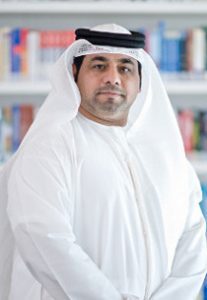
In addition, David Sommer, a professional with 15 years’ experience in the global publishing industry, and Simon Inger, who works with the journals industry for over 20 years, will also address the gathering. The event will include three panels including ‘Leadership and Best Practices in Development of Information Literacy Programs: Changing Roles and New Technologies’, ‘The Role of the Library and Information Science Departments in Preparing Professionals in the Digital Environment’, and ‘Professional Library Associations to foster library development’.

Dr Abdulla Alhefeiti, Chair, High Organizing Committee for SLA-AGC Conference 2013, and Director of Library, Masdar Institute, said: “The top priority given to education by the UAE leadership has enabled the country to achieve a coveted status in the regional academic sector. Libraries play a vital role in the creation of intellectual capital and the conference in Abu Dhabi represents the most important annual IT event in the GCC region for practitioners and academics in the information domain.

“As a research-based institution, we are privileged to host the conference. We hope the event will provide a great opportunity to discuss key issues and topics, facilitating communication and networking that will eventually result in string cooperation among the participants.”

The event targets the region’s information professionals, educators, decision-makers, information users, information content developers and digital information suppliers. Some of the topics that will be addressed at the conference will include ‘Information Literacy and the 21 century skills (Social networking, mobile technology, open access)’, ‘E-books and the future of library shelves and catalogues’, as well as ‘Metadata tool and the future of cataloging and catalogers’.

Fahem Al Nuaimi CEO of Ankabut said: “Ankabut provides a high speed network for the UAE education and library community. It enables the transfer of services in real-time, as well as anytime, anywhere services such as libraries linkage, high performance computing, off-site disaster recovery, unified single sign registration, and e-learning. In an increasingly digital scenario, libraries and other traditional avenues offering information will have to transform their role suitably to benefit modern users. We are convinced the 19th Annual Conference & Exhibition of the Special Libraries Association – Arabian Gulf Chapter (SLA-AGC) in Abu Dhabi will enable greater information exchange in the area of digitalization.”
 
The transforming role of librarians, publishers, professional associations and the library and information studies are the others topics to be taken up for panel discussions at the SLA-AGC Conference in Abu Dhabi. The event is expected to provide a great opportunity to discuss key issues and topics, facilitating communication and networking among practitioners and academics in the information domain.
 
Serving as a key pillar of innovation and human capital, Masdar Institute remains fundamental to Masdar’s core objectives of developing Abu Dhabi’s knowledge economy and finding solutions to humanity’s toughest challenges such as climate change.
 
Established as an on-going collaboration with the Massachusetts Institute of Technology (MIT), Masdar Institute integrates theory and practice to incubate a culture of innovation and entrepreneurship, working to develop the critical thinkers and leaders of tomorrow. With its world-class faculty and top-tier students, the Institute is committed to finding solutions to the challenges of clean energy and climate change through education and research.

Masdar Institute Offers UAE Undergraduates Four-Week Summer Research Internship

Research Projects Being Offered for Internship Program to Cover Renewable Energy and Sustainable Advanced Technology Domains

Abu Dhabi-UAE: 17 April, 2013 – Masdar Institute of Science and Technology, an independent, research-driven graduate-level university focused on advanced energy and sustainable technologies, today announced it will be offering a four-week research-based internship program for UAE national undergraduates this summer.

Senior undergraduate students will be eligible to apply for the program. A total of six research projects are on offer this summer for interested students. Multiple applications are required for those seeking to register for more than one research projects.

Research projects chosen for this year’s summer internship program focus on water, solar energy and fuel cell – areas that are identified as strategically important to the UAE. These projects will allow the interns to gain insights into advanced research and development while enriching their laboratory experience. The arid climate of the region underscored the importance of water, while abundant sunlight has encouraged governments to initiate solar energy projects. In addition, the UAE government aims to reduce greenhouse gas emissions for which fuel cell is one of the promising alternatives, especially for transportation sector.

On-campus housing and a stipend will be offered to students of the program that is scheduled to commence from 30 June. The last date for submitting applications will be 25 April.

Those UAE national undergraduates interested in applying for the research-based summer internship program must have science or engineering as ‘major’ subjects in their degree course and a GPA of at least 3.0 (on a 4.0 scale). An IELTS score of at least 6.0 (or equivalent) is mandatory along with a letter of recommendation.

Dr. Fred Moavenzadeh, President, Masdar Institute, said: “The four-week research-based summer internship program reflects Masdar Institute’s commitment to developing Abu Dhabi’s human capital in clean energy areas. With the support of the country’s leadership, we have acquired a talent base of renowned faculty who impart knowledge, offering rich insights in advanced technology domains. The cutting-edge laboratory facilities further reiterate our status as a knowledge pioneer in the region. We welcome qualified UAE national undergraduates to make use of this opportunity and enhance their research skills to empower themselves and lead in innovation.”

To be led by faculty with special expertise, students are bound to gain rich academic insights as well as research capabilities in these areas. Furthermore, they will also acquire the required skills and apply them to explore for breakthrough innovations in science and technology areas.

Dr Lamya N. Fawwaz, Executive Director, Public Affairs, Masdar Institute, said: “The summer research internship at Masdar Institute provides qualified and interested science and engineering students an opportunity to experience what a research environment entails and allows them to focus on areas of strategic importance to our country. This experience will enhance their skills and their understanding of the importance of R&D, while encouraging them to innovate and contribute part of the solutions for climate change.”

Masdar Institute’s programs aim to develop human capital and build a sound R&D infrastructure in the UAE that contributes to Abu Dhabi’s objective of developing a knowledge-based economy. At the same time, the summer research programs seek to build on the capabilities of undergraduate students who have the drive and intention to identify niche technology areas for further innovation.

Further information is available at http://www.masdar.ac.ae/SummerResearchInternships.html.

Serving as a key pillar of innovation and human capital, Masdar Institute remains fundamental to Masdar’s core objectives of developing Abu Dhabi’s knowledge economy and finding solutions to humanity’s toughest challenges such as climate change.

Established as an on-going collaboration with the Massachusetts Institute of Technology (MIT), Masdar Institute integrates theory and practice to incubate a culture of innovation and entrepreneurship, working to develop the critical thinkers and leaders of tomorrow. With its world-class faculty and top-tier students, the Institute is committed to finding solutions to the challenges of clean energy and climate change through education and research.

Masdar Institute Becomes Affiliate of Joint Institute for Strategic Energy Analysis in US

Initial Collaboration Includes Work on Energy Access and Energy-Water Nexus
Abu Dhabi-UAE: 22 April, 2013

–Masdar Institute of Science and Technology, an independent, research-driven graduate-level university focused on advanced energy and sustainable technologies, today announced it has entered into an agreement with the Joint Institute for Strategic Energy Analysis (JISEA) to become an affiliate of the U.S.-based institution.

Initially, Masdar and JISEA will collaborate in three areas: water-energy nexus, clean energy policy with focus on the Middle East/North Africa region, and energy access in developing countries. The agreement also offers options for expanding the scope of collaboration at a later stage.

A trans-disciplinary global research group focused on the nexus of energy, environment, finance, and society, JISEA is headquartered at the U.S. Department of Energy’s National Renewable Energy Laboratory (NREL). With five founding institutions rooted in research, JISEA provides capabilities in research and analysis that far outweigh those of a single organization.

“I am very excited about JISEA’s affiliation with Masdar Institute,” said Douglas Arent, JISEA executive director. “Masdar Institute offers excellent research capabilities and unique regional insights that complement the skills and knowledge of JISEA partners and allow us to offer increased value to our clients interested in energy access and sustainability, particularly in the Middle East/North Africa region.”

Dr Fred Moavenzadeh said: “The affiliation agreement with the Joint Institute for Strategic Energy Analysis will broaden our reach in international collaboration that will naturally further our capabilities in sustainable research projects. JISEA engages in leading-edge, objective, high-impact research and analysis to guide global energy investment and policy decisions. Its focus on the nexus of energy, finance, and society, are similar to the issues being addressed by us. With the guidance of the UAE’s leadership, we will continue to seek partnerships with global organizations to further our research in clean energy and sustainability.”

Research forms the core area for Masdar Institute which focuses on three themes for scientific innovation – water, energy and environment; energy systems; and advanced materials. The research-based institution ion Abu Dhabi continues to excel in research success. For 2012, total publications by Masdar Institute so far include papers in 311 peer reviewed journals, 330 conference proceedings, two full books and 37 invention disclosures. One patent is already issued, while 20 active patent applications are pending.

Serving as a key pillar of innovation and human capital, Masdar Institute remains fundamental to Masdar’s core objectives of developing Abu Dhabi’s knowledge economy and finding solutions to humanity’s toughest challenges such as climate change.

Established as an on-going collaboration with the Massachusetts Institute of Technology (MIT), Masdar Institute integrates theory and practice to incubate a culture of innovation and entrepreneurship, working to develop the critical thinkers and leaders of tomorrow. With its world-class faculty and top-tier students, the Institute is committed to finding solutions to the challenges of clean energy and climate change through education and research.

JISEA is operated by the Alliance for Sustainable Energy, LLC, on behalf of its founding partners. They include the U.S. Department of Energy’s National Renewable Energy Laboratory, University of ado-Boulder, ado School of Mines, ado State University, Massachusetts Institute of Technology, and Stanford University.

Masdar Encourages UAE Youth to Take up Technical Careers at Skills Competition

Contest highlights Masdar’s commitment to cultivating future energy technology leaders

Abu Dhabi-UAE: 23 April, 2013

– Masdar, Abu Dhabi’s renewable energy company, announced that it is participating in the EmiratesSkills National Competition 2013, which encourages young UAE nationals to take on vocational jobs that will bolster the workforce. The competition closely aligns with Masdar’s commitment to support the development of the UAE’s next generation of energy leaders. EmiratesSkills is the UAE’s premier event highlighting Emiratis who have outstanding technical and vocational skills.

Organized under the patronage of Her Highness Sheikha Fatima Bint Mubarak, chairwoman of the Family Development Foundation and Head of the General Women’s Union, the EmiratesSkills National Competition is taking place April 23-25 at the Abu Dhabi National Exhibition Centre. Skills that are being highlighted during the competition include web design, IT software solutions, automobile technology, electrical installations and robotics.

Masdar is participating in the event as an “Educational and Community Partner” along with the Masdar Institute of Science and Technology, an independent, research-driven, graduate-level university focused on advanced energy and sustainable technologies; and the Zayed Future Energy Prize, the world’s pre-eminent award for innovation in renewable energy and sustainability.

“As a key contributor to Abu Dhabi’s long-term social and human-resource development objectives, Masdar Institute plays an effective role in developing the individual talents of its Master’s students.” said Dr. Fred Moavenzadeh, president of Masdar Institute. “The support of the UAE’s leadership has consistently guided us in formulating suitable programs for empowering our students this way.”

Students from Masdar Institute are joining other young people in technical and vocational competitions at the event. A Masdar Institute team is displaying a project that has the potential to help the UAE increase its agricultural production while using less water. The project can also help secure the country’s internal food supply, while minimizing the environmental impact of agriculture.

The Zayed Future Energy Prize is raising awareness among youth about the Global High Schools category, which encourages students to incorporate renewable energy and sustainability into their schools. The Prize also highlights the sustainable development principles that the late Sheikh Zayed bin Sultan Al Nahyan, the Founding Father of the UAE, embraced.

Masdar Institute Student Highlights Research in Sustainability at Talent Management Oil & Gas Conference 2013

Emirati Member of YFEL Outreach Initiative Iman Ustadi Shares Her Experience at Feature-Filled Sustainable Campus

 – Masdar Institute of Science and Technology, an independent, research-driven graduate-level university focused on advanced energy and sustainable technologies, today announced one of its students highlighted her research and academic experience in the area of sustainability and renewable energy during the Talent Management Oil & Gas Conference 2013 in Abu Dhabi.
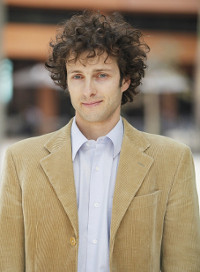
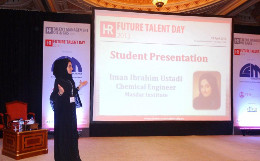
Iman Ibrahim Ustadi, a Master’s student in the Engineering Systems and Management program at Masdar Institute, shared her experience with delegates on Future Talent Day at the second annual Talent Management Oil & Gas Conference. Held on 22 April, the Future Talent Day offered an opportunity for UAE-based university students interested in a career in the oil, gas and petrochemical sectors to network with human resource professionals in the industry. In return, it was a chance for the HR professionals to identify the potential new talent entering the industry and learn about their career goals and expectations. The Future Talent Day was part of the Conference that ran from 22-25 April in Abu Dhabi. 

CCS can be used for enhanced oil recovery in Abu Dhabi, as well as for mitigating greenhouse gas emissions in the UAE. Iman’s research also focuses on exploring the natural gas (NG) market in the UAE comparing it with other international markets and evaluating the effect of the CCS deployment on the developments and demands of the natural gas market.

Iman Ustadi said: “Masdar Institute’s outreach initiatives such as the YFEL facilitate involvement of UAE’s young people with professionals at global forums such as this event, while promoting industry-academia collaboration. The Future Talent Day offered an opportunity for the youth to engage in discussions about the future of energy, find solutions for the challenges of climate change and become proud leaders, representatives and advocates in future energy.

“At Masdar Institute, my research helps identify the challenges associated with the integration process in CCS, with full analysis, quantification and suggestion of solutions. It also includes a techno-economic evaluation for the deployment of carbon capture technology on Natural Gas Combined Cycle (NGCC) power plants. I thank the UAE’s wise leadership for providing a platform for myself and other students to enhance our talents. I am sure my presentation adequately informed the conference delegates about the degree of advanced research that is undertaken at Masdar Institute and its contribution to clean energy, regionally and globally.”

Iman Ustadi hopes for better industry-academia collaboration that will ensure easier access to data and resources to students. The HR professionals attending the event were receptive to her suggestions and offered tips on ways to approach the industry positively.

Sam McManus, Conference Director, IIR Middle East, said: “The Future Talent Day was organized for the first time this year to run concurrently with the Talent Management Oil & Gas Conference in Abu Dhabi. A new platform, the event offered an ideal opportunity to showcase talents to oil and gas industry professionals and create partnerships for the future. We are delighted Masdar Institute participated in the event by sending a student and we believe Iman Ustadi’s presentation proved beneficial to participating companies to learn about the expectations of talented future professionals.”

Serving as a key pillar of innovation and human capital, Masdar Institute remains fundamental to Masdar’s core objectives of developing Abu Dhabi’s knowledge economy and finding solutions to humanity’s toughest challenges such as climate change.

Established as an on-going collaboration with the Massachusetts Institute of Technology (MIT), Masdar Institute integrates theory and practice to incubate a culture of innovation and entrepreneurship, working to develop the critical thinkers and leaders of tomorrow. With its world-class faculty and top-tier students, the Institute is committed to finding solutions to the challenges of clean energy and climate change through education and research.

Masdar Institute to Gather Nanotechnology Experts in Abu Dhabi

Products Incorporating Nanotechnology Expected to Reach US$2.4 trillion by 2015, Says Market Research Firm

AFM, one of the primary tools for imaging, measuring, and manipulating matter at the ‘nanoscale’, can be used to investigate materials and material properties used in many regionally-relevant industries such as aviation, energy research, petroleum and desalination. According to a recent study by international market researcher Global Industry Analysts, the annual market for products incorporating nanotechnology is expected to reach US$2.4 trillion by 2015. One of the key growth areas remains in building the tools to enable nanoscale research and to help companies exploit nanoscale properties and discoveries, adds an industry report.
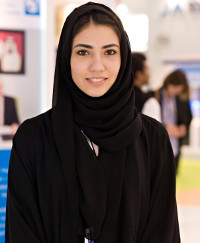
Organized in collaboration with Asylum Research, the Royal Society of Chemistry (RSC), and the Laboratory of Energy and Nano Science (LENS) at Masdar Institute, the workshop titled ‘Atomic Force Microscopy for Energy and Environmental Applications — A Middle Eastern Perspective’ will be held from 20-21 May at Masdar Institute campus. It aims to attract fresh and experienced AFM scientists from across the GCC region for sharing research experience and knowledge. The deadline for submission of abstracts for poster presentation is 15 May and the best poster will receive an award.

The workshop will be addressed by eight professionals in total including four faculty members from Masdar Institute. Dr. Matteo Chiesa, Associate Professor at LENS, Masdar Institute, will be joined by Dr. Jason Cleveland, co-founder and CEO of Asylum Research, Dr. Arvind Raman, an Associate Professor in the School of Mechanical Engineering and the Birck Nanotechnology Center at Purdue University, USA, and Dr. Neil Wilson, Associate Professor in condensed matter physics at the University of Warwick, UK.

Dr. Matteo Chiesa will present the effort of his group at LENS to determine the relevance of capillary interactions on slight variations of AFM tip size and demonstrate robust control and even the ability to identify the most elusive dissipative mechanisms that are thought to occur at the nanoscale. Dr. Neil Wilson’s research is currently focused on the structural, mechanical and electrical properties of graphene and organic semiconductors. Dr. Cleveland has to his credit numerous publications on the physics of AFM and is a co-inventor on many AFM patents.

Dr. Chiesa said: “The workshop will highlight the importance of surface science for many of the industrial sectors in the UAE. AFM is the one of the most utilized instruments to study surfaces. Nowadays many devices we use employ material engineered with specific nanoscale features. The common denominator for all of these devices is the overwhelming role that the surface plays. This is the case for membranes, oil recovery and energy research in general. We hope researchers from across the region will benefit from this workshop.”

Other researchers from Masdar Institute will also be leading various sessions. They include Dr. Tewfik Souier who will speak about ‘How to Achieve High Electrical Conductivity in Aligned Carbon Nanotube Polymer Composites’ and Dr. Sergio Santos who will highlight ‘The Aging of a Surface and the Evolution of Conservative and Dissipative Nanoscale Interactions. Karim Gadelarab, will speak on ‘Single Cycle AFM Force Reconstruction: Probing the Time Domain’.

Asylum Research’s scientists will also demonstrate a variety of scanning techniques and AFM fundamentals with their Cypher™ and MFP-3D™ AFMs. Two lab sessions – on ‘High resolution imaging’ and ‘Nanomechanics – AM-FM Imaging’ are also scheduled as part of the workshop.

Leaders in Scanning Probe Microscopy (SPM) and AFM technology, Asylum Research has set the industry standard for technological innovation both for imaging and characterizing many properties of surfaces and structures at the nanoscale. The company’s AFM/SPMs are used by academic and industrial customers across the world for a wide range of materials and bioscience applications.

The largest organisation in Europe for advancing the chemical sciences, the RSC is supported by a worldwide network of members and an international publishing business. The organization’s activities span education, conferences, science policy and the promotion of chemistry to the public.

Serving as a key pillar of innovation and human capital, Masdar Institute remains fundamental to Masdar’s core objectives of developing Abu Dhabi’s knowledge economy and finding solutions to humanity’s toughest challenges such as climate change.

Established as an on-going collaboration with the Massachusetts Institute of Technology (MIT), Masdar Institute integrates theory and practice to incubate a culture of innovation and entrepreneurship, working to develop the critical thinkers and leaders of tomorrow. With its world-class faculty and top-tier students, the Institute is committed to finding solutions to the challenges of clean energy and climate change through education and research.

Two UAE National Female Students at Masdar Institute Publish Paper in International Journal of Advanced Manufacturing Technology

Research Paper Identifies Barriers to Adopting Sustainable Supply Chain Management Practices in India’s Fasteners Manufacturing Industry

Abu Dhabi-UAE: 08 May, 2013 – Masdar Institute of Science and Technology, an independent, research-driven graduate-level university focused on advanced energy and sustainable technologies announced two UAE national female students have published research paper on sustainable supply chain management (SSCM) in the prestigious ‘The International Journal of Advanced Manufacturing Technology’.

The paper titled ‘Analysis of interaction between the barriers for the implementation of sustainable supply chain management’ is authored by Shaikha Al Zaabi and Noura Al Dhaheri under the guidance of Dr. Ali Diabat, an Associate Professor of Engineering Systems & Management.

Listing 13 major barriers, the research paper helps to identify challenges in the adoption of SSCM in fastener manufacturing industry in southern Indian state of Tamil Nadu. The paper gains relevance as Indian industries, particularly pressured for environmental adoption, have less detailed research on the effects of the adoption of environmental practices using traditional supply chain management (TSCM).

The outcome of this study shows that Indian industrial managers have started to adopt sustainability concerns in TSCM. But they are only in the initial stage and still have to eradicate the major barriers one by one.

Dr. Ali Diabat said: “Academic and business societies are clearly interested in adopting sustainable management practices in traditional SCM because of the tremendous business benefits. In the Indian context, we observed that fastener manufacturing industries face many barriers such as the lack of governing policies, too many agencies for SMEs, inadequate data and information for development of SMEs, and suppliers lacking the necessary environmental systems to adopt within their industries.

“Since this study has been conducted only in two fastener manufacturing industries, involving more industries might give more insights into our barrier analysis. More sectors can also be considered for similar analysis.”

Noura Al Dhaheri said: “The research paper provides a solid framework for analyzing the barriers to SSCM adoption in the fastener manufacturing industries, which must have a degree of accountability when it comes to environmental consciousness. It also recommends involving more industries, which might give more insights into our barrier analysis. We thank the country’s leadership for offering youth the right infrastructure to enhance their knowledge and professionally contribute to the industrial sector regionally and globally.”

Shaikha Al Zaabi said: “In this study, we have identified the barriers that act as stumbling blocks to the adoption of SSCM in fastener manufacturing industries. “We are grateful to Dr. Ali Diabat and others for their support and guidance that helped us to complete the analysis. Though this study focuses on the fastener manufacturing industry in a specific region, we are confident the industry from other regions can benefit as well by identifying similar barriers and challenges.”
Six major barriers as identified by Masdar Institute students in the study include prohibitively expensive cost for disposing hazardous wastes, lack of sustainability standards and appropriate regulations, misalignment of short-term and long-term strategic goals, lack of effective evaluation measures about sustainability, inadequate facility for adoptions of reverse logistic practices, and lack of top management commitment to initiate sustainability practices.

Four middle level barriers include inadequate industrial self-regulation, lack of IT implementation, lack of training and education about sustainability, as well as cost of sustainability and economic conditions. The study however mentions that these four middle-level barriers create heavy obstacles to the adoption of SSCM. The three remaining barriers such as complex design to reduce consumption of resources and energy, cost for environmentally-friendly packaging, and lack of clarity regarding sustainability act as dominant roles for implementing SSCM.

Serving as a key pillar of innovation and human capital, Masdar Institute remains fundamental to Masdar’s core objectives of developing Abu Dhabi’s knowledge economy and finding solutions to humanity’s toughest challenges such as climate change.

Established as an on-going collaboration with the Massachusetts Institute of Technology (MIT), Masdar Institute integrates theory and practice to incubate a culture of innovation and entrepreneurship, working to develop the critical thinkers and leaders of tomorrow. With its world-class faculty and top-tier students, the Institute is committed to finding solutions to the challenges of clean energy and climate change through education and research.

Masdar Institute among Leaders in Patent Filings from UAE

Patents Need More Intense Contribution from Universities and Post-Graduate Institutions

Patents act as a tool in the innovation ecosystem that allows technologies to be secured, developed and introduced to the public for benefit and enjoyment. In many cases, it’s the only thing preventing smaller companies from being side-lined by the larger competitors. In short, patents provide smaller, developing companies a competitive advantage over their bigger rivals. Patents are filed by some vibrant sectors of the economy, in addition to academia.

While patent filings are typically dominated by industry players, academic institutions have also relied more on patents as a tool in protecting and commercializing their R&D. Interestingly, in the US, the 157 universities that responded to an annual survey of the Association of University Technology Managers said they completed 5,398 licenses and filed for 12,090 new patents. They also created 617 start-up companies. These universities and their inventors earned more than US$1.8-billion from commercializing their academic research in the 2011 fiscal year, collecting royalties from new breeds of wheat, from a new drug for the treatment of HIV, and from longstanding arrangements over enduring products like Gatorade, a sports drink.

Even though the year 2011 witnessed 194 international patent filings by UAE applicants, the numbers need to increase even more rapidly in the coming years if the country would like to remain globally competitive. Therefore urgently required are dedicated efforts and intensified contribution from the region’s leading universities and post-graduate institutions.

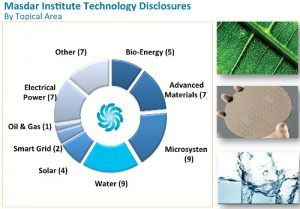
With one patent issued and 21 active applications pending at present, Masdar Institute remains in the forefront of innovation and R&D in clean energy and sustainable advanced technology. One recent patent filing from Masdar Institute happened in February 2013 for a novel system membrane that enables an ‘in-situ’ membrane cleaning for desalination. Masdar Institute also has the distinction of filing for 13 patent applications in 2012 alone.

Dr. Fred Moavenzadeh, President, Masdar Institute, said: “With publications of papers in 311 peer-reviewed journals, 330 conference papers, two full books and 38 invention disclosures, our success not only quantifies but illustrates the depth of the knowledge imparted to students. With the support of the country’s leadership, as we incrementally strengthen our academic and research offerings each year, we also enhance our capabilities in scientific discovery. We hope to further intensify our contribution and accomplish more innovations in clean energy and advanced sustainable technologies in the future.”

Of special interest to institutions involved in energy-related research is the fact that patent applications for four energy-related technologies – fuel cells, geothermal, solar and wind energy – increased by 8% in 2010 to 34,873. Residents of Japan filed the largest number of applications relating to solar energy and fuel cell technologies, while residents of Germany and the US accounted for the largest numbers of applications relating to geothermal and wind energy, respectively.

Masdar Institute currently has an issued patent titled ‘Apparatus and Method for Energy-Efficient and Environmentally-Friendly Recovery of Bitumen’, that was obtained by Dr Matteo Chiesa, Associate Professor – Mechanical Engineering / Materials Science and Engineering, and others. However, patent applications under review in various international patent offices currently stand at 21. It is expected that several will complete the 2-3 year application process and get issued as patents within the next year. As Masdar Institute research continues to contribute innovative solutions and advances state-of-the-art technologies, it will continue to file additional patents in the coming months.

The most recent filing from the Masdar Institute, for example, occurred in February 2013 to cover a novel system that enables an ‘in-situ’ membrane cleaning for water desalination purposes. Masdar Institute also has the distinction of filing for 13 patent applications in 2012 alone.

One of the most significant patent filings during 2012 was for ‘Networked-Cellulose Gel’ or ‘NC Gel’. The technology invention led to multiple patents and more are being filed on this material developed by a team of scientists that includes Dr. Raed Hashaikeh, Associate Professor – Materials Science and Engineering, with Dr. Boor Lalia and students Ali Asghar and Yarjan Abdulsamad. Based on the NC Gel, Dr. Hashaikeh’s team has made a ternary solid polymer electrolyte for Li-ion batteries with ionic conductivity on par with organic solvents and currently the material is being tested in lithium-ion coin cells. The interesting properties and behaviour -upon drying – of the NC material has proven applicability in several areas, ranging from pharmaceutical excipient, membrane support, and water retention material.

But one fundamental factor that is most required to drive innovation is R&D spending. As recent reports point out, the GCC and the MENA regions lag behind others in this area. Comparatively, China spends more than US$100 billion on R&D each year, says a Bloomberg Businessweek report. According to a report titled ‘Building Bricks: Exploring the Global Research and Innovation Impact of Brazil, Russia, India, China, and South Korea’ released by business-information provider Thomson Reuters, China plans to increase the proportion of its GDP spent on research and development from 1.75% in 2010 to 2.2% in 2015. By comparison, the US spent 2.79% of its GDP on research in 2010, the latest year for which data are available, the report adds.

Dr Steve Griffiths, Director of Institute Initiatives, Masdar Institute said: “Despite relatively moderate R&D spending, some academic institutions in the region such as Masdar Institute will continue to lead in innovations. Broadly speaking, research institutes can expect to have one invention disclosed for every US$1.5 million-US$2 million in research funding. Masdar Institute, however, received 20 disclosures in 2012 and has already received eight so far in 2013. At this rate of disclosures, Masdar Institute is set to exceed 2012 disclosures.”

Serving as a key pillar of innovation and human capital, Masdar Institute remains fundamental to Masdar’s core objectives of developing Abu Dhabi’s knowledge economy and finding solutions to humanity’s toughest challenges such as climate change.

Established as an on-going collaboration with the Massachusetts Institute of Technology (MIT), Masdar Institute integrates theory and practice to incubate a culture of innovation and entrepreneurship, working to develop the critical thinkers and leaders of tomorrow. With its world-class faculty and top-tier students, the Institute is committed to finding solutions to the challenges of clean energy and climate change through education and research.

Under the Patronage of His Excellency Sheikh Nahayan Mabarak Al Nahayan, UAE Minister of Youth, Culture, and Community Development University Leadership Council Organises Forum on Role of Philanthropy in Sustainable Development

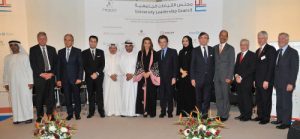
Dubai, UAE, 26th May, 2013 – Under the Patronage of His Excellency Sheikh Nahayan Mabarak Al Nahayan, UAE Minister of Youth, Culture, and Community Development, the conference on Role of Philanthropy in Sustainable Development was hosted by University Leadership Council (ULC) of the UAE in Dubai today. The regional conference, themed ‘Philanthropy in Higher Education and Responsible Social Giving: When Giving is a Reward,’ was inaugurated by UN Under-Secretary-General and former Minister of Foreign Affairs of France HE Philippe Douste-Blazy, Jack Lang, President, Arab World Institute and Former Minister of Culture for France and Michael Corbin, US Ambassador to the UAE. The event highlighted the increasingly important role of philanthropy and responsible social contribution towards sustainable development.

The ULC is a committee of academic institutions that seeks to facilitate the creation of an intensive knowledge-based economy in the UAE. The council executive committee comprises American University of Sharjah, Masdar Institute of Science and Technology, Zayed University, UAE University, Khalifa University of Science, Technology, and Researc. ULC members also include Abu Dhabi University and the education division of Dubai Healthcare City.

 
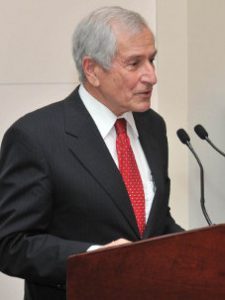
This first-of-its-kind conference led to an exchange of ideas on socially responsible philanthropy, and explored philanthropy-led initiatives in higher education in the UAE. The opening remarks were delivered by Dr Fred Moavenzadeh, President, Masdar Institute, on behalf of the ULC organizing Committee.
Dr. Fred Moavenzadeh said: “The culture of giving is inherent in the very traditions, customs and rites of this region. The discussions at this event aimed to bring to the fore these practices, the multi-layered contribution of the key participants and raise awareness about how deeply entrenched they are in our societal practices. The participating stakeholders adequately emphasized the need for sustainable development through responsible social contributions.”
 
Commenting on this initiative, Dr. Thomas Hochstettler, Provost and Acting Chancellor of American University of Sharjah said: “Philanthropy in education is of mutual benefit where industry and government support universities in funding their educational projects and at the same time provide a platform to develop new talent for building the regional knowledge economy. Regional universities are establishing endowments, scholarships, chairs and other opportunities for philanthropists to advance their corporate social responsibility initiatives. This conference is a perfect launch-pad for bringing the donor community in the form of our leading charitable foundations together with leading universities. It will begin what I hope will be an ongoing effort to leverage the philanthropic impulse inherent in our culture in support of higher education.”
 
Dr. Nada Mourtada-Sabbah, Vice Chancellor for Development and Alumni Affairs at the American University of Sharjah commented that “this was a singular event, in that it brought together the senior leadership of all universities in the United Arab Emirates and those at the helm of key foundations in the region to raise consciousness on the importance of responsible social giving in building the very fabric of societies in the Arab world in multi-faceted meaningful ways. The involvement of high-powered business leaders in the dialogue between academia, governmental agencies, and the private sector testifies to the increasing awareness and significance corporate social responsibility is achieving in the region.”
 
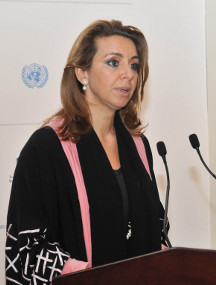
In addition to Ministers HE Philippe Douste-Blazy and Jack Lang, other keynote speakers at the conference included Dr. Hisham El-Sherif, Chairman of IT Investments and Professor Emeritus, American University of Cairo in Egypt and Dr. Shaikha Al Maskari, Chairperson of Al Maskari Holding who highlighted the role of women in sustainable development and shared her experience as a co-founder of many entrepreneurial and charitable initiatives.
 
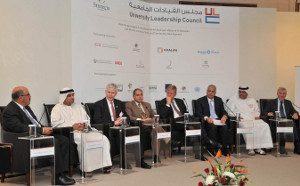
Four panel discussions featured top government officials and major international corporations and focused on the role of private philanthropic foundations and government organizations in supporting national development efforts. Panelists included Dr. Mohammed Banyas, UAE University; Dr. Nabil Ibrahim, Abu Dhabi University; Dr. Tod Laursen, Khalifa University of Science, Technology, and Research; Dr. Amer Ahmad Sharif, Dubai Healthcare City Educatıon; Dr. Larry Wilson, Zayed University; Abdullah Saeed Al Darmaki, Chief Executive Officer, Khalifa Fund for Enterprise Development; Tariq Al Gurg, Chief Executive Officer, Dubai Cares; Dr. Abdulkareem Sultan Al Olama, Chief Executive Officer, Al Jalila Foundation; Fouad Makhzoumi, Founder, Makhzoumi Foundation, UAE; and Clare Woodcraft, Chief Executive Officer, Emirates Foundation.

 
Acting as a link for faculty and students to interface with both the public and private sectors, the University Leadership Council aims to seek industrial, government, and private individual financial support for the academic and research activities of the universities. It is also mandated to advance the educational goals of the UAE-based universities and align their policies with the government with regard to meeting the requirements of the economy and the industry.
 
The conference is also a regional response to the contemporary global discourse on how ‘giving’ can be more effective and strategic. An art exhibition titled ‘Art Through University and Community Dialogue’, featured contemporary works by renowned Qatari artists Ali Hassan, Salman Al Malik and Amal Al-Athem, and Emirati pioneer artists Dr. Najat Mekki, Abdul Rahim Salem, and Khalifa Al Shimi, provided an additional dimension to the event. A tangible investment in the cultural creativity of the GCC region and a form of social giving and creative philanthropy, the exhibition aimed to build relationships among educators, artists, and the wider community.

Biology of UAE deserts an untapped fountain

By Dr Hector Hernandez
May 26, 2013 

When we think of vibrant biodiversity, the Amazonian jungles, the American Great Plains and the vast oceans come to mind.

And for good reason. They are a prime source of pharmaceuticals, nutritionals and biomass for energy products.

It is for that reason so many of us support efforts to prevent deforestation in the rainforests and overfishing in the oceans.

That global support has helped countries such as Brazil, the United States and Australia implement strict legislation to prevent the export and exploitation of their natural biodiversity by foreigners for commercial purposes.

India and many other developing nations have also set limits on which biodiversity samples can be exported.

But in our part of the world, there is still a perception that the desert is a barren place, and thus, does not need protection.

In fact, Abu Dhabi and the UAE have a unique and unexplored environment full of natural diversity that is only found in the Arabian Peninsula.

From the oil rich salicornia plants that thrive in the UAE’s stark saltflats, to the nourishing and medicinal ghaf trees that survive in the dunes, our coasts, desserts, wadis, and sabkhas have evolved unique and potentially useful plants and animals, most of which have yet to be discovered.

This unexplored potential is even more important given the UAE’s mandate to become more sustainable and prosperous.

Among the unassuming dunes we might find a species that provides us with greater food security, or maybe in our oases we could find a plant that can reduce our dependence on fossil fuels.

There is a wealth of unknown potential for the development of new bio-based renewable and sustainable industries, and preliminary exploration efforts have already begun.

The Marine Research Centre in Umm Al Qaiwain is studying compounds made from sea grass and corals for medicinal and pharmaceutical uses.

Fujairah, too, has opened a research station at Wadi Wurayah Mountain Protected Area to study the natural biodiversity of the freshwater wadi.

Meanwhile, researchers at UAE University are looking for anti-cancer and antimicrobial compounds found in native UAE plants. It is currently working to isolate a compound from a plant extract that shows promising initial results stopping the growth of cancerous cells.

In my own laboratory at the Masdar Institute of Science and Technology, we are investigating the microbes and algae that live in the desert as a source of biofuels.

We have isolated several native microbial species and algae, which we are characterising in the laboratory. This work has led an Emirati student, Ahmed Al Harethi, to file a patent on an isolate of one native algal strain – AAH001 – with the US patent and trade office.

All these initial findings hint at the hidden potential for the development of intellectual property that will provide the base for new entrepreneurial opportunities for the UAE.

But all this work will be for nothing if there is no legislation that protects our natural biodiversity from being exported and used in other places around the world without our consent.

The UAE, through the Environmental Agency Abu Dhabi, has established guidelines on how to protect our environment to preserve our biodiversity for the future generations.

There is no formal legislation, however, preventing the export of our most precious natural resources. It is our hope that the UAE will soon join the ranks of nations like the US and Costa Rica, and put in place laws and limits to ensure its irreplaceable natural wealth is protected.

The desert and the ocean have always been a key part of the UAE’s history. They have provided food and substance for our past generations. With proper care and stewardship, the bounty hidden in their depths can bring sustainable and renewable prosperity to a new generation of UAE citizens.

Dr Hector Hernandez is an assistant professor of chemical engineering at the Masdar Institute of Science and Technology.

Masdar Institute Researchers Place UAE on Global Map for Printed Organic Optoelectronics

Major Project in Organic Photodetectors including Solar Cells and Photodiodes Currently Under Way in Abu Dhabi

Abu Dhabi-UAE: 27 May, 2013– Masdar Institute of Science and Technology, an independent, research-driven graduate-level university focused on advanced energy and sustainable technologies, today announced researchers at the campus have taken the initial steps towards printed organic optoelectronics, placing the UAE firmly on the global map of this promising sector.

Printed electronics is a combination of the technologies employed in printing, electronics, chemistry and materials science. Industries across the world are embracing this nascent sector for commercial implications. New innovations are much sought after because this technology can offer benefits such as low cost, high throughput, ease of manufacturing and use in new applications.

Dr. Samuele Lilliu, a post-doctoral fellow working at the Nano-Optics and Optoelectronics Research (NOOR) Laboratory under Dr. Marcus Dahlem, Assistant Professor, Microsystems Engineering, is leading a major project on organic photodetectors, including solar cells and photodiodes. Novel research strategies and innovative concepts are also being developed to make Masdar Institute a strong player in the printed electronics arena.

The project involves several more faculty members including Dr. Amal Al Ghaferi and Dr. Marco Stefancich, Assistant Professors from the Materials Science and Engineering program, as well as Dr. Ammar Nayfeh, Dr. Jerald Yoo and Dr. Jaime Viegas, Assistant Professors from the Microsystems Engineering program. In addition, Dr. Matteo Chiesa, Associate Professor, Materials Science and Engineering, and Prof. Bruce Ferguson, Director of Masdar Institute’s Center on Innovation Systems and Entrepreneurship, are also part of the project.

Dr. Fred Moavenzadeh, President, Masdar Institute, said: “Cutting-edge research projects undertaken by the faculty, post-docs and students have once again placed the UAE firmly among the leaders in the advanced technology innovation. With the support of the country’s leadership, we have evolved into one of the top-ranking institutions, driving new solutions in science and technology areas. We will continue with our efforts to maintain the status of Masdar Institute as a pioneer in creating and nurturing knowledge capital in the region.”

A current study by IDTechEx, a consulting company for printed electronics, shows that the market for printed and potentially printed electronics is already worth US$9.4 billion. A study by Silicon Valley-headquartered business consulting firm Frost & Sullivan predicts the market for organic and printed electronics will increase by more than 100 per cent to around US$25 billion by 2015.

Tracking the global trend, Masdar Institute recently installed Fujifilm Dimatix DMP2831, one of the most flexible tools for inks development in inkjet-printing. The application of inkjet-printing as a fabrication tool for organic devices shows the potential of these organic materials for low-cost third-generation electronics and optoelectronics.

Dr. Marcus Dahlem said: “Dr. Lilliu fabricated the first high-quality inkjet-printed organic photodiodes at Dr. Sandro Tedde’s labs in Siemens AG, Germany, which currently holds the largest patent portfolio on organic photodiodes. His experience holds the key and his research project brings value to Abu Dhabi and the UAE.”

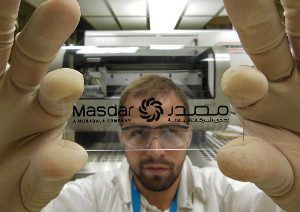
Training programs on operating the Fujifilm Dimatix DMP2831 for graduate students are currently being scheduled. Students will also learn to print polymers on ITO-coated glass and flexible substrates such as paper, textiles and plastics. A logo of Masdar was printed at the institute’s cleanroom using this high-tech equipment.

Dr. Lilliu said: “Organic semiconductors are highly attractive for electronic applications thanks to their ease of processing and tunability, which offers great potential for low fabrication costs. Bulk-heterojunction organic photodetectors based on semiconductive polymers and small molecules are currently among the best performing organic electronic devices.”

The development and the optimization of semiconductor and nanoparticles inks is an essential step for the commercialization of low cost organic photodetectors. Since organic solar cells can be coated on flexible transparent substrates, their potential applications range from self-powered electronic newspapers to building-integrated photovoltaics. The combination of organic photovoltaics with inkjet-printing also offers interesting opportunities in the field of multi-color aesthetic solar cells, a field that is currently unexplored and that could be highly attractive for designers and artists.

Other end-use examples of printable/disposable electronics include inexpensive printed RFID tags for smart packaging, E-paper displays sold for point-of-purchase applications, new products such as games, gadgets and gizmos that are based on printed and/or organic electronics, materials supplied to disposable electronics with strong demand for inexpensive conductive inks, as well as paper and board substrates.

Serving as a key pillar of innovation and human capital, Masdar Institute remains fundamental to Masdar’s core objectives of developing Abu Dhabi’s knowledge economy and finding solutions to humanity’s toughest challenges such as climate change

Established as an on-going collaboration with the Massachusetts Institute of Technology (MIT), Masdar Institute integrates theory and practice to incubate a culture of innovation and entrepreneurship, working to develop the critical thinkers and leaders of tomorrow.  With its world-class faculty and top-tier students, the Institute is committed to finding solutions to the challenges of clean energy and climate change through education and research.

Abu Dhabi Doubles Down on Semiconductor Research

ATIC, SRC, Masdar Institute and Khalifa University Join Forces for Center of Excellence in Microelectronics Research

Abu Dhabi, 29th May, 2013: The Advanced Technology Investment Company (ATIC) and the Semiconductor Research Corporation (SRC) today launched the ATIC-SRC Center of Excellence for Energy Efficient Electronic Systems (ACE4S), to be hosted jointly in Abu Dhabi by Khalifa University of Science, Technology and Research, and Masdar Institute of Science and Technology.

“Over the past 30 years, SRC has successfully helped establish numerous university research centers and distributed more than $2 billion dollars in research funds in the United States; ACE4S role as our first international center reflects significantly on the quality of research we pursue,” said SRC President Larry Sumney. “The ACE4S Center has been established with valuable industry guidance from companies such as GLOBALFOUNDRIES, AMD, Applied Materials, Freescale, IBM, Intel, Mentor Graphics, Texas Instruments and Tokyo Electron (TEL) and will build on SRC-sponsored university research supporting 15 individual researchers in the UAE. Top semiconductor industry experts will oversee and serve as liaisons for each research task, and SRC will productively guide the overall research while also promoting strong student engagement—enabling us to identify areas of greatest need and foster the move of innovations from lab to market.”

The center will be overseen by a partnership committee of high-level ATIC, SRC, Khalifa University and Masdar Institute representatives and will be directed jointly by Professors Mohammed Ismail of Khalifa University, and Ibrahim Elfadel of Masdar Institute. The directors will oversee research across four targeted areas and work closely with a Technology Advisory Board (TAB) of representatives from industry-leading companies.

GLOBALFOUNDRIES will serve a special role on the TAB, assigning Mohamed Lakehal as an Abu Dhabi-based industrial liaison to oversee design tape-outs to fabrication in GLOBALFOUNDRIES’ facilities worldwide. The liaison will also support design enablement, deploying design-for-manufacture tools and raising the level of local semiconductor expertise.

“As a research-oriented institution, we are proud to be part of the ACE4S leadership and offer our expertise and research capabilities,” said Dr. Fred Moavenzadeh, President, Masdar Institute. “Our faculty will aim to develop microelectronic technologies with healthcare applications individually and in collaboration with their peers within the initial period of the center’s operation. These innovative products will include biosensor applications, wearable devices and self-powered wireless body area networks (WBAN). We believe these applications will have a wide impact because of their energy efficiency and novel designs.”

“This partnership will transform the way we conduct research in nano-scale energy efficient systems-on-chips as it will help us educate and train a highly skilled workforce with relevant skills. This is a key element in driving innovation and entrepreneurship in the UAE’s semiconductor sector in line with the Abu Dhabi 2030 vision,” said Dr. Tod A. Larsen, President of Khalifa University. “The involvement of the SRC and its member companies in center development will help create a world-leading institution with a sustainable university/industry collaborative research environment conducive to high-tech job creation and direct local and foreign investment.”

The center will focus on energy efficient devices with research in energy harvesting, power management, sensor technologies and wireless communications networks. The research will be conducted primarily at Khalifa University and Masdar Institute but with important involvement from UAE University, American University of Sharjah and New York University, Abu Dhabi. Within the first three years, ACE4S will seek to produce integrated prototypes with healthcare applications as well as knowledge and research relevant to safety and security, aerospace, water quality and the environment.

Supporting the transition of innovations to market, the center will develop an aggressive Intellectual Property Management Plan (IPMP). The IPMP will include early identification of interconnected families of innovation arising from technical themes, placing special emphasis on the integrated systems selected for demonstration at the end of year three.

ACE4S is a continuation of ATIC’s broader focus on cultivating a technology research ecosystem within Abu Dhabi. Additional programs supported in this vein include: the Twin-Labs research center, a collaboration between Masdar Institute and Technical University of Dresden with support from the State of Saxony, ATIC and GLOBALFOUNDRIES; the ATIC professorship chairs at UAEU and Khalifa University; the Masters in Microsystems degree in collaboration with Masdar Institute; and ongoing MEES research grants in collaboration with the SRC.