Investing in Research Universities Only Way to Strengthen Innovation, Says MIT President

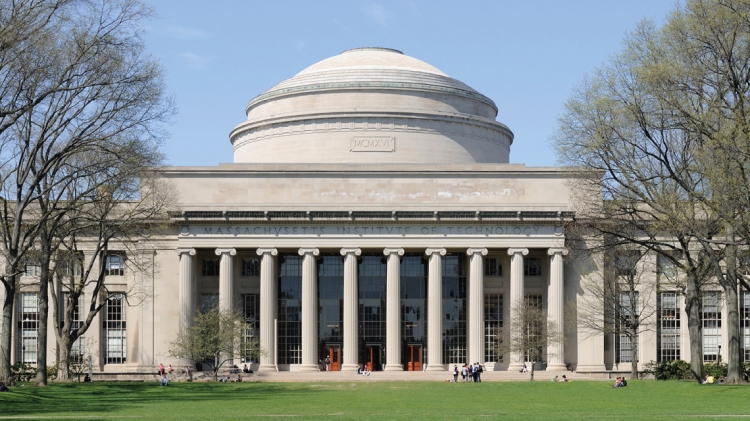
Abu Dhabi-UAE: 16 April, 2014 – The most fundamental way for a nation to build its strength in innovation is to invest in its research universities because this investment brings forth new knowledge and human capital – two key aspects that help accelerate innovation, according to Dr. L Rafael Reif, President of the Massachusetts Institute of Technology (MIT).

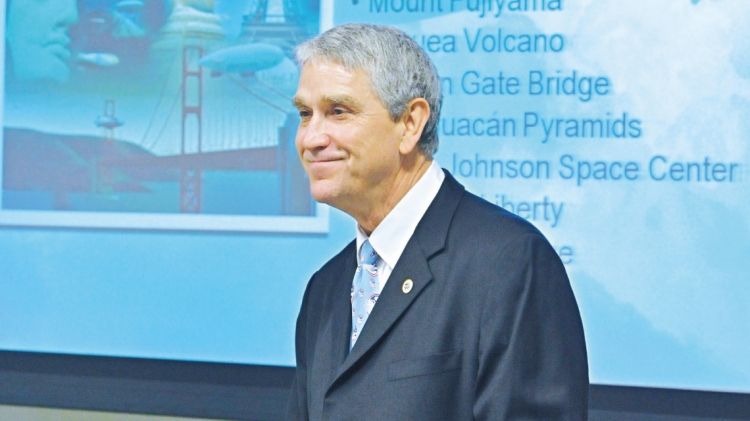
“New knowledge is the foundation of all truly important innovation while human capital helps in transforming knowledge into new technologies, solutions, companies and jobs,” explained Dr. Reif, who was delivering a talk titled, ‘Science, Technology and Education: Research Universities as Engines of a Modern Economy’ at Masdar Institute in Abu Dhabi. A large number of staff and faculty members with students and other stakeholders attended the event that was organized as part of the Masdar Institute of Science and Technology’s Distinguished Lecture Series program.

The MIT President was received by Dr. Fred Moavenzadeh, President, Masdar Institute, senior management from Masdar, as well as staff, faculty and students from Masdar Institute. Dr. Reif was later presented with a Masdar Institute memento by Dr. Moavenzadeh.

Commending the UAE leadership for implementing the vision of the Founding Father of the UAE Late Sheikh Zayed bin Sultan Al Nahyan, who encouraged education and research in the country, Dr. Reif said Masdar Institute can take pride in its progress. He added: “From a hopeful start-up and a bold experiment, Masdar Institute has transformed itself into a thriving academic community that is leading the way on new solutions to the urgent challenges of energy and environment.”

Emphasizing that MIT takes pride in being a partner to Masdar Institute’s progress, Dr. Reif said that a research-based university is more fundamental to fueling innovation than factors such as a modern infrastructure, clear and dependable intellectual property and trade laws or access to financial capital.

Citing the example of the visionary government investment in an institution such as MIT, Dr. Reif reiterated that the structure and culture of the prestigious institution explain why MIT remains a force for innovation. It is the combination of ‘research and education’ that is most responsible for MIT’s capacity to drive innovation, he added.

Dr. Reif said: “During World War II, the US government made investments in science and engineering research on a scale never seen before. But investments continued in scientific and technical research after the war ended, and even now MIT receives about 70% of its research funding through a competitive process of government grants.

“MIT became an engine of the innovation economy only through linking research and education, placing basic and applied research on equal footing, working with industry to encourage entrepreneurship, focusing on inter-disciplinary problem-solving and fostering a community united by a distinctive set of values.”

Listing achievements in innovation, Dr. Reif pointed out that in the last 69 years, 13% of the most important advances in scientific knowledge – as measured by Nobel Prizes awarded — came from MIT. He added that from 2008 to 2012, MIT produced 859 US patents and 117 start-ups, more than any other single university, providing clear evidence of the value of the government investment in a research-based university. MIT is also the only institution to rank among the top six universities in both patent creation and Nobel Prize production since 1944, he remarked.

Pointing out that about 15% of MIT’s research funding comes from the industry, Dr. Reif said staying close to industry exposes universities to real-world problems and inspires them to focus on practical, long-term challenges. He added that by 2001, MIT’s 125,000 living alumni had started 26,000 active companies across the world – one for every five living graduates – employing 3.3 million people.

Currently, about 60% of the MIT faculty members are associated with one or more of the 50 labs, centers and institutes at MIT that focus on inter-disciplinary problem-solving, a style of thinking very familiar to people at Masdar Institute, Dr. Reif said, adding that openly exchanging ideas and information while working closely with others offer the quickest route to innovation and economic progress.

Experts Believe Early-Stage Technology-Based Companies Bridge Academia with Industry

Abu Dhabi-UAE: 22 April, 2014 – The UAE should provide more assistance to early-stage technology-based start-ups that serve as a “crucial bridge” between academia and industry, according to recommendations offered by UAE innovation experts.

The recommendations are part of the summary and recommendations report from the “UAE Forum on Innovation and Entrepreneurship” that was held in Abu Dhabi in April 2013. The event was jointly organized by Masdar Institute and the Massachusetts Institute of Technology (MIT). More than 200 distinguished speakers, panelists, and invited guests whose diversity mirrors the complex ecosystem for innovation in the region, participated in the Forum.

The Forum resulted in nine recommendations to provide a strong foundation for innovation in the UAE. They include strengthening each  stakeholder group in the UAE innovation ecosystem, establishing a unique “brand” of innovation in the UAE, designing industry-specific innovation policies to accelerate innovation, developing new innovation hubs modeled on free zones, building on the strength of the country’s diversity, modifying rules and regulations as needed to ensure that they do not dampen innovation, establishing a greater UAE Government role in research funding, promoting the formation of small technology companies to serve as the crucial bridge between university research and commercial products and services, and improving stakeholder coordination within the UAE innovation ecosystem.  A copy of the full report is available on-line.

Dr. Fred Moavenzadeh, President, Masdar Institute, said: “The recommendations convey the need to urgently tackle the challenges to innovation currently being faced by countries such as the UAE. In order to build a knowledge-based economy and create new wealth as directed by the UAE leadership, a different style of entrepreneurship will be needed. We hope these recommendations will play an important role in facilitating the development of a community that thrives on innovation and entrepreneurship.”

Dr. Lita Nelsen, Director, Licensing, MIT, said: “Small companies provide a critical bridge for transferring technology, developing university intellectual property to the point it becomes useful to large companies. Large companies play an important role in sponsoring university research, giving vital direction to R&D. But even in such industry-directed research programs, product development still takes place in small companies.”

A survey of the Forum’s audience found 72% believed that universities should advise their graduates to be entrepreneurs, while 76% believed that lack of success of a technology-based start-up would not hinder future job prospects for an entrepreneur. At the same time, participants expressed their willingness to pay higher prices in order to encourage innovation, with 61% expressing willingness to pay more for petrol and electricity to encourage alternative energy.

Masdar Institute in collaboration with British Petroleum and MIT will host the 2014 UAE Forum on Innovation and Entrepreneurship as a follow-up to last year’s successful Forum. The 2014 Forum will focus on three key industries – higher education, energy and aerospace – to provide an industry-based perspective to innovation and entrepreneurship.

Nine UAE National Masdar Institute Students Complete Two-Week Orientation Program for Summer Internship in Japan

Abu Dhabi-UAE: 12  May, 2014 – Masdar Institute of Science and Technology, an independent, research-driven graduate-level university focused on advanced energy and sustainable technologies, today announced that nine of its UAE national students completed a two-week orientation program in preparation for the Japan International Cooperation Center’s (JICE) third annual summer internship program with five leading companies in Japan.

The foundation program also included lessons in the Japanese language designed to prepare the group for a meaningful cultural immersion during their five-week field internship in Japan. The nine students will intern with JGC Corporation, Mitsubishi Electric, Mitsubishi Heavy Industries, Chiyoda Corporation and Toshiba Corporation. The internships are intended to provide students with advance learning opportunities in the latest research and development in the field of clean technologies.

The rest of the annual internship programs are held in Japan from 18 May to 7 July, 2014. The interns include Engineering Systems and Management students Shamma Al Jaberi, Abeer Almaazmi, Majid Aljasmi, Bader Mohammad, Muna AlAteibi and Reem Ketait, Electrical Power Engineering students Nada Al Awadhi and Hajer Al Yammahi and Chemical Engineering student Elham A. Abdulkarem. This internship program is being coordinated by the JICE and supported by the Ministry of Economy, Trade and Industry (METI) of Japan.

Dr. Behjat Al Yousuf, Dean of Students, Masdar Institute, said: “The JICE internship program has introduced many improvements this year. For example, the orientation is conducted here in Abu Dhabi to help maximize the students’ time with the industries, while the curriculum was developed jointly between Masdar Institute faculty and the Japanese industries. This has helped in the selection process and to align students’ research with internship themes. Also, the students are introduced to research areas such as ocean energy technology and evaluations of cloud computing infrastructure. These learning opportunities provide our UAE national students with insight into the social and work culture in Japan, one of the world’s most technologically innovative countries. With the support of the UAE leadership, we continue to offer internship opportunities with top-level Japanese corporations and we hope the program will benefit the students.”

Ms. Masako Kishimoto, Vice-President of JICE, said: “From this year, JICE has enhanced the collaborative relationship with Masdar Institute, offering the foundation program in Japanese language in Abu Dhabi before the interns leave for Japan. We believe the new schedule will facilitate the interns to begin their projects at the earliest and provide a better experience in Japan.”

Abeer Almaazmi will intern with JGC Corporation, a leading global engineering company. She will work on areas such as optimization of heating, ventilation and air-conditioning  operation using data from energy management systems and simulator in Japanese shopping centers, analysis of such data, as well as engineering studies in concentrated solar power (CSP) utilization and desalination.

Almaazmi said: “This internship will add value to my technical and management skills at the international corporate level. Being involved in such an efficient environment will also raise my awareness of best practices in the engineering field. I expect to be more prepared to merge in any working environment after my experience with JGC in Japan.”

Hajer Al Yammahi, who will intern with Chiyoda Corporation, said: “The JICE internship will expand my knowledge in the area of renewable power generation, its use, and implementation in different applications that are relevant to my research. My focus will be on solar power, which, in the UAE, faces many challenges. Additionally, I expect to learn about the Japanese language, culture, and lifestyle.”

Al Yammahi’s research focuses on controlling frequency for the smart grid environment where multiple renewable energy sources are used. During the internship, she will focus mainly on renewable energy technologies such as photovoltaics (PV) and CSP, visiting industrial plants and other sites.

During her internship with Toshiba at the R&D Center, Muna AlAteibi will focus on the security standards of control systems and the certification process, concurring with her academic research in smart power grids security, specifically in social engineering security. Her research aims to enhance the security in smart power grids systems and make the future systems more sustainable.

AlAteibi said: “Beside the technical side of the experience, the internship opportunity in Japan will allow me to strengthen my research capability, explore the industrial R&D environment and experience and visualize a different culture, including the culture of research and innovation.”

Elham Abdulkarem said: “Being an intern at one of the big companies such as Mitsubishi Heavy Industries will definitely add value to my knowledge. By the end of the internship I will be able to identify the market need for geothermal potential and how to enhance the geothermal systems.”

Bader Mohammad who will also intern with Mitsubishi Heavy will be focusing his internship research on sustainable construction.

Mohammad said: “Other than the cultural experience and gaining insight into the mindset of the intellectual Japanese individuals, I expect to gain knowledge in the methodologies in sustainable construction and how to manage sustainable projects.”

Masdar Institute to Host Lecture on Lighter-than-Air Aviation Technology

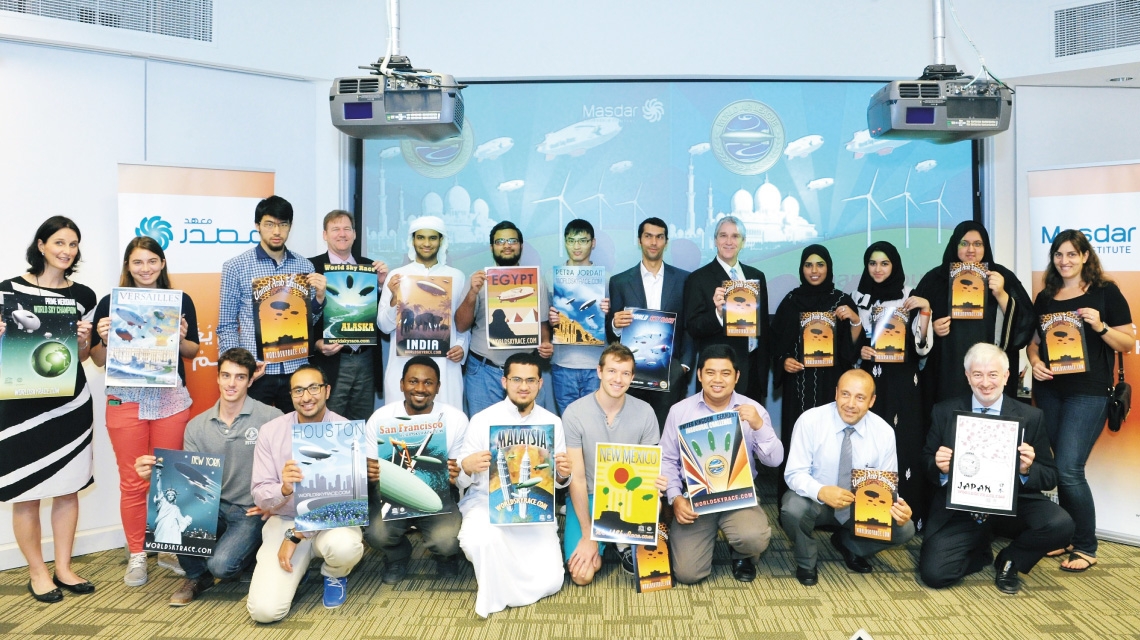
Abu Dhabi-UAE: 20 May, 2014 – Masdar Institute of Science and Technology today announced that it will host a guest lecture by Don Hartsell, Commissioner for the World Air League, who will discuss advances in lighter-than-air aviation (LTA) technology and its potential transformational role in the global economy for this century.

To be held on 28 May, at the Masdar Institute Auditorium, the lecture will be attended by students, faculty and various stakeholders in sustainable fields.

Don Hartsell said: “Starting with the proven engineering of the 1920s and 1930s, we will innovate for today to create new markets for green LTA transportation. With LTA solutions, there will be reduced need for building highways, railroads, harbors and runways. Essentially, LTA commerce can eliminate the need for building that last 1,000 miles of roads.”

Dr. Sgouris Sgouridis, Head of the Institute Center for Smart and Sustainable Systems (iSmart) and Associate Professor, Engineering Systems and Management, said: “LTA systems provide some promising options for reducing aviation’s energy footprint in certain markets. iSmart welcomes Don Hartsell, who will be delivering a lecture on LTA and the World Sky Race, raising awareness about the advantages but also of limitations of these reemerging technologies.”

Hartsell will also speak in detail about how the World Sky Race plans to fly airships and zeppelins across the globe in 2016.

To learn more or to get involved, visit:

www.worldskyrace.com


Lighter-Than-Air Transport Systems Can Reduce Fuel Consumption by 85%, Says Aviation Expert

Abu Dhabi-UAE: 29 May, 2014 – Adoption of lighter-than-air (LTA) transport systems will have a massive transformational impact on humanity as they can bring benefits through 85% reduced fuel consumption with virtually no expenditure on building additional infrastructure facilities, said Don R. Hartsell, Commissioner and Managing Director, World Air League, and a sustainable lifestyle proponent.

Speaking at a lecture organized at the Masdar Institute of Science and Technology auditorium, Hartsell pointed out that LTA systems represent one of the most proven sustainable technology solutions for managing an important aspect of global commerce – the efficient transportation grid. The lecture was attended by a large number of students, faculty members, enthusiasts in environmental technology and green industry stakeholders.

An overview of the proposed inaugural World Sky Race®, which is planned in December 2016 as a historic competition of lighter-than-air ships racing 30,000-plus miles, was also offered by Hartsell. The event includes 18 back-to-back races that span the globe, with the winner to be crowned the World Sky Champion.

Hartsell said: “The intersection of advances in composites, manufacturing, engineering safety, helium production, avionics and weather forecasting are providing an opportunity to redefine the deployment of LTA as a sustainable means for an alternative future for this century. It would immensely benefit humanity if such sustainable practices could be adopted.”

Airplanes expend 90% of their energy for take-off and 10% for movement, while airships use their entire energy for movement, said Hartsell, and added that airships also require 85% less fuel. Therefore, airships offer significant cost advantages including reduction in capital investment, operational and maintenance costs, and related environmental loss.

Hartsell added: “Hybrid developments, advancements in construction and manufacturing technologies along with the use of helium gas, — a safe, non-reactive, non-explosive, and a non-greenhouse element — should bring airships to the fore for wider use. Currently being wasted at production sites, the right investment could boost helium supplies and bring about a change in modern transportation methods.”

After giving his talk, Hartsell received a memento from Dr. Fred Moavenzadeh, President, Masdar Institute, commemorate his visit to the sustainable campus.

Earlier, Hartsell was received by Dr. Mohamed Sassi, Interim Dean of Faculty, Masdar Institute, Dr. Steve Griffiths, Executive Director, Institute’s Initiatives, and Dr. Sgouris Sgouridis, Head of the Institute Center for Smart and Sustainable Systems (iSmart) and Associate Professor, Engineering Systems and Management and other faculty and staff members. He was then taken on a tour of the campus.

Hartsell commended Masdar Institute for undertaking various cutting edge research projects related to aviation and aircraft composite material technologies. He also praised the UAE leaders for their amazing contribution towards creating a sustainable and clean future and hoped that the Masdar Institute’s human capital development would create a pool of talented future innovators to tackle humanity’s challenges in energy and climate change.

Under the Patronage of His Highness General Sheikh Mohamed bin Zayed Al Nahyan

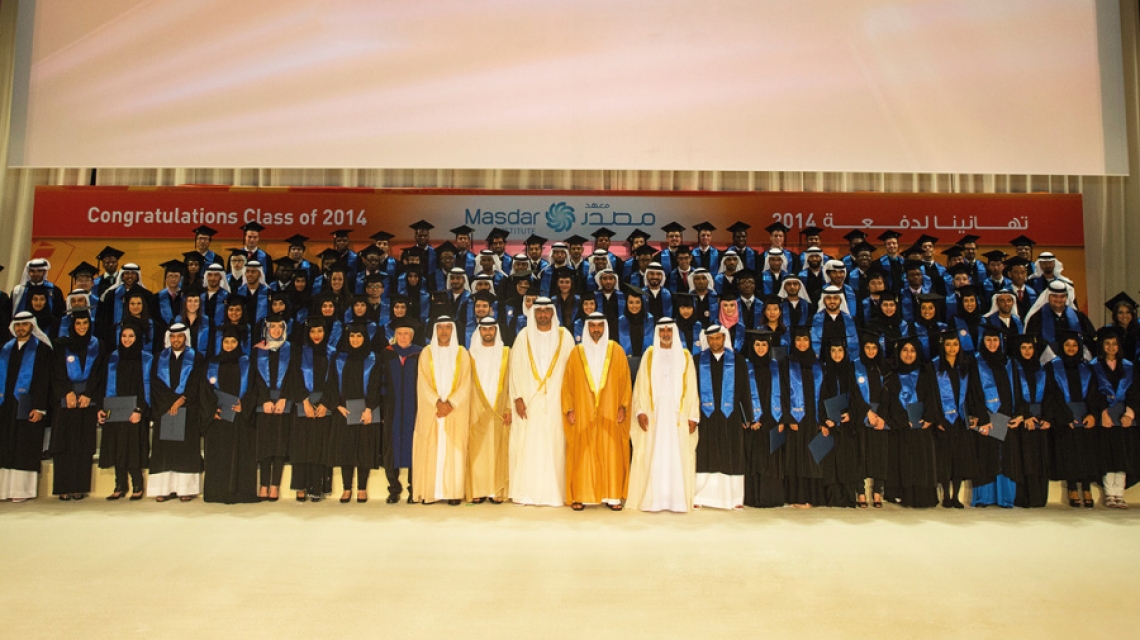
ABU DHABI: 04 June, 2014 – Under the patronage of His Highness General Sheikh Mohamed bin Zayed Al Nahyan, Crown Prince of Abu Dhabi and Deputy Supreme Commander of the UAE Armed Forces and Chairman of the Board of Trustees of Masdar Institute, His Highness Sheikh Hamed bin Zayed Al Nahyan, Chairman of Abu Dhabi Crown Prince’s Court, and His Excellency Sheikh Nahyan bin Mubarak Al Nahyan, Minister of Culture, Youth and Community Development, today attended the fourth graduation ceremony of the Masdar Institute, which was held at the Emirates Palace Hotel, Abu Dhabi.

His Highness Sheikh Hamed said that the graduation of Class 2014 students from the Masdar Institute reaffirms the commitment of the UAE to develop qualified specialists in advanced energy and sustainable technologies, as well as a new generation of research scientists and experts with cutting-edge science and technology. These efforts are inspired by the directives of the Founding Father of the UAE, Late Sheikh Zayed bin Sultan Al Nahyan, who strongly urged that the country’s environment and natural resources be preserved.

His Highness Sheikh Hamed added that the UAE leadership is always working for the good of the country’s most precious resource – its people – as recommended by His Highness Sheikh Khalifa bin Zayed Al Nahyan, UAE President and Supreme Commander of the UAE Armed Forces. He thanked His Highness Sheikh Mohamed bin Zayed Al Nahyan, Crown Prince of Abu Dhabi and Deputy Supreme Commander of the UAE Armed Forces, for his tireless efforts to support science, engineering and technology education for the good of the UAE and its citizens.

In his keynote speech, His Excellency Sheikh Nahyan said: “Masdar Institute has achieved success within such a short period while contributing largely to creating and developing qualified human capital specialized in sustainable and renewable energy. We are pleased to congratulate the fourth group of students who are graduating today and thank the UAE leadership for its continuous support that enables the youth to contribute to the progress of the country.”

“The progress of Masdar City in general and the achievements of Masdar Institute in particular are admirable. The Ministry of Culture, Youth and Community Development is currently working on a new strategy to enhance its growing contribution to ensure the community’s growth remains sustainable.”
Dr. Sultan Ahmed Al Jaber, Chairman of Masdar and Chairman of the Executive Committee of the Board of Trustees of Masdar Institute, said: “The Masdar Institute of Science and Technology is playing an increasingly critical role in supporting the clean energy industry with technological breakthroughs and world class thinkers.

“The development of our human capital and the establishment of an entrepreneurial, R&D environment in Abu Dhabi underpins our leadership’s vision of diversifying our economy. I would like to congratulate the graduating class and wish them a successful future as they embark on their careers during this exciting phase of energy diversification and economic development.”

Dr. Fred Moavenzadeh, President, Masdar Institute, said: “With this commencement ceremony, you join a select group of people around the world who have been trained with the very purpose of providing the innovations the world needs. The support and guidance of the country’s leadership continues to strengthen us as we progress towards not only becoming one of the leading research-oriented institutions in the world but also playing a key role in knowledge creation. Congratulations to the new graduates, I urge you to use the skills and knowledge you have gained at Masdar Institute wisely, and effectively.”

His Highness Sheikh Hamed and His Excellency Sheikh Nahyan awarded graduation certificates to the 130 Masdar Institute graduates of eight Master of Science programs, including Engineering Systems and Management, Computing and Information Science, Materials Science and Engineering, Mechanical Engineering, Water and Environmental Engineering, Microsystems Engineering, Electrical Power Engineering and Chemical Engineering. Of the total number of students, 53 UAE nationals representing 40% and 77 international students from 29 countries are graduating today. This increase in the number of UAE national graduates is an achievement in itself given Masdar Institute’s rigorous and highly competitive admission standards.

Masdar Institute has already earned the distinction of obtaining three approved patents so far with an additional 39 patent applications pending and over 60 invention disclosures. These achievements are in addition to over 400 papers published in peer-reviewed journals, as well as 280 conference proceedings, 19 book chapters, and two full books.

Masdar Institute held its first graduation in June 2011 while the second group of students received their Master’s degrees in May 2012. A total of 90 students received their degrees in 2013. This year, a total of 130 students are graduating after successfully completing their research and academic programs in clean energy and advanced technology subjects.

ACHIEVEMENTS:

The 2013-2014 academic year was marked by several notable achievements. Masdar Institute became one of the few academic institutions worldwide providing cutting-edge semiconductor designs for manufacturing — what is known in the industry as a ‘tape-out.’ The ‘tape-out’ produced on ‘GLOBALFOUNDRIES 28nm SLP low-power, bulk CMOS technology’, was made possible through the design-enablement and fabrication collaboration with GLOBALFOUNDRIES, the world’s second largest semiconductor foundry company, wholly-owned by Mubadala Technology.

In Computing and Information Science, a project presented by Masdar Institute’s Social Computing and Artificial Intelligence Lab became one of the 10 finalists out of 652 entries submitted for the Telecom Italia Big Data and Trentino Open Data Challenge 2014. Another important achievement in the 2013-2014 academic year was the Institute Center for Innovation and Entrepreneurship (iInnovation) Open House event, where a new two-year, fully-funded merit-based BP Innovation Scholarship was launched. The scholarships are funded in part under the new US$7 million collaborative innovation agreement that Masdar Institute and BP, signed earlier this year.

Also, in collaboration with BP Exploration Operating Company Limited and the Massachusetts Institute of Technology (MIT), Masdar Institute hosted the UAE Forum on Innovation and Entrepreneurship 2014, as a sequel to the 2013 forum. As recommended by experts, the event explored opportunities to accelerate innovation in three sectors – higher education, energy, and aerospace.

The Institute Center for Microsystems (iMicro) organized its own Open House to showcase the world-class research currently being conducted at Masdar Institute in all areas of micro- and nano-technologies, including semiconductors, photonics, microelectromechanical systems (MEMS), and photovoltaics. The Institute Center for Smart and Sustainable Systems (iSmart) hosted a symposium on sustainable critical infrastructure, during which a Master’s degree program in Sustainable Critical Infrastructure was launched. The Institute Center for Water (iWater) gathered several industry and academic experts to host a major international conference in Abu Dhabi, while the Institute Center for Energy (iEnergy) continued its research on sustainability production, energy transmission and distribution, energy storage (typically solar), energy-efficiency and bio-materials.

Students’ Projects:

Jassem Al Hammadi: Jassem’s research contributes to optimizing port operations especially bulk ports which do not receive significant attention compared to container terminals. The model he has developed optimizes the berth allocation of vessels along the quay and yard assignment for cargo storage. A case study of Zayed Port in Abu Dhabi is conducted and Jassem has developed a solution algorithm to get a near-optimal solution in a very efficient computational time.

Jassem says “I plan to work in urban planning that includes transportation, logistics, infrastructure, and city planning. I am also looking to run my own consultancy business sometime in the future. Masdar Institute has inspired me to live differently, and be a great example and inspiration to many people out there, especially in spreading awareness about sustainability.”

Azza Al Raisi: Working with phase-change materials, Azza’s thesis focused on developing a combination of paraffin wax encapsulated using networked cellulose with the best mechanical and thermal properties. The material will then be studied for the application on desalination cooling systems and other cooling systems that are needed in the UAE.

Azza says “Masdar Institute has taught me how to plan for the future. My plans are to go out, explore the developments and understand Abu Dhabi’s plans in the environmental sector, to discover where exactly I would fit. I will then continue my PhD in a specified field that I am interested in which will contribute to the UAE’s development directly as well.”

Iman Ustadi: Iman’s thesis studied the effect of the implementation of CO2 capture on the natural gas combined cycle (NGCC) power plant in the UAE. The analysis included direct technical effect on the power plant’s efficiency, availability, gross electricity output and operational conditions. The evaluation was extended to study the natural gas market in the UAE and compare it with international markets such as Scotland. The study is expected to benefit power plants in the UAE.

Iman says “At Masdar Institute, I learnt that opportunities do not come by luck but by hard work and great contribution, and passion with commitment. My intention is to be enrolled in a career where I can apply all the knowledge I gained during my undergraduate years, in addition to what I have gained in my Master’s. I am so much interested to get in-depth with the technical path and improve myself.”

Yamrot Amha: Yamrot Amha’s research aims to contribute to making Abu Dhabi’s recycled water safer by testing to find out what residual pathogens it contains. Currently, only 60% of the treated wastewater is being used for landscape irrigation and wetlands, while the remaining amount is discharged to the sea. The use of treated wastewater in irrigation of edible crops in the UAE presents an opportunity to enhance food security while overcoming water scarcity.

Yamrot says “At Masdar Institute, I learned the importance of practicing sustainability in daily lives, such as use of low carbon technologies. For future, I want to become an entrepreneur in my home country Ethiopia, with a mission to find energy solutions at different scales. I would like to contribute to the sustainable development of my country, and join the efforts in bringing energy to 77% of the population that currently do not have access to electricity.”

Majed Al Marzouqi: Majed’s thesis contributes to the development of efficient and cost effective carbon capture technologies that can be used to reduce CO2 emissions from power plant, fuel production and fuel formulation facilities using light and heavy hydrocarbon as feedstock.  The development of an efficient carbon capture technology is very relevant to Abu Dhabi, which has one of the world’s highest per capita energy usages and correspondingly very high carbon foot-print.

Majed says “I am looking to implement the sustainable technologies I learnt from Masdar Institute in Abu Dhabi Sewerage Services Company (ADSSC), where I worked for two years earlier. I am also looking forward to taking up my PhD studies and use my knowledge for teaching students in a local university.”

Mejd Alsari: Mejd’s research focused on making a type of photovoltaic technology more optimized using nanoscale investigation. In her research, the fabrication of the first polymer-based organic photovoltaic solar cell (OPV) in the UAE was achieved using Masdar Institute’s cleanroom facilities internally without any assistance from external fabrication facilities or expertise.

Mejd says “Through scientific research, I plan to use the skills that I have learnt to help with the technological development of the UAE in renewable energy. My focus will be more specifically in photovoltaics and I would like to be part of the scientific community by becoming a research scientist or a professor.”

Khaled Al Nuaimi: Khaled’s research is the first project funded by SRC/ATIC to use the Masdar Institute clean-room and fabricate nano-devices to be used in the semiconductor industry over the next decade. This project has technical collaboration with MIT and uses various tools in Masdar Institute cleanroom and the microscopy facility. Khaled visited the MIT cleanroom to learn the technology and brought the knowledge to Masdar Institute. His project involves fabrication, simulation and rare microscopy images on atomic scale interaction.

Khaled says “I chose Masdar Institute as the place for my Master’s study because it has the only cleanroom in the GCC region. With my research project, we are trying to find more energy-efficient materials for semiconductor fabrication – a new field in the UAE. It is also a new area of investment for the UAE, which makes this type of research really important for the country and the region.”

Ameirah Aldahmani is working today to make sure that tomorrow’s green ‘ecopreneurial’ startups have all the opportunities they need to succeed. As an Engineering Systems and Management student, she investigates what influences the success and failure of the high-tech industries that are to play a key role in the UAE’s knowledge economy. Her work is being done at iInnovation, one of Masdar Institute’s five new specialized research centers.

Ameirah says: “Living in a green community on-campus has influenced me to have a sustainable lifestyle and taught me that small changes such as recycling and saving water can have a big impact. Masdar Institute has also given me knowledge in energy poverty and sustainable development, while my real-world experience in remote communities has allowed me to live and learn the culture and life of the poor.”

Mohammad Al Musharekh’s research project at Masdar Institute focuses on exploring cutting-edge ways to transform waste especially cooking oil and municipal waste as an alternative energy source while reducing negative environmental impact. The work is done at iEnergy, one of Masdar Institute’s five new specialized research centers.

Mohammad says: “I learnt the importance of waste sorting, efficient air-conditioning, use sensors for lighting and effective use of water. Winning second place in the Akoun Business Idea Competition 2013 for my ‘Beauty touch 3D paint center’ project has emboldened me and now I am in the process of starting up his own business, focusing on sustainability.”

Latifa A Yousef is developing a new way to predict how much rain a structure – be it a road, dam, building, or sewer – will be subjected to in its lifetime. The data her model provides can be used to design infrastructures that can handle extreme rainfall events, which are becoming more severe due to global climate change. This work is being done at iWater, one of Masdar Institute’s five new specialized research centers.

Latifa says: “I have presented my research at the Hydrology session of the American Geophysical Union’s (AGU) Fall Meeting in 2013. For the future, I plan to conduct research in hydrological modeling and I am keen to be involved with any research institution/group or organization that is focusing on further developments in this field. The UAE’s National Center of Meteorology and Seismology (NCMS) has also expressed significant interest in my work.”

Alberto Gomez is exploring how he could take advantage of the electricity generated by renewable energy to produce hydrogen by electrolyzing the water that could be used to power a fuel cell, thus closing the cycle of clean energy with no carbon emissions. He believes a fuel cell plant could serve as a clean backup system for Masdar Institute, a renewable energy-focused institution, during unforeseen circumstances.

Alberto says: “Equipped with the knowledge provided by Masdar Institute, I would like to become a professional in the strategy consulting business and continue helping companies solve their energy challenges. Living in UAE but spending most of my time at the Masdar Institute campus made me realize the need for sustainable awareness in today’s society. That was why I was happy to have contributed to raising awareness about Masdar Institute’s academic and research offerings among the university graduates in Barcelona and Madrid in Spain.”

Farah Ahmed: Treatment of oily wastewater generated through industrial activities is an issue of growing importance. Farah has successfully developed and tested membranes that can filter and separate fresh water from different oil waste.

Farah says: “Masdar Institute’s emphasis on sustainability has helped me realize how excessive my previous lifestyle was. Turning off water and using less lights make up my newly acquired ‘sustainable’ habits. I plan to undertake a doctoral program in Materials Science and Engineering to boost my expertise in the areas of clean water technologies and sustainable development. More importantly, I hope to engage in research and academics for sharing my knowledge with other motivated learners.”


UAE Ambassador in Japan Commends Student Interns from Masdar Institute

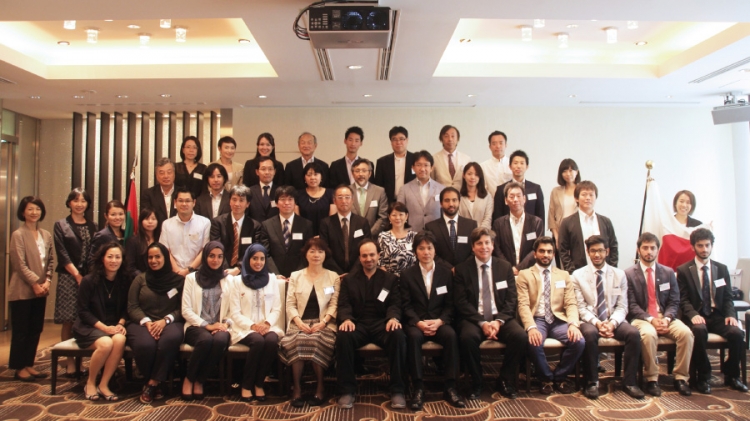
Abu Dhabi-UAE: 11 June, 2014 – His Excellency Saaed Ali Al-Nowais, UAE Ambassador in Japan, attended a welcome reception hosted for the eight UAE national students from Masdar Institute of Science and Technology who are currently in Japan for the third annual summer internship program sponsored by Ministry of Economy, Trade and Industry of Japan (METI) and organized by Japan International Cooperation Center (JICE).

The dinner event was attended by Hideyuki Urata, Director for Petroleum Policy, Agency for Natural Resources and Energy, METI, Ms. Masako Kishimoto, Vice-President, JICE, and officials from various Japanese corporations that are hosting the interns and embassy officials.

The internship that runs from 18 May to 7 July offers students key insights into the various sustainable technologies adopted by Japanese corporations.

His Excellency Al-Nowais commended the students from Masdar Institute and encouraged them to learn from the social and work cultures they are set to experience during the internship program.

The eight students – Engineering Systems and Management students Shamma Al Jaberi, Abeer Almaazmi, Majid Aljasmi, Bader Mohammad, and Muna AlAteibi, Electrical Power Engineering students Nada Al Awadhi and Hajer Al Yammahi, and Chemical Engineering student Elham A. Abdulkarem – are interning with JGC Corporation, Mitsubishi Electric, Mitsubishi Heavy Industries, Chiyoda Corporation and Toshiba Corporation.

Prior to the opening ceremony, the students also visited the Tokyo Metropolitan Government building, located very close to Shinjuku station, one of the major transport hubs in Tokyo. They enjoyed the city’s view from 45th floor observation deck. They also visited and Edo-Tokyo Museum, a place where visitors come to learn more about Tokyo’s history and culture. Founded on 28 March 1993, the building is modeled after an elevated-floor type warehouse and reaches up to 62.2-meter at its highest point.

Organized annually, the JICE internship program aims to offer Masdar Institute interns a closer understanding of the social and work culture in Japan, one of the world’s most technologically innovative countries.

14 Emirati Students from Masdar Institute to Attend Two-Week Workshop on Innovation and Entrepreneurship at MIT

Abu Dhabi-UAE: 19 June, 2014 – A group of 14 UAE national students from the research-oriented Masdar Institute of Science and Technology have begun their first-hand experience of the entrepreneurial and diverse culture that are part of the technology, engineering, and innovation-focused programs of the Massachusetts Institute of Technology (MIT) during a two-week summer workshop in the US, it was announced today.

The Masdar Institute students are being led by Dr. Behjat F Al Yousuf, Dean of Students, and Dr. Irfan Saadat, Professor, Electrical Engineering and Computer Science.

The program aims to provide participants with an opportunity to receive hands-on exposure to entrepreneurship, business, and emerging technologies. Comprising special sessions as well as site visits to incubators and start-up companies, the workshop will foster the entrepreneurial spirit among the Emiratis. Guest speeches, discussions about books and case studies illustrating important lessons for new entrepreneurs will also be part of the workshop.

Dr. Fred Moavenzadeh, President, Masdar Institute, said: “The summer workshop at MIT will provide Emirati participants with a global perspective on innovation and building additional capabilities. The support of the UAE leadership continues to enable us to offer specially designed courses to the youth. We believe the workshop will prove beneficial to the participants in their academic and professional lives.”

Participants will choose between two options – one on the MIT Professional Education (PE) course on ‘Energy, Sustainability, or the second being Life Cycle Assessment’ or ‘Beyond Smart Cities’.

The program will include interactive sessions on innovation, workshops at the MIT Self Assembly Lab, and methodologies to help build innovation-driven start-ups. The UAE national youth from Masdar Institute will also get an opportunity to visit some of the most successful young startup companies at the MassChallenge Accelerator, the innovation district in Boston, and museums.
Mouza M. Al Kaabi of the Engineering Systems and Management program believes the workshop will increase her understanding of 3D printing and connect it with recent findings in the field to further prepare her for her research work.

Al Kaabi said: “The workshops in 3D printing are related to my research topic. I read about Skylar Tibbits and the self-assembly lab when I first decided to work with 3D printing as a tool for sustainable design. I am also exploring smart materials to understand the methods and tools used to make the composite materials, to reach certain properties that outperform the conventional material used in today’s construction. I hope to conduct this research that will be tested through 3D printing.”

Masdar Institute Hosts Orientation Week for Newly-Enrolled Students

Abu Dhabi-UAE: 03 September, 2014 – Masdar Institute of Science and Technology, an independent, research-driven graduate-level university focused on advanced energy and sustainable technologies, today announced that its newly-enrolled students were given an overview of the institution’s research, academic and scholarship offerings during a week-long orientation program.

As of 2 September 2014, Masdar Institute has offered admission to a total of 315 students – 164 international and 151 UAE nationals.

Hosted from 24-29 August at the Masdar Institute campus, the program included welcome remarks by Masdar Institute President Dr. Fred Moavenzadeh, and an address on student life by Dean of Students Dr. Behjat Al Yousuf. The welcoming addresses provided an overview of the research-based institution and the vision of Abu Dhabi Emirates to create a knowledgebase on sustainability and clean energy. An introduction on graduate education and academic procedures by Dean of Academic Programs Dr. Youssef Shatilla were also part of the agenda.

A special panel discussion by the Alumni Office and the Alumni Council showcased the diverse career paths/options available to Masdar Institute students. The alumni panel members also shared their on-campus experience with the new students while inspiring and motivating them to fully immerse themselves in the sustainable lifestyle. Steve Meyers, a Mechanical Engineering Master’s graduate in 2011, shared his experience from Germany through WebEx web conference. Meyers was named in the esteemed Forbes ‘30 Under 30’ achievers list in the ‘clean energy’ category for his research in thermal and optical modelling of the ‘Beam Down’ solar thermal plant. Other national and international graduates from Masdar Institute’s various Master’s programs currently working in different industries also shared their challenges and success stories.

Dr. Fred Moavenzadeh said: “The Orientation Week 2014 introduced our newly-enrolled students to on-campus life at Masdar Institute, where sustainability remains the focal point. With the support of the UAE leadership, the institution has become one of the leading centers for cutting-edge research, offering Master’s and doctorate programs in clean energy and advanced technology areas. We believe the new students will emulate the alumni in bringing honor to Masdar Institute and the UAE.”

Dr. Behjat Al Yousuf said: “For newly-enrolled students, the Orientation Week offered the right opportunity to interact with faculty and seniors, and learn about Masdar Institute in general. The events were designed to familiarize them with the new environment before they begin their academic pursuit in earnest. We hope, following the week-long program, the new entrants will also have an appreciation of the institution’s accommodating and welcoming cultural and ethnic diversity.”

The Orientation Week 2014 also included dedicated sessions on outreach programs such as the Young Future Energy Leaders (YFEL) program, the Masdar Institute Ambassadors Program, Career Services & Internships, Student Government Association (SGA), an Introduction to the Library services, and Student Counselling.

Additionally an introduction on the on-campus safety and security measures was offered by David Dickinson, Manager-Environmental Health, Safety, and Security, Masdar Institute. Kalle Hashmi, Head of Capacity Building, International Renewable Energy Agency (IRENA), also presented the UN agency’s contributory role to developing human capital through scholarships at Masdar Institute.

Masdar Institute and ADEC Win Bid to Host 14th Greenhouse Gas Technology Conference in Abu Dhabi

Abu Dhabi-UAE: 19 October, 2014 – The Abu Dhabi Education Council (ADEC) and Masdar Institute of Science and Technology, an independent, research-driven graduate-level university focused on advanced energy and sustainable technologies, today jointly announced that Abu Dhabi has won the bid to host the 14th International Conference on Greenhouse Gas Technology (GHGT-14) in 2018.

The overall bid process was supported by Abu Dhabi Convention Bureau, a dedicated entity of Abu Dhabi Tourism & Culture Authority (TCA Abu Dhabi), that facilitates the development and promotion of business events throughout the emirate.

Held once in two years, the GHGT conference series has established itself as the principal international conference on greenhouse gas mitigation technologies, especially on CO2 Capture and Storage (CCS). The event is considered an ideal platform for collaboration for CCS projects, since it was formed in 1997 following the merger of the earlier series of International Conference on Carbon Dioxide Removal (ICCDR) and the Greenhouse Gas Mitigation options conference. The IEA Greenhouse Gas R&D Program (IEAGHG) is the guardian of the GHGT conference series, which rotates among North America, Europe and Asia. The most recent event in the series was held from 5-9 October 2014, where Over 1,250 delegates attended the GHGT-12 conference that was hosted by the University of Texas at Austin.

Dr. Fred Moavenzadeh, President, Masdar Institute, said: “This is a win for Abu Dhabi and the UAE that exemplifies our strong conviction in collaborative partnership. With the support of the country’s leadership, Masdar Institute and ADEC have successfully emphasized Abu Dhabi’s research ambitions in pioneering development of sustainable green technologies. We believe hosting global events of this stature in Abu Dhabi will further strengthen the status of the emirate as a center for innovations in renewable energy and advanced technology. We are grateful to the IEAGHG management team and members for supporting Abu Dhabi’s bid to host the GHGT-14.”

Dr. Arif Sultan Al Hammadi, Executive Director of Higher Education Sector, ADEC, said: “Winning the bid to host the 14th Greenhouse Gas Technology Conference in Abu Dhabi stands as testimony to our commitment for collaborative efforts in attracting high-profile research-oriented events. ADEC has a clear strategy aiming to raise the quality of research in the emirate of Abu Dhabi along with a key goal to promote Abu Dhabi as a major research hub in the region. We believe our partnership with leading research institutions like Masdar Institute will help bring similar events to Abu Dhabi and to achieve our vision.”

Dr. Mohammad Abu Zahra, Associate Professor of Chemical Engineering Masdar Institute and coordinator of the CCS research activities at Masdar Institute, said: “Research in greenhouse gas technologies has already begun to impact the region, with the world’s first large-scale CCS project in the iron and steel sector moving into construction stage in Abu Dhabi. Abu Dhabi is looking to take the lead in these technologies and we hope hosting this conference in the emirate will raise the profile of research activities conducted here in the UAE.”

Latest assessments by the Global CCS Institute indicate that as of February 2014, there are 21 large-scale CCS projects in operation or construction around the world – a 50% increase since 2011. The report adds that these projects have the capacity to capture up to 40 million tons of CO2 per annum, equivalent to taking eight million cars off the road.

In the UAE, the Emirates Steel CCS project is the world’s first large-scale CCS project in the iron and steel sector. It involves the capture of approximately 0.8 million tons of CO2 per annum from the direct reduced iron (DRI) process used at the Emirates Steel plant in Abu Dhabi and its transportation to the Abu Dhabi National Oil Company-operated (ADNOC) Rumaitha oil field for enhanced oil recovery (EOR). Injection of CO2 is scheduled for 2016 in the project, which is being implemented by Masdar and ADNOC.

Masdar Institute to Highlight Opportunities in Future Energy for Talented UAE Nationals at Najah 2014

Abu Dhabi-UAE: 26 October, 2014 – Masdar Institute of Science and Technology, an independent, research-driven graduate-level university focused on advanced energy and sustainable technologies, today announced that it will be presenting its specialized research-focused degree programs to young UAE nationals at Najah 2014, the leading education training exhibition and career fair in the Middle East.

Organized under the patronage of His Excellency Shaikh Nahyan Bin Mubarak Al Nahyan, Minister of Culture, Youth and Community Development, Najah 2014 will be held from October 28-30 at the Abu Dhabi National Exhibition Center. The event is supported by the Abu Dhabi Education Council (ADEC).

Masdar Institute works to contribute to the UAE’s human capital development through its focus on research, academic, outreach, and professional development and collaboration in the field of advanced energy and sustainable technologies. Reflecting this, the Masdar Institute stand at Najah 2014 will offer details on its degree programs, cutting-edge laboratory facilities, and internship and scholarship options. Faculty and students from the five Masdar Institute Research Centers (iCenters) will also be present to offer insight into the research being conducted at Masdar Institute.

Information will also be available on overseas internships that are offered to UAE nationals at the Massachusetts Institute of Technology (MIT) in the US, and in Japan through the Japan International Cooperation Center (JICE) in collaboration with the Japanese Ministry of External Trade and Industry (METI). Other individual research-related internships are also organized by faculty members for students in collaboration with overseas academic institutions.

Dr. Lamya N. Fawwaz, Executive Director, Public Affairs, Masdar Institute, said: “The increasing number of Emirati students enrolled in Masdar Institute’s graduate and PhD programs reflects the value and relevance our research has both locally and globally. Najah provides Masdar Institute an opportunity to reach out to even more talented UAE Nationals to invite them to be part of the next generation of problem solvers and leaders, contributing to the UAE’s progress and global sustainability.”

Masdar Institute will showcase two research projects at the event to give potential students an idea of the important issues they can work to solve. UAE national PhD student Ahmed Al Harethi will showcase his project that illustrates the role of native microalgae strains in the food-water-energy nexus. The other project is an interactive recycling bin, developed by Masdar Institute faculty and students in collaboration with WMS Metal, an industry partner.

In addition to UAE national students and researchers, Masdar Institute currently has a total of 17 UAE national faculty members. UAE nationals also constitute 53% percent of Masdar Institute’s employees, making it one of the top employers of the brightest and most qualified UAE nationals in the country. The non-academic and administrative staff members considerably contribute to the mission of the research-based institution.

Sara Al Muhairi, Director, Human Resources, Masdar Institute, said: “We welcome UAE national graduates who are ready to take up the challenge and be part of our mandate to ‘learn to change the world’. By providing exposure to international best practices, we are building a talent base of skilled UAE national administrative professionals, adequately trained to support the academia in general. We hope Najah will help raise awareness among young UAE national graduates about the potential opportunities at Masdar Institute, and encourage them to play a crucial role in the development of the country.”

Masdar Institute also offers UAE nationals other options for academic development through three different kinds of internships – Summer Research Internships, Ektashif and Student Internships. The internship programs offer UAE national undergraduate students a preview of the research and professional environment available at Masdar Institute.

Celine Cousteau, Explorer and Sustainability Advocate, to Discuss Ocean-Human Link at Masdar Institute Event in Abu Dhabi

Abu Dhabi-UAE: 09 November, 2014 – Masdar Institute of Science and Technology, an independent, research-driven graduate-level university focused on advanced energy and sustainable technologies, today announced that French-American explorer and sustainability advocate Céline Cousteau will deliver a lecture on 12 November on ocean wealth at an on-campus event in Abu Dhabi.

Cousteau, member of the World Economic Forum Council on Oceans, is also the daughter of famous ocean explorer and filmmaker Jean Michel Cousteau, and grand-daughter of the legendary Jacques Yves Cousteau. Her lecture titled ‘From Oceans to Amazon: Our Human Story in Nature’, is being organized on 12 November at the Masdar Institute campus under its Distinguished Lecture Series.

Founder and Executive Director of CauseCentric Productions, a non-profit organization that creates cause-focused multi-media content, Cousteau will also share her inspiring stories of ocean adventures – from tagging sharks off the coast of Australia, to diving in the frigid waters of Antarctica. She will additionally highlight her biggest project to date, where she is helping the Vale do Javari tribes fighting for their future in Brazil’s indigenous Amazon territory.

The Masdar Institute Distinguished Lecture Series frequently hosts sustainability champions, corporate leaders, renowned professionals and academicians for knowledge sharing and interactive sessions as part of human capital development efforts.