Salt Tolerance of Bacterial Carbon-Scrubbers Studied

The oceans are the world’s most valuable carbon sinks, with marine microorganisms absorbing and sequestering over 90% of Earth’s carbon dioxide (CO2). Being able to capitalize on the oceans’ ability to neutralize this harmful greenhouse gas could be of great value to the fight against global climate change, which is why a Masdar Institute student has studied the  genome of a local bacteria strain to find out how it responds to increasing salinity of the Arabian Gulf.

Cyanobacteria are photosynthetic bacteria that soak up to one ton of CO2 with each hectare of water they colonizes. While scientists have known about cyanobacteria’s contribution to Earth’s carbon cycle for a while, what is unknown is how an increase in the salt levels of water might impact this important microbe.

In the Arabian Gulf, low circulation to the open ocean coupled with significant desalination plant  discharges of salt make understanding how cyanobacteria react to increasing levels of salinity  a pivotal step in the country’s efforts toward environmental sustainability.

To find out how elevated salt levels affect this microbe, Masdar Institute Master’s student Sumaya Al-Hosani along with her supervisor, Dr. Lina F. Yousef, Assistant Professor of Chemical and Environmental Engineering, have studied a strain of the cyanobacteria that lives in the Arabian Gulf, called Prochlorococcus AS9601.

The study, which used ribonucleic acid (RNA) sequencing analysis is the first to look at how this bacterial strain copes with higher levels of salt. The study findings were recently published in the journal Microbiological Research.

“Desalination plants in the UAE produce millions of gallons of freshwater a day. The salt that’s taken out is primarily then dumped back into the ocean,” Al-Hosani explained. “Coupled with the extremely low addition of freshwater from rainfall and weak seawater movement, the Arabian Gulf is getting saltier. This higher level of salt will impact the local microflora, including cyanobacteria, which could lead to disturbances in the biosphere’s CO2 cycle.”

Prochlorococcus can live in high salt concentrations – the Arabian Gulf has higher salt levels than other oceans – but its tolerance to elevated seawater salinity is poorly understood. By examining the bacteria’s RNA responses to elevated salt levels, Dr. Yousef and Al-Hosani determined how the bacteria’s genome responds to higher salt concentrations. They found that the bacteria’s salt threshold is at roughly 5%, which is higher than the Arabian Sea’s salt content, which ranges from 3.8-4.8%. Above 5% salinity, the bacteria die.

Al-Hosani – who conducted this research as part of her Master’s thesis and is now a PhD student at Masdar Institute – hopes that this information will trigger policy makers and relevant stakeholders to develop plans and strategies to prevent the sea’s salinity from increasing further. Their findings highlight the issue of how best to dispose of the brine produced by desalination.

RNA SEQUENCING

This cyanobacteria study not only reveals important information about the effects of increasing salt levels in the ocean and how this could impact the marine and land environment, it is also the first time Masdar Institute researchers examined the response of an organism’s entire genome.

“RNA sequencing is emerging as a powerful tool for surveying gene expression, which has diverse applications in medicine, energy and many other areas,” said Dr. Yousef. “By pioneering this RNA-seq research on a regional species, we are developing the human capital needed to transform the UAE’s knowledge economy.”

According to Dr. Yousef, the Prochlorococcus’ simple genetic makeup makes it an attractive model organism for RNA transcriptome sequencing. Masdar Institute’s pioneering researchers performed high-throughput RNA sequencing methods to analyze the bacteria’s gene expression at elevated salt concentrations.

While the DNA of a cell holds all of the cell’s genetic information, the RNA produced from DNA carries the the information about which proteins the cell must make at any given time (in a process known as transcription) in order for the cell to carry out a particular action. Whatever genes are being transcribed in the cell at a given time is referred to as gene expression.

To identify which genes were expressed in Prochlorococcus when exposed to higher salt levels, Dr. Yousef and Al-Hosani, with help from Masdar Institute Assistant Professor in Computing and Information Science Dr. Andreas Henschel, used a technology called RNA sequencing, or RNA-seq. RNA-seq reveals a snapshot of RNA presence and quantity from a genome at a given moment in time.

“We captured snapshots of the expressed genes in the cell in response to higher levels of salt,” said Dr. Yousef. “Hundreds of genes were identified to be impacted by salt, which represent about one-third of the genome.”

Normally, the bacteria’s population takes two days to double. When induced with salt, the bacteria’s growth rate significantly slowed. The bacteria’s salt threshold was determined when the bacteria stopped growing – which was at 5% salinity. Most oceans’ salinity levels are at around 3.8%, making cyanobacteria a particularly salt-loving organism.


SALT-TOLERANCE IS ATTRACTIVE FOR BIOENERGY

Sequencing Prochlorococcus’ RNA produced pertinent information that gives much needed insight into the salt threshold of regional strain of bacteria. The research may also prove useful for another reason: It might help scientists understand how to improve the salt tolerance of sensitive microorganisms, which could then lead to an increase in the number of salt-loving organisms that could be used for bioenergy production.

“Alleviating the need for fresh water use in bioenergy production is an important step towards making the process more sustainable,” Al-Hosani explained. She believes her research can be used to help make other, less salt-tolerant organisms, more tolerant so they can be irrigated with seawater.

“We think scientists could apply cyanobacterial stress genes to other organisms, which would improve their salt tolerance, making them a good source for biofuel.”

Bioenergy is a key source of renewable energy and so research that establishes the conditions under which sources of bioenergy thrive is essential. Research into saltwater crops that can be used for bioenergy is therefore worth pursuing, believes Dr. Yousef. She thinks other researchers will be able to use this study’s findings to help in the design of algae and photosynthetic bacteria for bioenergy under high salt conditions.

Erica Solomon
News and Features Writer
20 September 2015 

New Materials for a New World

Development and advancement of the UAE’s innovation ecosystem is getting some special help with special materials being developed through Masdar Institute’s materials science and engineering research, which will soon be further boosted with the help new lab facilities.

Materials science and engineering is the study and development of materials and their properties for various industrial and technological applications. It is an interdisciplinary subject that is central to many of the UAE’s strategic goals, including stimulating innovation in the key sectors of renewable energy, transport, education, health, technology, water and space, as targeted in the National Innovation Strategy.

In recognition of the continuing and increasing importance of materials science and engineering to the UAE’s national and economic ambitions, Masdar Institute is evolving and expanding its materials science research capabilities and activities.

“Masdar Institute has a strong materials science academic and research program, with 31 students, of which 10 are in our PhD program, and nine faculty. Advanced materials and nanotechnology are at the core of the research being done across all of the Masdar Institute Research Centers (iCenters) to address a number of the UAE’s innovation needs,” explained Dr. Steve Griffiths, Executive Director of the Office of Institute Initiatives at Masdar Institute.

A new Materials Characterization and Synthesis Lab is due to come online in the coming weeks to further enhance Masdar Institute’s materials science research capability. Adding to the existing materials fabrication and characterization facility, which features inkjet printers that allow materials to be stacked, processed, and patterned, and the electron microscopy facility, which allows for the examination of materials and at a nano-scale, the new lab will allow Masdar Institute to grow new materials and characterize their thermal and mechanical properties.

“Most technological advancements are touched on by materials science. Building on our current ability to develop and characterize novel materials, the new lab takes Masdar Institute’s material science and engineering capabilities to an additional level with specialized materials synthesis and characterization,” explained Mike Tiner, Director of Labs at Masdar Institute.

ENERGY SAVING AND STORAGE

In order to achieve greater sustainability and reduce carbon emissions, there’s a global need to enhance energy savings and efficiency, and energy storage.

One such project is looking to address the UAE’s need to improve the energy efficiency of its buildings. Cooling demand currently represents over 40% of annual and 60% of peak-day electricity use in Abu Dhabi, which is why it is important to reduce the amount of energy needed to comfortably cool building users.

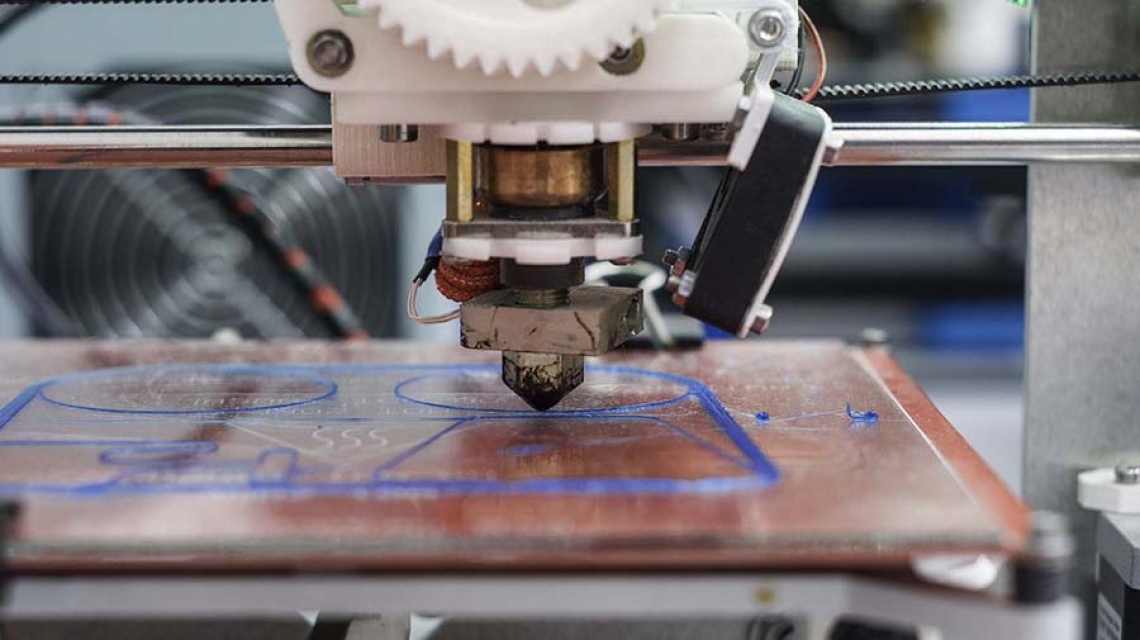
Dr. Kumar Shanmugam, Assistant Professor of Mechanical and Materials Engineering, is leading Masdar Institute’s collaboration with the Massachusetts Institute of Technology (MIT) to develop an Optical Switch device that can dynamically distribute daylight and minimize glare and heat on a building. The prototype, which was also part of Masdar Institute MSc student Johannes Liljenhjerte’s thesis research, has been made using a multi-material 3D printer at the Institute.

Explaining the benefits of the device Dr. Shanmugam said, “Drawing inspiration from the design of blinds commonly used in windows to block or shine light, we developed the Optical Switch to provide an energy efficient solution for workspaces and buildings so to distribute daylight and minimize glare from sunlight. This provides occupants with a better quality of space and health, while increasing the energy efficiency and sustainability of the building. Our new design also has the significant advantage that it has no moving parts and can therefore be readily miniaturized. Utilizing smart devices like the Optical Switch in the UAE’s buildings can reduce their cooling demand and electricity consumption.”

Dr. Nicolas Calvet, Assistant Professor of Mechanical and Materials Engineering, is leading a material science and engineering research project with Masdar Institute MSc student Kholoud Alnuaimi, which is exploring the possibility of using waste metal produced by the aluminum and steel industries to store thermal energy.

Waste produced during aluminum and steel manufacturing has the potential to serve as a low-cost, high-temperature thermal storage media, capable of storing solar thermal energy up to 1000°C for 24/7 power generation. Dr. Calvet’s research has found that waste metals can become an energy storage material for concentrating solar power plants, solving two problems at once – energy storage and waste management.

Dr. Daniel Choi, Associate Professor of Materials Science and Engineering and Head of the Masdar Institute Department of Materials and Mechanical Engineering, is another faculty member applying the materials science discipline to solving a key energy challenge.

Working with Masdar Institute MSc student Maarten Vander Geest, Dr. Choi is working to find materials science solutions to improve the performance of lithium-ion batteries that power most electronic devices today.

Their research investigates the challenges of using lithium iron phosphate as a lithium source in the batteries. They have found that lithium iron phosphate nanowires can be synthesized, which can help solve the conductivity and kinetics problems associated with the material. This research can help contribute to the development of cheaper and more environmentally friendly lithium ion batteries.

“Our Materials Science and Engineering (MSE) Program continues to pursue excellence in probing for new and significant scientific discoveries that can be translated into tangible social benefits adopting fundamental and applied research to develop advanced concepts and functional materials for renewable energy, including PV and fuel cells, energy storage, catalysis, desalination, and water reuse applications. Such activities are clearly reflected in UAE’s recent innovation goals,” Dr. Choi said.

In an effort to bring technical expertise and human capital to the UAE and the region, Masdar Institute recently signed a memorandum of understanding (MoU) to collaborate on research in the field of energy storage devices and nano-materials with the Korea Basic Science Institute (KBSI) – a leader in nanoscience research in the fields of energy storage devices, memory devices, and the recovery of rare earth metals. The two institutions will drive innovations in these two areas and will organize joint knowledge sharing sessions, joint studies, research projects and training activities.

“Innovations for energy storage are critically important to the practical implementation of sustainable energy solutions in the UAE. Research into nanomaterials plays a crucial role in delivering the next generation of energy storage technology, and this collaboration with the Korea Basic Science Institute will help to propel this field of research forward,” Dr. Fred Moavenzadeh, President, Masdar Institute, said at the MoU signing.

The agreement covers collaboration on synthesizing and studying nanostructured novel energy storage materials, functionalizing nanostructured materials and electrochemical characterization of energy storage devices, and fabricating graphene/graphene oxide for energy storage. The goal is to develop new technologies for nanostructured materials production using novel fabrication techniques.
 
WATER APPLICATIONS

Water is not only one of the UAE’s targeted National Innovation Strategy sectors, but it is also a critical regional need due to scarcity of natural freshwater resources. Desalination provides 37% of the UAE’s water demand, which is mostly used for industrial and domestic consumption, and reclaimed water provides a further 12% for landscaping irrigation

To enhance water treatment technologies, Masdar Institute has partnered with Lockheed Martin and Masdar to develop a novel water purifying membrane made Perforene™, a material patented by Lockheed Martin. Perforene acts as a molecular filtration solution, which can help meet the growing global demand for potable water and also treat water used in oil and gas wells and in the medical domain by filtering out chemicals, compounds and proteins.

The main objective of the collaboration is to bring this patented molecular filtration membrane to market. Masdar Institute, with its expertise in materials science and engineering and water and environment research, will be helping answer the technical questions raised in the technology-to-market plan.

Masdar Institute is also leveraging its water-treatment membrane expertise in a collaboration with three leading advanced energy and clean technology corporations focused on supporting the development of a solar-powered full-scale seawater reverse osmosis (SWRO) desalination plant in the UAE.

Collaborators include Masdar, Laborelec, an international research center and technical service provider that specializes in electrical power technology and sustainable energy whose main shareholder is GDF Suez; and Degrémont, a water treatment and services provider dedicated to finding sustainable water management solutions.

The research collaboration focuses on selecting the most practical and economical photovoltaic (PV) cells and solar thermal energy technologies to supply a full-scale SWRO with locally produced renewable energy.
 
‘WONDER MATERIALS’

There are a number of materials that are currently being explored for their wide range of applications and innovative potential.

Graphene is one of materials science’s most exciting new prospects. Made of a single layer of carbon atoms, its unique structure featuring a repeating hexagon pattern lends it some very valuable thermal, electrical and mechanical characteristics. It is the thinnest, lightest, strongest material known and is the best conductor of heat at room temperature and also the best conductor of electricity. These characteristics result in a material that has the power to transform electronics, computing and many other technologies.

Masdar Institute is specifically looking to capitalize on the potential of graphene through a collaboration agreement with the institute credited with discovering the material – the University of Manchester. The two institutes are building a research collaboration partnership agreement in graphene and other related 2D materials that will be discussed and advanced at the ‘Partnering to Achieve Innovation in Defense & Aerospace (PAIDA) Working Group,’ to be held on May 20.

The collaborative research program between Masdar Institute and the University of Manchester is being structured as an industrial consortium and focuses on “pre-competitive” research in graphene and related 2D materials for sensors, membranes and composites for the aerospace, defense and energy applications. Research will initially take place within the National Graphene Institute at the University of Manchester as well as at Masdar Institute. Research from the collaboration is intended to transfer to the recently announced Graphene Engineering Innovation Center (GEIC) at the University of Manchester for commercialization. The £60m GEIC is planned to open in 2017 and is being established with £30m of funding from Masdar.

Graphene’s vast potential is already being leveraged in a number of research projects at Masdar Institute. Dr. Amal Al Ghaferi, Assistant Professor of Materials Science and Engineering, and Dr. Irfan Saadat, Professor of Electrical Engineering, are working together to use graphene to help solve an efficiency and cost problem in the oil and gas sector.

They are using graphene and carbon nanotubes to develop sensors for deployment in oil and gas pipelines to detect and monitor the build-up of scaling or impurities inside gas and oil pipelines. Graphene and carbon nanotubes were used to make the scale sensors that can prevent blockage of pipes and other flow assurance problems by providing an efficient method of detecting scale that is a vast improvement over the disruptive practice of manual pipe inspection. The research, which is part of a collaboration with ADNOC and the Petroleum Institute, has the potential to improve the operational efficiency of the UAE’s oil and gas industry, which is a vital pillar of the economy.

“Given graphene is a 2D material (with a single layer of carbon atoms) it has very unique properties that are not available in typical bulk-3D materials. These include highly conductive, very strong and transparent. They also are inert and chemically and thermally stable, which opens a wider window for challenging environment applications,” Dr. Saadat explained..

Cellulose is another promising material that is yielding exciting innovations. Dr. Raed Hashaikeh, associate professor of materials science and engineering, is leading research at Masdar Institute that is applying the special properties of this plant derivative to a range of technological challenges. His team, which includes two UAE National MSc students Maitha Al Kaabi and Azza Al Raisi, has enhanced cellulose’s key properties of mechanical strength and chemical stability to produce a new, harder type of cellulose, known as ‘networked cellulose’, which has resulted in a number of significant breakthroughs.

“It was noticed that, when dried, the networked cellulose material shrank in volume, but maintained its integrity and shape, and actually became harder as it shrank. That’s when we realized that networked cellulose has a higher level of hardness compared to normal cellulose,” Dr. Hashaikeh explained.

One such breakthrough leverages cellulose’s strength and stability to create a solid electrolyte for lithium-ion batteries. The gel and liquid electrolytes commonly used in lithium-ion batteries are unstable at higher temperatures, highly flammable and known to leak, posing a major safety concerns in lithium-ion batteries. The solid electrolyte Dr. Hashaikeh’s team has developed offers greater stability and safety, resulting in a more robust battery that can be used for storing solar energy produced by photovoltaic cells, or for powering laptops and mobile phones. A patent has been filed for this solid polymer electrolyte, which is pending. In fact, a significant portion of Masdar Institute’s nearly 100 invention disclosures, which are a precursor stage for full patenting, are based on materials science and engineering.

RENEWABLE ENERGY APPLICATIONS

Renewable energy is one of Masdar Institute’s key focus areas and is a critical need for dealing with the challenges of global climate change for all countries. Materials science and engineering has been integral in making renewable energy technologies more efficient and affordable, and has the potential to achieve even greater performance and affordability.

Dr. Calvet is studying the potential of a new, cheaper, and more energy efficient material for use in the thermal energy storage (TES) systems that store the energy captured by concentrated solar power (CSP) plants.

He wants to use sand in place of molten salts that are used to store solar energy in many TES systems. His research into the material properties of sand has found that it has a far higher thermal energy storage potential than molten salts – 1000°C, against molten salts’ 600°C – which means it can provide hotter steam to power the turbines that produce electricity.

“This technology, once perfected, should provide the UAE’s solar ambitions with an efficient, cost-effective and environmentally friendly way to store energy for 24/7 CSP plants. It can also later be adapted to other industrial processes, such as steel making, that produce waste heat that could be used to heat the sand – and thus reduce the net energy use of these facilities,” Dr. Calvet said.

Dr. Ammar Nayfeh, Associate Professor of Electrical Engineering and Computer Science, is also exploring the potential of materials to solve renewable energy challenges. He is part of a research team, including Masdar Institute MSc student Sabina Abdul Hadi, that has used advanced materials to design a unique tandem solar cell with high efficiency and modest concentration of sunlight.

Leveraging the material properties of gallium arsenide and silicon, they developed a flexible ‘step-cell’ design that allows for more of the sun’s energy to be utilized. It incorporates a more flexible top cell material, which would lead to lower production costs without a significant loss in overall tandem cell efficiency. High efficiency solar cells such as this are important for space applications and therefore highly relevant to the UAE’s emerging space industry. His research can help the UAE achieve its near-term goals for locally developed space technologies and longer-term goal of generating 7% of its energy from renewable sources by 2020.

INDUSTRY RELEVANCE

Materials science also offers significant benefits to various industries of strategic relevance to the UAE, providing reduced operational cost, energy savings, competitive advantage and enhanced performance. In the UAE’s oil industry, such benefits result in larger amounts of gasoline produced at a lower cost, as indicated by another one of Dr. Hashaikeh’s dynamic materials science research projects, which is investigating zeolites.

Zeolites are minerals whose porous and open structure are ideal for catalytic reactions that break large hydrocarbon molecules into gasoline and other petroleum byproducts. Dr. Hashaikeh is developing zeolite nanofibers using a process called electrospinning to make catalysts with higher performance than commercially available zeolites.

Another project centered on the development and advancement of materials for industrial and economic advantage is being led by Dr. Rashid Abu Al-Rub, Associate Professor of Mechanical Engineering at Masdar Institute. He is one of nine scientists commissioned by the US Department of Energy to design the next generation of advanced high strength steel that meets the light-weight, strength, flexibility, and safety requirements of the auto industry and is equivalent in price to traditional steel.

Dr. Abu Al-Rub and Masdar Institute MSc student Najmul Hasan Abid have developed a computational tool that can virtually design the microstructure of steel – which is what makes advanced steels strong and flexible. By designing and examining steel at this microstructural level, they were able to predict the overall strength and formability of the proposed steel. Reducing a car’s weight by 10% can improve fuel efficiency by 6% to 8%, and by reducing the weight of a steel car parts, significant carbon emissions reduction can be achieved from resulting improved fuel efficiency. The UAE government has prioritized reducing carbon emissions to achieve a reduced carbon footprint and overall improved environment.

Dr. Shanmugam is also engaged in a number of projects of value to the UAE’s industrial sectors. He has been working with Masdar Institute MSc student Alvaro Alvarez on his materials science and engineering related thesis research of relevance to the UAE’s industries.

Alvarez’s research responds to the evolving needs of the aerospace sector, which is increasingly using structural adhesives, like epoxy and toughened acrylics, to join aerospace vehicle parts, rather than welding the parts or use metal fasteners to connect them.

His research studied the stresses on such joints and used the results to prototype a more optimal joint design, structure and material. It found that the use of multi-material 3D printing technology can allow the customized design of ideal structural adhesives to bond with specific aerospace structural materials, which can potentially improve the reliability of aerospace vehicle joints. Transport and space are two sectors targeted in the National Innovation Strategy.

Dr. Shanmugam is also working on materials science research that can contribute to the UAE’s plastics and food packaging industries. This project, which is sponsored by UAE plastics solutions manufacturer Borouge, looks to enhance polyolefins, which is a type of plastic to make food packaging, to increase their resistance to oxygen, thus giving Abu Dhabi a competitive advantage in the world’s plastic market.

CONCLUSION

With these projects and collaborations and others, Masdar Institute is positioned to capitalize on the transformative potential of materials science and engineering to achieve the technological and industrial innovation required for the UAE’s strategic goals and National Innovation Strategy. Its dynamic materials science-related research span domains, industries and strategic needs, but share one common goal – uplifting the UAE and the world through the transformative power of advanced technologies and sustainable energy.

Zarina Khan
Senior Editor
20 May 2015 

Digital Rock Physics: Discovering How Oil Moves Inside the Rocks May Be Key to Getting More Oil Out of the Ground

Despite the millions of barrels of oil being produced each day in the UAE – about 3 million to be exact – around 60% of the UAE’s oil is still trapped underground. This unrecovered oil is thicker than honey and held within the tiny, almost invisible pores of the carbonate rocks that stretch for miles deep under the country’s surface.

PROJECT BRIEF

A team of scientists at the Masdar Institute of Science and Technology are determined to help harvest this oil, and to do it, they are studying the porous rocks in which the UAE’s hydrocarbons are stored.

The team, led by Dr. Mohamed Sassi, Interim Dean of Faculty and Professor of Mechanical Engineering at Masdar Institute, is studying how oil moves through the micro- and nano-sized pores of the underground carbonate rocks they are trapped in because, as Dr. Sassi explains, “The more we understand about how oil moves within these heterogeneous rocks, the more oil we can take out.”

While the UAE is focused on achieving sustainable development, and Abu Dhabi has even targeted producing 7% of its energy production capacity from renewable sources by 2020, the oil and gas sector are expected to continue to play an important role in the economy for the next few decades at least.

RATIONALE

Given that the current average oil recovery factor worldwide is only about 35%, the UAE is potentially missing out on a significant amount of fuel to help meet rising global energy demand and power the UAE’s ambitious development plans. Last year BP’s Chief Executive Bob Dudley told The National newspaper that even just an additional 1% recovery from the UAE’s reservoirs is worth some $200 billion of value to the country.

In recognition of this untapped wealth, Abu Dhabi has been ramping up its efforts recently to improve the productivity of the country’s oil wells, with ambitious goals to increase oil recovery rates from 35% up to 70%. And Dr. Sassi’s research project may help the government achieve its goal.

The project, sponsored by the Abu Dhabi National Oil Company (ADNOC) and France’s Total, with the Petroleum Institute as a research collaborator, is dubbed ‘Digital Rock Physics.’ It will map the region’s carbonate geological reservoirs in order to produce an extensive archive of rock images at multiple scales.

“These rock images will be examined at the nano-scale level and a simulation will be created to understand the behavior of fluid flow in oil and gas reservoirs. This will lead to an increased knowledge of rock behaviors in the reservoirs and ultimately more effective and energy-efficient oil recovery methods,” Dr. Sassi explained.

More efficient recovery methods mean less energy lost in extracting oil, which is an extremely energy-intensive process. Current extraction methods involve three oil recovery stages: primary, secondary and tertiary or enhanced.

Primary oil recovery methods rely on the natural pressure of the reservoir to push crude oil to the surface, usually recovering up to 10% of oil from the reservoirs. In order to get the rest of the oil out, or as much of it as possible, secondary recovery with water and gas injection is used followed by enhanced recovery methods to achieve up to 70% of the original oil in place. During these recovery phases, steam, gas or chemicals are pumped into the reservoir in order to decrease oil’s viscosity, making it easier for the oil to be displaced and extracted under pressure.

The Digital Rock Physics project poses an energy efficient solution to the challenge of extracting more oil from underground carbonate reservoirs. Instead of pumping more gas or chemicals into the ground in an attempt to force the thick oil to percolate up to the surface, Masdar Institute’s research looks to the root of the problem – the rocks themselves – and has produced the first images of the micro- and nano-level pores in the UAE’s carbonate rocks.

CHALLENGES

Before the Masdar Institute team could study how fluid flows through the carbonate rocks, they had to first find the many below hair-sized pores. To do this, they injected the carbonate rocks with mercury to show that the carbonate rocks have both micro-sized and nano-sized pores spread throughout.

Using Masdar Institute’s state-of-the-art microscopy facilities, the team was able to image the tiniest of pores. They identified the rock’s pore networks and were able to generate 3-dimensional (3D) images of the rocks, mirroring the pore morphology and pore networks of typical Abu Dhabi carbonate rocks.

“We found pore sizes of 80 micron connected in an intricate network. We also found a distribution of pores below one micron, at 100 nanometers,” said Dr. Mustapha Jouiad, Microscopy Facility Manager and Principal Research Scientist, Mechanical and Materials Engineering Department, Masdar Institute.

Focused ion beam-scanning electron microscopy (FIB-SEM) technology gives an extremely clear 3D image of the microstructure of the porous carbonate rocks sections. FIB-SEM enabled the team to capture high-resolution images at the nanoscale level, helping them identify what is rock and what is pore space. These are images an x-ray machine would not have picked up. The Digital Rock Physics project is the first in the region to use FIB-SEM technology for 3D imaging and reconstructions.

“The behavior of how oil moves inside the rock changes when you are dealing with different size pores,” explains Dr. Sylvie Chevalier, Research Associate, Masdar Institute. “Oil in smaller pores is more difficult to get out, which is why we need to understand the complexity of the rocks and understand how fluid moves in these small pores.”

Once the team recovered the rock pore distribution – at the nano- and micro-level – they could see the pore channels. Then, using a computer simulation, they simulated injecting oil, water, and gas into the imaged rock pore network and observed how the fluids move.

Through the simulation, the team is working to determine the best way to dislodge the trapped oil.

“Hopefully, within the next year and a half, we will determine the most optimal and efficient techniques to displace the oil; techniques that can be scaled up and put to use immediately in UAE’s carbonate reservoirs,” Dr. Sassi stated.

APPLICATION/IMPACT

The UAE’s increased oil recovery target is part of its long-term strategy of sustainable national development.

While the country is focused on diversifying its economy away from being hydrocarbon based and has even targeted producing 7% of its energy from renewable sources by 2020, oil and gas will continue to play an important role in the global economy for the next few decades at least. Demand for energy is expected to increase by 35% by 2035, according to the International Energy Agency, an increase likely to be met predominantly by fossil fuels.

“This research leverages Masdar Institute’s materials science and modeling capabilities to help the UAE achieve its ambition to exploit Abu Dhabi’s oil reservoirs to levels beyond the norm — to reach 70% recovery rates. Supporting the UAE’s energy system evolution with our industry and academic partners in this way is a key goal of the Institute,” explained Dr. Steve Griffiths, Vice President for Research and Interim Associate Provost.

Efficiently extracting and utilizing available hydrocarbon resources through the Digital Rock Physics research project and others can provide the UAE with the capital required to fund its sustainable knowledge economy transformation and its research and development into the critical technologies still needed to make renewable energy competitive and sustainable.

Additionally, with the enhanced understanding of the UAE’s oil reservoir through the DRP project, more suitable extraction techniques can be developed and utilized. This will help the UAE recover more of its oil resources with maximally efficient EOR techniques.

“By implementing efficiency throughout its fossil fuel supply chain, the UAE’s oil and gas industry can help steer the country on a more sustainable path,” Dr. Griffiths added.

Responsible stewardship of the country’s natural resources is part of the legacy of the late UAE Founding Father Sheikh Zayed bin Sultan Al Nahyan. He famously said: “We cherish our environment because it is an integral part of our country, our history and our heritage. On land and in the sea, our forefathers lived and survived in this environment. They were able to do so only because they recognized the need to conserve it, to take from it only what they needed to live, and to preserve it for succeeding generations.”

With Masdar Institute’s research efforts to improve oil industry efficiency and others to reduce carbon emissions and conserve precious resources, the UAE is working to keep its environmental and economic needs in balance. Both are crucial to help the country reach the next level of prosperity and progress.

Erica Solomon
News and Features Writer
16 November 2015

Masdar Institute is Making Sustainable Desalination Affordable for the UAE

Masdar Institute of Science and Technology is leading research to advance and transform the critical technologies that provide the UAE with a significant portion of its freshwater to enhance water security, reduce the strain on the country’s limited natural freshwater, save money and preserve the environment.

RATIONALE

Since 2005, economic development and urban growth in the UAE has resulted in a doubling of the population. Supplying this demand has been an ongoing challenge. The UAE’s arid climate, dry soils, scant rivers and dams and very limited precipitation mean that groundwater is the only natural freshwater source in the country, and that is in very limited supply. The UAE has relied upon foreign fossil fuel-powered desalination technologies to meet with the shortfall in natural freshwater supply for many decades, but in recent years has focused on developing its own technologies to provide desalinated water in a more environmentally-friendly way.

Masdar Institute has been a key contributor to a Masdar project that recently saw the inauguration of the UAE’s first renewable-energy powered desalination facility. The Ghantoot plant, which was inaugurated on November 23, hosts a Renewable Energy Powered Desalination Program to explore the feasibility of harvesting energy from the sun to provide Abu Dhabi’s potable water needs. Groundwater provides just over 50% of the UAE’s water supplies and desalination provides 37%, most of which is used for industrial and domestic consumption. The remaining 12% is reclaimed water, which is used for landscaping irrigation.

Under the Renewable Energy Powered Desalination Program, four pilot projects were commissioned by the Masdar company, which aims to have full-scale renewable energy powered desalination operational in Abu Dhabi by 2020. Each of these four projects have a small-scale test facility at the Ghantoot plant as part of the initial testing phase, which is currently being completed and will run until 2016.

Desalination is also one of the critical topics being discussed at the International Water Summit (IWS), taking place during Abu Dhabi Sustainability Week 2016 at Abu Dhabi National Exhibition Center (ADNEC), on 15-23 January 2016.

Throughout the year, Masdar Institute researchers will be delivering advancements to existing desalination technology and introducing novel approaches for more sustainable and affordable new technologies in order to meet these goals. Their research aims to help the UAE overcome its water scarcity and security challenges, which was one of the seven priority sectors identified in the UAE’s National Innovation Strategy announced in late 2014.

Most of the UAE’s desalination plants are cogeneration plants, which utilize two techniques – multi-stage flash (MSF) and multiple-effect distillation (MED) – to turn seawater into freshwater. These cogeneration plants first produce electricity, and then the steam by-product is used to remove salt and other unwanted minerals and impurities from seawater, to produce freshwater.

However, these plants are energy intensive and emit large quantities of greenhouse gases – approximately one third of Abu Dhabi’s carbon footprint results from the production of water and electricity. In fact, the UAE’s reliance on such energy-intensive technologies is estimated to cost AED11 billion annually. Increasing water consumption and the impacts of global climate change have only intensified the UAE’s need for affordable and low-carbon desalination technologies to address these problems. 

PROJECT BRIEF

That is why Masdar Institute has focused so much of its attention on meeting the challenges of desalination through its Institute Center for Water and Environment (iWater). Through R&D activities at the center, faculty and students are working on identifying and developing sustainable, diverse and cost-effective desalination solutions directly aligned with the set of technologies being currently piloted.

The first of the research projects utilizing the Ghantoot desalination plant is a collaboration between Masdar, Masdar Institute and European companies Laborelec and Suez Environment, to research the feasibility of a reverse osmosis (RO) desalination plant, using innovative desalination and powered by solar technologies.

Traditionally, RO was not considered suitable for the Gulf, due to the high levels of dissolved solids and high temperature of Gulf seawater. However, research conducted by the faculty and students at Masdar Institute is now effectively confirming the feasibility of desalinating the Gulf’s seawater using a number of techniques, including RO, powered by solar energy technologies.

Dr. Hassan Arafat, Associate Professor of Chemical and Environmental Engineering and Principal Investigator of this study explains: “Through its R&D activities, Masdar Institute has the potential to advance commercial scale RO desalination plants powered by renewable energy, playing a leading contribution to innovation in this area. Our research has identified a number of benefits including a reduction in carbon footprint from the use of pumps powered by renewable energy and a reduction in the associated operational costs of the plant.”

Diversification of desalination technology through pilot projects intends to support Abu Dhabi’s strategic goals related to the adoption of innovative clean solutions for water production. The projects will also assist the emirate in achieving its renewable energy use targets. Abu Dhabi has set a goal of reaching 7% energy production capacity from renewable energy by 2020.

Masdar Institute is also investigating the potential for supporting the desalination industry in the UAE through the integration of capacitive deionization (CDI) with RO as a method of desalination. This collaboration is being conducted with Veolia, a leading French environmental solutions provider, and will assess the potential for the use of CDI as a desalination polishing step to remove residual ions that must be a low concentration in drinking water. This technology could improve the economics of clean water production in the UAE.

Dr. Linda Zou, Professor of Water and Environmental Engineering at Masdar Institute and Principal Investigator on the project, states: “The aim of the research in this investigation is to successfully integrate CDI into RO plants to replace second stage reverse osmosis. These desalination plants can operate using solar energy to become self-sufficient in terms of energy use, reducing the reliance on cogeneration plants, operational costs and the carbon footprint of the emirate. CDI desalination techniques need less maintenance than conventional desalination methods and are more robust due to their carbon-based electrode materials.”

Currently, the average UAE resident uses 550 liters of water per day. According to the Abu Dhabi Water and Electricity Company (ADWEC), the forecasted peak for water demand in 2030 could reach just over 1,362 million gallons of water per day.

To help prepare Abu Dhabi for the desalination needs of future generations, Masdar Institute’s research additionally focuses on forward osmosis (FO) and its potential for deployment across the UAE. Partnering with US-based water testing and technology company Trevi Systems, Masdar Institute is providing research supportive of an FO desalination pilot plant as part of the Ghantoot desalination facility. Laboratory phase testing of the plant is underway, including analysis of how the plant operates under different conditions. 

Dr. Shadi Wajih Hasan, Assistant Professor of Water and Environmental Engineering, Masdar Institute and Principal Investigator of the project, explained: “There is significant potential for FO technology in the UAE. As part of this research, we also hope to contribute to innovation in this area by developing a new FO membrane that can better withstand the harsher characteristics of Gulf seawater while maximizing water production.” 

This research has also identified an innovative way to manage brine, which is highly concentrated saltwater byproduct of the desalination process, by neutralizing it so it does not harm marine plants and animals when discharged back into the Arabian Gulf.

In order to further develop RO renewable energy technologies, the final study of the Renewable Energy Desalination Program is testing the feasibility of desalination by RO, in addition to concentrating the brine byproduct using membrane distillation.

The study was proposed by Spanish innovative technology solutions provider Abengoa, with Dr. Arafat overseeing the research in his role as Principal Investigator. The objective of the collaborative research project is to improve the state-of-the-art in desalination waste management by identifying ways to clean and maintain membranes used for brine management.

APPLICATION/IMPACT

“Through this program, we hope to not only diversify desalination technologies and make them more affordable, but we also want to showcase Masdar Institute’s leading R&D role in this sector. We believe that, through our research, Abu Dhabi, the UAE and other GCC countries can benefit from our innovations and reduce the dependence on fossil fuels,” said Dr. Arafat.

Through the Renewable Energy Powered Desalination Program and its other desalination R&D efforts, Masdar Institute is focused on supporting the development of novel water production and purification technologies, reducing the costs associated with clean water production in Abu Dhabi and providing innovative solutions to advance the UAE’s strategic goals regarding water security. The institute is also dedicated to developing the human capital needed to maintain and advance the country’s water industries through its research-based graduate education, so that the future water needs of the emirate can be met with local and long-term sustainable solutions. 

Research and collaboration of this kind will help the UAE minimize the adverse impacts of seawater desalination on the region’s marine and terrestrial ecosystems while developing the foundations to meet growing water demands. This will lead to a better future for the UAE’s people through enhanced water security, but also for the world at large through reduced carbon emissions and innovative new offerings to tackle water scarcity. 

Ciara Sutton
News and Features Writer
17 January 2016


Masdar Institute Supports the Development of Innovative Sustainable Water Technologies for a Secure Water Future

Masdar Institute is committed to developing the sustainable technologies needed to overcome some of the most pressing water issues facing communities across the world.

“Water is mankind’s most precious resource. Yet in many parts of the world, including ours, freshwater is increasingly scarce. Sustainable, secure and equitable access to water is a critical need for basic human health, security, and prosperity. That is why Masdar Institute is proud to lead dozens of collaborative water research projects and we invite industry, academia, and government to partner with us to further advance this research,” said Dr. Behjat Al Yousuf, Interim Provost, Masdar Institute.

The Institute is currently developing a range of sustainable solutions needed to innovate across the entire water spectrum; from production, treatment, conservation, and monitoring, to contribute to increased global and local water security.

PRODUCING FRESHWATER SUSTAINABLY

One of the biggest technical challenges to sustainable water supply in arid regions is the energy demand of desalination, which is the process where saltwater is distilled into freshwater. In the UAE in particular, this energy load can be very significant, given that desalination is responsible for meeting about 40% of the country’s freshwater. That is why researchers at Masdar Institute are working to develop desalination technologies that will produce freshwater in a low-cost and environmentally-friendly way.

One such project is looking to make the membranes that filter out undesirable materials from saltwater more efficient and effective.

Dr. Hassan Arafat, Associate Professor of Water and Environmental Engineering, is developing novel membranes for a desalination technology that is better suited for very high salt content, known as membrane distillation (MD).

MD works by evaporating very saline water through the microscopic pores of a membrane to separate the salt and other impurities it contains, which can be done by various means including heat sources including solar, geothermal and waste heat.

TREATING WASTEWATER

Another key component to the water security puzzle is ensuring that all water resources are utilized to their fullest, for which high-quality wastewater treatment is essential. In countries like the UAE, where freshwater is distilled from saltwater at significant cost, treated wastewater provides a complementary approach  to desalination. While currently Abu Dhabi uses 60% of its treated wastewater for landscaping and industrial purposes, it has set a target of treating and reusing 100% of its wastewater. Researchers at Masdar Institute are working to develop some of the technologies and systems to help the emirate and others reach that ultimate water reuse goal.

One such wastewater project that promises to remove contaminants more effectively is led by Assistant Professor of Chemical and Environmental Engineering, Dr. Shadi Hasan. This project is developing a technology that couples nanowire filtration – filters made of thin nanoparticles – with bio-electrochemical treatment – whereby microbes break down organic matter in anaerobic conditions, producing free electrons for electricity.

The system – which is the result of a collaborative research project with the Massachusetts Institute of Technology (MIT) – filters out more of the organic and inorganic contaminants, as well as heavy metals and harmful microbes, than conventional wastewater treatment technologies.

Another project aims to reduce the operational cost and energy footprint of wastewater treatment plants and is being led by Dr. Jorge Rodriguez, Associate Professor of Chemical and Environmental Engineering.

The project supports the development of more efficient nitrogen removal from Abu Dhabi’s wastewater, as removing nitrogen can account for 30% to 60% of a wastewater treatment plant’s operation costs. In an attempt to make nitrogen removal more efficient, Dr. Rodriguez has collaborated with VeBes O&M – a wastewater treatment plant operating and maintenance company – to develop a mathematical model of the microbial metabolisms involved in the nitrogen cycle and the impact of high temperature and salinity on their performance in order to identify  opportunities for a smaller energy footprint treatment operation.

CONSERVING WATER

While water production and water treatment play a critical role in achieving a holistic water balance, without water conservation efforts, much of this precious resource will be wasted. Water conservation is particularly important in the UAE, as its water consumption levels have been among the highest in the world. Abu Dhabi alone consumes over 24 times its natural recharge rate – which refers to the ability to naturally replenish groundwater reserves.

In an attempt to help the UAE conserve more water, Masdar Institute is developing technologies that will reduce the amount of freshwater consumed by the country’s thirstiest industry, agriculture, which accounts for approximately 72% of the total freshwater consumed. Thus, finding ways to minimize the amount of water needed to grow crops could significantly bolster the UAE’s ability to produce locally-grown food sustainably while preserving its limited water resource.

Soil quality is key to sustainable agriculture, which is why Dr. Lina Yousef, Assistant Professor of Chemical and Environmental Engineering, is conducting research aimed at improving the structure of soil so that plant roots can absorb water more easily and thus grow more efficiently. She aims to do this by adding carbon, made from organic agricultural waste, to the soil.

“Using the process of pyrolysis, we intend to turn readily available green farm waste into an inert form of carbon known as ‘biochar,’ which can then be mixed back into the soil to improve the soil’s water uptake,” Dr. Yousef explained. Biochar also helps sequester atmospheric carbon dioxide into the earth as soil carbon, which will help the UAE achieve its carbon-emission reduction goals.

Another project that aims to increase soil’s productivity and conserve the amount of water needed to grow crops is being led by Master’s student Fatima Al Jallaf, who is working under the supervision of Dr. Hector Hernandez, Assistant Professor of Chemical Engineering.

Al Jallaf is developing a microbead that can enhance soil fertility and moisture content. The microbeads, which are made out of local biomass waste and novel hydrogel materials, are mixed into the soil where they will slowly degrade and release moisture and nutrients, making the soil better able to support agriculture with less water.

MONITORING WATER

Efforts to produce, treat and conserve the UAE’s freshwater would go to waste without accurate monitoring of the country’s water resources. Monitoring not only helps protect the UAE’s precious marine ecosystem, but it also helps to account for all the various water expenses – how and where water is consumed and how quickly it is replenished – information that is critically needed for the development of a sustainable water infrastructure.

To help manage the UAE’s water resources, a Masdar Institute project has resulted in the development of a hydro-climate model that can accurately predict the UAE’s key climatic variables – like temperature, precipitation and soil moisture – which are critical to understanding what the UAE’s water resources will look like in the future.

“Our model predictions will provide the UAE with the crucial information needed to support decision making processes in a number of fields, including water resources management, public health planning and renewable energy development, thus bringing Abu Dhabi closer to its goals of increased welfare, security and sustainability for its people and their future,” said Dr. Taha B.M.J. Ouarda, Professor of Water and Environmental Engineering and the principal investigator of this project.

Masdar Institute is also developing technologies that protect the UAE’s marine ecosystem through sophisticated monitoring systems that detect, monitor and track events such as toxic algae blooms and oil spills, which are detrimental to the country’s water resources.

Leading this project, Dr. Marouane Temimi, Associate Professor of Chemical and Environmental Engineering, said, “The monitoring system will improve response time to and prevention of harmful events, which will protect marine and coastal environments and make seawater desalination safer.”

CONCLUSION

Water is not only one of the UAE’s targeted National Innovation Strategy sectors, but it is also a critical global need due to scarcity of natural freshwater resources in the face of increasing population and water demand. In response to this critical need, Masdar Institute commits to leading water-related research. Through these research and development efforts, the Institute will help the UAE and the wider world achieve a sustainable water balance.

Erica Solomon
News and Features Writer
28 March 2016


A New Model to Support a Cooler, More Sustainable Abu Dhabi

Cities generate a lot of heat; from car motors to heat-trapping pavements and structures, to the very things we use to cool our homes – air-conditioners.

These heat-radiating sources turn dense cities into local furnaces and contribute to what is known as the urban heat island effect where city air and surface temperatures can be  can be higher than those of nearby rural areas by 2 to 3° Celsius. The peak temperature differences can be significantly higher, 8 to 10° Celsius, or more.

In the UAE, where the temperature peaks at 45° Celsius or more during the summer and urban population is growing rapidly, every fraction of a degree counts. A higher urban temperature results in a significant uptake in air-conditioning use – an energy expense that currently accounts for 60% of annual and 75% of peak-day electricity use in Abu Dhabi.

RATIONALE

Researchers have found that Abu Dhabi’s urban heat island effect is responsible for up to 15% of the emirate’s yearly cooling load. Therefore, reducing the city’s extra heat could lead to a significant reduction in the emirate’s energy costs.

Since most of the country’s air-conditioners run on electricity generated by natural gas-fired power plants that emit heat-trapping greenhouse gases into the atmosphere, reducing Abu Dhabi’s cooling load would decrease the country’s carbon footprint, contributing to the UAE’s efforts to achieve a low-carbon, sustainable and resource-efficient future.

“The more cooling you have, the more heat air-conditioning systems release into the urban environment, which then elevates the ambient temperature and further increases the cooling demand. It’s a vicious cycle,” said Masdar Institute’s Dr. Afshin Afshari, Professor of Practice of Engineering Systems and Management.

Dr. Afshari is a member of a collaborative research project with a team of researchers from Masdar Institute and the Massachusetts Institute of Technology (MIT) who are developing an innovative, 3-dimensional urban microclimate model of Abu Dhabi’s downtown area, which will allow the municipality to study the potential life-cycle impact of different heat island mitigation strategies. It will also be a valuable tool to inform city planners on how to optimize street layouts, building heights, park formation, neighborhood orientation and even construction materials to reduce the city’s heat island.

The team’s model, which is the result of research that has been published in several research journals, including Energy and Buildings and Remote Sensing of Environment, is the first to couple the two complex disciplines of building energy consumption and urban microclimate.

“Very few research teams in the world approach the problem as an integrated phenomenon,” Dr. Afshari explained. “Most micro-climatologists assume buildings are simple geometric obstacles with a constant temperature and don’t look at the energy and heat the building produces, while building physicists are not interested in the urban climatology. But we see that the two phenomena are closely coupled and that their dissociation can lead to large modeling errors.”

According to Dr. Afshari, the only way to minimize the problematic heat-to-cooling-to-more-heat cycle that elevates the city’s temperature and puts a strain on the country’s electric grid, is to analyze how Abu Dhabi’s urban infrastructure impacts the city’s microclimate.

PROJECT BRIEF

To illustrate how the urban infrastructure interacts with and raises the temperature of the urban microclimate, the Masdar Institute-MIT research team developed a 3-D computational model that demonstrates the complex process of urban thermal flow – or the flow of heat between buildings – in Abu Dhabi’s downtown area.

The research team was able to infer important climatic variables in Abu Dhabi’s downtown area, including air temperature, wind speed, solar radiation, building façade temperatures and ground temperature, by collecting weather data from local weather stations and from a variety of remote sensing data.

The researchers also leveraged Abu Dhabi’s geographical information systems (GIS) data acquired through Abu Dhabi Municipality and Abu Dhabi Spatial Data Infrastructure to infer the accurate geographical structure of the city. 

Through geographical models of downtown Abu Dhabi, the researchers estimated the buildings’ cooling demand as well as the heat rejected by their air-conditioning equipment into the urban environment.

By integrating the city’s climatic data, building data and, to some extent, motorized traffic data, the model is able to provide a more complete picture of thermal flows within the city.

Currently, the team is working to validate the model by installing dozens of weather stations throughout the downtown area. The weather sensors, which are being developed in-house at Masdar Institute, will provide accurate measurements throughout the city and will be used to calibrate the model.

“The sensors will not just be used as a one-time check for the model’s validity; the measurements of urban weather and building performance will be used to continuously improve the models through an automatic process, making the models adaptable to ongoing urban development,” said Dr. Leslie Norford, Professor of Building Technology in MIT’s Department of Architecture and MIT’s principal investigator on this project. 

APPLICATIONS

“This model will be a tool for city managers and planners to conduct simulation-aided design of Abu Dhabi’s downtown, showing them how the construction of an additional building, park, street or other infrastructure will impact the urban heat flow,” said Dr. Prashanth Marpu, Assistant Professor of Chemical and Environmental Engineering and Masdar Institute’s principal investigator on the project.

The model will also help city planners determine how a combination of different shading strategies will be able to reduce heat in the most optimal way.

There are many ways a city can reverse its urban heat island effect, including increasing cooling systems’ efficiency, adding vegetation to buildings (like garden-top roofs and garden walls), and cooling paved surfaces with highly-reflective paint, to name a few.

Through this computational model, planners will be able to run several “what-if” scenarios to determine the optimal combination of various heat-reducing strategies to achieve the greatest temperature reduction in Abu Dhabi’s downtown, which will promote a more sustainable, thermally comfortable city infrastructure that could significantly improve city-dwellers’ productivity and health.

Although other researchers have previously developed urban microclimate models, the Masdar Institute-MIT microclimate model of Abu Dhabi will be the largest of its kind.

Supporting environmental sustainability in a desert city should not come at a social or economic cost. In fact, Dr. Steve Griffiths, Vice President for Research at Masdar Institute, believes that with the effective use of this model, the productivity and health of Abu Dhabi’s city-dwellers will increase.

“The Masdar Institute-MIT microclimate model, coupled with recent technological advancements in smart building design, will guide the development of an optimized built environment in Abu Dhabi, which could significantly increase the health and productivity of the people both inside and outside the buildings,” Dr. Griffiths said.

Optimizing for environmental factors such as air quality, temperature, noise and lighting could have a significant influence on the well-being and productivity of people, Dr. Griffiths recently highlighted in an op-ed published in the Innovation and Tech magazine last month. The new microclimate model could help Abu Dhabi planners optimize for these critical factors in a simple, low-cost way.

CONCLUSION

Mitigating Abu Dhabi’s heat island effect and rising temperatures is critical to reducing the country’s high energy costs and carbon footprint. The Masdar Institute-MIT microclimate model presents an innovative, low-cost approach to optimizing Abu Dhabi’s smart infrastructure systems through a tool that enables city planners to design a cooler, more productive city, which will in turn increase the city’s competitiveness and prosperity.

As one of nine Masdar Institute-MIT active Flagship Research Projects – which are projects that brings together teams of faculty from both Masdar Institute and MIT to make a sizeable research impact for the UAE and the region – this research team represents one of the largest research groups in Masdar Institute, pointing to the important role this project plays in developing the human and intellectual capital needed to achieve Abu Dhabi’s economic diversification goals.

“The impact from this research project is spreading to the students we teach at both MI and MIT,” Dr. Norford said. “The broader and more important impact we hope our research achieves is on professional practice. If architects, developers and planners use our software to evaluate alternative designs and make informed decisions to locate, design and operate buildings in ways that minimize urban heat releases and improve the thermal comfort of urban dwellers, we will have achieved our goal.”

Erica Solomon
News and Features Writer
11 April 2016


Innovating Cellulose for Stronger Materials

An unimpressive looking plant byproduct is at the heart of a number of valuable innovations across a range of applications being developed in the labs of the Masdar Institute of Science and Technology.

Cellulose is the main part of a plant’s cell walls, and exists in abundance in fibrous species like cotton and trees. For over a century, people have been exploring cellulose’s potential as a sustainable, low-cost chemical for producing a number of industrial products, including textiles, papers, plastics, food, films, pharmaceutical drugs and biofuels. But now, with the benefit of cutting-edge advanced materials science and R&D facilities, scientists at Masdar Institute are enhancing cellulose’s key properties of mechanical strength and chemical stability to develop innovations in a number of the UAE’s targeted sectors.

PROJECT BRIEF

Dr. Raed Hashaikeh, Professor of Materials Science and Engineering, is leading Masdar Institute’s efforts, producing a new, harder  type of cellulose, known as ‘networked cellulose.’ With this one material, his team has come up with three novel technologies– an improved medicinal tablet, a lithium-ion battery electrolyte and a reverse osmosis membrane for water desalination.

“Networked cellulose gel is prepared by diluting refined wood pulp in sulfuric acid and is then regenerated in ethanol. It was noticed that, when dried, the networked cellulose material shrank in volume, but maintained its integrity and shape, and actually became harder as it shrank. That’s when we realized that networked cellulose has a higher level of hardness compared to normal cellulose,” Dr. Hashaikeh explained.

APPLICATIONS IN MEDICINE

The first application for the networked cellulose gel the team pursued was delayed release tablets. Dr. Hashaikeh and his student, Masdar Institute alum Hatem Abushammala, developed a novel pharmaceutical tablet with a high level of hardness and gradual drug release time (up to 24 hours). Such a delayed-release tablet could give doctors an easy way to gradually, continually and safely dose a patient with necessary medication.

Hard tablets, which represent 70% of total medicines, are typically produced by the compression of active ingredients with inert substances, like cellulose, which are used to help bind and form the tablet. The compression process requires high pressures that increase the tablet temperature and degrade the active ingredients. Thus, temperature-sensitive ingredients are not producible in tablet form and are only available in a capsule or injection. Injections are generally unfavorable and capsule production is more expensive, prompting the need for a low-energy tablet production technique that does not raise the ingredients’ temperatures.

Networked cellulose gel, which has excellent compaction properties when blended with other pharmaceutical excipients, could solve this problem.

“Networked cellulose gel binds a tablet’s ingredients together and adds hardness and durability, eliminating the need for high compression pressing, a technique which is generally used with batch processing. We also noticed that the more networked cellulose gel that was used, the slower the drug release time, with 2% of networked cellulose resulting in drug release over a five hour period and 6% networked cellulose resulting in drug release over a 24 hour period,” Dr. Hashaikeh explained.

The resulting pharmaceutical tablet is easily adaptable to continuous processing techniques – a manufacturing process that reduces operation costs, allows greater flexibility in supply, and reduces the cost of manufacturing.

Using networked cellulose in tablets could give the UAE’s pharmaceutical industry a novel and robust manufacturing method. Ranked first in healthcare quality in the Arab world, the UAE has identified healthcare as a key sector targeted by the UAE’s National Innovation Strategy. A patent is currently pending for the cellulosic material as a pharmaceutical excipient.

Cellulose is made up of a long, linear chain ranging from hundreds to thousands of glucose molecules, which are held together by thousands of hydrogen bonds. This makes it a very stable and strong polymer that does not dissolve in most solvents; properties that Dr. Hashaikeh’s team leveraged to create two other products with their networked cellulose: a solid electrolyte for lithium-ion batteries and a water treatment membrane that can tolerate high water pressure.

APPLICATIONS IN ENERGY

In most batteries, a conventional electrolyte, which is the medium that allows electric charge to flow between the cathode and anode of a battery, is a liquid or gel. However, these non-solid electrolytes are not particularly stable at high temperatures and pose both flammability and volatility concerns.

To alleviate this problem, Dr. Hashaikeh’s team – which include postdoctoral researcher Dr. Boor Lalia and Masdar Institute alumni Yarjan Abdul Samad and Ali Asghar – added networked cellulose to the electrolyte, producing a solid electrolyte that looks like a thin film, which improved the lithium-ion battery’s thermal and mechanical stability at high temperatures. By reducing many of the associated disadvantages with lithium-ion batteries, Dr. Hashaikeh’s team have developed a more robust battery that can be used for energy storage. A patent has been filed for this solid polymer electrolyte, which is pending.

APPLICATIONS IN WATER

Another useful application for networked cellulose, discovered by Dr. Hashaikeh’s PhD student Shaheen Anis, is for enhancing polyvinyl alcohol (PVA) membranes used in the reverse osmosis systems that treat and desalinate water. PVA membranes tend to swell over time, and when they do, they become less effective at filtering out salt. After mixing a small amount of networked cellulose with the PVA membrane, Dr. Hashaikeh’s team observed that the membrane swelled less, without adversely affecting its mechanical and thermal stability.

Seawater desalination is a necessity in the UAE where freshwater is limited, and innovative solutions to make the process more affordable and effective will help the government produce more desalinated water to meet the nation’s growing freshwater demands.

RATIONALE

Cellulose has already found hundreds of uses in modern life, ranging from packaging materials to textile fibers. Yet, more applications that leverage its unique physical and chemical properties can still be developed. Thanks to the novel and innovative materials science research conducted at Masdar Institute, the renewable resource may see wider use in applications of significant relevance to the UAE, including in renewable energy, health, technology and water – many of the priority sectors targeted by the UAE National Innovation Strategy.

The cellulose research projects being pursued by Dr. Hashaikeh and his students are not just producing new knowledge and potential innovations; the research is contributing to the development of human capital with a strong and specialized knowledge of the intricacies and potential applications of cellulose. For example, Abushammala has successfully finished his PhD and is currently working as a Researcher and Lecturer at the University of Freiburgin where he researches conversion of biomass into clean energy, with a focus on cellulose.

The full potential of networked cellulose has not been reached yet, and researchers at Masdar Institute will continue to develop innovative ways to employ this renewable and sustainable material to advance the UAE’s innovation goals.

Erica Solomon
News and Features Writer
13 April 2016


Countering Carbon with Affordable Innovations

Global climate change is perhaps the most vital challenge of the modern era, which is why 195 nations came together for the United Nations Conference of Parties (COP21) meeting and sign the resulting Paris Agreement — a historic agreement to combat climate change by curbing emissions, strengthening resilience and taking common climate actions.

Ensuring that mankind is able to continue to expand and advance without derailing the planet’s climate through byproduct gases is a momentous task that will require a range of strategies and solutions. Carbon capture and sequestration (CCS) is one technology that is expected to play a critical role in bringing our industrial and environmental needs into balance – provided it can be made affordable and reliable.

RATIONALE

The concept of carbon capture and sequestration or storage was borne in the 1970s from the realization that rather than simply releasing the carbon produced by a range of industrial activities, it could be more productively used if captured for activities like enhanced oil recovery. The value of this concept grew in the 1990s, when the impact of carbon emissions on the environment began to be noticed, providing a stronger incentive to explore how carbon emissions could be captured and locked away.

Despite the recent boom in alternative energy, greenhouse gas-emitting fossil fuels still power nearly 93% of the world’s power stations and industrial plants, venting dangerous levels of carbon dioxide (CO2) into the atmosphere every day. In the UAE, natural gas-fired power and water desalination plants are responsible for 73% of its CO2 emissions.

Phasing out these power plants and replacing them with clean ones will likely take several decades. In the meantime, CO2 will continue to wreak havoc on our atmosphere and environment, threatening to warm the world by at least 4° Celsius – which, by 2100, will cause increasingly intense storms, droughts, wildfires and sea levels – if left unchecked.

In the meantime, CCS can offer an effective way to capture carbon and lock it away from the atmosphere. CCS involves capturing, transporting and burying the CO2 underground or using it to produce industrial chemicals, fuels and other high-value products. CCS technologies promise to trap up to 90% of CO2 emissions from power stations and industrial sites, but it comes at a price.

“Current carbon capture and storage technologies are expensive, and can cost power companies a fifth of their energy,” explained Masdar Institute professor of mechanical engineering Dr. Tariq Shamim. “If we want to see a significant reduction in atmospheric CO2, then we need to make CCS more affordable and efficient.” However, the costly CCS technology is not more expensive than other clean energy technologies such as renewables.

Researchers from the Massachusetts Institute of Technology (MIT) and Harvard University found that with current CCS technologies, capturing one ton of CO2 can cost between US$50 and US$100 because 20% to 30% of a power station or industrial plant’s energy is used just to run the CCS systems. It could also cost nearly US$1.5bn to retrofit CCS on existing power plants and factories.

Because of its high costs, there are only 22 operational or planned CCS projects for power stations or industrial facilities around the world – one of which is expected to open in Abu Dhabi by 2018. According to the International Energy Agency (IEA), CCS can provide 20% of the carbon cuts needed by 2050 to avoid a global average temperature increase of 2° Celsius, but only if significantly more CCS systems are built. And to build more requires cheaper technologies, which is what researchers at Masdar Institute of Science and Technology are working to produce.

PROJECT BRIEF

One type of CCS technology is called post-combustion CCS. It works by capturing CO2 after the fuel – usually coal or natural gas – has combusted. The resulting flue gas that wafts out of the power station’s smokestacks is ‘scrubbed’ with a material that absorbs CO2. This material is often a water-based chemical solution made of amines, which are ammonia-derived organic compounds, and it could be the reason why post-combustion CCS is so expensive.

“Once the aqueous amine solution fully absorbs the CO2, the solution is heated and the CO2 released. The released CO2 is collected and then piped away. But the problem with this conventional aqueous amine solvent is the high energy demand and that part of the heat needed to regenerate the CO2 is lost through evaporation. If we heat the solution to 120 degrees Celsius, almost one third of the energy goes towards water evaporation, which means some heat is wasted,” explains associate professor of chemical engineering Dr. Mohammad Abu Zahra.

Dr. Abu Zahra has proposed an alternative solid amine-based material to absorb CO2 that requires half the energy.

Using a powdery amine material to absorb CO2 means when the mixture is heated, no heat will be wasted on water evaporation, creating a more efficient system.

“A solid amine with absorbed CO2 can be heated to 130 degrees Celsius, and all of that heat is used to release the CO2,” Dr. Abu Zahra said.

A pilot of the solid amine technology has been running for six months at a coal-fired power plant in North Carolina, USA, where 90% of CO2 has been successfully removed. This is done within the solid sorbent development and testing project, which if funded jointly by Masdar Special Projects and US Department of Energy.

Now Dr. Abu Zahra is testing his powdery, amine-based absorbent material on a natural gas-fired plant in the UAE, where the majority of the country’s electricity is supplied by natural gas.

His research team, which include Master’s students Alia Aljasmi, Roghayeh Dejan and Abdullah Al Hinai, along with PhD student Talal Al Hajeri, are exploring various organic and solid sorbents to improve the efficiency of CO2 capture. 

“The novel carbon capture technologies we are developing at the Masdar Institute of Science and Technology could be used to help reduce the CO2 emissions generated by some of the country’s most energy-intensive industries, which in turn would significantly reduce the UAE’s carbon footprint” said Al Hajeri.

Modifying Combustion

When a fossil fuel, such as natural gas or coal, is mixed with air and heated to a high enough temperature, it combusts, releasing carbon dioxide, nitrogen and sulfur dioxide  into the air. Pre-combustion CCS technologies separate carbon from the fossil fuel before it is burned. But the decarbonizing process requires a lot of energy, making it more expensive than post-combustion CCS technologies.

Another popular CCS technology involves removing nitrogen from the air, so when the resulting pure oxygen is combusted with the fossil fuel, only CO2 and water is produced. This is known as oxyfuel combustion. Capturing the CO2 becomes easier, since it no longer needs to be separated from nitrogen. The drawback is that separating oxygen from air requires expensive materials and an energy-intensive air separation unit.

Dr. Shamim is pursuing a different approach to carbon capture that is similar to oxyfuel combustion, but less energy intensive. He is working with ‘chemical looping combustion,’ which separates oxygen from air without an energy-intensive air separation unit.

In Dr. Shamim’s chemical looping combustion system, oxygen molecules from the air get stuck onto small metal particles – a process known as adsorption – and are then easily removed for combustion with the fossil fuel. The CO2 in the resulting flue gas then can be easily separated, captured and stored.

“We are using iron, copper or nickel particles, which will undergo a chemical reaction and then adsorb oxygen from the air,” Dr. Shamim explained. “The adsorbed oxygen will be released into a second chamber where it will be used to combust the fuel. The high-temperature nitrogen which was not adsorbed by the metal particles can be used to power activities, such as turning a turbine.”

Dr. Shamim’s team has built the region’s first lab scale chemical looping combustion system in collaboration with MIT and Southeast University China, which was completed in 2014, and are going through a series of testing and validation. The team is currently working to find the most optimum metal material to adsorb the oxygen.

Though other CCS systems are more suitable for retrofitting onto existing power stations, chemical looping requires significantly less energy to capture CO2, making it a very exciting new field to explore, Dr. Shamim said.

APPLICATIONS/IMPACT

Captured CO2 is usually injected deep underground, into dried up oil and gas reservoirs, or into deep-sea basalt formations. But sometimes, the CO2 gets put to use.

Other researchers at Masdar Institute are working with Abu Dhabi National Oil Company (ADNOC) to use captured CO2 for enhanced oil recovery. An alternative to natural gas, which is often used for the same purpose, CO2 is being injected at high pressures into oil wells in order to loosen the trapped hydrocarbons, helping to bring them up to the surface.

CO2 is also being used to produce minerals, fuels, chemicals and other valuable products. Dr. Abu Zahra is working with UAE-based Engineering Solutions (ENGSL) Minerals to use CO2 to produce one such valuable product – cement raw materials.

ENGSL Minerals has developed, tested and patented its technologies for carbon capture and its transformation into soda chemicals, and is now exploring the application of CO2 for cement production.

“We are developing new lab facilities for this project and, once we successfully demonstrate its capabilities in the lab, we will test it at a plant being developed by ENGSL Minerals in Abu Dhabi’s Mussafah area,” said Dr. Abu Zahra.

With these research projects and others, Masdar Institute is working to ensure the UAE has a range of affordable and effective solutions at hand to help it reduce its carbon emissions while working towards achieving its larger goals of renewable energy production. The CCS technologies and solutions developed by its faculty and students will enable the UAE to continue to meet its water, power and industrial output needs while contributing to the global reduced carbon emissions targets that are necessary for long-term sustainability.

Erica Solomon
News and Features Writer
01 May 2016

How a New Tandem Solar Cell is at the Forefront of Solar Innovation

The cost of solar power is beginning to reach price parity with cheaper fossil fuel-based electricity in many parts of the world, yet the clean energy source still accounts for slightly more than 1% of the world’s electricity mix.

To boost global solar power generation, researchers must overcome some of the technological limitations that are preventing solar power from scaling up even further, which includes the inability to develop very high-efficiency solar cells – solar cells capable of converting a significant amount of sunlight into usable electrical energy – at very low costs.

A team of researchers from the Masdar Institute and the Massachusetts Institute of Technology (MIT) may have found a way around the seemingly inseparable high-efficiency and high-cost linkage through an innovative multi-junction solar cell that leverages a unique “step-cell” design approach and low cost silicon. The new step-cell combines two different layers of sunlight-absorbing material to harvest a broader range of the sun’s energy while using a novel, low-cost manufacturing process.

The team’s step-cell concept can reach theoretical efficiencies above 40% and estimated practical efficiencies of 35%, prompting the team’s principal investigators – Masdar Institute’s Dr. Ammar Nayfeh, Associate Professor of Electrical Engineering and Computer Science, and MIT’s Dr. Eugene Fitzgerald, the Merton C. Flemings – SMA Professor of Materials Science and Engineering – to plan a start-up company to commercialize the promising solar cell.

Dr. Fitzgerald has launched several start-ups, including AmberWave Systems Corporation, Paradigm Research LLC, and 4Power LLC. The MIT professor thinks the step-cells might be ready for the PV market within the next year or two.

RATIONALE

In order to increase the global share of solar power, solar photovoltaics (PV) need to move away from traditional silicon crystalline solar cells, which have been touted as the industry’s gold standard in terms of efficiency for over a decade. In fact, some estimates report that over 90% of global solar PV installations are single-junction, crystalline silicon solar cells.

This is because silicon-based solar cells are relatively cheap to manufacture, but the problem is that they are not very efficient at converting sunlight into electricity. On average, solar panels made from silicon-based solar cells convert between 15% and 20% of the sun’s energy into usable electricity.

Silicon’s low sunlight-to-electrical energy efficiency is partially due to its bandgap; the bandgap prevents the semiconductor from efficiently converting higher energy photons, such as those emitted by blue, green and yellow light waves, into electrical energy. Instead, only the lower energy photons, such as those emitted by the longer red light waves, are efficiently converted into electricity.

To harness more of the sun’s higher energy photons, scientists have explored different semiconductor materials, such as gallium arsenide and gallium phosphide. While these semiconductors have reached higher efficiencies than silicon, the highest efficiency solar cells have been made by layering different semiconductor materials on top of each other and fine-tuning them to absorb a different slice of the electromagnetic spectrum.

These layered cells, known as multi-junction solar cells, can reach theoretical efficiencies upwards of 50%, but their very high manufacturing costs are preventing them from entering the mainstream solar cell market, relegating their use to niche applications, like satellites and other specialized applications where high costs are less important than low weight and high efficiency.

The Masdar Institute-MIT step-cell, which can be manufactured at a fraction of the cost of traditional multi-junction solar cells, may be the critical solution needed to boost commercial applications of high-efficiency, multi-junction solar cells at the industrial level.

PROJECT BRIEF

The innovative “step-cell” is made by layering gallium arsenide phosphide-based solar cells, a semiconductor material that absorbs and efficiently converts higher energy photons, on a low cost silicon solar cell, creating a tandem solar cell that could ultimately achieve a practical power efficiency of approximately 35%.

The step-cell creates a literal “step” between the top gallium arsenide phosphide layer and the bottom silicon layer. The silicon layer is exposed, appearing like a bottom step. This intentional step design allows the top gallium arsenide phosphide layer to absorb the high energy photons (from blue, green and yellow light) leaving the bottom silicon layer free to absorb not only lower energy photons (from red light) transmitted through top layers, but also the entire visible light spectrum.

The unique design ensures that the silicon cell below can receive more photons in the exposed “step” part, increasing the solar cell’s efficiency. This “step” can be used as a new design optimization parameter, with the added benefits of low-cost manufacturing process.

“We realized that when the top gallium arsenide phosphide layer completely covered the bottom silicon layer, the lower energy photons were absorbed by the silicon germanium – the substrate on which the gallium arsenide phosphide is grown – and thus the solar cell had a much lower efficiency,” explained Sabina Abdul Hadi, a PhD student at Masdar Institute whose doctoral dissertation provided the foundational research for the step-cell.

“By etching away the top layer and exposing some of the silicon layer, we were able to increase the efficiency considerably,” she added. She was one of 9 PhD candidates to receive her doctoral degree at Masdar Institute’s sixth annual commencement, which was held earlier this month.

Abdul Hadi, who worked under the supervision of Dr. Nayfeh, conducted simulations based on experimental results to determine the optimal levels and geometrical configuration of the gallium arsenide phosphide layer on silicon to yield the highest efficiencies. Her findings resulted in the team’s initial proof-of-concept solar cell. Abdul Hadi will continue supporting the step-cell’s technological development as a post-doctoral researcher at Masdar Institute.

“I am very proud of what Sabina accomplished during her PhD studies.  She is an ideal PhD student and her work covers theoretical, simulation, proof of concept fabrication, and cost analysis.  We are thrilled she will transition to a post-doctoral position and help to develop and commercialize step cell technologies,” said Dr. Nayfeh.

On the MIT side, the team developed the gallium arsenide phosphide, which they did by growing the semiconductor alloy on a substrate made of silicon germanium.

“Gallium arsenide phosphide cannot be grown directly on silicon, because its crystal lattices differ considerably from silicon’s, so the silicon crystals become degraded. That’s why we grew the gallium arsenide phosphide on the silicon germanium – it provides a more stable base,” explained Dr. Nayfeh.

The problem with the silicon germanium under the gallium arsenide phosphide layer is that silicon germanium absorbs the lower energy light waves before it reaches the bottom silicon layer, and silicon germanium does not convert these low energy light waves into current as it is not an active part of the cells in that multi-junction setup.

“To get around the optical problem posed by the silicon germanium, we developed the idea of the step-cell, which allows us to leverage the different energy absorption bands of gallium arsenide phosphate and silicon,” said Dr. Nayfeh.

Explaining the future low-cost fabrication process, Dr. Fitzgerald said: “We grew the gallium arsenide phosphide on top of the silicon germanium, patterned it in the optimized geometric configuration, and bonded it to a silicon cell. Then we etched through the patterned channels and lifted off the silicon germanium alloys on silicon. What remains then, is a high-efficient tandem solar cell and a silicon germanium template, ready to be re-used.”

Because the tandem cell is bonded together, rather than created as a monolithic solar cell (where all layers are grown onto a single substrate), the silicon germanium can be removed and re-used repeatedly, which significantly reduces the manufacturing costs.

“Adding that one layer of the gallium arsenide phosphide can really boost efficiency of the solar cell but because of the unique ability to etch away the silicon germanium and re-use it, the cost is kept low because you can amortize that silicon germanium cost over the course of manufacturing many cells,” he added.

The team’s research findings are reported at the 40th and 42nd annual IEEE PVSC conference with the work being awarded Best Poster at the 42nd IEEE PVSC conference. In addition, the initial “step-cell” proof of concept cell will be presented June 8th 2016 at the 43rd IEEE PVSC in Portland Oregon. Also, more detailed journal papers are published on the team’s research in the Journal of Applied Physics and IEEE Journal of Photovoltaics.

APPLICATIONS/IMPACT

Dr. Fitzgerald believes the step-cell fits perfectly in the existing gap of the solar PV market, between super high-efficiency (which is dominated by expensive PV systems used in satellites and other niche applications) and the low-efficiency industrial market. This positions it uniquely in the marketplace, and as volume increases in this market gap, the manufacturing costs will be driven down even further over time.

This project began as one of nine Masdar Institute-MIT Flagship Research Projects, which are high-potential projects involving faculty and students from both universities.

“This research project highlights the valuable role that research and international collaboration plays in developing a commercially-relevant technology-based innovation, and it is a perfect demonstration of how a research idea can transform into an entrepreneurial reality,” said Dr. Nayfeh.

The novel, silicon based multi-junction “step” solar cell developed through this collaborative research project directly contributes to the development of highly-skilled human capital and innovative technological systems needed to fuel the UAE’s knowledge-economy transformation.

Erica Solomon
News and Features Writer
29 May 2016

3D Printing the Innovations of the Future

From batteries and space-bound gyroscopes to strong, mechanically enhanced metal alloys, a rising number of the valuable innovations being developed at Masdar Institute are leveraging the rapidly evolving technology of 3D printing.

3D printing is a sustainable ‘additive manufacturing process’ that negates the need for highly specialized factory set-ups to manufacture certain types of objects, like aircraft parts, medical prosthetics, and customized accessories. It uses computer models from a digital file to directly produce physical objects by depositing a material, such as plastic, metal or ceramic, onto a surface layer-by-layer and using various approaches for patterning and fusing the materials. Innovations in the field have even allowed for 3D printing to produce complex structures and devices that would otherwise be difficult and/or costly to produce with conventional manufacturing techniques, like embedded electronics, sensors and medical devices.

“3D printing is an enabling technology that has the potential to radically transform a number of UAE’s key industries, including energy, water and aerospace,” said Dr. Steve Griffiths, Vice President for Research and Associate Provost, Masdar Institute. “That is why Masdar Institute is capitalizing on 3D printing to develop the next-generation technologies needed to support the UAE’s efforts to become one of the most advanced and innovative nations.”

In recognition of the increasingly important role 3D printing will play in boosting sustainability and economic growth in the UAE’s key sectors – the technology that according to McKinsey could have direct global economic impact of up to US$550 billion per year by 2025 – Masdar Institute is exploring how 3D printing technologies can be leveraged to accelerate the development of clean energy technologies.

NEW INNOVATIONS

3D printing’s freedom and flexibility in product development, coupled with its reduced manufacturing time and costs, is enabling Masdar Institute researchers to design and test new ideas quickly and affordably, which is key to developing optimized products.

One such innovation that is taking advantage of 3D printing’s flexibility is a lithium-ion battery being produced by Dr. Daniel Choi, Associate Professor of Mechanical and Materials Engineering. Using 3D printing, Dr. Choi has printed a micro-container onto which a graphene current collector and thin-film electrode can be transferred in order to improve a lithium-ion battery’s energy performance.

Graphene used as a current collector with electrodes improves the transport of electrons, which in turn can greatly enhance the battery’s performance and provides better chemical stability, higher electrical conductivity and higher energy capacity.

Traditional fabrication methods of graphene-enhanced electrodes are complex and expensive. Alternatively, 3D printing offers an easy and low-cost synthesis approach that could enable mass production of such electrodes.

“3D printing allows us to fabricate a variety of 3D architectures for supporting novel cathode materials and solid electrolytes. Such templates are to be filled with carbon nanomaterial composite-based ink materials, like the one I developed for the cathode in this research,” Dr. Choi explained.

A second project at Masdar Institute that leverages the advanced capabilities of 3D printing to fabricate complex shapes is a student-led research project to develop a space-bound gyroscope. Gyroscopes are sensors that identify an object’s orientation, making them particularly valuable for navigation systems used in airplanes, space craft and satellites. However, their complex geometries and miniscule size make them difficult to fabricate.

Responding to the need for a simpler, more efficient manufacturing process, MSc in Materials Science and Engineering student Mariam Mansouri is developing a way to 3D-print a type of gyroscope known as the vibrating ring gyroscope (VRG).

Using Masdar Institute’s 3D printing facilities, the tiny gyroscope – measuring less than one millimeter wide and thick – is printed with a polymer ink. Once printed, it will be coated with copper nanowires using a selective surface treatment to create the electrodes and electrical conductivity needed so the gyroscope can convert mechanical signals (vibrations) into electrical signals.

When complete, the 3D-printed gyroscope will be tested in a miniature satellite, called a CubeSat, to help it navigate after being launched into space.

METAL ALLOYS

In addition to using 3D printers to produce a range of clean-energy innovations, Masdar Institute researchers are also leveraging 3D printers to develop new materials, like advanced metals, with exceptional mechanical properties.

Dr. Mamoun Medraj, Professor of Mechanical and Materials Engineering, is leading the project that aims to discover how various 3D printing techniques can be used to produce stronger, mechanically superior metal alloys – which are metal mixtures that are stronger, harder, and more useful than pure metals. In particular, he is working to improve the mechanical properties of Inconel 718 – a nickel-based super alloy known for its excellent mechanical properties and superior corrosion resistance at high temperatures.

Inconel 718 has valuable uses in a range of applications – from natural gas pipelines to steam turbines – but the nickel alloy is difficult to machine and shape via conventional manufacturing processes, which is why metallurgists are turning to new manufacturing techniques, including 3D printing. 3D printing allows metallurgists to easily shape the alloy into any desired form, such as an engine blade, while avoiding the hardening problem that typically makes shaping Inconel 718 challenging. 3D printing also has the added benefit of being much more energy-efficient and significantly less wasteful than conventional manufacturing processes, making it a much more sustainable manufacturing method.

However, the drawback of 3D printing Inconel 718 is that the printed alloy, compared to its conventionally manufactured counterpart, exhibits less desirable mechanical behaviors. Dr. Medraj believes that the answer to improving the printed alloy’s mechanical properties lies in the finishing techniques, which are the post-printing treatments that take place after the alloy is printed.

Dr. Medraj and his team – which includes Masdar Institute MSc student Ignacio Rubio and Post-Doctoral Researcher Dr. Ahmad Mostafa, along with Dr. Vladimir Brailovski and Dr. Mohammad Jahazi, Professors of Mechanical Engineering at the École de Technologie Supérieure (ETS) – are studying how different 3D printing techniques coupled with various post-processing thermal treatments affect the mechanical behavior of Inconel 718.

The team uses two different laser sintering techniques – an additive manufacturing process that uses a laser to sinter powdered material – to manufacture the alloy, and then applies various post-manufacturing mechanical and thermal treatments. They then study the alloy’s microstructure.

“By understanding the resulting microstructure of Inconel 718 after the printing and treatment, we expect to discover the most suitable thermo-mechanical post-printing treatments. Such treatments will allow 3D printed Inconel 718 to achieve mechanical properties close to those obtained by conventional manufacturing methods,” Dr. Medraj explained. Their work also aims to reduce microstructural defects, surface roughness and oxidation of the alloy during printing.

Being able to 3D print mechanically-optimized alloys will help bolster the use of 3D printed alloys in numerous industrial, commercial and medical applications, which will in turn support greater sustainability in manufacturing and the many industries that use alloys.

IMPROVING 3D PRINTING

To further capitalize on the transformative potential of 3D printing – a technology that has been around for over 30 years –Masdar Institute is also leading projects to advance the technology itself.

Masdar Institute alumna Noora Abdulrahman, a Class of 2016 MSc in Engineering Systems and Management graduate, dedicated her thesis research to developing a system to improve the quality of 3D printed objects.

Using data analytics, she developed a tool that ensures a 3D printer utilizes optimal printing configurations, which results in the highest-quality 3D printed object.

“My research focused on developing a data mining platform for 3D manufacturing technologies to help ensure that the optimal techniques are being used when printing occurs,” Abdulrahman explained. The research examined the relationship that exists between 3D printing parameters (including temperature, layering speed, and layering height) and the quality of the 3D printed product.

To create a tool that ensures optimal 3D printing configurations are used, Abdulrahman 3D-printed 27 similar components using the Institute’s MakerBot 3D printer, which utilizes a fused deposition modeling technique, and scanned the printed objects. She then analyzed the scanned results with a software program to determine which of the configurations resulted in the highest quality print job.

Using these results, she created two data mining algorithms to help the 3D printer decide whether certain parameter combinations should or should not be employed before printing an object’s layer.

Abdulrahman’s innovative approach to improving 3D printing has the potential to significantly advance 3D printing, and thus ultimately manufacturing in the UAE.

CONCLUSION

Masdar Institute researchers are not only capitalizing on 3D printing’s versatility for the design and development of novel, low-cost structures with multiple applications, they are also improving the overall efficiency and quality of 3D printing processes; efforts that could place the UAE at the forefront of advanced manufacturing. These efforts to lead innovation in 3D printing will also play an important role in the UAE’s transition to greater sustainability and prosperity. By advancing the application and capabilities of 3D printing technologies, Masdar Institute will ensure the country is able to leverage the best tools and methods available to achieve its sustainable knowledge economy goals.

Erica Solomon
News and Features Writer
21 July 2016

Exploring Tiny Technologies with the Biggest Impact

Researchers at Masdar Institute are contributing to solving some of the world’s biggest challenges with the tiniest technologies.

Carbon nanotubes (CNTs), which are about 50,000 times smaller than the width of a human hair, are at the heart of several Masdar Institute research projects – focused on applications ranging from energy storage to wastewater treatment – because of their unique ability to make materials stronger, lighter, and much better at conducting heat and electricity.

RATIONALE

CNTs are tiny cylindrical tubes made of tightly bonded carbon atoms, measuring just one atom thick. Despite their miniscule size, nanotubes are more than 100 times stronger than steel, but only one-sixth as heavy, and are extremely stretchy and flexible.

It is the cylindrical shape of CNTs that contributes to their unique thermal, electrical and mechanical properties, making them highly desirable for a growing number of materials applications. Additionally, fabrication of CNTs has become easier and cheaper over its 25-year lifetime, enabling researchers to discover  innovative, commercially viable applications for them.

In fact, the market for CNTs is significantly higher than graphene, the other carbon-based wonder material. According to a recent Lux Research report, the carbon nanotube market is expected to grow to US$560 million by 2025, while the graphene market is expected to grow to US$305 million in the same time.

Researchers at Masdar Institute have been capitalizing on CNTs exceptional properties in a range of research activities, with a focus on making materials stronger, energy storage cheaper, and water purification more sustainable.

ADVANCED COMPOSITES

Nanotubes’ extraordinary mechanical properties make them ideal for reinforced composites, which are strong, lightweight materials commonly used today in aircraft components, car bumpers, and building materials to reduce their weight.

One of the most commonly used composites combines carbon fibers with plastic, creating carbon fiber reinforced polymer composites; a material that is strong and light, but also vulnerable. The many layers in carbon fiber reinforced polymers are very weak at bonded interfaces, which is why researchers at MIT have developed a way to infuse CNTs into a polymer glue (between the fibers) that bonds the layers strongly without disrupting the intrinsic strength of the carbon fibers.

The nano-engineered composites are much less vulnerable to failure. However, engineers still must have robust and low-cost means of understanding the mechanical properties of such materials in order to develop commercial applications. Masdar Institute Assistant Professor of Mechanical and Materials Engineering Dr. Kumar Shanmugam has developed a computer model that offers a much faster approach to determining the strength of nano-engineered multi-scale composites than the traditional approach, which would involve manufacturing hundreds of different composites and putting them through physical tests. This trial and error approach to assessing a composite’s breaking point costs significant time and money and hinders its eventual commercialization.

“Nano-engineered composites can be architectured in hundreds of different ways, as the nanotubes can be dispersed in the matrix around the fiber in many different arrangements, which affect the material’s strength and toughness. It would be extremely difficult and expensive to independently fabricate and test each of these different architectures in order to determine the resulting strength of each arrangement. The computer models developed at Masdar Institute can overcome these limitations,” Dr. Shanmugam explained.

His team’s computer model helps predict the mechanical response of hundreds of different nano-engineered composite architectures without having to physically fabricate the composites. The model even helps to improve the overall performance of nano-reinforced composites by determining ideal arrangements, or dispersions, of CNTs in the matrix. A paper on his research was recently published in the journal Mechanics of Materials.

Dr. Shanmugam’s work leverages computational materials engineering to advance the application of CNTs in advanced composites, which could bolster key UAE sectors that rely on advanced composites, such as transportation, defense and construction.

ENERGY STORAGE

CNTs are also being explored for their potential to help store renewable energy. Efficient energy storage technologies are critically needed if the UAE is going to achieve its renewable energy generation target of 24% by 2021, which is why Assistant Professor of Mechanical and Materials Engineering Dr. Saif Al Mheiri is using nanotubes to improve electrochemical energy storage.

Dr. Al Mheiri is developing nanostructure-coated CNTs to improve a lithium-ion battery’s power density and in turn, its longevity. Currently, lithium-ion batteries average a lifetime of around 300 to 500 full charge-discharge cycles before the battery capacity falls sufficiently to warrant replacement. While this may be acceptable for selected applications, a longer lifetime is desirable for energy storage applications that require very long lifetimes with repeated charge and discharge cycles. .

A major reason behind the lithium-ion battery’s current low power density and short lifetime is that the graphite-based anode traditionally used is unable to store many ions, which are the electrically charged atoms that carry electric current through the battery. CNTs have a much higher  energy capacity than graphite, thanks in part to its tubular and porous shape, which gives it a larger surface area, and in turn more space to hold ions. Their unique shape also allows for better contact with the electrolyte (the liquid or solid that separates the electrodes and allows the  lithium ions to pass through the battery to the electrodes), giving the anode better thermal stability.

However, while CNTs’ unique structural, mechanical and electrical properties help improve the anode’s energy density, when used as an anode material alone, the anode is unable to produce a constant stream of ions, resulting in a phenomenon known as voltage instability.

“The lithium ions that shuttle electric charge between the electrodes get permanently lodged on the CNT anode, preventing ions from getting back through the anode to the cathode during the charging cycle. This leads to irreversible capacity loss and voltage instability,” Dr. Al Mheiri explained.

That challenge presents an opportunity for innovation. To overcome the voltage instability issue caused by CNTs, Dr. Al Mheiri’s team, which includes MSc student Zainab Karam and Post-Doctoral Researcher Dr. Rahmat Agung Susantyoko, is coating CNTs with low-cost metal oxides. These metal oxides will flatten or stabilize the voltage by helping to store and release the lithium ions, thereby preventing the ions from getting lodged onto the anode.

In another project, Dr. Al Mheiri is leveraging CNTs to improve the electrodes used in vanadium redox flow batteries (VRFB). VRFBs are another type of electrochemical energy storage device that generates an electrical current when certain liquids (called electrolytes) flow next to each other while separated by a membrane. Dr. Al Mheiri is researching the possibility of using CNTs to improve the transfer of electrons between the electrolytes through the membrane, which would make the VRFB both cheaper and more efficient, bringing the VRFB technologies one step closer to commercialization.

WATER TREATMENT

CNTs are also being explored for their use as a solution for water purification. Masdar Institute’s Dr. Farrukh Ahmad, Associate Professor of Chemical and Environmental Engineering, believes CNTs may help sustainably remove micro-pollutants from treated wastewater while reducing the UAE’s heavy economic and environmental freshwater production costs.

“Seawater desalination provides over 70% of Abu Dhabi City’s freshwater, but results in high energy demand, a strong carbon footprint and high economic costs. Recycling wastewater offers a much more sustainable and affordable approach to meeting the UAE’s freshwater needs. However, because conventional wastewater treatment does not completely remove residual organic contaminants from water, we think carbon nanotubes could play a critical role in making wastewater treatment technologies extremely efficient and affordable,” he explained.

Dr. Ahmad is leading a team of researchers, which includes PhD student Qammer Zaib, to investigate the use of multi-walled carbon nanotubes (MWCNTs) – which are several concentric CNTs – to remove organic micro-pollutants, such as pharmaceutical ingredients, present in wastewater.

CNTs are particularly useful for water purification because their carbon backbone attracts a wide variety of synthetic organic pollutants. Additionally, their high thermal stability and electrical conductivity allow CNTs to efficiently be regenerated after adsorbing pollutants.

Dr. Ahmad’s team capitalizes on the MWCNTs unique properties as well as the catalytic properties of metal oxides to develop novel nano-composite materials that can be fashioned into coatings, membranes, and filters that allow multiple cycles of treatment, thereby making them sustainable over long-term operation. They are currently studying the ability of MWCNTs to adsorb synthetic organic compounds – which are a class of compounds to which most pharmaceuticals belong – because of the prevalence of pharmaceutical micro-pollutants in treated municipal wastewater effluent not only in the UAE but globally.

The team is in the process of developing optimal methods to make a variety of nano-composite materials that incorporate CNTs and different metal oxides. They have already published their results in two journal papers, filed a patent with the US Patent & Trademark Office (USPTO) on the concept and have another three journal papers in preparation.

Dr. Ahmad believes CNT-based nano-composites could be used to provide the final polishing for treated wastewater, potentially making the water clean enough to be re-injected back into the ground to help replenish the UAE’s groundwater reserves. This could help increase the UAE’s depleting water table and support the country’s goal of establishing a resilient water infrastructure.

CONCLUSION

With these projects and others, Masdar Institute researchers are expanding the applications of CNTs while pushing forward the cutting edge of science. Their efforts to leverage this advanced material to improve energy storage devices, develop sustainable water purification technologies and provide efficient computer models to test materials that utilize CNTs are providing a critical boost to the UAE’s innovation and sustainability goals.

Erica Solomon
News and Features Writer
22 September 2016