Checking in with Baby: Listening to the Fetal Heart at Home

Team at Khalifa University Develops Twinkle Heart, a Fetal Heart Monitor for Expectant Parents Eager to Hear Their Unborn Child

Cardiovascular disease is the leading cause of mortality and morbidity in the United Arab Emirates, but researchers in the Healthcare Engineering Innovation Group at Khalifa University are working on all aspects of heart health care to ensure citizens and residents at all stages of life are looked after. This includes the latest product from the successful sponsorship and establishment of a UAE-based biomedical company in cardiac monitoring from Dr. Ahsan Khandoker, Associate Professor of Biomedical Engineering at Khalifa University. The product focuses on pregnancy and fetal heart health as a home-based monitoring device for pregnant mothers and their babies, named Twinkle Heart.

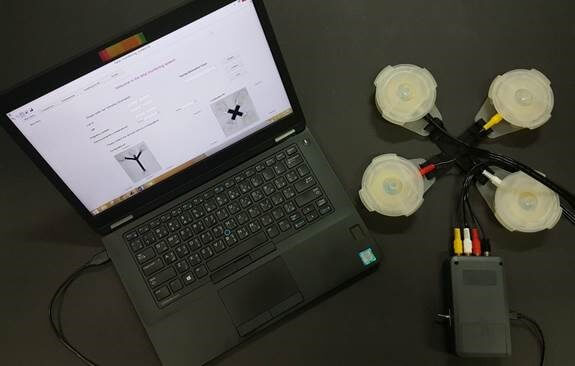
The monitoring device comprises four fetal phonocardiogram (FPCG) sensors held on the maternal abdomen by a square fabric harness and elastic belts. “The center of the harness is placed over the mother’s umbilicus, which places the four sensors at equidistance from the center,” explained Dr. Khandoker. “This gives a very reliable measurement of fetal and maternal heart sounds, but without the need for operator skill in where to place the sensors.”

The novel device makes it easier for women who may be worrying about their baby to monitor its cardiac activity, and also helps mothers simply listen to their baby’s heartbeat and feel connected and reassured.

Beyond the home-based application, the device’s portability makes it an ideal solution for health workers in remote areas to monitor cardiac health in pregnancy.

“The device adapts to a mobile phone’s audio port to capture the four-channel FPCG signals so the app we developed can perform the data analysis,” said Dr. Khandoker. “The mobile phone interface app is user-friendly to provide point-of-care decision support to pregnant mothers as well as health workers in remote areas.”

“The Healthcare Engineering Innovation Group (HEIG) seeks to develop novel methodologies, devices, and tools for the diagnosis, intervention, and rehabilitation of the wide spectrum of health challenges associated with cardiovascular disease,” explained Dr. Cesare Stefanini, Associate Professor of Biomedical Engineering and Director of the HEIG. “Cardiovascular disease is the leading cause of mortality and morbidity in the United Arab Emirates, making our work crucial for the citizens and residents here. The HEIG collaborates with leading healthcare providers and regulators in the UAE to define and build population-specific, clinically implementable, innovative approaches and engineering solutions.”

It is evident from recent research that common diseases such as cardiovascular disease, metabolic syndrome, atherosclerosis, and Type 2 diabetes in adult life are associated with adverse influences during fetal development. The fetal origins of cardiovascular disease, in particular, state that fetal undernutrition in middle to late gestation—which leads to disproportionate fetal growth—becomes permanently programmed into coronary heart disease in adult life.

“This anomaly highlights the need to develop more effective ways of identifying ‘at-risk’ fetuses at home in ‘low-risk’ groups who are not seriously monitored,” said Dr. Khandoker. “Therefore, it is imperative to develop simple-to-manage, easy-to-use home screening processes that can monitor all risk groups at the first point of obstetric contact and achieve very high perinatal detection rate of cardiac abnormalities.”

Fetal heart rate is commonly measured on the labor ward and during pregnancy to monitor the health of the fetus and requires training and skill to perform accurately. While the prenatal products market has seen an influx of fetal heart monitoring devices, concerns have been raised over the incorrect use of such products. Doppler ultrasound devices and sound amplifying monitors do no harm to the baby, but there are concerns that their use risks mothers delaying seeking medical attention and suffering from false reassurances.

“It’s true that pregnant mothers at home could possibly misinterpret vital signs. That’s why our device includes a sophisticated diagnostic algorithm that can recognize whether a baby is sick,” explained Dr. Khandoker. “The algorithm takes the vital signs from fetal and maternal heart sounds, and then classifies them into three categories: No worries; Caution with check again; and Call Hospital. This solution can also run on mobile platforms as well as a hospital cloud service connecting directly to medical professionals.

“Now, a mother does not need to have any technical expertise to be able to make the decision on whether to seek medical attention—she can simply listen to her baby’s heart for the emotional connection that provides.”

Jade Sterling
News and Features Writer
25 June 2019

Mind-Control System for the Paralyzed Impresses at Competition

EBTIC Senior Design Project has won Best Lightning Presentation at the 11th Annual Undergraduate Research Conference on Applied Computing 2019

A student design project from Alanud Almemari, Safa Alkatheeri and Hamda Altamimi was awarded Best Lightning Presentation for their Brain Wave Control System Using Deep Learning. Supervised by Dr. Kin Poon, Dr. Gabriele Gianini and Dr. Nawaf Almoosa from EBTIC, the project was one of 15 presented to conference participants and a judging panel.

The students faced stiff competition against augmented reality projects, secure voting systems and medical platforms but ultimately won first place at the 11th Annual Undergraduate Research Conference on Applied Computing (URC) at Zayed University, Dubai.

The URC aims to provide a forum for undergraduate students to present their ideas and interact with other young researchers from educational institutions in the UAE, other GCC countries, and the rest of the Arab world, as well as expert faculty and leaders from the IT industry. The forum offers three types of submissions—live demonstration of a finished application, system or tool, lightning presentations in which students are given up to seven minutes to present their research projects, and poster presentations.

“I think our project stood out for the judges because using the brain to control the movements of a device can be so beneficial to someone with complete paralysis,” said Dr. Poon.

Paralysis is a serious medical condition threatening the livelihoods of approximately 5.4 million people around the world. For those suffering from full body paralysis, even controlling a wheelchair with a joystick is an impossible task to perform, severely limiting independence. The only way to overcome this is through Electroencephalogram (EEG) brain wave signals, which the students use to control a device’s movements based on deep learning techniques.

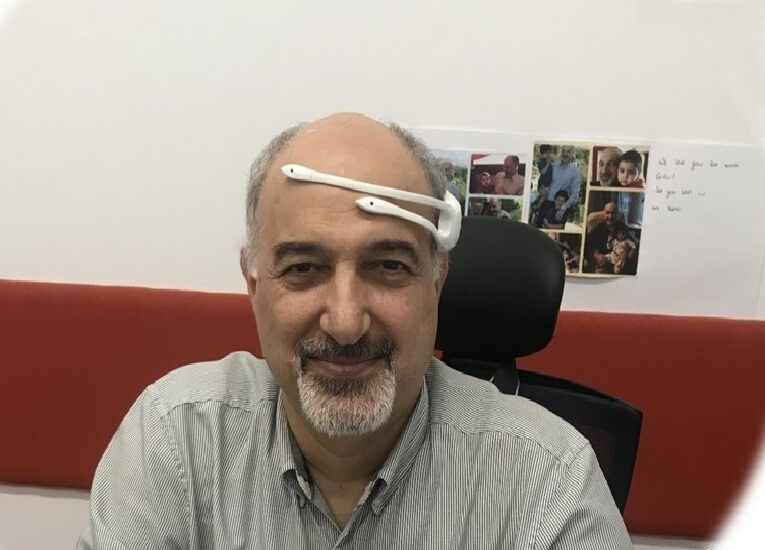
“Paralysis is a loss of muscle function and one of the ways to overcome such a problem is to make good use of the Electroencephalogram brain wave signal to control the movements of a wheelchair, for example,” explained Dr. Poon. “Our project has developed a prototype for controlling the movements of a toy car using EEG signals based on a deep learning technique.”

EEG represents the electrical activities of the brain and are captured when an individual starts thinking or physically moves a part of the body to perform a specific action. These signals can be extracted using an EEG headset comprising multiple dry electrodes. They are then analyzed using deep learning algorithms that consist of multi-layered Artificial Neural Networks (ANNs). In this project, the ANNs used are Convolutional Neural Network (CNNs), a class of neural networks often used in image recognition because of their excellent compatibility with the processing of image pixel data.

Data Acquisition and Processing Flowchart

“Our project also stood out because deep learning is one of the hot topics in artificial intelligence research,” added Dr. Kin. “There are many successful applications such as data analysis and image recognition based on deep learning. To see how it can also be applied to recognize brain wave signals to perform certain tasks is a fascinating research area.”

The analysis involves converting the EEG signals into wavelets—frequencies which vary with time—which are then used to train the CNN. The computer distinguishes and learns the different commands intended by the signals as the person concentrates on thinking about moving a device to different locations. These commands are recorded multiple times until the CNN can use them to control the movements of a toy car in the testing prototype.

“For the time being, this prototype can only control some basic movements of a toy car,” said Dr. Poon. “We would like to extend the recognition engine to perform simple communication to express someone’s needs with paralysis.”

Jade Sterling
News and Features Writer
16 July 2019

Pulling Salt Out of Seawater with Magnets

A previously unutilized effect of magnetism observed by Khalifa University’s Dr. Emad Alhseinat may be key to energy-efficient, low-cost seawater desalination and other industrial separation processes

In a world of dwindling freshwater resources and rising greenhouse gases, researchers are constantly searching for affordable, more sustainable ways to turn seawater into potable drinking water, without further straining the planet’s natural resources or increasing global greenhouse gas emissions.

Now, a team of researchers from Khalifa University’s Center for Membranes and Advanced Technology (CMAT), led by Dr. Emad Alhseinat, Assistant Professor of Chemical Engineering, have discovered a new way to separate salt from saline water that does not rely on the traditional thermal and membrane methods, both of which can be energy intensive and expensive, particularly for small-scale desalination and desalination of low-salinity water.

Instead, Dr. Alhseinat’s membraneless separation method uses electric and magnetic fields to pull salt ions from a stream of saltwater towards a porous electrode, where they are collected and easily removed. The new approach is described in a paper that is currently under review by the journal Electrochemical Acta and is authored by Dr. Alhseinat and Dr. Pei Shui, a Visiting Scholar at Khalifa University. The team has also filed a patent for the novel system titled ‘System and Method for Removing Ions and Dissolved Charged Particles from Saline Water with Magnetic and Electric Fields’ (PCT patent application number is PCT/IB2019/054453).

Research into using electric charges to separate salt ions from seawater – a process known as capacitive deionization, or CDI – is accelerating rapidly. In a paper published earlier this year in The Journal of Physical Chemistry C, Dr. Alhseinat provides a comprehensive overview of the evolving desalination technology and identifies ways to optimize the configuration and electrode components of CDI.

Electric charge separation coupled with magnetic fields, however, is what Dr. Alhseinat believes could lead to a breakthrough in not only seawater desalination, but in many applications that rely on separation, like gas sweetening – the process of removing hydrogen sulfide from natural gas – and removing heavy metals from wastewater.

“Previous attempts to use either electrical or magnetic forces to separate ions from water have required extremely strong magnets or high electrical voltages, making their practical application quite challenging and expensive. In our invention, by coupling the magnetic and electrical forces in a novel arrangement, we manage to successfully separate ions from saline water with much weaker magnets and electrical voltage,” Dr. Alhseinat explained.

Being able to use weaker, less expensive magnets makes the process significantly more sustainable and practical for potential use in remote areas where large-scale desalination isn’t required.

The weak magnetic fields are effective because Dr. Alhseinat is exploiting a previously unutilized property of magnetism to improve the separation process.

“The light bulb moment was when I observed some interesting behavior of certain salt ions under the effect of the magnetic field. At that moment I realized that the effect of the magnetic field is not just Lorentz forces as expected,” Dr. Alhseinat shared.

Dr. Alhseinat discovered that the magnetic field does more than apply the Lorentz force, which is the electromagnetic force that makes something, such as a wire with an electrical current flowing through, it physically move (this is how electric motors work); it weakens the bonds between the salt molecules in the water.

“The salt ions being separated from seawater are actually hydrated ions, which are crystalline salt molecules attached to a certain number of water molecules. The magnetic field weakens the bonds within the hydrated ions, freeing the salt molecule from the hydrogen atoms, which then increases the diffusion of the salt molecule inside the solution towards the electrodes,” he said.

The dehydrated salt molecules, or pure sodium chloride ions, are physically smaller than hydrated salt molecules. Their smaller size allows them to move faster towards the electrodes, and means more of them can fit on the electrode, making the CDI process significantly more efficient.

The smaller pure salt ions are also why weaker, low-cost magnets work. It is the unique configurations of the magnetic and electric fields that causes the bonds between the hydrogen and salt ions to weaken, not the strength of the magnetic field.

“The bonds between molecules stretch, bend and twist, producing continuous vibrations. If you hit these vibrations with a matching frequency, you can break them or weaken them,” Dr. Alhseinat explained. He realized that the perfect coupling of a magnetic field with an electric field can produce frequencies that break apart the bonds between salt ions and hydrogen molecules.

After running a number of simulations to determine the ideal configuration of the magnetic and electric fields, the finely tuned prototype is able to improve salt separation by 50% compared to a conventional CDI system.

But Dr. Alhseinat’s team believes there is still room for improvement. They are constantly working to further enhance separation by altering different components of the system, such as frequencies, electrode configurations, and solution compositions. Dr. Alhseinat and an interdisciplinary team of experts, including chemists, physicists, and microscopists from KU, have planned new work that aims to fundamentally explain the observed effects of magnetic and electric fields on weakening molecular bonds, and in turn expand its application in critical areas like material synthesis.

Dr. Alhseinat’s research has significant potential impact. He has demonstrated a new way to control ion size and mobility through magnetism, giving scientists greater control over the separation process, which could lead to efficient, more sustainable methods of desalination. In a country like the UAE, where desalination provides over 80% of the nation’s potable water, reducing desalination’s hefty energy and carbon price is crucial for future development and prosperity.

Erica Solomon
Senior Editor
21 August 2019

Easing Bunions Without Surgery: The First-of-its-kind Medical Shoe Engineered at KU

Design project from three KU students promises a non-surgical approach to treating one of the most common foot complaints.

It is estimated that over 48,000 people in the UAE suffer from bunions, a common ailment of the foot. A bunion is a bony prominence from the misalignment of the metatarsal phalangeal joint (the joint at the base of the big toe) causing the toe to point outward and rotate towards the smaller toes, medically known as hallux valgus deformity. While the precise cause is not known, it is believed that bunions are caused by multiple factors including abnormal foot function and mechanics, such as over-pronation, abnormal anatomy at the joint, and genetic factors.

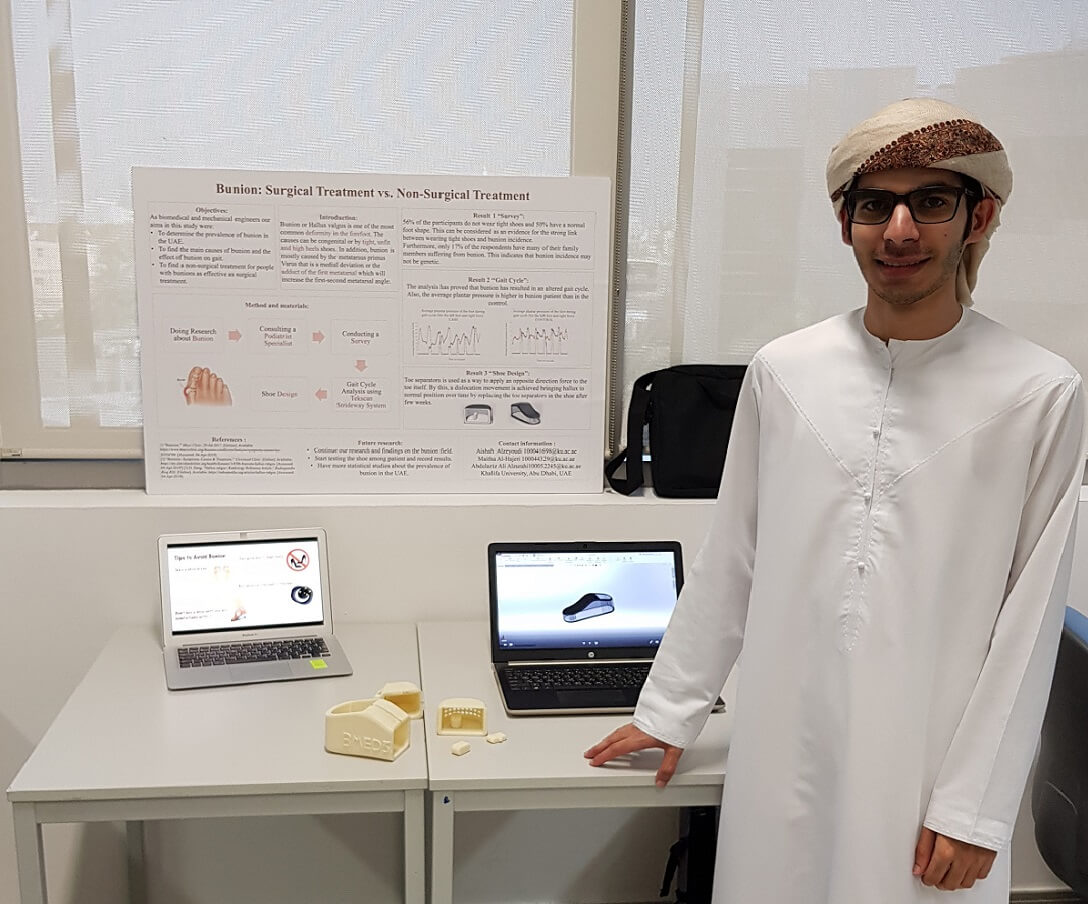
Abdulaziz Alzurahi, Researcher and Lab Manufacturing Assistant at KU and founder of the Bio-Mechanics STAR Online Research Center, guided Aishah Saeed Alzeyoudi and Maitha Mohamed Alhajeri, both Biomedical Engineering graduate students, on a project to investigate the causes of bunions and a non-surgical intervention method as part of the Biomedical Engineering course, supervised by Dr. Kinda Khalaf, Associate Chair in the Department of Biomedical Engineering.

“Hallux valgus is one of the most common deformities of the forefoot, with a prevalence rate of 23 to 35 percent globally,” said Alzurahi. “To determine potential causes, we conducted a survey to estimate the prevalence in the UAE and analyzed gait cycles among volunteers. We found that the survey was inconclusive but the gait analysis found people with bunions did have an abnormal gait compared to control.”

Aside from vanity issues, bunions can be very painful for sufferers. The most common symptom is a hard lump on the side of the foot which often leads to the big toe pointing towards the other toes — or even overlapping them — and hard, red or swollen skin over the lump. People may also have pain along the side or bottom of the foot, which is usually worse when wearing shoes and walking. Most shoes can’t accommodate the protrusion — particularly the high heels and pointed-toe shoes favored by many women — and so put pressure on the misaligned joint, eventually causing inflammation and even arthritis.

To judge how severe a bunion is, clinicians will x-ray and measure the angles between the bones in the foot. The hallux valgus angle is of particular interest as it is the angle between the first metatarsal bone and the big toe, and the intermetatarsal angle between the first and second metatarsals. Bunions range from mild to severe but all need attention: the metatarsal phalangeal joint (MTP) helps bear and distribute weight and a bunion at this joint can seriously impair the foot’s functioning.

In most cases, bunions are treated without surgery to reduce pain and keep the bunion from worsening, but the only way to remove a bunion is surgery.

Surgery is an invasive and drastic course of action, involving an intense and long recovery period. Studies suggest that 85 to 90 percent of patients are satisfied with their results but one review found that about a third of patients were dissatisfied even when their pain and toe alignment improved. This may be due to unrealistic expectations of perfectly straight big toes and underestimating the recovery period.

In most cases, however, it is possible to intervene before surgery is required.

“The non-surgical approach to treating bunions involves several treatments such as toe spacers, well-fitting shoes, walking barefoot, and physiotherapy,” said Alzurahi. “We designed a shoe that can help treat bunions effectively to reduce the need for surgical intervention. Our team met a podiatrist in Abu Dhabi to evaluate our design and I visited an orthopedic surgeon to gain a surgeon’s point of view on design enhancements.”

The result is a medical shoe using toe separators as novel aligners inside the shoe for automatic load generation to the toes — applying an opposite direction force to the toe and bringing it to its normal position over time. The aligners are changed on a bi-weekly basis until normal bone curvature is achieved.

“Our initial design followed the same concept of the invisalign technology used by orthodontists to fix misaligned teeth,” said Alzurahi. “We proposed having curved aligners on the side of the bunion to apply a compressive force until the bone is back in its normal position. However, after consulting the experts, we realized this would make the disorder much worse than we thought, so we changed our approach to apply a dislocation movement to the toe instead.”

The aligners create an opposite force reaction to the toes in contact inside the shoe. The magnitude of the force is related to the width of the aligner: the wider the aligner, the more force is created. The team designed three toe spacer sizes to apply different levels of pressure. They plan to improve their design using sensors to change the width of the aligners automatically according to a predetermined therapy plan. The team also plans to improve the materials used to make the shoes more comfortable for patients and reduce the weight of the shoe to allow patients to wear them for longer.

“This is one of the best research case studies on bunions,” added Alzurahi. “I am so proud and glad to be part of this one-of-a-kind study. It was great to initiate this research in the UAE, with a special visit from my side to an orthopedic surgeon who was very impressed by the concept. Until now, we haven’t seen a shoe like this and having a team comprising engineers and medical doctors allowed us to reach a first-of-its-kind prototype design.”

Jade Sterling
News and Features Writer
27 August 2019

Engineering an Artificial Biomimetic Lymph Node to Improve Drug Development

KU Researchers Develop Lymph Node-on-Chip Device on Which to Test New Drugs and Accelerate Development of Effective Pharmaceuticals

Ever since life started, people have been in constant battle with disease. New drugs are introduced to combat pathogens and disease-causing agents, but getting regulatory approval is not easy; it is time consuming, costly and highly dependent on animal models.

For a drug to be approved by the US Food and Drug Administration (FDA), it must pass the preclinical evaluation phase — involving in vitro testing as well as in vivo animal testing — and then the clinical evaluation phase which requires controlled drug administration on human subjects. Developing new drugs is a lengthy and expensive process, sometimes taking decades and costing upwards of USD1.7 billion. Unfortunately, many promising medications fail during clinical evaluations, mainly due to a lack of understanding of immunotoxicity – how these foreign substances interact with the human immune system.

The immune system’s main function is to protect the body from diseases through the recognition and clearance of pathogens (viruses and bacteria) and infected or cancerous cells. The corollary is the recognition of self- and environmental antigens (food, airborne particles, etc.) as non-harmful: this is immune-tolerance. In a perfect world, the immune system performs these two roles perfectly: immune homeostasis. But when the immune system is overwhelmed, infections and diseases can occur. On the other hand, poor immune tolerance can be translated into allergic reaction or auto-immune disease. The immune system is extremely complex and being able to predict how a proposed drug may affect the immune system would translate to better performance during clinical trials.

Aya Zaki Shanti, MSc by Research in Engineering student, with support from Dr. Cesare Stefanini, Director of the Healthcare Engineering Innovation Group, and Dr. Jeremy Teo, Assistant Professor of Mechanical Engineering at New York University-Abu Dhabi, has developed a platform to help predict and filter out poor drug candidates at an early stage in drug development and guarantee better performance during clinical trials, ultimately helping to bring more effective medications to the market.

“In the development of novel pharmaceutics and cell-mediated therapeutics, the immune system has to be carefully considered as part of the response mechanism or as a potential collateral for drug toxicity,” explained Shanti. “To reduce the attrition of such developments, the interaction of immune cells with drugs and/or with other cell types should be mechanistically investigated.

“As the lymph node is the integrating center for immune cells, whereby the body invokes immune responses against foreign substances, it is an ideal site for the study of drug interaction with biological components.”

Lymph nodes are widely present throughout the body and are linked by the lymphatic vessels as a part of the circulatory system. They act as filters for foreign particles and cancer cells, and contain lymphocytes, a type of white blood cell, which includes B cells and T cells. B cells produce antibodies, which circulate throughout the bloodstream, bind to a predetermined antigen, and stimulate an immune response. T cells control and shape the immune response by providing a variety of functions including immune-mediated cell death. The B cells identify the target; the T cells swoop in and respond.

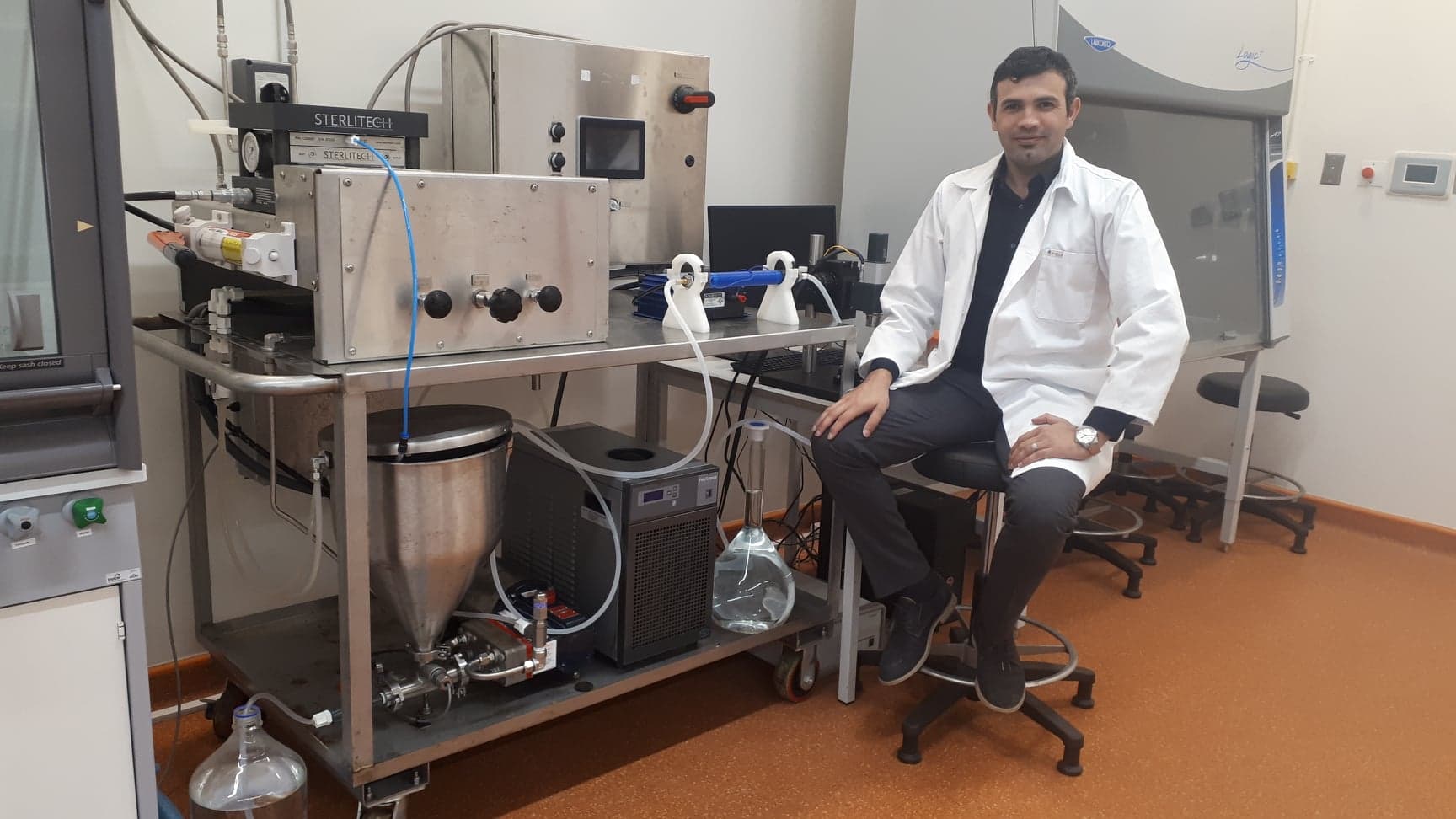
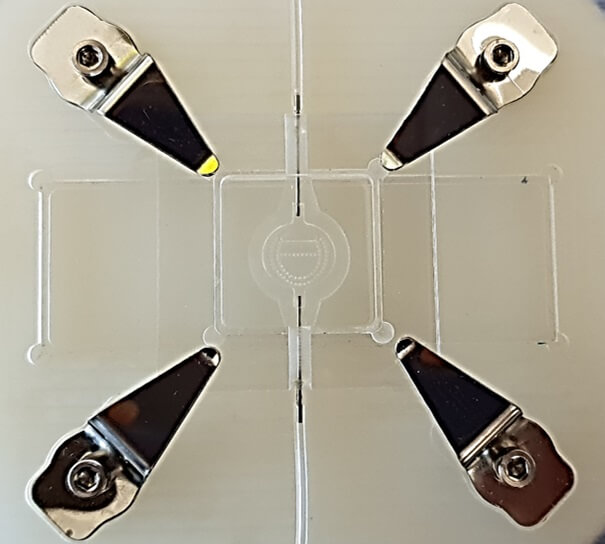
The technology developed by Shanti is a lab-on-chip device that recreates the human lymph node and allows investigation into cell-to-cell interactions and downstream immunological responses. Using this platform, information can be gleaned about the likely immunotoxicity of newly developed drugs.

“We have developed a novel microfluidic platform replicating the lymph node microenvironment to facilitate biological investigations of immune cellular kinetics, cell-to-cell interactions, and sampling,” said Shanti. “We recreated the biological scaffold and reintroduced the cellular residents in an in vivo-like distribution into the device.”

Current drug development practices lack the reliable and sensitive techniques required to evaluate the immunotoxicity of drug candidates, and organ-on-chip devices have emerged as key tools to aid in this in a physiologically relevant manner. But the recreation of a lymph node in vitro is not an easy task, primarily because of its complex architecture and internal structure.

“Our lymph node-on-chip incorporates key features of the human lymph node, namely the compartmentalization of immune cells within distinct structural domains and the replication of lymphatic fluid flow pattern,” explained Shanti. “Our device supports 3D cell culture in biomimetic matrices and sustains high rates of cell viability over the typical timeframe of immunotoxicity experiments.”

While lymph node-on-chip devices already exist, few have been used to assess the lymph node’s ability to identify pathogens and fight infections, which is of vital importance to drug development.

“The ultimate goal of this platform is to enable investigations into the effects of pharmaceutics to downstream immunology in a more physiologically relevant microenvironment,” explained Shanti. “Thus, contributing to increased safety, lowered cost, and shorter cycles for drug development.”

Shanti published a review of in-vitro immune organs-on-chip for drug development in Pharmaceutics in December 2018. Her work is helping shape drug development practice in evaluating the immunotoxicity of drug candidates and contributing to reducing the current high attrition rate in clinical trials.

A patent has been filed for Shanti’s lymph node-on-chip and the project has been awarded the Abu Dhabi Technology Innovation Pioneers Healthcare Award 2018, with the paper winning Best Paper (Engineering) at the UAE Graduate Research Conference 2019 held at Zayed University.

Jade Sterling
News and Features Writer
28 August 2019

Summarizing Arabic Text with AI

System Accurately Summarizes Information Written in Arabic and Could Have Great Impact in Many Sectors, Including Government

The amount of information we consume from multiple sources is growing like never before. To handle this massive amount of information, people are turning to computers to provide summarizations that can be quickly read. Advanced algorithms and machine learning techniques have recently been developed by major software companies that successfully paraphrase lengthy English texts better than anything previously available. However, work on algorithms capable of summarizing Arabic text has not been progressing as quickly, until now.

A group of researchers from Khalifa University’s Emirates ICT Innovation Center (EBTIC) and the Khalifa University College of Engineering have developed artificial intelligence (AI) algorithms that can automatically summarize long Arabic texts to produce coherent briefs. Their system overcomes some of the major challenges to automating Arabic summarization, which stem from the complicated nature of the Arabic language.

“The Arabic language tends to have a high degree of ambiguity due to its structure,” explained Ahmad Al-Rubaie, EBTIC’s Head of Research, Operations and Strategy. “In addition, the presence of Arabic colloquial and classical variations, marks for pronunciation above and below letters that are often omitted when writing but change word meanings, and differences between formal written classical Arabic and its modern counterpart complicate matters further. Moreover, summarization evaluation standards for Arabic summarization have not reached the maturity of the English language, although this is starting to change, but it remains that different Arabic summarization systems use different evaluation methods.”

To tackle the issues of automatic Arabic summarization using AI, EBTIC proposed and implemented a unique system that combines the advantages of current state-of-the-art summarization research with methods specifically developed for the Arabic language’s complex structure.

The system was developed by Lamees Al Qassem as part of her MSc by Research in Engineering. Al Qassem was supervised by Dr. Hassan Barada, Associate Dean of the College of Engineering, Dr. Di Wang, EBTIC Senior Researcher, Ahmad Al-Rubaie and Dr. Nawaf Almoosa, Director of EBTIC and Assistant Professor of Electrical Engineering and Computer Science. She is now pursuing her PhD in Engineering at KU.

The algorithm produced a summary of recent Arabic news articles from various sources and made them available to users through an easy to use interface.

Developed as a complete end-to-end solution, the system was designed with a back-end component that collected newspaper articles from various UAE based newspapers and online news outlets, which it then archived in order to produce summaries for each article. The output was served to users through a mobile application developed on the Android mobile operating system. Summaries of relevant stories were provided to users based on their profiles. A limited trial was conducted at KU to test and improve the system followed by demonstrations at various showcases and events where EBTIC was involved. The most recent of these events was EBTIC’s 10th Anniversary celebration in April 2019. The system remains operational and there are current plans to further develop it for use by EBTIC partner.

The EBTIC Arabic text summarizer leverages Natural Language Processing (NLP), the branch of AI that helps computers understand, interpret and produce written human language. It works by first running the Arabic text through an algorithm designed by Al Qassim that first detects and extracts nouns, as nouns are representative of the key information contained in sentences. The extracted nouns, as well as a number of other features selected through research and experimentation, are fed into a “Fuzzy Logic” engine, a type of scoring system that determines the degree to which sentences are important and thus should be included in the final summary. Fuzzy Logic is well suited for determining how important a sentence is in an article or text.

“In traditional binary logic the importance of a sentence in an article or text can be either important or not important. In Fuzzy Logic, the level of importance can be an infinite range of importance values, enabling the representation of vague concepts. For example, in Fuzzy Logic, a sentence can be very important, slightly important, not that important, or not important at all,” Dr. Di Wang said.

The team followed a rigorous evaluation criterion when researching and developing the summarization system, which has already garnered significant interest from EBTIC’s partners. A paper describing the system titled “Automatic Arabic Text Summarization Based on Fuzzy Logic” won Best Paper Award at the 2019 UAE Graduate Student Research Competition (GSRC). An extended version of the paper has been accepted for publication at the International Conference on Natural Language Processing and Speech Recognition 2019 to be held at Trento University in Italy. Three other papers have already been published.

“The proposed method and its components were tested and compared to existing state-of-the-art systems, at both the component level and system level,” Dr. Barada explained. “For example, our noun extraction algorithm was evaluated against the Stanford morphological analyser to ensure it matches or outperforms the current state-of-the-art. The team also looked at the various Arabic summarization engines available and evaluated their system against the others using the same Arabic texts and evaluation method where available and possible.”

“The research and development process was demanding, but the result was that we outperformed most, if not all, existing methods that have been implemented,” Al-Rubaie said.

Dr. Almoosa added, “The team is currently in discussion with a UAE government agency to adapt the system to be able to summarize information that is more demanding, which would require further enhancements and a greater understanding of the underlying meanings in sentences.”

Erica Solomon
Senior Editor
5 September 2019

Sustainability Series: Sustainable Bioenergy Research Consortium (SBRC)

Our ‘Sustainability Series’ continues with a look to the future for aviation fuel; we spoke to Jose Gerardo Gonzalez Barron, from the SBRC, who told us how fuel from halophytic plants is the way forward.

Can you give us a brief overview of what you do as the Sustainable Bioenergy Research Consortium?

The Sustainable Bioenergy Research Consortium (SBRC) was established in Abu Dhabi in 2011 as a not-for-profit research consortium to advance the aviation industry’s commitment to sustainable business practices by developing technology with the promise of producing a clean, alternative fuel supply.

What projects are you currently focused on to make fuel consumption in aviation more sustainable?

A key part of the consortium’s research activity has been the development of a large-scale research program on alternative fuels derived from halophytic (saltwater tolerant) plants, called the Seawater Energy and Agriculture System (SEAS). The SEAS platform is the SBRC’s flagship project, conceived as an integrated and holistic approach to producing bio-materials and bio-energy leveraging marginal resources (i.e. non-arable land and seawater) and renewable energy sources (i.e. solar). The development of such frontier bio-processes relies on a long-term R&D program based on the SBRC’s Systematic Research Agenda, which fosters innovation via its host organization – Khalifa University of Science and Technology – and aligns itself with the UAE’s national goals for the development of a knowledge-based economy.

Can you tell us a bit about the project that you have embarked upon with Etihad?

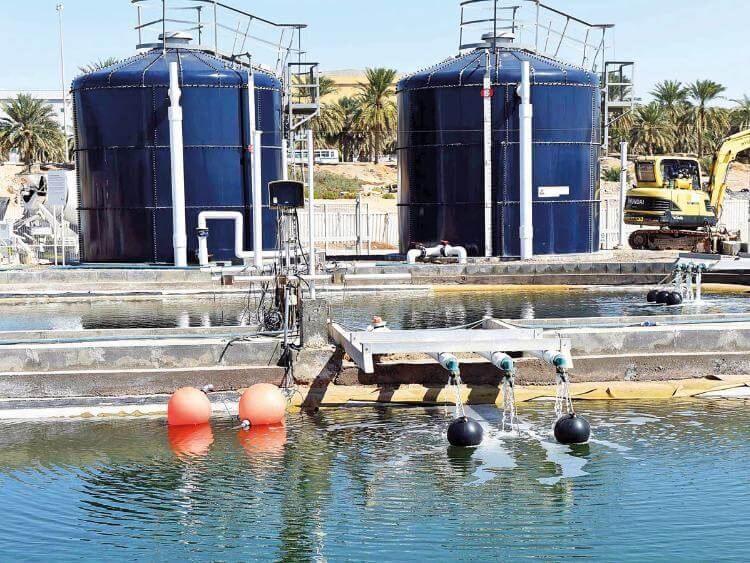
The project is based upon an integrated system. The technology uses seawater to raise fish and shrimp while the wastewater irrigates plants rich in oils that can be harvested for aviation biofuel production. The plants thrive in arid, desert conditions, and don’t require freshwater or arable land to grow. Lastly, mangroves indigenous to the UAE are used as an effective carbon sequestration element that helps to eliminate nutrients and waste from food production before the water is discharged back into the sea. The pilot project demonstrated that the integrated biomass production process is a viable and sustainable system with respect to essential food and fuel production, suitable land use, reduced carbon emissions, and wastewater clean-up.
On 15 January 2019, the first commercial flight using SAF derived from the oilseeds of the SEAS pilot plant took off from AUH to AMS. This was a major milestone for the consortium as it was a proof of concept that the entire supply chain can be located in one country utilizing marginal resources.

How can seawater energy help make fuel more sustainable?

The SEAS concept edge stems from the fact that it does not compete for arable land or freshwater resources. It opens up a whole new saline agriculture industry with the potential to be replicated in extensive arid areas creating numerous social, economic and environmental benefits.

What are the main aspects of sustainability that the aviation industry can adopt?

The aviation industry recognizes the need to address the global challenge of climate change and in 2009 it adopted a set of targets to mitigate CO2 emissions from air transport:

  • An average improvement in fuel efficiency of 1.5 percent per year from 2009 to 2020
  • A cap on net aviation CO2 emissions from 2020 (carbon-neutral growth)
  • A reduction in net aviation CO2 emissions of 50 percent by 2050, relative to 2005 levels.

In order to achieve this, the industry is pursuing a four-pillar strategy for addressing aviation’s climate impacts and meeting the carbon targets:

  • New technology, including the deployment of Sustainable Alternative Fuels (SAF)
  • More efficient aircraft operations
  • Infrastructure improvements, including modernized air traffic management systems
  • A single Global Market-Based Measure (GMBM) to fill the remaining emissions gap.

By

Biography

Alejandro Ríos is the Director of the Sustainable Bioenergy Research Consortium (SBRC) and Professor of Practice at Masdar Institute (MI), a part of Khalifa University of Science and Technology. The SBRC was established by MI, and its founding members The Boeing Company, Etihad Airways, and UOP-Honeywell, together with members ADNOC Refining, Safran, GE and Bauer Resources, are spearheading research in the use of saltwater and halophytes for the production of sustainable alternative aviation fuels.

Dr. Rios was the Director of ASA Fuel Services for 11 years, where he oversaw the operation and management of a network of over 60 fuel farms and their associated 2,000+ daily apron into-plane operations. He was the architect of the Plan de Vuelo (Flight Plan) initiative, and currently participates in the biojet fuel chapter of the Mexican Bioenergy Innovation Center (CEMIE) that is promoting the development of a sustainable aviation biofuel industry in Mexico. He was also a key enabler of the BIOjet Abu Dhabi effort that seeks to develop this industry in the UAE.

He holds a Bachelor’s degree in Civil Engineering from the Universidad Iberoamericana in Mexico City, and Masters and Ph.D. degrees in Civil and Environmental Engineering, from Cornell University in Ithaca, NY, USA.

https://www.internationalairportreview.com/article/80371/sustainability-series/

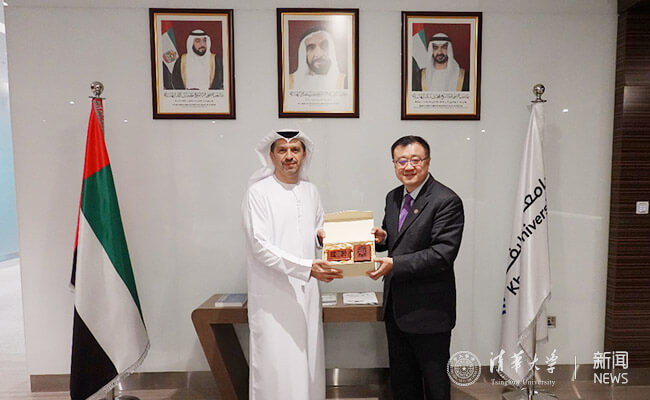
Tsinghua Vice President Yang Bin attended THE Asia Universities Summit and visited Khalifa University

From May 1st to 2nd, Tsinghua University Vice President and Provost Yang Bin visited the United Arab Emirates to attend the Times Higher Education Asia Universities Summit and delivered a keynote speech. During the summit, Yang Bin also visited Khalifa University to discuss academic cooperation between the two universities.

The theme of the Asia Universities Summit this year is “Connecting Asia, reaching West”. The summit was attended by about 250 delegates from over 60 universities around the world. At the summit, Yang Bin shared the ideas and measures of Tsinghua University in education and teaching reform, under the topic of “Perspectives from Tsinghua University in a rapidly evolving Higher Education Environment: Crossing over from Cultivating “A” Students to “X” Students”, emphasizing the importance of cultivating diversified talents who have the courage to explore the unknown and are good at raising questions for a future innovative society.

Following the keynote speech at the Times Higher Education Innovation and Impact Summit held by the Korea Advanced Institute of Science and Technology (KAIST) in April this year, Yang Bin once again shared with his global counterparts the exploration and practice of China and Tsinghua University on innovation in higher education.

During the meeting, Yang Bin also visited Khalifa University and held talks with Dr. Arif Al Hammadi, the Executive Vice President. They exchanged views on cooperation between the two universities since the signing of the university-level MOU in 2017 and discussed future cooperation plans in high-level research and education.

http://news.tsinghua.edu.cn/publish/thunewsen/9671/2019/20190511224515441916142/20190511224515441916142_.html

Abu Dhabi pioneers world’s first desert ecosystem

The biofuel facility at Masdar City in Abu Dhabi.

Abu Dhabi: Imagine this: you are relaxing on board a flight enjoying a delicious seafood meal when a member of the cabin crew informs you that the succulent fish you are savouring was produced along with the biofuel that fuels the flight. How often would you have come across this innovative breakthrough?
The concept of Sustainable Aviation Fuels (SAF), which help fight climate change by reducing carbon emissions from the aviation sector and boost food production, are no longer theoritical aspirations.

Etihad Airways successfully operated the first commercial flight on January 15 this year, partially fuelled by locally produced biofuel derived from plants grown in saltwater.

Although around 160,000 passenger flights arund the world have flown on a blend of sustainable and traditional jet fuel since the first biofuels were certified for commercial use in 2011, the Etihad’s flight distinguished itself in the fact that it was the first in the world to be powered by biofuel produced in the desert, using salt water.

Abu Dhabi’s ambitious Seawater Energy and Agriculture System (SEAS) project to produce alterative aviation biofuel along with seafood will bring overall benefit to economy, environment and food security.

A boost to the aviation sector will positively impact the UAE’s economy as aviation is one of the biggest drivers of the UAE economy and the added value to this sector will bring tangible growth.

WHAT IS THE SEAS PROJECT?

The Seawater Energy and Agriculture System (SEAS) is aimed at bolstering the economy by supporting the growth of multiple sectors in the UAE, such as aviation, oil refining, agriculture and aquaculture.

The initiative of the Sustainable Bioenergy Research Consortium (SBRC), it creates a new agriculture industry using salt water and desert land to grow salt-resistant cash crops producing biofuel in the UAE. It also supports the UAE’s growing aquaculture sector [producing seafood] that has an investment of more than Dh100 million.

SEAS creates a new agriculture industry using salt water and desert land to grow saltresistant cash crops producing biofuel in the UAE. It also supports the UAE’s growing aquaculture sector.

The project also bolsters the oil and gas industry by using existing refining infrastructure to generate biofuel [Synthetic Paraffinic Kerosene -SPK] from the oil extracted from the seeds of a plant called Salicornia.

The SPK does not immediately replace aviation fuel. Rather, it adds value to the oil and gas infrastructure and produce Sustainable Aviation Fuels (SAF) for the future.

HOW DOES IT WORK?

The SEAS involves two things: producing fish and shrimp through aquaculture and growing plants that contribute towards the seeds that in turn help in generate the bio-fuel.
The waste from fish and shrimp turns into fertiliser for the plants and this is the critical connect of the SEAS concept. The seafood production also contributes to UAE’s food security.
This innovative techno-economic model that helps generate revenue from the aquaculture farm makes the project commercially viable.
The facility is managed by the Sustainable Bioenergy Research Consortium (SBRC), a non-profit entity established by Masdar Institute that is part of Khalifa University of Science and Technology, and is expected to scale up to 200 hectares in the move towards full-scale commercial implementation in the next few years.
Abu Dhabi’s ambitious Seawater Energy and Agriculture System (SEAS) project to produce alternative aviation biofuel along with seafood will bring overall benefit to economy, environment and food security and provide a boost to the aviation sector.
When a Gulf News team visited the pilot facility recently, it looked a small patch of land in a calm and quiet environment. But when officials explained that the experiment could enable the UAE to meet a portion of global demand for biofuels, we realised that the small farm carries a big dream.
We were walked around the three components of the facility – the aquaculture ponds, the Salicornia fields and the mangrove wetlands – as a SBRC official explained to us how the fish, Salicornia plants and mangrove support each other.
The initial batch of Salicornia plants was planted in 2016 at the SEAS pilot site, and there have been two successful crops until now.

ENVIRONMENTAL BENEFITS OF UAE’S BIOFUEL

The biofuel significantly reduces carbon emissions from the aviation sector, compared to traditional jet fuel. Sustainable Aviation Fuels (SAF) will help the aviation industry meet its goals under the Carbon Offsetting and Reduction Scheme for International Aviation (CORSIA), being implemented by the International Civil Aviation Organisation (ICAO) and The International Air Transport Association (IATA). The sector aims to cap the growth of carbon emissions by 2020 and cut levels to half of what they were in 2005 by 2050.

FOOD SECURITY

The seafood produced by aquaculture subsystem in the project will also bring benefits to environment and food security, apart from the economy. As the UAE imports a large chunk of its food, an attempt to produce food here will minimise dependence on imports, boosting the food security.
The increased commercial production of seafood will reduce pressure on dwindling wild fish stocks. More domestic production means less seafood imports from abroad, which translates into reduced carbon footprints caused by the transportation. Carbon footprint is the amount of carbon dioxide released into the atmosphere as a result of the activities of a particular individual, organization, or community.

JOURNEY OF THE BIOFUEL

It begins on a two-hectare facility in Abu Dhabi, that is growing salt-tolerant plant called Salicornia and mangroves, the world’s first desert ecosystem designed to produce fuel and food in saltwater.
Salicornia plants and mangroves belong to the Halophytes group of plants; they have a genetic mechanism to tolerate high salinity, hence are suitable to grow in Abu Dhabi, that is irrigated by seawater. Salicornia can be grown as a cash crop to extract oil from its seeds producing biofuel from its seeds. The project facility has three subsystems – aquaculture ponds, halophyte agriculture (fields growing Salicornia plants) and halophyte agroforestry (mangrove wetlands), explained Dr Alejandro Rios, director of Sustainable Bioenergy Consortium (SBRC).

PHASE ONE

1. At the facility, aquaculture ponds grow fish and shrimps and the revenue generated from sale of the seafood makes the project commercially viable. Seawater is pumped into the aquaculture ponds and the same water then goes on to irrigates the other two components of the facility – Salicornia fields and mangroves.
2. The waste water from the acquaculture ponds, which contains the fish effluence, is then diverted to fertilise the Halophyte agriculture in fields growing the Salicornia plant. What are Halophyte plants? These are a type of plant that thrive in desert conditions and do not require fresh water or arable land to grow, making their cultivation viable in the UAE. They bear seeds which are harvested and processed to generate an oil that is further refined to make Synthetic Paraffinic Kerosene (SPK), biofuel that is blended with traditional jet fuel to power aircraft.

3. The mangrove wetlands too are irrigated by the same waste seawater from the aquaculture ponds that having fertilised the Salicornia fields which is then diverted to a cultivated mangrove forest. Mangroves perform two vital functions: they absorb the nutrients from the wastewater [original seawater] as well as carbon dioxide from the atmosphere, thus acting as a valuable carbon storage facility. The wastewater passes through the mangroves, and in the process is naturally filtered and treated before being discharged back into the sea.

Mangroves absorb carbon dioxide from atmosphere on a big scale helping with carbon offsetting, thus supporting the aviation industry’s initiatives to decarbonise the sector.
Moreover, every hectare of mangroves provides an ecosystem protection worth $13,353 per annum, including $8,966 for storm protection, $3,679 for erosion control and $708 for fisheries maintenance, according to experts.
RESULT: This entire process achieves the three-way purpose of growing seafood, fertilising the Halophytes and aiding carbon storage thorugh the mangroves while processing the seawater back into its source.

PHASE TWO

1. The SBRC pilot facility has about half a hectare of land dedicated to Salicornia plants. “You get about two tonnes of seed from the pants per hectare and between 600 and 700 litres of oil [extracted from seeds] per hectare from annual harvest. You can get half of amount of jet fuel after refining,” said Dr Rios.
2. Adnoc Refining (A subsidiary of Adnoc – Abu Dhabi National Oil Company Group) refines the oil at their Research Centre in Abu Dhabi, thus making it a completely home-grown fuel. As the process for refining this vegetable oil is very similar to that of traditional crude oil, the company is using its existing oil-refining infrastructure without any undergoing any major change to its processes.
3. After refining the Salicornia oil, what comes out is the final biofuel product called Synthetic Paraffinic Kerosene (SPK). The SPK is blended directly with traditional jet fuel up to 50 per cent and does not require any modifications to aircraft, engines or airport fuelling delivery systems.
4. UOP-Honeywell, a founding member of the Sustainable Bioenergy Research Consortium (SBRC), offered its Ecofining technology in the refining process of the oil. Abu Dhabi Vegetable Oil Company (ADVOC) has also given essential assistance in the pre-treatment phases.
5. Adnoc Refining’s expertise and infrastructure has helped to meet stringent jet fuel standards. Adnoc Distribution (another Adnoc subsidiary) has also made an essential contribution to the project through the blending and delivery of the biofuel to the aircraft.


Renewables are a better investment than carbon capture for tackling climate change

Artwork by Maritsa Kissamitaki 2019

Solar panels and wind turbines coupled with energy storage offer a better hope for tackling climate change than trying to capture carbon from fossil fuel power stations, according to new research published by Nature Energy.

Carbon capture technologies – that is new, or as yet undeveloped, technologies that capture CO2 emissions from coal and gas-fired power stations – play a fundamental part within the models that serve as the basis of international agreements to tackle climate change, such as at the Paris Climate Change Agreement of 2015.

However, new research shows that resources that would be spent on developing and installing carbon capture technologies would be better invested in creating more solar panels and wind turbines and focusing on developing energy storage options to support these instead.

An international team of researchers from Lancaster University, Khalifa University, Clemson University, UiT The Arctic University and the University of Florence, have calculated the energy output after taking into account the energy needed to create and operate the system, for carbon capture technologies across a range of fossil fuel power stations – including coal and natural gas.

They compared these results with the energy return on energy invested for renewable energy systems, such as wind farms and solar panels, combined with various kinds of energy storage systems, such as batteries, hydrogen or pumped hydro-power and discovered that worst cases of renewables, with storage, compare to the best examples of carbon capture.

The researchers calculate that this is, in part, due to net energy losses from implementing carbon capture – which includes penalties caused by the energy needed to build, and then operate, the carbon capture and storage processes. In addition, the equipment, such as pipes and compressors, needed to capture and store carbon also needs energy to produce – which is known as embodied energy.

All this results in a reduced net energy output from power stations with carbon capture.

The energy return on energy invested for wind turbines and solar panels depends on the energy costs to build the panels and turbines themselves, and also on how sunny or windy the place is where they are installed.

However, even moderately efficient renewable locations provide a better energy return than the majority of carbon capture technologies.

Dr Denes Csala, a Lecturer in Energy Storage and System Dynamics at Lancaster University and co-author of the research, said: “It is more valuable, energetically, to invest the available energy resources directly into building new renewable energy and storage capacity rather than building new fossil-fuel power stations with carbon capture.

“The better net energy return of investing in renewable energy makes it more likely to meet emission targets without risking a reduction in energy availability, due to dwindling fossil fuel supplies and a climate-constrained emissions budget.

“Given its net energy disadvantages, carbon capture and storage should be considered a niche and supplementary contributor to the energy system, rather than be seen as a critical technology option as current climate agreements view it.”

The research is a world-first to compare these technologies using net energy analysis and it is outlined in the paper ‘Comparative net energy analysis of renewable electricity and carbon capture and storage’, published by Nature Energy.

The paper’s authors are: Sgouris Sgouridis, of Masdar Institute, Khalifa University; Michael Carbajales-Dale, of Clemson University; Denes Csala, of Lancaster University; Matteo Chiesa of UiT The Arctic University of Norway; Ugo Bardi, of the University of Florence.

https://eurekalert.org/pub_releases/2019-04/lu-raa040519.php