
‘K-Drive’ Senior Design Team Enters Final Round of IEEE-IFEC 2019 Competition in July at Wisconsin

K-Drive Once Again Becomes Only Team from MENA Region to be Shortlisted among Top 10 Finalists

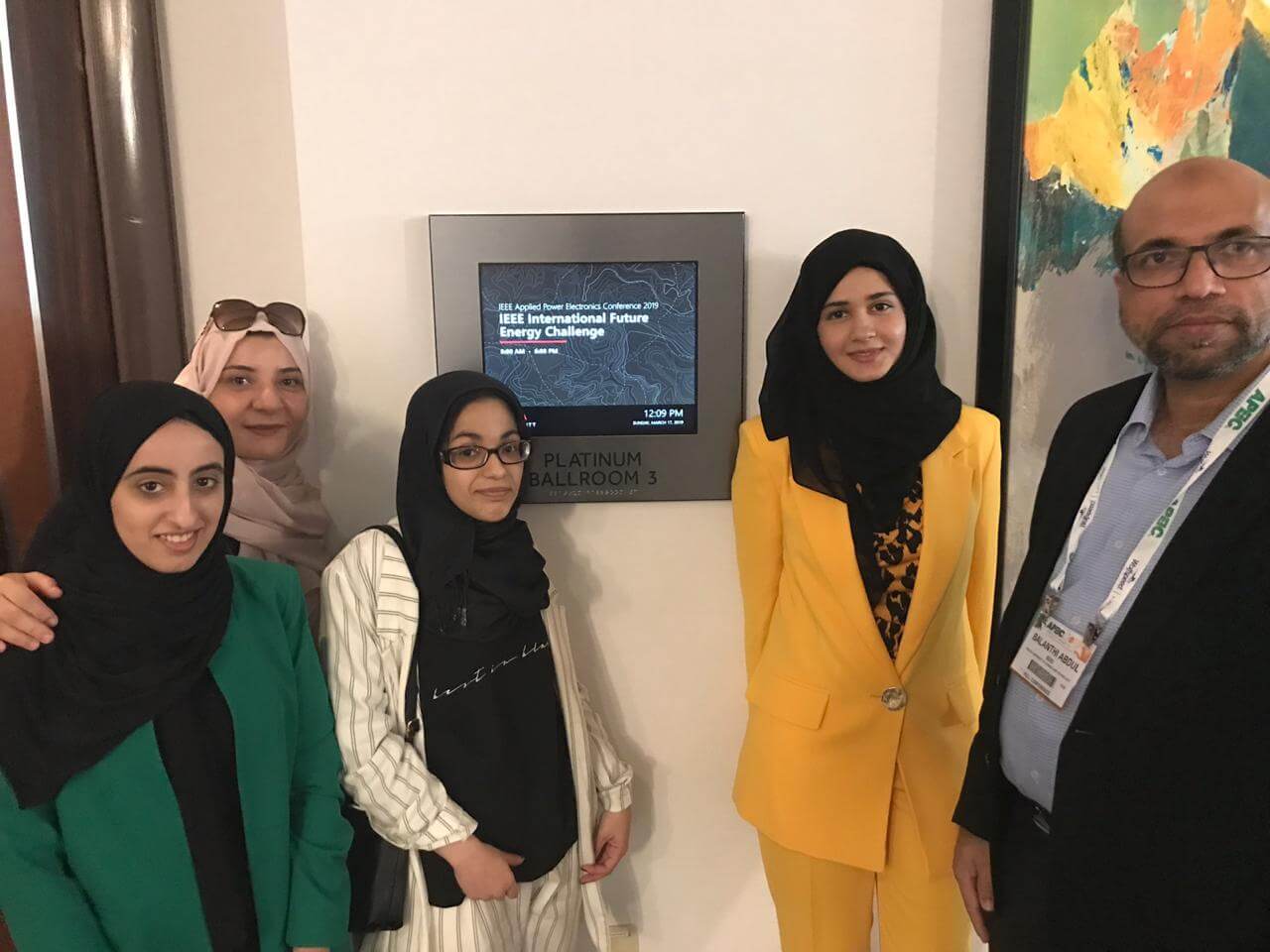
Khalifa University’s Electrical and Computer Engineering (ECE) students Maryam Abbas Sajwani, Reem AlNuaimi, Khadeeja Khaled Hashem Mohamed Aljaberi, and Sumaya AlZubaidi of the ‘K-Drive’ design team have entered the final round of the IEEE International Future Energy Challenge (IFEC) 2019 competition that will be held during the last week of July 2019 at the University of Wisconsin, US.

The Khalifa University team has once again become the only one from the Middle East and North Africa (MENA) region to be among the top 10 selected for the finals. An international student competition for innovation, conservation, and effective use of electrical energy, the IFEC is open to college and university student teams from recognized undergraduate engineering programs.

The K-Drive team crossed the second stage when it was shortlisted out of a total of 16 teams, after confidently presenting the progress report about their prototype to the judges’ panel during the IEEE-IFEC 2019 workshop at Anaheim, US. The challenge ‘electric drive for bicycles’ (E-Drive for a Bicycle), consists of designing and developing the prototype of a battery-three phase output drive, including the motor control and user interface design.

Sajwani said: “We are extremely happy to be the one of the 10 teams to be shortlisted for the final phase of the IFEC competition. We were quite surprised when we received this amazing news about our selection, as the level of expertise and technical designs of the others teams were equal to ours.”

Faculty adviser Associate Professor Dr. Balanthi Beig said: “Our senior design team’s work is on par with the other teams and our students confidently answered all technical questions clearly.”

Aljaberi, who could not be present with the team at Anaheim, congratulated other members, and said: “Working on this project has been a great experience. This competition is challenging us in a very fruitful way and is putting our engineering knowledge and skills to the test. We are truly motivated and excited about the final phase.” Aljaberi intends to join the team for the finals at Wisconsin.

Sajwani added: “Currently, our main focus is testing of our overall system. We have been vigorously testing multiple parameters individually and coupling it with other aspects to see the response of the system. We believe we would be able to resolve any issue within the actual competition timeline.”

The students attributed their second stage success to Dr. Beig, and technical support from the ECE Lab engineers Suma Ramamurthy Rao, Saikrishna Kanukollu and Malik Abdul Haleem. The top 10 teams apart from Khalifa University include Delhi Technological University, DHBW-Stuttgart, Drexel University, Gottfried Wilhelm Leibniz Universität Hannover, National Ilan University, Tsinghua University, University of Belgrade, Utah State University and Virginia Tech.

The IEEE-IFEC 2019 competition is sponsored by the Institute of Electrical and Electronics Engineers (IEEE) Power Electronics Society (PELS), Power & Energy Society (PES), Industry Application Society (IAS) and Power Sources Manufacturers Association (PSMA).

News Writer

11 April 2019

Layer by layer Multiplexing of 3d cardiovascular tissue-based biosensor for Drug Discovery

Fighting the #1 Killer in the UAE, and world

Cardiovascular Disease (CVD) has emerged in recent decades as the leading cause of mortality around the globe. According to the World Health Organization, over 17 million people died in 2015 due to CVD and associated complications. The UAE has a particular stake in researching ways to cure CVD as UAE residents die of CVD 20 years earlier than the global average—as the youngest population in the world. These alarming statistics are driving a team of researchers at Khalifa University, led by Biomedical Engineer Dr. Vincent Chan, to find an innovative new way to test pre-clinical drug efficacy on patients suffering from CVD.

The process of getting drugs through clinical trials and to market for conditions such as CVD can be very costly and protracted as it deals with a sensitive organ, where gathering data or samples of tissue can be invasive and further complicate the health of patients. By developing sensors for patients at the area being studied, researchers are able to receive valuable data in real time as the drug is interacting in its intended environment. This method to gather data in biomimetics allows researchers to accurately gauge the efficacy of drugs on the cellular level.

“Current pre-clinical testing of new drug leads for CVD hinges on the applications of cell culture and animal models which fail to fully recapitulate the physiology and mechanobiology of the highly organized multicellular architecture found in native blood vessels” said Dr. Chan. “Thus, an innovative yet robust on-line biosensor which simultaneously promotes the physiological functions of human vascular tissues and hosts a series of embedded mechanical transducers will accelerate the pace of identifying potential CVD drug candidates for the treatment of common CVDs like hypertension in a more effective and economical way.”

Two-dimensional (2D) cell culture systems have been in use in clinical research for years and have enabled the research of simple organ models. Monolayer cell cultures were easy to create and were compatible with existing lab infrastructure and equipment. While being convenient, the 2D structures posed serious limitations for researchers when attempting to replicate more structurally advanced tissues where spatiotemporal biochemical gradients were required system parameters.

By reconstructing the three-dimensional (3D) printed tissue into bioprinted functional scaffold, researchers at Khalifa University are unraveling a multitude of applications in the pharmaceutical industry from their research and preliminary findings. “We intend to develop an integrative 3D tissue-based biosensor with multiplexed detection transducers and fully simulated functionality in controlled microenvironment for high throughput drug testing and toxicological studies,” said Dr. Chan. “In order to do this, we need to design innovative biomaterial which simultaneously promotes the maintenance of differentiated functions in human vascular tissues and provides an engineered array of embedded mechanical transducers for the realization of a cell-based biosensor.”

Tissue models that reproduce in vivo conditions as closely as possible are essential to learning about the interaction of drugs on the cellular level as researchers strive to discover new agents and therapies during the drug-development process. Microsystem technology offers new approaches to culturing and analyzing human cells and functional tissue structures with sensors that report accurate and integral data.

Traditionally, medical practitioners prescribe lifestyle changes to patients at risk for CVD, and medicine for those whose symptoms have already manifested. Lifestyle changes are the optimal solution, yielding longer lasting and more pervasive improvements to heart and overall patient health, but are harder to implement and adopt. Alternatively, prescribed drugs have a strong impact on patients not able to pursue or maintain lifestyle changes, with health benefits obtained quickly. Doctors always suggest lifestyle changes to avoid dependency on drugs, and allow the patient to live a healthy and natural lifestyle, but the medicines produced through clinical trials are irreplaceable.

As methods for testing the impact of drugs in clinical trials becomes safer, easier, and faster, the process of moving trial drugs to the market will be expedited, cheaper for consumers, and efficacy of drugs will be improved for maximal health and impact.

Khalifa University Student Team’s ‘Cooling Suit’ Project Wins Award at Think Science 2019 Competition

  • Award in ‘University – Energy, Environment, and Applied Sciences’
  • Category Reflects Students’ Technical Skills and Ability to Demonstrate Original Ideas and Inventions


A team of five Khalifa University students have won the ‘First Place – Abu Dhabi’ award for their project “The Design of a Cooling Suit” in the ‘University – Energy, Environment, and Applied Sciences’ category at the Think Science 2019 competition.


The top award was won by undergraduate Mechanical Engineering students Shaima Al Hashemi, Nema Nadhem Asaad Asaad Taher, Latifah Omar Mohamed Abdulla Alseiari, Aryam Ahmed Saleh Rashed Almaamari, and Alyaziya Sulayem Saleh Saad Alsheebani. Assistant Professor Dr. Samuel Cubero, Department of Mechanical Engineering, was their faculty adviser.


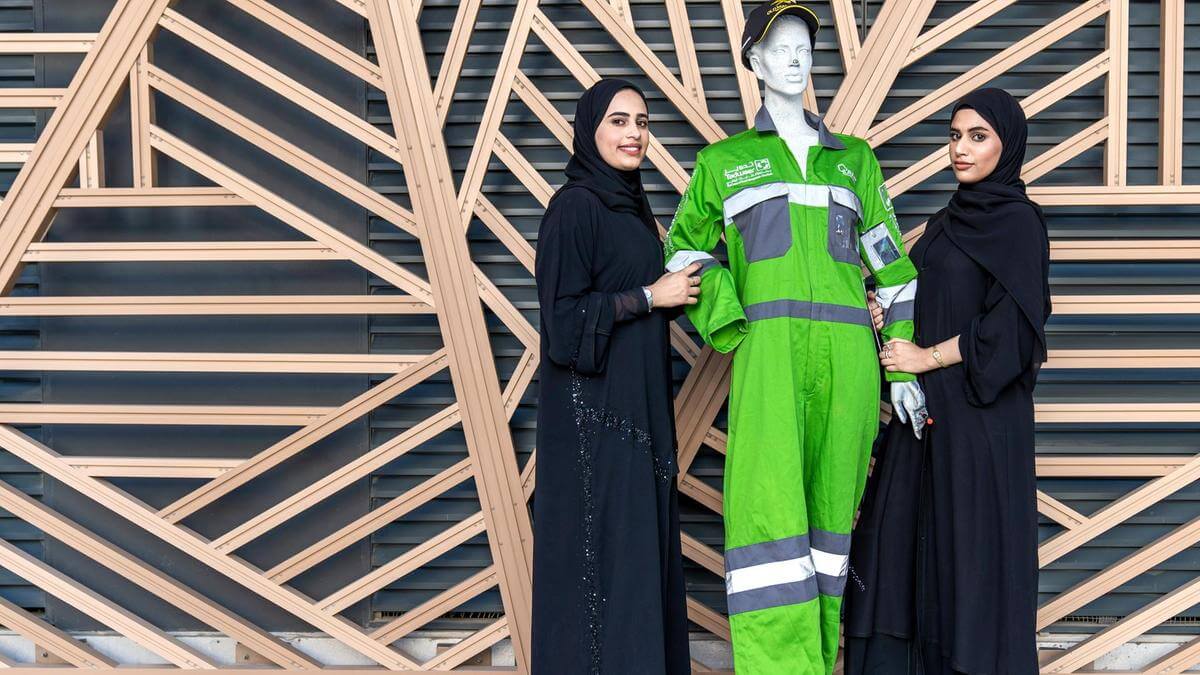
The main goal of this project is to design and build a ‘tether-less’ motor-powered cooling suit that an average adult user can wear. Similar in appearance to a biohazard protection suit or astronaut’s space suit, this cooling suit keeps the internal temperature of the user at an adjustable level between 15 and 30 degrees C. The operating time, between recharges, can be at least three hours of constant usage. It will have an ‘SOS’ button and automatic signals in case of emergencies, as well as a smart system to check body temperature.


The project proposed by the students helps the user remain comfortable and avoid sweating, even during extremely hot outdoor temperatures. Most outdoor workers can continue working and remain productive when wearing the suit since the dangers of heat exhaustion and heat stroke are minimized. Moreover, the suit helps workers at construction or building sites to remain comfortable, enabling greater productivity and requiring shorter rest hours.


Al Maamari identified the reasons for the team to win the challenge against more than 20 other projects. She said: “We didn't have to face that many challenges, except the normal stress and nervousness. But we stood together, guarded each other’s back, and we were confident about the details of our design, in addition to the booth organization.”


She added: “Also, our design process works with 100% safety for the worker, since safety is our main objective and incorporating that is one of the hardest parts.”


After considering several different designs, some of which involved refrigeration units or air-conditioning systems, the students concluded that the lowest-cost, most lightweight, and most effective solution for this project would be to use special PCMs (Phase Change Materials) that can absorb the Sun's energy and prevent any significant rise in body temperature. The PCM is located in several pockets around the suit, and it basically absorbs external or ambient heat energy from the environment, which converts it from a solid to liquid, without raising the skin temperature.


However, once the PCM has turned into pure liquid, it is no longer able to prevent the user’s skin temperature from increasing. Therefore, to ‘recharge’ it, or make it an effective heat absorber again, each PCM bag needs to be placed in a refrigerator (or freezer) so it can turn solid again for future reuse.


Dr. Cubero said: “It is nice to hear about our students being recognized for their technical skills and their ability to demonstrate new and original ideas and inventions that could make a positive impact in the community.”


“From the very beginning, all students working on this project showed great enthusiasm and interest. They believe that a cooling suit like this will make life much more comfortable for outdoor workers, who currently suffer intense summer temperatures with a debilitating effect on their ability to work efficiently and productively,” he added.


In addition, the students have also designed and implemented effective insulation materials for the suit to enhance the performance of the PCM material. For example, electronic sensors are added to the suit with an onboard programmable microcontroller and an LCD display panel that can monitor important operating variables, such as temperatures at different areas on the suit and expected operating time or the remaining cooling time for the PCMs.


The suit also offers options to add more sensors, including a pulse-rate sensor, blood pressure sensor, or a breathing rate sensor. Data from these sensors can even be transmitted via a wireless network to a remote laptop, for monitoring the status of the user. Such advance features may raise the commercialization potential of this innovation.


Clarence Michael
English Editor Specialist
6 May 2019

Khalifa University Student Team Ranked 9th Out of 104 Universities at DBF 2019 American Institute of Aeronautics and Astronautics in US

Student-Built Unmanned, Electric-Powered, Radio-Controlled Aircraft
Successfully Completes AIAA’s All Three Mandatory Missions

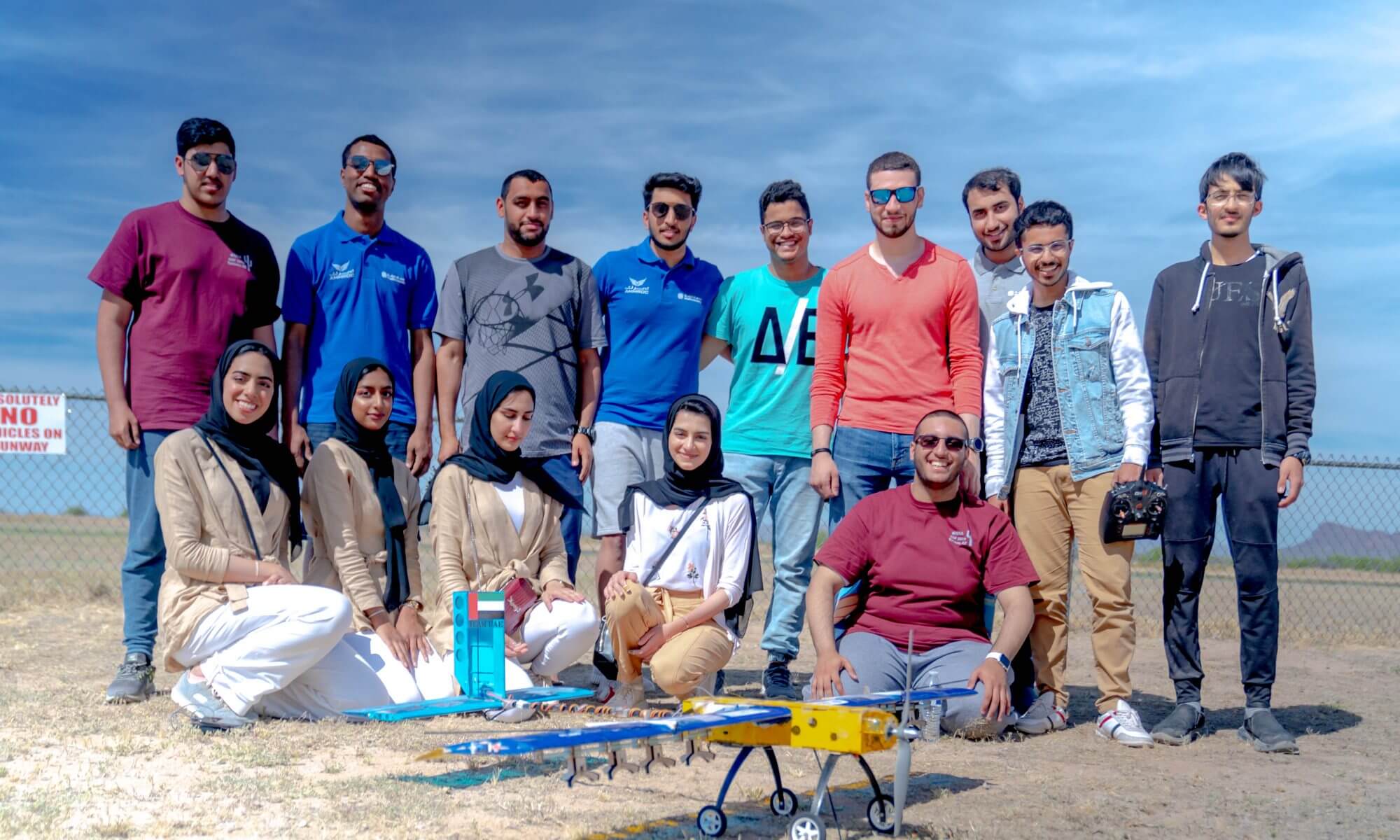
A Khalifa University team of 12 students was ranked ninth overall out of 104 universities when their unmanned, electric-powered, radio-controlled aircraft successfully completed all three mandatory missions in the Design Build Fly (DBF) 2019 American Institute of Aeronautics and Astronautics (AIAA) Competition in Tucson, Arizona.

The team, whose design report was ranked third, not only represented the UAE, but the entire Middle east and North Africa (MENA) region, and was placed among the top 10 teams.Moreover, for Khalifa University, this is the eighth successive year of participation in the DBF challenge.

A total team of 20 undergraduate students from Aerospace Engineering and Mechanical Engineering worked together throughout the year to design, fabricate, and demonstrate the flight capabilities of the unmanned aircraft, readying it for the competition. The aircraft’s three missions included successful flight over a predefined 2000-foot path, carrying a rotating
‘radome’ as a payload and perform three laps followed by a successful landing, and carrying of at least four attack stores, each weighing around 0.187 pounds and drop one in every lap.

This year, the faculty advisors included Assistant Professor Dr. Andreas Schiffer from the Department of Mechanical Engineering, and Assistant Professor Dr. Ki Sun Park from the Department of Aerospace Engineering. Additionally, the team was supported and advised by two graduate students – Adnan Salem and Abdelnasir Alnaqbi.

Two members from last year’s team – Ali Almusawa and Sara Nabeel – were also included in this year’s team. Moreover, throughout this year, the team received guidance and help from previous team leaders Lena Obaid, Anood Alkatheeri, Ghadeer Alkatheeri and Gianna Ramirez.The student team was accompanied to the US by Assistant Professor Dr. Asli Hassan,Department of English, and Dr. Schiffer.

Dr. Park felt the DBF mission this year was tough because of the design requirement for folding wings, and its size and operation. He said: “The whole aircraft including the nose of the aircraft and landing gears should fit into a space two-feet wide and two-feet high in the folded condition.

Additionally, the aircraft should transform from the folded condition to flight condition “remotely by command from the transmitter”.

Though the team was able to refer to the previous Khalifa University aircraft for most of parts, it still needed to design the entire wings part – the main components of the aircraft generating lift forces and key to its stability.
Dr. Park added: “Team members were proactive, and each member did their work properly, but most importantly, they enjoyed the participation in the competition.”

Ali said: “Our team managed to complete all missions successfully. The competition was a great experience and it was an opportunity for us to apply the theories that we have learned at the university to real-life innovative engineering challenges. It was also an opportunity to see how other universities or groups approach the same issue.”

For junior Mechanical Engineering student Hassan Elmuzamil Hassan Elsheikh, it was a unique experience that blended his passion in aviation with a great engineering challenge, and the outcome represented the culmination of the team’s hard work and over eight months of preparation.

Elsheikh said: “We learned a lot about aircraft design, manufacturing and testing. Travelling to Tucson and seeing designs from other universities was inspiring as it opened our eyes to different approaches and perspectives. We also learned how to work better as a unit and definitely created bonds that will last.”

Team member Omar Alhashmi felt the competition helped in gaining self-confidence and developing teamwork and technical skills.

Alhashmi said: “The design phase of the project was extremely hard, as we had to determine the optimum design to get a high score, but perhaps the hardest thing about this project was finding the balance between working on the project, my academic responsibilities and social life.”
News Writer
2 May 2019

Two Khalifa University Student Teams Win Top Honors in CDP and SDP Categories at 14 th IEEE UAE Student Day 2019

Common Design Project ‘KU Drone’ and Senior Design Project ‘High-Speed Positioning’ Win Competing Entries from Seven Universities

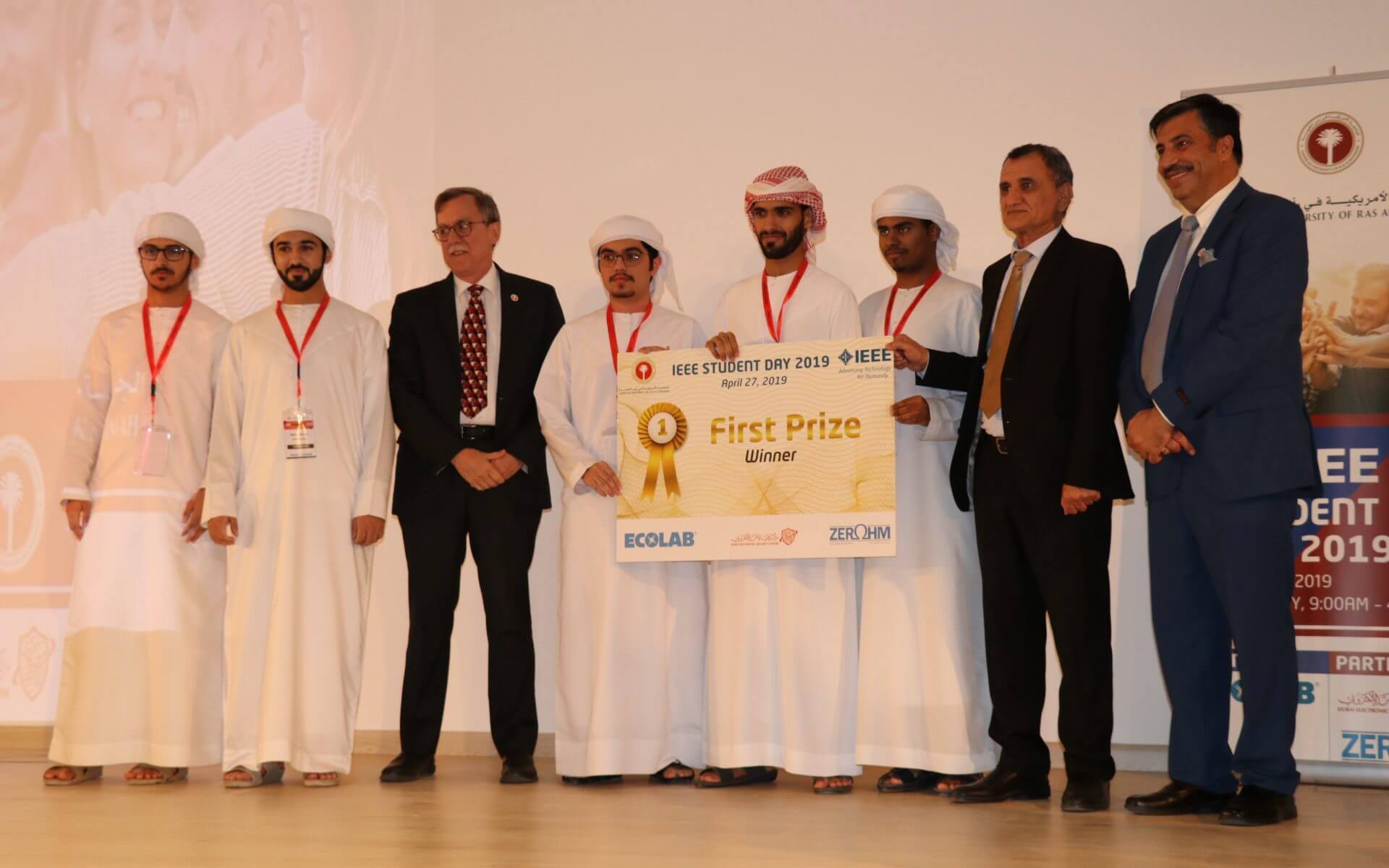
Two student teams from Khalifa University have won top honors for their Common Design Project (CDP) and Senior Design Project (Communications and Electronics) at the 14th IEEE UAE Student Day 2019 that was held on 27 April at the American University of Ras Al Khaimah in the UAE.

Up to two teams from each of the seven participating universities competed in the Common Design Project, Engineering Design Project, Industrial Design Project, Software Engineering Project, and Community Service Compettion categories. However, Khalifa University participated only in the CDP and SDP categories and topped both!

The ‘KU Drone’ CDP student team that won first place included Abdulla Alsamri, Mohamed Alhaj, Ahmed Bafakih, Mohammed Alketbi, and Majid Salman Alakberi. They were required to design and implement a vision-based control algorithm for a small unmanned aerial vehicle (UAV) or drone, with a maximum volume of 0.7m x 0.7m x 0.7m. The drone had to autonomously detect and locate a specified landing zone with the red square marker, out of
three randomly placed landing zones with different markers.

Similarly, the ‘High Speed Positioning’ SDP team that won first place in the Communications and Electronics category included Alya Al Zaabi, Wafaa Ahemd AlYammahi, Ruba Nasser and Ahmed Mehdi. Their project aims at positioning and tracking fast moving objects using two sources – the slower but accurate GPS, and the inertia sensors whose accuracy decays over
time. This project achieves the concept of sensor fusion through the ‘Kalman filter’ – an algorithm that uses a series of measurements to get fast and accurate position.

Faculty advisors for the SDP team included Associate Professors Dr. Hani Saleh and Dr. Baker Mohammad, as well as Research Associate Dr. Temesghen Habte from Electronic and Computer Engineering Department. The CDP project was guided by Associate Professor Dr. Mahmoud Meribout, while Associate Professor Dr. Shihab Jimaa was the IEEE Students Counselor and the IEEE 2019 UAE Student Day Coordinator.

In the CDP category, the KU Drone had to be equipped with a camera for the detection of the landing zone, while the autonomous control system could use the images to detect the target, estimate its relative pose and suitably plan a navigation path to perform the landing maneuver.

The team felt that the image processing part for the ‘KU Drone’ was challenging as well as the speed of the drone and its rapid response. Another factor was stability, which was key to landing the drone close to the target.

For the SDP team, the project involved several electrical and computer engineering (ECE) multidisciplinary topics such as communication, electronics, programming, and control systems, which made this more challenging than other projects.

Team member Ahmed Mehdi said: “We were able to impress the judges when answering their questions. We definitely felt that a top three finish was inevitable after we preformed the presentation.”

Mehdi added: “Winning gives us a special kind of recognition to the efforts we have put in during the last few months and gives us a huge confidence boost. It is nice to be rewarded for our efforts.”

The CDP team felt that one of the key elements that gave them an edge over others was the guidance from their supervisor Associate Professor Dr. Mahmoud Meribout.

Abdulla Alsamri said: “With Dr. Meribout's guidance, we managed to choose the most suitable drone for such a challenge. Moreover, the decision was also based on our programing knowledge, as we chose a drone that matches our skills in C++. Moreover, our hard work and the huge amount of time we all put in this project eventually paid off.”

Alsamri added: “We feel proud after having this great opportunity to represent our university and win the top position – the rightful place for this university. We were determined to win and we have done it.”
News Writer
05 May 2019

Quantum Predictions of Flow may be Key to Freeing Up More Oil

New simulations of the interactions between oil, water and rock at the quantum level could help solve giant reservoir problem

Over half of the oil in the UAE’s hydrocarbon reservoirs is trapped underground in tiny rock pores. Despite the millions of barrels of oil produced every day in the UAE, extracting this crude oil efficiently and sustainably has proven extremely difficult.

Now, researchers at Khalifa University have discovered a way to analyze how this oil and water interacts with reservoir rock at the quantum level, providing detailed information about how multiphase fluids – fluids with a combination of liquids, like oil and water – move along mineral surfaces, revealing the key role of temperature and a characteristic called wettability.

This new understanding might improve productivity of the UAE’s oil wells and help Abu Dhabi reach its goal of increasing oil recovery rates to 70%.

The new results are published in the Journal of Physical Chemistry C in a paper by Dr. Tiejun Zhang, Associate Professor of Mechanical and Materials Engineering, with first authors Dr. Jin You Lu and PhD student Qiaoyu Ge, as well as Research Scientist Dr. Aikifa Raza.

“Crude oil is a complicated mixture. While it’s mostly hydrocarbons, crude oil has a range of hydrocarbon fractions, and it interacts with both formation water and reservoir rock, which have a variety of minerals. How this diverse oil-water mixture flows through carbonate rock pores has been difficult to observe and capture in scientific detail, until now,” Dr. Zhang said.

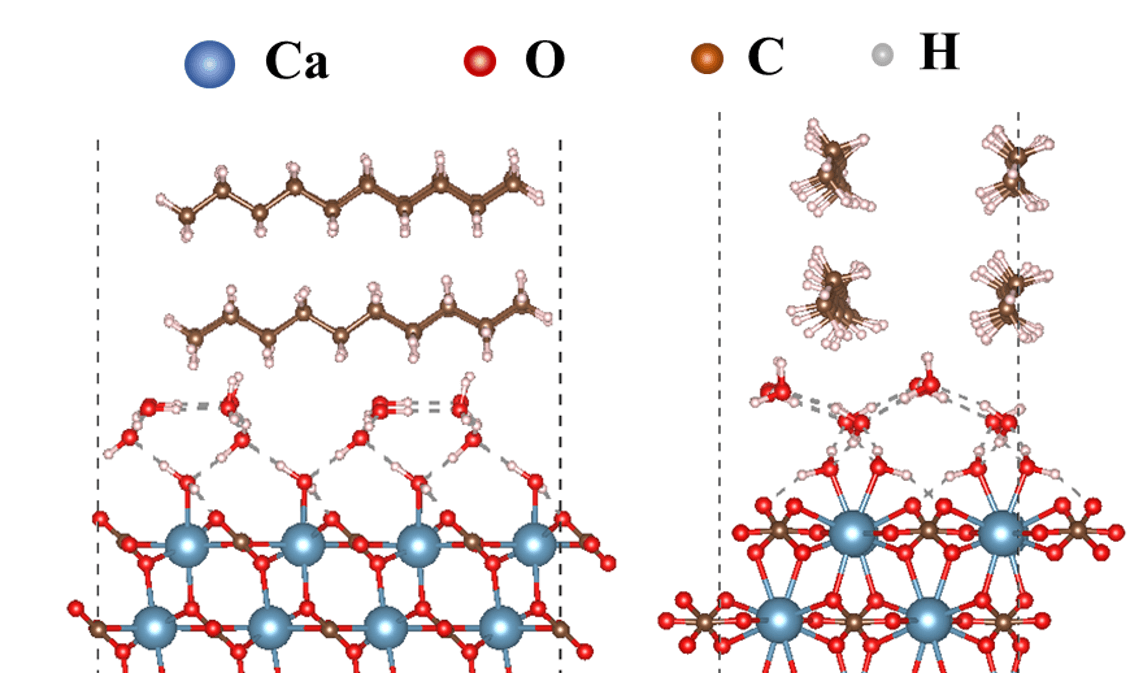
His team developed a density functional theory (DFT) simulation technique as a way to reveal what’s happening in these subterranean fluid flows down to their molecular interactions with rock. DFT is an important research tool that allows chemists to calculate the electronic structure of atoms, molecules and solids on computers, rather than in a lab. The KU researchers used the DFT technique to examine the electronic structure of multiphase liquids on a crystalline surface, or more specifically, on calcite – the main composite of carbonate rocks in hydrocarbon reservoirs.

Traditionally, scientists have used the DFT approach for understanding solid-state physics. Dr. Zhang pointed out that by analyzing solid-fluid quantum interfaces, their work adds critical new knowledge to the field of DFT. “Our work is unique. We’re looking into complicated solid-fluid interactions – their mechanism becomes neat at the quantum level,” he said.

They successfully simulated and quantified the chemical bonding that occurs between molecules of different liquids – like water and oil – and calcite or dolomite surfaces, at varying temperatures. Their results reveal how polarity and temperature impact the calcite’s wettability, or its preference to be in contact with one fluid more than others. Essentially, it is the molecular bonds – covalent and ionic bonds – which are controlled by a substance’s polarity, coupled with the temperature, that determines the wettability of the calcite solid and interfacial behaviors among fluids.

“Quantifying the effects of surface polarity and temperature is valuable in providing fundamental understanding for sophisticated wetting phenomena in multiphase systems, which would be a step forward to understand the complex geological nature of oil reservoirs of this region,” shared Qiaoyu Ge.

With these new insights, scientists can now predict how different multiphase fluids and solids will interact under high temperatures, deep underground, directly from their lab.

Being able to predict the polar and thermal effects on wetting properties of crystalline, or in other words, being able to see what’s happening at the molecular level in the microscopic pores of underground rocks – will help scientists understand the mechanism behind why the oil is trapped and how to develop more effective solutions for oil recovery.

The work has important implications beyond oil reservoirs, however. Multiphase liquid flows in porous rocks or other media occur in a range of real-world applications, from oil and gas recovery and groundwater management to geothermal energy production and carbon sequestration.

“Understanding the surface wettability and interfacial interaction of liquid−liquid−solid multiphase systems is essential for many applications, such as condensation for optimized cooling systems, enhanced oil recovery, carbon dioxide mineralization and geothermal energy utilization,” Dr. Zhang said.

The work was enabled by recent advances in high-performance computing from Alibaba Cloud, which make it possible to compute such an enormous amount of data. The team simulated 400 different atomic combinations, and they are now working to scale it up for an even larger sample size with machine learning-assisted atomic modeling approaches.

This research was supported by the Abu Dhabi National Oil Company (ADNOC) R&D Department, and also by High Performance Cloud Computing Platform of Alibaba Cloud.

Erica Solomon
Senior Editor
23 May 2019

Giving Robots a Sense of Touch

Khalifa University’s Dr. Panagiotis Liatsis leads the way in solving the vast engineering challenge of giving robots the ability to interpret touch

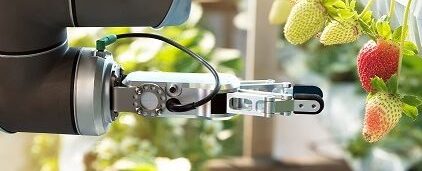
Robots with the same dexterity as humans may soon be a reality, as researchers at Khalifa University develop artificial skin that has the same sensitivity as a human hand. Dr. Panagiotis Liatsis, Professor of Engineering and Computer Science, is working on solving the vast challenge of interpreting touch in robotics with ELECTROSKIN, which mimics the functionality, if not the structure and mechanisms of human skin.

The sensors allow robots to perform tasks ranging from everyday applications to delicate procedures by accurately sensing the vibrations and shear forces that are necessary for gripping and manipulating objects with varying levels of precision.

“Developments in machine learning and AI support the development of autonomous robot operation and a key aspect to safe interaction with the world around it is the detection of direct physical contact between the robot and its environment or humans,” said Dr. Liatsis. “The skin layer of our proposed tactile sensing system is the interface between the complex information collected by the system electronics and the external world.”

The development of a sense of touch is a real engineering challenge. An electronic skin, covering different parts of a robot with sensors responding to mechanical and environmental stimuli, requires development spanning materials and electronics to communication and processing.

“Robotic and prosthetic hands currently use visual cues to ascertain grip but that’s incomplete information,” explained Dr. Liatsis. “The superior abilities of humans to interact with unstructured and often uncertain environments rely on our sensing and perceptual capabilities. In order for robotic systems to aspire to such levels of performance, a tactile sensory system that provides similar information and possesses considerable sensitivity is required.”

Mimicking the way the human finger experiences compression and tension will allow robots to respond to multiple stimuli and better interact with the world around them. Few people would immediately recognize the skin as one of the body’s most important organs but the constant and instant reports it receives of temperature, pressure, and pain allow us to navigate the world with precision and dexterity.

“The human hand is an extraordinary ‘sensor’ system, able to construct rich representations of the properties of objects in the surrounding environment, such as location, temperature, elasticity, stiffness, and texture through a complex network of elementary mechano-receptors, organized in the layers of the human skin,” said Dr. Liatsis.

So far, the best attempts to replicate this feature in robots have resulted in sensor arrays that measure just one or two particular stimuli.

“Currently, there are no commercially available touch sensitive sensors or artificial skins for robotic systems. One reason for this is the potentially complex shape of modern robots,” said Dr. Liatsis. “Such sensing surfaces should be made of soft materials, able to cover large, complexly shaped areas, while providing sufficient measurable pressure range, measurement and spatiotemporal resolutions. Further challenges are sensor stability over long time periods and the ability to be easily replaced in case of malfunction.

“Inspired by the organization of tactile sensing in sentient beings, research into touch must by default encompass investigating a structure similar to the skin. Such a sub-system would be a key enabler in many human machine interaction areas, for example in supporting assistive living for the elderly and more broadly in the context of shared human-robot living and work spaces.”

A robot that is able to feel, understand and respond to touch in accordance with human expectations could lead to more meaningful and intuitive human-robot interaction (HRI). When it comes to building realistic robots, it’s not just the way they look that’s important but also the social acceptance of robots that can come from humanlike skin that enables realistic actions like handshakes.

“Humanoid, social, assistive and medical robots are making their way into our lives. There have been a number of studies employing humanoid robots, which have shown that autistic children respond well to them. Another example is from collaborative work environments, where being humanoid makes it easier to integrate the efforts of humans and robots sharing or contributing to a task,” explained Dr. Liatsis. “On the other hand, a paint spraying robot at a car factory does not need to be humanoid given the task it performs. In essence, it all depends on the context and the resulting expectations of interactions with these machines.”

Jade Sterling
News and Features Writer
30 May 2019

Bacteria-Inspired Robots Offer Safe, Effective Way to Monitor Critical Infrastructure in Harsh Underwater Environments

Khalifa University researchers file invention disclosure on first soft, continuously rotating robot designed to swim like bacteria

The robots used today to inspect and repair the world’s most critical underwater infrastructure, from sea-floor water pipelines and electrical power cables to offshore oil drilling platforms and submarines, could use serious improvement. Most commercial underwater robots are bulky and rigid, restricted to travelling only in open stretches of the sea, and sometimes even wreak havoc on sensitive equipment when they navigate too close. Soft robots – a new branch of robotics that deals with highly flexible robots made primarily of soft, compliant materials – would offer a much better solution for complex underwater tasks.

That is why a team of researchers at Khalifa University, led by Dr. Federico Renda, Assistant Professor of Mechanical Engineering, are developing a soft multi-robot system designed to maneuver safely and efficiently in hard-to-reach underwater spaces, such as coral reefs and oil and gas pipelines.

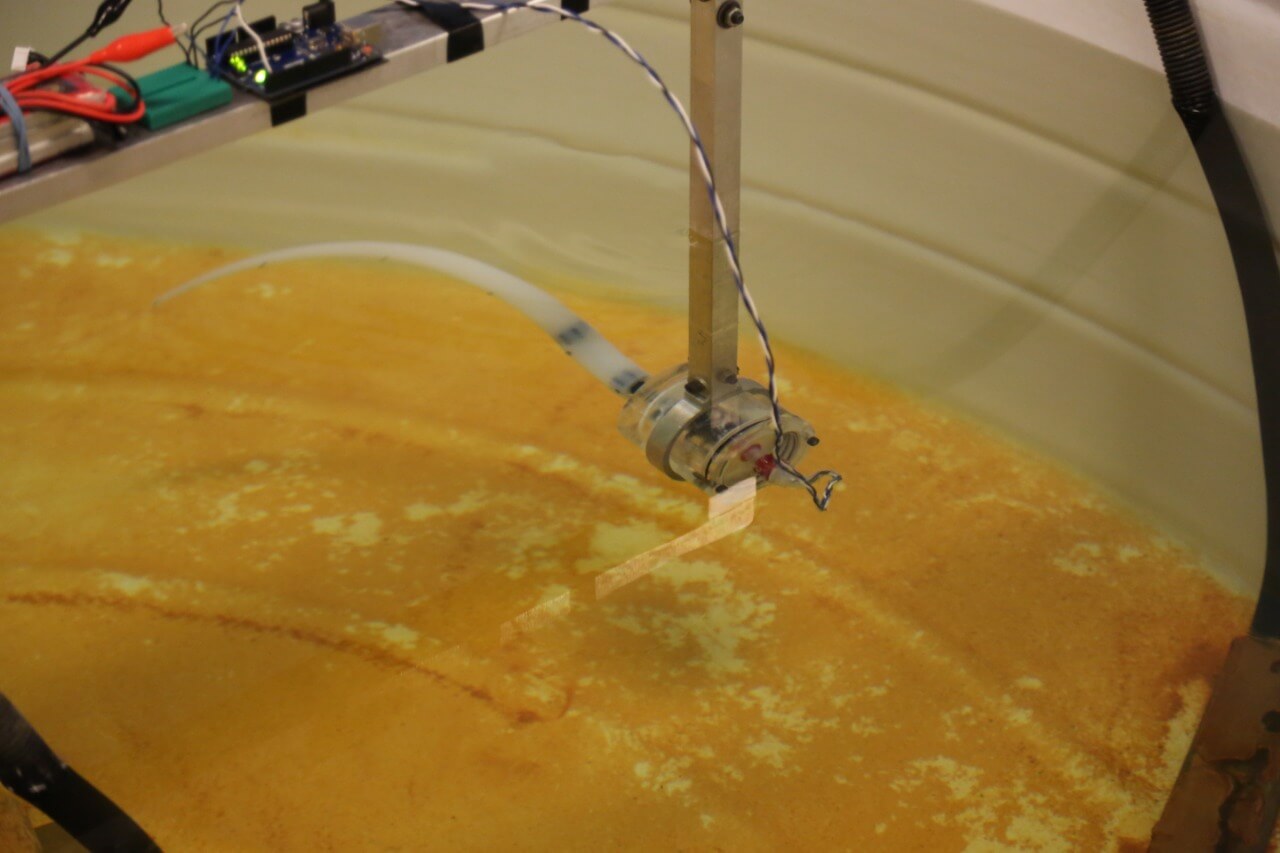
The researchers drew inspiration from the bacteria E. Coli, which use flagella – slender threadlike appendages – to move seamlessly through fluids. The soft robot physically resembles the hook-like structure of a flagellum and moves in a similar whipping motion. It even mimics the intracellular motor that flagella use to propel forwards, making it capable of continuous locomotion. In fact, it is the first soft, modular, and continuously rotating appendage ever proposed in the field of soft robotics.

The flagellum robot is made from different types of silicone – a rubber like material – and is fabricated through injection molding, a manufacturing process for producing parts by injecting molten material into a mold. Other parts of the robot were made with 3D printing. Both injection molding and 3D printing allow for economical mass-scale production, contributing to the robot’s commercial viability. The silicone material makes the robot inert to salt water, and provides a natural waterproof insulation for the robot’s internal components. Each robotic flagellum is around 30cm, or the size of a water bottle.

Another advantage of the robot is that its soft, rubbery composition allows it to directly latch on to sensitive structures, posing little to no risk of damaging them. This capability would make the robot significantly more useful for performing maintenance and other forms of intervention in unstructured environments.

The robotic flagellum’s unique whip-like shape and soft body, coupled with a small rotating motor, enables it to propel the robot just by passively exploiting its structural elasticity. This means that as the robot’s motor rotates, water is pulled in causing the robotic flagella to move in a helical shape, thrusting it forwards through the formation of helical traveling waves. This is in essence the ‘bioinspired propulsion system’ that allows the robot to move continuously with great efficiency and robustly against different water flow conditions.

“The main benefit of our approach is that we are able to combine the advantages of a traditional propeller – which employs a simple actuation mechanism – with soft-bioinspired robots that adapt to the environment and are easily maneuverable, noiseless and safe, potentially giving rise to a novel class of underwater robots able to effectively navigate the ocean world,” explained Dr. Renda.

Building on their expertise from developing individual flagellum robots, the team aims to design a complete multi-flagella robot system that is adaptable and energy efficient, with great durability and maneuverability, capable of performing seamless monitoring and intervention in extreme marine environment. Each flagellum will be capable of performing both latching or grasping and propulsion, enabling the robot to maneuver strategically and safely. The team plans to equip the multi-flagella robot with high resolution cameras and water monitoring sensors.

Until now, the team has tested each flagellum robot by tethering it to a cantilever and watching it swim in a controlled circle in a 2-meter frame pool. But now, they are preparing to test the first untethered prototype of the multi-flagella robot in the larger wave tank, which is currently under construction in the Marine Pool Lab.

“We plan to perform soon the first trial of free swimming tests, wirelessly controlling the direction and the speed of the robot,” shared Dr. Costanza Armanini, one of the postdoctoral fellows working on the project.

Dr. Armanini also explained how the team is refining the analytical model which they use to predict how different designs and constituent materials will affect the flagellum robot’s locomotion and latch capabilities. The model is helping the researchers optimize the design of the propulsion system, in order to improve the robot’s overall performance.

The research is beginning to garner a significant amount of interest in the international scientific community. Dr. Renda presented some of the results at the recent IEEE RoboSoft Conference, which took place in Seoul, South Korea in April. The team has recently filed an invention disclosure on the novel robot, and plans to submit a paper on the research in a leading journal soon.

The research team includes Dr. Cesare Stefanini, Associate Professor of Biomechanical Engineering and Director of the Healthcare Engineering Innovation Center, Dr. Lakmal Seneviratne, Director of Khalifa University’s Centre for Robotics and Autonomous Systems, Postdoc Dr. Irfan Hussain, and graduate student Madiha Farman. Undergraduate engineering students Suhaila Fareed Al-Ali and Omar Ali Shaheen also contributed to the project through an independent study course during the Spring 2019 term.

Jade Sterling, News and Features Writer, and Erica Solomon, Senior Editor
13 June 2019


KU Exoskeleton Multiplies Strength

Inexpensive and Lightweight Student-Designed Upper Body Exoskeleton Boosts Arm Strength, Allowing Wearer to Lift up to 25kg

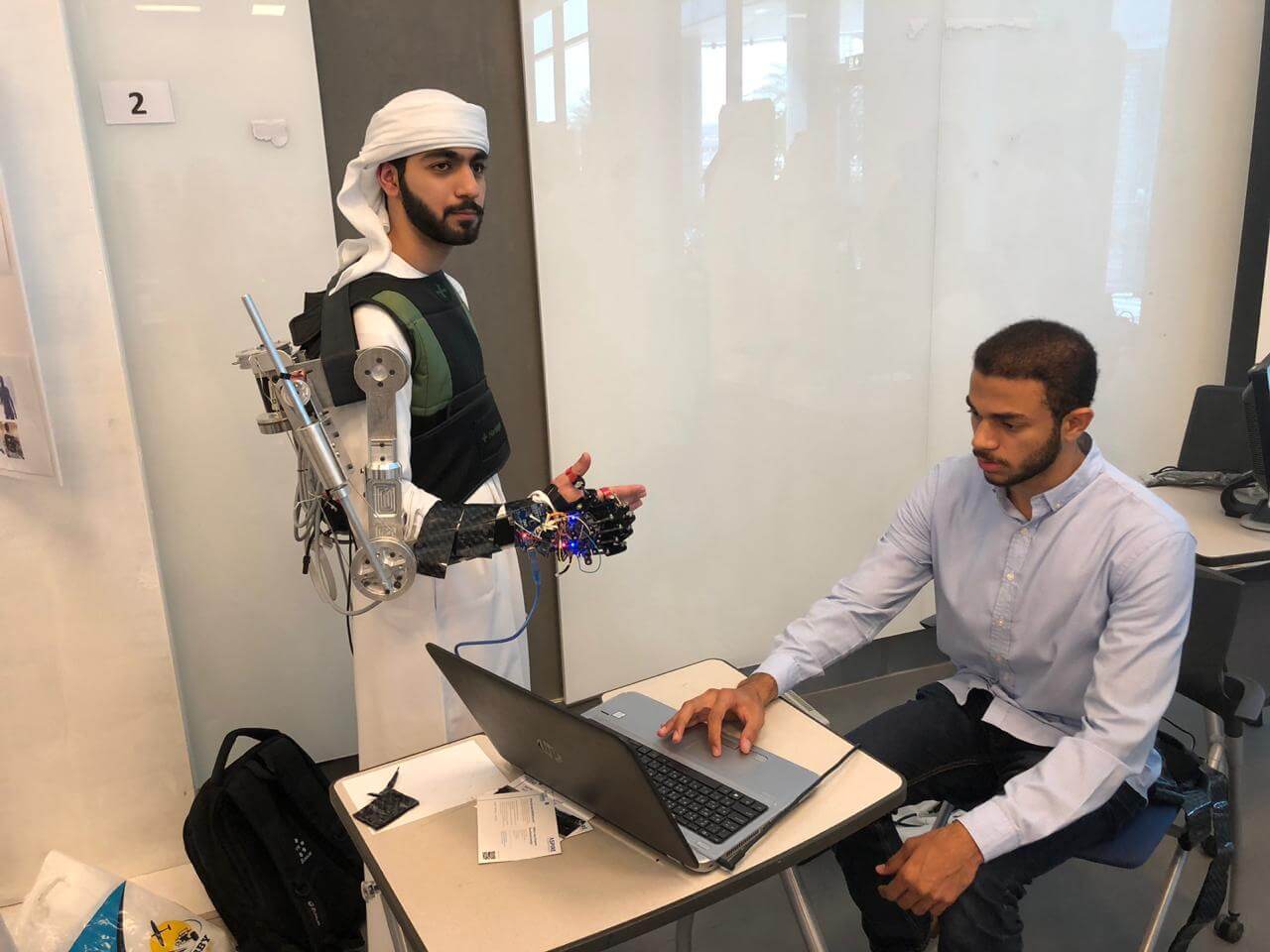
A team of senior engineering students at Khalifa University have created a wearable exoskeleton to help construction workers carry heavy loads. The Upper Body Exoskeleton multiplies the wearers’ strength, which could help all kinds of people in the future – from the elderly to people who have lost control of their arms – carry things around more easily and gain greater mobility.

The lightweight, low-cost exoskeleton is made primarily from marine grade aluminum. The entire system weighs only 7.5 kilograms, making it one of the lightest powered aiding machines in its category.

The team reports that a person wearing the KU exoskeleton can carry objects up to 25 kilograms without causing any muscle fatigue, by distributing the weight across the whole body.

The exoskeleton consists of two major parts: a back plate and an arm support. The back plate is made of reinforced carbon fiber and it is attached to a vest that is strapped around the body. The vest stores the major electrical components, including the battery, which can power the entire exoskeleton for up to two and a half hours, the 90-watt motor, which gives the exoskeleton the ability to lift heavy weights, and the main controller, which controls how the exoskeleton moves in terms of speed and position.

The motor’s lifting power is transferred to the arm itself via a steel cable. Whenever the motor rotates, the arm rotates with it, mimicking natural arm muscle movements.

“We developed the exoskeleton by looking at the natural movements and joints of the human body. We then created artificial joints for the exoskeleton arm, so that it can move in the same profile as a person’s actual arm,” said Ali Mohammed Soliman, aerospace engineering student and project lead. He developed the project with team members Majed Alhammadi, Badar Alzaabi and Abdullah Alhammadi for the KU Senior Design Project (in course AERO497), under the supervision of Dr. Dongming Gan, Assistant Professor of Robotics.


“When an arm muscle contracts, the other arm muscle relaxes and vice versa. This is how the cable functions. As for the arm part, it was primarily designed to match almost all of the normal human’s arm joints, motions, and degrees of freedom. It consists mainly of bars and bearings that mimic a human’s arm shape and method of moving in order to not be cumbersome for the wearer,” Soliman added.

Another unique feature relates to how movement of the exoskeleton arm is controlled. The arm is controlled through ‘somatosensory gloves’, which read each finger’s motion and convert their movements into commands that the arm can follow. By moving the fingers in a certain way, the arm either lifts, drops or stops the motion in response. This feature makes the exoskeleton particularly useful for patients who have lost mobility in their arm, but still have full control over their fingers.

Finding ways to make exoskeletons that will work in better harmony with the human body is critical to the development of effective exoskeleton supports.

“Exoskeletons are still an emerging technology,” Soliman shared. “And we would like to be on the forefront of discovering and developing this specific frontier.”

An exoskeleton is an external frame worn to support the body. Worn as responsive leg braces, arm supports, or full-body suits, they essentially “motorize” muscles, augmenting a person’s natural strength and mobility. Powered by a system of electric motors, these wearable, external frames give limbs extra movement, strength and endurance.

Although there are hundreds of commercial and experimental exosuits now operating globally, many of them are too big and bulky, and expensive. The KU Upper Body Exoskeleton is extremely lightweight, weighing in at 7.5 kg, and perhaps most importantly, it is inexpensive.

“The entire exoskeleton was developed using approximately AED10,000. Actual exoskeletons that are available in the market range from US$100,000 to US$250,000,” Soliman said.

The significant low cost, low weight and ease of use makes KU’s exoskeleton arm support prototype commercially viable.

Erica Solomon
Senior Editor
19 June 2019

The Seawater Energy and Agriculture System (SEAS) Gets an Upgrade

Researchers at Khalifa University’s innovative SEAS facility explore ways to improve crop yields and in turn, increase their understanding in the cultivation of fish and halophytes

Khalifa University’s Seawater Energy and Agriculture System (SEAS), the world’s first research facility to grow both food and fuel using desert lands irrigated by seawater, has received a major upgrade to improve the pilot facility’s performance and the healthy growth of its salt-tolerant plants and fish.

Back in January, the oil-rich seeds of the plants grown in the SEAS facility, which is the flagship project under KU’s Sustainable Bioenergy Research Consortium (SBRC), were used to produce the first batch of biofuel that was combined with traditional jet fuel to power the world’s first commercial flight using locally produced sustainable halophyte-based fuel, on an Etihad Airways Boeing 787 from Abu Dhabi to Amsterdam.

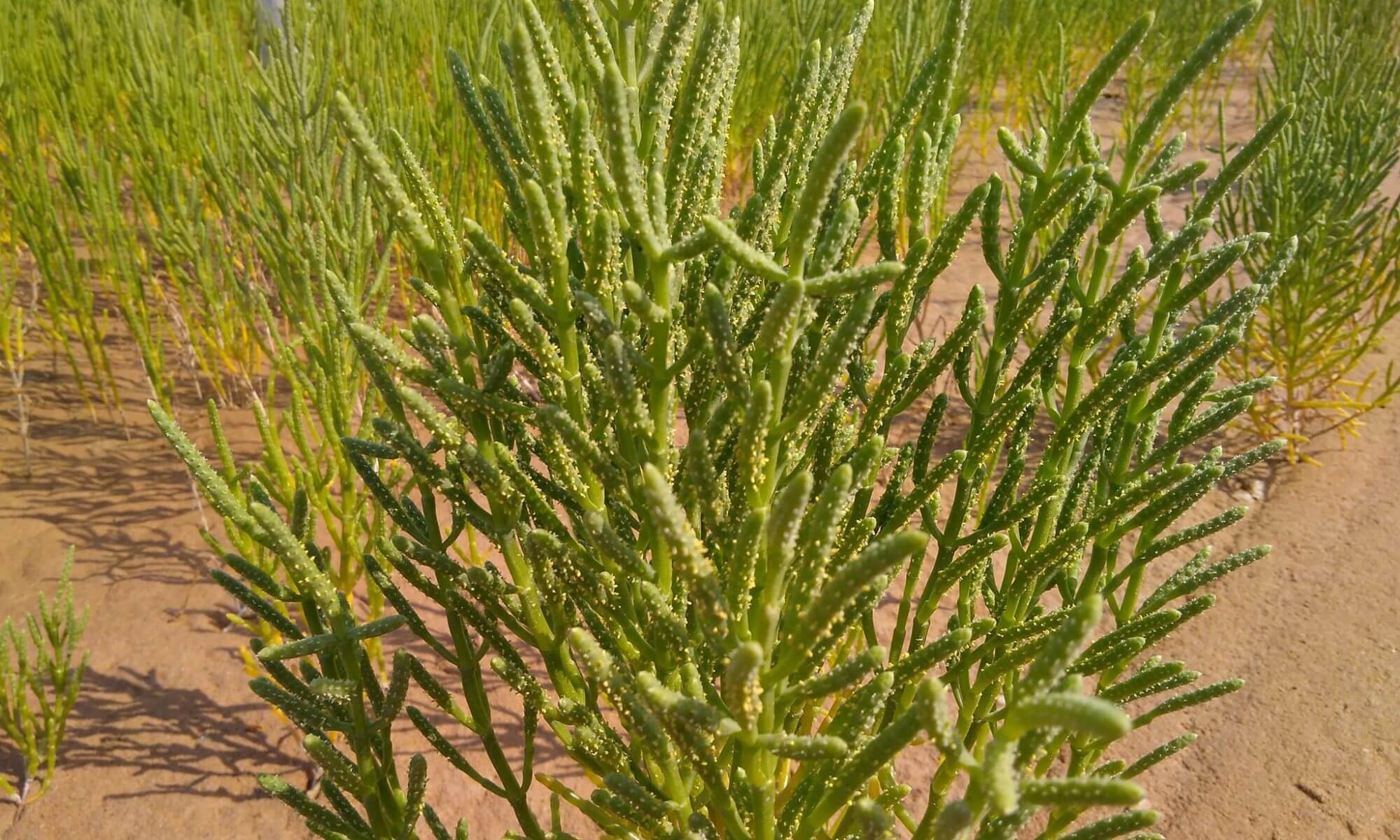
The major achievement was a testament to the commercial potential of the SEAS project. But to those most intimate with the work, it highlighted the importance of continuous improvement. The researchers identified significant structural improvements to the facility that would enable better yields of the salt-loving plant known as Salicornia and the growth of a wider range of fish species.

“Given that the SEAS concept had not been attempted in such a way before, the initial design of the aquaculture ponds tried to mimic natural conditions as much as possible, but this, we realized, was not the most optimal design,” said Hendrik Visser, Program Manager for the SEAS at Khalifa University. Visser is working with Dr. Alejandro Rios, Director of the SBRC, and Jose Barron and Nahla Mezhoud, both Research Engineers, to optimize the Salicornia’s harvest yields. In addition to refurbishing the facility, the team is exploring other crop management practices to obtain high yields, such as planting different quality of seeds and other factors.

“Preparation of the fields, such as tilling, leveling, and sowing, volume of irrigation, quality of the water and seeding density (plants per square meter), play a crucial role in the agronomic performance of the plants,” Barron explained.

The team is implementing a new sowing pattern – rows instead of concentric circles, facilitating much better coverage of the fields in less time. The plants will be ready for harvesting by the end of September. The final yield of the harvest will help the researchers understand the optimal growing season of the plant in the UAE’s harsh environmental conditions of high salinity and very high summer temperatures and humidity.

Perhaps the most important considerations the team has made to optimize crop yields are the corrective works to the facility. The six aquaculture ponds at the SEAS facility underwent a complete refurbishment that spanned seven months. The work consisted of excavating, setting new foundations, reshaping the ponds, installing a new liner, and reconfiguring the drainage pipes.


The newly shaped ponds hold a bigger volume of water and have a sump at the bottom that helps drain the fish waste to the bottom of the pond and provides better conditions for the fish to grow during the hot summer. These new conditions will allow researchers to explore the potential of growing other fish species that may be more attractive to the UAE market. An additional benefit that has already been observed as a consequence of the newly refurbished ponds is a significant increase in the flow and quality of water for irrigation of the Salicornia fields.

“This is the third season that the Salicornia bigelovii crop is being cultivated at the SEAS facility. By the end of September, when fields are harvested and the biomass has been fully processed (dried, ground, and winnowed), the seed yield will help to build on the knowledge with regards to the best agronomic practices for cultivating the Salicornia bigelovii,” Barron added.

Finding the optimal yield potential of the Salicornia will boost the production of sustainable fuel, and such management practices must be properly adopted.

“The SEAS is an unprecedented project – it is an integrated system that ticks the UAE’s boxes for promoting energy sustainability, food security, carbon footprint reduction, and training and employing high-tech professionals in the future knowledge economy,” Dr. Rios said. “We will continue to investigate ways to further enhance the facility’s performance in order to boost the production of sustainable fuel and food. Our efforts will be particularly valuable as we enter our next phase of development, which involves scaling up this pilot facility to a 200-hectare facility, where we will demonstrate the feasibility of the SEAS concept at a commercial scale.”

The SEAS project is being conducted under the Masdar Institute, one of KU’s flagship research institutes that serve as interdisciplinary research units focused on long-term strategic priorities. The Masdar Institute focuses primarily on sustainable energy, water and the environment.

Erica Solomon
Senior Editor
23 June 2019


KU Research Paper on Photocatalysts Among Top 100 Most Influential for 2019

Paper by Dr. Saeed M. Alhassan, Associate Professor of Chemical Engineering, and researchers Dr. Sunil P. Lonkar and Dr. Vishnu V. Pillai, announced as one of Scientific Report’s top 100 papers in Chemistry

A paper authored by Khalifa University researchers that explains a new method for developing high-efficient photocatalysts – materials that absorb sunlight to cause a chemical reaction – has been named one of 2019’s top 100 most important papers in the field of Chemistry in the renowned journal Scientific Reports.

The paper, titled “Facile and scalable production of heterostructured ZnS-ZnO/Graphene nano-photocatalysts for environmental remediation,” identified an affordable, scalable, and environmentally friendly way to synthesize nano-sized photocatalysts from zinc sulfide, zinc oxide, and graphene – a first in the research community.

“The aim of our project was to develop highly efficient photocatalysts through a scalable, solvent-free approach in an effort to promote sustainability while utilizing sulfur – a byproduct of oil extraction that the UAE and Middle East has in abundance, further creating value for one of the UAE’s core industries,” said Dr. Saeed Alhassan, Associate Professor of Chemical Engineering, who led the research team.

Photocatalysts are semiconductor materials that absorb different wavelengths of light energy and transfer that energy buildup to a reacting substance, resulting in a chemical reaction called photocatalysis. Two simultaneous reactions are required for photocatalysis to occur – in the first reaction, a reactant gains an electron – a reduction from photogenerated electrons – while in the second reaction, a reactant loses an electron – an oxidation from photogenerated holes – a process more commonly known as redox. When the electrons and holes are utilized, photocatalysis occurs.

The novel approach undertaken by KU’s research team is an environmentally-friendly alternative to traditional methods of fabricating photocatalysts. Typically, photocatalysts are developed through wet-chemical synthesis, co-precipitation, thermal/hydrothermal methods, and sulfurization. These common methods to synthesize photocatalysts use highly complex and costly processes that often include toxic agents, which in turn restricts their large-scale production and eco-friendly applications.

The KU process produces photocatalysts without using toxic solvents, via a ‘solvent-free’ approach, through a method that employs a solid-state mixing of the constituent materials.

“We used ball-milling and thermal annealing for a uniform distribution of the hybrid particles. This process yielded hybrid mixtures of varying compositions of zinc sulfide and zinc oxide combined with graphene, that we categorized and tested,” Dr. Alhassan explained.

Rather than dissolving the materials with a solvent, the team used a ball mill to ground the compounds into uniform particles in a process where ball bearings inside a cylinder rotate around an axis, filled partially with the materials to be ground – in this case, graphite oxide, zinc salt, and elemental sulfur.

“We further refined the different photocatalysts through thermal annealing to enhance the physical properties of the materials. The thermal treatment proved to be a crucial factor in enhancing the photocatalytic activity,” said Dr. Alhassan. “Hybridization of zinc sulfide and zinc oxide combined with graphene also promoted bandgap narrowing when compared to pristine zinc sulfide nanoparticles. The result was a non-toxic, efficient, and scalable photocatalyst.”

Photocatalysis plays a vital role in sustainable development and environmental cleanup as a means to break down toxic pollutants into simpler compounds that can be absorbed and recycled naturally. Photocatalysts also aids in the development of solar fuels – renewable sources of green energy – by enabling solar energy to produce fuels that can be stored and used even when the sun is not shining.

However, the prevailing methods and materials used to induce photocatalysis absorb light poorly and utilize electrons and holes inefficiently. These inefficiencies have demanded experimentation and fine-tuning to achieve ideal bandgaps – the energy it takes for a molecule to go from a non-conducting to a conducting state – that effectively utilize the absorbed light energy for redox reactions involving toxic pollutants and organic compounds.

Growing environmental concerns across the globe have identified the need for efficient and inexpensive photocatalysts. The work being conducted at Khalifa University directly addresses this concern and is an important contribution to the research and development of viable environmentally-friendly photocatalysts.

The team’s research is gaining significant attention from the scientific community, and the researchers have already filed a patent for the unique process, titled “Mechano-thermal preparation of zinc sulfide nanoparticles.”

Read the full paper here.

Zaman Khan
News and Features Writer
24 June 2019

Checking in with Baby: Listening to the Fetal Heart at Home

Team at Khalifa University Develops Twinkle Heart, a Fetal Heart Monitor for Expectant Parents Eager to Hear Their Unborn Child

Cardiovascular disease is the leading cause of mortality and morbidity in the United Arab Emirates, but researchers in the Healthcare Engineering Innovation Group at Khalifa University are working on all aspects of heart health care to ensure citizens and residents at all stages of life are looked after. This includes the latest product from the successful sponsorship and establishment of a UAE-based biomedical company in cardiac monitoring from Dr. Ahsan Khandoker, Associate Professor of Biomedical Engineering at Khalifa University. The product focuses on pregnancy and fetal heart health as a home-based monitoring device for pregnant mothers and their babies, named Twinkle Heart.

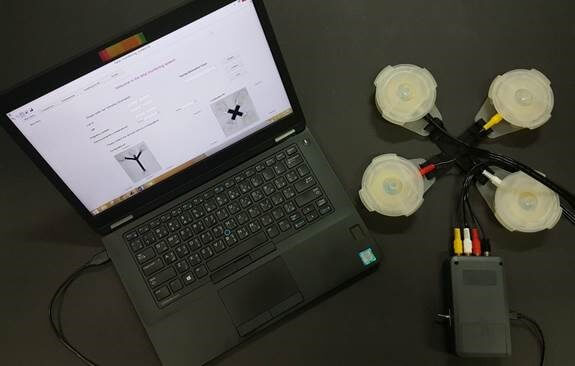
The monitoring device comprises four fetal phonocardiogram (FPCG) sensors held on the maternal abdomen by a square fabric harness and elastic belts. “The center of the harness is placed over the mother’s umbilicus, which places the four sensors at equidistance from the center,” explained Dr. Khandoker. “This gives a very reliable measurement of fetal and maternal heart sounds, but without the need for operator skill in where to place the sensors.”

The novel device makes it easier for women who may be worrying about their baby to monitor its cardiac activity, and also helps mothers simply listen to their baby’s heartbeat and feel connected and reassured.

Beyond the home-based application, the device’s portability makes it an ideal solution for health workers in remote areas to monitor cardiac health in pregnancy.

“The device adapts to a mobile phone’s audio port to capture the four-channel FPCG signals so the app we developed can perform the data analysis,” said Dr. Khandoker. “The mobile phone interface app is user-friendly to provide point-of-care decision support to pregnant mothers as well as health workers in remote areas.”

“The Healthcare Engineering Innovation Group (HEIG) seeks to develop novel methodologies, devices, and tools for the diagnosis, intervention, and rehabilitation of the wide spectrum of health challenges associated with cardiovascular disease,” explained Dr. Cesare Stefanini, Associate Professor of Biomedical Engineering and Director of the HEIG. “Cardiovascular disease is the leading cause of mortality and morbidity in the United Arab Emirates, making our work crucial for the citizens and residents here. The HEIG collaborates with leading healthcare providers and regulators in the UAE to define and build population-specific, clinically implementable, innovative approaches and engineering solutions.”

It is evident from recent research that common diseases such as cardiovascular disease, metabolic syndrome, atherosclerosis, and Type 2 diabetes in adult life are associated with adverse influences during fetal development. The fetal origins of cardiovascular disease, in particular, state that fetal undernutrition in middle to late gestation—which leads to disproportionate fetal growth—becomes permanently programmed into coronary heart disease in adult life.

“This anomaly highlights the need to develop more effective ways of identifying ‘at-risk’ fetuses at home in ‘low-risk’ groups who are not seriously monitored,” said Dr. Khandoker. “Therefore, it is imperative to develop simple-to-manage, easy-to-use home screening processes that can monitor all risk groups at the first point of obstetric contact and achieve very high perinatal detection rate of cardiac abnormalities.”

Fetal heart rate is commonly measured on the labor ward and during pregnancy to monitor the health of the fetus and requires training and skill to perform accurately. While the prenatal products market has seen an influx of fetal heart monitoring devices, concerns have been raised over the incorrect use of such products. Doppler ultrasound devices and sound amplifying monitors do no harm to the baby, but there are concerns that their use risks mothers delaying seeking medical attention and suffering from false reassurances.

“It’s true that pregnant mothers at home could possibly misinterpret vital signs. That’s why our device includes a sophisticated diagnostic algorithm that can recognize whether a baby is sick,” explained Dr. Khandoker. “The algorithm takes the vital signs from fetal and maternal heart sounds, and then classifies them into three categories: No worries; Caution with check again; and Call Hospital. This solution can also run on mobile platforms as well as a hospital cloud service connecting directly to medical professionals.

“Now, a mother does not need to have any technical expertise to be able to make the decision on whether to seek medical attention—she can simply listen to her baby’s heart for the emotional connection that provides.”

Jade Sterling
News and Features Writer
25 June 2019