
Modeling Gulf Waters for Enhanced Management

Postdoctoral fellow Dr. Maryam Al Shehhi working with MIT Faculty to Adapt Ocean Model to Arabian Gulf’s Unique Inputs

Increasing our understanding of the ebbs, flows, and impacts on the Arabian Gulf – the body of water that provides the UAE water for desalination, seafood for local consumption, a transit route for shipping, and a tourism attraction through its coastal areas – is crucial to improving its sustainable management and conservation.

That is why Dr. Maryam Al Shehhi, KU postdoctoral fellow and alumnus of the Masdar Institute, is currently collaborating with researchers at the Massachusetts Institute of Technology (MIT) to develop advanced models of the Arabian Gulf using numerical and theoretical frameworks supported by field and satellite data.

“The Arabian Gulf is central to many functions of the UAE – our desalination plants, local fisheries, transport of oil, etc. For all these reasons and more, there is a need to build a physical-biogeochemical marine model calibrated for the Gulf that includes the influence of transportation, mixing and diffusion processes driven by tides, winds, and density grades,” Dr. Al Shehhi explained.

The UAE is heavily reliant on the Arabian Gulf for the desalinated water that makes up for its shortfall in natural freshwater – with natural gas-powered thermal desalination estimated to produce around 80% of the country’s domestic water. The Arabian Gulf is also the source of the UAE’s many beaches, which are a huge draw in the country’s travel and leisure sector, which accounted for 11.3 percent of the UAE’s gross domestic product in 2017, according to data released by the World Travel and Tourism Council. The UAE and all other countries bordering the Arabian Gulf also trawl its waters for seafood, with the United Nations Environment Program estimating that some 298,490 tons of seafood were harvested from the Arabian Gulf in 2011-2012.

Additionally, with the UAE, Saudi Arabia and other major oil and gas producing countries bordering the Arabian Gulf, an estimated 30% of the world’s crude oil is shipped through the Strait of Hormuz alone, which is the small gap between the Arabian Gulf and the Gulf of Oman. Over 90% of the global trade flows by weight passes through the Strait of Hormuz according to the International Maritime Organization.

“Given the many inputs and influences on the Arabian Gulf, including more than 100 desalination plants that discharge hot and salty effluent that can significantly change the physical and biochemical properties of the waters and the cargo ships that release ballast water that often contains oil and invasive species. Therefore, it is of great importance to understand the risks Arabian Gulf faces, and how they can play out,” Dr. Al Shehhi explained.


She has been working with KU Professor and Director of the Research Center for Renewable Energy Mapping and Assessment Dr. Hosni Ghedira, and MIT Cecil and Ida Green Professor of Oceanography Dr. John Marshall to develop a marine model that takes all of the many complex factors that impact and influence the Arabian Gulf into consideration, which was recently featured on the MIT News website.Dr. Al Shehhi graduated from the Masdar Institute in 2016 as the first UAE National to gain a PhD in earth observation and ocean color remote sensing, and later joined Masdar Institute as a faculty member.

“Such models could be used to predict what can happen around offshore drilling sites, the trajectories and landing points of accidental marine pollution events (e.g. tracking oil spills and harmful algae bloom events), nutrient cycles, contaminant dispersion, eutrophication and aquaculture-ecosystem interactions. Moreover, the models can be set up to operate in real time and forecasting schemes developed depending on the application,” Dr. Al Shehhi explained.

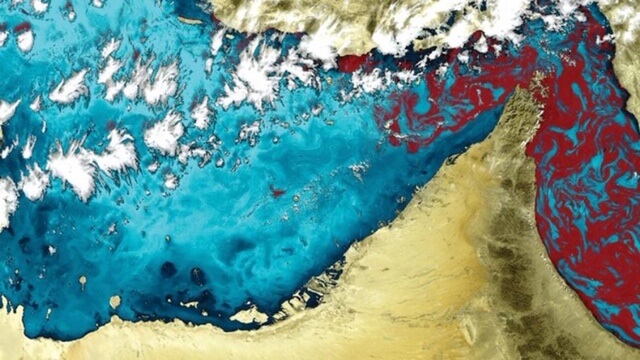
Harmful algae bloom events – or HABS – are potentially harmful to marine life, water quality, human health, and desalination plants, and have been reportedly increasing in the Arabian Gulf due to rising human activity and its resultant pollution.

The team is working with an existing MIT atmosphere, ocean, and climate model – the MIT General Circulation Model (MITgcm) – which they are adapting and tailoring to address the specific characteristics of, and applications to, the Gulf region. The model has never been used in regional oceanography, and one of the challenges Dr. Al Shehhi and the team face is adapting it to new mixing parameterizations and the biogeochemical modeling that reflect the unique parameters of the Arabian Gulf. A biogeochemical model, also developed at MIT, will then be overlaid on the physical model to study the bio-chemical properties of the Gulf region. This ocean component will then be coupled to an existing regional atmospheric/chemical model which is already operational at Khalifa University. The model is currently being integrated with the atmospheric data generated by Khalifa University’s Research Center for Renewable Energy Mapping and Assessment, which uses satellites to gather atmospheric data.

“This modelling work can lay the ground for coupling of ocean circulation with high resolution atmospheric models already under development at Khalifa University, thus leading to a coupled atmosphere-ocean system that could have a wide range of applications to monitor marine environmental conditions and changes in the Gulf region,” Dr. Al Shehhi shared.


Improving available monitoring models for the Arabian Gulf can provide robust systems for many types of users in the UAE and wider region. For instance, the UAE Ministry of Climate Change and Environment could benefit from enhanced monitoring and forecasting of water quality to alert desalination plants of pollution incidents that can damage their systems. The models can be set up for real time operation or forecasting depending on the desired application.

“I am returning to the UAE in March, and where I will work with my colleagues at Khalifa University to continue to advance this project. I am confident the Arabian Gulf model we develop will enhance the current marine monitoring system, to work in real-time to improve the UAE’s preparedness for potential risks of marine pollution, mainly from harmful algae blooms and oil spills,” Dr. Al Shehhi concluded.


Zarina Khan

Senior Editor

27 January 2019
‘K-Drive’ Senior Design Team of Four Students Shortlisted for Second Round at IFEC 2019 in California

Supported by Faculty and Staff, Electrical and Computer Engineering Students’ Team Gearing Up to Face Next Phase of Challenge

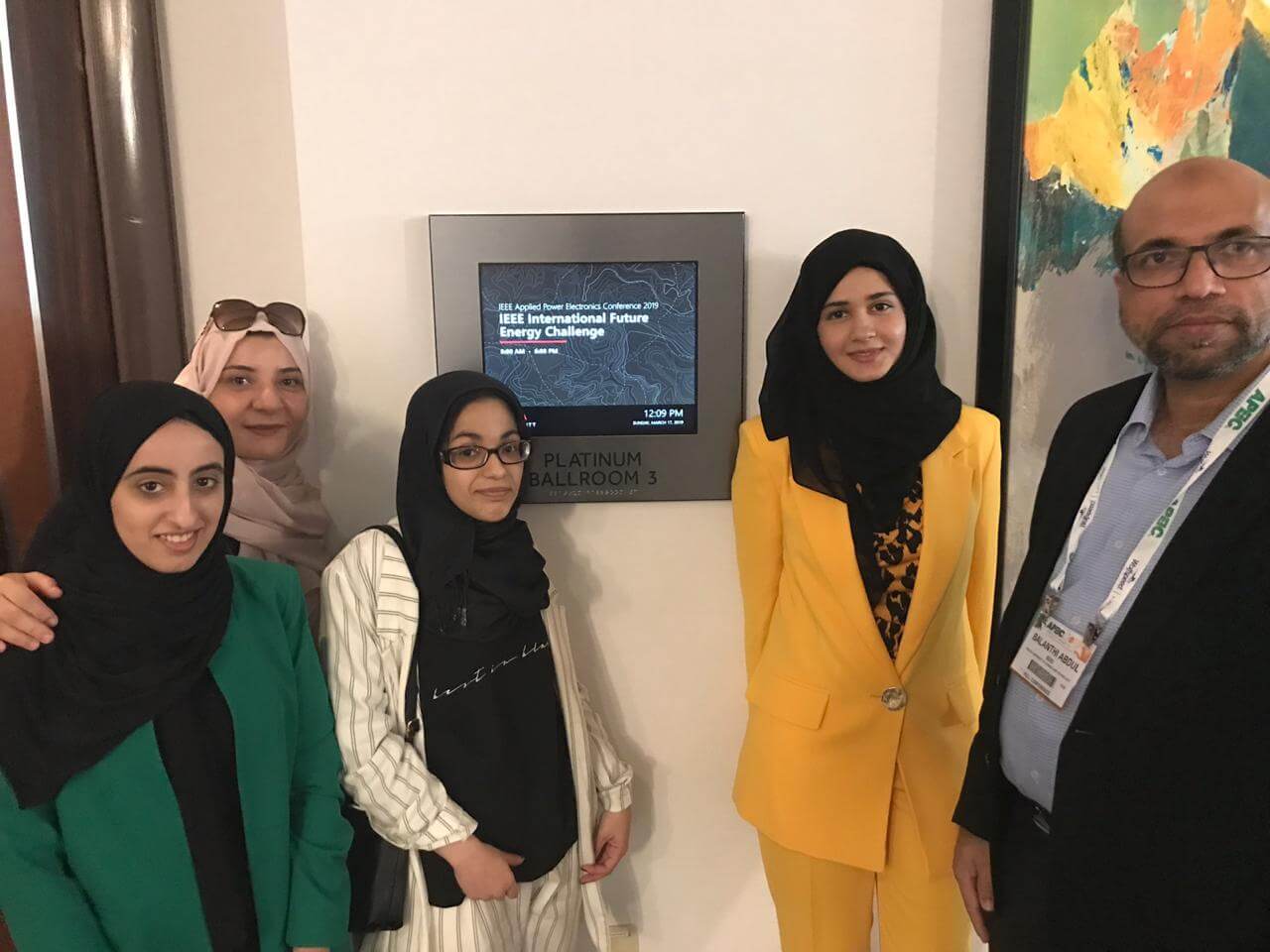
A four-member team of Electrical and Computer Engineering students from Khalifa University – Maryam Abbas Ahmad Hussain Sajwani, Sumaya Zaid Saeed Ali Alzubaidi, Reem Ali Khalfan Hafesh AlNuaimi and Khadeeja Khaled Hashem Mohamed Aljaberi – has been shortlisted for the second round of IEEE International Future Energy Challenge (IFEC) 2019 that will be held in Anaheim, California, on 17 March 2019.

Supervised by Dr. Balanthi Abdul R. Beig, Associate Professor, Electrical and Computer Engineering, and supported by technical staff, the Khalifa University team named ‘K-Drive’, became one of the 16 teams qualified for the second round out of more than 50 entries across the world. The Khalifa University team is also the only one from the Middle East and North Africa (MENA) region to be selected for the second phase of the challenge.

The challenge ‘electric drive for bicycles’ (E-Drive for a Bicycle), consists of the design and prototype of a battery-three phase output drive including the motor control and user interface design.

The design team ‘K-Drive’ is currently gearing up to present their progress at the workshop in Anaheim, which will be held in parallel with the IEEE Applied Power Electronics Conference (APEC) 2019. The successful teams will be entering the final round of competition which will be held from 22-25 May 2019 at the University of Wisconsin. The Grand Prize winner will walk away with US$10,000, while there will be three additional awards of US$5,000, US$3,000 and US$1,000 for various categories.

The four ECE students are extremely delighted to learn about their selection. Sajwani said: “We were overjoyed and it has now given us an added boost. We will give our best so as to qualify for the final stage.”

The students attributed their first stage success to their faculty adviser Dr. Balanthi Beig, as well as the technical support and constant motivation from the ECE Lab engineers Suma Ramamurthy Rao, Saikrishna Kanukollu and Malik Abdul Haleem.

Sajwani added: “Last semester our focus was on modelling the system and understanding various factors that we need to consider in order to get the optimal output. This semester, we have taken those concepts, revised them and started building the system. We have divided our tasks based on two major categories – hardware and software. In hardware, we have been working on the PCB (printed circuit board) and its connections to the overall systems whereas, in software we are more focused towards programming the main controller to execute tasks.”

She added, “For the next stage, it’s very crucial that we obtain the best PCB design so that we can showcase our findings and results.”

IFEC, an international student competition for innovation, conservation, and effective use of electrical energy, is open to college and university student teams from recognized undergraduate engineering programs. The competition is sponsored by the Institute of Electrical and Electronics Engineers (IEEE) Power Electronics Society (PELS), Power & Energy Society (PES), Industry Application Society (IAS) and Power Sources Manufacturers Association (PSMA).


Clarence Michael

News Writer

14 February 2019

Khalifa University to Showcase Cutting-Edge Research Advances in Drones and Robotics Technologies at IDEX 2019

Focus on Research into Artificial Intelligence to Develop Futuristic Devices that Bring Long-Term Benefits to UAE

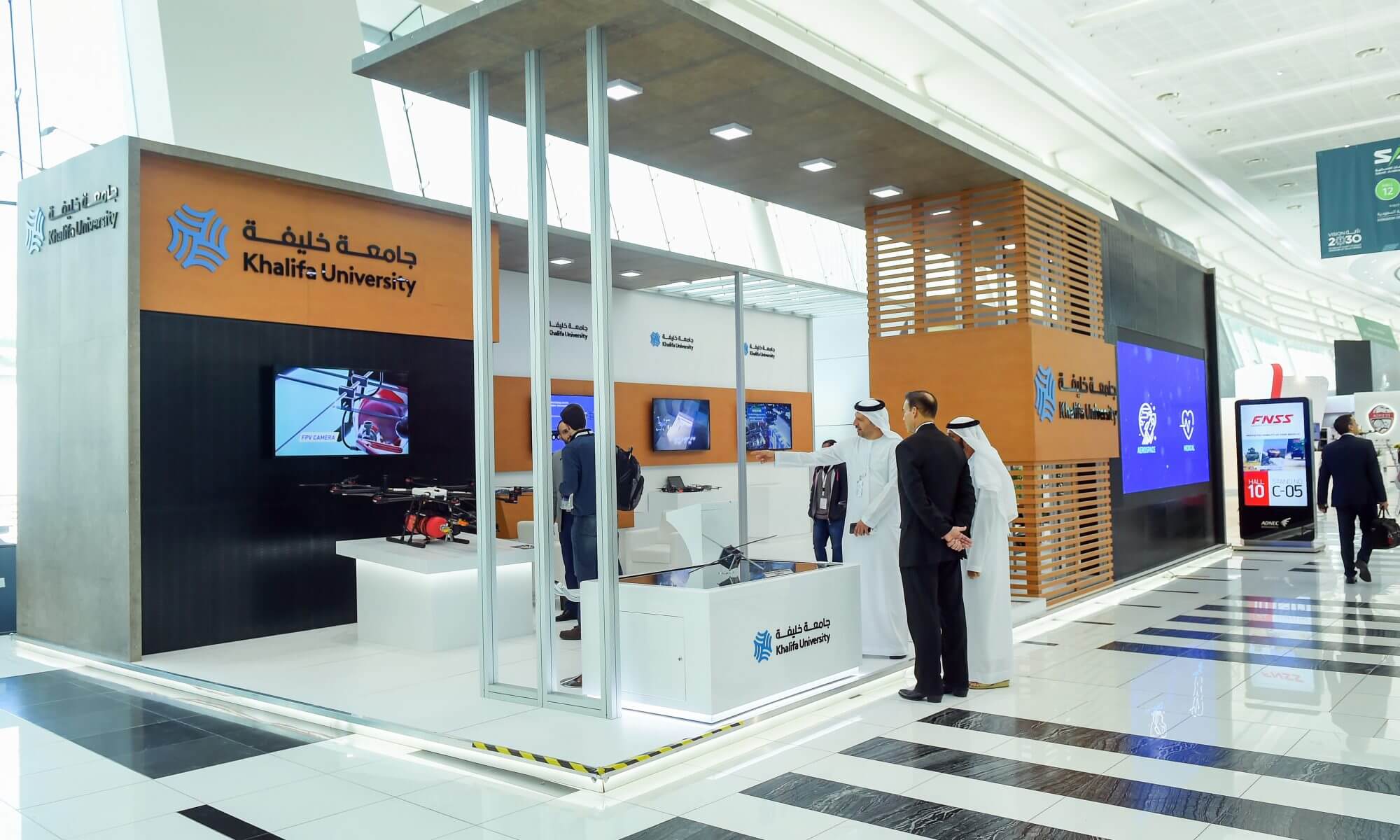
Cutting-edge research advances in robotics and drones-related technologies are being showcased by Khalifa University at the 14th edition of the International Defense Exhibition (IDEX 2019) and the fifth edition of Naval Defense Exhibition (NAVDEX 2019) in Abu Dhabi.

Organized by (ADNEC) in collaboration with the Ministry of Defense and UAE Armed Forces, the twin events themed ‘Defense for Security and Safety’ run from 17-21 February 2019 at the Abu Dhabi National Exhibition Centre (ADNEC).

One of the projects on display at Khalifa University stand (C6-011) includes the ‘Firefighting Drone for High-Rise Buildings’ prototype – an unmanned aerial vehicle (UAV) with the capability to fight fires at high altitudes such as Burj Khalifa, the tallest building in the world at 829 meters. Current fire-fighting capability devices can reach only up to 300 meters.

Other projects include a dedicated SOC chip that can be used in a multiplicity of vision-based systems for advanced surveillance and security applications; small UAVs to provide great opportunities for diverse military, civil, and commercial applications; the MYSat-1 CubeSat developed by students of Space Systems and Technologies Concentration that was launched into orbit on 13 February by the Cygnus vehicle; and a comprehensive tool for real-time monitoring and forecasting of marine water quality in the Arabian Gulf to predict ocean currents around offshore drilling platforms, monitor pollution such as oil spills and harmful algal bloom (HAB) events, as well as provide information to help optimize the route of tankers in the Gulf.

Dr Arif Sultan Al Hammadi, Executive Vice-President, Khalifa University of Science and Technology, said: “Our participation in IDEX 2019 and NAVDEX 2019 illustrates the extent of our advanced research for technologies that can be utilized by the civil defense, security and military sectors of the country. Our research centers focusing on aerospace, robotics, artificial intelligence, smart systems, data science; and advanced materials, strive to obtain cutting-edge solutions that can be adopted by the industry.”

“We believe participation in the twin events will strengthen our status among the government and industry stakeholders, offering an opportunity for those keen to collaborate with a world-class institution renowned for research innovation in strategic sectors,” Dr Al Hammadi added.

Khalifa University’s research centers cover several defense and high technology areas. The Aerospace Research and Innovation Center (ARIC) houses a wide range of facilities, including advanced manufacturing equipment for the cost-effective production of aerospace components, testing and characterization facilities for evaluating the properties of materials under extreme loading conditions, and advanced modeling capabilities for predicting the behavior of larger structures. The KU Center for Autonomous Robotic Systems (KUCARS) focuses on robotics for extreme environments; industrial applications; and infrastructure inspection.

Additionally, the System-on-Chip Center (SoCC) focuses on high performance, energy efficient, small form factor, and low cost electronic systems; while the Center for Cyber-Physical Systems (C2PS) focuses on cybersecurity, big data analytics and artificial intelligence, networks and communication technology, and computation architectures.

Clarence Michael
News Writer
19 February 2019

DESC Awards KU Research Grant for IoT Systems Security

A four-member team of researchers from Khalifa University’s System-on-Chip Center (SoCC) – Dr. Hani Saleh, Dr. Baker Mohammad, Dr. Mahmoud Al Qutayri, and Dr. Yousuf Al Salami – was one of two teams from 17 applicants to be awarded a research grant by the Dubai Electronic Security Center (DESC).

Their research proposal titled ‘Energy Efficient Secure IoT Hardware for Smart Cities’ aims to secure the millions of devices that will be connected throughout the Internet of Things (IoT) – an essential component of ‘Smart Cities’ and central part of the UAE’s economic development.

Smart cities are a necessary evolution in urban areas witnessing population growth, economic development, and concerns for health and climate. The technologies for smart cities are now in practice due to research and innovation in hardware, software, the electric grid, and communication networks. Through using IoT technology and data analytics, smart cities will create efficiencies in economy and energy by improving sustainability through better urban planning and a smarter energy infrastructure, inevitably enhancing quality of life for people living and working in cities.

“The role of Smart Cities is to facilitate energy efficiency and cost saving by helping the government make critical decisions and affect the well-being of humans, therefore, the security of IoT devices as they process and exchange data plays a major role in securing the future smart cities. Secure, robust, and reliable IoT devices and networks are essential to viably deliver the services and results that smart cities are intended to, for the UAE, and beyond”, said Dr. Baker Mohammad, Director of the System-on-Chip Center & Associate Professor Electrical and Computer Engineering Department.

Research on the security of IoT devices and networks tends to focus on encryption processors, side-channel attacks, and hardware anti-tampering. KU’s research team will pursue an integrated approach to securing IoT hardware: the efficient hardware integrated implementation of a cryptographic processor, physical unclonable function, side channel attack resistance scheme, and logic obfuscation technique. The energy efficient integrated implementation will reduce the required chip area and computational complexity of the said security elements, which are important elements to achieve small size and cost effective devices.

The project will include an in-depth critical review of IoT hardware security schemes and implementations in order to produce optimal security schemes which will be implemented on a Field Programmable Gate Array device. This will enable quick evaluation of the prototype system as various security schemes are developed. The main outcome of the research project will be the optimal implementation of security elements in hardware to secure IoT devices, and demonstrating and evaluating the performance of the hardware’s secured system.

Khalifa University’s SoCC was awarded two other research grants in 2019 for their innovative vision, efforts, and proposals: The Abu Dhabi Department of Education and Knowledge (ADEK) awarded KU’s SoCC a grant for their research on RRAM Based Computational Intelligence Hardware for IoT and the UAE Space Agency awarded a grant for the second-phase of research on Ultra-Low Power Radiation Detectors for Satellite Electronic Dosimetry. The SoCC’s research on RRAM Based Computational Intelligence Hardware for IoT seeks to reduce the current energy consumption during memory access, greater than 65%, to Near-Zero through emerging memristor technology, while research under the UAE Space Agency’s sponsorship will produce radiation sensors for use in outer space that operate on less than 1/10th the normal voltage.

“Special thanks to the UAE government for the vision, innovation initiatives, and support for the research we do, as well as to the excellent support we received from the KU research office, KU researchers, and students at our center. It has been an exciting year and we are looking forward to the delivery to all these projects”, Dr. Baker.

Zaman Khan
News and Features Writer
26 February 2019

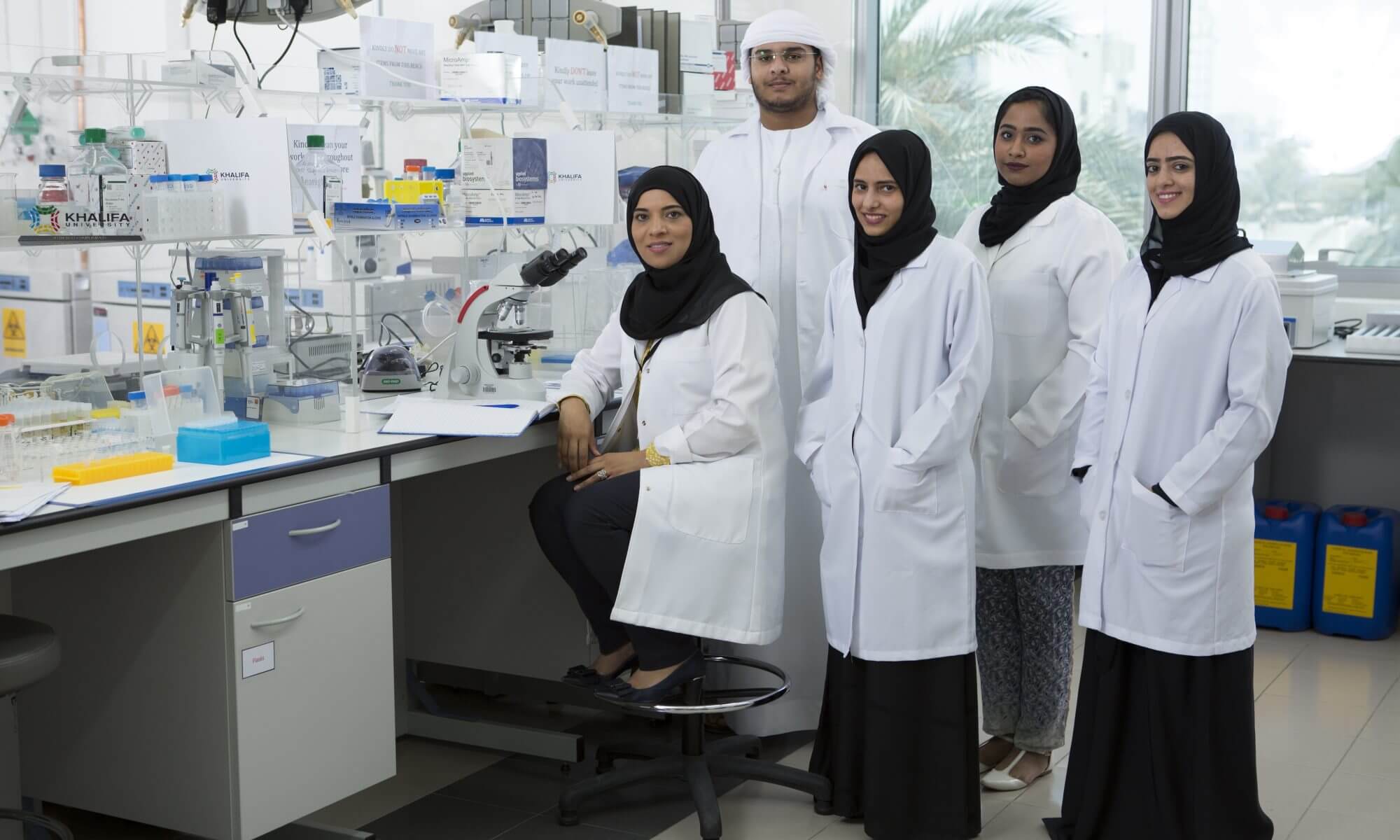
Khalifa University and Sandooq Al Watan Collaborate on Biotechnology Project to Study Genetic Predisposition to Cancer in UAE

Project Offers Training Opportunities at Postgraduate and Undergraduate Levels in Genome Science and Biological Computing using AI and Big Data Analysis

 Abu Dhabi-UAE: 4 March, 2019 – Khalifa University of Science and Technology, a research university dedicated to the advancement of learning through discovery and application of knowledge, and Sandooq Al Watan, the private sector initiative to boost the UAE’s social development, today announced they will collaborate on a project to study genetic predisposition to cancer in the UAE, thus saving lives, healthcare costs and benefiting organ transplants.

To be undertaken by the Khalifa University’s Center for Biotechnology (BTC), the project will study the DNA profiles of Emirati patients in an attempt to identify genetic markers relevant to the local population that will assist in the diagnosis and classification of cancers. An understanding of the genetic makeup of an Emirati patient will also provide an opportunity to customize therapeutic regimes to improve the treatment and management of disease. Sandooq Al Watan will sponsor this project through its researcher.ae platform that has supported 44 Emiratis through 16 projects so far across the UAE.

Dr. Arif Sultan Al Hammadi, Executive Vice-President, Khalifa University of Science and Technology, said: “Our collaboration with Sandooq Al Watan not only reflects our commitment to continue with advanced research but also discovery in areas that are relevant to the UAE and the region. As a research-intensive academic institution, Khalifa University prides itself in contributing to every segment of the UAE’s economic and social sectors including healthcare through scientific discoveries. We believe this research collaboration will benefit individuals who require chronic care as well as help governments prune healthcare outlays, which can be utilized for developmental purposes.”

Mohamed Taj Aldeen Al Qadi, Director General of Sandooq Al Watan, said: “We are keenly aware of the data bias in current DNA studies where people from Arab ancestries are underrepresented. This has caused genetic tests to be less relevant and less accurate in this region of the world. Our collaboration with Khalifa University will address this problem head on, leading to more accurate tests that can save lives and reduce billions in costs. It will also promote research in the UAE and position the country as an important creator of knowledge and technologies. We are very excited to kick this project off with such an esteemed organization and a great research team.

The project is led by Dr Habiba Al Safar, Director, Khalifa University Center for Biotechnology (BTC) and Associate Professor, Department of Biomedical Engineering, and Dr. Guan Tay, Associate Professor, Biomedical Engineering, Khalifa University, who have the resources and expertise in genome research. The project outcome will be in line with the UAE’s national agenda which mandates the development of training opportunities, underpinned by high quality research to fuel a diversified knowledge-based economy. It will also contribute towards the nation’s vision of establishing world-class medical services to cater to the UAE’s future healthcare requirements.

More importantly, the project will offer training opportunities in cutting-edge genome science as well as biological computing, incorporating artificial intelligence and big data analysis at the postgraduate as well as undergraduate levels to Khalifa University students. The research team recently welcomed PhD candidate Halima Al Naqbi, who completed her Master’s degree at the University of Pittsburgh. Master’s students, internships, as well as research positions are available through this Sandooq Al Watan-Khalifa University collaboration, providing opportunities to expand the pool of local experts in the field of genetics and personalized medicine.

Cancer remains one of the top challenges in medical practice because it remains a leading cause of mortality and morbidity worldwide. In addition, there are myriad different cancer types that continue to represent substantial economic and personal burden. The disease has a strong genetic component; however, the genomic factors that result in cancer susceptibility in the UAE remain largely unknown. This study is expected to yield discoveries that could lead to improvements in quality of life for cancer patients and potential reductions in healthcare costs.


Building a space workforce

One of the issues facing further space exploration and the ambitious goal of colonizing Mars is whether the world will have the workforce needed to achieve it. The issues range from short-term concerns about the current workforce’s skills for developing and building new spacecraft, to long-term concerns about recruiting, training and retaining scientists and engineers for work in both industry and academia. To achieve the long-term vision shared by Space Agencies around the world, it’s clear there’s a personnel shortage and skills gap.

The skills and qualifications gained through academia and research have many applications: there is no immediate shortage of skilled scientists and engineers to drive the UAE’s space economy. However, there are also differing interpretations of future requirements for certain skills and an absence of information correlating levels of expertise required with the numbers of employees anticipated to be needed. By the time this is resolved, and Space Agencies are ready to hire, much of the workforce that could be recruited will already be engaged in the overall aerospace industry, potentially loathe to refocus on a different application for their talents. In the United States, The National Aeronautics and Space Administration (NASA) represents only a fraction of the overall aerospace workforce and must compete directly with numerous other government agencies, industry and academia for appropriately skilled workers. Many of the engineers who work on NASA projects are in industry, and many of the scientists are at universities: attracting and retaining the proper numbers of workforce poses a fundamentally difficult challenge. For example, engineers in industry generally have to rely less on government funding, such as that from NASA, for the long-term financial stability of their projects than scientists in universities. Science talent might be lost and not readily regained if organizations such as NASA withdraw support for specific research even for a limited period and scientists leave the field or are unwilling to return to NASA-sponsored work where funding has proven unstable in the past. There’s plenty for the UAE to learn from NASA’s experiences.

Additionally, over the last few years, the average age of NASA’s workforce has marched steadily upwards—a natural trend for a well-established Space Agency valuing experience. The agency now has a relatively low number of younger workers to assume future leadership as older workers retire; risking a gap in technical leadership and in technical experience as highly skilled workers with experience in the different programs retire. To address this, NASA has been investing in education and training students to design and build satellites and satellite instruments.

This is where educational institutions can step in to build a space workforce for the future and where Khalifa University is leading the way.

How are UAE educational institutions working to build a workforce?

“Khalifa University has identified space as a core area of R&D development,” said Dr. Steve Griffiths, Senior Vice President for Research and Development at Khalifa University, at the Global Space Congress 2019. “Space technology and space science are areas we aim to develop as part of our R&D strategy. The goal is to establish education and research programs that align directly with the aims of the UAE Space Agency for the development of space technologies, as well as the Mohammed Bin Rashid Space Center (MBRSC) for the development of capabilities that support the UAE efforts in space science.”

How can academic institutions best work with industry to ensure graduates leave with the necessary skills to excel?

“For KU, a key goal is linking graduate education with industry needs so students get both classroom understanding and hands-on training, which is very important,” said Dr. Griffiths. “Students need to understand mission design and planning as well as spacecraft subsystems. The ability to analyze and work with satellite data is also an important capability.

“We have projects being carried out at the YahSat Space Laboratory and we are also working with the UAE Space Agency and MBRSC for both satellite technology development and satellite data analysis,” Dr Griffiths told the Congress. “We ultimately plan to leverage the work with the UAESA and YahSat to expand our space sector R&D and build a research center that initially designs, builds and launches Cubesats, and further provides advanced technology development capabilities for large satellite components. Additionally, we aim to launch a Space Science Center that will support MBRSC in analyzing data received from the Mars mission Hope Probe. The work done will help train the next generation of scientists that will take the UAE a step further in Mars exploration.

“Our Msc concentration in Space Systems and Technology was jointly developed with Yahsat and Northrup Grumman (originally Orbital ATK): as part of the concentration, the students undertake a series of three lab courses that are carried out in our YahSat Space Lab in addition to their coursework on spacecraft systems and design,” explained Dr. Griffiths. “The YahSat Space Lab is the first of its kind in the region with the capability to design, build and test small satellites. A total of 18 students have graduated from the program so far, and currently 23 students are participating—including four students from Bahrain—through a collaboration agreement between the UAE Space Agency, the Bahrain Space Agency, and Khalifa University, where 10 students will be trained on space systems development here at the University.”

Retaining talent through inspiration

Recognizing that space exploration is merely one facet of the global aerospace industry, Space Agencies—including NASA—are investing heavily in encouraging talent retention through inspiration. Dr. Thomas Zurbuchen, Science Mission Director for NASA, attended KU to deliver a speech on ‘The Transformative Journey’, saying:

“I always love talking to students. The future depends more on the people at this University than the people I normally work with. The people at this University—together with their peers around the world—are the ones who come together and build the future of space science.

“When people started working on Cubesats in the early 2000s, they were entirely intended to be educational. Some of these tools are so good that they’re starting to take over some predictive capabilities and adding value. Sometimes a tool, that looks like a gimmicky small thing, can become a very important tool for forecasting.

“It’s not just space travel or exploration; it’s building methods to look after us here on Earth. Don’t believe people that tell you we know everything about our world; we’re learning a lot still. Most of nature we don’t know. That’s what’s so exciting about research: many things are being discovered now.”

Telling stories from previous space exploration successes and the grit and determination it took to achieve them can go a long way in inspiring students to stick with their dreams of venturing into space. Building motivation from an early age will see a committed workforce for the future—helping students find their passion in space science.

Preparing through competition

Encouraging students to participate in competitions and events with real-life applications also aids in motivating retention, while preparing students for the challenges they will face working in the space sector.

“In collaboration with Khalifa University and Boeing Corporation, the UAE Space Agency has devised a STEM-oriented contest called the UAE Mini Satellite Challenge: Design, Build Launch,” said Dr Griffiths. “This Challenge provides the opportunity for students interested in the fields of engineering, material sciences, and physical sciences to develop technology applications and experiments that are exposed to the space environment and have a clear view of the Earth and universe. In the first edition, 21 teams participated with over 150 UAE national students involved. The payload proposed by New York University Abu Dhabi to detect terrestrial gamma ray flashes won the first prize; NYUAD and KU teams are now working together to realize the mission by developing the payload and the bus. The first satellite is expected to be launched in early 2020.”

Competitions like this also highlight and develop the soft skills needed to succeed in any area of science and engineering, particularly teamwork and leadership. Dr. Zurbuchen told the story of the James Webb Space Telescope during his speech at KU: the telescope will be the successor to the Hubble Space Telescope and will be tasked with observing some of the most distant events and objects in the universe, such as the formation of the first galaxies. It was meticulously designed and scrupulously built—for the most part. The technicians putting the telescope together put the screws in the wrong way, costing NASA close to USD$400 million. “One thing you need to learn if you work on something like this, is you need to respect the person who touches the hardware. They need to work with the same commitment as you,” said Dr. Zurbuchen. “If they do not, your vision may be great, but you will never launch the spacecraft. Sometimes, leadership is where the action comes from. Get that commitment that you have into your team so you can achieve your vision.”

The UAE Space Agency is focused on raising national capabilities and the use of space technology in the UAE, looking proudly towards the future of the UAE as a leader in space. The Agency also hopes to inspire future generations for the benefit of the nation and humankind—and can only do so with collaboration from the universities and academic institutions on the ground.

Jade Sterling
News and Features Writer
26 March 2019

‘K-Drive’ Senior Design Team Enters Final Round of IEEE-IFEC 2019 Competition in July at Wisconsin

K-Drive Once Again Becomes Only Team from MENA Region to be Shortlisted among Top 10 Finalists

Khalifa University’s Electrical and Computer Engineering (ECE) students Maryam Abbas Sajwani, Reem AlNuaimi, Khadeeja Khaled Hashem Mohamed Aljaberi, and Sumaya AlZubaidi of the ‘K-Drive’ design team have entered the final round of the IEEE International Future Energy Challenge (IFEC) 2019 competition that will be held during the last week of July 2019 at the University of Wisconsin, US.

The Khalifa University team has once again become the only one from the Middle East and North Africa (MENA) region to be among the top 10 selected for the finals. An international student competition for innovation, conservation, and effective use of electrical energy, the IFEC is open to college and university student teams from recognized undergraduate engineering programs.

The K-Drive team crossed the second stage when it was shortlisted out of a total of 16 teams, after confidently presenting the progress report about their prototype to the judges’ panel during the IEEE-IFEC 2019 workshop at Anaheim, US. The challenge ‘electric drive for bicycles’ (E-Drive for a Bicycle), consists of designing and developing the prototype of a battery-three phase output drive, including the motor control and user interface design.

Sajwani said: “We are extremely happy to be the one of the 10 teams to be shortlisted for the final phase of the IFEC competition. We were quite surprised when we received this amazing news about our selection, as the level of expertise and technical designs of the others teams were equal to ours.”

Faculty adviser Associate Professor Dr. Balanthi Beig said: “Our senior design team’s work is on par with the other teams and our students confidently answered all technical questions clearly.”

Aljaberi, who could not be present with the team at Anaheim, congratulated other members, and said: “Working on this project has been a great experience. This competition is challenging us in a very fruitful way and is putting our engineering knowledge and skills to the test. We are truly motivated and excited about the final phase.” Aljaberi intends to join the team for the finals at Wisconsin.

Sajwani added: “Currently, our main focus is testing of our overall system. We have been vigorously testing multiple parameters individually and coupling it with other aspects to see the response of the system. We believe we would be able to resolve any issue within the actual competition timeline.”

The students attributed their second stage success to Dr. Beig, and technical support from the ECE Lab engineers Suma Ramamurthy Rao, Saikrishna Kanukollu and Malik Abdul Haleem. The top 10 teams apart from Khalifa University include Delhi Technological University, DHBW-Stuttgart, Drexel University, Gottfried Wilhelm Leibniz Universität Hannover, National Ilan University, Tsinghua University, University of Belgrade, Utah State University and Virginia Tech.

The IEEE-IFEC 2019 competition is sponsored by the Institute of Electrical and Electronics Engineers (IEEE) Power Electronics Society (PELS), Power & Energy Society (PES), Industry Application Society (IAS) and Power Sources Manufacturers Association (PSMA).

News Writer

11 April 2019

Layer by layer Multiplexing of 3d cardiovascular tissue-based biosensor for Drug Discovery

Fighting the #1 Killer in the UAE, and world

Cardiovascular Disease (CVD) has emerged in recent decades as the leading cause of mortality around the globe. According to the World Health Organization, over 17 million people died in 2015 due to CVD and associated complications. The UAE has a particular stake in researching ways to cure CVD as UAE residents die of CVD 20 years earlier than the global average—as the youngest population in the world. These alarming statistics are driving a team of researchers at Khalifa University, led by Biomedical Engineer Dr. Vincent Chan, to find an innovative new way to test pre-clinical drug efficacy on patients suffering from CVD.

The process of getting drugs through clinical trials and to market for conditions such as CVD can be very costly and protracted as it deals with a sensitive organ, where gathering data or samples of tissue can be invasive and further complicate the health of patients. By developing sensors for patients at the area being studied, researchers are able to receive valuable data in real time as the drug is interacting in its intended environment. This method to gather data in biomimetics allows researchers to accurately gauge the efficacy of drugs on the cellular level.

“Current pre-clinical testing of new drug leads for CVD hinges on the applications of cell culture and animal models which fail to fully recapitulate the physiology and mechanobiology of the highly organized multicellular architecture found in native blood vessels” said Dr. Chan. “Thus, an innovative yet robust on-line biosensor which simultaneously promotes the physiological functions of human vascular tissues and hosts a series of embedded mechanical transducers will accelerate the pace of identifying potential CVD drug candidates for the treatment of common CVDs like hypertension in a more effective and economical way.”

Two-dimensional (2D) cell culture systems have been in use in clinical research for years and have enabled the research of simple organ models. Monolayer cell cultures were easy to create and were compatible with existing lab infrastructure and equipment. While being convenient, the 2D structures posed serious limitations for researchers when attempting to replicate more structurally advanced tissues where spatiotemporal biochemical gradients were required system parameters.

By reconstructing the three-dimensional (3D) printed tissue into bioprinted functional scaffold, researchers at Khalifa University are unraveling a multitude of applications in the pharmaceutical industry from their research and preliminary findings. “We intend to develop an integrative 3D tissue-based biosensor with multiplexed detection transducers and fully simulated functionality in controlled microenvironment for high throughput drug testing and toxicological studies,” said Dr. Chan. “In order to do this, we need to design innovative biomaterial which simultaneously promotes the maintenance of differentiated functions in human vascular tissues and provides an engineered array of embedded mechanical transducers for the realization of a cell-based biosensor.”

Tissue models that reproduce in vivo conditions as closely as possible are essential to learning about the interaction of drugs on the cellular level as researchers strive to discover new agents and therapies during the drug-development process. Microsystem technology offers new approaches to culturing and analyzing human cells and functional tissue structures with sensors that report accurate and integral data.

Traditionally, medical practitioners prescribe lifestyle changes to patients at risk for CVD, and medicine for those whose symptoms have already manifested. Lifestyle changes are the optimal solution, yielding longer lasting and more pervasive improvements to heart and overall patient health, but are harder to implement and adopt. Alternatively, prescribed drugs have a strong impact on patients not able to pursue or maintain lifestyle changes, with health benefits obtained quickly. Doctors always suggest lifestyle changes to avoid dependency on drugs, and allow the patient to live a healthy and natural lifestyle, but the medicines produced through clinical trials are irreplaceable.

As methods for testing the impact of drugs in clinical trials becomes safer, easier, and faster, the process of moving trial drugs to the market will be expedited, cheaper for consumers, and efficacy of drugs will be improved for maximal health and impact.

Khalifa University Student Team’s ‘Cooling Suit’ Project Wins Award at Think Science 2019 Competition

  • Award in ‘University – Energy, Environment, and Applied Sciences’
  • Category Reflects Students’ Technical Skills and Ability to Demonstrate Original Ideas and Inventions


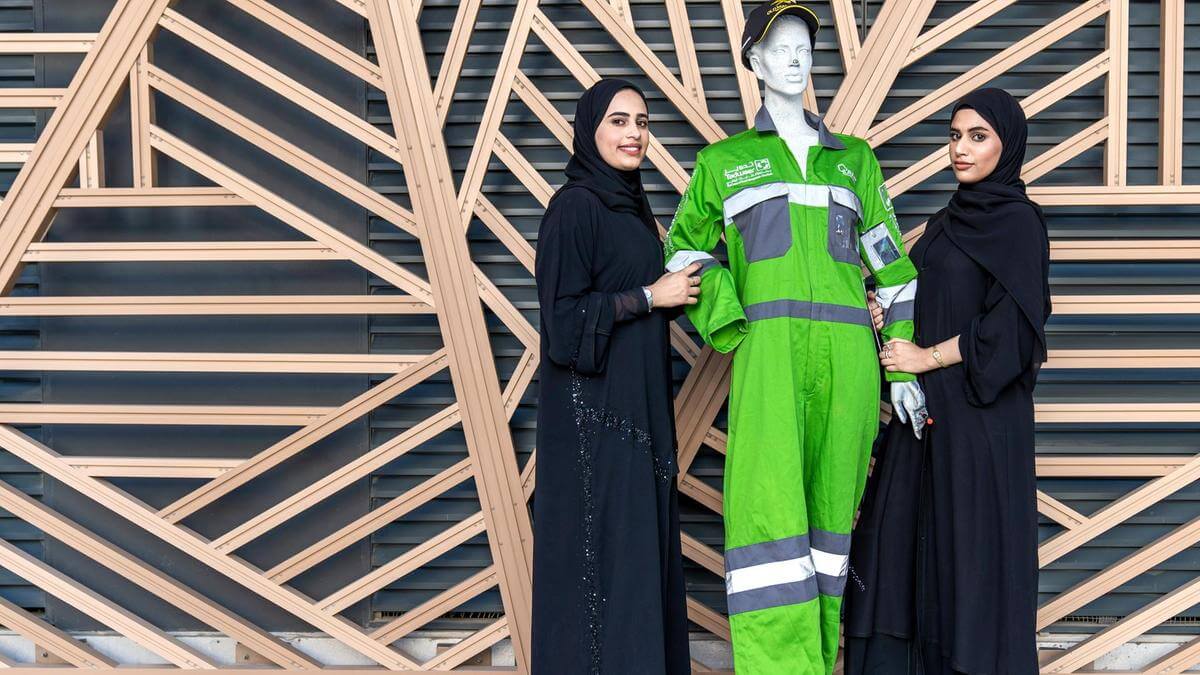
A team of five Khalifa University students have won the ‘First Place – Abu Dhabi’ award for their project “The Design of a Cooling Suit” in the ‘University – Energy, Environment, and Applied Sciences’ category at the Think Science 2019 competition.


The top award was won by undergraduate Mechanical Engineering students Shaima Al Hashemi, Nema Nadhem Asaad Asaad Taher, Latifah Omar Mohamed Abdulla Alseiari, Aryam Ahmed Saleh Rashed Almaamari, and Alyaziya Sulayem Saleh Saad Alsheebani. Assistant Professor Dr. Samuel Cubero, Department of Mechanical Engineering, was their faculty adviser.


The main goal of this project is to design and build a ‘tether-less’ motor-powered cooling suit that an average adult user can wear. Similar in appearance to a biohazard protection suit or astronaut’s space suit, this cooling suit keeps the internal temperature of the user at an adjustable level between 15 and 30 degrees C. The operating time, between recharges, can be at least three hours of constant usage. It will have an ‘SOS’ button and automatic signals in case of emergencies, as well as a smart system to check body temperature.


The project proposed by the students helps the user remain comfortable and avoid sweating, even during extremely hot outdoor temperatures. Most outdoor workers can continue working and remain productive when wearing the suit since the dangers of heat exhaustion and heat stroke are minimized. Moreover, the suit helps workers at construction or building sites to remain comfortable, enabling greater productivity and requiring shorter rest hours.


Al Maamari identified the reasons for the team to win the challenge against more than 20 other projects. She said: “We didn't have to face that many challenges, except the normal stress and nervousness. But we stood together, guarded each other’s back, and we were confident about the details of our design, in addition to the booth organization.”


She added: “Also, our design process works with 100% safety for the worker, since safety is our main objective and incorporating that is one of the hardest parts.”


After considering several different designs, some of which involved refrigeration units or air-conditioning systems, the students concluded that the lowest-cost, most lightweight, and most effective solution for this project would be to use special PCMs (Phase Change Materials) that can absorb the Sun's energy and prevent any significant rise in body temperature. The PCM is located in several pockets around the suit, and it basically absorbs external or ambient heat energy from the environment, which converts it from a solid to liquid, without raising the skin temperature.


However, once the PCM has turned into pure liquid, it is no longer able to prevent the user’s skin temperature from increasing. Therefore, to ‘recharge’ it, or make it an effective heat absorber again, each PCM bag needs to be placed in a refrigerator (or freezer) so it can turn solid again for future reuse.


Dr. Cubero said: “It is nice to hear about our students being recognized for their technical skills and their ability to demonstrate new and original ideas and inventions that could make a positive impact in the community.”


“From the very beginning, all students working on this project showed great enthusiasm and interest. They believe that a cooling suit like this will make life much more comfortable for outdoor workers, who currently suffer intense summer temperatures with a debilitating effect on their ability to work efficiently and productively,” he added.


In addition, the students have also designed and implemented effective insulation materials for the suit to enhance the performance of the PCM material. For example, electronic sensors are added to the suit with an onboard programmable microcontroller and an LCD display panel that can monitor important operating variables, such as temperatures at different areas on the suit and expected operating time or the remaining cooling time for the PCMs.


The suit also offers options to add more sensors, including a pulse-rate sensor, blood pressure sensor, or a breathing rate sensor. Data from these sensors can even be transmitted via a wireless network to a remote laptop, for monitoring the status of the user. Such advance features may raise the commercialization potential of this innovation.


Clarence Michael
English Editor Specialist
6 May 2019

Khalifa University Student Team Ranked 9th Out of 104 Universities at DBF 2019 American Institute of Aeronautics and Astronautics in US

Student-Built Unmanned, Electric-Powered, Radio-Controlled Aircraft
Successfully Completes AIAA’s All Three Mandatory Missions

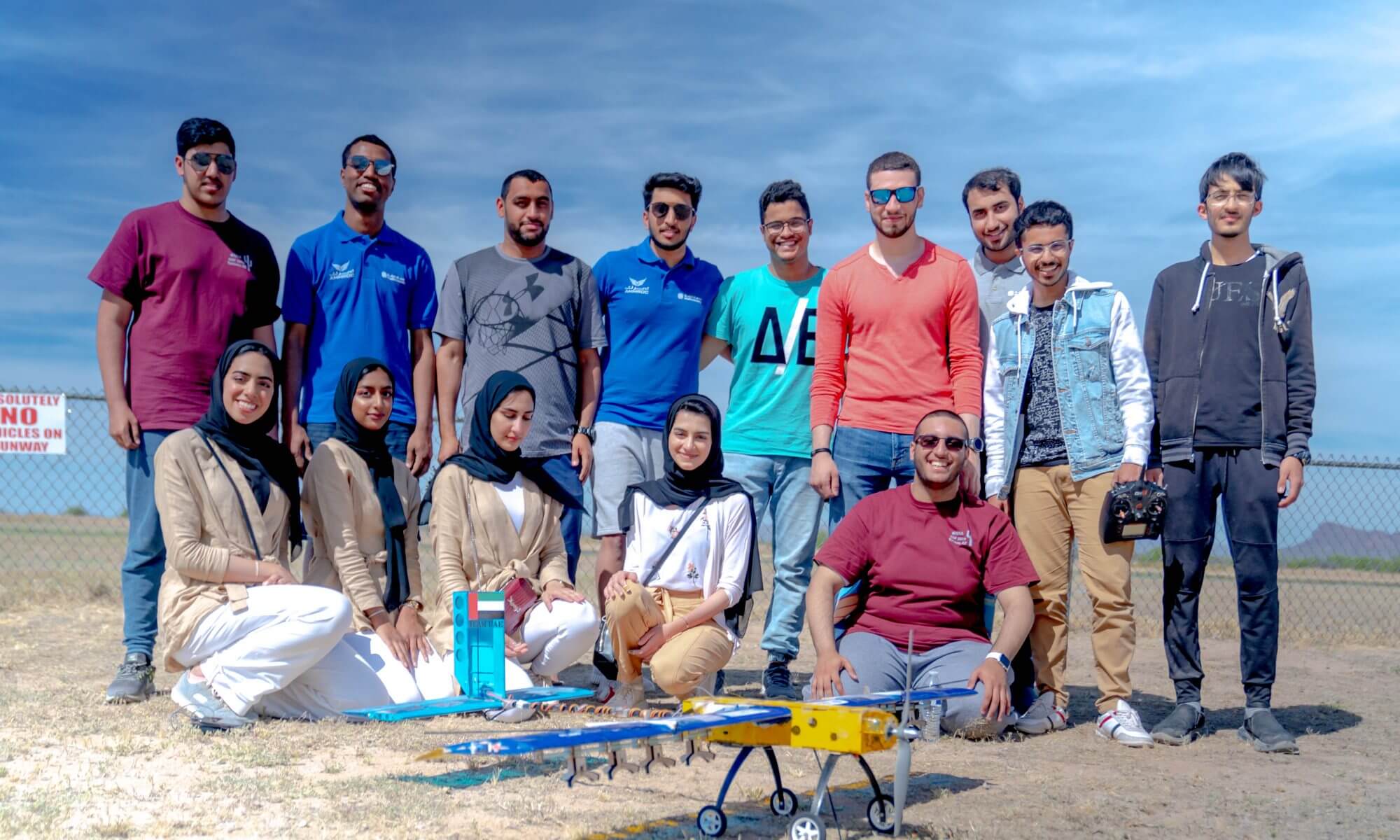
A Khalifa University team of 12 students was ranked ninth overall out of 104 universities when their unmanned, electric-powered, radio-controlled aircraft successfully completed all three mandatory missions in the Design Build Fly (DBF) 2019 American Institute of Aeronautics and Astronautics (AIAA) Competition in Tucson, Arizona.

The team, whose design report was ranked third, not only represented the UAE, but the entire Middle east and North Africa (MENA) region, and was placed among the top 10 teams.Moreover, for Khalifa University, this is the eighth successive year of participation in the DBF challenge.

A total team of 20 undergraduate students from Aerospace Engineering and Mechanical Engineering worked together throughout the year to design, fabricate, and demonstrate the flight capabilities of the unmanned aircraft, readying it for the competition. The aircraft’s three missions included successful flight over a predefined 2000-foot path, carrying a rotating
‘radome’ as a payload and perform three laps followed by a successful landing, and carrying of at least four attack stores, each weighing around 0.187 pounds and drop one in every lap.

This year, the faculty advisors included Assistant Professor Dr. Andreas Schiffer from the Department of Mechanical Engineering, and Assistant Professor Dr. Ki Sun Park from the Department of Aerospace Engineering. Additionally, the team was supported and advised by two graduate students – Adnan Salem and Abdelnasir Alnaqbi.

Two members from last year’s team – Ali Almusawa and Sara Nabeel – were also included in this year’s team. Moreover, throughout this year, the team received guidance and help from previous team leaders Lena Obaid, Anood Alkatheeri, Ghadeer Alkatheeri and Gianna Ramirez.The student team was accompanied to the US by Assistant Professor Dr. Asli Hassan,Department of English, and Dr. Schiffer.

Dr. Park felt the DBF mission this year was tough because of the design requirement for folding wings, and its size and operation. He said: “The whole aircraft including the nose of the aircraft and landing gears should fit into a space two-feet wide and two-feet high in the folded condition.

Additionally, the aircraft should transform from the folded condition to flight condition “remotely by command from the transmitter”.

Though the team was able to refer to the previous Khalifa University aircraft for most of parts, it still needed to design the entire wings part – the main components of the aircraft generating lift forces and key to its stability.
Dr. Park added: “Team members were proactive, and each member did their work properly, but most importantly, they enjoyed the participation in the competition.”

Ali said: “Our team managed to complete all missions successfully. The competition was a great experience and it was an opportunity for us to apply the theories that we have learned at the university to real-life innovative engineering challenges. It was also an opportunity to see how other universities or groups approach the same issue.”

For junior Mechanical Engineering student Hassan Elmuzamil Hassan Elsheikh, it was a unique experience that blended his passion in aviation with a great engineering challenge, and the outcome represented the culmination of the team’s hard work and over eight months of preparation.

Elsheikh said: “We learned a lot about aircraft design, manufacturing and testing. Travelling to Tucson and seeing designs from other universities was inspiring as it opened our eyes to different approaches and perspectives. We also learned how to work better as a unit and definitely created bonds that will last.”

Team member Omar Alhashmi felt the competition helped in gaining self-confidence and developing teamwork and technical skills.

Alhashmi said: “The design phase of the project was extremely hard, as we had to determine the optimum design to get a high score, but perhaps the hardest thing about this project was finding the balance between working on the project, my academic responsibilities and social life.”
News Writer
2 May 2019

Two Khalifa University Student Teams Win Top Honors in CDP and SDP Categories at 14 th IEEE UAE Student Day 2019

Common Design Project ‘KU Drone’ and Senior Design Project ‘High-Speed Positioning’ Win Competing Entries from Seven Universities

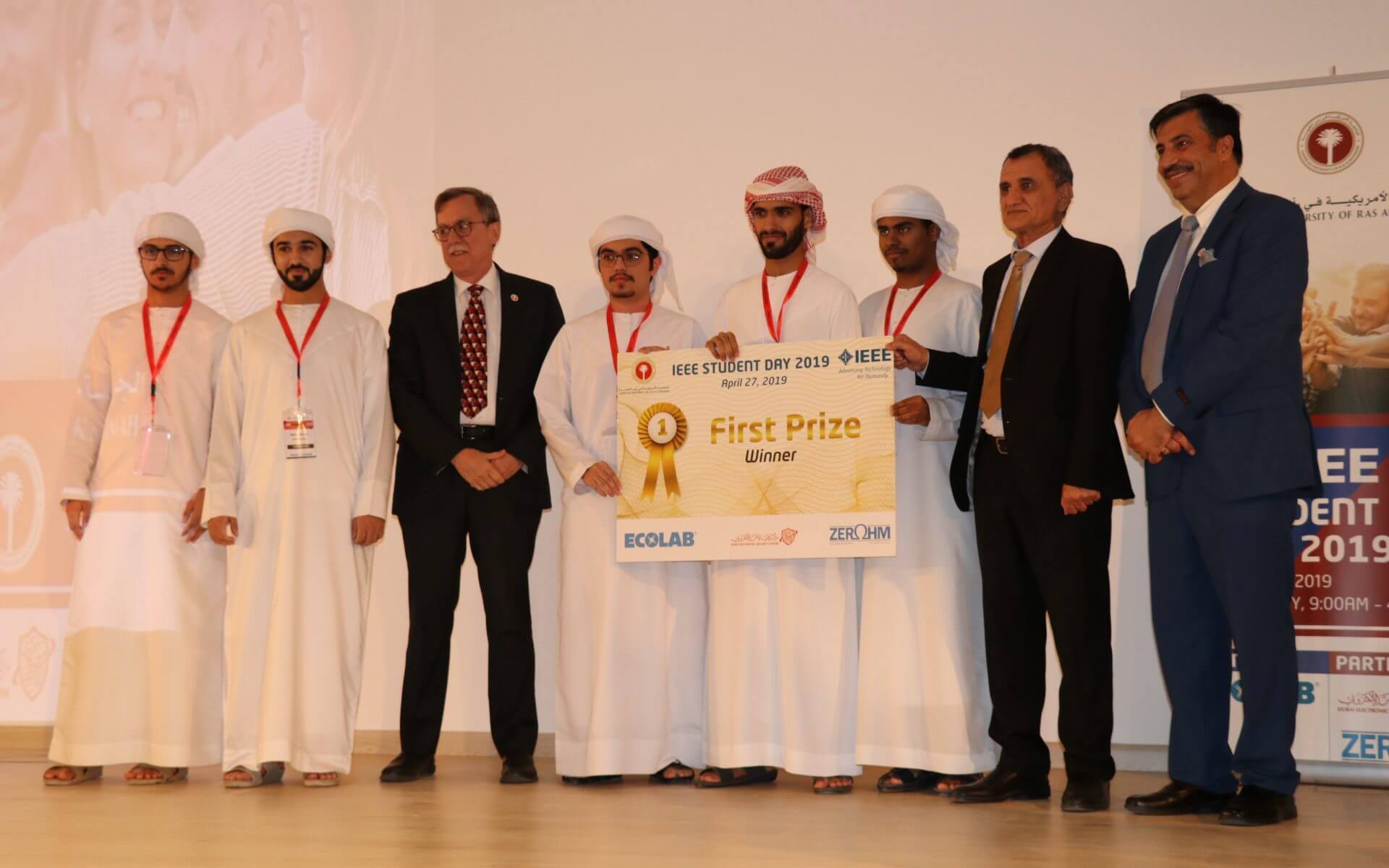
Two student teams from Khalifa University have won top honors for their Common Design Project (CDP) and Senior Design Project (Communications and Electronics) at the 14th IEEE UAE Student Day 2019 that was held on 27 April at the American University of Ras Al Khaimah in the UAE.

Up to two teams from each of the seven participating universities competed in the Common Design Project, Engineering Design Project, Industrial Design Project, Software Engineering Project, and Community Service Compettion categories. However, Khalifa University participated only in the CDP and SDP categories and topped both!

The ‘KU Drone’ CDP student team that won first place included Abdulla Alsamri, Mohamed Alhaj, Ahmed Bafakih, Mohammed Alketbi, and Majid Salman Alakberi. They were required to design and implement a vision-based control algorithm for a small unmanned aerial vehicle (UAV) or drone, with a maximum volume of 0.7m x 0.7m x 0.7m. The drone had to autonomously detect and locate a specified landing zone with the red square marker, out of
three randomly placed landing zones with different markers.

Similarly, the ‘High Speed Positioning’ SDP team that won first place in the Communications and Electronics category included Alya Al Zaabi, Wafaa Ahemd AlYammahi, Ruba Nasser and Ahmed Mehdi. Their project aims at positioning and tracking fast moving objects using two sources – the slower but accurate GPS, and the inertia sensors whose accuracy decays over
time. This project achieves the concept of sensor fusion through the ‘Kalman filter’ – an algorithm that uses a series of measurements to get fast and accurate position.

Faculty advisors for the SDP team included Associate Professors Dr. Hani Saleh and Dr. Baker Mohammad, as well as Research Associate Dr. Temesghen Habte from Electronic and Computer Engineering Department. The CDP project was guided by Associate Professor Dr. Mahmoud Meribout, while Associate Professor Dr. Shihab Jimaa was the IEEE Students Counselor and the IEEE 2019 UAE Student Day Coordinator.

In the CDP category, the KU Drone had to be equipped with a camera for the detection of the landing zone, while the autonomous control system could use the images to detect the target, estimate its relative pose and suitably plan a navigation path to perform the landing maneuver.

The team felt that the image processing part for the ‘KU Drone’ was challenging as well as the speed of the drone and its rapid response. Another factor was stability, which was key to landing the drone close to the target.

For the SDP team, the project involved several electrical and computer engineering (ECE) multidisciplinary topics such as communication, electronics, programming, and control systems, which made this more challenging than other projects.

Team member Ahmed Mehdi said: “We were able to impress the judges when answering their questions. We definitely felt that a top three finish was inevitable after we preformed the presentation.”

Mehdi added: “Winning gives us a special kind of recognition to the efforts we have put in during the last few months and gives us a huge confidence boost. It is nice to be rewarded for our efforts.”

The CDP team felt that one of the key elements that gave them an edge over others was the guidance from their supervisor Associate Professor Dr. Mahmoud Meribout.

Abdulla Alsamri said: “With Dr. Meribout's guidance, we managed to choose the most suitable drone for such a challenge. Moreover, the decision was also based on our programing knowledge, as we chose a drone that matches our skills in C++. Moreover, our hard work and the huge amount of time we all put in this project eventually paid off.”

Alsamri added: “We feel proud after having this great opportunity to represent our university and win the top position – the rightful place for this university. We were determined to win and we have done it.”
News Writer
05 May 2019

Quantum Predictions of Flow may be Key to Freeing Up More Oil

New simulations of the interactions between oil, water and rock at the quantum level could help solve giant reservoir problem

Over half of the oil in the UAE’s hydrocarbon reservoirs is trapped underground in tiny rock pores. Despite the millions of barrels of oil produced every day in the UAE, extracting this crude oil efficiently and sustainably has proven extremely difficult.

Now, researchers at Khalifa University have discovered a way to analyze how this oil and water interacts with reservoir rock at the quantum level, providing detailed information about how multiphase fluids – fluids with a combination of liquids, like oil and water – move along mineral surfaces, revealing the key role of temperature and a characteristic called wettability.

This new understanding might improve productivity of the UAE’s oil wells and help Abu Dhabi reach its goal of increasing oil recovery rates to 70%.

The new results are published in the Journal of Physical Chemistry C in a paper by Dr. Tiejun Zhang, Associate Professor of Mechanical and Materials Engineering, with first authors Dr. Jin You Lu and PhD student Qiaoyu Ge, as well as Research Scientist Dr. Aikifa Raza.

“Crude oil is a complicated mixture. While it’s mostly hydrocarbons, crude oil has a range of hydrocarbon fractions, and it interacts with both formation water and reservoir rock, which have a variety of minerals. How this diverse oil-water mixture flows through carbonate rock pores has been difficult to observe and capture in scientific detail, until now,” Dr. Zhang said.

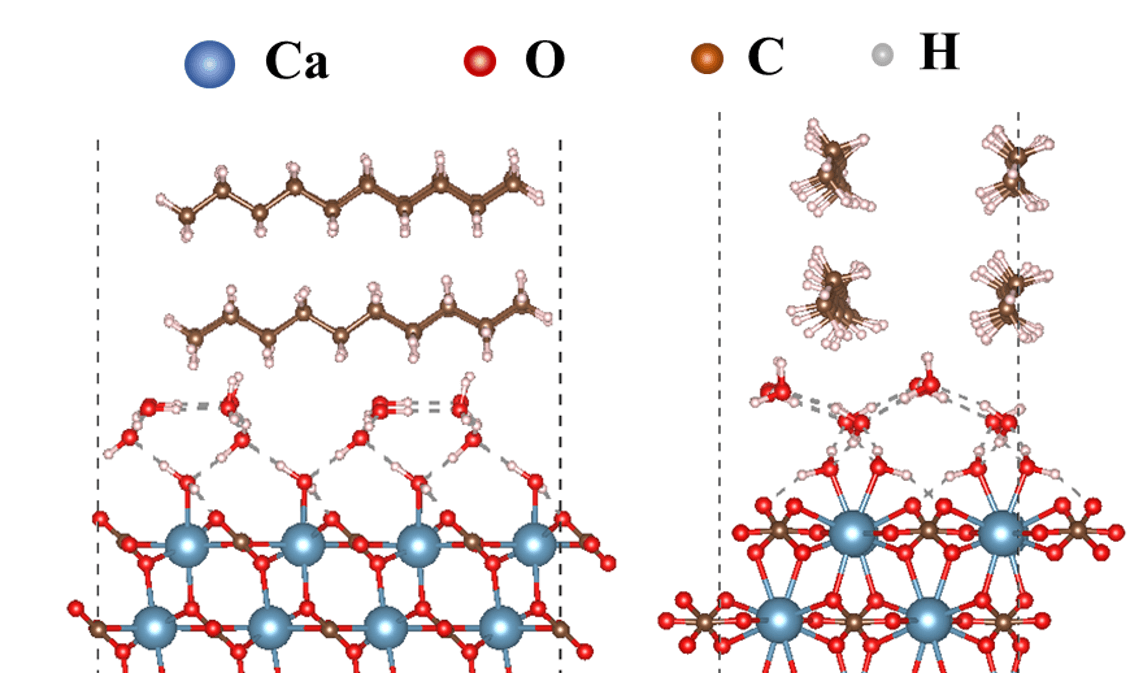
His team developed a density functional theory (DFT) simulation technique as a way to reveal what’s happening in these subterranean fluid flows down to their molecular interactions with rock. DFT is an important research tool that allows chemists to calculate the electronic structure of atoms, molecules and solids on computers, rather than in a lab. The KU researchers used the DFT technique to examine the electronic structure of multiphase liquids on a crystalline surface, or more specifically, on calcite – the main composite of carbonate rocks in hydrocarbon reservoirs.

Traditionally, scientists have used the DFT approach for understanding solid-state physics. Dr. Zhang pointed out that by analyzing solid-fluid quantum interfaces, their work adds critical new knowledge to the field of DFT. “Our work is unique. We’re looking into complicated solid-fluid interactions – their mechanism becomes neat at the quantum level,” he said.

They successfully simulated and quantified the chemical bonding that occurs between molecules of different liquids – like water and oil – and calcite or dolomite surfaces, at varying temperatures. Their results reveal how polarity and temperature impact the calcite’s wettability, or its preference to be in contact with one fluid more than others. Essentially, it is the molecular bonds – covalent and ionic bonds – which are controlled by a substance’s polarity, coupled with the temperature, that determines the wettability of the calcite solid and interfacial behaviors among fluids.

“Quantifying the effects of surface polarity and temperature is valuable in providing fundamental understanding for sophisticated wetting phenomena in multiphase systems, which would be a step forward to understand the complex geological nature of oil reservoirs of this region,” shared Qiaoyu Ge.

With these new insights, scientists can now predict how different multiphase fluids and solids will interact under high temperatures, deep underground, directly from their lab.

Being able to predict the polar and thermal effects on wetting properties of crystalline, or in other words, being able to see what’s happening at the molecular level in the microscopic pores of underground rocks – will help scientists understand the mechanism behind why the oil is trapped and how to develop more effective solutions for oil recovery.

The work has important implications beyond oil reservoirs, however. Multiphase liquid flows in porous rocks or other media occur in a range of real-world applications, from oil and gas recovery and groundwater management to geothermal energy production and carbon sequestration.

“Understanding the surface wettability and interfacial interaction of liquid−liquid−solid multiphase systems is essential for many applications, such as condensation for optimized cooling systems, enhanced oil recovery, carbon dioxide mineralization and geothermal energy utilization,” Dr. Zhang said.

The work was enabled by recent advances in high-performance computing from Alibaba Cloud, which make it possible to compute such an enormous amount of data. The team simulated 400 different atomic combinations, and they are now working to scale it up for an even larger sample size with machine learning-assisted atomic modeling approaches.

This research was supported by the Abu Dhabi National Oil Company (ADNOC) R&D Department, and also by High Performance Cloud Computing Platform of Alibaba Cloud.

Erica Solomon
Senior Editor
23 May 2019