
Masdar Institute scientists and researchers have developed a system to track the region’s dust with forecasts that will become more accurate over time.
New weapon in the UAE’s war on dust – The National
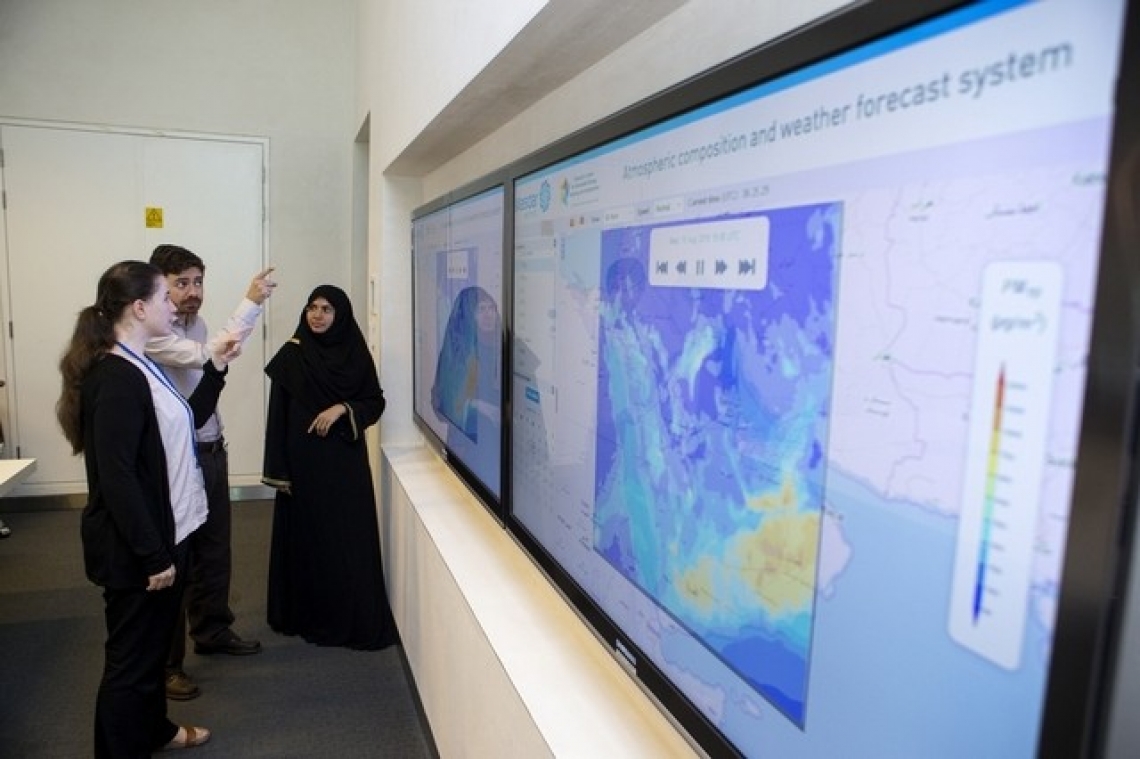

Masdar Institute scientists and researchers have developed a system to track the region’s dust with forecasts that will become more accurate over time.
Masdar Institute’s role in providing talented Emirati women with the means to be active participants in the country’s knowledge economy transformation was highlighted by an Emirati female faculty member at the Women’s Forum and Innovation held on 30 August 2016.
Dr. Amal Al Ghaferi, Associate Professor of Mechanical and Materials Engineering, was one of a number of prominent Emirati women invited to share their experiences at the event that was held in honor of Emirati Women’s Day, under the patronage of Her Highness Sheikha Fatima Bint Mubarak (Mother of Emirates), the Chairwoman of Family Development Foundation (FDF) and President of the General Women’s Union (GWU).
During her presentation, Dr. Al Ghaferi credited the supportive environment at Masdar Institute for giving her the opportunity and resources needed to pursue her research ambitions.
“Masdar Institute actively promotes and supports its female resource. Its efforts are supported by the Masdar Institute Women’s Advisory Committee, which helps develop and promote women’s leadership and empowerment within the Institute,” she remarked.
The Institute’s support for women is demonstrated by the large number of its female students, staff and faculty, particularly among UAE nationals. Nearly 40% of the Institute’s faculty and staff are women, with 15 Emirati women in decision-making positions of manager and above.
“In the spring 2016 term, female students represented just under half of the Institute’s total student body, at 47%. Emirati female students accounted for an even larger share, representing 66% of the Institute’s total UAE national student body,” Dr. Al Ghaferi proudly noted.
As one of few Emirati women in the country to conduct research in the niche but important field of nanotechnology, Dr. Al Ghaferi can be seen as an inspiration to the country’s budding female Emirati scientists. Her innovative research is focused on nanotechnology and applications of nanomaterials, including graphene and carbon nanotubes (CNT), for energy and water.
She briefed the audience on nanotechnology and how it will play an important role in the UAE’s evolution into a knowledge-based economy. She explained that when operating at the nanometer scale, which is a hundred thousand times thinner than a human hair, everyday materials begin to act in unimaginable ways. New structures engineered by combining layers just one to several atoms thick of a material such as graphene display optical and electronic properties different from those of the same materials’ bulk structures.
“Nanotechnology will impact many fields. It will help make materials stronger, lighter, and more sustainable across a wide range of industrial applications, from solar cells, to sensors, to water desalination,” Dr. Al Ghaferi shared. She believes that nanotechnology is set to play a crucial role in achieving the UAE’s innovation goals.
She explained how the Institute’s research infrastructure, which includes world-class laboratories, such as the clean room and microscopy suites, helps enable its female students and faculty to pursue cutting-edge research activities that they would previously not have been able to pursue in the UAE.
Erica Solomon
News and Features Writer
05 September 2016
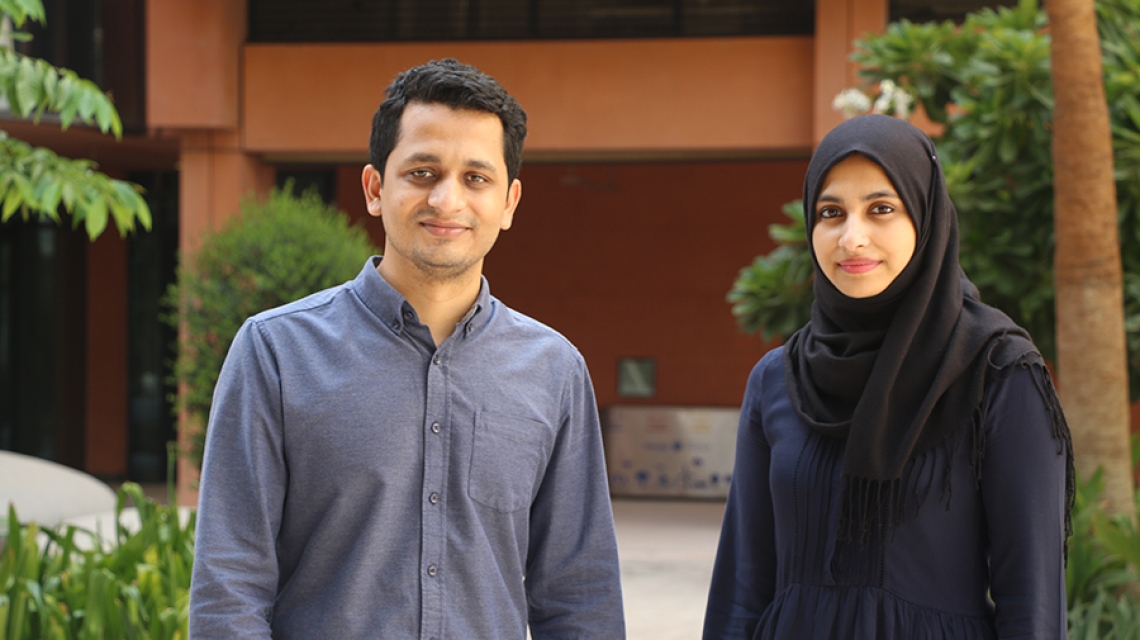
Two Master’s students from Masdar Institute are taking part in the final round of the 6th annual “Go Green in the City” competition held by global energy management specialist Schneider Electric, currently taking place in Paris, France.
Microsystems Engineering students Hiba Riaz and Arslan Anjum represent one of the 12 finalist teams selected from 1,184 teams that competed in the first round of the competition. Their idea for building sidewalks with solar panels, which they called “SolarWay”, was then pitted against another 100 teams in the semi-final round of the competition. They beat out 78 teams to be selected for the finals.
“SolarWay is not only an innovative way of generating clean energy within the bounds of modern cities, it is also technically and financially feasible. We are mainly using heavy duty floor glass and solar cells – technology that has been tried and tested over the years. Financially, our costs are on par with average solar projects and will go down as we customize and scale the solution,” Anjum explained.
Riaz and Anjum have been preparing for their final presentation of SolarWay, to be delivered to a jury panel of Schneider Electric experts and managers, with support from a Schneider Electric employee who has served as the team’s mentor since they won the regional semi-finals in July. The winning team will get a chance to visit Schneider Electric offices in two countries and receive a career opportunity with the company, which was recognized this year by LinkedIn as one of the world’s top talent attractors.
The 11 other finalist teams come from high-ranking universities in Brazil, Indonesia, India, Kenya, China, Azerbaijan, Canada and Germany.
Go Green in the City is a competition that challenges university-level engineering or business students to develop energy solutions for smart and sustainable cities. This year, Schneider Electric received more than 16,400 applications from students around the world – a 4,000 increase from last year – signifying the competition’s growing popularity and success.
A second team of Master’s students from Masdar Institute – Sustainable Critical Infrastructure students Luís Guilherme Resende Santos and Fernanda Schuch – also competed in Go Green in the City 2016 and made it through to the semi-finals. Resende Santos and Schuch conducted a feasibility study on the impact of green roofs for water consumption.
Commenting on the experience, Resende Santos said: “Being involved in a worldwide project to promote sustainable cities was an excellent experience. We competed with very qualified people. We will certainly compete again next year, and we will try to develop more commercial solutions.”
The Master’s students credit Masdar Institute’s specialized courses on sustainability and engineering management, as well as the supportive faculty, for helping them earn semi-finalist and finalist positions in the extremely competitive event.
Erica Solomon
News and Features Writer
19 September 2016
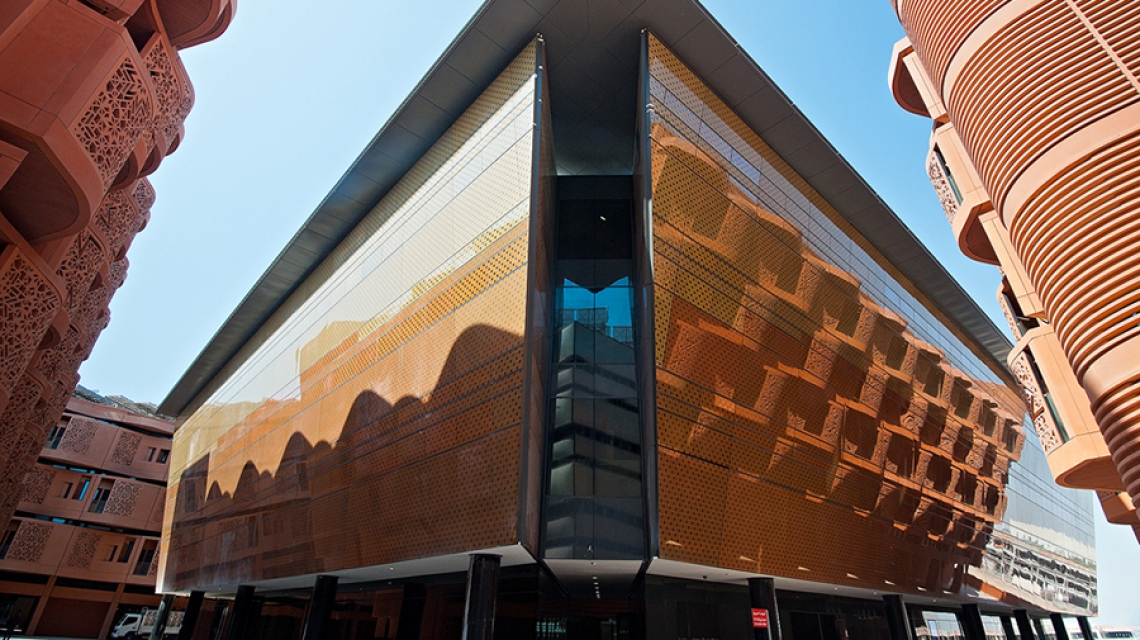
A novel sustainable project proposed by a four-member Masdar Institute student team, supported by two faculty members, has been shortlisted as one of the five finalists for the Young Leaders’ Innovation Challenge 2016 competition, which is being organized as part of the Intersolar Middle East’s Exhibition and Conference 2016.
The team is made up of MSc in Microsystems Engineering student Hiba Riaz, MSc in Engineering Systems and Management student Juan David Barbosa, MSc in Sustainable Critical Infrastructure Luís Guilherme Santos, and MSc in Mechanical Engineering student Mohammed Hussain. Their project will be on display at the Intersolar Middle East 2016, which is to be held on 19-21 September 2016 at the Dubai International Convention and Exhibition Center. Dr. Elie Azar, Assistant Professor, Sustainable Critical Infrastructure Program, Department of Engineering Systems and Management (ESM), and Dr. Afshin Afshari, Professor of Practice, Engineering Systems and Management, advised the students in their project submission.
The Young Leaders’ Innovation Challenge 2016 involved choosing a building to assess for retrofitting with solar energy and energy efficiency technologies to reduce overall energy consumption while increasing clean energy consumption. A total of 14 university teams participated in the challenge, out of which five were shortlisted. The winners will be honored at Intersolar, which is organized in conjunction with GulfSol, a key event in the Middle East dedicated to the solar industry.
The Masdar Institute student project selected a building in Masdar City with the challenging target of reducing energy consumption in an already efficient building. The competition target was to reduce standard energy consumption by a minimum of 25%, which is exceeded in the Masdar Institute proposed project. The team’s proposed project is modeled to achieve up to 44% reduction in energy consumption from the power grid when solar energy technologies are included.
Dr. Afshari explained: “The project is an example of the intense involvement of our students in their research work in sustainability. We hope the team will win, as they have put in a collective effort in recommending energy-conservation techniques in an already energy-efficient building. I wish them luck in the finals.”
Fellow faculty advisor Dr Azar said: “The students showed enthusiasm and commitment in finding innovative solutions to improve the energy performance of the building. I wish them luck and I believe their work will highly benefit the design of future clean and low-energy buildings.”
The Masdar Institute team has submitted a report, a video and a PowerPoint presentation for the competition, in addition to developing a prototype.
Sustainable Critical Infrastructure student Santos explained: “In our work, we mentioned some of the efficient aspects of the building – shading, thermal mass and Insulation, fritted glass and cross ventilation. To reduce energy consumption, we did a feasibility study that included more efficient artificial light (LED instead of CFL) with occupancy sensors, PV panels, green roof and consumption control (change in human behavior).
Regarding the team’s chances for winning, he added: “It is hard to say what our prospects are, as we have not seen other people’s works. But we did get many bonus points with our prototype – a video, PowerPoint presentation and we did good work overall.”
One the most important platforms for the global solar industry, the Intersolar exhibition and conference focuses on the areas of photovoltaics (PV), production technologies in PV, energy storage systems and solar thermal technologies.
Clarence Michael
News Writer
20 September 2016
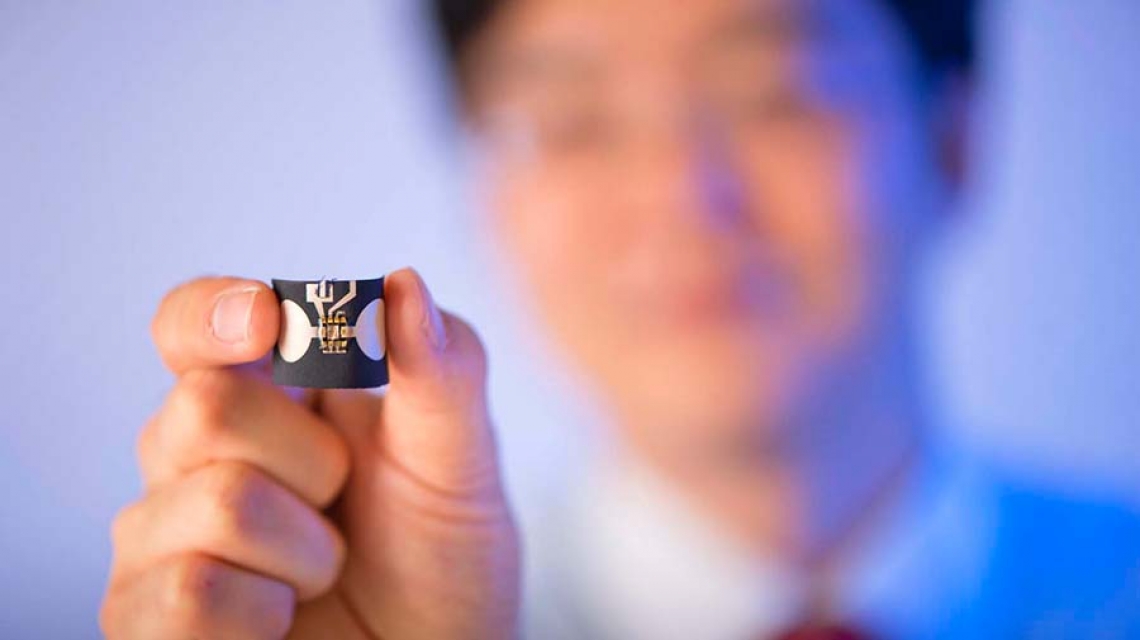
Faculty from the Masdar Institute and the Korea Advanced Institute of Science and Technology (KAIST), Asia’s most innovative university, will highlight some of the innovative research being conducted at both universities in the fields of mechanical and materials science and microsystems engineering at a joint workshop being held this week at Masdar Institute.
Dynamic research projects focused on expanding the applications of nanomaterials and 3D printing and improving the efficiency of renewable energy generation and storage are among the projects to be presented at the joint MI-KAIST ‘Advanced Energy and Sustainable Technologies’ workshop. The event aims to give faculty from both institutes the opportunity to explore collaboration.
Dr. Sung-mo Kang, President of KAIST, said: “I am happy to see KAIST faculty members’ hard effort to expand our international cooperation to the UAE. I believe that this workshop presents a great opportunity for two institutions to forge a close relationship that will lead to fruitful collaborations in the future.”
KAIST was ranked the most innovative institute in Asia by Reuters Top 75 and was ranked the world’s tenth overall most innovative by Thomson Reuters in 2015.
Dr. Behjat Al Yousuf, Interim Provost, Masdar Institute said: “This joint workshop with KAIST reflects the ongoing knowledge exchange and collaboration Masdar Institute is engaged with involving some of the world’s most innovative institutes. We are honored to host KAIST’s materials science and engineering faculty for this workshop and look forward to sparking new ideas and collaborations through this exchange of ideas.” The sustainable technologies being developed by the MI and KAIST teams capitalize on recent breakthroughs in nanotechnology and advanced materials and have applications of direct relevance to key industries targeted in the UAE, including energy and water.
KAIST faculty members will highlight their pioneering research activities towards developing organic photovoltaics, self-powered flexible electronics, fuel cells and sustainable hydrogen production technologies. Masdar Institute faculty members will share their novel research in the development of advanced desalination and energy storage, micro-sensors for hostile environments, wearable circuits and systems for pre-emptive healthcare, hydrogen production using chemical looping and full solar spectrum water splitting, and flexible, light-weight solar cells.
Dr. Daniel Choi, Associate Professor of Mechanical & Materials Engineering, and member of the Masdar Institute Organizing Committee, will offer an overview the activities of his research group in 3D printing. The other Masdar Institute Organizing Committee members include Dr. Ibrahim (Abe) Elfadel, Professor of Electrical Engineering and Computer Science, Dr. Rashid Abu Al-Rub, Associate Professor and Mechanical and Materials Engineering Department Head, Dr. Hatem Zeineldin, Professor and Electrical Engineering and Computer Science Department Head, Dr. Jerald Yoo, Associate Professor of Electrical Engineering and Computer Science, and Dr. Ibraheem Almansouri, Assistant Professor of Electrical Engineering and Computer Science.
These projects are just a few of the many advanced energy and sustainable technology-related research undertakings at Masdar Institute, which are aimed at supporting the UAE’s efforts towards transformation into an innovative knowledge economy.
Clarence Michael
News Writer
25 September 2016
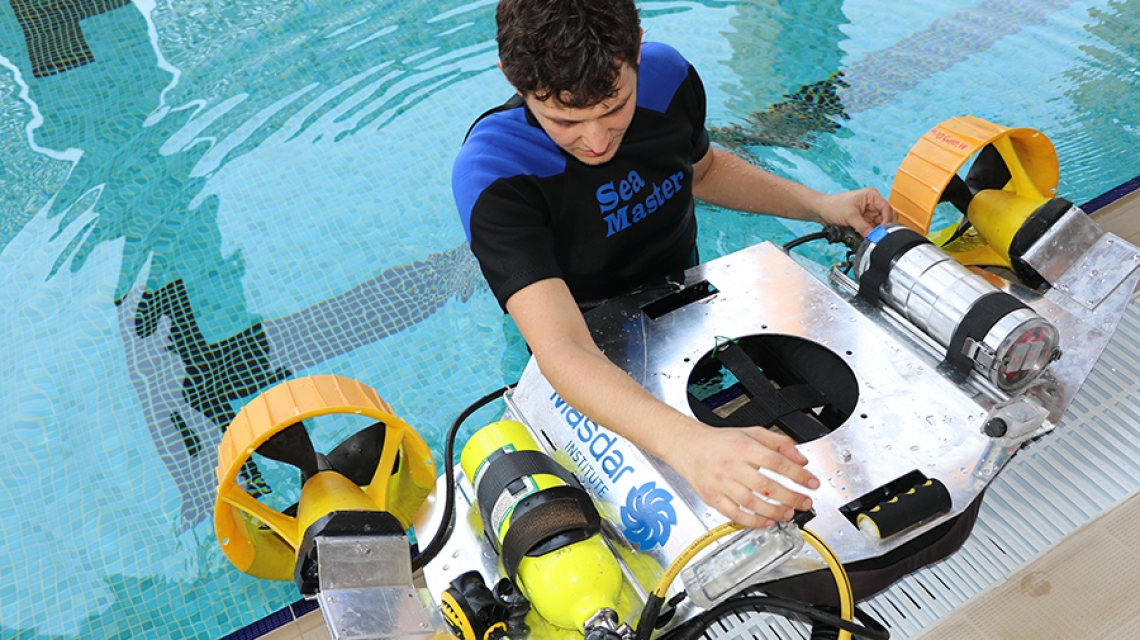
The UAE-based SaferTrident’s novel local technology for a semi-autonomous vehicle (SAV) for divers was demonstrated as part of a Partnering to Achieve Innovation in Defense and Aerospace (PAIDA) Working Group meeting at Masdar Institute. The event was organized by Masdar Institute and the Defense Services Marketing Council (DSMC), which is a UAE-based marketing incubator organization that specializes in accelerating the growth of companies within the international defense, space and security industries.
Dr. Steve Griffiths, Vice President for Research, Masdar Institute, said: “The SaferTrident demonstration of such a unique and promising technology made here in the UAE shows Masdar Institute’s continual evolution as the hub of innovation for smart systems. We are proud to work with SaferTrident through PAIDA and the DSMC to continue to bring R&D and new innovation to the UAE defense sector.”
The SaferTrident system is a multi-purpose hybrid diver propulsion vehicle (DPV) and autonomous underwater vehicle that can be used to assist divers to do underwater mapping and localization, which is of particular use for the defense and oil and gas sectors. The system has been designed so that both the hardware and software is modular and can be adapted and customized for various uses. SaferTrident uses a unique computer-vision technology assisted by sensors and GPS to allow the system to operate without acoustic doppler for positioning and Light Detection And Ranging (LiDAR) and sonar for mapping. This allows for the vehicle to be completely stealthy while still providing highly accurate readings.
Gerard Kruisheer, CEO and Founder, SaferTrident, who performed the demonstration, explained: “We are passionate about making SaferTrident a success as a system both prototyped and manufactured in the UAE. The hardware and the software we have developed is cutting edge and has never been done before in this way; so there will be many lessons learned along our road to get to the market. However, the global demand is huge from groups, including oil and gas companies monitoring pipelines to environment underwater preserves keeping the ecosystem we see around the world pure. From the support we are getting from INNOVATOR Space TechShop Abu Dhabi to Masdar Institute access to world class facilities and research students, the unmanned underwater future looks promising in the UAE.”
Facilitating R&D and innovation is a key mandate of Masdar Institute, which aims to serve a critical role in the UAE’s innovative knowledge economy transformation. To that end the Institute works to bring together industry, government, and academia to facilitate collaboration and application of R&D in new ways. It hosts the PAIDA Working Group series of events to help catalyze R&D and innovation in the defense sector.
Clarence Michael
News Writer
27 September 2016
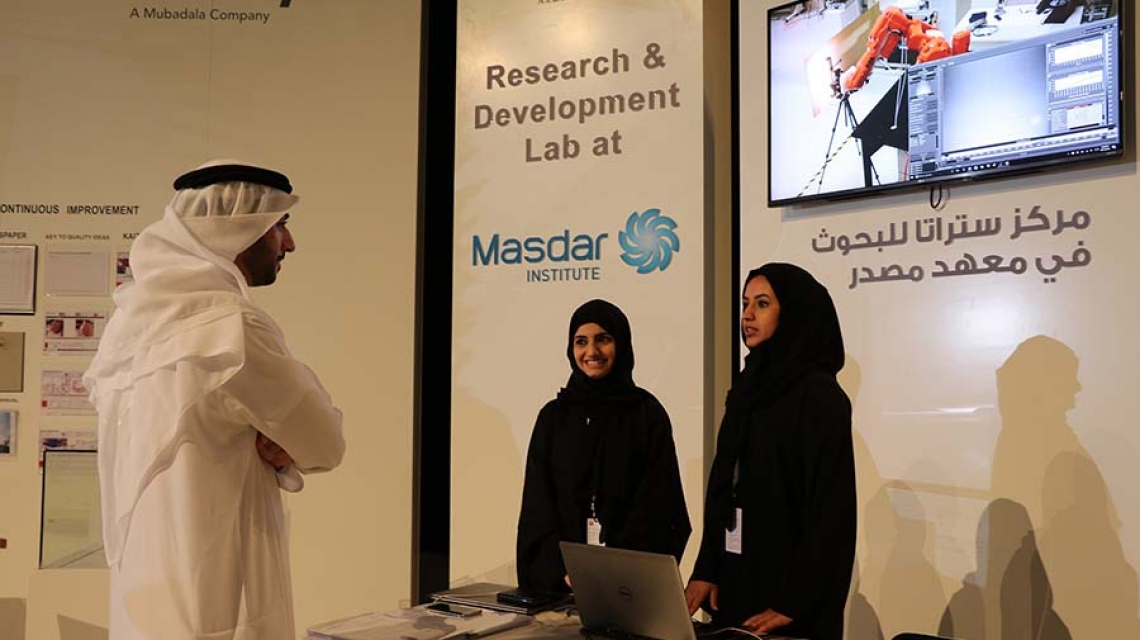
Masdar Institute has partnered with Strata Manufacturing PJSC and the UAE Space Agency to demonstrate the Institute’s collaborative research innovations and human capital development in the fields of energy, advanced technology and space systems were showcased during the Qudwa Teachers’ Forum 2016 in Abu Dhabi.
Coinciding with the World Teachers’ Day on 5 October, the forum was organized under the patronage of His Highness Sheikh Mohammed bin Zayed Al Nahyan, Crown Prince of Abu Dhabi and Deputy Supreme Commander of the UAE Armed Forces, the UAE Ministry of Education (MOE) and Abu Dhabi Education Council’s (ADEC).
Held at the Abu Dhabi National Exhibition Center (ADNEC), the forum was in line with the vision of His Highness Sheikh Mohammed bin Zayed and his deep belief in the role of the teacher in the educational process.
His Excellency Dr Khalifa Al Romaithi, Chairman of the UAE Space Agency, said: “We’re delighted to be celebrating World Teachers’ Day with the UAE’s educators here today. Education has been a primary focus and central component of the Space Agency’s strategic vision for the future. Our education initiatives, such as this Mars Habitat exhibition, are a principal means for raising awareness of, and interest in, our national space sector.”
He continued: “Throughout our educational programs we work closely with a range of local and international partners and stakeholders. Not only does this contribute greatly to our international standing, it also allows us to introduce new scientific methods and curricula into our education syllabi and professional training programs. These have been highly successful in encouraging students and young professionals to focus on STEM courses, which reaps great rewards for the space industry and other sectors.”
Masdar Institute faculty, students and related collaborative research projects were key parts of the dynamic informative display areas set up by Strata Manufacturing and the UAE Space Agency. A total of five collaborative research projects were displayed by Masdar Institute – one with Strata at the “Innovation Driving Change” area, and four with the UAE Space Agency at its ‘Mars Habitat’ display.
Dr. Behjat Al Yousuf, Interim Provost, Masdar Institute, said: “It is our hope that the collaborative research projects displayed by Masdar Institute faculty and students can help inspire the UAE’s teachers to continue their efforts to educate the next generation of scientists, engineers, innovators and entrepreneurs. We are all part of the same effort to transform the UAE into a prosperous diversified knowledge economy, which starts from providing our children with a quality primary school education focused on science, technology, engineering and mathematics (STEM), and continuing through to high-tech university specializations.”
Dr. Mohammed Atif Omar, Professor, Engineering Systems and Management, Masdar Institute, was joined by Strata officials and student Yusra Abed Al Rahman and Fatima Al Obeideli at the stand. Dr. Saif Almheiri, Assistant Professor, Department of Mechanical and Materials Engineering, Masdar Institute, was joined by officials from the UAE Space Agency.
The ‘”Innovation Driving Change” section highlighted the Masdar Institute-Strata collaborative thermography project, which demonstrated a fast and non-destructive way to test the parts of aircraft made from carbon fiber reinforced plastics (CFRP). The system can result in significant cost savings and reduced down-time for airplanes while also helping to build a dedicated UAE national talent.
Strata CEO Badr Al Olama said: “Strata is proud to participate in the Qudwa Teachers’ Forum. Our youth carry the promise of a bright future for our country and this promise is shaped by the hard work and dedication of their teachers.”
Similarly, ongoing Masdar Institute projects on display at ‘Mars Habitat’ covered organic solar cells, 3D printing; vital sign sensors for human health, and solar-assisted water purification. These projects explore areas of technological innovation that may one day make human life on Mars possible.
Masdar Institute leads research through high impact publications, the development of intellectual property and continual formation of new industry and government research collaborations.
Clarence Michael
News Writer
05 October 2016
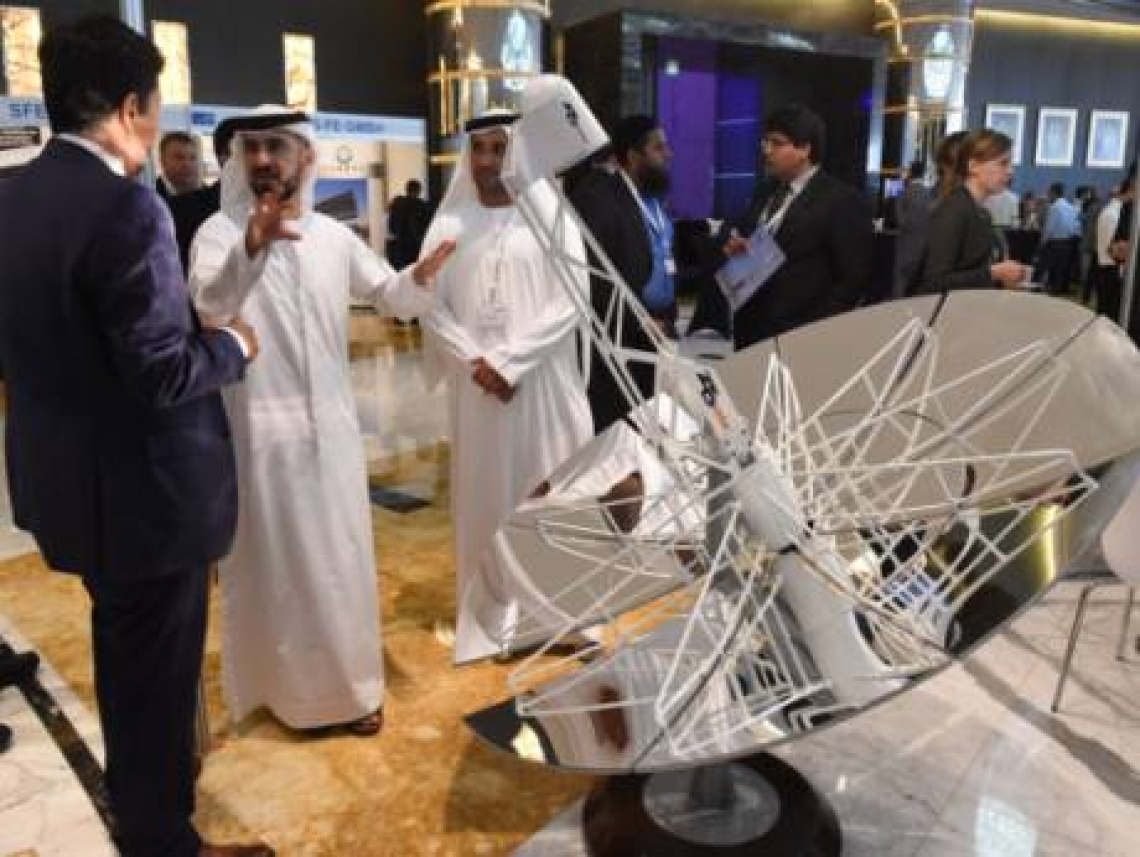
“Every two minutes, the energy reaching the earth from the sun is equivalent to the whole annual energy use of humanity. All the energy … the cars, lighting, and air conditioning of the world … in one year is equivalent to two minutes of the sun,” said Dr Lamya N. Fawwaz, vice-president for Institutional Advancement and Public Affairs at Masdar Institute at the 22nd SolarPaces Conference.
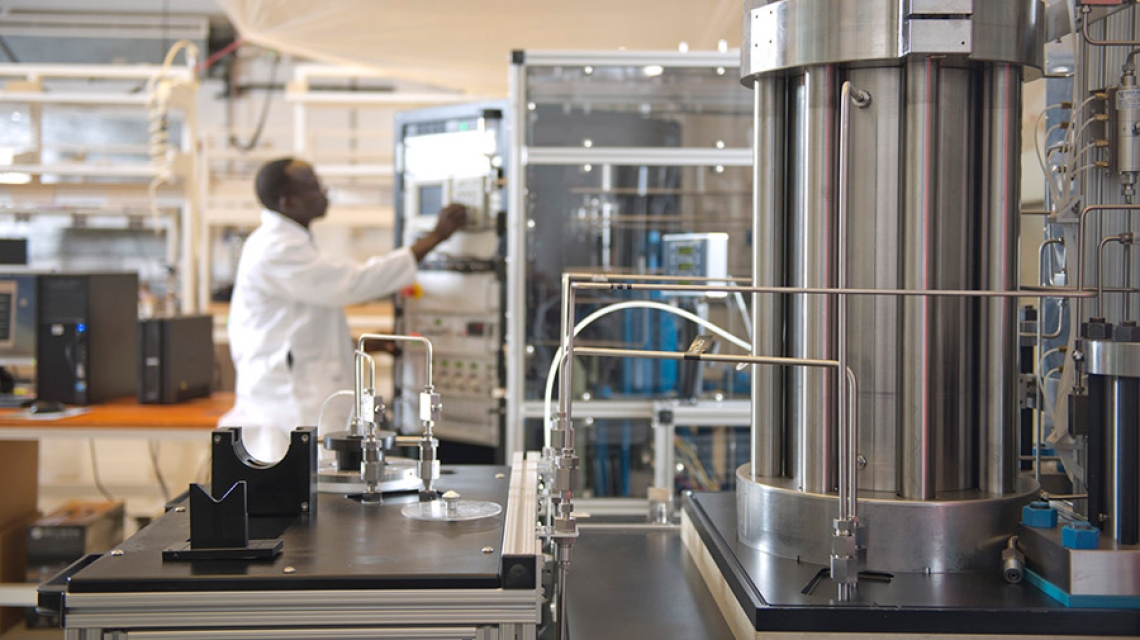
The Masdar Institute of Science and Technology’s research activities that contribute to the UAE’s oil and gas exploration and recovery are being showcased at the Abu Dhabi International Petroleum Exhibition and Conference (ADIPEC) 2016.
Being held from 7-10 November at the Abu Dhabi National Exhibition Centre (ADNEC) under the patronage of His Highness Sheikh Khalifa bin Zayed Al Nahyan, President of the UAE, ADIPEC connects decision makers with technical experts, innovators, and thought leaders, to serve as a catalyst for new ideas, policies, and technologies that drive energy sector progress.
Dr. Sultan Ahmed Al Jaber, UAE Minister of State, CEO of Abu Dhabi National Oil Company (ADNOC) Group of Companies, and Chairman of the Executive Committee of the Masdar Institute Board of Trustees, offered the keynote address.
As a research-based institution mandated to supporting Abu Dhabi’s drive for enhanced oil recovery and solidifying its existing revenue streams, Masdar Institute is participating in the event presenting research papers, with faculty actively taking part as judges at various panels. The conference program agenda also includes panel sessions, breakfast and luncheon sessions, as well as 106 technical sessions.
Dr. Behjat Al Yousuf, Interim Provost, Masdar Institute, said: “Masdar Institute is committed to advancing and developing the UAE’s innovation ecosystem, which includes providing panel experts, judges and research participants in technical events like ADIPEC. In particular, many of research projects aim to improve the efficiency and sustainability of the UAE’s oil exploration and recovery techniques, which is a critical part of the UAE’s transition to a sustainable knowledge economy.”
Dr. Al Yousuf is on the Regional Select Jury panel and will be involved in the final selection of the best student submission. Dr. Mohamed Sassi, Professor, Institute Center for Energy (iEnergy), Department of Mechanical and Materials Sciences, and Dr. Matteo Chiesa, Associate Professor of Materials Science and Engineering, are on the 2016 Best Dissertation of the Year Committee. In addition, Dr. Khalid Al-Ali, Assistant Professor, Chemical and Environmental Engineering, is an applicant for the ‘best thesis’ award category. The project aims to support Abu Dhabi’s economic diversification and has the potential to be valuable to ADNOC in creating a path towards a “solar fuel” production with higher commercial value, in addition to hydrogen which is intensively used in the hydrodesulfurization and heavy oil hydrogenation units.
Another project by Dr. Ameena Saad Al-Sumaiti, Assistant Professor, Electrical Engineering and Computer Science, reflects the role of UAE in enabling electricity access in poor developing countries. Such a project is an indication of the great support that UAE, a leading country, is always providing to such countries. The project does not only target electricity services’ improvement to facilitate consumers’ lives, but also countries’ economies
At the same time, Masdar Institute PhD student Hongxia Li and her advisor Dr. TieJun Zhang, Assistant Professor, Mechanical Engineering, are presenting a research paper focused on understanding subsurface pore-scale oil trapping mechanisms with the aim of developing knowledge that will help the ADNOC group achieve its 70% oil recovery target.
Another research project is being presented by Aamna AlShehhi, part-time PhD student who is currently working with ADCO, accompanied by faculty advisor Dr. Irfan Saadat, Professor, Microsystems Engineering. The project aims to design a new type of sensor and system based on graphene, for online mitigation of fracturing issue for CO2 pipelines This work is aimed at benefiting the ADNOC Group of companies through the development of modular sensor systems that can readily be adapted for many modes of function, including wireless, energy autonomous monitoring.
Hosted by ADNOC, ADIPEC 2016 has attracted more than 2,000 exhibiting companies, 8,500 delegates, 700 speakers, and 25 international pavilions, including major oil producing countries.
Clarence Michael
News Writer
07 November 2016
By Dr. Mohammad Omar, Dr. Wei Lee Woon and Dr. Zeyar Aung
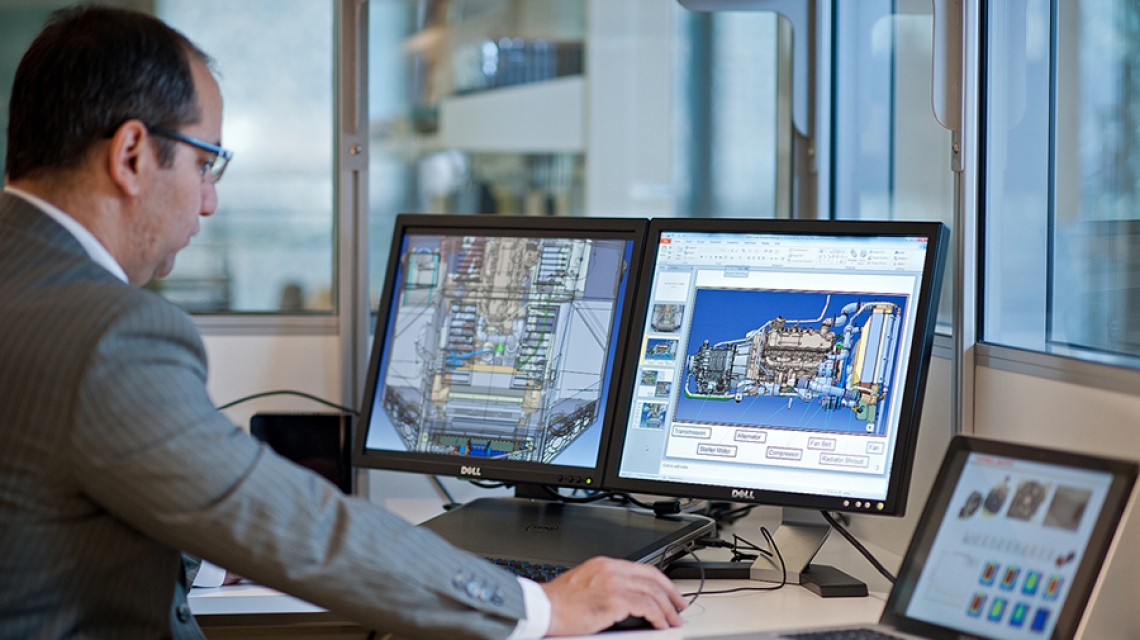
As the world we live in becomes increasingly digitalized and automated, there is a pressing need to understand the social and economic impact that these rapid technological advances will have on job markets and the overall economy.
In this evolving business landscape, employers need to know how jobs are changing; employees need to know which skills to develop; and policy makers need to create an enabling environment in which the best matches between job-seekers and employers can be made.
But determining exactly how job markets, and subsequently entire industries, evolve over time in response to technological advances is challenging. However, our team at Masdar Institute has found a way to overcome this challenge with a customized tool that can collect and analyze data on thousands of different jobs in the Gulf region. This tool can help provide the insight needed to determine exactly how job markets are changing and provide answers to questions like: how is automation affecting the UAE oil and gas industry? Ultimately, the tool will guide the development of measures and policies that employers and policymakers can take to prepare for these approaching market impacts.
This project began two years ago in collaboration with the Massachusetts Institute of Technology (MIT). MIT was conducting research on how job skills in the United States have been changing over time in response to automation using the Occupational Information Network (O*NET), a database of nearly 1,000 occupational characteristics developed by the US Department of Labor. O*NET is continually updated by surveying a broad range of workers from each occupation – information which forms the basis for the 277 descriptors that define the skills and key features of each occupation. By comparing different years of O*NET – for example 2010 and 2016 – MIT researchers can see how job skills for certain occupations have changed.
Our team used O*NET as a starting point to construct a similar database that is customized to UAE jobs. But our database extends the analysis conducted by MIT to determine the effects that changes in occupations will have on markets as a whole. In other words, we have developed a novel tool that can analyze how changes in job skills not only affect individual occupations, but an entire sector, like oil and gas.
To develop this tool, we leveraged computer science methods to collect and analyze data on occupations taken from thousands of different job advertisements posted on job search engines like Monster Gulf and Naukri. We developed a text-mining program that searches all job advertisements in a given sector in the Gulf region, and analyzes this information to generate a weighted list of occupations. This weighted list reveals the types of occupations that are in greatest demand in a given market. As an added advantage, our tool has visualization capabilities, presenting the occupational weights and rankings with a visual representation – a feature that makes the data much more understandable for a wider range of users
Essentially, what we’ve created is a virtual microscope that allows us to zoom in on a given industry and identify the jobs that are most sought after and if those job skills are becoming more automated. If they are, then we know that the overall job market has swung in favor of greater automation in that industry. This first-of-its-kind labor database for the GCC region can be used directly to study any labor market dynamics – based on specific sector or required analysis – in great resolution. A paper describing this research was published last year in the conference proceedings of the 22nd International Conference on Neural Information Processing.
Our Masdar Institute team includes Dr. Mohammad Omar, Professor of Engineering Systems Management, Dr. Wei Lee Woon, Associate Professor of Electrical Engineering and Computer Science, Dr. Zeyar Aung, Associate Professor of Electrical Engineering and Computer Science, Dr. Yousef AlHammadi, Assistant Professor of Engineering Systems Management, PhD students Reem al Junaibi and Armin Alibasic, and MSc student Wala’ AlKhader.
AlKhader used the tool to analyze current trends in UAE job markets. She found that high-skill occupations, such as those in the medical, education, computer and engineering sectors, are benefiting from an increase in automation and technology. While low-skilled occupations, including construction workers, operators and machine setters, are among the jobs almost disappearing. Additionally, her analysis found that interpersonal and analysis skills are increasingly the most in demand, while demand for basic and sensory skills is decreasing. Her findings demonstrate the usefulness of the tool for managers and policy makers, who can use this information to better plan for the educational training needed for workers to be suited for in-demand jobs.
This project represents an impressive effort to develop a systematic body of information on occupational characteristics and job markets in the UAE. However, our work is ongoing, as we are still conducting further analysis of the data to glean more information and clarity on the changes we are seeing in job skills and occupations in particular industries in the Gulf.
Dr. Mohammad Omar is Department Head and Professor of Engineering Systems Management; Dr. Wei Lee Woon is Associate Professor of Electrical Engineering and Computer Science; and Dr. Zeyar Aung is Associate Professor of Electrical Engineering and Computer Science.
20 November 2016
The Masdar Institute of Science and Technology has made significant strides in research and technology development in areas of interest to the UAE’s strategic goals over the past year as part of its commitment to supporting the country’s goal of transformation into one of the most innovative nations by 2021.
Dr. Behjat AlYousuf, Interim Provost, Masdar Institute, said: “As the nation celebrates Innovation Week across the emirates, I feel proud of the progress achieved by Masdar Institute over the last year. Our faculty and students have taken bold initiatives to seek out partnerships with industrial and academic experts and pursue dynamic research projects that are needed to generate solutions for pressing challenges, which will help not only the UAE achieve its innovation goals, but will help the entire region and wider world achieve a sustainable future.”
The Institute has recorded a number of gains in its innovation efforts, including the issuance of 8 patents in 2016 – providing a significant boost to the country’s share of novel intellectual property (IP) – 25 patent filings, and 25 invention disclosures. Some of these key innovations and breakthroughs in the fields of water and energy are being highlighted during the UAE’s second annual Innovation Week.
The National Innovation Strategy (NIS) was launched last year ahead of the inaugural Innovation Week to lead innovation in seven main sectors – including water, technology, energy, health, space, transportation and education – following which the Institute furthered its research and development (R&D) activities in these priority sectors, particularly water and energy, with an emphasis on developing novel solutions and insights with direct application to UAE industries.
WATER
The UAE has a long-standing focus on decreasing the energy cost of producing freshwater. As a water-scarce nation that relies on energy-intensive seawater desalination processes for nearly 40% of its potable water, finding ways to meet its growing freshwater needs sustainably is a top priority for the UAE.
One research project at Masdar Institute that has made internationally recognized progress in the effort to achieve energy-efficient desalination is being led by Dr. Linda Zou, Professor of Chemical and Environmental Engineering. Her research team has discovered a novel, low-cost way to fabricate graphene-based membranes, which would require much less energy to remove salt ions from seawater than traditional polymeric-based membranes, which are susceptible to damage caused by high temperatures and the chemicals, such as chlorine, that are used to clean the membrane.
Graphene, on the other hand, which is a one-atom thick sheet of carbon known as the lightest, strongest, thinnest, and best heat- and electricity-conducting material ever discovered, has the potential to be a much more efficient membrane that would let water pass through relatively easy if perforated. The challenge, however, is that fabricating sheets of perforated graphene at a large enough scale for industrial application is expensive.
Dr. Zou’s graphene fabrication method – which is described in a paper published earlier this year in the Journal of Membrane Science – employs a unique “bottom-up” approach, which involves layering many small graphene sheets together, in contrast to the more common and expensive “top-down approach”, which involves fabricating a single large graphene sheet and subsequently poking tiny holes in it. Dr. Zou’s novel “bottom-up” approach is more affordable, and in turn more easily scalable.
This area of research can help contribute to the UAE’s innovation and sustainability goals through the development of an advanced membrane material that could reduce the country’s energy demand and carbon footprint.
ENERGY
Reducing the environmental and monetary cost of traditional forms of power generation, such as fossil fuel-fired power plants, while still meeting society’s growing energy demands is a complex challenge that the UAE is confronting head on. It has set an ambitious goal of diversifying its energy mix, with 24% of its power generation capacity set to come from clean, renewable sources by 2021 to ensure long-term energy security and sustainability. In response to these needs a number of research projects at Masdar Institute are focused on leveraging renewable sources, like the sun, for more affordable and efficient clean energy power generation.
One such project is being led by Assistant Professor of Chemical and Environmental Engineering Dr. Khalid Askar. He is working with researchers from the Massachusetts Institute of Technology (MIT) and Masdar Institute MSc student Nujood AlShehhi to develop highly-efficient solar cells that require minimal cleaning and maintenance, which would significantly increase a solar cell’s energy-to-electricity efficiency.
“Dust and dirt are the proverbial kryptonite to a solar panel’s ability to convert sunlight into electricity, drastically reducing a solar cell’s conversion efficiencies. Just four grams of dust per one square meter of a solar cell’s surface can reduce its energy output by 40%,” Dr. Askar explained.
To avoid losses caused by dirt and dust build-up on solar cells, Dr. Askar’s team is developing a “super coating” that when sprayed onto a solar panels’ surfaces, enables the solar cells to self-clean and self-heal. The spray coating is relatively affordable, and could be easily used to coat large, curved surfaces much faster and cheaper than conventional coating techniques. Their research was published earlier this year in the journal ACS Applied Material and Interface. The team has filed a patent application for their super coating research to the United States Patent and Trademark Office (USPTO).
With this research project and others, Masdar Institute is working to ensure that the UAE has a range of affordable and effective solutions to help it realize its innovative renewable energy goals.
TECHNOLOGY
While water and energy form the core of Masdar Institute’s research focus, advanced materials and systems engineering serve as their platform, facilitating the development of innovative technologies like artificial intelligence (AI), robotics, new material systems and advanced sensors. Technology is a particularly broad and important priority sector, as technology links innovations across all key sectors.
Dr. Mihai Sanduleanu, Associate Professor of Electrical Engineering and Computer Science, is heading several of the Institute’s leading technology-focused research projects. In his innovative transceiver research, his team, which includes MSc student Badreyya AlShehhi and PhD student Ademola Mustapha, is developing tiny wireless transceivers that can send and receive data while blending seamlessly into their surroundings and consuming very little power. The team has filed a patent with the USPTO for the novel transceivers, which will transmit data on the less crowded 120 gigahertz (GHz) radio spectrum. This type of next-generation transceiver technology will help speed up the anticipated internet-of-things (IoT) transformation.
IoT envisions being able to convert nearly every object in our daily lives into “smart” devices that are capable of transmitting and receiving data through internet-connected networks. Businesses and cities, including Abu Dhabi and Dubai, are already leveraging IoT systems to make smarter products and improve traffic, services and operational efficiencies. However, in order for the full potential of IoT systems to be realized, innovations in transceiver technologies – which are the sensors that collect and transmit all the data that IoT systems rely on – is crucial.
Another project being led by Dr. Sanduleanu, along with Dr. Mohamed Sassi , Professor of Mechanical and Materials Engineering, is a collaboration with the Takreer Research Center (TRC) – the R&D arm of the Abu Dhabi Oil Refining Company (Takreer) – to develop smart sensors that can measure temperature, pressure and other key parameters in the reactors used for refinery operations. The research team expects the sensors can help significantly reduce Abu Dhabi’s oil refinery operating costs.
The sensors will achieve this by creating virtual maps with temperature, pressure and wettability attached to a location within the reactor – which is the vessel where crude oil is refined and converted into lighter, more usable hydrocarbon forms, such as petrol. This virtual map will not only help refinery operators better control the buildup of heat and pressure in the reactors, thus avoiding costly shut-downs and extending the lifetime of the catalysts, but it will also help them discover optimal operating parameters for a more efficient reactor. Making refinery operations more efficient and affordable will result in financial savings that the UAE can use to invest in other important sectors, like research and education.
These projects demonstrate the far-reaching technological, economic and social implications of the cutting-edge technology-based innovations being developed at Masdar Institute.
CONCLUSION
With plans to continually evolve and strengthen its strategic collaborations and industry-relevant R&D activities through a strategy that focuses on energy and water as key areas, underpinned by advanced materials and systems engineering, Masdar Institute is supporting the development of talented human capital and novel intellectual capital needed to fuel and sustain the UAE’s innovation goals.
Erica Solomon
News and Features Writer
27 November 2016

Masdar Institute has launched two research centers aimed at accelerating development of the UAE’s communications infrastructure and preparing the country for the next generation of wireless communications networks, known as 5G wireless.
The newly established Center of Excellence on Integrated Photonics and Center of Excellence on Radio Frequency/5G Communications – which were developed in collaboration with the Semiconductor Research Center (SRC) and GLOBALFOUNDRIES – aim to conduct research and development (R&D) of the key technologies needed to make faster, smoother and more reliable data transmission a reality. Such technologies will be critical to transforming UAE’s cities into connected, smart and sustainable urban centers where tremendous amounts of data will be generated and transferred every second.
“5G technologies will support the development of truly smart cities, as the explosion of data that will need to be transferred between people, cars, buildings and other infrastructure will require extremely fast and diverse data traffic that our current fourth generation (4G) networks cannot accommodate. Integrated photonics is an essential part of the semiconductor industry roadmap to support the next generation of data centers that increasingly rely on the transfer of massive amounts of data but at high efficiency and low cost,” explained Dr. Steve Griffiths, Vice President for Research and Interim Associate Provost, Masdar Institute.
“Masdar Institute developed these new centers of excellence to not only ensure that the UAE will be in a position to capitalize on photonics and emerging 5G networks, but to also put the UAE at the forefront of the semiconductor industry technology roadmap through collaboration with our industry partner GLOBALFOUNDRIES.”
5G technologies and photonics promise to increase data rates from millions to tens of billions of bits per second, or up to 10 gigabits per second – which is over 100 times faster than the rate available from current 4G wireless technologies. This faster speed, coupled with much greater bandwidth – which refers to the amount of information that can be carried through a network – will open up new capabilities, like the ability to download a high-definition (HD) movie in seconds and add billions of internet-connected devices to the network. Most importantly, this rapid internet speed and ultra-low latency (or lag time) will enable the development of the Internet-of-Things (IoT) systems that are at the heart of smart cities.
The smart cities of the future – which aim to improve efficiency through capabilities like monitoring traffic congestion, pollution levels, parking levels, and energy consumption and feeding that information to a smart car or smart device in real time – depend on a robust information ecosystem that can transfer significant amounts of data almost instantly, which requires a high-speed data transmission infrastructure.
However, in order for the full potential of a 5G wireless network to be realized, more research and development of the key technologies that underlie an advanced communications network – particularly in the fields of radio frequency (RF) transceivers and photonics – is required. The Masdar Institute Centers of Excellence have been established in response to this need for innovative, low-cost enabling technologies that will accelerate the development and deployment of key semiconductor technologies needed to support a high-speed data transmission infrastructure both regionally and globally.
Masdar Institute Associate Professors of Electrical Engineering and Computer Science Dr. Mihai Sanduleanu and Dr. Mahmoud Rasras will be heading the two centers. They believe the centers’ pioneering 5G and photonics-focused research will result in the development of valuable human and intellectual capital that could provide the base for a new sector in the form of 5G-capable integrated circuits and photonics in the UAE.
CENTER OF EXCELLENCE ON RF/5G COMMUNICATIONS
The research being conducted through the Center of Excellence on RF/5G Communications will focus on the development of transceivers equipped with integrated circuits embedded with hundreds of antennas capable of high-speed data transfer at the bandwidth frequencies being opened up for 5G networks, which include the 28 GHz, 38 GHz and 73-76 GHz radio frequency bands.
5G will occupy higher frequency bands – which is the group of radio frequencies that data is transmitted on – because these higher bands are not crowded like that of 4G frequency bands, ranging from 1GHz to 5GHz. Moreover, due to larger bandwidth existence at higher frequencies, 5G can move information at a much faster speed.
However, while higher frequencies can carry data faster, they don’t travel as far as lower frequencies. The communication range is around 200 meters. To increase the distance that data can travel on higher frequencies, and throughput, or the amount of data that can be transmitted, engineers have developed a technology called multiple input and output (MIMO) antennas to boost signals.
MIMO antennas employ multiple antennas on both transmitter and receiver, creating many paths for data to leave one transceiver and arrive at the other. Advanced signal processing technologies can distinguish between the various paths that data can travel on between the two communication pairs.
A key goal of the MI Center of Excellence on RF/5G Communications is to increase the number of MIMO antennas and develop solutions for increased throughput and low latency. The integrated circuits developed at Masdar Institute and GLOBALFOUNDRIES will be found in devices like smartphones and in the base stations.
“The work we are doing is groundbreaking in the region. We are planning to design and demonstrate new integrated circuits and techniques with ultra-low power transceivers that will enable the proliferation of 5G technologies around the world, while providing the UAE with the intellectual capital to fuel the country’s semiconductor industry,” Dr. Sanduleanu remarked.
CENTER OF EXCELLENCE ON INTEGRATED PHOTONICS
As a compliment to advanced transceiver technologies, silicon photonics supports the transfer of massive amounts of data with high energy-efficiency at a low cost across multiple distances. In photonics, data is transferred between and within devices by optical rays through optical fibers and waveguides instead of by copper wires, which enables more data to travel at much faster speeds and at significantly lower power consumption.
As the world becomes increasingly digitized, data centers – which house large clusters of data servers that store, process and disseminate data to computers and connected devices – must be equipped to store and transmit significantly more data without consuming an excessive amount of energy. In response to this need, MI’s Center of Excellence on Integrated Photonics was established to develop next-generation photonic technologies that will help keep the power consumption of data centers as low as possible while ensuring that data transmission is fast enough to support growing bandwidth demand of more than 40% per year.
“We are working to develop optical components that will enable a larger bandwidth in data centers, while consuming extremely low power,” explained Dr. Rasras.
Dr. Rasras’ team currently faces two challenges. One is increasing the amount of data that a single optical fiber can transmit from the current 100 gigabits per second to 400 gigabits per second to support data centers increased bandwidth demands. The second challenge is the problem of integrating photonic components together with electronic components, including silicon-based transistors, on a single integrated circuit.
Dr. Rasras believes the solution to these problems could lie in silicon photonics.
“In silicon photonic chips, optical components and silicon technology are combined on the same chip, allowing fast transfer and incredible bandwidth,” he explained. “Using silicon for the photonics elements allows them to be integrated with existing electronics, while also being more affordable.”
The associate professor also aims to increase bandwidth of silicon photonics by either bundling up to eight channels onto a single fiber, which will enable the required 400 gigabits of data to be transferred per second – a four-fold increase in bandwidth over current data rates – or by enabling few wavelengths to carry multiple channels.
Ultimately, the MI Center of Excellence on Integrated Photonics will work to improve the energy efficiency and speed of data transmission within data centers by advancing photonics-integrated electronic systems so that the people, cars, devices, and cities that rely on that data will be able to access it instantly.
MASDAR INSTITUTE’S EXPERIENCE
Masdar Institute is particularly well-suited to lead R&D for the advancement of RF transceivers and integrated photonic components in the UAE. Both of its centers of excellence build upon previous research conducted by Dr. Sanduleanu, Dr. Rasras and others through the Institute’s Center for Microsystems (iMicro).
For example, the ATIC-SRC Center of Excellence for Energy Efficient Electronic Systems (ACE4S), which was established at MI through a partnership between the Advanced Technology Investment Company (ATIC), the Semiconductor Research Corporation (SRC) and Khalifa University has spearheaded important research in the area of sensors. Research conducted through that center included wireless communication, on-chip communication, low-power energy harvesting and sensing for medical applications.
Another center at Masdar Institute that helped support its most recent semiconductor research activities was the Mubadala-funded TwinLab Research Center for 3D Stacked Chips in collaboration with the Dresden University of Technology (TU Dresden). In this center, researchers studied solutions to advance the energy-efficiency and performance of 3D integrated chips, through which important research findings were discovered that will be useful in the newly established Centers of Excellence. Earlier this year, a book on research conducted through the Center for 3D Stacked Chips, titled “3D Stacked Chips: From Emerging Processes to Heterogeneous Systems”, was published by Springer.
By leveraging its robust experience and expertise with microsystems research, and partnering with the region’s leading industry experts in the field, Masdar Institute is set to develop the innovative semiconductor technologies needed to achieve the UAE’s innovation goals.
Erica Solomon
News and Features Writer
08 December 2016