
UAE accedes to Antarctic Treaty System to accelerate climate action

The UAE has acceded to the Antarctic Treaty System (ATS) following the Federal Decree No.165 of 2024. This crucial step enhances the country’s global position in polar science.


ATS provides for freedom of scientific investigation in Antarctica and promotes international cooperation. It also encourages the establishment of cooperative working relations with specialised agencies like the Scientific Committee on Antarctic Research (SCAR) and the Convention on the Conservation of Antarctic Marine Living Resources (CCAMLR) that have a scientific or technical interest in Antarctica.


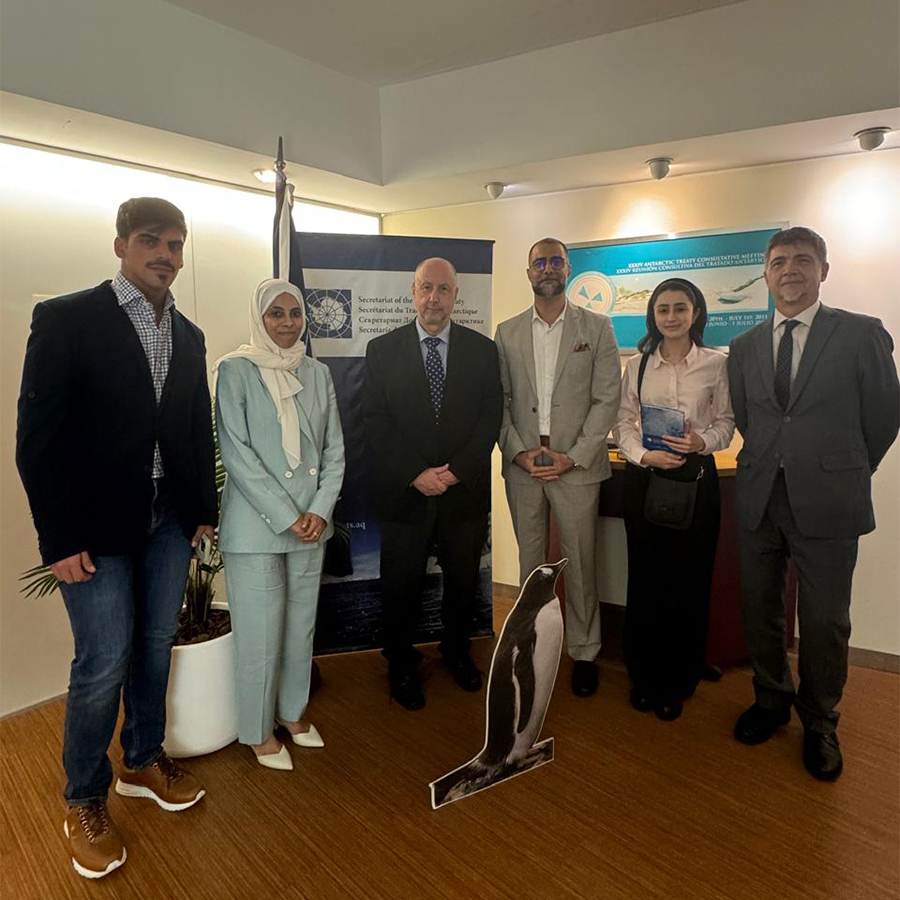
By acceding to the Treaty, the UAE has gained the opportunity to attend the Antarctic Treaty Consultative Meetings. It can also submit a national research proposal for approval or feedback and establish a physical presence in Antarctica.


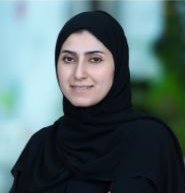
Mariam AlMheiri, Head of the International Affairs Office at the Presidential Court and Chair of the UAE Polar Mission Emirates Polar Program Steering Committee, said, “The Antarctic Treaty System aligns with the UAE’s vision for collective action as the key to solving the complex challenges we face as a result of climate change.”


She explained, “Acceding to the Treaty allows us to forge new collaborations and partnerships to pursue coordinated research into what is driving change in the polar regions. It also enables us to conduct international polar missions, and actively contribute to the protection of the region.”


One of the goals of the Emirates Polar Programme is to establish a physical presence in Antarctica and the Arctic. The ATS allows the programme to conduct research on the ground in Antarctica, and work is already underway to equip Emirati scientists with the skills and knowledge necessary to contribute to international polar missions.


Two Emiratis recently embarked on a mission to Antarctica, and a mission to the Arctic is scheduled for summer 2025.


She added, “The UAE is committed to building national scientific capacity, inspiring future generations to pursue a career in science, and driving global climate action. Acceding to the ATS marks a major step forward in our efforts to address this critical global challenge and keep pace with the latest scientific developments.”


The Treaty was officially acceded to on 11th December 2024 through the US Department of State. The ATS accession follows invitations for the UAE to participate in the Antarctica InSync programme and the 33rd Bulgarian Antarctic Expedition.


The Emirates Polar Programme is steered by the International Affairs Office at the Presidential Court, the Ministry of Foreign Affairs, the Ministry of Cabinet Affairs, the National Centre of Meteorology, and ATRC.


It includes the launch of a Polar Research Centre at Polar Research Center and brings together scientists and experts to address polar science challenges.
UAE and India Forge Strategic Collaboration in Polar Research

The United Arab Emirates (UAE) and the Republic of India have taken a monumental step in strengthening their Comprehensive Strategic Partnership by signing a landmark Memorandum of Understanding (MoU) on polar research. This pioneering agreement in scientific cooperation marks a new chapter in bilateral relations, venturing into a field of critical global importance.


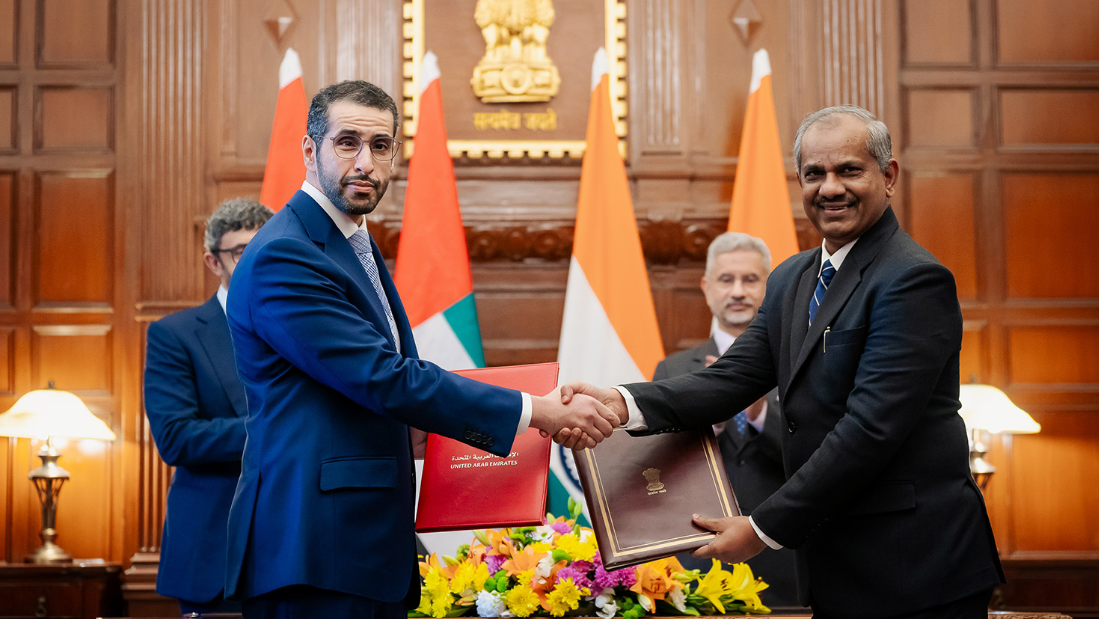
The MoU, exchanged between the Emirates Polar Program and the National Centre for Polar and Ocean Research (NCPOR) of India, was formalized during the 15th round of the UAE-India Joint Committee Meeting. The signing ceremony was officiated by H.E. Abdulla Balalaa, Assistant Minister for Energy and Sustainable Affairs and Deputy Chair of the UAE Polar Mission Steering Committee, and Dr. Ravichandran, Secretary of the Ministry of Earth Sciences.


This collaboration aims to facilitate joint efforts in polar research, academic exchanges, and capacity building, enhancing both nations’ presence and contributions in the polar regions. By leveraging India’s extensive experience in polar research, the UAE seeks to develop its capabilities and inspire future scientists.


HE Abdulla Balalaa emphasized the significance of this collaboration, stating “This partnership epitomizes the UAE’s commitment to scientific excellence through global cooperation. By harnessing India’s wealth of experience in polar research, we are not only enhancing our national capabilities but also paving the way for future generations to make groundbreaking discoveries in this critical field.”


The Emirates Polar Programme, established to position the UAE as a leader in polar science, stands to benefit significantly from this partnership. This program focuses on participating in international missions to Antarctica and the Arctic, supporting global climate action, and contributing to the understanding of polar environment. Through these endevors, the UAE demonstrates its commitment to global scientific cooperation and environmental stewardship in polar regions.


The expansion into polar research complements existing robust UAE-India cooperation in vital sectors such as defense, energy, trade, and emerging technologies, It underscores both nations’ shared commitment to advancing scientific knowledge, addressing global climate challenges and promoting environmental stewardship.


By venturing into this new frontier of collaboration, the UAE and India are not only deepening their strategic partnership but also positions both nations at the forefront of global efforts to understand and preserve the world’s polar regions.

UAE Antarctic Research Programme Workshop

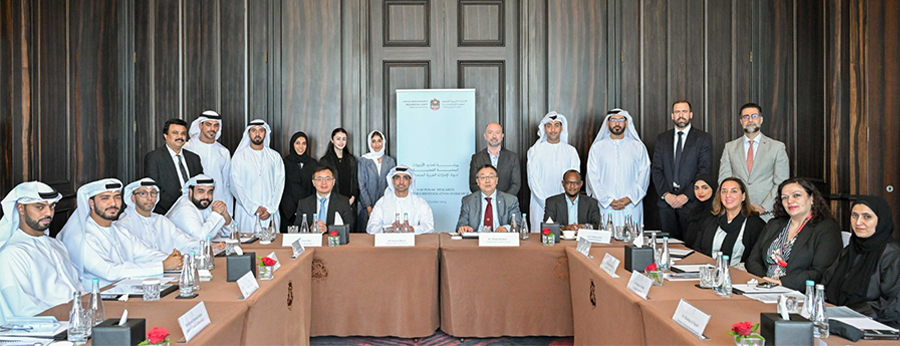
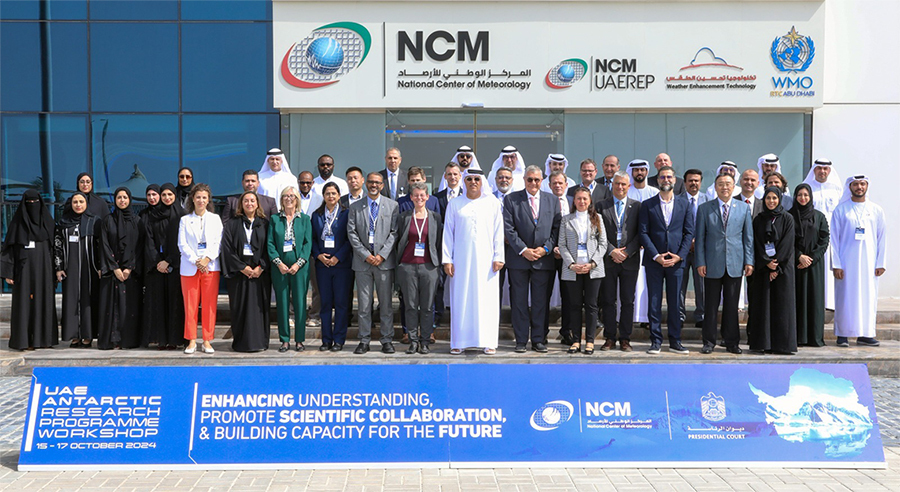
The UAE Antarctic Research Programme Workshop was convened in Abu Dhabi by the UAE National Meteorological Center (NCM) with the aim of seeking input from the international Antarctic research community to the development of a UAE Antarctic Program to ensure both its alignment with the overall priorities for Antarctic research laid out by the Scientific Committee on Antarctic Research (SCAR) and other international coordination bodies and it’s complementarity to other existing national Antarctic research programs.


The primary objectives of the UAE Antarctic Research Programme Workshop were to:

  • Enhance the understanding of the current global research priorities and activities in Antarctica and the role of Antarctic systems in climate change and global climate processes within the UAE research and policy community.

  • Promote networking and collaboration between UAE researchers, institutions, and policymakers interested in or already involved in Antarctic research and the global Antarctic research community.

UAE Polar Research Priorities Identification Workshop

The UAE Polar Program Steering Committee, through the International Affairs Office initiated a series of consultations over the past few months, with public, private, and academic stakeholders to help shape the strategic research agenda.


Several focus group discussions and workshops, including the workshop hosted by the National Center of Meteorology have helped identify the needs. Hosted by the International Affairs Office at the Presidential Court and the UAE Polar Mission Emirates Polar Program Steering Committee, this workshop represented the final phase of the process. It focused on developing a high-level strategic research agenda.

RoboCup Asia-Pacific 2025 will test teams’ skills in developing autonomous systems during Abu Dhabi Autonomous Week

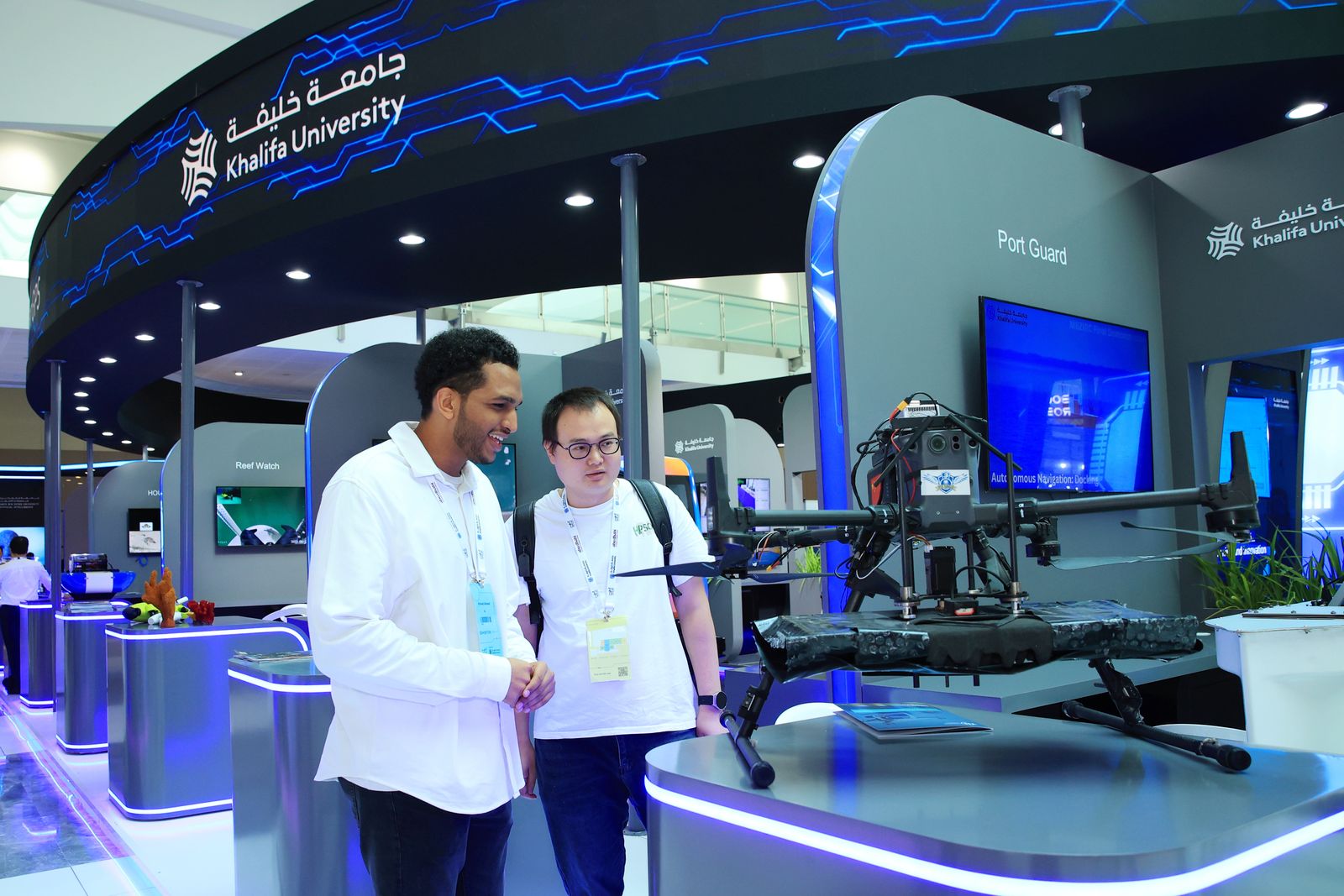
Khalifa University of Science and Technology is organising RoboCup Asia-Pacific (RCAP) 2025, taking place from 10-15 November 2025, with the support of the Smart and Autonomous Systems Council (SASC), the entity tasked with shaping advanced mobility policies, fostering global collaboration, and setting the strategic direction of Abu Dhabi’s smart and autonomous technologies sector.


The event will be held as part of the inaugural Abu Dhabi Autonomous Week (ADAW), which will be held under the patronage of His Highness Sheikh Hamdan bin Mohamed bin Zayed Al Nahyan, Deputy Chairman of the Presidential Court for Special Affairs, and Chairman of the Smart and Autonomous Systems Council.


Taking place for the first time in the Middle East and North Africa region, RCAP 2025 marks the event’s eighth edition and will be held at ADNEC Centre Abu Dhabi. The competition is set to attract up to 1,900 participants from around the world to compete in a series of AI-driven robotics challenges across eight leagues and 15 sub-leagues throughout the week.


RCAP 2025 will host 34 competitions across all categories, including 14 in the major leagues and 20 in the junior division, spanning soccer, rescue, industrial, and home robotics, the leagues will include RoboCupSoccer, RoboCupRescue, RoboCup@Home, RoboCupIndustrial and RoboCupJunior. The six-day programme will also include the RCAP Industry-Sponsored League and a series of RCAP Demonstrations and RCAP Challenges.


Dr Hamad Karaki, Associate Professor of Mechanical and Nuclear Engineering at Khalifa University and General Chairman of RCAP 2025, said: “Khalifa University is privileged to organise RoboCup Asia-Pacific 2025, during ADAW 2025, to demonstrate its crucial role in knowledge-economy diversification. Scientists, researchers, academics and industry leaders at the event will witness the innovative spark and competitive spirit among participating teams. RCAP 2025 and ADAW will demonstrate the UAE’s status as one of the increasingly vibrant global hubs for innovation in AI and robotics systems.”


Focusing on global themes of Sustainability, Transforming Industries, Energy-Efficient Robotics, Sustainable Manufacturing, and AI-Driven Sustainable Models, RCAP 2025 will encourage participating teams to design eco-friendly robots, use recyclable materials, and apply AI to optimise resource management.


ADAW will convene industry leaders, innovators, policymakers and investors to help shape the development and accelerate the adoption of autonomous solutions. Commencing on 10 November with the Abu Dhabi Autonomous Summit, organised by SASC, the week-long programme will provide a strategic platform for high-level dialogue, policy development, and investment opportunities that will define the next chapter of autonomous systems worldwide.


The inaugural ADAW will also feature the DRIFTx exhibition from 10-12 November, and the 2nd Abu Dhabi Autonomous Racing League (A2RL) on 15 November, showcasing the emirate’s commitment to fostering a competitive, collaborative and innovation-driven ecosystem, and reinforcing its role as a global leader in the safe and sustainable deployment of smart systems and advanced mobility technologies.

Khalifa University and The Global Institute for Disease Elimination (GLIDE) Sign MoU to Advance Public Health

Collaboration Aligns with UAE’s Long-Standing Commitment to Combating Infectious Diseases Regionally and Worldwide


Khalifa University of Science and Technology and The Global Institute for Disease Elimination (GLIDE) today announced they have signed a Memorandum of Understanding (MoU) to collaborate on capacity-strengthening initiatives aimed at enhancing public health systems and accelerating global progress toward the elimination of infectious diseases.


The Disease Elimination and Eradication Course (DEEC) will take place at Khalifa University in March 2026, welcoming delegations from across the Middle East and North Africa (MENA) region.


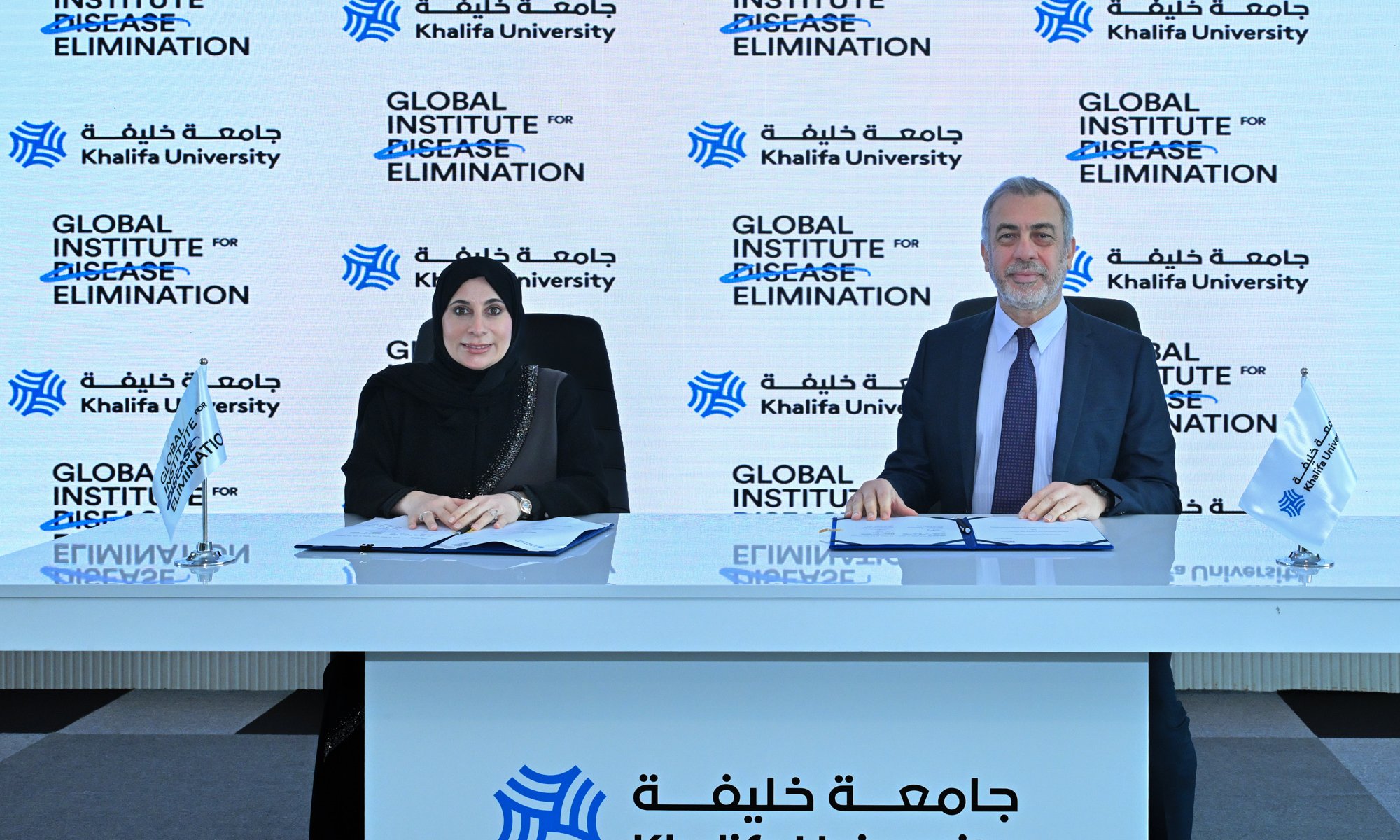
The MoU was signed by Professor Bayan Sharif, Provost, Khalifa University, and HE Dr Farida Al Hosani, Deputy CEO, Global Institute for Disease Elimination, during the Khalifa University Public Health Symposium 2025, held at the University’s Main Campus. International experts and policymakers had gathered for the day-long symposium to discuss pressing challenges in communicable and non-communicable diseases. Through its College of Medicine and Health Sciences, Khalifa University is leading in health innovations, focusing on AI-powered systems for remote diagnosis, advanced biomedical designs, and research into precision healthcare and antimicrobial resistance.


Aligning with the UAE’s long-standing commitment to combating infectious diseases worldwide, Khalifa University and GLIDE will explore collaboration in key areas, including knowledge exchange at Khalifa University through GLIDE’s Disease Elimination & Eradication Course (DEEC), GLIDE’s Injaz Fellowship Program, as well as guest lectures and other future joint initiatives.


Professor Bayan Sharif said: “At a moment when resilient health systems are more critical than ever, this collaboration reflects our shared vision of advancing and strengthening education and research to support a stronger, and more adaptable healthcare ecosystem. Khalifa University’s expertise in biomedical sciences, genomics, and AI-driven healthcare complements GLIDE’s global leadership in tackling infectious diseases and together, we aim to create impact that reaches beyond the UAE and across the world.”


Dr. Habiba Alsafar, Dean, College of Medicine and Health Sciences, said: “This collaboration which links Khalifa University’s academic and research capacity with GLIDE’s international network. This helps to create opportunities for our faculty, students and researchers to contribute to programs that directly address diseases, while building the skills and solutions needed to tackle future health threats, thereby extending the UAE’s legacy in mitigating infectious diseases into new areas of education and discovery.”


Simon Bland CBE, CEO, said, “This partnership with Khalifa University marks an important step in building the knowledge and expertise needed to eliminate infectious diseases. By combining GLIDE’s mission-driven approach with the university’s world-class research capabilities, we can strengthen public health capacity in the UAE and beyond and drive tangible progress toward disease elimination.”


Dr. Farida Al Hosani said, “Collaboration is key to ending infectious diseases. Through this MoU, we are not only investing in cutting-edge research and education but also empowering the next generation of public health leaders. In line with the UAE’s vision to be a global hub for innovation and health, this partnership will help support national capacity and deliver sustainable solutions that protect communities and accelerate progress towards a disease-free future.”


Among its pioneering health innovations, Khalifa University has developed CareX, an AI-powered system for remote diagnosis and chronic disease management, 3D-printed polymeric knee implants, a UAE-first in biomedical design and materials, Research into neurodegenerative diseases in children with autism spectrum disorder, The Emirati Reference Genome Project, building a population-specific genome for precision healthcare in the UAE, One Health genomics studies tracking the spread of antimicrobial resistance, and Bioelectronic Chips for precision diagnostics and IGenRare, an AI assistant for rare disease diagnosis.


GLIDE works to advance global thinking and accelerate progress towards disease elimination and eradication, and currently focuses on four diseases: Malaria, Polio, Lymphatic Filariasis, and River Blindness.

INTRATOMICS and UK’s Paragraf Sign MoU to Pioneer Next-Generation Graphene-Based Sensor Technologies

  • INTRATOMICS to Lead Functional Material Synthesis for Integration with Paragraf Graphene Sensors
  • Paragraf to Focus on Engineering and Device Development of their Proprietary GFET Platform for Target Application Spaces

Khalifa University of Science and Technology today announced that INTRATOMICS Advanced Material Technologies (INTRATOMICS), a subsidiary of Khalifa University Enterprises Company (KUEC), has signed a memorandum of understanding (MoU) with Paragraf, the UK-based company pioneering the commercialization of graphene-based electronics using standard semiconductor processes, to jointly develop advanced graphene-enabled sensor solutions.


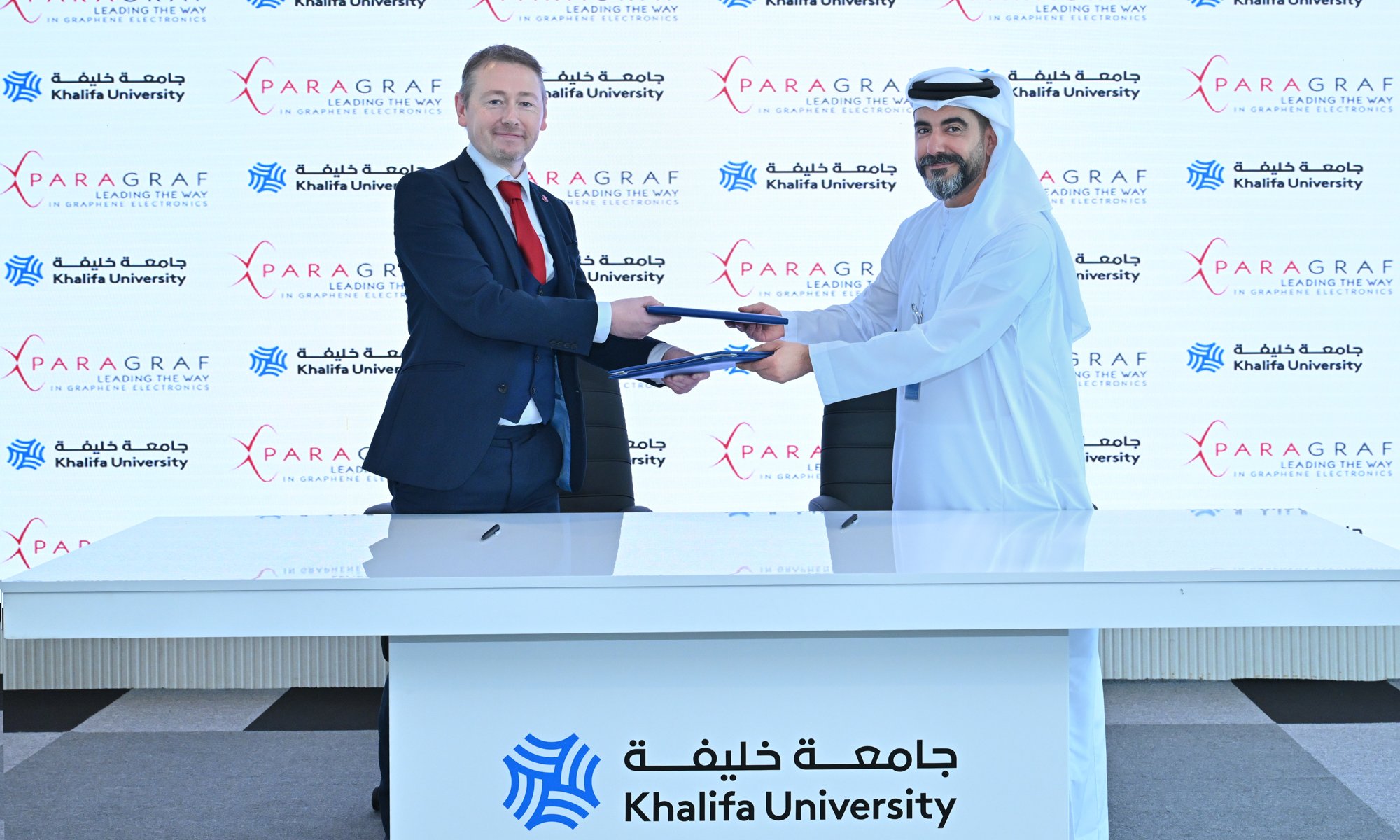
The MoU was signed by Fahad Al Absi, Chief Executive Officer of INTRATOMICS, and Dr. Simon Thomas, Chief Executive Officer of Paragraf, during a ceremony at Khalifa University’s Main Campus in Abu Dhabi.


Under the agreement, INTRATOMICS will focus on material synthesis of metal oxides, and functionalization of Paragraf devices through the application of the metal oxide onto the Paragraf graphene sensing layer. Paragraf will lead on system integration, engineering, design, and development of the graphene-based sensing technology based on the company’s existing GFET platform. Together, the partners aim to deliver highly sensitive, selective, and stable sensors capable of detecting hazardous gases and environmental contaminants with unprecedented precision — enabling safer operations, improved compliance, and more-efficient industrial processes.


Her Excellency Amal Al Jaberi, CEO of KUEC, said: “We are proud that INTRATOMICS is entering into this strategic partnership with Paragraf, a global leader in graphene-based sensor technology. This collaboration embodies the role of KUEC in advancing university-born technologies into market-ready solutions, strengthening the UAE’s innovation ecosystem. We believe this partnership will deliver new technologies with wide-ranging benefits for industrial and commercial stakeholders.”


Fahad Al Absi, CEO of INTRATOMICS, said: “At INTRATOMICS, our mission is to translate cutting-edge research into industrial applications that matter. By combining our expertise in materials science with Paragraf’s engineering excellence, we are creating pathways to disruptive sensor technologies that can redefine safety and performance benchmarks across multiple industries.”


Dr. Simon Thomas, CEO of Paragraf, said: “Partnering with INTRATOMICS allows us to leverage their advanced capabilities in  material synthesis and functionalization. Together, we will accelerate the deployment of graphene-based sensors into real-world environments, unlocking new opportunities for both companies and driving global adoption of this breakthrough technology.”


This collaboration further reinforces Abu Dhabi’s role as a global hub for advanced materials and innovation, aligning with UAE Vision 2030 by fostering industrial diversification, strengthening knowledge-based industries, and creating new opportunities for high-tech exports.


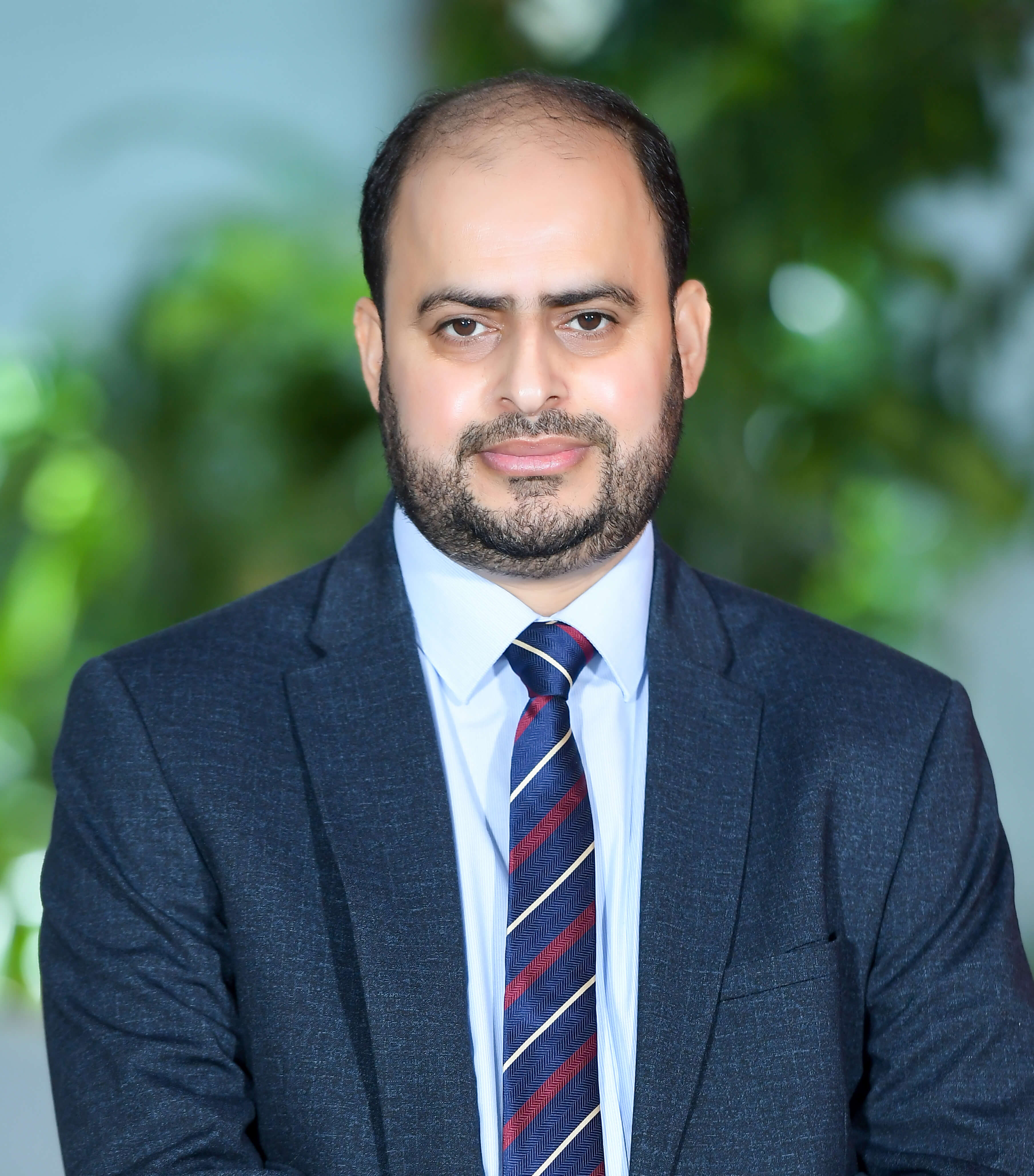
Clarence Michael 
English Editor – Specialist 

Khalifa University and Ducab Sign Strategic Agreement to Advance 2D Materials Research and Industrial Applications

Partnership Marks Beginning of Long-Term Research Collaboration Supported by ADQ’s Commitment to Fostering Research and Innovation


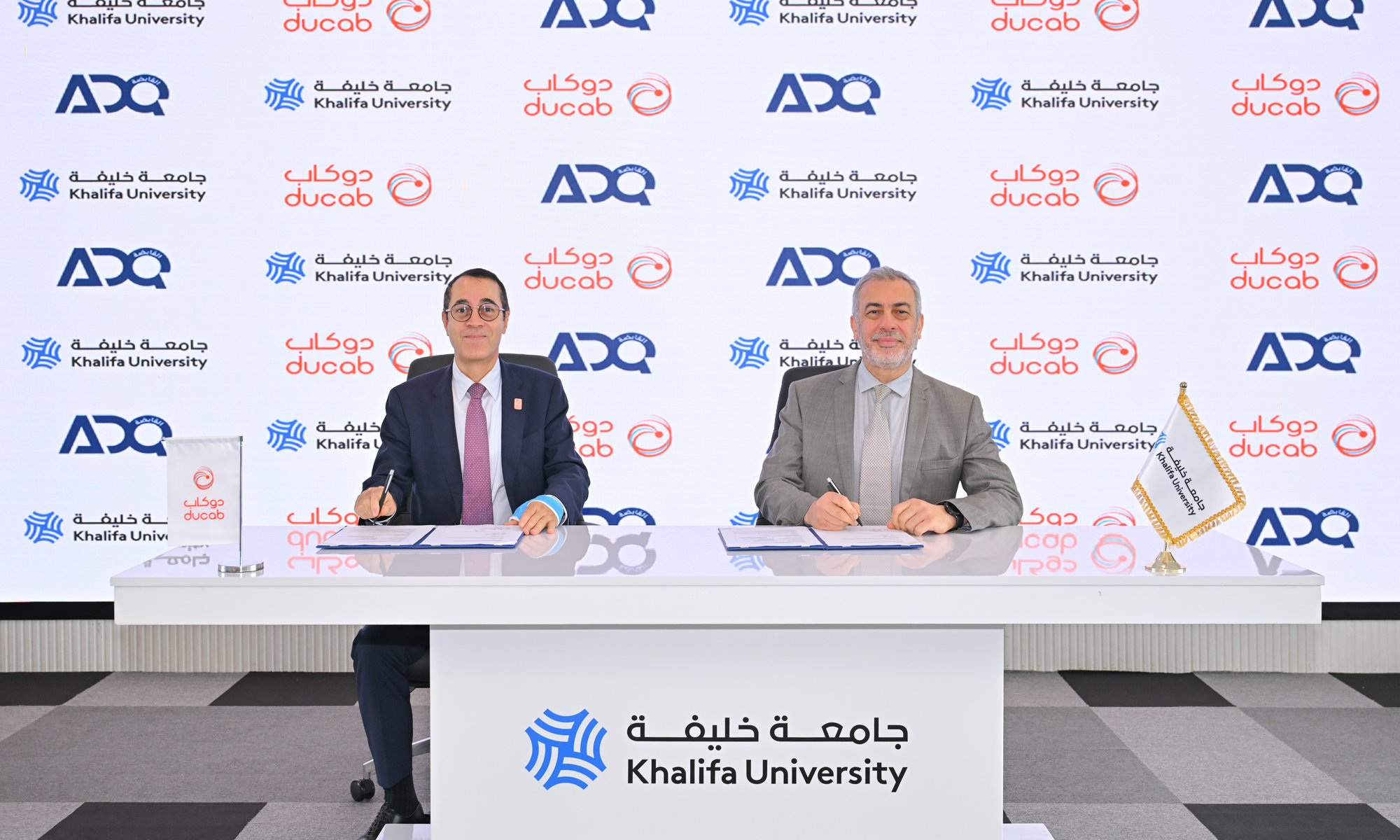
Khalifa University of Science and Technology and Ducab Group, one of the UAE’s leading end-to-end energy solutions providers and manufacturers of power and industrial products, announced the signing of a strategic partnership to advance research and industrial applications of two-dimensional (2D) nano materials. Supported by ADQ’s R&D Fund, the collaboration will drive a series of projects and initiatives aimed at strengthening the UAE’s leadership in advanced manufacturing and industrial innovation.


The first initiative under this partnership focuses on developing next-generation fire-retardant cable solutions by incorporating nanomaterials such as graphene and hexagonal boron nitride (hBN) into state-of-the-art polymer composites. This project represents the starting point of a long-term collaboration between Khalifa University and Ducab Group that will expand into future research and development activities aligned with ADQ’s investment in innovation and emerging technologies to deliver new industrial solutions.


The agreement was signed by Professor Bayan Sharif, Provost, Khalifa University and Charles- Edouard Mellagui, Chief Executive Officer of Ducab Cables Business. 


Professor Bayan Sharif said: This partnership with Ducab Group reflects Khalifa University’s mission to create industrial impact through advanced research, while nurturing the next generation of innovators. Alongside our world class faculty, the collaboration will engage our students, providing hands-on experience in solving real-world industrial challenges, especially in advancing research and industrial applications of 2D materials and fire safety. Together, and in line with ADQ, we will continue to advance national capabilities, while driving the UAE’s future industrial transformation.”


Charles-Edouard Mellagui, Chief Executive Officer of Ducab Cables Business, said: “This initiative marks an important step in Ducab’s journey to champion advanced technologies that set new benchmarks in safety, reliability, and performance across critical power cable fields and applications. By working closely with Khalifa University and under the umbrella of ADQ’s commitment to innovation, we are not only strengthening our R&D capabilities but also ensuring that the UAE remains at the forefront of industrial advancement. Together, we are building solutions today that will power a safer and more sustainable tomorrow.”


The Khalifa University research team will be led by Dr Yarjan Abdul Samad, Assistant Professor, Aerospace Engineering, with contributions from Prof. Kyriaki Polychronopoulou, Center Director, Center for Catalysis and Separation and a professor, Mechanical & Nuclear Engineering, and Dr Imad Barsoum, Associate Professor, Mechanical & Nuclear Engineering, supported by postdoctoral researchers and PhD students, who will work closely with Ducab engineers.


The research outcome of the project will contribute to reducing material usage by up to 20%, cut production costs, and improve the durability and safety of cables, which remains a vital step in advancing both industrial efficiency and public safety. The project aims to advance to technology readiness level (TRL) 4–6, bridging laboratory breakthroughs with industrial-scale implementation. Upon completion, it will pave the way for scalable adoption of these fire-retardant composites across Ducab’s product lines, while future projects under the partnership will expand 2D nano materials research into new industrial applications.

How Atomically Precise Copper Nanoclusters Could Reshape Carbon Capture

Atomically precise copper nanoclusters could convert carbon dioxide into valuable hydrocarbons, offering a promising route for sustainable carbon recycling finds new study from Khalifa University


Tune in to explore future clean fuels


Copper is revealing new tricks at the atomic scale. In a recent review from Khalifa University, researchers Dr. Ahsan Ul Haq Qurashi and Abdul Mannan Butt highlight how copper nanoclusters — tiny, precisely structured aggregates of copper atoms stabilized by organic ligands — are emerging as one of the most promising electrocatalysts for transforming carbon dioxide into valuable fuels. Their findings were published in Coordination Chemistry Reviews


Carbon dioxide is stable, making its chemical conversion challenging and energy-intensive. While many catalysts exist, few can selectively and efficiently reduce CO2 into useful multi-carbon products like ethylene or ethanol. Atomically precise copper nanoclusters, however, show a unique ability to do just that. 


The review outlines how these Cu-NCs, often protected by organic monolayers, bring together several favorable properties: high surface-to-volume ratios, quantum confinement effects, and tunable ligand shells. This combination allows researchers to fine-tune catalytic performance down to individual atoms and bonds.


Interestingly, copper stands apart from metals like silver and gold in its ability to form C–C bonds, enabling the creation of multicarbon compounds from CO₂. This ability is linked to copper’s electronic structure, its weak hydrogen adsorption (which suppresses side reactions like hydrogen evolution), and its capacity to stabilize reactive intermediates during CO₂ reduction.


Ahsan Ul Haq Qurashi

““Copper nanoclusters give us atomic-level control over catalytic processes, allowing us to target specific carbon dioxide reduction products with much higher precision and efficiency.””

Ahsan Ul Haq Qurashi, Associate Professor, Khalifa University


The paper also explores how subtle differences—like the shape of the metal core, the type of ligand, or the presence of dopants—can shift the product outcome from carbon monoxide to methane, ethanol, or ethylene.


Though many of the examples are still confined to lab-scale systems, the insights from this atomic-level work pave the way for designing better CO₂ reduction systems. The broader goal is to transform captured carbon into fuels or chemicals, potentially closing the loop on carbon emissions with clean electricity as the energy source.

As this field advances, copper nanoclusters may help make electrocatalytic carbon conversion a practical component of climate mitigation technologies.


Jade Sterling
Science Writer

Professor Elected as Fellow of the Royal College of Pathologists

Dr. Dean Everett Awarded Prestigious Distinction for Achievements, Expertise and Competence in the Field of Microbiology


Khalifa University’s Dr. Dean Everett, Professor, Public Health and Epidemiology, is elected as Fellow of the Royal College of Pathologists (FRCPath) in recognition of his published research in microbiology. 

The Fellowship is one of the most distinguished professional honors in the field and it is conferred on select scientists and clinicians across the UK and the Commonwealth who have made outstanding contributions to pathology. Dr. Everett will formally receive the postnominal FRCPath (Res), a globally recognized indicator of specialist status, at an induction ceremony. He was nominated by existing fellows and has had a career in microbiology spanning over 20 years. After an 18-month screening period by various committees, he was put forward for acceptance.

An internationally recognized molecular microbiologist, Dr. Everett has dedicated his career to advancing research on pathogen genomics, antimicrobial resistance (AMR), and infectious disease surveillance. He spent over two decades working in Africa, followed by serving as Chair of Molecular Microbiology and Global Health at the University of Edinburgh, before joining Khalifa University. 

At Khalifa University, Dr. Everett is leading efforts to establish the national AMR surveillance consortium in the UAE, supporting the country’s preparedness against the growing global challenge of antimicrobial resistance. He has published 115 papers, with approximately 40-50% as first and second author. Mostly cited for his research in Africa and now the Middle East, his recent publication appeared in The Lancet: Avian Influenza-The next travel-associated pandemic? Proactive One Health surveillance is required to reduce the risk of the spread. His current research focuses on respiratory pathogens, including influenza and respiratory syncytial virus (RSV). He collaborates closely with the Abu Dhabi Public Health Center (ADPHC), contributing as a senior academic partner to its research agenda. He is principal investigator on several ongoing studies, including those targeting severe acute respiratory infections. 

In addition to his recent election, Dr. Everett is a Chartered Biologist (CBiol) with the Royal Society of Biology in the UK, a Fellow of the Institute of Biomedical Science (FIBMS), a Fellow of the Royal Society of Biology (FRSB) that reflects his sustained contribution to microbiology, biomedical science, and the advancement of global health research.

Dr. Everett said: “I am deeply honored to be elected as a Fellow of Royal College of Pathologists and this recognition reflects not only my research journey, but also the collaborative spirit that drives progress in microbiology and infectious disease research. At Khalifa University, I am proud to contribute to building the UAE’s capacity in antimicrobial resistance surveillance and global health, while mentoring the next generation of scientists who will carry this work forward.”

The College is a charity with over 13,000 members worldwide. Fellowship by Published Works at the Royal College of Pathologists is awarded to researchers with extensive experience who demonstrate a sustained contribution to their field. Candidates must submit at least 30 peer-reviewed publications, including 10 as first or senior author, showing clear impact within a specific research theme.


Alisha Roy
Science Writer

The Oceanographic Impact of Desalination in the Arabian Gulf

Khalifa University researchers find that desalination is reshaping the Arabian Gulf’s ocean circulation.

🎙️ How desalination is reshaping the Arabian Gulf – listen now.


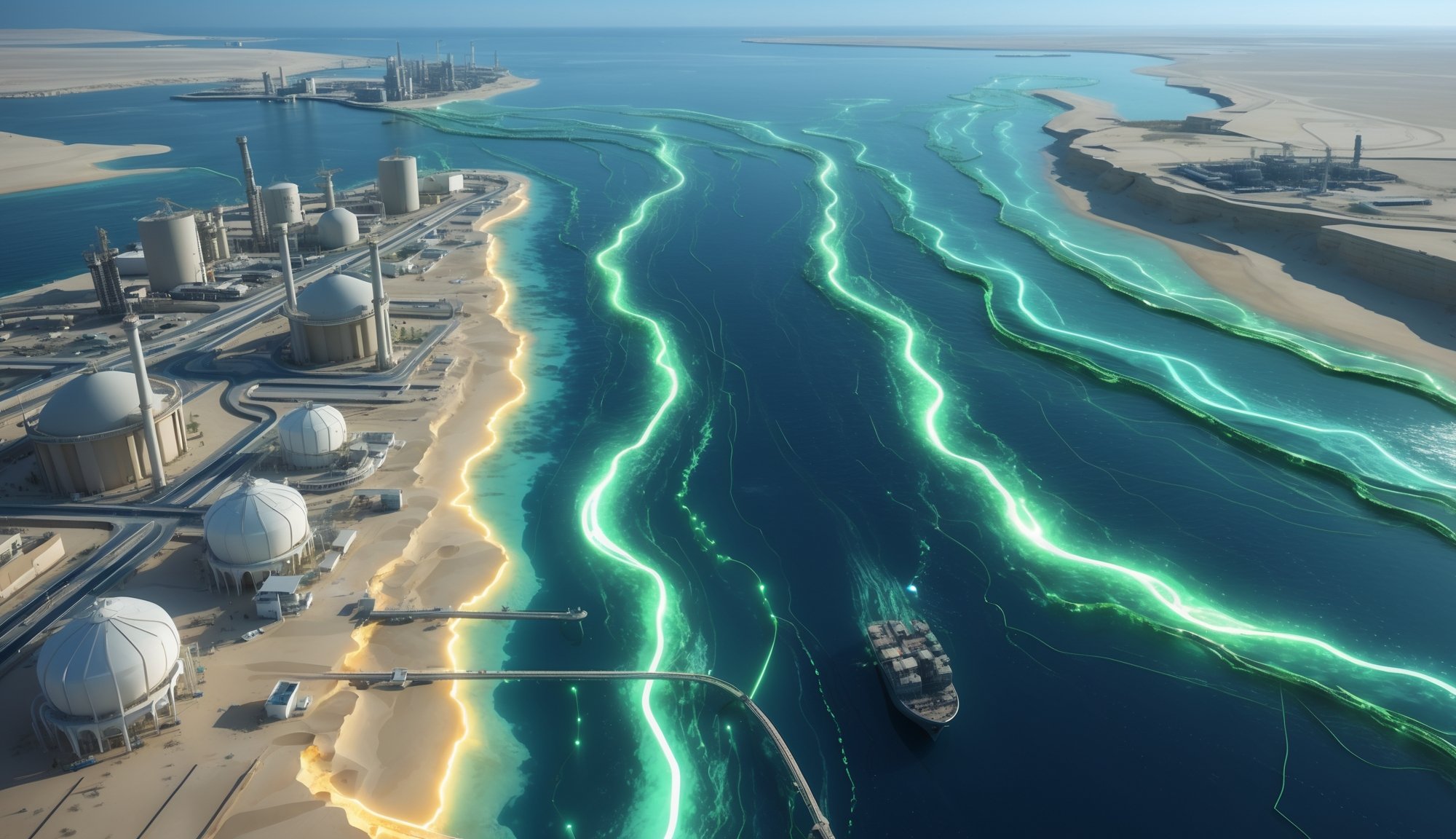
By 2050, desalination capacity in the Arabian Gulf is projected to increase more than sixfold. The discharge from these plants, a denser brine that is saltier and often warmer than ambient seawater, sinks and spreads along the seafloor. A new modeling study from Khalifa University’s Dr. Maryam Al Shehhi and Fahim Abdul Gafoor, with researchers from MIT and Yonsei University, Republic of Korea, explores the oceanographic costs of this brine. The results were published in Marine Pollution Bulletin and the results are clear: desalination alters local salinity and flow patterns significantly, but the Gulf’s natural dynamics may prevent the worst large-scale impacts, at least for now.


Using a high-resolution ocean model, the study simulated a range of desalination scenarios from none to a hypothetical 50-fold increase over current levels. In the most extreme scenario, bottom salinity near the southern coast increased by more than 2g/kg, and temperatures rose by 0.6C. These changes triggered shifts in local currents: fresher surface water was drawn towards desalination sites, while dense salty water sank and flowed out of the Gulf through the Strait of Hormuz. The study found a 20 percent increase in both inflow and outflow rates through the strait, strengthening the Gulf’s overturning circulation in both horizontal and vertical planes.


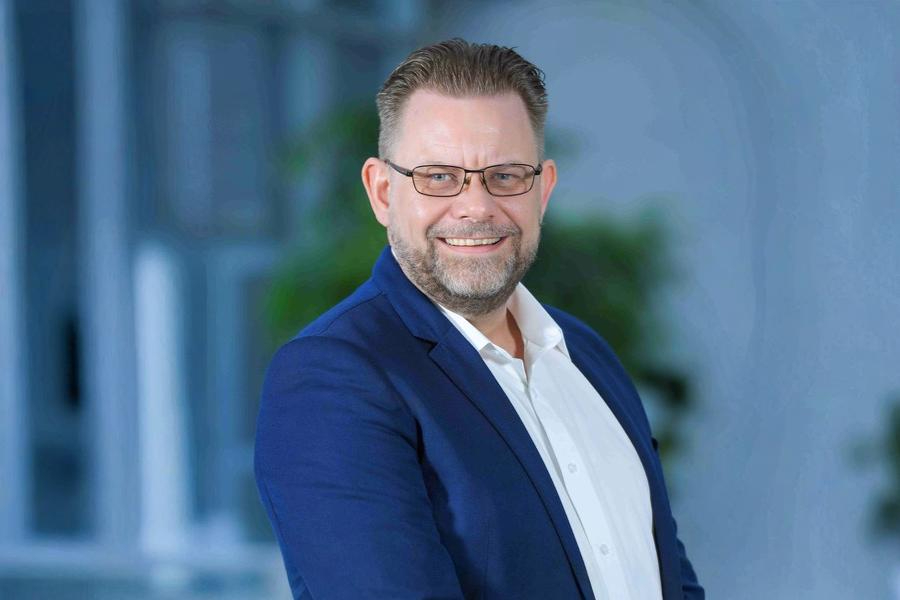
Dr. Lourdes

“The Arabian Gulf’s natural circulation offers a strong buffer against large-scale salinity buildup from desalination plants, but the risk to coastal ecosystems near the plants remains significant.”

Assistant Professor Maryam Al Shehhi, Khalifa University.


These changes are largely driven by density differences created by brine discharge. This mechanism not only alters local flow but also reinforces the Gulf’s natural exchange with the Sea of Oman. Despite significant local impacts, the researchers found that the Gulf’s basin-wide temperature and salinity remain relatively stable, thanks to this efficient exchange.


The study also highlights that the brine discharge enhances water mass transformation processes within the Gulf. These shifts could have longer-term implications for marine ecosystems, especially if combined with warming from climate change or further expansion of desalination infrastructure. The researchers caution that their findings represent upper-bound impacts, based on assumptions of uniform brine recovery and idealized plant distributions.


Jade Sterling
Science Writer 

Abu Dhabi Autonomous Summit to define the future of smart mobility as part of Abu Dhabi Autonomous Week 2025

The Abu Dhabi Autonomous Summit, organised by the Smart and Autonomous Systems Council (SASC) as part of the inaugural Abu Dhabi Autonomous Week (ADAW), will convene global leaders to define the next chapter of smart and autonomous mobility.


The summit will take place at the Vehicle Dynamic Area, Yas Marina Circuit on 10 November 2025. It will mark the start of Abu Dhabi Autonomous Week (10-15 November 2025), held under the patronage of His Highness Sheikh Hamdan bin Mohamed bin Zayed Al Nahyan, Deputy Chairman of the Presidential Court for Special Affairs and Chairman of the Smart and Autonomous Systems Council.


His Highness Sheikh Hamdan bin Mohamed bin Zayed Al Nahyan said: “The Smart and Autonomous Systems Council strives to accelerate sustainable transformation in the autonomous systems sector, ensuring their safe and efficient operation so that Abu Dhabi becomes a global model of innovation and an advanced hub leading the field of cutting-edge technologies.”


The programme will cover critical sector topics including: the convergence of air, land and sea for integrated urban mobility; the real-world deployment and scale-up of smart mobility models across public transport; global standards in AI governance and public trust of autonomous technologies; cross-sector collaboration to advance autonomy through industry integration; the future of flying in cities; AI-driven decision making; and designing industrial applications and deployment at scale for smart ports and cities.


Summit attendees will also discuss the future of scaling innovation, investment and impact, outlining investment and commercialisation pathways for technology, sustainability, and the talent needed to deliver it.


Running from 10-15 November, ADAW will host a series of autonomous events throughout the week. DRIFTx (10-12 November) will showcase smart and autonomous mobility solutions across land, sea, air and robotics in a live, interactive exhibition. RoboCup Asia-Pacific 2025, hosted by Khalifa University and held for the first time in the MENA region, will run from 10-15 November, and will bring together top international teams to compete in AI-driven autonomous robotics challenges.


ADAW will conclude on 15 November with the second edition of the Abu Dhabi Autonomous Racing League (A2RL), a motorsport display demonstrating the cutting edge of autonomous racing technology. Organised by ASPIRE and Abu Dhabi’s Advanced Technology Research Council (ATRC), the event will feature a US$2.25 million prize pool attended by elite research teams from 10 countries.


The hosting of the inaugural Abu Dhabi Autonomous Week highlights Abu Dhabi’s commitment to fostering a competitive, collaborative and innovation-driven ecosystem that enhances efficiency, connectivity and quality of life through the safe, sustainable deployment of autonomous technologies.